The Ultimate Guide to Laser Hair Removal Prices in Turkey: What You Need to know?

Laser hair removal has become a popular choice for individuals seeking a long-term solution to unwanted body hair. Turkey, known for its high-quality medical treatments and competitive prices, is a top destination for this cosmetic procedure.

If you’re considering laser hair removal in Turkey, understanding the pricing and factors involved is crucial.

This comprehensive guide will walk you through everything you need to know about the costs of laser hair removal in Turkey, including detailed breakdowns, factors affecting prices, and a comparison of prices across major cities.

Understanding Laser Hair Removal

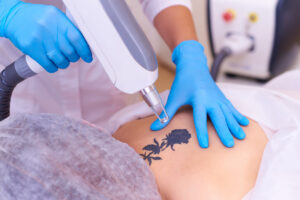
Laser hair removal uses concentrated light to target and destroy hair follicles, preventing future hair growth.

It’s a safe and effective method for reducing hair permanently, with treatments tailored to various skin types and hair colors. The procedure is typically performed in multiple sessions to achieve the best results.

Factors Affecting the Cost of Laser Hair Removal.

  • Number of Sessions Required: Laser hair removal is usually performed in multiple sessions, spaced several weeks apart, to ensure complete hair removal. The total number of sessions needed varies based on the individual’s hair growth cycle and the area being treated. Typically, 6 to 8 sessions are recommended for optimal results. The cost for a complete treatment course might range from $1,200 to $2,500, depending on the area.
  • Clinic and Practitioner: Prices can vary based on the clinic’s location, reputation, and the practitioner’s experience. High-end clinics with state-of-the-art equipment and highly qualified practitioners may charge more. However, these clinics often provide higher-quality services and better patient care.
  • Technology Used: Different types of lasers are used in hair removal, including Alexandrite, and Diode lasers. Clinics using advanced or newer technology may charge more, but this can lead to better results and fewer side effects.
  • Location: The cost of laser hair removal can vary significantly between cities in Turkey. Major cities like Istanbul, Ankara, and Izmir have different pricing structures, influenced by the local cost of living and competition among clinics. Here’s a comparative look:
  • Istanbul: Prices are typically higher due to the city’s high cost of living and high demand for cosmetic procedures. Expect to pay around $60 – $350 per session, depending on the treatment area.
  • Ankara: As the capital, Ankara offers slightly lower prices compared to Istanbul. Sessions generally range from $50 – $300.
  • Izmir: Known for its competitive pricing, Izmir might offer the most affordable options, with prices ranging from $45 – $280 per session.
  • Promotions and Packages: Many clinics offer promotional deals or package discounts. For instance, you might find a clinic offering a discount if you purchase multiple sessions upfront. It’s beneficial to inquire about such offers to reduce the overall cost of treatment.
  • Additional Costs: Besides the cost of the procedure itself, there may be additional expenses such as consultation fees, aftercare products, or follow-up appointments. These costs should be factored into your overall budget.

Prices of all types of the Laser Hair Removal procedure in Turkey.

Alexandrite Laser Hair Removal

Definition and Details:

The Alexandrite laser uses a wavelength of 755 nm, which is optimal for targeting melanin in hair follicles.

This type of laser is known for its speed and effectiveness, making it ideal for treating larger areas such as the legs or back.

Its wavelength allows it to penetrate the skin to a moderate depth, effectively targeting the hair follicle while minimizing damage to surrounding tissues.

The Alexandrite laser is most effective on lighter skin tones and can treat a variety of hair colors, though it is less effective on very light or gray hair. The laser’s large spot size enables it to cover more skin area in less time, which can reduce the number of sessions required.

Procedure Steps:

  • Initial Consultation: Discuss your hair removal goals and skin type with the practitioner.
  • Skin Assessment: Evaluate the skin type and hair color to determine the suitability of the Alexandrite laser.
  • Pre-Treatment Preparation: Cleanse and shave the treatment area to ensure optimal results.
  • Application of Gel: Apply a cooling gel to the treatment area to protect the skin and enhance comfort during the procedure.
  • Laser Treatment: Use the Alexandrite laser to target hair follicles with short pulses of light.
  • Cooling: Apply a cooling device or ice packs to reduce discomfort and prevent skin irritation.
  • Post-Treatment Care: Provide aftercare instructions and apply soothing products if necessary.
  • Follow-Up: Schedule follow-up appointments to monitor progress and plan additional sessions if needed.

Pricing:

  • Consultation Fee: $30 – $60
  • Upper Lip: $50 – $80 per session
  • Chin: $60 – $90 per session
  • Underarms: $80 – $120 per session
  • Bikini Line: $100 – $150 per session
  • Full Legs: $250 – $400 per session
  • Back: $300 – $450 per session
  • Additional Costs: Aftercare products ($20 – $50), follow-up visits ($30 – $60 each)

Nd Laser Hair Removal

Definition and Details:

The Nd laser operates at a wavelength of 1064 nm, which allows it to penetrate deeper into the skin, targeting the hair follicle without affecting the skin’s surface. This laser is particularly effective for darker skin types due to its ability to bypass the melanin in the skin and focus on the hair follicle. It is also effective for treating larger areas and coarser hair. The Nd

laser’s deeper penetration reduces the risk of pigmentation changes and is suitable for areas such as the back, chest, and legs.

This laser typically requires fewer sessions compared to others due to its deep penetration and efficacy.

Procedure Steps:

  • Initial Consultation: Discuss hair removal needs and any skin concerns with the practitioner.
  • Skin and Hair Analysis: Assess the suitability of the Nd
  • laser based on skin type and hair color.
  • Pre-Treatment Preparation: Shave and cleanse the treatment area to ensure a smooth application.
  • Application of Cooling Gel: Apply gel to protect the skin and enhance comfort.
  • Laser Treatment: Use the Nd
  • laser to deliver pulses of light to the hair follicles.
  • Post-Treatment Cooling: Use cooling devices or ice packs to soothe the treated area.
  • Aftercare Instructions: Provide guidelines for post-treatment care and skin maintenance.
  • Follow-Up Appointments: Schedule sessions to assess progress and complete the treatment plan.

Pricing:

  • Consultation Fee: $30 – $70
  • Upper Lip: $55 – $85 per session
  • Chin: $65 – $95 per session
  • Underarms: $85 – $125 per session
  • Bikini Line: $110 – $160 per session
  • Full Legs: $275 – $425 per session
  • Back: $325 – $475 per session
  • Additional Costs: Aftercare products ($25 – $55), follow-up visits ($35 – $65 each)

Diode Laser Hair Removal

Definition and Details:

The Diode laser operates at a wavelength of 810 nm, making it suitable for a broad range of hair and skin types.

This laser is particularly effective for treating medium to dark hair on light to medium skin tones. The Diode laser’s longer wavelength allows for deeper penetration into the skin, targeting the hair follicle while minimizing damage to the surface. It is effective for large treatment areas like the legs and back, and is known for its precision and efficiency.

The Diode laser typically offers quicker treatments with fewer sessions required compared to some other lasers.

Procedure Steps:

  • Consultation: Evaluate skin and hair type to determine suitability for Diode laser treatment.
  • Skin Preparation: Shave and clean the treatment area to prepare for the procedure.
  • Cooling Gel Application: Apply gel to protect the skin and enhance comfort during the treatment.
  • Laser Application: Use the Diode laser to deliver targeted pulses of light to the hair follicles.
  • Post-Treatment Cooling: Apply ice packs or a cooling device to soothe the area.
  • Aftercare Guidance: Provide instructions for post-treatment skin care and hair maintenance.
  • Follow-Up: Schedule additional sessions and monitor progress to ensure desired results.

Pricing:

  • Consultation Fee: $25 – $65
  • Upper Lip: $45 – $75 per session
  • Chin: $55 – $85 per session
  • Underarms: $70 – $110 per session
  • Bikini Line: $90 – $140 per session
  • Full Legs: $230 – $370 per session
  • Back: $280 – $420 per session
  • Additional Costs: Aftercare products ($15 – $45), follow-up visits ($25 – $55 each)

IPL (Intense Pulsed Light) Hair Removal

Definition and Details:

Although technically not a laser, IPL (Intense Pulsed Light) is a popular hair removal method that uses broad-spectrum light to target the pigment in hair follicles.

IPL is effective for a range of skin and hair types, but it is typically less precise than laser treatments due to its broader light spectrum.

It is suitable for treating larger areas quickly and is often chosen for its affordability compared to laser options.

IPL is effective for individuals with light to medium skin tones and darker hair, though it is less effective for very light or gray hair.

Procedure Steps:

  • Initial Consultation: Assess hair and skin types to determine IPL suitability.
  • Preparation: Cleanse and shave the treatment area to ensure the best results.
  • Application of Cooling Gel: Apply gel to protect the skin and improve comfort.
  • IPL Treatment: Use the IPL device to deliver broad-spectrum light to the hair follicles.
  • Post-Treatment Cooling: Apply cooling packs to reduce discomfort and skin irritation.
  • Aftercare Instructions: Provide guidance for skin care and maintenance after treatment.
  • Follow-Up: Schedule additional sessions to achieve desired results and monitor progress.

Pricing:

  • Consultation Fee: $20 – $50
  • Upper Lip: $40 – $70 per session
  • Chin: $50 – $80 per session
  • Underarms: $65 – $100 per session
  • Bikini Line: $85 – $130 per session
  • Full Legs: $200 – $350 per session
  • Back: $250 – $400 per session
  • Additional Costs: Aftercare products ($10 – $40), follow-up visits ($20 – $50 each)

Ruby Laser Hair Removal

Definition and Details:

The Ruby laser uses a wavelength of 694 nm, making it effective for targeting melanin in hair follicles with high precision.

It is particularly effective for individuals with light skin and dark hair due to its ability to differentiate between the pigment in the hair and the surrounding skin. Ruby lasers are less commonly used today but are known for their effectiveness in treating small areas and fine hair.

The Ruby laser can be more painful than other lasers due to its shorter wavelength, and it often requires more frequent treatments to achieve optimal results.

Procedure Steps:

  • Consultation: Discuss skin and hair types to ensure Ruby laser is suitable.
  • Preparation: Shave and clean the treatment area thoroughly.
  • Cooling Gel Application: Apply a cooling gel to protect the skin and minimize discomfort.
  • Laser Treatment: Use the Ruby laser to deliver targeted light pulses to the hair follicles.
  • Post-Treatment Cooling: Apply cooling packs or devices to soothe the treated area.
  • Aftercare Instructions: Provide detailed aftercare guidelines to ensure proper healing.
  • Follow-Up Sessions: Schedule additional sessions to complete the treatment plan and achieve the best results.

Pricing:

  • Consultation Fee: $30 – $60
  • Upper Lip: $55 – $85 per session
  • Chin: $65 – $90 per session
  • Underarms: $85 – $120 per session
  • Bikini Line: $100 – $150 per session
  • Full Legs: $270 – $420 per session
  • Back: $320 – $470 per session
  • Additional Costs: Aftercare products ($20 – $50), follow-up visits ($30 – $60 each)

Long-Pulsed Laser Hair Removal

Definition and Details:

Long-pulsed lasers, such as the Long-Pulsed emit light in longer pulses compared to other lasers. This feature allows for deeper penetration into the skin, making it effective for treating coarser hair and darker skin types. The longer pulse duration reduces the risk of skin damage and makes the procedure more comfortable for patients. Long-pulsed lasers are suitable for a wide range of treatment areas, from small areas like the upper lip to larger areas such as the legs and back.

Procedure Steps:

  • Initial Consultation: Assess hair and skin types to determine the suitability of long-pulsed laser treatment.
  • Preparation: Shave and clean the treatment area to ensure effective results.
  • Cooling Gel Application: Apply gel to protect the skin and enhance comfort during the procedure.
  • Laser Treatment: Use the long-pulsed laser to deliver extended pulses of light to the hair follicles.
  • Post-Treatment Cooling: Apply cooling devices or ice packs to reduce discomfort and prevent irritation.
  • Aftercare Guidance: Provide instructions for caring for the treated area and managing any side effects.
  • Follow-Up Appointments: Schedule additional sessions to complete the treatment and monitor progress.

Pricing:

  • Consultation Fee: $25 – $55
  • Upper Lip: $50 – $75 per session
  • Chin: $60 – $85 per session
  • Underarms: $75 – $110 per session
  • Bikini Line: $90 – $130 per session
  • Full Legs: $240 – $380 per session
  • Back: $290 – $430 per session
  • Additional Costs: Aftercare products ($15 – $45), follow-up visits ($25 – $55 each)

Fractional Laser Hair Removal

Definition and Details:

Fractional laser hair removal utilizes a technology that delivers laser light in fractional beams, treating only a fraction of the skin at a time.

This method reduces downtime and minimizes damage to the surrounding tissue, making it suitable for sensitive areas.

Fractional lasers can be effective for individuals with various skin tones and hair types, though they are often used for smaller areas or touch-ups. This approach provides precision and can be particularly beneficial for those seeking a less invasive option with shorter recovery times.

Procedure Steps:

  • Consultation: Determine if fractional laser is appropriate based on skin and hair types.
  • Preparation: Shave and clean the treatment area to ensure effective laser application.
  • Cooling Gel Application: Apply a cooling gel to protect the skin and reduce discomfort.
  • Fractional Laser Treatment: Use the fractional laser to deliver targeted light beams to the hair follicles.
  • Post-Treatment Cooling: Apply cooling packs or devices to soothe the treated area.
  • Aftercare Instructions: Provide care guidelines for maintaining skin health and managing any side effects.
  • Follow-Up: Schedule additional sessions as needed to achieve desired results and monitor progress.

Pricing:

  • Consultation Fee: $30 – $60
  • Upper Lip: $45 – $70 per session
  • Chin: $55 – $80 per session
  • Underarms: $70 – $100 per session
  • Bikini Line: $85 – $120 per session
  • Full Legs: $220 – $360 per session
  • Back: $270 – $410 per session
  • Additional Costs: Aftercare products ($20 – $50), follow-up visits ($30 – $60 each)

IPL (Intense Pulsed Light) Hair Removal

Definition and Details:

IPL (Intense Pulsed Light) is a non-laser method that uses broad-spectrum light to target hair follicles. This technique can treat various skin and hair types but is generally less precise than laser hair removal due to its broad light spectrum. IPL is effective for larger areas and is often chosen for its affordability.

It is suitable for light to medium skin tones with darker hair but may be less effective for very light or gray hair.

IPL treatments often require more sessions compared to laser methods, but it offers a non-invasive option for long-term hair reduction.

Procedure Steps:

  • Initial Consultation: Assess skin and hair types to determine IPL suitability.
  • Preparation: Cleanse and shave the treatment area thoroughly.
  • Cooling Gel Application: Apply gel to protect the skin and enhance comfort.
  • IPL Treatment: Use the IPL device to deliver broad-spectrum light to the hair follicles.
  • Post-Treatment Cooling: Apply cooling packs or devices to soothe the treated area.
  • Aftercare Instructions: Provide guidelines for skin care and managing side effects.
  • Follow-Up Sessions: Schedule additional appointments to achieve optimal results.

Pricing:

  • Consultation Fee: $20 – $50
  • Upper Lip: $40 – $70 per session
  • Chin: $50 – $80 per session
  • Underarms: $65 – $100 per session
  • Bikini Line: $85 – $130 per session
  • Full Legs: $200 – $350 per session
  • Back: $250 – $400 per session
  • Additional Costs: Aftercare products ($10 – $40), follow-up visits ($20 – $50 each)

Ruby Laser Hair Removal

Definition and Details:

The Ruby laser operates at a wavelength of 694 nm, known for its precision in targeting melanin in hair follicles.

It is particularly effective for individuals with light skin and dark hair due to its ability to distinguish between the pigment in the hair and the surrounding skin.

While less commonly used today compared to other lasers, the Ruby laser is effective for small treatment areas and fine hair.

It can be more painful than other laser options due to its shorter wavelength, and it may require more frequent treatments for optimal results.

Procedure Steps:

  • Consultation: Evaluate skin and hair types to ensure Ruby laser suitability.
  • Preparation: Shave and clean the treatment area thoroughly.
  • Cooling Gel Application: Apply gel to protect the skin and minimize discomfort.
  • Ruby Laser Treatment: Use the Ruby laser to deliver targeted light pulses to the hair follicles.
  • Post-Treatment Cooling: Apply cooling packs or devices to soothe the treated area.
  • Aftercare Instructions: Provide detailed aftercare guidelines for proper healing.
  • Follow-Up Sessions: Schedule additional sessions as needed to complete the treatment and achieve desired results.

Pricing:

  • Consultation Fee: $30 – $60
  • Upper Lip: $55 – $85 per session
  • Chin: $65 – $90 per session
  • Underarms: $85 – $120 per session
  • Bikini Line: $100 – $150 per session
  • Full Legs: $270 – $420 per session
  • Back: $320 – $470 per session
  • Additional Costs: Aftercare products ($20 – $50), follow-up visits ($30 – $60 each)

Long-Pulsed Laser Hair Removal

Definition and Details:

The Long-Pulsed laser is known for its extended pulse duration, which allows for deeper penetration into the skin.

This makes it particularly effective for treating coarser hair and darker skin types. The longer pulse duration reduces the risk of skin damage and enhances patient comfort during the procedure.

The Long-Pulsed laser is suitable for a wide range of treatment areas, from small zones like the upper lip to larger areas such as the legs and back. Its ability to penetrate deeper into the skin makes it effective for targeting stubborn hair follicles that may be resistant to other laser types.

Procedure Steps:

  • Consultation: Assess suitability for Long-Pulsed based on skin and hair characteristics.
  • Preparation: Cleanse and shave the treatment area to ensure effective laser application.
  • Cooling Gel Application: Apply a cooling gel to protect the skin and enhance comfort.
  • Laser Treatment: Use the Long-Pulsed laser to deliver extended pulses of light to the hair follicles.
  • Post-Treatment Cooling: Apply cooling devices or ice packs to soothe the area and reduce discomfort.
  • Aftercare Instructions: Provide detailed aftercare guidelines to ensure proper skin recovery and maintenance.
  • Follow-Up Appointments: Schedule additional sessions to achieve optimal results and monitor progress.

Pricing:

  • Consultation Fee: $25 – $55
  • Upper Lip: $50 – $75 per session
  • Chin: $60 – $85 per session
  • Underarms: $75 – $110 per session
  • Bikini Line: $90 – $130 per session
  • Full Legs: $240 – $380 per session
  • Back: $290 – $430 per session
  • Additional Costs: Aftercare products ($15 – $45), follow-up visits ($25 – $55 each)

Prices of the Laser Hair Removal in Istanbul, Ankara, and Izmir.

Alexandrite Laser Hair Removal

Istanbul:

  • Upper Lip: $55 – $85 per session
  • Chin: $70 – $95 per session
  • Underarms: $90 – $125 per session
  • Bikini Line: $110 – $155 per session
  • Full Legs: $250 – $400 per session
  • Back: $300 – $450 per session
  • Additional Costs: Aftercare products ($20 – $50), follow-up visits ($30 – $60 each)

Ankara:

  • Upper Lip: $50 – $80 per session
  • Chin: $65 – $90 per session
  • Underarms: $85 – $120 per session
  • Bikini Line: $100 – $145 per session
  • Full Legs: $230 – $370 per session
  • Back: $280 – $420 per session
  • Additional Costs: Aftercare products ($15 – $45), follow-up visits ($25 – $55 each)

Izmir:

  • Upper Lip: $60 – $90 per session
  • Chin: $75 – $100 per session
  • Underarms: $95 – $130 per session
  • Bikini Line: $115 – $160 per session
  • Full Legs: $240 – $380 per session
  • Back: $290 – $430 per session
  • Additional Costs: Aftercare products ($25 – $55), follow-up visits ($35 – $65 each)

Diode Laser Hair Removal

Istanbul:

  • Upper Lip: $50 – $80 per session
  • Chin: $65 – $90 per session
  • Underarms: $80 – $115 per session
  • Bikini Line: $100 – $140 per session
  • Full Legs: $220 – $360 per session
  • Back: $270 – $410 per session
  • Additional Costs: Aftercare products ($15 – $45), follow-up visits ($25 – $55 each)

Ankara:

  • Upper Lip: $45 – $75 per session
  • Chin: $60 – $85 per session
  • Underarms: $75 – $110 per session
  • Bikini Line: $90 – $130 per session
  • Full Legs: $200 – $340 per session
  • Back: $250 – $390 per session
  • Additional Costs: Aftercare products ($10 – $40), follow-up visits ($20 – $50 each)

Izmir:

  • Upper Lip: $55 – $85 per session
  • Chin: $70 – $95 per session
  • Underarms: $85 – $120 per session
  • Bikini Line: $105 – $145 per session
  • Full Legs: $230 – $370 per session
  • Back: $280 – $420 per session
  • Additional Costs: Aftercare products ($20 – $50), follow-up visits ($30 – $60 each)

Nd Laser Hair Removal

Istanbul:

  • Upper Lip: $60 – $90 per session
  • Chin: $75 – $100 per session
  • Underarms: $90 – $125 per session
  • Bikini Line: $110 – $150 per session
  • Full Legs: $260 – $410 per session
  • Back: $310 – $460 per session
  • Additional Costs: Aftercare products ($20 – $50), follow-up visits ($30 – $60 each)

Ankara:

  • Upper Lip: $55 – $85 per session
  • Chin: $70 – $95 per session
  • Underarms: $85 – $120 per session
  • Bikini Line: $100 – $140 per session
  • Full Legs: $240 – $380 per session
  • Back: $290 – $430 per session
  • Additional Costs: Aftercare products ($15 – $45), follow-up visits ($25 – $55 each)

Izmir:

  • Upper Lip: $65 – $95 per session
  • Chin: $80 – $105 per session
  • Underarms: $95 – $130 per session
  • Bikini Line: $115 – $155 per session
  • Full Legs: $250 – $390 per session
  • Back: $300 – $440 per session
  • Additional Costs: Aftercare products ($25 – $55), follow-up visits ($35 – $65 each)

IPL (Intense Pulsed Light) Hair Removal

Istanbul:

  • Upper Lip: $40 – $70 per session
  • Chin: $50 – $80 per session
  • Underarms: $65 – $100 per session
  • Bikini Line: $85 – $130 per session
  • Full Legs: $200 – $350 per session
  • Back: $250 – $400 per session
  • Additional Costs: Aftercare products ($10 – $40), follow-up visits ($20 – $50 each)

Ankara:

  • Upper Lip: $35 – $65 per session
  • Chin: $45 – $75 per session
  • Underarms: $60 – $95 per session
  • Bikini Line: $80 – $125 per session
  • Full Legs: $190 – $340 per session
  • Back: $240 – $390 per session
  • Additional Costs: Aftercare products ($10 – $35), follow-up visits ($15 – $45 each)

Izmir:

  • Upper Lip: $50 – $80 per session
  • Chin: $60 – $85 per session
  • Underarms: $75 – $105 per session
  • Bikini Line: $90 – $135 per session
  • Full Legs: $210 – $360 per session
  • Back: $260 – $410 per session
  • Additional Costs: Aftercare products ($15 – $45), follow-up visits ($25 – $55 each)

Ruby Laser Hair Removal

Istanbul:

  • Upper Lip: $55 – $85 per session
  • Chin: $65 – $90 per session
  • Underarms: $85 – $120 per session
  • Bikini Line: $100 – $150 per session
  • Full Legs: $270 – $420 per session
  • Back: $320 – $470 per session
  • Additional Costs: Aftercare products ($20 – $50), follow-up visits ($30 – $60 each)

Ankara:

  • Upper Lip: $50 – $80 per session
  • Chin: $60 – $85 per session
  • Underarms: $75 – $110 per session
  • Bikini Line: $90 – $140 per session
  • Full Legs: $250 – $400 per session
  • Back: $300 – $450 per session
  • Additional Costs: Aftercare products ($15 – $45), follow-up visits ($25 – $55 each)

Izmir:

  • Upper Lip: $60 – $90 per session
  • Chin: $70 – $95 per session
  • Underarms: $85 – $125 per session
  • Bikini Line: $105 – $155 per session
  • Full Legs: $280 – $430 per session
  • Back: $330 – $480 per session
  • Additional Costs: Aftercare products ($25 – $55), follow-up visits ($35 – $65 each)

Long-Pulsed Laser Hair Removal

Istanbul:

  • Upper Lip: $50 – $75 per session
  • Chin: $60 – $85 per session
  • Underarms: $75 – $110 per session
  • Bikini Line: $90 – $130 per session
  • Full Legs: $240 – $380 per session
  • Back: $290 – $430 per session
  • Additional Costs: Aftercare products ($15 – $45), follow-up visits ($25 – $55 each)

Ankara:

  • Upper Lip: $45 – $70 per session
  • Chin: $55 – $80 per session
  • Underarms: $70 – $105 per session
  • Bikini Line: $85 – $125 per session
  • Full Legs: $220 – $360 per session
  • Back: $270 – $410 per session
  • Additional Costs: Aftercare products ($10 – $40), follow-up visits ($20 – $50 each)

Izmir:

  • Upper Lip: $55 – $80 per session
  • Chin: $65 – $90 per session
  • Underarms: $80 – $115 per session
  • Bikini Line: $100 – $140 per session
  • Full Legs: $250 – $370 per session
  • Back: $300 – $420 per session
  • Additional Costs: Aftercare products ($20 – $50), follow-up visits ($30 – $60 each)

Fractional Laser Hair Removal

Istanbul:

  • Upper Lip: $65 – $90 per session
  • Chin: $80 – $105 per session
  • Underarms: $100 – $135 per session
  • Bikini Line: $120 – $160 per session
  • Full Legs: $280 – $430 per session
  • Back: $330 – $480 per session
  • Additional Costs: Aftercare products ($25 – $55), follow-up visits ($35 – $65 each)

Ankara:

  • Upper Lip: $60 – $85 per session
  • Chin: $75 – $100 per session
  • Underarms: $90 – $125 per session
  • Bikini Line: $110 – $150 per session
  • Full Legs: $260 – $410 per session
  • Back: $310 – $460 per session
  • Additional Costs: Aftercare products ($20 – $50), follow-up visits ($30 – $60 each)

Izmir:

  • Upper Lip: $70 – $95 per session
  • Chin: $85 – $110 per session
  • Underarms: $95 – $130 per session
  • Bikini Line: $115 – $155 per session
  • Full Legs: $290 – $440 per session
  • Back: $340 – $490 per session
  • Additional Costs: Aftercare products ($30 – $60), follow-up visits ($40 – $70 each)

Er Laser Hair Removal

Istanbul:

  • Upper Lip: $60 – $85 per session
  • Chin: $75 – $100 per session
  • Underarms: $90 – $125 per session
  • Bikini Line: $110 – $150 per session
  • Full Legs: $270 – $420 per session
  • Back: $320 – $470 per session
  • Additional Costs: Aftercare products ($20 – $50), follow-up visits ($30 – $60 each)

Ankara:

  • Upper Lip: $55 – $80 per session
  • Chin: $70 – $95 per session
  • Underarms: $85 – $120 per session
  • Bikini Line: $100 – $140 per session
  • Full Legs: $250 – $400 per session
  • Back: $300 – $450 per session
  • Additional Costs: Aftercare products ($15 – $45), follow-up visits ($25 – $55 each)

Izmir:

  • Upper Lip: $65 – $90 per session
  • Chin: $80 – $105 per session
  • Underarms: $90 – $130 per session
  • Bikini Line: $115 – $155 per session
  • Full Legs: $280 – $430 per session
  • Back: $330 – $480 per session
  • Additional Costs: Aftercare products ($25 – $55), follow-up visits ($35 – $65 each)

CO2 Laser Hair Removal

Istanbul:

  • Upper Lip: $70 – $95 per session
  • Chin: $85 – $110 per session
  • Underarms: $100 – $135 per session
  • Bikini Line: $120 – $160 per session
  • Full Legs: $290 – $440 per session
  • Back: $340 – $490 per session
  • Additional Costs: Aftercare products ($25 – $55), follow-up visits ($35 – $65 each)

Ankara:

  • Upper Lip: $65 – $90 per session
  • Chin: $80 – $105 per session
  • Underarms: $95 – $130 per session
  • Bikini Line: $110 – $150 per session
  • Full Legs: $270 – $420 per session
  • Back: $320 – $470 per session
  • Additional Costs: Aftercare products ($20 – $50), follow-up visits ($30 – $60 each)

Izmir:

  • Upper Lip: $75 – $100 per session
  • Chin: $90 – $115 per session
  • Underarms: $105 – $140 per session
  • Bikini Line: $125 – $165 per session
  • Full Legs: $300 – $450 per session
  • Back: $350 – $500 per session
  • Additional Costs: Aftercare products ($30 – $60), follow-up visits ($40 – $70 each)

Laser Hair Removal for Dark Skin

Istanbul:

  • Upper Lip: $75 – $100 per session
  • Chin: $90 – $115 per session
  • Underarms: $110 – $150 per session
  • Bikini Line: $130 – $170 per session
  • Full Legs: $300 – $460 per session
  • Back: $350 – $510 per session
  • Additional Costs: Aftercare products ($30 – $60), follow-up visits ($40 – $70 each)

Ankara:

  • Upper Lip: $70 – $95 per session
  • Chin: $85 – $110 per session
  • Underarms: $105 – $145 per session
  • Bikini Line: $125 – $165 per session
  • Full Legs: $280 – $440 per session
  • Back: $330 – $480 per session
  • Additional Costs: Aftercare products ($25 – $55), follow-up visits ($35 – $65 each)

Izmir:

  • Upper Lip: $80 – $105 per session
  • Chin: $95 – $120 per session
  • Underarms: $115 – $155 per session
  • Bikini Line: $135 – $175 per session
  • Full Legs: $310 – $470 per session
  • Back: $360 – $520 per session
  • Additional Costs: Aftercare products ($35 – $65), follow-up visits ($45 – $75 each)

How to prepare for a Laser Hair Removal procedure?

Personal Preparations

Avoid Sun Exposure

  • Description: Avoid direct sunlight on the treatment area for at least 4 to 6 weeks before your appointment. Sun exposure can increase the risk of complications and reduce the effectiveness of the treatment. If you need to be outside, use broad-spectrum sunscreen with a high SPF.
  • Why: Sunburn or tanning can make your skin more sensitive and increase the risk of pigmentation changes or burns during the procedure.

Discontinue Use of Self-Tanners

  • Description: Stop using self-tanning products or getting spray tans at least 2 weeks before your treatment. These products can affect the laser’s ability to target hair follicles effectively.
  • Why: Self-tanners can alter your skin’s pigmentation, making it difficult for the laser to differentiate between the hair and skin.

Shave the Treatment Area

  • Description: Shave the area to be treated 24 to 48 hours before your appointment. This helps the laser target the hair follicle directly and minimizes the risk of burning the hair on the surface.
  • Why: Shaving ensures that the laser energy is absorbed by the hair follicle and not the hair above the skin, reducing potential side effects.

Avoid Hair Removal Methods that Pull Hair Out

  • Description: Avoid waxing, plucking, or using hair removal creams for at least 4 to 6 weeks before the procedure. These methods remove the hair follicle, which is necessary for the laser to target.
  • Why: The laser targets the hair follicle, so removing it beforehand will decrease the effectiveness of the treatment.

Clean Your Skin

  • Description: Ensure the treatment area is clean and free of lotions, creams, deodorants, or makeup on the day of the procedure. This helps the laser’s effectiveness and reduces the risk of irritation.
  • Why: Residues on the skin can absorb laser energy and cause unwanted effects or reduce the laser’s effectiveness.

Prepare for Possible Side Effects

  • Description: Be aware of possible side effects such as redness, swelling, or mild discomfort. These are usually temporary but knowing about them can help you prepare for them mentally and physically.
  • Why: Understanding potential side effects can help you manage them better and know when to seek medical advice if necessary.

Consult Your Current Medications

  • Description: Review your current medications with your doctor to ensure none of them will interfere with the laser treatment. Certain medications can increase sensitivity or cause adverse reactions.
  • Why: Some medications can increase skin sensitivity or affect how your skin reacts to the laser.

Stay Hydrated

  • Description: Drink plenty of water before your treatment. Proper hydration helps maintain skin health and may improve the effectiveness of the treatment.
  • Why: Well-hydrated skin can better withstand the treatment and recover more quickly.

Avoid Excessive Heat

  • Description: Avoid hot showers, saunas, or intense physical activities that can heat up your skin in the days leading up to your appointment. Excessive heat can make the skin more sensitive.
  • Why: Heated skin may be more susceptible to irritation or adverse reactions during and after the procedure.

Arrange for Post-Treatment Care

  • Description: Plan ahead for post-treatment care. Have any recommended aftercare products, such as soothing creams or moisturizers, ready for use after the procedure.
  • Why: Proper aftercare is essential for minimizing side effects and ensuring the best results.

Preparations with the Doctor

Initial Consultation

  • Description: Schedule an initial consultation with your dermatologist or laser specialist to discuss your medical history, treatment goals, and any concerns you may have. This is crucial for determining if you are a suitable candidate for the procedure.
  • Why: The consultation helps identify any contraindications and ensures the treatment is appropriate for your skin type and hair color.

Skin Assessment

  • Description: Your doctor will assess your skin type, color, and sensitivity. They may perform a patch test to check how your skin reacts to the laser. This helps in selecting the appropriate laser type and settings for your treatment.
  • Why: Different skin types and colors require specific laser settings to ensure safety and effectiveness.

Discuss Treatment Plan

  • Description: Go over the treatment plan, including the number of sessions required, expected results, and potential side effects. Understanding the plan helps set realistic expectations and prepares you for the process.
  • Why: A clear treatment plan ensures you are informed about what to expect and can help you follow pre- and post-treatment instructions correctly.

Review of Medications and Health Conditions

  • Description: Inform your doctor about any current medications, allergies, or existing health conditions. This helps prevent any adverse reactions and ensures the procedure is safe for you.
  • Why: Some medications or health conditions can affect how your skin reacts to the laser, so it’s important to discuss them beforehand.

Discuss Aftercare Instructions

  • Description: Receive detailed aftercare instructions from your doctor. This includes information on how to care for your skin post-treatment, what products to use, and when to schedule follow-up visits.
  • Why: Proper aftercare is crucial for recovery and achieving the best results from your treatment.

Clarify Cost and Payment Options

  • Description: Confirm the cost of the procedure and discuss payment options, including any available financing plans. Understanding the costs and payment terms can help you manage your budget and avoid surprises.
  • Why: Clear information about costs ensures you are prepared financially and can make informed decisions about proceeding with the treatment.

Understand the Risks and Benefits

  • Description: Have a thorough discussion with your doctor about the risks and benefits of laser hair removal. Knowing these details helps you weigh the potential outcomes and make an informed decision.
  • Why: Awareness of both risks and benefits ensures you are fully informed and can consent to the procedure with a clear understanding.

Plan for Treatment Sessions

  • Description: Schedule your treatment sessions based on the recommended plan. Make sure to adhere to the schedule for optimal results and effectiveness.
  • Why: Consistent treatment sessions are necessary for achieving the best results and ensuring that hair is effectively removed.

Ask About the Technology Used

  • Description: Inquire about the type of laser technology used during the procedure. Different types of lasers are suitable for different skin types and hair colors.
  • Why: Knowing the technology used helps you understand how it will work on your skin and whether it is appropriate for your needs.

Emergency Contact Information

  • Description: Ensure you have contact information for your doctor or clinic in case of any questions or emergencies after the procedure. This ensures you can get help promptly if needed.
  • Why: Having access to emergency contact information provides peace of mind and ensures you can address any issues that arise post-treatment.

What happens during the Laser Hair Removal procedure?

Patient Positioning and Area Preparation

Description: Upon arriving at the treatment facility, the patient is positioned comfortably in the treatment chair or bed. The area to be treated is then prepared for the procedure.

Doctor’s Actions:

  • Position the Patient: Help the patient get into a comfortable position to ensure the area of treatment is accessible.
  • Clean the Area: Clean the treatment area with an antiseptic solution to remove any oils, lotions, or residues that might interfere with the laser.
  • Mark the Area: If necessary, mark the area to be treated with a skin-safe marker to guide the laser application.

Application of Protective Eyewear

Description: Both the patient and the doctor wear protective eyewear to shield their eyes from the laser’s intense light.

Doctor’s Actions:

  • Provide Eyewear: Hand protective goggles to the patient and ensure they are securely in place.
  • Wear Own Eyewear: Don personal protective eyewear to safeguard against accidental exposure to the laser.

Laser Calibration and Setting Adjustment

Description: The doctor calibrates the laser device based on the patient’s skin type, hair color, and treatment area. This step is crucial for optimizing the laser’s effectiveness and safety.

Doctor’s Actions:

  • Adjust Settings: Set the laser parameters such as wavelength, pulse duration, and energy level tailored to the patient’s needs.
  • Test the Device: Conduct a test pulse on a small area to ensure proper settings and adjust if necessary.

Application of Cooling Gel

Description: A cooling gel or device is applied to the treatment area to protect the skin, enhance comfort, and improve laser penetration.

Doctor’s Actions:

  • Apply Gel: Spread a thin layer of cooling gel evenly over the area to be treated.
  • Monitor Comfort: Check the patient’s comfort and adjust the cooling gel if needed to ensure even coverage.

Laser Application

Description: The laser is applied to the treatment area, targeting the hair follicles. The device emits pulses of light that are absorbed by the pigment in the hair.

Doctor’s Actions:

  • Position the Laser: Place the laser handpiece over the treatment area and initiate the pulse.
  • Guide the Device: Move the laser handpiece systematically across the area to ensure complete coverage.
  • Monitor Reaction: Observe the patient’s skin reaction and adjust the laser settings if necessary to minimize discomfort.

Patient Feedback and Adjustment

Description: During the procedure, the doctor checks in with the patient to gauge their comfort level and adjusts the treatment as needed.

Doctor’s Actions:

  • Ask for Feedback: Frequently ask the patient how they are feeling to assess comfort and adjust the laser intensity if needed.
  • Adjust Parameters: Modify laser settings or cooling as necessary based on patient feedback.

Handling of Sensitive Areas

Description: Extra care is taken when treating sensitive areas of the body to ensure comfort and effectiveness.

Doctor’s Actions:

  • Adjust Technique: Use specialized techniques or settings for sensitive areas, such as lower intensity or shorter pulse duration.
  • Provide Extra Cooling: Apply additional cooling gel or use a cooling device to minimize discomfort in sensitive areas.

Periodic Breaks

Description: For larger areas or longer treatments, periodic breaks may be provided to manage patient comfort and allow the skin to recover.

Doctor’s Actions:

  • Schedule Breaks: Take short breaks during the procedure to allow the patient to rest and the skin to recover.
  • Reapply Cooling Gel: Reapply or adjust the cooling gel as needed during breaks.

Final Assessment of Treatment Area

Description: At the end of the procedure, the doctor assesses the treatment area to ensure that all desired areas have been adequately covered.

Doctor’s Actions:

  • Inspect Area: Examine the treated area to confirm that all parts have been addressed and no areas were missed.
  • Address Issues: Make any final adjustments or touch-ups if necessary.

Post-Procedure Care Instructions

Description: The doctor provides detailed instructions for post-procedure care to help with recovery and maximize results.

Doctor’s Actions:

  • Give Instructions: Explain how to care for the treated area, including recommendations for moisturizing and avoiding sun exposure.
  • Provide Aftercare Products: If applicable, provide or recommend specific aftercare products such as soothing creams or ointments.
  • Schedule Follow-Up: Arrange any necessary follow-up appointments to monitor progress and perform additional treatments if needed.

What to Consider Before Choosing a Clinic

  • Clinic Reputation: Research clinics thoroughly. Look for reviews and testimonials from previous patients. A reputable clinic will have positive feedback and a track record of successful treatments.
  • Practitioner Experience: Ensure that the practitioner performing the procedure is certified and experienced in laser hair removal. Ask about their qualifications and training.
  • Technology and Equipment: Verify that the clinic uses FDA-approved, state-of-the-art equipment. This ensures safety and effectiveness in the treatment.
  • Consultation: Schedule a consultation to discuss your needs, expectations, and any concerns you may have. This is also a good time to ask about the clinic’s pricing, including any hidden costs.
  • Aftercare and Follow-Up: Understand the aftercare process and any follow-up visits required. Proper aftercare is crucial for achieving the best results and minimizing side effects.
  • Safety and Hygiene: Ensure that the clinic adheres to strict hygiene and safety standards. Clean and well-maintained facilities are essential for a safe treatment experience.

Conclusion

Laser hair removal is a highly effective and popular method for long-term hair reduction, and Turkey offers competitive pricing for this procedure.

By understanding the factors that influence the cost and comparing prices across different cities, you can make an informed decision and choose the best option for your needs.

Remember to consider the clinic’s reputation, technology, and practitioner experience to ensure a safe and successful treatment.

All You Need to Know about Laser Blepharoplasty Pricing in Turkey.

Laser blepharoplasty, a minimally invasive procedure that rejuvenates the eyelids, has gained popularity for its precision and reduced recovery time.

In Turkey, this cosmetic surgery is particularly sought after due to the combination of high-quality medical care and competitive pricing.

Whether you are considering this procedure for aesthetic enhancement or functional improvement, understanding the financial aspects is crucial.

Understanding Laser Blepharoplasty

Laser blepharoplasty uses laser technology to remove excess skin, fat, or muscle from the upper and lower eyelids.

Unlike traditional blepharoplasty, which involves scalpel incisions, laser techniques reduce the risk of bleeding and bruising, offering a quicker recovery time.

The procedure can address issues such as droopy eyelids, under-eye bags, and fine lines around the eyes, providing a more youthful and refreshed appearance.

Breakdown of Costs

The cost of laser blepharoplasty in Turkey can vary widely depending on several factors, including the surgeon’s expertise, clinic location, and the specific needs of the patient. Here’s a detailed breakdown of the costs you can expect:

Consultation Fees

Before undergoing laser blepharoplasty, an initial consultation with a qualified plastic surgeon is essential.

During this session, the surgeon will assess your suitability for the procedure, discuss your goals, and outline a personalized treatment plan.

In Turkey, consultation fees typically range from $50 to $100. Some clinics may offer free consultations as part of a promotional package.

Surgeon’s Fees

The surgeon’s fee is a significant component of the overall cost. It reflects the surgeon’s expertise, reputation, and experience.

In Turkey, you can expect to pay between $1,500 and $3,000 for a highly qualified and experienced surgeon.

It’s important to note that top surgeons in major cities like Istanbul and Ankara may charge at the higher end of this range, while skilled surgeons in smaller cities or less renowned clinics might offer more competitive rates.

Anesthesia Fees

Laser blepharoplasty is typically performed under local anesthesia with sedation. Anesthesia fees can vary depending on the type of anesthesia used and the duration of the procedure.

On average, patients can expect to pay between $200 and $500 for anesthesia services. This cost is generally included in the overall surgical fee, but it’s advisable to confirm this with your chosen clinic.

Facility Fees

The facility fee covers the use of the operating room, medical equipment, and other resources required during the surgery.

In Turkey, facility fees for laser blepharoplasty range from $300 to $800. This cost is influenced by the clinic’s location, the quality of its facilities, and the level of care provided.

Postoperative Care

Postoperative care is a critical aspect of the recovery process. It includes follow-up visits, medication, and any additional treatments required to ensure optimal healing.

In Turkey, postoperative care can cost between $100 and $300, depending on the complexity of the procedure and the duration of follow-up care required. Some clinics may include this in the initial package, while others may charge separately.

Prices of all types of the Laser blepharoplasty procedure in Turkey.

Upper Eyelid Laser Blepharoplasty

Definition and Details:

Upper eyelid laser blepharoplasty is designed to correct issues like drooping or sagging upper eyelids, which can lead to a tired appearance and, in some cases, impair vision.

The procedure involves the use of a laser to make precise incisions along the natural crease of the upper eyelid, allowing for the removal of excess skin, fat, and sometimes muscle.

This method is favored for its ability to reduce postoperative bruising and swelling due to the coagulative properties of the laser.

Patients often choose this procedure to achieve a more youthful, alert appearance, as it can significantly lift and redefine the eyelid contour. The laser also stimulates collagen production, enhancing skin elasticity and reducing fine lines.

Procedure Steps:

  • Consultation and Assessment: A thorough evaluation of the patient’s eyelid anatomy and a discussion of their aesthetic goals.
  • Preoperative Marking: Precise markings are made on the upper eyelid to guide the laser incision.
  • Anesthesia Administration: Local anesthesia with sedation is commonly used.
  • Laser Incision: A laser is used to make incisions along the marked lines, minimizing bleeding.
  • Excision of Excess Tissue: Removal of excess skin, fat, and, if necessary, muscle.
  • Skin Tightening: The laser helps tighten the remaining skin by stimulating collagen.
  • Suturing: Fine sutures are used to close the incisions, often placed in the natural eyelid crease.
  • Postoperative Care: Application of antibiotic ointment and protective eye shields.

Pricing Breakdown:

  • Consultation Fee: $50 – $100
  • Preoperative Marking: Included in surgeon’s fee
  • Surgeon’s Fee: $1,500 – $3,000
  • Anesthesia Fee: $200 – $500
  • Laser Incision and Tissue Removal: Included in surgeon’s fee
  • Skin Tightening: $200 – $400
  • Suturing: Included in surgeon’s fee
  • Postoperative Care: $100 – $300

Lower Eyelid Laser Blepharoplasty

Definition and Details:

Lower eyelid laser blepharoplasty targets the removal of under-eye bags and wrinkles, as well as the tightening of lax skin.

This procedure is particularly beneficial for patients with puffiness due to fat prolapse or skin laxity resulting from aging.

The laser technique allows for transconjunctival incisions (inside the lower eyelid), which eliminates visible scarring.

By utilizing the laser, surgeons can precisely remove or redistribute fat deposits and tighten the skin. This approach is ideal for creating a smooth transition from the lower eyelid to the cheek, reducing the appearance of dark circles and fine lines.

Procedure Steps:

  • Consultation and Evaluation: Assessment of lower eyelid structure and patient concerns.
  • Preoperative Planning: Detailed discussion of desired outcomes and incision placement.
  • Anesthesia Application: Typically local anesthesia with sedation.
  • Transconjunctival Laser Incision: The laser is used to make an incision inside the lower eyelid.
  • Fat Redistribution or Removal: Excess fat is either removed or repositioned to achieve a natural contour.
  • Skin Tightening: Laser treatment to tighten the lower eyelid skin.
  • Closing Incision: No sutures are needed for transconjunctival incisions.
  • Postoperative Protocol: Cold compresses and specific ointments for recovery.

Pricing Breakdown:

  • Consultation Fee: $50 – $100
  • Preoperative Planning: Included in surgeon’s fee
  • Surgeon’s Fee: $1,800 – $3,500
  • Anesthesia Fee: $200 – $500
  • Laser Incision and Fat Management: Included in surgeon’s fee
  • Skin Tightening: $200 – $400
  • Postoperative Care: $100 – $300

Transconjunctival Laser Blepharoplasty

Definition and Details:

Transconjunctival laser blepharoplasty is a specialized technique used primarily for lower eyelid surgery, especially in cases where no excess skin needs to be removed.

The laser creates incisions inside the eyelid, avoiding external scars. This procedure is ideal for younger patients or those with good skin elasticity, focusing on removing or repositioning fat pads that cause puffiness.

The laser technology helps in precise fat removal and can also stimulate collagen production, enhancing skin firmness.

The transconjunctival approach minimizes the risk of visible scarring and can be combined with skin resurfacing techniques for improved skin texture.

Procedure Steps:

  • Initial Consultation: Discussion of goals and thorough examination.
  • Preoperative Instructions: Guidelines on medications, fasting, and care.
  • Application of Anesthesia: Local anesthesia with possible sedation.
  • Laser Incision: A small incision is made on the inside of the lower eyelid.
  • Fat Removal/Repositioning: Precise handling of fat pads to smoothen the under-eye area.
  • Laser Resurfacing: Optional, for improving skin texture and reducing wrinkles.
  • Postoperative Care: Instructions for eye protection and recovery.

Pricing Breakdown:

  • Consultation Fee: $50 – $100
  • Preoperative Instructions: Included in surgeon’s fee
  • Surgeon’s Fee: $2,000 – $3,800
  • Anesthesia Fee: $200 – $500
  • Laser Incision and Fat Management: Included in surgeon’s fee
  • Optional Laser Resurfacing: $300 – $600
  • Postoperative Care: $100 – $300

Laser Canthoplasty (Eye Corner Surgery)

Definition and Details:

Laser canthoplasty, also known as eye corner surgery, involves altering the lateral canthus (outer corner of the eye) to achieve a more aesthetically pleasing eye shape.

This procedure is often combined with laser blepharoplasty to correct sagging or drooping of the outer eyelids, which can make the eyes appear tired or sad.

The laser is used to create precise incisions and reposition the canthal tendon, resulting in a lifted and more youthful eye appearance.

This technique is especially beneficial for patients seeking to enhance the almond shape of their eyes or correct asymmetries.

Procedure Steps:

  • Consultation and Eye Shape Analysis: Detailed evaluation of the eye structure and desired changes.
  • Preoperative Marking: Marking the areas for incision and adjustment.
  • Anesthesia: Local anesthesia with sedation.
  • Laser Incision: Precise incision at the lateral canthus.
  • Canthal Tendon Adjustment: Repositioning or tightening of the canthal tendon.
  • Skin and Muscle Repositioning: Adjusting the skin and muscle to create a smooth contour.
  • Suturing: Using fine sutures to close the incisions.
  • Postoperative Monitoring: Ensuring proper healing and adjustment.

Pricing Breakdown:

  • Consultation Fee: $50 – $100
  • Preoperative Marking: Included in surgeon’s fee
  • Surgeon’s Fee: $2,500 – $4,500
  • Anesthesia Fee: $300 – $600
  • Laser Incision and Canthal Adjustment: Included in surgeon’s fee
  • Suturing: Included in surgeon’s fee
  • Postoperative Monitoring: $150 – $400

Laser Double Eyelid Surgery (Asian Blepharoplasty)

Definition and Details:

Laser double eyelid surgery, commonly referred to as Asian blepharoplasty, is a procedure aimed at creating a natural-looking double eyelid fold.

This surgery is popular among Asian patients who desire a crease in the upper eyelid, enhancing the appearance of larger, more expressive eyes. The laser technique allows for precise control over the incision depth and length, reducing the risk of asymmetry.

The procedure can be customized to achieve varying degrees of crease height and definition, depending on the patient’s preference.

The laser also minimizes bleeding and speeds up recovery, making it a preferred choice for this delicate surgery.

Procedure Steps:

  • Consultation and Crease Design: Discussion of desired eyelid shape and crease height.
  • Preoperative Preparation: Marking the intended crease line.
  • Anesthesia: Local anesthesia with optional sedation.
  • Laser Incision: Creation of a small incision along the marked line.
  • Formation of Crease: Removal of a small amount of skin and fat to form the crease.
  • Suturing: Use of fine, dissolvable sutures to maintain the new fold.
  • Postoperative Care: Application of cooling packs and ointments.

Pricing Breakdown:

  • Consultation Fee: $50 – $100
  • Preoperative Preparation: Included in surgeon’s fee
  • Surgeon’s Fee: $2,000 – $4,000
  • Anesthesia Fee: $200 – $500
  • Laser Incision and Crease Formation: Included in surgeon’s fee
  • Suturing: Included in surgeon’s fee
  • Postoperative Care: $100 – $300

Laser Upper and Lower Eyelid Blepharoplasty (Quad Blepharoplasty)

Definition and Details:

Quad blepharoplasty, also known as four-lid blepharoplasty, involves the simultaneous correction of both upper and lower eyelids.

This comprehensive procedure addresses issues like drooping upper lids, under-eye bags, and excess skin, providing a complete rejuvenation of the eye area. The laser technique is used for all incisions, allowing for precise removal of excess skin and fat while minimizing blood loss and bruising. This approach not only enhances the appearance of the eyes but also improves peripheral vision in cases where sagging upper lids obstruct sight.

The dual correction offers a balanced and harmonious look, making the eyes appear more vibrant and youthful.

Procedure Steps:

  • Initial Consultation and Assessment: Comprehensive evaluation of the upper and lower eyelids.
  • Preoperative Marking and Planning: Marking areas of skin removal and fat redistribution.
  • Anesthesia Administration: Typically local anesthesia with sedation.
  • Laser Incision: Precise incisions along the upper lid crease and lower lid, often transconjunctivally.
  • Excess Tissue Removal: Removal of excess skin, fat, and sometimes muscle from both lids.
  • Fat Repositioning: Redistribution of fat in the lower eyelid for a smoother contour.
  • Skin Tightening and Resurfacing: Using laser to tighten remaining skin and improve texture.
  • Suturing: Fine sutures for upper lid incisions, no external sutures for lower lid (if transconjunctival).
  • Postoperative Care: Comprehensive aftercare instructions, including use of ointments and protective eyewear.

Pricing Breakdown:

  • Consultation Fee: $50 – $100
  • Preoperative Marking and Planning: Included in surgeon’s fee
  • Surgeon’s Fee: $3,500 – $6,000
  • Anesthesia Fee: $400 – $800
  • Laser Incision and Tissue Management: Included in surgeon’s fee
  • Skin Tightening and Resurfacing: $300 – $600
  • Suturing: Included in surgeon’s fee
  • Postoperative Care: $150 – $400

Laser Blepharoplasty with Fat Transfer

Definition and Details:

This procedure combines laser blepharoplasty with fat transfer to enhance the volume and contour of the periocular region. It’s particularly beneficial for patients with hollow or sunken areas under the eyes, which can contribute to a tired appearance.

The procedure involves harvesting fat from another part of the patient’s body, purifying it, and then carefully injecting it into the desired areas around the eyes.

The use of laser technology ensures minimal invasiveness, precise fat removal, and optimal fat placement.

This combination approach not only improves the eye area but also offers the added benefit of slight facial rejuvenation in the donor area.

Procedure Steps:

  • Consultation and Fat Assessment: Evaluation of areas for fat harvesting and discussion of volumization goals.
  • Preoperative Marking: Marking the donor site and target areas around the eyes.
  • Anesthesia: Local anesthesia with sedation.
  • Fat Harvesting: Gentle liposuction from areas like the abdomen or thighs.
  • Purification of Fat: Centrifugation and purification of harvested fat.
  • Laser Blepharoplasty: Incisions and removal of excess skin and fat around the eyes.
  • Fat Transfer: Injection of purified fat into targeted periocular areas.
  • Final Adjustments and Suturing: Ensuring even distribution of fat and closure of incisions.
  • Postoperative Care: Specific care for both the eye area and the fat donor site.

Pricing Breakdown:

  • Consultation Fee: $50 – $100
  • Preoperative Marking: Included in surgeon’s fee
  • Surgeon’s Fee: $4,000 – $7,000
  • Anesthesia Fee: $400 – $800
  • Fat Harvesting and Purification: $500 – $1,000
  • Laser Blepharoplasty: Included in surgeon’s fee
  • Fat Transfer: $1,000 – $2,000
  • Postoperative Care: $200 – $500

Laser Blepharoplasty with Brow Lift

Definition and Details:

This combined procedure addresses sagging brows and upper eyelids, offering a comprehensive upper facial rejuvenation.

The laser blepharoplasty component removes excess skin and fat from the upper eyelids, while the brow lift elevates the position of the eyebrows, reducing forehead wrinkles and lifting the upper eyelid skin.

The laser allows for precise incisions and tissue removal, minimizing bleeding and enhancing recovery. This procedure is particularly beneficial for patients whose sagging brows exacerbate upper eyelid hooding. The result is a more open and refreshed appearance, with smoother forehead skin and well-defined eyelids.

Procedure Steps:

  • Consultation and Analysis: Assessment of eyebrow position and upper eyelid concerns.
  • Preoperative Planning: Detailed markings and discussion of the brow lift technique.
  • Anesthesia: General anesthesia or local anesthesia with sedation.
  • Laser Incision for Blepharoplasty: Precise incisions along the upper eyelid crease.
  • Excess Tissue Removal: Removal of excess skin and fat from the upper eyelids.
  • Brow Lift: Lifting and repositioning of the brows, often with endoscopic assistance.
  • Skin Tightening: Laser treatment for skin tightening and wrinkle reduction.
  • Suturing: Fine sutures for eyelid and brow incisions.
  • Postoperative Care: Instructions for managing swelling and care for incision sites.

Pricing Breakdown:

  • Consultation Fee: $50 – $100
  • Preoperative Planning: Included in surgeon’s fee
  • Surgeon’s Fee: $5,000 – $8,000
  • Anesthesia Fee: $500 – $1,000
  • Laser Blepharoplasty and Brow Lift: Included in surgeon’s fee
  • Skin Tightening: $300 – $600
  • Suturing: Included in surgeon’s fee
  • Postoperative Care: $200 – $500

Laser Blepharoplasty with Ptosis Repair

Definition and Details:

This procedure combines laser blepharoplasty with ptosis repair to correct drooping eyelids caused by weakened levator muscles.

Ptosis can result in a tired appearance and can obstruct vision. The laser blepharoplasty addresses aesthetic concerns by removing excess skin and fat, while the ptosis repair strengthens the eyelid muscles, allowing for better eyelid elevation.

The laser technique provides precision in incisions and tissue removal, reducing recovery time and minimizing scarring.

This combined approach not only improves the appearance but also enhances eyelid function, resulting in a more youthful and alert look.

Procedure Steps:

  • Comprehensive Consultation: Evaluation of ptosis severity and aesthetic goals.
  • Preoperative Marking: Marking the upper eyelid for incisions and muscle adjustments.
  • Anesthesia: Local anesthesia with or without sedation.
  • Laser Incision: Precise laser incisions along the upper eyelid crease.
  • Ptosis Repair: Strengthening of the levator muscle or tendon shortening.
  • Excess Tissue Removal: Removal of excess skin and fat.
  • Muscle Adjustment: Fine-tuning of muscle tension for optimal eyelid lift.
  • Suturing: Suturing of the incisions with fine, dissolvable sutures.
  • Postoperative Care: Special care for both the eyelid and muscle repair.

Pricing Breakdown:

  • Consultation Fee: $50 – $100
  • Preoperative Marking: Included in surgeon’s fee
  • Surgeon’s Fee: $4,500 – $7,500
  • Anesthesia Fee: $400 – $800
  • Laser Incision and Ptosis Repair: Included in surgeon’s fee
  • Excess Tissue Removal: Included in surgeon’s fee
  • Suturing: Included in surgeon’s fee
  • Postoperative Care: $150 – $400

Laser Blepharoplasty with Skin Resurfacing

Definition and Details:

This procedure combines laser blepharoplasty with comprehensive skin resurfacing to rejuvenate the eye area and surrounding skin.

The blepharoplasty component removes excess skin and fat, while the skin resurfacing addresses fine lines, wrinkles, and pigmentation around the eyes.

The laser technology not only facilitates precise tissue removal but also provides controlled skin resurfacing, improving skin texture and tone.

This combination is ideal for patients seeking a significant reduction in signs of aging around the eyes. The dual treatment can enhance the overall appearance by smoothing out the skin and brightening the eye area.

Procedure Steps:

  • Initial Consultation and Skin Assessment: Comprehensive analysis of eyelid concerns and skin quality.
  • Preoperative Marking: Marking areas for skin removal and resurfacing.
  • Anesthesia: Local anesthesia with sedation.
  • Laser Incision for Blepharoplasty: Precise incisions along natural creases.
  • Excess Tissue Removal: Removal of excess skin and fat from the upper and/or lower eyelids.
  • Skin Resurfacing: Laser treatment to remove damaged outer layers of skin.
  • Skin Tightening: Additional laser passes to stimulate collagen and tighten skin.
  • Suturing: Fine sutures for eyelid incisions.
  • Postoperative Care: Comprehensive care for both the eyelid and resurfaced skin areas.

Pricing Breakdown:

  • Consultation Fee: $50 – $100
  • Preoperative Marking: Included in surgeon’s fee
  • Surgeon’s Fee: $4,000 – $6,500
  • Anesthesia Fee: $400 – $800
  • Laser Blepharoplasty: Included in surgeon’s fee
  • Skin Resurfacing: $1,000 – $2,000
  • Skin Tightening: Included in skin resurfacing fee
  • Suturing: Included in surgeon’s fee
  • Postoperative Care: $150 – $400

Laser Blepharoplasty Procedures Across Istanbul, Ankara, and Izmir.

Laser Upper Eyelid Blepharoplasty

Istanbul

  • Consultation Fee: $75 – $100
  • Surgeon’s Fee: $2,500 – $4,000
  • Anesthesia Fee: $300 – $500
  • Facility Fee: $500 – $1,000
  • Laser Equipment Cost: $200 – $400
  • Preoperative Tests: $100 – $150
  • Medications (Antibiotics, Pain Relievers): $50 – $100
  • Postoperative Care: $150 – $300
  • Follow-Up Visits: $100 – $200
  • Protective Eyewear/Skin Products: $50 – $100
  • Total Estimated Cost: $4,025 – $6,850

Ankara

  • Consultation Fee: $50 – $75
  • Surgeon’s Fee: $2,200 – $3,800
  • Anesthesia Fee: $250 – $450
  • Facility Fee: $400 – $900
  • Laser Equipment Cost: $150 – $350
  • Preoperative Tests: $75 – $125
  • Medications: $40 – $80
  • Postoperative Care: $100 – $250
  • Follow-Up Visits: $80 – $150
  • Protective Eyewear/Skin Products: $50 – $80
  • Total Estimated Cost: $3,395 – $6,260

Izmir

  • Consultation Fee: $50 – $75
  • Surgeon’s Fee: $2,000 – $3,500
  • Anesthesia Fee: $250 – $450
  • Facility Fee: $400 – $850
  • Laser Equipment Cost: $150 – $350
  • Preoperative Tests: $75 – $125
  • Medications: $40 – $80
  • Postoperative Care: $100 – $250
  • Follow-Up Visits: $80 – $150
  • Protective Eyewear/Skin Products: $50 – $80
  • Total Estimated Cost: $3,195 – $5,910

Laser Lower Eyelid Blepharoplasty

Istanbul

  • Consultation Fee: $75 – $100
  • Surgeon’s Fee: $2,800 – $4,500
  • Anesthesia Fee: $350 – $600
  • Facility Fee: $500 – $1,100
  • Laser Equipment Cost: $200 – $450
  • Preoperative Tests: $100 – $150
  • Medications: $50 – $100
  • Postoperative Care: $150 – $300
  • Follow-Up Visits: $100 – $200
  • Protective Eyewear/Skin Products: $50 – $100
  • Total Estimated Cost: $4,375 – $7,600

Ankara

  • Consultation Fee: $50 – $75
  • Surgeon’s Fee: $2,500 – $4,000
  • Anesthesia Fee: $300 – $500
  • Facility Fee: $400 – $1,000
  • Laser Equipment Cost: $150 – $400
  • Preoperative Tests: $75 – $125
  • Medications: $40 – $80
  • Postoperative Care: $100 – $250
  • Follow-Up Visits: $80 – $150
  • Protective Eyewear/Skin Products: $50 – $80
  • Total Estimated Cost: $3,745 – $6,660

Izmir

  • Consultation Fee: $50 – $75
  • Surgeon’s Fee: $2,300 – $3,800
  • Anesthesia Fee: $300 – $500
  • Facility Fee: $400 – $950
  • Laser Equipment Cost: $150 – $350
  • Preoperative Tests: $75 – $125
  • Medications: $40 – $80
  • Postoperative Care: $100 – $250
  • Follow-Up Visits: $80 – $150
  • Protective Eyewear/Skin Products: $50 – $80
  • Total Estimated Cost: $3,545 – $6,360

Laser Transconjunctival Blepharoplasty

Istanbul

  • Consultation Fee: $75 – $100
  • Surgeon’s Fee: $3,000 – $5,000
  • Anesthesia Fee: $350 – $600
  • Facility Fee: $500 – $1,200
  • Laser Equipment Cost: $200 – $450
  • Preoperative Tests: $100 – $150
  • Medications: $50 – $100
  • Postoperative Care: $150 – $300
  • Follow-Up Visits: $100 – $200
  • Protective Eyewear/Skin Products: $50 – $100
  • Total Estimated Cost: $4,575 – $8,200

Ankara

  • Consultation Fee: $50 – $75
  • Surgeon’s Fee: $2,700 – $4,500
  • Anesthesia Fee: $300 – $550
  • Facility Fee: $400 – $1,100
  • Laser Equipment Cost: $150 – $400
  • Preoperative Tests: $75 – $125
  • Medications: $40 – $80
  • Postoperative Care: $100 – $250
  • Follow-Up Visits: $80 – $150
  • Protective Eyewear/Skin Products: $50 – $80
  • Total Estimated Cost: $3,945 – $7,310

Izmir

  • Consultation Fee: $50 – $75
  • Surgeon’s Fee: $2,500 – $4,200
  • Anesthesia Fee: $300 – $500
  • Facility Fee: $400 – $1,000
  • Laser Equipment Cost: $150 – $350
  • Preoperative Tests: $75 – $125
  • Medications: $40 – $80
  • Postoperative Care: $100 – $250
  • Follow-Up Visits: $80 – $150
  • Protective Eyewear/Skin Products: $50 – $80
  • Total Estimated Cost: $3,745 – $6,810

Laser Asian Blepharoplasty

Istanbul

  • Consultation Fee: $75 – $100
  • Surgeon’s Fee: $3,500 – $5,500
  • Anesthesia Fee: $350 – $600
  • Facility Fee: $600 – $1,300
  • Laser Equipment Cost: $200 – $450
  • Preoperative Tests: $100 – $150
  • Medications: $50 – $100
  • Postoperative Care: $150 – $300
  • Follow-Up Visits: $100 – $200
  • Protective Eyewear/Skin Products: $50 – $100
  • Total Estimated Cost: $5,175 – $8,800

Ankara

  • Consultation Fee: $50 – $75
  • Surgeon’s Fee: $3,200 – $4,800
  • Anesthesia Fee: $300 – $550
  • Facility Fee: $500 – $1,200
  • Laser Equipment Cost: $150 – $400
  • Preoperative Tests: $75 – $125
  • Medications: $40 – $80
  • Postoperative Care: $100 – $250
  • Follow-Up Visits: $80 – $150
  • Protective Eyewear/Skin Products: $50 – $80
  • Total Estimated Cost: $4,545 – $7,710

Izmir

  • Consultation Fee: $50 – $75
  • Surgeon’s Fee: $3,000 – $4,500
  • Anesthesia Fee: $300 – $500
  • Facility Fee: $500 – $1,100
  • Laser Equipment Cost: $150 – $350
  • Preoperative Tests: $75 – $125
  • Medications: $40 – $80
  • Postoperative Care: $100 – $250
  • Follow-Up Visits: $80 – $150
  • Protective Eyewear/Skin Products: $50 – $80
  • Total Estimated Cost: $4,345 – $7,210

Laser Skin Pinch Blepharoplasty

Istanbul

  • Consultation Fee: $75 – $100
  • Surgeon’s Fee: $3,000 – $4,800
  • Anesthesia Fee: $300 – $500
  • Facility Fee: $500 – $1,100
  • Laser Equipment Cost: $200 – $450
  • Preoperative Tests: $100 – $150
  • Medications: $50 – $100
  • Postoperative Care: $150 – $300
  • Follow-Up Visits: $100 – $200
  • Protective Eyewear/Skin Products: $50 – $100
  • Total Estimated Cost: $4,525 – $7,800

Ankara

  • Consultation Fee: $50 – $75
  • Surgeon’s Fee: $2,800 – $4,500
  • Anesthesia Fee: $250 – $450
  • Facility Fee: $400 – $1,000
  • Laser Equipment Cost: $150 – $400
  • Preoperative Tests: $75 – $125
  • Medications: $40 – $80
  • Postoperative Care: $100 – $250
  • Follow-Up Visits: $80 – $150
  • Protective Eyewear/Skin Products: $50 – $80
  • Total Estimated Cost: $3,995 – $6,880

Izmir

  • Consultation Fee: $50 – $75
  • Surgeon’s Fee: $2,500 – $4,000
  • Anesthesia Fee: $250 – $450
  • Facility Fee: $400 – $950
  • Laser Equipment Cost: $150 – $350
  • Preoperative Tests: $75 – $125
  • Medications: $40 – $80
  • Postoperative Care: $100 – $250
  • Follow-Up Visits: $80 – $150
  • Protective Eyewear/Skin Products: $50 – $80
  • Total Estimated Cost: $3,695 – $6,510

Laser Eyelid Lift

Istanbul

  • Consultation Fee: $75 – $100
  • Surgeon’s Fee: $3,500 – $5,500
  • Anesthesia Fee: $350 – $600
  • Facility Fee: $600 – $1,300
  • Laser Equipment Cost: $200 – $450
  • Preoperative Tests: $100 – $150
  • Medications: $50 – $100
  • Postoperative Care: $150 – $300
  • Follow-Up Visits: $100 – $200
  • Protective Eyewear/Skin Products: $50 – $100
  • Total Estimated Cost: $5,175 – $8,800

Ankara

  • Consultation Fee: $50 – $75
  • Surgeon’s Fee: $3,200 – $4,800
  • Anesthesia Fee: $300 – $550
  • Facility Fee: $500 – $1,200
  • Laser Equipment Cost: $150 – $400
  • Preoperative Tests: $75 – $125
  • Medications: $40 – $80
  • Postoperative Care: $100 – $250
  • Follow-Up Visits: $80 – $150
  • Protective Eyewear/Skin Products: $50 – $80
  • Total Estimated Cost: $4,545 – $7,710

Izmir

  • Consultation Fee: $50 – $75
  • Surgeon’s Fee: $3,000 – $4,500
  • Anesthesia Fee: $300 – $500
  • Facility Fee: $500 – $1,100
  • Laser Equipment Cost: $150 – $350
  • Preoperative Tests: $75 – $125
  • Medications: $40 – $80
  • Postoperative Care: $100 – $250
  • Follow-Up Visits: $80 – $150
  • Protective Eyewear/Skin Products: $50 – $80
  • Total Estimated Cost: $4,345 – $7,210

Laser Eyelid Resurfacing

Istanbul

  • Consultation Fee: $75 – $100
  • Surgeon’s Fee: $3,000 – $4,500
  • Anesthesia Fee: $300 – $500
  • Facility Fee: $500 – $1,100
  • Laser Equipment Cost: $200 – $450
  • Preoperative Tests: $100 – $150
  • Medications: $50 – $100
  • Postoperative Care: $150 – $300
  • Follow-Up Visits: $100 – $200
  • Protective Eyewear/Skin Products: $50 – $100
  • Total Estimated Cost: $4,525 – $7,500

Ankara

  • Consultation Fee: $50 – $75
  • Surgeon’s Fee: $2,800 – $4,200
  • Anesthesia Fee: $250 – $450
  • Facility Fee: $400 – $1,000
  • Laser Equipment Cost: $150 – $400
  • Preoperative Tests: $75 – $125
  • Medications: $40 – $80
  • Postoperative Care: $100 – $250
  • Follow-Up Visits: $80 – $150
  • Protective Eyewear/Skin Products: $50 – $80
  • Total Estimated Cost: $3,995 – $6,730

Izmir

  • Consultation Fee: $50 – $75
  • Surgeon’s Fee: $2,600 – $4,000
  • Anesthesia Fee: $250 – $450
  • Facility Fee: $400 – $950
  • Laser Equipment Cost: $150 – $350
  • Preoperative Tests: $75 – $125
  • Medications: $40 – $80
  • Postoperative Care: $100 – $250
  • Follow-Up Visits: $80 – $150
  • Protective Eyewear/Skin Products: $50 – $80
  • Total Estimated Cost: $3,785 – $6,510

Laser Eyelid Lift with Fat Removal

Istanbul

  • Consultation Fee: $75 – $100
  • Surgeon’s Fee: $3,500 – $5,500
  • Anesthesia Fee: $350 – $600
  • Facility Fee: $600 – $1,300
  • Laser Equipment Cost: $200 – $450
  • Preoperative Tests: $100 – $150
  • Medications: $50 – $100
  • Postoperative Care: $150 – $300
  • Follow-Up Visits: $100 – $200
  • Protective Eyewear/Skin Products: $50 – $100
  • Total Estimated Cost: $5,175 – $8,800

Ankara

  • Consultation Fee: $50 – $75
  • Surgeon’s Fee: $3,200 – $4,800
  • Anesthesia Fee: $300 – $550
  • Facility Fee: $500 – $1,200
  • Laser Equipment Cost: $150 – $400
  • Preoperative Tests: $75 – $125
  • Medications: $40 – $80
  • Postoperative Care: $100 – $250
  • Follow-Up Visits: $80 – $150
  • Protective Eyewear/Skin Products: $50 – $80
  • Total Estimated Cost: $4,545 – $7,710

Izmir

  • Consultation Fee: $50 – $75
  • Surgeon’s Fee: $3,000 – $4,500
  • Anesthesia Fee: $300 – $500
  • Facility Fee: $500 – $1,100
  • Laser Equipment Cost: $150 – $350
  • Preoperative Tests: $75 – $125
  • Medications: $40 – $80
  • Postoperative Care: $100 – $250
  • Follow-Up Visits: $80 – $150
  • Protective Eyewear/Skin Products: $50 – $80
  • Total Estimated Cost: $4,345 – $7,210

Laser Upper and Lower Eyelid Blepharoplasty

Istanbul

  • Consultation Fee: $75 – $100
  • Surgeon’s Fee: $4,000 – $6,500
  • Anesthesia Fee: $400 – $700
  • Facility Fee: $700 – $1,500
  • Laser Equipment Cost: $250 – $500
  • Preoperative Tests: $100 – $150
  • Medications: $50 – $100
  • Postoperative Care: $150 – $300
  • Follow-Up Visits: $100 – $200
  • Protective Eyewear/Skin Products: $50 – $100
  • Total Estimated Cost: $5,875 – $10,150

Ankara

  • Consultation Fee: $50 – $75
  • Surgeon’s Fee: $3,600 – $5,500
  • Anesthesia Fee: $350 – $600
  • Facility Fee: $600 – $1,400
  • Laser Equipment Cost: $200 – $450
  • Preoperative Tests: $75 – $125
  • Medications: $40 – $80
  • Postoperative Care: $100 – $250
  • Follow-Up Visits: $80 – $150
  • Protective Eyewear/Skin Products: $50 – $80
  • Total Estimated Cost: $5,145 – $8,710

Izmir

  • Consultation Fee: $50 – $75
  • Surgeon’s Fee: $3,200 – $5,000
  • Anesthesia Fee: $350 – $600
  • Facility Fee: $600 – $1,300
  • Laser Equipment Cost: $200 – $400
  • Preoperative Tests: $75 – $125
  • Medications: $40 – $80
  • Postoperative Care: $100 – $250
  • Follow-Up Visits: $80 – $150
  • Protective Eyewear/Skin Products: $50 – $80
  • Total Estimated Cost: $4,815 – $8,060

Laser Skin Tightening Blepharoplasty

Istanbul

  • Consultation Fee: $75 – $100
  • Surgeon’s Fee: $4,000 – $6,500
  • Anesthesia Fee: $400 – $700
  • Facility Fee: $700 – $1,500
  • Laser Equipment Cost: $250 – $500
  • Preoperative Tests: $100 – $150
  • Medications: $50 – $100
  • Postoperative Care: $150 – $300
  • Follow-Up Visits: $100 – $200
  • Protective Eyewear/Skin Products: $50 – $100
  • Total Estimated Cost: $5,875 – $10,150

Ankara

  • Consultation Fee: $50 – $75
  • Surgeon’s Fee: $3,600 – $5,500
  • Anesthesia Fee: $350 – $600
  • Facility Fee: $600 – $1,400
  • Laser Equipment Cost: $200 – $450
  • Preoperative Tests: $75 – $125
  • Medications: $40 – $80
  • Postoperative Care: $100 – $250
  • Follow-Up Visits: $80 – $150
  • Protective Eyewear/Skin Products: $50 – $80
  • Total Estimated Cost: $5,145 – $8,710

Izmir

  • Consultation Fee: $50 – $75
  • Surgeon’s Fee: $3,200 – $5,000
  • Anesthesia Fee: $350 – $600
  • Facility Fee: $600 – $1,300
  • Laser Equipment Cost: $200 – $400
  • Preoperative Tests: $75 – $125
  • Medications: $40 – $80
  • Postoperative Care: $100 – $250
  • Follow-Up Visits: $80 – $150
  • Protective Eyewear/Skin Products: $50 – $80
  • Total Estimated Cost: $4,815 – $8,060

Additional Costs to Consider

While the above breakdown covers the primary expenses, there are several additional costs that patients should consider:

Preoperative Tests

Before undergoing surgery, you may need to undergo a series of preoperative tests, such as blood tests or an eye examination, to ensure you are a suitable candidate for the procedure. These tests can cost between $50 and $150, depending on the tests required.

Accommodation and Travel Expenses

For international patients or those traveling from different parts of Turkey, accommodation and travel expenses are significant considerations.

Turkey is known for its medical tourism, with many clinics offering package deals that include accommodation and airport transfers.

On average, accommodation costs can range from $50 to $150 per night, depending on the location and quality of the hotel. Travel expenses will vary based on the distance traveled and mode of transportation.

Medications and Supplements

Postoperative medications, such as pain relievers and antibiotics, are often necessary to manage discomfort and prevent infection.

The cost of these medications can range from $20 to $100, depending on the specific prescriptions. Additionally, some patients may be advised to take supplements to aid in recovery, which can add to the overall cost.

Insurance and Financing Options

Laser blepharoplasty is considered an elective cosmetic procedure and is typically not covered by health insurance.

However, if the surgery is deemed medically necessary (e.g., to correct vision problems caused by droopy eyelids), some insurance plans may cover a portion of the cost. It’s essential to check with your insurance provider for specific details.

For those without insurance coverage, many clinics in Turkey offer financing options to help spread the cost over several months.

Interest rates and terms vary, so it’s crucial to thoroughly understand the financing agreement before committing.

Choosing the Right Clinic and Surgeon

Selecting the right clinic and surgeon is crucial for a successful laser blepharoplasty experience. Here are some factors to consider:

Surgeon’s Credentials and Experience

Ensure your chosen surgeon is board-certified and has extensive experience in performing laser blepharoplasty.

Check their portfolio of before-and-after photos and read patient reviews to gauge the quality of their work. In Turkey, many surgeons have trained internationally, adding to their expertise.

Clinic Reputation and Facilities

The reputation of the clinic is equally important. Look for clinics with modern facilities, state-of-the-art equipment, and a strong track record of safety and patient satisfaction.

Many top clinics in Turkey are accredited by international healthcare organizations, ensuring high standards of care.

Comprehensive Consultation

A thorough consultation is essential for understanding the procedure, expected outcomes, and potential risks.

Choose a clinic that offers an in-depth consultation, where the surgeon takes the time to answer all your questions and explain the details of the procedure.

How to prepare for a Laser blepharoplasty procedure.

Personal Preparations Before Laser Blepharoplasty

Healthy Lifestyle Maintenance

  • Balanced Diet: In the weeks leading up to the procedure, focus on a nutritious diet rich in vitamins and minerals, particularly Vitamin C, E, and Zinc, which are essential for skin health and healing. This means consuming fruits, vegetables, lean proteins, and whole grains. Avoid processed foods and excessive sugar intake, as these can impair the healing process.
  • Hydration: Proper hydration is crucial. Aim to drink at least 8 glasses of water daily to keep your skin hydrated and improve its elasticity, which can contribute to better surgical outcomes.

Cessation of Smoking and Alcohol

  • Stop Smoking: Smoking can significantly impair blood flow and oxygen delivery to tissues, adversely affecting the healing process. It is recommended to stop smoking at least 4-6 weeks before the surgery to reduce the risk of complications.
  • Limit Alcohol Consumption: Alcohol can dehydrate the body and thin the blood, which can lead to increased bleeding during surgery. Limit alcohol intake at least one week before the procedure.

Medication and Supplement Management

  • Avoid Blood Thinners: Discontinue any blood-thinning medications, including aspirin, ibuprofen, and certain herbal supplements like ginkgo biloba and garlic, at least two weeks before surgery. These substances can increase bleeding risks.
  • Prescribed Medication: Continue any prescribed medication unless advised otherwise by your doctor. Inform your surgeon of all medications and supplements you are taking to ensure safety.

Skincare Routine Adjustments

  • Gentle Skincare: Switch to a gentle skincare routine to avoid irritation and inflammation. Use mild cleansers and avoid harsh exfoliants or retinoids, which can increase skin sensitivity.
  • Sun Protection: Protect your skin from sun exposure. Use a broad-spectrum sunscreen with an SPF of at least 30 daily and avoid direct sun exposure as much as possible. Sunburned or irritated skin can complicate surgery.

Mental and Emotional Preparation

  • Mental Readiness: Prepare mentally for the procedure by setting realistic expectations and understanding the recovery process. It’s essential to have a positive mindset and be prepared for the temporary swelling and bruising that may occur post-surgery.
  • Support System: Arrange for a support system, such as a family member or friend, to help you during the initial recovery phase. This support can be invaluable in managing daily tasks and providing emotional support.

Logistics and Home Preparation

  • Transportation Arrangements: Organize transportation to and from the surgical facility, as you will not be able to drive yourself home after the procedure due to the effects of anesthesia.
  • Comfortable Recovery Space: Prepare a comfortable recovery area at home. Include items like extra pillows, ice packs, prescribed medications, and easy-to-prepare meals. Ensure the environment is clean and conducive to rest.

Pre-Surgery Health Assessment

  • Routine Check-Up: Schedule a general health check-up to ensure you are in good health for surgery. This may include blood tests, an ECG, or other assessments based on your medical history.
  • Allergy Testing: If you have a history of allergies, inform your surgeon. An allergy test may be necessary, particularly if you are using new medications or anesthesia types.

Pre-Operative Instructions

  • Fasting Requirements: Follow any fasting instructions provided by your surgeon, typically requiring you to avoid food and drink for 8-12 hours before the procedure.
  • Clothing and Accessories: On the day of the surgery, wear loose, comfortable clothing and avoid makeup, jewelry, or contact lenses.

Arrange Time Off Work

  • Recovery Time: Plan to take sufficient time off work for recovery. Most patients require 1-2 weeks to recover, depending on the complexity of the procedure and individual healing rates.
  • Medical Leave Documentation: If necessary, arrange for medical leave documentation from your doctor to ensure your employer is informed and supportive.

Stress Reduction Techniques

  • Relaxation Practices: Engage in stress-reducing activities such as yoga, meditation, or deep breathing exercises. Stress management can improve your overall health and support a smoother recovery.

Doctor Consultations and Medical Preparations

Initial Consultation and Medical History

  • Comprehensive Medical History: Provide your surgeon with a detailed medical history, including previous surgeries, chronic illnesses, allergies, and current medications. This information is critical for planning a safe and effective procedure.
  • Discussion of Goals and Expectations: Clearly communicate your aesthetic goals and expectations for the surgery. This discussion helps the surgeon tailor the procedure to meet your needs.

Pre-Operative Health Assessment

  • Physical Examination: Undergo a thorough physical examination, focusing on the eyes and surrounding areas. The surgeon will assess the skin’s elasticity, muscle tone, and fat distribution to determine the most appropriate technique.
  • Ophthalmologic Evaluation: A specialized eye exam may be conducted to assess your vision and eye health, particularly if you have a history of eye conditions.

Photography and Documentation

  • Pre-Surgery Photos: The surgeon will take detailed photographs of the treatment area for documentation and comparison with post-operative results. This step is crucial for tracking progress and assessing the success of the surgery.
  • Detailed Records: Maintain a comprehensive record of all discussions, consents, and agreed-upon plans. This documentation provides a clear understanding of the procedure’s scope and expected outcomes.

Informed Consent and Risks Discussion

  • Risks and Complications: Your surgeon will discuss potential risks and complications associated with laser blepharoplasty, such as infection, scarring, dry eyes, or asymmetry. Understanding these risks is vital for informed consent.
  • Consent Forms: Sign informed consent forms, acknowledging that you understand the risks, benefits, and potential outcomes of the procedure.

Customized Surgical Plan

  • Procedure Customization: The surgeon will develop a customized surgical plan based on your specific anatomy, aesthetic goals, and the type of laser blepharoplasty selected. This plan includes the choice of anesthesia, laser type, and surgical technique.
  • Anesthesia Options: Discuss anesthesia options, including local anesthesia with sedation or general anesthesia, depending on the complexity of the surgery and your comfort level.

Post-Operative Care Planning

  • Post-Surgery Care Instructions: Receive detailed instructions for post-operative care, including wound care, medication management, activity restrictions, and signs of complications to watch for.
  • Follow-Up Schedule: Schedule follow-up appointments to monitor healing and address any concerns. These visits are crucial for ensuring proper recovery and addressing any complications.

Medication and Pre-Surgery Prescriptions

  • Antibiotics and Pain Relief: Your surgeon may prescribe antibiotics to prevent infection and pain relief medications to manage discomfort. Fill these prescriptions before the surgery to ensure they are readily available.
  • Avoid Certain Medications: You will be advised to avoid specific medications and supplements that can increase bleeding risk, as mentioned in the personal preparations section.

Nutritional and Lifestyle Recommendations

  • Dietary Guidelines: Your doctor may recommend a specific diet or nutritional supplements to enhance healing. This may include increased protein intake and the use of supplements like Arnica to reduce bruising.
  • Lifestyle Modifications: Your doctor may suggest lifestyle changes, such as quitting smoking or alcohol consumption, to optimize your surgical outcomes.

Mental and Emotional Preparation

  • Counseling or Support: If necessary, seek counseling or psychological support to address any anxiety or concerns about the surgery. A positive mental state can significantly impact the recovery process.
  • Patient Education: The surgeon or staff may provide educational materials, videos, or access to patient support groups to help you better understand the procedure and recovery process.

Financial and Logistical Arrangements

  • Payment Plans and Insurance: Discuss payment options, including any available payment plans or financing options. While cosmetic procedures are typically not covered by insurance, it’s essential to understand the full financial commitment.
  • Pre-Surgery Arrangements: Finalize logistical details, such as transportation to and from the surgical facility and post-operative care support. Ensure all necessary preparations are completed in advance to avoid last-minute issues.

What happens during the Laser blepharoplasty procedure?

Preoperative Markings and Anesthesia

Overview: Before starting the actual procedure, the surgeon prepares the patient by marking the areas of the eyelids that will be treated. Anesthesia is administered to ensure the patient is comfortable and pain-free throughout the surgery.

Surgeon Actions:

  • Marking: The surgeon uses a surgical marker to outline the areas of the upper and/or lower eyelids where excess skin, fat, or muscle will be removed. These markings help guide the laser treatment and ensure precision.
  • Anesthesia Administration: The surgeon or anesthesiologist administers anesthesia. For laser blepharoplasty, this is typically local anesthesia with sedation. The local anesthetic is injected around the eyes to numb the area, while sedation helps the patient relax.

Sterilization and Draping

Overview: The surgical field is prepared to maintain a sterile environment and prevent infections. The patient is positioned comfortably, and the eyes are prepared for the procedure.

Surgeon Actions:

  • Sterilization: The surgical area is cleaned and sterilized using antiseptic solutions to reduce the risk of infection. The surgeon carefully disinfects the eyelid and surrounding areas.
  • Draping: Sterile drapes and covers are applied around the eyes to create a sterile field. This ensures that only the intended area is exposed to the surgical instruments.

Incision Creation

Overview: For traditional blepharoplasty, incisions are made in specific areas. However, with laser blepharoplasty, the process involves using a laser to create precise incisions and perform tissue removal.

Surgeon Actions:

  • Laser Incision: The surgeon uses a specialized laser to make precise incisions in the eyelid skin. The laser’s precision minimizes bleeding and reduces damage to surrounding tissues.
  • Tissue Removal: The surgeon removes excess skin, fat, or muscle tissue as planned, based on the preoperative markings and the patient’s specific needs.

Fat and Tissue Reshaping

Overview: In addition to removing excess tissue, the surgeon may need to reshape or reposition fat deposits and underlying tissues to achieve a smooth and natural appearance.

Surgeon Actions:

  • Fat Removal/Redistribution: The surgeon uses the laser to target and remove or redistribute fat deposits. This step helps in contouring the eyelids and achieving a more youthful look.
  • Tissue Tightening: The surgeon may use the laser’s heat to tighten underlying tissues, improving skin elasticity and reducing sagging.

Laser Skin Resurfacing

Overview: To enhance the appearance of the skin and ensure a smooth finish, the surgeon performs laser skin resurfacing. This step helps in removing any residual imperfections and promoting even skin texture.

Surgeon Actions:

  • Laser Application: The surgeon applies the laser to the skin surface in a controlled manner to remove any superficial layers of damaged skin. This promotes new skin growth and improves overall texture.
  • Surface Smoothing: The laser is adjusted to smooth out any irregularities or fine lines in the treated area, ensuring a uniform appearance.

Hemostasis and Wound Care

Overview: Controlling bleeding and ensuring that the surgical site is clean and dry is crucial for proper healing. The surgeon takes steps to manage any bleeding and prepare the area for recovery.

Surgeon Actions:

  • Hemostasis: The surgeon uses laser energy or other hemostatic agents to control bleeding and seal blood vessels. This minimizes blood loss and reduces the risk of complications.
  • Wound Inspection: The surgeon inspects the wound to ensure it is clean and free from debris. Any remaining tissue is carefully examined to confirm that the desired results have been achieved.

Suturing (if necessary)

Overview: Depending on the extent of the procedure and the surgical technique used, sutures may be needed to close any incisions and ensure proper healing.

Surgeon Actions:

  • Suture Placement: If sutures are required, the surgeon uses fine, absorbable sutures to close the incisions. These sutures are placed meticulously to ensure minimal scarring and a clean closure.
  • Suture Technique: The surgeon employs precise suturing techniques to avoid tension and ensure that the skin edges are aligned for optimal healing.

Postoperative Care Instructions

Overview: After completing the surgery, the surgeon provides detailed instructions for postoperative care to ensure proper healing and minimize complications.

Surgeon Actions:

  • Care Instructions: The surgeon explains how to care for the surgical site, including cleaning instructions, application of prescribed ointments or eye drops, and guidelines for managing swelling and bruising.
  • Activity Restrictions: The surgeon outlines restrictions on activities, such as avoiding strenuous exercise, bending, or lifting heavy objects, to facilitate healing and avoid complications.

Application of Protective Measures

Overview: To protect the surgical site and aid in recovery, the surgeon may apply protective measures, such as dressings or ointments.

Surgeon Actions:

  • Protective Dressings: The surgeon applies a sterile dressing or shield over the treated area to protect it from infection and trauma during the initial recovery period.
  • Ointments: If prescribed, the surgeon applies or instructs the application of topical ointments to promote healing and reduce discomfort.

Final Assessment and Patient Instructions

Overview: Before concluding the procedure, the surgeon performs a final assessment to ensure that everything is in order and provides the patient with specific post-operative instructions.

Surgeon Actions:

  • Final Assessment: The surgeon reviews the results of the surgery to confirm that the desired outcomes have been achieved and that the surgical site is in good condition.
  • Patient Instructions: The surgeon provides final instructions on how to manage the recovery process, including follow-up appointment scheduling, signs of complications to watch for, and when to resume normal activities.

Conclusion

Laser blepharoplasty in Turkey offers a blend of high-quality medical care and affordability, making it an attractive option for both domestic and international patients.

By understanding the various costs involved, from consultation fees to postoperative care, you can make an informed decision and plan your budget accordingly.

Whether you’re seeking to enhance your appearance or improve your vision, this comprehensive guide provides all the information you need to embark on your cosmetic journey with confidence.

Varicose Vein Treatment Costs in Turkey: In-Depth Analysis and Price Breakdown

Varicose veins are a common vascular condition that affects millions worldwide. Characterized by enlarged and twisted veins, typically in the legs, this condition can cause discomfort, pain, and aesthetic concerns.

Fortunately, various medical procedures can effectively treat varicose veins, ranging from non-invasive to surgical options.

Turkey has become a popular destination for these treatments due to its advanced medical facilities, skilled practitioners, and competitive pricing.

Factors Influencing the Cost of Varicose Vein Treatments in Turkey

Clinic Location and Reputation

The location and reputation of the clinic play significant roles in determining the cost of treatment. Clinics in major cities like Istanbul, Ankara, and Izmir often charge more due to higher operational costs and greater demand.

Additionally, clinics with a strong reputation and international accreditation may have higher prices due to their superior services and advanced technology.

Experience and Expertise of the Specialist

The experience and qualifications of the vascular specialist or surgeon also influence the cost.

Highly experienced professionals or those with international training may charge more for their services.

However, they often offer higher quality care and better outcomes.

Type and Extent of Treatment

The type of treatment and the extent of the condition are crucial factors. Minimally invasive procedures like sclerotherapy and EVLT are generally less expensive than surgical options.

Moreover, the number of veins treated and the size of the affected area can also affect the cost.

Pre-Operative and Post-Operative Care

Costs associated with pre-operative assessments, including ultrasound scans and consultations, and post-operative care, such as follow-up appointments and compression stockings, should also be considered.

These additional costs can add up, so it’s essential to include them in the overall budget.

Benefits of Choosing Turkey for Varicose Vein Treatments

Cost-Effectiveness

Turkey offers competitive pricing for medical procedures, often significantly lower than in Western Europe and North America.

The lower cost of living and favorable exchange rates contribute to these savings, making Turkey an attractive destination for medical tourists.

High-Quality Medical Facilities

Turkey boasts numerous JCI-accredited hospitals and clinics equipped with state-of-the-art technology. These facilities offer high standards of care comparable to those in developed countries.

Experienced Medical Professionals

The country is home to many experienced and internationally trained vascular specialists. Patients can expect high-quality care and expertise, ensuring safe and effective treatment outcomes.

Comprehensive Medical Tourism Packages

Many clinics in Turkey offer comprehensive medical tourism packages, including treatment costs, accommodation, airport transfers, and even city tours. These packages can provide a hassle-free experience and additional savings.

Prices of all types of the Varicose Veins Treatment in Turkey.

Sclerotherapy

Definition and Details

Sclerotherapy is a non-surgical treatment widely used to eliminate small to medium-sized varicose veins and spider veins. It is considered one of the most efficient and cost-effective methods for addressing venous insufficiencies, particularly for cosmetic improvements.

The procedure involves injecting a solution, known as a sclerosant, directly into the affected vein. The sclerosant solution, which can be a saline solution, polidocanol, or sodium tetradecyl sulfate, acts as an irritant, causing the vein’s inner walls to swell, stick together, and seal shut.

This process reroutes the blood flow to healthier veins, and the treated vein eventually turns into scar tissue and is absorbed by the body over time.

Sclerotherapy is typically performed in a clinic or medical office setting and does not require anesthesia, making it a convenient outpatient procedure. The treatment duration varies depending on the number and size of veins being treated, but each session usually lasts between 15 to 45 minutes.

Procedure Steps

Initial Consultation and Evaluation:
  • Assessment of the patient’s medical history, current medications, and any allergies.
  • Physical examination of the affected areas using Doppler ultrasound to map out the veins.
  • Discussion of the expected outcomes and potential risks.
Preparation for Treatment:
  • Marking of the veins to be treated.
  • Cleaning and disinfecting the treatment area.
  • Preparing the sclerosant solution based on the specific type of veins and patient needs.
Injection Process:
  • Insertion of a fine needle into the targeted veins.
  • Injection of the sclerosant solution, causing the veins to constrict and close.
  • Immediate removal of the needle, with pressure applied to the injection site.
Post-Injection Care:
  • Application of compression stockings or bandages.
  • Instructions on aftercare, including avoiding hot baths and strenuous exercise.
Follow-Up Sessions:
  • Additional sessions scheduled if necessary, typically spaced a few weeks apart.
  • Monitoring of treatment progress and effectiveness.

Pricing Details

  • Initial Consultation and Evaluation: €50 to €100, depending on the clinic and the complexity of the assessment.
  • Preparation for Treatment: €30 to €60 for marking and disinfecting, included in the overall procedure cost.
  • Injection Process: €50 to €150 per session, based on the number of veins treated and the type of sclerosant used.
  • Post-Injection Care: €20 to €40 for compression stockings or bandages, potentially additional if higher quality stockings are required.
  • Follow-Up Sessions: €50 to €100 per session, with the total cost depending on the number of sessions required.

Endovenous Laser Treatment (EVLT)

Definition and Details

Endovenous Laser Treatment (EVLT) is a minimally invasive procedure designed to treat larger varicose veins, particularly in the legs. EVLT uses laser energy to heat the vein from the inside, causing it to collapse and seal shut.

This procedure is performed under local anesthesia and is guided by ultrasound imaging to ensure precise treatment. Unlike traditional surgical methods, EVLT involves no large incisions, reducing the risk of scarring and complications.

The procedure begins with a small puncture through which a thin laser fiber is inserted into the affected vein.

The laser emits heat, which damages the vein’s inner lining, causing it to close off. The body then naturally redirects blood flow to healthier veins. Over time, the sealed vein is reabsorbed and gradually fades away.

Procedure Steps

Initial Consultation and Evaluation:
  • Detailed medical history and physical examination.
  • Ultrasound examination to map the venous system and confirm the suitability of EVLT.
Preparation for Treatment:
  • Local anesthesia applied to the treatment area.
  • Sterilization of the leg and insertion of a catheter into the vein.
Laser Application:
  • Insertion of the laser fiber through the catheter.
  • Activation of the laser, delivering energy to the vein, causing it to collapse.
  • Continuous monitoring via ultrasound to ensure precise treatment.
Post-Procedure Care:
  • Application of compression bandages or stockings.
  • Recommendations to walk regularly to promote blood flow.
Follow-Up Care:
  • Follow-up ultrasound to check the success of the treatment.
  • Additional sessions if necessary, although usually not required.

Pricing Details

  • Initial Consultation and Evaluation: €80 to €150, depending on the clinic’s location and the thoroughness of the evaluation.
  • Preparation for Treatment: €100 to €200, covering anesthesia, sterilization, and catheter insertion.
  • Laser Application: €500 to €1,200 per leg, influenced by the severity of the veins and the clinic’s pricing structure.
  • Post-Procedure Care: €30 to €60 for compression stockings or bandages, potentially higher for custom-fit options.
  • Follow-Up Care: €100 to €200 for follow-up ultrasounds and additional sessions if required.

Radiofrequency Ablation (RFA)

Definition and Details

Radiofrequency Ablation (RFA) is a minimally invasive treatment for varicose veins, particularly effective for large, symptomatic veins.

This technique uses radiofrequency energy to generate heat within the vein, causing the vein walls to collapse and close off.

The procedure is performed under local anesthesia and, like EVLT, is guided by ultrasound for precision. RFA is favored for its efficacy, minimal discomfort, and quick recovery times.

During the RFA procedure, a catheter is inserted into the affected vein, through which a specialized probe is guided.

The probe delivers radiofrequency energy to the vein walls, heating them to a specific temperature.

This heat causes the collagen in the vein walls to shrink and the vein to close. Once the targeted vein is closed, blood is rerouted to healthy veins, and the treated vein is eventually absorbed by the body.

Procedure Steps

Initial Consultation and Evaluation:
  • Comprehensive review of medical history and symptoms.
  • Duplex ultrasound to visualize the veins and plan the treatment.
Preparation for Treatment:
  • Application of local anesthesia to the treatment area.
  • Insertion of a catheter into the vein under ultrasound guidance.
Radiofrequency Energy Application:
  • Introduction of the radiofrequency probe through the catheter.
  • Delivery of controlled radiofrequency energy to heat and close the vein.
  • Continuous ultrasound monitoring for accuracy.
Post-Procedure Protocol:
  • Immediate application of compression stockings.
  • Encouragement of walking to facilitate blood circulation.
Follow-Up and Aftercare:
  • Follow-up appointments to monitor the treatment’s success.
  • Additional sessions if necessary for incomplete vein closure.

Pricing Details

  • Initial Consultation and Evaluation: €100 to €200, depending on the clinic and the complexity of the evaluation.
  • Preparation for Treatment: €150 to €300, covering anesthesia, catheter placement, and ultrasound guidance.
  • Radiofrequency Energy Application: €600 to €1,400 per leg, based on the extent of treatment and clinic’s location.
  • Post-Procedure Protocol: €40 to €80 for compression stockings, varying by type and quality.
  • Follow-Up and Aftercare: €100 to €200 per follow-up visit, including additional treatments if necessary.

Vein Stripping and Ligation

Definition and Details

Vein stripping and ligation is a traditional surgical method used to treat severe varicose veins. It involves the physical removal of affected veins, typically performed under general anesthesia. This procedure is generally recommended for patients with large, symptomatic varicose veins that cannot be effectively treated with less invasive methods.

Vein stripping and ligation can significantly alleviate symptoms such as pain, swelling, and skin changes, as well as improve the leg’s appearance.

The procedure begins with small incisions made near the top and bottom of the damaged vein. The vein is then tied off (ligation) to prevent blood flow.

A flexible wire is threaded through the vein, which is then gently pulled out through the lower incision (stripping). This process removes the entire length of the affected vein.

Because the procedure involves removing the vein, it effectively prevents the recurrence of varicose veins in the treated area.

Procedure Steps

Preoperative Assessment:
  • Detailed medical history and physical examination.
  • Preoperative blood tests and imaging studies to map the veins.
Surgical Preparation:
  • Administration of general anesthesia.
  • Sterilization of the surgical site and positioning of the patient.
Vein Ligation and Stripping:
  • Making incisions at the top and bottom of the affected vein.
  • Tying off the vein to prevent blood flow.
  • Inserting a stripping tool and removing the vein.
Post-Surgical Care:
  • Closure of incisions and application of dressings.
  • Compression bandages or stockings to reduce swelling.
Postoperative Recovery:
  • Pain management and monitoring for complications.
  • Gradual return to activities, avoiding strenuous exercise initially.

Pricing Details

  • Preoperative Assessment: €200 to €400, depending on the complexity of the assessment and required imaging.
  • Surgical Preparation: €300 to €500, covering anesthesia, sterilization, and setup.
  • Vein Ligation and Stripping: €1,000 to €2,500 per leg, influenced by the extent of the surgery and the surgeon’s expertise.
  • Post-Surgical Care: €50 to €100 for dressings and compression stockings.
  • Postoperative Recovery: €100 to €200 for follow-up appointments and pain management.

Ambulatory Phlebectomy

Definition and Details

Ambulatory phlebectomy is a minimally invasive surgical technique used to remove superficial varicose veins, particularly those close to the skin surface.

This procedure is performed under local anesthesia, making it a convenient option for patients with medium-sized varicose veins.

The technique involves making small punctures or incisions through which the veins are removed using specialized hooks.

Ambulatory phlebectomy is particularly effective for veins that are too large for sclerotherapy but not large enough to require vein stripping.

The procedure begins with the marking of the veins to be removed while the patient is standing. Local anesthesia is then administered to numb the treatment area. Small incisions are made along the vein, and a phlebectomy hook is used to extract the vein in small segments.

The incisions are tiny, often not requiring stitches, and typically heal with minimal scarring. Because the procedure removes the problematic veins, it provides immediate relief from symptoms such as pain, itching, and swelling.

Procedure Steps

Initial Evaluation and Mapping:
  • Medical history review and physical examination.
  • Mapping of the veins using ultrasound.
Preparation for Procedure:
  • Marking the veins to be treated while the patient stands.
  • Administration of local anesthesia to the treatment area.
Vein Removal:
  • Making small incisions along the vein path.
  • Using a phlebectomy hook to remove vein segments through the incisions.
Post-Procedure Care:
  • Application of compression bandages.
  • Instructions on post-procedure care, including avoiding heavy lifting.
Follow-Up:
  • Post-procedure check-up to assess healing and results.
  • Additional treatments if necessary for remaining veins.

Pricing Details

  • Initial Evaluation and Mapping: €100 to €200, depending on the clinic and diagnostic tools used.
  • Preparation for Procedure: €50 to €100 for local anesthesia and setup.
  • Vein Removal: €500 to €1,200 per leg, based on the number of veins treated and the complexity of the procedure.
  • Post-Procedure Care: €20 to €40 for compression bandages.
  • Follow-Up: €50 to €100 for follow-up visits.

Transilluminated Powered Phlebectomy (TIPP)

Definition and Details

Transilluminated Powered Phlebectomy (TIPP) is an advanced technique for removing large varicose veins with minimal invasiveness. It involves using a specialized light (transilluminator) to visualize the veins under the skin, and a powered surgical tool to extract them.

This procedure is performed under local or general anesthesia, depending on the extent of the treatment and patient preference.

TIPP is particularly useful for treating veins that are difficult to remove with traditional methods.

The procedure starts with the insertion of the transilluminator under the skin near the varicose vein. The light helps the surgeon clearly see the vein’s position, ensuring precise removal. A small incision is made, and a suction device is inserted.

The powered tool then fragments and removes the vein segments through the incision.

This method allows for the removal of larger veins through smaller incisions, resulting in less trauma to the surrounding tissue.

Procedure Steps

Preoperative Consultation and Planning:
  • Detailed consultation, including medical history and physical examination.
  • Ultrasound mapping of the veins and planning the procedure.
Anesthesia and Preparation:
  • Local or general anesthesia, depending on the case.
  • Sterilization of the treatment area and insertion of the transilluminator.
Vein Removal Process:
  • Visualization of the vein using transillumination.
  • Small incision and insertion of the suction device.
  • Use of powered tool to fragment and extract the vein.
Post-Procedure Care:
  • Compression dressings applied to reduce swelling.
  • Instructions on post-procedure activities and care.
Follow-Up Appointments:
  • Regular check-ups to monitor healing and success of the treatment.
  • Additional sessions if required for any remaining veins.

Pricing Details

  • Preoperative Consultation and Planning: €150 to €300, including ultrasound mapping and consultation.
  • Anesthesia and Preparation: €200 to €400, depending on the type of anesthesia used.
  • Vein Removal Process: €800 to €1,500 per leg, influenced by the size and number of veins treated.
  • Post-Procedure Care: €50 to €100 for compression dressings.
  • Follow-Up Appointments: €100 to €200 per session, depending on the clinic.

Foam Sclerotherapy

Definition and Details

Foam sclerotherapy is a variation of traditional sclerotherapy that is used to treat larger varicose veins. This method involves injecting a foamed sclerosant solution into the affected veins.

The foam displaces blood within the vein, allowing for better contact with the vein walls and enhanced efficacy. The procedure is minimally invasive and typically performed in an outpatient setting without the need for anesthesia.

The process begins with the preparation of the sclerosant foam, which is created by mixing the sclerosant with air or another gas.

The foam is injected into the vein using a fine needle. Unlike liquid sclerosants, the foam expands to fill the vein, making it particularly useful for larger veins.

The foam irritates the vein lining, causing it to collapse and eventually be absorbed by the body. The procedure is often guided by ultrasound to ensure accurate delivery of the foam.

Procedure Steps

Initial Consultation and Assessment:
  • Comprehensive review of medical history and symptoms.
  • Ultrasound examination to identify suitable veins for treatment.
Preparation for Injection:
  • Preparation of the foam sclerosant solution.
  • Marking the veins to be treated.
Injection of Foam Sclerosant:
  • Injection of the foam into the targeted vein.
  • Use of ultrasound for guidance and monitoring.
Post-Treatment Care:
  • Application of compression stockings.
  • Instructions on post-treatment care, including activity restrictions.
Follow-Up Visits:
  • Monitoring the progress of vein closure and assessing treatment results.
  • Additional treatments if necessary.

Pricing Details

  • Initial Consultation and Assessment: €100 to €200, including ultrasound and evaluation.
  • Preparation for Injection: €50 to €100 for foam preparation and vein marking.
  • Injection of Foam Sclerosant: €400 to €900 per session, depending on the number and size of veins treated.
  • Post-Treatment Care: €30 to €60 for compression stockings.
  • Follow-Up Visits: €50 to €100 per follow-up appointment.

VenaSeal Closure System

Definition and Details

The VenaSeal Closure System is a cutting-edge, minimally invasive treatment for varicose veins that involves the use of medical adhesive to seal off the affected vein. Unlike traditional thermal ablation methods, VenaSeal uses a specially designed adhesive that is injected into the vein to bond the vein walls together.

This method is effective for treating larger veins and offers several advantages, including a reduced risk of bruising and a quicker recovery time.

The procedure starts with a local anesthetic applied to the area around the affected vein. A catheter is then inserted into the vein, through which the medical adhesive is delivered.

The adhesive bonds the vein walls together, causing the vein to collapse and be reabsorbed by the body over time. This method is guided by ultrasound to ensure precise placement of the adhesive. The treated vein is eventually absorbed, and blood flow is redirected to healthier veins.

Procedure Steps

Pre-Procedure Consultation and Evaluation:
  • Detailed review of medical history and symptoms.
  • Ultrasound examination to identify veins suitable for treatment.
Anesthesia and Adhesive Application:
  • Application of local anesthesia to numb the treatment area.
  • Insertion of a catheter into the vein and delivery of the medical adhesive.
Closure and Monitoring:
  • Use of ultrasound to monitor the placement of the adhesive.
  • Immediate assessment of vein closure and blood flow rerouting.
Post-Treatment Care:
  • Instructions on activity levels and any potential side effects.
  • No need for compression stockings.
Follow-Up and Evaluation:
  • Follow-up appointments to monitor the effectiveness of the treatment.
  • Additional treatments if needed for remaining veins.

Pricing Details

  • Pre-Procedure Consultation and Evaluation: €150 to €300, including ultrasound and consultation.
  • Anesthesia and Adhesive Application: €500 to €1,000, covering the cost of anesthesia and medical adhesive.
  • Closure and Monitoring: Included in the overall cost of the procedure.
  • Post-Treatment Care: No additional cost for compression stockings as they are not required.
  • Follow-Up and Evaluation: €100 to €200 per follow-up visit.

Cryoablation

Definition and Details

Cryoablation is an innovative treatment method that uses extreme cold to destroy varicose veins. The procedure involves the application of a cryogen (a substance that produces extremely cold temperatures) to the vein, causing it to freeze and collapse.

Cryoablation is suitable for patients with medium to large varicose veins and is performed under local anesthesia.

The use of cold rather than heat reduces the risk of burns and thermal injuries, making it a safe alternative for vein treatment.

The procedure begins with the administration of local anesthesia to numb the area around the vein. A catheter is inserted into the affected vein, through which the cryogen is delivered. The cryogen rapidly cools the vein, leading to its destruction.

As the vein freezes, it collapses and is eventually absorbed by the body. Cryoablation is guided by ultrasound to ensure precise delivery of the cryogen and effective treatment of the vein.

Procedure Steps

Pre-Procedure Consultation and Evaluation:
  • Comprehensive review of medical history and symptoms.
  • Ultrasound examination to identify veins suitable for cryoablation.
Anesthesia and Cryogen Application:
  • Administration of local anesthesia.
  • Insertion of a catheter and delivery of cryogen to freeze the vein.
Vein Collapse and Monitoring:
  • Use of ultrasound to monitor the effect of the cryogen.
  • Immediate assessment of vein collapse and blood flow rerouting.
Post-Treatment Care:
  • Instructions on activity levels and potential side effects.
  • Compression stockings if recommended.
Follow-Up and Assessment:
  • Follow-up appointments to evaluate the success of the treatment.
  • Additional treatments if necessary.

Pricing Details

  • Pre-Procedure Consultation and Evaluation: €150 to €300, including ultrasound and consultation.
  • Anesthesia and Cryogen Application: €600 to €1,200 per leg, depending on the size and number of veins treated.
  • Vein Collapse and Monitoring: Included in the overall cost of the procedure.
  • Post-Treatment Care: €30 to €60 for compression stockings if recommended.
  • Follow-Up and Assessment: €100 to €200 per follow-up visit.

Endovenous Chemical Ablation (ECA)

Definition and Details

Endovenous Chemical Ablation (ECA) is a specialized technique for treating varicose veins using chemical agents to induce vein closure.

Unlike sclerotherapy, which uses liquid sclerosants, ECA involves the use of a chemical ablation agent delivered via a catheter to the vein.

This method is particularly useful for treating larger veins that are not suitable for conventional sclerotherapy but do not require more invasive surgical methods.

The procedure begins with the insertion of a catheter into the affected vein, guided by ultrasound imaging.

The chemical agent is then injected through the catheter, causing the vein to undergo chemical-induced inflammation and closure.

This process results in the vein collapsing and eventually being reabsorbed by the body. ECA is performed under local anesthesia, and the entire procedure typically lasts between 30 to 60 minutes.

Procedure Steps

Initial Consultation and Evaluation:
  • Review of medical history and symptoms.
  • Ultrasound examination to identify veins suitable for ECA.
Preparation for Chemical Ablation:
  • Application of local anesthesia to the treatment area.
  • Insertion of a catheter into the affected vein.
Chemical Injection and Vein Closure:
  • Injection of the chemical agent through the catheter.
  • Monitoring of vein closure using ultrasound imaging.
Post-Procedure Care:
  • Instructions on post-treatment care and activity restrictions.
  • Compression stockings if recommended.
Follow-Up and Monitoring:
  • Follow-up appointments to assess the effectiveness of the treatment.
  • Additional treatments if needed for remaining veins.

Pricing Details

  • Initial Consultation and Evaluation: €100 to €250, including ultrasound and consultation.
  • Preparation for Chemical Ablation: €100 to €200 for anesthesia and catheter placement.
  • Chemical Injection and Vein Closure: €700 to €1,500 per leg, depending on the complexity and extent of the treatment.
  • Post-Procedure Care: €30 to €60 for compression stockings if recommended.
  • Follow-Up and Monitoring:€100 to €200 per follow-up visit.

Pricing Guide for Varicose Veins Treatments in Istanbul, Ankara, and Izmir.

Endovenous Laser Therapy (EVLT)

Istanbul

  • Preoperative Consultation and Ultrasound: €150 to €300
  • Anesthesia and Laser Procedure: €800 to €1,500
  • Post-Procedure Care: €50 to €100
  • Follow-Up Visits: €100 to €200
  • Total Cost: €1,100 to €2,100

Ankara

  • Preoperative Consultation and Ultrasound: €120 to €250
  • Anesthesia and Laser Procedure: €700 to €1,400
  • Post-Procedure Care: €40 to €80
  • Follow-Up Visits: €80 to €150
  • Total Cost: €940 to €1,680

Izmir

  • Preoperative Consultation and Ultrasound: €130 to €270
  • Anesthesia and Laser Procedure: €750 to €1,450
  • Post-Procedure Care: €45 to €90
  • Follow-Up Visits: €90 to €180
  • Total Cost: €1,015 to €1,990

Radiofrequency Ablation (RFA)

Istanbul

  • Preoperative Consultation and Ultrasound: €160 to €320
  • Anesthesia and RFA Procedure: €850 to €1,600
  • Post-Procedure Care: €55 to €110
  • Follow-Up Visits: €110 to €220
  • Total Cost: €1,175 to €2,250

Ankara

  • Preoperative Consultation and Ultrasound: €130 to €270
  • Anesthesia and RFA Procedure: €750 to €1,500
  • Post-Procedure Care: €45 to €90
  • Follow-Up Visits: €90 to €180
  • Total Cost: €1,015 to €2,040

Izmir

  • Preoperative Consultation and Ultrasound: €140 to €290
  • Anesthesia and RFA Procedure: €800 to €1,550
  • Post-Procedure Care: €50 to €100
  • Follow-Up Visits: €95 to €190
  • Total Cost: €1,085 to €2,130

Sclerotherapy

Istanbul

  • Initial Consultation and Assessment: €100 to €200
  • Sclerotherapy Injection: €300 to €600 per session
  • Post-Treatment Care: €20 to €50
  • Follow-Up Visits: €40 to €80
  • Total Cost: €460 to €930 per session

Ankara

  • Initial Consultation and Assessment: €80 to €180
  • Sclerotherapy Injection: €250 to €550 per session
  • Post-Treatment Care: €15 to €40
  • Follow-Up Visits: €30 to €70
  • Total Cost: €375 to €840 per session

Izmir

  • Initial Consultation and Assessment: €90 to €190
  • Sclerotherapy Injection: €275 to €580 per session
  • Post-Treatment Care: €25 to €45
  • Follow-Up Visits: €35 to €75
  • Total Cost: €425 to €890 per session

Vein Stripping and Ligation

Istanbul

  • Preoperative Assessment: €200 to €400
  • Surgical Preparation: €300 to €500
  • Vein Ligation and Stripping: €1,000 to €2,500 per leg
  • Post-Surgical Care: €50 to €100
  • Postoperative Recovery: €100 to €200
  • Total Cost: €1,650 to €3,700 per leg

Ankara

  • Preoperative Assessment: €160 to €350
  • Surgical Preparation: €250 to €450
  • Vein Ligation and Stripping: €900 to €2,400 per leg
  • Post-Surgical Care: €40 to €80
  • Postoperative Recovery: €80 to €150
  • Total Cost: €1,430 to €3,480 per leg

Izmir

  • Preoperative Assessment: €180 to €370
  • Surgical Preparation: €275 to €475
  • Vein Ligation and Stripping: €950 to €2,450 per leg
  • Post-Surgical Care: €45 to €90
  • Postoperative Recovery: €90 to €180
  • Total Cost: €1,540 to €3,565 per leg

Ambulatory Phlebectomy

Istanbul

  • Initial Evaluation and Mapping: €100 to €200
  • Preparation for Procedure: €50 to €100
  • Vein Removal: €500 to €1,200 per leg
  • Post-Procedure Care: €20 to €40
  • Follow-Up: €50 to €100
  • Total Cost: €720 to €1,640 per leg

Ankara

  • Initial Evaluation and Mapping: €80 to €180
  • Preparation for Procedure: €40 to €90
  • Vein Removal: €450 to €1,100 per leg
  • Post-Procedure Care: €15 to €35
  • Follow-Up: €30 to €70
  • Total Cost: €615 to €1,475 per leg

Izmir

  • Initial Evaluation and Mapping: €90 to €190
  • Preparation for Procedure: €45 to €95
  • Vein Removal: €475 to €1,150 per leg
  • Post-Procedure Care: €25 to €50
  • Follow-Up: €35 to €80
  • Total Cost: €670 to €1,570 per leg

Transilluminated Powered Phlebectomy (TIPP)

Istanbul

  • Preoperative Consultation and Planning: €150 to €300
  • Anesthesia and Preparation: €200 to €400
  • Vein Removal Process: €800 to €1,500 per leg
  • Post-Procedure Care: €50 to €100
  • Follow-Up Appointments: €100 to €200
  • Total Cost: €1,300 to €2,500 per leg

Ankara

  • Preoperative Consultation and Planning: €120 to €270
  • Anesthesia and Preparation: €180 to €350
  • Vein Removal Process: €700 to €1,400 per leg
  • Post-Procedure Care: €40 to €80
  • Follow-Up Appointments: €80 to €150
  • Total Cost: €1,120 to €2,250 per leg

Izmir

  • Preoperative Consultation and Planning: €130 to €280
  • Anesthesia and Preparation: €190 to €375
  • Vein Removal Process: €750 to €1,450 per leg
  • Post-Procedure Care: €45 to €90
  • Follow-Up Appointments: €90 to €180
  • Total Cost: €1,205 to €2,375 per leg

Foam Sclerotherapy

Istanbul

  • Initial Consultation and Assessment: €100 to €200
  • Preparation for Injection: €50 to €100
  • Injection of Foam Sclerosant: €400 to €900 per session
  • Post-Treatment Care: €30 to €60
  • Follow-Up Visits: €50 to €100
  • Total Cost: €630 to €1,360 per session

Ankara

  • Initial Consultation and Assessment: €80 to €180
  • Preparation for Injection: €40 to €90
  • Injection of Foam Sclerosant: €350 to €850 per session
  • Post-Treatment Care: €25 to €50
  • Follow-Up Visits: €30 to €70
  • Total Cost: €525 to €1,240 per session

Izmir

  • Initial Consultation and Assessment: €90 to €190
  • Preparation for Injection: €45 to €95
  • Injection of Foam Sclerosant: €375 to €880 per session
  • Post-Treatment Care: €30 to €55
  • Follow-Up Visits: €35 to €75
  • Total Cost: €575 to €1,275 per session

VenaSeal Closure System

Istanbul

  • Preoperative Consultation and Assessment: €150 to €300
  • Preparation for VenaSeal: €200 to €400
  • VenaSeal Procedure: €1,000 to €2,000 per leg
  • Post-Procedure Care: €50 to €100
  • Follow-Up Visits: €100 to €200
  • Total Cost: €1,600 to €3,000 per leg

Ankara

  • Preoperative Consultation and Assessment: €120 to €270
  • Preparation for VenaSeal: €180 to €350
  • VenaSeal Procedure: €900 to €1,800 per leg
  • Post-Procedure Care: €40 to €80
  • Follow-Up Visits: €80 to €150
  • Total Cost: €1,320 to €2,650 per leg

Izmir

  • Preoperative Consultation and Assessment: €130 to €280
  • Preparation for VenaSeal: €190 to €375
  • VenaSeal Procedure: €950 to €1,850 per leg
  • Post-Procedure Care: €45 to €90
  • Follow-Up Visits: €90 to €180
  • Total Cost: €1,405 to €2,775 per leg

Cryoablation

Istanbul

  • Preoperative Consultation and Assessment: €150 to €300
  • Cryoablation Procedure: €1,000 to €2,000 per leg
  • Anesthesia and Preparation: €200 to €400
  • Post-Procedure Care: €50 to €100
  • Follow-Up Visits: €100 to €200
  • Total Cost: €1,600 to €3,000 per leg

Ankara

  • Preoperative Consultation and Assessment: €120 to €270
  • Cryoablation Procedure: €900 to €1,800 per leg
  • Anesthesia and Preparation: €180 to €350
  • Post-Procedure Care: €40 to €80
  • Follow-Up Visits: €80 to €150
  • Total Cost: €1,320 to €2,650 per leg

Izmir

  • Preoperative Consultation and Assessment: €130 to €280
  • Cryoablation Procedure: €950 to €1,850 per leg
  • Anesthesia and Preparation: €190 to €375
  • Post-Procedure Care: €45 to €90
  • Follow-Up Visits: €90 to €180
  • Total Cost: €1,405 to €2,775 per leg

Endovenous Chemical Ablation (ECA)

Istanbul

  • Preoperative Consultation and Assessment: €150 to €300
  • Chemical Ablation Procedure: €800 to €1,600 per leg
  • Anesthesia and Preparation: €200 to €400
  • Post-Procedure Care: €50 to €100
  • Follow-Up Visits: €100 to €200
  • Total Cost: €1,300 to €2,600 per leg

Ankara

  • Preoperative Consultation and Assessment: €120 to €270
  • Chemical Ablation Procedure: €700 to €1,500 per leg
  • Anesthesia and Preparation: €180 to €350
  • Post-Procedure Care: €40 to €80
  • Follow-Up Visits: €80 to €150
  • Total Cost: €1,120 to €2,350 per leg

Izmir

  • Preoperative Consultation and Assessment: €130 to €280
  • Chemical Ablation Procedure: €750 to €1,550 per leg
  • Anesthesia and Preparation: €190 to €375
  • Post-Procedure Care: €45 to €90
  • Follow-Up Visits: €90 to €180
  • Total Cost: €1,205 to €2,475 per leg

Things to Consider Before Undergoing Varicose Vein Treatment in Turkey

Research and Verify Credentials

Before choosing a clinic or specialist, research their credentials, experience, and patient reviews. Look for international accreditations and affiliations with reputable medical associations.

Consultation and Evaluation

A thorough consultation and evaluation are essential to determine the most suitable treatment plan. Ensure the clinic provides a comprehensive pre-operative assessment, including diagnostic tests like Doppler ultrasound.

Cost Transparency

Request a detailed breakdown of all costs involved, including treatment, consultations, follow-up care, and any additional expenses. Ensure there are no hidden charges.

Travel and Accommodation

Consider the cost of travel and accommodation when planning your treatment. Some clinics offer packages that include these expenses, which can be more convenient and cost-effective.

Post-Treatment Care

Understand the post-treatment care requirements, including follow-up appointments and necessary medications or garments.

Ensure you have a clear plan for managing these aspects, especially if you are traveling back home shortly after the procedure.

How to prepare for a Varicose Veins Treatment?

Personal Preparations

Consultation with Your Doctor

  • Schedule a Thorough Consultation: Arrange a detailed consultation with your healthcare provider to discuss the procedure in depth. Ensure you understand the purpose, potential risks, benefits, and expected outcomes of the procedure. Ask about any alternative treatments and the expected recovery timeline.
  • Document Your Questions: Prepare a list of questions or concerns you have about the procedure, and make sure to address each one during your consultation. This might include queries about anesthesia, potential side effects, or how the procedure will be performed.

Discontinue Certain Medications

  • Follow Specific Instructions: Adhere to your doctor’s instructions regarding the discontinuation of certain medications, such as blood thinners, anti-inflammatory drugs, or supplements that could affect the procedure. This may also include adjusting dosage or timing of medication.
  • Consult About Pain Medications: Discuss with your doctor how to manage any ongoing pain or chronic conditions that might require medication adjustments.

Wear Appropriate Clothing

  • Choose Comfortable Attire: Opt for loose, comfortable clothing that will not interfere with the treatment area or cause discomfort. Avoid tight-fitting or restrictive clothing that could impede the procedure or recovery.
  • Consider Post-Procedure Clothing: If you will be wearing compression garments or other special clothing post-procedure, ensure these are ready and fit correctly.

Arrange Transportation

  • Plan Ahead for Transportation: Make arrangements for someone to drive you to and from the procedure, especially if sedation or anesthesia will be used. Ensure that this person is reliable and available at the scheduled time.
  • Verify Transportation Needs: Confirm that your transportation arrangements will accommodate any special needs you might have, such as assistance with mobility or carrying personal items.

Hydrate Well

  • Increase Fluid Intake: Drink plenty of water in the days leading up to the procedure to stay well-hydrated. Proper hydration supports overall health and can aid in recovery.
  • Avoid Dehydrating Substances: Limit or avoid beverages that can dehydrate you, such as caffeine and alcohol, in the days before the procedure.

Avoid Alcohol and Smoking

  • Eliminate Alcohol Consumption: Refrain from drinking alcohol in the days leading up to the procedure. Alcohol can interfere with anesthesia and increase the risk of complications.
  • Quit Smoking: Avoid smoking, as it can affect healing and increase the risk of complications. If quitting is not possible, at least reduce smoking prior to the procedure.

Follow Dietary Guidelines

  • Adhere to Pre-Procedure Dietary Instructions: Follow any specific dietary guidelines provided by your healthcare provider, such as fasting for a certain period before the procedure. This might include avoiding solid foods or liquids for a set amount of time.
  • Maintain a Balanced Diet: Prior to fasting, eat a balanced diet rich in nutrients to support your body’s health and recovery.

Prepare for Post-Procedure Care

  • Obtain Necessary Supplies: Gather any supplies you might need for post-procedure care, such as compression garments, wound care supplies, or medications. Ensure that these items are ready and accessible.
  • Understand Post-Care Instructions: Review and understand any post-procedure care instructions, including how to use any prescribed medications or apply dressings.

Maintain Cleanliness

  • Keep the Treatment Area Clean: Ensure that the area where the procedure will be performed is clean and free of any potential sources of infection. This includes personal hygiene and any relevant home cleanliness.
  • Follow Pre-Procedure Hygiene Instructions: Adhere to any specific hygiene instructions provided by your healthcare provider, such as showering with a special antiseptic soap.

Plan for Recovery Time

  • Allocate Time for Rest: Set aside sufficient time for rest and recovery after the procedure. Avoid scheduling any demanding activities or work commitments immediately following the procedure.
  • Arrange for Support: If needed, arrange for help with daily tasks or childcare to allow yourself to focus on recovery.

Medical Preparations

Complete Medical History

  • Provide Comprehensive Information: Supply a detailed medical history to your healthcare provider, including information about any pre-existing conditions, allergies, past surgeries, and any medications you are currently taking.
  • Update Health Records: Ensure your medical records are up-to-date and accurately reflect your current health status.

Preoperative Testing

  • Undergo Required Tests: Complete any preoperative tests or evaluations required for the procedure, such as blood tests, imaging studies, or physical examinations. These tests help assess your suitability for the procedure and identify any potential risks.
  • Follow Testing Instructions: Adhere to any specific instructions for preparing for these tests, such as fasting or avoiding certain activities.

Understand Anesthesia Options

  • Discuss Anesthesia Details: Review the type of anesthesia or sedation that will be used during the procedure, including its risks and how it will be administered.
  • Discuss Anesthesia Risks: Understand the potential side effects or complications associated with anesthesia and discuss any concerns with your doctor.

Follow Preoperative Directions

  • Adhere to Specific Instructions: Follow any specific preoperative instructions given by your healthcare provider, which may include guidelines on eating, drinking, and medication adjustments.
  • Prepare for Special Requirements: If there are any special requirements or preparations needed, such as stopping certain medications or modifying daily routines, ensure these are followed.

Consent Forms

  • Review and Sign Forms: Carefully review and sign all consent forms related to the procedure. These forms outline the procedure, potential risks, and any alternatives. Make sure you understand everything before signing.
  • Ask Questions: If you have any doubts or questions about the consent forms, seek clarification from your healthcare provider.

Pain Management Plan

  • Discuss Pain Management Options: Talk with your healthcare provider about pain management strategies, including medications or techniques that will be used to manage discomfort during and after the procedure.
  • Understand Recovery Pain: Learn about what to expect regarding pain and how to manage it effectively post-procedure.

Post-Procedure Care

  • Receive Care Instructions: Obtain detailed instructions on how to care for yourself after the procedure, including any activity restrictions, wound care, or follow-up appointments.
  • Understand Restrictions: Be aware of any activity limitations or lifestyle changes needed during your recovery period.

Verify Insurance Coverage

  • Confirm Insurance Details: Check with your insurance provider to confirm coverage for the procedure and any associated costs. Ensure you understand any out-of-pocket expenses or co-payments required.
  • Get Authorization if Needed: If prior authorization is required, ensure that this is obtained well before the procedure date.

Schedule Follow-Up Appointments

  • Arrange Follow-Up Visits: Schedule follow-up appointments to monitor your recovery and address any issues that may arise. These appointments are important for ensuring proper healing and managing any complications.
  • Know Follow-Up Details: Understand what will be involved in these follow-up visits and what to expect during these check-ins.

Prepare for Unexpected Outcomes

  • Have a Contingency Plan: Be prepared for potential complications or unexpected outcomes by having a plan in place for additional medical care or adjustments in recovery plans.
  • Know Emergency Contacts: Keep a list of emergency contacts and relevant medical information accessible in case of any urgent issues or concerns during recovery.

What Happens During a Varicose Veins Procedure?

Initial Preparation and Positioning

  • Patient Assessment: The patient is assessed for any last-minute concerns or changes in health.
  • Marking the Veins: The doctor will mark the veins that need treatment using a pen or marker. This ensures precise targeting during the procedure.
  • Positioning: The patient is positioned comfortably on the treatment table, often with the legs elevated to facilitate vein visibility and access.

What the Doctor Does:

  • Conducts a final review of the patient’s medical history and procedure plan.
  • Marks the targeted veins using anatomical landmarks and imaging results.

Application of Local Anesthesia

  • Anesthesia Administration: Local anesthesia is administered to numb the area around the veins. This helps to minimize discomfort during the procedure.
  • Testing Sensation: The doctor may test the area to ensure the anesthesia has been effective before proceeding.

What the Doctor Does:

  • Injects a local anesthetic, often a combination of lidocaine and epinephrine, into the skin and underlying tissues.
  • Monitors patient response and adjusts anesthesia as needed.

Ultrasound Guidance

  • Ultrasound Setup: An ultrasound machine is set up to provide real-time imaging of the veins.
  • Vein Visualization: The doctor uses the ultrasound to locate the exact position of the veins and guide the treatment process.

What the Doctor Does:

  • Applies a gel to the skin to facilitate clear ultrasound imaging.
  • Uses the ultrasound probe to map the veins and confirm their locations.

Insertion of Catheter or Device

  • Catheter Insertion: Depending on the procedure, a catheter is inserted into the vein through a small incision or puncture.
  • Device Placement: For procedures like endovenous laser therapy (EVLT) or radiofrequency ablation (RFA), the catheter or laser fiber is carefully threaded to the targeted area.

What the Doctor Does:

  • Makes a small incision or puncture to insert the catheter or device.
  • Advances the catheter or device under ultrasound guidance to the precise location.

Treatment Application

  • Laser or Radiofrequency Activation: If using laser or radiofrequency, the device is activated to treat the vein. This involves delivering energy to the vein walls to induce closure.
  • Sclerosing Agent Injection: For sclerotherapy, a sclerosing agent is injected into the vein, causing it to collapse and be absorbed by the body.

What the Doctor Does:

  • Activates the laser or radiofrequency device, adjusting settings for optimal treatment.
  • Injects the sclerosing agent, ensuring even distribution within the vein.

Monitoring and Adjustments

  • Continuous Monitoring: The doctor continuously monitors the vein and surrounding tissue during treatment to ensure effectiveness and safety.
  • Adjustments: Any necessary adjustments are made based on the real-time feedback from the imaging and patient response.

What the Doctor Does:

  • Observes the procedure area through ultrasound or direct visualization.
  • Adjusts treatment parameters or device settings as required.

Removal of Catheter or Device

  • Catheter Extraction: After the treatment is complete, the catheter or device is carefully removed from the vein.
  • Pressure Application: Pressure is applied to the insertion site to control bleeding and promote clotting.

What the Doctor Does:

  • Gently withdraws the catheter or device while monitoring for any immediate reactions.
  • Applies pressure or a bandage to the insertion site.

Compression Therapy Application

  • Compression Stocking Placement: Compression stockings or bandages are applied to the treated area to support vein healing and reduce swelling.
  • Patient Instructions: The doctor provides instructions on wearing and caring for the compression garments.

What the Doctor Does:

  • Applies compression stockings or bandages to the treated leg.
  • Instructs the patient on how to properly wear and care for the compression garments.

Final Assessment

  • Post-Treatment Evaluation: The doctor conducts a final evaluation of the treated veins and overall procedure area.
  • Ultrasound Check: An additional ultrasound may be performed to confirm the treatment’s effectiveness and check for any complications.

What the Doctor Does:

  • Examines the treated area and assesses the results.
  • Performs a post-treatment ultrasound to ensure veins are properly treated and no issues are present.

Patient Discharge and Instructions

  • Discharge Process: The patient is prepared for discharge from the facility, with final instructions on care and activity restrictions.
  • Follow-Up Scheduling: A follow-up appointment is scheduled to monitor progress and address any concerns.

What the Doctor Does:

  • Provides written and verbal discharge instructions, including care guidelines and activity limitations.
  • Schedules follow-up visits and ensures the patient understands when to seek medical attention if needed.

Conclusion

Turkey offers a range of high-quality varicose vein treatments at competitive prices, making it an excellent choice for those seeking affordable medical care.

From minimally invasive options like sclerotherapy and EVLT to more traditional surgical methods, there are treatments available for all types and severities of varicose veins.

However, it’s crucial to carefully consider all aspects of the treatment, including clinic reputation, specialist expertise, and associated costs, to ensure a safe and satisfactory outcome. By doing thorough research and planning, patients can achieve effective results while enjoying the benefits of medical tourism in Turkey.

Laser Tattoo Removal Costs in Turkey: An In-Depth Analysis

Laser tattoo removal is a sophisticated and often necessary procedure for many individuals looking to erase or modify tattoos.

Turkey, with its reputation for high-quality yet affordable medical services, is a leading destination for this treatment.

This exhaustive guide delves into the costs of laser tattoo removal across various cities in Turkey, providing detailed information on what patients should expect.

Laser tattoo removal in a cosmetology clinic.

Overview of Laser Tattoo Removal

Laser tattoo removal employs high-energy laser beams to target ink particles embedded in the skin. These lasers break down the ink into smaller particles, which are then naturally eliminated by the body’s immune system over time. The process is typically performed in multiple sessions.

Factors Influencing the Cost of Laser Tattoo Removal

Several variables affect the cost of laser tattoo removal:

  • Tattoo Size and Complexity: Larger tattoos or those with intricate designs require more laser sessions, increasing the overall cost.
  • Ink Colors: Different colors absorb laser light differently, affecting the choice of laser and the number of sessions required. Multi-colored tattoos generally cost more to remove.
  • Number of Sessions Required: Typically, the more sessions needed, the higher the total cost. Factors like ink density and depth of penetration play a role in determining the number of sessions.
  • Clinic Location: The geographical location of the clinic can impact pricing. Urban areas with higher living costs usually have higher prices.
  • Clinic Reputation and Technology: Established clinics with advanced technology and highly experienced practitioners may charge higher rates but offer better results and safety.

Prices of all types of the laser tattoo removal procedure in Turkey.

Q-Switched Nd

Definition and Details:

laser is renowned for its effectiveness in tattoo removal due to its dual-wavelength capabilities. Operating at wavelengths of 1064 nm and 532 nm, it offers versatility in treating various ink colors. The 1064 nm wavelength is highly effective for dark colors such as black and blue, as it penetrates deeper into the skin and is well-absorbed by these pigments.

The 532 nm wavelength, on the other hand, is ideal for lighter colors such as red and orange.

The laser works by emitting high-energy pulses in nanoseconds, creating a photoacoustic effect that shatters ink particles into smaller fragments.

These fragments are then gradually removed by the body’s natural processes, primarily through the lymphatic system. The Nd

laser is advantageous due to its ability to minimize thermal damage to the surrounding skin, reducing the risk of post-inflammatory hyperpigmentation and scarring. This laser type is often chosen for its efficiency, especially for dark tattoos and multi-colored tattoos that include both dark and lighter shades.

Procedure Steps:

  • Initial Consultation: A detailed consultation is crucial to evaluate the tattoo’s size, color, and depth, and to discuss the patient’s goals and expectations. The practitioner will assess the skin type and overall health to determine the most suitable treatment plan.
  • Preparation: The treatment area is thoroughly cleansed to remove any dirt and oils. A topical anesthetic or numbing cream may be applied to minimize discomfort during the procedure. This step ensures the patient is as comfortable as possible.
  • Laser Application: The Q-Switched Nd
  • laser is set to the appropriate wavelength and energy level based on the ink color and tattoo characteristics. The practitioner will carefully direct the laser pulses at the tattoo, aiming to break down the ink particles effectively. The process involves moving the laser handpiece over the tattooed area in a systematic manner.
  • Cooling: After the laser treatment, a cooling device or ice packs are applied to the area to soothe any discomfort and reduce inflammation. This step helps in managing post-treatment redness and swelling.
  • Post-Treatment Care: The treated area is covered with a sterile bandage and an ointment is applied to promote healing. Patients are advised to keep the area clean and to avoid exposing it to direct sunlight.
  • Follow-Up: Regular follow-up appointments are scheduled to monitor the healing process and assess the need for additional sessions. The number of sessions required depends on factors such as the tattoo’s size, ink density, and color.

Pricing:

  • Initial Consultation: $50 – $100
  • Single Treatment Session: $150 – $500
  • Complete Removal (Average Sessions): $1,500 – $6,000
  • Post-Treatment Care Products: $30 – $80
  • Topical Anesthesia (if used): $20 – $50 per session
  • Additional Charges for Larger Areas: $100 – $300 per session

Q-Switched Ruby Laser Tattoo Removal

Definition and Details:

The Q-Switched Ruby laser operates at a wavelength of 694 nm, which is highly effective for targeting specific ink colors, particularly red, blue, and black.

The Ruby laser’s unique wavelength allows it to selectively absorb the ink pigments while minimizing damage to surrounding tissues.

This laser is particularly useful for vibrant and deep-colored tattoos where precision is required.

The laser emits high-energy pulses in nanoseconds that break down the ink particles into smaller fragments. These fragments are then processed and eliminated by the body’s natural metabolic processes.

Due to its precision and effectiveness, the Q-Switched Ruby laser is often chosen for tattoos with colors that other lasers may struggle to treat effectively. It provides clear results with fewer sessions, though its effectiveness can vary depending on the tattoo’s age, ink depth, and color.

Procedure Steps:

  • Initial Consultation: During the consultation, the tattoo’s color, size, and type are assessed to develop an appropriate treatment strategy. The practitioner discusses the laser’s benefits and sets realistic expectations for the removal process.
  • Preparation: The area to be treated is cleaned, and a topical anesthetic or numbing cream is applied to alleviate discomfort. The area is then marked to ensure precise targeting during the procedure.
  • Laser Treatment: The Q-Switched Ruby laser is adjusted to the correct settings based on the tattoo’s colors. The practitioner administers laser pulses in a controlled manner to fragment the ink particles. The process involves careful movement of the laser handpiece to cover the entire tattoo.
  • Cooling: Post-treatment, a cooling device or ice packs are applied to manage any discomfort and reduce swelling. This step helps to enhance patient comfort and aid in the healing process.
  • Post-Treatment Care: A sterile bandage is applied, and a healing ointment is used to protect the treated area. Patients are advised on how to care for the area to prevent infection and ensure optimal healing.
  • Follow-Up: Follow-up visits are scheduled to evaluate the progress of the removal and determine if additional sessions are necessary. The number of sessions required depends on the tattoo’s characteristics and the patient’s response to treatment.

Pricing:

  • Initial Consultation: $50 – $100
  • Single Treatment Session: $200 – $600
  • Complete Removal (Average Sessions): $2,000 – $7,000
  • Post-Treatment Care Products: $30 – $80
  • Topical Anesthesia (if used): $20 – $50 per session
  • Additional Charges for Larger Areas: $100 – $300 per session

Q-Switched Alexandrite Laser Tattoo Removal

Definition and Details:

The Q-Switched Alexandrite laser, operating at a wavelength of 755 nm, is known for its effectiveness in removing red, orange, and brown inks.

This laser is highly absorbed by these pigments, making it a preferred choice for tattoos with these specific colors.

The Alexandrite laser’s ability to deliver high-energy pulses in nanoseconds allows it to break down ink particles efficiently while minimizing thermal damage to the surrounding skin.

The Alexandrite laser emits short, intense pulses that target ink particles, causing them to fragment into smaller pieces.

These fragments are then absorbed and eliminated by the body’s lymphatic system. The laser’s precision and effectiveness make it suitable for tattoos with complex color compositions, offering a high success rate and minimal side effects.

Procedure Steps:

  • Initial Consultation: A thorough consultation is conducted to evaluate the tattoo and discuss treatment options. The practitioner assesses the skin type, tattoo colors, and overall health to determine the best approach.
  • Preparation: The area is cleaned and a topical anesthetic is applied to minimize discomfort during the procedure. The practitioner marks the tattooed area to guide the laser application.
  • Laser Application: The Q-Switched Alexandrite laser is set to the appropriate wavelength and energy level for the ink colors. The practitioner carefully applies the laser pulses, targeting the ink particles with precision.
  • Cooling: Cooling methods, such as ice packs or a cooling device, are used to soothe the skin and reduce any post-treatment swelling or discomfort.
  • Post-Treatment Care: A healing ointment is applied to the treated area, and it is covered with a sterile bandage. Patients receive detailed instructions on how to care for the area to promote healing and prevent complications.
  • Follow-Up: Follow-up appointments are scheduled to monitor the healing process and assess the need for further sessions. The number of sessions required varies based on the tattoo’s characteristics.

Pricing:

  • Initial Consultation: $50 – $100
  • Single Treatment Session: $200 – $650
  • Complete Removal (Average Sessions): $2,000 – $8,000
  • Post-Treatment Care Products: $30 – $80
  • Topical Anesthesia (if used): $20 – $50 per session
  • Additional Charges for Larger Areas: $100 – $300 per session

Picosecond Laser Tattoo Removal

Definition and Details:

Picosecond lasers are a recent advancement in tattoo removal technology, utilizing pulses in picoseconds (trillionths of a second).

This ultra-short pulse duration results in a more efficient and precise removal process compared to traditional nanosecond lasers.

The Picosecond laser’s ability to deliver high-energy pulses with minimal heat reduces the risk of damage to surrounding tissues and minimizes post-inflammatory hyperpigmentation.

Picosecond lasers break down ink particles into even smaller fragments than nanosecond lasers, allowing for faster and more effective clearance by the body.

This technology is versatile, capable of treating a broad range of ink colors, and often requires fewer sessions to achieve satisfactory results. The Picosecond laser’s enhanced precision makes it suitable for removing complex tattoos and achieving clearer outcomes with less discomfort.

Procedure Steps:

  • Initial Consultation: During the consultation, the practitioner evaluates the tattoo’s characteristics and discusses the benefits of the Picosecond laser. A customized treatment plan is developed based on the tattoo’s size, color, and depth.
  • Preparation: The treatment area is cleaned thoroughly. A topical anesthetic may be applied to ensure patient comfort during the procedure. The area is marked to guide the laser application.
  • Laser Treatment: The Picosecond laser is set to the appropriate wavelength and energy level. The practitioner delivers ultra-short pulses to fragment the ink particles effectively. The process involves precise movement of the laser handpiece to cover the entire tattoo.
  • Cooling: Cooling techniques are applied to reduce discomfort and minimize post-treatment swelling. Ice packs or cooling devices are used to soothe the treated area.
  • Post-Treatment Care: A healing ointment is applied to the area, and it is covered with a sterile bandage. Patients receive detailed aftercare instructions to ensure proper healing and avoid complications.
  • Follow-Up: Regular follow-up visits are scheduled to monitor progress and determine if additional sessions are needed. The number of sessions required depends on the tattoo’s response to the treatment.

Pricing:

  • Initial Consultation: $50 – $100
  • Single Treatment Session: $250 – $700
  • Complete Removal (Average Sessions): $2,500 – $9,000
  • Post-Treatment Care Products: $30 – $80
  • Topical Anesthesia (if used): $20 – $50 per session
  • Additional Charges for Larger Areas: $100 – $300 per session

Fractional Laser Tattoo Removal

Definition and Details:

Fractional lasers work by delivering laser energy in a fractionated manner, creating microscopic columns of treated skin while leaving surrounding tissue intact.

This approach promotes faster healing and reduces the risk of pigmentation changes. Fractional lasers can be used for a variety of skin types and ink colors, providing a more targeted treatment that minimizes damage to the surrounding skin.

The fractional laser technology is particularly effective for tattoos with complex color compositions and can be used to treat both superficial and deeper ink layers.

The fractional laser’s ability to stimulate collagen production also helps in improving the overall appearance of the skin after tattoo removal.

Procedure Steps:

  • Initial Consultation: The consultation involves assessing the tattoo, discussing treatment goals, and determining the best approach. The practitioner evaluates skin type and tattoo characteristics to customize the treatment plan.
  • Preparation: The treatment area is cleansed, and a topical anesthetic is applied to ensure patient comfort. The area is marked to guide the laser application.
  • Laser Treatment: The fractional laser is set to the appropriate settings. The laser delivers energy in a fractionated pattern, targeting the ink particles while preserving surrounding skin. The procedure involves moving the laser handpiece over the tattooed area.
  • Cooling: Cooling methods, such as ice packs or a cooling device, are used to alleviate discomfort and reduce swelling.
  • Post-Treatment Care: A healing ointment is applied, and the treated area is covered with a sterile bandage. Patients receive detailed aftercare instructions to promote healing and prevent complications.
  • Follow-Up: Follow-up appointments are scheduled to monitor healing and assess the need for additional treatments.

Pricing:

  • Initial Consultation: $50 – $100
  • Single Treatment Session: $300 – $800
  • Complete Removal (Average Sessions): $3,000 – $10,000
  • Post-Treatment Care Products: $30 – $80
  • Topical Anesthesia (if used): $20 – $50 per session
  • Additional Charges for Larger Areas: $150 – $400 per session

Laser Tattoo Removal with CO2 Laser

Definition and Details:

CO2 lasers utilize a wavelength of 10,600 nm to remove tattoos by vaporizing the ink particles and the top layer of the skin.

This method is highly effective for removing old or deeply ingrained tattoos. The CO2 laser’s high energy and deep penetration make it suitable for treating tattoos with multiple ink layers and dense pigmentation.

While the CO2 laser offers effective removal, it can also cause more significant discomfort and longer recovery times compared to other laser types.

The laser’s vaporization process can result in a more intense healing period, and patients may experience more noticeable skin changes post-treatment. Despite these factors, CO2 lasers are effective for complete tattoo removal, particularly for challenging cases.

Procedure Steps:

  • Initial Consultation: The consultation involves a thorough assessment of the tattoo and discussion of treatment goals. The practitioner evaluates skin type and tattoo characteristics to determine the appropriate approach.
  • Preparation: The area is cleaned and a topical anesthetic is applied. The practitioner may also use a cooling device to reduce discomfort.
  • Laser Treatment: The CO2 laser is used to vaporize the ink particles and the top layer of skin. The process involves careful movement of the laser handpiece to cover the entire tattoo.
  • Cooling: After treatment, cooling methods are employed to manage discomfort and reduce swelling. Ice packs or cooling devices are used to soothe the treated area.
  • Post-Treatment Care: The treated area is covered with a sterile bandage and a healing ointment is applied. Patients receive detailed instructions for aftercare to promote optimal healing and prevent complications.
  • Follow-Up: Follow-up visits are scheduled to monitor the healing process and determine if additional sessions are needed.

Pricing:

  • Initial Consultation: $50 – $100
  • Single Treatment Session: $350 – $900
  • Complete Removal (Average Sessions): $3,500 – $12,000
  • Post-Treatment Care Products: $30 – $80
  • Topical Anesthesia (if used): $20 – $50 per session
  • Additional Charges for Larger Areas: $150 – $400 per session

Erbium Laser Tattoo Removal

Definition and Details:

Erbium lasers operate at a wavelength of 2940 nm and are known for their precision in targeting the skin’s superficial layers.

This type of laser is effective for treating tattoos with superficial ink and is particularly useful for removing tattoos with light colors.

The Erbium laser’s energy is absorbed by the water in the skin, which helps in vaporizing the ink particles and promoting skin regeneration.

The Erbium laser’s gentle approach minimizes damage to surrounding tissues and reduces the risk of scarring. It is suitable for patients with lighter skin types and those seeking less invasive removal methods.

The procedure generally requires multiple sessions to achieve complete removal, depending on the tattoo’s characteristics.

Procedure Steps:

  • Initial Consultation: A detailed consultation is conducted to evaluate the tattoo and discuss treatment options. The practitioner assesses the skin type and tattoo characteristics to develop a treatment plan.
  • Preparation: The treatment area is cleaned, and a topical anesthetic is applied to ensure patient comfort. The area is marked to guide the laser application.
  • Laser Treatment: The Erbium laser is set to the appropriate wavelength and energy level. The laser delivers precise pulses to vaporize the ink particles while minimizing damage to surrounding skin.
  • Cooling: Cooling methods, such as ice packs or a cooling device, are used to manage any discomfort and reduce swelling.
  • Post-Treatment Care: A healing ointment is applied to the treated area, and it is covered with a sterile bandage. Patients receive instructions for aftercare to promote healing and prevent complications.
  • Follow-Up: Follow-up appointments are scheduled to monitor the progress of healing and assess the need for additional sessions.

Pricing:

  • Initial Consultation: $50 – $100
  • Single Treatment Session: $300 – $750
  • Complete Removal (Average Sessions): $3,000 – $9,000
  • Post-Treatment Care Products: $30 – $80
  • Topical Anesthesia (if used): $20 – $50 per session
  • Additional Charges for Larger Areas: $150 – $350 per session

Dual-Wavelength Laser Tattoo Removal

Definition and Details:

Dual-wavelength lasers combine two different wavelengths in a single device, allowing for a more versatile approach to tattoo removal.

This technology enables practitioners to effectively target a broader spectrum of ink colors and depths.

The dual wavelengths are typically chosen based on the ink colors present in the tattoo, providing a comprehensive treatment solution.

The dual-wavelength approach enhances the laser’s ability to break down various ink pigments more efficiently than single-wavelength lasers.

This method is particularly useful for multi-colored tattoos and can achieve better results with fewer sessions. The laser’s ability to customize settings for different ink types makes it a versatile choice for complex tattoos.

Procedure Steps:

  • Initial Consultation: The practitioner assesses the tattoo and skin type to determine the most effective combination of wavelengths. The consultation includes a discussion of the treatment plan and expected outcomes.
  • Preparation: The treatment area is cleansed, and a topical anesthetic is applied. The area is marked for precise laser application.
  • Laser Treatment: The dual-wavelength laser is used to target the ink particles with two different wavelengths. The practitioner adjusts the settings to optimize the removal process for various ink colors.
  • Cooling: Cooling techniques are employed to manage discomfort and reduce post-treatment swelling.
  • Post-Treatment Care: A healing ointment is applied, and the area is covered with a sterile bandage. Patients receive aftercare instructions to ensure proper healing.
  • Follow-Up: Follow-up visits are scheduled to monitor progress and plan additional treatments if necessary.

Pricing:

  • Initial Consultation: $50 – $100
  • Single Treatment Session: $250 – $700
  • Complete Removal (Average Sessions): $2,500 – $9,000
  • Post-Treatment Care Products: $30 – $80
  • Topical Anesthesia (if used): $20 – $50 per session
  • Additional Charges for Larger Areas: $100 – $300 per session

R20 Method Laser Tattoo Removal

Definition and Details:

The R20 method involves multiple laser passes within a single session, typically spaced about 20 minutes apart.

This technique aims to maximize the amount of ink removed in a single visit, reducing the total number of sessions required.

The R20 method is particularly effective for tattoos with high ink density and can be used with various laser types, including Q-Switched and Picosecond lasers.

The R20 method leverages the concept that multiple laser passes can break down more ink particles during one session, enhancing the removal process.

This approach is especially beneficial for patients seeking faster results, as it can achieve significant ink reduction in fewer visits. However, it may also involve a more intense healing process, requiring careful aftercare.

Procedure Steps:

  • Initial Consultation: The practitioner evaluates the tattoo and discusses the suitability of the R20 method. The consultation includes a thorough assessment of the patient’s skin type and overall health.
  • Preparation: The treatment area is cleaned, and a topical anesthetic is applied. The area is marked for precise laser application.
  • First Laser Pass: The laser is applied to the tattoo to break down the ink particles. The practitioner uses the appropriate wavelength and energy settings.
  • Cooling and Rest: The treated area is cooled, and the patient rests for about 20 minutes. This interval allows for immediate re-treatment.
  • Second Laser Pass: A second laser pass is performed to target the ink particles further. The process may be repeated for up to four passes, depending on the tattoo’s characteristics and patient tolerance.
  • Post-Treatment Care: A healing ointment is applied, and the area is covered with a sterile bandage. Patients receive detailed aftercare instructions to promote healing.
  • Follow-Up: Follow-up visits are scheduled to monitor healing and plan additional sessions if needed.

Pricing:

  • Initial Consultation: $50 – $100
  • Single R20 Treatment Session: $400 – $1,200
  • Complete Removal (Average Sessions): $4,000 – $12,000
  • Post-Treatment Care Products: $30 – $80
  • Topical Anesthesia (if used): $20 – $50 per session
  • Additional Charges for Larger Areas: $150 – $400 per session

PicoSure Laser Tattoo Removal

Definition and Details:

The PicoSure laser is a type of picosecond laser known for its efficiency in tattoo removal. It operates at a wavelength of 755 nm and uses ultra-short pulses to break down ink particles.

The PicoSure laser’s unique PressureWave™ technology shatters ink into the smallest particles possible, making it easier for the body to eliminate them.

PicoSure is particularly effective for stubborn colors like green and blue, which are often resistant to other laser treatments.

The laser’s precision reduces the risk of scarring and promotes faster healing. The PicoSure laser’s advanced technology allows for fewer treatment sessions, making it a preferred choice for patients seeking effective and efficient tattoo removal.

Procedure Steps:

  • Initial Consultation: The consultation involves a detailed assessment of the tattoo and a discussion of the PicoSure laser’s benefits. The practitioner evaluates the patient’s skin type and tattoo characteristics.
  • Preparation: The area is cleansed, and a topical anesthetic is applied. The area is marked for precise laser application.
  • Laser Treatment: The PicoSure laser is used to deliver ultra-short pulses to the ink particles. The practitioner adjusts the settings to optimize the treatment for the specific ink colors.
  • Cooling: Cooling methods are applied to reduce discomfort and minimize post-treatment swelling.
  • Post-Treatment Care: A healing ointment is applied, and the area is covered with a sterile bandage. Patients receive detailed aftercare instructions.
  • Follow-Up: Follow-up appointments are scheduled to monitor progress and determine if additional sessions are necessary.

Pricing:

  • Initial Consultation: $50 – $100
  • Single Treatment Session: $300 – $800
  • Complete Removal (Average Sessions): $3,000 – $10,000
  • Post-Treatment Care Products: $30 – $80
  • Topical Anesthesia (if used): $20 – $50 per session
  • Additional Charges for Larger Areas: $150 – $400 per session

Cost Analysis of Laser Tattoo Removal in Istanbul, Ankara, and Izmir.

Q-Switched Nd

Istanbul:

  • Initial Consultation: $60 – $110
  • Single Treatment Session: $300 – $750
  • Complete Removal (Average Sessions): $3,000 – $9,000
  • Post-Treatment Care Products: $35 – $90
  • Topical Anesthesia (if used): $25 – $60 per session
  • Additional Charges for Larger Areas: $150 – $400 per session

Ankara:

  • Initial Consultation: $50 – $100
  • Single Treatment Session: $280 – $720
  • Complete Removal (Average Sessions): $2,800 – $8,500
  • Post-Treatment Care Products: $30 – $85
  • Topical Anesthesia (if used): $20 – $50 per session
  • Additional Charges for Larger Areas: $140 – $380 per session

Izmir:

  • Initial Consultation: $55 – $105
  • Single Treatment Session: $290 – $730
  • Complete Removal (Average Sessions): $2,900 – $8,700
  • Post-Treatment Care Products: $32 – $88
  • Topical Anesthesia (if used): $22 – $55 per session
  • Additional Charges for Larger Areas: $145 – $390 per session

Picosecond Laser Tattoo Removal

Istanbul:

  • Initial Consultation: $70 – $120
  • Single Treatment Session: $350 – $900
  • Complete Removal (Average Sessions): $3,500 – $10,500
  • Post-Treatment Care Products: $40 – $100
  • Topical Anesthesia (if used): $30 – $70 per session
  • Additional Charges for Larger Areas: $175 – $450 per session

Ankara:

  • Initial Consultation: $60 – $110
  • Single Treatment Session: $320 – $850
  • Complete Removal (Average Sessions): $3,200 – $10,000
  • Post-Treatment Care Products: $35 – $95
  • Topical Anesthesia (if used): $25 – $65 per session
  • Additional Charges for Larger Areas: $160 – $430 per session

Izmir:

  • Initial Consultation: $65 – $115
  • Single Treatment Session: $330 – $870
  • Complete Removal (Average Sessions): $3,300 – $10,200
  • Post-Treatment Care Products: $37 – $98
  • Topical Anesthesia (if used): $27 – $68 per session
  • Additional Charges for Larger Areas: $165 – $440 per session

Alexandrite Laser Tattoo Removal

Istanbul:

  • Initial Consultation: $60 – $110
  • Single Treatment Session: $300 – $800
  • Complete Removal (Average Sessions): $3,000 – $9,600
  • Post-Treatment Care Products: $35 – $90
  • Topical Anesthesia (if used): $25 – $60 per session
  • Additional Charges for Larger Areas: $150 – $400 per session

Ankara:

  • Initial Consultation: $50 – $100
  • Single Treatment Session: $280 – $750
  • Complete Removal (Average Sessions): $2,800 – $9,000
  • Post-Treatment Care Products: $30 – $85
  • Topical Anesthesia (if used): $20 – $55 per session
  • Additional Charges for Larger Areas: $140 – $380 per session

Izmir:

  • Initial Consultation: $55 – $105
  • Single Treatment Session: $290 – $770
  • Complete Removal (Average Sessions): $2,900 – $9,200
  • Post-Treatment Care Products: $32 – $88
  • Topical Anesthesia (if used): $22 – $58 per session
  • Additional Charges for Larger Areas: $145 – $390 per session

Q-Switched Ruby Laser Tattoo Removal

Istanbul:

  • Initial Consultation: $55 – $105
  • Single Treatment Session: $270 – $720
  • Complete Removal (Average Sessions): $2,700 – $8,400
  • Post-Treatment Care Products: $32 – $88
  • Topical Anesthesia (if used): $22 – $58 per session
  • Additional Charges for Larger Areas: $135 – $370 per session

Ankara:

  • Initial Consultation: $45 – $95
  • Single Treatment Session: $250 – $700
  • Complete Removal (Average Sessions): $2,500 – $8,000
  • Post-Treatment Care Products: $28 – $83
  • Topical Anesthesia (if used): $18 – $53 per session
  • Additional Charges for Larger Areas: $125 – $350 per session

Izmir:

  • Initial Consultation: $50 – $100
  • Single Treatment Session: $260 – $710
  • Complete Removal (Average Sessions): $2,600 – $8,200
  • Post-Treatment Care Products: $30 – $85
  • Topical Anesthesia (if used): $20 – $55 per session
  • Additional Charges for Larger Areas: $130 – $360 per session

Fractional Laser Tattoo Removal

Istanbul:

  • Initial Consultation: $65 – $115
  • Single Treatment Session: $350 – $850
  • Complete Removal (Average Sessions): $3,500 – $9,500
  • Post-Treatment Care Products: $37 – $98
  • Topical Anesthesia (if used): $27 – $68 per session
  • Additional Charges for Larger Areas: $170 – $425 per session

Ankara:

  • Initial Consultation: $55 – $105
  • Single Treatment Session: $320 – $800
  • Complete Removal (Average Sessions): $3,200 – $9,000
  • Post-Treatment Care Products: $32 – $93
  • Topical Anesthesia (if used): $25 – $63 per session
  • Additional Charges for Larger Areas: $160 – $410 per session

Izmir:

  • Initial Consultation: $60 – $110
  • Single Treatment Session: $330 – $820
  • Complete Removal (Average Sessions): $3,300 – $9,200
  • Post-Treatment Care Products: $34 – $95
  • Topical Anesthesia (if used): $26 – $65 per session
  • Additional Charges for Larger Areas: $165 – $420 per session

Laser Tattoo Removal with CO2 Laser

Istanbul:

  • Initial Consultation: $70 – $120
  • Single Treatment Session: $400 – $950
  • Complete Removal (Average Sessions): $4,000 – $11,400
  • Post-Treatment Care Products: $40 – $100
  • Topical Anesthesia (if used): $30 – $70 per session
  • Additional Charges for Larger Areas: $200 – $475 per session

Ankara:

  • Initial Consultation: $60 – $110
  • Single Treatment Session: $370 – $900
  • Complete Removal (Average Sessions): $3,700 – $10,800
  • Post-Treatment Care Products: $35 – $95
  • Topical Anesthesia (if used): $25 – $65 per session
  • Additional Charges for Larger Areas: $185 – $450 per session

Izmir:

  • Initial Consultation: $65 – $115
  • Single Treatment Session: $380 – $920
  • Complete Removal (Average Sessions): $3,800 – $11,000
  • Post-Treatment Care Products: $37 – $98
  • Topical Anesthesia (if used): $27 – $68 per session
  • Additional Charges for Larger Areas: $190 – $460 per session

Erbium Laser Tattoo Removal

Istanbul:

  • Initial Consultation: $60 – $110
  • Single Treatment Session: $320 – $770
  • Complete Removal (Average Sessions): $3,200 – $8,800
  • Post-Treatment Care Products: $35 – $90
  • Topical Anesthesia (if used): $25 – $60 per session
  • Additional Charges for Larger Areas: $160 – $385 per session

Ankara:

  • Initial Consultation: $50 – $100
  • Single Treatment Session: $290 – $740
  • Complete Removal (Average Sessions): $2,900 – $8,400
  • Post-Treatment Care Products: $30 – $85
  • Topical Anesthesia (if used): $20 – $55 per session
  • Additional Charges for Larger Areas: $145 – $370 per session

Izmir:

  • Initial Consultation: $55 – $105
  • Single Treatment Session: $300 – $750
  • Complete Removal (Average Sessions): $3,000 – $8,600
  • Post-Treatment Care Products: $32 – $88
  • Topical Anesthesia (if used): $22 – $58 per session
  • Additional Charges for Larger Areas: $150 – $375 per session

Cryogen Cooled Air Laser Tattoo Removal

Istanbul:

  • Initial Consultation: $65 – $115
  • Single Treatment Session: $340 – $800
  • Complete Removal (Average Sessions): $3,400 – $9,200
  • Post-Treatment Care Products: $37 – $95
  • Topical Anesthesia (if used): $27 – $63 per session
  • Additional Charges for Larger Areas: $170 – $400 per session

Ankara:

  • Initial Consultation: $55 – $105
  • Single Treatment Session: $310 – $760
  • Complete Removal (Average Sessions): $3,100 – $8,700
  • Post-Treatment Care Products: $32 – $90
  • Topical Anesthesia (if used): $25 – $60 per session
  • Additional Charges for Larger Areas: $155 – $380 per session

Izmir:

  • Initial Consultation: $60 – $110
  • Single Treatment Session: $320 – $780
  • Complete Removal (Average Sessions): $3,200 – $8,900
  • Post-Treatment Care Products: $34 – $92
  • Topical Anesthesia (if used): $26 – $62 per session
  • Additional Charges for Larger Areas: $160 – $390 per session

R20 Method Laser Tattoo Removal

Istanbul:

  • Initial Consultation: $70 – $120
  • Single Treatment Session: $400 – $1,200
  • Complete Removal (Average Sessions): $4,000 – $12,000
  • Post-Treatment Care Products: $40 – $100
  • Topical Anesthesia (if used): $30 – $70 per session
  • Additional Charges for Larger Areas: $200 – $400 per session

Ankara:

  • Initial Consultation: $60 – $110
  • Single Treatment Session: $370 – $1,100
  • Complete Removal (Average Sessions): $3,700 – $11,000
  • Post-Treatment Care Products: $35 – $95
  • Topical Anesthesia (if used): $25 – $65 per session
  • Additional Charges for Larger Areas: $185 – $370 per session

Izmir:

  • Initial Consultation: $65 – $115
  • Single Treatment Session: $380 – $1,150
  • Complete Removal (Average Sessions): $3,800 – $11,500
  • Post-Treatment Care Products: $37 – $98
  • Topical Anesthesia (if used): $27 – $68 per session
  • Additional Charges for Larger Areas: $190 – $390 per session

PicoSure Laser Tattoo Removal

Istanbul:

  • Initial Consultation: $70 – $120
  • Single Treatment Session: $300 – $800
  • Complete Removal (Average Sessions): $3,000 – $10,000
  • Post-Treatment Care Products: $30 – $80
  • Topical Anesthesia (if used): $20 – $50 per session
  • Additional Charges for Larger Areas: $150 – $400 per session

Ankara:

  • Initial Consultation: $60 – $110
  • Single Treatment Session: $280 – $750
  • Complete Removal (Average Sessions): $2,800 – $9,500
  • Post-Treatment Care Products: $25 – $75
  • Topical Anesthesia (if used): $18 – $45 per session
  • Additional Charges for Larger Areas: $135 – $375 per session

Izmir:

  • Initial Consultation: $65 – $115
  • Single Treatment Session: $290 – $780
  • Complete Removal (Average Sessions): $2,900 – $9,700
  • Post-Treatment Care Products: $28 – $78
  • Topical Anesthesia (if used): $22 – $48 per session
  • Additional Charges for Larger Areas: $140 – $390 per session

Additional Costs and Considerations

Consultation Fees

Most clinics charge a consultation fee, which typically ranges from $30 to $100. This fee often includes:

  • Initial Skin Assessment: A thorough evaluation of the tattoo and skin type.
  • Treatment Plan: Discussion of the number of sessions required and expected outcomes.
  • Pre-Treatment Preparations

Patients might incur additional costs related to pre-treatment:

  • Initial Consultation: $30 – $100, depending on the clinic.
  • Pre-Treatment Assessment: Some clinics include this in the consultation fee, while others charge separately.

Aftercare Products

Proper aftercare is crucial for successful tattoo removal and minimizing side effects:

  • Healing Creams: These are essential for the healing process and cost between $20 and $50.
  • Sun Protection: Sunscreens or sunblocks to protect the treated area can range from $15 to $30.
  • Follow-Up Visits: Clinics may recommend follow-up visits to monitor progress, typically costing $50 – $100 each.

Discounts and Packages

Many clinics offer package deals or discounts for multiple sessions:

  • 5-Session Package: Discounts of 10% to 20% off the total price are common.
  • Full Tattoo Removal Package: Bundled pricing for extensive tattoo removal can offer significant savings.

Financing and Payment Options

To ease the financial burden, many clinics provide financing options:

  • Installment Plans: Monthly payments over a defined period.
  • Credit Card Payments: Some clinics accept credit cards with no additional fees, while others might add a small processing fee.

Comparing Clinics: What to Look For

When selecting a clinic for laser tattoo removal, it’s essential to evaluate several factors:

Clinic Reputation

  • Patient Reviews: Check online reviews and testimonials to gauge patient satisfaction.
  • Before-and-After Photos: Review these to assess the clinic’s success rate and expertise.

Technological Advancements

  • Laser Technology: Ensure the clinic uses advanced and updated laser systems.
  • Safety Standards: Verify the clinic adheres to high safety and hygiene standards.

Practitioner Experience

  • Qualifications: Check the credentials and experience of the practitioners.
  • Specializations: Look for practitioners specializing in tattoo removal for better results.

How to prepare for a Laser tattoo removal procedure?

Personal Preparations

Avoid Sun Exposure

  • Importance: Sun exposure can increase the risk of skin irritation and complications. It can also darken the skin, making it harder for the laser to target the tattoo ink.
  • Action: Avoid direct sunlight and tanning beds for at least two weeks before the procedure. Use a broad-spectrum sunscreen with SPF 30 or higher on the area to be treated.

Hydration

  • Importance: Well-hydrated skin responds better to laser treatment, reducing the risk of complications.
  • Action: Drink plenty of water in the days leading up to your appointment. Aim for at least 8-10 glasses of water per day to keep your skin hydrated.

Healthy Diet

  • Importance: A balanced diet supports the immune system, aiding in the healing process after the procedure.
  • Action: Eat a diet rich in fruits, vegetables, lean proteins, and whole grains. Avoid excessive sugar and processed foods.

Avoid Alcohol and Smoking

  • Importance: Alcohol and smoking can impair the immune system and slow down the healing process.
  • Action: Refrain from drinking alcohol and smoking at least 48 hours before the procedure. For optimal results, consider quitting smoking altogether.

Cease Certain Medications

  • Importance: Some medications can increase the risk of bleeding and bruising.
  • Action: Consult with your doctor about any medications you are taking, including over-the-counter drugs and supplements. Avoid blood-thinning medications like aspirin and ibuprofen for at least a week before the treatment.

No Skin Care Products on the Area

  • Importance: Certain skincare products can interfere with the laser treatment.
  • Action: Do not apply any lotions, creams, makeup, or perfumes to the area to be treated on the day of the procedure. Cleanse the area with mild soap and water.

Hair Removal

  • Importance: Hair in the treatment area can interfere with the laser’s ability to target the tattoo ink.
  • Action: Shave the area 24 hours before the procedure. Do not wax, pluck, or use depilatory creams, as these can irritate the skin.

Comfortable Clothing

  • Importance: Wearing comfortable clothing can help prevent irritation and facilitate access to the treatment area.
  • Action: Wear loose, comfortable clothing that allows easy access to the tattooed area. Avoid tight clothing that may rub against the treated area post-procedure.

Mental Preparation

  • Importance: Being mentally prepared can help manage expectations and reduce anxiety.
  • Action: Educate yourself about the procedure, potential outcomes, and recovery process. Prepare for possible discomfort during the session and be aware of the gradual nature of tattoo removal.

Arrange Transportation

  • Importance: After the procedure, some patients may experience discomfort or swelling, which could affect their ability to drive.
  • Action: Plan for a friend or family member to drive you home after the procedure, especially if you are having a large area treated.

Preparations with the Doctor

Initial Consultation

  • Importance: A comprehensive consultation with the doctor is crucial to evaluate the tattoo and develop a tailored treatment plan.
  • Action: During the consultation, the doctor will assess the tattoo’s size, color, and location. They will also review your medical history, including any skin conditions or previous treatments.

Skin Type Assessment

  • Importance: Different skin types react differently to laser treatments. Understanding your skin type helps the doctor choose the most suitable laser and settings.
  • Action: The doctor will determine your skin type based on the Fitzpatrick scale, which categorizes skin types from I (very fair) to VI (very dark). This assessment helps minimize the risk of complications.

Patch Test

  • Importance: A patch test ensures that your skin reacts well to the laser without adverse effects.
  • Action: The doctor may perform a small test treatment on a discreet part of the tattoo to monitor how your skin responds. This test helps adjust the laser settings for optimal results.

Discussing Anesthesia Options

  • Importance: Laser tattoo removal can be uncomfortable, so discussing anesthesia options is important for patient comfort.
  • Action: The doctor will explain the types of anesthesia available, such as topical numbing creams or local anesthesia. You can choose the option that best suits your comfort level and the treatment area.

Review of Potential Risks and Side Effects

  • Importance: Understanding the potential risks and side effects helps you make an informed decision and prepare for any outcomes.
  • Action: The doctor will discuss possible side effects, such as redness, swelling, blistering, and changes in skin pigmentation. They will also explain how to manage these effects if they occur.

Treatment Plan Development

  • Importance: A clear treatment plan outlines the expected number of sessions, intervals between treatments, and overall cost.
  • Action: The doctor will create a personalized treatment plan, including the estimated number of sessions needed for complete removal. They will also schedule your first session and subsequent appointments.

Pre-Treatment Instructions

  • Importance: Following specific instructions ensures that your skin is in the best condition for the procedure.
  • Action: The doctor will provide detailed pre-treatment instructions, such as avoiding certain skincare products, medications, and activities. They may also advise on hydration and skincare routines.

Post-Treatment Care Discussion

  • Importance: Proper post-treatment care is essential for optimal healing and minimizing complications.
  • Action: The doctor will outline the post-treatment care routine, including how to care for the treated area, what to avoid, and signs of complications to watch for. They will provide you with a list of recommended products for aftercare.

Informed Consent

  • Importance: Signing an informed consent form ensures that you understand the procedure, risks, and expected outcomes.
  • Action: The doctor will provide an informed consent form outlining the procedure details, potential risks, and your responsibilities. Review the form carefully, ask any questions, and sign it to indicate your agreement to proceed.

Financial Arrangements

  • Importance: Understanding the financial aspects of the procedure helps you budget and plan accordingly.
  • Action: The doctor or clinic staff will provide a detailed cost estimate for the entire treatment plan. This includes the cost of each session, additional fees, and payment options. Discuss any financial concerns and inquire about financing options if needed.

What happens during a Laser tattoo removal procedure?

Patient Positioning and Area Preparation

Overview:

The procedure begins with positioning the patient comfortably and preparing the tattooed area for treatment.

Doctor’s Actions:

  • Positioning: The doctor or medical assistant ensures the patient is comfortably positioned, often lying down or seated, depending on the tattoo’s location.
  • Area Cleansing: The tattooed area is thoroughly cleaned with an antiseptic solution to remove any dirt, oils, or bacteria.
  • Skin Protection: Protective measures, such as applying a thin layer of petroleum jelly, may be taken to safeguard the surrounding skin.

Application of Eye Protection

Overview:

Eye protection is crucial to shield the patient’s eyes from the intense laser light.

Doctor’s Actions:

  • Goggles/Shield: The doctor places special goggles or a protective shield over the patient’s eyes.
  • Adjustment: Ensures the protective gear is correctly fitted and comfortable.
  • Verification: Confirms that the patient’s eyes are adequately covered before proceeding.

Test Spot Application

Overview:

A test spot is conducted to gauge the skin’s reaction to the laser.

Doctor’s Actions:

  • Laser Settings Adjustment: The doctor adjusts the laser settings based on the patient’s skin type and tattoo characteristics.
  • Small Test Application: A brief laser pulse is applied to a small section of the tattoo.
  • Observation: The doctor observes the skin’s response and makes any necessary adjustments to the laser settings.

Laser Energy Application

Overview:

The core of the procedure involves applying laser energy to break down the tattoo ink particles.

Doctor’s Actions:

  • Laser Targeting: The doctor precisely targets the laser beam on the tattoo ink, carefully moving over the area.
  • Pulse Emission: The laser emits rapid pulses of light, each lasting only a fraction of a second.
  • Cooling Mechanism Activation: A cooling device, such as a cryogen spray or cold air, is used concurrently to minimize discomfort and protect the skin.

Monitoring Ink Reaction

Overview:

The doctor monitors the tattoo ink’s reaction to the laser pulses, indicating the effectiveness of the treatment.

Doctor’s Actions:

  • Ink Whitening Observation: Watches for a whitening or frosty appearance on the tattoo, a sign that the ink is reacting to the laser.
  • Assessment: Evaluates the extent of the ink’s breakdown and adjusts the laser settings if necessary.
  • Documentation: Notes the reactions and settings used for future reference and tracking progress.

Adjusting Laser Settings

Overview:

Depending on the observed reaction, the doctor may adjust the laser settings for optimal results.

Doctor’s Actions:

  • Setting Modifications: Changes the laser’s wavelength, pulse duration, or energy level based on the skin’s and tattoo’s response.
  • Test Re-application: May perform another small test spot with adjusted settings to ensure safe and effective treatment.
  • Confirmation: Confirms that the new settings are appropriate before continuing with the full treatment.

Full Area Treatment

Overview:

The doctor proceeds with treating the entire tattooed area using the laser.

Doctor’s Actions:

  • Laser Application: Methodically covers the entire tattoo, ensuring even exposure to the laser.
  • Overlap Management: Carefully manages the overlap of laser pulses to avoid missed spots and ensure comprehensive treatment.
  • Pacing: Controls the pace of the laser application to maintain patient comfort and effectiveness.

Cooling and Soothe Application

Overview:

Post-laser cooling helps to minimize discomfort and inflammation.

Doctor’s Actions:

  • Cooling Application: Uses a cooling device or applies a soothing gel to the treated area immediately after laser exposure.
  • Inflammation Management: Monitors the area for signs of excessive redness or swelling.
  • Comfort Assurance: Ensures the patient remains comfortable throughout this process.

Final Assessment and Documentation

Overview:

The doctor performs a final assessment of the treated area and documents the procedure details.

Doctor’s Actions:

  • Assessment: Inspects the treated area for any signs of adverse reactions or complications.
  • Post-Treatment Instructions: Provides immediate post-treatment care instructions to the patient.
  • Documentation: Records the session details, including laser settings, areas treated, and patient reactions.

Final Thoughts

Laser tattoo removal in Turkey offers a cost-effective and efficient solution for those looking to remove unwanted tattoos.

By understanding the pricing structure and considering factors such as location, clinic reputation, and technology, you can make an informed decision that meets your needs and budget.

Ready to take the next step in your tattoo removal journey? Reach out to clinics in Istanbul, Ankara, or Izmir for personalized consultations and detailed quotes. Take charge of your tattoo removal process and achieve the results you desire!

Right Menu Icon