Ready to Say Goodbye to Varicose Veins? Discover the Comprehensive Cost Breakdown of Endovenous Ablation in Turkey.

Endovenous Ablation is a minimally invasive treatment designed to address varicose veins and chronic venous insufficiency.

This procedure, which uses heat generated by radiofrequency or laser energy, effectively closes off problematic veins, redirecting blood flow to healthier veins.

Given its efficacy and relatively quick recovery time, Endovenous Ablation has become a popular choice among patients seeking relief from the discomfort and unsightly appearance of varicose veins.

Turkey has emerged as a global hub for medical tourism, and Endovenous Ablation is one of the many procedures attracting international patients.

Understanding the Cost of Endovenous Ablation in Turkey

When considering the cost of Endovenous Ablation in Turkey, it’s essential to recognize that several factors influence the overall price.

These include the clinic’s reputation, the surgeon’s expertise, the type of technology used, and any additional services or accommodations offered to international patients.

Base Cost of the Procedure

The base cost of Endovenous Ablation in Turkey typically ranges between $1,200 and $2,500 per leg. This cost usually includes the following:

  • Pre-operative consultations: This includes the initial consultation with the vascular surgeon and any necessary diagnostic tests, such as Doppler ultrasound, to assess the condition of the veins.
  • Surgical fees: This covers the surgeon’s fee, the cost of the operating room, and the use of specialized equipment, such as the radiofrequency or laser device.
  • Post-operative care: Follow-up consultations, compression stockings, and medications are typically included in this price.

The cost can vary depending on the severity of the condition, the complexity of the procedure, and the specific clinic or hospital you choose.

High-end clinics in major cities like Istanbul or Ankara may charge closer to the upper end of this range, while smaller clinics in less touristy areas might offer more competitive pricing.

Additional Costs to Consider

While the base cost of Endovenous Ablation in Turkey is relatively affordable compared to many Western countries, patients should be aware of additional costs that may arise.

These can include:

  • Accommodation: Depending on the length of your stay in Turkey, you may need to budget for accommodation. Some clinics offer packages that include hotel stays, especially for international patients. Budget hotels may cost around $30 to $50 per night, while luxury accommodations can range from $100 to $200 per night.
  • Travel Expenses: Airfare to Turkey can vary significantly based on your location, the time of year, and the airline. Round-trip flights from Europe to Istanbul typically range from $150 to $400, while flights from the US can cost between $600 and $1,200.
  • Transportation: Once in Turkey, you may need to budget for transportation between your hotel and the clinic. Many clinics offer free shuttle services, but if not, taxis and ride-sharing services are readily available. A taxi ride in Istanbul typically costs around $0.50 per kilometer.
  • Companion Costs: If you’re traveling with a companion, their accommodation and travel expenses will also need to be factored into the overall cost.
  • Post-Procedural Care: While initial post-operative care is usually included, you may require additional follow-up visits or medications depending on your recovery. If any complications arise, these additional treatments could add to the overall cost.

Cost Comparison with Other Countries

One of the key reasons why Turkey has become a popular destination for Endovenous Ablation is the significant cost savings compared to other countries.

Below is a cost comparison of Endovenous Ablation in Turkey versus other countries:

  • United States: The cost of Endovenous Ablation in the US can range from $3,000 to $7,000 per leg, depending on the location and the healthcare provider. This is significantly higher than the prices in Turkey.
  • United Kingdom: In the UK, the cost of the procedure typically ranges from £2,000 to £4,000 per leg (approximately $2,500 to $5,000). Again, this is more expensive than in Turkey.
  • Germany: In Germany, the procedure can cost between €2,500 and €5,000 per leg (approximately $2,800 to $5,600).
  • India: India is another popular destination for medical tourism, with the cost of Endovenous Ablation ranging from $1,000 to $2,500 per leg, comparable to Turkey.

Turkey’s competitive pricing, coupled with the high standards of medical care, makes it an attractive option for those seeking Endovenous Ablation.

Factors Influencing the Cost of Endovenous Ablation in Turkey

Several factors can influence the cost of Endovenous Ablation in Turkey. Understanding these factors can help you make an informed decision and ensure that you’re getting the best value for your money.

  • Clinic Reputation: The reputation and accreditation of the clinic play a significant role in determining the cost. Highly reputable clinics with international accreditations, such as JCI (Joint Commission International), may charge higher fees due to their established track record and high standards of care.
  • Surgeon Expertise: The experience and qualifications of the vascular surgeon can also affect the price. Surgeons with extensive experience, specialized training, or international recognition may command higher fees.
  • Technology Used: The type of technology used for Endovenous Ablation can influence the cost. Some clinics may offer the latest generation of radiofrequency or laser devices, which can be more expensive but may provide better results or a quicker recovery time.
  • Location: The location of the clinic within Turkey can also impact the cost. Clinics in major cities like Istanbul, Ankara, or Izmir tend to charge higher fees due to higher operating costs and demand. However, clinics in smaller cities or less touristy areas may offer more competitive pricing.
  • Patient-Specific Factors: The severity of your condition, the length of the procedure, and the need for additional treatments or follow-up visits can also affect the overall cost. Patients with more complex cases or those requiring treatment on both legs may face higher costs.

Prices of all types of the Endovenous Ablation procedure n Turkey.

Endovenous Laser Therapy (EVLT)

Definition and Details:

Endovenous Laser Therapy (EVLT) is a modern technique used to treat varicose veins by applying laser energy.

This procedure is designed for patients with both large and small varicose veins and is particularly effective for treating veins that are too large or deep for other minimally invasive treatments.

During EVLT, a thin fiberoptic laser probe is inserted into the affected vein through a small incision, typically under local anesthesia.

The laser generates heat that causes the vein walls to collapse and seal shut.

Over time, the closed vein is absorbed by the body, and blood is naturally redirected to healthier veins. This technique is favored for its precision, minimal discomfort, and quick recovery time.

Procedure Steps:

  • Pre-operative Consultation: Assess patient health, discuss the procedure, and perform an initial evaluation.
  • Diagnostic Ultrasound: Conduct imaging to map the veins and plan the procedure.
  • Local Anesthesia: Administer anesthesia to numb the area.
  • Insertion of Laser Fiber: Insert a laser fiber into the vein through a small incision.
  • Laser Activation: Activate the laser to emit energy that heats and seals the vein.
  • Post-operative Care: Apply compression stockings and provide aftercare instructions.
  • Follow-Up Visits: Schedule appointments to monitor recovery and assess results.

Pricing Breakdown:

  • Pre-operative Consultation: $150 – $250
  • Diagnostic Ultrasound: $200 – $350
  • Local Anesthesia: $100 – $150
  • EVLT Procedure: $1,800 – $3,000 per leg
  • Compression Stockings: $60 – $120
  • Follow-Up Visits: $120 – $180 per visit
  • Additional Medications (if needed): $30 – $70

Radiofrequency Ablation (RFA)

Definition and Details:

Radiofrequency Ablation (RFA) utilizes radiofrequency energy to close varicose veins. This procedure is particularly effective for treating veins that are not suitable for laser therapy or are more challenging due to their size or location.

During RFA, a catheter is inserted into the vein via a small incision. Radiofrequency energy is then transmitted through the catheter, heating the vein from the inside and causing it to collapse and seal. The closed vein is eventually reabsorbed by the body. RFA is known for its precision and effectiveness, providing a minimally invasive solution with a typically quick recovery.

Procedure Steps:

  • Pre-operative Consultation: Review patient history and plan the procedure.
  • Diagnostic Ultrasound: Perform imaging to identify vein location and size.
  • Local Anesthesia: Provide anesthesia to minimize discomfort.
  • Catheter Insertion: Insert the catheter into the vein through a small incision.
  • Radiofrequency Energy Delivery: Apply radiofrequency energy to heat and close the vein.
  • Post-operative Care: Use compression stockings and give aftercare advice.
  • Follow-Up Visits: Conduct follow-up visits to ensure proper healing and effectiveness.

Pricing Breakdown:

  • Pre-operative Consultation: $150 – $250
  • Diagnostic Ultrasound: $200 – $350
  • Local Anesthesia: $100 – $150
  • RFA Procedure: $2,000 – $3,200 per leg
  • Compression Stockings: $60 – $120
  • Follow-Up Visits: $120 – $180 per visit
  • Additional Medications (if needed): $30 – $70

Endovenous Cryoablation (ECA)

Definition and Details:

Endovenous Cryoablation (ECA) is a technique that uses extreme cold to treat varicose veins. The procedure involves the insertion of a catheter filled with a cryoagent, which emits cold energy to the targeted vein.

This cold energy causes the vein to contract, collapse, and eventually be absorbed by the body. ECA is particularly advantageous for patients who may not tolerate heat-based treatments or prefer a different approach.

It is noted for its reduced discomfort during the procedure and effective results for treating a variety of vein sizes.

Procedure Steps:

  • Pre-operative Consultation: Discuss the procedure and assess patient suitability.
  • Diagnostic Ultrasound: Map the veins using ultrasound imaging.
  • Local Anesthesia: Apply anesthesia to the treatment area.
  • Cryoagent Catheter Insertion: Insert the catheter into the vein and administer the cryoagent.
  • Cryoablation: Apply cold energy to close the vein.
  • Post-operative Care: Fit compression stockings and provide care instructions.
  • Follow-Up Visits: Monitor recovery and treatment outcomes.

Pricing Breakdown:

  • Pre-operative Consultation: $150 – $250
  • Diagnostic Ultrasound: $200 – $350
  • Local Anesthesia: $100 – $150
  • ECA Procedure: $2,000 – $3,500 per leg
  • Compression Stockings: $60 – $120
  • Follow-Up Visits: $120 – $180 per visit
  • Additional Medications (if needed): $30 – $70

Endovenous Thermal Ablation (ETA)

Definition and Details:

Endovenous Thermal Ablation (ETA) is a broad term that encompasses various thermal-based techniques for treating varicose veins, including both laser and radiofrequency methods. This approach involves using heat to induce the closure of damaged veins.

The procedure can be tailored based on the specific needs of the patient, with different types of thermal energy used to effectively treat veins of various sizes and locations.

ETA is celebrated for its ability to provide a minimally invasive solution with significant improvements in vein appearance and patient comfort.

Procedure Steps:

  • Pre-operative Consultation: Evaluate patient health and plan treatment.
  • Diagnostic Ultrasound: Identify vein structure and size using ultrasound.
  • Local Anesthesia: Administer to ensure patient comfort.
  • Thermal Energy Delivery: Use laser or radiofrequency energy to close the vein.
  • Post-operative Care: Apply compression stockings and provide recovery instructions.
  • Follow-Up Visits: Monitor the healing process and treatment efficacy.

Pricing Breakdown:

  • Pre-operative Consultation: $150 – $250
  • Diagnostic Ultrasound: $200 – $350
  • Local Anesthesia: $100 – $150
  • ETA Procedure: $1,800 – $3,000 per leg
  • Compression Stockings: $60 – $120
  • Follow-Up Visits: $120 – $180 per visit
  • Additional Medications (if needed): $30 – $70

Endovenous Laser Therapy with Foam Sclerotherapy (EVLT-F)

Definition and Details:

Endovenous Laser Therapy with Foam Sclerotherapy (EVLT-F) combines the precision of laser therapy with the effectiveness of foam sclerotherapy. The procedure starts with laser energy being applied to close off larger veins.

Afterward, foam sclerotherapy is used to treat smaller veins. Foam sclerotherapy involves injecting a foamed sclerosing agent into the veins, which causes them to collapse and be reabsorbed.

This combined approach provides a comprehensive solution for treating both large and small veins, offering improved cosmetic and health outcomes.

Procedure Steps:

  • Pre-operative Consultation: Assess patient needs and plan the combined procedure.
  • Diagnostic Ultrasound: Map veins to plan the treatment.
  • Local Anesthesia: Administer anesthesia to ensure comfort.
  • Laser Therapy: Apply laser energy to close larger veins.
  • Foam Sclerotherapy: Inject foam sclerosing agent into smaller veins.
  • Post-operative Care: Fit compression stockings and provide aftercare instructions.
  • Follow-Up Visits: Monitor recovery and treatment success.

Pricing Breakdown:

  • Pre-operative Consultation: $150 – $250
  • Diagnostic Ultrasound: $200 – $350
  • Local Anesthesia: $100 – $150
  • EVLT Procedure: $1,800 – $3,000 per leg
  • Foam Sclerotherapy: $600 – $1,200 per leg
  • Compression Stockings: $60 – $120
  • Follow-Up Visits: $120 – $180 per visit
  • Additional Medications (if needed): $30 – $70

Endovenous Laser Therapy with Ambulatory Phlebectomy (EVLT-AP)

Definition and Details:

Endovenous Laser Therapy with Ambulatory Phlebectomy (EVLT-AP) combines laser therapy with ambulatory phlebectomy, a technique for removing surface varicose veins.

The procedure begins with laser energy to close off deeper veins, followed by ambulatory phlebectomy, which involves making tiny incisions to remove bulging veins.

This combined approach is effective for patients with both deep and superficial vein issues, providing a comprehensive treatment for various types of varicose veins and improving overall vein health.

Procedure Steps:

  • Pre-operative Consultation: Discuss treatment plan and assess patient condition.
  • Diagnostic Ultrasound: Use imaging to identify vein structure and location.
  • Local Anesthesia: Apply anesthesia for comfort.
  • Laser Therapy: Use laser energy to close deeper veins.
  • Ambulatory Phlebectomy: Perform small incisions to remove superficial veins.
  • Post-operative Care: Provide instructions and fit compression stockings.
  • Follow-Up Visits: Schedule to check recovery and results.

Pricing Breakdown:

  • Pre-operative Consultation: $150 – $250
  • Diagnostic Ultrasound: $200 – $350
  • Local Anesthesia: $100 – $150
  • EVLT Procedure: $1,800 – $3,000 per leg
  • Ambulatory Phlebectomy: $800 – $1,500 per leg
  • Compression Stockings: $60 – $120
  • Follow-Up Visits: $120 – $180 per visit
  • Additional Medications (if needed): $30 – $70

Endovenous Laser Therapy with Laser Ablation of Telangiectasia (EVLT-LAT)

Definition and Details:

Endovenous Laser Therapy with Laser Ablation of Telangiectasia (EVLT-LAT) is a combined approach targeting both larger varicose veins and smaller spider veins.

The procedure uses laser therapy to close larger veins while employing a specific laser technique to treat telangiectasias, which are small, superficial veins.

This combination allows for comprehensive vein treatment, addressing both major and minor vein issues in a single session.

Procedure Steps:

  • Pre-operative Consultation: Evaluate patient needs and plan the treatment.
  • Diagnostic Ultrasound: Map veins to guide the procedure.
  • Local Anesthesia: Administer to ensure comfort.
  • Laser Therapy: Apply laser to close larger veins.
  • Laser Ablation of Telangiectasia: Use a laser to treat smaller, surface veins.
  • Post-operative Care: Fit compression stockings and provide recovery instructions.
  • Follow-Up Visits: Monitor progress and check results.

Pricing Breakdown:

  • Pre-operative Consultation: $150 – $250
  • Diagnostic Ultrasound: $200 – $350
  • Local Anesthesia: $100 – $150
  • EVLT Procedure: $1,800 – $3,000 per leg
  • Laser Ablation of Telangiectasia: $600 – $1,000 per session
  • Compression Stockings: $60 – $120
  • Follow-Up Visits: $120 – $180 per visit
  • Additional Medications (if needed): $30 – $70

Endovenous Laser Therapy with Sclerotherapy (EVLT-S)

Definition and Details:

Endovenous Laser Therapy with Sclerotherapy (EVLT-S) combines laser therapy with traditional sclerotherapy for a dual approach to treating varicose veins.

The procedure uses laser energy to close off larger veins and sclerotherapy to address smaller, residual veins.

Sclerotherapy involves injecting a sclerosing solution into the veins, causing them to collapse and be absorbed.

This combined approach enhances overall treatment efficacy and provides a thorough solution for managing complex vein issues.

Procedure Steps:

  • Pre-operative Consultation: Review patient health and discuss treatment options.
  • Diagnostic Ultrasound: Use imaging to plan the procedure.
  • Local Anesthesia: Apply to ensure comfort during treatment.
  • Laser Therapy: Close larger veins with laser energy.
  • Sclerotherapy: Inject sclerosing solution into smaller veins.
  • Post-operative Care: Provide aftercare instructions and fit compression stockings.
  • Follow-Up Visits: Monitor recovery and check treatment outcomes.

Pricing Breakdown:

  • Pre-operative Consultation: $150 – $250
  • Diagnostic Ultrasound: $200 – $350
  • Local Anesthesia: $100 – $150
  • EVLT Procedure: $1,800 – $3,000 per leg
  • Sclerotherapy: $500 – $1,000 per session
  • Compression Stockings: $60 – $120
  • Follow-Up Visits: $120 – $180 per visit
  • Additional Medications (if needed): $30 – $70

Endovenous Laser Therapy with Chemical Endovenous Laser Therapy (EVLT-CELT)

Definition and Details:

Endovenous Laser Therapy with Chemical Endovenous Laser Therapy (EVLT-CELT) integrates laser therapy with chemical techniques to address varicose veins. The procedure begins with laser therapy to close off the veins.

Afterward, a chemical agent is applied to further ensure vein closure and enhance treatment outcomes.

This combined approach offers a comprehensive treatment plan for patients with complex vein issues, providing both mechanical and chemical solutions.

Procedure Steps:

  • Pre-operative Consultation: Discuss treatment options and patient suitability.
  • Diagnostic Ultrasound: Map veins and plan the procedure.
  • Local Anesthesia: Administer for patient comfort.
  • Laser Therapy: Use laser energy to close the vein.
  • Chemical Therapy: Apply chemical agent to enhance vein closure.
  • Post-operative Care: Fit compression stockings and provide recovery advice.
  • Follow-Up Visits: Monitor healing and treatment results.

Pricing Breakdown:

  • Pre-operative Consultation: $150 – $250
  • Diagnostic Ultrasound: $200 – $350
  • Local Anesthesia: $100 – $150
  • EVLT Procedure: $1,800 – $3,000 per leg
  • Chemical Therapy: $600 – $1,200 per leg
  • Compression Stockings: $60 – $120
  • Follow-Up Visits: $120 – $180 per visit
  • Additional Medications (if needed): $30 – $70

Endovenous Laser Therapy with Microphlebectomy (EVLT-M)

Definition and Details:

Endovenous Laser Therapy with Microphlebectomy (EVLT-M) is a hybrid approach combining laser therapy with microphlebectomy for comprehensive varicose vein treatment.

Laser therapy is used to close off larger veins, while microphlebectomy addresses smaller, superficial veins through tiny incisions.

This method is highly effective for patients with a range of vein sizes and provides both a minimally invasive and thorough solution for varicose veins.

Procedure Steps:

  • Pre-operative Consultation: Assess patient health and treatment needs.
  • Diagnostic Ultrasound: Plan treatment with vein mapping.
  • Local Anesthesia: Administer to ensure patient comfort.
  • Laser Therapy: Apply laser to close large veins.
  • Microphlebectomy: Remove superficial veins through small incisions.
  • Post-operative Care: Provide care instructions and fit compression stockings.
  • Follow-Up Visits: Monitor recovery and treatment effectiveness.

Pricing Breakdown:

  • Pre-operative Consultation: $150 – $250
  • Diagnostic Ultrasound: $200 – $350
  • Local Anesthesia: $100 – $150
  • EVLT Procedure: $1,800 – $3,000 per leg
  • Microphlebectomy: $800 – $1,500 per leg
  • Compression Stockings: $60 – $120
  • Follow-Up Visits: $120 – $180 per visit
  • Additional Medications (if needed): $30 – $70

Cost Comparison of Endovenous Ablation Procedures in Istanbul, Ankara, and Izmir.

Endovenous Laser Therapy (EVLT)

Istanbul:

  • Pre-operative Consultation: $200 – $300
  • Diagnostic Ultrasound: $250 – $400
  • Local Anesthesia: $120 – $180
  • EVLT Procedure: $2,000 – $3,200 per leg
  • Compression Stockings: $70 – $130
  • Follow-Up Visits: $130 – $200 per visit
  • Additional Medications (if needed): $40 – $80

Ankara:

  • Pre-operative Consultation: $180 – $270
  • Diagnostic Ultrasound: $230 – $380
  • Local Anesthesia: $110 – $170
  • EVLT Procedure: $1,900 – $3,000 per leg
  • Compression Stockings: $65 – $125
  • Follow-Up Visits: $120 – $190 per visit
  • Additional Medications (if needed): $35 – $75

Izmir:

  • Pre-operative Consultation: $190 – $280
  • Diagnostic Ultrasound: $240 – $390
  • Local Anesthesia: $115 – $175
  • EVLT Procedure: $2,100 – $3,100 per leg
  • Compression Stockings: $68 – $128
  • Follow-Up Visits: $125 – $195 per visit
  • Additional Medications (if needed): $38 – $78

Radiofrequency Ablation (RFA)

Istanbul:

  • Pre-operative Consultation: $220 – $320
  • Diagnostic Ultrasound: $270 – $420
  • Local Anesthesia: $130 – $190
  • RFA Procedure: $2,200 – $3,400 per leg
  • Compression Stockings: $75 – $135
  • Follow-Up Visits: $140 – $210 per visit
  • Additional Medications (if needed): $45 – $85

Ankara:

  • Pre-operative Consultation: $200 – $290
  • Diagnostic Ultrasound: $250 – $400
  • Local Anesthesia: $120 – $180
  • RFA Procedure: $2,000 – $3,200 per leg
  • Compression Stockings: $70 – $130
  • Follow-Up Visits: $130 – $200 per visit
  • Additional Medications (if needed): $40 – $80

Izmir:

  • Pre-operative Consultation: $210 – $300
  • Diagnostic Ultrasound: $260 – $410
  • Local Anesthesia: $125 – $185
  • RFA Procedure: $2,300 – $3,300 per leg
  • Compression Stockings: $73 – $133
  • Follow-Up Visits: $135 – $205 per visit
  • Additional Medications (if needed): $42 – $82

Endovenous Cryoablation (ECA)

Istanbul:

  • Pre-operative Consultation: $230 – $330
  • Diagnostic Ultrasound: $280 – $430
  • Local Anesthesia: $140 – $200
  • ECA Procedure: $2,500 – $3,600 per leg
  • Compression Stockings: $80 – $140
  • Follow-Up Visits: $150 – $220 per visit
  • Additional Medications (if needed): $50 – $90

Ankara:

  • Pre-operative Consultation: $210 – $300
  • Diagnostic Ultrasound: $260 – $410
  • Local Anesthesia: $130 – $190
  • ECA Procedure: $2,300 – $3,400 per leg
  • Compression Stockings: $75 – $135
  • Follow-Up Visits: $140 – $210 per visit
  • Additional Medications (if needed): $45 – $85

Izmir:

  • Pre-operative Consultation: $220 – $310
  • Diagnostic Ultrasound: $270 – $420
  • Local Anesthesia: $135 – $195
  • ECA Procedure: $2,600 – $3,500 per leg
  • Compression Stockings: $78 – $138
  • Follow-Up Visits: $145 – $215 per visit
  • Additional Medications (if needed): $48 – $88

Endovenous Thermal Ablation (ETA)

Istanbul:

  • Pre-operative Consultation: $210 – $310
  • Diagnostic Ultrasound: $260 – $420
  • Local Anesthesia: $130 – $190
  • ETA Procedure: $2,100 – $3,200 per leg
  • Compression Stockings: $70 – $130
  • Follow-Up Visits: $130 – $200 per visit
  • Additional Medications (if needed): $40 – $80

Ankara:

  • Pre-operative Consultation: $190 – $270
  • Diagnostic Ultrasound: $240 – $380
  • Local Anesthesia: $120 – $180
  • ETA Procedure: $1,900 – $3,000 per leg
  • Compression Stockings: $65 – $125
  • Follow-Up Visits: $120 – $190 per visit
  • Additional Medications (if needed): $35 – $75

Izmir:

  • Pre-operative Consultation: $200 – $290
  • Diagnostic Ultrasound: $250 – $390
  • Local Anesthesia: $125 – $185
  • ETA Procedure: $2,200 – $3,100 per leg
  • Compression Stockings: $68 – $128
  • Follow-Up Visits: $125 – $195 per visit
  • Additional Medications (if needed): $38 – $78

Endovenous Laser Therapy with Foam Sclerotherapy (EVLT-F)

Istanbul:

  • Pre-operative Consultation: $240 – $340
  • Diagnostic Ultrasound: $290 – $440
  • Local Anesthesia: $150 – $210
  • EVLT Procedure: $2,200 – $3,400 per leg
  • Foam Sclerotherapy: $700 – $1,300 per leg
  • Compression Stockings: $85 – $145
  • Follow-Up Visits: $160 – $230 per visit
  • Additional Medications (if needed): $55 – $95

Ankara:

  • Pre-operative Consultation: $220 – $310
  • Diagnostic Ultrasound: $270 – $420
  • Local Anesthesia: $140 – $200
  • EVLT Procedure: $2,000 – $3,200 per leg
  • Foam Sclerotherapy: $650 – $1,200 per leg
  • Compression Stockings: $80 – $140
  • Follow-Up Visits: $150 – $220 per visit
  • Additional Medications (if needed): $50 – $90

Izmir:

  • Pre-operative Consultation: $230 – $320
  • Diagnostic Ultrasound: $280 – $430
  • Local Anesthesia: $145 – $205
  • EVLT Procedure: $2,300 – $3,300 per leg
  • Foam Sclerotherapy: $700 – $1,250 per leg
  • Compression Stockings: $83 – $143
  • Follow-Up Visits: $155 – $225 per visit
  • Additional Medications (if needed): $52 – $92

Endovenous Laser Therapy with Ambulatory Phlebectomy (EVLT-AP)

Istanbul:

  • Pre-operative Consultation: $250 – $350
  • Diagnostic Ultrasound: $300 – $450
  • Local Anesthesia: $160 – $220
  • EVLT Procedure: $2,400 – $3,600 per leg
  • Ambulatory Phlebectomy: $900 – $1,600 per leg
  • Compression Stockings: $90 – $150
  • Follow-Up Visits: $170 – $240 per visit
  • Additional Medications (if needed): $60 – $100

Ankara:

  • Pre-operative Consultation: $230 – $320
  • Diagnostic Ultrasound: $280 – $430
  • Local Anesthesia: $150 – $210
  • EVLT Procedure: $2,200 – $3,400 per leg
  • Ambulatory Phlebectomy: $850 – $1,500 per leg
  • Compression Stockings: $85 – $145
  • Follow-Up Visits: $160 – $230 per visit
  • Additional Medications (if needed): $55 – $95

Izmir:

  • Pre-operative Consultation: $240 – $330
  • Diagnostic Ultrasound: $290 – $440
  • Local Anesthesia: $155 – $215
  • EVLT Procedure: $2,500 – $3,500 per leg
  • Ambulatory Phlebectomy: $900 – $1,550 per leg
  • Compression Stockings: $88 – $148
  • Follow-Up Visits: $165 – $235 per visit
  • Additional Medications (if needed): $58 – $98

Endovenous Laser Therapy with Laser Ablation of Telangiectasia (EVLT-LAT)

Istanbul:

  • Pre-operative Consultation: $260 – $360
  • Diagnostic Ultrasound: $310 – $460
  • Local Anesthesia: $170 – $230
  • EVLT Procedure: $2,500 – $3,700 per leg
  • Laser Ablation of Telangiectasia: $700 – $1,300 per session
  • Compression Stockings: $95 – $155
  • Follow-Up Visits: $180 – $250 per visit
  • Additional Medications (if needed): $65 – $105

Ankara:

  • Pre-operative Consultation: $240 – $330
  • Diagnostic Ultrasound: $290 – $440
  • Local Anesthesia: $160 – $220
  • EVLT Procedure: $2,300 – $3,500 per leg
  • Laser Ablation of Telangiectasia: $650 – $1,200 per session
  • Compression Stockings: $90 – $150
  • Follow-Up Visits: $170 – $240 per visit
  • Additional Medications (if needed): $60 – $100

Izmir:

  • Pre-operative Consultation: $250 – $340
  • Diagnostic Ultrasound: $300 – $450
  • Local Anesthesia: $165 – $225
  • EVLT Procedure: $2,600 – $3,600 per leg
  • Laser Ablation of Telangiectasia: $700 – $1,250 per session
  • Compression Stockings: $93 – $153
  • Follow-Up Visits: $175 – $245 per visit
  • Additional Medications (if needed): $63 – $103

Endovenous Laser Therapy with Sclerotherapy (EVLT-S)

Istanbul:

  • Pre-operative Consultation: $270 – $370
  • Diagnostic Ultrasound: $320 – $470
  • Local Anesthesia: $180 – $240
  • EVLT Procedure: $2,600 – $3,800 per leg
  • Sclerotherapy: $750 – $1,400 per session
  • Compression Stockings: $100 – $160
  • Follow-Up Visits: $190 – $260 per visit
  • Additional Medications (if needed): $70 – $110

Ankara:

  • Pre-operative Consultation: $250 – $340
  • Diagnostic Ultrasound: $300 – $450
  • Local Anesthesia: $170 – $230
  • EVLT Procedure: $2,400 – $3,600 per leg
  • Sclerotherapy: $700 – $1,300 per session
  • Compression Stockings: $95 – $155
  • Follow-Up Visits: $180 – $250 per visit
  • Additional Medications (if needed): $65 – $105

Izmir:

  • Pre-operative Consultation: $260 – $350
  • Diagnostic Ultrasound: $310 – $460
  • Local Anesthesia: $175 – $235
  • EVLT Procedure: $2,700 – $3,700 per leg
  • Sclerotherapy: $750 – $1,350 per session
  • Compression Stockings: $98 – $158
  • Follow-Up Visits: $185 – $255 per visit
  • Additional Medications (if needed): $68 – $108

Endovenous Laser Therapy with Chemical Endovenous Laser Therapy (EVLT-CELT)

Istanbul:

  • Pre-operative Consultation: $280 – $380
  • Diagnostic Ultrasound: $330 – $480
  • Local Anesthesia: $190 – $250
  • EVLT Procedure: $2,700 – $3,900 per leg
  • Chemical Therapy: $750 – $1,400 per leg
  • Compression Stockings: $105 – $165
  • Follow-Up Visits: $200 – $270 per visit
  • Additional Medications (if needed): $75 – $115

Ankara:

  • Pre-operative Consultation: $260 – $350
  • Diagnostic Ultrasound: $310 – $460
  • Local Anesthesia: $180 – $240
  • EVLT Procedure: $2,500 – $3,700 per leg
  • Chemical Therapy: $700 – $1,300 per leg
  • Compression Stockings: $100 – $160
  • Follow-Up Visits: $190 – $260 per visit
  • Additional Medications (if needed): $70 – $110

Izmir:

  • Pre-operative Consultation: $270 – $360
  • Diagnostic Ultrasound: $320 – $470
  • Local Anesthesia: $185 – $245
  • EVLT Procedure: $2,800 – $3,800 per leg
  • Chemical Therapy: $750 – $1,350 per leg
  • Compression Stockings: $103 – $163
  • Follow-Up Visits: $195 – $265 per visit
  • Additional Medications (if needed): $73 – $113

Endovenous Laser Therapy with Microphlebectomy (EVLT-M)

Istanbul:

  • Pre-operative Consultation: $290 – $390
  • Diagnostic Ultrasound: $340 – $490
  • Local Anesthesia: $200 – $260
  • EVLT Procedure: $2,800 – $4,000 per leg
  • Microphlebectomy: $1,000 – $1,700 per leg
  • Compression Stockings: $110 – $170
  • Follow-Up Visits: $210 – $280 per visit
  • Additional Medications (if needed): $80 – $120

Ankara:

  • Pre-operative Consultation: $270 – $360
  • Diagnostic Ultrasound: $320 – $470
  • Local Anesthesia: $190 – $250
  • EVLT Procedure: $2,600 – $3,800 per leg
  • Microphlebectomy: $950 – $1,600 per leg
  • Compression Stockings: $105 – $165
  • Follow-Up Visits: $200 – $270 per visit
  • Additional Medications (if needed): $75 – $115

Izmir:

  • Pre-operative Consultation: $280 – $370
  • Diagnostic Ultrasound: $330 – $480
  • Local Anesthesia: $195 – $255
  • EVLT Procedure: $2,900 – $3,900 per leg
  • Microphlebectomy: $1,000 – $1,650 per leg
  • Compression Stockings: $108 – $168
  • Follow-Up Visits: $205 – $275 per visit
  • Additional Medications (if needed): $78 – $118

Insurance Coverage and Payment Options

One of the significant advantages of undergoing Endovenous Ablation in Turkey is that the procedure is often much more affordable than in many Western countries, even when paid out-of-pocket. However, some patients may still seek to offset costs through insurance coverage or flexible payment options.

  • Insurance Coverage: Before traveling to Turkey, it’s essential to check whether your health insurance plan covers international medical procedures. While some international insurance policies may provide partial coverage for medically necessary procedures, many do not cover elective surgeries abroad. If your insurance does provide coverage, you will need to ensure that the clinic in Turkey is recognized by your insurance provider and that you have all the necessary documentation for reimbursement.
  • Payment Plans: Some clinics in Turkey may offer flexible payment plans or financing options to help patients manage the cost of the procedure. These plans may allow you to spread the cost over several months, making the procedure more accessible.
  • Medical Loans: If your insurance does not cover the procedure, you may consider taking out a medical loan to finance your treatment. Several international lending institutions offer loans specifically for medical procedures abroad.

How to prepare for a Endovenous Ablation procedure?

Personal Preparations

Consult Your Primary Care Physician

Before undergoing an Endovenous Ablation, it’s vital to consult with your primary care physician. They will review your overall health and provide guidance on whether you are fit for the procedure. This consultation helps identify any underlying conditions that could affect the procedure or recovery.

Review Medications

Make a comprehensive list of all medications, including prescription drugs, over-the-counter medications, and supplements.

Discuss this list with your doctor to understand any potential interactions or medications that need to be paused before the procedure.

Commonly adjusted medications include blood thinners and anti-inflammatory drugs.

Avoid Blood Thinners

It’s essential to stop taking blood thinners, such as aspirin or warfarin, at least one week before the procedure, as advised by your doctor.

Blood thinners can increase the risk of bleeding during the procedure.

Adjust Diet and Hydration

Maintain a balanced diet and stay well-hydrated leading up to the procedure. Proper nutrition supports overall health and can aid in faster recovery.

Avoid alcohol and excessive caffeine as they can dehydrate you and potentially interfere with anesthesia.

Prepare Your Home

Create a comfortable recovery area at home with easy access to necessities. Ensure you have adequate support from family or friends, as you may need assistance with daily activities in the first few days post-procedure.

Arrange Transportation

Plan for someone to drive you to and from the procedure. Due to the effects of anesthesia or sedation, you won’t be able to drive yourself. Arrange for a trusted individual to accompany you.

Plan for Post-Procedure Care


Understand and arrange for post-procedure care instructions, including rest and any prescribed medications.

Make sure you have the necessary items, such as compression stockings, available before the procedure.

Shave and Clean the Area

If instructed, shave the area of the leg where the procedure will take place to reduce the risk of infection. Follow any specific hygiene instructions provided by your medical team to ensure the area is clean.

Complete Necessary Paperwork

Fill out and sign any required consent forms and medical history documentation. This paperwork includes understanding the risks, benefits, and alternatives to the procedure.

Mental and Emotional Preparation

Prepare yourself mentally and emotionally for the procedure. Understanding what to expect and having a positive outlook can help reduce anxiety.

Consider relaxation techniques, such as deep breathing or meditation, to manage stress.

Preparations with the Doctor

Initial Consultation and Assessment

Schedule an initial consultation with your vein specialist. During this visit, the doctor will assess your medical history, perform a physical examination, and determine if you are a suitable candidate for the Endovenous Ablation procedure.

Diagnostic Ultrasound

Undergo a diagnostic ultrasound to evaluate the veins in your legs. This imaging test helps the doctor plan the procedure by providing detailed information about the size and location of the affected veins.

Discuss Procedure Options

Review and discuss different Endovenous Ablation techniques available.

Your doctor will explain the various methods, such as laser, radiofrequency, or cryoablation, and recommend the most appropriate option based on your condition.

Pre-Procedure Instructions

Receive and review detailed pre-procedure instructions from your doctor. This includes guidelines on medication adjustments, dietary restrictions, and any other specific preparations needed before the procedure.

Review Anesthesia Options

Discuss anesthesia options with your doctor. Endovenous Ablation procedures are typically performed under local anesthesia, but your doctor will explain the choice of anesthesia and address any concerns you may have.

Pre-Procedure Tests

Complete any required pre-procedure tests, such as blood work or additional imaging studies, if requested by your doctor.

These tests help ensure that you are in optimal health for the procedure.

Address Questions and Concerns

Prepare a list of questions or concerns about the procedure and discuss them with your doctor. This includes understanding the risks, recovery process, and expected outcomes.

Confirm Procedure Details

Confirm the date, time, and location of your procedure with your doctor. Ensure you understand the procedure timeline and any instructions for arrival.

Understand Post-Procedure Care

Receive and review post-procedure care instructions. This includes information on managing pain, wearing compression stockings, and follow-up appointments. Understanding these instructions beforehand helps ensure a smoother recovery.

Provide Contact Information

Provide your doctor with your emergency contact information and ensure they have a way to reach you in case of any immediate concerns or follow-up needs.

What happens during the Endovenous Ablation procedure?

Patient Positioning and Preparation

Overview:

The process begins with preparing you for the procedure in a sterile environment. Proper positioning and preparation are essential for both your comfort and the success of the treatment.

Doctor’s Actions:

  • Positioning the Patient: You will be positioned on an examination table, usually lying down with your leg elevated slightly. This position provides optimal access to the veins and ensures that the procedure can be performed efficiently.
  • Sterilization of the Area: The doctor cleans the treatment area with an antiseptic solution, typically iodine or chlorhexidine, to prevent any risk of infection. This is crucial as the procedure involves making a small incision or puncture.
  • Marking the Vein: The doctor uses a sterile marker to outline the vein that will be treated. This marking is based on pre-procedure imaging and is essential for accurate catheter placement.

Additional Details:

  • Comfort Measures: You might be given a warm blanket or adjusted pillows to ensure maximum comfort.
  • Explaining the Procedure: The doctor will review the steps of the procedure with you, answer any last-minute questions, and ensure you’re fully informed.

Local Anesthesia Administration

Overview:

Local anesthesia is administered to numb the area around the vein. This step is vital for ensuring you are comfortable and pain-free during the procedure.

Doctor’s Actions:

  • Injection of Anesthesia: The doctor injects a local anesthetic, such as lidocaine or bupivacaine, around the vein. This might involve multiple small injections to ensure complete numbness.
  • Monitoring Numbness: The doctor will wait for the anesthesia to take effect, testing the area to confirm that it is sufficiently numb. This ensures that you won’t feel discomfort during the procedure.

Additional Details:

  • Patient Feedback: You may be asked to provide feedback on the level of numbness and comfort. This helps the doctor make any necessary adjustments.
  • Sedation Options: In some cases, mild sedation may be offered to help you relax, though local anesthesia is usually sufficient.

Ultrasound Guidance Setup

Overview:

Ultrasound guidance is used to visualize the vein in real-time. This imaging technique helps the doctor precisely guide the catheter and monitor the procedure’s progress.

Doctor’s Actions:

  • Applying Ultrasound Gel: The doctor applies a gel to the skin over the treatment area. This gel helps the ultrasound probe make better contact with the skin and provides clear images of the vein.
  • Using the Ultrasound Probe: The doctor uses an ultrasound probe to scan the vein. The images are displayed on a monitor, allowing the doctor to see the vein’s exact location and size.
  • Mapping the Vein: The doctor maps out the vein’s path and makes any necessary adjustments to the planned approach based on real-time imaging.

Additional Details:

  • Live Feedback: You may see the images on a monitor, which can provide reassurance and insight into the procedure.
  • Adjusting Techniques: The doctor may adjust the catheter placement based on the ultrasound feedback to ensure precision.

Catheter Insertion

Overview:

A catheter is introduced into the vein through a small incision or puncture. This catheter is essential for delivering the ablation energy to the vein.

Doctor’s Actions:

  • Making an Incision or Puncture: The doctor makes a tiny incision or puncture in the skin, usually under ultrasound guidance, to insert the catheter. This is typically done in the groin or behind the knee.
  • Inserting the Catheter: The doctor carefully threads the catheter into the vein, guided by the ultrasound images. This step is performed with great precision to ensure proper placement.
  • Confirming Placement: Once the catheter is in place, the doctor will use the ultrasound to confirm its correct position within the vein.

Additional Details:

  • Minimizing Discomfort: Local anesthesia and careful technique help minimize discomfort during catheter insertion.
  • Adjusting the Catheter: The doctor may adjust the catheter’s position as needed based on real-time feedback.

Energy Delivery

Overview:

Energy is delivered through the catheter to the vein, which causes the vein to collapse and seal shut. This step is crucial for treating the varicose veins effectively.

Doctor’s Actions:

  • Activating the Energy Source: Depending on the type of Endovenous Ablation, the doctor will activate the energy source, laser, radiofrequency, or cryoablation—through the catheter.
  • Controlling Energy Levels: The doctor adjusts the energy levels to ensure optimal treatment. This step involves careful monitoring to prevent overheating or damage to surrounding tissues.
  • Monitoring the Vein: The doctor continuously observes the vein’s response to the energy delivery using ultrasound imaging to ensure proper treatment.

Additional Details:

  • Patient Comfort: You may feel a slight warming sensation or pressure as the energy is delivered. The doctor will monitor your comfort and adjust as needed.
  • Energy Type: The type of energy used depends on the specific treatment plan and your vein condition.

Vein Closure

Overview:

The targeted vein gradually closes as a result of the energy treatment. This closure is what ultimately resolves the varicose veins and improves circulation.

Doctor’s Actions:

  • Observing Closure: The doctor uses ultrasound to observe the vein as it collapses and seals. This ensures that the vein is closing correctly and no longer functioning.
  • Adjusting Energy Delivery: The doctor may make adjustments to the energy delivery based on the vein’s response to ensure complete closure.

Additional Details:

  • Real-Time Adjustments: Continuous monitoring allows the doctor to make real-time adjustments for optimal results.
  • Post-Closure Checks: The doctor checks the closure process to ensure that no additional treatment is needed.

Catheter Removal

Overview:

After confirming that the vein is properly treated, the catheter is carefully removed. The incision or puncture site is then inspected for any immediate issues.

Doctor’s Actions:

  • Removing the Catheter: The doctor gently withdraws the catheter from the vein. This is done slowly to ensure that no complications arise.
  • Inspecting the Site: The doctor examines the incision or puncture site for bleeding or any signs of complications.

Additional Details:

  • Post-Removal Care: The doctor applies pressure to the site to minimize bleeding and ensure proper closure.
  • Patient Comfort: You may be asked to lie down briefly while the doctor ensures that the site is secure.

Compression Application

Overview:

Compression is applied to support the treated area and help reduce the risk of complications such as blood clots and swelling. This is usually done with compression stockings or bandages.

Doctor’s Actions:

  • Applying Compression Garments: The doctor fits compression stockings or bandages onto your leg. These garments help support the veins and promote healing.
  • Providing Instructions: The doctor explains how to wear and care for the compression garments, including wearing them for the recommended duration.

Additional Details:

  • Benefits of Compression: Compression helps to reduce swelling and improve circulation, aiding in a faster recovery.
  • Adjusting Fit: The doctor ensures that the compression garments are properly fitted and comfortable.

Post-Procedure Ultrasound

Overview:

A follow-up ultrasound is performed to confirm the success of the procedure and ensure that the treated vein has closed properly.

Doctor’s Actions:

  • Conducting the Ultrasound: The doctor performs a post-procedure ultrasound to assess the treated vein. This helps confirm that the vein has collapsed and sealed as expected.
  • Reviewing Results: The doctor reviews the ultrasound images to evaluate the outcome and determine if any further action is needed.

Additional Details:

  • Immediate Feedback: You may receive immediate feedback on the success of the procedure and any next steps.
  • Adjustments if Needed: If the vein has not closed properly, the doctor may discuss additional treatments or follow-up steps.

Final Instructions and Discharge

Overview:

The final step involves providing you with detailed post-procedure instructions, ensuring that you understand the recovery process, and completing the discharge process.

Doctor’s Actions:

  • Providing Post-Procedure Instructions: The doctor gives you detailed verbal and written instructions for care after the procedure. This includes guidance on activity restrictions, pain management, and signs of complications to watch for.
  • Scheduling Follow-Up Appointments: The doctor schedules follow-up appointments to monitor your recovery and address any concerns.
  • Discharge Process: Completes the discharge process, ensuring you have all necessary information and support for a smooth recovery.

Additional Details:

  • Contact Information: The doctor provides contact information for any questions or issues that may arise after discharge.
  • Reviewing Recovery Plan: The doctor reviews the recovery plan with you, including any recommended lifestyle changes or additional treatments.

Choosing the Right Clinic for Endovenous Ablation in Turkey

When selecting a clinic for Endovenous Ablation in Turkey, it’s essential to do your research and choose a reputable provider.

Here are some tips to help you make an informed decision:

  • Check Accreditation: Ensure that the clinic is accredited by international organizations, such as the Joint Commission International (JCI), which sets high standards for patient safety and care.
  • Research the Surgeon: Look for a vascular surgeon with extensive experience in Endovenous Ablation. Check their qualifications, training, and patient reviews.
  • Read Patient Reviews: Online reviews and testimonials from previous patients can provide valuable insights into the quality of care at the clinic. Look for reviews on independent platforms to get an unbiased perspective.
  • Ask About Technology: Inquire about the type of technology used for the procedure. The latest generation of radiofrequency or laser devices may provide better results and a quicker recovery time.
  • Consider Location: While clinics in major cities like Istanbul or Ankara may offer more convenience, they may also come with higher costs. Consider clinics in smaller cities if you’re looking for more competitive pricing.
  • Request a Detailed Quote: Before committing to a clinic, request a detailed quote that outlines all the costs involved. This will help you avoid any unexpected expenses and ensure that you’re getting the best value for your money.

Conclusion.

Endovenous Ablation in Turkey offers a cost-effective solution for patients seeking relief from varicose veins.

With competitive pricing, high standards of care, and the added benefit of exploring a beautiful country, it’s no wonder that Turkey has become a popular destination for this procedure.

Before making your decision, it’s essential to research your options thoroughly, choose a reputable clinic, and understand all the costs involved.

By doing so, you can ensure that you receive the best possible care and achieve the desired results.

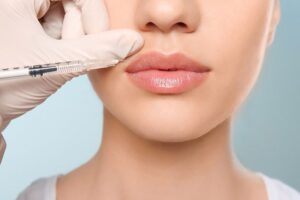
Dysport Pricing in Turkey: What You Need to Know Before Your Procedure.

Dysport, a popular alternative to Botox, is renowned for its ability to reduce wrinkles and fine lines effectively.

If you’re considering Dysport injections in Turkey, understanding the pricing structure and all related aspects is crucial for making an informed decision.

This extensive guide provides a deep dive into Dysport costs, covering various factors, potential additional expenses, and price comparisons across different cities in Turkey.

For Dysport in Alpharetta, turn to Anderson Aesthetics

Understanding Dysport and Its Benefits

Dysport is a botulinum toxin injection used to smooth out wrinkles and lines, particularly in the forehead, around the eyes, and between the eyebrows.

It works by temporarily paralyzing the muscles responsible for wrinkle formation.

The results typically last between 3 to 6 months, making it a popular choice for individuals seeking a non-surgical solution to facial aging.

Key Factors Influencing Dysport Pricing in Turkey

Several factors can impact the cost of Dysport treatments in Turkey:

  • Treatment Area: The cost varies depending on the number of areas treated. Common areas include the forehead, crow’s feet, and frown lines. Each area may have a different pricing structure based on the complexity and amount of Dysport required.
  • Number of Units Required: Dysport is measured in units. The number of units needed for effective treatment depends on individual factors like muscle strength and the severity of wrinkles. Prices are often quoted per unit, so the total cost will vary based on the total number of units used.
  • Clinic Reputation and Location: High-end clinics and those with well-known specialists may charge more. Prices can also vary significantly between cities, with larger cities like Istanbul and Ankara generally being more expensive than smaller cities like Izmir.
  • Specialist Experience: Experienced practitioners may charge higher fees due to their expertise and the quality of results they can provide. Choosing a highly skilled specialist can ensure better outcomes but might come at a higher cost.
  • Additional Costs: Some clinics might include additional costs for consultation, follow-up visits, or post-treatment care. It’s important to inquire about these potential extra charges when getting quotes.

Prices of all types of the Dysport procedure in Turkey.

Forehead Wrinkle Treatment

Definition and Details:

The forehead wrinkle treatment with Dysport addresses the horizontal lines that develop across the forehead due to repeated muscle contractions from raising the eyebrows.

These lines, also known as forehead lines or worry lines, often become more pronounced with age and can make a person look stressed or tired.

Dysport is injected into the frontalis muscle, which is responsible for lifting the eyebrows. By temporarily paralyzing this muscle, Dysport smooths out the wrinkles, resulting in a more relaxed and youthful appearance.

The procedure requires precise administration to avoid overly frozen expressions, ensuring a natural look.

Procedure Steps:

  • Consultation: Initial assessment with a licensed practitioner to discuss goals and expectations. The practitioner will evaluate the severity of the wrinkles and recommend the appropriate treatment plan.
  • Preparation: Cleaning and disinfecting the treatment area to reduce the risk of infection.
  • Marking: The practitioner marks the injection sites on the forehead to ensure accurate placement of Dysport.
  • Injection: Dysport is injected into specific points on the forehead. The number of injections and units used depend on the severity of the wrinkles and the desired outcome.
  • Post-Treatment Instructions: The patient receives instructions on how to care for the area post-treatment, including avoiding rubbing the area and remaining upright for a few hours.
  • Follow-Up: A follow-up visit may be scheduled to assess the results and make any necessary adjustments.

Pricing Breakdown:

  • Consultation Fee: $20 to $50
  • Cost per Unit: $4 to $7
  • Units Required: 20 to 30 units
  • Total Treatment Cost: $80 to $210
  • Injection Fee: Often included in the unit cost but may vary based on clinic practices.
  • Follow-Up Visits: $50 to $100
Additional Costs:
  • Pre-Treatment Assessments: $30 to $60
  • Post-Treatment Care Products: $20 to $40

Crow’s Feet Treatment

Definition and Details:

Crow’s feet, or periorbital wrinkles, are the fine lines that radiate from the corners of the eyes, often becoming more noticeable when smiling or squinting. These lines form due to the constant movement of the orbicularis oculi muscle.

Dysport is used to target this muscle, relaxing it and reducing the appearance of these lines. The treatment involves injecting Dysport around the outer corners of the eyes, carefully avoiding the delicate skin and underlying structures to ensure a natural and smooth result.

Procedure Steps:

  • Consultation: Discuss the specific concerns about crow’s feet with a practitioner, who will assess the severity and determine the appropriate treatment.
  • Preparation: The area around the eyes is cleansed and prepped.
  • Marking: The practitioner marks the injection sites to ensure precise application of Dysport.
  • Injection: Dysport is injected into targeted areas around the eyes. The number of injections and units will vary based on individual needs.
  • Post-Treatment Care: Instructions on care and avoiding activities that might cause movement of the treated area.
  • Follow-Up: Optional follow-up visit to review results and perform any necessary touch-ups.

Pricing Breakdown:

  • Consultation Fee: $20 to $50
  • Cost per Unit: $4 to $6
  • Units Required: 15 to 25 units
  • Total Treatment Cost: $60 to $150
  • Injection Fee: Often included in the unit cost but can vary.
  • Follow-Up Visits: $50 to $100
Additional Costs:
  • Pre-Treatment Assessments: $30 to $60
  • Post-Treatment Care Products: $20 to $40

Frown Lines Treatment

Definition and Details:

Frown lines, or glabellar lines, appear between the eyebrows due to repeated frowning and expressions of concentration or anger.

These vertical lines can give an impression of seriousness or displeasure. Dysport treatment for frown lines involves targeting the corrugator and procerus muscles, which are responsible for these expressions.

By injecting Dysport into these muscles, the treatment effectively smooths out the lines, providing a more relaxed and approachable appearance.

Procedure Steps:

  • Consultation: Discuss the appearance of frown lines with a practitioner, who will evaluate the depth and extent of the lines.
  • Preparation: The treatment area is cleaned and disinfected.
  • Marking: Injection sites are marked to ensure precise delivery of Dysport.
  • Injection: Dysport is administered into the muscles responsible for frown lines. The number of injections and units required will be based on the patient’s specific needs.
  • Post-Treatment Care: Instructions include avoiding strenuous activities and not touching or massaging the treated area.
  • Follow-Up: A follow-up visit might be scheduled to check the results and make any adjustments if needed.

Pricing Breakdown:

  • Consultation Fee: $20 to $50
  • Cost per Unit: $4 to $7
  • Units Required: 25 to 35 units
  • Total Treatment Cost: $100 to $245
  • Injection Fee: Often included in the unit cost.
  • Follow-Up Visits: $50 to $100
Additional Costs:
  • Pre-Treatment Assessments: $30 to $60
  • Post-Treatment Care Products: $20 to $40

Bunny Lines Treatment

Definition and Details:

Bunny lines are the small, horizontal lines that appear on the nose when a person smiles or scrunches their nose.

These lines are caused by the movement of the nasalis muscle. Dysport can be used to smooth these lines by injecting the product into the nasalis muscle, reducing the appearance of the lines without affecting other facial expressions.

This treatment helps to create a smoother and more youthful appearance in the nasal area.

Procedure Steps:

  • Consultation: Assess the appearance and severity of bunny lines with a practitioner to determine the treatment plan.
  • Preparation: Cleansing and disinfecting the treatment area.
  • Marking: Identification of precise injection sites.
  • Injection: Dysport is injected into the nasalis muscle to reduce the appearance of bunny lines.
  • Post-Treatment Care: Instructions for aftercare, including avoiding strenuous activities and not touching the treated area.
  • Follow-Up: Possible follow-up to evaluate the results and make adjustments if necessary.

Pricing Breakdown:

  • Consultation Fee: $20 to $50
  • Cost per Unit: $4 to $6
  • Units Required: 10 to 15 units
  • Total Treatment Cost: $40 to $90
  • Injection Fee: Often included in the unit cost.
  • Follow-Up Visits: $50 to $100
Additional Costs:
  • Pre-Treatment Assessments: $30 to $60
  • Post-Treatment Care Products: $20 to $40

Jawline Contouring

Definition and Details:

Jawline contouring with Dysport focuses on reducing the appearance of a square jawline or enhancing the definition of the jawline.

This treatment involves injecting Dysport into the masseter muscles, which are responsible for chewing. Overactive masseter muscles can lead to a more pronounced jawline.

By relaxing these muscles, Dysport helps to create a slimmer and more contoured appearance. This procedure is popular among those looking to soften their jawline or achieve a more defined facial profile.

Procedure Steps:

  • Consultation: Discuss the goals of jawline contouring and evaluate the masseter muscles.
  • Preparation: Cleansing the area and marking the injection points.
  • Injection: Dysport is injected into the masseter muscles to reduce muscle activity and refine the jawline.
  • Post-Treatment Care: Avoiding activities that involve heavy chewing and following specific aftercare instructions.
  • Follow-Up: A follow-up visit to assess the results and ensure the desired outcome is achieved.

Pricing Breakdown:

  • Consultation Fee: $20 to $50
  • Cost per Unit: $4 to $6
  • Units Required: 50 to 100 units
  • Total Treatment Cost: $200 to $600
  • Injection Fee: Often included in the unit cost.
  • Follow-Up Visits: $50 to $100
Additional Costs:
  • Pre-Treatment Assessments: $30 to $60
  • Post-Treatment Care Products: $20 to $40

Neck Lines Treatment

Definition and Details:

Neck lines, also known as platysmal bands, appear as vertical lines or bands on the neck due to the overactivity of the platysma muscle. These lines can become more noticeable with aging and loss of skin elasticity.

Dysport can be used to treat these lines by injecting the product into the platysma muscle. This reduces the muscle activity, leading to smoother skin on the neck and a more youthful appearance. The procedure requires careful administration to ensure even results and avoid affecting other muscles in the neck.

Procedure Steps:

  • Consultation: Evaluate the severity of neck lines and discuss treatment goals.
  • Preparation: Cleanse and prepare the neck area for treatment.
  • Marking: Identify the injection sites on the neck for precise Dysport application.
  • Injection: Dysport is injected into the platysma muscle to reduce muscle activity and smooth neck lines.
  • Post-Treatment Care: Follow instructions for aftercare, including avoiding activities that may strain the neck muscles.
  • Follow-Up: A follow-up visit to assess the results and make adjustments if necessary.
Pricing Breakdown:
  • Consultation Fee: $20 to $50
  • Cost per Unit: $4 to $7
  • Units Required: 40 to 60 units
  • Total Treatment Cost: $160 to $420
  • Injection Fee: Often included in the unit cost.
  • Follow-Up Visits: $50 to $100
Additional Costs:
  • Pre-Treatment Assessments: $30 to $60
  • Post-Treatment Care Products: $20 to $40

Chin Dimpling Treatment

Definition and Details:

Chin dimpling, or “orange peel” skin on the chin, occurs due to the contraction of the mentalis muscle, which causes the skin to dimple or pucker.

Dysport treatment involves injecting the product into the mentalis muscle to relax it and smooth out the dimples.

This procedure helps create a smoother and more even appearance of the chin area. The injections are administered with precision to avoid affecting other facial muscles and to ensure a natural look.

Procedure Steps:

  • Consultation: Assess the severity of chin dimpling and discuss treatment options.
  • Preparation: Clean the chin area and prepare it for injections.
  • Marking: Identify and mark the injection points on the chin.
  • Injection: Dysport is injected into the mentalis muscle to reduce contraction and smooth out the chin area.
  • Post-Treatment Care: Follow aftercare instructions, including avoiding activities that may stress the treated area.
  • Follow-Up: A follow-up visit may be scheduled to evaluate the results and make any necessary adjustments.

Pricing Breakdown:

  • Consultation Fee: $20 to $50
  • Cost per Unit: $4 to $6
  • Units Required: 10 to 20 units
  • Total Treatment Cost: $40 to $120
  • Injection Fee: Often included in the unit cost.
  • Follow-Up Visits: $50 to $100
Additional Costs:
  • Pre-Treatment Assessments: $30 to $60
  • Post-Treatment Care Products: $20 to $40

Lip Flip

Definition and Details:

A lip flip with Dysport involves injecting the product into the muscles around the lips to enhance the upper lip’s appearance without the need for fillers.

This treatment causes the lip to roll slightly outward, creating the illusion of a fuller upper lip. Dysport relaxes the orbicularis oris muscle, which controls lip movement, resulting in a subtle enhancement of the lip line.

This procedure is ideal for individuals seeking a more natural look without the added volume of lip fillers.

Procedure Steps:

  • Consultation: Discuss the desired lip enhancement and evaluate the lip area.
  • Preparation: Cleanse the lip area and prepare for injections.
  • Marking: Identify the injection sites around the lips for accurate Dysport application.
  • Injection: Dysport is injected into specific areas around the lips to achieve a lip flip.
  • Post-Treatment Care: Instructions include avoiding excessive lip movement and following aftercare guidelines.
  • Follow-Up: A follow-up visit may be scheduled to assess the results and make adjustments.

Pricing Breakdown:

  • Consultation Fee: $20 to $50
  • Cost per Unit: $4 to $6
  • Units Required: 10 to 15 units
  • Total Treatment Cost: $40 to $90
  • Injection Fee: Often included in the unit cost.
  • Follow-Up Visits: $50 to $100
Additional Costs:
  • Pre-Treatment Assessments: $30 to $60
  • Post-Treatment Care Products: $20 to $40

Brow Lift

Definition and Details:

A brow lift with Dysport addresses sagging or drooping eyebrows by relaxing the muscles that pull the brows downward. This treatment helps to elevate the eyebrows, creating a more youthful and alert appearance.

Dysport is injected into the brow area to target the depressor muscles, allowing the brow to lift and smooth out any lines or wrinkles in the area.

The procedure is designed to enhance the natural arch of the brows and improve overall facial expression.

Procedure Steps:

  • Consultation: Evaluate the degree of brow sagging and discuss treatment goals.
  • Preparation: Cleanse the brow area and prepare it for injections.
  • Marking: Mark the precise injection sites to ensure accurate Dysport placement.
  • Injection: Dysport is injected into the muscles around the brows to lift and smooth the area.
  • Post-Treatment Care: Follow aftercare instructions, including avoiding strenuous activities and not touching the treated area.
  • Follow-Up: A follow-up visit may be scheduled to review the results and make any necessary adjustments.

Pricing Breakdown:

  • Consultation Fee: $20 to $50
  • Cost per Unit: $4 to $7
  • Units Required: 30 to 40 units
  • Total Treatment Cost: $120 to $280
  • Injection Fee: Often included in the unit cost.
  • Follow-Up Visits: $50 to $100
Additional Costs:
  • Pre-Treatment Assessments: $30 to $60
  • Post-Treatment Care Products: $20 to $40

Gummy Smile Treatment

Definition and Details:

A gummy smile occurs when a person shows an excessive amount of gum tissue when smiling. Dysport can be used to treat this condition by injecting the product into the upper lip muscles to reduce their activity.

This helps to minimize the elevation of the lip, thus reducing the visibility of the gums when smiling. The treatment provides a more balanced and aesthetically pleasing smile by adjusting the lip movement.

Procedure Steps:

  • Consultation: Discuss the extent of the gummy smile and determine the best treatment approach.
  • Preparation: Clean the area around the lips and prepare for injections.
  • Marking: Identify and mark the injection sites on the upper lip.
  • Injection: Dysport is injected into the upper lip muscles to reduce their movement and minimize gum exposure.
  • Post-Treatment Care: Instructions include avoiding excessive lip movement and following aftercare guidelines.
  • Follow-Up: A follow-up visit may be scheduled to evaluate the results and make any adjustments if needed.

Pricing Breakdown:

  • Consultation Fee: $20 to $50
  • Cost per Unit: $4 to $6
  • Units Required: 10 to 20 units
  • Total Treatment Cost: $40 to $120
  • Injection Fee: Often included in the unit cost.
  • Follow-Up Visits: $50 to $100
Additional Costs:
  • Pre-Treatment Assessments: $30 to $60
  • Post-Treatment Care Products: $20 to $40

Pricing Guide for Dysport Procedures in Istanbul, Ankara, and Izmir.

Forehead Wrinkle Treatment

Istanbul:

  • Consultation Fee: $25 to $60
  • Cost per Unit: $5 to $8
  • Units Required: 20 to 30 units
  • Total Treatment Cost: $100 to $240
  • Injection Fee: Often included in the unit cost.
  • Follow-Up Visits: $60 to $120
  • Pre-Treatment Assessments: $30 to $70
  • Post-Treatment Care Products: $20 to $50
  • Additional Fees: $10 to $30 for administrative costs
  • Discounts: Often available for multiple areas or repeat treatments.
  • Promotional Offers: Seasonal discounts and package deals.

Ankara:

  • Consultation Fee: $20 to $50
  • Cost per Unit: $4 to $7
  • Units Required: 20 to 30 units
  • Total Treatment Cost: $80 to $210
  • Injection Fee: Often included in the unit cost.
  • Follow-Up Visits: $50 to $100
  • Pre-Treatment Assessments: $25 to $60
  • Post-Treatment Care Products: $15 to $40
  • Additional Fees: $10 to $25 for administrative costs
  • Discounts: Available for bundle treatments.
  • Promotional Offers: Discounted rates for first-time clients.

Izmir:

  • Consultation Fee: $15 to $45
  • Cost per Unit: $4 to $6
  • Units Required: 20 to 30 units
  • Total Treatment Cost: $80 to $180
  • Injection Fee: Often included in the unit cost.
  • Follow-Up Visits: $40 to $90
  • Pre-Treatment Assessments: $20 to $50
  • Post-Treatment Care Products: $15 to $35
  • Additional Fees: $5 to $20 for administrative costs
  • Discounts: Often available for new clients or multiple treatments.
  • Promotional Offers: Special packages and seasonal discounts.

Crow’s Feet Treatment

Istanbul:

  • Consultation Fee: $25 to $55
  • Cost per Unit: $5 to $8
  • Units Required: 15 to 25 units
  • Total Treatment Cost: $75 to $200
  • Injection Fee: Often included in the unit cost.
  • Follow-Up Visits: $50 to $110
  • Pre-Treatment Assessments: $25 to $60
  • Post-Treatment Care Products: $20 to $45
  • Additional Fees: $15 to $35 for administrative costs
  • Discounts: Available for multiple treatments.
  • Promotional Offers: Package deals for multiple areas.

Ankara:

  • Consultation Fee: $20 to $50
  • Cost per Unit: $4 to $7
  • Units Required: 15 to 25 units
  • Total Treatment Cost: $60 to $175
  • Injection Fee: Often included in the unit cost.
  • Follow-Up Visits: $45 to $95
  • Pre-Treatment Assessments: $20 to $55
  • Post-Treatment Care Products: $15 to $40
  • Additional Fees: $10 to $30 for administrative costs
  • Discounts: Available for first-time clients and multiple areas.
  • Promotional Offers: Seasonal promotions and special offers.

Izmir:

  • Consultation Fee: $18 to $50
  • Cost per Unit: $4 to $6
  • Units Required: 15 to 25 units
  • Total Treatment Cost: $60 to $150
  • Injection Fee: Often included in the unit cost.
  • Follow-Up Visits: $40 to $85
  • Pre-Treatment Assessments: $20 to $45
  • Post-Treatment Care Products: $15 to $30
  • Additional Fees: $10 to $20 for administrative costs
  • Discounts: Available for multiple treatments.
  • Promotional Offers: Discounts for new clients and seasonal offers.

Frown Lines Treatment

Istanbul:

  • Consultation Fee: $30 to $70
  • Cost per Unit: $5 to $8
  • Units Required: 20 to 30 units
  • Total Treatment Cost: $100 to $240
  • Injection Fee: Often included in the unit cost.
  • Follow-Up Visits: $60 to $130
  • Pre-Treatment Assessments: $30 to $70
  • Post-Treatment Care Products: $25 to $55
  • Additional Fees: $15 to $35 for administrative costs
  • Discounts: Available for package deals.
  • Promotional Offers: Seasonal discounts and special packages.

Ankara:

  • Consultation Fee: $25 to $55
  • Cost per Unit: $4 to $7
  • Units Required: 20 to 30 units
  • Total Treatment Cost: $80 to $210
  • Injection Fee: Often included in the unit cost.
  • Follow-Up Visits: $50 to $110
  • Pre-Treatment Assessments: $25 to $60
  • Post-Treatment Care Products: $20 to $45
  • Additional Fees: $10 to $30 for administrative costs
  • Discounts: Available for multiple areas and first-time clients.
  • Promotional Offers: Special offers and seasonal promotions.

Izmir:

  • Consultation Fee: $20 to $50
  • Cost per Unit: $4 to $6
  • Units Required: 20 to 30 units
  • Total Treatment Cost: $80 to $180
  • Injection Fee: Often included in the unit cost.
  • Follow-Up Visits: $45 to $100
  • Pre-Treatment Assessments: $20 to $50
  • Post-Treatment Care Products: $20 to $40
  • Additional Fees: $10 to $25 for administrative costs
  • Discounts: Often available for new clients or multiple treatments.
  • Promotional Offers: Discounts for repeat treatments and special packages.

Jawline Contouring

Istanbul:

  • Consultation Fee: $30 to $70
  • Cost per Unit: $5 to $8
  • Units Required: 30 to 50 units
  • Total Treatment Cost: $150 to $400
  • Injection Fee: Often included in the unit cost.
  • Follow-Up Visits: $70 to $140
  • Pre-Treatment Assessments: $30 to $70
  • Post-Treatment Care Products: $25 to $55
  • Additional Fees: $20 to $40 for administrative costs
  • Discounts: Available for multiple areas and repeat clients.
  • Promotional Offers: Special packages and seasonal discounts.

Ankara:

  • Consultation Fee: $25 to $60
  • Cost per Unit: $4 to $7
  • Units Required: 30 to 50 units
  • Total Treatment Cost: $120 to $350
  • Injection Fee: Often included in the unit cost.
  • Follow-Up Visits: $60 to $120
  • Pre-Treatment Assessments: $25 to $60
  • Post-Treatment Care Products: $20 to $50
  • Additional Fees: $15 to $35 for administrative costs
  • Discounts: Available for bundle treatments.
  • Promotional Offers: Discounts for multiple areas and first-time clients.

Izmir:

  • Consultation Fee: $25 to $55
  • Cost per Unit: $4 to $6
  • Units Required: 30 to 50 units
  • Total Treatment Cost: $120 to $300
  • Injection Fee: Often included in the unit cost.
  • Follow-Up Visits: $50 to $110
  • Pre-Treatment Assessments: $25 to $55
  • Post-Treatment Care Products: $20 to $45
  • Additional Fees: $10 to $30 for administrative costs
  • Discounts: Often available for new clients and multiple treatments.
  • Promotional Offers: Seasonal offers and special packages.

Neck Lines Treatment

Istanbul:

  • Consultation Fee: $25 to $60
  • Cost per Unit: $5 to $8
  • Units Required: 40 to 60 units
  • Total Treatment Cost: $200 to $480
  • Injection Fee: Often included in the unit cost.
  • Follow-Up Visits: $70 to $150
  • Pre-Treatment Assessments: $30 to $70
  • Post-Treatment Care Products: $25 to $60
  • Additional Fees: $20 to $40 for administrative costs
  • Discounts: Available for multiple areas and repeat clients.
  • Promotional Offers: Special packages and seasonal discounts.

Ankara:

  • Consultation Fee: $20 to $50
  • Cost per Unit: $4 to $7
  • Units Required: 40 to 60 units
  • Total Treatment Cost: $160 to $420
  • Injection Fee: Often included in the unit cost.
  • Follow-Up Visits: $60 to $130
  • Pre-Treatment Assessments: $25 to $55
  • Post-Treatment Care Products: $20 to $50
  • Additional Fees: $15 to $30 for administrative costs
  • Discounts: Available for bundle treatments and new clients.
  • Promotional Offers: Seasonal promotions and special offers.

Izmir:

  • Consultation Fee: $20 to $50
  • Cost per Unit: $4 to $6
  • Units Required: 40 to 60 units
  • Total Treatment Cost: $160 to $360
  • Injection Fee: Often included in the unit cost.
  • Follow-Up Visits: $50 to $100
  • Pre-Treatment Assessments: $20 to $50
  • Post-Treatment Care Products: $20 to $45
  • Additional Fees: $10 to $25 for administrative costs
  • Discounts: Often available for multiple treatments.
  • Promotional Offers: Discounts for new clients and special packages.

Eyebrow Lift

Istanbul:

  • Consultation Fee: $25 to $65
  • Cost per Unit: $5 to $8
  • Units Required: 20 to 40 units
  • Total Treatment Cost: $100 to $320
  • Injection Fee: Often included in the unit cost.
  • Follow-Up Visits: $60 to $120
  • Pre-Treatment Assessments: $30 to $70
  • Post-Treatment Care Products: $20 to $50
  • Additional Fees: $15 to $35 for administrative costs
  • Discounts: Available for package deals and repeat treatments.
  • Promotional Offers: Seasonal discounts and special packages.

Ankara:

  • Consultation Fee: $20 to $55
  • Cost per Unit: $4 to $7
  • Units Required: 20 to 40 units
  • Total Treatment Cost: $80 to $280
  • Injection Fee: Often included in the unit cost.
  • Follow-Up Visits: $50 to $100
  • Pre-Treatment Assessments: $20 to $55
  • Post-Treatment Care Products: $15 to $45
  • Additional Fees: $10 to $30 for administrative costs
  • Discounts: Available for first-time clients and bundle treatments.
  • Promotional Offers: Special offers and seasonal promotions.

Izmir:

  • Consultation Fee: $20 to $50
  • Cost per Unit: $4 to $6
  • Units Required: 20 to 40 units
  • Total Treatment Cost: $80 to $240
  • Injection Fee: Often included in the unit cost.
  • Follow-Up Visits: $45 to $90
  • Pre-Treatment Assessments: $20 to $50
  • Post-Treatment Care Products: $15 to $35
  • Additional Fees: $10 to $25 for administrative costs
  • Discounts: Often available for new clients and multiple treatments.
  • Promotional Offers: Discounts for repeat treatments and special packages.

Marionette Lines Treatment

Istanbul:

  • Consultation Fee: $25 to $60
  • Cost per Unit: $5 to $8
  • Units Required: 30 to 50 units
  • Total Treatment Cost: $150 to $400
  • Injection Fee: Often included in the unit cost.
  • Follow-Up Visits: $60 to $130
  • Pre-Treatment Assessments: $30 to $70
  • Post-Treatment Care Products: $20 to $55
  • Additional Fees: $15 to $35 for administrative costs
  • Discounts: Available for package deals and repeat clients.
  • Promotional Offers: Seasonal discounts and special packages.

Ankara:

  • Consultation Fee: $20 to $50
  • Cost per Unit: $4 to $7
  • Units Required: 30 to 50 units
  • Total Treatment Cost: $120 to $350
  • Injection Fee: Often included in the unit cost.
  • Follow-Up Visits: $50 to $110
  • Pre-Treatment Assessments: $25 to $60
  • Post-Treatment Care Products: $15 to $40
  • Additional Fees: $10 to $30 for administrative costs
  • Discounts: Available for multiple areas and first-time clients.
  • Promotional Offers: Special offers and seasonal promotions.

Izmir:

  • Consultation Fee: $20 to $50
  • Cost per Unit: $4 to $6
  • Units Required: 30 to 50 units
  • Total Treatment Cost: $120 to $300
  • Injection Fee: Often included in the unit cost.
  • Follow-Up Visits: $45 to $100
  • Pre-Treatment Assessments: $20 to $50
  • Post-Treatment Care Products: $15 to $40
  • Additional Fees: $10 to $25 for administrative costs
  • Discounts: Often available for multiple treatments.
  • Promotional Offers: Discounts for new clients and seasonal offers.

Lip Flip

Istanbul:

  • Consultation Fee: $30 to $65
  • Cost per Unit: $5 to $8
  • Units Required: 10 to 20 units
  • Total Treatment Cost: $50 to $160
  • Injection Fee: Often included in the unit cost.
  • Follow-Up Visits: $50 to $100
  • Pre-Treatment Assessments: $30 to $60
  • Post-Treatment Care Products: $20 to $45
  • Additional Fees: $15 to $35 for administrative costs
  • Discounts: Available for package deals and repeat clients.
  • Promotional Offers: Seasonal discounts and special offers.

Ankara:

  • Consultation Fee: $25 to $55
  • Cost per Unit: $4 to $7
  • Units Required: 10 to 20 units
  • Total Treatment Cost: $40 to $140
  • Injection Fee: Often included in the unit cost.
  • Follow-Up Visits: $45 to $90
  • Pre-Treatment Assessments: $20 to $55
  • Post-Treatment Care Products: $15 to $40
  • Additional Fees: $10 to $30 for administrative costs
  • Discounts: Available for new clients and multiple treatments.
  • Promotional Offers: Special promotions and seasonal discounts.

Izmir:

  • Consultation Fee: $20 to $50
  • Cost per Unit: $4 to $6
  • Units Required: 10 to 20 units
  • Total Treatment Cost: $40 to $120
  • Injection Fee: Often included in the unit cost.
  • Follow-Up Visits: $45 to $85
  • Pre-Treatment Assessments: $20 to $45
  • Post-Treatment Care Products: $15 to $35
  • Additional Fees: $10 to $25 for administrative costs
  • Discounts: Often available for new clients and multiple treatments.
  • Promotional Offers: Seasonal discounts and special packages.

Chin Dimple Treatment

Istanbul:

  • Consultation Fee: $30 to $70
  • Cost per Unit: $5 to $8
  • Units Required: 20 to 30 units
  • Total Treatment Cost: $100 to $240
  • Injection Fee: Often included in the unit cost.
  • Follow-Up Visits: $60 to $130
  • Pre-Treatment Assessments: $30 to $70
  • Post-Treatment Care Products: $25 to $60
  • Additional Fees: $15 to $35 for administrative costs
  • Discounts: Available for package deals and repeat clients.
  • Promotional Offers: Seasonal discounts and special offers.

Ankara:

  • Consultation Fee: $25 to $55
  • Cost per Unit: $4 to $7
  • Units Required: 20 to 30 units
  • Total Treatment Cost: $80 to $210
  • Injection Fee: Often included in the unit cost.
  • Follow-Up Visits: $50 to $100
  • Pre-Treatment Assessments: $25 to $60
  • Post-Treatment Care Products: $20 to $45
  • Additional Fees: $10 to $30 for administrative costs
  • Discounts: Available for first-time clients and bundle treatments.
  • Promotional Offers: Special offers and seasonal promotions.

Izmir:

  • Consultation Fee: $20 to $50
  • Cost per Unit: $4 to $6
  • Units Required: 20 to 30 units
  • Total Treatment Cost: $80 to $180
  • Injection Fee: Often included in the unit cost.
  • Follow-Up Visits: $45 to $100
  • Pre-Treatment Assessments: $20 to $50
  • Post-Treatment Care Products: $20 to $40
  • Additional Fees: $10 to $25 for administrative costs
  • Discounts: Often available for new clients and multiple treatments.
  • Promotional Offers: Seasonal offers and special packages.

Jawline Contouring

Istanbul:

  • Consultation Fee: $30 to $65
  • Cost per Unit: $5 to $8
  • Units Required: 30 to 50 units
  • Total Treatment Cost: $150 to $400
  • Injection Fee: Often included in the unit cost.
  • Follow-Up Visits: $60 to $130
  • Pre-Treatment Assessments: $30 to $70
  • Post-Treatment Care Products: $25 to $55
  • Additional Fees: $15 to $35 for administrative costs
  • Discounts: Available for multiple areas and repeat treatments.
  • Promotional Offers: Seasonal discounts and special packages.

Ankara:

  • Consultation Fee: $25 to $55
  • Cost per Unit: $4 to $7
  • Units Required: 30 to 50 units
  • Total Treatment Cost: $120 to $350
  • Injection Fee: Often included in the unit cost.
  • Follow-Up Visits: $50 to $100
  • Pre-Treatment Assessments: $25 to $60
  • Post-Treatment Care Products: $20 to $45
  • Additional Fees: $10 to $30 for administrative costs
  • Discounts: Available for first-time clients and multiple treatments.
  • Promotional Offers: Special offers and seasonal promotions.

Izmir:

  • Consultation Fee: $20 to $50
  • Cost per Unit: $4 to $6
  • Units Required: 30 to 50 units
  • Total Treatment Cost: $120 to $300
  • Injection Fee: Often included in the unit cost.
  • Follow-Up Visits: $45 to $100
  • Pre-Treatment Assessments: $20 to $50
  • Post-Treatment Care Products: $20 to $40
  • Additional Fees: $10 to $25 for administrative costs
  • Discounts: Often available for multiple treatments.
  • Promotional Offers: Seasonal discounts and special packages.

Potential Additional Costs

  • Consultation Fees: Some clinics charge an initial consultation fee, which can range from $20 to $50. This fee might be deducted from the total cost if you proceed with the treatment.
  • Follow-Up Visits: Follow-up visits may be necessary to assess results and make any adjustments. These visits can cost between $50 and $100.
  • Additional Treatments: If you need additional units or touch-up treatments, be aware that these will incur extra charges.

How to prepare for a Dysport procedure?

Personal Preparations

Research and Understand the Procedure

  • What It Involves: Dysport is a neuromodulator used to temporarily reduce muscle activity, targeting specific areas to smooth wrinkles.
  • Outcome Expectations: Understand how Dysport works and what results you can expect. Research common outcomes and consult with others who have had the procedure.

Consult with Your Current Healthcare Providers

  • Medical History Review: Discuss your current medications, medical history, and any chronic conditions with your primary care physician.
  • Specific Concerns: Address any concerns related to your health that might impact the procedure or recovery, such as autoimmune disorders or neurological conditions.

Avoid Certain Medications

  • Blood Thinners: Stop taking blood thinners such as aspirin, ibuprofen, and certain herbal supplements at least one week before the procedure to reduce the risk of bruising.
  • Other Medications: Consult with your doctor about any other medications or supplements you are taking that might affect the procedure.

Avoid Alcohol and Smoking

  • Alcohol: Refrain from consuming alcohol for at least 48 hours before your treatment, as it can increase the risk of bruising and swelling.
  • Smoking: Smoking can impair healing and affect the results. Try to avoid smoking for at least one week prior to the procedure.

Hydrate and Eat Well

  • Stay Hydrated: Drink plenty of water in the days leading up to your treatment to ensure your skin remains hydrated.
  • Healthy Diet: Eat a balanced diet rich in vitamins and minerals to support skin health and overall well-being.

Avoid Excessive Sun Exposure

  • Sun Protection: Minimize sun exposure and use sunscreen to protect your skin. Sunburned skin can be more sensitive and prone to complications.
  • Tanning: Avoid tanning beds and sun exposure for at least one week prior to the procedure.

Arrange for Post-Treatment Care

  • Transportation: Arrange for someone to drive you home after the procedure, especially if you feel any discomfort or drowsiness.
  • Aftercare Plan: Prepare a comfortable space for recovery with the necessary supplies such as cold packs to reduce swelling.

Prepare Your Skin

  • Cleansing: Ensure your skin is clean and free of any makeup or lotions on the day of the procedure.
  • Avoid Irritants: Refrain from using any skin care products that might irritate the skin, such as retinoids or exfoliants, for a few days before the treatment.

Review Your Skin Care Routine

  • Routine Adjustment: Temporarily adjust your skin care routine to avoid any products that might increase sensitivity or affect the results of the procedure.

Mental Preparation

  • Expectations: Set realistic expectations for the outcome of your Dysport treatment.
  • Relaxation Techniques: Practice relaxation techniques to manage any pre-procedure anxiety and ensure a calm experience.

Medical Preparations with Your Doctor

Initial Consultation

  • Discuss Goals: During your initial consultation, clearly communicate your aesthetic goals and expectations with your doctor.
  • Medical History: Provide a comprehensive medical history, including previous cosmetic treatments and any underlying health conditions.

Examination and Assessment

  • Facial Analysis: Your doctor will perform a detailed facial analysis to determine the most effective treatment areas.
  • Skin Condition: Assess the condition of your skin and any specific issues that might affect treatment.

Discuss Treatment Options

  • Product Choice: Confirm that Dysport is the right option for your needs. Discuss any alternative treatments that might be more suitable.
  • Dosage and Units: Determine the appropriate dosage and number of units required for your treatment goals.

Review Risks and Side Effects

  • Potential Side Effects: Understand the potential side effects and risks associated with Dysport, such as bruising, swelling, or temporary weakness of the treated muscles.
  • Allergic Reactions: Discuss any potential allergic reactions or sensitivities to the ingredients in Dysport.

Create a Treatment Plan

  • Customized Plan: Develop a personalized treatment plan that addresses your specific needs and concerns.
  • Scheduling: Schedule your procedure and discuss any pre-procedure instructions provided by your doctor.

Pre-Treatment Instructions

  • Avoid Certain Activities: Follow any specific instructions given by your doctor, such as avoiding certain physical activities or skincare treatments before the procedure.
  • Pre-Treatment Medications: If prescribed, follow instructions for any pre-treatment medications or supplements.

Informed Consent

  • Review Documentation: Carefully read and understand the informed consent forms provided by your doctor, which outline the procedure, risks, and aftercare.
  • Ask Questions: Clarify any doubts or questions you may have about the procedure or the consent form.

Pre-Treatment Assessments

  • Medical Tests: Undergo any necessary medical tests or assessments required by your doctor to ensure you are fit for the procedure.
  • Skin Sensitivity: Your doctor may test the sensitivity of your skin to ensure it can handle the Dysport injections.

Discuss Post-Treatment Care

  • Aftercare Instructions: Review detailed aftercare instructions, including how to manage swelling, bruising, and any potential side effects.
  • Follow-Up Visits: Schedule any necessary follow-up visits to monitor your progress and address any concerns.

Finalize Payment and Documentation

  • Cost Review: Confirm the total cost of the procedure, including any additional fees or charges.
  • Payment Options: Discuss payment options and finalize any required documentation before the procedure.

What happens during a Dysport procedure?

Preparation and Marking

Step Description:

The initial step involves preparing your skin and marking the precise areas for Dysport injections. This step ensures that the treatment targets the right muscles and is customized to your facial anatomy.

Doctor’s Actions:

  • Cleansing: Your doctor will begin by thoroughly cleansing the treatment area with an antiseptic solution. This step is crucial to remove any makeup, oils, or impurities that could increase the risk of infection or affect the efficacy of the Dysport.
  • Marking: Using a sterile surgical marker, the doctor will outline the specific injection sites based on your facial expressions and the muscle groups that need treatment. This ensures precision in targeting the problem areas.
  • Assessment: After marking, the doctor will reassess the areas to confirm that they align with your desired outcomes and the treatment plan discussed during the consultation.

Numbing the Area

Step Description:

To minimize discomfort during the injections, a numbing agent is applied. This preparation helps ensure that the procedure is as pain-free as possible.

Doctor’s Actions:

  • Application of Numbing Cream: A topical anesthetic cream or gel is applied to the treatment area. This numbing agent helps to desensitize the skin and underlying muscles.
  • Waiting Time: The numbing agent is left to take effect, usually for about 10-20 minutes. During this time, the doctor may discuss the procedure and answer any final questions you might have.
  • Assessment of Numbness: After the waiting period, the doctor will check the area to ensure it is adequately numb before proceeding with the injections. If needed, additional numbing agent may be applied.

Preparing the Dysport Solution

Step Description:

The Dysport solution is prepared just before the injections. This involves mixing and drawing up the solution into a syringe.

Doctor’s Actions:

  • Reconstitution: Dysport comes in a powdered form and needs to be reconstituted with a sterile saline solution. The doctor will carefully mix the powder and saline to ensure the correct concentration.
  • Drawing into Syringe: Once reconstituted, the Dysport solution is drawn into a sterile syringe. The doctor will ensure that the correct amount of solution is in the syringe based on your treatment plan.
  • Checking Dosage: The doctor will verify the dosage and concentration to ensure accuracy. This step is crucial for achieving the desired results and minimizing the risk of complications.

Injecting Dysport

Step Description:

The actual Dysport injections are administered into the marked areas. This is the core of the procedure where the neuromodulator is injected into the targeted muscles.

Doctor’s Actions:

  • Injection Technique: Using a fine needle, the doctor will carefully inject Dysport into the predetermined muscle areas. The injections are typically quick and precise.
  • Targeting Muscles: The doctor will follow the markings and use their expertise to target specific muscles that are responsible for wrinkles or lines. This ensures that the Dysport is delivered where it will be most effective.
  • Monitoring Reactions: As the injections are administered, the doctor will monitor your reactions to ensure that the process is going smoothly and adjust the technique if necessary.

Massage and Distribution

Step Description:

After the injections, the doctor may gently massage the treated area to help the Dysport spread evenly across the targeted muscles.

Doctor’s Actions:

  • Gentle Massage: The doctor will use gentle pressure to massage the treated areas. This helps to distribute the Dysport evenly and ensures that it reaches all the intended muscle fibers.
  • Ensuring Even Distribution: The massage helps to prevent the Dysport from pooling in one area and ensures a more uniform effect.
  • Immediate Adjustments: If needed, the doctor may make immediate adjustments to the distribution based on the initial response and your feedback.

Monitoring for Immediate Reactions

Step Description:

Following the injections, the doctor will observe the treatment area for any immediate adverse reactions or side effects.

Doctor’s Actions:

  • Observation: The doctor will closely observe the injection sites for any signs of redness, swelling, or bruising. Immediate reactions are noted and documented.
  • Initial Assessment: The doctor will assess any discomfort or unusual sensations you may experience during this time.
  • Addressing Concerns: If there are any immediate concerns or issues, the doctor will address them and provide guidance on what to expect.

Providing Post-Treatment Instructions

Step Description:

After the procedure, the doctor will provide you with detailed instructions on how to care for the treated area and what steps to take to ensure optimal results.

Doctor’s Actions:

  • Aftercare Guidance: The doctor will explain how to care for the treated area, including how to manage swelling or bruising, if present. Instructions may include avoiding certain activities or skincare products.
  • Care Tips: The doctor will offer tips on maintaining results, such as avoiding strenuous exercise or direct sun exposure for a few days.
  • Emergency Contacts: The doctor will provide contact information for any urgent questions or concerns that may arise after the procedure.

Scheduling Follow-Up Appointments

Step Description:

A follow-up appointment is often scheduled to assess the results and ensure that the treatment is working as intended.

Doctor’s Actions:

  • Scheduling: The doctor will set up a follow-up visit, typically 2-3 weeks after the procedure, to evaluate the effects of the Dysport.
  • Reviewing Results: During the follow-up, the doctor will review the results with you, discuss any changes, and address any concerns or additional needs.
  • Adjustment Discussions: If necessary, the doctor will discuss any adjustments or additional treatments required to achieve the desired outcome.

Documenting the Procedure

Step Description:

The details of the procedure are documented for medical records and future reference.

Doctor’s Actions:

  • Recording Details: The doctor will document the amount of Dysport used, the specific injection sites, and any observations made during the procedure.
  • Updating Records: Your medical records will be updated with detailed information about the treatment, including any immediate responses and aftercare instructions.
  • Future Reference: This documentation helps in planning future treatments and monitoring the effectiveness of the Dysport over time.

Final Review and Discharge

Step Description:

The final step involves reviewing the procedure and preparing you for discharge.

Doctor’s Actions:

  • Final Check: The doctor will conduct a final check of the treated area to ensure that everything is in order and that the injections have been administered correctly.
  • Discharge Instructions: You will receive final instructions on what to do and what to avoid after leaving the clinic. This includes guidelines on activities, skincare, and signs of complications to watch for.
  • Reviewing Next Steps: The doctor will discuss what to expect over the next few days, including the onset of results and any necessary follow-up actions.

Conclusion

Dysport is a highly effective and popular option for wrinkle reduction, but understanding the full scope of pricing and associated factors is essential for making an informed decision.

Prices in Turkey can vary based on location, clinic reputation, and the specifics of your treatment.

By considering all the factors outlined in this guide and researching your options thoroughly, you can make a well-informed choice that fits your needs and budget.

If you’re ready to take the next step, start by contacting reputable clinics in your preferred city and schedule a consultation to get precise quotes tailored to your treatment needs.

Cosmetic Fillers in Turkey: Uncovering Costs, Procedures, and What You Need to Know.

Turkey has emerged as a premier destination for cosmetic procedures, including cosmetic fillers, due to its high-quality medical services and cost-effective treatments.

The country’s advanced medical infrastructure and skilled practitioners make it an attractive option for patients seeking aesthetic enhancements.

Understanding Cosmetic Fillers

Cosmetic fillers, also known as dermal fillers, are substances injected into the skin to enhance facial features, reduce wrinkles, and restore volume.

They can be used for a variety of purposes, including:

  • Wrinkle Reduction: Fillers help smooth out fine lines and wrinkles, particularly around the mouth, nose, and eyes.
  • Volume Restoration: They add volume to areas like the cheeks and lips, which may have lost fullness due to aging.
  • Facial Contouring: Fillers can reshape and contour the face, providing a more youthful appearance.

Factors Affecting the Cost of Cosmetic Fillers

Several factors can influence the cost of cosmetic fillers, including:

Type of Filler

Different fillers come with varying price tags. For example, hyaluronic acid fillers are generally less expensive than poly-L-lactic acid or polymethyl methacrylate fillers.

Brand and Quality

The brand of the filler also affects the price. Well-known brands like Juvederm and Restylane tend to be more expensive than lesser-known or generic fillers.

The quality and origin of the filler can also impact the cost.

Treatment Area

The area being treated can influence the overall cost. Larger treatment areas or those requiring more filler will naturally cost more.

For example, lip fillers might be less expensive than full facial volumization.

Clinic Location

As shown, prices can vary by city and clinic. High-demand areas like Istanbul may have higher prices due to their popularity and cost of living.

Practitioner’s Expertise

The experience and reputation of the practitioner can also affect the cost. Highly experienced practitioners may charge more for their services.

Clinic Facilities

Clinics with advanced technology, luxurious settings, and additional services might have higher prices compared to more basic facilities.

Prices of all types of the Cosmetic Fillers procedure in Turkey.

Hyaluronic Acid Fillers

Definition and Details

Hyaluronic Acid (HA) fillers are a popular non-surgical option for adding volume and reducing wrinkles.

HA is a naturally occurring substance in the body known for its ability to retain moisture. When injected into the skin, HA fillers provide hydration and plumpness, addressing issues such as fine lines, volume loss, and deep wrinkles.

They are commonly used for facial contouring, lip enhancement, and smoothing out under-eye hollows. HA fillers vary in viscosity and longevity, with some designed for deep volumization and others for finer lines.

The effects of HA fillers typically last from 6 to 18 months, depending on the type of filler and the treatment area.

Procedure Steps for Hyaluronic Acid Fillers

  • Consultation: Initial consultation to assess needs and goals, and to plan the treatment.
  • Pre-Treatment Preparation: Includes skin cleansing and application of numbing cream to minimize discomfort during the procedure.
  • Injection Procedure: Injection of HA filler into the targeted areas such as cheeks, lips, or under the eyes.
  • Post-Treatment Care: Guidance on managing potential swelling, bruising, and care instructions following the procedure.
  • Follow-Up Visits: Scheduled appointments to evaluate results, address any concerns, and make necessary adjustments.
  • Aftercare Products: Optional purchase of recommended skincare products to support recovery and enhance results.

Pricing for Hyaluronic Acid Fillers

  • Consultation Fee: $50 – $150
  • Pre-Treatment Preparation: $0 – $100
Injection Procedure:
  • Per Syringe: $200 – $500
  • Cheek Enhancement: $300 – $700 (typically 2-3 syringes)
  • Lip Enhancement: $250 – $400 (usually 1-2 syringes)
  • Under Eye Area: $300 – $600 (1-2 syringes)
  • Nasolabial Folds: $250 – $500 (1 syringe)
  • Post-Treatment Care: $0 – $50
  • Follow-Up Visits: $50 – $100
  • Aftercare Products: $30 – $60

Calcium Hydroxylapatite Fillers

Definition and Details

Calcium Hydroxylapatite (CaHA) fillers consist of microspheres suspended in a gel. This material is naturally found in bones and teeth, making CaHA fillers highly compatible with the body.

They are used for deeper volume restoration and wrinkle treatment.

CaHA fillers stimulate natural collagen production, which helps in providing longer-lasting results compared to other fillers.

They are ideal for facial contouring, such as cheek enhancement, and for treating deep lines and wrinkles. The effects generally last between 12 to 18 months.

Procedure Steps for Calcium Hydroxylapatite Fillers

  • Consultation: Initial consultation to discuss treatment objectives and create a personalized plan.
  • Pre-Treatment Preparation: Preparation of the area to be treated, including skin cleansing and possible numbing cream application.
  • Injection Procedure: Injection of CaHA filler into targeted areas for volume restoration and wrinkle reduction.
  • Post-Treatment Care: Instructions on how to handle potential swelling or bruising and guidance for aftercare.
  • Follow-Up Visits: Subsequent appointments to check results, address any issues, and adjust if necessary.
  • Aftercare Products: Optional purchase of recommended products to aid in recovery and maintain results.

Pricing for Calcium Hydroxylapatite Fillers

  • Consultation Fee: $50 – $150
  • Pre-Treatment Preparation: $0 – $100
Injection Procedure:
  • Per Syringe: $300 – $600
  • Cheek Enhancement: $400 – $800 (usually 2-3 syringes)
  • Deep Wrinkle Treatment: $350 – $700 (typically 2 syringes)
  • Post-Treatment Care: $0 – $50
  • Follow-Up Visits: $50 – $100
  • Aftercare Products: $30 – $60

Poly-L-Lactic Acid Fillers

Definition and Details

Poly-L-Lactic Acid (PLLA) fillers are designed to stimulate the body’s collagen production. PLLA is a biocompatible synthetic substance that is gradually absorbed by the body.

This filler is primarily used for restoring facial volume lost due to aging, particularly in areas such as the cheeks and temples.

PLLA fillers work by stimulating collagen growth, which improves the skin’s appearance over time. The results develop gradually and can last up to 2 years, with treatments typically requiring multiple sessions.

Procedure Steps for Poly-L-Lactic Acid Fillers

  • Consultation: Discussion of treatment goals and development of a customized plan for the procedure.
  • Pre-Treatment Preparation: Includes skin cleansing and possible numbing cream application to ensure comfort.
  • Injection Procedure: Injection of PLLA filler into targeted areas to stimulate collagen production and restore volume.
  • Post-Treatment Care: Instructions on managing side effects such as swelling or bruising, and tips for aftercare.
  • Follow-Up Visits: Appointments to monitor progress and assess the need for additional treatments.
  • Aftercare Products: Optional products to support skin health and enhance results.

Pricing for Poly-L-Lactic Acid Fillers

  • Consultation Fee: $50 – $150
  • Pre-Treatment Preparation: $0 – $100
Injection Procedure:
  • Per Vial: $800 – $1,200
  • Cheek Enhancement: $1,000 – $2,000 (usually 2-3 vials over multiple sessions)
  • Facial Volume Restoration: $1,500 – $2,500 (typically requires multiple vials)
  • Post-Treatment Care: $0 – $50
  • Follow-Up Visits: $50 – $100
  • Aftercare Products: $30 – $60

Polymethylmethacrylate (PMMA) Fillers

Definition and Details

Polymethylmethacrylate (PMMA) fillers are composed of tiny microspheres suspended in a collagen gel.

PMMA is a synthetic material that is long-lasting and provides permanent results. This type of filler is used for more permanent facial contouring and wrinkle reduction.

PMMA fillers are particularly useful for deep wrinkles and volume loss.

The results are intended to be permanent, although the initial gel may be gradually reabsorbed by the body, leaving the microspheres behind to provide ongoing support.

Procedure Steps for Polymethylmethacrylate Fillers

  • Consultation: Initial meeting to assess needs and plan the treatment.
  • Pre-Treatment Preparation: Preparation of the treatment area, including cleansing and numbing if necessary.
  • Injection Procedure: Injection of PMMA filler into deep wrinkles and areas requiring permanent volume restoration.
  • Post-Treatment Care: Instructions for managing initial swelling or bruising and guidance for aftercare.
  • Follow-Up Visits: Scheduled visits to monitor results and make any necessary adjustments.
  • Aftercare Products: Optional skincare products to support healing and enhance results.

Pricing for Polymethylmethacrylate Fillers

  • Consultation Fee: $50 – $150
  • Pre-Treatment Preparation: $0 – $100
Injection Procedure:
  • Per Syringe: $500 – $1,000
  • Cheek Enhancement: $600 – $1,200 (usually 1-2 syringes)
  • Deep Wrinkle Treatment: $700 – $1,400 (typically requires 2-3 syringes)
  • Post-Treatment Care: $0 – $50
  • Follow-Up Visits: $50 – $100
  • Aftercare Products: $30 – $60

Fat Transfer Fillers

Definition and Details

Fat Transfer, or autologous fat grafting, involves removing fat from one part of the body (such as the abdomen or thighs) and injecting it into areas requiring volume enhancement.

This procedure is used for facial volumization, including cheeks, under the eyes, and around the mouth. Fat transfer offers a natural alternative to synthetic fillers and provides long-lasting results.

The procedure typically involves liposuction to harvest the fat, processing the fat to purify it, and then injecting it into the targeted areas.

The longevity of results can vary, but fat transfer often provides longer-lasting outcomes compared to many injectable fillers.

Procedure Steps for Fat Transfer Fillers

  • Consultation: Initial evaluation to discuss goals, assess the donor site, and plan the treatment.
  • Pre-Treatment Preparation: Preparation includes skin cleansing and marking the areas for liposuction and injection.
  • Fat Harvesting: Liposuction to remove fat from the donor area.
  • Fat Processing: Purification and preparation of the harvested fat for injection.
  • Injection Procedure: Injection of processed fat into the targeted areas of the face.
  • Post-Treatment Care: Guidance on managing swelling and bruising, and instructions for aftercare.
  • Follow-Up Visits: Appointments to monitor the results and make adjustments if needed.
  • Aftercare Products: Optional products to aid in recovery and enhance results.

Pricing for Fat Transfer Fillers

  • Consultation Fee: $50 – $150
  • Pre-Treatment Preparation: $0 – $100
  • Fat Harvesting: $800 – $1,500
  • Fat Processing: $200 – $400
  • Injection Procedure: $1,000 – $2,500
  • Post-Treatment Care: $0 – $50
  • Follow-Up Visits: $50 – $100
  • Aftercare Products: $30 – $60


Gel-Based Fillers

Definition and Details

Gel-based fillers use a gel-like substance to add volume and smooth wrinkles. These fillers are versatile and can be used for a variety of applications, including facial contouring, lip enhancement, and wrinkle reduction.

The gel consistency allows for a smooth and even distribution, resulting in natural-looking outcomes. Gel-based fillers may be made from different substances, including hyaluronic acid or other biocompatible materials, and are often chosen based on the desired effect and treatment area.

The results from gel-based fillers typically last between 6 to 12 months.

Procedure Steps for Gel-Based Fillers

  • Consultation: Assessment to determine treatment goals and select the appropriate gel-based filler.
  • Pre-Treatment Preparation: Skin cleansing and numbing cream application to prepare for the injections.
  • Injection Procedure: Injection of the gel-based filler into targeted areas for volume enhancement and wrinkle reduction.
  • Post-Treatment Care: Instructions on managing swelling and bruising, and guidance on aftercare.
  • Follow-Up Visits: Appointments to evaluate results and make adjustments if necessary.
  • Aftercare Products: Optional products to aid recovery and maintain results.

Pricing for Gel-Based Fillers

  • Consultation Fee: $50 – $150
  • Pre-Treatment Preparation: $0 – $100
Injection Procedure:
  • Per Syringe: $200 – $500
  • Cheek Enhancement: $300 – $600 (typically 2-3 syringes)
  • Lip Enhancement: $250 – $400 (usually 1-2 syringes)
  • Wrinkle Reduction: $250 – $500 (1 syringe)
  • Post-Treatment Care: $0 – $50
  • Follow-Up Visits: $50 – $100
  • Aftercare Products: $30 – $60

Polyalkylimide Fillers

Definition and Details

Polyalkylimide fillers are semi-permanent dermal fillers made from a flexible, biocompatible material. They are used for long-lasting volume restoration and contouring.

The material is biocompatible and integrates with the body’s tissues, providing a natural feel and appearance.

Polyalkylimide fillers are often used for facial contouring, correcting deep wrinkles, and enhancing facial volume.

The results can last up to 5 years or more, making these fillers suitable for patients seeking a long-term solution. They are also less likely to cause allergic reactions due to their biocompatibility.

Procedure Steps for Polyalkylimide Fillers

  • Consultation: Evaluation to discuss treatment goals and select the appropriate filler.
  • Pre-Treatment Preparation: Preparation of the treatment area, including cleansing and numbing if necessary.
  • Injection Procedure: Injection of polyalkylimide filler into targeted areas for long-lasting volume and wrinkle correction.
  • Post-Treatment Care: Instructions on managing initial side effects and guidance for ongoing care.
  • Follow-Up Visits: Subsequent appointments to check results and address any concerns.
  • Aftercare Products: Optional products to support skin health and maintain results.

Pricing for Polyalkylimide Fillers

  • Consultation Fee: $50 – $150
  • Pre-Treatment Preparation: $0 – $100
Injection Procedure:
  • Per Syringe: $500 – $1,000
  • Cheek Enhancement: $600 – $1,200 (usually 1-2 syringes)
  • Deep Wrinkle Treatment: $700 – $1,400 (typically 2-3 syringes)
  • Post-Treatment Care: $0 – $50
  • Follow-Up Visits: $50 – $100
  • Aftercare Products: $30 – $60

Collagen Fillers

Definition and Details

Collagen fillers use collagen, a natural protein found in the body, to restore volume and reduce wrinkles.

Collagen is a key component of skin structure, and these fillers aim to replace lost collagen to improve skin elasticity and appearance.

Collagen fillers are particularly useful for treating fine lines and restoring volume to areas such as the lips and cheeks.

The results typically last from 3 to 6 months, depending on the type of collagen used and the treatment area. Collagen fillers are often chosen for their natural compatibility with the body.

Procedure Steps for Collagen Fillers

  • Consultation: Assessment to discuss treatment needs and select the appropriate collagen filler.
  • Pre-Treatment Preparation: Includes skin cleansing and possible numbing cream application.
  • Injection Procedure: Injection of collagen filler into targeted areas to restore volume and smooth wrinkles.
  • Post-Treatment Care: Instructions for managing potential swelling or bruising and overall aftercare.
  • Follow-Up Visits: Appointments to evaluate results and make any necessary adjustments.
  • Aftercare Products: Optional purchase of products to support skin health and enhance results.

Pricing for Collagen Fillers

  • Consultation Fee: $50 – $150
  • Pre-Treatment Preparation: $0 – $100
Injection Procedure:
  • Per Syringe: $300 – $600
  • Cheek Enhancement: $400 – $800 (typically 2-3 syringes)
  • Lip Enhancement: $350 – $700 (usually 1-2 syringes)
  • Wrinkle Reduction: $300 – $600 (1 syringe)
  • Post-Treatment Care: $0 – $50
  • Follow-Up Visits: $50 – $100
  • Aftercare Products: $30 – $60

Autologous Cell Therapy Fillers

Definition and Details

Autologous Cell Therapy Fillers use cells taken from the patient’s own body to rejuvenate and enhance the skin.

This process involves harvesting cells, typically from fat or bone marrow, and then injecting these cells into the treatment areas. The cells help stimulate natural collagen production and improve skin texture and volume.

This method is particularly beneficial for patients seeking natural and long-lasting results. The effects can last several years, depending on the treatment area and individual response.

The use of one’s own cells reduces the risk of allergic reactions and offers a highly personalized treatment.

Procedure Steps for Autologous Cell Therapy Fillers

  • Consultation: Initial consultation to discuss the procedure and create a treatment plan.
  • Pre-Treatment Preparation: Includes preparation of the donor site, cleansing, and numbing.
  • Cell Harvesting: Collection of cells from the patient’s own body, such as from fat or bone marrow.
  • Cell Processing: Purification and preparation of the harvested cells for injection.
  • Injection Procedure: Injection of processed cells into the targeted treatment areas.
  • Post-Treatment Care: Instructions for managing recovery and care following the procedure.
  • Follow-Up Visits: Appointments to monitor results and address any concerns.
  • Aftercare Products: Optional products to support healing and enhance results.

Pricing for Autologous Cell Therapy Fillers

  • Consultation Fee: $50 – $150
  • Pre-Treatment Preparation: $0 – $100
  • Cell Harvesting: $1,000 – $2,000
  • Cell Processing: $500 – $1,000
  • Injection Procedure: $1,500 – $3,000
  • Post-Treatment Care: $0 – $50
  • Follow-Up Visits: $50 – $100
  • Aftercare Products: $30 – $60


Calcium Hydroxylapatite Fillers

Definition and Details

Calcium Hydroxylapatite Fillers are composed of calcium-based microspheres suspended in a gel. This type of filler is used to restore volume and treat deeper wrinkles.

Calcium hydroxylapatite is a naturally occurring substance in the body and is well-tolerated, integrating seamlessly into the skin.

It stimulates natural collagen production, providing a long-lasting and natural-looking result. The effects of calcium hydroxylapatite fillers can last between 12 to 18 months.

Procedure Steps for Calcium Hydroxylapatite Fillers

  • Consultation: Evaluation to discuss treatment goals and choose the appropriate filler.
  • Pre-Treatment Preparation: Includes cleansing and numbing the treatment area.
  • Injection Procedure: Injection of calcium hydroxylapatite filler into targeted areas for volume restoration and wrinkle reduction.
  • Post-Treatment Care: Guidance on managing swelling and bruising, and instructions for aftercare.
  • Follow-Up Visits: Appointments to assess results and make any necessary adjustments.
  • Aftercare Products: Optional products to aid recovery and maintain results.

Pricing for Calcium Hydroxylapatite Fillers

  • Consultation Fee: $50 – $150
  • Pre-Treatment Preparation: $0 – $100
Injection Procedure:
  • Per Syringe: $500 – $800
  • Cheek Enhancement: $600 – $1,200 (typically 1-2 syringes)
  • Deep Wrinkle Treatment: $700 – $1,400 (usually 2-3 syringes)
  • Post-Treatment Care: $0 – $50
  • Follow-Up Visits: $50 – $100
  • Aftercare Products: $30 – $60

Price Comparison of Cosmetic Fillers in Istanbul, Ankara, and Izmir

Hyaluronic Acid Fillers

Istanbul:

  • Consultation Fee: $50 – $150
  • Pre-Treatment Preparation: $0 – $100
  • Per Syringe: $300 – $600
  • Cheek Enhancement (2-3 syringes): $500 – $1,200
  • Lip Enhancement (1-2 syringes): $400 – $800
  • Wrinkle Reduction (1 syringe): $350 – $700
  • Nasal Fold Correction (2 syringes): $600 – $1,200
  • Under-Eye Treatment (1 syringe): $350 – $650
  • Jawline Contouring (2-3 syringes): $700 – $1,400
  • Marionette Lines (1-2 syringes): $400 – $800
  • Hand Rejuvenation (2 syringes): $600 – $1,200
  • Temple Filling (2 syringes): $600 – $1,200
  • Post-Treatment Care: $0 – $50
  • Follow-Up Visits: $50 – $100
  • Aftercare Products: $30 – $60

Ankara:

  • Consultation Fee: $40 – $130
  • Pre-Treatment Preparation: $0 – $80
  • Per Syringe: $280 – $550
  • Cheek Enhancement (2-3 syringes): $450 – $1,000
  • Lip Enhancement (1-2 syringes): $350 – $750
  • Wrinkle Reduction (1 syringe): $300 – $650
  • Nasal Fold Correction (2 syringes): $550 – $1,100
  • Under-Eye Treatment (1 syringe): $300 – $600
  • Jawline Contouring (2-3 syringes): $650 – $1,300
  • Marionette Lines (1-2 syringes): $350 – $750
  • Hand Rejuvenation (2 syringes): $550 – $1,100
  • Temple Filling (2 syringes): $550 – $1,100
  • Post-Treatment Care: $0 – $40
  • Follow-Up Visits: $40 – $90
  • Aftercare Products: $25 – $50

Izmir:

  • Consultation Fee: $45 – $140
  • Pre-Treatment Preparation: $0 – $90
  • Per Syringe: $290 – $570
  • Cheek Enhancement (2-3 syringes): $470 – $1,150
  • Lip Enhancement (1-2 syringes): $370 – $780
  • Wrinkle Reduction (1 syringe): $320 – $680
  • Nasal Fold Correction (2 syringes): $580 – $1,150
  • Under-Eye Treatment (1 syringe): $320 – $620
  • Jawline Contouring (2-3 syringes): $680 – $1,350
  • Marionette Lines (1-2 syringes): $370 – $780
  • Hand Rejuvenation (2 syringes): $580 – $1,150
  • Temple Filling (2 syringes): $580 – $1,150
  • Post-Treatment Care: $0 – $45
  • Follow-Up Visits: $45 – $95
  • Aftercare Products: $30 – $55

Fat Transfer Fillers

Istanbul:

  • Consultation Fee: $50 – $150
  • Pre-Treatment Preparation: $0 – $100
  • Fat Harvesting: $800 – $1,500
  • Fat Processing: $200 – $400
  • Injection Procedure: $1,000 – $2,500
  • Post-Treatment Care: $0 – $50
  • Follow-Up Visits: $50 – $100
  • Aftercare Products: $30 – $60

Ankara:

  • Consultation Fee: $40 – $130
  • Pre-Treatment Preparation: $0 – $80
  • Fat Harvesting: $700 – $1,400
  • Fat Processing: $180 – $350
  • Injection Procedure: $950 – $2,300
  • Post-Treatment Care: $0 – $40
  • Follow-Up Visits: $40 – $90
  • Aftercare Products: $25 – $50

Izmir:

  • Consultation Fee: $45 – $140
  • Pre-Treatment Preparation: $0 – $90
  • Fat Harvesting: $750 – $1,450
  • Fat Processing: $190 – $370
  • Injection Procedure: $980 – $2,400
  • Post-Treatment Care: $0 – $45
  • Follow-Up Visits: $45 – $95
  • Aftercare Products: $30 – $55

Gel-Based Fillers

Istanbul:

  • Consultation Fee: $50 – $150
  • Pre-Treatment Preparation: $0 – $100
  • Per Syringe: $200 – $500
  • Cheek Enhancement (2-3 syringes): $300 – $600
  • Lip Enhancement (1-2 syringes): $250 – $400
  • Wrinkle Reduction (1 syringe): $250 – $500
  • Nasal Fold Correction (2 syringes): $400 – $800
  • Under-Eye Treatment (1 syringe): $250 – $500
  • Jawline Contouring (2-3 syringes): $500 – $1,000
  • Marionette Lines (1-2 syringes): $250 – $500
  • Hand Rejuvenation (2 syringes): $400 – $800
  • Temple Filling (2 syringes): $400 – $800
  • Post-Treatment Care: $0 – $50
  • Follow-Up Visits: $50 – $100
  • Aftercare Products: $30 – $60

Ankara:

  • Consultation Fee: $40 – $130
  • Pre-Treatment Preparation: $0 – $80
  • Per Syringe: $180 – $450
  • Cheek Enhancement (2-3 syringes): $270 – $550
  • Lip Enhancement (1-2 syringes): $230 – $380
  • Wrinkle Reduction (1 syringe): $230 – $480
  • Nasal Fold Correction (2 syringes): $380 – $760
  • Under-Eye Treatment (1 syringe): $230 – $480
  • Jawline Contouring (2-3 syringes): $460 – $920
  • Marionette Lines (1-2 syringes): $230 – $480
  • Hand Rejuvenation (2 syringes): $380 – $760
  • Temple Filling (2 syringes): $380 – $760
  • Post-Treatment Care: $0 – $40
  • Follow-Up Visits: $40 – $90
  • Aftercare Products: $25 – $50

Izmir:

  • Consultation Fee: $45 – $140
  • Pre-Treatment Preparation: $0 – $90
  • Per Syringe: $190 – $470
  • Cheek Enhancement (2-3 syringes): $280 – $570
  • Lip Enhancement (1-2 syringes): $240 – $390
  • Wrinkle Reduction (1 syringe): $240 – $490
  • Nasal Fold Correction (2 syringes): $390 – $780
  • Under-Eye Treatment (1 syringe): $240 – $490
  • Jawline Contouring (2-3 syringes): $470 – $940
  • Marionette Lines (1-2 syringes): $240 – $490
  • Hand Rejuvenation (2 syringes): $390 – $780
  • Temple Filling (2 syringes): $390 – $780
  • Post-Treatment Care: $0 – $45
  • Follow-Up Visits: $45 – $95
  • Aftercare Products: $30 – $55

Polyalkylimide Fillers

Istanbul:

  • Consultation Fee: $50 – $150
  • Pre-Treatment Preparation: $0 – $100
  • Per Syringe: $500 – $900
  • Cheek Enhancement (2-3 syringes): $750 – $1,800
  • Lip Enhancement (1-2 syringes): $500 – $1,200
  • Wrinkle Reduction (1 syringe): $500 – $900
  • Nasal Fold Correction (2 syringes): $900 – $1,800
  • Under-Eye Treatment (1 syringe): $500 – $900
  • Jawline Contouring (2-3 syringes): $1,000 – $1,800
  • Marionette Lines (1-2 syringes): $500 – $1,200
  • Hand Rejuvenation (2 syringes): $900 – $1,800
  • Temple Filling (2 syringes): $900 – $1,800
  • Post-Treatment Care: $0 – $50
  • Follow-Up Visits: $50 – $100
  • Aftercare Products: $30 – $60

Ankara:

  • Consultation Fee: $40 – $130
  • Pre-Treatment Preparation: $0 – $80
  • Per Syringe: $450 – $850
  • Cheek Enhancement (2-3 syringes): $670 – $1,600
  • Lip Enhancement (1-2 syringes): $450 – $1,000
  • Wrinkle Reduction (1 syringe): $450 – $850
  • Nasal Fold Correction (2 syringes): $850 – $1,600
  • Under-Eye Treatment (1 syringe): $450 – $850
  • Jawline Contouring (2-3 syringes): $900 – $1,600
  • Marionette Lines (1-2 syringes): $450 – $1,000
  • Hand Rejuvenation (2 syringes): $850 – $1,600
  • Temple Filling (2 syringes): $850 – $1,600
  • Post-Treatment Care: $0 – $40
  • Follow-Up Visits: $40 – $90
  • Aftercare Products: $25 – $50

Izmir:

  • Consultation Fee: $45 – $140
  • Pre-Treatment Preparation: $0 – $90
  • Per Syringe: $470 – $870
  • Cheek Enhancement (2-3 syringes): $690 – $1,700
  • Lip Enhancement (1-2 syringes): $470 – $1,050
  • Wrinkle Reduction (1 syringe): $470 – $870
  • Nasal Fold Correction (2 syringes): $870 – $1,700
  • Under-Eye Treatment (1 syringe): $470 – $870
  • Jawline Contouring (2-3 syringes): $940 – $1,700
  • Marionette Lines (1-2 syringes): $470 – $1,050
  • Hand Rejuvenation (2 syringes): $870 – $1,700
  • Temple Filling (2 syringes): $870 – $1,700
  • Post-Treatment Care: $0 – $45
  • Follow-Up Visits: $45 – $95
  • Aftercare Products: $30 – $55

Calcium Hydroxylapatite Fillers

Istanbul:

  • Consultation Fee: $50 – $150
  • Pre-Treatment Preparation: $0 – $100
  • Per Syringe: $600 – $1,200
  • Cheek Enhancement (2-3 syringes): $1,000 – $2,400
  • Lip Enhancement (1-2 syringes): $800 – $1,500
  • Wrinkle Reduction (1 syringe): $600 – $1,200
  • Nasal Fold Correction (2 syringes): $1,200 – $2,400
  • Under-Eye Treatment (1 syringe): $600 – $1,200
  • Jawline Contouring (2-3 syringes): $1,200 – $2,400
  • Marionette Lines (1-2 syringes): $800 – $1,500
  • Hand Rejuvenation (2 syringes): $1,200 – $2,400
  • Temple Filling (2 syringes): $1,200 – $2,400
  • Post-Treatment Care: $0 – $50
  • Follow-Up Visits: $50 – $100
  • Aftercare Products: $30 – $60

Ankara:

  • Consultation Fee: $40 – $130
  • Pre-Treatment Preparation: $0 – $80
  • Per Syringe: $550 – $1,100
  • Cheek Enhancement (2-3 syringes): $900 – $2,200
  • Lip Enhancement (1-2 syringes): $750 – $1,400
  • Wrinkle Reduction (1 syringe): $550 – $1,100
  • Nasal Fold Correction (2 syringes): $1,100 – $2,200
  • Under-Eye Treatment (1 syringe): $550 – $1,100
  • Jawline Contouring (2-3 syringes): $1,100 – $2,200
  • Marionette Lines (1-2 syringes): $750 – $1,400
  • Hand Rejuvenation (2 syringes): $1,100 – $2,200
  • Temple Filling (2 syringes): $1,100 – $2,200
  • Post-Treatment Care: $0 – $40
  • Follow-Up Visits: $40 – $90
  • Aftercare Products: $25 – $50

Izmir:

  • Consultation Fee: $45 – $140
  • Pre-Treatment Preparation: $0 – $90
  • Per Syringe: $570 – $1,150
  • Cheek Enhancement (2-3 syringes): $950 – $2,300
  • Lip Enhancement (1-2 syringes): $770 – $1,450
  • Wrinkle Reduction (1 syringe): $570 – $1,150
  • Nasal Fold Correction (2 syringes): $1,150 – $2,300
  • Under-Eye Treatment (1 syringe): $570 – $1,150
  • Jawline Contouring (2-3 syringes): $1,150 – $2,300
  • Marionette Lines (1-2 syringes): $770 – $1,450
  • Hand Rejuvenation (2 syringes): $1,150 – $2,300
  • Temple Filling (2 syringes): $1,150 – $2,300
  • Post-Treatment Care: $0 – $45
  • Follow-Up Visits: $45 – $95
  • Aftercare Products: $30 – $55

Polylactic Acid Fillers

Istanbul

  • Consultation Fee: $50 – $150
  • Pre-Treatment Preparation: $0 – $100
  • Per Syringe: $500 – $1,000
  • Cheek Enhancement (2-3 syringes): $800 – $1,800
  • Lip Enhancement (1-2 syringes): $600 – $1,200
  • Wrinkle Reduction (1 syringe): $500 – $1,000
  • Nasal Fold Correction (2 syringes): $1,000 – $1,800
  • Under-Eye Treatment (1 syringe): $500 – $1,000
  • Jawline Contouring (2-3 syringes): $1,000 – $1,800
  • Marionette Lines (1-2 syringes): $600 – $1,200
  • Hand Rejuvenation (2 syringes): $1,000 – $1,800
  • Temple Filling (2 syringes): $1,000 – $1,800
  • Post-Treatment Care: $0 – $50
  • Follow-Up Visits: $50 – $100
  • Aftercare Products: $30 – $60
  • Additional Touch-Ups: $300 – $500 (if needed)
  • Anesthesia (if required): $50 – $100
  • Medical Tests (if necessary): $50 – $100

Ankara:

  • Consultation Fee: $40 – $130
  • Pre-Treatment Preparation: $0 – $80
  • Injection Procedure:
  • Per Syringe: $450 – $900
  • Cheek Enhancement (2-3 syringes): $750 – $1,600
  • Lip Enhancement (1-2 syringes): $550 – $1,100
  • Wrinkle Reduction (1 syringe): $450 – $900
  • Nasal Fold Correction (2 syringes): $900 – $1,600
  • Under-Eye Treatment (1 syringe): $450 – $900
  • Jawline Contouring (2-3 syringes): $900 – $1,600
  • Marionette Lines (1-2 syringes): $550 – $1,100
  • Hand Rejuvenation (2 syringes): $900 – $1,600
  • Temple Filling (2 syringes): $900 – $1,600
  • Post-Treatment Care: $0 – $40
  • Follow-Up Visits: $40 – $90
  • Aftercare Products: $25 – $50
  • Additional Touch-Ups: $250 – $450 (if needed)
  • Anesthesia (if required): $40 – $80
  • Medical Tests (if necessary): $40 – $80

Izmir:

  • Consultation Fee: $45 – $140
  • Pre-Treatment Preparation: $0 – $90
  • Per Syringe: $470 – $950
  • Cheek Enhancement (2-3 syringes): $770 – $1,700
  • Lip Enhancement (1-2 syringes): $570 – $1,150
  • Wrinkle Reduction (1 syringe): $470 – $950
  • Nasal Fold Correction (2 syringes): $950 – $1,700
  • Under-Eye Treatment (1 syringe): $470 – $950
  • Jawline Contouring (2-3 syringes): $950 – $1,700
  • Marionette Lines (1-2 syringes): $570 – $1,150
  • Hand Rejuvenation (2 syringes): $950 – $1,700
  • Temple Filling (2 syringes): $950 – $1,700
  • Post-Treatment Care: $0 – $45
  • Follow-Up Visits: $45 – $95
  • Aftercare Products: $30 – $55
  • Additional Touch-Ups: $270 – $470 (if needed)
  • Anesthesia (if required): $45 – $90
  • Medical Tests (if necessary): $45 – $90

Polyalkylimide Fillers

Istanbul:

  • Consultation Fee: $60 – $160
  • Pre-Treatment Preparation: $0 – $110
  • Per Syringe: $600 – $1,200
  • Cheek Enhancement (2-3 syringes): $1,000 – $2,400
  • Lip Enhancement (1-2 syringes): $700 – $1,400
  • Wrinkle Reduction (1 syringe): $600 – $1,200
  • Nasal Fold Correction (2 syringes): $1,200 – $2,400
  • Under-Eye Treatment (1 syringe): $600 – $1,200
  • Jawline Contouring (2-3 syringes): $1,200 – $2,400
  • Marionette Lines (1-2 syringes): $700 – $1,400
  • Hand Rejuvenation (2 syringes): $1,200 – $2,400
  • Temple Filling (2 syringes): $1,200 – $2,400
  • Post-Treatment Care: $0 – $60
  • Follow-Up Visits: $60 – $110
  • Aftercare Products: $35 – $65
  • Additional Touch-Ups: $350 – $600 (if needed)
  • Anesthesia (if required): $60 – $110
  • Medical Tests (if necessary): $60 – $110

Ankara:

  • Consultation Fee: $50 – $140
  • Pre-Treatment Preparation: $0 – $90
  • Per Syringe: $550 – $1,100
  • Cheek Enhancement (2-3 syringes): $900 – $2,200
  • Lip Enhancement (1-2 syringes): $650 – $1,300
  • Wrinkle Reduction (1 syringe): $550 – $1,100
  • Nasal Fold Correction (2 syringes): $1,100 – $2,200
  • Under-Eye Treatment (1 syringe): $550 – $1,100
  • Jawline Contouring (2-3 syringes): $1,100 – $2,200
  • Marionette Lines (1-2 syringes): $650 – $1,300
  • Hand Rejuvenation (2 syringes): $1,100 – $2,200
  • Temple Filling (2 syringes): $1,100 – $2,200
  • Post-Treatment Care: $0 – $50
  • Follow-Up Visits: $50 – $100
  • Aftercare Products: $30 – $55
  • Additional Touch-Ups: $300 – $550 (if needed)
  • Anesthesia (if required): $50 – $100
  • Medical Tests (if necessary): $50 – $100

Izmir:

  • Consultation Fee: $55 – $150
  • Pre-Treatment Preparation: $0 – $100
  • Per Syringe: $570 – $1,150
  • Cheek Enhancement (2-3 syringes): $950 – $2,300
  • Lip Enhancement (1-2 syringes): $670 – $1,350
  • Wrinkle Reduction (1 syringe): $570 – $1,150
  • Nasal Fold Correction (2 syringes): $1,150 – $2,300
  • Under-Eye Treatment (1 syringe): $570 – $1,150
  • Jawline Contouring (2-3 syringes): $1,150 – $2,300
  • Marionette Lines (1-2 syringes): $670 – $1,350
  • Hand Rejuvenation (2 syringes): $1,150 – $2,300
  • Temple Filling (2 syringes): $1,150 – $2,300
  • Post-Treatment Care: $0 – $55
  • Follow-Up Visits: $55 – $105
  • Aftercare Products: $35 – $60
  • Additional Touch-Ups: $320 – $570 (if needed)
  • Anesthesia (if required): $55 – $105
  • Medical Tests (if necessary): $55 – $105

Polymethyl-Methacrylate Microspheres (PMMA)

Istanbul:

  • Consultation Fee: $65 – $170
  • Pre-Treatment Preparation: $0 – $120
  • Per Syringe: $650 – $1,300
  • Cheek Enhancement (2-3 syringes): $1,100 – $2,600
  • Lip Enhancement (1-2 syringes): $750 – $1,500
  • Wrinkle Reduction (1 syringe): $650 – $1,300
  • Nasal Fold Correction (2 syringes): $1,300 – $2,600
  • Under-Eye Treatment (1 syringe): $650 – $1,300
  • Jawline Contouring (2-3 syringes): $1,300 – $2,600
  • Marionette Lines (1-2 syringes): $750 – $1,500
  • Hand Rejuvenation (2 syringes): $1,300 – $2,600
  • Temple Filling (2 syringes): $1,300 – $2,600
  • Post-Treatment Care: $0 – $70
  • Follow-Up Visits: $70 – $120
  • Aftercare Products: $40 – $70
  • Additional Touch-Ups: $400 – $650 (if needed)
  • Anesthesia (if required): $70 – $120
  • Medical Tests (if necessary): $70 – $120

Ankara:

  • Consultation Fee: $55 – $150
  • Pre-Treatment Preparation: $0 – $100
  • Per Syringe: $600 – $1,200
  • Cheek Enhancement (2-3 syringes): $1,000 – $2,400
  • Lip Enhancement (1-2 syringes): $700 – $1,400
  • Wrinkle Reduction (1 syringe): $600 – $1,200
  • Nasal Fold Correction (2 syringes): $1,200 – $2,400
  • Under-Eye Treatment (1 syringe): $600 – $1,200
  • Jawline Contouring (2-3 syringes): $1,200 – $2,400
  • Marionette Lines (1-2 syringes): $700 – $1,400
  • Hand Rejuvenation (2 syringes): $1,200 – $2,400
  • Temple Filling (2 syringes): $1,200 – $2,400
  • Post-Treatment Care: $0 – $60
  • Follow-Up Visits: $60 – $110
  • Aftercare Products: $35 – $65
  • Additional Touch-Ups: $350 – $600 (if needed)
  • Anesthesia (if required): $60 – $110
  • Medical Tests (if necessary): $60 – $110

Izmir:

  • Consultation Fee: $60 – $160
  • Pre-Treatment Preparation: $0 – $110
  • Per Syringe: $620 – $1,250
  • Cheek Enhancement (2-3 syringes): $1,050 – $2,500
  • Lip Enhancement (1-2 syringes): $720 – $1,450
  • Wrinkle Reduction (1 syringe): $620 – $1,250
  • Nasal Fold Correction (2 syringes): $1,250 – $2,500
  • Under-Eye Treatment (1 syringe): $620 – $1,250
  • Jawline Contouring (2-3 syringes): $1,250 – $2,500
  • Marionette Lines (1-2 syringes): $720 – $1,450
  • Hand Rejuvenation (2 syringes): $1,250 – $2,500
  • Temple Filling (2 syringes): $1,250 – $2,500
  • Post-Treatment Care: $0 – $65
  • Follow-Up Visits: $65 – $115
  • Aftercare Products: $40 – $70
  • Additional Touch-Ups: $370 – $620 (if needed)
  • Anesthesia (if required): $65 – $115
  • Medical Tests (if necessary): $65 – $115

Collagen Fillers

Istanbul:

  • Consultation Fee: $55 – $160
  • Pre-Treatment Preparation: $0 – $100
  • Per Syringe: $450 – $900
  • Cheek Enhancement (2-3 syringes): $800 – $1,800
  • Lip Enhancement (1-2 syringes): $600 – $1,200
  • Wrinkle Reduction (1 syringe): $450 – $900
  • Nasal Fold Correction (2 syringes): $900 – $1,800
  • Under-Eye Treatment (1 syringe): $450 – $900
  • Jawline Contouring (2-3 syringes): $900 – $1,800
  • Marionette Lines (1-2 syringes): $600 – $1,200
  • Hand Rejuvenation (2 syringes): $900 – $1,800
  • Temple Filling (2 syringes): $900 – $1,800
  • Post-Treatment Care: $0 – $50
  • Follow-Up Visits: $50 – $100
  • Aftercare Products: $30 – $60
  • Additional Touch-Ups: $300 – $500 (if needed)
  • Anesthesia (if required): $50 – $100
  • Medical Tests (if necessary): $50 – $100

Ankara:

  • Consultation Fee: $45 – $140
  • Pre-Treatment Preparation: $0 – $90
  • Per Syringe: $400 – $800
  • Cheek Enhancement (2-3 syringes): $700 – $1,600
  • Lip Enhancement (1-2 syringes): $500 – $1,000
  • Wrinkle Reduction (1 syringe): $400 – $800
  • Nasal Fold Correction (2 syringes): $800 – $1,600
  • Under-Eye Treatment (1 syringe): $400 – $800
  • Jawline Contouring (2-3 syringes): $800 – $1,600
  • Marionette Lines (1-2 syringes): $500 – $1,000
  • Hand Rejuvenation (2 syringes): $800 – $1,600
  • Temple Filling (2 syringes): $800 – $1,600
  • Post-Treatment Care: $0 – $40
  • Follow-Up Visits: $40 – $90
  • Aftercare Products: $25 – $50
  • Additional Touch-Ups: $250 – $450 (if needed)
  • Anesthesia (if required): $40 – $80
  • Medical Tests (if necessary): $40 – $80

Izmir:

  • Consultation Fee: $50 – $150
  • Pre-Treatment Preparation: $0 – $90
  • Per Syringe: $420 – $850
  • Cheek Enhancement (2-3 syringes): $740 – $1,700
  • Lip Enhancement (1-2 syringes): $520 – $1,050
  • Wrinkle Reduction (1 syringe): $420 – $850
  • Nasal Fold Correction (2 syringes): $850 – $1,700
  • Under-Eye Treatment (1 syringe): $420 – $850
  • Jawline Contouring (2-3 syringes): $850 – $1,700
  • Marionette Lines (1-2 syringes): $520 – $1,050
  • Hand Rejuvenation (2 syringes): $850 – $1,700
  • Temple Filling (2 syringes): $850 – $1,700
  • Post-Treatment Care: $0 – $45
  • Follow-Up Visits: $45 – $95
  • Aftercare Products: $30 – $55
  • Additional Touch-Ups: $270 – $470 (if needed)
  • Anesthesia (if required): $45 – $90
  • Medical Tests (if necessary): $45 – $90

Permanent Soft Tissue Fillers

Istanbul:

  • Consultation Fee: $70 – $180
  • Pre-Treatment Preparation: $0 – $140
  • Per Syringe: $1,000 – $2,000
  • Cheek Enhancement (2-3 syringes): $1,800 – $3,800
  • Lip Enhancement (1-2 syringes): $1,200 – $2,400
  • Wrinkle Reduction (1 syringe): $1,000 – $2,000
  • Nasal Fold Correction (2 syringes): $2,000 – $4,000
  • Under-Eye Treatment (1 syringe): $1,000 – $2,000
  • Jawline Contouring (2-3 syringes): $2,000 – $4,000
  • Marionette Lines (1-2 syringes): $1,200 – $2,400
  • Hand Rejuvenation (2 syringes): $2,000 – $4,000
  • Temple Filling (2 syringes): $2,000 – $4,000
  • Post-Treatment Care: $0 – $90
  • Follow-Up Visits: $90 – $130
  • Aftercare Products: $50 – $90
  • Additional Touch-Ups: $600 – $1,000 (if needed)
  • Anesthesia (if required): $90 – $140
  • Medical Tests (if necessary): $90 – $140

Ankara:

  • Consultation Fee: $60 – $160
  • Pre-Treatment Preparation: $0 – $120
  • Per Syringe: $900 – $1,800
  • Cheek Enhancement (2-3 syringes): $1,700 – $3,400
  • Lip Enhancement (1-2 syringes): $1,100 – $2,200
  • Wrinkle Reduction (1 syringe): $900 – $1,800
  • Nasal Fold Correction (2 syringes): $1,800 – $3,600
  • Under-Eye Treatment (1 syringe): $900 – $1,800
  • Jawline Contouring (2-3 syringes): $1,800 – $3,600
  • Marionette Lines (1-2 syringes): $1,100 – $2,200
  • Hand Rejuvenation (2 syringes): $1,800 – $3,600
  • Temple Filling (2 syringes): $1,800 – $3,600
  • Post-Treatment Care: $0 – $80
  • Follow-Up Visits: $80 – $120
  • Aftercare Products: $45 – $80
  • Additional Touch-Ups: $500 – $900 (if needed)
  • Anesthesia (if required): $80 – $120
  • Medical Tests (if necessary): $80 – $120

Izmir:

  • Consultation Fee: $65 – $170
  • Pre-Treatment Preparation: $0 – $130
  • Per Syringe: $950 – $1,900
  • Cheek Enhancement (2-3 syringes): $1,750 – $3,500
  • Lip Enhancement (1-2 syringes): $1,150 – $2,300
  • Wrinkle Reduction (1 syringe): $950 – $1,900
  • Nasal Fold Correction (2 syringes): $1,900 – $3,800
  • Under-Eye Treatment (1 syringe): $950 – $1,900
  • Jawline Contouring (2-3 syringes): $1,900 – $3,800
  • Marionette Lines (1-2 syringes): $1,150 – $2,300
  • Hand Rejuvenation (2 syringes): $1,900 – $3,800
  • Temple Filling (2 syringes): $1,900 – $3,800
  • Post-Treatment Care: $0 – $85
  • Follow-Up Visits: $85 – $125
  • Aftercare Products: $50 – $85
  • Additional Touch-Ups: $550 – $950 (if needed)
  • Anesthesia (if required): $85 – $130
  • Medical Tests (if necessary): $85 – $130

Additional Costs to Consider

In addition to the cost of the fillers themselves, there may be additional expenses:

  • Consultation Fees: Some clinics charge a consultation fee, which can range from $50 to $150.
  • Follow-Up Visits: Some procedures require follow-up visits, which might be an additional cost.
  • Aftercare Products: Post-procedure care may involve additional products like moisturizers or sun protection, which can add to the overall cost.
  • Travel and Accommodation: If you’re traveling from abroad, consider the cost of travel and accommodation, which can significantly impact the total expense.

Choosing the Right Clinic and Practitioner

When selecting a clinic and practitioner for cosmetic fillers, consider the following:

Research and Reviews

Look for clinics with positive reviews and verified patient testimonials. Research the practitioner’s credentials and experience.

Certifications and Qualifications

Ensure the practitioner is certified and has relevant qualifications in cosmetic procedures.

Consultation

Schedule a consultation to discuss your goals, treatment options, and costs. A thorough consultation helps you understand what to expect and allows you to make an informed decision.

Before and After Photos

Ask to see before and after photos of previous patients. This will give you an idea of the results you can expect.

Hygiene and Safety Standards

Ensure the clinic follows strict hygiene and safety protocols to minimize the risk of complications.

How to prepare for a Cosmetic Fillers procedure?

Personal Preparations: Setting the Foundation for Success

Understand Your Skin Type and Concerns

  • What to Do: Evaluate your skin type (oily, dry, combination, sensitive) and specific concerns (wrinkles, loss of volume, sagging).
  • Why It Matters: Knowing your skin type and concerns will help you and your doctor choose the most suitable dermal filler. Different fillers are designed for specific issues, and understanding your skin will guide the selection process.
  • How to Prepare: Conduct a thorough self-assessment or visit a dermatologist prior to your consultation. Consider any past skin reactions to products or procedures.

Research the Procedure Thoroughly

  • What to Do: Educate yourself about dermal fillers, including the different types available, the procedure process, potential risks, and expected outcomes.
  • Why It Matters: Being well-informed allows you to have realistic expectations and make informed decisions. It also helps you communicate effectively with your doctor.
  • How to Prepare: Read reputable sources, watch educational videos, and join forums where patients share their experiences.

Hydrate Your Skin and Body

  • What to Do: Increase your water intake and moisturize your skin regularly in the weeks leading up to the procedure.
  • Why It Matters: Well-hydrated skin responds better to dermal fillers, as it enhances the skin’s elasticity and overall health, leading to better results.
  • How to Prepare: Drink at least 8 glasses of water daily and use a quality moisturizer suited to your skin type. Avoid products that cause irritation or dryness.

Avoid Blood-Thinning Medications and Supplements

  • What to Do: Discontinue the use of blood-thinning medications, such as aspirin, ibuprofen, and certain supplements like vitamin E, fish oil, and garlic, at least two weeks before the procedure.
  • Why It Matters: Blood-thinning agents increase the risk of bruising and bleeding during the procedure.
  • How to Prepare: Consult with your doctor about which medications or supplements to avoid and seek alternatives if necessary.

Cease Alcohol Consumption

  • What to Do: Stop drinking alcohol at least 48 hours before the procedure.
  • Why It Matters: Alcohol can thin the blood and increase the likelihood of bruising, swelling, and complications during the procedure.
  • How to Prepare: Replace alcoholic beverages with non-alcoholic options and avoid social situations that may tempt you to drink.

Plan for Recovery Time

  • What to Do: Arrange your schedule to allow for adequate recovery time post-procedure, typically 48-72 hours, during which you should avoid strenuous activities.
  • Why It Matters: Proper recovery time helps reduce swelling and bruising and ensures that the filler settles properly.
  • How to Prepare: Inform your employer or clients about your downtime, and prepare your home environment for relaxation, including entertainment and comfort measures.

Follow a Healthy Diet

  • What to Do: Adopt a diet rich in vitamins and antioxidants that promote skin health, such as fruits, vegetables, and lean proteins.
  • Why It Matters: A healthy diet supports the skin’s healing process and overall resilience, leading to better and longer-lasting results.
  • How to Prepare: Plan meals in advance, focusing on nutrient-rich foods, and avoid processed or sugary foods that can cause inflammation.

Stop Smoking

  • What to Do: Quit smoking at least two weeks before the procedure.
  • Why It Matters: Smoking impairs blood circulation, slows down the healing process, and can affect the longevity of the dermal filler results.
  • How to Prepare: Seek support through nicotine replacement therapies, counseling, or quitting apps, and avoid environments where you might be tempted to smoke.

Perform Allergy Testing

  • What to Do: If you have a history of allergies, consider undergoing an allergy test to ensure you’re not allergic to any components in the dermal filler.
  • Why It Matters: Allergic reactions to dermal fillers can be serious and lead to complications, so it’s crucial to verify your tolerance beforehand.
  • How to Prepare: Consult with an allergist or dermatologist for testing and provide your doctor with a list of known allergies and past reactions.

Prepare Mentally and Emotionally

  • What to Do: Engage in activities that reduce stress and anxiety, such as meditation, yoga, or talking to a therapist if necessary.
  • Why It Matters: A calm and positive mindset can greatly influence your experience before, during, and after the procedure, making the process smoother and more comfortable.
  • How to Prepare: Practice relaxation techniques, ensure you have a strong support system, and visualize a successful outcome to build confidence.

Preparations with the Doctor: Ensuring a Safe and Effective Procedure

Comprehensive Consultation

  • What to Do: Schedule an in-depth consultation with your doctor to discuss your goals, medical history, and any concerns you may have.
  • Why It Matters: A thorough consultation helps your doctor understand your expectations and determine the most suitable treatment plan for you.
  • How to Prepare: Compile a list of questions, bring your medical records, and be open about your medical history, including past procedures and any medications or supplements you are taking.

Skin Assessment and Analysis

  • What to Do: Allow your doctor to conduct a detailed assessment of your skin’s condition, including elasticity, hydration levels, and areas of concern.
  • Why It Matters: A professional skin analysis ensures that the treatment is tailored to your skin’s specific needs, maximizing the effectiveness of the dermal filler.
  • How to Prepare: Attend the consultation with clean, makeup-free skin to allow for an accurate assessment. Consider bringing photos of yourself at a younger age to help your doctor understand your natural facial contours.

Customized Treatment Planning

  • What to Do: Work with your doctor to create a personalized treatment plan that outlines the areas to be treated, the type of filler to be used, and the expected results.
  • Why It Matters: A customized plan ensures that your treatment aligns with your aesthetic goals and takes into account your unique facial structure.
  • How to Prepare: Be honest about your expectations and desired outcome. Discuss any previous experiences with cosmetic treatments and express any preferences you have for the procedure.

Pre-Procedure Instructions

  • What to Do: Follow your doctor’s specific pre-procedure instructions, which may include guidelines on medications, skincare, and lifestyle changes.
  • Why It Matters: Adhering to these instructions helps minimize risks and prepares your skin for optimal results.
  • How to Prepare: Take note of all instructions provided by your doctor and set reminders for any necessary actions, such as stopping certain medications or adjusting your skincare routine.

Anesthesia Options Discussion

  • What to Do: Discuss with your doctor whether anesthesia will be necessary and what options are available, such as topical numbing cream or local anesthesia.
  • Why It Matters: Understanding anesthesia options helps you prepare mentally for the procedure and ensures your comfort during treatment.
  • How to Prepare: Ask about the pros and cons of each anesthesia option and express any concerns you have about pain or discomfort during the procedure.

Realistic Expectations and Outcome Visualization

  • What to Do: Have an open discussion with your doctor about what to realistically expect from the procedure, including potential side effects, recovery time, and the longevity of the results.
  • Why It Matters: Setting realistic expectations helps prevent disappointment and ensures you are mentally prepared for the results.
  • How to Prepare: Review before-and-after photos of previous patients and discuss how your unique facial structure might influence the outcome. Ask your doctor to use imaging software to show potential results based on your specific case.

Consent and Documentation

  • What to Do: Review and sign all consent forms, which outline the risks, benefits, and responsibilities associated with the procedure.
  • Why It Matters: Signing consent forms ensures that you are fully informed and legally protected. It also gives you a chance to ask any final questions before proceeding.
  • How to Prepare: Read the documents thoroughly, ask your doctor to clarify any confusing points, and ensure that you understand all aspects of the procedure before signing.

Pre-Procedure Skin Preparation

  • What to Do: Follow any pre-procedure skin preparation guidelines provided by your doctor, which may include using specific cleansers, avoiding certain products, or undergoing a pre-treatment skin regimen.
  • Why It Matters: Proper skin preparation enhances the treatment’s effectiveness and reduces the risk of complications such as infections or reactions.
  • How to Prepare: Start the prescribed skincare routine a few days to a week before the procedure. Avoid any products or treatments that could irritate your skin, such as exfoliants or retinoids.

Arrange for Post-Procedure Care

  • What to Do: Plan your post-procedure care in advance, including arranging transportation if necessary, preparing your home environment, and scheduling follow-up appointments.
  • Why It Matters: Being prepared for post-procedure care ensures a smooth recovery process and helps you achieve the best possible results.
  • How to Prepare: Stock up on any recommended post-care products, arrange for someone to drive you home if needed, and set up a comfortable recovery area with pillows, ice packs, and entertainment.

Final Pre-Procedure Check

  • What to Do: Conduct a final check-in with your doctor on the day of the procedure to review your treatment plan, ask any last-minute questions, and confirm that you are ready to proceed.
  • Why It Matters: A final review helps eliminate any uncertainties and ensures that both you and your doctor are on the same page regarding the procedure.
  • How to Prepare: Arrive at the clinic with a clear mind, having followed all pre-procedure instructions. Bring any necessary documents, and ensure that you are well-hydrated and in a calm state.

Conclusion.

Turkey offers a compelling option for those seeking cosmetic fillers due to its combination of high-quality medical care and affordable prices.

By understanding the costs and factors involved, you can make an informed decision and achieve the results you desire.

Whether you choose Istanbul, Ankara, or Izmir, the key is to select a reputable clinic and practitioner to ensure the best outcomes for your cosmetic filler treatment.

Unlock the Secret to Ageless Beauty: The Complete Guide to Botox Costs in Turkey.

Botox has revolutionized the cosmetic industry, offering a non-surgical solution to combat the visible signs of aging.

As a popular choice for individuals seeking smoother, wrinkle-free skin, Botox has gained immense popularity across the globe. Turkey, renowned for its advanced healthcare facilities and competitive pricing, has become a prominent destination for Botox treatments.

Understanding Botox.

Botox, or Botulinum Toxin Type A, is a neurotoxic protein derived from the bacterium Clostridium botulinum. In the world of aesthetics, Botox is utilized to temporarily paralyze muscles, thus reducing the appearance of dynamic wrinkles.

These wrinkles form due to repetitive facial expressions such as smiling, frowning, and squinting. By inhibiting the nerve signals that cause muscle contractions, Botox smooths out the skin’s surface, resulting in a more youthful appearance.

The Mechanism of Botox

The Botox procedure involves a series of tiny injections into targeted facial muscles. The toxin blocks the release of acetylcholine, a neurotransmitter responsible for muscle contraction.

When this transmission is inhibited, the muscles relax, and the overlying skin appears smoother. The effects of Botox are temporary, typically lasting between 3 to 6 months, after which repeat treatments are necessary to maintain results.

Common Areas Treated with Botox

  • Forehead Lines: Horizontal lines that appear on the forehead due to frequent raising of the eyebrows.
  • Crow’s Feet: The fine lines radiating from the corners of the eyes, caused by smiling and squinting.
  • Frown Lines: Vertical lines between the eyebrows, often referred to as “11 lines” or “glabellar lines.”
  • Bunny Lines: Wrinkles on the nose bridge that appear when scrunching the nose.
  • Marionette Lines: Lines that extend from the corners of the mouth down to the chin, often treated with Botox to enhance facial contours.

Factors Influencing Botox Costs in Turkey

Understanding the various factors that influence Botox pricing can help you make an informed decision.

Here’s a detailed exploration of the elements affecting the cost of Botox treatments in Turkey:

Clinic Location

The geographic location of the clinic plays a significant role in determining the cost of Botox. Major cities such as Istanbul, Ankara, and Izmir are known for their advanced medical facilities but also have higher prices due to increased living costs and demand for services.

  • Istanbul: As Turkey’s largest and most vibrant city, Istanbul boasts a plethora of high-end clinics with state-of-the-art technology. Prices here are relatively higher compared to other cities due to the city’s elevated cost of living and the concentration of premium healthcare services.
  • Ankara: The capital city offers a balance between quality and cost, with numerous reputable clinics providing competitive pricing. The costs are generally lower than in Istanbul but still reflect high standards of care.
  • Izmir: Known for its more relaxed pace of life and lower cost of living, Izmir offers some of the most affordable Botox treatments among Turkey’s major cities. This makes it an attractive option for those seeking cost-effective solutions.

Clinic Reputation and Expertise

The reputation of the clinic and the expertise of the practitioners can significantly impact the cost of Botox.

Clinics with well-established reputations and experienced practitioners may charge higher fees, reflecting their advanced skills and high standards of care.

  • Top-Tier Clinics: Renowned clinics with a strong track record of successful treatments may command premium prices. These clinics often employ highly skilled practitioners who utilize advanced techniques to achieve optimal results.
  • Emerging Clinics: Newly established clinics or those with less experience may offer more competitive pricing as they build their reputation. While these clinics might offer lower prices, it is essential to ensure that they maintain high safety and hygiene standards.

Number of Units Required

Botox is priced per unit, and the total cost depends on the number of units required for the treatment.

The number of units needed varies based on the treatment area and the severity of wrinkles. For example:

  • Forehead Lines: Typically require 30 to 50 units. The cost per unit can range from $8 to $15, making the total cost between $240 and $750.
  • Crow’s Feet: Generally need 20 to 30 units. The cost per unit ranges from $8 to $15, leading to a total cost of $160 to $450.
  • Frown Lines: Usually require 20 to 40 units. The cost per unit ranges from $8 to $15, with a total cost of $160 to $600.

Additional Services

Some clinics offer additional services bundled with Botox treatments, which can influence the overall cost.

These additional services may include:

  • Pre-Treatment Consultation: A comprehensive consultation to assess your needs and discuss the treatment plan. This can cost between $50 and $100 and may be credited toward the treatment cost if you proceed.
  • Post-Treatment Follow-Ups: Follow-up appointments are essential for monitoring results and addressing any concerns. These follow-ups typically cost between $50 and $80 each.
  • Skin Care Recommendations: Some clinics provide personalized skin care advice or products to enhance the results of the Botox treatment. These additional services can add to the overall cost.

Promotions and Packages

Many clinics offer promotions or packages that can help reduce the cost per unit. These promotions may include:

  • Seasonal Discounts: Special offers during specific times of the year, such as holiday promotions or end-of-year sales.
  • Multiple Area Packages: Discounts for treating multiple areas in a single session. For example, combining treatments for the forehead, crow’s feet, and frown lines may qualify for a discounted rate.
  • Loyalty Programs: Some clinics offer loyalty programs or referral discounts for returning patients or those who refer new clients.

Prices of all types of the Botox procedure in Turkey.

Forehead Lines Botox Treatment

Definition and Details

Forehead lines, also known as horizontal lines or wrinkles, form due to the repeated contraction of the frontalis muscle, which raises the eyebrows.

Over time, these contractions cause the skin to crease and develop lines, which become more noticeable with age.

Botox treatment for forehead lines involves injecting Botox into the frontalis muscle to temporarily inhibit its contractions. This process smooths out the lines on the forehead and reduces the appearance of wrinkles.

Procedure Steps:

Initial Consultation:
  • Evaluate patient’s medical history and aesthetic goals.
  • Determine the extent of forehead lines and discuss expectations.
  • Develop a customized treatment plan based on the severity of the lines and patient’s facial anatomy.
Preparation:
  • Cleanse the forehead area thoroughly to remove any makeup, oil, or debris.
  • Mark the injection sites on the forehead to ensure precise targeting of the frontalis muscle.
Botox Injections:
  • Administer Botox using fine needles at multiple points across the forehead.
  • The number of injections and units required will vary depending on the severity of the lines and individual patient needs.
  • The procedure typically lasts 15 to 30 minutes.
Post-Treatment Care:
  • Advise patients to avoid rubbing or massaging the treated area for at least 24 hours.
  • Provide instructions on potential side effects, such as mild swelling or bruising, and how to manage them.
  • Recommend avoiding strenuous activities or lying down for a few hours post-treatment.
Follow-Up Visit (if needed):
  • Schedule a follow-up visit to assess the results, ensure the treatment is effective, and address any concerns.
  • Make adjustments if necessary to achieve optimal results.

Pricing:

  • Initial Consultation: $50 – $100
  • Botox Units Required: 30 – 50 units
  • Cost Per Unit: $8 – $15
  • Total Cost for Units: $240 – $750
  • Preparation: Usually included in the procedure cost
  • Post-Treatment Care: Usually included in the procedure cost
  • Follow-Up Visit: $50 – $80 per visit
  • Total Cost Estimate: $290 – $830

Crow’s Feet Botox Treatment

Definition and Details

Crow’s feet are the fine lines that form at the outer corners of the eyes, primarily due to the contraction of the orbicularis oculi muscle.

These lines are often exacerbated by frequent squinting, smiling, and aging. Botox treatment for crow’s feet involves injecting Botox into the orbicularis oculi muscle to relax it and reduce the appearance of these lines.

This treatment smooths out the skin around the eyes and rejuvenates the overall appearance.

Procedure Steps:

Initial Consultation:
  • Assess patient’s medical history and aesthetic concerns.
  • Examine the severity of crow’s feet and discuss desired outcomes.
  • Design a tailored treatment plan based on the patient’s facial structure and the extent of the lines.
Preparation:
  • Cleanse the eye area thoroughly to ensure the skin is free of any products.
  • Mark the injection sites around the outer corners of the eyes for precise targeting.
Botox Injections:
  • Administer Botox into multiple injection sites around each eye.
  • The procedure involves injecting small amounts of Botox to evenly distribute the product and achieve a natural-looking result.
  • Treatment duration is usually between 15 to 30 minutes.
Post-Treatment Care:
  • Advise patients to avoid touching or massaging the treated area for at least 24 hours.
  • Provide instructions on managing minor side effects like swelling or bruising.
  • Recommend avoiding direct sunlight and applying sunscreen to the treated area.
Follow-Up Visit (if needed):
  • Schedule a follow-up visit to evaluate the results and make any necessary adjustments.
  • Address any patient concerns or side effects.

Pricing:

  • Initial Consultation: $50 – $100
  • Botox Units Required: 20 – 30 units
  • Cost Per Unit: $8 – $15
  • Total Cost for Units: $160 – $450
  • Preparation: Usually included in the procedure cost
  • Post-Treatment Care: Usually included in the procedure cost
  • Follow-Up Visit: $50 – $80 per visit
  • Total Cost Estimate: $210 – $630

Frown Lines Botox Treatment

Definition and Details

Frown lines, also known as glabellar lines or “11” lines, appear between the eyebrows and are caused by the contraction of the corrugator and procerus muscles.

These lines often result from frequent frowning, squinting, and aging. Botox treatment for frown lines involves injecting Botox into these muscles to relax them and diminish the appearance of these lines. This treatment provides a smoother appearance between the eyebrows and a more relaxed expression.

Procedure Steps:

Initial Consultation:
  • Evaluate the patient’s medical history and aesthetic goals.
  • Assess the depth and prominence of frown lines.
  • Create a personalized treatment plan based on the severity of the lines and desired results.
Preparation:
  • Cleanse the area between the eyebrows to ensure it is free from makeup and oils.
  • Mark the injection sites based on the muscle structure to ensure accurate targeting.
Botox Injections:
  • Inject Botox into the corrugator and procerus muscles at multiple sites.
  • The procedure usually lasts between 15 to 30 minutes.
  • Adjust the number of units based on the muscle activity and line severity.
Post-Treatment Care:
  • Advise patients to avoid strenuous activities and direct pressure on the treated area for at least 24 hours.
  • Provide instructions on managing potential side effects, such as slight redness or swelling.
Follow-Up Visit (if needed):
  • Schedule a follow-up appointment to monitor the results and address any concerns.
  • Make any necessary adjustments to ensure optimal results.

Pricing:

  • Initial Consultation: $50 – $100
  • Botox Units Required: 20 – 30 units
  • Cost Per Unit: $8 – $15
  • Total Cost for Units: $160 – $450
  • Preparation: Usually included in the procedure cost
  • Post-Treatment Care: Usually included in the procedure cost
  • Follow-Up Visit: $50 – $80 per visit
  • Total Cost Estimate: $210 – $630

Bunny Lines Botox Treatment

Definition and Details

Bunny lines are the wrinkles that appear on the sides of the nose when a person scrunches their nose.

These lines are caused by the contraction of the nasalis muscle. Botox treatment for bunny lines involves injecting Botox into this muscle to relax it and reduce the appearance of these wrinkles.

This treatment helps to smooth out the skin on the sides of the nose and enhance the overall appearance of the face.

Procedure Steps:

Initial Consultation:
  • Discuss patient’s concerns and treatment goals.
  • Examine the bunny lines and assess their severity.
  • Develop a customized treatment plan based on the patient’s needs and the muscle activity.
Preparation:
  • Cleanse the nose area to remove any makeup or oils.
  • Mark the injection sites to ensure accurate placement of Botox.
Botox Injections:
  • Inject Botox into the nasalis muscle at several points.
  • The procedure usually takes about 15 minutes.
  • Adjust the number of units based on the severity of the bunny lines.
Post-Treatment Care:
  • Advise patients to avoid any facial expressions that might stress the treated area for at least 24 hours.
  • Provide instructions on managing any potential side effects such as mild swelling or bruising.
Follow-Up Visit (if needed):
  • Schedule a follow-up visit to evaluate the treatment results and make adjustments if necessary.

Pricing:

  • Initial Consultation: $50 – $100
  • Botox Units Required: 10 – 20 units
  • Cost Per Unit: $8 – $15
  • Total Cost for Units: $80 – $300
  • Preparation: Usually included in the procedure cost
  • Post-Treatment Care: Usually included in the procedure cost
  • Follow-Up Visit: $50 – $80 per visit
  • Total Cost Estimate: $130 – $480

Chin Dimples Botox Treatment

Definition and Details

Chin dimples, or “orange peel” texture on the chin, result from the overactivity of the mentalis muscle.

Botox treatment for chin dimples involves injecting Botox into the mentalis muscle to relax it, thereby reducing the dimpled appearance and smoothing the chin area.

This treatment helps to create a more even and aesthetically pleasing contour of the chin.

Procedure Steps:

Initial Consultation:
  • Review patient’s medical history and discuss their cosmetic concerns.
  • Evaluate the severity of chin dimples and develop a tailored treatment plan.
Preparation:
  • Cleanse the chin area thoroughly.
  • Mark the injection sites on the chin for precise targeting.
Botox Injections:
  • Administer Botox into the mentalis muscle in several locations.
  • The procedure generally lasts about 15 minutes.
  • The number of units required depends on the severity of the dimples.
Post-Treatment Care:
  • Advise patients to avoid any direct pressure or rubbing of the chin for at least 24 hours.
  • Provide information on managing common side effects, such as slight redness or swelling.
Follow-Up Visit (if needed):
  • Schedule a follow-up visit to assess the results and make any necessary adjustments.

Pricing:

  • Initial Consultation: $50 – $100
  • Botox Units Required: 10 – 15 units
  • Cost Per Unit: $8 – $15
  • Total Cost for Units: $80 – $225
  • Preparation: Usually included in the procedure cost
  • Post-Treatment Care: Usually included in the procedure cost
  • Follow-Up Visit: $50 – $80 per visit
  • Total Cost Estimate: $130 – $405

Jawline Contouring Botox Treatment

Definition and Details

Jawline contouring with Botox is used to reduce the appearance of a bulky or square jawline caused by the overdevelopment of the masseter muscles.

By injecting Botox into these muscles, the size of the jawline can be reduced, creating a more refined and angular appearance.

This procedure is often sought by individuals looking to achieve a slimmer jawline without undergoing surgical procedures.

Procedure Steps:

Initial Consultation:
  • Discuss the patient’s aesthetic goals and medical history.
  • Assess the size and activity of the masseter muscles.
  • Develop a treatment plan tailored to the patient’s needs.
Preparation:
  • Cleanse the jawline area and mark the injection sites.
  • Ensure accurate targeting of the masseter muscles.
Botox Injections:
  • Inject Botox into the masseter muscles at multiple points.
  • The procedure typically lasts 20 to 30 minutes.
  • The number of units required will vary based on muscle size and desired results.
Post-Treatment Care:
  • Advise patients to avoid excessive chewing or biting hard foods for a few days.
  • Provide instructions for managing any potential side effects such as mild discomfort or swelling.
Follow-Up Visit (if needed):
  • Schedule a follow-up visit to evaluate the results and make any necessary adjustments.

Pricing:

  • Initial Consultation: $50 – $100
  • Botox Units Required: 40 – 60 units
  • Cost Per Unit: $8 – $15
  • Total Cost for Units: $320 – $900
  • Preparation: Usually included in the procedure cost
  • Post-Treatment Care: Usually included in the procedure cost
  • Follow-Up Visit: $50 – $80 per visit
  • Total Cost Estimate: $420 – $1,080

Neck Bands Botox Treatment

Definition and Details

Neck bands, or platysmal bands, are prominent lines that run vertically down the neck, often caused by the overactivity of the platysma muscle.

Botox treatment for neck bands involves injecting Botox into the platysma muscle to relax it and reduce the appearance of these bands.

This treatment helps to create a smoother, more youthful appearance of the neck area.

Procedure Steps:

Initial Consultation:
  • Evaluate patient’s medical history and aesthetic concerns.
  • Examine the severity of neck bands and develop a treatment plan.
Preparation:
  • Cleanse the neck area thoroughly.
  • Mark the injection sites based on the muscle structure.
Botox Injections:
  • Administer Botox into the platysma muscle at multiple points.
  • The procedure typically takes about 20 minutes.
  • The number of units required will vary based on the severity of the bands.
Post-Treatment Care:
  • Advise patients to avoid any activities that might strain the neck muscles.
  • Provide instructions on managing minor side effects such as mild swelling or bruising.
Follow-Up Visit (if needed):
  • Schedule a follow-up visit to monitor the results and make adjustments as needed.

Pricing:

  • Initial Consultation: $50 – $100
  • Botox Units Required: 30 – 50 units
  • Cost Per Unit: $8 – $15
  • Total Cost for Units: $240 – $750
  • Preparation: Usually included in the procedure cost
  • Post-Treatment Care: Usually included in the procedure cost
  • Follow-Up Visit: $50 – $80 per visit
  • Total Cost Estimate: $290 – $830

Upper Lip Lines Botox Treatment

Definition and Details

Upper lip lines, also known as perioral lines or smoker’s lines, appear above the upper lip and are often caused by repeated puckering or pursing of the lips.

Botox treatment for upper lip lines involves injecting Botox into the muscles around the mouth to reduce their movement and smooth out the lines.

This treatment helps to rejuvenate the appearance of the upper lip area and reduce the visible lines.

Procedure Steps:

Initial Consultation:
  • Discuss patient’s concerns and treatment goals.
  • Assess the severity of upper lip lines and develop a tailored treatment plan.
Preparation:
  • Cleanse the upper lip area thoroughly.
  • Mark the injection sites around the lip area.
Botox Injections:
  • Inject Botox into the muscles around the upper lip in several locations.
  • The procedure usually takes about 15 minutes.
  • The number of units required depends on the severity of the lines.
Post-Treatment Care:
  • Advise patients to avoid puckering or excessive movement of the lips for at least 24 hours.
  • Provide instructions for managing common side effects such as mild swelling or redness.
Follow-Up Visit (if needed):
  • Schedule a follow-up visit to assess the results and make any necessary adjustments.

Pricing:

  • Initial Consultation: $50 – $100
  • Botox Units Required: 10 – 20 units
  • Cost Per Unit: $8 – $15
  • Total Cost for Units: $80 – $300
  • Preparation: Usually included in the procedure cost
  • Post-Treatment Care: Usually included in the procedure cost
  • Follow-Up Visit: $50 – $80 per visit
  • Total Cost Estimate: $130 – $480

Bunny Lines Botox Treatment

Definition and Details

Bunny lines are the wrinkles that appear on the sides of the nose when a person scrunches their nose.

These lines are caused by the contraction of the nasalis muscle. Botox treatment for bunny lines involves injecting Botox into this muscle to relax it and reduce the appearance of these wrinkles.

This treatment helps to smooth out the skin on the sides of the nose and enhance the overall appearance of the face.

Procedure Steps:

Initial Consultation:
  • Discuss patient’s concerns and treatment goals.
  • Examine the bunny lines and assess their severity.
  • Develop a customized treatment plan based on the patient’s needs and the muscle activity.
Preparation:
  • Cleanse the nose area to remove any makeup or oils.
  • Mark the injection sites to ensure accurate placement of Botox.
Botox Injections:
  • Inject Botox into the nasalis muscle at several points.
  • The procedure usually takes about 15 minutes.
  • Adjust the number of units based on the severity of the bunny lines.
Post-Treatment Care:
  • Advise patients to avoid any facial expressions that might stress the treated area for at least 24 hours.
  • Provide information on managing any potential side effects such as mild swelling or bruising.
Follow-Up Visit (if needed):
  • Schedule a follow-up visit to evaluate the treatment results and make adjustments if necessary.

Pricing:

  • Initial Consultation: $50 – $100
  • Botox Units Required: 10 – 20 units
  • Cost Per Unit: $8 – $15
  • Total Cost for Units: $80 – $300
  • Preparation: Usually included in the procedure cost
  • Post-Treatment Care: Usually included in the procedure cost
  • Follow-Up Visit: $50 – $80 per visit
  • Total Cost Estimate: $130 – $480

Gummy Smile Botox Treatment

Definition and Details

A gummy smile is characterized by excessive gum exposure when smiling, often caused by an overactive upper lip muscle.

Botox treatment for a gummy smile involves injecting Botox into the muscles around the upper lip to reduce their activity.

This helps to lower the upper lip and minimize gum exposure, resulting in a more balanced and aesthetically pleasing smile.

Procedure Steps:

Initial Consultation:
  • Discuss patient’s concerns about their gummy smile and treatment goals.
  • Examine the extent of gum exposure and develop a tailored treatment plan.
Preparation:
  • Cleanse the lip area thoroughly.
  • Mark the injection sites around the upper lip for precise targeting.
Botox Injections:
  • Inject Botox into the muscles around the upper lip to reduce their movement.
  • The procedure usually takes about 15 minutes.
  • The number of units required will depend on the severity of the gummy smile.
Post-Treatment Care:
  • Advise patients to avoid smiling widely or making exaggerated facial expressions for at least 24 hours.
  • Provide instructions for managing any minor side effects such as redness or swelling.
Follow-Up Visit (if needed):
  • Schedule a follow-up visit to assess the results and make any necessary adjustments.

Pricing:

  • Initial Consultation: $50 – $100
  • Botox Units Required: 10 – 20 units
  • Cost Per Unit: $8 – $15
  • Total Cost for Units: $80 – $300
  • Preparation: Usually included in the procedure cost
  • Post-Treatment Care: Usually included in the procedure cost
  • Follow-Up Visit: $50 – $80 per visit
  • Total Cost Estimate: $130 – $480

Botox Treatment Pricing by Type in Istanbul, Ankara, and Izmir.

Chin Dimple Reduction

Istanbul:

  • Initial Consultation: $60 – $120
  • Botox Units Required: 10 – 15 units
  • Cost Per Unit: $10 – $18
  • Total Cost for Units: $100 – $270
  • Preparation: Included
  • Post-Treatment Care: Included
  • Follow-Up Visit: $60 – $100

Ankara:

  • Initial Consultation: $50 – $100
  • Botox Units Required: 10 – 15 units
  • Cost Per Unit: $8 – $15
  • Total Cost for Units: $80 – $225
  • Preparation: Included
  • Post-Treatment Care: Included
  • Follow-Up Visit: $50 – $80

Izmir:

  • Initial Consultation: $55 – $110
  • Botox Units Required: 10 – 15 units
  • Cost Per Unit: $9 – $16
  • Total Cost for Units: $90 – $240
  • Preparation: Included
  • Post-Treatment Care: Included
  • Follow-Up Visit: $55 – $85

Jawline Contouring

Istanbul:

  • Initial Consultation: $70 – $130
  • Botox Units Required: 40 – 60 units
  • Cost Per Unit: $10 – $20
  • Total Cost for Units: $400 – $1,200
  • Preparation: Included
  • Post-Treatment Care: Included
  • Follow-Up Visit: $70 – $100

Ankara:

  • Initial Consultation: $60 – $120
  • Botox Units Required: 40 – 60 units
  • Cost Per Unit: $8 – $15
  • Total Cost for Units: $320 – $900
  • Preparation: Included
  • Post-Treatment Care: Included
  • Follow-Up Visit: $60 – $80

Izmir:

  • Initial Consultation: $65 – $125
  • Botox Units Required: 40 – 60 units
  • Cost Per Unit: $9 – $18
  • Total Cost for Units: $360 – $1,080
  • Preparation: Included
  • Post-Treatment Care: Included
  • Follow-Up Visit: $65 – $90

Neck Bands

Istanbul:

  • Initial Consultation: $60 – $120
  • Botox Units Required: 30 – 50 units
  • Cost Per Unit: $10 – $18
  • Total Cost for Units: $300 – $900
  • Preparation: Included
  • Post-Treatment Care: Included
  • Follow-Up Visit: $60 – $90

Ankara:

  • Initial Consultation: $50 – $100
  • Botox Units Required: 30 – 50 units
  • Cost Per Unit: $8 – $15
  • Total Cost for Units: $240 – $750
  • Preparation: Included
  • Post-Treatment Care: Included
  • Follow-Up Visit: $50 – $80

Izmir:

  • Initial Consultation: $55 – $110
  • Botox Units Required: 30 – 50 units
  • Cost Per Unit: $9 – $16
  • Total Cost for Units: $270 – $800
  • Preparation: Included
  • Post-Treatment Care: Included
  • Follow-Up Visit: $55 – $85

Upper Lip Lines

Istanbul:

  • Initial Consultation: $60 – $120
  • Botox Units Required: 10 – 20 units
  • Cost Per Unit: $10 – $18
  • Total Cost for Units: $100 – $360
  • Preparation: Included
  • Post-Treatment Care: Included
  • Follow-Up Visit: $60 – $90

Ankara:

  • Initial Consultation: $50 – $100
  • Botox Units Required: 10 – 20 units
  • Cost Per Unit: $8 – $15
  • Total Cost for Units: $80 – $300
  • Preparation: Included
  • Post-Treatment Care: Included
  • Follow-Up Visit: $50 – $80

Izmir:

  • Initial Consultation: $55 – $110
  • Botox Units Required: 10 – 20 units
  • Cost Per Unit: $9 – $16
  • Total Cost for Units: $90 – $320
  • Preparation: Included
  • Post-Treatment Care: Included
  • Follow-Up Visit: $55 – $85

Bunny Lines

Istanbul:

  • Initial Consultation: $60 – $120
  • Botox Units Required: 10 – 20 units
  • Cost Per Unit: $10 – $18
  • Total Cost for Units: $100 – $360
  • Preparation: Included
  • Post-Treatment Care: Included
  • Follow-Up Visit: $60 – $90

Ankara:

  • Initial Consultation: $50 – $100
  • Botox Units Required: 10 – 20 units
  • Cost Per Unit: $8 – $15
  • Total Cost for Units: $80 – $300
  • Preparation: Included
  • Post-Treatment Care: Included
  • Follow-Up Visit: $50 – $80

Izmir:

  • Initial Consultation: $55 – $110
  • Botox Units Required: 10 – 20 units
  • Cost Per Unit: $9 – $16
  • Total Cost for Units: $90 – $320
  • Preparation: Included
  • Post-Treatment Care: Included
  • Follow-Up Visit: $55 – $85

Gummy Smile

Istanbul:

  • Initial Consultation: $60 – $120
  • Botox Units Required: 10 – 20 units
  • Cost Per Unit: $10 – $18
  • Total Cost for Units: $100 – $360
  • Preparation: Included
  • Post-Treatment Care: Included
  • Follow-Up Visit: $60 – $90

Ankara:

  • Initial Consultation: $50 – $100
  • Botox Units Required: 10 – 20 units
  • Cost Per Unit: $8 – $15
  • Total Cost for Units: $80 – $300
  • Preparation: Included
  • Post-Treatment Care: Included
  • Follow-Up Visit: $50 – $80

Izmir:

  • Initial Consultation: $55 – $110
  • Botox Units Required: 10 – 20 units
  • Cost Per Unit: $9 – $16
  • Total Cost for Units: $90 – $320
  • Preparation: Included
  • Post-Treatment Care: Included
  • Follow-Up Visit: $55 – $85

Forehead Lines

Istanbul:

  • Initial Consultation: $70 – $130
  • Botox Units Required: 20 – 40 units
  • Cost Per Unit: $10 – $20
  • Total Cost for Units: $200 – $800
  • Preparation: Included
  • Post-Treatment Care: Included
  • Follow-Up Visit: $70 – $100

Ankara:

  • Initial Consultation: $60 – $120
  • Botox Units Required: 20 – 40 units
  • Cost Per Unit: $8 – $15
  • Total Cost for Units: $160 – $600
  • Preparation: Included
  • Post-Treatment Care: Included
  • Follow-Up Visit: $60 – $80

Izmir:

  • Initial Consultation: $65 – $125
  • Botox Units Required: 20 – 40 units
  • Cost Per Unit: $9 – $18
  • Total Cost for Units: $180 – $720
  • Preparation: Included
  • Post-Treatment Care: Included
  • Follow-Up Visit: $65 – $90

Crow’s Feet

Istanbul:

  • Initial Consultation: $60 – $120
  • Botox Units Required: 15 – 25 units
  • Cost Per Unit: $10 – $18
  • Total Cost for Units: $150 – $450
  • Preparation: Included
  • Post-Treatment Care: Included
  • Follow-Up Visit: $60 – $90

Ankara:

  • Initial Consultation: $50 – $100
  • Botox Units Required: 15 – 25 units
  • Cost Per Unit: $8 – $15
  • Total Cost for Units: $120 – $375
  • Preparation: Included
  • Post-Treatment Care: Included
  • Follow-Up Visit: $50 – $80

Izmir:

  • Initial Consultation: $55 – $110
  • Botox Units Required: 15 – 25 units
  • Cost Per Unit: $9 – $16
  • Total Cost for Units: $135 – $400
  • Preparation: Included
  • Post-Treatment Care: Included
  • Follow-Up Visit: $55 – $85

Eyebrow Lift

Istanbul:

  • Initial Consultation: $70 – $130
  • Botox Units Required: 15 – 30 units
  • Cost Per Unit: $10 – $20
  • Total Cost for Units: $150 – $600
  • Preparation: Included
  • Post-Treatment Care: Included
  • Follow-Up Visit: $70 – $100

Ankara:

  • Initial Consultation: $60 – $120
  • Botox Units Required: 15 – 30 units
  • Cost Per Unit: $8 – $15
  • Total Cost for Units: $120 – $450
  • Preparation: Included
  • Post-Treatment Care: Included
  • Follow-Up Visit: $60 – $80

Izmir:

  • Initial Consultation: $65 – $125
  • Botox Units Required: 15 – 30 units
  • Cost Per Unit: $9 – $18
  • Total Cost for Units: $135 – $540
  • Preparation: Included
  • Post-Treatment Care: Included
  • Follow-Up Visit: $65 – $90

Brow Lift

Istanbul:

  • Initial Consultation: $70 – $130
  • Botox Units Required: 20 – 40 units
  • Cost Per Unit: $10 – $20
  • Total Cost for Units: $200 – $800
  • Preparation: Included
  • Post-Treatment Care: Included
  • Follow-Up Visit: $70 – $100

Ankara:

  • Initial Consultation: $60 – $120
  • Botox Units Required: 20 – 40 units
  • Cost Per Unit: $8 – $15
  • Total Cost for Units: $160 – $600
  • Preparation: Included
  • Post-Treatment Care: Included
  • Follow-Up Visit: $60 – $80

Izmir:

  • Initial Consultation: $65 – $125
  • Botox Units Required: 20 – 40 units
  • Cost Per Unit: $9 – $18
  • Total Cost for Units: $180 – $720
  • Preparation: Included
  • Post-Treatment Care: Included
  • Follow-Up Visit: $65 – $90

Additional Costs and Considerations.

When planning your Botox treatment in Turkey, it’s essential to consider additional costs and factors beyond the basic price of the procedure. Here’s a detailed look at what to keep in mind:

Consultation Fees

Many clinics charge a consultation fee to assess your suitability for Botox and discuss your treatment goals.

This fee typically ranges from $50 to $100. It is often credited toward the cost of the treatment if you decide to proceed, making it a valuable investment in ensuring you receive personalized care.

Travel and Accommodation

If you’re traveling from abroad to undergo Botox treatment in Turkey, factor in the costs of travel and accommodation. Turkey’s major cities offer a range of options:

  • Istanbul: Offers numerous luxury and budget hotels, with prices ranging from $50 to $200 per night. Consider staying in a hotel close to your clinic for convenience.
  • Ankara: Provides a variety of accommodation options, from affordable hotels to high-end resorts, with prices ranging from $40 to $150 per night.
  • Izmir: Known for its more relaxed atmosphere, Izmir offers budget-friendly accommodations ranging from $30 to $120 per night.

How to prepare for a Botox procedure?

Personal Preparations

Consultation with a Healthcare Professional

  • Why: Before undergoing Botox, it’s crucial to consult with a qualified healthcare provider to assess whether you’re a suitable candidate. This initial consultation helps to discuss your medical history, current medications, and aesthetic goals.
  • Details: Schedule a consultation with a board-certified dermatologist or plastic surgeon. During this visit, you will discuss your concerns, review your medical history, and set realistic expectations for the procedure.

Discontinuation of Certain Medications

  • Why: Certain medications can increase the risk of bleeding and bruising during and after the procedure.
  • Details: Stop taking blood-thinning medications such as aspirin, ibuprofen, and some herbal supplements like ginkgo biloba and fish oil at least one week prior to your appointment. Consult your doctor for alternative pain relief options if needed.

Avoid Alcohol Consumption

  • Why: Alcohol can increase the likelihood of bruising and swelling.
  • Details: Refrain from consuming alcohol for at least 24 hours before your Botox treatment. This helps to minimize the risk of complications and ensures better results.

Skin Care Routine Adjustments

  • Why: Certain skin care products can irritate the skin and affect the Botox procedure.
  • Details: Avoid using products containing retinoids, alpha hydroxy acids (AHAs), or beta hydroxy acids (BHAs) for a few days before your treatment. These can make your skin more sensitive and increase the risk of irritation.

Hydration

  • Why: Staying well-hydrated helps to maintain skin elasticity and overall health.
  • Details: Drink plenty of water in the days leading up to your Botox appointment. Hydration supports skin health and can contribute to a more favorable outcome.

Avoiding Certain Foods

  • Why: Some foods can increase the risk of bruising or swelling.
  • Details: Reduce the intake of salty foods and foods high in sugar before your procedure. These can contribute to fluid retention and affect the results.

Managing Expectations

  • Why: Having realistic expectations ensures you’re satisfied with the outcome.
  • Details: Educate yourself about what Botox can and cannot do. Understanding the limitations and potential results of the procedure will help manage your expectations and avoid disappointment.

Arranging Transportation

  • Why: While Botox is minimally invasive, you might experience mild discomfort or side effects.
  • Details: Plan to have someone drive you to and from your appointment, especially if you are nervous or concerned about post-procedure side effects.

Prepare for Post-Procedure Care

  • Why: Proper aftercare is essential for optimal results.
  • Details: Stock up on any recommended over-the-counter medications or skincare products. Your provider might suggest certain products to soothe the skin or reduce inflammation.

Understanding Aftercare Instructions

  • Why: Following aftercare instructions ensures the best possible results and minimizes complications.
  • Details: Review the aftercare instructions provided by your healthcare provider. These instructions typically include avoiding strenuous exercise, facial massages, and lying down flat for a certain period after the procedure.

Preparations with the Doctor

Detailed Medical History Review

  • Why: A thorough review of your medical history helps identify any potential risks or contraindications for Botox.
  • Details: During your initial consultation, your doctor will review your medical history, including any past surgeries, chronic conditions, allergies, and current medications. This helps ensure that Botox is safe for you.

Discussion of Aesthetic Goals

  • Why: Clear communication about your goals helps achieve the desired results.
  • Details: Discuss your aesthetic goals and expectations with your doctor. This includes detailing the areas you wish to treat and the results you hope to achieve, ensuring that your doctor can tailor the treatment to your needs.

Explanation of Procedure

  • Why: Understanding the procedure helps alleviate anxiety and prepares you for what to expect.
  • Details: Your doctor will explain the Botox procedure, including how the injections will be administered, the expected duration, and potential side effects. This information helps you feel more comfortable and prepared.

Pre-Procedure Photographs

  • Why: Photographs help track progress and assess results.
  • Details: Your doctor might take before photos of the areas to be treated. These photographs are used for comparison after the procedure and help in assessing the effectiveness of the treatment.

Consent Form Signing

  • Why: Informed consent is crucial for legal and medical reasons.
  • Details: You will be required to sign a consent form acknowledging that you understand the procedure, its risks, and its benefits. This form also confirms that you have no medical conditions that would contraindicate Botox.

Allergy and Sensitivity Testing

  • Why: Ensuring you’re not allergic to Botox or its components is important for safety.
  • Details: In some cases, your doctor may perform a patch test or ask about previous reactions to similar treatments to confirm that you do not have an allergy or sensitivity to the Botox solution.

Discussion of Post-Procedure Care

  • Why: Proper care is essential for recovery and optimal results.
  • Details: Your doctor will provide detailed instructions on how to care for yourself after the procedure. This includes guidelines on avoiding certain activities, applying ice to reduce swelling, and recognizing signs of complications.

Review of Expected Results

  • Why: Knowing what to expect helps in assessing the success of the treatment.
  • Details: Your doctor will discuss the typical outcomes of Botox treatment, including the expected timeline for seeing results and how long the effects should last. This helps set realistic expectations.

Discussion of Follow-Up Appointments

  • Why: Follow-up appointments ensure that the results are as expected and address any concerns.
  • Details: Schedule a follow-up appointment to assess the results of the Botox treatment. During this visit, your doctor will evaluate the effectiveness of the procedure and make any necessary adjustments.

Clarification of Costs and Payment Options

  • Why: Understanding the financial aspects helps avoid surprises.
  • Details: Discuss the cost of the Botox procedure, including any additional fees for consultations, follow-up visits, and potential touch-ups. Your doctor will provide information on payment options and any available financing plans.

What happens during a botox procedure?

Patient Positioning and Preparation

Definition and Details: The procedure begins with the patient being positioned comfortably in the treatment chair or bed.

Proper positioning is essential to ensure the accurate placement of Botox injections and to enhance patient comfort throughout the procedure.

Doctor’s Actions:

  • Seating the Patient: The doctor will guide you into a comfortable reclining position.
  • Examining Target Areas: The doctor will assess the specific areas to be treated to plan the injection sites.
  • Marking the Skin: Small markings may be made on your skin to outline the areas where Botox will be injected, ensuring precision.

Cleansing the Treatment Area

Definition and Details: Before injections, the treatment area must be thoroughly cleaned to minimize the risk of infection and ensure that the skin is free of oils and residues that could interfere with the procedure.

Doctor’s Actions:

  • Cleansing with Antiseptic: The doctor will use an antiseptic solution, such as alcohol or iodine, to cleanse the targeted areas.
  • Drying the Skin: After cleansing, the area is dried with a sterile gauze or cloth to remove any remaining antiseptic.

Numbing the Skin (if necessary)

Definition and Details: While Botox injections are generally well-tolerated, some patients may receive a local anesthetic or numbing cream to minimize discomfort during the procedure.

Doctor’s Actions:

  • Application of Numbing Cream: The doctor applies a topical numbing cream to the skin if needed, allowing it to take effect for a few minutes.
  • Injection of Local Anesthetic: For more sensitive areas, a local anesthetic might be injected to numb the skin temporarily.

Drawing Botox Solution into Syringe

Definition and Details: The Botox solution is prepared and drawn into a syringe. The dosage and concentration are carefully measured based on the treatment plan.

Doctor’s Actions:

  • Preparation of Botox Solution: The doctor reconstitutes the Botox powder with a saline solution if it is not already in liquid form.
  • Drawing the Solution: Using a sterile syringe, the doctor draws the prescribed amount of Botox solution into the syringe.

Marking Injection Sites

Definition and Details: Precise marking of injection sites ensures that Botox is administered in the exact locations needed to achieve the desired results.

Doctor’s Actions:

  • Identifying Key Points: The doctor identifies and marks specific points on the skin where the injections will be placed, based on your facial anatomy and treatment goals.
  • Reviewing Markings: The doctor reviews the markings to ensure accuracy and alignment with your aesthetic goals.

Administering Botox Injections

Definition and Details: The actual injection process involves inserting the needle into the targeted muscles and delivering the Botox solution.

Doctor’s Actions:

  • Injection Technique: The doctor uses a fine needle to inject Botox into the marked areas, ensuring the correct depth and angle for each injection.
  • Monitoring Injection Sites: The doctor carefully monitors each injection site to ensure proper administration of Botox.

Applying Gentle Pressure

Definition and Details: After each injection, the doctor applies gentle pressure to the area to reduce the risk of bleeding and ensure the Botox solution is properly distributed.

Doctor’s Actions:

  • Pressure Application: The doctor uses a sterile gauze or cotton swab to apply gentle pressure to the injection sites.
  • Observing for Bleeding: The doctor checks for any signs of bleeding and addresses them if necessary.

Assessing Injection Results

Definition and Details: The doctor assesses the immediate results of the injections to ensure the Botox has been administered correctly and that no immediate issues have arisen.

Doctor’s Actions:

  • Evaluation of Results: The doctor reviews the injection sites to confirm that the Botox has been distributed evenly.
  • Adjustments: If necessary, the doctor may make minor adjustments or administer additional injections to achieve the desired effect.

Providing Post-Procedure Instructions

Definition and Details: Before concluding the procedure, the doctor provides detailed aftercare instructions to help you manage the recovery process and optimize the results.

Doctor’s Actions:

  • Instruction Delivery: The doctor explains how to care for the treated areas, including avoiding certain activities and products.
  • Answering Questions: The doctor answers any questions you may have about the procedure and post-care.

Scheduling Follow-Up Appointments

Definition and Details: To ensure the procedure’s success and address any concerns, the doctor will schedule follow-up appointments to monitor your progress.

Doctor’s Actions:

  • Appointment Scheduling: The doctor schedules a follow-up visit to assess the results and address any issues or questions you might have.
  • Documentation: The doctor documents the procedure details and any specific instructions for the follow-up.

Potential Complications and Additional Treatments

While Botox is generally safe, complications can arise, requiring additional treatments or consultations.

These potential issues include:

  • Bruising or Swelling: Mild bruising or swelling at the injection site is common and usually resolves on its own. If severe, additional treatments may be needed.
  • Asymmetry: In rare cases, Botox may result in uneven results, necessitating follow-up appointments or additional injections to correct the issue.

Choosing the Right Clinic: Essential Tips for a Successful Botox Experience

Selecting the right clinic for Botox treatment is crucial for achieving the best results and ensuring your safety. Here are key factors to consider:

Qualifications and Experience

Ensure that the clinic’s practitioners are board-certified and have substantial experience with Botox injections. Verify their credentials and seek out patient reviews to gauge their expertise.

  • Board Certification: Look for practitioners who are certified by relevant medical boards or associations, ensuring they meet established standards for cosmetic procedures.
  • Experience: Experienced practitioners are more likely to achieve optimal results and minimize the risk of complications. Ask about their years of practice and the number of Botox procedures they perform regularly.

Facility Standards

The clinic should adhere to high hygiene standards and use approved Botox products. Visit the clinic beforehand, if possible, to assess its cleanliness and overall professionalism.

  • Hygiene: Ensure that the clinic follows strict hygiene protocols, including the use of sterilized equipment and clean treatment areas.
  • Approved Products: Verify that the clinic uses FDA-approved Botox products to ensure safety and effectiveness.

Conclusion

Botox offers a non-invasive solution for those seeking to reduce the visible signs of aging and achieve a youthful, refreshed appearance.

Turkey, with its array of advanced clinics and competitive pricing, presents an excellent opportunity for high-quality Botox treatments.

By understanding the various factors influencing Botox costs and selecting a reputable clinic, you can make an informed decision and enjoy the benefits of this popular cosmetic procedure.

Right Menu Icon