Biopsy Costs in Turkey: What You Need to Know Before Scheduling Your Procedure

Biopsies are critical medical procedures used to diagnose various conditions, including cancer, infections, and other abnormalities.

In Turkey, biopsy costs can vary significantly based on several factors, including the type of biopsy, the location of the clinic, and additional services provided.
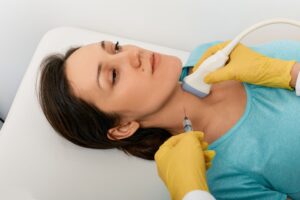
Factors Influencing Biopsy Costs.

  • Type of Biopsy: The complexity and invasiveness of the biopsy method directly affect the cost. Needle biopsies are less expensive due to their minimally invasive nature, while surgical biopsies involve more extensive procedures and higher costs.
  • Location: The geographical location of the clinic can impact costs. Major cities like Istanbul often have higher costs compared to other cities like Ankara or Izmir, which may offer more affordable options.
  • Clinic Reputation and Facilities: Clinics with advanced technology and high reputations may charge more for their services. Renowned hospitals and private clinics often have higher costs due to their state-of-the-art equipment and specialized staff.
  • Additional Services: Costs can also include additional services such as consultations, imaging studies (e.g., ultrasound, CT scans), and follow-up visits. These can add significantly to the total expense of the procedure.

Prices of all types of the Biopsies procedure in Turkey.

Fine-Needle Aspiration (FNA)

Definition and Details:

Fine-Needle Aspiration (FNA) is a diagnostic procedure that utilizes a thin, hollow needle to extract a small sample of tissue or fluid from a suspicious area.

This technique is particularly useful for evaluating lumps or nodules in soft tissues like the breast, thyroid gland, or lymph nodes.

The procedure is typically performed in an outpatient setting and is guided by imaging techniques such as ultrasound to ensure accurate needle placement.

FNA is performed under local anesthesia, making it a relatively comfortable procedure with minimal risk of complications. It provides rapid, preliminary results and is often used as an initial diagnostic tool before more invasive methods are considered.

Procedure Steps:

  • Initial Consultation: To determine the need for FNA and discuss potential risks and benefits.
  • Imaging Studies (if required): Utilization of ultrasound or other imaging methods to guide needle placement.
  • FNA Procedure: Insertion of a fine needle to aspirate cells or fluid from the target area.
  • Pathology Report: Analysis of the collected sample by a pathologist to provide a diagnostic result.
  • Follow-Up Visit: Review of results and discussion of any further treatment or diagnostic steps.

Pricing Breakdown:

  • Initial Consultation — $100 to $250
  • Imaging Studies (if required) — $100 to $300
  • FNA Procedure — $150 to $400
  • Pathology Report — $150 to $250
  • Follow-Up Visit — $100 to $200
  • Total Estimated Cost: $600 to $1,400

Core Needle Biopsy

Definition and Details:

Core Needle Biopsy involves the use of a larger, hollow needle to remove a core of tissue from a lesion or abnormal area.

This technique is preferred when a more substantial sample is needed for diagnosis, as it provides a detailed view of the tissue architecture.

Core Needle Biopsy is often used for assessing solid tumors in the breast, prostate, or other areas. The procedure is performed under local anesthesia and is guided by imaging techniques such as ultrasound or CT scans to ensure precision.

This method is slightly more invasive than FNA but offers more comprehensive diagnostic information, which is crucial for accurate diagnosis and treatment planning.

Procedure Steps:

  • Initial Consultation: To evaluate the necessity of a core needle biopsy and explain the procedure.
  • Imaging Studies (if required): Use of ultrasound or CT scans to accurately guide the needle.
  • Core Needle Biopsy Procedure: Extraction of a cylindrical core of tissue from the lesion using a specialized needle.
  • Pathology Report: Examination of the tissue sample by a pathologist to provide detailed diagnostic information.
  • Follow-Up Visit: Post-procedure consultation to review results and discuss further steps.

Pricing Breakdown:

  • Initial Consultation — $100 to $250
  • Imaging Studies (if required) — $150 to $350
  • Core Needle Biopsy Procedure — $250 to $600
  • Pathology Report — $200 to $350
  • Follow-Up Visit — $150 to $250
  • Total Estimated Cost: $850 to $1,800

Endoscopic Biopsy

Definition and Details:

Endoscopic Biopsy involves the use of an endoscope, a flexible tube with a camera and light, to obtain tissue samples from within the body.

This technique is commonly used for biopsies of the gastrointestinal tract, respiratory system, or urinary tract.

The endoscope is inserted through a natural body opening (e.g., mouth, anus) or a small incision, allowing the physician to directly view and biopsy abnormal areas.

Endoscopic biopsies are valuable for diagnosing conditions such as cancers, gastrointestinal disorders, or infections. The procedure is typically performed under sedation or anesthesia to ensure patient comfort.

Procedure Steps:

  • Initial Consultation: To assess symptoms and determine the need for an endoscopic biopsy.
  • Pre-Procedure Testing (if required): Blood tests or imaging studies to prepare for the procedure.
  • Endoscopic Biopsy Procedure: Insertion of the endoscope to collect tissue samples from the targeted area.
  • Pathology Report: Analysis of the biopsy samples to provide a diagnostic report.
  • Follow-Up Visit: Post-procedure consultation to discuss results and any further treatment plans.

Pricing Breakdown:

  • Initial Consultation — $150 to $300
  • Pre-Procedure Testing (if required) — $100 to $200
  • Endoscopic Biopsy Procedure — $500 to $1,200
  • Pathology Report — $200 to $400
  • Follow-Up Visit — $150 to $250
  • Total Estimated Cost: $1,100 to $2,350

Surgical Biopsy

Definition and Details:

A Surgical Biopsy is a procedure where a portion of tissue or an entire lesion is surgically removed for examination. This type of biopsy is used when a larger or deeper sample is required or when other less invasive methods are insufficient.

Surgical biopsies can be classified as excisional (removing the entire lesion) or incisional (removing only part of the lesion).

This method provides a thorough examination of the tissue, which is essential for diagnosing and staging cancers and other significant conditions.

Surgical biopsies are typically performed under local or general anesthesia, depending on the procedure’s complexity and location.

Procedure Steps:

  • Initial Consultation: To evaluate the need for a surgical biopsy and discuss options.
  • Pre-Procedure Testing (if required): Blood tests or imaging studies to assess overall health and prepare for surgery.
  • Surgical Biopsy Procedure: Removal of tissue or lesions under anesthesia.
  • Pathology Report: Detailed examination of the removed tissue by a pathologist.
  • Follow-Up Visit: Post-surgery consultation to review results and discuss next steps.

Pricing Breakdown:

  • Initial Consultation — $150 to $300
  • Pre-Procedure Testing (if required) — $100 to $250
  • Surgical Biopsy Procedure — $800 to $2,000
  • Pathology Report — $200 to $400
  • Follow-Up Visit — $150 to $300
  • Total Estimated Cost: $1,400 to $2,950

Excisional Biopsy

Definition and Details:

Excisional Biopsy involves the complete removal of a lesion or abnormal area for diagnostic evaluation.

This procedure is commonly used when a thorough examination of the entire lesion is required, such as for skin cancers or suspicious growths.

The biopsy is typically performed under local or general anesthesia, depending on the size and location of the lesion.

The entire lesion is removed and sent for histopathological analysis, which provides detailed information about the tissue and helps in formulating an accurate diagnosis and treatment plan.

Procedure Steps:

  • Initial Consultation: To assess the need for excisional biopsy and explain the procedure.
  • Pre-Procedure Testing (if required): Includes blood tests or imaging studies to prepare for the procedure.
  • Excisional Biopsy Procedure: Complete removal of the lesion or abnormal area under anesthesia.
  • Pathology Report: Analysis of the removed tissue to provide a diagnostic result.
  • Follow-Up Visit: Post-procedure consultation to discuss results and treatment options.

Pricing Breakdown:

  • Initial Consultation — $150 to $300
  • Pre-Procedure Testing (if required) — $100 to $250
  • Excisional Biopsy Procedure — $1,000 to $2,500
  • Pathology Report — $200 to $400
  • Follow-Up Visit — $150 to $300
  • Total Estimated Cost: $1,600 to $3,750

Incisional Biopsy

Definition and Details:

Incisional Biopsy involves the removal of a portion of a lesion or abnormal tissue for diagnostic purposes.

This procedure is typically used when the lesion is too large to be removed entirely or when complete removal may not be feasible.

An incisional biopsy allows for a sample to be taken for analysis while preserving the surrounding tissue. It is commonly performed under local or general anesthesia, depending on the location and size of the lesion.

The removed portion is then examined microscopically to provide information about the disease or condition present.

Procedure Steps:

  • Initial Consultation: To determine the need for an incisional biopsy and discuss the procedure.
  • Pre-Procedure Testing (if required): Blood tests or imaging studies to prepare for the biopsy.
  • Incisional Biopsy Procedure: Removal of a portion of the lesion or abnormal tissue under anesthesia.
  • Pathology Report: Analysis of the biopsy sample to provide diagnostic information.
  • Follow-Up Visit: Consultation to review results and discuss further treatment or diagnostic steps.

Pricing Breakdown:

  • Initial Consultation — $150 to $300
  • Pre-Procedure Testing (if required) — $100 to $250
  • Incisional Biopsy Procedure — $800 to $1,800
  • Pathology Report — $200 to $400
  • Follow-Up Visit — $150 to $300
  • Total Estimated Cost: $1,500 to $3,050

Punch Biopsy

Definition and Details:

Punch Biopsy is a procedure where a cylindrical punch tool is used to remove a small, cylindrical section of skin or tissue.

This technique is frequently employed for diagnosing dermatological conditions, including skin cancers, rashes, or infections.

The biopsy is performed under local anesthesia, and the punch tool is rotated to extract a core of tissue. The sample is then examined microscopically to provide a diagnosis. Punch biopsy is minimally invasive, usually leaving a small, well-healing wound.

Procedure Steps:

  • Initial Consultation: To assess the need for a punch biopsy and explain the procedure.
  • Punch Biopsy Procedure: Removal of a cylindrical section of skin or tissue using a punch tool.
  • Pathology Report: Analysis of the tissue sample to provide a diagnostic result.
  • Follow-Up Visit: Post-procedure consultation to review results and discuss any further steps.

Pricing Breakdown:

  • Initial Consultation — $100 to $200
  • Punch Biopsy Procedure — $200 to $500
  • Pathology Report — $150 to $300
  • Follow-Up Visit — $100 to $200
  • Total Estimated Cost: $550 to $1,200

Shave Biopsy

Definition and Details:

Shave Biopsy involves removing a thin layer of tissue from the surface of the skin using a razor-like tool.

This method is commonly used for diagnosing superficial skin lesions, such as warts, moles, or skin cancers.

The procedure is typically performed under local anesthesia, and the removed tissue is examined microscopically for diagnostic purposes. Shave biopsy is less invasive than excisional or punch biopsies and usually results in minimal scarring.

Procedure Steps:

  • Initial Consultation: To determine the need for a shave biopsy and explain the procedure.
  • Shave Biopsy Procedure: Removal of a thin layer of tissue from the skin using a razor-like tool.
  • Pathology Report: Analysis of the tissue sample to provide a diagnostic result.
  • Follow-Up Visit: Post-procedure consultation to review results and discuss further treatment.

Pricing Breakdown:

  • Initial Consultation — $100 to $200
  • Shave Biopsy Procedure — $150 to $400
  • Pathology Report — $150 to $300
  • Follow-Up Visit — $100 to $200
  • Total Estimated Cost: $500 to $1,100

Cryobiopsy

Definition and Details:

Cryobiopsy is a specialized technique where extreme cold is used to obtain a tissue sample from a targeted area.

This method is particularly useful for diagnosing certain skin conditions and cancers. The procedure involves freezing the tissue using liquid nitrogen, which causes it to become brittle and easier to sample.

Cryobiopsy is performed under local anesthesia and can be less invasive than other methods. It provides a good sample for diagnostic purposes while minimizing discomfort and scarring.

Procedure Steps:

  • Initial Consultation: To evaluate the need for cryobiopsy and discuss the procedure.
  • Cryobiopsy Procedure: Application of extreme cold to freeze and sample the tissue.
  • Pathology Report: Analysis of the frozen tissue sample to provide a diagnostic result.
  • Follow-Up Visit: Consultation to review results and discuss further steps.

Pricing Breakdown:

  • Initial Consultation — $150 to $250
  • Cryobiopsy Procedure — $300 to $700
  • Pathology Report — $150 to $300
  • Follow-Up Visit — $150 to $250
  • Total Estimated Cost: $750 to $1,500

Needle Biopsy (General)

Definition and Details:

Needle Biopsy, often referred to in a general context, involves using a needle to extract tissue from various body parts for diagnostic analysis.

This method is commonly employed for tumors or other abnormalities in organs such as the liver, kidneys, or lungs.

Needle biopsies can be performed using different types of needles, including fine or core needles, depending on the required tissue sample size and detail.

The procedure is usually guided by imaging techniques like ultrasound, CT, or MRI, and is performed under local anesthesia.

Procedure Steps:

  • Initial Consultation: To assess the need for a needle biopsy and discuss the procedure.
  • Imaging Studies (if required): Use of ultrasound, CT, or MRI to guide the needle.
  • Needle Biopsy Procedure: Insertion of the needle to extract tissue samples from the target area.
  • Pathology Report: Examination of the biopsy samples by a pathologist.
  • Follow-Up Visit: Post-procedure consultation to review results and discuss further steps.

Pricing Breakdown:

  • Initial Consultation — $100 to $250
  • Imaging Studies (if required) — $150 to $350
  • Needle Biopsy Procedure — $200 to $600
  • Pathology Report — $150 to $300
  • Follow-Up Visit — $100 to $200
  • Total Estimated Cost: $700 to $1,700

Cost Analysis of Biopsy Procedures in Istanbul, Ankara, and Izmir.

Fine-Needle Aspiration (FNA)

Istanbul:

  • Initial Consultation: $120 to $250
  • Imaging Studies (if required): $120 to $300
  • FNA Procedure: $180 to $400
  • Pathology Report: $180 to $250
  • Follow-Up Visit: $120 to $220
  • Additional Testing (if necessary): $50 to $100
  • Anesthesia Costs: $70 to $150
  • Sample Handling Fee: $30 to $60
  • Specialist Fee: $100 to $200
  • Documentation and Administration: $20 to $50
  • Total Cost in Istanbul: $1,050 to $2,180

Ankara:

  • Initial Consultation: $100 to $230
  • Imaging Studies (if required): $110 to $280
  • FNA Procedure: $160 to $370
  • Pathology Report: $160 to $230
  • Follow-Up Visit: $110 to $210
  • Additional Testing (if necessary): $40 to $90
  • Anesthesia Costs: $60 to $130
  • Sample Handling Fee: $20 to $50
  • Specialist Fee: $90 to $180
  • Documentation and Administration: $10 to $40
  • Total Cost in Ankara: $860 to $1,820

Izmir:

  • Initial Consultation: $110 to $240
  • Imaging Studies (if required): $130 to $290
  • FNA Procedure: $170 to $380
  • Pathology Report: $170 to $260
  • Follow-Up Visit: $130 to $230
  • Additional Testing (if necessary): $60 to $110
  • Anesthesia Costs: $80 to $160
  • Sample Handling Fee: $40 to $70
  • Specialist Fee: $110 to $210
  • Documentation and Administration: $30 to $60
  • Total Cost in Izmir: $1,000 to $1,950

Core Needle Biopsy

Istanbul:

  • Initial Consultation: $130 to $270
  • Imaging Studies (if required): $150 to $350
  • Core Needle Biopsy Procedure: $300 to $600
  • Pathology Report: $200 to $350
  • Follow-Up Visit: $140 to $260
  • Additional Testing (if necessary): $60 to $120
  • Anesthesia Costs: $80 to $170
  • Sample Handling Fee: $40 to $80
  • Specialist Fee: $120 to $230
  • Documentation and Administration: $30 to $70
  • Total Cost in Istanbul: $1,510 to $2,680

Ankara:

  • Initial Consultation: $110 to $260
  • Imaging Studies (if required): $130 to $320
  • Core Needle Biopsy Procedure: $280 to $580
  • Pathology Report: $180 to $340
  • Follow-Up Visit: $120 to $250
  • Additional Testing (if necessary): $50 to $110
  • Anesthesia Costs: $70 to $150
  • Sample Handling Fee: $30 to $70
  • Specialist Fee: $100 to $210
  • Documentation and Administration: $20 to $60
  • Total Cost in Ankara: $1,170 to $2,340

Izmir:

  • Initial Consultation: $120 to $250
  • Imaging Studies (if required): $140 to $330
  • Core Needle Biopsy Procedure: $290 to $590
  • Pathology Report: $190 to $360
  • Follow-Up Visit: $130 to $240
  • Additional Testing (if necessary): $50 to $120
  • Anesthesia Costs: $90 to $160
  • Sample Handling Fee: $30 to $70
  • Specialist Fee: $110 to $220
  • Documentation and Administration: $40 to $80
  • Total Cost in Izmir: $1,360 to $2,440

Excisional Biopsy

Istanbul:

  • Initial Consultation: $150 to $300
  • Imaging Studies (if required): $180 to $400
  • Excisional Biopsy Procedure: $500 to $1,200
  • Pathology Report: $250 to $400
  • Follow-Up Visit: $150 to $300
  • Additional Testing (if necessary): $80 to $150
  • Anesthesia Costs: $100 to $200
  • Sample Handling Fee: $50 to $100
  • Specialist Fee: $150 to $300
  • Documentation and Administration: $40 to $80
  • Total Cost in Istanbul: $1,650 to $3,450

Ankara:

  • Initial Consultation: $140 to $290
  • Imaging Studies (if required): $160 to $370
  • Excisional Biopsy Procedure: $450 to $1,100
  • Pathology Report: $230 to $390
  • Follow-Up Visit: $140 to $290
  • Additional Testing (if necessary): $60 to $130
  • Anesthesia Costs: $80 to $180
  • Sample Handling Fee: $30 to $70
  • Specialist Fee: $130 to $250
  • Documentation and Administration: $20 to $60
  • Total Cost in Ankara: $1,620 to $3,340

Izmir:

  • Initial Consultation: $140 to $280
  • Imaging Studies (if required): $170 to $380
  • Excisional Biopsy Procedure: $480 to $1,150
  • Pathology Report: $240 to $410
  • Follow-Up Visit: $140 to $270
  • Additional Testing (if necessary): $70 to $140
  • Anesthesia Costs: $90 to $180
  • Sample Handling Fee: $40 to $80
  • Specialist Fee: $140 to $270
  • Documentation and Administration: $30 to $70
  • Total Cost in Izmir: $1,710 to $3,350

Punch Biopsy

Istanbul:

  • Initial Consultation: $120 to $250
  • Imaging Studies (if required): $130 to $300
  • Punch Biopsy Procedure: $200 to $500
  • Pathology Report: $180 to $350
  • Follow-Up Visit: $130 to $250
  • Additional Testing (if necessary): $50 to $100
  • Anesthesia Costs: $70 to $150
  • Sample Handling Fee: $30 to $70
  • Specialist Fee: $100 to $200
  • Documentation and Administration: $20 to $50
  • Total Cost in Istanbul: $1,190 to $2,420

Ankara:

  • Initial Consultation: $100 to $230
  • Imaging Studies (if required): $120 to $270
  • Punch Biopsy Procedure: $180 to $460
  • Pathology Report: $160 to $320
  • Follow-Up Visit: $110 to $230
  • Additional Testing (if necessary): $40 to $90
  • Anesthesia Costs: $60 to $140
  • Sample Handling Fee: $20 to $50
  • Specialist Fee: $90 to $180
  • Documentation and Administration: $10 to $40
  • Total Cost in Ankara: $890 to $1,950

Izmir:

  • Initial Consultation: $110 to $240
  • Imaging Studies (if required): $140 to $290
  • Punch Biopsy Procedure: $190 to $470
  • Pathology Report: $170 to $330
  • Follow-Up Visit: $130 to $240
  • Additional Testing (if necessary): $60 to $110
  • Anesthesia Costs: $80 to $160
  • Sample Handling Fee: $40 to $70
  • Specialist Fee: $110 to $210
  • Documentation and Administration: $30 to $60
  • Total Cost in Izmir: $1,240 to $2,460

Shave Biopsy

Istanbul:

  • Initial Consultation: $100 to $240
  • Imaging Studies (if required): $120 to $300
  • Shave Biopsy Procedure: $150 to $400
  • Pathology Report: $170 to $250
  • Follow-Up Visit: $100 to $220
  • Additional Testing (if necessary): $50 to $100
  • Anesthesia Costs: $60 to $130
  • Sample Handling Fee: $30 to $60
  • Specialist Fee: $90 to $200
  • Documentation and Administration: $20 to $50
  • Total Cost in Istanbul: $900 to $1,810

Ankara:

  • Initial Consultation: $90 to $220
  • Imaging Studies (if required): $110 to $280
  • Shave Biopsy Procedure: $140 to $380
  • Pathology Report: $160 to $240
  • Follow-Up Visit: $90 to $210
  • Additional Testing (if necessary): $40 to $90
  • Anesthesia Costs: $50 to $120
  • Sample Handling Fee: $20 to $50
  • Specialist Fee: $80 to $180
  • Documentation and Administration: $10 to $40
  • Total Cost in Ankara: $790 to $1,790

Izmir:

  • Initial Consultation: $110 to $250
  • Imaging Studies (if required): $130 to $290
  • Shave Biopsy Procedure: $160 to $420
  • Pathology Report: $180 to $260
  • Follow-Up Visit: $120 to $230
  • Additional Testing (if necessary): $50 to $120
  • Anesthesia Costs: $70 to $150
  • Sample Handling Fee: $30 to $70
  • Specialist Fee: $100 to $210
  • Documentation and Administration: $30 to $60
  • Total Cost in Izmir: $950 to $2,080

Endoscopic Biopsy

Istanbul:

  • Initial Consultation: $150 to $300
  • Imaging Studies (if required): $200 to $400
  • Endoscopic Biopsy Procedure: $600 to $1,200
  • Pathology Report: $250 to $400
  • Follow-Up Visit: $150 to $300
  • Additional Testing (if necessary): $80 to $150
  • Anesthesia Costs: $100 to $200
  • Sample Handling Fee: $50 to $100
  • Specialist Fee: $150 to $300
  • Documentation and Administration: $40 to $80
  • Total Cost in Istanbul: $1,620 to $3,430

Ankara:

  • Initial Consultation: $140 to $290
  • Imaging Studies (if required): $180 to $370
  • Endoscopic Biopsy Procedure: $550 to $1,100
  • Pathology Report: $230 to $390
  • Follow-Up Visit: $140 to $290
  • Additional Testing (if necessary): $60 to $130
  • Anesthesia Costs: $80 to $180
  • Sample Handling Fee: $30 to $70
  • Specialist Fee: $130 to $250
  • Documentation and Administration: $20 to $60
  • Total Cost in Ankara: $1,820 to $3,450

Izmir:

  • Initial Consultation: $160 to $290
  • Imaging Studies (if required): $200 to $380
  • Endoscopic Biopsy Procedure: $600 to $1,150
  • Pathology Report: $240 to $410
  • Follow-Up Visit: $150 to $270
  • Additional Testing (if necessary): $70 to $140
  • Anesthesia Costs: $90 to $160
  • Sample Handling Fee: $40 to $80
  • Specialist Fee: $140 to $270
  • Documentation and Administration: $30 to $70
  • Total Cost in Izmir: $1,780 to $3,290

Stereotactic Biopsy

Istanbul:

  • Initial Consultation: $160 to $320
  • Imaging Studies (if required): $250 to $500
  • Stereotactic Biopsy Procedure: $700 to $1,400
  • Pathology Report: $270 to $450
  • Follow-Up Visit: $160 to $300
  • Additional Testing (if necessary): $100 to $180
  • Anesthesia Costs: $120 to $250
  • Sample Handling Fee: $60 to $120
  • Specialist Fee: $180 to $350
  • Documentation and Administration: $50 to $90
  • Total Cost in Istanbul: $2,050 to $3,960

Ankara:

  • Initial Consultation: $150 to $300
  • Imaging Studies (if required): $220 to $450
  • Stereotactic Biopsy Procedure: $650 to $1,300
  • Pathology Report: $240 to $430
  • Follow-Up Visit: $150 to $290
  • Additional Testing (if necessary): $80 to $150
  • Anesthesia Costs: $100 to $200
  • Sample Handling Fee: $40 to $80
  • Specialist Fee: $160 to $320
  • Documentation and Administration: $30 to $70
  • Total Cost in Ankara: $1,930 to $3,450

Izmir:

  • Initial Consultation: $170 to $310
  • Imaging Studies (if required): $230 to $470
  • Stereotactic Biopsy Procedure: $700 to $1,350
  • Pathology Report: $250 to $440
  • Follow-Up Visit: $150 to $280
  • Additional Testing (if necessary): $90 to $160
  • Anesthesia Costs: $110 to $220
  • Sample Handling Fee: $50 to $100
  • Specialist Fee: $170 to $340
  • Documentation and Administration: $40 to $80
  • Total Cost in Izmir: $2,070 to $3,750

CT-Guided Biopsy

Istanbul:

  • Initial Consultation: $140 to $290
  • Imaging Studies (if required): $250 to $550
  • CT-Guided Biopsy Procedure: $800 to $1,500
  • Pathology Report: $250 to $400
  • Follow-Up Visit: $140 to $300
  • Additional Testing (if necessary): $90 to $170
  • Anesthesia Costs: $100 to $220
  • Sample Handling Fee: $50 to $110
  • Specialist Fee: $160 to $320
  • Documentation and Administration: $40 to $80
  • Total Cost in Istanbul: $2,190 to $4,250

Ankara:

  • Initial Consultation: $130 to $280
  • Imaging Studies (if required): $220 to $500
  • CT-Guided Biopsy Procedure: $750 to $1,400
  • Pathology Report: $230 to $420
  • Follow-Up Visit: $130 to $290
  • Additional Testing (if necessary): $80 to $160
  • Anesthesia Costs: $90 to $190
  • Sample Handling Fee: $30 to $70
  • Specialist Fee: $150 to $300
  • Documentation and Administration: $20 to $60
  • Total Cost in Ankara: $1,980 to $3,670

Izmir:

  • Initial Consultation: $150 to $300
  • Imaging Studies (if required): $240 to $520
  • CT-Guided Biopsy Procedure: $800 to $1,450
  • Pathology Report: $260 to $430
  • Follow-Up Visit: $160 to $270
  • Additional Testing (if necessary): $80 to $140
  • Anesthesia Costs: $110 to $210
  • Sample Handling Fee: $40 to $90
  • Specialist Fee: $180 to $350
  • Documentation and Administration: $30 to $70
  • Total Cost in Izmir: $2,350 to $4,160

MRI-Guided Biopsy

Istanbul:

  • Initial Consultation: $150 to $310
  • Imaging Studies (if required): $300 to $600
  • MRI-Guided Biopsy Procedure: $1,000 to $2,000
  • Pathology Report: $300 to $500
  • Follow-Up Visit: $150 to $320
  • Additional Testing (if necessary): $100 to $200
  • Anesthesia Costs: $120 to $250
  • Sample Handling Fee: $60 to $120
  • Specialist Fee: $200 to $400
  • Documentation and Administration: $50 to $100
  • Total Cost in Istanbul: $2,430 to $4,900

Ankara:

  • Initial Consultation: $140 to $280
  • Imaging Studies (if required): $270 to $550
  • MRI-Guided Biopsy Procedure: $950 to $1,800
  • Pathology Report: $280 to $490
  • Follow-Up Visit: $140 to $290
  • Additional Testing (if necessary): $80 to $150
  • Anesthesia Costs: $100 to $200
  • Sample Handling Fee: $30 to $70
  • Specialist Fee: $180 to $360
  • Documentation and Administration: $30 to $70
  • Total Cost in Ankara: $2,220 to $4,390

Izmir:

  • Initial Consultation: $160 to $310
  • Imaging Studies (if required): $280 to $580
  • MRI-Guided Biopsy Procedure: $1,000 to $1,900
  • Pathology Report: $290 to $500
  • Follow-Up Visit: $160 to $280
  • Additional Testing (if necessary): $90 to $170
  • Anesthesia Costs: $110 to $230
  • Sample Handling Fee: $50 to $110
  • Specialist Fee: $190 to $370
  • Documentation and Administration: $40 to $90
  • Total Cost in Izmir: $2,580 to $4,700

Core Needle Biopsy

Istanbul:

  • Initial Consultation: $140 to $290
  • Imaging Studies (if required): $200 to $450
  • Core Needle Biopsy Procedure: $500 to $1,000
  • Pathology Report: $220 to $400
  • Follow-Up Visit: $120 to $280
  • Additional Testing (if necessary): $60 to $130
  • Anesthesia Costs: $80 to $180
  • Sample Handling Fee: $40 to $90
  • Specialist Fee: $140 to $300
  • Documentation and Administration: $30 to $70
  • Total Cost in Istanbul: $1,470 to $3,380

Ankara:

  • Initial Consultation: $120 to $260
  • Imaging Studies (if required): $180 to $420
  • Core Needle Biopsy Procedure: $450 to $900
  • Pathology Report: $200 to $380
  • Follow-Up Visit: $110 to $250
  • Additional Testing (if necessary): $50 to $120
  • Anesthesia Costs: $70 to $150
  • Sample Handling Fee: $30 to $70
  • Specialist Fee: $130 to $280
  • Documentation and Administration: $20 to $50
  • Total Cost in Ankara: $1,470 to $3,780

Izmir:

  • Initial Consultation: $150 to $300
  • Imaging Studies (if required): $210 to $460
  • Core Needle Biopsy Procedure: $500 to $950
  • Pathology Report: $230 to $390
  • Follow-Up Visit: $130 to $270
  • Additional Testing (if necessary): $70 to $140
  • Anesthesia Costs: $90 to $190
  • Sample Handling Fee: $50 to $100
  • Specialist Fee: $150 to $320
  • Documentation and Administration: $40 to $80
  • Total Cost in Izmir: $1,930 to $3,850

Additional Considerations

Pre-Procedure Costs:

  • Consultation Fees: Before undergoing a biopsy, you will typically need to consult with a specialist. Consultation fees generally range from $100 to $250, depending on the clinic and the specialist’s experience. This consultation is crucial for assessing your condition and discussing the most appropriate biopsy method.
  • Imaging Studies: Depending on the type of biopsy, you may require imaging studies such as ultrasound, CT scans, or MRI. These studies can add an additional $200 to $800 to your total costs. Imaging helps in accurately locating the area of concern and planning the biopsy procedure.

Post-Procedure Costs:

  • Pathology Reports: After the biopsy, the collected tissue samples are analyzed to provide a diagnosis. The cost of pathology reports generally ranges from $150 to $400, depending on the complexity of the analysis and the clinic’s pricing structure.
  • Follow-Up Visits: Additional consultations or follow-up visits with the specialist to discuss results and further treatment plans may cost between $100 and $200 each. These visits are essential for understanding the biopsy results and planning any necessary follow-up care.

Insurance and Payment Options:

  • Insurance Coverage: Many health insurance plans in Turkey cover biopsy procedures, but coverage can vary widely. It’s essential to check with your insurance provider to understand your benefits and any potential out-of-pocket costs. Some plans may cover only a portion of the costs or require co-payments.
  • Payment Plans: Some clinics offer payment plans or financing options to help manage the costs of biopsy procedures. These plans can make it easier to spread out the expenses over time. Be sure to inquire about these options when scheduling your biopsy.

Choosing the Right Clinic

  • Clinic Accreditation: Ensure that the clinic where you plan to undergo the biopsy is accredited by relevant health authorities. Accreditation indicates that the clinic meets specific standards for quality and safety, which is crucial for your overall care and procedure outcomes.
  • Specialist Experience: Choose a clinic with experienced specialists who are skilled in performing the type of biopsy you need. The expertise of the specialist can significantly impact the accuracy of the procedure and the quality of care you receive.
  • Patient Reviews: Reading reviews and testimonials from previous patients can provide valuable insights into the quality of care and service provided by the clinic. Look for reviews that mention the clinic’s facilities, staff professionalism, and overall patient experience.

Comparing Clinics:

  • Istanbul: As a major medical hub, Istanbul offers a wide range of high-end facilities and experienced specialists. However, the cost of biopsy procedures in Istanbul can be on the higher end due to the city’s advanced medical infrastructure and higher cost of living.
  • Ankara: The capital city offers competitive pricing while maintaining high standards of medical care. Ankara’s medical facilities are well-regarded, and the costs for biopsy procedures are often more affordable compared to Istanbul.
  • Izmir: Known for its reasonable costs and quality care, Izmir is a popular choice for patients seeking more affordable biopsy options. The city offers a range of medical facilities with good reputations and lower costs compared to Istanbul and Ankara.

How to prepare for a Biopsies procedure?

Preparation Steps with Your Doctor

Initial Consultation and Medical History Review

Objective: Evaluate overall health and suitability for the biopsy procedure.

Details:
  • Medical History: Comprehensive review of your chronic conditions (e.g., diabetes, hypertension), past surgeries, and any relevant medical treatments.
  • Current Medications: Discuss all medications, including over-the-counter drugs, vitamins, and supplements. Highlight any allergies or sensitivities to medications.
  • Family Medical History: Provide information on any hereditary conditions that might impact your procedure or recovery.
  • Action: Schedule an appointment with your doctor and bring a detailed list of your medical history, current medications, and family health information. Be prepared to discuss any concerns or symptoms you are experiencing.

Diagnostic Imaging and Testing

Objective: Precisely locate the biopsy site and plan the procedure accurately.

Details:
  • Types of Imaging: Depending on the biopsy type, imaging may include X-rays, CT scans, MRIs, or ultrasounds. These tests help in visualizing the area of concern.
  • Preparation for Imaging: Instructions may include fasting, avoiding specific foods, or temporarily discontinuing certain medications. Follow these guidelines to ensure clear and accurate imaging results.
  • Action: Follow your doctor’s instructions carefully regarding preparation for imaging tests. Attend all scheduled imaging appointments and discuss any concerns with the imaging technician.

Discussion of Biopsy Procedure Details

Objective: Gain a thorough understanding of the biopsy procedure, including its risks and benefits.

Details:
  • Procedure Type: Learn about the specific biopsy type (e.g., needle biopsy, endoscopic biopsy), how it will be performed, and why this method is chosen.
  • Risks and Benefits: Understand potential risks (e.g., infection, bleeding) and the benefits (e.g., accurate diagnosis) of the procedure. Discuss any concerns or questions you may have.
  • Recovery and Outcomes: Review what to expect during recovery, including potential side effects and how to manage them.
  • Action: Engage in a detailed discussion with your doctor. Ensure you fully understand the procedure, ask for clarification if needed, and confirm that you are comfortable with the plan.

Pre-Procedure Testing

Objective: Ensure your body is prepared for the biopsy and assess overall health.

Details:
  • Blood Tests: These tests may include a complete blood count (CBC), liver function tests, kidney function tests, and assessments of blood clotting abilities.
  • Other Tests: Depending on your health status and the biopsy type, additional tests may be required to assess specific health parameters.
  • Action: Schedule and complete all required pre-procedure tests as instructed by your doctor. Follow any specific preparation instructions, such as fasting or hydration requirements, to ensure accurate results.

Medications Review and Adjustment

Objective: Minimize risks associated with medications and ensure safe procedure conditions.

Details:
  • Medication List: Provide a comprehensive list of all medications you are currently taking, including prescription, over-the-counter, and herbal supplements.
  • Adjustments Needed: Discuss any necessary changes, such as temporarily stopping blood thinners or adjusting dosages. Understand the rationale behind these adjustments.
  • Action: Follow your doctor’s instructions on medication management. Make any required adjustments as advised and report any difficulties or concerns.

Consent Form Review and Signing

Objective: Formalize your agreement to proceed with the biopsy.

Details:
  • Form Content: The consent form will outline the details of the procedure, including its risks, benefits, and alternatives. It is crucial to review this document thoroughly.
  • Questions and Clarifications: Ask for clarification on any parts of the consent form that you do not understand. Ensure that all your questions are answered before signing.
  • Action: Read the consent form carefully, ask questions, and sign the form only when you fully understand and agree with the procedure outlined.

Anesthesia and Pain Management Planning

Objective: Ensure comfort and safety during the biopsy.

Details:
  • Anesthesia Options: Discuss whether local anesthesia, sedation, or general anesthesia will be used based on the biopsy type and your health status.
  • Pain Management: Review options for managing pain during and after the procedure. This may include medications or alternative pain relief methods.
  • Action: Discuss your preferences and concerns regarding anesthesia and pain management with your doctor. Confirm the plan and understand any pre-procedure requirements related to anesthesia.

Biopsy Site Preparation

Objective: Prepare the biopsy site for the procedure.

Details:
  • Site Cleaning: Instructions may include avoiding lotions, oils, or makeup on the biopsy site area.
  • Shaving or Grooming: For certain procedures, you may need to shave or prepare the area around the biopsy site. Follow specific instructions provided by your healthcare team.
  • Action: Follow all site preparation instructions provided by your doctor. Ensure that the area is clean and properly prepared according to the guidelines.

Post-Procedure Care Instructions

Objective: Ensure proper recovery and management of any post-procedure effects.

Details:
  • Care Guidelines: Review instructions for caring for the biopsy site, including how to keep it clean, when to change dressings, and signs of infection.
  • Follow-Up Care: Schedule follow-up visits to monitor healing and discuss biopsy results. Understand what to do if you experience complications or unusual symptoms.
  • Action: Adhere to post-procedure care instructions and attend all scheduled follow-up appointments. Report any issues or concerns promptly to your healthcare provider.

Pre-Procedure Appointment Scheduling

Objective: Ensure all procedural and follow-up appointments are organized.

Details:
  • Scheduling: Confirm dates and times for the biopsy procedure, any required tests, and follow-up visits.
  • Preparation: Verify any pre-procedure requirements, such as fasting or medication adjustments, in advance of your appointments.
  • Action: Confirm all appointments with your doctor’s office. Ensure that you are aware of all preparation steps needed before the biopsy.

Personal Preparation Before the Biopsy Procedure

Fasting and Dietary Restrictions

Objective: Prepare your body for the procedure and anesthesia.

Details:
  • Fasting Instructions: Depending on the biopsy and anesthesia type, you may need to fast for a specified period before the procedure.
  • Dietary Changes: Avoid certain foods or beverages as instructed by your doctor to ensure the best possible outcomes and reduce the risk of complications.
  • Action: Follow fasting and dietary instructions carefully. Ensure you understand the requirements and make any necessary adjustments to your eating and drinking habits before the procedure.

Medication Management

Objective: Ensure safe management of medications leading up to the biopsy.

Details:
  • Medication List: Review and organize all current medications, including prescription and over-the-counter drugs.
  • Adjustments: Follow your doctor’s instructions on which medications to continue, stop, or modify before the biopsy.
  • Action: Manage your medications according to your doctor’s guidance. Keep a record of any changes and communicate any issues or side effects.

Arranging Transportation

Objective: Ensure safe travel to and from the procedure.

Details:
  • Transportation Needs: Arrange for a reliable person to transport you to and from the procedure, especially if sedation or general anesthesia is used.
  • Transportation Options: Consider options such as family, friends, or a taxi service to avoid complications after the procedure.
  • Action: Confirm transportation arrangements in advance. Ensure that you have a plan for both getting to the procedure and returning home safely.

Wearing Comfortable Clothing

Objective: Ensure comfort during and after the procedure.

Details:
  • Clothing Choice: Wear loose, comfortable clothing that does not interfere with the biopsy site or recovery.
  • Avoid Tight Clothing: Choose clothing that allows easy access to the biopsy site and prevents irritation or discomfort.
  • Action: Select appropriate clothing for the day of the procedure. Avoid wearing tight or restrictive clothing that could affect the biopsy site.

Preparation of Personal Items

Objective: Be ready for post-procedure care and recovery.

Details:
  • Essential Items: Gather items such as bandages, ointments, pain relief medication, and comfortable clothing for recovery.
  • Home Care Supplies: Prepare any additional supplies needed for caring for the biopsy site, such as antiseptic wipes or extra dressings.
  • Action: Prepare and organize all necessary personal items before the procedure. Ensure that you have everything you need for a smooth recovery.

Home Environment Preparation

Objective: Create a comfortable and supportive recovery space.

Details:
  • Comfortable Area: Set up a space in your home with pillows, blankets, and other items to help you rest and recover comfortably.
  • Easy Access to Meals: Ensure you have access to easy-to-prepare meals and beverages to maintain hydration and nutrition during recovery.
  • Action: Arrange your home environment to support your recovery. Ensure you have all necessary items and resources readily available.

Psychological Preparation

Objective: Reduce anxiety and stress related to the procedure.

Details:
  • Mental Preparation: Practice relaxation techniques, such as deep breathing or meditation, to manage stress.
  • Support System: Reach out to family and friends for emotional support and reassurance.
  • Action: Engage in activities that help you feel calm and prepared. Communicate any concerns or anxieties with your support system.

Understanding Post-Procedure Care

Objective: Prepare for the recovery phase and manage any potential issues.

Details:
  • Care Instructions: Review and understand post-procedure care instructions, including how to handle the biopsy site and recognize signs of infection or complications.
  • Emergency Contact: Know how to contact your healthcare provider in case of any urgent issues or questions.
  • Action: Familiarize yourself with care instructions and emergency contact information. Be prepared to manage the biopsy site according to your doctor’s guidelines.

Follow-Up Appointment Scheduling

Objective: Ensure timely follow-up and monitoring.

Details:
  • Appointment Dates: Confirm dates and times for follow-up visits to discuss biopsy results and monitor healing.
  • Preparation for Follow-Up: Understand what to expect during follow-up visits and any additional tests or evaluations that may be required.
  • Action: Schedule and confirm all follow-up appointments. Prepare for any additional requirements or evaluations during these visits.

Communication of Special Needs or Concerns

Objective: Address any specific needs or concerns before the procedure.

Details:
  • Special Needs: Inform your doctor about any specific needs or concerns related to the procedure, such as mobility issues or sensory sensitivities.
  • Clarifications: Ensure that any questions or special requests are communicated and addressed prior to the biopsy.
  • Action: Discuss any special needs or concerns with your healthcare provider. Ensure that all necessary accommodations are made for a smooth procedure experience.

What happens during the Biopsies procedure.

Preparation and Anesthesia Administration

Details:

  • Initial Setup: You will be positioned comfortably on the procedure table, and the area where the biopsy will be performed is prepared. The medical team ensures that everything needed for the procedure is ready and sterile.
  • Anesthesia Application: Depending on the biopsy type, either local anesthesia (numbing the specific area) or sedation (to make you more relaxed or unconscious) will be administered to ensure you do not experience pain during the procedure.

What the Doctor Does:

  • Positioning: Assists you in getting into the appropriate position for the biopsy.
  • Anesthesia Injection: Administers local anesthesia via injection or, in the case of sedation, provides medication through an IV line.
  • Monitoring: Monitors your response to anesthesia and adjusts as needed.

Cleaning and Sterilizing the Biopsy Area

Details:

  • Site Preparation: The biopsy site is cleaned and sterilized to minimize the risk of infection. This typically involves applying an antiseptic solution to the area.
  • Draping: Sterile drapes are placed around the biopsy site to maintain a clean environment throughout the procedure.

What the Doctor Does:

  • Cleansing: Applies an antiseptic solution to the skin or mucous membrane around the biopsy site.
  • Draping: Covers the surrounding area with sterile drapes to ensure a sterile field.

Marking the Biopsy Site

Details:

  • Site Identification: The exact location for the biopsy is marked on the skin using a marker or with imaging guidance, such as ultrasound or CT scan, to ensure precision.

What the Doctor Does:

  • Marking: Uses a surgical marker to outline the biopsy area or utilizes imaging technology to pinpoint the precise location.
  • Verification: Confirms the location with imaging or physical examination to ensure accuracy.

Performing the Biopsy

Details:

  • Biopsy Execution: Depending on the type of biopsy (e.g., needle, excisional, endoscopic), the doctor performs the procedure to collect tissue samples. This step may involve inserting a needle, making a small incision, or using an endoscope.
  • Sample Collection: The tissue sample is extracted and prepared for examination.

What the Doctor Does:

  • Insertion: For needle biopsies, inserts the biopsy needle into the targeted area. For other types, makes an incision or uses an endoscope.
  • Sampling: Extracts the tissue or cells required for analysis.

Managing Bleeding

Details:

  • Control Measures: After obtaining the sample, the doctor will manage any bleeding that occurs at the biopsy site. This may involve applying pressure, using cauterization, or placing sutures if necessary.

What the Doctor Does:

  • Bleeding Control: Applies pressure to the biopsy site to stop bleeding. Uses cauterization or stitches if required.
  • Assessment: Checks the site to ensure bleeding is under control and there are no complications.

Cleaning the Biopsy Site

Details:

  • Site Cleaning: After the biopsy, the area is cleaned again to remove any residual blood or fluids and reduce the risk of infection.

What the Doctor Does:

  • Cleaning: Wipes the biopsy area with antiseptic solutions to ensure cleanliness.
  • Inspection: Inspects the site for any signs of excessive bleeding or infection.

Dressing the Biopsy Site

Details:

  • Application of Dressing: A sterile dressing or bandage is applied to the biopsy site to protect it from external contaminants and to absorb any remaining fluids.

What the Doctor Does:

  • Dressing Application: Applies and secures a sterile bandage or dressing over the biopsy site.
  • Instruction: Provides instructions on how to care for the dressing and the biopsy site.

Post-Procedure Instructions

Details:

  • Care Guidelines: You will receive detailed instructions on how to care for the biopsy site, including how to keep it clean, signs of potential complications, and when to seek medical attention.
  • Activity Restrictions: Information on any activity restrictions or precautions to follow after the procedure.

What the Doctor Does:

  • Instructions: Explains how to care for the biopsy site and what to do in case of problems.
  • Advice: Provides advice on avoiding activities that could interfere with healing.

Collecting and Labeling Samples

Details:

  • Sample Handling: The biopsy samples are carefully collected, labeled, and sent to a laboratory for analysis. This step is crucial for ensuring that the samples are properly identified and analyzed.

What the Doctor Does:

  • Collection: Carefully removes and places the biopsy samples into labeled containers.
  • Labeling: Ensures that each sample is correctly labeled with patient information and biopsy details.

Scheduling Follow-Up Appointments

Details:

  • Follow-Up Care: After the biopsy, the doctor will schedule follow-up appointments to discuss the results and monitor the healing process. This may include additional tests or evaluations based on the initial findings.

What the Doctor Does:

  • Appointment Scheduling: Books follow-up appointments to review biopsy results and discuss any further treatment if necessary.
  • Monitoring: Provides guidance on what to expect and how to manage recovery.

Final Thoughts:

Biopsy procedures are crucial for diagnosing various medical conditions and planning appropriate treatment.

Understanding the costs involved and the factors influencing these costs will help you navigate the financial aspects of your procedure with confidence.

Turkey offers a range of options for biopsy procedures at varying price points, making it possible to find a solution that meets your needs and budget.

Thoroughly researching and comparing your options will ensure that you receive high-quality care while managing your costs effectively.

Whether you choose a needle biopsy, endoscopic biopsy, surgical biopsy, or skin biopsy, Turkey’s medical facilities are well-equipped to provide you with the necessary care and support.

Unlocking the Secrets: A Comprehensive Guide to Craniosynostosis Procedures in Turkey.

Craniosynostosis is a condition in which the bones in a baby’s skull join together too early, affecting the shape of the head and potentially leading to developmental issues.

Surgery is often required to correct this condition, and Turkey has become a popular destination for medical tourism due to its high-quality care and competitive pricing.

In this comprehensive guide, we will delve into the costs associated with craniosynostosis procedures in Turkey, exploring every aspect of the pricing to help patients make informed decisions.

Understanding Craniosynostosis

Before we dive into the costs, it’s essential to understand what craniosynostosis is and why surgery is necessary.

Craniosynostosis occurs when one or more of the fibrous sutures in an infant’s skull close prematurely, restricting the growth of the skull and affecting brain development.

This condition can lead to a misshapen head and, in severe cases, developmental delays or other complications.

Surgical intervention is required to correct the shape of the skull and allow for normal brain growth. The type of surgery needed depends on the severity and type of craniosynostosis.

Cost Breakdown for Craniosynostosis Procedures in Turkey

The cost of craniosynostosis surgery in Turkey can vary based on several factors, including the type of procedure, the hospital, and the surgeon’s expertise. Here’s a detailed breakdown of the expected costs:

Hospital Fees:

  • Standard Hospitals: For a basic hospital setup, prices for craniosynostosis surgery typically range from $5,000 to $8,000. This includes the use of operating rooms and basic post-operative care.
  • High-End Hospitals: For more luxurious facilities with advanced medical technology, costs can range from $8,000 to $12,000. This includes enhanced patient care, private rooms, and more personalized services.

Surgeon’s Fees:

  • Experienced Surgeons: Surgeons specializing in craniosynostosis with extensive experience charge between $3,000 and $5,000. These fees reflect their expertise and the complexity of the procedure.
  • Highly Renowned Surgeons: For world-renowned surgeons, fees can range from $5,000 to $8,000. These surgeons are often associated with top-tier medical institutions.

Anesthesia Fees:

  • General Anesthesia: Anesthesia fees are generally between $1,000 and $2,000, depending on the duration of the procedure and the anesthesiologist’s experience.

Pre-Operative and Post-Operative Care:

  • Pre-Operative Tests: Patients typically undergo several tests before surgery, including blood tests, imaging, and consultations, which can cost between $500 and $1,000.
  • Post-Operative Care: This includes follow-up visits, medications, and any additional treatments. Costs for post-operative care can range from $500 to $1,500.

Additional Costs:

  • Travel and Accommodation: If traveling from abroad, patients need to factor in travel costs and accommodation. On average, patients should budget between $1,000 and $2,000 for these expenses, depending on the duration of their stay and the type of accommodation chosen.
  • Miscellaneous Expenses: These may include transportation to and from the hospital, meals, and any unforeseen costs, which can amount to an additional $500 to $1,000.

Factors Influencing the Cost

Several factors can influence the overall cost of craniosynostosis surgery in Turkey:

  • Complexity of the Case: More complex cases requiring advanced techniques or additional procedures will generally incur higher costs.
  • Surgeon’s Expertise: Highly experienced or renowned surgeons charge higher fees due to their specialized skills and reputation.
  • Hospital Facilities: The quality of the hospital, including the level of comfort and technology available, affects the cost. High-end hospitals with state-of-the-art facilities and personalized care will be more expensive.
  • Location: As highlighted, the city in which the surgery is performed can impact costs. Major cities like Istanbul tend to have higher prices compared to other regions.

Prices of all types of the Craniosynostosis procedure in Turkey.

Open Cranial Vault Remodeling

Definition and Details:

Open Cranial Vault Remodeling is a complex surgical procedure aimed at correcting significant skull deformities caused by craniosynostosis.

This technique is typically used for cases with severe skull malformations that require extensive reshaping.

During the surgery, a large incision is made, usually from ear to ear across the top of the head. This allows the surgeon to access and remove the fused sutures and reshape the cranial bones.

The procedure involves carefully removing the affected bones, realigning them, and securing them with plates and screws.

The goal is to restore a normal skull shape and provide adequate space for brain growth. Post-surgery, patients may require a head band or helmet to assist with the healing process and further shape the skull.

Procedure Steps:

  • Pre-Operative Consultation: Detailed evaluations including imaging studies, consultations with a craniofacial surgeon, and pre-surgery health assessments.
  • Anesthesia Administration: General anesthesia is administered to ensure the patient is unconscious and pain-free during the procedure.
  • Incision and Access: A large incision is made across the top of the head to access the skull.
  • Bone Removal: The fused sutures are removed, and the affected skull bones are carefully detached.
  • Reshaping the Skull: The detached bones are reshaped and repositioned to correct the deformity.
  • Fixation: Plates, screws, or other fixation devices are used to stabilize the reshaped bones.
  • Closure: The incision is closed with sutures, and a bandage or helmet may be applied to aid in the recovery process.
  • Post-Operative Monitoring: Continuous monitoring in the hospital to manage pain and ensure proper healing.

Pricing Breakdown:

Hospital Fees:
  • Standard Hospitals: $5,000 to $8,000. Includes operating room usage, basic post-operative care, and standard patient amenities.
  • High-End Hospitals: $8,000 to $12,000. Includes enhanced facilities, private rooms, and additional services.
Surgeon’s Fees:
  • Experienced Surgeons: $3,000 to $5,000. Reflects the surgeon’s skill and experience in performing complex craniofacial procedures.
  • Highly Renowned Surgeons: $5,000 to $8,000. For top specialists with a high level of expertise and reputation.
  • Anesthesia Fees: $1,000 to $2,000. Covers the cost of general anesthesia and the anesthesiologist’s services.
  • Pre-Operative Tests: $500 to $1,000. Includes diagnostic imaging (CT scans, MRIs) and laboratory tests.
  • Post-Operative Care: $500 to $1,500. Includes follow-up visits, pain management, and additional treatments if necessary.
  • Additional Costs: $1,000 to $2,000 for travel, accommodation, and miscellaneous expenses.

Endoscopic Strip Craniectomy

Definition and Details:

Endoscopic Strip Craniectomy is a minimally invasive procedure designed for treating milder forms of craniosynostosis.

This technique involves making small incisions in the scalp and using an endoscope, a thin, flexible tube with a camera and light, to view the surgical area.

The surgeon then removes the fused suture strips through these small openings. This procedure is typically recommended for infants with less severe cranial deformities and usually results in a shorter recovery time compared to open surgery.

The endoscopic approach minimizes scarring and reduces the risk of complications. Post-operative care often includes the use of a custom-fitted helmet to guide the skull’s growth and ensure proper head shape.

Procedure Steps:

  • Pre-Operative Evaluation: Comprehensive assessment including imaging studies and consultations to determine suitability for endoscopic surgery.
  • Anesthesia Administration: General anesthesia is administered to ensure patient comfort and immobility during the procedure.
  • Small Incisions: Tiny incisions are made in the scalp to access the cranial sutures.
  • Endoscopic Examination: An endoscope is inserted through the incisions to visualize the suture and surrounding area.
  • Suture Removal: The fused suture is removed using specialized instruments inserted through the endoscope.
  • Closure: The small incisions are closed with minimal sutures or adhesive strips.
  • Post-Operative Helmet Therapy: A custom helmet may be prescribed to assist in reshaping the skull as it heals.
  • Follow-Up Visits: Regular check-ups to monitor healing and ensure proper head shape development.

Pricing Breakdown:

Hospital Fees:
  • Standard Hospitals: $4,000 to $6,000. Includes operating room usage and basic post-operative care.
  • High-End Hospitals: $6,000 to $8,000. Provides advanced facilities and personalized care.
Surgeon’s Fees:
  • Experienced Surgeons: $2,500 to $4,000. Reflects proficiency in minimally invasive techniques.
  • Highly Renowned Surgeons: $4,000 to $6,000. For leading specialists with extensive experience.
  • Anesthesia Fees: $800 to $1,500. Covers the cost of general anesthesia and the services of the anesthesiologist.
  • Pre-Operative Tests: $400 to $800. Includes diagnostic imaging and necessary laboratory tests.
  • Post-Operative Care: $400 to $1,000. Includes helmet therapy and follow-up care.
  • Additional Costs: $800 to $1,500 for travel, accommodation, and other incidental expenses.

Correction with Distraction Osteogenesis

Definition and Details:

Distraction Osteogenesis is an advanced technique used for complex cases of craniosynostosis where traditional methods may not be sufficient.

This procedure involves the gradual distraction of the skull bones using a specialized device. After initial surgery to place the distraction device, the surgeon gradually lengthens the device over time, which stimulates bone growth and correction of the deformity.

This method is particularly useful for correcting significant asymmetries or deficiencies in skull shape. The procedure requires multiple surgeries and a long-term follow-up to ensure proper alignment and development of the skull.

Procedure Steps:

  • Initial Surgery: Placement of the distraction device and making necessary incisions to access the cranial bones.
  • Distraction Phase: Gradual adjustment of the device to stimulate bone growth over a period of weeks to months.
  • Bone Formation: Ongoing monitoring and assessment of bone growth and alignment.
  • Device Removal: Surgical removal of the distraction device once the desired bone growth and correction have been achieved.
  • Final Adjustments: Additional surgeries or procedures if needed to refine the skull shape.
  • Post-Operative Care: Extensive follow-up to ensure proper healing and head shape maintenance.

Pricing Breakdown:

Hospital Fees:
  • Standard Hospitals: $7,000 to $10,000. Includes initial surgery, device placement, and basic post-operative care.
  • High-End Hospitals: $10,000 to $15,000. Covers advanced facilities, comprehensive care, and additional services.
Surgeon’s Fees:
  • Experienced Surgeons: $4,000 to $6,000. Reflects expertise in complex craniofacial procedures.
  • Highly Renowned Surgeons: $6,000 to $9,000. For top specialists in distraction osteogenesis.
  • Anesthesia Fees: $1,500 to $2,500. Covers general anesthesia and the anesthesiologist’s services for multiple stages of the procedure.
  • Pre-Operative Tests: $600 to $1,200. Includes comprehensive imaging studies and diagnostic tests.
  • Post-Operative Care: $1,000 to $2,000. Includes ongoing monitoring, follow-up visits, and additional treatments.
  • Additional Costs: $1,500 to $3,000 for travel, accommodation, and other incidental expenses.

Frontal Orbital Advancement

Definition and Details:

Frontal Orbital Advancement is a procedure designed to correct deformities of the forehead and eye sockets caused by craniosynostosis.

This surgery involves advancing the frontal bone and the orbital regions to correct the abnormal positioning and shape of these areas.

It is often performed in conjunction with other craniosynostosis surgeries to address specific deformities affecting the forehead and eyes.

The procedure aims to restore normal facial appearance and improve functionality, including vision and facial symmetry. Post-surgical care involves monitoring for any changes and ensuring the proper alignment of facial structures.

Procedure Steps:

  • Pre-Operative Assessment: Evaluation of the patient’s facial structure, imaging studies, and consultations to plan the surgery.
  • Anesthesia Administration: General anesthesia is administered to ensure patient comfort and immobility.
  • Incision and Access: An incision is made, typically across the forehead, to access the frontal and orbital bones.
  • Bone Advancement: The frontal bone and orbits are repositioned and secured in their new alignment.
  • Fixation: Plates and screws are used to stabilize the bones in their new position.
  • Closure: The incision is closed, and a bandage or head wrap may be applied.
  • Post-Operative Monitoring: Intensive monitoring to ensure proper healing and alignment.

Pricing Breakdown:

Hospital Fees:
  • Standard Hospitals: $6,000 to $9,000. Includes operating room usage, basic care, and standard patient amenities.
  • High-End Hospitals: $9,000 to $12,000. Includes advanced facilities, private rooms, and enhanced care.
Surgeon’s Fees:
  • Experienced Surgeons: $3,500 to $5,500. Reflects proficiency in facial reconstructive surgery.
  • Highly Renowned Surgeons: $5,500 to $8,000. For top specialists with high expertise in facial advancement.
  • Anesthesia Fees: $1,000 to $2,000. Covers general anesthesia and the services of the anesthesiologist.
  • Pre-Operative Tests: $500 to $1,000. Includes necessary imaging and laboratory tests.
  • Post-Operative Care: $500 to $1,500. Includes follow-up visits and any additional treatments required.
  • Additional Costs: $1,000 to $2,000 for travel, accommodation, and incidental expenses.

Surgical Correction with Plaisier Technique

Definition and Details:

The Plaisier Technique is a specialized approach to craniosynostosis that focuses on reshaping the skull and restoring symmetry using a combination of traditional and innovative methods.

This technique involves a detailed analysis of the cranial deformity, followed by a customized surgical plan to address the specific needs of the patient.

The surgery includes bone remodeling, reshaping, and stabilization using advanced fixation devices. The Plaisier Technique is known for its precision and effectiveness in treating complex cases of craniosynostosis, with a focus on achieving optimal cosmetic and functional outcomes.

Procedure Steps:

  • Detailed Assessment: Comprehensive evaluation of cranial deformity, including advanced imaging and consultations.
  • Anesthesia Administration: General anesthesia is provided to ensure the patient is comfortable and immobile during surgery.
  • Incision and Bone Access: An incision is made to access the skull, and the affected bones are exposed.
  • Bone Remodeling: The cranial bones are reshaped according to the customized surgical plan.
  • Advanced Fixation: Specialized fixation devices are used to secure the reshaped bones.
  • Closure: The incision is closed, and a protective dressing is applied.
  • Follow-Up Care: Regular follow-up visits to monitor healing and adjust treatment as needed.

Pricing Breakdown:

Hospital Fees:
  • Standard Hospitals: $7,000 to $10,000. Includes operating room usage and basic post-operative care.
  • High-End Hospitals: $10,000 to $13,000. Covers advanced facilities and personalized care.
Surgeon’s Fees:
  • Experienced Surgeons: $4,000 to $6,000. Reflects expertise in the Plaisier Technique.
  • Highly Renowned Surgeons: $6,000 to $9,000. For top specialists in this technique.
  • Anesthesia Fees: $1,200 to $2,200. Covers the cost of general anesthesia and anesthesiologist services.
  • Pre-Operative Tests: $600 to $1,200. Includes comprehensive imaging and diagnostic tests.
  • Post-Operative Care: $800 to $1,800. Includes follow-up visits and additional treatments.
  • Additional Costs: $1,500 to $2,500 for travel, accommodation, and other expenses.

Correction with Suturectomy

Definition and Details:

Suturectomy is a surgical technique used to address craniosynostosis by excising the affected sutures. This procedure is often recommended for less severe cases or as part of a multi-step treatment plan. During suturectomy, the surgeon makes an incision and carefully removes the fused suture, allowing the skull to grow and reshape naturally.

The procedure may be performed endoscopically or through a traditional open approach, depending on the severity of the condition.

The goal of suturectomy is to relieve pressure on the brain and promote normal skull growth.

Procedure Steps:

  • Pre-Operative Evaluation: Assessment including imaging studies and consultations to determine the appropriate approach.
  • Anesthesia Administration: General anesthesia to ensure the patient is comfortable and immobile.
  • Incision and Access: An incision is made to access the affected suture.
  • Suture Removal: The fused suture is excised to relieve pressure and enable natural growth.
  • Closure: The incision is closed with sutures or adhesive strips.
  • Post-Operative Care: Monitoring and follow-up visits to ensure proper healing and skull growth.

Pricing Breakdown:

Hospital Fees:
  • Standard Hospitals: $4,000 to $6,000. Includes operating room usage and basic post-operative care.
  • High-End Hospitals: $6,000 to $8,000. Provides enhanced facilities and care.
Surgeon’s Fees:
  • Experienced Surgeons: $2,500 to $4,000. Reflects expertise in performing suturectomy.
  • Highly Renowned Surgeons: $4,000 to $6,000. For leading specialists in this procedure.
  • Anesthesia Fees: $800 to $1,500. Covers the cost of general anesthesia and anesthesiologist services.
  • Pre-Operative Tests: $400 to $800. Includes diagnostic imaging and necessary tests.
  • Post-Operative Care: $400 to $1,000. Includes follow-up visits and additional treatments if needed.
  • Additional Costs: $800 to $1,200 for travel, accommodation, and other incidental expenses.

Scaphocephaly Correction Surgery

Definition and Details:

Scaphocephaly Correction Surgery is specifically designed to address scaphocephaly, a type of craniosynostosis where the head is abnormally long and narrow due to the early closure of the sagittal suture.

This surgery aims to reshape the skull and restore a more typical head shape. The procedure involves making an incision along the top of the head to access and reshape the skull bones.

The surgeon removes and reconstructs the affected suture area to correct the elongation and improve head proportions.

Post-operative care typically includes the use of a helmet to support the skull’s proper shape.

Procedure Steps:

  • Pre-Operative Assessment: Evaluation of the patient’s head shape and cranial sutures, including imaging studies.
  • Anesthesia Administration: General anesthesia is provided for patient comfort and immobility.
  • Incision and Bone Access: An incision is made along the top of the head to access the affected suture area.
  • Bone Reshaping: The surgeon removes and reconstructs the skull bones to correct the elongation.
  • Fixation: Plates or screws may be used to stabilize the reshaped bones.
  • Closure: The incision is closed, and a bandage or helmet may be applied.
  • Post-Operative Monitoring: Ongoing care to monitor healing and ensure proper head shape development.

Pricing Breakdown:

Hospital Fees:
  • Standard Hospitals: $5,000 to $7,000. Includes operating room usage and basic care.
  • High-End Hospitals: $7,000 to $9,000. Includes enhanced patient care and facilities.
Surgeon’s Fees:
  • Experienced Surgeons: $3,000 to $5,000. Reflects expertise in treating scaphocephaly.
  • Highly Renowned Surgeons: $5,000 to $7,000. For top specialists with significant experience.
  • Anesthesia Fees: $1,000 to $2,000. Covers general anesthesia and the anesthesiologist’s services.
  • Pre-Operative Tests: $500 to $1,000. Includes imaging studies and diagnostic tests.
  • Post-Operative Care: $500 to $1,200. Includes helmet therapy and follow-up visits.
  • Additional Costs: $1,000 to $1,800 for travel, accommodation, and other incidental expenses.

Metopic Synostosis Surgery

Definition and Details:

Metopic Synostosis Surgery is a specialized procedure aimed at treating metopic synostosis, where the metopic suture, located at the forehead, prematurely fuses, leading to a triangular forehead and abnormal head shape.

This surgery involves making an incision along the hairline to access and correct the metopic suture. The procedure may involve reshaping the frontal bones and realigning them to restore a normal forehead shape.

Metopic synostosis correction often requires careful planning and execution to achieve optimal cosmetic and functional outcomes.

Procedure Steps:

  • Pre-Operative Evaluation: Detailed assessment of the metopic suture and head shape, including imaging studies.
  • Anesthesia Administration: General anesthesia is administered for patient comfort during the procedure.
  • Incision and Access: An incision is made along the hairline to expose the metopic suture.
  • Suture Correction: The fused metopic suture is addressed by reshaping and realigning the frontal bones.
  • Fixation: Plates and screws may be used to stabilize the bones in their corrected position.
  • Closure: The incision is closed, and a bandage or head wrap may be applied.
  • Post-Operative Monitoring: Follow-up visits to monitor healing and head shape correction.

Pricing Breakdown:

Hospital Fees:
  • Standard Hospitals: $5,000 to $7,000. Includes operating room use and basic care.
  • High-End Hospitals: $7,000 to $9,000. Includes advanced facilities and enhanced patient care.
Surgeon’s Fees:
  • Experienced Surgeons: $3,000 to $4,500. Reflects proficiency in metopic synostosis surgery.
  • Highly Renowned Surgeons: $4,500 to $6,500. For top specialists in the field.
  • Anesthesia Fees: $1,000 to $1,800. Covers general anesthesia and anesthesiologist services.
  • Pre-Operative Tests: $500 to $1,000. Includes necessary imaging and diagnostic evaluations.
  • Post-Operative Care: $500 to $1,200. Includes follow-up visits and any additional treatments.
  • Additional Costs: $1,000 to $1,500 for travel, accommodation, and other expenses.

Brachycephaly Correction Surgery

Definition and Details:

Brachycephaly Correction Surgery targets brachycephaly, a condition where the head is unusually wide and short due to early closure of the coronal sutures.

This surgery involves reshaping the skull to correct the disproportionate head shape.

The procedure typically requires an incision across the top of the head to access and reconstruct the affected areas.

The goal is to narrow the head and restore a more balanced cranial shape. Post-operative care often includes helmet therapy or other supportive measures to ensure proper skull growth.

Procedure Steps:

  • Pre-Operative Assessment: Comprehensive evaluation of head shape and cranial sutures using imaging studies.
  • Anesthesia Administration: General anesthesia is provided for patient comfort during the procedure.
  • Incision and Access: An incision is made to access the affected areas of the skull.
  • Bone Reshaping: The surgeon reshapes the skull bones to correct the width and length of the head.
  • Fixation: Plates or screws are used to stabilize the newly reshaped bones.
  • Closure: The incision is closed, and a bandage or helmet may be applied.
  • Post-Operative Care: Follow-up visits to monitor healing and ensure proper skull growth.

Pricing Breakdown:

Hospital Fees:
  • Standard Hospitals: $6,000 to $8,000. Includes operating room usage and basic post-operative care.
  • High-End Hospitals: $8,000 to $10,000. Includes advanced facilities and personalized care.
Surgeon’s Fees:
  • Experienced Surgeons: $3,500 to $5,000. Reflects expertise in brachycephaly correction.
  • Highly Renowned Surgeons: $5,000 to $7,000. For top specialists with significant experience.
  • Anesthesia Fees: $1,200 to $2,000. Covers the cost of general anesthesia and anesthesiologist services.
  • Pre-Operative Tests: $600 to $1,200. Includes comprehensive imaging and diagnostic evaluations.
  • Post-Operative Care: $600 to $1,500. Includes follow-up visits and any additional treatments.
  • Additional Costs: $1,200 to $1,800 for travel, accommodation, and other incidental expenses.

Complex Craniosynostosis Surgery

Definition and Details:

Complex Craniosynostosis Surgery addresses severe and multifaceted cases of craniosynostosis where multiple sutures are involved or when there are additional complications.

This advanced surgical approach often involves a combination of techniques and meticulous planning to correct the skull deformities.

The procedure typically includes a detailed analysis, extensive bone reshaping, and the use of specialized fixation devices.

The goal is to achieve a balanced cranial shape while ensuring optimal brain development and function. The complexity of the surgery requires a highly skilled surgical team and a comprehensive post-operative care plan.

Procedure Steps:

  • Comprehensive Evaluation: Detailed assessment including advanced imaging and consultations to develop a customized surgical plan.
  • Anesthesia Administration: General anesthesia to ensure patient comfort and immobility.
  • Incision and Access: Incisions are made to access multiple areas of the skull as needed.
  • Bone Reshaping: Extensive reshaping of the cranial bones is performed based on the customized surgical plan.
  • Advanced Fixation: Specialized fixation devices and techniques are used to stabilize the reshaped bones.
  • Closure: Incisions are closed, and a protective dressing or bandage is applied.
  • Intensive Post-Operative Care: Close monitoring and follow-up visits to ensure proper healing and address any complications.

Pricing Breakdown:

Hospital Fees:
  • Standard Hospitals: $8,000 to $12,000. Includes operating room usage, extensive post-operative care, and monitoring.
  • High-End Hospitals: $12,000 to $16,000. Provides advanced facilities, personalized care, and intensive post-operative monitoring.
Surgeon’s Fees:
  • Experienced Surgeons: $5,000 to $7,000. Reflects expertise in complex craniosynostosis cases.
  • Highly Renowned Surgeons: $7,000 to $10,000. For leading specialists with extensive experience.
  • Anesthesia Fees: $1,500 to $2,500. Covers general anesthesia and anesthesiologist services.
  • Pre-Operative Tests: $800 to $1,500. Includes advanced imaging and diagnostic evaluations.
  • Post-Operative Care: $800 to $2,000. Includes intensive follow-up visits and any additional treatments.
  • Additional Costs: $1,500 to $2,500 for travel, accommodation, and other incidental expenses.

Detailed Price Comparison of Craniosynostosis Procedures in Istanbul, Ankara, and Izmir

Traditional Craniosynostosis Surgery

Istanbul:

  • Hospital Fees: $7,000 to $10,000
  • Surgeon’s Fees: $4,000 to $6,000
  • Anesthesia Fees: $1,200 to $2,000
  • Pre-Operative Tests: $600 to $1,000
  • Post-Operative Care: $700 to $1,500
  • Additional Costs: $1,200 to $2,000

Ankara:

  • Hospital Fees: $6,000 to $9,000
  • Surgeon’s Fees: $3,500 to $5,500
  • Anesthesia Fees: $1,000 to $1,800
  • Pre-Operative Tests: $500 to $900
  • Post-Operative Care: $600 to $1,200
  • Additional Costs: $1,000 to $1,800

Izmir:

  • Hospital Fees: $5,500 to $8,500
  • Surgeon’s Fees: $3,000 to $4,500
  • Anesthesia Fees: $900 to $1,700
  • Pre-Operative Tests: $450 to $800
  • Post-Operative Care: $500 to $1,000
  • Additional Costs: $800 to $1,500

Endoscopic Craniosynostosis Correction

Istanbul:

  • Hospital Fees: $8,000 to $11,000
  • Surgeon’s Fees: $4,500 to $6,500
  • Anesthesia Fees: $1,300 to $2,200
  • Pre-Operative Tests: $700 to $1,200
  • Post-Operative Care: $800 to $1,800
  • Additional Costs: $1,500 to $2,500

Ankara:

  • Hospital Fees: $7,000 to $10,000
  • Surgeon’s Fees: $4,000 to $6,000
  • Anesthesia Fees: $1,200 to $2,000
  • Pre-Operative Tests: $600 to $1,000
  • Post-Operative Care: $700 to $1,500
  • Additional Costs: $1,200 to $2,000

Izmir:

  • Hospital Fees: $6,500 to $9,500
  • Surgeon’s Fees: $3,500 to $5,500
  • Anesthesia Fees: $1,100 to $1,800
  • Pre-Operative Tests: $550 to $900
  • Post-Operative Care: $600 to $1,200
  • Additional Costs: $1,200 to $1,800

Frontal Plasty for Craniosynostosis

Istanbul:

  • Hospital Fees: $9,000 to $12,000
  • Surgeon’s Fees: $5,000 to $7,000
  • Anesthesia Fees: $1,500 to $2,500
  • Pre-Operative Tests: $800 to $1,500
  • Post-Operative Care: $900 to $2,000
  • Additional Costs: $1,800 to $2,800

Ankara:

  • Hospital Fees: $8,000 to $11,000
  • Surgeon’s Fees: $4,500 to $6,500
  • Anesthesia Fees: $1,300 to $2,200
  • Pre-Operative Tests: $700 to $1,200
  • Post-Operative Care: $800 to $1,800
  • Additional Costs: $1,500 to $2,500

Izmir:

  • Hospital Fees: $7,500 to $10,500
  • Surgeon’s Fees: $4,000 to $6,000
  • Anesthesia Fees: $1,200 to $2,000
  • Pre-Operative Tests: $650 to $1,000
  • Post-Operative Care: $700 to $1,500
  • Additional Costs: $1,500 to $2,200

Cranial Vault Remodeling

Istanbul:

  • Hospital Fees: $9,000 to $12,000
  • Surgeon’s Fees: $5,500 to $8,000
  • Anesthesia Fees: $1,500 to $2,500
  • Pre-Operative Tests: $800 to $1,500
  • Post-Operative Care: $1,000 to $2,000
  • Additional Costs: $2,000 to $3,000

Ankara:

  • Hospital Fees: $8,000 to $11,000
  • Surgeon’s Fees: $4,500 to $7,000
  • Anesthesia Fees: $1,300 to $2,200
  • Pre-Operative Tests: $700 to $1,200
  • Post-Operative Care: $900 to $1,800
  • Additional Costs: $1,800 to $2,500

Izmir:

  • Hospital Fees: $7,500 to $10,500
  • Surgeon’s Fees: $4,000 to $6,500
  • Anesthesia Fees: $1,200 to $2,000
  • Pre-Operative Tests: $650 to $1,000
  • Post-Operative Care: $800 to $1,500
  • Additional Costs: $1,800 to $2,500

Surgical Correction with Plaisier Technique

Istanbul:

  • Hospital Fees: $7,000 to $10,000
  • Surgeon’s Fees: $4,000 to $6,000
  • Anesthesia Fees: $1,200 to $2,200
  • Pre-Operative Tests: $600 to $1,200
  • Post-Operative Care: $800 to $1,800
  • Additional Costs: $1,500 to $2,500

Ankara:

  • Hospital Fees: $6,000 to $9,000
  • Surgeon’s Fees: $3,500 to $5,500
  • Anesthesia Fees: $1,000 to $1,800
  • Pre-Operative Tests: $500 to $900
  • Post-Operative Care: $600 to $1,200
  • Additional Costs: $1,200 to $1,800

Izmir:

  • Hospital Fees: $5,500 to $8,500
  • Surgeon’s Fees: $3,000 to $4,500
  • Anesthesia Fees: $1,100 to $1,800
  • Pre-Operative Tests: $450 to $800
  • Post-Operative Care: $600 to $1,200
  • Additional Costs: $1,500 to $2,000

Correction with Suturectomy

Istanbul:

  • Hospital Fees: $4,000 to $6,000
  • Surgeon’s Fees: $2,500 to $4,000
  • Anesthesia Fees: $800 to $1,500
  • Pre-Operative Tests: $400 to $800
  • Post-Operative Care: $400 to $1,000
  • Additional Costs: $800 to $1,200

Ankara:

  • Hospital Fees: $3,500 to $5,500
  • Surgeon’s Fees: $2,000 to $3,500
  • Anesthesia Fees: $700 to $1,200
  • Pre-Operative Tests: $350 to $700
  • Post-Operative Care: $350 to $800
  • Additional Costs: $700 to $1,000

Izmir:

  • Hospital Fees: $3,000 to $5,000
  • Surgeon’s Fees: $1,800 to $3,000
  • Anesthesia Fees: $600 to $1,000
  • Pre-Operative Tests: $300 to $600
  • Post-Operative Care: $300 to $700
  • Additional Costs: $600 to $900

Scaphocephaly Correction Surgery

Istanbul:

  • Hospital Fees: $5,000 to $7,000
  • Surgeon’s Fees: $3,000 to $5,000
  • Anesthesia Fees: $1,000 to $1,800
  • Pre-Operative Tests: $500 to $1,000
  • Post-Operative Care: $600 to $1,200
  • Additional Costs: $1,000 to $1,500

Ankara:

  • Hospital Fees: $4,500 to $6,500
  • Surgeon’s Fees: $2,500 to $4,500
  • Anesthesia Fees: $900 to $1,500
  • Pre-Operative Tests: $450 to $900
  • Post-Operative Care: $500 to $1,000
  • Additional Costs: $800 to $1,200

Izmir:

  • Hospital Fees: $4,000 to $6,000
  • Surgeon’s Fees: $2,000 to $4,000
  • Anesthesia Fees: $800 to $1,200
  • Pre-Operative Tests: $400 to $800
  • Post-Operative Care: $400 to $900
  • Additional Costs: $700 to $1,000

Metopic Synostosis Correction

Istanbul:

  • Hospital Fees: $7,000 to $10,000
  • Surgeon’s Fees: $4,000 to $6,000
  • Anesthesia Fees: $1,200 to $2,000
  • Pre-Operative Tests: $600 to $1,000
  • Post-Operative Care: $700 to $1,500
  • Additional Costs: $1,200 to $2,000

Ankara:

  • Hospital Fees: $6,000 to $9,000
  • Surgeon’s Fees: $3,500 to $5,500
  • Anesthesia Fees: $1,000 to $1,800
  • Pre-Operative Tests: $500 to $900
  • Post-Operative Care: $600 to $1,200
  • Additional Costs: $1,000 to $1,800

Izmir:

  • Hospital Fees: $5,500 to $8,500
  • Surgeon’s Fees: $3,000 to $4,500
  • Anesthesia Fees: $900 to $1,700
  • Pre-Operative Tests: $450 to $800
  • Post-Operative Care: $500 to $1,000
  • Additional Costs: $800 to $1,500

Brachycephaly Correction Surgery

Istanbul:

  • Hospital Fees: $6,000 to $8,000
  • Surgeon’s Fees: $3,500 to $5,000
  • Anesthesia Fees: $1,200 to $2,000
  • Pre-Operative Tests: $600 to $1,200
  • Post-Operative Care: $600 to $1,500
  • Additional Costs: $1,200 to $1,800

Ankara:

  • Hospital Fees: $5,500 to $7,500
  • Surgeon’s Fees: $3,000 to $4,500
  • Anesthesia Fees: $1,000 to $1,800
  • Pre-Operative Tests: $500 to $1,000
  • Post-Operative Care: $500 to $1,200
  • Additional Costs: $1,000 to $1,500

Izmir:

  • Hospital Fees: $5,000 to $7,000
  • Surgeon’s Fees: $2,500 to $4,000
  • Anesthesia Fees: $900 to $1,500
  • Pre-Operative Tests: $450 to $900
  • Post-Operative Care: $400 to $1,200
  • Additional Costs: $800 to $1,500

Complex Craniosynostosis Surgery

Istanbul:

  • Hospital Fees: $8,000 to $12,000
  • Surgeon’s Fees: $5,000 to $7,000
  • Anesthesia Fees: $1,500 to $2,500
  • Pre-Operative Tests: $800 to $1,500
  • Post-Operative Care: $800 to $2,000
  • Additional Costs: $1,500 to $2,500

Ankara:

  • Hospital Fees: $7,000 to $11,000
  • Surgeon’s Fees: $4,500 to $6,500
  • Anesthesia Fees: $1,300 to $2,200
  • Pre-Operative Tests: $700 to $1,200
  • Post-Operative Care: $800 to $1,800
  • Additional Costs: $1,500 to $2,500

Izmir:

  • Hospital Fees: $6,500 to $10,000
  • Surgeon’s Fees: $4,000 to $6,000
  • Anesthesia Fees: $1,200 to $2,000
  • Pre-Operative Tests: $650 to $1,000
  • Post-Operative Care: $800 to $1,500
  • Additional Costs: $1,500 to $2,200

Insurance and Financing Options

Many patients traveling to Turkey for craniosynostosis surgery may need to consider insurance and financing options.

While some international insurance plans may cover a portion of the costs, it’s crucial to verify coverage with your insurance provider.

Additionally, many hospitals in Turkey offer financing options or payment plans to help manage the costs of surgery.

How to prepare for a Craniosynostosis procedure?

Personal Preparations

Understand the Procedure:

  • In-Depth Research: Begin by conducting thorough research on craniosynostosis and the specific surgical procedure you will undergo. Delve into medical journals, textbooks, and reliable online resources to understand the intricacies of the surgery.
  • Consult Educational Resources: Look for educational videos, webinars, and patient education materials provided by reputable medical institutions. These resources can offer visual and explanatory insights into what to expect.

Prepare Your Home Environment:

  • Create a Recovery Haven: Designate a comfortable, quiet space in your home for recovery. This area should be equipped with a supportive chair or bed, pillows for comfort, and easy access to essentials like medications, snacks, and entertainment.
  • Ensure Accessibility: Make necessary modifications to your home to accommodate any mobility restrictions post-surgery. This may include rearranging furniture, installing safety bars, and ensuring that frequently used items are within easy reach.

Organize Financial Aspects:

  • Budget Planning: Develop a comprehensive budget to cover all anticipated costs associated with the surgery, including hospital fees, surgeon’s fees, medications, and follow-up care. Include a contingency fund for any unexpected expenses.
  • Insurance Verification: Contact your insurance provider to verify coverage details for the procedure. Understand the extent of your benefits, co-pays, deductibles, and any financial responsibilities you may have.

Plan for Post-Surgery Care:

  • Recovery Assistance: Arrange for assistance from family members, friends, or a professional caregiver to help with daily activities and personal care during your recovery period.
  • Follow-Up Care Schedule: Coordinate with your surgeon’s office to schedule follow-up appointments. Ensure you have a clear understanding of post-surgical care instructions and any required therapies or interventions.

Prepare Nutritional and Hydration Needs:

  • Dietary Preparations: If your surgery requires a specific diet or preoperative fasting, plan and prepare your meals accordingly. Stock up on easy-to-digest foods and beverages that align with any dietary restrictions.
  • Hydration Plan: Maintain proper hydration before and after the surgery. Consider drinking hydrating fluids such as water, herbal teas, and electrolyte solutions to stay well-hydrated.

Arrange Transportation:

  • Post-Surgery Transport: Ensure you have reliable transportation arrangements for getting to and from the hospital or surgical center. Confirm the availability of a driver or transportation service for the day of the surgery.
  • Emergency Contact: Have a list of emergency contacts, including friends, family members, and transportation services, readily available in case of unexpected changes.

Address Personal Health and Medication Management:

  • Pre-Surgery Health Check: Address any pre-existing health conditions or minor health issues before the surgery. Follow your healthcare provider’s recommendations for optimizing your health prior to the procedure.
  • Medication Review: Review all current medications with your healthcare provider. Adjust or discontinue medications as directed, and ensure you understand how to manage them before, during, and after the surgery.

Mental and Emotional Preparation:

  • Stress Management: Engage in stress-reducing activities such as mindfulness, meditation, or relaxation exercises. Consider counseling or therapy if you experience significant anxiety or stress about the surgery.
  • Support Network: Build a strong support network by informing family and friends about your surgery. Their emotional support and encouragement can be invaluable during the preparation and recovery phases.

Anesthesia Consultation:

  • Discuss Anesthesia Options: Consult with your anesthesiologist to understand the types of anesthesia that will be used, potential risks, and how they will manage your anesthesia during the procedure.
  • Anesthesia Instructions: Follow any specific instructions related to anesthesia, such as fasting requirements or pre-anesthesia medications. Ensure you have a clear understanding of the process.

Finalize Legal and Administrative Documentation:

  • Consent and Legal Forms: Review and sign all required consent forms and legal documents related to the surgery. Ensure you fully understand the implications and risks before providing consent.
  • Administrative Paperwork: Complete any necessary administrative paperwork, such as advance directives, power of attorney, or medical release forms, as required by the surgical facility.

Preparations with the Doctor

Comprehensive Pre-Surgical Consultation:

  • Detailed Procedure Discussion: Have an extensive discussion with your surgeon about the specific type of craniosynostosis surgery you will undergo. Review the procedure’s objectives, steps, expected outcomes, and potential risks.
  • Surgical Plan Review: Ensure that you understand the surgical plan, including any preparatory steps required on the day of the surgery. Discuss any concerns or questions you may have with your surgeon.

Complete Preoperative Testing:

  • Medical Tests and Imaging: Undergo all required preoperative tests, such as blood work, imaging studies (e.g., CT scans, MRIs), and other diagnostic evaluations as recommended by your healthcare provider.
  • Health Assessment: Participate in a thorough health assessment to evaluate your overall fitness for the surgery. This may include consultations with other specialists if needed.

Anesthesia Consultation:

  • Anesthesia Plan Review: Meet with the anesthesiologist to discuss the anesthesia plan in detail. Review the types of anesthesia to be used, potential side effects, and how they will manage your anesthesia during the procedure.
  • Discuss Allergies and Reactions: Inform the anesthesiologist of any known allergies, previous reactions to anesthesia, or any specific concerns you may have regarding anesthesia.

Medication Management:

  • Review of Current Medications: Provide a complete list of all medications, including prescription drugs, over-the-counter medications, and supplements, to your surgeon.
  • Medication Adjustments: Follow your healthcare provider’s instructions for any necessary adjustments to your medications before, during, and after the surgery.

Preoperative Instructions and Guidelines:

  • Dietary Restrictions: Adhere to any dietary restrictions or fasting instructions provided by your surgeon. This may include avoiding certain foods or beverages before the surgery.
  • Hygiene Protocols: Follow specific preoperative hygiene protocols, such as showering with antiseptic soap or avoiding certain skincare products, to minimize the risk of infection.

Surgical Site Preparation:

  • Site Marking: Ensure that the surgical site is accurately marked by your surgeon on the day of the procedure. This helps prevent any errors and ensures the correct area is treated.
  • Site Cleaning: Follow any preoperative instructions for cleaning the surgical site, including using prescribed antiseptic solutions to reduce infection risk.

Postoperative Care Instructions:

  • Recovery Plan: Obtain detailed postoperative care instructions from your surgeon. This includes guidelines for wound care, activity restrictions, pain management, and any other necessary follow-up care.
  • Emergency Contact Information: Ensure you have the contact information for your surgeon or medical team in case of emergencies or concerns during your recovery period.

Informed Consent:

  • Consent Forms: Review and sign all necessary consent forms for the surgery. Make sure you fully understand the implications, risks, and expected outcomes before providing your consent.
  • Informed Decision: Confirm that all your questions and concerns about the procedure have been addressed by your healthcare provider, ensuring you are making an informed decision.

Insurance and Financial Arrangements:

  • Insurance Verification: Verify with your surgeon’s office that your insurance will cover the procedure and understand the specifics of your coverage, including co-pays and deductibles.
  • Payment Arrangements: Make arrangements for any required payments, including deposits or co-pays. Ensure you have a clear understanding of all financial aspects related to the surgery.

Surgical Date Confirmation:

  • Confirm Surgery Date and Time: Double-check the date and time of your surgery with your healthcare provider. Ensure that all preparations are complete and that you are aware of any specific instructions for the day of the procedure.
  • Pre-Surgery Checklist: Review a comprehensive pre-surgery checklist with your surgeon or surgical coordinator. This will help ensure that you have completed all necessary preparations and are fully ready for the surgery.

What happens during a Craniosynostosis procedure?

Patient Positioning and Head Stabilization

Details:

The first essential step in craniosynostosis surgery involves positioning the patient on the operating table.

The patient’s head must be placed in a way that provides the surgeon with optimal access to the area of the skull requiring correction.

This is particularly important for ensuring that the surgical site is fully exposed while minimizing the risk of pressure on vital areas.

The head is stabilized using a specialized headrest or frame, and in some cases, small pins are used to ensure absolute stability, preventing any movement that could affect the precision of the surgery.

What the Doctor Does:

  • Positions the patient on the operating table, ensuring comfort and optimal access to the skull.
  • Stabilizes the head using a headrest, frame, or pins to prevent movement during surgery.
  • Double-checks the position to avoid obstruction of blood flow and ensure the patient’s safety.

Incision Planning and Marking

Details:

Before any incisions are made, the surgeon carefully plans and marks the scalp based on preoperative imaging studies and the surgical plan.

This step ensures that the incisions are made in the correct locations to allow for the necessary corrections while avoiding critical structures like nerves and blood vessels.

The markings are crucial for guiding the surgery and ensuring that the cuts align with the planned bone adjustments.

What the Doctor Does:

  • Reviews imaging studies to determine the best incision points.
  • Marks the scalp with surgical lines to guide the cuts.
  • Verifies that the markings are accurate and in line with the surgical plan.

Scalp Incision

Details:

The next step involves making the initial incision in the scalp along the marked lines. This incision is made with great care to avoid unnecessary trauma to the surrounding tissues and to minimize bleeding.

The scalp is then carefully retracted to expose the underlying bone.

What the Doctor Does:

  • Uses a scalpel to make a precise incision along the marked lines.
  • Retracts the scalp and soft tissues to expose the skull.
  • Controls bleeding using cauterization or surgical clips as needed.

Bone Exposure and Separation

Details:

Once the scalp has been retracted, the surgeon begins the process of exposing the cranial bones.

This involves separating the bones from the surrounding tissues, including the periosteum (the membrane covering the bone), to gain access to the area that requires correction.

What the Doctor Does:

  • Separates the periosteum from the bone using specialized instruments.
  • Dissects connective tissues to fully expose the cranial bones.
  • Ensures a clear and unobstructed view of the affected area.

Cranial Vault Remodeling

Details:

Cranial vault remodeling is the central step of the surgery. In this phase, the surgeon reshapes the affected skull bones to correct the deformity and allow for normal brain growth.

This may involve removing sections of bone, reshaping them, and then repositioning them to achieve the desired outcome.

What the Doctor Does:

  • Identifies the affected sutures and the areas of the skull that need reshaping.
  • Uses surgical tools to carefully remove or reshape bone segments.
  • Repositions the bones to create a more natural contour and to alleviate pressure on the brain.

Suture Release or Removal

Details:

If the craniosynostosis involves fused cranial sutures, this step involves releasing or removing the fused areas to allow for normal skull growth.

This is a critical phase of the surgery, as it directly addresses the issue causing the abnormal skull shape.

What the Doctor Does:

  • Identifies the fused sutures using direct visualization and imaging.
  • Carefully cuts through or removes the fused sutures to release the pressure.
  • Ensures the area is clear to allow for natural skull expansion post-surgery.

Bone Fixation and Stabilization

Details:

After the bones have been reshaped and repositioned, they need to be securely fixed in place. This is done using surgical plates, screws, or resorbable materials, which hold the bones in their new position during the healing process.

What the Doctor Does:

  • Selects the appropriate fixation materials based on the patient’s age and specific needs.
  • Secures the bone segments using plates, screws, or resorbable materials.
  • Verifies that the bones are stable and correctly aligned.

Dural Protection and Hemostasis

Details:

During surgery, it’s crucial to protect the dura mater (the membrane covering the brain) and control any bleeding that may occur.

This step ensures that the brain is safeguarded from injury and that the surgical site remains as blood-free as possible to prevent complications.

What the Doctor Does:

  • Inspects the dura mater for any signs of damage or risk of injury.
  • Applies hemostatic agents or surgical techniques to control any bleeding.
  • Places protective materials over the dura to ensure its safety during bone fixation.

Scalp Closure

Details:

After the cranial remodeling is complete, the surgeon carefully closes the scalp incisions. This step is essential for promoting healing and reducing the risk of infection.

The closure is typically done in layers to ensure a strong and secure seal.

What the Doctor Does:

  • Repositions the scalp and soft tissues over the remodeled skull.
  • Closes the incision with sutures or staples, layering the closure to promote healing.
  • Ensures the wound is sealed to prevent infection and other complications.

Final Inspection and Dressing

Details:

The final step of the procedure involves a thorough inspection of the surgical site to ensure everything is in place and there are no immediate complications.

The area is then dressed with sterile bandages or dressings to protect the incision and support the healing process.

What the Doctor Does:

  • Conducts a final inspection of the surgical site to confirm proper alignment and stability.
  • Applies sterile dressings or bandages to protect the incision.
  • Monitors the patient’s vital signs and prepares them for transfer to the recovery area.

Final Thoughts

Craniosynostosis surgery is a significant medical procedure that requires careful consideration of costs and quality of care.

Turkey offers competitive pricing and high-quality medical care, making it a popular destination for patients seeking this treatment.

By understanding the factors that influence pricing and comparing costs across different cities and facilities, patients can make informed decisions and ensure they receive the best possible care.

The Complete Guide to the Cost of Cosmetic Surgery for Firming Skin After 50 in Turkey

As we age, our skin naturally loses its elasticity and firmness, leading to common concerns such as sagging and wrinkles. For those over 50 seeking to rejuvenate their appearance, cosmetic surgery offers a viable solution.

Turkey has become a popular destination for such procedures due to its advanced medical facilities and competitive pricing.

Detailed Cost Breakdown

When considering cosmetic surgery in Turkey, it’s important to account for various factors that contribute to the overall cost.

Here is a detailed breakdown:

Consultation Fees

  • Average Cost: $100 to $300
  • Details: Initial consultations are essential for assessing suitability and discussing options. Some clinics may offer free consultations, while others charge a fee.

Surgical Fees

  • Average Cost: Included in procedure pricing
  • Details: This encompasses the surgeon’s fee, which varies based on their experience and reputation.

Anesthesia Costs

  • Average Cost: $500 to $1,000
  • Details: Depending on the procedure’s complexity and duration, anesthesia costs may vary.

Hospital or Clinic Charges

  • Average Cost: $1,000 to $3,000
  • Details: Includes the cost of operating room usage, recovery room, and any additional medical supplies.

Post-Operative Care

  • Average Cost: $200 to $500
  • Details: Post-operative care includes follow-up visits and any necessary medications or dressings.

Travel and Accommodation

  • Average Cost: $500 to $1,500
  • Details: If traveling from abroad, include costs for flights, accommodation, and local transportation.

Miscellaneous Expenses

  • Average Cost: $200 to $500
  • Details: Includes any additional expenses such as pre-operative tests, personal expenses, or unexpected costs.

Prices of all types of the Cosmetic surgery to firm your skin after 50 in Turkey.

Facelift Surgery (Rhytidectomy)

Definition and Details:

Facelift surgery, also known as rhytidectomy, is a transformative procedure aimed at addressing the visible effects of aging on the face.

This surgery involves the meticulous removal of excess skin and the tightening of underlying muscles and tissues.

The primary goal is to restore a more youthful and firm appearance by reducing sagging in the cheeks, jawline, and neck. The procedure is usually performed under general anesthesia and can take several hours, depending on the extent of the work required.

In a typical facelift, the surgeon makes incisions along the hairline, around the ears, and sometimes under the chin to access and lift the underlying tissues. The skin is then repositioned, and excess fat may be removed or redistributed.

Modern facelift techniques often incorporate minimally invasive methods like endoscopic lifts, which use smaller incisions and specialized tools to achieve similar results with less downtime.

Post-surgery, patients may experience swelling and bruising, but these effects generally subside within a few weeks.

Procedure Steps:

  • Consultation and Pre-Operative Evaluation: Initial consultation includes medical history review, physical examination, and discussion of aesthetic goals.
  • Pre-Operative Testing: Blood tests and other diagnostic tests may be required to ensure overall health.
  • Anesthesia Administration: General anesthesia is administered to ensure patient comfort throughout the procedure.
  • Incision Placement: Incisions are made discreetly along the hairline, around the ears, and sometimes under the chin.
  • Tissue Reshaping: Excess skin is removed, and underlying tissues are lifted and repositioned.
  • Fat Redistribution or Removal: Excess fat is either removed or redistributed for a smoother appearance.
  • Skin Repositioning: The skin is carefully repositioned and secured with sutures.
  • Closure of Incisions: Incisions are closed with sutures or staples, and dressings are applied.
  • Recovery Monitoring: Post-operative recovery includes monitoring in a recovery room to manage initial swelling and pain.
  • Follow-Up Visits: Several follow-up visits are scheduled to monitor healing and remove sutures if necessary.

Pricing:

  • Initial Consultation: $100 to $300
  • Surgeon’s Fee: $3,000 to $6,000
  • Anesthesia Fee: $500 to $1,000
  • Hospital or Clinic Charges: $1,000 to $2,000
  • Post-Operative Care: $200 to $500
  • Additional Costs (e.g., medications, follow-up visits): $200 to $500
  • Total Estimated Cost: $4,500 to $8,000

Neck Lift

Definition and Details:

A neck lift is a cosmetic procedure designed to improve the appearance of the neck by addressing sagging skin and excess fat.

This procedure is often performed alongside a facelift for comprehensive rejuvenation of the lower face and neck area. The neck lift focuses on tightening loose skin, removing excess fat deposits, and redefining the jawline.

The surgery typically involves making incisions under the chin and around the ears. The excess fat is suctioned out using liposuction or removed surgically.

The underlying muscles are tightened, and the skin is re-draped to create a smoother, more contoured appearance.

Neck lift surgery can effectively address common issues such as a double chin, turkey neck, and loose skin. Recovery usually involves wearing a compression garment to support the neck and reduce swelling.

Procedure Steps:

  • Consultation and Pre-Operative Assessment: Includes discussing the desired outcome, medical history review, and examination of the neck area.
  • Pre-Operative Tests: Blood tests and possibly imaging studies to evaluate the neck structure.
  • Anesthesia Administration: Either general anesthesia or local anesthesia with sedation is used.
  • Incision Placement: Incisions are made discreetly under the chin and around the ears.
  • Fat Removal: Excess fat is removed via liposuction or excision.
  • Muscle Tightening: Underlying neck muscles are tightened for improved contour.
  • Skin Redraping: Skin is lifted and repositioned to eliminate sagging.
  • Incision Closure: Incisions are closed with sutures and bandaged.
  • Post-Operative Care: Includes monitoring for complications and managing swelling.
  • Follow-Up Visits: Regular follow-ups to ensure proper healing and address any concerns.

Pricing:

  • Initial Consultation: $100 to $300
  • Surgeon’s Fee: $2,500 to $5,500
  • Anesthesia Fee: $500 to $1,000
  • Hospital or Clinic Charges: $800 to $1,500
  • Post-Operative Care: $200 to $400
  • Additional Costs (e.g., medications, compression garment): $100 to $300
  • Total Estimated Cost: $3,500 to $6,500

Thread Lift

Definition and Details:

A thread lift is a minimally invasive cosmetic procedure used to lift and tighten the skin using temporary sutures.

Unlike traditional facelift surgery, a thread lift does not involve major incisions or removal of excess skin. Instead, it uses specialized threads inserted into the skin through small entry points. These threads are then pulled tight to create an immediate lifting effect.

The threads used in this procedure are made from biocompatible materials that stimulate collagen production in the skin.

Over time, the threads dissolve, and the skin remains lifted and firmer due to the new collagen. Thread lifts are ideal for patients seeking subtle improvements without the need for extensive recovery time. The procedure is typically performed under local anesthesia and takes about an hour.

Procedure Steps:

  • Consultation and Planning: Discussion of aesthetic goals and assessment of skin condition.
  • Pre-Operative Preparation: Skin cleaning and local anesthesia administration.
  • Thread Insertion: Specialized threads are inserted through small entry points using a needle or cannula.
  • Thread Adjustment: Threads are pulled to achieve the desired lifting effect.
  • Securing Threads: Threads are anchored in place and any excess is trimmed.
  • Post-Procedure Care: Application of dressings and instructions for aftercare.
  • Follow-Up Visits: Regular check-ups to monitor results and address any concerns.

Pricing:

  • Initial Consultation: $100 to $200
  • Procedure Fee: $1,500 to $3,500
  • Anesthesia Fee: $100 to $300 (if applicable)
  • Post-Procedure Care: $100 to $200
  • Additional Costs (e.g., follow-up visits): $50 to $150
  • Total Estimated Cost: $1,750 to $4,000

Laser Skin Resurfacing

Definition and Details:

Laser skin resurfacing is a procedure that uses laser technology to improve skin texture and firmness by removing damaged outer layers.

The laser emits concentrated beams of light that target specific areas of the skin, promoting the regeneration of new, healthy skin. This technique is effective in reducing fine lines, wrinkles, and age spots.

There are several types of lasers used in skin resurfacing, including fractional lasers, CO2 lasers, and Er

lasers. Each type has its own advantages depending on the depth of skin damage and the desired results.

The procedure usually requires some downtime, as the skin needs time to heal and regenerate. Post-procedure care includes applying ointments and avoiding sun exposure.

Procedure Steps:

  • Consultation and Assessment: Evaluation of skin condition and discussion of goals.
  • Pre-Treatment Preparation: Skin cleansing and application of topical anesthetic.
  • Laser Application: Laser is applied to the skin in targeted areas.
  • Post-Treatment Care: Application of soothing creams and instructions for care.
  • Follow-Up Visits: Regular appointments to monitor healing and results.

Pricing:

  • Initial Consultation: $100 to $200
  • Procedure Fee: $2,000 to $5,000 (varies by laser type and treatment area)
  • Anesthesia Fee: $100 to $300 (if applicable)
  • Post-Treatment Care: $100 to $200
  • Additional Costs (e.g., follow-up visits, creams): $50 to $150
  • Total Estimated Cost: $2,350 to $5,650

Ultherapy

Definition and Details:

Ultherapy is a non-invasive cosmetic treatment that uses focused ultrasound energy to stimulate collagen production in the skin.

The procedure is designed to lift and tighten the skin on the face, neck, and décolletage without the need for surgery.

Ultherapy targets the deeper layers of the skin, where it encourages the production of new collagen, resulting in a firmer and more youthful appearance over time.

The procedure is performed using an ultrasound device that delivers energy to specific areas beneath the skin’s surface.

Patients typically experience a mild to moderate discomfort during the treatment, which is usually well-tolerated.

The results develop gradually over several months as new collagen forms and the skin tightens. Ultherapy requires no downtime, making it a popular option for those seeking non-surgical skin rejuvenation.

Procedure Steps:

  • Consultation and Evaluation: Assessment of skin condition and discussion of treatment goals.
  • Pre-Treatment Preparation: Skin cleansing and application of a topical numbing cream.
  • Ultrasound Application: Ultrasound device is used to deliver energy to targeted layers of skin.
  • Post-Treatment Care: Instructions for care and any necessary follow-up.
  • Follow-Up Visits: Optional follow-up to assess results and address any concerns.

Pricing:

  • Initial Consultation: $100 to $200
  • Procedure Fee: $1,500 to $4,500 (varies by treatment area)
  • Anesthesia Fee: $0 to $100 (if topical numbing is used)
  • Post-Treatment Care: $50 to $100
  • Additional Costs (e.g., follow-up visits): $50 to $150
  • Total Estimated Cost: $1,650 to $4,850

Radiofrequency (RF) Skin Tightening

Definition and Details:

Radiofrequency (RF) skin tightening is a non-invasive procedure that uses radiofrequency energy to stimulate collagen production and tighten the skin.

The treatment heats the deeper layers of the skin, which helps to tighten existing collagen fibers and stimulate the production of new collagen. RF skin tightening is commonly used to address sagging and improve skin texture on the face, neck, and body.

The procedure typically involves the application of a handheld device that emits radiofrequency energy to the skin. Patients may experience a warming sensation, but the treatment is generally well-tolerated.

Results are usually gradual, with optimal effects visible over several months as collagen production increases. RF skin tightening is favored for its minimal downtime and effectiveness in improving skin firmness.

Procedure Steps:

  • Consultation and Evaluation: Discussion of treatment goals and skin condition assessment.
  • Pre-Treatment Preparation: Skin cleansing and application of a cooling gel.
  • RF Application: Device is used to deliver radiofrequency energy to targeted areas.
  • Post-Treatment Care: Instructions for care and application of soothing products.
  • Follow-Up Visits: Optional follow-up to monitor results and discuss any concerns.

Pricing:

  • Initial Consultation: $100 to $200
  • Procedure Fee: $1,000 to $3,000 (depends on treatment area and number of sessions)
  • Cooling Gel: $50 to $100
  • Post-Treatment Care: $50 to $100
  • Additional Costs (e.g., follow-up visits): $50 to $150
  • Total Estimated Cost: $1,250 to $3,550

Chemical Peels

Definition and Details:

Chemical peels involve the application of a chemical solution to the skin to remove damaged outer layers and improve overall skin texture and appearance.

The solution causes the skin to exfoliate and eventually peel off, revealing new, healthier skin underneath. Chemical peels can address issues such as fine lines, age spots, and uneven skin tone.

There are different types of chemical peels, including superficial, medium, and deep peels, depending on the depth of skin penetration required.

Superficial peels target the outer layer of the skin, while medium and deep peels reach deeper layers.

The procedure can be customized based on the patient’s skin type and desired results. Post-peel care includes moisturizing and avoiding sun exposure to promote optimal healing.

Procedure Steps:

  • Consultation and Evaluation: Assessment of skin concerns and selection of peel type.
  • Pre-Treatment Preparation: Skin cleansing and application of a protective barrier.
  • Chemical Application: Solution is applied to the skin, causing controlled exfoliation.
  • Neutralization: The solution is neutralized to stop the peeling process.
  • Post-Treatment Care: Instructions for care, including moisturizing and avoiding sun exposure.
  • Follow-Up Visits: Regular check-ups to monitor skin healing and results.

Pricing:

  • Initial Consultation: $100 to $200
  • Procedure Fee: $500 to $1,500 (varies by peel type and treatment area)
  • Neutralization and Aftercare Products: $50 to $150
  • Post-Treatment Care: $50 to $100
  • Additional Costs (e.g., follow-up visits): $50 to $150
  • Total Estimated Cost: $650 to $2,050

Microneedling

Definition and Details:

Microneedling, also known as collagen induction therapy, is a procedure that uses fine needles to create micro-injuries in the skin.

These tiny punctures stimulate the body’s natural healing process and encourage the production of collagen and elastin, resulting in firmer and more youthful skin. Microneedling is effective for treating fine lines, wrinkles, and acne scars.

The procedure involves using a microneedling device that glides over the skin, creating controlled punctures. The depth and density of the needles can be adjusted based on the treatment area and desired results.

Microneedling typically requires multiple sessions for optimal results, and patients may experience mild redness and swelling afterward. Post-procedure care includes moisturizing and protecting the skin from sun exposure.

Procedure Steps:

  • Consultation and Evaluation: Discussion of skin concerns and treatment goals.
  • Pre-Treatment Preparation: Skin cleansing and application of a topical numbing cream.
  • Microneedling Application: Device is used to create micro-injuries in the skin.
  • Post-Treatment Care: Application of soothing serums and instructions for care.
  • Follow-Up Visits: Regular visits to monitor results and schedule additional sessions if needed.

Pricing:

  • Initial Consultation: $100 to $200
  • Procedure Fee: $300 to $700 (varies by treatment area and number of sessions)
  • Topical Numbing Cream: $50 to $100
  • Post-Treatment Care: $50 to $100
  • Additional Costs (e.g., follow-up visits): $50 to $150
  • Total Estimated Cost: $450 to $1,250

Dermal Fillers

Definition and Details:

Dermal fillers are injectable substances used to restore volume and firmness to the skin, reducing the appearance of wrinkles and sagging.

Fillers are commonly used in areas such as the cheeks, under the eyes, and around the mouth. They can also enhance facial contours and improve overall skin texture.

The most commonly used dermal fillers include hyaluronic acid, calcium hydroxylapatite, and poly-L-lactic acid. Each type has different properties and is selected based on the specific needs of the patient.

The procedure involves injecting the filler into targeted areas using a fine needle. Results are immediate, with minimal downtime. Some swelling and bruising may occur but typically resolve within a few days.

Procedure Steps:

  • Consultation and Assessment: Evaluation of facial structure and discussion of aesthetic goals.
  • Pre-Treatment Preparation: Skin cleansing and application of a topical numbing cream.
  • Filler Injection: Filler is injected into specific areas using a fine needle.
  • Post-Treatment Care: Instructions for care, including avoiding strenuous activities and excessive heat.
  • Follow-Up Visits: Optional follow-ups to assess results and make any necessary adjustments.

Pricing:

  • Initial Consultation: $100 to $200
  • Procedure Fee: $600 to $1,200 per syringe (depends on type and amount of filler used)
  • Topical Numbing Cream: $50 to $100
  • Post-Treatment Care: $50 to $100
  • Additional Costs (e.g., follow-up visits): $50 to $150
  • Total Estimated Cost: $750 to $1,650

Fat Transfer (Fat Grafting)

Definition and Details:

Fat transfer, or fat grafting, is a cosmetic procedure where fat is harvested from one part of the body (such as the abdomen or thighs) and injected into areas of the face or body that need volume enhancement.

This technique is used to restore lost volume, improve facial contours, and enhance skin firmness.

The procedure involves two main steps: liposuction to remove excess fat and then purifying and injecting the fat into targeted areas.

The injected fat integrates with the existing tissue, providing natural-looking results. Fat transfer can address issues such as hollow cheeks, under-eye circles, and volume loss due to aging.

Recovery typically involves some swelling and bruising, with results becoming fully apparent over several months.

Procedure Steps:

  • Consultation and Evaluation: Assessment of areas for fat removal and injection, and discussion of goals.
  • Pre-Treatment Preparation: Skin cleansing and marking of treatment areas.
  • Liposuction: Fat is harvested using liposuction techniques from the donor site.
  • Fat Processing: The extracted fat is purified and prepared for injection.
  • Injection: Processed fat is injected into targeted areas to restore volume.
  • Post-Treatment Care: Instructions for care and management of swelling and bruising.
  • Follow-Up Visits: Regular visits to monitor results and ensure proper fat integration.

Pricing:

  • Initial Consultation: $100 to $300
  • Procedure Fee: $3,000 to $7,000 (includes liposuction and fat grafting)
  • Anesthesia Fee: $500 to $1,000
  • Post-Treatment Care: $200 to $500
  • Additional Costs (e.g., follow-up visits, compression garments): $100 to $300
  • Total Estimated Cost: $3,900 to $8,100

Pries of the Skin-Firming Procedures in Istanbul, Ankara, and Izmir.

Laser Skin Resurfacing

Istanbul:

  • Initial Consultation: $120
  • Procedure Fee: $2,000 to $4,000
  • Anesthesia Fee: $50
  • Post-Treatment Care: $75
  • Additional Costs (e.g., follow-up visits): $75
  • Total Estimated Cost: $2,320 to $4,320

Ankara:

  • Initial Consultation: $100
  • Procedure Fee: $1,800 to $3,500
  • Anesthesia Fee: $40
  • Post-Treatment Care: $60
  • Additional Costs (e.g., follow-up visits): $60
  • Total Estimated Cost: $2,020 to $3,660

Izmir:

  • Initial Consultation: $110
  • Procedure Fee: $1,900 to $3,800
  • Anesthesia Fee: $45
  • Post-Treatment Care: $65
  • Additional Costs (e.g., follow-up visits): $65
  • Total Estimated Cost: $2,185 to $3,975

Ultherapy

Istanbul:

  • Initial Consultation: $150
  • Procedure Fee: $2,500 to $5,000
  • Anesthesia Fee: $100
  • Post-Treatment Care: $75
  • Additional Costs (e.g., follow-up visits): $75
  • Total Estimated Cost: $2,800 to $5,325

Ankara:

  • Initial Consultation: $130
  • Procedure Fee: $2,200 to $4,800
  • Anesthesia Fee: $80
  • Post-Treatment Care: $60
  • Additional Costs (e.g., follow-up visits): $60
  • Total Estimated Cost: $2,530 to $5,000

Izmir:

  • Initial Consultation: $140
  • Procedure Fee: $2,400 to $5,200
  • Anesthesia Fee: $90
  • Post-Treatment Care: $70
  • Additional Costs (e.g., follow-up visits): $70
  • Total Estimated Cost: $2,770 to $5,440

Radiofrequency (RF) Skin Tightening

Istanbul:

  • Initial Consultation: $130
  • Procedure Fee: $1,500 to $3,500
  • Cooling Gel: $60
  • Post-Treatment Care: $75
  • Additional Costs (e.g., follow-up visits): $75
  • Total Estimated Cost: $1,740 to $3,785

Ankara:

  • Initial Consultation: $110
  • Procedure Fee: $1,300 to $3,000
  • Cooling Gel: $50
  • Post-Treatment Care: $60
  • Additional Costs (e.g., follow-up visits): $60
  • Total Estimated Cost: $1,580 to $3,430

Izmir:

  • Initial Consultation: $120
  • Procedure Fee: $1,400 to $3,200
  • Cooling Gel: $55
  • Post-Treatment Care: $65
  • Additional Costs (e.g., follow-up visits): $65
  • Total Estimated Cost: $1,705 to $3,485

Chemical Peels

Istanbul:

  • Initial Consultation: $120
  • Procedure Fee: $600 to $1,500
  • Neutralization and Aftercare Products: $100
  • Post-Treatment Care: $75
  • Additional Costs (e.g., follow-up visits): $75
  • Total Estimated Cost: $970 to $1,825

Ankara:

  • Initial Consultation: $100
  • Procedure Fee: $500 to $1,300
  • Neutralization and Aftercare Products: $80
  • Post-Treatment Care: $60
  • Additional Costs (e.g., follow-up visits): $60
  • Total Estimated Cost: $800 to $1,500

Izmir:

  • Initial Consultation: $110
  • Procedure Fee: $550 to $1,400
  • Neutralization and Aftercare Products: $90
  • Post-Treatment Care: $65
  • Additional Costs (e.g., follow-up visits): $65
  • Total Estimated Cost: $870 to $1,630

Microneedling

Istanbul:

  • Initial Consultation: $130
  • Procedure Fee: $400 to $800
  • Topical Numbing Cream: $70
  • Post-Treatment Care: $75
  • Additional Costs (e.g., follow-up visits): $75
  • Total Estimated Cost: $650 to $1,055

Ankara:

  • Initial Consultation: $110
  • Procedure Fee: $350 to $700
  • Topical Numbing Cream: $60
  • Post-Treatment Care: $60
  • Additional Costs (e.g., follow-up visits): $60
  • Total Estimated Cost: $540 to $880

Izmir:

  • Initial Consultation: $120
  • Procedure Fee: $375 to $750
  • Topical Numbing Cream: $65
  • Post-Treatment Care: $65
  • Additional Costs (e.g., follow-up visits): $65
  • Total Estimated Cost: $625 to $945

Dermal Fillers

Istanbul:

  • Initial Consultation: $150
  • Procedure Fee: $800 to $1,500 per syringe
  • Topical Numbing Cream: $60
  • Post-Treatment Care: $75
  • Additional Costs (e.g., follow-up visits): $75
  • Total Estimated Cost: $1,060 to $1,685

Ankara:

  • Initial Consultation: $130
  • Procedure Fee: $700 to $1,300 per syringe
  • Topical Numbing Cream: $50
  • Post-Treatment Care: $60
  • Additional Costs (e.g., follow-up visits): $60
  • Total Estimated Cost: $940 to $1,470

Izmir:

  • Initial Consultation: $140
  • Procedure Fee: $750 to $1,400 per syringe
  • Topical Numbing Cream: $55
  • Post-Treatment Care: $65
  • Additional Costs (e.g., follow-up visits): $65
  • Total Estimated Cost: $985 to $1,725

Fat Transfer (Fat Grafting)

Istanbul:

  • Initial Consultation: $200
  • Procedure Fee: $4,000 to $6,500
  • Anesthesia Fee: $700
  • Post-Treatment Care: $400
  • Additional Costs (e.g., follow-up visits, compression garments): $200
  • Total Estimated Cost: $5,500 to $7,800

Ankara:

  • Initial Consultation: $180
  • Procedure Fee: $3,500 to $6,000
  • Anesthesia Fee: $600
  • Post-Treatment Care: $350
  • Additional Costs (e.g., follow-up visits, compression garments): $150
  • Total Estimated Cost: $4,800 to $7,100

Izmir:

  • Initial Consultation: $190
  • Procedure Fee: $3,800 to $6,200
  • Anesthesia Fee: $650
  • Post-Treatment Care: $375
  • Additional Costs (e.g., follow-up visits, compression garments): $175
  • Total Estimated Cost: $5,090 to $7,400

Thread Lift

Istanbul:

  • Initial Consultation: $180
  • Procedure Fee: $2,500 to $4,500
  • Anesthesia Fee: $100
  • Post-Treatment Care: $75
  • Additional Costs (e.g., follow-up visits): $75
  • Total Estimated Cost: $2,730 to $4,725

Ankara:

  • Initial Consultation: $160
  • Procedure Fee: $2,200 to $4,000
  • Anesthesia Fee: $80
  • Post-Treatment Care: $60
  • Additional Costs (e.g., follow-up visits): $60
  • Total Estimated Cost: $2,560 to $4,200

Izmir:

  • Initial Consultation: $170
  • Procedure Fee: $2,400 to $4,200
  • Anesthesia Fee: $90
  • Post-Treatment Care: $65
  • Additional Costs (e.g., follow-up visits): $65
  • Total Estimated Cost: $2,790 to $4,420

PRP (Platelet-Rich Plasma) Therapy

Istanbul:

  • Initial Consultation: $150
  • Procedure Fee: $1,200 to $2,500
  • Anesthesia Fee: $50
  • Post-Treatment Care: $75
  • Additional Costs (e.g., follow-up visits): $75
  • Total Estimated Cost: $1,350 to $2,675

Ankara:

  • Initial Consultation: $130
  • Procedure Fee: $1,000 to $2,200
  • Anesthesia Fee: $40
  • Post-Treatment Care: $60
  • Additional Costs (e.g., follow-up visits): $60
  • Total Estimated Cost: $1,290 to $2,360

Izmir:

  • Initial Consultation: $140
  • Procedure Fee: $1,100 to $2,300
  • Anesthesia Fee: $45
  • Post-Treatment Care: $65
  • Additional Costs (e.g., follow-up visits): $65
  • Total Estimated Cost: $1,375 to $2,475

HIFU (High-Intensity Focused Ultrasound)

Istanbul:

  • Initial Consultation: $150
  • Procedure Fee: $3,000 to $5,500
  • Anesthesia Fee: $100
  • Post-Treatment Care: $75
  • Additional Costs (e.g., follow-up visits): $75
  • Total Estimated Cost: $3,400 to $5,725

Ankara:

  • Initial Consultation: $130
  • Procedure Fee: $2,800 to $5,000
  • Anesthesia Fee: $80
  • Post-Treatment Care: $60
  • Additional Costs (e.g., follow-up visits): $60
  • Total Estimated Cost: $3,030 to $5,200

Izmir:

  • Initial Consultation: $140
  • Procedure Fee: $2,900 to $5,200
  • Anesthesia Fee: $90
  • Post-Treatment Care: $65
  • Additional Costs (e.g., follow-up visits): $65
  • Total Estimated Cost: $3,220 to $5,420

Additional Considerations

Surgeon’s Experience

The experience and qualifications of the surgeon play a crucial role in the procedure’s cost.

Highly experienced surgeons may charge more, but their expertise can significantly impact the outcome and safety of the surgery.

Clinic’s Reputation

Clinics with a strong reputation and high success rates might charge higher fees. However, they often offer superior facilities and aftercare services.

Package Deals

Many clinics offer package deals that include the surgery, accommodation, and transportation. These packages can provide cost savings and simplify the process for international patients.

Currency Exchange Rates

For international patients, fluctuations in currency exchange rates can affect the overall cost. It’s advisable to check the current exchange rate and budget accordingly.

Insurance Coverage

Some health insurance plans may cover a portion of cosmetic surgery costs. Check with your insurance provider to understand what is covered.

How to prepare for a Cosmetic surgery to firm your skin after 50?

Personal Preparations

Research and Selection:

  • Identify Reputable Providers: Begin by researching clinics and surgeons specializing in skin-firming procedures. Look for board-certified professionals with a track record of successful outcomes. Utilize online reviews, seek recommendations from trusted sources, and examine before-and-after galleries.
  • Initial Consultation: Schedule a consultation with potential providers. Use this opportunity to discuss your aesthetic goals, medical history, and any specific concerns you may have. Ask about the provider’s experience with the procedure, the technology they use, and their success rates.

Sun Protection:

  • Avoid Sun Exposure: For at least two weeks before the procedure, avoid direct sunlight and tanning beds. Sun exposure can make your skin more sensitive and increase the risk of complications such as hyperpigmentation or uneven healing.
  • Use Sunscreen: If you must be outdoors, apply a broad-spectrum sunscreen with a high SPF (30 or higher) to protect your skin from UV damage. Regular use of sunscreen helps maintain skin health and prepares it for the procedure.

Skincare Regimen:

  • Discontinue Irritating Products: Cease the use of any skincare products that could irritate your skin, such as retinoids, alpha hydroxy acids (AHAs), beta hydroxy acids (BHAs), and other exfoliating agents at least one week prior to the procedure.
  • Hydrate and Nourish: Use a gentle, hydrating moisturizer to keep your skin well-moisturized. Look for products that contain soothing ingredients like hyaluronic acid and ceramides. Proper hydration prepares your skin for treatment and promotes optimal healing.

Medications and Supplements:

  • Stop Blood Thinners: Discontinue any medications or supplements that can increase bleeding risk, such as aspirin, fish oil, Vitamin E, and certain herbal supplements, at least one week before the procedure. Always consult with your doctor before making changes to your medication regimen.
  • Consult About Medication Adjustments: If you are on prescribed medications, discuss with your healthcare provider whether any adjustments are needed in the lead-up to the procedure.

Lifestyle Adjustments:

  • Quit Smoking: Smoking impairs blood flow and skin healing. Aim to quit smoking at least two weeks before the procedure to improve your skin’s healing ability and reduce the risk of complications.
  • Limit Alcohol Intake: Avoid alcohol for a few days before the procedure, as it can interfere with the healing process and increase the risk of bleeding and swelling.

Preparation for Recovery:

  • Arrange for Assistance: Plan for someone to help you with daily activities and provide transportation to and from the clinic on the day of the procedure. Arrange for help at home if you anticipate needing assistance during your recovery period.
  • Plan for Downtime: Understand the expected recovery time and plan your schedule accordingly. This may include taking time off work, avoiding strenuous activities, and allowing time for rest and recuperation.

Health and Safety:

  • Pre-Procedure Health Check: Ensure you are in good overall health. Address any pre-existing medical conditions that could affect the procedure. Obtain medical clearance if required by your provider.
  • Review Allergy History: Inform your provider of any known allergies, especially to medications, anesthesia, or skincare products, to avoid adverse reactions during the procedure.

Dietary Considerations:

  • Follow Dietary Recommendations: If your doctor provides specific dietary instructions or restrictions, adhere to them to optimize your body’s response to the procedure. This may include avoiding certain foods or maintaining a balanced diet rich in vitamins and minerals.

Mental and Emotional Preparation:

  • Set Realistic Expectations: Educate yourself about the procedure, its outcomes, and limitations. Understanding what to expect helps manage your expectations and reduces anxiety. Discuss your goals and concerns with your provider to ensure they align with the expected results.

Documentation and Financial Planning:

  • Review Costs and Payment Options: Understand the total cost of the procedure, including consultation fees, treatment costs, and any additional expenses for follow-up care. Ensure you are prepared for the financial commitment and inquire about payment plans or financing options if needed.
  • Prepare Necessary Documents: Ensure you have all required documentation for the procedure, including identification, insurance information, and any necessary medical records.

Medical Preparations

Detailed Consultation:

  • Discuss Procedure Details: During the consultation, thoroughly discuss the procedure with your provider. This includes understanding the technique, technology used, expected results, and any associated risks or side effects. Ask detailed questions about the procedure to ensure you are fully informed.
  • Review Medical History: Provide a comprehensive medical history, including any past surgeries, skin conditions, and current medications. This information helps your provider tailor the procedure to your specific needs and avoid potential complications.

Skin Assessment:

  • Conduct a Thorough Evaluation: Your provider will assess your skin type, condition, and any specific concerns you have. This assessment helps determine the most suitable treatment approach and customize the procedure to achieve the best results.

Pre-Treatment Instructions:

  • Follow Specific Guidelines: Adhere to any pre-treatment instructions provided by your provider. This may include using specific skincare products, avoiding certain activities, or making lifestyle adjustments to prepare your skin for the procedure.

Anesthesia and Pain Management:

  • Discuss Anesthesia Options: Review and discuss the anesthesia or numbing options available for the procedure. Depending on the type of treatment, this may include local anesthesia, sedation, or general anesthesia. Ensure you understand the options and their implications.

Consent Forms:

  • Review and Sign: Carefully review and sign consent forms that outline the details of the procedure, including potential risks, benefits, and expected outcomes. Ensure you understand all aspects of the procedure before signing.

Pre-Procedure Tests:

  • Complete Required Tests: If necessary, undergo any pre-procedure tests or screenings as advised by your doctor. This may include blood tests, allergy tests, or other evaluations to ensure you are fit for the treatment.

Pre-Procedure Photos:

  • Document Your Skin Condition: Some clinics may take pre-procedure photos to document your skin’s condition. These photos serve as a baseline for comparing results after the treatment.

Discuss Aftercare:

  • Understand Post-Treatment Care: Review and understand the aftercare instructions provided by your provider. This includes how to manage any discomfort, signs of complications to watch for, and guidelines for post-procedure skincare.

Schedule Follow-Up Appointments:

  • Arrange Follow-Up Visits: Schedule any necessary follow-up appointments to monitor your recovery and assess the results of the procedure. Follow-up visits allow your provider to address any concerns and ensure your recovery is on track.

Emergency Plan:

  • Prepare for Complications: Discuss an emergency plan with your provider in case of any unexpected issues or complications during or after the procedure. Ensure you know how to contact your provider and seek assistance if needed.

What happens during the Cosmetic surgery to firm your skin after 50?

Pre-Procedure Preparation

Step Description:

Before the skin-firming procedure begins, meticulous preparation is essential to ensure that everything is in place for a smooth, effective treatment.

This initial stage focuses on setting up the environment, confirming patient details, and finalizing the treatment plan.

Doctor’s Actions:

  • Review Treatment Plan: The doctor revisits the customized treatment plan with the patient. This involves discussing the specific techniques and technologies to be used, as well as confirming the targeted treatment areas. The plan is tailored based on the patient’s skin condition, goals, and any previous medical evaluations.
  • Prepare the Treatment Area: The treatment room is meticulously prepared to maintain a sterile environment. The doctor ensures that all necessary equipment is in place, including any lasers, injectables, or other devices specific to the skin-firming procedure. Sterile drapes, gloves, and other infection control measures are also set up.
  • Verify Patient Information: The doctor rechecks the patient’s medical history, consent forms, and any pre-procedure instructions that have been given. This includes confirming the patient’s identity and ensuring that all pre-procedure requirements, such as stopping certain medications, have been met. This step helps in preventing any potential issues during the procedure.

Anesthesia Administration

Step Description:

The administration of anesthesia is a critical step to ensure that the patient is comfortable and experiences minimal discomfort during the procedure.

Depending on the complexity and type of treatment, various forms of anesthesia may be used.

Doctor’s Actions:

  • Administer Anesthesia: The doctor, or a certified anesthesiologist, administers the selected form of anesthesia. This could involve a local anesthetic, which numbs the specific area being treated, or sedation, which makes the patient relaxed or drowsy. In more complex cases, general anesthesia may be used to ensure the patient is fully unconscious and unaware of the procedure.
  • Monitor Patient Response: The doctor carefully monitors the patient’s response to the anesthesia. This involves checking vital signs, ensuring the patient is adequately numb or sedated, and making any necessary adjustments to anesthesia levels to ensure maximum comfort and safety.
  • Prepare for Procedure: Once the anesthesia has taken full effect, the doctor prepares to commence the procedure. This involves positioning the patient appropriately on the treatment table and ensuring that all necessary equipment is set up and functioning correctly.

Skin Cleaning and Disinfection

Step Description:

Proper cleaning and disinfection of the treatment area are essential to minimize the risk of infection and prepare the skin for the procedure.

This step ensures a sterile environment and promotes optimal healing.

Doctor’s Actions:

  • Clean the Skin: The doctor uses antiseptic solutions to cleanse the skin thoroughly. This step removes any oils, dirt, and residues that may be present on the skin’s surface. The cleansing process is typically done with a gentle cleanser that does not irritate the skin.
  • Disinfect the Area: Following cleaning, the doctor applies a disinfectant solution to further sanitize the treatment area. This helps in eliminating any remaining bacteria and reduces the risk of infection during the procedure. Commonly used disinfectants include solutions containing alcohol or chlorhexidine.
  • Mark Treatment Areas: If required, the doctor marks specific areas on the skin where the treatment will be applied. These markings guide the doctor during the procedure, ensuring accurate application and targeting of the treatment areas.

Procedure Execution

Step Description:

The core phase of the skin-firming procedure involves the actual application of the treatment. This stage varies depending on the specific type of skin-firming technology or technique being used.

Doctor’s Actions:

  • Apply Treatment: The doctor performs the skin-firming procedure according to the planned technique. This could involve the use of laser devices, radiofrequency machines, or injectable fillers. The technique is applied with precision to achieve the desired skin-firming effects.
  • Monitor Progress: Throughout the procedure, the doctor continuously monitors the treatment’s progress. This includes observing the skin’s response to the treatment and making real-time adjustments to the equipment settings or technique as needed.
  • Assess Patient Comfort: The doctor frequently checks in with the patient to ensure they are comfortable and experiencing minimal discomfort. Adjustments to the anesthesia or treatment technique may be made if the patient reports any pain or discomfort.

Handling and Management of Any Immediate Reactions

Step Description:

During the procedure, the doctor must be vigilant for any immediate reactions or side effects. Effective management of these reactions is crucial for patient safety and comfort.

Doctor’s Actions:

  • Assess Reactions: The doctor observes the treated area and overall patient condition for any signs of adverse reactions, such as excessive redness, swelling, or unexpected pain. This step involves a careful examination to detect any issues early on.
  • Manage Discomfort: If the patient experiences discomfort or adverse effects, the doctor takes prompt action to manage these symptoms. This may include adjusting the treatment parameters, providing additional anesthesia, or using cooling devices to alleviate discomfort.
  • Provide Interventions: In case of significant issues or complications, the doctor implements appropriate interventions. This could involve stopping the treatment temporarily, applying additional medications, or making immediate adjustments to the procedure.

Treatment Adjustments

Step Description:

Based on the patient’s response and the progress observed during the procedure, the doctor may make adjustments to optimize the treatment outcomes.

Doctor’s Actions:

  • Adjust Settings: The doctor may adjust the settings of the equipment, such as the intensity of lasers or radiofrequency, to better suit the patient’s skin and enhance the effectiveness of the treatment. These adjustments are made based on real-time feedback and observations.
  • Modify Technique: If necessary, the doctor modifies the technique used during the procedure. This could involve changing the application method or incorporating additional techniques to address specific areas or issues.
  • Reassess Treatment Areas: The doctor reassesses the targeted treatment areas to ensure that all regions have been adequately treated. This step helps in achieving uniform results and addressing any areas that may require additional attention.

Application of Post-Treatment Products

Step Description:

After completing the main part of the procedure, the doctor applies specific products to the skin to aid in recovery and enhance results.

Doctor’s Actions:

  • Apply Soothing Products: The doctor applies soothing gels, creams, or ointments to the treated areas. These products are designed to reduce redness, minimize inflammation, and support the healing process. Common products include hydrating gels and anti-inflammatory creams.
  • Provide Instructions: Detailed post-procedure care instructions are given to the patient. This includes guidance on how to care for the treated skin, what products to use, and how to avoid activities that could interfere with healing.
  • Assess Immediate Results: The doctor evaluates the immediate results of the treatment to ensure that the procedure has achieved the desired effects. This assessment helps in determining if any additional steps are needed to enhance the results.

Post-Procedure Assessment

Step Description:

Following the procedure, the doctor conducts a comprehensive assessment to evaluate the initial outcomes and address any immediate concerns.

Doctor’s Actions:

  • Evaluate Treatment Areas: The doctor examines the treated areas to assess the immediate effects of the procedure. This includes checking for any signs of complications, such as excessive swelling or unexpected reactions.
  • Discuss Recovery: The doctor discusses the expected recovery process with the patient, including what symptoms to expect, how to manage them, and when to seek additional help if needed.
  • Schedule Follow-Up: Follow-up appointments are scheduled to monitor the patient’s progress and assess the results over time. These visits are crucial for ensuring that the recovery is on track and for addressing any ongoing concerns.

Documentation and Reporting

Step Description:

Accurate documentation of the procedure is essential for tracking patient outcomes and providing a record for future reference.

Doctor’s Actions:

  • Record Procedure Details: The doctor documents comprehensive details of the procedure, including the techniques used, settings applied, and any modifications made during the treatment. This record is important for evaluating the success of the procedure and for future reference.
  • Update Medical Records: The patient’s medical records are updated with information from the procedure, including any immediate post-treatment observations and instructions. This ensures that all relevant data is available for future consultations and follow-up care.
  • Prepare Report: A detailed report summarizing the procedure, including observations, results, and any instructions for the patient, is prepared. This report serves as a comprehensive record of the treatment and is used for follow-up care and assessments.

Patient Discharge and Instructions

Step Description:

After the procedure, the patient is discharged with detailed instructions on how to care for themselves and manage their recovery.

Doctor’s Actions:

  • Provide Discharge Instructions: The doctor gives clear and detailed instructions for post-procedure care. This includes advice on skincare, any restrictions or modifications to daily activities, and information on how to manage any discomfort or side effects.
  • Review Aftercare Plan: The doctor reviews the aftercare plan with the patient, ensuring they understand the importance of following the recommendations for optimal recovery and results.
  • Answer Questions: Any final questions or concerns from the patient are addressed. The doctor ensures that the patient feels confident in managing their recovery and has all necessary contact information for follow-up support or emergencies.

Conclusion

Cosmetic surgery to firm the skin after 50 is a significant investment in your appearance and confidence.

Turkey offers a range of options at competitive prices, making it an attractive destination for those seeking quality care at a lower cost.

By understanding the various procedures, costs, and factors involved, you can make an informed decision that aligns with your needs and budget.

Stretch Mark Treatment Costs in Turkey.

What is a Stretch mark treatment procedure?

Stretch marks are the result of the skin’s collagen and elastin fibers being stretched beyond their normal capacity.

This stretching can cause the skin to lose its natural elasticity and lead to the formation of visible lines or marks on the surface.

These marks can vary in color, texture, and severity, ranging from red, purple, or pink in new marks to white or silver in older ones.

A stretch mark treatment procedure refers to a range of medical and cosmetic procedures designed to reduce the appearance of stretch marks, also known as striae or striae distensae. Stretch marks are streaks or lines that appear on the skin when it undergoes rapid stretching, often due to factors such as pregnancy, puberty, significant weight gain or loss, or certain medical conditions.

Considerations for Choosing a Treatment

  • Severity and Age of Stretch Marks: The effectiveness of a treatment may vary depending on how old and severe the stretch marks are.
  • Skin Type and Color: Some treatments may work better on certain skin types and colors.
  • Treatment Goals: Patients should consider their goals, such as whether they want to reduce color contrast, improve texture, or both.
  • Consultation with a Professional: It is essential to consult with a qualified dermatologist or cosmetic practitioner to determine the most suitable treatment for individual needs

Factors Affecting the Cost of Stretch Mark Treatments

Type of Treatment

The choice of treatment significantly impacts the overall cost. Laser treatments and dermabrasion are generally more expensive than microneedling or topical treatments due to their advanced technology and effectiveness.

Number of Sessions Required

Most treatments require multiple sessions for optimal results. For example, laser therapy and microneedling typically require 4-6 sessions, which can add to the total cost.

Clinic and Practitioner

Prices can vary depending on the clinic’s reputation, the practitioner’s experience, and the quality of the equipment used.

High-end clinics with experienced practitioners may charge more but often offer better results and patient care.

Location

The cost of stretch mark treatments can differ based on the city. Major cities like Istanbul, Ankara, and Izmir generally have higher prices due to the higher cost of living and demand for cosmetic procedures.

  • Istanbul: Typically the most expensive city for cosmetic treatments, with prices generally 10-20% higher compared to other cities.
  • Ankara: Slightly more affordable than Istanbul, with prices 5-15% lower.
  • Izmir: Often the most budget-friendly option among the major cities, with prices up to 20% lower than Istanbul.

Prices of all types of the Stretch mark treatment procedure in Turkey.

Fractional CO2 Laser Therapy

Definition and Details:

Fractional CO2 laser therapy is a sophisticated skin resurfacing treatment designed to reduce the appearance of stretch marks by targeting the affected skin with focused beams of carbon dioxide (CO2) laser light.

This technique works by creating controlled micro-injuries in the skin, which triggers the body’s natural healing process.

The fractional approach means that only a fraction of the skin’s surface is treated at a time, allowing for rapid recovery and reduced risk of complications.

The CO2 laser penetrates deep into the dermal layers, stimulating the production of collagen and elastin fibers, which are essential for skin elasticity and texture.

This procedure is particularly effective for treating both red/purple (new) and white/silver (old) stretch marks, as it helps to improve the color, texture, and overall appearance of the skin. Patients typically experience some redness and swelling following the treatment, but these side effects generally subside within a few days.

Procedure Steps:

Initial Consultation:
  • Description: Evaluation of the patient’s skin type, stretch mark severity, and discussion of treatment goals.
  • Price: $50 – $100
Pre-Treatment Preparation:
  • Description: Application of a numbing cream to minimize discomfort during the procedure. This may also include cleansing the area to remove impurities.
  • Price: $50 – $150
Laser Application:
  • Description: The CO2 laser is carefully directed at the stretch mark areas. The treatment involves passing the laser over the affected skin, creating micro-injuries that promote collagen production.
  • Price per Session: $300 – $550
Post-Treatment Care:
  • Description: Application of soothing creams or ointments to aid in healing and reduce inflammation. Patients may also receive instructions for at-home care.
  • Price: $50 – $100
Follow-Up Consultations:
  • Description: Additional visits to monitor progress, assess healing, and make any necessary adjustments to the treatment plan.
  • Price per Visit: $50 – $100
  • Total Cost for Full Treatment (usually 4-6 sessions required): $1,500 – $3,300
Additional Costs:
  • Pre-Treatment Products: $50 – $150
  • Post-Treatment Care Products: $50 – $100 per product

Erbium YAG Laser Therapy

Definition and Details:

Erbium YAG laser therapy utilizes erbium laser technology to perform precise skin resurfacing. Unlike CO2 lasers, which penetrate deeper, the Erbium YAG laser targets the more superficial layers of the skin.

This method involves removing the outermost skin layers to encourage new, healthy skin growth. The Erbium YAG laser is less invasive and generally causes less discomfort and downtime compared to CO2 lasers.

It is highly effective for treating both newly formed and older stretch marks by enhancing skin texture, reducing discoloration, and stimulating the production of collagen and elastin.

The procedure is well-suited for patients with sensitive skin or those who require a less aggressive treatment approach. Post-treatment, patients may experience mild redness and swelling, which typically resolve within a few days.

Procedure Steps:

Initial Consultation:
  • Description: Assessment of the patient’s skin condition and discussion of expected outcomes and treatment plan.
  • Price: $50 – $100
Pre-Treatment Preparation:
  • Description: Application of a numbing cream to ensure comfort during the procedure. The skin is also cleansed to remove any contaminants.
  • Price: $40 – $120
Laser Treatment:
  • Description: The Erbium YAG laser is applied to the stretch mark areas, targeting the superficial layers of the skin to promote collagen synthesis and improve texture.
  • Price per Session: $250 – $400
Post-Treatment Care:
  • Description: Use of soothing creams and instructions for aftercare to support healing and minimize side effects.
  • Price: $40 – $80
Follow-Up Visits:
  • Description: Scheduled visits to evaluate the results, monitor healing, and adjust treatment if necessary.
  • Price per Visit: $40 – $80
  • Total Cost for Full Treatment (usually 3-5 sessions required): $1,200 – $2,000
Additional Costs:
  • Pre-Treatment Products: $40 – $120
  • Post-Treatment Care Products: $40 – $80 per product

Microneedling

Definition and Details:

Microneedling, also known as collagen induction therapy, involves the use of a device equipped with fine needles that create microscopic punctures in the skin.

These controlled micro-injuries stimulate the body’s natural wound healing process, which includes increased collagen and elastin production. The procedure is effective for reducing the appearance of stretch marks by improving skin texture and firmness.

Microneedling is less invasive compared to laser treatments, typically resulting in minimal downtime and a lower risk of complications.

The procedure is suitable for various skin types and can be combined with topical serums or PRP (Platelet-Rich Plasma) to enhance results. Post-treatment, patients may experience redness and mild swelling, which usually resolve within a few days.

Procedure Steps:

Initial Consultation:
  • Description: Evaluation of skin condition and discussion of treatment goals and expected outcomes.
  • Price: $50 – $100
Pre-Treatment Preparation:
  • Description: Application of a numbing cream to minimize discomfort during the procedure. The area is also cleansed.
  • Price: $30 – $80
Microneedling Treatment:
  • Description: The microneedling device is passed over the skin, creating micro-punctures to stimulate collagen production. The treatment can be combined with serums for enhanced results.
  • Price per Session: $150 – $300
Post-Treatment Care:
  • Description: Application of soothing and hydrating products to support the healing process and reduce inflammation.
  • Price: $30 – $60
Follow-Up Consultations:
  • Description: Additional visits to assess progress, review results, and plan further treatments if needed.
  • Price per Visit: $30 – $60
  • Total Cost for Full Treatment (usually 4-6 sessions required): $1,200 – $2,000
Additional Costs:
  • Pre-Treatment Products: $30 – $80
  • Post-Treatment Care Products: $30 – $60 per product

Radiofrequency Therapy

Definition and Details:

Radiofrequency (RF) therapy uses radio waves to heat the deeper layers of the skin, stimulating collagen and elastin production.

The heat generated by the RF energy promotes the tightening and rejuvenation of the skin, making it effective for reducing the appearance of stretch marks.

The procedure is non-invasive and generally has minimal downtime, with most patients experiencing only mild redness and swelling.

RF therapy can be performed using various devices and techniques, including monopolar, bipolar, and multipolar RF systems. It is suitable for patients seeking a less invasive option for improving skin texture and elasticity.

Procedure Steps:

Initial Consultation:
  • Description: Assessment of the patient’s skin condition and discussion of treatment goals and options.
  • Price: $50 – $100
Pre-Treatment Preparation:
  • Description: Application of a cooling gel or cream to enhance the effectiveness of the RF energy and ensure comfort during the procedure.
  • Price: $20 – $60
Radiofrequency Treatment:
  • Description: The RF device is used to deliver controlled radiofrequency energy to the affected areas, promoting collagen synthesis and skin tightening.
  • Price per Session: $200 – $350
Post-Treatment Care:
  • Description: Application of soothing products to calm the skin and reduce any potential inflammation or discomfort.
  • Price: $20 – $50
Follow-Up Consultations:
  • Description: Additional visits to monitor results and plan further treatments if needed.
  • Price per Visit: $20 – $50
  • Total Cost for Full Treatment (usually 4-6 sessions required): $1,500 – $2,500
Additional Costs:
  • Pre-Treatment Products: $20 – $60
  • Post-Treatment Care Products: $20 – $50 per product

Chemical Peels

Definition and Details:

Chemical peels involve applying a chemical solution to the skin that exfoliates the outer layers and promotes the growth of new, healthier skin.

The solution used can vary in strength, from light peels that target the outermost layer to deep peels that reach the dermal layers.

Chemical peels can improve the appearance of stretch marks by removing damaged skin cells, reducing discoloration, and stimulating collagen production.

The treatment is typically performed in a series of sessions, with the depth and strength of the peel determined based on the severity of the stretch marks and the desired results. Post-treatment, patients may experience peeling, redness, and sensitivity, which generally subside within a few days to weeks.

Procedure Steps:

Initial Consultation:
  • Description: Evaluation of the patient’s skin and discussion of peel options based on the severity of stretch marks and treatment goals.
  • Price: $50 – $100
Pre-Treatment Preparation:
  • Description: Cleansing the skin and applying a pre-peel solution to prepare the skin for the chemical application.
  • Price: $30 – $70
Chemical Peel Application:
  • Description: Application of the chemical solution to the skin. The strength and type of solution used will vary based on the chosen peel (light, medium, or deep).
  • Price per Session:
  • Light Peel: $100 – $200
  • Medium Peel: $200 – $400
  • Deep Peel: $500 – $1,000
Post-Treatment Care:
  • Description: Use of soothing creams or ointments to aid in healing and reduce inflammation. Instructions are provided for at-home care.
  • Price: $30 – $100
Follow-Up Visits:
  • Description: Additional appointments to monitor progress and assess the results of the peel.
  • Price per Visit: $30 – $60
  • Total Cost for Full Treatment (varies based on peel type and number of sessions): $800 -$2,500
Additional Costs:
  • Pre-Treatment Products: $30 – $70
  • Post-Treatment Care Products: $30 – $100 per product

Dermabrasion

Definition and Details:

Dermabrasion is a mechanical exfoliation technique that involves the use of a rotating brush or diamond-tipped instrument to sand away the outer layers of the skin.

This procedure helps to smooth out the surface of the skin and reduce the appearance of stretch marks by removing damaged skin and promoting the growth of new, healthy skin.

Dermabrasion is typically performed under local anesthesia to minimize discomfort.

It is particularly effective for older stretch marks and can improve skin texture and tone. Post-procedure, patients may experience redness, swelling, and a healing period during which the skin regenerates.

Procedure Steps:

Initial Consultation:
  • Description: Assessment of the skin condition and discussion of treatment expectations and potential outcomes.
  • Price: $50 – $100
Pre-Treatment Preparation:
  • Description: Cleansing the skin and applying an anesthetic to minimize discomfort during the procedure.
  • Price: $30 – $60
Dermabrasion Treatment:
  • Description: The dermabrasion device is used to mechanically exfoliate the skin, removing the outer layers to promote new skin growth.
  • Price per Session: $500 – $1,000
Post-Treatment Care:
  • Description: Application of soothing ointments and instructions for at-home care to support healing and reduce discomfort.
  • Price: $50 – $100
Follow-Up Visits:
  • Description: Additional appointments to monitor healing and assess the results of the treatment.
  • Price per Visit: $50 – $100
  • Total Cost for Full Treatment (typically requires 1-2 sessions): $650 – $1,200
Additional Costs:
  • Pre-Treatment Products: $30 – $60
  • Post-Treatment Care Products: $50 – $100 per product

Topical Treatments

Definition and Details:

Topical treatments for stretch marks involve the application of creams, ointments, or gels directly to the skin.

These products often contain active ingredients designed to improve skin elasticity, promote collagen production, and reduce the appearance of stretch marks. Common ingredients include retinoids, hyaluronic acid, vitamin E, and collagen-boosting compounds. Topical treatments are generally less invasive compared to other procedures and can be used alone or in combination with other treatments for enhanced results.

They are most effective when used consistently over a period of time. Patients may need to follow a specific application regimen and combine topical treatments with other therapies for optimal results.

Procedure Steps:

Initial Consultation:
  • Description: Discussion of skin type and treatment goals to determine the most suitable topical products.
  • Price: $50 – $100
Product Application:
  • Description: Regular application of the chosen topical treatment, which may involve using specific products at different times or in combination.
  • Price per Product: $30 – $100
Ongoing Use:
  • Description: Continued use of topical products according to the recommended regimen, which may involve daily or weekly applications.
  • Price: $30 – $100 per product
Follow-Up Consultations:
  • Description: Periodic visits to assess the effectiveness of the topical treatment and make adjustments if needed.
  • Price per Visit: $30 – $60
  • Total Cost for Full Treatment (varies based on the number of products and duration of use): $500 – $1,500
Additional Costs:
  • Pre-Treatment Products: $30 – $100
  • Post-Treatment Care Products: $30 – $100 per product

PRP (Platelet-Rich Plasma) Therapy

Definition and Details:

PRP therapy involves the use of a patient’s own blood, which is processed to concentrate the platelets and growth factors.

This concentrated plasma is then injected into the skin to stimulate collagen production and promote healing.

PRP therapy is used to treat stretch marks by enhancing skin regeneration and improving texture and elasticity.

The procedure involves drawing blood from the patient, processing it in a centrifuge to isolate the PRP, and then injecting the PRP into the stretch mark areas. This treatment is minimally invasive and typically requires multiple sessions to achieve the desired results.

Patients may experience minor swelling and redness post-treatment, but these effects usually resolve within a few days.

Procedure Steps:

Initial Consultation:
  • Description: Evaluation of the patient’s skin and discussion of PRP therapy as a treatment option for stretch marks.
  • Price: $50 – $100
Blood Draw:
  • Description: Collection of a small amount of the patient’s blood, which is then processed to separate the PRP.
  • Price: $100 – $150
PRP Processing:
  • Description: Processing of the blood in a centrifuge to concentrate the platelets and growth factors.
  • Price: Included in the blood draw fee
PRP Injection:
  • Description: Injection of the PRP into the stretch mark areas to stimulate collagen production and improve skin texture.
  • Price per Session: $300 – $600
Post-Treatment Care:
  • Description: Application of soothing products and instructions for at-home care to support healing and minimize side effects.
  • Price: $30 – $60
Follow-Up Consultations:
  • Description: Additional visits to assess progress and determine the need for further treatments.
  • Price per Visit: $30 – $60
  • Total Cost for Full Treatment (usually 3-4 sessions required): $1,200 – $2,400
Additional Costs:
  • Pre-Treatment Products: $30 – $60
  • Post-Treatment Care Products: $30 – $60 per product

Ultrasound Therapy

Definition and Details:

Ultrasound therapy uses high-frequency sound waves to penetrate the skin and stimulate the deeper layers of the dermis.

The sound waves promote collagen production and improve skin elasticity, which can help reduce the appearance of stretch marks.

The procedure is non-invasive and typically involves applying a conductive gel to the skin before using an ultrasound device to deliver the sound waves. Ultrasound therapy is suitable for patients seeking a less invasive option for improving skin texture and firmness.

The treatment generally involves multiple sessions to achieve noticeable results. Patients may experience mild warmth and a tingling sensation during the procedure, but these effects are usually temporary.

Procedure Steps:

Initial Consultation:
  • Description: Assessment of the patient’s skin condition and discussion of ultrasound therapy as a treatment option.
  • Price: $50 – $100
Pre-Treatment Preparation:
  • Description: Application of a conductive gel to the skin to enhance the transmission of sound waves.
  • Price: $20 – $40
Ultrasound Treatment:
  • Description: Use of an ultrasound device to deliver high-frequency sound waves to the affected areas, promoting collagen production and skin rejuvenation.
  • Price per Session: $150 – $300
Post-Treatment Care:
  • Description: Application of soothing products if needed and instructions for at-home care.
  • Price: $20 – $50
Follow-Up Visits:
  • Description: Additional appointments to monitor progress and assess the need for further treatments.
  • Price per Visit: $20 – $50
  • Total Cost for Full Treatment (usually 4-6 sessions required): $1,200 – $1,800
Additional Costs:
  • Pre-Treatment Products: $20 – $40
  • Post-Treatment Care Products: $20 – $50 per product

Cryolipolysis (CoolSculpting)

Definition and Details:

Cryolipolysis, commonly known as CoolSculpting, is a non-invasive procedure that targets and freezes fat cells using controlled cooling.

Although primarily used for body contouring, it can also be effective for treating stretch marks by reducing the thickness of the fat layer underneath the skin, which can improve the appearance of stretch marks.

The procedure involves applying a cooling device to the target area, where the fat cells are crystallized and subsequently eliminated by the body.

This method is particularly useful for patients who want to address stretch marks caused by fat deposits and is generally well-tolerated with minimal downtime. Patients may experience some redness, swelling, and tingling in the treated area, which usually resolves within a few days.

Procedure Steps:

Initial Consultation:
  • Description: Evaluation of the patient’s skin and fat deposits, and discussion of Cryolipolysis as a treatment option for stretch marks.
  • Price: $50 – $100
Pre-Treatment Preparation:
  • Description: Cleansing the skin and applying a protective gel pad to the treatment area.
  • Price: $30 – $50
Cryolipolysis Treatment:
  • Description: Application of the cooling device to the target area, where fat cells are frozen and subsequently eliminated by the body.
  • Price per Session: $600 – $1,200
Post-Treatment Care:
  • Description: Application of soothing products and instructions for at-home care to support skin recovery.
  • Price: $30 – $50
Follow-Up Visits:
  • Description: Additional visits to monitor progress and assess the need for further treatments.
  • Price per Visit: $30 – $60
  • Total Cost for Full Treatment (usually 1-3 sessions required): $1,200 – $3,600
Additional Costs:
  • Pre-Treatment Products: $30 – $50
  • Post-Treatment Care Products: $30 – $50 per product

Prices of the Stretch Mark Treatment Procedures in Istanbul, Ankara, and Izmir.

Laser Therapy

Istanbul:

  • Initial Consultation: $50 – $100
  • Pre-Treatment Assessment: $20 – $40
  • Laser Treatment Session (per session): $150 – $400
  • Pre-Treatment Products: $30 – $70
  • Post-Treatment Care Products: $30 – $100
  • Follow-Up Visits: $30 – $60
  • Additional Sessions (if required): $150 – $400 each
  • Possible Anesthetic Fees: $20 – $50
  • Medical Records Review (if applicable): $10 – $30
  • Aftercare Support (phone or online): $20 – $50

Ankara:

  • Initial Consultation: $45 – $90
  • Pre-Treatment Assessment: $15 – $35
  • Laser Treatment Session (per session): $140 – $380
  • Pre-Treatment Products: $25 – $65
  • Post-Treatment Care Products: $25 – $95
  • Follow-Up Visits: $25 – $55
  • Additional Sessions (if required): $140 – $380 each
  • Possible Anesthetic Fees: $15 – $40
  • Medical Records Review (if applicable): $10 – $25
  • Aftercare Support (phone or online): $15 – $45

Izmir:

  • Initial Consultation: $40 – $85
  • Pre-Treatment Assessment: $15 – $30
  • Laser Treatment Session (per session): $130 – $350
  • Pre-Treatment Products: $20 – $60
  • Post-Treatment Care Products: $20 – $90
  • Follow-Up Visits: $20 – $50
  • Additional Sessions (if required): $130 – $350 each
  • Possible Anesthetic Fees: $15 – $35
  • Medical Records Review (if applicable): $10 – $20
  • Aftercare Support (phone or online): $15 – $40

Microneedling

Istanbul:

  • Initial Consultation: $50 – $100
  • Pre-Treatment Assessment: $20 – $40
  • Microneedling Session (per session): $200 – $400
  • Pre-Treatment Products: $30 – $70
  • Post-Treatment Care Products: $30 – $80
  • Follow-Up Visits: $30 – $60
  • Additional Sessions (if required): $200 – $400 each
  • Possible Anesthetic Fees: $20 – $50
  • Medical Records Review (if applicable): $10 – $30
  • Aftercare Support (phone or online): $20 – $50

Ankara:

  • Initial Consultation: $45 – $90
  • Pre-Treatment Assessment: $15 – $35
  • Microneedling Session (per session): $180 – $370
  • Pre-Treatment Products: $25 – $65
  • Post-Treatment Care Products: $25 – $75
  • Follow-Up Visits: $25 – $55
  • Additional Sessions (if required): $180 – $370 each
  • Possible Anesthetic Fees: $15 – $40
  • Medical Records Review (if applicable): $10 – $25
  • Aftercare Support (phone or online): $15 – $45

Izmir:

  • Initial Consultation: $40 – $85
  • Pre-Treatment Assessment: $15 – $30
  • Microneedling Session (per session): $170 – $350
  • Pre-Treatment Products: $20 – $60
  • Post-Treatment Care Products: $20 – $70
  • Follow-Up Visits: $20 – $50
  • Additional Sessions (if required): $170 – $350 each
  • Possible Anesthetic Fees: $15 – $35
  • Medical Records Review (if applicable): $10 – $20
  • Aftercare Support (phone or online): $15 – $40

Radiofrequency Therapy

Istanbul:

  • Initial Consultation: $50 – $100
  • Pre-Treatment Assessment: $20 – $40
  • Radiofrequency Session (per session): $200 – $500
  • Pre-Treatment Products: $30 – $70
  • Post-Treatment Care Products: $30 – $90
  • Follow-Up Visits: $30 – $60
  • Additional Sessions (if required): $200 – $500 each
  • Possible Anesthetic Fees: $20 – $50
  • Medical Records Review (if applicable): $10 – $30
  • Aftercare Support (phone or online): $20 – $50

Ankara:

  • Initial Consultation: $45 – $90
  • Pre-Treatment Assessment: $15 – $35
  • Radiofrequency Session (per session): $180 – $450
  • Pre-Treatment Products: $25 – $65
  • Post-Treatment Care Products: $25 – $85
  • Follow-Up Visits: $25 – $55
  • Additional Sessions (if required): $180 – $450 each
  • Possible Anesthetic Fees: $15 – $40
  • Medical Records Review (if applicable): $10 – $25
  • Aftercare Support (phone or online): $15 – $45

Izmir:

  • Initial Consultation: $40 – $85
  • Pre-Treatment Assessment: $15 – $30
  • Radiofrequency Session (per session): $170 – $400
  • Pre-Treatment Products: $20 – $60
  • Post-Treatment Care Products: $20 – $80
  • Follow-Up Visits: $20 – $50
  • Additional Sessions (if required): $170 – $400 each
  • Possible Anesthetic Fees: $15 – $35
  • Medical Records Review (if applicable): $10 – $20
  • Aftercare Support (phone or online): $15 – $40

Chemical Peels

Istanbul:

  • Initial Consultation: $50 – $100
  • Pre-Treatment Assessment: $20 – $40
  • Chemical Peel Session (per session):
  • Light Peel: $100 – $200
  • Medium Peel: $200 – $400
  • Deep Peel: $500 – $1,000
  • Pre-Treatment Products: $30 – $70
  • Post-Treatment Care Products: $30 – $100
  • Follow-Up Visits: $30 – $60
  • Additional Sessions (if required): $100 – $1,000 each
  • Possible Anesthetic Fees: $20 – $50
  • Medical Records Review (if applicable): $10 – $30
  • Aftercare Support (phone or online): $20 – $50

Ankara:

  • Initial Consultation: $45 – $90
  • Pre-Treatment Assessment: $15 – $35
  • Chemical Peel Session (per session):
  • Light Peel: $90 – $180
  • Medium Peel: $180 – $370
  • Deep Peel: $450 – $900
  • Pre-Treatment Products: $25 – $65
  • Post-Treatment Care Products: $25 – $95
  • Follow-Up Visits: $25 – $55
  • Additional Sessions (if required): $90 – $900 each
  • Possible Anesthetic Fees: $15 – $40
  • Medical Records Review (if applicable): $10 – $25
  • Aftercare Support (phone or online): $15 – $45

Izmir:

  • Initial Consultation: $40 – $85
  • Pre-Treatment Assessment: $15 – $30
  • Chemical Peel Session (per session):
  • Light Peel: $80 – $160
  • Medium Peel: $160 – $340
  • Deep Peel: $400 – $850
  • Pre-Treatment Products: $20 – $60
  • Post-Treatment Care Products: $20 – $90
  • Follow-Up Visits: $20 – $50
  • Additional Sessions (if required): $80 – $850 each
  • Possible Anesthetic Fees: $15 – $35
  • Medical Records Review (if applicable): $10 – $20
  • Aftercare Support (phone or online): $15 – $40

Dermabrasion

Istanbul:

  • Initial Consultation: $50 – $100
  • Pre-Treatment Assessment: $20 – $40
  • Dermabrasion Session (per session): $500 – $1,000
  • Pre-Treatment Products: $30 – $70
  • Post-Treatment Care Products: $50 – $100
  • Follow-Up Visits: $30 – $60
  • Additional Sessions (if required): $500 – $1,000 each
  • Possible Anesthetic Fees: $20 – $50
  • Medical Records Review (if applicable): $10 – $30
  • Aftercare Support (phone or online): $20 – $50

Ankara:

  • Initial Consultation: $45 – $90
  • Pre-Treatment Assessment: $15 – $35
  • Dermabrasion Session (per session): $450 – $900
  • Pre-Treatment Products: $25 – $65
  • Post-Treatment Care Products: $45 – $90
  • Follow-Up Visits: $25 – $55
  • Additional Sessions (if required): $450 – $900 each
  • Possible Anesthetic Fees: $15 – $40
  • Medical Records Review (if applicable): $10 – $25
  • Aftercare Support (phone or online): $15 – $45

Izmir:

  • Initial Consultation: $40 – $85
  • Pre-Treatment Assessment: $15 – $30
  • Dermabrasion Session (per session): $400 – $850
  • Pre-Treatment Products: $20 – $60
  • Post-Treatment Care Products: $40 – $80
  • Follow-Up Visits: $20 – $50
  • Additional Sessions (if required): $400 – $850 each
  • Possible Anesthetic Fees: $15 – $35
  • Medical Records Review (if applicable): $10 – $20
  • Aftercare Support (phone or online): $15 – $40

Fractional Laser Resurfacing

Istanbul:

  • Initial Consultation: $50 – $100
  • Pre-Treatment Assessment: $20 – $40
  • Fractional Laser Session (per session): $300 – $800
  • Pre-Treatment Products: $30 – $70
  • Post-Treatment Care Products: $40 – $100
  • Follow-Up Visits: $30 – $60
  • Additional Sessions (if required): $300 – $800 each
  • Possible Anesthetic Fees: $20 – $50
  • Medical Records Review (if applicable): $10 – $30
  • Aftercare Support (phone or online): $20 – $50

Ankara:

  • Initial Consultation: $45 – $90
  • Pre-Treatment Assessment: $15 – $35
  • Fractional Laser Session (per session): $270 – $700
  • Pre-Treatment Products: $25 – $65
  • Post-Treatment Care Products: $35 – $90
  • Follow-Up Visits: $25 – $55
  • Additional Sessions (if required): $270 – $700 each
  • Possible Anesthetic Fees: $15 – $40
  • Medical Records Review (if applicable): $10 – $25
  • Aftercare Support (phone or online): $15 – $45

Izmir:

  • Initial Consultation: $40 – $85
  • Pre-Treatment Assessment: $15 – $30
  • Fractional Laser Session (per session): $250 – $650
  • Pre-Treatment Products: $20 – $60
  • Post-Treatment Care Products: $30 – $80
  • Follow-Up Visits: $20 – $50
  • Additional Sessions (if required): $250 – $650 each
  • Possible Anesthetic Fees: $15 – $35
  • Medical Records Review (if applicable): $10 – $20
  • Aftercare Support (phone or online): $15 – $40

Platelet-Rich Plasma (PRP) Therapy

Istanbul:

  • Initial Consultation: $50 – $100
  • Pre-Treatment Assessment: $20 – $40
  • PRP Therapy Session (per session): $300 – $600
  • Pre-Treatment Products: $30 – $70
  • Post-Treatment Care Products: $30 – $80
  • Follow-Up Visits: $30 – $60
  • Additional Sessions (if required): $300 – $600 each
  • Possible Anesthetic Fees: $20 – $50
  • Medical Records Review (if applicable): $10 – $30
  • Aftercare Support (phone or online): $20 – $50

Ankara:

  • Initial Consultation: $45 – $90
  • Pre-Treatment Assessment: $15 – $35
  • PRP Therapy Session (per session): $270 – $550
  • Pre-Treatment Products: $25 – $65
  • Post-Treatment Care Products: $25 – $75
  • Follow-Up Visits: $25 – $55
  • Additional Sessions (if required): $270 – $550 each
  • Possible Anesthetic Fees: $15 – $40
  • Medical Records Review (if applicable): $10 – $25
  • Aftercare Support (phone or online): $15 – $45

Izmir:

  • Initial Consultation: $40 – $85
  • Pre-Treatment Assessment: $15 – $30
  • PRP Therapy Session (per session): $250 – $500
  • Pre-Treatment Products: $20 – $60
  • Post-Treatment Care Products: $20 – $70
  • Follow-Up Visits: $20 – $50
  • Additional Sessions (if required): $250 – $500 each
  • Possible Anesthetic Fees: $15 – $35
  • Medical Records Review (if applicable): $10 – $20
  • Aftercare Support (phone or online): $15 – $40

Ultrasound Therapy

Istanbul:

  • Initial Consultation: $50 – $100
  • Pre-Treatment Assessment: $20 – $40
  • Ultrasound Therapy Session (per session): $200 – $500
  • Pre-Treatment Products: $30 – $70
  • Post-Treatment Care Products: $30 – $90
  • Follow-Up Visits: $30 – $60
  • Additional Sessions (if required): $200 – $500 each
  • Possible Anesthetic Fees: $20 – $50
  • Medical Records Review (if applicable): $10 – $30
  • Aftercare Support (phone or online): $20 – $50

Ankara:

  • Initial Consultation: $45 – $90
  • Pre-Treatment Assessment: $15 – $35
  • Ultrasound Therapy Session (per session): $180 – $450
  • Pre-Treatment Products: $25 – $65
  • Post-Treatment Care Products: $25 – $85
  • Follow-Up Visits: $25 – $55
  • Additional Sessions (if required): $180 – $450 each
  • Possible Anesthetic Fees: $15 – $40
  • Medical Records Review (if applicable): $10 – $25
  • Aftercare Support (phone or online): $15 – $45

Izmir:

  • Initial Consultation: $40 – $85
  • Pre-Treatment Assessment: $15 – $30
  • Ultrasound Therapy Session (per session): $170 – $400
  • Pre-Treatment Products: $20 – $60
  • Post-Treatment Care Products: $20 – $80
  • Follow-Up Visits: $20 – $50
  • Additional Sessions (if required): $170 – $400 each
  • Possible Anesthetic Fees: $15 – $35
  • Medical Records Review (if applicable): $10 – $20
  • Aftercare Support (phone or online): $15 – $40

IntraDermal Implantation

Istanbul:

  • Initial Consultation: $50 – $100
  • Pre-Treatment Assessment: $20 – $40
  • IntraDermal Implantation Session (per session): $400 – $800
  • Pre-Treatment Products: $30 – $70
  • Post-Treatment Care Products: $30 – $80
  • Follow-Up Visits: $30 – $60
  • Additional Sessions (if required): $400 – $800 each
  • Possible Anesthetic Fees: $20 – $50
  • Medical Records Review (if applicable): $10 – $30
  • Aftercare Support (phone or online): $20 – $50

Ankara:

  • Initial Consultation: $45 – $90
  • Pre-Treatment Assessment: $15 – $35
  • IntraDermal Implantation Session (per session): $350 – $750
  • Pre-Treatment Products: $25 – $65
  • Post-Treatment Care Products: $25 – $75
  • Follow-Up Visits: $25 – $55
  • Additional Sessions (if required): $350 – $750 each
  • Possible Anesthetic Fees: $15 – $40
  • Medical Records Review (if applicable): $10 – $25
  • Aftercare Support (phone or online): $15 – $45

Izmir:

  • Initial Consultation: $40 – $85
  • Pre-Treatment Assessment: $15 – $30
  • IntraDermal Implantation Session (per session): $300 – $700
  • Pre-Treatment Products: $20 – $60
  • Post-Treatment Care Products: $20 – $70
  • Follow-Up Visits: $20 – $50
  • Additional Sessions (if required): $300 – $700 each
  • Possible Anesthetic Fees: $15 – $35
  • Medical Records Review (if applicable): $10 – $20
  • Aftercare Support (phone or online): $15 – $40

Chemical Peels

Istanbul:

  • Initial Consultation: $50 – $100
  • Pre-Treatment Assessment: $20 – $40
  • Chemical Peel Session (per session): $150 – $500
  • Pre-Treatment Products: $30 – $70
  • Post-Treatment Care Products: $30 – $80
  • Follow-Up Visits: $30 – $60
  • Additional Sessions (if required): $150 – $500 each
  • Possible Anesthetic Fees: $20 – $50
  • Medical Records Review (if applicable): $10 – $30
  • Aftercare Support (phone or online): $20 – $50

Ankara:

  • Initial Consultation: $45 – $90
  • Pre-Treatment Assessment: $15 – $35
  • Chemical Peel Session (per session): $130 – $450
  • Pre-Treatment Products: $25 – $65
  • Post-Treatment Care Products: $25 – $75
  • Follow-Up Visits: $25 – $55
  • Additional Sessions (if required): $130 – $450 each
  • Possible Anesthetic Fees: $15 – $40
  • Medical Records Review (if applicable): $10 – $25
  • Aftercare Support (phone or online): $15 – $45

Izmir:

  • Initial Consultation: $40 – $85
  • Pre-Treatment Assessment: $15 – $30
  • Chemical Peel Session (per session): $120 – $400
  • Pre-Treatment Products: $20 – $60
  • Post-Treatment Care Products: $20 – $70
  • Follow-Up Visits: $20 – $50
  • Additional Sessions (if required): $120 – $400 each
  • Possible Anesthetic Fees: $15 – $35
  • Medical Records Review (if applicable): $10 – $20
  • Aftercare Support (phone or online): $15 – $40

Additional Costs to Consider

Consultation Fees

Many clinics charge a consultation fee, which can range from $50 to $100. This fee is sometimes deducted from the total treatment cost if you proceed with the treatment.

Aftercare Products

Post-treatment care is crucial for optimal results. Costs for aftercare products such as specialized creams and ointments can range from $50 to $150.

Travel and Accommodation

If you are traveling from outside Turkey, you will need to factor in travel and accommodation expenses.

Budget options for accommodation can start from $30 per night, while more luxurious options can cost $150 or more per night.

How to prepare for a Stretch mark treatment procedure?

Personal Preparation Steps

Research and Choose the Right Treatment:

  • Understand the Options: Familiarize yourself with the different types of stretch mark treatments available, such as laser therapy, chemical peels, or microneedling. Each has distinct benefits and considerations.
  • Evaluate Suitability: Consider your skin type, the severity of your stretch marks, and any allergies or sensitivities. Choose a treatment that aligns with your needs.

Consult with a Professional:

  • Schedule a Consultation: Arrange a meeting with a dermatologist or qualified practitioner to discuss your concerns and goals. This helps in setting realistic expectations.
  • Ask Questions: Inquire about the procedure’s effectiveness, potential risks, recovery time, and expected results.

Review Medical History:

  • Prepare Health Information: Compile a comprehensive list of your medical history, including any previous skin conditions, allergies, or current medications.
  • Discuss with Your Doctor: Share this information during your consultation to ensure the chosen treatment is safe and appropriate for you.

Assess and Plan for Recovery Time:

  • Understand Recovery Needs: Different treatments have varying recovery times. Plan accordingly to accommodate any downtime or post-procedure care.
  • Arrange Support: If necessary, arrange for someone to assist you during the recovery period, especially if the procedure involves significant downtime.

Avoid Certain Medications and Supplements:

  • Consult Your Doctor: Some medications or supplements can affect your skin’s healing process. Discuss any medications you are taking with your doctor.
  • Discontinue as Advised: Follow your doctor’s advice regarding the discontinuation of specific medications or supplements before the procedure.

Skin Preparation:

  • Moisturize Regularly: Keep your skin well-moisturized in the weeks leading up to the treatment. This can help improve the skin’s elasticity and overall condition.
  • Avoid Sun Exposure: Protect your skin from excessive sun exposure to prevent any adverse effects on the treatment’s outcome.

Prepare Financially:

  • Budget for Costs: Understand the total cost of the procedure, including consultations, treatment sessions, and any follow-up visits or additional expenses.
  • Check Insurance Coverage: Verify if your insurance covers any part of the treatment. This can help you plan your budget accordingly.

Adjust Lifestyle Habits:

  • Maintain a Healthy Diet: A balanced diet rich in vitamins and minerals can promote better skin health and aid in the healing process.
  • Stay Hydrated: Drinking plenty of water helps keep your skin hydrated and can improve overall treatment outcomes.

Understand Post-Treatment Care:

  • Learn Aftercare Instructions: Familiarize yourself with the recommended aftercare procedures, including how to care for your skin post-treatment.
  • Prepare Necessary Products: Purchase any recommended aftercare products, such as moisturizers or ointments, in advance.

Set Realistic Expectations:

  • Understand Results: Be aware that results may vary and multiple sessions might be required for optimal outcomes. Setting realistic expectations can help you remain patient throughout the treatment process.

Preparation with the Doctor

Initial Consultation:

  • Discuss Goals and Concerns: Clearly communicate your expectations and any concerns you have about the treatment. This ensures that the treatment plan aligns with your goals.
  • Review Medical History: Provide your full medical history, including any allergies or previous skin conditions, to tailor the treatment plan to your specific needs.

Pre-Treatment Assessment:

  • Skin Analysis: Your doctor will conduct a thorough skin analysis to determine the most suitable treatment for your stretch marks.
  • Identify Risks: Assess any potential risks or contraindications associated with the chosen treatment method.

Pre-Treatment Instructions:

  • Receive Detailed Instructions: Follow any specific instructions provided by your doctor regarding preparation, such as avoiding certain skincare products or medications.
  • Clarify Doubts: Ask questions if any part of the pre-treatment instructions is unclear.

Treatment Planning:

  • Create a Treatment Plan: Your doctor will develop a personalized treatment plan, including the number of sessions required and expected outcomes.
  • Discuss Alternatives: If the recommended treatment does not meet your needs or preferences, discuss alternative options.

Consent Form Review:

  • Read and Sign Forms: Review and sign any consent forms provided by your doctor. These forms outline the risks and benefits of the treatment.
  • Ensure Understanding: Make sure you understand all aspects of the consent form before signing.

Procedure Preparation:

  • Schedule the Procedure: Arrange a suitable date and time for the procedure, considering your availability and any necessary recovery time.
  • Confirm Appointment: Confirm all appointment details with your doctor, including any pre-procedure requirements.

Anesthesia and Pain Management:

  • Discuss Anesthesia Options: If the procedure involves anesthesia or sedation, discuss options with your doctor and understand the associated risks and benefits.
  • Plan for Pain Management: Follow your doctor’s advice on pain management strategies, including any pre-procedure medications if needed.

Pre-Treatment Skincare:

  • Follow Skincare Guidelines: Adhere to any skincare recommendations provided by your doctor, such as using specific products or avoiding certain treatments.
  • Prepare Skin: Ensure your skin is in optimal condition for the procedure by following pre-treatment skincare instructions.

Post-Treatment Care Plan:

  • Understand Aftercare Requirements: Review the aftercare plan with your doctor, including any necessary follow-up visits and at-home care instructions.
  • Ask About Potential Complications: Discuss any possible side effects or complications and how to manage them.

Financial and Logistical Arrangements:

  • Confirm Costs: Verify all costs associated with the procedure, including any additional fees for follow-up visits or aftercare.
  • Arrange Payment: Discuss payment options and ensure you are aware of the total financial commitment before proceeding with the treatment.

What happens during a Stretch Mark Treatments?

Patient Preparation and Positioning

Patient Preparation: Before starting the procedure, the patient is prepared and positioned comfortably in the treatment area.

Doctor’s Actions:

  • Verify Identity and Procedure: Confirm the patient’s identity and the specific treatment to be performed.
  • Ensure Comfort: Assist the patient in assuming a comfortable position, ensuring they are relaxed and adequately supported.

Cleansing and Disinfection

Cleansing the Area: The area where the treatment will be performed is thoroughly cleaned to remove any dirt, oils, or impurities.

Doctor’s Actions:

  • Clean Skin: Use an antiseptic solution or cleanser to clean the treatment area.
  • Disinfect Surroundings: Ensure the treatment environment is sterile to prevent any risk of infection.

Application of Anesthetic (if required)

Anesthesia Application: If the procedure involves discomfort, a local anesthetic or numbing cream is applied to minimize pain.

Doctor’s Actions:

  • Apply Anesthetic: Carefully apply a topical anesthetic or administer local anesthesia via injection.
  • Wait for Anesthesia to Take Effect: Allow sufficient time for the anesthetic to numb the area effectively.

Marking the Treatment Area

Area Marking: The doctor marks the specific areas on the skin where the treatment will be focused to ensure precision.

Doctor’s Actions:

  • Use Marking Tools: Use surgical markers or pens to outline the treatment zones.
  • Verify Placement: Double-check the markings to ensure accuracy and alignment with the treatment plan.

Treatment Application

Procedure Execution: The core of the treatment is performed using the chosen method, such as laser therapy, microneedling, or chemical peels.

Doctor’s Actions:

  • Operate Equipment: For laser treatments, operate the laser device; for microneedling, use the microneedling pen; for chemical peels, apply the chemical solution.
  • Monitor Treatment: Continuously monitor the treatment process to ensure optimal results and adjust settings if necessary.

Managing Pain and Discomfort

Pain Management: Throughout the procedure, the doctor monitors and manages any pain or discomfort experienced by the patient.

Doctor’s Actions:

  • Adjust Equipment Settings: Modify the intensity or speed of the treatment equipment to minimize discomfort.
  • Provide Feedback: Communicate with the patient to ensure their comfort and make adjustments as needed.

Cooling and Soothing

Cooling the Area: After the main treatment phase, the area may be cooled or soothed to reduce irritation and enhance comfort.

Doctor’s Actions:

  • Apply Cooling Agents: Use cooling gels or ice packs to soothe the treated skin.
  • Monitor Skin Response: Observe the treated area for any signs of excessive redness or irritation.

Applying Post-Treatment Products

Product Application: Specialized post-treatment products are applied to aid healing and improve results.

Doctor’s Actions:

  • Apply Healing Creams: Use moisturizers or healing ointments recommended for post-treatment care.
  • Provide Instructions: Offer guidance on the proper use of post-treatment products and their application frequency.

Assessing Immediate Results

Initial Evaluation: The doctor assesses the immediate results of the procedure and ensures the treatment has been performed correctly.

Doctor’s Actions:

  • Evaluate Treatment Area: Check the treated skin for any immediate effects or issues.
  • Document Results: Take photographs or notes to track the initial outcome and plan for any follow-up care.

Providing Post-Procedure Instructions

Instructions for Care: Detailed post-procedure care instructions are given to the patient to ensure proper recovery and maximize results.

Doctor’s Actions:

  • Discuss Aftercare: Explain how to care for the treated area, including any restrictions or special care instructions.
  • Schedule Follow-Up: Arrange any necessary follow-up appointments to monitor progress and address any concerns.

Conclusion

Choosing the right stretch mark treatment in Turkey involves considering various factors such as the type of procedure, number of sessions required, and the city where the treatment is performed. Prices can vary significantly, with Istanbul generally being the most expensive and Izmir offering more budget-friendly options.

By understanding these factors and costs, you can make an informed decision and choose a treatment that suits your needs and budget.

Right Menu Icon