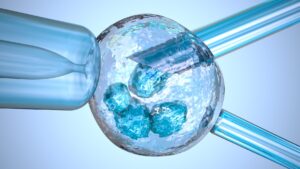
Guide to IVF with PGD for Gender Selection in Turkey: Costs, Considerations, and Complete Insights

In recent years, Turkey has emerged as a popular destination for couples seeking IVF (In Vitro Fertilization) with PGD (Preimplantation Genetic Diagnosis) for gender selection.

This medical procedure offers the possibility to select the sex of the baby, which can be a critical consideration for some families due to cultural, medical, or personal reasons.

The combination of advanced medical facilities, experienced professionals, and competitive pricing makes Turkey an attractive option for this specialized fertility treatment.

Understanding IVF with PGD for Gender Selection

IVF involves fertilizing an egg outside the human body, in a laboratory setting. PGD is a technique used alongside IVF to screen embryos for genetic conditions and chromosomal abnormalities before they are implanted in the uterus.

When it comes to gender selection, PGD can identify the sex chromosomes of embryos, allowing parents to choose the gender of their baby.

The process begins with ovarian stimulation, where hormones are administered to encourage the production of multiple eggs.

These eggs are then retrieved and fertilized with sperm. The resulting embryos are cultured for a few days, after which a few cells are biopsied from each embryo.

The genetic material from these cells is analyzed to determine the sex and any genetic conditions. Finally, one or more healthy embryos of the desired gender are transferred to the uterus.

Factors Influencing the Cost

Several factors can influence the cost of IVF with PGD for gender selection in Turkey:

Clinic Reputation and Expertise

The reputation and expertise of the clinic and medical team can significantly impact the cost.

Clinics with highly experienced specialists and state-of-the-art facilities may charge higher fees but often provide higher success rates and a better overall experience.

Patient’s Medical History and Requirements

Individual patient factors, such as age, fertility history, and underlying medical conditions, can affect the treatment plan and cost.

Patients with complex medical histories may require more extensive monitoring, additional tests, or specialized treatments, increasing the overall cost.

Number of Cycles Required

While some patients may achieve success in the first IVF cycle, others may require multiple cycles, each incurring additional costs.

The success rate of IVF can vary based on age and other factors, influencing the total number of cycles needed.

Extent of Genetic Testing

The extent and complexity of genetic testing required during PGD can also impact the cost. Some patients may opt for comprehensive genetic screening beyond gender selection, which can increase the overall cost.

Prices of all types of the IVF with PGD for Gender Selection in Turkey.

Standard IVF with PGD for Gender Selection

Definition and Details

Standard IVF with PGD for gender selection is a well-established procedure used to help couples conceive a child of a desired gender.

This process involves several critical stages, beginning with ovarian stimulation, where the female partner receives hormone injections to stimulate the ovaries to produce multiple eggs. This step is crucial as it increases the chances of retrieving a sufficient number of viable eggs for fertilization. Once the eggs are mature, they are retrieved using a minimally invasive surgical procedure under sedation.

The eggs are then fertilized in a controlled laboratory environment using sperm from the male partner or a donor.

After fertilization, the embryos are cultured for several days, typically until they reach the blastocyst stage. During this period, the embryos are closely monitored to assess their development and quality. At the blastocyst stage, a few cells are biopsied from each embryo for genetic analysis.

This is where PGD comes into play, allowing for the detection of chromosomal abnormalities and the determination of the embryos’ sex chromosomes (XX for female and XY for male).

Procedure Steps

  • Initial Consultation and Pre-Treatment Assessment: Comprehensive medical and fertility history evaluation, physical examination, and preliminary tests such as hormonal assays and ultrasounds.
  • Ovarian Stimulation: Administration of injectable hormones to stimulate the production of multiple eggs. Regular monitoring through blood tests and ultrasounds to adjust medication dosage.
  • Egg Retrieval: A minor surgical procedure under sedation to collect mature eggs from the ovaries using a fine needle guided by ultrasound.
  • Sperm Collection and Preparation: Collection and preparation of sperm from the male partner or a donor, including washing and capacitation.
  • In Vitro Fertilization (IVF): Fertilization of retrieved eggs with prepared sperm in a laboratory dish, followed by embryo culture for 5-6 days until the blastocyst stage.
  • PGD Testing: Biopsy of a few cells from each blastocyst to analyze chromosomal makeup and determine the sex of the embryos.
  • Embryo Transfer: Selection and transfer of embryos of the desired gender into the uterus using a catheter.
  • Cryopreservation of Extra Embryos: Freezing of any surplus embryos for future use.
  • Luteal Phase Support: Administration of progesterone or other medications to support the uterine lining and early pregnancy.
  • Pregnancy Testing and Follow-up: Blood tests to confirm pregnancy, followed by ultrasound scans to monitor early fetal development.

Cost Breakdown

  • Initial Consultation and Pre-Treatment Assessment: €200 – €400
  • Ovarian Stimulation and Medication: €1,500 – €3,000
  • Egg Retrieval and Embryo Culture: €2,500 – €4,000
  • Sperm Collection and Preparation: €200 – €500
  • In Vitro Fertilization (IVF): €2,000 – €3,500
  • PGD Testing: €3,000 – €5,000
  • Embryo Transfer: €1,000 – €1,500
  • Cryopreservation of Extra Embryos: €500 – €1,000
  • Luteal Phase Support: €200 – €500
  • Pregnancy Testing and Follow-up: €200 – €400

IVF with Comprehensive Chromosomal Screening (CCS) and Gender Selection

Definition and Details

IVF with Comprehensive Chromosomal Screening (CCS) and gender selection is an advanced form of PGD that not only identifies the sex of the embryos but also screens for all chromosomal abnormalities.

CCS, also known as PGS (Preimplantation Genetic Screening), examines the entire set of chromosomes, allowing for the detection of aneuploidies (abnormal number of chromosomes) and structural chromosomal abnormalities.

This type of screening is particularly beneficial for older patients, those with recurrent pregnancy loss, or couples with a history of genetic disorders.

The process begins similarly to standard IVF, with ovarian stimulation and egg retrieval. Once the eggs are fertilized and cultured to the blastocyst stage, a biopsy is taken from each embryo.

The genetic material from these cells undergoes CCS, which provides detailed information about the chromosomal integrity of each embryo.

This level of scrutiny helps identify the healthiest embryos, reducing the risk of miscarriage and genetic disorders.

Procedure Steps

  • Initial Consultation and Genetic Counseling: Detailed assessment and discussion of genetic risks, family history, and the benefits of CCS.
  • Ovarian Stimulation: Use of higher doses of gonadotropins for patients with a history of poor ovarian response, accompanied by frequent monitoring.
  • Egg Retrieval: Performed under sedation with ultrasound guidance; may involve additional steps for patients with specific medical conditions.
  • Sperm Collection and Preparation: Advanced sperm selection techniques such as ICSI (Intracytoplasmic Sperm Injection) may be used for male factor infertility.
  • In Vitro Fertilization (IVF): Standard IVF process with an emphasis on achieving high-quality embryos.
  • Comprehensive Chromosomal Screening (CCS): Detailed analysis of all 23 pairs of chromosomes in each embryo to detect aneuploidies and other abnormalities.
  • Embryo Transfer: Selection of the healthiest embryos of the desired gender, considering both chromosomal normality and developmental quality.
  • Cryopreservation of Surplus Embryos: Freezing of additional chromosomally normal embryos for future use.
  • Luteal Phase Support and Monitoring: Use of progesterone, estrogen, or other medications to support implantation and early pregnancy, along with regular monitoring.
  • Pregnancy Testing and Genetic Counseling Follow-up: Confirmation of pregnancy and further genetic counseling as needed.

Cost Breakdown

  • Initial Consultation and Genetic Counseling: €300 – €600
  • Ovarian Stimulation and Medication: €2,000 – €4,000
  • Egg Retrieval and Embryo Culture: €3,000 – €4,500
  • Sperm Collection and Preparation: €300 – €600
  • In Vitro Fertilization (IVF): €2,500 – €4,000
  • Comprehensive Chromosomal Screening (CCS): €4,000 – €6,500
  • Embryo Transfer: €1,200 – €1,800
  • Cryopreservation of Surplus Embryos: €600 – €1,200
  • Luteal Phase Support and Monitoring: €300 – €600
  • Pregnancy Testing and Genetic Counseling Follow-up: €300 – €600

IVF with Single Gene Disorder Testing and Gender Selection

Definition and Details

IVF with Single Gene Disorder Testing and gender selection is designed for couples at risk of passing on a specific genetic disorder to their offspring.

This advanced PGD technique allows for the identification of embryos that carry a particular genetic mutation responsible for a single gene disorder, such as cystic fibrosis, sickle cell anemia, or Huntington’s disease.

In addition to testing for these disorders, the procedure also determines the sex of the embryos, allowing for gender selection.

The procedure begins with the standard IVF process of ovarian stimulation, egg retrieval, and fertilization.

Following fertilization, embryos are cultured until they reach the blastocyst stage. At this point, a biopsy is performed, and the cells are analyzed for the specific genetic mutation associated with the disorder in question.

Procedure Steps

  • Initial Consultation and Detailed Genetic Counseling: Comprehensive evaluation of family medical history and identification of specific genetic risks.
  • Ovarian Stimulation and Monitoring: Customized stimulation protocol based on patient’s medical background, with frequent monitoring to adjust medication.
  • Egg Retrieval: Standard procedure under sedation, with potential use of special techniques if needed for specific medical conditions.
  • Sperm Collection and Genetic Screening: Collection and preparation of sperm, with potential use of genetic screening for sperm donors if necessary.
  • In Vitro Fertilization (IVF): Fertilization process with emphasis on obtaining high-quality embryos.
  • Single Gene Disorder Testing: Precise genetic testing of biopsied cells for the specific disorder, along with gender determination.
  • Embryo Selection and Transfer: Careful selection of unaffected embryos of the desired gender, considering both genetic and developmental quality.
  • Cryopreservation of Additional Embryos: Freezing of unaffected embryos for potential future use.
  • Luteal Phase Support and Medical Follow-up: Support with medications and regular follow-up to monitor implantation and early pregnancy.
  • Pregnancy Confirmation and Extended Genetic Counseling: Ongoing genetic counseling and support throughout pregnancy and beyond.

Cost Breakdown

  • Initial Consultation and Genetic Counseling: €500 – €800
  • Ovarian Stimulation and Medication: €2,500 – €5,000
  • Egg Retrieval and Embryo Culture: €3,500 – €5,500
  • Sperm Collection and Genetic Screening: €400 – €800
  • In Vitro Fertilization (IVF): €3,000 – €5,000
  • Single Gene Disorder Testing: €5,000 – €8,000
  • Embryo Transfer: €1,500 – €2,000
  • Cryopreservation of Additional Embryos: €800 – €1,500
  • Luteal Phase Support and Medical Follow-up: €400 – €800
  • Pregnancy Confirmation and Extended Genetic Counseling: €400 – €800

IVF with HLA Matching and Gender Selection

Definition and Details

IVF with HLA (Human Leukocyte Antigen) Matching and gender selection is a specialized procedure aimed at helping families in need of a genetic match for an existing child requiring stem cell transplantation.

This process involves selecting embryos that are not only free from genetic disorders but also match the HLA type of an affected sibling, which can be crucial for conditions like leukemia or other hematological disorders. In addition to HLA matching, this process also allows for gender selection.

The IVF process for HLA matching involves ovarian stimulation, egg retrieval, and fertilization, followed by embryo culture. During the biopsy, cells are analyzed for HLA compatibility and gender determination.

Procedure Steps

  • Initial Consultation and Comprehensive Genetic Counseling: Detailed evaluation of the family’s medical history, HLA matching requirements, and ethical considerations.
  • Ovarian Stimulation and Monitoring: Customized protocol to maximize the number of high-quality eggs, with close monitoring.
  • Egg Retrieval: Standard surgical procedure with sedation, ensuring minimal discomfort and optimal egg retrieval.
  • Sperm Collection and Preparation: Use of donor sperm if necessary, with HLA testing for compatibility.
  • In Vitro Fertilization (IVF): Fertilization of eggs, with emphasis on creating a sufficient number of embryos for HLA and genetic testing.
  • HLA Matching and Genetic Testing: Biopsy of embryos to determine HLA compatibility and gender, as well as screening for genetic disorders.
  • Embryo Selection and Transfer: Careful selection of HLA-matched, healthy, and desired gender embryos for transfer.
  • Cryopreservation of Matched Embryos: Freezing of additional HLA-matched embryos for potential future use.
  • Luteal Phase Support and Monitoring: Use of hormonal support to aid implantation and early pregnancy, with regular follow-up appointments.
  • Pregnancy Confirmation and Specialized Medical Support: Ongoing monitoring and support, including preparation for potential medical procedures for the existing child.

Cost Breakdown

  • Initial Consultation and Genetic Counseling: €600 – €1,000
  • Ovarian Stimulation and Medication: €3,000 – €6,000
  • Egg Retrieval and Embryo Culture: €4,000 – €6,500
  • Sperm Collection and HLA Testing: €500 – €1,000
  • In Vitro Fertilization (IVF): €3,500 – €6,000
  • HLA Matching and Genetic Testing: €6,000 – €10,000
  • Embryo Transfer: €1,800 – €2,500
  • Cryopreservation of Matched Embryos: €1,000 – €1,800
  • Luteal Phase Support and Monitoring: €500 – €1,000
  • Pregnancy Confirmation and Specialized Medical Support: €600 – €1,200

IVF with Expanded Carrier Screening and Gender Selection

Definition and Details

IVF with Expanded Carrier Screening (ECS) and gender selection is an advanced reproductive option for couples who want to ensure their child is free from a wide range of genetic disorders, while also choosing the gender of their baby.

Expanded Carrier Screening involves testing prospective parents for hundreds of genetic mutations that could potentially be passed on to their offspring.

This comprehensive screening helps identify carrier status for numerous conditions, ranging from common disorders like cystic fibrosis to rare diseases like Gaucher disease.

The process begins with the usual IVF steps: ovarian stimulation, egg retrieval, and fertilization. However, before the embryos are created, both partners undergo ECS to identify any genetic mutations they may carry.

Procedure Steps

  • Initial Consultation and Expanded Carrier Screening (ECS): Comprehensive assessment of both partners, including ECS to identify carrier status for a wide range of genetic conditions.
  • Ovarian Stimulation and Individualized Medication Protocol: Tailored medication regimen to maximize egg production, monitored through regular tests and ultrasounds.
  • Egg Retrieval: Outpatient surgical procedure under sedation, with a focus on retrieving a maximum number of eggs.
  • Sperm Collection and Screening: Collection and screening of sperm for genetic mutations, if necessary.
  • In Vitro Fertilization (IVF): Standard IVF procedure, with careful handling and culture of embryos to the blastocyst stage.
  • Preimplantation Genetic Testing (PGT): Genetic analysis of biopsied cells from embryos to check for identified genetic mutations, chromosomal status, and gender.
  • Embryo Selection and Transfer: Selection of genetically normal embryos that do not carry identified mutations and are of the desired gender.
  • Cryopreservation of Additional Embryos: Freezing of unaffected embryos for potential future use.
  • Luteal Phase Support and Ongoing Monitoring: Administration of medications to support the uterine lining and monitoring through pregnancy tests and early scans.
  • Pregnancy Confirmation and Post-Transfer Counseling: Confirmation of pregnancy and continued counseling to manage any concerns or questions.

Cost Breakdown

  • Initial Consultation and Expanded Carrier Screening (ECS): €800 – €1,200
  • Ovarian Stimulation and Medication: €3,500 – €6,500
  • Egg Retrieval and Embryo Culture: €4,500 – €7,000
  • Sperm Collection and Genetic Screening: €600 – €1,200
  • In Vitro Fertilization (IVF): €4,000 – €6,500
  • Preimplantation Genetic Testing (PGT): €6,500 – €10,000
  • Embryo Transfer: €2,000 – €2,800
  • Cryopreservation of Additional Embryos: €1,200 – €2,000
  • Luteal Phase Support and Monitoring: €600 – €1,200
  • Pregnancy Confirmation and Post-Transfer Counseling: €800 – €1,200

IVF with Mitochondrial Replacement Therapy (MRT) and Gender Selection

Definition and Details

IVF with Mitochondrial Replacement Therapy (MRT) and gender selection is an advanced technique designed for women with mitochondrial DNA disorders.

Mitochondria, often referred to as the “powerhouses” of cells, are inherited from the mother and contain their own DNA. Mutations in mitochondrial DNA can lead to serious health conditions.

MRT involves replacing defective mitochondria with healthy ones from a donor egg, ensuring the resulting child does not inherit the mitochondrial disorder.

This procedure is also known as “three-parent IVF” because the child inherits genetic material from three individuals: the nuclear DNA from the biological parents and mitochondrial DNA from the donor.

The MRT process begins with standard IVF procedures, including ovarian stimulation and egg retrieval from the mother.

A donor egg with healthy mitochondria is also retrieved. The nuclear DNA from the mother’s egg is transferred to the donor egg, which has had its nuclear DNA removed, leaving only the healthy mitochondria.

Procedure Steps

  • Initial Consultation and Genetic Counseling: Detailed review of family history and genetic risks, including the implications of MRT.
  • Ovarian Stimulation and Monitoring: Customized hormone regimen to stimulate the ovaries for maximum egg production, with regular monitoring.
  • Egg Retrieval from Mother and Donor: Retrieval of eggs from the mother and a mitochondrial donor, performed under sedation.
  • Mitochondrial Replacement and Nuclear Transfer: Removal of nuclear DNA from the donor egg and transfer of the mother’s nuclear DNA, creating a healthy egg with donor mitochondria.
  • In Vitro Fertilization (IVF): Fertilization of the reconstructed egg with sperm from the male partner, followed by embryo culture.
  • Preimplantation Genetic Testing (PGT): Testing of embryos for mitochondrial integrity, chromosomal status, and gender determination.
  • Embryo Selection and Transfer: Selection of embryos free from mitochondrial mutations, chromosomally normal, and of the desired gender.
  • Cryopreservation of Additional Embryos: Freezing of any viable embryos not selected for immediate transfer.
  • Luteal Phase Support and Medical Monitoring: Administration of hormonal support and regular follow-up for implantation and early pregnancy.
  • Pregnancy Confirmation and Continued Support: Confirmation of pregnancy and ongoing monitoring, with specialized support as needed.

Cost Breakdown

  • Initial Consultation and Genetic Counseling: €1,000 – €1,500
  • Ovarian Stimulation and Medication: €4,000 – €7,000
  • Egg Retrieval from Mother and Donor: €6,000 – €10,000
  • Mitochondrial Replacement and Nuclear Transfer: €8,000 – €15,000
  • In Vitro Fertilization (IVF): €5,000 – €8,000
  • Preimplantation Genetic Testing (PGT): €7,000 – €12,000
  • Embryo Transfer: €2,500 – €3,500
  • Cryopreservation of Additional Embryos: €1,500 – €2,500
  • Luteal Phase Support and Monitoring: €800 – €1,500
  • Pregnancy Confirmation and Continued Support: €1,000 – €1,500

IVF with Preimplantation Genetic Diagnosis (PGD) for Monogenic Disorders and Gender Selection

Definition and Details

IVF with Preimplantation Genetic Diagnosis (PGD) for Monogenic Disorders and gender selection is a highly specialized procedure aimed at couples who carry specific genetic mutations for single-gene disorders, such as Tay-Sachs disease, Marfan syndrome, or hemophilia.

This process allows for the detection of these monogenic disorders in embryos before implantation, ensuring that only unaffected embryos are transferred. In addition, the procedure offers the option of selecting the gender of the child.

The procedure begins with ovarian stimulation and egg retrieval, followed by fertilization and embryo culture.

Once the embryos reach the blastocyst stage, a biopsy is performed to extract a few cells for genetic analysis.

PGD testing identifies embryos carrying the specific genetic mutations associated with the monogenic disorder. This precise genetic testing helps differentiate between affected, carrier, and unaffected embryos.

Embryos that are free from the genetic disorder and of the desired gender are selected for transfer. The process is especially beneficial for couples with a known risk of transmitting a serious genetic condition to their offspring.

The procedure involves extensive genetic counseling to ensure that the couple understands the implications of the genetic testing and the potential outcomes. This level of genetic screening provides peace of mind for parents concerned about the health and wellbeing of their future children.

Procedure Steps

  • Initial Consultation and Genetic Counseling: Comprehensive evaluation of genetic risks and discussion of the specific monogenic disorder.
  • Ovarian Stimulation and Monitoring: Customized hormonal regimen to maximize egg yield, with frequent monitoring to optimize outcomes.
  • Egg Retrieval: Surgical procedure under sedation to collect mature eggs, with careful handling to ensure viability.
  • Sperm Collection and Preparation: Collection of sperm from the male partner or donor, with preparation for fertilization.
  • In Vitro Fertilization (IVF): Fertilization of eggs and culture of embryos to the blastocyst stage, with monitoring for development.
  • Preimplantation Genetic Diagnosis (PGD): Genetic testing of biopsied cells to detect monogenic disorders and determine chromosomal status and gender.
  • Embryo Selection and Transfer: Selection of embryos free from the monogenic disorder and of the desired gender for transfer.
  • Cryopreservation of Additional Embryos: Freezing of unaffected embryos for future use.
  • Luteal Phase Support and Medical Follow-up: Administration of hormonal support and regular follow-up for implantation and early pregnancy monitoring.
  • Pregnancy Confirmation and Genetic Counseling Continuation: Confirmation of pregnancy and ongoing genetic counseling as needed.

Cost Breakdown

  • Initial Consultation and Genetic Counseling: €700 – €1,200
  • Ovarian Stimulation and Medication: €3,500 – €6,500
  • Egg Retrieval and Embryo Culture: €4,000 – €6,500
  • Sperm Collection and Preparation: €600 – €1,000
  • In Vitro Fertilization (IVF): €4,000 – €7,000
  • Preimplantation Genetic Diagnosis (PGD): €5,000 – €8,000
  • Embryo Transfer: €2,000 – €2,800
  • Cryopreservation of Additional Embryos: €1,200 – €2,000
  • Luteal Phase Support and Monitoring: €600 – €1,200
  • Pregnancy Confirmation and Genetic Counseling Continuation: €800 – €1,200

IVF with Advanced Maternal Age Considerations and Gender Selection

Definition and Details

IVF with Advanced Maternal Age Considerations and gender selection is tailored specifically for women of advanced maternal age, typically defined as women over the age of 35.

As maternal age increases, the quality and quantity of eggs decrease, leading to a higher risk of chromosomal abnormalities and reduced fertility.

This type of IVF incorporates advanced reproductive technologies and strategies to maximize the chances of conception, while also allowing for gender selection.

Procedure Steps

  • Initial Consultation and Ovarian Reserve Testing: Detailed evaluation of ovarian reserve and fertility potential, including hormone assays and ultrasound.
  • Customized Ovarian Stimulation Protocol: High-dose gonadotropin stimulation tailored to maximize egg yield, with regular monitoring.
  • Egg Retrieval: Outpatient procedure under sedation, with careful handling to preserve egg quality.
  • Sperm Collection and Intracytoplasmic Sperm Injection (ICSI): Collection of sperm and use of ICSI to fertilize eggs, especially useful for male factor infertility.
  • In Vitro Fertilization (IVF): Culture of fertilized eggs to the blastocyst stage, with close monitoring of embryo development.
  • Preimplantation Genetic Testing for Aneuploidy (PGT-A): Comprehensive chromosomal screening to identify normal embryos, along with gender determination.
  • Embryo Selection and Transfer: Transfer of chromosomally normal embryos of the desired gender, selected based on quality and developmental potential.
  • Cryopreservation of Surplus Embryos: Freezing of additional healthy embryos for future attempts.
  • Luteal Phase Support and Ongoing Monitoring: Hormonal support and regular check-ups to support early pregnancy.
  • Pregnancy Confirmation and Support: Confirmation of pregnancy and continued support, with additional screening if necessary due to maternal age.

Cost Breakdown

  • Initial Consultation and Ovarian Reserve Testing: €800 – €1,300
  • Customized Ovarian Stimulation Protocol: €4,000 – €7,500
  • Egg Retrieval and Embryo Culture: €4,500 – €7,500
  • Sperm Collection and ICSI: €700 – €1,200
  • In Vitro Fertilization (IVF): €4,500 – €7,500
  • Preimplantation Genetic Testing for Aneuploidy (PGT-A): €6,000 – €10,000
  • Embryo Transfer: €2,500 – €3,500
  • Cryopreservation of Surplus Embryos: €1,500 – €2,500
  • Luteal Phase Support and Monitoring: €700 – €1,200
  • Pregnancy Confirmation and Support: €800 – €1,300

IVF with Preimplantation Genetic Diagnosis (PGD) for Translocations and Gender Selection

Definition and Details

IVF with Preimplantation Genetic Diagnosis (PGD) for Translocations and gender selection is a specialized procedure designed for couples where one or both partners carry a chromosomal translocation. Translocations are structural changes in chromosomes where parts of chromosomes are rearranged.

They can be balanced (where no genetic material is gained or lost) or unbalanced (where there is an abnormal amount of genetic material).

While balanced translocations may not affect the carrier’s health, they can lead to infertility, recurrent miscarriages, or the birth of children with genetic disorders due to unbalanced translocations.

Procedure Steps

  • Initial Consultation and Genetic Counseling: Detailed review of family history and genetic risks associated with chromosomal translocations.
  • Ovarian Stimulation and Monitoring: Personalized hormone regimen to stimulate the ovaries for maximum egg production, with frequent monitoring.
  • Egg Retrieval: Surgical procedure to collect eggs from the ovaries, performed under sedation.
  • Sperm Collection and Fertilization: Collection and preparation of sperm, followed by fertilization of eggs and embryo culture.
  • Preimplantation Genetic Diagnosis (PGD): Genetic testing to detect translocations and chromosomal status, including gender determination.
  • Embryo Selection and Transfer: Selection of embryos without chromosomal translocations and of the desired gender for transfer.
  • Cryopreservation of Additional Embryos: Freezing of any viable embryos not selected for immediate transfer.
  • Luteal Phase Support and Medical Monitoring: Administration of hormonal support and regular follow-up for implantation and early pregnancy.
  • Pregnancy Confirmation and Continued Support: Confirmation of pregnancy and ongoing monitoring, with specialized support as needed.

Cost Breakdown

  • Initial Consultation and Genetic Counseling: €900 – €1,400
  • Ovarian Stimulation and Medication: €4,200 – €7,200
  • Egg Retrieval and Embryo Culture: €5,000 – €8,000
  • Sperm Collection and Preparation: €700 – €1,100
  • Preimplantation Genetic Diagnosis (PGD): €7,000 – €11,000
  • Embryo Transfer: €2,500 – €3,500
  • Cryopreservation of Additional Embryos: €1,600 – €2,400
  • Luteal Phase Support and Monitoring: €700 – €1,300
  • Pregnancy Confirmation and Continued Support: €1,000 – €1,500

IVF with Preimplantation Genetic Screening (PGS) and Gender Selection

Definition and Details

IVF with Preimplantation Genetic Screening (PGS) and gender selection is a procedure aimed at increasing the success rate of IVF by screening embryos for chromosomal normalcy before implantation.

PGS, also known as Preimplantation Genetic Testing for Aneuploidy (PGT-A), identifies embryos with the correct number of chromosomes, which is crucial for avoiding implantation failure, miscarriage, or the birth of a child with chromosomal abnormalities such as Down syndrome.

The process starts with ovarian stimulation and egg retrieval, followed by fertilization and embryo culture.

At the blastocyst stage, a biopsy is performed to remove a few cells from each embryo. These cells are analyzed to determine the chromosomal status of the embryos.

PGS can detect aneuploidies (abnormal number of chromosomes) and select embryos that are euploid (normal chromosomal number).

Additionally, PGS provides the opportunity for gender selection based on the couple’s preference.

Procedure Steps

  • Initial Consultation and Genetic Counseling: In-depth discussion of genetic risks, family history, and the benefits of PGS.
  • Ovarian Stimulation and Monitoring: Tailored hormone therapy to stimulate the ovaries, with regular ultrasounds and blood tests.
  • Egg Retrieval: Surgical procedure to collect mature eggs from the ovaries under sedation.
  • Sperm Collection and Fertilization: Collection of sperm and fertilization of eggs in the lab, with embryo culture to the blastocyst stage.
  • Preimplantation Genetic Screening (PGS): Biopsy and chromosomal analysis of embryos to identify euploid and aneuploid embryos, and determine gender.
  • Embryo Selection and Transfer: Transfer of euploid embryos of the desired gender to the uterus.
  • Cryopreservation of Additional Embryos: Freezing of any surplus euploid embryos for future use.
  • Luteal Phase Support and Monitoring: Administration of progesterone and other medications to support the uterine lining and implantation.
  • Pregnancy Confirmation and Monitoring: Pregnancy test and ongoing monitoring for early pregnancy support and care.

Cost Breakdown

  • Initial Consultation and Genetic Counseling: €1,000 – €1,500
  • Ovarian Stimulation and Medication: €4,500 – €8,000
  • Egg Retrieval and Embryo Culture: €5,500 – €9,000
  • Sperm Collection and Preparation: €800 – €1,200
  • Preimplantation Genetic Screening (PGS): €7,500 – €12,000
  • Embryo Transfer: €2,800 – €3,800
  • Cryopreservation of Additional Embryos: €1,800 – €2,800
  • Luteal Phase Support and Monitoring: €800 – €1,400
  • Pregnancy Confirmation and Monitoring: €1,200 – €1,800

Comparing Costs Across Major Cities in Turkey

The cost of IVF with PGD for gender selection can vary significantly across different cities in Turkey, primarily due to differences in living costs, clinic reputation, and the availability of specialized services. Here’s a comparative overview of costs in three major cities:

Istanbul

As Turkey’s largest city and a major medical tourism hub, Istanbul offers a wide range of clinics with varying levels of expertise and pricing.

The cost of IVF with PGD in Istanbul generally ranges from €9,000 to €18,000. The city’s international reputation and access to top-tier medical facilities contribute to higher prices.

Ankara

The capital city, Ankara, provides a mix of public and private healthcare facilities. The cost here is slightly lower compared to Istanbul, typically ranging from €8,500 to €16,500.

Ankara offers high-quality medical care with experienced professionals, often at more affordable rates.

Izmir

Izmir, known for its beautiful coastline and medical tourism infrastructure, offers competitive pricing for IVF with PGD. The cost in Izmir ranges from €8,000 to €15,000, making it an attractive option for patients looking for high-quality care at a more affordable price.

Prices of IVF PGD with Gender Selection in Istanbul, Ankara, and Izmir.

Conventional IVF with PGD for Gender Selection

Istanbul

  • Initial Consultation and Testing: €800 – €1,200
  • Ovarian Stimulation and Medication: €4,200 – €6,800
  • Egg Retrieval and Embryo Culture: €5,000 – €7,000
  • Sperm Collection and ICSI: €1,000 – €1,500
  • PGD for Gender Selection: €6,500 – €9,500
  • Embryo Transfer: €2,500 – €3,000
  • Cryopreservation of Additional Embryos: €1,500 – €2,200
  • Luteal Phase Support: €700 – €1,000
  • Pregnancy Confirmation: €800 – €1,200
  • Total Cost in Istanbul: €22,000 – €33,400

Ankara

  • Initial Consultation and Testing: €700 – €1,100
  • Ovarian Stimulation and Medication: €3,800 – €6,500
  • Egg Retrieval and Embryo Culture: €4,500 – €6,500
  • Sperm Collection and ICSI: €900 – €1,400
  • PGD for Gender Selection: €6,000 – €9,000
  • Embryo Transfer: €2,300 – €2,800
  • Cryopreservation of Additional Embryos: €1,300 – €2,000
  • Luteal Phase Support: €600 – €900
  • Pregnancy Confirmation: €700 – €1,000
  • Total Cost in Ankara: €20,800 – €31,200

Izmir

  • Initial Consultation and Testing: €750 – €1,150
  • Ovarian Stimulation and Medication: €4,000 – €6,700
  • Egg Retrieval and Embryo Culture: €4,800 – €6,800
  • Sperm Collection and ICSI: €950 – €1,450
  • PGD for Gender Selection: €6,200 – €9,200
  • Embryo Transfer: €2,400 – €2,900
  • Cryopreservation of Additional Embryos: €1,400 – €2,100
  • Luteal Phase Support: €650 – €950
  • Pregnancy Confirmation: €750 – €1,050
  • Total Cost in Izmir: €21,200 – €32,300

IVF with Egg Donation and PGD for Gender Selection

Istanbul

  • Initial Consultation and Donor Matching: €1,500 – €2,200
  • Donor Stimulation and Medication: €4,800 – €7,500
  • Egg Retrieval and Embryo Culture: €5,500 – €8,000
  • Sperm Collection and ICSI: €1,200 – €1,800
  • PGD for Gender Selection: €6,800 – €9,800
  • Embryo Transfer: €2,700 – €3,200
  • Cryopreservation of Additional Embryos: €1,600 – €2,300
  • Luteal Phase Support: €800 – €1,200
  • Pregnancy Confirmation: €900 – €1,300
  • Total Cost in Istanbul: €25,800 – €37,300

Ankara

  • Initial Consultation and Donor Matching: €1,300 – €2,000
  • Donor Stimulation and Medication: €4,500 – €7,000
  • Egg Retrieval and Embryo Culture: €5,000 – €7,500
  • Sperm Collection and ICSI: €1,100 – €1,700
  • PGD for Gender Selection: €6,500 – €9,500
  • Embryo Transfer: €2,500 – €3,000
  • Cryopreservation of Additional Embryos: €1,500 – €2,200
  • Luteal Phase Support: €700 – €1,100
  • Pregnancy Confirmation: €800 – €1,200
  • Total Cost in Ankara: €24,400 – €35,200

Izmir

  • Initial Consultation and Donor Matching: €1,400 – €2,100
  • Donor Stimulation and Medication: €4,600 – €7,200
  • Egg Retrieval and Embryo Culture: €5,200 – €7,700
  • Sperm Collection and ICSI: €1,150 – €1,750
  • PGD for Gender Selection: €6,600 – €9,600
  • Embryo Transfer: €2,600 – €3,100
  • Cryopreservation of Additional Embryos: €1,550 – €2,300
  • Luteal Phase Support: €750 – €1,150
  • Pregnancy Confirmation: €850 – €1,250
  • Total Cost in Izmir: €25,000 – €36,150

IVF with Sperm Donation and PGD for Gender Selection

Istanbul

  • Initial Consultation and Donor Matching: €1,200 – €1,700
  • Ovarian Stimulation and Medication: €4,500 – €7,000
  • Egg Retrieval and Embryo Culture: €5,300 – €7,500
  • Sperm Donation and ICSI: €1,500 – €2,000
  • PGD for Gender Selection: €6,700 – €9,500
  • Embryo Transfer: €2,600 – €3,100
  • Cryopreservation of Additional Embryos: €1,500 – €2,200
  • Luteal Phase Support: €800 – €1,200
  • Pregnancy Confirmation: €900 – €1,300
  • Total Cost in Istanbul: €24,200 – €35,300

Ankara

  • Initial Consultation and Donor Matching: €1,000 – €1,500
  • Ovarian Stimulation and Medication: €4,200 – €6,800
  • Egg Retrieval and Embryo Culture: €4,800 – €7,000
  • Sperm Donation and ICSI: €1,300 – €1,800
  • PGD for Gender Selection: €6,500 – €9,000
  • Embryo Transfer: €2,400 – €2,900
  • Cryopreservation of Additional Embryos: €1,400 – €2,100
  • Luteal Phase Support: €700 – €1,000
  • Pregnancy Confirmation: €800 – €1,100
  • Total Cost in Ankara: €23,100 – €32,900

Izmir

  • Initial Consultation and Donor Matching: €1,100 – €1,600
  • Ovarian Stimulation and Medication: €4,300 – €6,900
  • Egg Retrieval and Embryo Culture: €5,000 – €7,200
  • Sperm Donation and ICSI: €1,400 – €1,900
  • PGD for Gender Selection: €6,600 – €9,200
  • Embryo Transfer: €2,500 – €3,000
  • Cryopreservation of Additional Embryos: €1,500 – €2,200
  • Luteal Phase Support: €750 – €1,100
  • Pregnancy Confirmation: €850 – €1,200
  • Total Cost in Izmir: €23,900 – €34,300

IVF with PGS and Gender Selection

Istanbul

  • Initial Consultation and Genetic Counseling: €1,000 – €1,400
  • Ovarian Stimulation and Medication: €4,600 – €7,500
  • Egg Retrieval and Embryo Culture: €5,500 – €8,200
  • Sperm Collection and ICSI: €1,200 – €1,800
  • Preimplantation Genetic Screening (PGS): €7,500 – €11,000
  • Embryo Transfer: €2,700 – €3,300
  • Cryopreservation of Additional Embryos: €1,600 – €2,400
  • Luteal Phase Support: €800 – €1,200
  • Pregnancy Confirmation: €900 – €1,400
  • Total Cost in Istanbul: €25,800 – €37,800

Ankara

  • Initial Consultation and Genetic Counseling: €900 – €1,300
  • Ovarian Stimulation and Medication: €4,200 – €6,800
  • Egg Retrieval and Embryo Culture: €5,000 – €7,500
  • Sperm Collection and ICSI: €1,100 – €1,700
  • Preimplantation Genetic Screening (PGS): €7,000 – €10,500
  • Embryo Transfer: €2,500 – €3,000
  • Cryopreservation of Additional Embryos: €1,500 – €2,200
  • Luteal Phase Support: €700 – €1,100
  • Pregnancy Confirmation: €800 – €1,200
  • Total Cost in Ankara: €23,700 – €34,300

Izmir

  • Initial Consultation and Genetic Counseling: €950 – €1,350
  • Ovarian Stimulation and Medication: €4,300 – €7,000
  • Egg Retrieval and Embryo Culture: €5,200 – €7,700
  • Sperm Collection and ICSI: €1,150 – €1,750
  • Preimplantation Genetic Screening (PGS): €7,200 – €10,800
  • Embryo Transfer: €2,600 – €3,100
  • Cryopreservation of Additional Embryos: €1,550 – €2,300
  • Luteal Phase Support: €750 – €1,150
  • Pregnancy Confirmation: €850 – €1,300
  • Total Cost in Izmir: €24,550 – €35,450

IVF with PGD for Single Gene Disorders and Gender Selection

Istanbul

  • Initial Consultation and Genetic Counseling: €1,200 – €1,800
  • Ovarian Stimulation and Medication: €4,800 – €7,800
  • Egg Retrieval and Embryo Culture: €5,800 – €8,500
  • Sperm Collection and ICSI: €1,300 – €1,900
  • PGD for Single Gene Disorders and Gender Selection: €8,000 – €12,000
  • Embryo Transfer: €2,900 – €3,500
  • Cryopreservation of Additional Embryos: €1,700 – €2,500
  • Luteal Phase Support: €900 – €1,300
  • Pregnancy Confirmation: €1,000 – €1,500
  • Total Cost in Istanbul: €27,600 – €40,800

Ankara

  • Initial Consultation and Genetic Counseling: €1,000 – €1,600
  • Ovarian Stimulation and Medication: €4,400 – €7,200
  • Egg Retrieval and Embryo Culture: €5,200 – €7,800
  • Sperm Collection and ICSI: €1,200 – €1,800
  • PGD for Single Gene Disorders and Gender Selection: €7,500 – €11,000
  • Embryo Transfer: €2,600 – €3,200
  • Cryopreservation of Additional Embryos: €1,600 – €2,300
  • Luteal Phase Support: €800 – €1,200
  • Pregnancy Confirmation: €900 – €1,400
  • Total Cost in Ankara: €25,200 – €36,500

Izmir

  • Initial Consultation and Genetic Counseling: €1,100 – €1,700
  • Ovarian Stimulation and Medication: €4,500 – €7,500
  • Egg Retrieval and Embryo Culture: €5,400 – €8,100
  • Sperm Collection and ICSI: €1,250 – €1,850
  • PGD for Single Gene Disorders and Gender Selection: €7,800 – €11,500
  • Embryo Transfer: €2,700 – €3,300
  • Cryopreservation of Additional Embryos: €1,650 – €2,400
  • Luteal Phase Support: €850 – €1,250
  • Pregnancy Confirmation: €950 – €1,400
  • Total Cost in Izmir: €26,200 – €38,000

IVF with PGD for Chromosomal Disorders and Gender Selection

Istanbul

  • Initial Consultation and Genetic Counseling: €1,100 – €1,700
  • Ovarian Stimulation and Medication: €4,700 – €7,600
  • Egg Retrieval and Embryo Culture: €5,600 – €8,300
  • Sperm Collection and ICSI: €1,250 – €1,850
  • PGD for Chromosomal Disorders and Gender Selection: €7,800 – €11,200
  • Embryo Transfer: €2,800 – €3,400
  • Cryopreservation of Additional Embryos: €1,600 – €2,400
  • Luteal Phase Support: €850 – €1,250
  • Pregnancy Confirmation: €900 – €1,300
  • Total Cost in Istanbul: €26,600 – €38,900

Ankara

  • Initial Consultation and Genetic Counseling: €1,000 – €1,500
  • Ovarian Stimulation and Medication: €4,300 – €7,000
  • Egg Retrieval and Embryo Culture: €5,100 – €7,700
  • Sperm Collection and ICSI: €1,150 – €1,750
  • PGD for Chromosomal Disorders and Gender Selection: €7,300 – €10,800
  • Embryo Transfer: €2,600 – €3,100
  • Cryopreservation of Additional Embryos: €1,500 – €2,200
  • Luteal Phase Support: €800 – €1,100
  • Pregnancy Confirmation: €850 – €1,300
  • Total Cost in Ankara: €24,600 – €36,500

Izmir

  • Initial Consultation and Genetic Counseling: €1,050 – €1,600
  • Ovarian Stimulation and Medication: €4,400 – €7,200
  • Egg Retrieval and Embryo Culture: €5,300 – €8,000
  • Sperm Collection and ICSI: €1,200 – €1,800
  • PGD for Chromosomal Disorders and Gender Selection: €7,500 – €11,000
  • Embryo Transfer: €2,700 – €3,300
  • Cryopreservation of Additional Embryos: €1,550 – €2,300
  • Luteal Phase Support: €850 – €1,200
  • Pregnancy Confirmation: €900 – €1,400
  • Total Cost in Izmir: €25,450 – €37,800

IVF with PGD for Gender Selection and HLA Matching

Istanbul

  • Initial Consultation and Genetic Counseling: €1,400 – €2,000
  • Ovarian Stimulation and Medication: €4,900 – €8,200
  • Egg Retrieval and Embryo Culture: €5,900 – €8,600
  • Sperm Collection and ICSI: €1,400 – €2,000
  • PGD for Gender Selection and HLA Matching: €8,200 – €12,500
  • Embryo Transfer: €3,000 – €3,600
  • Cryopreservation of Additional Embryos: €1,700 – €2,500
  • Luteal Phase Support: €900 – €1,300
  • Pregnancy Confirmation: €1,000 – €1,500
  • Total Cost in Istanbul: €28,400 – €42,200

Ankara

  • Initial Consultation and Genetic Counseling: €1,200 – €1,800
  • Ovarian Stimulation and Medication: €4,500 – €7,500
  • Egg Retrieval and Embryo Culture: €5,300 – €8,000
  • Sperm Collection and ICSI: €1,300 – €1,900
  • PGD for Gender Selection and HLA Matching: €7,800 – €11,800
  • Embryo Transfer: €2,800 – €3,400
  • Cryopreservation of Additional Embryos: €1,600 – €2,300
  • Luteal Phase Support: €800 – €1,200
  • Pregnancy Confirmation: €900 – €1,400
  • Total Cost in Ankara: €25,800 – €38,800

Izmir

  • Initial Consultation and Genetic Counseling: €1,300 – €1,900
  • Ovarian Stimulation and Medication: €4,600 – €7,700
  • Egg Retrieval and Embryo Culture: €5,500 – €8,300
  • Sperm Collection and ICSI: €1,350 – €1,950
  • PGD for Gender Selection and HLA Matching: €8,000 – €12,000
  • Embryo Transfer: €2,900 – €3,500
  • Cryopreservation of Additional Embryos: €1,650 – €2,400
  • Luteal Phase Support: €850 – €1,250
  • Pregnancy Confirmation: €950 – €1,400
  • Total Cost in Izmir: €26,500 – €39,400

IVF with PGD and Mitochondrial Replacement Therapy for Gender Selection

Istanbul

  • Initial Consultation and Genetic Counseling: €1,800 – €2,500
  • Ovarian Stimulation and Medication: €5,200 – €8,600
  • Egg Retrieval and Embryo Culture: €6,300 – €9,200
  • Sperm Collection and ICSI: €1,500 – €2,100
  • PGD with Mitochondrial Replacement Therapy: €9,000 – €13,500
  • Embryo Transfer: €3,200 – €3,800
  • Cryopreservation of Additional Embryos: €1,800 – €2,600
  • Luteal Phase Support: €1,000 – €1,400
  • Pregnancy Confirmation: €1,100 – €1,600
  • Total Cost in Istanbul: €30,900 – €44,800

Ankara

  • Initial Consultation and Genetic Counseling: €1,600 – €2,200
  • Ovarian Stimulation and Medication: €4,800 – €7,900
  • Egg Retrieval and Embryo Culture: €5,800 – €8,800
  • Sperm Collection and ICSI: €1,300 – €1,900
  • PGD with Mitochondrial Replacement Therapy: €8,500 – €12,800
  • Embryo Transfer: €3,000 – €3,500
  • Cryopreservation of Additional Embryos: €1,700 – €2,400
  • Luteal Phase Support: €900 – €1,200
  • Pregnancy Confirmation: €950 – €1,400
  • Total Cost in Ankara: €27,550 – €39,100

Izmir

  • Initial Consultation and Genetic Counseling: €1,500 – €2,000
  • Ovarian Stimulation and Medication: €5,000 – €8,200
  • Egg Retrieval and Embryo Culture: €6,000 – €9,000
  • Sperm Collection and ICSI: €1,400 – €2,000
  • PGD with Mitochondrial Replacement Therapy: €9,200 – €13,200
  • Embryo Transfer: €3,300 – €3,800
  • Cryopreservation of Additional Embryos: €1,750 – €2,500
  • Luteal Phase Support: €950 – €1,250
  • Pregnancy Confirmation: €1,000 – €1,500
  • Total Cost in Izmir: €28,900 – €41,250

IVF with PGD for Gender Selection and Embryo Glue

Istanbul

  • Initial Consultation and Testing: €800 – €1,200
  • Ovarian Stimulation and Medication: €4,200 – €6,800
  • Egg Retrieval and Embryo Culture: €5,000 – €7,000
  • Sperm Collection and ICSI: €1,000 – €1,500
  • PGD for Gender Selection: €6,500 – €9,500
  • Embryo Transfer with Embryo Glue: €2,600 – €3,100
  • Cryopreservation of Additional Embryos: €1,500 – €2,200
  • Luteal Phase Support: €700 – €1,000
  • Pregnancy Confirmation: €800 – €1,200
  • Total Cost in Istanbul: €22,100 – €32,500

Ankara

  • Initial Consultation and Testing: €700 – €1,100
  • Ovarian Stimulation and Medication: €3,800 – €6,500
  • Egg Retrieval and Embryo Culture: €4,500 – €6,500
  • Sperm Collection and ICSI: €900 – €1,400
  • PGD for Gender Selection: €6,000 – €9,000
  • Embryo Transfer with Embryo Glue: €2,300 – €2,800
  • Cryopreservation of Additional Embryos: €1,300 – €2,000
  • Luteal Phase Support: €600 – €900
  • Pregnancy Confirmation: €700 – €1,000
  • Total Cost in Ankara: €20,800 – €31,600

Izmir

  • Initial Consultation and Testing: €750 – €1,150
  • Ovarian Stimulation and Medication: €4,000 – €6,700
  • Egg Retrieval and Embryo Culture: €4,800 – €6,800
  • Sperm Collection and ICSI: €950 – €1,450
  • PGD for Gender Selection: €6,200 – €9,200
  • Embryo Transfer with Embryo Glue: €2,400 – €2,900
  • Cryopreservation of Additional Embryos: €1,400 – €2,100
  • Luteal Phase Support: €650 – €950
  • Pregnancy Confirmation: €750 – €1,050
  • Total Cost in Izmir: €21,100 – €32,450

IVF with PGD and Laser-Assisted Hatching for Gender Selection

Istanbul

  • Initial Consultation and Testing: €900 – €1,300
  • Ovarian Stimulation and Medication: €4,600 – €7,500
  • Egg Retrieval and Embryo Culture: €5,700 – €8,000
  • Sperm Collection and ICSI: €1,200 – €1,800
  • PGD for Gender Selection: €6,800 – €9,700
  • Embryo Transfer with Laser-Assisted Hatching: €2,900 – €3,500
  • Cryopreservation of Additional Embryos: €1,700 – €2,500
  • Luteal Phase Support: €900 – €1,300
  • Pregnancy Confirmation: €1,000 – €1,400
  • Total Cost in Istanbul: €25,700 – €39,000

Ankara

  • Initial Consultation and Testing: €800 – €1,200
  • Ovarian Stimulation and Medication: €4,200 – €7,200
  • Egg Retrieval and Embryo Culture: €5,000 – €7,500
  • Sperm Collection and ICSI: €1,100 – €1,700
  • PGD for Gender Selection: €6,500 – €9,500
  • Embryo Transfer with Laser-Assisted Hatching: €2,700 – €3,200
  • Cryopreservation of Additional Embryos: €1,500 – €2,200
  • Luteal Phase Support: €800 – €1,200
  • Pregnancy Confirmation: €850 – €1,200
  • Total Cost in Ankara: €24,450 – €34,700

Izmir

  • Initial Consultation and Testing: €850 – €1,250
  • Ovarian Stimulation and Medication: €4,500 – €7,300
  • Egg Retrieval and Embryo Culture: €5,400 – €7,800
  • Sperm Collection and ICSI: €1,150 – €1,750
  • PGD for Gender Selection: €6,600 – €9,400
  • Embryo Transfer with Laser-Assisted Hatching: €2,800 – €3,400
  • Cryopreservation of Additional Embryos: €1,600 – €2,300
  • Luteal Phase Support: €850 – €1,200
  • Pregnancy Confirmation: €950 – €1,400
  • Total Cost in Izmir: €24,600 – €35,550

Additional Considerations for Patients

Legal and Ethical Considerations

In Turkey, gender selection for non-medical reasons is legally permissible under specific circumstances.

However, it is essential for patients to understand the legal framework and ensure that the clinic they choose operates within the legal boundaries.

Success Rates and Clinic Selection

Patients should thoroughly research the success rates of clinics, particularly in cases involving PGD for gender selection.

Choosing a clinic with high success rates and a good track record can improve the chances of a successful outcome.

Travel and Accommodation

For international patients, additional costs such as travel, accommodation, and local transportation should be considered.

Many clinics offer medical tourism packages that include these services, which can simplify the process and potentially reduce costs.

Emotional and Psychological Support

The journey through IVF with PGD can be emotionally challenging. Patients may benefit from psychological support services offered by clinics, which can provide counseling and support throughout the process.

Insurance and Financial Planning

It is crucial for patients to consider the financial aspects of the procedure, including whether their insurance covers any part of the treatment.

Many clinics offer financing options or payment plans to help manage the cost.

Conclusion

Choosing IVF with PGD for gender selection is a significant decision that involves various medical, ethical, and financial considerations. Turkey offers a competitive option for this procedure, with a range of clinics providing high-quality care at different price points.

By understanding the detailed breakdown of costs and factors influencing the price, patients can make informed decisions and select the best clinic for their needs.

Whether in Istanbul, Ankara, or Izmir, patients can expect to find experienced professionals and state-of-the-art facilities to support their journey towards parenthood.

For those considering this path, it is essential to thoroughly research and plan, ensuring a smooth and successful experience.

The Ultimate Guide to Artificial Insemination Costs in Turkey: Detailed Pricing and Comprehensive Insights

Artificial insemination has become an increasingly popular option for couples and individuals seeking to conceive. Turkey has emerged as a top destination for this procedure due to its combination of high-quality medical care and affordable pricing.

This comprehensive guide delves into all aspects of artificial insemination costs in Turkey, providing prospective patients with all the information they need to make an informed decision.

Understanding Artificial Insemination

Artificial insemination is a fertility treatment that involves directly inserting sperm into a woman’s cervix, fallopian tubes, or uterus.

This procedure can help overcome various fertility issues and is often one of the first treatments recommended for couples experiencing difficulty in conceiving.

There are two main types of artificial insemination: Intrauterine Insemination (IUI) and Intracervical Insemination (ICI).

Why Choose Turkey for Artificial Insemination?

Medical Reasons

High-Quality Medical Care

Turkey stands out globally for its superior medical care, particularly in fertility treatments. The country has heavily invested in healthcare infrastructure, leading to the establishment of state-of-the-art hospitals and clinics equipped with cutting-edge medical technology.

These facilities often boast international accreditations like the Joint Commission International (JCI), ensuring adherence to stringent standards of patient care, safety, and treatment protocols.

The high quality of medical care in Turkey is evident in every step of the treatment process. From the initial consultation to post-treatment follow-up, patients receive comprehensive care tailored to their unique needs.

Clinics offer a full range of fertility services, including diagnostic testing, hormonal therapies, and advanced assisted reproductive technologies (ART). The multidisciplinary approach in Turkish clinics ensures that all aspects of a patient’s fertility health are addressed, significantly increasing the chances of successful outcomes.

Moreover, the integration of advanced technologies in Turkish medical facilities cannot be overstated. These clinics are equipped with the latest in diagnostic and treatment technology, enabling precise and effective interventions.

Whether it’s sophisticated imaging tools, advanced laboratory equipment, or cutting-edge treatment modalities, Turkish clinics leverage the best available technology to provide top-tier fertility care. This commitment to technology and innovation plays a crucial role in the high success rates reported by many Turkish fertility clinics.

Experienced Specialists

Turkey is renowned for its highly skilled and experienced fertility specialists. Many Turkish doctors have received their education and training from prestigious institutions in Europe and the United States, bringing a wealth of knowledge and expertise to their practice.

These specialists stay abreast of the latest advancements and research in reproductive medicine, ensuring that their patients benefit from the most current and effective treatments available.

The expertise of Turkish fertility specialists spans a wide range of artificial insemination techniques, including intrauterine insemination (IUI) and intracervical insemination (ICI).

Their proficiency in handling complex fertility issues is a significant factor in the high success rates of fertility treatments in Turkey.

These specialists are not only technically skilled but also deeply empathetic, taking the time to understand each patient’s unique situation and tailor treatment plans accordingly.

The patient experience is further enhanced by the personalized care provided by Turkish fertility specialists.

They take the time to build strong relationships with their patients, offering support and guidance throughout the treatment process.

This personalized approach not only improves patient outcomes but also ensures a more positive and reassuring treatment experience. Patients can feel confident that they are receiving care from some of the best fertility specialists in the world.

Advanced Medical Facilities

The advanced medical facilities in Turkey are equipped with state-of-the-art technology, enabling precise diagnostics and effective treatments.

Fertility clinics in Turkey boast modern laboratories with advanced equipment for sperm preparation, egg retrieval, and embryo culture.

These facilities adhere to strict quality control measures, ensuring optimal conditions for artificial insemination procedures.

One of the key advantages of undergoing fertility treatment in Turkey is the availability of advanced diagnostic tools.

Clinics offer a wide range of tests, including hormone assays, genetic screenings, and imaging studies, to accurately diagnose fertility issues.

This comprehensive diagnostic approach allows specialists to develop tailored treatment plans that address the root causes of infertility.

In addition to diagnostics, Turkish clinics are equipped with cutting-edge ART technologies. These include intracytoplasmic sperm injection (ICSI), preimplantation genetic testing (PGT), and time-lapse embryo monitoring.

These advanced techniques enhance the chances of successful fertilization and implantation, improving overall success rates for artificial insemination.

Furthermore, Turkish fertility clinics prioritize patient comfort and convenience. Many clinics offer on-site accommodations, reducing the stress of travel and allowing patients to focus on their treatment. The facilities are designed to create a welcoming and relaxing environment, with private consultation rooms, comfortable waiting areas, and dedicated spaces for counseling and support services.

The meticulous design of these medical facilities ensures that patients have access to everything they need in one location.

This all-inclusive approach streamlines the treatment process, reducing the need for multiple visits and minimizing stress.

Patients can receive their diagnostics, consultations, treatments, and follow-up care all under one roof, making the entire experience more efficient and convenient.

Cost-Effective Treatments

One of the most compelling reasons to choose Turkey for artificial insemination is the affordability of treatment.

The cost of fertility treatments in Turkey is significantly lower than in many Western countries. This affordability is primarily due to the lower cost of living in Turkey, favorable exchange rates, and competitive pricing strategies adopted by healthcare providers.

In Turkey, patients can expect to pay a fraction of the cost for high-quality fertility treatments compared to countries like the United States or the United Kingdom.

For example, the average cost of a single cycle of intrauterine insemination (IUI) in Turkey ranges from $500 to $1,000, whereas the same procedure can cost between $1,000 and $4,000 in the United States.

This significant cost difference makes Turkey an attractive destination for individuals and couples seeking affordable yet effective fertility treatments.

The affordability of fertility treatments in Turkey does not come at the expense of quality. Turkish clinics maintain high standards of care, ensuring that patients receive the same level of expertise and technological support as they would in more expensive healthcare systems.

This cost-effective approach allows patients to access advanced treatments without compromising on quality or safety.

Additionally, Turkish clinics often offer package deals and discounts for multiple cycles of treatment. These comprehensive care packages provide substantial savings for patients, making fertility treatments even more accessible.

The affordability of treatment in Turkey allows patients to pursue their fertility goals without the financial burden that might be prohibitive in other countries.

Comprehensive Care Packages

Many fertility clinics in Turkey offer comprehensive care packages that include consultations, diagnostic tests, medications, and multiple cycles of artificial insemination.

These all-inclusive packages provide substantial savings for patients, making fertility treatments more accessible and affordable.

Comprehensive care packages are designed to meet the diverse needs of patients. They typically include a thorough initial assessment, which involves a detailed medical history review, physical examination, and various diagnostic tests.

Based on the results, fertility specialists develop a personalized treatment plan that outlines the recommended procedures, medications, and follow-up care.

These packages often cover multiple cycles of artificial insemination, increasing the chances of a successful pregnancy.

By bundling services together, clinics can offer discounted rates, providing excellent value for patients.

Additionally, some clinics offer flexible payment plans, allowing patients to spread the cost of treatment over time.

Furthermore, the inclusion of support services in these packages enhances the overall treatment experience.

Counseling services provide emotional support and guidance, helping patients cope with the stress and challenges of fertility treatment.

Nutritional guidance and lifestyle advice ensure that patients are in the best possible health for their treatment, improving their chances of success. Stress management programs, such as yoga and mindfulness sessions, help patients maintain their mental and emotional well-being throughout the process.

High Success Rates

The success rates for artificial insemination procedures in Turkey are on par with leading fertility centers worldwide.

This high success rate is attributed to the combination of skilled specialists, advanced technology, and rigorous treatment protocols.

Turkish fertility clinics follow evidence-based practices and adhere to international guidelines for fertility treatments.

The meticulous approach to patient care and treatment planning ensures that all factors influencing fertility are addressed, maximizing the chances of a successful outcome.

For example, the success rate for intrauterine insemination (IUI) in Turkey ranges from 10% to 20% per cycle, depending on various factors such as the patient’s age, underlying fertility issues, and the quality of sperm used. This success rate is comparable to that of top fertility clinics in Europe and the United States.

Additionally, Turkish clinics invest in continuous quality improvement initiatives, regularly reviewing and optimizing their treatment protocols.

This commitment to excellence ensures that patients receive the most effective and up-to-date treatments available, further enhancing success rates.

Furthermore, Turkish fertility clinics often participate in international collaborations and research projects, contributing to the global advancement of reproductive medicine.

These collaborations enable Turkish clinics to stay at the forefront of fertility treatment, adopting new techniques and technologies as they become available.

The integration of cutting-edge research and clinical practice ensures that patients receive the highest standard of care, increasing their chances of achieving a successful pregnancy.

The high success rates of Turkish fertility clinics are also due to the personalized approach to treatment. Specialists take the time to understand each patient’s unique circumstances, tailoring treatment plans to address specific needs and challenges.

This individualized care ensures that all aspects of fertility are optimized, improving the likelihood of a successful outcome.

Tourism and Leisure Reasons

Rich Cultural Heritage

Turkey’s rich cultural heritage is a significant draw for medical tourists. The country is home to numerous historical landmarks, ancient ruins, and UNESCO World Heritage Sites.

Patients can explore the magnificent Hagia Sophia, the ancient city of Ephesus, the surreal landscapes of Cappadocia, and the stunning Pamukkale terraces.

The rich cultural heritage of Turkey provides a unique backdrop for fertility treatment, allowing patients to combine their medical journey with an enriching cultural experience.

The country’s history spans thousands of years, with influences from various civilizations, including the Greeks, Romans, Byzantines, and Ottomans.

This diverse heritage is reflected in Turkey’s architecture, art, and traditions, offering a fascinating glimpse into the past.

Patients can visit historical sites such as the ancient city of Troy, the rock-hewn churches of Göreme, and the well-preserved ruins of Hierapolis. Each of these sites offers a unique insight into Turkey’s rich history and cultural legacy.

Exploring these landmarks provides a welcome distraction from the stresses of fertility treatment, allowing patients to immerse themselves in the beauty and history of the region.

Additionally, Turkey’s vibrant cultural scene includes numerous museums, art galleries, and cultural festivals. Patients can visit the Istanbul Archaeological Museums, which house an extensive collection of artifacts from various periods of history, or the Museum of Anatolian Civilizations in Ankara, which showcases the rich cultural heritage of Anatolia.

These cultural experiences enrich the overall treatment journey, providing patients with a deeper appreciation of Turkey’s history and traditions.

Beautiful Landscapes

Turkey boasts stunning natural landscapes, from the pristine beaches of the Mediterranean and Aegean coasts to the dramatic mountains and valleys of the interior.

Patients can enjoy the therapeutic benefits of nature, relaxing on the beaches of Antalya, exploring the fairy chimneys of Cappadocia, or hiking in the lush forests of the Black Sea region.

The natural beauty of Turkey provides a serene and rejuvenating environment for patients undergoing fertility treatment.

The diverse landscapes offer a variety of outdoor activities, allowing patients to unwind and de-stress amidst nature.

The Mediterranean and Aegean coasts are famous for their crystal-clear waters, sandy beaches, and picturesque coastal towns. Patients can relax by the sea, enjoy water sports, or take boat trips to explore hidden coves and islands.

Cappadocia, with its unique rock formations and underground cities, offers a surreal and otherworldly experience.

Patients can take hot air balloon rides to witness the breathtaking landscapes from above or explore the region’s ancient cave dwellings and churches. The tranquility and beauty of Cappadocia provide a perfect setting for relaxation and reflection.

The Black Sea region, known for its lush green forests, mountains, and rivers, offers a completely different natural experience.

Patients can hike through the dense forests, visit traditional villages, and enjoy the fresh air and scenic views. The region’s natural beauty and peaceful atmosphere provide a refreshing escape from the hustle and bustle of city life.

Luxurious Accommodations

Turkey offers a wide range of luxurious accommodations, from five-star hotels to boutique resorts. Many of these establishments are located near fertility clinics, providing convenient and comfortable lodging options for patients.

The hospitality industry in Turkey is known for its high standards of service and attention to detail, ensuring a pleasant and stress-free stay for patients and their families.

Luxurious accommodations in Turkey are designed to provide the utmost comfort and convenience. Patients can choose from a variety of options, including beachfront resorts, city center hotels, and tranquil countryside retreats.

These accommodations offer spacious rooms, modern amenities, and personalized services, ensuring a relaxing and enjoyable stay.

Many luxury hotels in Turkey feature on-site restaurants, spas, fitness centers, and swimming pools, providing patients with everything they need for a comfortable stay.

The attentive staff are trained to cater to the needs of international guests, offering multilingual services and assistance with travel arrangements, sightseeing tours, and medical appointments.

The proximity of these accommodations to fertility clinics ensures that patients can easily access their treatments without the hassle of long commutes. This convenience allows patients to focus on their treatment and recovery, knowing that they have a comfortable and luxurious place to stay.

Moreover, the luxurious accommodations in Turkey often offer special packages and discounts for medical tourists.

These packages may include airport transfers, complimentary meals, and additional services such as wellness treatments and guided tours. The all-inclusive nature of these packages provides excellent value for patients, enhancing their overall experience.

The emphasis on luxury and comfort extends to the overall ambiance of these accommodations. Whether it’s a chic city hotel, a serene coastal resort, or a charming boutique hotel, patients can enjoy a high level of comfort and service.

The warm hospitality and attention to detail ensure that patients feel welcome and well-cared-for throughout their stay.

Warm Hospitality

Turkish hospitality is legendary, and visitors to the country often comment on the warmth and friendliness of the people. This welcoming attitude extends to the healthcare sector, where patients are treated with utmost care and respect.

The warm hospitality of Turkey enhances the overall experience, making patients feel at ease and supported throughout their treatment journey.

The tradition of hospitality is deeply ingrained in Turkish culture, with a strong emphasis on kindness, generosity, and respect for guests.

This cultural trait is reflected in the patient care provided by Turkish fertility clinics. Medical staff go out of their way to make patients feel comfortable and valued, offering personalized attention and support at every stage of the treatment process.

From the moment patients arrive in Turkey, they are greeted with warmth and hospitality. Airport transfers, welcome receptions, and personalized assistance are often arranged to ensure a smooth and stress-free arrival.

This warm welcome sets the tone for the entire treatment journey, making patients feel appreciated and cared for from the very beginning.

The friendly and approachable nature of the medical staff further enhances the patient experience. Doctors, nurses, and support personnel take the time to listen to patients’ concerns, answer their questions, and provide reassurance.

This compassionate approach helps to build trust and rapport, creating a positive and supportive treatment environment.

In addition to the medical staff, the general public in Turkey also exhibits a high level of hospitality towards visitors. Patients can expect friendly interactions with locals, whether they are exploring the city, dining in restaurants, or visiting tourist attractions.

This overall sense of warmth and friendliness contributes to a positive and enjoyable experience in Turkey.

Furthermore, Turkish hospitality extends to the small details that make a big difference in the patient experience.

Thoughtful gestures, such as offering traditional Turkish tea, providing complimentary amenities, and arranging cultural experiences, enhance the overall stay.

These touches of hospitality create a welcoming and memorable atmosphere, making patients feel at home.

Convenient Location

Strategic Geographical Position

Turkey’s strategic geographical position makes it easily accessible from Europe, Asia, and the Middle East.

Major cities like Istanbul, Ankara, and Izmir are well-connected by international flights, making travel convenient for patients from around the world.

The country’s central location also allows for short travel times and minimal jet lag, ensuring that patients can start their treatment without significant delays.

The strategic location of Turkey at the crossroads of Europe and Asia has long been a key advantage for medical tourism.

The country’s major airports, including Istanbul Airport, Sabiha Gökçen International Airport, and Antalya Airport, offer numerous direct flights to and from major cities worldwide. This extensive connectivity makes it easy for patients to travel to Turkey for fertility treatments.

In addition to air travel, Turkey’s well-developed transportation infrastructure includes modern highways, high-speed trains, and reliable public transportation systems.

This infrastructure ensures that patients can travel comfortably and efficiently within the country, reaching their treatment destinations with ease.

The short travel times and minimal time zone differences between Turkey and many European, Asian, and Middle Eastern countries are particularly advantageous for patients.

These factors reduce travel-related stress and fatigue, allowing patients to arrive in Turkey feeling refreshed and ready for their treatment.

The convenience of travel enhances the overall experience, making Turkey an attractive destination for fertility treatments.

In summary, Turkey’s strategic geographical position offers significant advantages for medical tourism. The country’s accessibility, well-developed transportation infrastructure, and minimal travel-related stress contribute to a positive and convenient experience for patients seeking fertility treatments.

Accessibility and Infrastructure

Turkey’s advanced infrastructure ensures that medical tourists have a smooth and hassle-free experience.

The country’s modern hospitals, well-equipped clinics, and efficient transportation systems contribute to the overall convenience of traveling for medical care. High-quality facilities and services are readily available to meet the needs of international patients.

The infrastructure supporting medical tourism in Turkey is characterized by its modernity and efficiency.

Fertility clinics and hospitals across the country are equipped with state-of-the-art technology and facilities, ensuring that patients receive the highest standard of care.

These medical centers are staffed by highly trained professionals who are experienced in treating international patients and are adept at managing diverse medical needs.

In addition to the high-quality medical facilities, Turkey’s transportation infrastructure is well-developed and user-friendly.

Major cities have modern airports with international connections, ensuring that patients can easily travel to and from Turkey.

Once in the country, patients can benefit from efficient public transportation systems, including buses, trains, and taxis, which provide convenient access to medical centers and accommodations.

The accessibility of medical services is further enhanced by the availability of multilingual staff and patient support services. Many fertility clinics in Turkey offer assistance in various languages, helping to bridge communication gaps and make international patients feel more comfortable. This support extends to helping patients navigate the healthcare system, schedule appointments, and coordinate travel arrangements.

Furthermore, Turkey’s commitment to patient comfort is evident in the amenities and services provided by medical facilities.

Many clinics and hospitals offer comfortable waiting areas, private rooms, and additional services such as translation assistance and concierge support.

These features contribute to a positive and stress-free experience for patients, allowing them to focus on their treatment and recovery.

The integration of advanced technology in both medical and support services enhances the overall efficiency of the healthcare experience.

Patients benefit from streamlined processes, electronic medical records, and advanced diagnostic tools, all of which contribute to accurate and timely care.

The use of technology in Turkey’s medical infrastructure ensures that patients receive top-notch treatment in a modern and well-organized environment.

Detailed Pricing of Artificial Insemination in Turkey

The cost of artificial insemination in Turkey can vary based on several factors, including the type of procedure, the clinic chosen, and any additional treatments required.

Initial Consultation and Fertility Assessment

Before undergoing artificial insemination, patients must undergo an initial consultation and fertility assessment.

This typically includes a detailed medical history review, physical examination, and various tests to determine the cause of infertility.

The cost for this initial consultation and assessment usually ranges from $100 to $300.

Intrauterine Insemination (IUI)

IUI is the most common type of artificial insemination, involving the placement of washed and concentrated sperm directly into the uterus.

This procedure increases the chances of sperm reaching the fallopian tubes and fertilizing an egg. The cost of a single IUI cycle in Turkey ranges from $500 to $1,200. This price typically includes:

  • Sperm preparation
  • Ultrasound monitoring
  • The insemination procedure

However, it is important to note that multiple cycles may be required to achieve pregnancy, and the total cost can increase accordingly.

Intracervical Insemination (ICI)

ICI involves placing sperm directly into the cervix. It is less commonly performed than IUI but can be a suitable option for some patients.

The cost of a single ICI cycle in Turkey ranges from $300 to $800. Similar to IUI, multiple cycles may be necessary, affecting the overall cost.

Factors Influencing the Cost of Artificial Insemination in Turkey

Several factors can influence the overall cost of artificial insemination in Turkey. Understanding these factors can help patients budget appropriately and make informed decisions.

Type of Procedure

The type of artificial insemination procedure chosen (IUI or ICI) significantly impacts the cost. IUI is generally more expensive than ICI due to the additional steps involved in sperm preparation and the use of ultrasound monitoring.

Clinic and Location

The choice of clinic and its location can also affect the cost. Clinics in major cities such as Istanbul, Ankara, and Izmir may have higher prices compared to those in smaller cities.

However, clinics in larger cities often offer more advanced facilities and greater access to experienced specialists.

Number of Cycles

The number of cycles required to achieve pregnancy can vary from patient to patient. While some may conceive after a single cycle, others may need multiple attempts. The total cost will increase with the number of cycles performed.

Prices of all types of the Artificial insemination procedure in Turkey.

Intrauterine Insemination (IUI)

Definition and Details

Intrauterine Insemination (IUI) is a fertility treatment that involves placing sperm directly into the uterus to increase the chances of fertilization.

This procedure is typically recommended for couples with unexplained infertility, mild male factor infertility, or women with cervical mucus issues.

The primary goal of IUI is to bring sperm closer to the egg, bypassing potential barriers that might hinder natural conception.

The IUI procedure starts with the preparation of the sperm sample, which may come from the male partner or a sperm donor.

The sperm is then washed and concentrated to ensure that the most motile sperm are used. A catheter is inserted through the cervix into the uterus, and the sperm is deposited directly into the uterine cavity.

This method enhances the likelihood of sperm reaching the egg and successfully fertilizing it.

IUI is less invasive compared to other assisted reproductive technologies like in vitro fertilization (IVF) and is often chosen for its relatively straightforward approach and lower cost.

The success rates of IUI vary based on factors such as the woman’s age, underlying fertility issues, and the quality of the sperm used.

Procedure Steps

Initial Consultation and Evaluation:
  • Comprehensive Medical History Review: Includes a detailed assessment of the patient’s health, previous fertility issues, and overall medical conditions. This involves discussions about past pregnancies, any existing health conditions, and previous fertility treatments or attempts.
  • Fertility Testing: Blood tests to assess hormone levels, ultrasound examinations to evaluate ovarian follicles, and possibly a hysterosalpingogram (HSG) to check the patency of the fallopian tubes and the overall health of the uterus.
  • Treatment Plan Discussion: Detailed explanation of the IUI procedure, including the expected benefits, potential risks, and success rates. Setting realistic expectations and discussing the number of cycles recommended based on individual health and fertility status.
Ovulation Induction:
  • Medication Administration: Prescribing oral fertility medications such as Clomid (clomiphene citrate) or injectable gonadotropins (e.g., FSH, LH) to stimulate ovulation. These medications help produce multiple eggs, increasing the chance of successful fertilization.
  • Monitoring: Regular blood tests to check hormone levels and ultrasounds to monitor the growth of ovarian follicles. Adjustments to medication dosages may be made based on monitoring results to optimize follicular development.
Sperm Preparation:
  • Sperm Collection: Obtaining a sperm sample from the partner or a sperm bank. The sample must be collected according to specific guidelines to ensure its quality and viability.
  • Sperm Washing and Concentration: Processing the sperm sample in a laboratory to concentrate the most motile sperm and remove any impurities or dead sperm. This step enhances the chances of successful insemination.
Insemination Procedure:
  • Catheter Insertion: A thin, flexible catheter is used to introduce the prepared sperm into the uterus. This procedure is typically performed in a clinical setting and is usually painless, though some patients may experience mild discomfort.
  • Timing: The insemination is timed to coincide with ovulation, which is crucial for maximizing the chances of fertilization. Timing is typically determined based on monitoring results from ultrasounds and blood tests.
Post-Insemination Monitoring:
  • Follow-Up Appointments: Includes check-ups to monitor the patient’s response to the procedure and manage any potential side effects from medications.
  • Pregnancy Testing: A blood test is performed approximately two weeks after the insemination to detect the presence of the pregnancy hormone (hCG). This test confirms whether the procedure has been successful.

Pricing

  • Initial Consultation and Evaluation: $150 – $300
  • Ovulation Induction Medications (Clomid and Gonadotropins): $500 – $2,000
  • Monitoring Ultrasounds: $200 – $400 per cycle
  • Sperm Analysis and Preparation: $100 – $300
  • Insemination Procedure: $300 – $500 per cycle
  • Post-Insemination Monitoring: $100 – $200
  • Pregnancy Test: $50 – $100
  • Total estimated cost per cycle: $1,300 – $3,800

Intrauterine Insemination with Ovarian Stimulation (IUI with Ovarian Stimulation)

Definition and Details

Intrauterine Insemination with Ovarian Stimulation involves using medications to enhance ovarian function before performing IUI.

This approach is designed to increase the number of mature eggs available for fertilization, thus improving the chances of conception.

Ovarian stimulation is particularly beneficial for women with irregular ovulation or low ovarian reserve.

The process begins with a comprehensive fertility evaluation, followed by the administration of medications to stimulate the ovaries.

These medications may include oral agents like Clomid or injectable gonadotropins, depending on the patient’s specific needs. Once the ovaries are adequately stimulated and follicles are mature, IUI is performed to deposit sperm directly into the uterus.

This combined approach is intended to maximize the chances of successful fertilization and conception by increasing the number of viable eggs and enhancing the overall success rates of IUI.

Procedure Steps

Initial Consultation and Assessment:
  • Medical History Review: Thorough evaluation of the patient’s health, previous fertility issues, and any underlying conditions that may affect fertility. This includes discussing any past treatments and their outcomes.
  • Fertility Testing: Blood tests to assess hormone levels, ultrasound examinations to monitor follicular development, and possibly an HSG to evaluate the reproductive anatomy and tubal patency.
  • Treatment Plan Discussion: Detailed explanation of the IUI with ovarian stimulation procedure, including the benefits of using stimulation medications and the potential risks involved. Setting expectations for the number of cycles and anticipated outcomes.
Ovarian Stimulation:
  • Medication Administration: Prescribing oral medications such as Clomid or injectable gonadotropins (FSH, LH) to stimulate the ovaries and increase the number of developing follicles. The choice of medication depends on the patient’s response and specific fertility issues.
  • Monitoring: Regular blood tests and ultrasounds to track ovarian response and follicular growth. Adjustments to medication dosages may be required based on these monitoring results to optimize treatment outcomes.
Sperm Preparation:
  • Sperm Collection: Obtaining a sperm sample from the partner or a sperm donor. The sample is collected following specific protocols to ensure its quality.
  • Sperm Washing and Concentration: Processing the sperm sample in the laboratory to concentrate the most motile sperm and remove any impurities. This step ensures that the sperm used for insemination is of the highest quality.
Insemination Procedure:
  • Catheter Insertion: A thin catheter is used to introduce the prepared sperm into the uterus. This procedure is performed in a clinical setting and is generally well-tolerated by most patients.
  • Timing: The insemination is carefully timed to coincide with the patient’s ovulation. Timing is determined based on monitoring results and is crucial for maximizing the chances of fertilization.
Post-Insemination Monitoring:
  • Follow-Up Appointments: Includes regular check-ups to monitor the patient’s response to the treatment and manage any potential side effects from ovarian stimulation medications.
  • Pregnancy Testing: A blood test is conducted approximately two weeks after insemination to detect the presence of hCG and confirm if pregnancy has occurred.

Pricing

  • Initial Consultation and Assessment: $150 – $300
  • Ovarian Stimulation Medications (Clomid and Gonadotropins): $500 – $2,000
  • Monitoring Ultrasounds: $200 – $400 per cycle
  • Sperm Preparation: $100 – $300
  • Insemination Procedure: $300 – $500 per cycle
  • Post-Insemination Monitoring: $100 – $200
  • Pregnancy Test: $50 – $100
  • Total estimated cost per cycle: $1,300 – $3,800

Intracervical Insemination (ICI)

Definition and Details

Intracervical Insemination (ICI) is a fertility treatment where sperm is placed directly into the cervix rather than the uterus.

This method is often used for individuals with mild fertility issues or those seeking a less invasive alternative to IUI.

The primary objective of ICI is to enhance the chances of sperm reaching the egg by positioning the sperm closer to the cervical canal.

ICI can be performed in a clinical setting or at home using a commercially available insemination kit. The procedure involves using a syringe or similar device to deposit sperm into the cervical canal. While ICI is less direct than IUI, it can be a suitable option for certain cases, particularly when more invasive procedures are not warranted.

The success rates of ICI vary, with generally lower success rates compared to IUI due to the less direct placement of sperm.

However, it remains a popular choice for those looking for a less invasive fertility treatment.

Procedure Steps

Initial Consultation and Assessment:
  • Medical History Review: Detailed evaluation of the patient’s health, fertility issues, and medical history. This includes discussions on past fertility treatments and current health conditions.
  • Fertility Testing: Blood tests to assess hormone levels, ultrasound examinations to monitor ovarian follicles, and possibly an HSG to evaluate reproductive anatomy.
  • Treatment Plan Discussion: Explanation of the ICI procedure, including its benefits, potential risks, and success rates. Setting expectations for the procedure and discussing the number of attempts recommended.
Sperm Preparation:
  • Sperm Collection: Obtaining a sperm sample from the partner or a sperm donor. The sample is collected according to specific protocols to ensure its quality.
  • Sperm Washing: Processing the sperm sample to concentrate the most motile sperm and remove any impurities. This step is crucial for ensuring the sperm’s viability.
Insemination Procedure:
  • Sperm Placement: Using a syringe or similar device, sperm is deposited into the cervical canal. This procedure can be performed in a clinical setting or at home using a commercially available insemination kit.
  • Timing: The procedure is timed to align with ovulation, maximizing the chances of sperm reaching the egg. Ovulation is typically tracked using ovulation predictor kits or monitoring symptoms.
Post-Insemination Monitoring:
  • Follow-Up Appointments: Includes check-ups to monitor the patient’s response and manage any potential side effects from the procedure.
  • Pregnancy Testing: A blood test or home pregnancy test is conducted approximately two weeks after insemination to confirm pregnancy.

Pricing

  • Initial Consultation and Assessment: $150 – $300
  • Sperm Collection and Washing: $100 – $300
  • Insemination Kit (if performed at home): $50 – $150
  • Insemination Procedure (clinical): $200 – $500
  • Post-Insemination Monitoring: $100 – $200
  • Pregnancy Test: $50 – $100
  • Total estimated cost per cycle: $650 – $1,550

Intracytoplasmic Sperm Injection (ICSI)

Definition and Details

Intracytoplasmic Sperm Injection (ICSI) is a specialized form of in vitro fertilization (IVF) where a single sperm is injected directly into an egg.

This technique is often used for cases of severe male infertility, where sperm quality or quantity is a concern.

ICSI allows for the fertilization of eggs even when sperm is limited in motility or count.

The procedure involves retrieving eggs from the ovaries, then selecting a single sperm and injecting it directly into the egg using a fine needle. Once fertilization occurs, the resulting embryo is cultured and then transferred into the uterus.

ICSI is particularly useful when previous IVF attempts have failed or in cases where sperm cannot naturally penetrate the egg.

ICSI has revolutionized the treatment of male infertility, offering high success rates and allowing many couples to achieve pregnancy who otherwise might not have been able to.

Procedure Steps

Initial Consultation and Assessment:
  • Medical History Review: Comprehensive assessment of the patient’s fertility history, health, and any known male factor infertility issues. Includes discussions about previous fertility treatments and outcomes.
  • Fertility Testing: Blood tests for hormone levels, ultrasound exams to evaluate ovarian follicles, and sperm analysis to assess sperm count, motility, and morphology.
  • Treatment Plan Discussion: Explanation of the ICSI procedure, including its benefits, risks, and success rates. Discussing the overall IVF process and setting realistic expectations.
Ovarian Stimulation:
  • Medication Administration: Prescribing fertility medications to stimulate ovarian function and promote the production of multiple eggs. Medications typically include Clomid or injectable gonadotropins.
  • Monitoring: Regular blood tests and ultrasounds to track ovarian response and adjust medication dosages as needed. Monitoring is essential to optimize egg development and ensure the procedure’s success.
Egg and Sperm Collection:
  • Egg Retrieval: Using a minor surgical procedure under sedation to collect eggs from the ovaries. The procedure is typically performed via a transvaginal ultrasound-guided needle.
  • Sperm Collection: Obtaining a sperm sample from the partner or a sperm donor. The sample is then processed in the laboratory to select the most viable sperm for injection.
ICSI Procedure:
  • Sperm Injection: A single sperm is injected directly into an egg using a microneedle under a microscope. This step requires precision and is performed by skilled embryologists.
  • Embryo Culture: Fertilized eggs are cultured in a laboratory to develop into embryos. The embryos are monitored for quality and development.
Embryo Transfer:
  • Procedure: Transfer of one or more embryos into the uterus using a thin catheter. This step is typically performed under ultrasound guidance to ensure correct placement.
  • Timing: The transfer is carefully timed to align with the optimal implantation window.
Post-Procedure Monitoring:
  • Follow-Up Appointments: Includes monitoring for side effects and assessing the patient’s response to the procedure. Regular check-ups ensure that the treatment progresses as planned.
  • Pregnancy Testing: Blood test is performed approximately two weeks after the embryo transfer to confirm pregnancy.

Pricing

  • Initial Consultation and Assessment: $150 – $300
  • Ovarian Stimulation Medications: $500 – $2,000
  • Monitoring Ultrasounds: $200 – $400 per cycle
  • Egg Retrieval: $1,000 – $2,500
  • Sperm Collection and Processing: $100 – $300
  • ICSI Procedure: $2,000 – $4,000
  • Embryo Transfer: $300 – $500
  • Post-Procedure Monitoring: $100 – $200
  • Pregnancy Test: $50 – $100
  • Total estimated cost per cycle: $4,400 – $10,300

Egg Donor Insemination

Definition and Details

Egg Donor Insemination involves using eggs from a donor to achieve pregnancy. This method is typically used when a woman’s eggs are not viable due to age, premature ovarian failure, or genetic conditions.

The procedure allows couples or individuals to conceive using a donor’s eggs, providing an opportunity for those with infertility issues to experience pregnancy.

The process involves selecting an egg donor, undergoing ovarian stimulation to retrieve eggs, fertilizing the eggs with sperm, and transferring the resulting embryos into the recipient’s uterus.

Egg donor programs offer a variety of donors, allowing recipients to choose based on various factors such as physical characteristics, educational background, and medical history.

Egg donor insemination is a highly effective method for achieving pregnancy and has helped many individuals and couples who face challenges with their own eggs.

Procedure Steps

Initial Consultation and Donor Selection:
  • Medical History Review: Comprehensive evaluation of the recipient’s health and fertility status. Includes discussions about previous treatments and health conditions.
  • Donor Selection: Choosing an egg donor from a donor database. This involves reviewing profiles, medical histories, and personal characteristics to find a suitable match.
  • Legal and Psychological Counseling: Addressing legal and psychological aspects of using an egg donor, including consent forms and counseling for both donors and recipients.
Ovarian Stimulation and Egg Retrieval:
  • Ovarian Stimulation for Donor: Administering fertility medications to stimulate the donor’s ovaries and promote egg production. This process is monitored with regular blood tests and ultrasounds.
  • Egg Retrieval: Collecting eggs from the donor’s ovaries using a minor surgical procedure. The eggs are then processed for fertilization.
Fertilization and Embryo Culture:
  • Sperm Preparation: Preparing sperm for fertilization. This may involve using sperm from the recipient’s partner or a donor.
  • Fertilization: Fertilizing the eggs with sperm in a laboratory. This can be done through conventional insemination or ICSI, depending on the circumstances.
  • Embryo Culture: Culturing the fertilized eggs to develop embryos. The embryos are monitored for quality and development.
Embryo Transfer:
  • Procedure: Transferring one or more embryos into the recipient’s uterus using a thin catheter. The transfer is timed to align with the recipient’s optimal implantation window.
Post-Transfer Monitoring:
  • Follow-Up Appointments: Regular check-ups to monitor the recipient’s response and manage any potential side effects.
  • Pregnancy Testing: Conducting a blood test approximately two weeks after the embryo transfer to confirm pregnancy.

Pricing

  • Initial Consultation and Donor Selection: $500 – $1,000
  • Egg Donor Compensation: $5,000 – $10,000 (varies based on donor)
  • Ovarian Stimulation for Donor: $2,000 – $4,000
  • Egg Retrieval: $1,000 – $2,500
  • Sperm Preparation and Fertilization: $300 – $1,000
  • Embryo Culture: $1,000 – $2,000
  • Embryo Transfer: $300 – $500
  • Post-Transfer Monitoring: $100 – $200
  • Pregnancy Test: $50 – $100
  • Total estimated cost per cycle: $10,250 – $21,300

Sperm Donor Insemination

Definition and Details

Sperm Donor Insemination involves using sperm from a donor to achieve pregnancy. This method is utilized in cases where a man’s sperm is not viable, or when a single woman or same-sex couple wishes to conceive.

The procedure offers a solution for those who face male infertility or who do not have access to viable sperm.

The process includes selecting a sperm donor, obtaining and processing the sperm, and then performing the insemination.

Sperm donor programs provide a range of donors with various characteristics, allowing recipients to choose based on their preferences.

Sperm donor insemination is a well-established technique with a high success rate, offering a viable path to pregnancy for many individuals and couples.

Procedure Steps

Initial Consultation and Donor Selection:
  • Medical History Review: Assessing the recipient’s health and fertility status, and discussing any previous treatments or conditions.
  • Donor Selection: Choosing a sperm donor from a donor bank. Donor profiles include medical histories, physical characteristics, and sometimes personal backgrounds.
  • Legal and Psychological Counseling: Discussing the legal and emotional aspects of using donor sperm, including consent and potential future implications.
Sperm Collection and Processing:
  • Sperm Collection: Obtaining sperm from the donor, which is then processed and prepared for insemination. The sperm is typically tested for quality and infectious diseases.
  • Processing: The sperm sample is washed and concentrated to ensure the best motility and highest chances of successful insemination.
Insemination Procedure:
  • Sperm Placement: Inseminating the sperm into the recipient’s uterus or cervical canal. This can be done through intrauterine insemination (IUI) or cervical insemination, depending on the situation.
  • Timing: The procedure is carefully timed to coincide with the recipient’s ovulation cycle, maximizing the chances of successful fertilization.
Post-Insemination Monitoring:
  • Follow-Up Appointments: Monitoring the recipient’s health and response to the procedure, and managing any side effects or complications.
  • Pregnancy Testing: Performing a blood test or home pregnancy test about two weeks after the insemination to confirm pregnancy.

Pricing

  • Initial Consultation and Donor Selection: $150 – $300
  • Sperm Donor Fee: $500 – $1,500
  • Sperm Processing: $100 – $300
  • Insemination Procedure: $200 – $500
  • Post-Insemination Monitoring: $100 – $200
  • Pregnancy Test: $50 – $100
  • Total estimated cost per cycle: $1,100 – $2,900

Embryo Adoption

Definition and Details

Embryo Adoption involves adopting embryos that were created by another couple during their in vitro fertilization (IVF) treatment but not used.

These embryos are thawed and transferred into the adoptive mother’s uterus with the aim of achieving pregnancy.

This method is often chosen by individuals or couples who wish to avoid the complexities and potential risks of egg and sperm donation.

Embryo adoption provides an opportunity for those who might not be able to produce viable embryos or who want to experience pregnancy without undergoing the extensive IVF process from scratch.

The process includes selecting embryos, preparing the recipient’s uterus, and transferring the embryos.

Embryo adoption offers a unique chance to conceive using embryos that have already been created, providing a potential solution for those who face infertility challenges.

Procedure Steps

Initial Consultation and Embryo Selection:
  • Medical History Review: Comprehensive assessment of the recipient’s fertility status and health. Discussion of previous treatments and any relevant conditions.
  • Embryo Selection: Reviewing available embryos from adoption programs. This involves considering factors such as the donor couple’s medical history and the quality of the embryos.
Preparation of the Uterus:
  • Endometrial Preparation: Administering medications to prepare the uterine lining for embryo transfer. This may include hormone therapy to ensure optimal conditions for implantation.
  • Monitoring: Regular ultrasounds and blood tests to assess the uterine lining and adjust medications as needed.
Embryo Transfer:
  • Procedure: Transferring one or more embryos into the recipient’s uterus using a thin catheter. The procedure is performed under ultrasound guidance to ensure accurate placement.
Post-Transfer Monitoring:
  • Follow-Up Appointments: Includes monitoring for side effects and evaluating the recipient’s response to the transfer.
  • Pregnancy Testing: A blood test is performed approximately two weeks after the embryo transfer to confirm pregnancy.

Pricing

  • Initial Consultation and Embryo Selection: $300 – $600
  • Embryo Adoption Fee: $3,000 – $5,000
  • Uterine Preparation Medications: $500 – $1,000
  • Embryo Transfer: $300 – $500
  • Post-Transfer Monitoring: $100 – $200
  • Pregnancy Test: $50 – $100
  • Total estimated cost per cycle: $4,250 – $7,400

Egg Freezing

Definition and Details

Egg Freezing, also known as oocyte cryopreservation, involves extracting and freezing a woman’s eggs to preserve fertility for future use.

This method is typically used by women who wish to delay pregnancy due to personal, medical, or professional reasons.

The process allows women to store eggs when they are younger and potentially have them fertilized at a later date.

The procedure includes ovarian stimulation to produce multiple eggs, retrieval of the eggs, and then freezing them using cryopreservation techniques.

Egg freezing offers women the flexibility to plan pregnancy at a later stage in life, even when faced with age-related fertility decline.

Egg freezing has become increasingly popular as a means of fertility preservation and offers a viable option for women to maintain their reproductive choices.

Procedure Steps

Initial Consultation and Assessment:
  • Medical History Review: Comprehensive evaluation of the patient’s health and fertility status, including discussions about reasons for egg freezing and any previous treatments.
  • Fertility Testing: Blood tests to assess hormone levels and ultrasound examinations to evaluate ovarian reserve and follicle count.
Ovarian Stimulation:
  • Medication Administration: Administering fertility medications to stimulate the ovaries and produce multiple eggs. This often includes injectable hormones to enhance egg production.
  • Monitoring: Regular blood tests and ultrasounds to track ovarian response and adjust medication dosages as needed.
Egg Retrieval:
  • Procedure: Collecting eggs from the ovaries using a minor surgical procedure under sedation. The procedure is typically guided by transvaginal ultrasound.
Egg Freezing:
  • Cryopreservation: Freezing the retrieved eggs using advanced cryopreservation techniques. Eggs are typically stored in liquid nitrogen tanks for long-term preservation.
Storage and Future Use:
  • Storage Fees: Ongoing costs for storing frozen eggs. These fees can vary depending on the storage facility and duration of storage.

Pricing

  • Initial Consultation and Assessment: $150 – $300
  • Ovarian Stimulation Medications: $500 – $2,000
  • Monitoring Ultrasounds: $200 – $400 per cycle
  • Egg Retrieval: $1,000 – $2,500
  • Egg Freezing: $1,000 – $2,000
  • Storage Fees: $500 – $1,000 per year
  • Total estimated cost per cycle: $3,350 – $7,200

Preimplantation Genetic Testing (PGT)

Definition and Details

Preimplantation Genetic Testing (PGT) is a technique used in conjunction with in vitro fertilization (IVF) to screen embryos for genetic disorders before implantation.

PGT helps identify embryos that carry genetic abnormalities, reducing the risk of passing on inherited conditions.

This method is especially beneficial for couples with known genetic disorders or those who have experienced multiple miscarriages.

PGT involves extracting cells from embryos to test for specific genetic conditions, allowing only the healthy embryos to be selected for transfer.

This process helps increase the chances of a successful pregnancy and reduces the risk of genetic diseases in the offspring.

PGT has become an essential tool in reproductive medicine, offering a way to ensure the genetic health of embryos before implantation.

Procedure Steps

Initial Consultation and Assessment:
  • Medical History Review: Comprehensive evaluation of the patient’s genetic history and any previous fertility treatments or genetic issues.
  • Genetic Counseling: Discussing the potential benefits and limitations of PGT, and deciding which genetic conditions to screen for.
Embryo Culture and Biopsy:
  • IVF Procedure: Performing IVF to create embryos for testing. This involves ovarian stimulation, egg retrieval, fertilization, and embryo culture.
  • Embryo Biopsy: Removing a few cells from each embryo for genetic testing. This step requires precision to avoid damaging the embryos.
Genetic Testing:
  • Analysis: Testing the biopsied cells for specific genetic conditions using advanced techniques like DNA sequencing or PCR.
  • Results: Analyzing the results to determine which embryos are genetically healthy and suitable for transfer.
Embryo Transfer:
  • Procedure: Transferring the selected embryos into the uterus. This step is typically performed under ultrasound guidance.
Post-Transfer Monitoring:
  • Follow-Up Appointments: Monitoring the recipient’s health and response to the transfer, and managing any side effects or complications.
  • Pregnancy Testing: Performing a blood test or home pregnancy test to confirm pregnancy.

Pricing

  • Initial Consultation and Assessment: $300 – $600
  • IVF Procedure: $8,000 – $12,000
  • Embryo Biopsy: $2,000 – $3,000
  • Genetic Testing: $3,000 – $5,000
  • Embryo Transfer: $300 – $500
  • Post-Transfer Monitoring: $100 – $200
  • Pregnancy Test: $50 – $100
  • Total estimated cost per cycle: $13,750 – $21,400

Egg Donation

Definition and Details

Egg Donation involves using eggs from a donor to achieve pregnancy in a recipient who cannot produce viable eggs.

This method is often used by women with premature ovarian failure, advanced age, or genetic conditions affecting egg quality. Egg donors undergo a rigorous screening process to ensure the health and viability of their eggs.

The procedure includes selecting a donor, stimulating the donor’s ovaries to produce eggs, retrieving the eggs, and then fertilizing them with the recipient’s partner’s sperm or donor sperm. The resulting embryos are then transferred into the recipient’s uterus.

Egg donation offers a solution for individuals or couples struggling with infertility and provides a chance to achieve pregnancy using high-quality donor eggs.

Procedure Steps

Donor Selection and Screening:
  • Donor Selection: Choosing an egg donor from a donor bank or program. Donor profiles include medical histories, physical characteristics, and sometimes personal backgrounds.
  • Screening: Conducting medical and psychological evaluations of the donor to ensure her suitability.
Ovarian Stimulation:
  • Medication Administration: Administering fertility medications to stimulate the donor’s ovaries and produce multiple eggs. This includes injectable hormones to enhance egg production.
  • Monitoring: Regular blood tests and ultrasounds to track the donor’s response and adjust medication dosages as needed.
Egg Retrieval:
  • Procedure: Collecting eggs from the donor’s ovaries using a minor surgical procedure under sedation. The procedure is typically guided by transvaginal ultrasound.
Fertilization and Embryo Transfer:
  • Fertilization: Fertilizing the retrieved eggs with the recipient’s partner’s sperm or donor sperm to create embryos.
  • Embryo Transfer: Transferring one or more embryos into the recipient’s uterus using a thin catheter, typically under ultrasound guidance.
Post-Transfer Monitoring:
  • Follow-Up Appointments: Monitoring the recipient’s health and response to the transfer, and managing any side effects or complications.
  • Pregnancy Testing: Performing a blood test or home pregnancy test approximately two weeks after the transfer to confirm pregnancy.

Pricing

  • Donor Selection and Screening: $5,000 – $8,000
  • Ovarian Stimulation Medications for Donor: $3,000 – $5,000
  • Monitoring Ultrasounds and Tests: $500 – $1,000
  • Egg Retrieval: $1,000 – $2,500
  • Fertilization and Embryo Transfer: $3,000 – $5,000
  • Post-Transfer Monitoring: $100 – $200
  • Pregnancy Test: $50 – $100
  • Total estimated cost per cycle: $12,650 – $21,800

Pricing for Artificial Insemination Procedures in Turkey: A Detailed Comparative Analysis

Intrauterine Insemination (IUI)

Istanbul

  • Initial Consultation: $200 – $350
  • Preliminary Testing: $150 – $250
  • Hormone Therapy: $250 – $500
  • Ultrasounds and Monitoring: $150 – $300
  • Semen Analysis: $100 – $200
  • Insemination Procedure: $250 – $600
  • Follow-Up Visits: $100 – $200
  • Pregnancy Test: $60 – $100
  • Medications for Ovarian Stimulation: $200 – $400
  • Emergency Visits (if needed): $100 – $150
  • Sperm Storage: $150 – $300
  • Donor Sperm (if applicable): $500 – $1,000
  • Specialist Consultations (if needed): $200 – $400
  • Additional Testing (if needed): $100 – $200
  • Cryopreservation (for unused embryos): $200 – $400
  • Complications Management (if any): $100 – $250
  • Total Estimated Cost: $2,010 – $5,100

Ankara

  • Initial Consultation: $180 – $330
  • Preliminary Testing: $120 – $230
  • Hormone Therapy: $230 – $480
  • Ultrasounds and Monitoring: $140 – $280
  • Semen Analysis: $90 – $180
  • Insemination Procedure: $230 – $550
  • Follow-Up Visits: $90 – $180
  • Pregnancy Test: $50 – $90
  • Medications for Ovarian Stimulation: $180 – $350
  • Emergency Visits (if needed): $80 – $120
  • Sperm Storage: $120 – $250
  • Donor Sperm (if applicable): $450 – $900
  • Specialist Consultations (if needed): $180 – $360
  • Additional Testing (if needed): $80 – $160
  • Cryopreservation (for unused embryos): $150 – $300
  • Complications Management (if any): $80 – $200
  • Total Estimated Cost: $1,980 – $4,670

Izmir

  • Initial Consultation: $190 – $340
  • Preliminary Testing: $130 – $240
  • Hormone Therapy: $240 – $490
  • Ultrasounds and Monitoring: $150 – $290
  • Semen Analysis: $100 – $200
  • Insemination Procedure: $240 – $570
  • Follow-Up Visits: $100 – $190
  • Pregnancy Test: $55 – $95
  • Medications for Ovarian Stimulation: $190 – $380
  • Emergency Visits (if needed): $90 – $140
  • Sperm Storage: $130 – $270
  • Donor Sperm (if applicable): $480 – $950
  • Specialist Consultations (if needed): $190 – $380
  • Additional Testing (if needed): $90 – $180
  • Cryopreservation (for unused embryos): $180 – $360
  • Complications Management (if any): $90 – $220
  • Total Estimated Cost: $2,065 – $5,090

In Vitro Fertilization (IVF)

Istanbul

  • Initial Consultation and Testing: $300 – $600
  • Ovarian Stimulation Medications: $2,000 – $4,000
  • Monitoring Ultrasounds and Blood Tests: $500 – $1,000
  • Egg Retrieval: $1,000 – $2,500
  • Embryo Culture: $500 – $1,000
  • Embryo Transfer: $300 – $600
  • ICSI (if needed): $1,000 – $2,000
  • PGS/PGD (Genetic Testing): $3,000 – $5,000
  • Sperm Analysis: $150 – $300
  • Cryopreservation of Embryos: $200 – $400
  • Medications for Ovarian Stimulation: $1,000 – $2,000
  • Follow-Up Appointments: $100 – $200
  • Pregnancy Test: $50 – $100
  • Additional Procedures (if needed): $500 – $1,000
  • Specialist Consultations: $200 – $400
  • Total Estimated Cost: $10,600 – $21,800

Ankara

  • Initial Consultation and Testing: $280 – $550
  • Ovarian Stimulation Medications: $1,800 – $3,800
  • Monitoring Ultrasounds and Blood Tests: $450 – $900
  • Egg Retrieval: $900 – $2,000
  • Embryo Culture: $400 – $800
  • Embryo Transfer: $250 – $500
  • ICSI (if needed): $800 – $1,800
  • PGS/PGD (Genetic Testing): $2,500 – $4,500
  • Sperm Analysis: $130 – $250
  • Cryopreservation of Embryos: $150 – $300
  • Medications for Ovarian Stimulation: $900 – $1,800
  • Follow-Up Appointments: $80 – $160
  • Pregnancy Test: $40 – $80
  • Additional Procedures (if needed): $400 – $800
  • Specialist Consultations: $180 – $360
  • Total Estimated Cost: $8,410 – $18,510

Izmir

  • Initial Consultation and Testing: $290 – $580
  • Ovarian Stimulation Medications: $1,900 – $4,200
  • Monitoring Ultrasounds and Blood Tests: $480 – $950
  • Egg Retrieval: $950 – $2,200
  • Embryo Culture: $450 – $850
  • Embryo Transfer: $270 – $550
  • ICSI (if needed): $900 – $1,900
  • PGS/PGD (Genetic Testing): $2,800 – $5,200
  • Sperm Analysis: $140 – $280
  • Cryopreservation of Embryos: $170 – $350
  • Medications for Ovarian Stimulation: $950 – $2,100
  • Follow-Up Appointments: $90 – $190
  • Pregnancy Test: $45 – $90
  • Additional Procedures (if needed): $450 – $900
  • Specialist Consultations: $190 – $380
  • Total Estimated Cost: $9,505 – $20,020

Egg Donation

Istanbul

  • Donor Selection and Screening: $5,000 – $8,000
  • Ovarian Stimulation Medications for Donor: $3,000 – $5,000
  • Monitoring Ultrasounds and Blood Tests: $500 – $1,000
  • Egg Retrieval: $1,000 – $2,500
  • Embryo Fertilization: $500 – $1,000
  • Embryo Transfer: $300 – $600
  • Donor Compensation: $3,000 – $5,000
  • PGS/PGD (Genetic Testing): $2,500 – $4,500
  • Cryopreservation of Embryos: $200 – $400
  • Medications for Recipient: $1,000 – $2,000
  • Follow-Up Appointments: $100 – $200
  • Pregnancy Test: $50 – $100
  • Additional Procedures (if needed): $500 – $1,000
  • Specialist Consultations: $200 – $400
  • Complications Management (if any): $100 – $250
  • Total Estimated Cost: $18,750 – $34,100

Ankara

  • Donor Selection and Screening: $4,500 – $7,500
  • Ovarian Stimulation Medications for Donor: $2,800 – $4,800
  • Monitoring Ultrasounds and Blood Tests: $450 – $900
  • Egg Retrieval: $900 – $2,000
  • Embryo Fertilization: $400 – $800
  • Embryo Transfer: $250 – $500
  • Donor Compensation: $2,500 – $4,500
  • PGS/PGD (Genetic Testing): $2,000 – $4,000
  • Cryopreservation of Embryos: $150 – $300
  • Medications for Recipient: $800 – $1,800
  • Follow-Up Appointments: $80 – $160
  • Pregnancy Test: $40 – $80
  • Additional Procedures (if needed): $400 – $800
  • Specialist Consultations: $180 – $360
  • Complications Management (if any): $80 – $200
  • Total Estimated Cost: $14,740 – $28,060

Izmir

  • Donor Selection and Screening: $4,800 – $7,800
  • Ovarian Stimulation Medications for Donor: $3,100 – $5,200
  • Monitoring Ultrasounds and Blood Tests: $480 – $950
  • Egg Retrieval: $950 – $2,200
  • Embryo Fertilization: $450 – $850
  • Embryo Transfer: $270 – $550
  • Donor Compensation: $3,000 – $5,000
  • PGS/PGD (Genetic Testing): $2,800 – $5,200
  • Cryopreservation of Embryos: $180 – $360
  • Medications for Recipient: $950 – $2,100
  • Follow-Up Appointments: $90 – $190
  • Pregnancy Test: $45 – $90
  • Additional Procedures (if needed): $450 – $900
  • Specialist Consultations: $190 – $380
  • Complications Management (if any): $90 – $220
  • Total Estimated Cost: $16,195 – $31,830

Intracytoplasmic Sperm Injection (ICSI)

Istanbul

  • Initial Consultation: $200 – $350
  • ICSI Procedure Fee: $1,000 – $2,000
  • Ovarian Stimulation Medications: $2,000 – $4,000
  • Monitoring Ultrasounds and Blood Tests: $500 – $1,000
  • Egg Retrieval: $1,000 – $2,500
  • Embryo Culture: $500 – $1,000
  • Embryo Transfer: $300 – $600
  • Sperm Preparation and Injection: $300 – $600
  • Cryopreservation of Embryos: $200 – $400
  • PGS/PGD (Genetic Testing): $3,000 – $5,000
  • Medications for Ovarian Stimulation: $1,000 – $2,000
  • Follow-Up Appointments: $100 – $200
  • Pregnancy Test: $50 – $100
  • Additional Procedures (if needed): $500 – $1,000
  • Specialist Consultations: $200 – $400
  • Total Estimated Cost: $10,750 – $21,800

Ankara

  • Initial Consultation: $180 – $330
  • ICSI Procedure Fee: $800 – $1,800
  • Ovarian Stimulation Medications: $1,800 – $3,800
  • Monitoring Ultrasounds and Blood Tests: $450 – $900
  • Egg Retrieval: $900 – $2,000
  • Embryo Culture: $400 – $800
  • Embryo Transfer: $250 – $500
  • Sperm Preparation and Injection: $250 – $500
  • Cryopreservation of Embryos: $150 – $300
  • PGS/PGD (Genetic Testing): $2,500 – $4,500
  • Medications for Ovarian Stimulation: $900 – $1,800
  • Follow-Up Appointments: $80 – $160
  • Pregnancy Test: $40 – $80
  • Additional Procedures (if needed): $400 – $800
  • Specialist Consultations: $180 – $360
  • Total Estimated Cost: $8,880 – $18,770

Izmir

  • Initial Consultation: $190 – $340
  • ICSI Procedure Fee: $900 – $1,900
  • Ovarian Stimulation Medications: $1,900 – $4,200
  • Monitoring Ultrasounds and Blood Tests: $480 – $950
  • Egg Retrieval: $950 – $2,200
  • Embryo Culture: $450 – $850
  • Embryo Transfer: $270 – $550
  • Sperm Preparation and Injection: $270 – $550
  • Cryopreservation of Embryos: $170 – $350
  • PGS/PGD (Genetic Testing): $2,800 – $5,200
  • Medications for Ovarian Stimulation: $950 – $2,100
  • Follow-Up Appointments: $90 – $190
  • Pregnancy Test: $45 – $90
  • Additional Procedures (if needed): $450 – $900
  • Specialist Consultations: $190 – $380
  • Total Estimated Cost: $10,565 – $21,740

Preimplantation Genetic Testing (PGT)

Istanbul

  • Initial Consultation: $200 – $350
  • PGT Procedure Fee: $3,000 – $5,000
  • Ovarian Stimulation Medications: $2,000 – $4,000
  • Monitoring Ultrasounds and Blood Tests: $500 – $1,000
  • Egg Retrieval: $1,000 – $2,500
  • Embryo Culture: $500 – $1,000
  • Embryo Transfer: $300 – $600
  • PGT Analysis: $2,500 – $5,000
  • Cryopreservation of Embryos: $200 – $400
  • Medications for Ovarian Stimulation: $1,000 – $2,000
  • Follow-Up Appointments: $100 – $200
  • Pregnancy Test: $50 – $100
  • Additional Procedures (if needed): $500 – $1,000
  • Specialist Consultations: $200 – $400
  • Complications Management (if any): $100 – $250
  • Total Estimated Cost: $12,850 – $25,550

Ankara

  • Initial Consultation: $180 – $330
  • PGT Procedure Fee: $2,500 – $4,500
  • Ovarian Stimulation Medications: $1,800 – $3,800
  • Monitoring Ultrasounds and Blood Tests: $450 – $900
  • Egg Retrieval: $900 – $2,000
  • Embryo Culture: $400 – $800
  • Embryo Transfer: $250 – $500
  • PGT Analysis: $2,000 – $4,000
  • Cryopreservation of Embryos: $150 – $300
  • Medications for Ovarian Stimulation: $900 – $1,800
  • Follow-Up Appointments: $80 – $160
  • Pregnancy Test: $40 – $80
  • Additional Procedures (if needed): $400 – $800
  • Specialist Consultations: $180 – $360
  • Complications Management (if any): $80 – $200
  • Total Estimated Cost: $9,410 – $21,000

Izmir

  • Initial Consultation: $190 – $340
  • PGT Procedure Fee: $2,800 – $5,200
  • Ovarian Stimulation Medications: $1,900 – $4,200
  • Monitoring Ultrasounds and Blood Tests: $480 – $950
  • Egg Retrieval: $950 – $2,200
  • Embryo Culture: $450 – $850
  • Embryo Transfer: $270 – $550
  • PGT Analysis: $2,800 – $5,200
  • Cryopreservation of Embryos: $180 – $360
  • Medications for Ovarian Stimulation: $950 – $2,100
  • Follow-Up Appointments: $90 – $190
  • Pregnancy Test: $45 – $90
  • Additional Procedures (if needed): $450 – $900
  • Specialist Consultations: $190 – $380
  • Complications Management (if any): $90 – $220
  • Total Estimated Cost: $10,925 – $23,440

Intrauterine Insemination (IUI)

Istanbul

  • Initial Consultation: $150 – $300
  • IUI Procedure Fee: $500 – $1,200
  • Ovarian Stimulation Medications: $200 – $500
  • Monitoring Ultrasounds and Blood Tests: $250 – $600
  • Sperm Preparation: $150 – $300
  • Sperm Processing and Wash: $100 – $250
  • Follow-Up Appointments: $70 – $150
  • Pregnancy Test: $30 – $60
  • Additional Procedures (if needed): $200 – $500
  • Specialist Consultations: $150 – $300
  • Cryopreservation of Sperm (if needed): $100 – $200
  • Medication for IUI Cycle: $100 – $250
  • Complications Management (if any): $50 – $150
  • Total Estimated Cost: $1,970 – $5,760

Ankara

  • Initial Consultation: $130 – $270
  • IUI Procedure Fee: $400 – $1,000
  • Ovarian Stimulation Medications: $150 – $400
  • Monitoring Ultrasounds and Blood Tests: $200 – $500
  • Sperm Preparation: $120 – $250
  • Sperm Processing and Wash: $80 – $200
  • Follow-Up Appointments: $60 – $130
  • Pregnancy Test: $30 – $60
  • Additional Procedures (if needed): $150 – $400
  • Specialist Consultations: $130 – $270
  • Cryopreservation of Sperm (if needed): $80 – $150
  • Medication for IUI Cycle: $80 – $200
  • Complications Management (if any): $40 – $120
  • Total Estimated Cost: $1,690 – $4,620

Izmir

  • Initial Consultation: $140 – $280
  • IUI Procedure Fee: $450 – $1,100
  • Ovarian Stimulation Medications: $180 – $450
  • Monitoring Ultrasounds and Blood Tests: $230 – $550
  • Sperm Preparation: $140 – $280
  • Sperm Processing and Wash: $110 – $220
  • Follow-Up Appointments: $80 – $160
  • Pregnancy Test: $35 – $70
  • Additional Procedures (if needed): $180 – $450
  • Specialist Consultations: $140 – $280
  • Cryopreservation of Sperm (if needed): $120 – $240
  • Medication for IUI Cycle: $120 – $250
  • Complications Management (if any): $60 – $140
  • Total Estimated Cost: $1,975 – $5,620

Gamete Intrafallopian Transfer (GIFT)

Istanbul

  • Initial Consultation: $200 – $350
  • GIFT Procedure Fee: $2,500 – $4,000
  • Ovarian Stimulation Medications: $2,000 – $4,000
  • Monitoring Ultrasounds and Blood Tests: $500 – $1,000
  • Egg Retrieval: $1,000 – $2,500
  • Sperm Preparation: $250 – $500
  • Embryo Transfer: $300 – $600
  • Cryopreservation of Gametes: $200 – $400
  • Medications for Ovarian Stimulation: $1,000 – $2,000
  • Follow-Up Appointments: $100 – $200
  • Pregnancy Test: $50 – $100
  • Additional Procedures (if needed): $500 – $1,000
  • Specialist Consultations: $200 – $400
  • Complications Management (if any): $100 – $250
  • Total Estimated Cost: $9,200 – $19,050

Ankara

  • Initial Consultation: $180 – $330
  • GIFT Procedure Fee: $2,000 – $3,500
  • Ovarian Stimulation Medications: $1,800 – $3,800
  • Monitoring Ultrasounds and Blood Tests: $450 – $900
  • Egg Retrieval: $900 – $2,000
  • Sperm Preparation: $200 – $400
  • Embryo Transfer: $250 – $500
  • Cryopreservation of Gametes: $150 – $300
  • Medications for Ovarian Stimulation: $900 – $1,800
  • Follow-Up Appointments: $80 – $160
  • Pregnancy Test: $40 – $80
  • Additional Procedures (if needed): $400 – $800
  • Specialist Consultations: $180 – $360
  • Complications Management (if any): $80 – $200
  • Total Estimated Cost: $7,730 – $16,050

Izmir

  • Initial Consultation: $190 – $340
  • GIFT Procedure Fee: $2,200 – $3,800
  • Ovarian Stimulation Medications: $1,900 – $4,200
  • Monitoring Ultrasounds and Blood Tests: $480 – $950
  • Egg Retrieval: $950 – $2,200
  • Sperm Preparation: $270 – $550
  • Embryo Transfer: $270 – $550
  • Cryopreservation of Gametes: $180 – $360
  • Medications for Ovarian Stimulation: $950 – $2,100
  • Follow-Up Appointments: $90 – $190
  • Pregnancy Test: $45 – $90
  • Additional Procedures (if needed): $450 – $900
  • Specialist Consultations: $190 – $380
  • Complications Management (if any): $90 – $220
  • Total Estimated Cost: $8,685 – $17,910

Egg Donation with IVF

Istanbul

  • Initial Consultation: $200 – $350
  • Egg Donation Procedure Fee: $5,000 – $8,000
  • Ovarian Stimulation Medications for Donor: $2,500 – $4,500
  • Monitoring Ultrasounds and Blood Tests: $600 – $1,200
  • Egg Retrieval: $1,500 – $3,000
  • Embryo Fertilization: $500 – $1,000
  • Embryo Transfer: $300 – $600
  • Donor Compensation: $2,500 – $5,000
  • PGS/PGD (Genetic Testing): $2,500 – $5,000
  • Cryopreservation of Embryos: $200 – $400
  • Medications for Recipient: $1,000 – $2,000
  • Follow-Up Appointments: $100 – $200
  • Pregnancy Test: $50 – $100
  • Additional Procedures (if needed): $500 – $1,000
  • Specialist Consultations: $200 – $400
  • Complications Management (if any): $100 – $250
  • Total Estimated Cost: $16,950 – $32,550

Ankara

  • Initial Consultation: $180 – $330
  • Egg Donation Procedure Fee: $4,500 – $7,500
  • Ovarian Stimulation Medications for Donor: $2,000 – $4,000
  • Monitoring Ultrasounds and Blood Tests: $450 – $900
  • Egg Retrieval: $900 – $2,000
  • Embryo Fertilization: $400 – $800
  • Embryo Transfer: $250 – $500
  • Donor Compensation: $3,000 – $5,000
  • PGS/PGD (Genetic Testing): $2,000 – $4,000
  • Cryopreservation of Embryos: $150 – $300
  • Medications for Recipient: $900 – $1,800
  • Follow-Up Appointments: $80 – $160
  • Pregnancy Test: $40 – $80
  • Additional Procedures (if needed): $400 – $800
  • Specialist Consultations: $180 – $360
  • Complications Management (if any): $80 – $200
  • Total Estimated Cost: $11,470 – $27,460

Izmir

  • Initial Consultation: $190 – $340
  • Egg Donation Procedure Fee: $5,000 – $8,500
  • Ovarian Stimulation Medications for Donor: $2,200 – $4,200
  • Monitoring Ultrasounds and Blood Tests: $500 – $1,000
  • Egg Retrieval: $1,000 – $2,200
  • Embryo Fertilization: $450 – $900
  • Embryo Transfer: $270 – $550
  • Donor Compensation: $2,800 – $5,200
  • PGS/PGD (Genetic Testing): $2,500 – $4,500
  • Cryopreservation of Embryos: $180 – $360
  • Medications for Recipient: $950 – $2,000
  • Follow-Up Appointments: $90 – $180
  • Pregnancy Test: $45 – $90
  • Additional Procedures (if needed): $450 – $900
  • Specialist Consultations: $190 – $380
  • Complications Management (if any): $90 – $220
  • Total Estimated Cost: $13,095 – $30,380

Embryo Donation

Istanbul

  • Initial Consultation: $200 – $350
  • Embryo Donation Procedure Fee: $4,500 – $7,000
  • Monitoring Ultrasounds and Blood Tests: $600 – $1,200
  • Embryo Transfer: $300 – $600
  • Embryo Preparation and Screening: $1,500 – $3,000
  • Cryopreservation of Embryos: $200 – $400
  • Medications for Recipient: $1,000 – $2,000
  • Follow-Up Appointments: $100 – $200
  • Pregnancy Test: $50 – $100
  • Additional Procedures (if needed): $500 – $1,000
  • Specialist Consultations: $200 – $400
  • Complications Management (if any): $100 – $250
  • Total Estimated Cost: $8,550 – $17,650

Ankara

  • Initial Consultation: $180 – $330
  • Embryo Donation Procedure Fee: $4,000 – $6,500
  • Monitoring Ultrasounds and Blood Tests: $450 – $900
  • Embryo Transfer: $250 – $500
  • Embryo Preparation and Screening: $1,200 – $2,500
  • Cryopreservation of Embryos: $150 – $300
  • Medications for Recipient: $900 – $1,800
  • Follow-Up Appointments: $80 – $160
  • Pregnancy Test: $40 – $80
  • Additional Procedures (if needed): $400 – $800
  • Specialist Consultations: $180 – $360
  • Complications Management (if any): $80 – $200
  • Total Estimated Cost: $7,550 – $15,600

Izmir

  • Initial Consultation: $190 – $340
  • Embryo Donation Procedure Fee: $4,500 – $7,200
  • Monitoring Ultrasounds and Blood Tests: $500 – $1,000
  • Embryo Transfer: $270 – $550
  • Embryo Preparation and Screening: $1,400 – $3,000
  • Cryopreservation of Embryos: $180 – $360
  • Medications for Recipient: $950 – $2,000
  • Follow-Up Appointments: $90 – $180
  • Pregnancy Test: $45 – $90
  • Additional Procedures (if needed): $450 – $900
  • Specialist Consultations: $190 – $380
  • Complications Management (if any): $90 – $220
  • Total Estimated Cost: $8,865 – $16,480

In Vitro Fertilization with Egg Freezing (IVF with Egg Freezing)

Istanbul

  • Initial Consultation: $200 – $350
  • IVF Procedure Fee: $3,500 – $6,000
  • Ovarian Stimulation Medications: $2,000 – $4,000
  • Monitoring Ultrasounds and Blood Tests: $600 – $1,200
  • Egg Retrieval: $1,500 – $3,000
  • Embryo Fertilization: $500 – $1,000
  • Embryo Transfer: $300 – $600
  • Egg Freezing: $1,000 – $2,000
  • Cryopreservation of Embryos: $200 – $400
  • Medications for Ovarian Stimulation: $1,000 – $2,000
  • Follow-Up Appointments: $100 – $200
  • Pregnancy Test: $50 – $100
  • Additional Procedures (if needed): $500 – $1,000
  • Specialist Consultations: $200 – $400
  • Complications Management (if any): $100 – $250
  • Total Estimated Cost: $11,550 – $24,550

Ankara

  • Initial Consultation: $180 – $330
  • IVF Procedure Fee: $3,000 – $5,500
  • Ovarian Stimulation Medications: $1,800 – $4,000
  • Monitoring Ultrasounds and Blood Tests: $450 – $900
  • Egg Retrieval: $900 – $2,000
  • Embryo Fertilization: $400 – $800
  • Embryo Transfer: $250 – $500
  • Egg Freezing: $800 – $1,800
  • Cryopreservation of Embryos: $150 – $300
  • Medications for Ovarian Stimulation: $900 – $1,800
  • Follow-Up Appointments: $80 – $160
  • Pregnancy Test: $40 – $80
  • Additional Procedures (if needed): $400 – $800
  • Specialist Consultations: $180 – $360
  • Complications Management (if any): $80 – $200
  • Total Estimated Cost: $8,670 – $20,010

Izmir

  • Initial Consultation: $190 – $340
  • IVF Procedure Fee: $3,500 – $6,000
  • Ovarian Stimulation Medications: $1,900 – $4,200
  • Monitoring Ultrasounds and Blood Tests: $500 – $1,000
  • Egg Retrieval: $1,000 – $2,200
  • Embryo Fertilization: $450 – $900
  • Embryo Transfer: $270 – $550
  • Egg Freezing: $1,000 – $2,000
  • Cryopreservation of Embryos: $180 – $360
  • Medications for Ovarian Stimulation: $950 – $2,000
  • Follow-Up Appointments: $90 – $180
  • Pregnancy Test: $45 – $90
  • Additional Procedures (if needed): $450 – $900
  • Specialist Consultations: $190 – $380
  • Complications Management (if any): $90 – $220
  • Total Estimated Cost: $8,825 – $21,130

Pricing Factors for Artificial Insemination Procedures in Istanbul, Ankara, and Izmir.

Clinic Reputation and Experience

  • Istanbul: Istanbul stands out as a global hub for medical tourism, particularly for fertility treatments. The city’s reputation is built on a long history of attracting international patients seeking top-tier medical care. The clinics here are renowned for their exceptional standards, often featuring state-of-the-art technology and internationally trained specialists. These factors contribute significantly to the higher cost of artificial insemination procedures. Clinics in Istanbul invest heavily in maintaining their prestigious status, which includes regular upgrades to their medical equipment, hiring highly qualified staff, and adhering to the latest international protocols. This commitment to excellence and the ability to offer cutting-edge treatments justify the premium prices patients encounter. The city’s reputation also attracts a high volume of patients, which can drive up prices due to the increased demand for top-tier services.
  • Ankara: As the capital city of Turkey, Ankara is home to a variety of reputable clinics offering artificial insemination procedures. The clinics here, while highly competent and well-regarded, may not possess the same international prestige as those in Istanbul. They offer a strong combination of expertise and modern facilities, often managed by experienced professionals who are well-versed in reproductive medicine. The pricing in Ankara reflects a balance between maintaining high standards and managing operational costs. Clinics here focus on delivering quality care with a more localized approach, which can lead to more competitive pricing compared to Istanbul. The city’s role as a center for governmental and administrative functions provides a different backdrop, influencing the clinic’s pricing strategies and overall cost structure.
  • Izmir: Clinics in Izmir provide reliable and effective artificial insemination services, focusing on delivering care with a high level of professionalism and competence. While Izmir does not have the same level of international acclaim as Istanbul, it is known for its excellent healthcare services within Turkey. The pricing in Izmir reflects the city’s focus on providing cost-effective treatments without the added expense of extensive international branding. The local reputation of clinics in Izmir is built on delivering quality care at more accessible prices, making it an attractive option for patients seeking effective treatments without the premium costs associated with larger metropolitan centers.

Facility Quality and Infrastructure

  • Istanbul: The facilities in Istanbul are characterized by their advanced infrastructure and luxurious amenities. Clinics here often boast modern, state-of-the-art equipment and extensive facilities designed to provide a comfortable and comprehensive care experience. The high level of investment in these facilities includes not only advanced medical technology but also patient amenities such as private rooms, specialized recovery areas, and concierge services. The emphasis on creating a high-end patient experience contributes to the overall cost of treatments. Patients can expect to find amenities that cater to both comfort and convenience, which adds to the premium nature of the services offered. The extensive infrastructure and luxurious setting of Istanbul’s clinics play a significant role in driving up the cost of artificial insemination procedures.
  • Ankara: Clinics in Ankara offer well-equipped facilities that are designed to provide high-quality care while maintaining a focus on cost-effectiveness. The infrastructure in these clinics is robust, with modern equipment and facilities that meet high standards of medical care. However, the emphasis is often on balancing quality with affordability, leading to a different pricing structure compared to Istanbul. Facilities in Ankara are designed to provide essential amenities and comfortable care without the added luxury found in Istanbul. The approach focuses on delivering effective treatments with a practical investment in infrastructure, which helps maintain more competitive pricing for patients.
  • Izmir: The facilities in Izmir are characterized by their efficient design and focus on providing essential services. Clinics here invest in necessary medical equipment and facilities that ensure effective care while maintaining a streamlined approach. The emphasis is on providing reliable treatments at accessible prices, with fewer luxury amenities compared to Istanbul. Patients can expect to receive quality care in a well-maintained facility, but without the additional costs associated with high-end amenities. The approach in Izmir reflects a commitment to efficiency and affordability, which is reflected in the overall cost of treatments.

Technology and Equipment

  • Istanbul: Istanbul is at the forefront of technological advancements in reproductive medicine. Clinics in the city often utilize the latest in medical technology, including cutting-edge imaging systems, advanced laboratory equipment, and innovative treatment techniques. The continuous investment in the newest technology ensures that patients receive the most advanced care available. However, this level of technological sophistication contributes to the higher costs associated with treatments. The clinics’ commitment to incorporating the latest advancements reflects their dedication to providing top-tier care, but it also results in premium pricing for the procedures. Patients seeking the latest technology and most advanced treatments may find that Istanbul offers the highest level of innovation, though at a corresponding cost.
  • Ankara: While Ankara clinics may not always have the same level of cutting-edge technology as those in Istanbul, they are well-equipped with modern medical devices and technology. The focus in Ankara is on providing effective treatments with reliable technology that meets high medical standards. The investment in technology is significant but balanced with a focus on cost efficiency. This approach ensures that patients receive high-quality care without the additional expense of the latest innovations that may be found in Istanbul. The technology available in Ankara supports effective treatment options while contributing to a more competitive pricing structure.
  • Izmir: Clinics in Izmir utilize reliable and effective medical technology to provide quality care. The focus is on ensuring that the technology used is sufficient to deliver effective treatments while maintaining cost-efficiency. The investment in technology in Izmir is practical and oriented towards providing essential care without the additional costs of the latest advancements. The approach in Izmir ensures that patients receive competent treatment options without the premium pricing associated with more advanced technology. The emphasis is on delivering effective care at more accessible prices, reflecting a practical investment in technology.

Type of Procedure and Complexity

  • Istanbul: Istanbul offers a wide array of artificial insemination procedures, ranging from basic treatments to highly specialized and complex options. The complexity of the procedures offered can significantly impact the overall cost. Clinics in Istanbul are equipped to handle a variety of treatment types, including advanced techniques that may involve higher levels of specialization and technology. The availability of complex and personalized treatment plans often results in higher pricing. Patients seeking more specialized or experimental procedures will encounter premium costs due to the increased complexity and advanced nature of these treatments. The diverse range of procedures available in Istanbul caters to different patient needs, with pricing reflecting the level of complexity involved.
  • Ankara: In Ankara, the range of artificial insemination procedures includes both standard and advanced options. While the variety is comprehensive, the focus is often on providing effective treatments at a more balanced cost. Clinics in Ankara offer a range of procedures that cater to various needs without the same level of specialization or complexity as those found in Istanbul. The pricing reflects a balance between providing advanced treatments and managing costs effectively. Patients in Ankara can access a range of procedures without encountering the premium costs associated with highly specialized treatments. The approach in Ankara ensures that patients receive quality care at more competitive rates.
  • Izmir: Clinics in Izmir primarily focus on providing essential and effective artificial insemination procedures. The emphasis is on delivering reliable treatments without the extensive range of specialized or experimental options available in Istanbul. The simpler approach to treatment options helps keep costs lower. Patients in Izmir benefit from straightforward and effective procedures that meet their needs without the added expense of more complex treatments. The focus on cost-efficiency ensures that patients receive quality care at accessible prices, with a streamlined approach to the types of procedures offered.

Demand and Patient Volume

  • Istanbul: The high demand for artificial insemination procedures in Istanbul, driven by its status as a major medical tourism destination, contributes to elevated pricing. The city’s appeal to international patients seeking top-quality care results in a high patient volume, which can drive up costs. Clinics in Istanbul often operate at full capacity, which may lead to increased prices as they manage a large number of patients seeking premium services. The high demand also encourages clinics to invest in advanced technology and luxurious amenities, further influencing pricing. The competition among clinics to attract and retain patients in a high-demand market results in premium pricing for services.
  • Ankara: Ankara experiences moderate demand for artificial insemination procedures compared to Istanbul. The patient volume is significant but not as high as in Istanbul. The moderate demand allows clinics in Ankara to manage costs more effectively, resulting in more competitive pricing. The balance between patient volume and pricing helps maintain affordability while ensuring high-quality care. Clinics in Ankara cater to a steady stream of patients without the same level of demand-driven price increases found in Istanbul. The moderate patient volume contributes to a pricing structure that reflects a balance between demand and cost efficiency.
  • Izmir: In Izmir, the demand for artificial insemination procedures is relatively lower compared to Istanbul and Ankara. The lower patient volume contributes to more affordable pricing, as clinics can manage costs effectively without the pressure of high demand. The focus on providing cost-effective treatments in a less competitive market allows clinics to offer lower prices while maintaining quality care. Patients in Izmir benefit from a more relaxed market environment that supports competitive pricing for artificial insemination procedures. The lower demand contributes to a pricing structure that reflects the city’s focus on affordability and efficiency.

Geographic and Economic Factors

  • Istanbul: As Turkey’s largest and most cosmopolitan city, Istanbul’s geographic and economic factors contribute significantly to the cost of artificial insemination procedures. The high cost of living, extensive infrastructure, and international appeal lead to elevated prices for medical services. The city’s status as a global hub attracts patients from around the world, resulting in higher costs due to the premium services and amenities offered. The geographic location and economic conditions in Istanbul drive up the cost of healthcare services, reflecting the city’s position as a major medical and tourism destination.
  • Ankara: Ankara’s geographic and economic factors result in more moderate pricing for artificial insemination procedures. As the capital city, Ankara benefits from a stable economic environment and a lower cost of living compared to Istanbul. The pricing for medical services in Ankara reflects these economic conditions, providing a more balanced cost structure for patients. The geographic location and economic stability contribute to a pricing approach that balances quality with affordability. Clinics in Ankara manage costs effectively, resulting in a pricing structure that reflects the city’s economic conditions.
  • Izmir: Izmir’s geographic and economic factors contribute to the affordability of artificial insemination procedures. The lower cost of living and economic conditions in Izmir result in more competitive pricing for medical services. The city’s focus on providing cost-effective treatments reflects its economic environment and geographic location. Patients in Izmir benefit from a pricing structure that is influenced by the city’s more affordable living conditions and economic stability. The geographic and economic factors in Izmir contribute to a cost-effective approach to artificial insemination procedures.

Insurance and Financing Options

  • Istanbul: Many clinics in Istanbul offer a range of financing options and accept various forms of insurance, which can impact the overall cost of artificial insemination procedures. The availability of financing plans and insurance coverage may help mitigate some of the higher costs associated with treatments. Clinics in Istanbul often provide personalized payment plans and financial assistance to accommodate the diverse needs of international patients. The availability of these options helps patients manage the premium costs associated with the city’s high-end medical services.
  • Ankara: Clinics in Ankara offer a range of insurance and financing options to support patients in managing the cost of artificial insemination procedures. The pricing structure in Ankara includes various payment plans and insurance coverage options that help make treatments more accessible. The availability of financial assistance and flexible payment options reflects the city’s focus on balancing affordability with quality care. Patients in Ankara benefit from a supportive approach to financing and insurance, which helps manage the cost of treatments effectively.
  • Izmir: In Izmir, clinics provide practical financing options and insurance coverage to support patients in managing the cost of artificial insemination procedures. The focus is on providing accessible treatment options with flexible payment plans and insurance acceptance. The affordability of treatments in Izmir is complemented by the availability of financial assistance, making it easier for patients to manage costs. The approach to financing and insurance in Izmir reflects the city’s commitment to providing cost-effective care while supporting patients in managing expenses.

Staff Expertise and Specialization

  • Istanbul: The city of Istanbul attracts some of the most experienced and specialized fertility specialists from around the world. Clinics here often employ internationally recognized experts with extensive training and experience in reproductive medicine. These specialists bring advanced skills and knowledge that can significantly impact the success rates and quality of care, contributing to higher procedure costs. The premium paid for expertise includes not only the specialist’s consultation fees but also the use of advanced techniques and personalized treatment plans. Istanbul’s reputation for excellence in medical care is supported by its highly skilled staff, which is reflected in the higher costs associated with artificial insemination procedures.
  • Ankara: In Ankara, the level of expertise among fertility specialists is also high, though the city may not attract the same international caliber as Istanbul. The medical professionals in Ankara are well-trained and experienced, offering high-quality care while maintaining a more balanced cost structure. The expertise of staff in Ankara is reflected in their ability to deliver effective treatments with a focus on quality without the added premium costs of internationally renowned specialists. Clinics in Ankara are known for their skilled practitioners who provide competent care at more competitive prices compared to Istanbul.
  • Izmir: Izmir offers competent and well-trained fertility specialists who provide effective artificial insemination procedures. While the level of specialization may not match that of Istanbul, the expertise available in Izmir is substantial and sufficient to meet the needs of patients. The focus is on delivering quality care with experienced professionals at more accessible prices. The expertise of staff in Izmir contributes to the overall effectiveness of treatments while supporting a more cost-effective pricing structure. Patients in Izmir benefit from skilled practitioners who offer reliable services without the higher costs associated with more specialized expertise found in larger cities.

Local Regulations and Healthcare Policies

  • Istanbul: Istanbul’s status as a major medical tourism hub means that local regulations and healthcare policies are designed to accommodate a high volume of international patients. Clinics in Istanbul must adhere to strict international standards and regulations, which can influence pricing. The need to comply with global best practices and maintain high standards of care contributes to the higher costs associated with treatments. Additionally, the regulatory environment in Istanbul supports advanced medical practices, which can lead to increased investments in technology and facilities, further impacting pricing.
  • Ankara: In Ankara, local regulations and healthcare policies are structured to support a balanced approach to medical care. The city’s regulations focus on ensuring high-quality care while managing costs effectively. The healthcare policies in Ankara promote a supportive environment for medical procedures, including artificial insemination, with an emphasis on affordability and accessibility. The regulatory framework helps maintain a cost-effective pricing structure while ensuring that clinics meet high standards of care. Patients in Ankara benefit from a regulatory environment that supports both quality and affordability in medical services.
  • Izmir: Izmir’s healthcare regulations and policies are designed to provide accessible and affordable medical care. The local regulations focus on maintaining quality standards while supporting cost-effective treatments. The regulatory environment in Izmir contributes to a pricing structure that reflects the city’s commitment to affordability and efficiency. Clinics in Izmir operate within a framework that promotes accessible care without compromising quality. The approach to healthcare policies in Izmir supports a more cost-effective pricing model for artificial insemination procedures, benefiting patients seeking affordable treatment options.

Economic Conditions and Cost of Living

  • Istanbul: The high cost of living in Istanbul has a direct impact on the pricing of artificial insemination procedures. The city’s economic conditions, including higher wages, rental costs, and general living expenses, contribute to the overall costs associated with medical services. Clinics in Istanbul must account for these higher operational costs, which are reflected in the pricing of procedures. The economic environment supports premium pricing for high-quality services, as the cost of living drives up expenses across various sectors, including healthcare.
  • Ankara: Ankara’s lower cost of living compared to Istanbul helps keep the pricing of artificial insemination procedures more manageable. The economic conditions in the capital city contribute to a more balanced pricing structure, with lower operational costs impacting the overall cost of treatments. Clinics in Ankara benefit from a more affordable cost of living, which helps maintain competitive pricing for medical services. The economic environment supports a pricing model that balances quality and affordability, making it an attractive option for patients seeking effective treatments at reasonable rates.
  • Izmir: Izmir’s relatively lower cost of living contributes to the affordability of artificial insemination procedures. The city’s economic conditions and cost of living create a favorable environment for cost-effective medical care. Clinics in Izmir operate within a framework that supports lower operational costs, which is reflected in the more competitive pricing of treatments. The economic environment in Izmir helps maintain accessible pricing while ensuring high-quality care. Patients in Izmir benefit from a cost-effective approach to healthcare, supported by the city’s economic conditions and affordable living standards.

Availability of Medical Tourism Services

  • Istanbul: As a major destination for medical tourism, Istanbul offers a wide range of services tailored to international patients, including comprehensive support for travel, accommodation, and post-treatment care. Clinics in Istanbul often provide specialized packages that include these additional services, which can contribute to the overall cost of treatments. The availability of extensive medical tourism services enhances the patient experience but also adds to the total expense. The city’s infrastructure is well-equipped to handle international patients, with dedicated teams providing personalized support and ensuring a seamless experience.
  • Ankara: While Ankara is a significant medical center, it does not attract the same level of international medical tourism as Istanbul. The availability of medical tourism services in Ankara is more limited, with a focus on providing high-quality care without the extensive support packages found in Istanbul. The pricing for artificial insemination procedures in Ankara reflects this more localized approach, with fewer additional costs associated with travel and accommodation. Clinics in Ankara cater primarily to domestic and regional patients, offering competitive pricing without the added expenses of extensive medical tourism services.
  • Izmir: Izmir’s medical tourism services are developing, with a focus on providing essential support for patients seeking treatments. The city offers some level of assistance for international patients, though it may not match the comprehensive packages available in Istanbul. The availability of medical tourism services in Izmir contributes to a pricing structure that remains more affordable compared to larger cities. The emphasis is on providing quality care with practical support for patients, contributing to a more cost-effective approach to artificial insemination procedures.

Clinic Size and Scale

  • Istanbul: Large, internationally recognized clinics in Istanbul often have extensive facilities and offer a wide range of services. The size and scale of these clinics enable them to invest heavily in technology, staff, and amenities, but also contribute to higher costs. The large-scale operations of these clinics support premium pricing due to the extensive infrastructure and resources involved. The scale of operations includes multiple specialized departments and advanced facilities, which are reflected in the overall cost of treatments.
  • Ankara: Clinics in Ankara vary in size, with many offering high-quality care in moderately sized facilities. The scale of operations in these clinics supports a pricing structure that balances quality with cost efficiency. The focus is on providing effective treatments with well-equipped facilities without the additional expenses associated with larger clinics. The moderate scale of operations helps maintain competitive pricing while ensuring that patients receive quality care.
  • Izmir: Clinics in Izmir are typically smaller in scale compared to those in Istanbul and Ankara. The focus on providing essential services in a more streamlined environment contributes to lower costs. The smaller size of these clinics allows for efficient management and cost control, which is reflected in the pricing of treatments. The approach in Izmir supports a more affordable pricing model while delivering quality care in a practical setting.

Patient Support Services

  • Istanbul: Clinics in Istanbul often offer a range of patient support services, including personalized care coordinators, concierge services, and comprehensive pre- and post-treatment support. These services enhance the overall patient experience but also contribute to higher costs. The focus on providing exceptional support includes services such as translation assistance, travel arrangements, and tailored treatment plans. The added value of these support services is reflected in the premium pricing for artificial insemination procedures in Istanbul.
  • Ankara: In Ankara, patient support services are available but may be less extensive compared to Istanbul. Clinics provide essential support, including consultation and follow-up care, but may not offer the same level of personalized services. The pricing in Ankara reflects a focus on delivering effective treatments with practical support, contributing to a more balanced cost structure. Patients receive high-quality care with essential support services, maintaining a cost-effective approach.
  • Izmir: Clinics in Izmir offer practical patient support services, focusing on delivering quality care with essential assistance. The support services are designed to ensure that patients receive the necessary care and guidance without the added costs of extensive concierge services. The pricing in Izmir reflects a straightforward approach to patient support, contributing to a more affordable overall cost for artificial insemination procedures. Patients benefit from efficient support that aligns with the city’s cost-effective healthcare model.

Local Competition

  • Istanbul: The high level of competition among clinics in Istanbul can drive up pricing as facilities strive to offer premium services and attract international patients. The competitive landscape encourages clinics to invest in advanced technology, high-quality staff, and luxurious amenities, contributing to higher costs. The presence of numerous clinics competing for a share of the medical tourism market leads to a focus on premium services and advanced treatments, which is reflected in the pricing structure.
  • Ankara: In Ankara, the level of competition among clinics is moderate, with a focus on balancing quality and cost. The competitive environment supports a pricing structure that reflects the need to offer high-quality care while managing costs effectively. Clinics in Ankara strive to provide excellent treatments without the intense competition-driven price increases found in Istanbul. The approach to competition helps maintain a more balanced cost structure for artificial insemination procedures.
  • Izmir: Izmir has a growing but less competitive market for artificial insemination procedures compared to Istanbul and Ankara. The level of competition supports a more affordable pricing structure as clinics focus on providing effective care with a focus on cost efficiency. The competitive landscape in Izmir contributes to a pricing model that is influenced by the need to attract patients with competitive rates while maintaining high-quality services.

Technological Advancements

  • Istanbul: Istanbul’s clinics are often equipped with the latest technology and advanced medical equipment, which can significantly impact pricing. The investment in cutting-edge technology enhances the quality of care and success rates but also contributes to higher costs. Clinics in Istanbul prioritize technological advancements to offer state-of-the-art treatments, resulting in a premium pricing structure. The focus on incorporating the latest innovations in reproductive medicine supports higher costs for artificial insemination procedures.
  • Ankara: Clinics in Ankara adopt modern technology and equipment, though the level of technological advancement may not match that of Istanbul. The investment in technology is balanced with cost management, contributing to a pricing structure that reflects a focus on effective treatments without the additional expenses of the latest advancements. The approach to technology in Ankara supports a more affordable cost model while maintaining quality care.
  • Izmir: In Izmir, clinics utilize modern technology to provide effective artificial insemination procedures, though the focus may be on practical and cost-effective solutions. The investment in technology is aligned with the city’s cost-effective approach to healthcare, resulting in competitive pricing for treatments. The use of technology in Izmir supports a balanced pricing structure, reflecting the city’s commitment to providing quality care at affordable rates.

Additional Costs and Medications

In addition to the procedure costs, patients may incur additional expenses for medications and other related treatments.

These can include:

  • Ovulation Induction Medications: Medications such as Clomiphene Citrate or Gonadotropins may be prescribed to stimulate ovulation. The cost of these medications can range from $100 to $500 per cycle, depending on the specific drugs and dosages required.
  • Sperm Freezing and Storage: For patients using donor sperm or those who wish to preserve sperm for future use, the cost of sperm freezing and storage can range from $200 to $500 per year.
  • Diagnostic Tests: Additional diagnostic tests, such as blood tests, hormone panels, and ultrasounds, may be required throughout the treatment process. The cost of these tests can vary but generally ranges from $50 to $200 per test.

Tips for Reducing the Cost of Artificial Insemination in Turkey

While artificial insemination in Turkey is more affordable than in many Western countries, there are ways to further reduce costs without compromising the quality of care.

Research and Compare Clinics

Patients should thoroughly research and compare different fertility clinics in Turkey. This includes reviewing the clinic’s success rates, patient reviews, and pricing structures. Obtaining multiple quotes can help identify the most cost-effective options.

Choose Package Deals

Many clinics offer package deals that include multiple cycles of artificial insemination at a discounted rate. These packages can provide significant savings for patients who may require several attempts to achieve pregnancy.

Consider Off-Peak Times

Scheduling treatments during off-peak times can sometimes result in lower costs. Clinics may offer discounts during less busy periods, helping patients save on their overall expenses.

Look for Financial Assistance

Some clinics offer financing options or payment plans to help patients manage the cost of treatment. Additionally, patients should inquire about any available discounts or promotions that may reduce the overall cost.

Preparing for Artificial Insemination.

Personal Preparations

Research and Understand the Procedure

Understanding Artificial Insemination:

Artificial insemination involves introducing sperm into the reproductive tract to aid conception. The primary techniques include intrauterine insemination (IUI) and in vitro fertilization (IVF). IUI is generally used when there are minor fertility issues or when donor sperm is involved.

It places sperm directly into the uterus during ovulation to increase the chances of fertilization.

Conversely, IVF involves stimulating the ovaries to produce multiple eggs, retrieving them, fertilizing them outside the body, and transferring the resulting embryos into the uterus.

Procedure Variants:
  • IUI (Intrauterine Insemination): The sperm is injected directly into the uterus, bypassing the cervix. This procedure is typically recommended for cases of mild male infertility, cervical issues, or when using donor sperm. IUI is often coupled with ovulation induction to increase the number of eggs available for fertilization.
  • IVF (In Vitro Fertilization): This procedure involves several steps, including ovarian stimulation, egg retrieval, fertilization in a laboratory setting, and embryo transfer. IVF is often used when there are more complex fertility issues, such as blocked fallopian tubes, severe male infertility, or unexplained infertility.
  • ICSI (Intracytoplasmic Sperm Injection): A variation of IVF where a single sperm is injected directly into an egg. This technique is commonly used in cases of severe male infertility where sperm quality or quantity is an issue.
Success Rates and Risks:

The success rates of AI procedures can vary based on multiple factors, including the woman’s age, the underlying fertility issue, and the clinic’s expertise.

For IUI, success rates typically range from 10% to 20% per cycle, while IVF success rates can vary from 30% to 50% per cycle depending on the factors mentioned.

Risks include ovarian hyperstimulation syndrome (OHSS) with IVF, which can cause ovarian swelling and fluid accumulation, and potential infections from the procedure.

Consult with a Fertility Specialist

Initial Consultation:

Schedule an in-depth consultation with a fertility specialist to discuss your fertility goals and explore AI options.

During this consultation, provide a complete medical history, including any prior fertility treatments, health conditions, and family medical history.

The specialist will use this information to tailor a personalized treatment plan.

Personalized Treatment Plan:

Based on your medical history and fertility evaluation, the specialist will develop a detailed treatment plan.

This plan may include:

  • Treatment Protocols: Specific protocols for medications and timing for the procedure.
  • Lifestyle Recommendations: Advice on lifestyle modifications to enhance fertility.
  • Alternative Options: Discussion of alternative or supplementary treatments, such as lifestyle changes or complementary therapies.
Questions to Ask:

To ensure you fully understand the procedure and its implications, prepare questions for your specialist.

Key questions might include:

  • What are the success rates for your clinic’s AI procedures?
  • What are the potential risks and side effects?
  • What are the estimated costs, and what does each cost cover?

Evaluate and Manage Health Conditions

Pre-existing Health Conditions:

Address any existing health conditions that could impact fertility or the success of AI. Common conditions that may need management include:

  • Diabetes: Proper management is essential as uncontrolled blood sugar levels can impact fertility and pregnancy.
  • Thyroid Disorders: Both hyperthyroidism and hypothyroidism can affect reproductive health; ensure these conditions are well-managed.
  • Hypertension: High blood pressure can complicate pregnancy, making it crucial to manage through lifestyle changes or medication.
General Health Optimization:

Adopting a healthy lifestyle can improve overall fertility and support a successful AI outcome. Recommendations include:

  • Regular Exercise: Engage in moderate physical activity to maintain a healthy weight and improve overall health.
  • Balanced Nutrition: Follow a diet rich in essential nutrients to support reproductive health.
  • Avoiding Harmful Substances: Minimize or eliminate the use of tobacco, excessive alcohol, and recreational drugs.

Optimize Your Diet and Lifestyle

Dietary Adjustments:

A nutritious diet supports reproductive health and enhances fertility. Focus on:

  • Balanced Meals: Incorporate a variety of fruits, vegetables, whole grains, lean proteins, and healthy fats into your diet.
  • Fertility-Enhancing Foods: Include foods high in antioxidants, vitamins, and minerals, such as folic acid, zinc, and omega-3 fatty acids. These nutrients can support healthy egg production and sperm quality.
  • Hydration: Drink sufficient water to stay hydrated, which is vital for overall health and bodily functions.
Lifestyle Changes:

Implement lifestyle modifications to support fertility and overall well-being:

  • Regular Physical Activity: Aim for at least 30 minutes of moderate exercise most days of the week. Exercise helps maintain a healthy weight and reduces stress.
  • Stress Management: Practice relaxation techniques such as yoga, meditation, or mindfulness to manage stress, which can impact fertility.
  • Sleep Hygiene: Ensure adequate and quality sleep, as sleep patterns can influence hormonal balance and reproductive health.

Address Psychological and Emotional Well-being

Emotional Preparedness:

The AI process can be emotionally challenging. Addressing your emotional well-being is crucial:

  • Counseling: Consider seeking support from a mental health professional specializing in fertility issues. Counseling can help manage the emotional aspects of the procedure and provide coping strategies.
  • Support Networks: Engage with support groups or online communities to connect with others undergoing similar experiences. Sharing insights and receiving encouragement can be beneficial.
Communication:

Maintain open and honest communication with your partner throughout the process. Discussing feelings, concerns, and expectations can strengthen your relationship and provide mutual support.

Prepare Financially

Cost Overview:

Artificial insemination involves various costs, and understanding these expenses is crucial for financial planning. Typical costs include:

  • Initial Consultation: $150 – $500
  • Pre-Procedural Testing: $200 – $1,000
  • Medications: $500 – $3,000
  • Procedure Costs: $1,500 – $5,000 per cycle
Financial Planning:

Develop a detailed budget to cover the costs of AI. Explore financial options:

  • Insurance Coverage: Check if your health insurance policy covers any part of the AI procedure or related expenses.
  • Payment Plans: Inquire about payment plans or financing options available at the fertility clinic to manage costs effectively.
  • Grants and Scholarships: Look for fertility grants or scholarships that may provide financial assistance for AI treatments.

Consider Genetic Testing

Genetic Assessment:

Genetic testing can provide valuable information about potential genetic conditions that might affect fertility or the health of the future child. Consider:

  • Carrier Screening: Tests to determine if you or your partner carry genetic conditions that could be inherited by your child. This includes conditions like cystic fibrosis or Tay-Sachs disease.
  • Preimplantation Genetic Testing (PGT): Performed during IVF to assess embryos for genetic abnormalities before implantation. This can reduce the risk of passing on genetic disorders and increase the chances of a successful pregnancy.
Genetic Counseling:

Consult with a genetic counselor to interpret the results of genetic tests and understand their implications for your AI procedure.

The counselor can help you make informed decisions based on your genetic profile and family history.

Discuss and Plan for Support Systems

Identifying Support Systems:

A strong support system is vital during the AI process. Consider:

  • Partner Support: Ensure that your partner is actively involved in the process and provides emotional and practical support. Joint participation can strengthen your relationship and make the process smoother.
  • Family and Friends: Inform trusted family members and friends who can offer support and encouragement. Having a reliable support network can help alleviate stress and provide practical assistance.
Practical Arrangements:

Plan for practical aspects of the procedure, such as:

  • Transportation: Arrange for reliable transportation to and from clinic appointments or procedures.
  • Childcare: If you have other children, make arrangements for their care during appointments or procedures to ensure you can focus on your treatment.

Understand and Follow Pre-Procedure Instructions

Pre-Procedure Guidelines:

Adhere to specific instructions provided by your fertility specialist to prepare your body for the procedure.

This may include:

  • Medication Protocols: Follow prescribed medication regimens for hormone regulation or ovulation stimulation. Ensure you understand the correct dosages and timing.
  • Lifestyle Restrictions: Abide by any recommended dietary or activity restrictions to optimize your body’s readiness for the procedure.
Pre-Procedure Testing:

Complete any additional testing or assessments required before the procedure, such as:

  • Blood Tests: To check hormone levels and ensure your body is prepared for the procedure.
  • Ultrasounds: To assess the health and readiness of your reproductive system.

Prepare for the Procedure Day

Logistical Arrangements:

Ensure you are fully prepared for the procedure day:

  • Appointment Confirmation: Double-check the time and location of your procedure appointment. Confirm any specific instructions related to the procedure, such as arrival times or fasting requirements.
  • Clothing and Comfort: Wear comfortable clothing and plan for any necessary post-procedure rest or relaxation.

Post-Procedure Planning:

Arrange for post-procedure care:
  • Rest Period: Plan to rest and recover after the procedure. This may include taking time off work or arranging for help at home if needed.
  • Follow-Up Appointments: Schedule and attend any follow-up appointments to monitor progress and address any concerns.

Medical Preparations

Initial Medical Evaluation

Comprehensive Fertility Assessment:

A thorough medical evaluation is crucial for understanding the underlying factors affecting fertility and planning the appropriate AI approach:

  • Medical History Review: Provide a detailed history of your health, including previous pregnancies, reproductive health issues, surgeries, and any existing medical conditions.
  • Fertility Testing: Includes various tests such as hormone assays, ultrasound imaging, and semen analysis to assess both partners’ reproductive health.
Results Interpretation:

The fertility specialist will analyze the results to tailor a personalized treatment plan.

Understanding your results helps in choosing the most effective AI method and addressing any specific issues that might impact the procedure’s success.

Pre-Procedure Testing

Testing Requirements:

Before undergoing AI, several tests may be required to ensure you are prepared for the procedure:

  • Blood Tests: To evaluate hormone levels, check for infections, and assess overall health. Common tests include FSH (follicle-stimulating hormone), LH (luteinizing hormone), estradiol, and progesterone levels.
  • Ultrasound Imaging: To visualize the reproductive organs and assess ovarian follicles and uterine lining. This helps determine the best timing for the procedure and ensures optimal conditions for implantation.
Test Results and Follow-Up:

Discuss the results with your fertility specialist to understand their implications and any necessary adjustments to your treatment plan.

Follow-up appointments may be scheduled to monitor progress and make any required changes.

Semen Analysis (For Male Partners)

Assessment of Sperm Quality:

Semen analysis evaluates various parameters of sperm health to determine its suitability for AI:

  • Sperm Count: Measures the number of sperm per milliliter of semen. A higher count increases the likelihood of successful fertilization.
  • Motility: Assesses the movement and ability of sperm to swim toward the egg. Adequate motility is essential for reaching and fertilizing the egg.
  • Morphology: Evaluates the shape and structure of sperm to determine its potential to fertilize an egg. Normal morphology improves the chances of successful conception.
Interventions and Treatment:

Based on the results, the fertility specialist may recommend interventions to improve sperm quality, such as lifestyle changes, medications, or advanced techniques like sperm washing or selection.

Ovarian Reserve Testing (For Female Patients)

Assessment of Egg Health:

Ovarian reserve testing evaluates the quantity and quality of a woman’s eggs to guide treatment decisions:

  • Antral Follicle Count (AFC): An ultrasound test that counts the number of small follicles present in the ovaries. A higher count indicates a better egg reserve.
  • Anti-Müllerian Hormone (AMH) Test: Measures hormone levels associated with egg reserve and ovarian function. Low levels may indicate reduced fertility potential.
Implications for Treatment:

Results from these tests help determine the most appropriate AI method and provide insight into the likelihood of success.

The specialist may recommend additional treatments or modifications to enhance fertility based on the findings.

Medications and Hormone Treatments

Medication Regimens:

Follow the prescribed medication regimen to prepare your body for the AI procedure:

  • Ovulation Stimulants: Medications such as Clomid or gonadotropins stimulate egg production. These are typically used to increase the number of eggs available for fertilization.
  • Progesterone Supplements: Used to support the uterine lining and enhance the chances of implantation. Progesterone helps prepare the uterus for a potential pregnancy.
Hormone Injections:
  • Trigger Shots: Administered to induce ovulation at the optimal time for insemination. These injections ensure that eggs are released and available for fertilization.
  • Hormone Therapy: May include estrogen or other hormones to prepare the uterine lining for embryo implantation and improve the chances of a successful pregnancy.

Procedure Scheduling and Coordination

Optimal Timing:

Coordinate with your fertility clinic to schedule the procedure at the right time in your treatment cycle:

  • Cycle Monitoring: Ensure that the procedure is aligned with your menstrual cycle or the timing of ovulation to maximize success.
  • Clinic Coordination: Confirm all logistical details, including the procedure date, time, and any pre-procedure requirements to avoid any last-minute issues.
Medication and Preparation:

Follow any specific instructions related to medication or preparation leading up to the procedure day. Adhering to these instructions ensures that your body is fully prepared for the procedure.

Monitoring and Follow-Up Appointments

Pre-Procedure Monitoring:

Attend all required monitoring appointments to track progress and ensure optimal conditions for the procedure:

  • Ultrasounds: To monitor follicle development and assess the response to medications. Regular ultrasounds help determine the best time for the procedure.
  • Blood Tests: To measure hormone levels and adjust treatment if necessary. Blood tests provide essential information about your body’s readiness for AI.
Post-Procedure Follow-Up:
  • Outcome Monitoring: Schedule follow-up appointments to assess the success of the procedure and address any concerns. Follow-up visits help track progress and ensure proper recovery.

Consent and Documentation

Complete Paperwork:

Ensure all necessary consent forms and documentation are completed:

  • Informed Consent: Acknowledge understanding of the procedure, including risks, benefits, and potential outcomes. Informed consent is crucial for making educated decisions.
  • Legal Documentation: Complete any legal documents required by the clinic or fertility specialist. This may include agreements related to donor sperm or embryo handling.
Documentation Accuracy:

Verify that all forms are accurately filled out and submitted in a timely manner. Ensuring accurate documentation prevents delays and ensures that the procedure proceeds smoothly.

Preparation for Possible Complications

Understanding Risks:

Discuss potential risks and complications with your fertility specialist:

  • Ovarian Hyperstimulation Syndrome (OHSS): A condition caused by excessive ovarian stimulation. OHSS can lead to symptoms such as abdominal pain, bloating, and nausea.
  • Infection: Risk of infection from the procedure or injections. Proper sterile techniques and monitoring can minimize this risk.
Contingency Planning:
  • Additional Treatments: Be prepared for the possibility of needing additional treatments or interventions if complications arise. Discuss contingency plans with your specialist to address any potential issues.

Post-Procedure Care and Follow-Up

Post-Procedure Instructions:

Follow the specialist’s recommendations for post-procedure care:

  • Rest and Recovery: Allow time for rest and recovery following the procedure. Avoid strenuous activities and follow any specific recovery guidelines provided by your specialist.
  • Medication Instructions: Continue any prescribed medications as directed. Adhering to medication instructions is crucial for supporting the process and ensuring optimal conditions for implantation.
Follow-Up Care:
  • Monitoring Success: Schedule follow-up appointments to assess the outcome and ensure proper recovery. These appointments provide an opportunity to address any concerns and evaluate the success of the procedure.

What happens during an artificial insemination procedure?

Initial Preparation and Patient Briefing

Description: The initial preparation and briefing are fundamental to the success of the artificial insemination procedure.

This stage ensures that the patient is fully informed, prepared, and ready for the procedure. It sets the groundwork for a smooth process and enhances patient understanding and compliance.

Doctor’s Actions:

Confirm Patient Identity and Medical History:
Verify Identity:
  • Identification Verification: Verify the patient’s identity using personal identification documents, medical records, and any relevant personal information to avoid any mix-up.
  • Data Entry: Ensure that all personal and medical data is accurately entered into the patient’s file to maintain correct and up-to-date records.
Review Medical History:
  • Detailed History: Collect detailed medical history including past fertility treatments, current health conditions, allergies, and any previous surgeries or hospitalizations.
  • Medication Review: Assess current medications and supplements to identify any potential interactions with the treatment plan and make necessary adjustments.
Detailed Procedure Explanation:
Step-by-Step Overview:
  • Procedure Details: Provide a comprehensive breakdown of the AI procedure, including the technical aspects and the purpose of each step. Use visual aids, diagrams, or videos if necessary to enhance understanding.
  • Expected Outcomes: Explain what the patient should expect before, during, and after the procedure, including potential physical sensations, side effects, and success rates.
Risks and Benefits:
  • Detailed Discussion: Discuss the potential risks associated with the AI procedure, such as ovarian hyperstimulation or infection, and the benefits, including increased chances of conception.
  • Success Rates: Provide statistical information on the success rates of AI based on age, health condition, and other relevant factors to set realistic expectations.
Addressing Patient Questions and Concerns:
Open Dialogue:
  • Interactive Discussion: Engage in an interactive discussion to address any questions or concerns the patient might have. Encourage open communication to ensure the patient feels comfortable and informed.
  • Clarify Doubts: Provide clear and detailed answers to any queries regarding the procedure, potential outcomes, or post-procedure care.
Pre-Procedure Instructions:
  • Comprehensive Guidelines: Offer detailed pre-procedure instructions, including dietary recommendations, lifestyle changes, and any preparatory tests or screenings required before the procedure.
  • Pre-Procedure Checklist: Provide a checklist to ensure that the patient completes all necessary preparations and adheres to any specific instructions.
Consent Verification and Documentation:
Informed Consent:
  • Review Consent Forms: Thoroughly review and explain the informed consent forms, ensuring the patient understands all aspects of the procedure, including its risks and benefits.
  • Obtain Signatures: Obtain the patient’s signature on the consent forms to confirm their agreement and understanding of the procedure.
Confirm Consent:
  • Verify Understanding: Reiterate the patient’s consent and understanding of the procedure, ensuring that they are fully aware and comfortable proceeding.
  • Document Agreements: Document any additional agreements or instructions made during the briefing, and ensure all records are updated accordingly.

Sperm Preparation

Description: Sperm preparation is a critical step in the artificial insemination process, involving the meticulous preparation of sperm to ensure it is viable for fertilization.

This process enhances the chances of successful conception by optimizing the quality and concentration of the sperm.

Doctor’s Actions:

Collection of Sperm Sample:
Sample Collection:
  • On-Site Collection: Collect the sperm sample on-site at the clinic or laboratory, ensuring that the collection environment is sterile and conducive to providing a high-quality sample.
  • Alternate Collection: If the sample is collected elsewhere, ensure it is transported to the clinic in a sterile container and under the recommended conditions to maintain its quality.
Ensure Sterility:
  • Sterile Equipment: Use sterile equipment and containers to prevent contamination and preserve the integrity of the sperm sample.
  • Hygiene Practices: Follow strict hygiene practices during collection and handling to avoid any risk of infection or contamination.
Analysis of Sperm Quality:
Sperm Testing:
  • Microscopic Examination: Conduct a microscopic examination to assess sperm concentration, motility (movement), and morphology (shape). This helps determine the quality of the sperm and its suitability for insemination.
  • Laboratory Analysis: Utilize advanced laboratory techniques and equipment to evaluate sperm quality, including sperm count, motility, and vitality.
Report Findings:
  • Detailed Report: Prepare a detailed report of the sperm analysis, including quantitative and qualitative data. This report guides the preparation process and informs decisions about the next steps.
  • Review with Patient: Review the results with the patient, explaining the significance of the findings and how they impact the AI procedure.
Sperm Washing and Processing:
Washing Procedure:
  • Separation Techniques: Use a sperm washing technique to separate sperm from seminal fluid, dead sperm, and other debris. This process concentrates healthy, motile sperm and removes impurities.
  • Purification: Apply purification methods such as density gradient centrifugation to further isolate and concentrate viable sperm.

Density Gradient Centrifugation:

  • Centrifuge Setup: Set up the centrifuge with appropriate gradients to separate sperm based on density. This helps isolate the healthiest sperm for use in the procedure.
  • Processing Time: Follow specific processing times and protocols to ensure optimal separation and concentration of sperm.
Preparation of Insemination Solution:
Formulation:
  • Mixing Solutions: Prepare the insemination solution by mixing the washed sperm with a special medium that supports sperm viability and motility.
  • Quality Control: Perform quality control checks to ensure that the insemination solution meets the required standards and is ready for use.
Quality Check:
  • Final Verification: Conduct final verification of the sperm solution, ensuring that it meets the necessary criteria for use in the AI procedure.
  • Documentation: Document the preparation process and any observations to maintain accurate records and ensure quality control.

Monitoring and Timing

Description: Proper monitoring and precise timing are crucial for the success of artificial insemination. This phase involves tracking the patient’s ovulation cycle to ensure the procedure is performed at the optimal time for fertilization.

Doctor’s Actions:

Ultrasound Imaging:
Follicle Monitoring:
  • Transvaginal Ultrasound: Utilize transvaginal ultrasound to monitor the growth and development of ovarian follicles. This helps determine when the eggs are ready for ovulation.
  • Detailed Imaging: Capture detailed images to assess follicle size and number, which are indicators of readiness for insemination.
Endometrial Assessment:
  • Endometrial Thickness: Measure the thickness of the endometrial lining to ensure it is suitable for implantation. A well-prepared endometrium enhances the likelihood of successful conception.
  • Visual Inspection: Conduct visual inspections to assess the overall condition of the uterine lining and its readiness for potential embryo implantation.
Hormone Testing:
Blood Tests:
  • Hormone Levels: Perform blood tests to measure key hormones such as luteinizing hormone (LH), estradiol, and progesterone. These hormones play a crucial role in ovulation and the menstrual cycle.
  • Interpreting Results: Analyze the results to determine the timing of ovulation and adjust treatment plans accordingly.
Adjust Medications:
  • Medication Tuning: Based on hormone levels, adjust any prescribed medications, such as ovulation stimulants, to synchronize with the optimal time for insemination.
  • Dosage Modifications: Modify medication dosages as needed to achieve the best possible timing for the procedure.
Cycle Tracking:
Monitor Ovulation:
  • Temperature Charting: Use basal body temperature charting to track ovulation patterns. This involves measuring and recording body temperature daily to identify ovulation.
  • Ovulation Predictor Kits: Employ ovulation predictor kits (OPKs) to detect hormone surges that indicate the onset of ovulation.
Timing of Insemination:
  • Coordinate Timing: Coordinate the timing of the AI procedure with the peak fertility period identified through monitoring. This maximizes the chances of successful fertilization.
  • Schedule Procedure: Schedule the procedure based on the timing of ovulation to ensure that sperm is introduced to the uterus or cervix when an egg is available for fertilization.

Cervical Preparation

Description: Preparing the cervix is a critical step to facilitate the successful introduction of sperm into the uterus. This phase involves ensuring that the cervix is in optimal condition for the procedure.

Doctor’s Actions:

Assessment of Cervical Condition:
Physical Examination:
  • Cervical Position: Perform a physical examination to assess the position and condition of the cervix. This helps determine the best approach for the insemination procedure.
  • Cervical Readiness: Evaluate the cervix for any abnormalities or issues that may affect the procedure, such as cervical stenosis or infection.
Infection Screening:
  • Testing for Infections: Conduct screening tests to check for any infections or abnormalities that could impact the success of the AI procedure. Treat any identified infections before proceeding.
  • Antibiotic Treatment: Administer appropriate antibiotic treatments if necessary to address any infections or concerns.
Cervical Dilatation (If Necessary):
Dilatation Procedure:
  • Cervical Preparation: If needed, perform a cervical dilatation procedure to facilitate the insertion of the catheter during insemination. This involves gently dilating the cervix to make it easier for the procedure to be carried out.
  • Monitoring: Monitor the patient closely during the procedure to ensure comfort and minimize any potential discomfort or complications.
Post-Dilatation Care:
  • Observation: Observe the patient after the procedure to ensure that there are no adverse reactions or complications resulting from cervical dilatation.
  • Patient Instructions: Provide post-procedure instructions and guidelines to the patient to manage any potential discomfort or side effects.
Application of Cervical Mucus Enhancer (If Necessary):
Mucus Enhancement:
  • Application of Gel: If applicable, apply a cervical mucus enhancer or lubricant to facilitate the passage of sperm through the cervix. This helps improve sperm motility and ensures that sperm reaches the uterus effectively.
  • Ensure Compatibility: Ensure that the chosen enhancer or lubricant is compatible with sperm and does not adversely affect its viability.

Insemination Process

Description: The insemination process is the core of the artificial insemination procedure. This phase involves the actual introduction of sperm into the cervix or uterus, depending on the type of AI being performed.

Doctor’s Actions:

Catheter Insertion:
Catheter Preparation:
  • Sterilization: Sterilize the catheter to ensure that it is free from any contaminants that could potentially cause infection or affect the procedure.
  • Lubrication: Apply a sterile lubricant to the catheter to facilitate smooth insertion into the cervix or uterus.
Insertion Procedure:
  • Gentle Placement: Insert the catheter gently into the cervix or uterus, taking care to minimize any discomfort or pain for the patient.
  • Positioning: Ensure proper positioning of the catheter to deliver sperm directly to the desired location within the reproductive tract.
Sperm Introduction:
Injection of Sperm:
  • Controlled Delivery: Inject the prepared sperm into the uterus or cervix using the catheter. This process must be carried out with precision to ensure optimal placement.
  • Monitoring: Monitor the patient’s response during and after the sperm injection to ensure that the procedure is progressing smoothly.
Ensure Success:
  • Confirm Placement: Confirm that the sperm has been successfully introduced and that there are no complications during the procedure.
  • Patient Reassurance: Reassure the patient and provide any necessary information or support following the insemination.
Post-Insemination Monitoring:
Immediate Observation:
  • Monitor Response: Observe the patient immediately after the procedure for any signs of discomfort, bleeding, or other issues.
  • Provide Support: Offer support and answer any questions the patient may have about the procedure or what to expect next.
Post-Procedural Instructions:
  • Activity Recommendations: Provide recommendations on post-procedural activities, including rest and any restrictions on physical activity.
  • Follow-Up Care: Discuss follow-up care and any additional steps or appointments needed to monitor the progress of the procedure.

Post-Procedural Care and Recommendations

Description: Post-procedural care is crucial for ensuring the patient’s well-being and maximizing the chances of successful conception. This phase involves monitoring the patient’s recovery and providing guidance on next steps.

Doctor’s Actions:

Provide Post-Procedure Instructions:
Detailed Guidelines:
  • Rest and Recovery: Advise the patient to rest and avoid strenuous activities for a period following the procedure. Explain the importance of rest for optimal recovery.
  • Lifestyle Recommendations: Offer recommendations on lifestyle changes, including dietary adjustments and avoiding substances that could impact fertility.
Medication Instructions:
  • Medication Regimen: Provide clear instructions on any prescribed medications or supplements to support recovery and enhance the likelihood of successful conception.
  • Dosage and Schedule: Outline the dosage and schedule for taking medications, ensuring that the patient understands how to follow the regimen accurately.
Monitoring for Side Effects:
Observe Symptoms:
  • Identify Side Effects: Monitor for any potential side effects or complications, such as abdominal pain, cramping, or unusual discharge. Advise the patient on what to look out for and when to seek medical attention.
  • Provide Guidance: Offer guidance on managing minor discomfort or side effects and when to contact the healthcare provider for further evaluation.
Follow-Up Checks:
  • Routine Follow-Up: Schedule follow-up appointments to assess the patient’s progress and address any concerns or issues that may arise after the procedure.
  • Evaluate Results: Review the results of any post-procedural tests or evaluations to determine the success of the AI procedure and plan further actions if needed.
Emotional and Psychological Support:
Counseling Services:
  • Offer Counseling: Provide access to counseling services or support groups to help the patient cope with any emotional or psychological challenges associated with the AI procedure.
  • Mental Health Resources: Supply resources for mental health support, including contact information for counselors or therapists specializing in fertility and reproductive health.
Emotional Reassurance:
  • Provide Reassurance: Offer emotional reassurance and support, acknowledging the patient’s experience and providing encouragement throughout the waiting period.
  • Stress Management: Suggest stress management techniques, such as relaxation exercises or mindfulness practices, to help the patient cope with any anxiety or stress.
Lifestyle Recommendations:
Diet and Nutrition:
  • Healthy Eating: Recommend a balanced diet rich in essential nutrients to support overall health and enhance fertility. Include specific foods that promote reproductive health.
  • Hydration: Emphasize the importance of staying hydrated and drinking plenty of water to support bodily functions and overall well-being.
Physical Activity:
  • Exercise Recommendations: Advise on appropriate levels of physical activity and exercise that are safe and beneficial during the post-procedural recovery period.
  • Avoiding Strain: Encourage the patient to avoid heavy lifting or strenuous activities that could impact recovery or increase the risk of complications.

Post-Procedure Follow-Up and Monitoring

Description: Follow-up and monitoring after the artificial insemination procedure are essential for assessing the outcome and ensuring that the patient receives appropriate care and support.

Doctor’s Actions:

Scheduling Follow-Up Appointments:
Appointment Setup:
  • Timely Scheduling: Schedule follow-up appointments at appropriate intervals to monitor the patient’s progress and evaluate the success of the procedure.
  • Appointment Reminders: Provide reminders and instructions for upcoming appointments to ensure that the patient attends and receives necessary evaluations.
Testing and Evaluation:
  • Hormone Testing: Perform follow-up hormone testing to assess levels of progesterone and other key hormones that indicate the success of the procedure.
  • Pregnancy Tests: Conduct pregnancy tests or ultrasounds to determine if implantation has occurred and if the patient is pregnant.
Evaluation of Procedure Success:
Review Test Results:
  • Analyze Results: Review the results of follow-up tests and evaluations to assess the success of the AI procedure and determine if further interventions are needed.
  • Discuss Findings: Discuss the findings with the patient, explaining the results and any implications for their treatment plan.
Plan Next Steps:
  • Further Treatments: Based on the results, plan any additional treatments or procedures that may be required to enhance the likelihood of conception.
  • Adjust Care Plan: Adjust the care plan as needed to address any issues or concerns identified during the follow-up process.
Ongoing Support and Guidance:
Patient Communication:
  • Provide Updates: Maintain regular communication with the patient to offer updates, answer questions, and provide support throughout the follow-up period.
  • Address Concerns: Address any concerns or issues that arise during the follow-up process, ensuring that the patient feels supported and informed.
Long-Term Planning:
  • Future Care: Develop a long-term care plan based on the outcomes of the follow-up evaluations, including any additional fertility treatments or lifestyle adjustments.
  • Monitor Health: Continue to monitor the patient’s overall health and well-being, making any necessary adjustments to the care plan to support their reproductive goals.
Emotional Support:
Mental Health Resources:
  • Counseling Referrals: Provide referrals to mental health professionals or support groups for continued emotional support and counseling.
  • Ongoing Support: Offer ongoing emotional support and reassurance, helping the patient navigate any challenges or emotions related to the AI procedure.

The post-operative period after the Artificial insemination procedure.

Immediate Post-Procedure Care and Observations

Description: The immediate post-procedure care period is a crucial phase that involves monitoring and supporting the patient right after the artificial insemination (AI) procedure. This phase ensures that the patient recovers smoothly from the procedure and any potential complications are addressed promptly.

Doctor’s Actions:

Immediate Recovery Monitoring:
  • Initial Assessment: After the AI procedure, patients are transferred to a recovery area where they are closely monitored. This monitoring includes continuous assessment of vital signs such as heart rate, blood pressure, and temperature. The healthcare team checks for any immediate reactions or complications that might arise from the procedure. The observation period typically lasts from 15 minutes to an hour, but it may extend if the patient exhibits any unusual symptoms.
  • Pain Management: Discomfort or pain is managed through a combination of medications and comfort measures. Analgesics are administered based on the patient’s pain level and tolerance. The team also assesses the effectiveness of pain relief measures and adjusts them if necessary. In addition, non-pharmacological methods like heating pads or relaxation techniques are suggested to alleviate discomfort.
Instructions for Post-Procedure Care:
  • Activity Restrictions: Detailed instructions are given regarding physical activity. Patients are advised to avoid strenuous activities and heavy lifting for a specified period to minimize the risk of complications and support the healing process. This includes avoiding activities that could increase abdominal pressure or strain the body.
  • Sexual Activity Guidance: Recommendations for resuming sexual activity are provided. Typically, patients are advised to abstain from sexual intercourse for a few days to a few weeks depending on individual recovery and the specific recommendations of their healthcare provider. This helps to prevent any potential disruption of the reproductive tract and ensures proper healing.
  • Hygiene and Infection Prevention: Proper hygiene is crucial to prevent infections. Patients receive detailed instructions on how to maintain cleanliness in the genital area. This includes guidelines on how to clean the area gently, avoid irritating substances, and recognize signs of infection. Patients are also advised to avoid practices that could introduce bacteria, such as using scented or harsh hygiene products.
Monitoring for Immediate Complications:
  • Bleeding and Discharge Observation: The healthcare team monitors for abnormal bleeding or discharge, which could indicate complications. Patients are informed about what constitutes normal post-procedural bleeding and when it is necessary to seek medical attention. This includes guidance on the color, consistency, and volume of discharge and bleeding.
  • Infection Risk Management: Patients are educated about the signs of infection, such as increased redness, swelling, or unusual discharge. The healthcare team provides information on how to recognize these signs and emphasizes the importance of reporting any concerning symptoms promptly. In case of infection, immediate treatment and follow-up are arranged.
Emotional Support and Reassurance:
  • Reassurance and Information: The healthcare team provides reassurance and detailed explanations about the procedure’s outcomes and potential side effects. This helps to manage patient anxiety and ensure they are well-informed about the recovery process. Emotional support is crucial during this period, and patients are encouraged to ask questions and express any concerns they may have.
  • Provide Information: Clear communication about what to expect in the coming days or weeks is essential. Patients receive detailed information on the expected course of recovery, potential symptoms, and steps to take if complications arise. This proactive approach helps in managing expectations and reducing anxiety.

Short-Term Healing Period (Weeks 1-2)

Description: The short-term healing period focuses on the initial recovery following artificial insemination. This phase involves monitoring the patient’s condition, managing symptoms, and ensuring a smooth recovery process.

Doctor’s Actions:

Follow-Up Appointments:
  • Initial Check-Up: A follow-up appointment is typically scheduled within the first week or two after the procedure. During this visit, the doctor conducts a physical examination, reviews the patient’s symptoms, and assesses their overall recovery. The appointment helps in determining whether the recovery is progressing as expected and identifies any areas that may require further attention.
  • Review Symptoms: The doctor reviews any symptoms the patient may be experiencing, such as cramping or light bleeding. This assessment helps to differentiate between normal recovery symptoms and those that may indicate complications. The doctor provides guidance on managing these symptoms and decides if additional tests or interventions are necessary.
Pain and Discomfort Management:
  • Pain Relief: The doctor continues to provide pain management solutions, which may involve adjusting medications based on patient feedback. The effectiveness of pain relief is regularly assessed, and changes are made as needed to ensure optimal comfort. This may include switching medications or modifying dosages to better address the patient’s pain level.
  • Comfort Measures: In addition to medications, patients may be advised on additional comfort measures. These can include using heating pads, practicing relaxation techniques, or adjusting their sleeping positions to alleviate discomfort. The goal is to enhance patient comfort and support the healing process.
Monitoring for Complications:
  • Infection Signs: The doctor continues to monitor for signs of infection during follow-up visits. This includes checking for symptoms such as increased discharge, fever, or localized pain. Patients are advised to report any signs of infection immediately to enable prompt diagnosis and treatment.
  • Bleeding Patterns: Regular monitoring of bleeding patterns helps to ensure that post-procedural bleeding is within normal limits. The doctor provides guidance on what types of bleeding are considered normal and when to seek medical advice. This includes evaluating the volume, duration, and nature of the bleeding.
Patient Education:
  • Recovery Expectations: Patients receive detailed information about what to expect during the short-term recovery phase. This includes typical symptoms, recovery timelines, and potential complications. Providing this information helps patients understand the recovery process and manage their expectations.
  • Self-Care Tips: Practical self-care tips are provided to support recovery. This may include advice on maintaining a healthy diet, staying hydrated, and getting adequate rest. The doctor may also recommend specific practices to enhance healing and overall well-being.
Emotional and Psychological Support:
  • Provide Reassurance: Emotional support is an integral part of the recovery process. The doctor offers reassurance and addresses any concerns or anxieties the patient may have. This support helps patients cope with the emotional aspects of recovery and enhances their overall well-being.
  • Stress Management: Patients are offered resources and techniques for managing stress, which can impact recovery. This may include relaxation techniques, stress reduction strategies, and access to counseling services if needed. Managing stress effectively contributes to a smoother recovery process.

Medium-Term Recovery (Weeks 3-6)

Description: The medium-term recovery period involves continued monitoring and evaluation of the patient’s progress following artificial insemination. This phase focuses on assessing the success of the procedure, making necessary adjustments, and planning for future steps.

Doctor’s Actions:

Continued Monitoring:
  • Follow-Up Visits: Extended follow-up appointments are scheduled to monitor the patient’s recovery and evaluate the success of the AI procedure. These visits may include comprehensive health assessments, such as hormone level tests, imaging studies, and physical examinations. The goal is to ensure that the recovery is progressing as expected and to identify any issues that may require attention.
  • Evaluation of Symptoms: Persistent symptoms, such as ongoing cramping or spotting, are carefully evaluated. The doctor assesses whether these symptoms are normal or if they indicate a need for further investigation. This evaluation helps in determining the appropriate course of action for continued care.
Adjustments to Care Plan:
  • Medication Review: The doctor reviews any prescribed medications and makes adjustments as needed based on the patient’s response. This may involve changing dosages, switching medications, or addressing any side effects. The goal is to optimize pain management and support the patient’s recovery.
  • Activity Recommendations: As the patient’s recovery progresses, the doctor provides updated recommendations for resuming normal activities. This may include guidance on gradually increasing physical activity, resuming exercise, and returning to routine activities. The recommendations are tailored to the patient’s recovery status and overall health.
Pregnancy Testing:
  • Early Pregnancy Tests: Early pregnancy tests or ultrasounds are conducted to determine if implantation has occurred and if the patient is pregnant. These tests help assess the success of the AI procedure and provide important information about the patient’s reproductive health.
  • Discuss Results: The doctor discusses the results of the pregnancy tests with the patient, explaining the implications and outlining next steps based on the outcome. If the procedure was successful, the doctor provides information on prenatal care and future appointments. If the procedure was not successful, the doctor discusses alternative options and plans for additional fertility treatments.
Ongoing Support:
  • Provide Information: The doctor continues to provide information about the recovery process and any additional steps that may be necessary. This includes discussing potential next steps if the procedure was not successful and providing guidance on future fertility treatments.
  • Emotional Support: Ongoing emotional support is provided to help the patient navigate any challenges or concerns related to the procedure and its outcomes. This may include counseling services, support groups, or other resources to address emotional and psychological needs.

Long-Term Healing and Follow-Up (Months 1-3)

Description: The long-term healing and follow-up phase involves comprehensive assessment and monitoring of the overall success of the artificial insemination procedure. This phase includes evaluating long-term outcomes and planning for future steps if necessary.

Doctor’s Actions:

Extended Follow-Up Appointments:
  • Regular Check-Ups: Extended follow-up appointments are scheduled to monitor the patient’s long-term recovery and assess the overall success of the AI procedure. These visits may include comprehensive evaluations, such as hormone level tests, imaging studies, and physical examinations. The goal is to ensure that the patient’s health and reproductive system are functioning optimally.
  • Evaluation of Reproductive Health: The doctor assesses the patient’s reproductive health and overall well-being during these appointments. This includes evaluating hormone levels, uterine health, and any ongoing symptoms. The findings help determine if additional treatments or interventions are needed.
Review of Procedure Outcomes:
  • Success Assessment: The success of the AI procedure is reviewed based on pregnancy outcomes and overall patient health. The doctor discusses the results with the patient, providing an assessment of the procedure’s effectiveness and outlining any further steps or treatments that may be required.
  • Future Planning: If the AI procedure was not successful, the doctor develops a plan for further fertility treatments or interventions. This may include discussing alternative options, such as additional AI cycles, in vitro fertilization (IVF), or other fertility treatments. The plan is tailored to the patient’s specific needs and circumstances.
Lifestyle Adjustments and Recommendations:
  • Health and Wellness Recommendations: The doctor advises on lifestyle adjustments to support reproductive health and overall well-being. This includes recommendations for diet, exercise, and other health practices that promote a healthy reproductive system. The goal is to support the patient’s long-term health and enhance their chances of future successful treatments.
  • Ongoing Monitoring: Patients are encouraged to engage in regular monitoring of their reproductive health and overall well-being. This includes periodic check-ups, assessments, and monitoring for any emerging health concerns. Regular monitoring helps ensure continued health and address any issues that may arise.
Long-Term Emotional and Psychological Support:
  • Counseling Services: Access to long-term counseling services or support groups is provided to offer continued emotional support. This helps patients cope with any emotional challenges related to their fertility journey and provides a supportive network for sharing experiences and seeking guidance.
  • Stress Management: Strategies and resources for managing stress are offered to support the patient’s emotional well-being. This may include relaxation techniques, stress reduction strategies, and access to mental health professionals if needed. Effective stress management contributes to a smoother recovery process and overall well-being.
Comprehensive Self-Care Practices:
  • Ongoing Self-Care: Patients are encouraged to continue practicing self-care to support their overall health and reproductive wellness. This includes maintaining a balanced diet, engaging in regular exercise, and adhering to a healthy lifestyle. Self-care practices play a crucial role in supporting the body’s recovery and enhancing overall well-being.
  • Regular Health Monitoring: Regular health monitoring and periodic assessments are recommended as part of a comprehensive care plan. This helps ensure continued well-being and addresses any emerging health concerns. Patients are encouraged to stay proactive about their health and seek medical attention if any issues arise.

Essential Considerations for International Patients Undergoing Artificial Insemination in Turkey.

Selecting the Right Clinic and Healthcare Provider

Researching Clinics

Reputation and Accreditation:

Investigate the clinic’s reputation thoroughly by looking into its accreditation status.

Accreditation from organizations such as the Joint Commission International (JCI) or the International Organization for Standardization (ISO) signifies adherence to high standards of quality and safety.

Examine success rates, patient testimonials, and any awards or recognitions the clinic has received. Consider reaching out to former patients for personal reviews and experiences.

Doctor’s Credentials:

Assess the qualifications and experience of the fertility specialist performing your AI procedure. Look for board certifications in reproductive endocrinology and infertility, along with a proven track record of successful treatments.

Check their involvement in ongoing research or professional societies, as this indicates a commitment to staying current with advancements in fertility treatments. Request information on the doctor’s experience with the specific AI method you are considering.

Consultation and Communication

Initial Consultation:

Schedule a thorough initial consultation to discuss your medical history, fertility issues, and treatment options.

Use this opportunity to ask detailed questions about the clinic’s protocols, success rates, and any specific concerns you might have.

Discuss the types of AI procedures available and determine which is most suitable for your situation. Clarify the expected outcomes and any potential risks or complications associated with each procedure.

Language Barriers:

Effective Communication:

Confirm whether the clinic has multilingual staff or offers translation services to overcome language barriers. Effective communication is crucial for understanding the procedure, discussing treatment options, and addressing any concerns. Ensure that all medical information, instructions, and consent forms are provided in a language you understand. Consider arranging for a translator if needed, to facilitate clear and accurate communication with healthcare providers.

Legal and Regulatory Considerations

Legal Requirements

Fertility Treatment Laws:

Research the legal regulations governing fertility treatments in the destination country, including the laws related to sperm donation, embryo storage, and parental rights.

Some countries may have specific legal requirements or restrictions regarding the use of donor sperm or embryos. Understanding these laws is essential to ensure compliance and avoid any legal complications.

Consult with legal experts or fertility advisors familiar with the regulations in the destination country.

Visa and Travel Regulations:

Verify the visa requirements for medical treatment in the destination country. Ensure that you obtain the appropriate visa for your stay and understand any travel restrictions or requirements related to your medical treatment.

Prepare necessary documentation, such as medical records and proof of appointment with the clinic, to support your visa application.

Be aware of any specific entry requirements or health screenings that may be required for your visit.

Consent and Documentation

Informed Consent:

Review and sign informed consent forms that outline the risks, benefits, and procedures involved in AI.

Ensure you fully understand the implications of the procedure, including any potential risks or complications. Take the time to ask questions and seek clarification on any aspects of the consent forms.

Make sure that all your concerns are addressed and that you are comfortable with the information provided.

Medical Records:

Coordinate with your current healthcare providers to transfer your medical records to the clinic. This should include previous fertility assessments, medical history, and relevant test results.

Accurate and comprehensive medical records are crucial for your doctor to tailor the treatment to your needs. Ensure that all documentation is complete and up-to-date to facilitate a smooth evaluation process.

Logistical Arrangements

Travel and Accommodation

Travel Planning:

Plan your travel arrangements well in advance, including flights, airport transfers, and transportation to the clinic.

Consider factors such as travel time, flight connections, and any potential delays. Arrange for necessary travel documents and ensure that you have all required visas and permits.

Plan for any additional travel needs, such as accommodations close to the clinic or extended stays for follow-up appointments.

Accommodation:

Book accommodation near the clinic to minimize travel stress and ensure easy access to appointments.

Look for lodging that offers comfort, convenience, and accessibility. Consider options such as serviced apartments or hotels that cater to medical travelers, which may offer amenities like transportation services or in-room medical equipment.

Ensure that your accommodation meets your needs and provides a comfortable environment for your stay.

Financial Planning

Cost Estimates:

Prepare a comprehensive budget that includes all potential costs associated with the AI procedure. This should cover the procedure itself, medications, medical tests, travel expenses, accommodation, and any additional costs such as visa fees or insurance.

Obtain detailed cost estimates from the clinic and factor in any potential additional expenses that may arise.

Consider setting aside extra funds for unexpected costs or emergencies.

Insurance:

Verify whether your health insurance covers international fertility treatments or if additional insurance is needed.

Contact your insurance provider to understand the coverage options and any limitations or exclusions.

Consider purchasing travel medical insurance to cover any potential health issues or emergencies during your stay.

Ensure that you have adequate insurance coverage to protect yourself financially in case of unforeseen circumstances.

Personal and Emotional Preparation

Mental and Emotional Readiness

Support Systems:

Prepare emotionally for the AI process by seeking support from friends, family, or counseling services. The journey can be emotionally taxing, and having a support network in place can be invaluable.

Consider joining support groups or online communities for individuals undergoing fertility treatments. Share your feelings and experiences with others who understand the challenges and can offer advice and encouragement.

Realistic Goals:

Set realistic expectations for the outcome of the AI procedure. Understand that success rates can vary and that the process may involve multiple attempts.

Discuss potential outcomes and timelines with your healthcare provider to gain a clear understanding of what to expect.

Focus on maintaining a positive outlook and being prepared for any potential challenges or setbacks.

Lifestyle Adjustments

Health and Wellness:

Adopt a healthy lifestyle to optimize your chances of a successful AI procedure. This includes maintaining a balanced diet, regular exercise, and avoiding harmful substances such as tobacco and excessive alcohol.

Follow any specific dietary or lifestyle recommendations provided by your healthcare provider. Consider incorporating relaxation techniques, such as meditation or yoga, to manage stress and promote overall well-being.

Self-Care:

Prioritize self-care during your treatment process. Ensure that you get adequate rest, engage in activities that bring you joy, and take time to relax and unwind.

Address any physical or emotional discomfort promptly and seek support if needed.

Taking care of yourself holistically can positively impact your overall experience and contribute to a more successful outcome.

Conclusion

Artificial insemination is a viable option for many individuals and couples struggling with infertility. Turkey has emerged as a leading destination for this procedure, offering high-quality care at competitive prices.

By understanding the detailed pricing and various factors that influence the cost, patients can make informed decisions and plan their fertility journey with confidence.

With proper research and careful consideration, prospective parents can find affordable and effective artificial insemination treatments in Turkey, bringing them one step closer to realizing their dream of parenthood.

Comprehensive Guide to the Cost of Testicular Biopsy Procedures in Turkey: A Detailed Analysis

A testicular biopsy is a delicate medical procedure used to extract tissue samples from the testicles for examination.

This procedure is commonly performed to diagnose or rule out conditions such as testicular cancer, infertility, or other abnormalities.

If you’re considering undergoing a testicular biopsy in Turkey, it’s crucial to understand the costs involved and the various factors influencing them.

This comprehensive guide provides an in-depth look at the pricing for testicular biopsies in Turkey, offering real numbers and detailed information to help you make an informed decision.

Understanding the Testicular Biopsy Procedure

Definition and Purpose

A testicular biopsy involves the removal of a small tissue sample from the testicle, typically performed under local or general anesthesia.

This procedure helps diagnose various conditions including testicular cancer, infertility, or chronic testicular pain. There are two primary types of testicular biopsies:

  • Open Biopsy: Involves making a small incision in the scrotum to remove a tissue sample. This method is more invasive but allows for a larger sample to be collected.
  • Percutaneous Biopsy: Involves using a needle to extract a sample of testicular tissue. This method is less invasive and often performed under local anesthesia.

Procedure Steps

  • Pre-Procedure Consultation: This includes medical history review, physical examination, and discussion of the biopsy procedure.
  • Anesthesia Administration: Local or general anesthesia is administered depending on the method and patient preference.
  • Biopsy Execution: For an open biopsy, a small incision is made in the scrotum to remove a tissue sample. For a percutaneous biopsy, a needle is inserted through the scrotum to obtain the sample.
  • Post-Procedure Care: Includes monitoring for complications, managing pain, and follow-up visits to review biopsy results.

Why Choose Turkey for Your Testicular Biopsy Procedure?

High-Quality Medical Care

World-Class Healthcare Facilities

Turkey has made significant investments in its healthcare infrastructure, resulting in a network of modern hospitals and medical centers that are equipped with state-of-the-art technology and adhere to international standards of care.

Major cities such as Istanbul, Ankara, and Izmir are home to some of the most advanced medical facilities in the country, offering specialized services for a wide range of medical procedures, including testicular biopsies.

  • Istanbul: As Turkey’s largest and most cosmopolitan city, Istanbul boasts a range of top-tier medical institutions that cater to both local and international patients. Facilities such as American Hospital, Acibadem Healthcare Group, and Medicana International are renowned for their cutting-edge technology and high standards of care. These hospitals feature advanced diagnostic tools, minimally invasive surgical equipment, and comprehensive patient management systems, ensuring that patients receive the highest level of medical attention. The city’s strategic location, bridging Europe and Asia, also makes it a convenient destination for patients from around the world.
  • Ankara: The capital city of Ankara is home to prestigious healthcare facilities such as Güven Hospital and Ankara Numune Training and Research Hospital. These institutions are known for their excellence in medical care, with a focus on providing specialized services for complex procedures. Ankara’s medical centers are equipped with the latest technology and staffed by highly trained professionals, offering patients access to advanced diagnostic and treatment options. The city’s status as the capital also means that it has a well-developed infrastructure to support international patients.
  • Izmir: Located on Turkey’s Aegean coast, Izmir offers a unique blend of historical charm and modern medical excellence. Facilities such as Ege University Medical Faculty Hospital and İzmir Katip Çelebi University Atatürk Training and Research Hospital are renowned for their high standards of care and advanced medical technologies. The city’s picturesque setting and welcoming atmosphere make it an attractive option for patients seeking both quality medical care and a pleasant environment.

Experienced Medical Professionals

Turkish medical professionals are highly skilled and experienced, many of whom have received training from prestigious institutions in Europe and the United States.

This international exposure contributes to their proficiency in performing complex procedures, including testicular biopsies.

  • Training and Qualifications: Surgeons and specialists in Turkey undergo rigorous training and continuous professional development to stay at the forefront of medical advancements. Many have completed advanced training programs and fellowships in renowned international institutions, bringing a wealth of knowledge and expertise to their practice. Their commitment to excellence is reflected in their ability to perform high-quality procedures with precision and care.
  • Reputation and Recognition: Numerous Turkish medical professionals are recognized for their contributions to medical research and clinical practice. Their work is often published in leading medical journals, and they are frequently invited to present at international conferences. This recognition highlights their expertise and commitment to advancing medical knowledge and improving patient outcomes.

Accreditation and Standards

International accreditation is a testament to the quality and safety of medical care provided by Turkish hospitals and clinics.

Many facilities in Turkey have received accreditation from reputable organizations, ensuring that they meet stringent standards for patient care and safety.

  • JCI Accreditation: Hospitals with Joint Commission International (JCI) accreditation have undergone a comprehensive evaluation process to demonstrate their adherence to international standards of healthcare quality and patient safety. This accreditation signifies that the facility meets or exceeds global standards for medical care, infection control, and patient management.
  • Ministry of Health Standards: Turkish hospitals are also regulated by the Ministry of Health, which establishes and enforces standards for medical practice, facility management, and patient care. Regular inspections and evaluations ensure that hospitals comply with these standards, providing patients with assurance of high-quality care.

Cost-Effectiveness

Affordable Procedures


One of the most compelling reasons to choose Turkey for a testicular biopsy is the cost savings. Medical procedures in Turkey are generally more affordable compared to those in Western countries, without compromising the quality of care.

This cost advantage allows patients to receive high-quality treatment at a fraction of the price they would pay elsewhere.

  • Cost Comparison: The cost of a testicular biopsy in Turkey typically ranges from $1,200 to $2,500, depending on the city and the medical facility. In comparison, the same procedure in the United States can cost between $5,000 and $8,000. This significant difference in cost reflects the lower cost of living and operational expenses in Turkey, allowing patients to access affordable healthcare without sacrificing quality.
  • Savings on Medical Bills: The lower cost of medical procedures in Turkey enables patients to save substantial amounts on their treatment. This cost-effectiveness is especially beneficial for those who require additional medical services or wish to allocate their budget towards other aspects of their medical journey, such as travel and accommodation.

Transparent Pricing

Transparency in pricing is a key factor in ensuring a positive patient experience.

Turkish hospitals and clinics are known for their clear and detailed cost breakdowns, which help patients understand the full scope of their financial commitment.

  • Detailed Cost Breakdown: When inquiring about the cost of a testicular biopsy in Turkey, patients receive a comprehensive breakdown that includes the procedure itself, anesthesia, pre-operative tests, and post-operative care. This transparency allows patients to plan their budget effectively and avoid unexpected expenses.
  • No Hidden Fees: Reputable hospitals in Turkey are committed to transparency and ensure that there are no hidden fees or surprise charges. The cost estimates provided are generally all-inclusive, covering all aspects of the procedure and associated services.

Insurance and Payment Options

Many Turkish hospitals offer flexible payment options and are experienced in handling international health insurance.

This flexibility helps patients manage the cost of their treatment and navigate financial arrangements.

  • Local Insurance: For Turkish residents, many health insurance plans cover testicular biopsies, although coverage details may vary. Patients should verify their insurance coverage to understand any co-payments or additional expenses they may need to cover.
  • International Insurance: Patients traveling to Turkey from other countries can often use international health insurance to cover their procedure. It’s important to check with your insurance provider to confirm coverage and reimbursement policies for medical treatments in Turkey.
  • Payment Plans: Some Turkish medical facilities offer payment plans or financing options to help patients manage the cost of their treatment. These options allow patients to pay in installments, making the procedure more affordable and accessible.

Personalized Patient Care

Tailored Treatment Plans

Personalized care is a fundamental aspect of medical practice in Turkey.

Healthcare providers focus on creating individualized treatment plans that address each patient’s specific needs and medical history, ensuring that they receive the best possible care.

  • Individual Assessments: Before undergoing a testicular biopsy, patients undergo a thorough assessment that includes a review of their medical history, current health status, and any specific concerns. Based on this assessment, a customized treatment plan is developed, tailored to the patient’s unique requirements. This personalized approach helps to optimize the effectiveness of the procedure and improve patient outcomes.
  • Patient Involvement: Patients are actively involved in their treatment planning, with healthcare providers discussing all available options and explaining the benefits and risks of each. This collaborative approach ensures that patients are well-informed and comfortable with their treatment decisions, leading to a more positive overall experience.

English-Speaking Staff

Language barriers can be a concern for international patients seeking medical treatment abroad. Many hospitals and clinics in Turkey have English-speaking staff who assist with communication and ensure that patients fully understand their procedures and care.

  • Multilingual Services: In addition to English, some facilities offer services in other languages, including Arabic, Russian, and German. This multilingual support helps cater to a diverse range of international patients, making communication smoother and more effective.
  • Translation Services: For patients who require additional language support, many hospitals provide translation services to assist with medical consultations, paperwork, and other interactions. This ensures that patients can navigate their medical journey with confidence and clarity.

Patient-Centered Experience

The patient experience in Turkish medical facilities is characterized by a high level of care and attention.

Hospitals and clinics prioritize patient comfort and satisfaction, offering a range of services designed to enhance the overall experience.

  • Comfortable Environment: Many hospitals in Turkey feature modern, comfortable facilities with amenities designed to make patients feel at ease. This includes private rooms, well-equipped waiting areas, and access to patient support services. The focus on creating a comfortable environment helps to reduce stress and enhance the overall experience.
  • Comprehensive Support: From pre-procedure consultations to post-operative care, Turkish medical facilities offer comprehensive support to ensure that patients receive the care they need throughout their treatment journey. This includes providing clear instructions, answering questions, and offering follow-up care to monitor recovery and address any concerns.

Tourist Attractions and Cultural Experience

Rich History and Culture

Turkey is a country with a rich cultural heritage and a long history that spans thousands of years.

The opportunity to explore historical landmarks and cultural sites adds an extra dimension to your visit, making it a memorable experience beyond your medical treatment.

  • Istanbul: Istanbul is a city that straddles two continents, Europe and Asia, and offers a wealth of historical and cultural attractions. Highlights include the Hagia Sophia, a former Byzantine cathedral and Ottoman mosque that is now a museum, and the Topkapi Palace, the former residence of Ottoman sultans. The Grand Bazaar, one of the largest and oldest covered markets in the world, provides a vibrant shopping experience with a vast array of goods and souvenirs. Istanbul’s unique blend of historical sites and modern amenities makes it a captivating destination for visitors.
  • Cappadocia: Known for its surreal landscapes and unique rock formations, Cappadocia is a must-visit destination for those seeking natural beauty. The region’s fairy chimneys, ancient cave dwellings, and hot air balloon rides offer a one-of-a-kind experience. The Göreme Open-Air Museum, a UNESCO World Heritage site, features ancient rock-cut churches with stunning frescoes that provide insight into the region’s early Christian history.
  • Ephesus: Ephesus is an ancient city located on the Aegean coast, renowned for its well-preserved ruins and historical significance. The Library of Celsus, the Great Theatre, and the Temple of Artemis are among the notable landmarks that showcase the city’s rich past. Ephesus offers a fascinating glimpse into ancient Roman civilization and is a popular destination for history enthusiasts.

Natural Beauty

Turkey’s diverse landscapes offer a range of natural attractions, from stunning coastlines to serene countryside.

Exploring these natural wonders provides a relaxing and enjoyable complement to your medical journey.

  • Mediterranean Coast: The Turkish Riviera, known for its beautiful beaches and clear turquoise waters, is a popular destination for relaxation and leisure. Cities such as Antalya and Bodrum offer a range of seaside resorts, water sports, and scenic views. The Mediterranean coast’s mild climate and picturesque landscapes make it an ideal location for unwinding after your procedure.
  • Pamukkale: Pamukkale, meaning “cotton castle” in Turkish, is famous for its white travertine terraces formed by mineral-rich thermal waters. The terraces create a stunning visual contrast with the surrounding landscape, and visitors can enjoy bathing in the warm, mineral-rich pools. Pamukkale is also home to the ancient city of Hierapolis, which features well-preserved ruins and historical sites.
  • Black Sea Region: The Black Sea region, with its lush green landscapes and charming villages, offers a different side of Turkey’s natural beauty. The region’s cool climate and dense forests provide a refreshing escape from the heat of the Mediterranean and Aegean coasts. Destinations such as Trabzon and Rize are known for their scenic beauty and traditional culture.

Warm Hospitality

Turkish hospitality is renowned for its warmth and friendliness, creating a welcoming environment for visitors and enhancing the overall experience.

  • Local Interaction: Engaging with locals provides valuable insights into Turkish culture and traditions. Turkish people are known for their generosity and willingness to assist visitors, making interactions with locals a highlight of your trip. Whether you’re seeking recommendations for local attractions or simply enjoying a conversation, the warmth of Turkish hospitality contributes to a positive experience.
  • Cultural Experiences: Participating in traditional Turkish experiences allows you to immerse yourself in the country’s rich cultural heritage. Enjoy a Turkish bath (hamam) for a relaxing and rejuvenating experience, attend a folk dance performance to witness traditional music and dance, or savor local cuisine at a traditional restaurant. These cultural experiences enhance your visit and create lasting memories.

Affordable Travel and Accommodation

Turkey offers a range of accommodation options and travel amenities to suit various budgets, making it an affordable destination for medical tourists.

  • Accommodation Options: Turkey provides a diverse selection of accommodation, from luxurious five-star hotels and boutique lodgings to budget-friendly guesthouses and hostels. Many hotels offer special packages for medical tourists, including transportation to and from medical appointments, concierge services, and comfortable accommodations. This range of options ensures that you can find suitable lodging to match your preferences and budget.
  • Cost-Effective Travel: The cost of dining, transportation, and entertainment in Turkey is generally lower compared to Western countries. Local transportation options, such as taxis, buses, and trains, are affordable and convenient, allowing you to explore the country without overspending. This cost-effectiveness extends to various aspects of travel, including dining out, shopping, and participating in local activities.

Culinary Delights

Turkish cuisine is celebrated for its rich flavors and diverse range of dishes, offering a gastronomic experience that complements your visit.

  • Traditional Dishes: Turkish cuisine features a wide variety of traditional dishes, including kebabs, pide (Turkish pizza), and gözleme (stuffed flatbread). The use of fresh ingredients and bold flavors characterizes Turkish cooking, making it a delight for food enthusiasts. Enjoying local specialties such as lahmacun (Turkish pizza) and manti (Turkish dumplings) adds a culinary dimension to your trip.
  • Sweets and Desserts: Turkish sweets and desserts are renowned for their delicious flavors and unique textures. Baklava, made of layers of filo dough and nuts, is a popular treat, while Turkish delight (lokum) offers a chewy and flavorful confection often flavored with rosewater or citrus. Sampling these traditional sweets provides a delightful end to your meals and a taste of Turkish culinary traditions.

Efficient Healthcare Services

Streamlined Processes

Turkish healthcare facilities are known for their efficiency and streamlined processes, ensuring a smooth and hassle-free experience for international patients.

  • Expedited Scheduling: Many hospitals in Turkey offer expedited scheduling for medical procedures, including testicular biopsies. This means that patients can often receive their treatment more quickly compared to waiting times in other countries. The ability to schedule appointments and procedures with minimal delay allows patients to address their medical needs promptly.
  • Quick Turnaround: The turnaround time for diagnostic tests and results is typically fast in Turkish medical facilities. Patients can expect timely information and updates on their condition, allowing for swift decision-making and treatment planning. This efficiency contributes to a positive patient experience and minimizes waiting periods.

High Success Rates

Turkey’s medical facilities boast high success rates for various procedures, thanks to the expertise of their medical professionals and the use of advanced technology.

  • Successful Outcomes: The combination of experienced surgeons, modern facilities, and adherence to international standards contributes to positive outcomes for patients undergoing testicular biopsies. The focus on precision, safety, and patient care enhances the likelihood of successful results and minimizes complications.
  • Patient Satisfaction: Many patients report high levels of satisfaction with their treatment in Turkey. Positive feedback often highlights the quality of care, professionalism of the medical staff, and the overall experience. The high satisfaction rates reflect the commitment of Turkish healthcare providers to delivering exceptional medical care.

Integrated Services

Many hospitals in Turkey provide integrated services to support international patients throughout their medical journey.

This includes assistance with travel arrangements, accommodation, and other logistical aspects.

  • Travel Assistance: Hospitals often offer services to help with travel arrangements, including airport transfers and transportation to and from medical appointments. This support makes the entire process more convenient for patients, ensuring that they can focus on their treatment without worrying about logistical details.
  • Accommodation and Translation: Many facilities can assist with finding accommodation near the hospital and provide translation services to help with communication. This integrated approach ensures that patients have a seamless experience, with access to support services that enhance their comfort and convenience.

Accessibility and Connectivity

Well-Connected International Airports

Turkey’s major cities are well-connected to international destinations through modern airports, making travel to Turkey relatively easy for medical tourists.

  • Istanbul Airport: Istanbul Airport is one of the largest and busiest airports in the world, offering numerous flights to and from major cities globally. Its status as a major international hub facilitates convenient travel for patients arriving in Turkey for medical treatment. The airport’s extensive amenities and services enhance the overall travel experience.
  • Ankara and Izmir Airports: Both Ankara and Izmir have international airports with regular flights connecting to various countries. These airports provide additional options for travelers heading to Turkey, ensuring that patients can choose the most convenient route for their journey.

Visa and Entry Requirements

Turkey offers various visa options for medical tourists, simplifying the entry process for international patients.

  • E-Visa Application: Many nationalities can apply for an e-visa online, which streamlines the process of obtaining a visa for medical travel. The e-visa system is designed to be user-friendly and efficient, allowing for a quick and convenient application process.
  • Visa Requirements: It’s important to check the specific visa requirements based on your nationality and ensure that you have the necessary documentation for your visit. Understanding the visa application process and requirements helps to avoid any delays or issues during your travel.

Cutting-Edge Technology

Advanced Medical Equipment

Turkey’s healthcare facilities are equipped with the latest medical technology, ensuring that patients receive high-quality and precise care.

  • State-of-the-Art Imaging: Hospitals in Turkey use advanced imaging technologies, such as high-resolution MRI and ultrasound, which are essential for accurate diagnosis and treatment planning. These technologies help in obtaining detailed images of the testicular area, facilitating precise biopsy procedures.
  • Modern Surgical Tools: The use of the latest surgical instruments and techniques enhances the effectiveness of testicular biopsies. Minimally invasive techniques, such as needle biopsies and ultrasound-guided procedures, are commonly used to reduce discomfort and promote quicker recovery.

Innovative Techniques

  • Robotic-Assisted Surgery: Some hospitals in Turkey offer robotic-assisted surgical options for testicular biopsies. This technology provides enhanced precision and control during the procedure, leading to better outcomes and reduced recovery times.
  • Personalized Treatment Plans: Turkish medical centers often use advanced software to create personalized treatment plans based on the patient’s specific needs. This approach ensures that each patient receives tailored care, optimizing the effectiveness of the biopsy and subsequent treatment.

Comprehensive Post-Operative Care

Dedicated Follow-Up

After a testicular biopsy, comprehensive post-operative care is essential for optimal recovery and monitoring.

  • Regular Monitoring: Turkish hospitals provide thorough post-operative monitoring to track the patient’s recovery and address any potential complications. This includes follow-up visits, additional testing if needed, and ongoing communication with the medical team.
  • Patient Support Services: Many hospitals offer support services, such as counseling and educational resources, to help patients understand their condition and treatment options. This support aids in the recovery process and ensures that patients are well-informed about their health.

Rehabilitation and Recovery

  • Rehabilitation Services: In some cases, Turkish medical facilities provide rehabilitation services to assist with recovery after the procedure. These services may include physical therapy or pain management programs to help patients return to their normal activities more quickly.
  • Patient Comfort: Hospitals in Turkey prioritize patient comfort and provide amenities to ensure a pleasant recovery experience. This may include private rooms, comfortable accommodations, and access to a range of supportive services.

Multilingual Staff

Language Assistance

Communication is crucial for a positive medical experience, and Turkey’s healthcare facilities often offer multilingual support to assist international patients.

  • English-Speaking Staff: Many hospitals in Turkey have English-speaking medical professionals and staff members who can communicate effectively with international patients. This helps to ensure clear understanding of the medical procedure, treatment plan, and any post-operative care instructions.
  • Translation Services: For patients who speak other languages, Turkish hospitals often provide translation services or bilingual staff to assist with communication. This service helps in overcoming language barriers and ensures that patients receive accurate and comprehensive information.

Personalized Patient Experience

Tailored Services

Turkish hospitals emphasize providing a personalized experience for each patient, enhancing the overall care and comfort during the medical journey.

  • Customized Care Plans: Healthcare providers in Turkey work closely with patients to develop customized care plans that address their specific medical needs and preferences. This personalized approach ensures that each patient receives the most appropriate and effective treatment.
  • Dedicated Care Coordinators: Some facilities offer dedicated care coordinators who assist patients throughout their treatment journey. These coordinators help with appointment scheduling, answer questions, and provide support to ensure a smooth and stress-free experience.

Comfort and Convenience

  • Luxury and Comfort: Many hospitals and clinics offer luxury services, such as high-end accommodations, gourmet meals, and personalized attention to patient comfort. This focus on providing a comfortable and pleasant environment contributes to a positive overall experience.
  • Convenient Location: Hospitals are often located in convenient areas, close to amenities such as hotels, restaurants, and shopping centers. This accessibility makes it easier for patients to manage their stay and recovery.

Safety and Accreditation

Accreditation and Standards

Turkish healthcare facilities adhere to international standards and are often accredited by recognized organizations, ensuring a high level of safety and quality.

  • International Accreditation: Many hospitals in Turkey are accredited by organizations such as the Joint Commission International (JCI), which sets global standards for healthcare quality and safety. This accreditation reflects the facility’s commitment to maintaining high standards of care.
  • Compliance with Protocols: Turkish medical centers follow stringent protocols and guidelines to ensure patient safety. These protocols include infection control measures, quality assurance procedures, and adherence to best practices in medical care.

Emergency Preparedness

  • Emergency Services: Turkish hospitals are equipped with emergency services and facilities to handle any unforeseen complications or urgent medical needs. This preparedness ensures that patients receive prompt and effective care in case of emergencies.
  • Comprehensive Care: In addition to handling primary procedures, Turkish hospitals are prepared to address any secondary health issues that may arise, providing a comprehensive approach to patient care.

Cultural and Recreational Opportunities

Cultural Enrichment

Experiencing Turkey’s vibrant culture can enhance your medical trip and provide a memorable experience.

  • Cultural Attractions: Turkey offers a rich array of cultural attractions, including museums, art galleries, and historical sites. Exploring these attractions adds a cultural dimension to your visit and allows you to immerse yourself in the local heritage.
  • Festivals and Events: Depending on the time of year, you may have the opportunity to attend local festivals and events. These cultural celebrations provide insight into Turkish traditions and offer a unique and enjoyable aspect to your trip.

Recreational Activities

  • Outdoor Activities: Turkey’s diverse landscapes offer opportunities for outdoor activities such as hiking, exploring natural parks, and enjoying beach resorts. Engaging in recreational activities can provide relaxation and enjoyment during your recovery period.
  • Local Experiences: Sampling local cuisine, visiting traditional markets, and participating in cultural activities enhance the overall experience of your medical trip. These experiences allow you to connect with the local culture and make your visit more enjoyable.

Prices of all types of the Testicular biopsy procedure in Turkey.

Open Testicular Biopsy

Definition and Details

An Open Testicular Biopsy is a traditional surgical procedure in which a larger incision is made in the scrotum to access and remove a sample of testicular tissue for examination.

This method provides a direct and comprehensive approach to obtaining tissue samples, particularly useful in cases where other biopsy techniques might be less effective.

The open biopsy allows for detailed evaluation of testicular conditions, including tumors, infections, or other abnormalities.

During the procedure, the surgeon makes an incision in the scrotum to gain access to the testicle. The testicle is then inspected, and a portion of the tissue is removed for histopathological analysis.

This method is often used when a more extensive examination is needed, or when previous diagnostic methods have not provided sufficient information.

Open testicular biopsy is performed under general anesthesia or regional anesthesia, depending on the patient’s condition and the surgeon’s preference.

The procedure’s invasiveness means that it typically requires a longer recovery period compared to less invasive techniques.

However, it offers the advantage of a more thorough examination and sampling of testicular tissue, which can be crucial for accurate diagnosis and treatment planning.

Procedure Steps:

Pre-Procedure Preparation:
  • Initial Consultation: The patient meets with a urologist or surgeon to discuss symptoms, medical history, and the reasons for performing an open biopsy. This includes reviewing any previous diagnostic tests, imaging results, and the overall health of the patient. The discussion helps in understanding the need for the procedure and preparing for it.
  • Informed Consent: The patient is provided with detailed information about the procedure, including its risks, benefits, and potential complications. The process of obtaining informed consent involves explaining how the biopsy will be performed, what to expect before, during, and after the procedure, and any potential side effects or complications. The patient must sign a consent form acknowledging their understanding and agreement to proceed with the biopsy.
  • Pre-Operative Imaging: Additional imaging studies, such as ultrasound or CT scans, may be ordered to provide a detailed view of the testicular mass or abnormality. These images help the surgeon plan the surgical approach and ensure that the biopsy targets the correct area.
Anesthesia:
  • Anesthesia Administration: The patient is administered general anesthesia, which renders them unconscious and pain-free during the procedure. General anesthesia involves intravenous medications and inhaled anesthetics to ensure that the patient is completely unaware of the surgery. Alternatively, regional anesthesia may be used, which involves injecting an anesthetic agent near the nerves supplying the scrotum, numbing the area while allowing the patient to remain awake. The choice of anesthesia depends on various factors, including the patient’s health, the complexity of the procedure, and the surgeon’s recommendation.
Surgical Procedure:
  • Incision and Access: A surgical incision is made in the scrotum to access the testicle. The size and location of the incision depend on the mass’s position and size, as well as the surgeon’s technique. The incision is typically made along the natural folds of the scrotal skin to minimize visible scarring. Once the incision is made, the testicle is carefully examined, and any necessary adjustments are made to expose the area where the biopsy will be performed.
  • Tissue Removal: A sample of testicular tissue is carefully excised and placed in a sterile container for laboratory analysis. The tissue is then sent to a pathology lab for detailed examination to identify any abnormalities or signs of disease. The surgeon may also take multiple samples from different areas of the testicle to ensure a comprehensive evaluation. The quality of the tissue sample is crucial for accurate diagnosis and treatment planning.
Post-Procedure Care:
  • Wound Closure and Dressing: After the biopsy is completed, the incision is closed with sutures or staples. The sutures used are typically dissolvable or require removal in a follow-up visit. A sterile dressing is applied to protect the wound and prevent infection. The area is cleaned and monitored for any signs of infection or complications. Proper wound care is essential for promoting healing and reducing the risk of postoperative complications.
  • Immediate Recovery and Monitoring: The patient is monitored in a recovery room to ensure there are no immediate complications, such as excessive bleeding or adverse reactions to anesthesia. Vital signs are checked regularly, and pain management strategies are implemented. The patient is provided with detailed instructions on postoperative care, including how to manage pain, care for the wound, and recognize signs of infection or complications.
  • Pain and Swelling Management: Prescription pain medications may be provided to manage discomfort following the procedure. Over-the-counter pain relievers can also be used, as recommended by the surgeon. Ice packs and elevation of the scrotum are advised to reduce swelling and alleviate pain. The patient is given guidelines on how to use these methods effectively and how to monitor for any changes in symptoms.
Follow-Up:
  • Pathology Analysis: The collected tissue is sent to a pathology lab for detailed examination. The pathologist evaluates the tissue samples for any abnormalities, such as cancerous cells, infections, or other pathological conditions. The results of the pathology analysis are critical for determining the diagnosis and planning any further treatment if necessary.
  • Follow-Up Appointment: A follow-up visit is scheduled to review the pathology results with the patient and discuss the next steps. The physician provides guidance on any additional treatments or management options based on the biopsy findings. The patient is also given information on how to monitor their recovery and when to seek medical attention if any concerns arise.

Pricing

  • Initial Consultation: $150 – $200
  • Pre-Operative Imaging: $200 – $300
  • Open Testicular Biopsy Procedure: $1,500 – $2,500
  • Anesthesia (General or Regional): $500 – $800
  • Surgical Dressing and Supplies: $100 – $150
  • Pathology Report: $200 – $300
  • Follow-Up Visit: $150 – $200
  • Total Estimated Cost: $2,800 – $4,150

Fine Needle Aspiration Biopsy (FNA)

Definition and Details

Fine Needle Aspiration Biopsy (FNA) is a minimally invasive procedure used to obtain a small sample of tissue from a testicular mass using a fine, hollow needle.

This technique is often employed to evaluate the nature of a suspicious lesion or mass with minimal discomfort and risk to the patient.

The primary advantage of FNA is its ability to provide quick and accurate diagnostic information while minimizing the need for more invasive procedures.

FNA is typically guided by imaging techniques such as ultrasound to ensure precise needle placement. The procedure is usually performed on an outpatient basis and requires only local anesthesia.

FNA is commonly used to diagnose conditions such as tumors, cysts, or infections in the testicles, providing valuable information that can help guide further diagnostic and treatment decisions.

The process involves inserting a thin needle into the testicular mass, aspirating a small amount of tissue or fluid, and then analyzing the sample in a laboratory.

FNA is less invasive compared to other biopsy methods, resulting in reduced postoperative pain and a quicker recovery.

Procedure Steps:

Pre-Procedure Preparation:
  • Consultation and Evaluation: The patient meets with the urologist or radiologist to discuss symptoms, medical history, and the need for an FNA biopsy. Previous imaging studies are reviewed to plan the procedure and ensure accurate needle placement.
  • Informed Consent: The patient is provided with detailed information about the FNA procedure, including its benefits, risks, and potential complications. The consent process involves explaining how the biopsy will be performed and what to expect before, during, and after the procedure. The patient must sign a consent form acknowledging their understanding and agreement.
Anesthesia:
  • Local Anesthesia Administration: A local anesthetic is injected into the scrotum to numb the area around the testicle. This ensures that the patient experiences minimal discomfort during the procedure. The local anesthesia allows the patient to remain awake while the biopsy is performed, reducing the overall risk associated with anesthesia.
FNA Biopsy Procedure:
  • Ultrasound Guidance: An ultrasound probe is placed on the scrotum to visualize the testicular mass and guide the needle. Real-time imaging helps ensure precise needle placement and accurate sampling of the target area.
  • Needle Insertion and Sampling: A thin, hollow needle is inserted through the skin and guided to the mass using ultrasound imaging. The needle aspirates a small sample of tissue or fluid from the testicle, which is then placed in a sterile container for laboratory analysis. Multiple passes may be required to obtain an adequate sample.
Post-Procedure Care:
  • Needle Removal and Bandaging: The needle is withdrawn, and a sterile bandage is applied to the biopsy site. The area is cleaned to reduce the risk of infection and promote healing. The patient is provided with instructions on how to care for the biopsy site and manage any minor discomfort.
  • Recovery and Monitoring: The patient is monitored for a short period after the procedure to ensure there are no immediate complications, such as bleeding or infection. Pain management is provided as needed, and the patient is advised on what to expect during the recovery period.
Follow-Up:
  • Pathology Analysis: The tissue or fluid sample is sent to a pathology lab for detailed examination. The pathologist assesses the sample for any abnormalities, such as cancerous cells or infections, and prepares a report with the findings.
  • Follow-Up Appointment: A follow-up visit is scheduled to review the pathology results with the patient and discuss any further diagnostic or treatment options. The physician provides guidance on next steps based on the biopsy results.

Pricing

  • Consultation and Evaluation: $100 – $150
  • Ultrasound Guidance: $150 – $200
  • FNA Biopsy Procedure: $500 – $800
  • Local Anesthesia: $100 – $150
  • Pathology Report: $150 – $200
  • Follow-Up Appointment: $100 – $150
  • Total Estimated Cost: $1,200 – $2,000

Core Needle Biopsy

Definition and Details

Core Needle Biopsy is a minimally invasive technique used to obtain a cylindrical sample of testicular tissue using a larger needle compared to FNA.

This procedure provides a more substantial tissue sample, which allows for a better evaluation of the testicular mass and can be particularly useful for diagnosing conditions such as tumors or infections. Core Needle Biopsy is guided by imaging techniques such as ultrasound or CT scan to ensure precise needle placement.

The core needle used in this procedure is thicker than that used in FNA, enabling it to extract a core of tissue rather than just cells or fluid.

This results in a larger and more comprehensive sample, which can be crucial for accurate diagnosis and treatment planning. The procedure is generally performed on an outpatient basis and requires only local anesthesia.

Procedure Steps:

Pre-Procedure Preparation:
  • Consultation and Assessment: The patient meets with the urologist or radiologist to discuss the need for a Core Needle Biopsy. The consultation includes a review of the patient’s medical history, symptoms, and any previous diagnostic tests or imaging studies.
  • Informed Consent: The patient is provided with detailed information about the Core Needle Biopsy, including its benefits, risks, and potential complications. The consent process involves explaining how the procedure will be performed and what to expect during and after the biopsy. The patient must sign a consent form to proceed.
Anesthesia:
  • Local Anesthesia Administration: A local anesthetic is injected into the scrotum to numb the area around the testicle. This minimizes discomfort during the procedure and allows the patient to remain awake. The anesthesia is typically administered using a fine needle and may be accompanied by a mild sedative to help the patient relax.
Core Needle Biopsy Procedure:
  • Imaging Guidance: Ultrasound or CT scan is used to guide the core needle to the testicular mass. Real-time imaging ensures accurate needle placement and minimizes the risk of complications. The imaging technique used depends on the location and characteristics of the mass.
  • Needle Insertion and Tissue Sampling: A core needle is inserted through the skin and into the testicular mass. The needle extracts a cylindrical sample of tissue, which is then placed in a sterile container for laboratory analysis. The procedure may involve multiple passes to obtain sufficient tissue for accurate diagnosis.
Post-Procedure Care:
  • Needle Removal and Dressing: After the biopsy, the needle is withdrawn, and a sterile dressing is applied to the biopsy site. The area is cleaned to reduce the risk of infection, and the patient is given instructions on how to care for the wound and manage any discomfort.
  • Recovery and Monitoring: The patient is monitored for a short period following the procedure to ensure there are no immediate complications, such as bleeding or infection. Pain management strategies are provided, and the patient is advised on what to expect during the recovery period.
Follow-Up:
  • Pathology Analysis: The tissue sample is sent to a pathology lab for detailed examination. The pathologist evaluates the sample for any abnormalities and prepares a report with the findings. The results are essential for determining the diagnosis and planning further treatment if necessary.
  • Follow-Up Appointment: A follow-up visit is scheduled to discuss the biopsy results with the patient and outline any additional diagnostic or treatment options. The physician provides guidance on next steps based on the findings of the Core Needle Biopsy.

Pricing

  • Consultation and Assessment: $150 – $200
  • Imaging Guidance: $200 – $300
  • Core Needle Biopsy Procedure: $800 – $1,200
  • Local Anesthesia: $100 – $150
  • Pathology Report: $200 – $300
  • Follow-Up Appointment: $150 – $200
  • Total Estimated Cost: $1,600 – $2,350

Percutaneous Biopsy

Definition and Details

Percutaneous Biopsy is a minimally invasive procedure used to obtain a tissue sample from a testicular mass through a small incision or puncture in the skin.

The procedure is guided by imaging techniques such as ultrasound or CT scan to ensure precise placement of the biopsy needle.

Percutaneous Biopsy is often used for diagnosing testicular tumors, cysts, or other abnormalities with minimal discomfort and a lower risk of complications.

The percutaneous approach involves inserting a biopsy needle through the skin and into the testicular mass to extract a tissue sample.

The procedure is typically performed on an outpatient basis and requires only local anesthesia. Percutaneous Biopsy is valued for its reduced invasiveness compared to open biopsy techniques, making it suitable for patients who need a less invasive diagnostic option.

Procedure Steps:

Pre-Procedure Preparation:
  • Consultation and Review: The patient meets with the urologist or radiologist to discuss symptoms, medical history, and the need for a percutaneous biopsy. The consultation includes reviewing previous diagnostic tests and imaging studies.
  • Informed Consent: The patient is provided with information about the percutaneous biopsy, including its risks, benefits, and potential complications. The consent process involves explaining the procedure, what to expect, and obtaining the patient’s agreement to proceed.
Anesthesia:
  • Local Anesthesia Administration: A local anesthetic is injected into the scrotum to numb the area around the testicle. This ensures that the patient experiences minimal discomfort during the procedure. The anesthesia is administered using a fine needle and is designed to provide effective pain relief while allowing the patient to remain awake.
Percutaneous Biopsy Procedure:
  • Imaging Guidance: Ultrasound or CT scan is used to guide the biopsy needle to the testicular mass. Real-time imaging ensures accurate needle placement and minimizes the risk of complications. The imaging technique used depends on the characteristics and location of the mass.
  • Needle Insertion and Sampling: A biopsy needle is inserted through the skin and into the testicular mass. A small sample of tissue is aspirated and placed in a sterile container for laboratory analysis. The procedure may involve multiple passes to obtain an adequate sample.
Post-Procedure Care:
  • Wound Care and Bandaging: After the biopsy, the needle is removed, and a sterile bandage is applied to the biopsy site. The area is cleaned, and the patient is provided with instructions on how to care for the wound and manage any minor discomfort.
  • Recovery and Monitoring: The patient is monitored briefly after the procedure to ensure there are no immediate complications, such as bleeding or infection. Pain management is provided as needed, and the patient is given guidelines on recovery and follow-up.
Follow-Up:
  • Pathology Analysis: The tissue sample is sent to a pathology lab for examination. The pathologist assesses the sample for abnormalities and prepares a detailed report with the findings. The results are used to determine the diagnosis and guide further treatment if necessary.
  • Follow-Up Appointment: A follow-up visit is scheduled to review the biopsy results with the patient and discuss any additional diagnostic or treatment options. The physician provides guidance on next steps based on the pathology report.

Pricing

  • Consultation and Review: $100 – $150
  • Imaging Guidance: $150 – $250
  • Percutaneous Biopsy Procedure: $600 – $1,000
  • Local Anesthesia: $100 – $150
  • Pathology Report: $150 – $250
  • Follow-Up Appointment: $100 – $150
  • Total Estimated Cost: $1,300 – $1,950

Open Biopsy

Definition and Details

An Open Biopsy, also known as a surgical biopsy, is a procedure where a surgeon makes an incision to directly access the testicular tissue for sampling. Unlike needle-based biopsies, this approach involves a more invasive method to obtain a larger sample of tissue.

Open Biopsy is often employed when a more extensive examination of the testicular mass is required or when needle biopsies have not provided sufficient information.

This technique is valuable for evaluating large or deeply situated masses and is frequently used when other biopsy methods are inconclusive.

The procedure typically involves making a small incision in the scrotum or lower abdomen to access the testicle.

Once the biopsy is performed, the incision is closed with stitches. Open Biopsy allows for thorough examination and can sometimes be used to remove a mass entirely if it is suspected to be malignant. This approach is generally performed under general anesthesia due to the invasiveness of the procedure.

Procedure Steps:

Pre-Procedure Preparation:
  • Consultation and Assessment: The patient meets with the surgeon to discuss the need for an Open Biopsy, including reviewing medical history, symptoms, and previous diagnostic results. The surgeon explains the procedure, its risks, benefits, and potential complications.
  • Informed Consent: Detailed information about the Open Biopsy is provided, including how it will be performed, the expected outcomes, and possible risks. The patient must sign a consent form acknowledging their understanding and agreement to proceed.
Anesthesia:
  • General Anesthesia Administration: The procedure is typically performed under general anesthesia, which means the patient will be unconscious throughout the surgery. An anesthesiologist administers the anesthesia and monitors the patient’s vital signs during the procedure.
Open Biopsy Procedure:
  • Incision and Access: A small incision is made in the scrotum or lower abdomen to access the testicular tissue. The surgeon carefully exposes the testicle and identifies the area of interest.
  • Tissue Sampling: The surgeon removes a portion of the testicular mass or surrounding tissue for examination. The sample is placed in a sterile container and sent to the pathology lab for analysis.
  • Wound Closure: The incision is closed with sutures, and a sterile dressing is applied to the wound.
Post-Procedure Care:
  • Wound Care and Bandaging: After the biopsy, the patient is provided with instructions on how to care for the incision site, including keeping it clean and dry. Pain management and wound care instructions are provided.
  • Recovery and Monitoring: The patient is monitored in the recovery room to ensure there are no immediate complications, such as excessive bleeding or infection. Postoperative care includes managing pain and monitoring for signs of complications.
Follow-Up:
  • Pathology Analysis: The tissue sample is analyzed by a pathologist to identify any abnormalities. The results are used to guide further treatment or diagnostic steps.
  • Follow-Up Appointment: A follow-up visit is scheduled to discuss the biopsy results and plan any additional diagnostic or treatment measures. The surgeon provides guidance based on the findings.

Pricing

  • Consultation and Assessment: $200 – $300
  • General Anesthesia: $500 – $700
  • Open Biopsy Procedure: $1,200 – $2,000
  • Wound Care and Bandaging: $100 – $150
  • Pathology Report: $200 – $300
  • Follow-Up Appointment: $150 – $200
  • Total Estimated Cost: $2,350 – $3,650

Transscrotal Biopsy

Definition and Details

A Transscrotal Biopsy is a procedure where a biopsy needle is inserted through the scrotum to obtain a tissue sample from the testicle.

This technique is used to diagnose conditions such as testicular tumors or infections and is performed under local anesthesia.

The transscrotal approach provides direct access to the testicular tissue and is often used when a needle biopsy or other minimally invasive methods are preferred.

The procedure is guided by ultrasound to ensure accurate needle placement and minimize discomfort.

The transscrotal approach is less invasive than an open biopsy but may be more invasive than fine needle aspiration. It is generally well-tolerated and allows for quick recovery with minimal postoperative care.

Procedure Steps:

Pre-Procedure Preparation:
  • Consultation and Planning: The patient meets with the urologist to discuss the need for a Transscrotal Biopsy. The consultation includes reviewing medical history, symptoms, and previous diagnostic tests. The urologist explains the procedure, including its risks and benefits.
  • Informed Consent: Detailed information is provided about the Transscrotal Biopsy, including the procedure, expected outcomes, and potential risks. The patient signs a consent form acknowledging their understanding and agreement to proceed.
Anesthesia:
  • Local Anesthesia Administration: A local anesthetic is injected into the scrotum to numb the area around the testicle. This ensures minimal discomfort during the procedure while allowing the patient to remain awake.
Transscrotal Biopsy Procedure:
  • Ultrasound Guidance: Ultrasound imaging is used to guide the biopsy needle to the testicular mass. The real-time imaging ensures precise needle placement and minimizes the risk of complications.
  • Needle Insertion and Sampling: A biopsy needle is inserted through the scrotum and into the testicular mass. A sample of tissue is obtained and placed in a sterile container for laboratory analysis. Multiple passes may be required to obtain an adequate sample.
Post-Procedure Care:
  • Needle Removal and Dressing: After the biopsy, the needle is removed, and a sterile dressing is applied to the biopsy site. The patient is given instructions on how to care for the wound and manage any minor discomfort.
  • Recovery and Monitoring: The patient is monitored briefly after the procedure to ensure there are no immediate complications. Pain management and recovery instructions are provided.
Follow-Up:
  • Pathology Analysis: The tissue sample is sent to a pathology lab for examination. The pathologist assesses the sample for abnormalities and prepares a detailed report.
  • Follow-Up Appointment: A follow-up visit is scheduled to review the biopsy results with the patient and discuss any additional diagnostic or treatment options.

Pricing

  • Consultation and Planning: $150 – $200
  • Ultrasound Guidance: $150 – $250
  • Transscrotal Biopsy Procedure: $700 – $1,000
  • Local Anesthesia: $100 – $150
  • Pathology Report: $150 – $250
  • Follow-Up Appointment: $100 – $150
  • Total Estimated Cost: $1,450 – $2,100

Laparoscopic Biopsy

Definition and Details

Laparoscopic Biopsy is a minimally invasive surgical technique where a laparoscope, a thin tube with a camera and light, is used to view and biopsy the testicular tissue.

This procedure is performed through small incisions in the abdomen, which allows for visualization and sampling of the testicular tissue without the need for a large incision.

Laparoscopic Biopsy is particularly useful for evaluating testicular masses that are not easily accessible through other methods.

The laparoscope provides high-definition images of the testicular tissue, allowing for precise biopsy and assessment.

This technique is less invasive than traditional open surgery, leading to reduced postoperative pain and quicker recovery.

The procedure is typically performed under general anesthesia and requires specialized surgical equipment.

Procedure Steps:

Pre-Procedure Preparation:
  • Consultation and Evaluation: The patient meets with the surgeon to discuss the need for a Laparoscopic Biopsy. The consultation includes reviewing medical history, symptoms, and previous diagnostic tests. The surgeon explains the procedure, its risks, benefits, and potential complications.
  • Informed Consent: The patient is provided with detailed information about the laparoscopic approach, including the benefits and risks. A consent form is signed to proceed with the biopsy.
Anesthesia:
  • General Anesthesia Administration: The procedure is performed under general anesthesia to ensure the patient is unconscious and comfortable during the surgery. An anesthesiologist administers and monitors anesthesia throughout the procedure.
Laparoscopic Biopsy Procedure:
  • Incision and Laparoscope Insertion: Small incisions are made in the abdomen, and the laparoscope is inserted to visualize the testicular tissue. Additional small incisions may be made to insert other surgical instruments if needed.
  • Tissue Sampling: Using the laparoscope, the surgeon identifies the area of interest and obtains a tissue sample for analysis. The sample is placed in a sterile container and sent to the pathology lab.
  • Wound Closure: The small incisions are closed with sutures or surgical tape, and a sterile dressing is applied.
Post-Procedure Care:
  • Wound Care and Monitoring: The patient is provided with instructions for wound care, including keeping the incisions clean and dry. Pain management and recovery guidelines are given.
  • Recovery and Observation: The patient is monitored in the recovery room to ensure there are no immediate complications, such as bleeding or infection.
Follow-Up:
  • Pathology Analysis: The tissue sample is analyzed by a pathologist, and a detailed report is prepared.
  • Follow-Up Appointment: A follow-up visit is scheduled to review the biopsy results and discuss any additional diagnostic or treatment options.

Pricing

  • Consultation and Evaluation: $200 – $300
  • General Anesthesia: $500 – $700
  • Laparoscopic Biopsy Procedure: $1,500 – $2,500
  • Wound Care and Dressing: $100 – $150
  • Pathology Report: $200 – $300
  • Follow-Up Appointment: $150 – $200
  • Total Estimated Cost: $2,650 – $4,150

Fine Needle Aspiration (FNA) Biopsy

Definition and Details

Fine Needle Aspiration (FNA) Biopsy is a diagnostic procedure where a thin, hollow needle is used to extract a small sample of tissue from the testicle.

The procedure is performed using imaging guidance, such as ultrasound, to ensure accurate needle placement.

FNA Biopsy is commonly used to evaluate testicular masses or lumps, providing a preliminary diagnosis that can guide further diagnostic or treatment steps.

The procedure is less invasive than other biopsy methods and is typically performed under local anesthesia.

FNA Biopsy is effective for obtaining a cytological sample of the tissue, which is then examined microscopically to identify any abnormal cells or signs of disease.

Procedure Steps:

Pre-Procedure Preparation:
  • Consultation and Assessment: The patient meets with the urologist to discuss the need for an FNA Biopsy. The consultation includes reviewing medical history, symptoms, and previous diagnostic results. The urologist explains the procedure, its risks, and benefits.
  • Informed Consent: Detailed information about the FNA Biopsy is provided, including the procedure, expected outcomes, and potential risks. The patient signs a consent form acknowledging their understanding and agreement.
Anesthesia:
  • Local Anesthesia Administration: A local anesthetic is injected into the scrotum to numb the area around the testicle, ensuring minimal discomfort during the procedure.
FNA Biopsy Procedure:
  • Imaging Guidance: Ultrasound or other imaging techniques are used to guide the needle to the testicular mass. The imaging ensures precise needle placement and reduces the risk of complications.
  • Needle Insertion and Sampling: A fine needle is inserted through the scrotum and into the testicle. A small sample of tissue or fluid is aspirated and placed in a sterile container for laboratory analysis.
Post-Procedure Care:
  • Needle Removal and Dressing: After the biopsy, the needle is removed, and a sterile dressing is applied to the biopsy site. The patient receives instructions for wound care and pain management.
  • Recovery and Monitoring: The patient is monitored briefly to ensure there are no immediate complications. Recovery is generally quick, with minimal postoperative care required.
Follow-Up:
  • Pathology Analysis: The tissue sample is sent to a pathology lab for examination. The results are used to guide further diagnostic or treatment steps.
  • Follow-Up Appointment: A follow-up visit is scheduled to review the biopsy results and discuss any additional diagnostic or treatment options.

Pricing

  • Consultation and Assessment: $150 – $200
  • Imaging Guidance: $150 – $250
  • FNA Biopsy Procedure: $500 – $800
  • Local Anesthesia: $100 – $150
  • Pathology Report: $150 – $250
  • Follow-Up Appointment: $100 – $150
  • Total Estimated Cost: $1,250 – $1,850

Needle Biopsy

Definition and Details

Needle Biopsy is a diagnostic procedure where a needle is used to extract a tissue sample from the testicle.

This method is often utilized to investigate testicular abnormalities or masses. Needle Biopsy can be performed using different types of needles, such as core needles or fine needles, depending on the clinical need and the size of the mass.

The procedure is typically guided by imaging techniques like ultrasound to ensure accurate needle placement.

Needle Biopsy is minimally invasive and is usually performed under local anesthesia, allowing for a relatively quick recovery and minimal postoperative discomfort.

Procedure Steps:

Pre-Procedure Preparation:
  • Consultation and Evaluation: The patient meets with the urologist to discuss the need for a Needle Biopsy. The consultation includes reviewing medical history, symptoms, and previous diagnostic tests. The urologist explains the procedure, including its risks and benefits.
  • Informed Consent: The patient is provided with detailed information about the Needle Biopsy, including the procedure, expected outcomes, and potential risks. A consent form is signed.
Anesthesia:
  • Local Anesthesia Administration: Local anesthesia is injected into the scrotum to numb the area around the testicle. This ensures minimal discomfort during the procedure.
Needle Biopsy Procedure:
  • Imaging Guidance: Ultrasound or other imaging techniques are used to guide the needle to the testicular mass. This ensures precise placement and reduces the risk of complications.
  • Needle Insertion and Sampling: A biopsy needle is inserted through the scrotum and into the testicle. A sample of tissue is obtained and placed in a sterile container for laboratory analysis.
Post-Procedure Care:
  • Needle Removal and Dressing: The needle is removed, and a sterile dressing is applied to the biopsy site. The patient receives instructions on how to care for the wound and manage any minor discomfort.
  • Recovery and Monitoring: The patient is monitored briefly after the procedure to ensure there are no immediate complications. Pain management and recovery instructions are provided.
Follow-Up:
  • Pathology Analysis: The tissue sample is sent to a pathology lab for examination. A detailed report is prepared based on the analysis.
  • Follow-Up Appointment: A follow-up visit is scheduled to review the biopsy results and discuss any additional diagnostic or treatment options.

Pricing

  • Consultation and Evaluation: $150 – $200
  • Imaging Guidance: $150 – $250
  • Needle Biopsy Procedure: $500 – $800
  • Local Anesthesia: $100 – $150
  • Pathology Report: $150 – $250
  • Follow-Up Appointment: $100 – $150
  • Total Estimated Cost: $1,250 – $1,850

Core Needle Biopsy

Definition and Details

Core Needle Biopsy is a specialized type of needle biopsy that uses a larger diameter needle to obtain a core sample of testicular tissue.

This method is often chosen when a larger sample is needed for accurate diagnosis, such as in cases of suspected malignancy or when fine needle aspiration does not provide sufficient information.

Core Needle Biopsy is performed under local anesthesia and is guided by imaging techniques like ultrasound.

The procedure allows for the removal of a cylindrical core of tissue, which provides more comprehensive information about the testicular mass compared to fine needle aspiration.

Core Needle Biopsy is generally well-tolerated and offers a balance between the invasiveness of open surgery and the precision of needle sampling.

Procedure Steps:

Pre-Procedure Preparation:
  • Consultation and Assessment: The patient meets with the urologist to discuss the need for a Core Needle Biopsy. The consultation includes reviewing medical history, symptoms, and previous diagnostic results. The urologist explains the procedure, including its risks and benefits.
  • Informed Consent: Detailed information about the Core Needle Biopsy is provided, including the procedure, expected outcomes, and potential risks. The patient signs a consent form.
Anesthesia:
  • Local Anesthesia Administration: Local anesthesia is administered to numb the scrotal area and minimize discomfort during the procedure.
Core Needle Biopsy Procedure:
  • Imaging Guidance: Ultrasound or other imaging techniques are used to guide the core needle to the testicular mass. This ensures accurate placement and minimizes complications.
  • Needle Insertion and Sampling: A core needle is inserted through the scrotum and into the testicle. A cylindrical core of tissue is extracted and placed in a sterile container for analysis.
Post-Procedure Care:
  • Needle Removal and Dressing: After obtaining the tissue sample, the needle is removed, and a sterile dressing is applied to the biopsy site. The patient receives care instructions for the wound and pain management.
  • Recovery and Monitoring: The patient is monitored briefly after the procedure to check for immediate complications. Instructions for recovery are provided.
Follow-Up:
  • Pathology Analysis: The core tissue sample is analyzed by a pathologist, and a detailed report is prepared.
  • Follow-Up Appointment: A follow-up visit is scheduled to discuss the biopsy results and any additional diagnostic or treatment options.

Pricing

  • Consultation and Assessment: $150 – $200
  • Imaging Guidance: $150 – $250
  • Core Needle Biopsy Procedure: $600 – $900
  • Local Anesthesia: $100 – $150
  • Pathology Report: $200 – $300
  • Follow-Up Appointment: $100 – $150
  • Total Estimated Cost: $1,400 – $1,950

Price Analysis of Testicular Biopsy Procedures in Istanbul, Ankara, and Izmir

Open Testicular Biopsy

Istanbul:

  • Initial Consultation and Evaluation: $250 – $350
  • Pre-Operative Blood Tests: $100 – $150
  • General Anesthesia: $600 – $800
  • Open Biopsy Procedure: $2,000 – $3,000
  • Operating Room Fee: $300 – $400
  • Surgical Instruments and Supplies: $200 – $300
  • Wound Care and Dressing: $150 – $200
  • Post-Operative Pain Management: $100 – $150
  • Pathology Report: $250 – $350
  • Follow-Up Appointment: $200 – $250
  • Medication (Antibiotics and Painkillers): $50 – $80
  • Additional Lab Tests (if required): $100 – $150
  • Hospital Stay (if applicable): $500 – $800
  • Transportation to and from the Clinic: $30 – $60
  • Medical Insurance Processing Fee: $50 – $100
  • Total Estimated Cost: $4,500 – $6,050

Ankara:

  • Initial Consultation and Evaluation: $200 – $300
  • Pre-Operative Blood Tests: $80 – $120
  • General Anesthesia: $500 – $700
  • Open Biopsy Procedure: $1,800 – $2,800
  • Operating Room Fee: $250 – $350
  • Surgical Instruments and Supplies: $180 – $280
  • Wound Care and Dressing: $120 – $180
  • Post-Operative Pain Management: $80 – $120
  • Pathology Report: $200 – $300
  • Follow-Up Appointment: $150 – $200
  • Medication (Antibiotics and Painkillers): $40 – $70
  • Additional Lab Tests (if required): $80 – $120
  • Hospital Stay (if applicable): $400 – $700
  • Transportation to and from the Clinic: $20 – $50
  • Medical Insurance Processing Fee: $40 – $80
  • Total Estimated Cost: $3,420 – $4,970

Izmir:

  • Initial Consultation and Evaluation: $180 – $250
  • Pre-Operative Blood Tests: $90 – $130
  • General Anesthesia: $550 – $750
  • Open Biopsy Procedure: $1,900 – $2,700
  • Operating Room Fee: $280 – $380
  • Surgical Instruments and Supplies: $190 – $290
  • Wound Care and Dressing: $130 – $190
  • Post-Operative Pain Management: $90 – $140
  • Pathology Report: $220 – $320
  • Follow-Up Appointment: $170 – $220
  • Medication (Antibiotics and Painkillers): $50 – $80
  • Additional Lab Tests (if required): $90 – $140
  • Hospital Stay (if applicable): $450 – $750
  • Transportation to and from the Clinic: $25 – $55
  • Medical Insurance Processing Fee: $45 – $90
  • Total Estimated Cost: $4,300 – $5,695

Laparoscopic Testicular Biopsy

Istanbul:

  • Initial Consultation and Evaluation: $250 – $350
  • Pre-Operative Blood Tests: $100 – $150
  • General Anesthesia: $600 – $800
  • Laparoscopic Biopsy Procedure: $2,200 – $3,000
  • Operating Room Fee: $300 – $400
  • Laparoscopic Instruments and Supplies: $250 – $350
  • Wound Care and Dressing: $150 – $200
  • Post-Operative Pain Management: $100 – $150
  • Pathology Report: $250 – $350
  • Follow-Up Appointment: $200 – $250
  • Medication (Antibiotics and Painkillers): $50 – $80
  • Additional Lab Tests (if required): $100 – $150
  • Hospital Stay (if applicable): $500 – $800
  • Transportation to and from the Clinic: $30 – $60
  • Medical Insurance Processing Fee: $50 – $100
  • Total Estimated Cost: $4,800 – $6,550

Ankara:

  • Initial Consultation and Evaluation: $200 – $300
  • Pre-Operative Blood Tests: $80 – $120
  • General Anesthesia: $500 – $700
  • Laparoscopic Biopsy Procedure: $1,900 – $2,800
  • Operating Room Fee: $250 – $350
  • Laparoscopic Instruments and Supplies: $200 – $300
  • Wound Care and Dressing: $120 – $180
  • Post-Operative Pain Management: $80 – $120
  • Pathology Report: $200 – $300
  • Follow-Up Appointment: $150 – $200
  • Medication (Antibiotics and Painkillers): $40 – $70
  • Additional Lab Tests (if required): $80 – $120
  • Hospital Stay (if applicable): $400 – $700
  • Transportation to and from the Clinic: $20 – $50
  • Medical Insurance Processing Fee: $40 – $80
  • Total Estimated Cost: $3,490 – $5,190

Izmir:

  • Initial Consultation and Evaluation: $180 – $250
  • Pre-Operative Blood Tests: $90 – $130
  • General Anesthesia: $550 – $750
  • Laparoscopic Biopsy Procedure: $2,000 – $2,800
  • Operating Room Fee: $280 – $380
  • Laparoscopic Instruments and Supplies: $220 – $320
  • Wound Care and Dressing: $130 – $190
  • Post-Operative Pain Management: $90 – $140
  • Pathology Report: $220 – $320
  • Follow-Up Appointment: $170 – $220
  • Medication (Antibiotics and Painkillers): $50 – $80
  • Additional Lab Tests (if required): $90 – $140
  • Hospital Stay (if applicable): $450 – $750
  • Transportation to and from the Clinic: $25 – $55
  • Medical Insurance Processing Fee: $45 – $90
  • Total Estimated Cost: $4,195 – $5,875

Fine Needle Aspiration (FNA) Biopsy

Istanbul:
  • Initial Consultation and Evaluation: $250 – $350
  • Pre-Operative Blood Tests: $100 – $150
  • Local Anesthesia: $100 – $150
  • FNA Biopsy Procedure: $600 – $800
  • Imaging Guidance (Ultrasound): $150 – $250
  • Needle and Sampling Materials: $50 – $70
  • Wound Care and Dressing: $50 – $80
  • Post-Operative Pain Management: $50 – $70
  • Pathology Report: $200 – $300
  • Follow-Up Appointment: $150 – $200
  • Medication (Antibiotics and Painkillers): $30 – $60
  • Additional Lab Tests (if required): $50 – $70
  • Transportation to and from the Clinic: $30 – $60
  • Medical Insurance Processing Fee: $50 – $100
  • Total Estimated Cost: $1,880 – $2,810

Ankara:

  • Initial Consultation and Evaluation: $200 – $300
  • Pre-Operative Blood Tests: $80 – $120
  • Local Anesthesia: $80 – $120
  • FNA Biopsy Procedure: $500 – $800
  • Imaging Guidance (Ultrasound): $150 – $250
  • Needle and Sampling Materials: $40 – $60
  • Wound Care and Dressing: $40 – $70
  • Post-Operative Pain Management: $40 – $70
  • Pathology Report: $200 – $300
  • Follow-Up Appointment: $120 – $180
  • Medication (Antibiotics and Painkillers): $20 – $50
  • Additional Lab Tests (if required): $40 – $60
  • Transportation to and from the Clinic: $20 – $50
  • Medical Insurance Processing Fee: $40 – $80
  • Total Estimated Cost: $1,500 – $2,550

Izmir:

  • Initial Consultation and Evaluation: $180 – $250
  • Pre-Operative Blood Tests: $90 – $130
  • Local Anesthesia: $90 – $130
  • FNA Biopsy Procedure: $600 – $800
  • Imaging Guidance (Ultrasound): $180 – $250
  • Needle and Sampling Materials: $60 – $80
  • Wound Care and Dressing: $60 – $90
  • Post-Operative Pain Management: $60 – $90
  • Pathology Report: $220 – $320
  • Follow-Up Appointment: $170 – $220
  • Medication (Antibiotics and Painkillers): $40 – $70
  • Additional Lab Tests (if required): $60 – $80
  • Transportation to and from the Clinic: $25 – $55
  • Medical Insurance Processing Fee: $45 – $90
  • Total Estimated Cost: $1,975 – $2,925

Core Needle Biopsy

Istanbul:

  • Initial Consultation and Evaluation: $250 – $350
  • Pre-Operative Blood Tests: $100 – $150
  • Local Anesthesia: $100 – $150
  • Core Needle Biopsy Procedure: $800 – $1,000
  • Imaging Guidance (Ultrasound): $150 – $250
  • Needle and Sampling Materials: $60 – $80
  • Wound Care and Dressing: $60 – $90
  • Post-Operative Pain Management: $60 – $90
  • Pathology Report: $250 – $350
  • Follow-Up Appointment: $200 – $250
  • Medication (Antibiotics and Painkillers): $30 – $60
  • Additional Lab Tests (if required): $60 – $80
  • Transportation to and from the Clinic: $30 – $60
  • Medical Insurance Processing Fee: $50 – $100
  • Total Estimated Cost: $1,870 – $2,860

Ankara:

  • Initial Consultation and Evaluation: $200 – $300
  • Pre-Operative Blood Tests: $80 – $120
  • Local Anesthesia: $80 – $120
  • Core Needle Biopsy Procedure: $700 – $900
  • Imaging Guidance (Ultrasound): $150 – $250
  • Needle and Sampling Materials: $50 – $70
  • Wound Care and Dressing: $40 – $70
  • Post-Operative Pain Management: $40 – $70
  • Pathology Report: $200 – $300
  • Follow-Up Appointment: $120 – $180
  • Medication (Antibiotics and Painkillers): $20 – $50
  • Additional Lab Tests (if required): $40 – $60
  • Transportation to and from the Clinic: $20 – $50
  • Medical Insurance Processing Fee: $40 – $80
  • Total Estimated Cost: $1,760 – $2,820

Izmir:

  • Initial Consultation and Evaluation: $180 – $250
  • Pre-Operative Blood Tests: $90 – $130
  • Local Anesthesia: $90 – $130
  • Core Needle Biopsy Procedure: $800 – $1,000
  • Imaging Guidance (Ultrasound): $180 – $250
  • Needle and Sampling Materials: $70 – $90
  • Wound Care and Dressing: $60 – $90
  • Post-Operative Pain Management: $60 – $90
  • Pathology Report: $220 – $320
  • Follow-Up Appointment: $170 – $220
  • Medication (Antibiotics and Painkillers): $40 – $70
  • Additional Lab Tests (if required): $60 – $80
  • Transportation to and from the Clinic: $25 – $55
  • Medical Insurance Processing Fee: $45 – $90
  • Total Estimated Cost: $1,895 – $2,995

Percutaneous Testicular Biopsy

Istanbul:

  • Initial Consultation and Evaluation: $250 – $350
  • Pre-Operative Blood Tests: $100 – $150
  • Local Anesthesia: $100 – $150
  • Percutaneous Biopsy Procedure: $1,000 – $1,200
  • Imaging Guidance (Ultrasound): $150 – $250
  • Needle and Sampling Materials: $60 – $80
  • Wound Care and Dressing: $60 – $90
  • Post-Operative Pain Management: $60 – $90
  • Pathology Report: $250 – $350
  • Follow-Up Appointment: $200 – $250
  • Medication (Antibiotics and Painkillers): $30 – $60
  • Additional Lab Tests (if required): $60 – $80
  • Transportation to and from the Clinic: $30 – $60
  • Medical Insurance Processing Fee: $50 – $100
  • Total Estimated Cost: $2,510 – $3,340

Ankara:

  • Initial Consultation and Evaluation: $200 – $300
  • Pre-Operative Blood Tests: $80 – $120
  • Local Anesthesia: $80 – $120
  • Percutaneous Biopsy Procedure: $900 – $1,100
  • Imaging Guidance (Ultrasound): $150 – $250
  • Needle and Sampling Materials: $50 – $70
  • Wound Care and Dressing: $40 – $70
  • Post-Operative Pain Management: $40 – $70
  • Pathology Report: $200 – $300
  • Follow-Up Appointment: $120 – $180
  • Medication (Antibiotics and Painkillers): $20 – $50
  • Additional Lab Tests (if required): $40 – $60
  • Transportation to and from the Clinic: $20 – $50
  • Medical Insurance Processing Fee: $40 – $80
  • Total Estimated Cost: $1,750 – $2,940

Izmir:

  • Initial Consultation and Evaluation: $180 – $250
  • Pre-Operative Blood Tests: $90 – $130
  • Local Anesthesia: $90 – $130
  • Percutaneous Biopsy Procedure: $1,000 – $1,200
  • Imaging Guidance (Ultrasound): $180 – $250
  • Needle and Sampling Materials: $70 – $90
  • Wound Care and Dressing: $60 – $90
  • Post-Operative Pain Management: $60 – $90
  • Pathology Report: $220 – $320
  • Follow-Up Appointment: $170 – $220
  • Medication (Antibiotics and Painkillers): $40 – $70
  • Additional Lab Tests (if required): $60 – $80
  • Transportation to and from the Clinic: $25 – $55
  • Medical Insurance Processing Fee: $45 – $90
  • Total Estimated Cost: $2,195 – $3,265

Needle Biopsy

Istanbul:

  • Initial Consultation and Evaluation: $250 – $350
  • Pre-Operative Blood Tests: $100 – $150
  • Local Anesthesia: $100 – $150
  • Needle Biopsy Procedure: $800 – $1,000
  • Imaging Guidance (Ultrasound): $150 – $250
  • Needle and Sampling Materials: $60 – $80
  • Wound Care and Dressing: $60 – $90
  • Post-Operative Pain Management: $60 – $90
  • Pathology Report: $250 – $350
  • Follow-Up Appointment: $200 – $250
  • Medication (Antibiotics and Painkillers): $30 – $60
  • Additional Lab Tests (if required): $60 – $80
  • Transportation to and from the Clinic: $30 – $60
  • Medical Insurance Processing Fee: $50 – $100
  • Total Estimated Cost: $1,870 – $2,860

Ankara:

  • Initial Consultation and Evaluation: $200 – $300
  • Pre-Operative Blood Tests: $80 – $120
  • Local Anesthesia: $80 – $120
  • Needle Biopsy Procedure: $700 – $900
  • Imaging Guidance (Ultrasound): $150 – $250
  • Needle and Sampling Materials: $50 – $70
  • Wound Care and Dressing: $40 – $70
  • Post-Operative Pain Management: $40 – $70
  • Pathology Report: $200 – $300
  • Follow-Up Appointment: $120 – $180
  • Medication (Antibiotics and Painkillers): $20 – $50
  • Additional Lab Tests (if required): $40 – $60
  • Transportation to and from the Clinic: $20 – $50
  • Medical Insurance Processing Fee: $40 – $80
  • Total Estimated Cost: $1,760 – $2,820

Izmir:

  • Initial Consultation and Evaluation: $180 – $250
  • Pre-Operative Blood Tests: $90 – $130
  • Local Anesthesia: $90 – $130
  • Needle Biopsy Procedure: $800 – $1,000
  • Imaging Guidance (Ultrasound): $180 – $250
  • Needle and Sampling Materials: $70 – $90
  • Wound Care and Dressing: $60 – $90
  • Post-Operative Pain Management: $60 – $90
  • Pathology Report: $220 – $320
  • Follow-Up Appointment: $170 – $220
  • Medication (Antibiotics and Painkillers): $40 – $70
  • Additional Lab Tests (if required): $60 – $80
  • Transportation to and from the Clinic: $25 – $55
  • Medical Insurance Processing Fee: $45 – $90
  • Total Estimated Cost: $1,895 – $2,995

Stereotactic Breast Biopsy

Istanbul:

  • Initial Consultation and Evaluation: $300 – $400
  • Pre-Operative Blood Tests: $120 – $170
  • Local Anesthesia: $120 – $170
  • Stereotactic Biopsy Procedure: $1,200 – $1,500
  • Imaging Guidance (Stereotactic Mammography): $200 – $300
  • Needle and Sampling Materials: $70 – $90
  • Wound Care and Dressing: $70 – $100
  • Post-Operative Pain Management: $70 – $100
  • Pathology Report: $300 – $400
  • Follow-Up Appointment: $250 – $300
  • Medication (Antibiotics and Painkillers): $40 – $70
  • Additional Lab Tests (if required): $70 – $100
  • Transportation to and from the Clinic: $40 – $80
  • Medical Insurance Processing Fee: $60 – $120
  • Total Estimated Cost: $2,590 – $3,600

Ankara:

  • Initial Consultation and Evaluation: $250 – $350
  • Pre-Operative Blood Tests: $100 – $150
  • Local Anesthesia: $100 – $150
  • Stereotactic Biopsy Procedure: $1,000 – $1,300
  • Imaging Guidance (Stereotactic Mammography): $150 – $250
  • Needle and Sampling Materials: $60 – $80
  • Wound Care and Dressing: $50 – $80
  • Post-Operative Pain Management: $50 – $80
  • Pathology Report: $250 – $350
  • Follow-Up Appointment: $200 – $250
  • Medication (Antibiotics and Painkillers): $30 – $60
  • Additional Lab Tests (if required): $50 – $70
  • Transportation to and from the Clinic: $30 – $60
  • Medical Insurance Processing Fee: $50 – $100
  • Total Estimated Cost: $2,590 – $3,240

Izmir:

  • Initial Consultation and Evaluation: $220 – $300
  • Pre-Operative Blood Tests: $90 – $130
  • Local Anesthesia: $90 – $130
  • Stereotactic Biopsy Procedure: $1,200 – $1,500
  • Imaging Guidance (Stereotactic Mammography): $180 – $250
  • Needle and Sampling Materials: $70 – $90
  • Wound Care and Dressing: $60 – $90
  • Post-Operative Pain Management: $60 – $90
  • Pathology Report: $220 – $320
  • Follow-Up Appointment: $170 – $220
  • Medication (Antibiotics and Painkillers): $40 – $70
  • Additional Lab Tests (if required): $60 – $80
  • Transportation to and from the Clinic: $25 – $55
  • Medical Insurance Processing Fee: $45 – $90
  • Total Estimated Cost: $2,540 – $3,240

Endoscopic Biopsy

Istanbul:

  • Initial Consultation and Evaluation: $300 – $400
  • Pre-Operative Blood Tests: $120 – $170
  • Local Anesthesia: $120 – $170
  • Endoscopic Biopsy Procedure: $1,500 – $2,000
  • Imaging Guidance (Endoscopy): $200 – $300
  • Needle and Sampling Materials: $70 – $90
  • Wound Care and Dressing: $70 – $100
  • Post-Operative Pain Management: $70 – $100
  • Pathology Report: $300 – $400
  • Follow-Up Appointment: $250 – $300
  • Medication (Antibiotics and Painkillers): $40 – $70
  • Additional Lab Tests (if required): $70 – $100
  • Transportation to and from the Clinic: $40 – $80
  • Medical Insurance Processing Fee: $60 – $120
  • Total Estimated Cost: $2,640 – $3,600

Ankara:

  • Initial Consultation and Evaluation: $250 – $350
  • Pre-Operative Blood Tests: $100 – $150
  • Local Anesthesia: $100 – $150
  • Endoscopic Biopsy Procedure: $1,200 – $1,500
  • Imaging Guidance (Endoscopy): $150 – $250
  • Needle and Sampling Materials: $60 – $80
  • Wound Care and Dressing: $50 – $80
  • Post-Operative Pain Management: $50 – $80
  • Pathology Report: $250 – $350
  • Follow-Up Appointment: $200 – $250
  • Medication (Antibiotics and Painkillers): $30 – $60
  • Additional Lab Tests (if required): $50 – $70
  • Transportation to and from the Clinic: $30 – $60
  • Medical Insurance Processing Fee: $50 – $100
  • Total Estimated Cost: $2,510 – $3,220

Izmir:

  • Initial Consultation and Evaluation: $220 – $300
  • Pre-Operative Blood Tests: $90 – $130
  • Local Anesthesia: $90 – $130
  • Endoscopic Biopsy Procedure: $1,500 – $2,000
  • Imaging Guidance (Endoscopy): $180 – $250
  • Needle and Sampling Materials: $70 – $90
  • Wound Care and Dressing: $60 – $90
  • Post-Operative Pain Management: $60 – $90
  • Pathology Report: $220 – $320
  • Follow-Up Appointment: $170 – $220
  • Medication (Antibiotics and Painkillers): $40 – $70
  • Additional Lab Tests (if required): $60 – $80
  • Transportation to and from the Clinic: $25 – $55
  • Medical Insurance Processing Fee: $45 – $90
  • Total Estimated Cost: $2,675 – $3,440

Biopsy of Liver

Istanbul:

  • Initial Consultation and Evaluation: $400 – $500
  • Pre-Operative Blood Tests: $150 – $200
  • Local Anesthesia: $150 – $200
  • Liver Biopsy Procedure: $1,800 – $2,300
  • Imaging Guidance (Ultrasound/CT): $250 – $350
  • Needle and Sampling Materials: $100 – $150
  • Wound Care and Dressing: $80 – $120
  • Post-Operative Pain Management: $80 – $120
  • Pathology Report: $400 – $500
  • Follow-Up Appointment: $300 – $350
  • Medication (Antibiotics and Painkillers): $50 – $80
  • Additional Lab Tests (if required): $80 – $120
  • Transportation to and from the Clinic: $50 – $100
  • Medical Insurance Processing Fee: $70 – $140
  • Total Estimated Cost: $3,790 – $5,230

Ankara:

  • Initial Consultation and Evaluation: $350 – $450
  • Pre-Operative Blood Tests: $120 – $180
  • Local Anesthesia: $120 – $180
  • Liver Biopsy Procedure: $1,500 – $2,000
  • Imaging Guidance (Ultrasound/CT): $200 – $300
  • Needle and Sampling Materials: $80 – $120
  • Wound Care and Dressing: $60 – $90
  • Post-Operative Pain Management: $60 – $90
  • Pathology Report: $300 – $400
  • Follow-Up Appointment: $250 – $300
  • Medication (Antibiotics and Painkillers): $40 – $60
  • Additional Lab Tests (if required): $60 – $80
  • Transportation to and from the Clinic: $30 – $60
  • Medical Insurance Processing Fee: $50 – $100
  • Total Estimated Cost: $2,850 – $4,060

Izmir:

  • Initial Consultation and Evaluation: $300 – $400
  • Pre-Operative Blood Tests: $120 – $170
  • Local Anesthesia: $120 – $170
  • Liver Biopsy Procedure: $1,800 – $2,300
  • Imaging Guidance (Ultrasound/CT): $220 – $300
  • Needle and Sampling Materials: $100 – $130
  • Wound Care and Dressing: $70 – $100
  • Post-Operative Pain Management: $70 – $100
  • Pathology Report: $350 – $500
  • Follow-Up Appointment: $200 – $250
  • Medication (Antibiotics and Painkillers): $50 – $70
  • Additional Lab Tests (if required): $70 – $90
  • Transportation to and from the Clinic: $30 – $60
  • Medical Insurance Processing Fee: $60 – $120
  • Total Estimated Cost: $3,240 – $4,470

Testicular Biopsy (Surgical Biopsy)

Istanbul:

  • Initial Consultation and Evaluation: $250 – $350
  • Pre-Operative Blood Tests: $100 – $150
  • Local Anesthesia: $100 – $150
  • Surgical Biopsy Procedure: $2,000 – $2,500
  • Imaging Guidance (Ultrasound or CT): $200 – $300
  • Needle and Sampling Materials: $80 – $120
  • Wound Care and Dressing: $60 – $90
  • Post-Operative Pain Management: $60 – $90
  • Pathology Report: $300 – $400
  • Follow-Up Appointment: $200 – $250
  • Medication (Antibiotics and Painkillers): $50 – $80
  • Additional Lab Tests (if required): $50 – $80
  • Transportation to and from the Clinic: $50 – $100
  • Medical Insurance Processing Fee: $60 – $120
  • Total Estimated Cost: $3,520 – $4,600

Ankara:

  • Initial Consultation and Evaluation: $200 – $300
  • Pre-Operative Blood Tests: $80 – $120
  • Local Anesthesia: $80 – $120
  • Surgical Biopsy Procedure: $1,800 – $2,300
  • Imaging Guidance (Ultrasound or CT): $150 – $250
  • Needle and Sampling Materials: $60 – $90
  • Wound Care and Dressing: $50 – $70
  • Post-Operative Pain Management: $50 – $70
  • Pathology Report: $250 – $350
  • Follow-Up Appointment: $150 – $200
  • Medication (Antibiotics and Painkillers): $30 – $60
  • Additional Lab Tests (if required): $40 – $60
  • Transportation to and from the Clinic: $20 – $50
  • Medical Insurance Processing Fee: $40 – $80
  • Total Estimated Cost: $2,460 – $3,830

Izmir:

  • Initial Consultation and Evaluation: $220 – $300
  • Pre-Operative Blood Tests: $90 – $130
  • Local Anesthesia: $90 – $130
  • Surgical Biopsy Procedure: $1,900 – $2,400
  • Imaging Guidance (Ultrasound or CT): $180 – $250
  • Needle and Sampling Materials: $70 – $90
  • Wound Care and Dressing: $60 – $90
  • Post-Operative Pain Management: $60 – $90
  • Pathology Report: $350 – $450
  • Follow-Up Appointment: $170 – $220
  • Medication (Antibiotics and Painkillers): $40 – $70
  • Additional Lab Tests (if required): $60 – $80
  • Transportation to and from the Clinic: $25 – $55
  • Medical Insurance Processing Fee: $45 – $90
  • Total Estimated Cost: $2,825 – $4,065

Factors Influencing Price Differences for Testicular Biopsy in Istanbul, Ankara, and Izmir.

Cost of Living

  • Istanbul: Istanbul is Turkey’s largest and most economically active city, resulting in the highest cost of living among the three cities. This significant living expense translates into higher costs for everything from real estate to daily operational expenses for healthcare facilities. The city’s status as a major business and cultural hub drives up prices for rent and utilities, directly impacting the costs of medical services. High costs associated with maintaining clinics and hospitals, including premium salaries for staff, elevated costs for medical supplies, and more expensive infrastructure investments, contribute to the higher prices for procedures. Additionally, the influx of international patients willing to pay premium prices for high-quality care further drives up costs. In Istanbul, the cost of living and the competitive nature of the healthcare market combine to create a higher price point for medical services.
  • Ankara: As the capital city, Ankara also has a relatively high cost of living, although it is lower than in Istanbul. The cost of living in Ankara affects various aspects of daily life and business operations, including healthcare. Rent for medical facilities, utilities, and staff salaries are somewhat lower than in Istanbul but still higher than in Izmir. The capital city’s costs are influenced by its role as a political and administrative center, which impacts operational expenses for healthcare providers. Although not as extreme as in Istanbul, these costs still affect the overall pricing of medical services. Ankara’s cost of living ensures that medical procedures are more expensive than in Izmir but more affordable compared to Istanbul.
  • Izmir: Izmir has the lowest cost of living among the three cities, which has a direct impact on the pricing of medical services. Lower costs for real estate, utilities, and general business operations allow healthcare providers to offer more competitive prices. In Izmir, lower living expenses mean that clinic and hospital overheads are reduced, translating into more affordable medical procedures. The city’s lower costs of labor and operational expenses also contribute to lower medical fees. As a result, patients in Izmir can benefit from more cost-effective healthcare services compared to the more expensive options available in Istanbul and Ankara.

Medical Facility Reputation

  • Istanbul: Istanbul is renowned for its prestigious medical facilities and world-class healthcare institutions. Many hospitals and clinics in Istanbul have achieved international recognition and are known for their advanced treatments and exceptional care standards. The city’s medical facilities often incorporate the latest technology and innovative procedures, attracting patients from around the globe. This international reputation drives up the cost of medical services, including Testicular Biopsy procedures, as high-quality care and advanced treatment options come with a premium price tag. The high demand for services at these reputable institutions contributes to elevated costs, reflecting the city’s status as a leading destination for medical tourism.
  • Ankara: Ankara’s medical facilities are reputable and provide high-quality care, though they may not have the same level of international acclaim as those in Istanbul. The capital city hosts several well-regarded hospitals and specialized clinics that offer excellent medical services. While these institutions maintain high standards and utilize advanced technology, they generally operate at a slightly lower price point compared to Istanbul. The lack of the same level of global recognition and the slightly lower demand for premium services in Ankara contribute to more moderate costs for medical procedures. However, the city’s facilities still offer excellent care, with prices reflecting the high standards without the additional premium associated with international prestige.
  • Izmir: Izmir’s medical facilities are respected for providing quality care, but they may not possess the same international prominence as those in Istanbul or Ankara. The city’s healthcare providers are known for their competency and professionalism, but the level of recognition is typically more localized. This lack of extensive global acclaim can result in lower costs for medical procedures. Izmir’s medical institutions offer effective treatments and high standards of care but at more competitive prices due to the city’s focus on local and national markets rather than international prestige. As a result, patients in Izmir can benefit from good quality care at more affordable rates compared to Istanbul and Ankara.

Healthcare Infrastructure

  • Istanbul: Istanbul boasts a highly developed healthcare infrastructure, with a vast network of hospitals, specialized clinics, and research centers. The city’s facilities are equipped with the latest medical technologies and innovations, reflecting its status as a leading medical hub. The high level of investment in healthcare infrastructure contributes to higher costs for medical procedures. Advanced equipment, cutting-edge technology, and well-established healthcare networks drive up operational expenses. The density of healthcare providers and the high level of technological advancement in Istanbul result in elevated costs for medical services, including Testicular Biopsy procedures. Patients seeking state-of-the-art care and comprehensive services will find that these features come with a premium price.
  • Ankara: Ankara’s healthcare infrastructure is robust and includes a range of hospitals and clinics that provide high-quality care. While the city has a well-developed medical network, it may not be as extensive or advanced as Istanbul’s. The facilities in Ankara are equipped with modern technology and offer a variety of medical services, but the level of investment in cutting-edge equipment may be slightly lower. This moderate level of infrastructure development results in somewhat lower costs for medical procedures compared to Istanbul. The capital city’s healthcare providers are well-equipped but focus more on practical advancements rather than the latest innovations, which affects pricing.
  • Izmir: Izmir’s healthcare infrastructure is good but generally less extensive than that of Istanbul or Ankara. The city’s medical facilities are well-maintained and provide a range of services, but the level of technological sophistication and infrastructure investment is lower. The healthcare providers in Izmir offer modern and effective treatments but may not feature the same level of advanced technology found in larger cities. This relative lack of high-end infrastructure contributes to lower costs for medical procedures. Patients in Izmir can access quality care at more affordable prices due to the city’s more modest investment in cutting-edge medical technology and infrastructure.

Specialist Availability

  • Istanbul: Istanbul attracts a large number of highly specialized medical professionals due to its status as a major medical hub. The city offers access to a wide range of specialists, including those with extensive international experience and expertise in various fields. The high demand for specialized care in Istanbul often results in increased costs for medical procedures. The presence of top-tier specialists and the availability of highly skilled professionals can lead to higher fees due to the premium services and advanced care provided. The concentration of specialists and the competitive nature of the healthcare market in Istanbul contribute to elevated costs for procedures.
  • Ankara: Ankara has a substantial number of specialists and medical professionals, though the level of specialization may not be as extensive as in Istanbul. The capital city provides access to experienced specialists across various fields, but the overall demand and availability are more balanced compared to Istanbul. The pricing for medical procedures in Ankara reflects the moderate level of specialization and the presence of highly qualified professionals. While the city offers high-quality care, the costs are generally lower due to the less intense competition for specialist services compared to Istanbul.
  • Izmir: In Izmir, the availability of specialists is good but may not be as extensive or high-profile as in Istanbul or Ankara. The city’s medical community includes qualified professionals, but the level of specialization and international experience may be lower. This relative scarcity of top-tier specialists affects the pricing of medical procedures, making them more competitive. The demand for specialized services in Izmir is lower compared to Istanbul and Ankara, which contributes to more affordable pricing for medical procedures. Patients in Izmir can access competent care at lower costs due to the less intense competition and availability of specialists.

Technological Advancements

  • Istanbul: Istanbul is known for its commitment to incorporating the latest medical technologies and advancements. The city’s hospitals and clinics frequently invest in cutting-edge equipment and state-of-the-art facilities. This high level of technological sophistication contributes to higher costs for medical procedures. The investment in advanced technologies, including diagnostic tools, treatment equipment, and surgical innovations, results in increased operational expenses. Patients seeking the most modern and innovative treatments in Istanbul should be prepared for higher prices, reflecting the city’s focus on providing advanced and often experimental healthcare solutions.
  • Ankara: The medical facilities in Ankara utilize advanced technologies but may not always feature the latest innovations available in Istanbul. The city’s healthcare providers are well-equipped with modern technologies, but the level of advancement may be somewhat lower. This moderate level of technological sophistication results in more affordable pricing for medical procedures compared to Istanbul. While Ankara’s medical facilities offer high-quality care, they may not always incorporate the most cutting-edge technologies, which impacts the overall costs.
  • Izmir: Technological advancements in Izmir are generally good but may not reach the same level of sophistication as those in Istanbul. The city’s medical facilities are equipped with modern technologies, but the investment in the latest innovations is more limited. This relative lack of high-end technology contributes to lower costs for medical procedures. Patients in Izmir can access effective treatments and modern care at more affordable rates due to the city’s focus on practical rather than cutting-edge technology. The lower level of technological investment translates into cost savings for patients.

Demand for Services

  • Istanbul: Istanbul experiences high demand for medical services, driven by its large population and status as a major international medical tourism destination. This elevated demand can drive up prices for medical procedures, as healthcare providers may charge more to accommodate the high volume of patients seeking care. The city’s competitive healthcare market and the influx of international patients seeking top-tier services contribute to higher costs. The constant demand for specialized treatments and advanced medical care in Istanbul results in elevated pricing for procedures.
  • Ankara: The demand for medical services in Ankara is substantial but less intense compared to Istanbul. The capital city’s demand reflects its role as the administrative center and its sizable population, but the competition for services is not as high as in Istanbul. This moderate level of demand contributes to more balanced pricing for medical procedures. While there is significant demand for healthcare services in Ankara, the pricing remains more stable compared to Istanbul due to less intense competition.
  • Izmir: Demand for medical services in Izmir is lower compared to Istanbul and Ankara. The city’s smaller population and less intense competition for healthcare services result in more affordable pricing. The lower demand allows healthcare providers in Izmir to offer competitive prices while still maintaining quality care. Patients in Izmir benefit from reduced costs for medical procedures due to the city’s more moderate level of demand and competition.

Local Regulations and Compliance

  • Istanbul: Istanbul’s healthcare providers must adhere to stringent local regulations and compliance standards. The city’s extensive regulatory framework includes rigorous requirements for licensing, accreditation, and operational standards. These regulations ensure high-quality care but can also contribute to higher costs due to the need for compliance and additional administrative overhead. The complex regulatory environment in Istanbul results in increased operational expenses for medical facilities, impacting the overall pricing of procedures.
  • Ankara: Ankara’s healthcare regulations are comprehensive but may be less extensive compared to Istanbul. The capital city’s regulatory framework ensures quality care while maintaining a more balanced approach to compliance requirements. This moderate level of regulation contributes to more manageable costs for medical procedures compared to Istanbul. Healthcare providers in Ankara must meet regulatory standards but face less intense administrative burdens, resulting in more competitive pricing.
  • Izmir: The regulatory environment in Izmir is typically less stringent than in Istanbul and Ankara. The city’s healthcare providers face fewer regulatory requirements and administrative burdens, contributing to lower operational costs. This more relaxed regulatory environment allows for more affordable pricing for medical procedures. Patients in Izmir can benefit from reduced costs due to the less intensive regulatory framework and lower compliance-related expenses.

Staffing Costs

  • Istanbul: Staffing costs in Istanbul are high due to the city’s elevated cost of living and competitive job market. Medical facilities in Istanbul often offer premium salaries to attract and retain skilled professionals, including specialists, nurses, and support staff. These higher staffing costs contribute to increased overall expenses for healthcare providers, resulting in higher prices for medical procedures. The need to offer competitive compensation packages to attract top talent impacts the pricing of services in Istanbul.
  • Ankara: Staffing costs in Ankara are moderate compared to Istanbul. The capital city’s cost of living influences salaries, but the overall expenses for staffing are lower due to less competitive pressure compared to Istanbul. Medical facilities in Ankara still offer competitive salaries but at more manageable levels. The moderate staffing costs contribute to more balanced pricing for medical procedures. The city’s healthcare providers can maintain quality care without the same level of premium compensation required in Istanbul.
  • Izmir: In Izmir, staffing costs are generally lower due to the city’s reduced cost of living. Medical facilities can offer competitive salaries without reaching the premium levels seen in Istanbul. Lower staffing expenses translate into more affordable prices for medical procedures. Healthcare providers in Izmir benefit from reduced labor costs, which allows them to offer cost-effective services while maintaining quality care.

Clinic Accreditation

  • Istanbul: Clinics and hospitals in Istanbul often pursue international accreditation to enhance their global reputation and attract international patients. This pursuit of prestigious accreditations can result in higher operational costs due to the rigorous standards and assessments required. The additional expenses associated with maintaining international accreditation contribute to elevated prices for medical procedures. The emphasis on achieving and maintaining high levels of accreditation reflects Istanbul’s status as a major medical tourism destination.
  • Ankara: In Ankara, clinic accreditation is important but may not be as focused on international standards as in Istanbul. The city’s healthcare facilities pursue necessary certifications and accreditations but may not incur the same level of costs associated with international accreditation. This moderate approach to accreditation contributes to more affordable pricing for medical procedures. While high standards are maintained, the costs are managed more effectively compared to the extensive accreditation processes in Istanbul.
  • Izmir: Clinics in Izmir often focus on national accreditation and quality standards, with less emphasis on international certifications. The lower emphasis on extensive accreditation contributes to reduced operational costs for healthcare facilities. Patients in Izmir benefit from lower prices due to the city’s focus on maintaining quality care within a more manageable accreditation framework. The cost savings associated with national rather than international accreditation are reflected in the pricing of medical services.

Insurance Coverage

  • Istanbul: Insurance coverage in Istanbul is extensive, with many providers offering comprehensive health plans that cover a wide range of medical services. The availability of robust insurance options can lead to higher prices for medical procedures, as providers may factor in the coverage options and associated administrative costs. The extensive insurance coverage in Istanbul can contribute to higher overall costs due to the complexity of insurance processing and billing.
  • Ankara: In Ankara, insurance coverage is also good, but the options may not be as extensive as in Istanbul. The costs of medical procedures in Ankara reflect the moderate level of insurance coverage, which can lead to somewhat lower prices compared to Istanbul. The city’s healthcare providers accommodate a range of insurance plans, impacting pricing but not to the same extent as in Istanbul.
  • Izmir: Insurance coverage in Izmir is generally good but may not be as comprehensive as in Istanbul or Ankara. The availability of insurance options affects pricing, with more competitive prices reflecting the more limited range of coverage and lower associated administrative costs. Patients in Izmir benefit from more affordable pricing due to the city’s relatively lower level of insurance coverage and associated costs.

Seasonal Variations

  • Istanbul: Istanbul experiences significant seasonal fluctuations in medical service demand, especially during tourist seasons and major events. The influx of international patients and increased local demand during peak periods can drive up prices as facilities adjust their fees to manage higher volumes. The impact of seasonal variations on pricing in Istanbul is notable, with costs often rising during busy periods due to increased demand and operational pressures.
  • Ankara: Seasonal variations in Ankara are less pronounced compared to Istanbul. The capital city experiences some fluctuations in demand but not to the same extent as Istanbul. The impact on pricing is moderate, with costs remaining relatively stable throughout the year. While there may be minor seasonal adjustments, the overall effect on medical pricing in Ankara is less significant.
  • Izmir: Seasonal variations in Izmir are minimal compared to Istanbul and Ankara. The city does not experience significant fluctuations in demand, leading to more stable and predictable pricing for medical procedures. The lack of major seasonal impacts on demand results in consistent pricing throughout the year, providing patients with reliable cost estimates.

Cost of Medical Supplies

  • Istanbul: The cost of medical supplies and equipment in Istanbul is high due to the city’s advanced healthcare infrastructure and high demand. Facilities often invest in the latest technologies and high-quality supplies, which contributes to increased operational costs. The procurement of advanced medical supplies and equipment drives up the prices of procedures, as these costs are passed on to patients. The emphasis on using cutting-edge technology and high-quality materials results in higher overall costs.
  • Ankara: Medical supply costs in Ankara are moderate, reflecting the city’s level of investment in healthcare technology and equipment. While facilities are well-equipped, the costs for supplies and equipment are generally lower compared to Istanbul. The moderate investment in advanced technologies and supplies contributes to more balanced pricing for medical procedures in Ankara. Healthcare providers manage supply costs effectively, leading to more competitive pricing.
  • Izmir: In Izmir, the cost of medical supplies and equipment is generally lower due to reduced investment in high-end technology and lower demand. The city’s healthcare facilities focus on practical and effective supplies rather than the latest innovations, contributing to more affordable pricing. Patients benefit from lower costs as a result of the less intensive investment in cutting-edge medical supplies and equipment.

Research and Development Contributions

  • Istanbul: Istanbul is a major center for medical research and development, with numerous institutions contributing to advancements in healthcare. The city’s significant investment in R&D drives up the costs of medical procedures, as innovative treatments and technologies are incorporated into patient care. The focus on cutting-edge research and development results in higher prices for procedures due to the advanced treatments and experimental techniques available in the city.
  • Ankara: Research and development in Ankara are substantial but may not be as extensive as in Istanbul. The capital city invests in medical R&D and contributes to advancements in healthcare, but the overall impact on pricing is moderate compared to Istanbul. Ankara’s R&D efforts influence procedure costs, but the emphasis is more on practical advancements rather than the latest innovations.
  • Izmir: Izmir’s contributions to medical research and development are less prominent compared to Istanbul and Ankara. The city’s focus on practical treatments rather than cutting-edge research results in more affordable medical procedures. Lower investment in R&D translates into reduced costs for patients, as the latest experimental treatments and technologies are less prevalent in Izmir.

Patient Demographics

  • Istanbul: Istanbul’s diverse and high-income patient demographic influences medical pricing. The city caters to a wide range of patients, including those seeking premium services, which can drive up costs. The presence of a substantial international patient base and high expectations for top-tier care result in elevated pricing. Istanbul’s focus on serving a diverse and affluent patient population contributes to higher costs for medical procedures.
  • Ankara: The patient demographic in Ankara is varied, with moderate income levels influencing pricing. The city’s healthcare facilities cater to a broad range of patients, but the overall impact on pricing is less pronounced compared to Istanbul. The diversity of patient needs results in balanced pricing, reflecting the city’s moderate income levels and healthcare expectations.
  • Izmir: Izmir’s patient demographic is generally more cost-conscious, influencing medical pricing in the city. The lower average income levels and focus on cost-effective treatments contribute to more affordable procedure prices. Izmir’s healthcare providers cater to a patient base that values affordability, resulting in lower costs compared to Istanbul and Ankara. The city’s emphasis on accessible healthcare contributes to more competitive pricing for medical services.

Additional Considerations and Hidden Costs

Insurance Coverage

  • Local Insurance: Many Turkish health insurance plans cover testicular biopsies, though coverage specifics can vary. It’s advisable to confirm with your insurance provider to understand what is included and any potential out-of-pocket costs.
  • International Insurance: If you are traveling from abroad, check if your international health insurance covers medical procedures in Turkey. Some policies may offer partial reimbursement for overseas treatments.

Travel and Accommodation

  • Travel Costs: Depending on your location, you may need to account for travel expenses to reach the hospital or clinic.
  • Accommodation: If you require an overnight stay or additional time for recovery, budget for accommodation costs. Istanbul, Ankara, and Izmir offer a range of options from budget hotels to luxury stays.

Pre-Procedure Tests

  • Diagnostic Tests: Blood tests, imaging studies, or other diagnostic tests may be required before the biopsy, potentially adding to the overall cost. These tests can range from $100 to $500 depending on their complexity.

Post-Procedure Medication

  • Medications: Post-procedure prescriptions, such as pain relievers or antibiotics, can incur additional costs, typically between $20 and $100.

How to prepare for a Testicular biopsy?

Personal Preparations

Consultation with Your Primary Care Physician

Definition and Importance:

A thorough consultation with your primary care physician (PCP) is a fundamental step before undergoing a testicular biopsy.

This meeting is crucial for evaluating your overall health status, understanding the symptoms prompting the biopsy, and discussing potential underlying conditions.

Your PCP will gather comprehensive information about your health to determine whether the biopsy is necessary and to prepare you for the next steps.

Key Points to Address:
  • Detailed Medical History: Provide your PCP with a complete medical history, including any chronic conditions, past surgeries, hospitalizations, and current medications. It’s vital to include information about any recent changes in your health or new symptoms you’ve experienced.
  • Symptom Description: Clearly describe any symptoms related to the testicular area, such as pain, swelling, lumps, or changes in testicular function. Be specific about when these symptoms began, their severity, and any factors that worsen or alleviate them.
  • Risk Assessment: Discuss any personal or family history of conditions such as cancer, genetic disorders, or endocrine issues that could impact the results of the biopsy. Your PCP will assess these risk factors to provide a more tailored approach.
  • Procedure Overview: Request a detailed explanation of the biopsy procedure, including its purpose, potential outcomes, and how it will be performed. Understanding the procedure helps alleviate anxiety and prepares you for what to expect.
Cost Considerations:
  • Consultation Fee: The cost for a PCP consultation generally ranges from $100 to $300, depending on the complexity of the case, the region, and whether you have health insurance.
  • Preliminary Tests: Additional costs may arise if your PCP orders preliminary tests or imaging studies, which can range from $50 to $500, depending on the type and extent of tests required.

Obtain a Referral from a Specialist

Definition and Importance:

A referral from a specialist, such as a urologist or oncologist, is often necessary for a testicular biopsy. This specialist will provide a focused assessment of your condition, perform a more detailed examination, and determine the most appropriate biopsy technique based on their expertise.

Key Points to Address:
  • Selecting a Specialist: Choose a specialist with extensive experience in performing testicular biopsies. Research their qualifications, patient reviews, and any professional accolades to ensure you receive high-quality care.
  • Specialist Assessment: The specialist will conduct a comprehensive evaluation, including a detailed physical examination of the testicular area. They may also review any previous diagnostic tests or imaging studies to form a complete picture of your condition.
  • Biopsy Technique Discussion: Discuss the different types of biopsy procedures with the specialist, such as needle biopsy, open biopsy, or surgical biopsy. The specialist will recommend the most suitable technique based on your specific case and medical history.
  • Patient Education: Ensure the specialist provides you with detailed information about the biopsy procedure, including the expected outcomes, potential risks, and recovery process. Understanding this information is crucial for making informed decisions.
Cost Considerations:
  • Specialist Consultation Fee: Typically ranges from $150 to $500, depending on the specialist’s experience, the complexity of your condition, and your geographic location.
  • Referral Processing: Some health insurance plans may cover the cost of referrals, while others may require you to pay out-of-pocket, potentially adding an additional $50 to $150.

Understand the Procedure

Definition and Importance:

Gaining a clear and comprehensive understanding of the testicular biopsy procedure is essential for reducing anxiety and ensuring that you are well-prepared.

This knowledge helps you understand the purpose of the biopsy, the different types available, and what to expect during and after the procedure.

Key Points to Address:
  • Purpose of the Biopsy: Understand the reasons behind the biopsy, such as diagnosing cancer, evaluating infertility issues, or investigating other testicular conditions. Knowing the purpose helps you comprehend the significance of the procedure and its potential impact on your health.
  • Types of Biopsy Procedures: Learn about the different biopsy methods, including fine needle aspiration (FNA), core needle biopsy, and open biopsy. Each method has distinct procedures and purposes, so understanding these differences is important.
  • Procedure Details: Familiarize yourself with the steps involved in the biopsy, including preparation, the actual procedure, and post-procedure care. This includes learning about anesthesia options, the process of obtaining tissue samples, and how the samples are analyzed.
  • Expected Outcomes and Follow-Up: Discuss the potential results of the biopsy and how they will affect your treatment plan. Understand the follow-up procedures, including how results will be communicated and what next steps might be required.
Cost Considerations:
  • Educational Resources: Costs for educational resources, such as informational brochures or videos provided by medical facilities, may be included in the overall cost of the procedure. However, if additional resources are purchased, costs could range from $10 to $50.

Assess Your Health Status

Definition and Importance:

Ensuring that you are in optimal health before undergoing a testicular biopsy is crucial for minimizing risks and complications.

A thorough assessment of your health status helps identify any factors that could impact the biopsy or recovery process.

Key Points to Address:
  • Comprehensive Health Check-Up: Schedule a full health check-up to evaluate your overall fitness for the biopsy. This may include a physical exam, blood tests, and other diagnostic evaluations to assess your health status.
  • Management of Existing Health Conditions: Address any pre-existing health conditions that could affect the biopsy, such as diabetes, hypertension, or cardiovascular issues. Proper management of these conditions is essential for a safe procedure.
  • Pre-Biopsy Diagnostics: Complete any required diagnostic tests, such as imaging studies or blood tests, to provide the specialist with a clear view of your condition and guide the biopsy process.
Cost Considerations:
  • Health Check-Up Fees: A comprehensive health check-up typically costs between $200 to $500, depending on the extent of the exams and tests required. This fee may vary based on the healthcare provider and geographic location.
  • Diagnostic Tests: Costs for blood tests, imaging studies, and other diagnostics can range from $100 to $1,000, depending on the type of test and the medical facility.

Plan for Transportation and Aftercare

Definition and Importance:

Proper planning for transportation and aftercare is essential for a smooth recovery following the biopsy.

Ensuring that you have reliable transportation and adequate support for aftercare helps manage any post-procedure discomfort and facilitates a successful recovery.

Key Points to Address:
  • Transportation Arrangements: Arrange for reliable transportation to and from the medical facility. If you are sedated or anesthetized, you will need someone to drive you home safely.
  • Aftercare Support: Plan for someone to assist you with daily activities and any post-procedure care needs. This includes managing pain, monitoring the biopsy site, and helping with any necessary follow-up tasks.
  • Recovery Environment: Prepare your home environment for recovery by ensuring it is clean, quiet, and comfortable. This may involve setting up a resting area with necessary supplies and making arrangements for minimal physical activity.
Cost Considerations:
  • Transportation Costs: If using taxis or ride-sharing services, transportation costs may range from $20 to $100, depending on the distance and location. Ensure that you account for both the journey to and from the facility.
  • Aftercare Services: Hiring a professional caregiver or enlisting help from family or friends may incur additional costs, ranging from $50 to $200 per day, depending on the level of assistance required.

Follow Pre-Procedure Instructions

Definition and Importance:

Adhering to pre-procedure instructions is crucial for ensuring the success of the biopsy and minimizing risks.

These instructions may include dietary restrictions, medication adjustments, and hygiene practices to prepare your body for the procedure.

Key Points to Address:

  • Dietary Restrictions: Follow any dietary instructions provided by your healthcare provider, such as fasting before the procedure or avoiding certain foods and beverages. Adhering to these instructions helps prevent complications during the biopsy.
  • Medication Adjustments: Adhere to instructions regarding the use of medications, including temporarily discontinuing blood thinners or other drugs that could impact the procedure. Discuss any concerns with your specialist to ensure proper medication management.
  • Hygiene Practices: Follow guidelines for personal hygiene and site preparation to minimize the risk of infection. This may include washing the biopsy area with an antiseptic solution or shaving the area if instructed.
Cost Considerations:
  • Dietary Adjustments: Costs for special diets or supplements, if required, can vary widely depending on the specific requirements and availability of products.
  • Medication Costs: Any changes to your medication regimen may result in additional costs for new prescriptions or over-the-counter medications, typically ranging from $10 to $100.

Discuss Medication Usage

Definition and Importance:

Informing your healthcare provider about all medications you are taking is essential for avoiding potential interactions and complications during the biopsy.

This includes prescription medications, over-the-counter drugs, and dietary supplements.

Key Points to Address:
  • Full Disclosure: Provide a comprehensive list of all medications, including dosages and frequency of use. This helps your specialist understand any potential interactions or side effects that could impact the procedure.
  • Medication Adjustments: Discuss any necessary adjustments to your medication regimen before the biopsy, such as stopping certain medications or adjusting dosages. Your specialist will provide guidance on how to manage your medications safely.
  • Emergency Contact Information: Ensure that your healthcare provider has up-to-date emergency contact information in case of any unforeseen issues related to your medication during the procedure.
Cost Considerations:
  • Medication Costs: Adjustments to your medication regimen may incur additional costs for new prescriptions or changes to existing medications, typically ranging from $10 to $100.

Prepare for Possible Discomfort

Definition and Importance:

Preparing for potential discomfort and understanding how to manage it effectively is important for ensuring a smooth recovery.

Knowing what to expect in terms of pain and discomfort helps you prepare mentally and physically for the biopsy.

Key Points to Address:
  • Pain Management Strategies: Discuss pain management options with your specialist, including prescription pain medications or over-the-counter remedies. Understanding how to manage pain effectively helps minimize discomfort during recovery.
  • Comfort Measures: Consider additional comfort measures, such as applying ice packs to reduce swelling or wearing loose, comfortable clothing to avoid irritation at the biopsy site.
  • Recovery Planning: Plan for a period of rest and recovery following the biopsy, including setting aside time for relaxation and avoiding strenuous activities that could exacerbate discomfort.
Cost Considerations:
  • Pain Medication Costs: Costs for pain medications, whether prescription or over-the-counter, typically range from $10 to $50, depending on the type and duration of use.
  • Comfort Supplies: Additional comfort supplies, such as ice packs or soft clothing, may incur costs ranging from $10 to $30.

Prepare Personal Items

Definition and Importance:

Bringing personal items that provide comfort and distraction during the waiting period before the procedure can help ease anxiety and make the experience more manageable. These items can help pass the time and provide a sense of familiarity.

Key Points to Address:
  • Personal Comfort Items: Consider bringing items such as a book, music player, or tablet to help pass the time. These items can provide distraction and help reduce pre-procedure anxiety.
  • Entertainment and Distraction: Choose items that will keep you engaged and relaxed while waiting for the procedure. Bringing items that provide comfort and distraction can help make the experience more bearable.
Cost Considerations:
  • Personal Item Costs: Costs for personal items such as books or entertainment devices are typically minimal and depend on individual preferences.

Medical Preparations

Pre-Procedure Evaluation by Specialist

Definition and Importance:

A comprehensive pre-procedure evaluation by a specialist is a critical step in preparing for a testicular biopsy.

This evaluation ensures that all factors are considered before proceeding with the biopsy and helps in planning the procedure effectively.

Key Points to Address:
  • Detailed Medical History Review: The specialist will conduct an in-depth review of your medical history, including past illnesses, surgeries, treatments, and family history of relevant conditions. This helps identify any factors that could impact the biopsy results or procedure.
  • Thorough Physical Examination: A detailed physical examination will be performed to assess the testicular area. This examination helps determine the appropriate biopsy approach and identify any abnormalities or concerns.
  • Additional Diagnostic Tests: Depending on your condition, the specialist may order additional diagnostic tests, such as imaging studies or laboratory tests, to gain a comprehensive understanding of the biopsy site. These tests aid in planning the biopsy procedure and ensuring accuracy.
Cost Considerations:
  • Specialist Evaluation Fee: The cost for a specialist evaluation typically ranges from $200 to $500. This fee may vary based on the specialist’s expertise, the complexity of your condition, and your location.
  • Additional Diagnostic Costs: Costs for additional tests, such as ultrasounds or MRIs, can range from $200 to $1,000, depending on the type of test and the facility.

Review and Sign Consent Forms

Definition and Importance:

Reviewing and signing consent forms is a vital step in the biopsy preparation process.

These forms outline the procedure, associated risks, and potential complications, ensuring that you are fully informed before proceeding.

Key Points to Address:
  • Thorough Form Review: Carefully read the consent forms provided by your healthcare provider. These forms include detailed information about the procedure, potential risks, benefits, and expected outcomes.
  • Understanding Risks and Benefits: Discuss any concerns or questions you have about the risks and benefits of the biopsy with your specialist. Ensure that you fully understand the potential outcomes and implications of the procedure.
  • Informed Consent: Give your informed consent by signing the forms only after you have a clear understanding of the procedure and have had all your questions answered. This ensures that you are making an informed decision about proceeding with the biopsy.
Cost Considerations:
  • Consent Form Costs: Typically, the cost of consent form processing is included in the overall cost of the procedure. However, some facilities may charge a nominal fee for administrative processing, ranging from $10 to $50.

Conduct Imaging Studies

Definition and Importance:

Imaging studies are crucial for providing detailed information about the biopsy site. These studies help guide the specialist in planning the procedure and ensuring accurate tissue sampling.

Key Points to Address:
  • Types of Imaging Studies: Common imaging studies used before a testicular biopsy include ultrasound, MRI, or CT scans. Each type of imaging provides different levels of detail and is chosen based on the specifics of your condition.
  • Purpose of Imaging: Imaging studies help visualize the testicular area, identify any abnormalities, and guide the biopsy needle accurately. This ensures that the biopsy is performed at the correct location and improves the accuracy of the results.
  • Scheduling and Preparation: Follow any instructions for preparing for imaging studies, such as fasting or avoiding certain activities. Proper preparation helps ensure that the imaging results are accurate and reliable.
Cost Considerations:
  • Imaging Study Fees: Costs for imaging studies can range from $200 to $1,000, depending on the type of study, the facility, and your location. Some facilities may offer bundled pricing or discounts for multiple imaging studies.

Perform Blood Tests and Other Diagnostics

Definition and Importance:

Blood tests and other diagnostic evaluations are necessary to assess your overall health and identify any factors that could impact the biopsy.

These tests help ensure that you are fit for the procedure and aid in the diagnosis.

Key Points to Address:
  • Common Blood Tests: Typical blood tests include a complete blood count (CBC), blood chemistry panels, and tests for clotting factors. These tests help evaluate your overall health and detect any issues that could affect the biopsy.
  • Additional Diagnostics: Depending on your condition, additional tests may be required, such as hormone levels, tumor markers, or other specialized tests. These tests provide valuable information for diagnosing your condition and planning the biopsy.
  • Test Results and Follow-Up: Discuss the results of these tests with your specialist to address any concerns and finalize the biopsy plan. Your specialist will interpret the results and determine any additional steps needed before the procedure.
Cost Considerations:
  • Blood Test Fees: The cost for blood tests typically ranges from $100 to $500, depending on the number and complexity of tests. Some tests may be covered by insurance, reducing out-of-pocket expenses.
  • Additional Diagnostic Costs: Additional diagnostics may incur extra costs, ranging from $100 to $1,000, depending on the type of tests required and the facility.

Prepare the Biopsy Site

Definition and Importance:

Proper preparation of the biopsy site is crucial for ensuring a clean and safe procedure. This preparation helps minimize the risk of infection and ensures accurate tissue sampling.

Key Points to Address:
  • Site Preparation Instructions: Follow any instructions for cleaning and shaving the biopsy area, if applicable. This may involve using antiseptic solutions to clean the area and ensuring that it is free of any contaminants.
  • Sterilization Protocols: Ensure that the biopsy site is sterile to reduce the risk of infection. This includes following protocols for sterilizing the area and any instruments used during the procedure.
  • Preparation Protocols: Adhere to any specific protocols provided by your specialist for preparing the site. This may include specific instructions for hygiene or site preparation to ensure optimal conditions for the biopsy.
Cost Considerations:
  • Site Preparation Costs: Minimal additional costs may be involved for site preparation, such as purchasing antiseptic solutions or shaving supplies. These costs typically range from $10 to $30.

Understand the Type of Biopsy to be Performed

Definition and Importance:

Understanding the type of biopsy to be performed is essential for preparing for the procedure and managing expectations.

Each type of biopsy has its own approach, potential outcomes, and implications for treatment.

Key Points to Address:
  • Types of Biopsy Procedures: Discuss the different types of testicular biopsies with your specialist, including needle biopsy, open biopsy, and surgical biopsy. Each method has distinct procedures and purposes, and understanding these differences is important.
  • Procedure Details: Learn about the specific steps involved in the chosen biopsy type, including how the biopsy will be performed, the anesthesia used, and the expected duration of the procedure. This information helps you prepare for the procedure and manage expectations.
  • Expected Results and Implications: Understand the potential results of the biopsy and their implications for your treatment plan. This includes discussing how the results will be communicated and what next steps might be required based on the findings.
Cost Considerations:
  • Biopsy Procedure Costs: The cost of the biopsy procedure varies depending on the type and complexity. Typical costs range from $1,000 to $5,000, depending on the type of biopsy, the facility, and your location.

Ensure Appropriate Medication Management

Definition and Importance:

Proper medication management before a biopsy is crucial for ensuring a safe procedure and minimizing the risk of complications.

This includes adjusting medications as needed and managing any potential interactions.

Key Points to Address:
  • Medication Review: Review all current medications with your specialist to identify any potential interactions or side effects that could impact the procedure. This helps ensure that your medication regimen is safe and appropriate for the biopsy.
  • Medication Adjustments: Discuss any necessary adjustments to your medication regimen before the biopsy, such as stopping certain medications or adjusting dosages. Your specialist will provide guidance on how to manage your medications safely.
  • Emergency Contact Information: Ensure that your healthcare provider has up-to-date emergency contact information in case of any unforeseen issues related to your medication during the procedure. This helps ensure that you receive timely assistance if needed.
Cost Considerations:
  • Medication Costs: Adjustments to your medication regimen may incur additional costs for new prescriptions or changes to existing medications, typically ranging from $10 to $100.

Prepare for Possible Discomfort

Definition and Importance:

Preparing for potential discomfort and understanding how to manage it effectively is important for ensuring a smooth recovery.

Knowing what to expect in terms of pain and discomfort helps you prepare mentally and physically for the biopsy.

Key Points to Address:
  • Pain Management Strategies: Discuss pain management options with your specialist, including prescription pain medications or over-the-counter remedies. Understanding how to manage pain effectively helps minimize discomfort during recovery.
  • Comfort Measures: Consider additional comfort measures, such as applying ice packs to reduce swelling or wearing loose, comfortable clothing to avoid irritation at the biopsy site. These measures help enhance your comfort during the recovery period.
  • Recovery Planning: Plan for a period of rest and recovery following the biopsy, including setting aside time for relaxation and avoiding strenuous activities that could exacerbate discomfort. Proper planning helps ensure a smooth and comfortable recovery process.
Cost Considerations:
  • Pain Medication Costs: Costs for pain medications, whether prescription or over-the-counter, typically range from $10 to $50, depending on the type and duration of use.
  • Comfort Supplies: Additional comfort supplies, such as ice packs or soft clothing, may incur costs ranging from $10 to $30.

Prepare Personal Items

Definition and Importance:

Bringing personal items that provide comfort and distraction during the waiting period before the procedure can help ease anxiety and make the experience more manageable.

These items can help pass the time and provide a sense of familiarity.

Key Points to Address:
  • Personal Comfort Items: Consider bringing items such as a book, music player, or tablet to help pass the time. These items can provide distraction and help reduce pre-procedure anxiety. They offer a sense of normalcy and can make the waiting period more bearable.
  • Entertainment and Distraction: Choose items that will keep you engaged and relaxed while waiting for the procedure. Bringing items that provide comfort and distraction can help make the experience more bearable and less stressful.
Cost Considerations:
  • Personal Item Costs: Costs for personal items such as books or entertainment devices are typically minimal and depend on individual preferences. These costs are usually low and vary based on the type of items you choose to bring.

What Happens During a Testicular Biopsy Procedure

Preparation and Anesthesia Administration

Definition and Details:

The preparation phase is critical for ensuring that the testicular biopsy is performed under optimal conditions.

This phase involves setting up the procedural environment, administering anesthesia, and preparing the patient thoroughly.

What the Doctor Does:

  • Patient Preparation: The patient is positioned on an examination table, typically in a supine (lying on the back) position. This position allows the doctor to access the testicle easily. The area around the scrotum is meticulously cleaned with an antiseptic solution such as iodine or chlorhexidine. This cleaning process is designed to eliminate any surface bacteria and minimize the risk of postoperative infection. The doctor uses sterile drapes and covers to maintain a sterile field, reducing the risk of introducing pathogens.
  • Anesthesia Administration: Local anesthesia is injected into the area around the testicle to numb the region. The injection is performed using a fine needle to minimize discomfort. The choice of local anesthesia ensures that the patient remains conscious but does not experience pain during the procedure. For patients with higher anxiety levels or for more complex cases, sedation or general anesthesia might be offered. The specific type of anesthesia used depends on the procedure’s complexity and the patient’s overall health.
  • Monitoring Vital Signs: Continuous monitoring of the patient’s vital signs, including blood pressure, heart rate, and oxygen saturation, is essential during this phase. This monitoring ensures that the patient remains stable and responds well to the anesthesia. Any adverse reactions are promptly addressed to prevent complications.

Additional Details:

  • Sterilization: Sterilization techniques involve using sterile instruments, drapes, and solutions. The environment is maintained in an aseptic condition to prevent infections. Sterilization is crucial to ensuring that the biopsy is performed under the safest conditions possible.
  • Anesthesia Choices: In cases where local anesthesia is not sufficient, regional anesthesia may be considered. This might involve a nerve block to numb a larger area. General anesthesia is rarely used but may be necessary in complex or prolonged procedures.

Initial Incision (if applicable)

Definition and Details:

For certain biopsy types, particularly open or surgical biopsies, an incision is necessary to access the testicle. This step involves making an initial cut to allow the doctor to obtain the necessary tissue sample.

What the Doctor Does:

  • Making the Incision: The doctor carefully makes an incision in the scrotum. The size and location of the incision depend on the type of biopsy being performed. For an open biopsy, a larger incision may be necessary, while a needle biopsy requires only a small puncture. The incision is made with precision to minimize trauma and ensure easy access to the testicular tissue.
  • Handling Tissue: Once the incision is made, the doctor gently exposes the testicle and manipulates the tissue with care to avoid unnecessary damage. The goal is to access the area of interest without compromising the surrounding structures. Careful handling ensures that the biopsy sample is obtained effectively while preserving as much healthy tissue as possible.
  • Monitoring Bleeding: During the incision process, the doctor closely monitors for any signs of bleeding. Immediate action is taken to control bleeding, which may involve using cauterization or applying pressure. Proper bleeding control is vital to prevent complications and ensure a clean surgical field.

Additional Details:

  • Incision Size and Location: The size of the incision varies depending on the procedure and the size of the tissue sample required. The incision is made with the goal of minimizing scarring and optimizing recovery.
  • Tissue Protection: The doctor takes care to protect the testicular tissue and surrounding structures. Specialized tools may be used to retract the tissue gently and provide a clear view of the biopsy site.

Identifying the Biopsy Site

Definition and Details:

Accurate identification of the biopsy site is essential for ensuring that the correct tissue is sampled. This step involves using various techniques to locate the target area within the testicle.

What the Doctor Does:

  • Site Localization: The doctor uses imaging techniques such as ultrasound to visualize the testicle and identify the precise area for the biopsy. Ultrasound imaging provides real-time feedback, allowing the doctor to see the internal structures and locate abnormalities or areas of interest.
  • Marking the Site: Once the target area is identified, the doctor marks it to ensure accurate sampling. This marking may involve using a small ink marker or other methods to indicate the biopsy site. Proper marking helps in obtaining a representative sample from the intended location.
  • Confirmation: Before proceeding with the biopsy, the doctor may perform additional checks to confirm the location. This may include re-evaluating the imaging results or using other diagnostic tools to ensure that the correct site is targeted.

Additional Details:

  • Imaging Techniques: Advanced imaging techniques like Doppler ultrasound or MRI might be used for complex cases. These techniques provide detailed information about blood flow and tissue characteristics, aiding in accurate site identification.
  • Precision: The accuracy of site identification is critical for obtaining a meaningful biopsy sample. The doctor takes care to ensure that the sample represents the area of concern and provides valuable diagnostic information.

Performing the Biopsy

Definition and Details:

The biopsy procedure involves obtaining a tissue sample from the testicle. Different biopsy techniques are employed based on the clinical indication and patient needs.

What the Doctor Does:

  • Needle Biopsy: For a needle biopsy, the doctor inserts a thin, hollow needle into the testicle to extract a small tissue sample. The needle is guided to the target area using real-time imaging. Multiple passes may be needed to obtain a sufficient sample.
  • Open Biopsy: In an open biopsy, the doctor removes a small piece of tissue through the incision made earlier. This technique provides direct access to the testicle and allows for larger samples to be obtained if needed. The biopsy site is visualized directly, enhancing the precision of tissue collection.
  • Surgical Biopsy: A surgical biopsy involves removing a larger portion of tissue or the entire testicle, depending on the clinical indication. This method is used for more extensive sampling or when other techniques are not feasible. The procedure is performed under sterile conditions, with careful handling of the testicular tissue.
  • Sample Handling: The obtained tissue sample is carefully placed in a container designed for transport to the laboratory. The container is sealed and labeled with patient details to ensure proper identification and analysis.

Additional Details:

  • Biopsy Technique Variation: The choice of biopsy technique depends on various factors, including the suspected diagnosis, the location of the abnormality, and patient-specific factors. Each method has its advantages and limitations.
  • Sample Preservation: Proper preservation techniques are employed to maintain the integrity of the biopsy sample. This includes using specialized containers and preservation solutions to prevent degradation.

Managing Bleeding

Definition and Details:

Effective management of bleeding is crucial during the biopsy procedure to prevent complications and ensure patient safety. This step involves controlling any bleeding that occurs.

What the Doctor Does:

  • Hemostasis: The doctor applies pressure to the biopsy site to control bleeding. In some cases, cauterization may be used to seal blood vessels and reduce bleeding. Hemostatic agents may also be employed to promote clotting and control bleeding.
  • Suturing (if needed): If an incision was made, the doctor uses sutures to close the incision. The sutures are typically absorbable, meaning they dissolve on their own over time. This reduces the need for suture removal and promotes healing.
  • Monitoring for Complications: The doctor monitors the biopsy site and the patient for signs of excessive bleeding or other complications. Immediate intervention is provided if needed, and the patient’s condition is reassessed regularly.

Additional Details:

  • Bleeding Control Methods: Various methods are used to control bleeding, including the use of hemostatic agents, cauterization, and direct pressure. The choice of method depends on the extent of bleeding and the specific biopsy technique used.
  • Post-Procedure Monitoring: After the procedure, the patient is observed for a period to ensure that bleeding is under control and to address any issues that may arise. This monitoring helps in detecting and managing any delayed complications.

Post-Biopsy Care

Definition and Details:

Post-biopsy care involves managing the biopsy site and ensuring proper recovery. This step includes both immediate care and instructions for home care.

What the Doctor Does:

  • Site Care: The doctor cleans the biopsy site and applies a sterile dressing to protect it. The dressing helps reduce the risk of infection and promotes healing. Instructions are provided on how to keep the site clean and dry.
  • Follow-Up Instructions: Detailed follow-up instructions are given to the patient, including how to manage any discomfort, signs of infection, and activity restrictions. The doctor explains how to care for the biopsy site, including changing dressings and monitoring for any signs of complications.
  • Medication: Pain medication or antibiotics may be prescribed to manage discomfort and prevent infection. The doctor provides instructions on how to take these medications, including dosage and frequency.

Additional Details:

  • Dressing Care: The type of dressing used depends on the biopsy technique and the size of the incision. The dressing helps protect the site from contamination and promotes healing. The patient is advised on how to change the dressing and when to seek medical attention if needed.
  • Recovery Guidance: The doctor provides guidance on what to expect during the recovery period, including potential side effects and signs of complications. This helps the patient manage their recovery effectively and seek help if needed.

Post-Procedure Monitoring

Definition and Details:

Post-procedure monitoring is essential to ensure that the patient is recovering well and that any issues are addressed promptly. This step involves both immediate and longer-term monitoring.

What the Doctor Does:

  • Immediate Monitoring: The doctor monitors the patient’s vital signs and the biopsy site for any immediate reactions. This includes checking for signs of bleeding, infection, or other complications. The patient is observed for a period following the procedure to ensure stability.
  • Follow-Up Appointments: Follow-up appointments are scheduled to review the biopsy results and assess the patient’s recovery. During these appointments, the doctor discusses the findings, provides additional instructions, and plans any further treatment if necessary.
  • Results Communication: The doctor communicates the biopsy results to the patient, explaining the findings and discussing the next steps. This communication is crucial for making informed decisions about further treatment or management.

Additional Details:

  • Follow-Up Schedule: The frequency and timing of follow-up appointments depend on the biopsy results and the patient’s condition. Some patients may require additional imaging or testing based on the findings.
  • Patient Support: The doctor provides support and answers any questions the patient may have about the results or the recovery process. This support helps in addressing concerns and ensuring a smooth recovery.

Managing Complications

Definition and Details:

Managing complications involves addressing any issues that arise during or after the biopsy. This step is crucial for ensuring patient safety and optimizing recovery.

What the Doctor Does:

  • Complication Management: If complications such as infection, excessive bleeding, or pain occur, the doctor takes appropriate measures to address them. This may include additional treatment, medication, or interventions to resolve the issue.
  • Emergency Protocols: In cases of severe complications, the doctor follows established emergency protocols to manage the situation. This may involve coordinating with other medical professionals and providing advanced care as needed.
  • Patient Education: The doctor educates the patient on recognizing signs of complications and when to seek medical attention. This helps the patient be proactive in managing their health and addressing any issues promptly.

Additional Details:

  • Complication Prevention: Preventive measures are taken to minimize the risk of complications, including careful technique and adherence to infection control practices. The doctor monitors for any early signs of issues and intervenes as needed.
  • Support and Reassurance: The doctor provides support and reassurance to the patient, explaining any issues that arise and the steps being taken to address them. This helps in managing anxiety and ensuring a positive experience.

Recovery and Follow-Up

Definition and Details:

Recovery and follow-up care are essential for ensuring that the patient heals properly and that any issues are addressed promptly.

This step includes both immediate post-procedure care and longer-term follow-up.

What the Doctor Does:

  • Post-Procedure Monitoring: The patient is monitored for a period following the procedure to assess recovery and ensure that no immediate complications develop. This monitoring includes checking vital signs and assessing the biopsy site.
  • Follow-Up Appointments: The doctor schedules follow-up appointments to review the biopsy results and assess the patient’s recovery. These appointments provide an opportunity to discuss the results, address any concerns, and plan further treatment if necessary.
  • Ongoing Care Instructions: The doctor provides ongoing care instructions, including advice on managing any discomfort, caring for the biopsy site, and recognizing signs of complications. These instructions help the patient navigate the recovery process effectively.

Additional Details:

  • Recovery Timeline: The recovery timeline can vary depending on the biopsy technique and the patient’s overall health. The doctor provides guidance on what to expect and when normal activities can be resumed.
  • Results Communication: The doctor communicates the biopsy results to the patient and discusses the next steps based on the findings. This communication is crucial for making informed decisions about further treatment or management.

Special Considerations and Personalized Care

Definition and Details:

Special considerations and personalized care are important for addressing individual patient needs and optimizing the biopsy experience. This step involves tailoring the procedure and follow-up care to the patient’s specific situation.

What the Doctor Does:

  • Individual Assessment: The doctor assesses the patient’s individual needs, including any underlying health conditions, previous medical history, and personal preferences. This assessment helps in tailoring the procedure and care plan.
  • Customized Care Plan: A customized care plan is developed based on the patient’s assessment, ensuring that all aspects of the procedure and recovery are tailored to the individual’s needs.
  • Patient Education: The doctor provides education on the biopsy procedure, potential outcomes, and recovery process. This education helps the patient understand what to expect and how to manage their care effectively.
Additional Details:
  • Psychological Support: For patients experiencing anxiety or concerns about the procedure, psychological support or counseling may be offered. This support helps in managing stress and ensuring a positive experience.
  • Adaptations for Special Needs: The doctor makes any necessary adaptations for patients with special needs, such as those with mobility issues or other health concerns, to ensure a safe and effective biopsy process.

Post-operative Period Following a Testicular Biopsy Procedure

Immediate Post-Procedure Care

Definition and Details:

The immediate post-procedure care is crucial in ensuring that patients transition smoothly from the biopsy procedure to the recovery phase. This period involves close monitoring, managing initial pain, and providing instructions for at-home care.

What the Patient Experiences:

Recovery Room Monitoring:
  • Vital Signs Monitoring: As soon as the biopsy is completed, patients are transferred to a recovery room where healthcare providers monitor vital signs such as blood pressure, heart rate, and oxygen saturation. This monitoring ensures that the patient is stable and can detect any immediate complications related to anesthesia or the procedure. Continuous monitoring helps in quickly addressing any adverse reactions and ensures the patient’s safety.
  • Pain and Comfort Assessment: Pain management is a key focus during the initial recovery phase. Healthcare providers assess the patient’s level of discomfort and provide pain relief as needed. This may involve administering pain medications, such as acetaminophen or ibuprofen, and applying ice packs to the biopsy site to reduce swelling and numb the pain.
Initial Pain Management:
  • Pain Relief Medications: Patients are often prescribed pain medications to manage post-procedural discomfort. These medications should be taken as directed to effectively control pain and prevent complications. Patients should be informed about the potential side effects of these medications and how to manage them.
  • Ice Application: Ice packs are applied to the biopsy site to minimize swelling and provide relief from pain. Patients should follow the provider’s guidelines on how often to apply ice and for how long, typically applying it for 20 minutes every hour for the first 24-48 hours.
Dressing and Wound Care:
  • Dressing Application: The biopsy site is covered with a sterile dressing to protect it and absorb any bleeding or discharge. This dressing must be kept clean and dry. Patients should receive detailed instructions on how to change the dressing, including when and how to do so, and how to dispose of used dressings safely.
  • Hygiene Instructions: Patients are advised to avoid getting the dressing wet, which means they should avoid soaking in baths or swimming. Showers are usually allowed, but patients should be careful to keep the biopsy site dry and avoid direct water pressure on the area.
Activity Restrictions:
  • Avoiding Strenuous Activities: To prevent strain on the biopsy site, patients are instructed to avoid heavy lifting, strenuous exercise, and other activities that could stress the area for a specified period, usually several weeks. These restrictions help prevent complications and ensure proper healing.
  • Gradual Resumption of Activities: Patients are encouraged to resume light activities, such as walking, to promote circulation and aid the healing process. It is important to gradually increase activity levels based on comfort and the healthcare provider’s recommendations.
Monitoring for Complications:
  • Signs of Infection or Bleeding: Patients should be vigilant for signs of infection, such as increased redness, warmth, swelling, or unusual discharge from the biopsy site. Persistent bleeding or fever should be reported immediately. Early detection of complications allows for prompt treatment and reduces the risk of severe outcomes.
  • Emergency Care: If severe pain, excessive bleeding, or other significant issues arise, patients should seek immediate medical attention. Knowing when and how to access emergency care is crucial for addressing any unexpected complications promptly.
Follow-Up Appointments:
  • Scheduled Visits: Follow-up appointments are typically scheduled within a week or two after the procedure. These visits allow the healthcare provider to assess the healing progress, review biopsy results, and provide additional care instructions if needed.
  • Suture Removal: If sutures were used, they are usually removed during the follow-up visit. The healthcare provider will also evaluate the biopsy site for signs of infection or complications and address any patient concerns.
Additional Details:
  • Emotional Support: The recovery process can be stressful and anxiety-inducing. Providing emotional support and reassurance can help patients feel more at ease and reduce their anxiety about recovery.
  • Patient Education: Comprehensive education on what to expect during the immediate post-procedure phase and how to manage care at home is essential for a smooth recovery. Clear instructions and answers to common questions can enhance patient understanding and compliance.

Short-Term Healing Period

Definition and Details:

The short-term healing period begins after the immediate post-procedure care phase and typically lasts for several days to a few weeks.

During this time, the body starts the healing process, and patients must adhere to specific care instructions to promote optimal recovery.

What the Patient Experiences:

Incision and Wound Care:
  • Continued Dressing Care: Patients must continue to keep the biopsy site covered with a clean and dry dressing. Regular changes are essential to prevent infection and ensure proper wound healing. Patients should be instructed on how to change the dressing, including hand hygiene and proper disposal of used materials.
  • Scar Formation: As the incision heals, scar tissue begins to form. Patients may use scar management products, such as silicone gel or topical ointments, to improve the appearance of the scar. Gentle massage of the area can also help in scar tissue formation and reduce scar visibility.
Pain and Discomfort Management:
  • Ongoing Pain Relief: Pain management continues during the short-term healing period. Patients should adhere to the prescribed medication regimen and monitor their pain levels. Adjustments to pain medication may be needed based on individual recovery.
  • Normal Sensations: Some degree of discomfort, swelling, and bruising around the biopsy site is normal. Patients should differentiate between typical post-operative symptoms and signs of potential complications, such as severe or worsening pain.
Activity and Lifestyle Adjustments:
  • Gradual Increase in Activity: Patients can gradually increase their level of activity as they start feeling better. Light activities, such as walking, can be resumed, but it is crucial to avoid activities that put stress on the biopsy site. Patients should listen to their body and consult their healthcare provider before resuming more strenuous activities.
  • Lifestyle Modifications: Depending on the biopsy results, patients may need to make lifestyle changes or follow specific instructions. The healthcare provider will offer guidance on any necessary adjustments, such as dietary changes or modifications to daily routines.
Monitoring and Reporting:
  • Tracking Recovery Progress: Patients should keep track of their recovery progress, noting any changes in symptoms or new developments. Keeping a recovery journal can help in identifying patterns and reporting concerns to the healthcare provider.
  • Reporting Concerns: Any new or worsening symptoms should be promptly reported to the healthcare provider. Early intervention can prevent complications and ensure that appropriate care is provided.
Follow-Up Care:
  • Additional Appointments: Follow-up appointments may extend beyond the initial visit, especially if there are concerns or additional treatment required. These visits allow the healthcare provider to monitor recovery and provide ongoing care.
  • Discussion of Results: The results of the biopsy are reviewed during follow-up visits. The healthcare provider will explain the findings, discuss any further treatment or management required, and answer any patient questions.
Additional Details:
  • Patient Comfort: Providing reassurance and addressing any concerns about the recovery process can help patients feel more comfortable and better prepared to manage their recovery.
  • Continued Education: Ongoing education on post-operative care, including wound care and activity restrictions, is crucial for a successful short-term recovery. Patients should be encouraged to seek information and support as needed.

Long-Term Healing Period

Definition and Details:

The long-term healing period extends beyond the initial weeks and continues until the biopsy site and internal tissues have fully healed.

This phase can last several months, and patients need to follow care instructions and monitor their recovery progress during this time.

What the Patient Experiences:

Site and Scar Management:
  • Continued Scar Care: As the biopsy site continues to heal, scar management remains important. Patients can use recommended scar treatments, such as silicone gel or topical ointments, to improve the appearance of the scar. Regular application and adherence to recommended treatments can help in minimizing scar visibility.
  • Long-Term Monitoring: Patients should monitor the biopsy site for any changes or persistent symptoms. Any new or concerning developments should be reported to the healthcare provider. Long-term monitoring helps in ensuring that the site remains healthy and that any issues are addressed promptly.
Physical Recovery and Activity:
  • Full Resumption of Activities: After the initial recovery phase, patients can gradually return to their usual activities and exercise routines. It is important to listen to the body and avoid activities that cause discomfort or strain on the biopsy site. Patients should consult their healthcare provider before resuming any high-impact activities or sports.
  • Monitoring Physical Changes: Patients should be aware of any physical changes or ongoing discomfort related to the biopsy site. Regular self-assessment helps in identifying potential issues early and ensures that appropriate action is taken if needed.
Ongoing Health Monitoring:
  • Regular Check-Ups: Depending on the biopsy results and the patient’s condition, additional follow-up appointments may be needed. These check-ups help ensure that the patient remains in good health and that any further treatment or monitoring is provided as necessary.
  • Health Assessments: The healthcare provider will assess the patient’s overall health and recovery progress, discussing any changes in symptoms and planning any additional care if required.
Lifestyle Adjustments:
  • Maintaining a Healthy Lifestyle: Adopting a healthy lifestyle, including a balanced diet, regular exercise, and avoiding harmful behaviors, supports overall recovery and well-being. Patients should follow any specific lifestyle recommendations provided by their healthcare provider.
  • Psychological Support: Long-term recovery may involve emotional and psychological aspects, especially if the biopsy results indicate further treatment or health concerns. Accessing psychological support or counseling can be beneficial in managing stress and maintaining mental health.
Continued Education and Support:
  • Accessing Resources: Patients should continue to access educational resources and support services related to their recovery. This may include patient support groups, educational materials, or online forums that provide information and connect patients with others undergoing similar experiences.
  • Ongoing Communication: Maintaining open communication with the healthcare provider ensures that patients have access to ongoing support and information. Regular updates and discussions about recovery progress help in addressing any concerns and planning for continued care.
Additional Details:
  • Emotional and Psychological Well-Being: The long-term healing period can be challenging, and emotional support is crucial. Patients should be encouraged to seek help if they experience anxiety, depression, or other emotional difficulties related to their recovery or biopsy results.
  • Comprehensive Care Plan: A well-structured care plan that includes both physical and emotional aspects of recovery helps in achieving the best possible outcomes. Patients should work closely with their healthcare provider to develop and follow a comprehensive care plan tailored to their individual needs.

Choosing the Right Facility and Surgeon

Quality of Care

  • Hospital Accreditation: Ensure the hospital or clinic is accredited by relevant medical authorities to guarantee high standards of care.
  • Surgeon’s Experience: Research the qualifications and experience of the surgeon performing the biopsy. Higher expertise often correlates with better outcomes but may come with higher costs.

Reviews and Recommendations

  • Patient Reviews: Look for patient reviews and testimonials about the facility and surgeon to gauge the quality of care and patient satisfaction.
  • Recommendations: Seek recommendations from healthcare professionals or individuals who have undergone similar procedures.

Conclusion

Understanding the full cost of a testicular biopsy in Turkey involves considering various factors, from the type of biopsy and anesthesia to additional costs such as pre-procedure tests and post-procedure care.

By researching thoroughly and comparing prices between Istanbul, Ankara, and Izmir, you can make an informed decision that aligns with your budget and needs.

Right Menu Icon