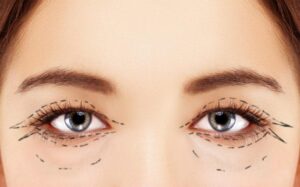
Eyelid Surgery in Turkey: The Cost, The procedure, and everything you need to know.

Cosmetic eyelid surgery, also known as blepharoplasty, is a popular procedure aimed at improving the appearance of the eyelids.

Turkey has emerged as a leading destination for this type of surgery due to its high-quality medical care and competitive pricing.

This article provides an in-depth look at the costs associated with cosmetic eyelid surgery in Turkey, including factors influencing the price, and detailed price comparisons across major cities.

Understanding Cosmetic Eyelid Surgery

Cosmetic eyelid surgery involves the removal of excess skin, fat, and muscle from the eyelids to achieve a more youthful and refreshed appearance.

The procedure can be performed on the upper eyelids, lower eyelids, or both. Patients may seek this surgery to address drooping eyelids, under-eye bags, or puffiness.

Factors Influencing the Cost of Cosmetic Eyelid Surgery in Turkey

The cost of cosmetic eyelid surgery in Turkey varies based on several factors:

  • Type of Procedure: The complexity of the surgery (upper vs. lower eyelid) affects the cost. Combined procedures typically cost more.
  • Surgeon’s Experience: Renowned surgeons with extensive experience may charge higher fees.
  • Hospital or Clinic: Costs can vary significantly depending on whether you choose a high-end clinic or a more budget-friendly option.
  • Location: Prices can differ between cities and regions within Turkey.
  • Pre- and Post-Operative Care: Costs for consultations, follow-ups, and any additional treatments can impact the overall expense.
  • Additional Services: Some packages include amenities like accommodation, transportation, and anesthesia, which can influence the total cost.

Prices of all types of the Cosmetic eyelid procedure in Turkey.

Upper Eyelid Blepharoplasty

Definition and Details:

Upper eyelid blepharoplasty is a surgical procedure designed to correct sagging or drooping of the upper eyelids.

This condition is often caused by aging, genetic factors, or sun damage. The procedure involves making incisions along the natural creases of the upper eyelids to remove excess skin, fat, and muscle.

The goal is to rejuvenate the appearance of the eyes and, in some cases, improve vision if the drooping is severe.

The surgeon carefully removes or repositions fat deposits, tightens the remaining skin, and may adjust the underlying muscle to achieve a more youthful and alert look.

Post-surgery, patients typically experience some swelling and bruising, which should subside within two weeks. Full recovery includes following specific care instructions to ensure optimal results.

Procedure Steps:

Initial Consultation:
  • Evaluation of the patient’s medical history, eye anatomy, and cosmetic goals.
  • Discussion of surgical options, risks, and expectations.
  • Detailed planning and setting up pre-operative guidelines.
Pre-Surgical Preparation:
  • Pre-operative testing or imaging if required.
  • Instructions for discontinuing certain medications or supplements.
  • Arrangements for transportation and post-operative care.
Anesthesia Administration:
  • Administration of local anesthesia with sedation or general anesthesia, depending on the complexity of the procedure and patient preference.
Incision Placement:
  • Making incisions along the natural folds of the upper eyelid to access excess skin and fat.
  • Precision in incision placement to ensure minimal scarring.
Removal of Excess Tissue:
  • Removal of excess skin, fat, and muscle from the upper eyelid.
  • Tightening of the underlying muscle if necessary.
Repositioning and Sculpting:
  • Repositioning any remaining fat deposits to create a smooth contour.
  • Sculpting the eyelid area to achieve a natural appearance.
Closure of Incisions:
  • Suturing the incisions with fine stitches to minimize visible scarring.
  • Application of any necessary dressings or bandages.
Post-Operative Care:
  • Monitoring recovery and managing initial swelling and bruising.
  • Providing detailed instructions for care, including cleaning, medication use, and activity restrictions.
Follow-Up Appointments:
  • Regular visits to assess healing, remove stitches if needed, and ensure proper recovery.

Pricing Breakdown:

  • Initial Consultation Fee: $100 to $300
  • Basic Upper Eyelid Blepharoplasty: $2,500 to $3,500
  • Complex Upper Eyelid Blepharoplasty: $3,500 to $4,500
  • Anesthesia Fee: $500 to $800
  • Hospital/Clinic Stay: $100 to $300 per night (if applicable)
  • Post-Operative Medications: $50 to $150
  • Follow-Up Appointments: $100 to $200 per visit (if additional)

Lower Eyelid Blepharoplasty

Definition and Details:

Lower eyelid blepharoplasty addresses concerns such as puffiness, dark circles, and sagging in the lower eyelid area.

This procedure involves removing or redistributing fat deposits and tightening excess skin to rejuvenate the under-eye region.

Depending on the technique, the incision can be made just below the lash line (transcutaneous approach) or inside the lower eyelid (transconjunctival approach).

The choice of technique affects the visibility of scarring and the overall recovery process.

The goal is to create a smoother, more youthful appearance and improve the contour of the lower eyelids. Recovery typically includes some swelling and bruising, which usually resolves in a few weeks. Patients are provided with specific post-operative care instructions to ensure optimal results.

Procedure Steps:

Initial Consultation:
  • Assessment of the patient’s lower eyelid issues and cosmetic goals.
  • Discussion of available techniques and their implications.
  • Preparation of a tailored surgical plan.
Pre-Surgical Preparation:
  • Any required pre-operative testing or imaging.
  • Instructions on medication adjustments and preparation for surgery.
  • Arrangements for recovery and post-operative support.
Anesthesia Administration:
  • Application of local anesthesia with sedation or general anesthesia, based on patient needs and procedure complexity.
Incision Placement:
  • Creation of an incision either below the lower lash line or inside the lower eyelid.
  • Careful placement to ensure minimal visible scarring.
Fat Removal and Redistribution:
  • Removal or redistribution of fat deposits from the lower eyelids.
  • Possible use of lasers or other techniques to improve skin texture.
Skin Tightening:
  • Tightening of excess skin to smooth the lower eyelid area.
  • Ensuring the skin is contoured naturally to avoid a pulled appearance.
Closure of Incisions:
  • Suturing the incisions with fine stitches to reduce visible scarring.
  • Application of dressings or bandages as needed.
Post-Operative Care:
  • Initial monitoring and management of swelling and bruising.
  • Detailed care instructions, including medication use and activity limitations.
Follow-Up Appointments:
  • Regular check-ups to monitor healing, remove stitches, and address any concerns.

Pricing Breakdown:

  • Initial Consultation Fee: $100 to $300
  • Basic Lower Eyelid Blepharoplasty: $2,700 to $3,700
  • Complex Lower Eyelid Blepharoplasty: $3,800 to $4,800
  • Anesthesia Fee: $500 to $800
  • Hospital/Clinic Stay: $100 to $300 per night (if applicable)
  • Post-Operative Medications: $50 to $150
  • Follow-Up Appointments: $100 to $200 per visit (if additional)

Transconjunctival Blepharoplasty

Definition and Details:

Transconjunctival blepharoplasty is a minimally invasive technique used primarily for the lower eyelids.

Unlike traditional approaches, this method involves making incisions inside the lower eyelid, thereby avoiding visible external scarring.

The primary focus of this procedure is on the removal of fat deposits that contribute to puffiness under the eyes. The technique is well-suited for younger patients or those with minimal skin excess but significant fat bulging.

This approach can also be combined with other procedures, such as laser resurfacing, to enhance overall results.

Recovery from transconjunctival blepharoplasty generally involves less swelling and bruising compared to traditional methods. The technique offers a natural and subtle improvement in the appearance of the lower eyelids.

Procedure Steps:

Initial Consultation:
  • Evaluation of the patient’s needs and suitability for the transconjunctival approach.
  • Discussion of the procedure’s benefits and limitations.
  • Development of a personalized surgical plan.
Pre-Surgical Preparation:
  • Any necessary pre-operative assessments or imaging.
  • Instructions for medication adjustments and surgery preparation.
  • Coordination of post-operative care and support.
Anesthesia Administration:
  • Local anesthesia with sedation or general anesthesia based on patient preference and procedure complexity.
Incision Placement:
  • Making an incision inside the lower eyelid to access fat deposits.
  • Ensuring precision to avoid external scarring.
Fat Removal:
  • Removal of excess fat from within the lower eyelid.
  • Possible additional techniques for improving skin texture and tightness.
Closure of Incisions:
  • Natural healing of the internal incisions, with no external sutures required.
  • Monitoring for any signs of complications.
Post-Operative Care:
  • Initial care instructions, including managing swelling and bruising.
  • Guidance on medication use and activity restrictions.
Follow-Up Appointments:
  • Regular check-ups to assess healing and address any issues.

Pricing Breakdown:

  • Initial Consultation Fee: $100 to $300
  • Surgery Cost: $2,800 to $4,000
  • Anesthesia Fee: $500 to $800
  • Hospital/Clinic Stay: $100 to $300 per night (if applicable)
  • Post-Operative Medications: $50 to $150
  • Follow-Up Appointments: $100 to $200 per visit (if additional)

Transcutaneous Blepharoplasty

Definition and Details:

Transcutaneous blepharoplasty, also known as external blepharoplasty, is a surgical method involving an incision just below the lower lash line.

This approach is commonly used for addressing both excess skin and fat in the lower eyelid area. The procedure is suitable for patients with more significant skin laxity and fat bulging.

The transcutaneous method allows for more extensive removal of skin and fat compared to transconjunctival blepharoplasty.

Post-operative care includes managing swelling and bruising, with recovery typically taking a few weeks. The transcutaneous approach offers effective results for improving the appearance of the lower eyelids and achieving a more youthful look.

Procedure Steps:

Initial Consultation:
  • Comprehensive evaluation of the lower eyelid area and patient goals.
  • Discussion of the transcutaneous method and its benefits.
  • Customization of the surgical plan.
Pre-Surgical Preparation:
  • Pre-operative assessments or imaging if required.
  • Instructions for medication discontinuation and preparation for surgery.
  • Coordination for post-operative care and support.
Anesthesia Administration:
  • Local anesthesia with sedation or general anesthesia, depending on the patient’s needs and procedure complexity.
Incision Placement:
  • Creation of an incision just below the lower lash line.
  • Careful placement to minimize visible scarring.
Removal of Excess Tissue:
  • Removal of excess skin, fat, and muscle from the lower eyelids.
  • Possible use of lasers or other techniques to improve skin texture.
Skin Tightening:
  • Tightening the skin to create a smoother, more youthful appearance.
  • Sculpting and contouring for natural-looking results.
Closure of Incisions:
  • Suturing the incisions with fine stitches.
  • Application of any necessary dressings or bandages.
Post-Operative Care:
  • Management of initial swelling and bruising.
  • Detailed care instructions for medication use and activity limitations.
Follow-Up Appointments:
  • Regular visits to monitor healing and assess results.

Pricing Breakdown:

  • Initial Consultation Fee: $100 to $300
  • Surgery Cost: $3,000 to $4,200
  • Anesthesia Fee: $500 to $800
  • Hospital/Clinic Stay: $100 to $300 per night (if applicable)
  • Post-Operative Medications: $50 to $150
  • Follow-Up Appointments: $100 to $200 per visit (if additional)

Asian Eyelid Surgery (Double Eyelid Surgery)

Definition and Details:

Asian eyelid surgery, also known as double eyelid surgery, is designed to create a visible crease in the upper eyelid for individuals who do not naturally have this crease.

This procedure is often sought by patients of East Asian descent who desire a more defined eyelid fold. The surgery involves various techniques, including the incision method, the suture method, and the partial incision method.

The choice of technique depends on the patient’s anatomical structure and aesthetic goals.

The incision method involves making an incision along the eyelid crease to remove excess skin and create the fold, while the suture method uses stitches to form the crease without removing tissue. Recovery includes managing swelling and bruising, with final results becoming apparent after several weeks. The procedure aims to enhance the appearance of the eyes and achieve a natural, balanced look.

Procedure Steps:

Initial Consultation:
  • Assessment of eyelid anatomy and patient goals.
  • Discussion of available techniques and their suitability.
  • Creation of a tailored surgical plan.
Pre-Surgical Preparation:
  • Any required pre-operative tests or imaging.
  • Instructions on medication adjustments and preparation for surgery.
  • Arrangements for post-operative care and support.
Anesthesia Administration:
  • Local anesthesia with sedation or general anesthesia based on patient needs.
Incision Placement (for incision method):
  • Creation of an incision along the eyelid crease.
  • Removal of excess skin and tissue to form the desired crease.
Suture Placement (for suture method):
  • Placement of sutures to create the eyelid fold without incision.
  • Adjustments to achieve the desired crease.
Closure and Healing:
  • Suturing or securing the incision, if applicable.
  • Application of dressings or bandages as needed.
Post-Operative Care:
  • Monitoring for swelling and bruising.
  • Detailed care instructions for medication use and activity restrictions.
Follow-Up Appointments:
  • Regular visits to assess healing and evaluate results.

Pricing Breakdown:

  • Initial Consultation Fee: $100 to $300
  • Incision Method: $3,000 to $4,000
  • Suture Method: $2,500 to $3,500
  • Anesthesia Fee: $500 to $800
  • Hospital/Clinic Stay: $100 to $300 per night (if applicable)
  • Post-Operative Medications: $50 to $150
  • Follow-Up Appointments: $100 to $200 per visit (if additional)

Eyebrow Lift

Definition and Details:

An eyebrow lift, or brow lift, is a procedure aimed at elevating the position of the eyebrows and smoothing out forehead wrinkles.

This procedure is often performed in conjunction with eyelid surgery to provide a comprehensive rejuvenation of the upper face.

The brow lift can be done through several techniques, including the traditional open method, endoscopic brow lift, and temporal brow lift.

The traditional method involves an incision across the forehead, while the endoscopic approach uses small incisions and a camera to guide the surgery.

The temporal brow lift targets the outer brow area to achieve a subtle lift. Recovery involves managing swelling and bruising, with results becoming visible after a few weeks. The procedure helps in reducing signs of aging and enhancing the overall appearance of the forehead and brows.

Procedure Steps:

Initial Consultation:
  • Evaluation of the patient’s brow position and facial aesthetics.
  • Discussion of surgical techniques and their suitability.
  • Development of a customized surgical plan.
Pre-Surgical Preparation:
  • Pre-operative testing or imaging if necessary.
  • Instructions for medication adjustments and preparation for surgery.
  • Coordination for post-operative care.
Anesthesia Administration:
  • Local anesthesia with sedation or general anesthesia, depending on the technique and patient preference.
Incision Placement:
  • For traditional method: Incision across the forehead.
  • For endoscopic method: Small incisions in the scalp.
  • For temporal method: Incisions at the temples.
Lifting and Reshaping:
  • Elevation and repositioning of the eyebrows.
  • Tightening of the underlying tissues and muscles.
Closure of Incisions:
  • Suturing or securing the incisions.
  • Application of dressings or bandages if needed.
Post-Operative Care:
  • Management of swelling and bruising.
  • Detailed care instructions, including medication use and activity restrictions.
Follow-Up Appointments:
  • Regular check-ups to monitor healing and assess results.

Pricing Breakdown:

  • Initial Consultation Fee: $100 to $300
  • Traditional Brow Lift: $4,000 to $5,500
  • Endoscopic Brow Lift: $3,500 to $4,800
  • Temporal Brow Lift: $3,000 to $4,000
  • Anesthesia Fee: $500 to $800
  • Hospital/Clinic Stay: $100 to $300 per night (if applicable)
  • Post-Operative Medications: $50 to $150
  • Follow-Up Appointments: $100 to $200 per visit (if additional)

Double Eyelid Surgery (Asian Eyelid Surgery)

Definition and Details:

Double eyelid surgery, also known as Asian eyelid surgery, is performed to create a visible crease in the upper eyelids for individuals who naturally do not have this crease.

The procedure aims to enhance the appearance of the eyes and achieve a more defined eyelid fold. Various techniques are used, including the incision method, suture method, and partial incision method.

The incision method involves making an incision along the natural crease to remove excess skin and create a fold.

The suture method uses stitches to form the crease without removing tissue, suitable for those with minimal skin excess.

The partial incision method is a hybrid technique that removes a small amount of tissue. Recovery includes managing swelling and bruising, with results visible after several weeks. The procedure enhances the overall facial aesthetics and provides a more youthful look.

Procedure Steps:

Initial Consultation:
  • Comprehensive assessment of eyelid anatomy and patient expectations.
  • Discussion of different techniques and their suitability.
  • Tailoring of the surgical plan to meet patient goals.
Pre-Surgical Preparation:
  • Required pre-operative tests or imaging.
  • Instructions on medication discontinuation and preparation for surgery.
  • Coordination of post-operative care.
Anesthesia Administration:
  • Local anesthesia with sedation or general anesthesia depending on the chosen technique and patient needs.
Incision Placement (for incision method):
  • Making an incision along the upper eyelid crease to remove excess skin and create the fold.
Suture Placement (for suture method):
  • Placement of sutures to create the eyelid fold without making an incision.
Partial Incision Method (if applicable):
  • Removing a small amount of tissue to create a subtle crease.
Closure and Healing:
  • Suturing or securing incisions as necessary.
  • Application of dressings or bandages if needed.
Post-Operative Care:
  • Managing initial swelling and bruising.
  • Detailed care instructions for medication use and activity limitations.
Follow-Up Appointments:
  • Regular visits to monitor recovery and assess results.

Pricing Breakdown:

  • Initial Consultation Fee: $100 to $300
  • Incision Method: $3,000 to $4,000
  • Suture Method: $2,500 to $3,500
  • Partial Incision Method: $2,800 to $3,800
  • Anesthesia Fee: $500 to $800
  • Hospital/Clinic Stay: $100 to $300 per night (if applicable)
  • Post-Operative Medications: $50 to $150
  • Follow-Up Appointments: $100 to $200 per visit (if additional)

Laser Eyelid Surgery

Definition and Details:

Laser eyelid surgery uses laser technology to address various issues related to the eyelids, such as excess skin, fine lines, and pigmentation.

The procedure utilizes a laser beam to precisely remove or resurface the skin, targeting problem areas with minimal invasiveness. The laser can stimulate collagen production, enhancing skin tightening and texture.

This method is often chosen for its precision and reduced downtime compared to traditional surgical methods.

Laser eyelid surgery can be performed on both the upper and lower eyelids, depending on the patient’s needs.

Post-operative care includes managing any initial redness or discomfort, with recovery typically involving less swelling and bruising than conventional surgery. The results include smoother, tighter skin around the eyes and improved overall appearance.

Procedure Steps:

Initial Consultation:
  • Assessment of eyelid issues and cosmetic goals.
  • Discussion of laser technology and its benefits.
  • Development of a customized surgical plan.
Pre-Surgical Preparation:
  • Pre-operative assessments or imaging if needed.
  • Instructions for medication adjustments and preparation for surgery.
  • Coordination of post-operative care and support.
Anesthesia Administration:
  • Local anesthesia or sedation to ensure patient comfort during the procedure.
Laser Treatment:
  • Application of the laser to target excess skin, fine lines, or pigmentation.
  • Precision in treatment to achieve the desired results.
Post-Procedure Care:
  • Monitoring for any immediate reactions, such as redness or discomfort.
  • Detailed care instructions, including skincare and activity restrictions.
Follow-Up Appointments:
  • Regular visits to assess healing and evaluate results.

Pricing Breakdown:

  • Initial Consultation Fee: $100 to $300
  • Laser Eyelid Surgery: $3,000 to $4,500
  • Anesthesia Fee: $500 to $800
  • Post-Operative Medications: $50 to $150
  • Follow-Up Appointments: $100 to $200 per visit (if additional)

Ptosis Repair Surgery

Definition and Details:

Ptosis repair surgery, also known as blepharoptosis surgery, is performed to correct drooping of the upper eyelids.

This condition, known as ptosis, can be congenital or acquired and often affects vision and facial aesthetics.

The surgery involves tightening the muscles responsible for lifting the eyelids, restoring them to their normal position.

The procedure may include removing excess skin or fat if necessary. Ptosis repair can be performed using various techniques, including the levator muscle resection or frontalis sling procedure.

The choice of technique depends on the severity of ptosis and the patient’s specific needs. Post-operative care includes managing swelling and bruising, with recovery typically taking a few weeks. The surgery aims to improve both the functional and cosmetic aspects of the eyelids.

Procedure Steps:

Initial Consultation:
  • Evaluation of ptosis severity and patient goals.
  • Discussion of surgical techniques and their suitability.
  • Customization of the surgical plan.
Pre-Surgical Preparation:
  • Pre-operative assessments or imaging if required.
  • Instructions for medication adjustments and preparation for surgery.
  • Arrangements for post-operative care and support.
Anesthesia Administration:
  • Local anesthesia with sedation or general anesthesia, based on the complexity of the procedure and patient preference.
Muscle Repair:
  • Tightening of the levator muscle or other muscles involved in eyelid elevation.
  • Possible removal of excess skin or fat if needed.
Closure of Incisions:
  • Suturing or securing the incisions.
  • Application of any necessary dressings or bandages.
Post-Operative Care:
  • Management of initial swelling and bruising.
  • Detailed care instructions for medication use and activity restrictions.
Follow-Up Appointments:
  • Regular visits to monitor healing and assess results.

Pricing Breakdown:

  • Initial Consultation Fee: $100 to $300
  • Surgery Cost: $3,500 to $5,000
  • Anesthesia Fee: $500 to $800
  • Hospital/Clinic Stay: $100 to $300 per night (if applicable)
  • Post-Operative Medications: $50 to $150
  • Follow-Up Appointments: $100 to $200 per visit (if additional)

Endoscopic Eyelid Surgery

Definition and Details:

Endoscopic eyelid surgery is a minimally invasive procedure that uses an endoscope to perform eyelid surgery with small incisions.

The endoscope, a thin, flexible tube with a camera, allows the surgeon to view and operate on the eyelid area with precision.

This technique is often used for both upper and lower eyelid surgeries and is particularly beneficial for patients seeking less downtime and minimal scarring.

The endoscopic approach involves making small incisions in the scalp or inside the eyelid, which results in reduced post-operative discomfort and quicker recovery.

The procedure addresses issues such as excess skin, fat, and muscle laxity, providing a rejuvenated appearance with fewer visible scars. Post-operative care includes managing any swelling or bruising, with full results becoming apparent after a few weeks.

Procedure Steps:

Initial Consultation:
  • Evaluation of the patient’s needs and suitability for endoscopic surgery.
  • Discussion of the benefits and limitations of the endoscopic approach.
  • Development of a customized surgical plan.
Pre-Surgical Preparation:
  • Pre-operative assessments or imaging if needed.
  • Instructions on medication adjustments and preparation for surgery.
  • Coordination of post-operative care and support.
Anesthesia Administration:
  • Local anesthesia with sedation or general anesthesia depending on patient needs and the procedure complexity.
Endoscopic Surgery:
  • Insertion of the endoscope through small incisions.
  • Precision in removing or repositioning excess skin, fat, and muscle.
Closure of Incisions:
  • Securing incisions with minimal sutures or natural healing.
  • Application of any necessary dressings or bandages.
Post-Operative Care:
  • Monitoring for any immediate reactions or discomfort.
  • Detailed care instructions, including skincare and activity restrictions.
Follow-Up Appointments:
  • Regular visits to assess healing and evaluate results.

Pricing Breakdown:

  • Initial Consultation Fee: $100 to $300
  • Surgery Cost: $4,000 to $5,500
  • Anesthesia Fee: $500 to $800
  • Hospital/Clinic Stay: $100 to $300 per night (if applicable)
  • Post-Operative Medications: $50 to $150
  • Follow-Up Appointments: $100 to $200 per visit (if additional)

Prices of Cosmetic Eyelid Procedures in Istanbul, Ankara, and Izmir.

Traditional Blepharoplasty

Istanbul:

  • Initial Consultation Fee: $150 to $250
  • Surgery Cost: $2,800 to $4,000
  • Anesthesia Fee: $600 to $800
  • Hospital/Clinic Stay: $150 to $250 per night
  • Post-Operative Medications: $60 to $120
  • Follow-Up Appointments: $120 to $200 per visit
Ankara:
  • Initial Consultation Fee: $120 to $220
  • Surgery Cost: $2,500 to $3,800
  • Anesthesia Fee: $500 to $750
  • Hospital/Clinic Stay: $120 to $220 per night
  • Post-Operative Medications: $50 to $100
  • Follow-Up Appointments: $100 to $180 per visit
Izmir:
  • Initial Consultation Fee: $130 to $230
  • Surgery Cost: $2,700 to $3,900
  • Anesthesia Fee: $550 to $780
  • Hospital/Clinic Stay: $130 to $230 per night
  • Post-Operative Medications: $55 to $110
  • Follow-Up Appointments: $110 to $190 per visit

Transconjunctival Blepharoplasty

Istanbul:

  • Initial Consultation Fee: $150 to $260
  • Surgery Cost: $3,000 to $4,200
  • Anesthesia Fee: $600 to $850
  • Hospital/Clinic Stay: $150 to $270 per night
  • Post-Operative Medications: $70 to $130
  • Follow-Up Appointments: $130 to $210 per visit

Ankara:

  • Initial Consultation Fee: $130 to $240
  • Surgery Cost: $2,700 to $4,000
  • Anesthesia Fee: $550 to $800
  • Hospital/Clinic Stay: $130 to $240 per night
  • Post-Operative Medications: $60 to $120
  • Follow-Up Appointments: $120 to $200 per visit

Izmir:

  • Initial Consultation Fee: $140 to $250
  • Surgery Cost: $2,900 to $4,100
  • Anesthesia Fee: $580 to $820
  • Hospital/Clinic Stay: $140 to $250 per night
  • Post-Operative Medications: $65 to $125
  • Follow-Up Appointments: $120 to $200 per visit

Upper Eyelid Surgery with Brow Lift

Istanbul:

  • Initial Consultation Fee: $200 to $300
  • Surgery Cost: $4,500 to $6,500
  • Anesthesia Fee: $700 to $900
  • Hospital/Clinic Stay: $200 to $350 per night
  • Post-Operative Medications: $80 to $160
  • Follow-Up Appointments: $150 to $250 per visit

Ankara:

  • Initial Consultation Fee: $180 to $280
  • Surgery Cost: $4,200 to $6,200
  • Anesthesia Fee: $650 to $850
  • Hospital/Clinic Stay: $180 to $320 per night
  • Post-Operative Medications: $70 to $140
  • Follow-Up Appointments: $140 to $230 per visit

Izmir:

  • Initial Consultation Fee: $190 to $290
  • Surgery Cost: $4,400 to $6,400
  • Anesthesia Fee: $670 to $870
  • Hospital/Clinic Stay: $190 to $340 per night
  • Post-Operative Medications: $75 to $150
  • Follow-Up Appointments: $140 to $240 per visit

Lower Eyelid Laser Surgery

Istanbul:

  • Initial Consultation Fee: $180 to $270
  • Surgery Cost: $3,500 to $5,000
  • Anesthesia Fee: $600 to $850
  • Hospital/Clinic Stay: $150 to $280 per night
  • Post-Operative Medications: $70 to $140
  • Follow-Up Appointments: $130 to $220 per visit

Ankara:

  • Initial Consultation Fee: $160 to $250
  • Surgery Cost: $3,200 to $4,800
  • Anesthesia Fee: $550 to $800
  • Hospital/Clinic Stay: $130 to $250 per night
  • Post-Operative Medications: $60 to $120
  • Follow-Up Appointments: $120 to $210 per visit

Izmir:

  • Initial Consultation Fee: $170 to $260
  • Surgery Cost: $3,400 to $4,900
  • Anesthesia Fee: $580 to $820
  • Hospital/Clinic Stay: $140 to $270 per night
  • Post-Operative Medications: $65 to $130
  • Follow-Up Appointments: $130 to $215 per visit

Asian Eyelid Surgery (Double Eyelid Surgery)

Istanbul:

  • Initial Consultation Fee: $150 to $250
  • Incision Method: $3,000 to $4,200
  • Suture Method: $2,500 to $3,700
  • Partial Incision Method: $2,800 to $3,900
  • Anesthesia Fee: $600 to $800
  • Hospital/Clinic Stay: $150 to $260 per night
  • Post-Operative Medications: $60 to $130
  • Follow-Up Appointments: $130 to $220 per visit

Ankara:

  • Initial Consultation Fee: $130 to $230
  • Incision Method: $2,700 to $3,800
  • Suture Method: $2,200 to $3,400
  • Partial Incision Method: $2,500 to $3,600
  • Anesthesia Fee: $550 to $750
  • Hospital/Clinic Stay: $130 to $240 per night
  • Post-Operative Medications: $50 to $120
  • Follow-Up Appointments: $120 to $200 per visit

Izmir:

  • Initial Consultation Fee: $140 to $240
  • Incision Method: $2,900 to $4,000
  • Suture Method: $2,400 to $3,600
  • Partial Incision Method: $2,700 to $3,800
  • Anesthesia Fee: $580 to $800
  • Hospital/Clinic Stay: $140 to $250 per night
  • Post-Operative Medications: $65 to $125
  • Follow-Up Appointments: $130 to $210 per visit

Eyebrow Lift

Istanbul:

  • Initial Consultation Fee: $200 to $300
  • Traditional Brow Lift: $4,000 to $5,500
  • Endoscopic Brow Lift: $3,500 to $4,800
  • Temporal Brow Lift: $3,000 to $4,000
  • Anesthesia Fee: $700 to $900
  • Hospital/Clinic Stay: $200 to $350 per night
  • Post-Operative Medications: $80 to $160
  • Follow-Up Appointments: $150 to $250 per visit

Ankara:

  • Initial Consultation Fee: $180 to $270
  • Traditional Brow Lift: $3,500 to $5,000
  • Endoscopic Brow Lift: $3,000 to $4,500
  • Temporal Brow Lift: $2,800 to $3,800
  • Anesthesia Fee: $650 to $850
  • Hospital/Clinic Stay: $180 to $320 per night
  • Post-Operative Medications: $70 to $140
  • Follow-Up Appointments: $140 to $230 per visit

Izmir:

  • Initial Consultation Fee: $190 to $280
  • Traditional Brow Lift: $3,800 to $5,300
  • Endoscopic Brow Lift: $3,300 to $4,700
  • Temporal Brow Lift: $3,000 to $4,000
  • Anesthesia Fee: $670 to $870
  • Hospital/Clinic Stay: $190 to $340 per night
  • Post-Operative Medications: $75 to $150
  • Follow-Up Appointments: $140 to $240 per visit

Eyelid Rejuvenation

Istanbul:

  • Initial Consultation Fee: $200 to $300
  • Upper Eyelid Rejuvenation: $3,500 to $5,000
  • Lower Eyelid Rejuvenation: $3,800 to $5,200
  • Anesthesia Fee: $700 to $900
  • Hospital/Clinic Stay: $200 to $350 per night
  • Post-Operative Medications: $80 to $160
  • Follow-Up Appointments: $150 to $250 per visit

Ankara:

  • Initial Consultation Fee: $180 to $270
  • Upper Eyelid Rejuvenation: $3,200 to $4,800
  • Lower Eyelid Rejuvenation: $3,500 to $4,900
  • Anesthesia Fee: $650 to $850
  • Hospital/Clinic Stay: $180 to $320 per night
  • Post-Operative Medications: $70 to $140
  • Follow-Up Appointments: $140 to $230 per visit

Izmir:

  • Initial Consultation Fee: $190 to $280
  • Upper Eyelid Rejuvenation: $3,400 to $4,900
  • Lower Eyelid Rejuvenation: $3,700 to $5,000
  • Anesthesia Fee: $670 to $870
  • Hospital/Clinic Stay: $190 to $340 per night
  • Post-Operative Medications: $75 to $150
  • Follow-Up Appointments: $140 to $240 per visit

Laser Eyelid Surgery

Istanbul:

  • Initial Consultation Fee: $180 to $270
  • Surgery Cost: $3,500 to $5,000
  • Anesthesia Fee: $600 to $850
  • Hospital/Clinic Stay: $150 to $280 per night
  • Post-Operative Medications: $70 to $140
  • Follow-Up Appointments: $130 to $220 per visit

Ankara:

  • Initial Consultation Fee: $160 to $250
  • Surgery Cost: $3,200 to $4,800
  • Anesthesia Fee: $550 to $800
  • Hospital/Clinic Stay: $130 to $250 per night
  • Post-Operative Medications: $60 to $120
  • Follow-Up Appointments: $120 to $210 per visit

Izmir:

  • Initial Consultation Fee: $170 to $260
  • Surgery Cost: $3,400 to $4,900
  • Anesthesia Fee: $580 to $820
  • Hospital/Clinic Stay: $140 to $270 per night
  • Post-Operative Medications: $65 to $130
  • Follow-Up Appointments: $130 to $215 per visit

Ptosis Repair Surgery

Istanbul:

  • Initial Consultation Fee: $200 to $300
  • Surgery Cost: $3,500 to $5,000
  • Anesthesia Fee: $700 to $900
  • Hospital/Clinic Stay: $200 to $350 per night
  • Post-Operative Medications: $80 to $160
  • Follow-Up Appointments: $150 to $250 per visit

Ankara:

  • Initial Consultation Fee: $180 to $270
  • Surgery Cost: $3,200 to $4,800
  • Anesthesia Fee: $650 to $850
  • Hospital/Clinic Stay: $180 to $320 per night
  • Post-Operative Medications: $70 to $140
  • Follow-Up Appointments: $140 to $230 per visit

Izmir:

  • Initial Consultation Fee: $190 to $280
  • Surgery Cost: $3,400 to $5,000
  • Anesthesia Fee: $670 to $870
  • Hospital/Clinic Stay: $190 to $340 per night
  • Post-Operative Medications: $75 to $150
  • Follow-Up Appointments: $140 to $240 per visit

Endoscopic Eyelid Surgery

Istanbul:

  • Initial Consultation Fee: $200 to $300
  • Surgery Cost: $4,000 to $5,500
  • Anesthesia Fee: $700 to $900
  • Hospital/Clinic Stay: $200 to $350 per night
  • Post-Operative Medications: $80 to $160
  • Follow-Up Appointments: $150 to $250 per visit

Ankara:

  • Initial Consultation Fee: $180 to $270
  • Surgery Cost: $3,500 to $5,000
  • Anesthesia Fee: $650 to $850
  • Hospital/Clinic Stay: $180 to $320 per night
  • Post-Operative Medications: $70 to $140
  • Follow-Up Appointments: $140 to $230 per visit

Izmir:

  • Initial Consultation Fee: $190 to $280
  • Surgery Cost: $3,800 to $5,300
  • Anesthesia Fee: $670 to $870
  • Hospital/Clinic Stay: $190 to $340 per night
  • Post-Operative Medications: $75 to $150
  • Follow-Up Appointments: $140 to $240 per visit

Additional Costs to Consider

  • Consultation Fees: Initial consultations may cost between $100 and $300. Some clinics offer free consultations if you proceed with the surgery.
  • Anesthesia Fees: Typically included in the overall price but can be an additional cost if billed separately.
  • Hospital Stay: If an overnight stay is required, expect to pay an extra $100 to $300 per night.
  • Medication: Post-operative medications and ointments may cost between $50 and $150.
  • Follow-Up Appointments: These are usually included in the price, but some clinics may charge separately for additional visits.

Why Choose Turkey for Cosmetic Eyelid Surgery?

Turkey has become a popular destination for cosmetic surgery due to its:

  • High-Quality Healthcare: Turkish clinics and hospitals often meet international standards and use advanced technology.
  • Experienced Surgeons: Many Turkish surgeons are internationally trained and have extensive experience in cosmetic procedures.
  • Cost-Effectiveness: Compared to Western countries, Turkey offers significantly lower prices without compromising quality.
  • Comprehensive Packages: Many clinics offer all-inclusive packages that cover surgery, accommodation, and transportation.

What to Look for in a Clinic

When choosing a clinic for cosmetic eyelid surgery, consider:

  • Accreditation: Ensure the clinic is accredited by relevant medical boards and associations.
  • Surgeon Credentials: Research the surgeon’s qualifications, experience, and patient reviews.
  • Facility Standards: Check for the clinic’s hygiene, equipment, and overall environment.
  • Patient Support: Look for clinics offering robust patient support before, during, and after the procedure.

How to prepare for a Cosmetic eyelid surgery?

Personal Preparations

Consultation and Research

  • Schedule an Initial Consultation: Arrange a consultation with a qualified cosmetic surgeon to discuss your goals, the procedure options, and any concerns you might have.
  • Research Your Surgeon: Investigate the credentials, experience, and patient reviews of your chosen surgeon. Ensure they are board-certified and have a good track record with cosmetic eyelid procedures.

Medical History and Health Assessment

  • Review Medical History: Be prepared to discuss your complete medical history, including any existing health conditions, previous surgeries, and any medications you are currently taking.
  • Health Assessment: Undergo a thorough health assessment to ensure you are in good health. This may include blood tests, eye exams, and other relevant tests.

Lifestyle Adjustments

  • Avoid Smoking and Alcohol: Refrain from smoking and drinking alcohol for at least two weeks before the procedure as these can affect healing and increase the risk of complications.
  • Adopt a Healthy Diet: Eat a balanced diet rich in vitamins and minerals to support your body’s healing process. Consider increasing your intake of vitamin C and protein.

Medication Management

  • Discontinue Certain Medications: Stop taking blood thinners, aspirin, and non-steroidal anti-inflammatory drugs (NSAIDs) as advised by your surgeon. These medications can increase bleeding risks.
  • Start Prescribed Medications: Begin taking any pre-surgical medications or supplements as instructed by your doctor.

Prepare Your Home Environment

  • Arrange for Post-Procedure Care: Set up a comfortable recovery area at home with necessary supplies such as ice packs, clean tissues, and medications. Arrange for someone to assist you with daily activities during the initial recovery phase.
  • Organize Your Space: Ensure your home environment is clean and organized to facilitate a smooth recovery period. Remove any potential hazards that could lead to accidental injury.

Financial and Insurance Planning

  • Review Costs and Insurance Coverage: Confirm the total cost of the procedure, including any additional fees for consultations, anesthesia, and follow-up appointments. Check with your insurance provider to understand your coverage and potential out-of-pocket expenses.
  • Arrange Payment: Ensure you have a clear plan for payment, whether through insurance, personal savings, or financing options.

Pre-Procedure Skin Care

  • Follow Skincare Guidelines: Use recommended skincare products and follow any specific instructions provided by your surgeon to prepare your skin for the procedure. Avoid using harsh or irritating products.
  • Avoid Excessive Sun Exposure: Protect your skin from the sun by wearing sunglasses and applying sunscreen to reduce the risk of complications and ensure optimal healing.

Prepare for Anesthesia

  • Understand Anesthesia Options: Discuss the type of anesthesia that will be used during the procedure and any associated risks. Follow any specific pre-anesthesia instructions provided by your surgeon.
  • Arrangements for Transportation: Arrange for transportation to and from the surgery center, as you will not be able to drive yourself home following the procedure.

Mental Preparation

  • Set Realistic Expectations: Understand the expected outcomes of the procedure and have realistic expectations about the recovery process and results. Address any anxieties or concerns with your surgeon.
  • Practice Relaxation Techniques: Engage in relaxation techniques such as deep breathing exercises, meditation, or yoga to help manage pre-surgical stress and anxiety.

Emergency Preparation

  • Know Emergency Contacts: Have a list of emergency contacts, including your surgeon’s contact information and nearby medical facilities, in case of any unexpected issues during recovery.
  • Understand Post-Procedure Signs: Familiarize yourself with signs of potential complications such as excessive bleeding or infection and know when to seek immediate medical attention.

Medical Preparations with the Doctor

Pre-Surgical Consultation

  • Discuss Procedure Details: Have a thorough discussion with your surgeon about the specific type of eyelid procedure you will undergo, including the techniques used and expected outcomes.
  • Review Consent Forms: Carefully review and sign all consent forms provided by your surgeon, ensuring you understand the risks, benefits, and potential complications of the procedure.

Medical Testing and Clearance

  • Complete Required Tests: Undergo any pre-surgical tests or imaging studies requested by your surgeon to assess your suitability for the procedure.
  • Obtain Medical Clearance: If you have any pre-existing health conditions, obtain medical clearance from your primary care physician or specialist before proceeding with the surgery.

Pre-Procedure Instructions

  • Follow Pre-Surgical Instructions: Adhere to any specific instructions provided by your surgeon, including dietary restrictions, fasting requirements, and medication management.
  • Prepare for Anesthesia: Discuss the type of anesthesia to be used and any pre-anesthesia instructions. Follow any guidelines regarding food and drink intake before the procedure.

Post-Operative Care Plan

  • Review Post-Operative Instructions: Receive detailed instructions on post-operative care, including how to manage swelling, bruising, and pain. Understand the schedule for follow-up appointments and any necessary medications.
  • Arrange for Aftercare Services: If needed, arrange for any additional aftercare services or professional assistance to support your recovery at home.

Emergency Protocols

  • Understand Emergency Procedures: Discuss what to do in case of an emergency or if you experience unexpected symptoms after the procedure. Ensure you know how to contact your surgeon or the clinic after hours.
  • Emergency Contact Information: Obtain a list of emergency contacts, including the surgeon’s phone number and any additional resources for urgent care.

Review of Surgical Risks

  • Discuss Risks and Complications: Have a detailed discussion about the potential risks and complications associated with the procedure. Understand the likelihood of each risk and how they will be managed.
  • Clarify Recovery Expectations: Gain a clear understanding of the expected recovery timeline and any potential side effects. Discuss how to recognize and address signs of complications.

Pre-Procedure Photography

  • Undergo Pre-Procedure Imaging: Have pre-procedure photographs taken by your surgeon to document your current eyelid condition. These images will be used for comparison after the procedure.
  • Review and Approve Photos: Review the pre-procedure images with your surgeon to ensure they accurately represent your current condition and discuss any specific areas of concern.

Procedure Day Instructions

  • Confirm Surgery Time and Location: Verify the time and location of your surgery with your surgeon and the clinic. Arrive at the designated time and follow any specific arrival instructions.
  • Follow Fasting Instructions: If instructed, follow fasting guidelines to ensure your stomach is empty before anesthesia is administered.

Post-Procedure Follow-Up

  • Schedule Follow-Up Appointments: Schedule and confirm follow-up appointments with your surgeon to monitor your recovery and ensure proper healing.
  • Discuss Post-Procedure Expectations: Review the post-procedure care plan with your surgeon, including how to manage any expected discomfort or swelling and when to seek further medical advice.

Preparation for Discharge

  • Understand Discharge Instructions: Receive detailed instructions on how to care for yourself after the procedure, including any activity restrictions and how to use prescribed medications.
  • Arrange for Post-Procedure Transportation: Ensure you have transportation arranged for your discharge from the clinic, as you may not be able to drive yourself home.

What happens during the eyelid surgery?

Patient Preparation and Anesthesia Administration

Step Description:

The procedure begins with preparing the patient for surgery and administering anesthesia to ensure comfort and pain relief throughout the operation.

Doctor’s Actions:

  • Verify Patient Identity and Procedure: Confirm the patient’s identity and the specific procedure to be performed.
  • Prepare Anesthesia: Select and prepare the appropriate type of anesthesia, which may include local anesthesia with sedation or general anesthesia, depending on the complexity of the procedure and patient preferences.
  • Administer Anesthesia: Administer the anesthesia either through an intravenous (IV) line or local injections to numb the eyelid area and ensure the patient remains comfortable during the procedure.

Marking and Planning

Step Description:

The surgeon marks the areas to be treated, ensuring precise planning for the surgical incisions and modifications.

Doctor’s Actions:

  • Examine Eyelid Anatomy: Assess the patient’s eyelid anatomy and discuss desired outcomes.
  • Make Surgical Markings: Use a sterile marker to outline the areas of incision, removal, or alteration on the upper and/or lower eyelids.
  • Photograph Markings: Take pre-surgical photographs with the markings for reference during the surgery and for post-operative comparison.

Cleaning and Sterilization

Step Description:

The surgical area is cleaned and sterilized to minimize the risk of infection during the procedure.

Doctor’s Actions:

  • Cleanse the Skin: Use antiseptic solutions to clean the eyelid area thoroughly.
  • Sterilize Instruments: Ensure that all surgical instruments and materials are sterile and ready for use.
  • Apply Sterile Drapes: Cover the patient’s face and surrounding area with sterile drapes to maintain a sterile field.

Incision Creation

Step Description:

The surgeon makes precise incisions based on the markings to access and modify the eyelid structures.

Doctor’s Actions:

  • Create Incisions: Make the surgical incisions along the pre-marked lines. The location and length of incisions depend on the specific type of eyelid procedure being performed.
  • Control Bleeding: Use hemostatic techniques to control any bleeding from the incision sites and ensure a clear surgical field.

Tissue Removal and Reshaping

Step Description:

The surgeon removes excess tissue, such as skin or fat, and reshapes the eyelid to achieve the desired cosmetic result.

Doctor’s Actions:

  • Remove Excess Tissue: Excise excess skin, fat, or muscle as required by the procedure. For upper eyelid surgery, this may involve removing redundant skin and fat; for lower eyelid surgery, it may involve fat repositioning or removal.
  • Reshape Eyelid Contours: Reshape the eyelid contours to correct sagging or puffiness and enhance the overall appearance.

Muscle and Fat Adjustments

Step Description:

If necessary, the surgeon adjusts underlying muscles and fat deposits to achieve optimal eyelid function and aesthetics.

Doctor’s Actions:

  • Reposition Fat Pads: If performing lower eyelid surgery, reposition or redistribute fat pads to reduce hollows or bulges.
  • Tighten Muscles: For procedures involving muscle tightening, adjust and secure the muscles to ensure proper eyelid function and improved appearance.

Suturing and Wound Closure

Step Description:

The surgeon closes the incisions using sutures, ensuring the wound is properly secured and will heal effectively.

Doctor’s Actions:

  • Suture the Incisions: Use fine, absorbable or non-absorbable sutures to close the incisions. The type of sutures used depends on the specific procedure and patient preferences.
  • Ensure Proper Alignment: Align the eyelid tissues precisely to ensure a smooth closure and minimize scarring.

Application of Dressings and Protective Measures

Step Description:

After suturing, the surgeon applies dressings and protective measures to the treated area to aid in healing and protect the incisions.

Doctor’s Actions:

  • Apply Sterile Dressings: Place sterile dressings over the treated area to protect the incisions and absorb any excess fluids.
  • Provide Eye Shields or Pads: If needed, apply eye shields or pads to prevent accidental rubbing or irritation of the eyes.

Post-Procedure Instructions

Step Description:

The surgeon provides detailed instructions on how to care for the eyes and incisions during the recovery period.

Doctor’s Actions:

  • Explain Care Guidelines: Provide written and verbal instructions on how to care for the incisions, including cleaning, applying ointments, and using prescribed medications.
  • Discuss Follow-Up: Schedule follow-up appointments to monitor the healing process and address any concerns or complications.

Recovery and Monitoring

Step Description:

Once the procedure is complete, the patient is monitored during the initial recovery phase to ensure stability and comfort before discharge.

Doctor’s Actions:

  • Monitor Vital Signs: Check the patient’s vital signs, including blood pressure, pulse, and overall condition, to ensure they are stable before discharge.
  • Assess Post-Surgical Condition: Evaluate the treated area for any immediate complications, such as excessive bleeding or swelling, and provide appropriate interventions if necessary.

Conclusion

Cosmetic eyelid surgery in Turkey offers an opportunity for patients to achieve their desired aesthetic goals at a fraction of the cost compared to many other countries.

With competitive pricing across major cities like Istanbul, Ankara, and Izmir, patients can find options that suit their budget while receiving high-quality care.

By considering all aspects of pricing and choosing a reputable clinic, patients can ensure a successful and satisfying surgical experience.

The Ultimate Guide to Genioplasty Pricing in Turkey: Comprehensive Costs Breakdown and Insights

Genioplasty, a surgical procedure to reshape the chin, is becoming increasingly popular worldwide. Turkey, renowned for its advanced medical facilities and affordable prices, has emerged as a top destination for medical tourism.

In this comprehensive guide, we delve deep into the costs associated with genioplasty in Turkey, providing you with all the essential information you need before undergoing the procedure.

From the base price of the surgery to hidden costs, consultation fees, post-operative care, and travel expenses, we cover it all.

Understanding Genioplasty: What It Entails

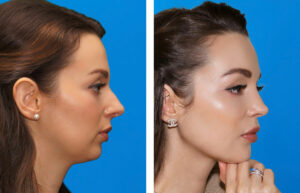
Genioplasty is a form of cosmetic surgery aimed at altering the shape, size, and position of the chin to achieve facial harmony.

It can be performed through different techniques, including sliding genioplasty (bone advancement or reduction) and chin implants.

The choice of technique depends on individual patient needs and desired outcomes. Turkey’s medical facilities offer both options, and the choice will influence the overall cost.

Factors Influencing the Cost of Genioplasty

Several factors can influence the overall cost of genioplasty in Turkey. Understanding these can help you budget effectively and make informed decisions:

Surgeon’s Experience and Reputation:

Highly experienced and reputable surgeons may charge higher fees. However, their expertise can significantly impact the success and safety of the procedure.

Hospital or Clinic Facilities:

State-of-the-art facilities with advanced equipment may have higher operating room costs. It’s essential to choose a facility that meets international standards.

Type of Genioplasty:

Sliding genioplasty tends to be more expensive than chin implants due to the complexity of the surgery.

Pre-operative Assessments and Tests:

Comprehensive pre-operative tests, including blood tests, X-rays, and consultations, can add to the overall cost. These typically range from $200 to $500.

Post-operative Care:

Follow-up appointments, medications, and any additional treatments required during the recovery phase can also affect the total cost. Expect to pay between $200 and $600 for post-operative care.

Hidden Costs to Consider

While the base cost covers the primary expenses, several hidden costs may arise during the course of the treatment.

Being aware of these can help you avoid unexpected financial burdens:

Pre-surgical Medications:

You may need specific medications before the surgery, which can cost between $50 and $150.

Additional Hospital Stay:

If complications arise, an extended hospital stay may be necessary, costing an additional $200 to $400 per night.

Revision Surgery:

In rare cases, a secondary procedure may be required to achieve the desired results, adding another $1,000 to $3,000 to the total cost.

Travel and Accommodation:

For international patients, travel and accommodation expenses can add up. Round-trip airfare to Turkey ranges from $500 to $1,500, depending on your location and the time of booking. Accommodation costs vary widely, with budget hotels charging $30 to $70 per night and luxury hotels costing $150 to $300 per night.

Insurance Coverage

Genioplasty is typically considered a cosmetic procedure, and as such, it is not covered by most health insurance plans.

However, if the surgery is deemed medically necessary (e.g., correcting a congenital deformity or severe asymmetry), partial coverage might be possible.

It’s advisable to consult with your insurance provider to understand your policy’s specifics and potential reimbursements.

Prices of all types of the Genioplasty procedure in Turkey.

Sliding Genioplasty

Definition and Details:

Sliding genioplasty, also known as osseous genioplasty, is a highly specialized surgical procedure designed to modify the position of the chin bone (mandible) to correct deformities, enhance aesthetics, or improve functionality.

This procedure is particularly effective for addressing various chin abnormalities such as chin deficiencies (microgenia), excesses (macrogenia), asymmetry, and overall facial disharmony.

The technique involves making precise horizontal cuts on the chin bone, allowing the surgeon to slide the bone segment forward, backward, upward, or downward, depending on the patient’s specific needs and desired outcomes.

The surgery begins with the surgeon making an incision inside the mouth, just below the lower lip, to ensure that no visible scarring occurs.

Specialized surgical instruments are then used to create a controlled horizontal cut through the lower mandible. The mobility of the bone segment allows for a range of adjustments. For example, sliding the bone forward can address a receding chin, while moving it backward can correct a protruding chin.

Vertical adjustments can help improve facial proportions by shortening or lengthening the chin.

Once the bone segment is repositioned, it is fixed in place using small titanium plates and screws, ensuring stability and promoting proper healing.

The procedure is performed under general anesthesia, ensuring that the patient is comfortable and pain-free throughout the operation. The entire process typically takes about 1 to 2 hours, depending on the complexity of the case.

Procedure Steps and Pricing:

Initial Consultation and Assessment:
  • Cost: $100 – $200
  • This includes a detailed evaluation of the patient’s facial structure, discussion of goals, and planning the surgical approach. Photographs and imaging studies, such as X-rays or CT scans, are often conducted to assist in surgical planning.
Pre-operative Tests:
  • Cost: $200 – $500
  • Comprehensive pre-operative tests include blood work, medical clearance, and sometimes additional imaging to ensure the patient is fit for surgery and to precisely plan the bone cuts and adjustments.
Surgeon’s Fees:
  • Cost: $1,500 – $3,500
  • The surgeon’s fees vary based on their expertise, experience, and reputation. Highly skilled surgeons with extensive experience in craniofacial surgery may charge higher fees due to their specialized skills.
Anesthesia Fees:
  • Cost: $500 – $1,000
  • General anesthesia is administered by a board-certified anesthesiologist, ensuring the patient remains unconscious and pain-free throughout the procedure.
Operating Room Costs:
  • Cost: $500 – $1,500
  • These costs cover the use of the surgical facility, including equipment, supplies, and staffing. Advanced surgical centers with state-of-the-art technology may charge higher fees.
Hospital Stay:
  • Cost: $200 – $400 per night
  • Most patients require an overnight stay for observation and initial recovery. This cost covers the room, nursing care, and basic post-operative monitoring.
Post-operative Medications:
  • Cost: $50 – $150
  • Medications to manage pain, prevent infection, and reduce swelling are prescribed for the immediate post-operative period.
Follow-up Visits:
  • Cost: $100 – $300 per visit
  • Follow-up appointments are crucial for monitoring the healing process, removing sutures, and ensuring the surgical site is healing properly. Multiple visits may be required over the course of several months.
Revision Surgery (if necessary):
  • Cost: $1,000 – $3,000
  • In rare cases, a secondary procedure may be needed to refine the results or address any complications. This is usually only necessary if the initial healing process does not proceed as expected.
Additional Costs (if applicable):
  • Cost: $200 – $600
  • These can include specialized garments, additional imaging, or any specific patient needs that arise during the recovery period.

Chin Implant Genioplasty

Definition and Details:

Chin implant genioplasty, also known as chin augmentation with implants, is a cosmetic surgical procedure designed to enhance the chin’s appearance by placing a biocompatible implant over the chin bone.

This procedure is ideal for patients with a weak or receding chin who desire a more prominent and balanced facial profile.

Unlike sliding genioplasty, which involves cutting and repositioning the bone, chin implant genioplasty is less invasive and involves the insertion of a pre-shaped implant that conforms to the patient’s desired chin shape and size.

The surgery begins with an incision either inside the mouth or under the chin to create a pocket for the implant.

The type of incision chosen depends on the surgeon’s preference and the patient’s anatomy. The implant, made from materials such as silicone or porous polyethylene (Medpor), is then carefully inserted into the pocket and positioned over the chin bone. Once the implant is in place, the incision is closed with sutures.

Chin implants come in various shapes and sizes, allowing for customized results tailored to the patient’s facial structure and aesthetic goals.

The procedure typically takes about 1 hour and is performed under local anesthesia with sedation or general anesthesia. Recovery is relatively quick, with most patients returning to normal activities within a week.

Procedure Steps and Pricing:

Initial Consultation and Assessment:
  • Cost: $100 – $200
  • The surgeon evaluates the patient’s facial structure, discusses aesthetic goals, and selects the appropriate implant size and shape. Imaging studies and photographs are often taken for pre-surgical planning.
Pre-operative Tests:
  • Cost: $200 – $400
  • Standard pre-operative tests include blood work and medical clearance to ensure the patient is fit for surgery. Additional imaging may be performed to plan the implant placement precisely.
Surgeon’s Fees:
  • Cost: $1,500 – $3,000
  • The surgeon’s fees vary based on their experience and the complexity of the case. Surgeons with extensive experience in facial implant surgery may charge higher fees.
Anesthesia Fees:
  • Cost: $300 – $800
  • Anesthesia is administered to ensure patient comfort during the procedure. The type of anesthesia used (local with sedation or general) affects the cost.
Operating Room Costs:
  • Cost: $500 – $1,200
  • These costs cover the use of the surgical facility, including equipment, supplies, and staffing. Advanced surgical centers may have higher fees.
Implant Costs:
  • Cost: $500 – $1,000
  • The cost of the implant itself varies depending on the material and manufacturer. Silicone implants are generally less expensive than Medpor implants.
Hospital Stay:
  • Cost: $0 – $300
  • Chin implant surgery is often performed on an outpatient basis, but an overnight stay may be required for observation in some cases.
Post-operative Medications:
  • Cost: $50 – $100
  • Medications to manage pain, prevent infection, and reduce swelling are prescribed for the immediate post-operative period.
Follow-up Visits:
  • Cost: $100 – $200 per visit
  • Follow-up appointments are essential to monitor healing, remove sutures, and ensure the implant is settling correctly. Multiple visits may be necessary.
Revision Surgery (if necessary):
  • Cost: $1,000 – $2,500
  • In rare cases, revision surgery may be required to address complications or adjust the implant for optimal results.
Additional Costs (if applicable):
  • Cost: $100 – $300
  • These can include specialized dressings, additional imaging, or any specific patient needs during the recovery period.

Mentoplasty

Definition and Details:

Mentoplasty, also known as chin reduction surgery, is a cosmetic procedure designed to reshape and reduce the size of an overly prominent chin.

This procedure is suitable for patients with a large or protruding chin that disrupts facial harmony. By carefully sculpting the chin bone and soft tissues, the surgeon can achieve a more balanced and aesthetically pleasing facial profile.

The procedure begins with an incision inside the mouth or under the chin. Through this incision, the surgeon accesses the chin bone and uses specialized instruments to remove excess bone and reshape the chin.

In some cases, the surgeon may also address excess soft tissue to refine the contour further. The incision is then closed with sutures, and a dressing is applied to support the new chin shape during the initial healing phase.

Mentoplasty can be performed under general anesthesia or local anesthesia with sedation, depending on the extent of the surgery and patient preference. The procedure typically takes 1 to 2 hours, and patients can expect a recovery period of about 1 to 2 weeks.

Procedure Steps and Pricing:

Initial Consultation and Assessment:
  • Cost: $100 – $200
  • The surgeon evaluates the patient’s facial structure, discusses goals, and plans the surgical approach. Imaging studies and photographs are often taken to assist in planning.
Pre-operative Tests:
  • Cost: $200 – $500
  • Standard pre-operative tests include blood work, medical clearance, and sometimes additional imaging to plan the bone reshaping accurately.
Surgeon’s Fees:
  • Cost: $1,500 – $3,500
  • The surgeon’s fees vary based on their experience and the complexity of the case. Highly skilled surgeons with extensive experience in facial contouring may charge higher fees.
Anesthesia Fees:
  • Cost: $500 – $1,000
  • Anesthesia is administered to ensure patient comfort during the procedure. The type of anesthesia used affects the cost.
Operating Room Costs:
  • Cost: $500 – $1,500
  • These costs cover the use of the surgical facility, including equipment, supplies, and staffing. Advanced surgical centers with state-of-the-art technology may charge higher fees.
Hospital Stay:
  • Cost: $200 – $400 per night
  • Most patients require an overnight stay for observation and initial recovery. This cost covers the room, nursing care, and basic post-operative monitoring.
Post-operative Medications:
  • Cost: $50 – $150
  • Medications to manage pain, prevent infection, and reduce swelling are prescribed for the immediate post-operative period.
Follow-up Visits:
  • Cost: $100 – $300 per visit
  • Follow-up appointments are crucial for monitoring the healing process, removing sutures, and ensuring the surgical site is healing properly. Multiple visits may be required over the course of several months.
Revision Surgery (if necessary):
  • Cost: $1,000 – $3,000
  • In rare cases, a secondary procedure may be needed to refine the results or address any complications. This is usually only necessary if the initial healing process does not proceed as expected.
Additional Costs (if applicable):
  • Cost: $200 – $600
  • These can include specialized garments, additional imaging, or any specific patient needs that arise during the recovery period.

Chin Augmentation with Fat Grafting

Definition and Details:

Chin augmentation with fat grafting, also known as autologous fat transfer to the chin, is a minimally invasive procedure designed to enhance the chin’s appearance by using the patient’s own fat.

This procedure is ideal for patients seeking a natural and subtle enhancement of their chin without synthetic implants.

The technique involves harvesting fat from one part of the body (such as the abdomen or thighs), processing it, and injecting it into the chin area to improve volume and contour.

The procedure begins with liposuction to remove fat from a donor site. The harvested fat is then purified to remove any impurities and prepare it for injection.

Small incisions are made in the chin area, and the purified fat is carefully injected in multiple layers to achieve the desired contour and volume. This meticulous layering technique ensures a smooth and natural appearance.

Chin augmentation with fat grafting is typically performed under local anesthesia with sedation or general anesthesia.

The procedure takes about 1 to 2 hours, depending on the amount of fat being transferred and the complexity of the case. Recovery is relatively quick, with most patients returning to normal activities within a week.

Procedure Steps and Pricing:

Initial Consultation and Assessment:
  • Cost: $100 – $200
  • The surgeon evaluates the patient’s facial structure, discusses aesthetic goals, and determines the appropriate donor site for fat harvesting. Imaging studies and photographs are often taken for pre-surgical planning.
Pre-operative Tests:
  • Cost: $200 – $400
  • Standard pre-operative tests include blood work and medical clearance to ensure the patient is fit for surgery.
Surgeon’s Fees:
  • Cost: $1,500 – $3,000
  • The surgeon’s fees vary based on their experience and the complexity of the case. Surgeons with extensive experience in fat grafting may charge higher fees.
Anesthesia Fees:
  • Cost: $300 – $800
  • Anesthesia is administered to ensure patient comfort during the procedure. The type of anesthesia used (local with sedation or general) affects the cost.
Operating Room Costs:
  • Cost: $500 – $1,200
  • These costs cover the use of the surgical facility, including equipment, supplies, and staffing. Advanced surgical centers may have higher fees.
Fat Harvesting and Processing:
  • Cost: $500 – $1,000
  • This includes the cost of liposuction to harvest the fat and the processing to purify it for injection.
Hospital Stay:
  • Cost: $0 – $300
  • Chin augmentation with fat grafting is often performed on an outpatient basis, but an overnight stay may be required for observation in some cases.
Post-operative Medications:
  • Cost: $50 – $100
  • Medications to manage pain, prevent infection, and reduce swelling are prescribed for the immediate post-operative period.
Follow-up Visits:
  • Cost: $100 – $200 per visit
  • Follow-up appointments are essential to monitor healing and ensure the fat grafts are settling correctly. Multiple visits may be necessary.
Revision Surgery (if necessary):
  • Cost: $1,000 – $2,500
  • In rare cases, revision surgery may be required to address complications or adjust the fat grafts for optimal results.
Additional Costs (if applicable):
  • Cost: $100 – $300
  • These can include specialized dressings, additional imaging, or any specific patient needs during the recovery period.

Chin Reduction with Bone Shaving

Definition and Details:

Chin reduction with bone shaving, also known as osseous genioplasty reduction, is a surgical procedure aimed at reducing the size and reshaping the chin by shaving down the bone.

This technique is suitable for patients with an overly prominent or elongated chin that disrupts facial harmony.

The goal is to create a more balanced and aesthetically pleasing profile by removing excess bone and contouring the chin to achieve the desired shape.

The procedure starts with an incision inside the mouth or under the chin, allowing the surgeon access to the chin bone.

Using specialized surgical instruments, the surgeon carefully shaves and sculpts the bone to reduce its size and reshape it.

The amount of bone removed depends on the patient’s specific needs and aesthetic goals. The incision is then closed with sutures, and a dressing is applied to support the new chin shape during the initial healing phase.

Chin reduction with bone shaving is performed under general anesthesia or local anesthesia with sedation.

The procedure typically takes 1 to 2 hours, and patients can expect a recovery period of about 1 to 2 weeks. This technique provides permanent results, as the bone does not grow back once it is removed.

Procedure Steps and Pricing:

Initial Consultation and Assessment:
  • Cost: $100 – $200
  • The surgeon evaluates the patient’s facial structure, discusses goals, and plans the surgical approach. Imaging studies and photographs are often taken to assist in planning.
Pre-operative Tests:
  • Cost: $200 – $500
  • Standard pre-operative tests include blood work, medical clearance, and sometimes additional imaging to plan the bone reshaping accurately.
Surgeon’s Fees:
  • Cost: $1,500 – $3,500
  • The surgeon’s fees vary based on their experience and the complexity of the case. Highly skilled surgeons with extensive experience in facial contouring may charge higher fees.
Anesthesia Fees:
  • Cost: $500 – $1,000
  • Anesthesia is administered to ensure patient comfort during the procedure. The type of anesthesia used affects the cost.
Operating Room Costs:
  • Cost: $500 – $1,500
  • These costs cover the use of the surgical facility, including equipment, supplies, and staffing. Advanced surgical centers with state-of-the-art technology may charge higher fees.
Hospital Stay:
  • Cost: $200 – $400 per night
  • Most patients require an overnight stay for observation and initial recovery. This cost covers the room, nursing care, and basic post-operative monitoring.
Post-operative Medications:
  • Cost: $50 – $150
  • Medications to manage pain, prevent infection, and reduce swelling are prescribed for the immediate post-operative period.
Follow-up Visits:
  • Cost: $100 – $300 per visit
  • Follow-up appointments are crucial for monitoring the healing process, removing sutures, and ensuring the surgical site is healing properly. Multiple visits may be required over the course of several months.
Revision Surgery (if necessary):
  • Cost: $1,000 – $3,000
  • In rare cases, a secondary procedure may be needed to refine the results or address any complications. This is usually only necessary if the initial healing process does not proceed as expected.
Additional Costs (if applicable):
  • Cost: $200 – $600
  • These can include specialized garments, additional imaging, or any specific patient needs that arise during the recovery period.

Chin Advancement

Definition and Details:

Chin advancement, also known as mandibular advancement genioplasty, is a surgical procedure designed to move the chin bone forward to correct a receding chin and improve the overall balance of the facial profile.

This procedure is particularly beneficial for patients with retrognathia (a receding lower jaw) or microgenia (a small chin) that creates a disproportionate facial appearance.

The surgery involves making an incision inside the mouth, below the lower lip, to avoid visible scarring.

The surgeon then creates a horizontal cut through the chin bone (mandible) using specialized instruments.

The bone segment is carefully mobilized and moved forward to the desired position. Once the bone is advanced, it is fixed in place using titanium plates and screws to ensure stability and promote proper healing.

Chin advancement can be performed under general anesthesia and typically takes about 1 to 2 hours, depending on the complexity of the case.

The procedure not only improves facial aesthetics but also enhances jaw function in some cases. Recovery usually involves a period of 1 to 2 weeks, during which patients need to follow specific post-operative care instructions to ensure optimal healing.

Procedure Steps and Pricing:

Initial Consultation and Assessment:
  • Cost: $100 – $200
  • The surgeon evaluates the patient’s facial structure, discusses goals, and plans the surgical approach. Imaging studies and photographs are often taken to assist in planning.
Pre-operative Tests:
  • Cost: $200 – $500
  • Standard pre-operative tests include blood work, medical clearance, and sometimes additional imaging to plan the bone advancement accurately.
Surgeon’s Fees:
  • Cost: $1,500 – $3,500
  • The surgeon’s fees vary based on their experience and the complexity of the case. Highly skilled surgeons with extensive experience in craniofacial surgery may charge higher fees.
Anesthesia Fees:
  • Cost: $500 – $1,000
  • Anesthesia is administered to ensure patient comfort during the procedure. The type of anesthesia used affects the cost.
Operating Room Costs:
  • Cost: $500 – $1,500
  • These costs cover the use of the surgical facility, including equipment, supplies, and staffing. Advanced surgical centers with state-of-the-art technology may charge higher fees.
Hospital Stay:
  • Cost: $200 – $400 per night
  • Most patients require an overnight stay for observation and initial recovery. This cost covers the room, nursing care, and basic post-operative monitoring.
Post-operative Medications:
  • Cost: $50 – $150
  • Medications to manage pain, prevent infection, and reduce swelling are prescribed for the immediate post-operative period.
Follow-up Visits:
  • Cost: $100 – $300 per visit
  • Follow-up appointments are crucial for monitoring the healing process, removing sutures, and ensuring the surgical site is healing properly. Multiple visits may be required over the course of several months.
Revision Surgery (if necessary):
  • Cost: $1,000 – $3,000
  • In rare cases, a secondary procedure may be needed to refine the results or address any complications. This is usually only necessary if the initial healing process does not proceed as expected.
Additional Costs (if applicable):
  • Cost: $200 – $600
  • These can include specialized garments, additional imaging, or any specific patient needs that arise during the recovery period.

Chin Augmentation with Fillers

Definition and Details:

Chin augmentation with fillers is a non-surgical procedure designed to enhance the chin’s shape, size, and contour using injectable dermal fillers.

This technique is ideal for patients seeking a subtle and temporary enhancement without undergoing surgery.

Dermal fillers used for chin augmentation typically contain hyaluronic acid, a naturally occurring substance in the body that provides volume and hydration to the skin.

The procedure begins with a thorough assessment of the patient’s facial anatomy and aesthetic goals. The surgeon or dermatologist then selects an appropriate filler product, such as Juvederm or Restylane.

Local anesthesia or a topical numbing cream is applied to minimize discomfort during the injections. Using a fine needle or cannula, the filler is injected into specific areas of the chin to achieve the desired shape and volume.

The practitioner may use a combination of techniques to ensure even distribution and a natural-looking result.

Chin augmentation with fillers is a quick procedure, typically taking about 30 minutes to an hour. Results are immediate, and patients can return to their daily activities almost immediately.

However, since dermal fillers are not permanent, the results last from 6 to 18 months, depending on the type of filler used and individual factors such as metabolism and lifestyle.

Procedure Steps and Pricing:

Initial Consultation and Assessment:
  • Cost: $50 – $150
  • The practitioner evaluates the patient’s facial structure, discusses aesthetic goals, and determines the appropriate filler product. Photographs may be taken for pre-treatment planning.
Pre-treatment Preparation:
  • Cost: $50 – $100
  • This includes the application of topical numbing cream or local anesthesia to ensure patient comfort during the injections.
Filler Product Cost:
  • Cost: $600 – $1,200 per syringe
  • The cost varies depending on the type and brand of filler used. Most patients require 1 to 2 syringes for optimal results.
Practitioner’s Fees:
  • Cost: $300 – $800
  • The fees vary based on the practitioner’s expertise, experience, and location. Board-certified dermatologists or plastic surgeons may charge higher fees.
Post-treatment Care:
  • Cost: $0 – $50
  • Minimal post-treatment care is required. Patients may need to apply ice packs to reduce swelling and avoid strenuous activities for a day or two.
Follow-up Visits:
  • Cost: $50 – $100 per visit
  • Follow-up appointments may be necessary to assess the results and perform touch-ups if needed.
Maintenance Treatments:
  • Cost: $600 – $1,200 per syringe
  • Since dermal fillers are temporary, maintenance treatments are required every 6 to 18 months to maintain the desired chin shape.
Additional Costs (if applicable):
  • Cost: $50 – $150
  • These can include specialized skincare products or additional treatments to enhance and prolong the results.

Chin Tuck

Definition and Details:

A chin tuck, also known as submental liposuction or a mini-neck lift, is a cosmetic procedure designed to remove excess fat and tighten the skin under the chin, creating a more defined and youthful jawline.

This procedure is ideal for patients with a “double chin” or sagging skin under the chin, often due to aging, weight fluctuations, or genetics.

The procedure begins with the surgeon making small incisions under the chin and sometimes behind the ears.

A tumescent solution, which contains a local anesthetic and epinephrine, is injected into the area to numb it and minimize bleeding.

Using a thin cannula (a small tube), the surgeon carefully removes excess fat through suction. In some cases, the surgeon may also tighten the underlying muscles and trim excess skin to enhance the results.

Chin tucks can be performed under local anesthesia with sedation or general anesthesia, depending on the extent of the procedure and patient preference.

The surgery typically takes 1 to 2 hours, and patients can expect a recovery period of about 1 to 2 weeks. The results are long-lasting, especially if the patient maintains a stable weight and follows a healthy lifestyle.

Procedure Steps and Pricing:

Initial Consultation and Assessment:
  • Cost: $100 – $200
  • The surgeon evaluates the patient’s facial structure, discusses goals, and plans the surgical approach. Imaging studies and photographs are often taken to assist in planning.
Pre-operative Tests:
  • Cost: $200 – $500
  • Standard pre-operative tests include blood work, medical clearance, and sometimes additional imaging to plan the procedure accurately.
Surgeon’s Fees:
  • Cost: $1,500 – $3,500
  • The surgeon’s fees vary based on their experience and the complexity of the case. Highly skilled surgeons with extensive experience in facial contouring may charge higher fees.
Anesthesia Fees:
  • Cost: $500 – $1,000
  • Anesthesia is administered to ensure patient comfort during the procedure. The type of anesthesia used affects the cost.
Operating Room Costs:
  • Cost: $500 – $1,500
  • These costs cover the use of the surgical facility, including equipment, supplies, and staffing. Advanced surgical centers with state-of-the-art technology may charge higher fees.
Hospital Stay:
  • Cost: $200 – $400 per night
  • Most patients require an overnight stay for observation and initial recovery. This cost covers the room, nursing care, and basic post-operative monitoring.
Post-operative Medications:
  • Cost: $50 – $150
  • Medications to manage pain, prevent infection, and reduce swelling are prescribed for the immediate post-operative period.
Follow-up Visits:
  • Cost: $100 – $300 per visit
  • Follow-up appointments are crucial for monitoring the healing process, removing sutures, and ensuring the surgical site is healing properly. Multiple visits may be required over the course of several months.
Revision Surgery (if necessary):
  • Cost: $1,000 – $3,000
  • In rare cases, a secondary procedure may be needed to refine the results or address any complications. This is usually only necessary if the initial healing process does not proceed as expected.
Additional Costs (if applicable):
  • Cost: $200 – $600
  • These can include specialized garments, additional imaging, or any specific patient needs that arise during the recovery period.

Chin Reduction with Laser Lipolysis

Definition and Details:

Chin reduction with laser lipolysis, also known as laser-assisted liposuction, is a minimally invasive procedure designed to reduce excess fat under the chin and improve the overall contour of the jawline.

This technique is ideal for patients with mild to moderate submental fat who prefer a less invasive approach compared to traditional liposuction.

The procedure begins with the surgeon making small incisions under the chin to insert a thin laser fiber.

The laser energy is used to liquefy the fat cells, making them easier to remove through suction. The heat from the laser also stimulates collagen production, which helps tighten the skin and improve the overall appearance of the neck and chin area.

Laser lipolysis can be performed under local anesthesia with sedation or general anesthesia, depending on the patient’s preference and the extent of the procedure.

The surgery typically takes 1 to 2 hours, and patients can expect a relatively quick recovery period of about 1 to 2 weeks. The results are long-lasting, provided the patient maintains a stable weight and follows a healthy lifestyle.

Procedure Steps and Pricing:

Initial Consultation and Assessment:
  • Cost: $100 – $200
  • The surgeon evaluates the patient’s facial structure, discusses goals, and plans the procedure. Imaging studies and photographs are often taken to assist in planning.
Pre-operative Tests:
  • Cost: $200 – $500
  • Standard pre-operative tests include blood work, medical clearance, and sometimes additional imaging to plan the procedure accurately.
Surgeon’s Fees:
  • Cost: $1,500 – $3,500
  • The surgeon’s fees vary based on their experience and the complexity of the case. Highly skilled surgeons with extensive experience in laser-assisted procedures may charge higher fees.
Anesthesia Fees:
  • Cost: $500 – $1,000
  • Anesthesia is administered to ensure patient comfort during the procedure. The type of anesthesia used affects the cost.
Operating Room Costs:
  • Cost: $500 – $1,500
  • These costs cover the use of the surgical facility, including equipment, supplies, and staffing. Advanced surgical centers with state-of-the-art technology may charge higher fees.
Hospital Stay:
  • Cost: $200 – $400 per night
  • Most patients require an overnight stay for observation and initial recovery. This cost covers the room, nursing care, and basic post-operative monitoring.
Post-operative Medications:
  • Cost: $50 – $150
  • Medications to manage pain, prevent infection, and reduce swelling are prescribed for the immediate post-operative period.
Follow-up Visits:
  • Cost: $100 – $300 per visit
  • Follow-up appointments are crucial for monitoring the healing process, removing sutures, and ensuring the surgical site is healing properly. Multiple visits may be required over the course of several months.
Revision Surgery (if necessary):
  • Cost: $1,000 – $3,000
  • In rare cases, a secondary procedure may be needed to refine the results or address any complications. This is usually only necessary if the initial healing process does not proceed as expected.
Additional Costs (if applicable):
  • Cost: $200 – $600
  • These can include specialized garments, additional imaging, or any specific patient needs that arise during the recovery period.

Comparing Prices: Istanbul, Ankara, and Izmir

Turkey’s three major cities, Istanbul, Ankara, and Izmir, are popular destinations for medical tourists seeking genioplasty. Here’s a comparison of prices across these cities:

  • Istanbul: The base cost of genioplasty in Istanbul ranges from $3,000 to $5,500. This city boasts some of the best medical facilities and highly experienced surgeons, making it a top choice for many patients.
  • Ankara: In Ankara, the cost is slightly lower, ranging from $2,500 to $4,500. The capital city offers high-quality medical care and modern facilities at a more affordable rate compared to Istanbul.
  • Izmir: Izmir provides a cost-effective option, with prices ranging from $2,000 to $4,000. The city is known for its excellent healthcare services and beautiful surroundings, making it an attractive option for patients.

Price Guide for Genioplasty Procedures in Turkey: A Detailed Comparison of Costs in Istanbul, Ankara, and Izmir

Chin Implants

Istanbul

  • Initial Consultation and Assessment: $100 – $200
  • Pre-operative Tests: $200 – $500
  • Surgeon’s Fees: $2,000 – $4,000
  • Anesthesia Fees: $500 – $1,200
  • Operating Room Costs: $600 – $1,500
  • Implant Costs: $600 – $1,200
  • Hospital Stay: $250 – $500 per night
  • Post-operative Medications: $50 – $150
  • Follow-up Visits: $100 – $300 per visit
  • Revision Surgery (if necessary): $1,500 – $4,000
  • Additional Costs: $200 – $600

Ankara

  • Initial Consultation and Assessment: $90 – $180
  • Pre-operative Tests: $180 – $450
  • Surgeon’s Fees: $1,800 – $3,800
  • Anesthesia Fees: $450 – $1,100
  • Operating Room Costs: $550 – $1,400
  • Implant Costs: $550 – $1,100
  • Hospital Stay: $220 – $450 per night
  • Post-operative Medications: $45 – $140
  • Follow-up Visits: $90 – $280 per visit
  • Revision Surgery (if necessary): $1,400 – $3,800
  • Additional Costs: $180 – $550

Izmir

  • Initial Consultation and Assessment: $80 – $170
  • Pre-operative Tests: $170 – $430
  • Surgeon’s Fees: $1,700 – $3,700
  • Anesthesia Fees: $400 – $1,000
  • Operating Room Costs: $500 – $1,300
  • Implant Costs: $500 – $1,000
  • Hospital Stay: $200 – $400 per night
  • Post-operative Medications: $40 – $130
  • Follow-up Visits: $80 – $260 per visit
  • Revision Surgery (if necessary): $1,300 – $3,700
  • Additional Costs: $160 – $500

Sliding Genioplasty

Istanbul

  • Initial Consultation and Assessment: $100 – $200
  • Pre-operative Tests: $200 – $500
  • Surgeon’s Fees: $2,500 – $5,000
  • Anesthesia Fees: $600 – $1,300
  • Operating Room Costs: $700 – $1,800
  • Hospital Stay: $300 – $600 per night
  • Post-operative Medications: $50 – $150
  • Follow-up Visits: $100 – $300 per visit
  • Revision Surgery (if necessary): $1,800 – $5,000
  • Additional Costs: $200 – $600

Ankara

  • Initial Consultation and Assessment: $90 – $180
  • Pre-operative Tests: $180 – $450
  • Surgeon’s Fees: $2,300 – $4,800
  • Anesthesia Fees: $550 – $1,200
  • Operating Room Costs: $650 – $1,700
  • Hospital Stay: $270 – $550 per night
  • Post-operative Medications: $45 – $140
  • Follow-up Visits: $90 – $280 per visit
  • Revision Surgery (if necessary): $1,600 – $4,800
  • Additional Costs: $180 – $550

Izmir

  • Initial Consultation and Assessment: $80 – $170
  • Pre-operative Tests: $170 – $430
  • Surgeon’s Fees: $2,200 – $4,700
  • Anesthesia Fees: $500 – $1,100
  • Operating Room Costs: $600 – $1,600
  • Hospital Stay: $240 – $500 per night
  • Post-operative Medications: $40 – $130
  • Follow-up Visits: $80 – $260 per visit
  • Revision Surgery (if necessary): $1,500 – $4,700
  • Additional Costs: $160 – $500

Bone Shaving Genioplasty

Istanbul

  • Initial Consultation and Assessment: $100 – $200
  • Pre-operative Tests: $200 – $500
  • Surgeon’s Fees: $2,200 – $4,500
  • Anesthesia Fees: $500 – $1,200
  • Operating Room Costs: $600 – $1,500
  • Hospital Stay: $250 – $500 per night
  • Post-operative Medications: $50 – $150
  • Follow-up Visits: $100 – $300 per visit
  • Revision Surgery (if necessary): $1,500 – $4,500
  • Additional Costs: $200 – $600

Ankara

  • Initial Consultation and Assessment: $90 – $180
  • Pre-operative Tests: $180 – $450
  • Surgeon’s Fees: $2,000 – $4,300
  • Anesthesia Fees: $450 – $1,100
  • Operating Room Costs: $550 – $1,400
  • Hospital Stay: $220 – $450 per night
  • Post-operative Medications: $45 – $140
  • Follow-up Visits: $90 – $280 per visit
  • Revision Surgery (if necessary): $1,400 – $4,300
  • Additional Costs: $180 – $550

Izmir

  • Initial Consultation and Assessment: $80 – $170
  • Pre-operative Tests: $170 – $430
  • Surgeon’s Fees: $1,900 – $4,200
  • Anesthesia Fees: $400 – $1,000
  • Operating Room Costs: $500 – $1,300
  • Hospital Stay: $200 – $400 per night
  • Post-operative Medications: $40 – $130
  • Follow-up Visits: $80 – $260 per visit
  • Revision Surgery (if necessary): $1,300 – $4,200
  • Additional Costs: $160 – $500

T-osteotomy Genioplasty

Istanbul

  • Initial Consultation and Assessment: $100 – $200
  • Pre-operative Tests: $200 – $500
  • Surgeon’s Fees: $2,500 – $5,500
  • Anesthesia Fees: $600 – $1,300
  • Operating Room Costs: $700 – $1,800
  • Hospital Stay: $300 – $600 per night
  • Post-operative Medications: $50 – $150
  • Follow-up Visits: $100 – $300 per visit
  • Revision Surgery (if necessary): $1,800 – $5,500
  • Additional Costs: $200 – $600

Ankara

  • Initial Consultation and Assessment: $90 – $180
  • Pre-operative Tests: $180 – $450
  • Surgeon’s Fees: $2,300 – $5,200
  • Anesthesia Fees: $550 – $1,200
  • Operating Room Costs: $650 – $1,700
  • Hospital Stay: $270 – $550 per night
  • Post-operative Medications: $45 – $140
  • Follow-up Visits: $90 – $280 per visit
  • Revision Surgery (if necessary): $1,600 – $5,200
  • Additional Costs: $180 – $550

Izmir

  • Initial Consultation and Assessment: $80 – $170
  • Pre-operative Tests: $170 – $430
  • Surgeon’s Fees: $2,200 – $5,100
  • Anesthesia Fees: $500 – $1,100
  • Operating Room Costs: $600 – $1,600
  • Hospital Stay: $240 – $500 per night
  • Post-operative Medications: $40 – $130
  • Follow-up Visits: $80 – $260 per visit
  • Revision Surgery (if necessary): $1,500 – $5,100
  • Additional Costs: $160 – $500

Chin Augmentation with Fat Grafting

Istanbul

  • Initial Consultation and Assessment: $100 – $200
  • Pre-operative Tests: $200 – $500
  • Surgeon’s Fees: $2,000 – $4,000
  • Anesthesia Fees: $500 – $1,200
  • Operating Room Costs: $600 – $1,500
  • Fat Harvesting and Processing: $400 – $800
  • Hospital Stay: $250 – $500 per night
  • Post-operative Medications: $50 – $150
  • Follow-up Visits: $100 – $300 per visit
  • Revision Surgery (if necessary): $1,500 – $4,000
  • Additional Costs: $200 – $600

Ankara

  • Initial Consultation and Assessment: $90 – $180
  • Pre-operative Tests: $180 – $450
  • Surgeon’s Fees: $1,800 – $3,800
  • Anesthesia Fees: $450 – $1,100
  • Operating Room Costs: $550 – $1,400
  • Fat Harvesting and Processing: $350 – $750
  • Hospital Stay: $220 – $450 per night
  • Post-operative Medications: $45 – $140
  • Follow-up Visits: $90 – $280 per visit
  • Revision Surgery (if necessary): $1,400 – $3,800
  • Additional Costs: $180 – $550

Izmir

  • Initial Consultation and Assessment: $80 – $170
  • Pre-operative Tests: $170 – $430
  • Surgeon’s Fees: $1,700 – $3,700
  • Anesthesia Fees: $400 – $1,000
  • Operating Room Costs: $500 – $1,300
  • Fat Harvesting and Processing: $300 – $700
  • Hospital Stay: $200 – $400 per night
  • Post-operative Medications: $40 – $130
  • Follow-up Visits: $80 – $260 per visit
  • Revision Surgery (if necessary): $1,300 – $3,700
  • Additional Costs: $160 – $500

Vertical Reduction Genioplasty

Istanbul

  • Initial Consultation and Assessment: $100 – $200
  • Pre-operative Tests: $200 – $500
  • Surgeon’s Fees: $2,500 – $5,000
  • Anesthesia Fees: $600 – $1,300
  • Operating Room Costs: $700 – $1,800
  • Hospital Stay: $300 – $600 per night
  • Post-operative Medications: $50 – $150
  • Follow-up Visits: $100 – $300 per visit
  • Revision Surgery (if necessary): $1,800 – $5,000
  • Additional Costs: $200 – $600

Ankara

  • Initial Consultation and Assessment: $90 – $180
  • Pre-operative Tests: $180 – $450
  • Surgeon’s Fees: $2,300 – $4,800
  • Anesthesia Fees: $550 – $1,200
  • Operating Room Costs: $650 – $1,700
  • Hospital Stay: $270 – $550 per night
  • Post-operative Medications: $45 – $140
  • Follow-up Visits: $90 – $280 per visit
  • Revision Surgery (if necessary): $1,600 – $4,800
  • Additional Costs: $180 – $550

Izmir

  • Initial Consultation and Assessment: $80 – $170
  • Pre-operative Tests: $170 – $430
  • Surgeon’s Fees: $2,200 – $4,700
  • Anesthesia Fees: $500 – $1,100
  • Operating Room Costs: $600 – $1,600
  • Hospital Stay: $240 – $500 per night
  • Post-operative Medications: $40 – $130
  • Follow-up Visits: $80 – $260 per visit
  • Revision Surgery (if necessary): $1,500 – $4,700
  • Additional Costs: $160 – $500

Reduction Genioplasty

Istanbul

  • Initial Consultation and Assessment: $100 – $200
  • Pre-operative Tests: $200 – $500
  • Surgeon’s Fees: $2,000 – $4,500
  • Anesthesia Fees: $500 – $1,200
  • Operating Room Costs: $600 – $1,500
  • Hospital Stay: $250 – $500 per night
  • Post-operative Medications: $50 – $150
  • Follow-up Visits: $100 – $300 per visit
  • Revision Surgery (if necessary): $1,500 – $4,500
  • Additional Costs: $200 – $600

Ankara

  • Initial Consultation and Assessment: $90 – $180
  • Pre-operative Tests: $180 – $450
  • Surgeon’s Fees: $1,800 – $4,200
  • Anesthesia Fees: $450 – $1,100
  • Operating Room Costs: $550 – $1,400
  • Hospital Stay: $220 – $450 per night
  • Post-operative Medications: $45 – $140
  • Follow-up Visits: $90 – $280 per visit
  • Revision Surgery (if necessary): $1,400 – $4,200
  • Additional Costs: $180 – $550

Izmir

  • Initial Consultation and Assessment: $80 – $170
  • Pre-operative Tests: $170 – $430
  • Surgeon’s Fees: $1,700 – $4,100
  • Anesthesia Fees: $400 – $1,000
  • Operating Room Costs: $500 – $1,300
  • Hospital Stay: $200 – $400 per night
  • Post-operative Medications: $40 – $130
  • Follow-up Visits: $80 – $260 per visit
  • Revision Surgery (if necessary): $1,300 – $4,100
  • Additional Costs: $160 – $500

Horizontal Reduction Genioplasty

Istanbul

  • Initial Consultation and Assessment: $100 – $200
  • Pre-operative Tests: $200 – $500
  • Surgeon’s Fees: $2,200 – $4,800
  • Anesthesia Fees: $500 – $1,200
  • Operating Room Costs: $600 – $1,500
  • Hospital Stay: $250 – $500 per night
  • Post-operative Medications: $50 – $150
  • Follow-up Visits: $100 – $300 per visit
  • Revision Surgery (if necessary): $1,500 – $4,800
  • Additional Costs: $200 – $600

Ankara

  • Initial Consultation and Assessment: $90 – $180
  • Pre-operative Tests: $180 – $450
  • Surgeon’s Fees: $2,000 – $4,500
  • Anesthesia Fees: $450 – $1,100
  • Operating Room Costs: $550 – $1,400
  • Hospital Stay: $220 – $450 per night
  • Post-operative Medications: $45 – $140
  • Follow-up Visits: $90 – $280 per visit
  • Revision Surgery (if necessary): $1,400 – $4,500
  • Additional Costs: $180 – $550

Izmir

  • Initial Consultation and Assessment: $80 – $170
  • Pre-operative Tests: $170 – $430
  • Surgeon’s Fees: $1,900 – $4,400
  • Anesthesia Fees: $400 – $1,000
  • Operating Room Costs: $500 – $1,300
  • Hospital Stay: $200 – $400 per night
  • Post-operative Medications: $40 – $130
  • Follow-up Visits: $80 – $260 per visit
  • Revision Surgery (if necessary): $1,300 – $4,400
  • Additional Costs: $160 – $500

Chin Advancement Genioplasty

Istanbul

  • Initial Consultation and Assessment: $100 – $200
  • Pre-operative Tests: $200 – $500
  • Surgeon’s Fees: $2,400 – $5,200
  • Anesthesia Fees: $600 – $1,300
  • Operating Room Costs: $700 – $1,800
  • Hospital Stay: $300 – $600 per night
  • Post-operative Medications: $50 – $150
  • Follow-up Visits: $100 – $300 per visit
  • Revision Surgery (if necessary): $1,800 – $5,200
  • Additional Costs: $200 – $600

Ankara

  • Initial Consultation and Assessment: $90 – $180
  • Pre-operative Tests: $180 – $450
  • Surgeon’s Fees: $2,200 – $4,900
  • Anesthesia Fees: $550 – $1,200
  • Operating Room Costs: $650 – $1,700
  • Hospital Stay: $270 – $550 per night
  • Post-operative Medications: $45 – $140
  • Follow-up Visits: $90 – $280 per visit
  • Revision Surgery (if necessary): $1,600 – $4,900
  • Additional Costs: $180 – $550

Izmir

  • Initial Consultation and Assessment: $80 – $170
  • Pre-operative Tests: $170 – $430
  • Surgeon’s Fees: $2,100 – $4,800
  • Anesthesia Fees: $500 – $1,100
  • Operating Room Costs: $600 – $1,600
  • Hospital Stay: $240 – $500 per night
  • Post-operative Medications: $40 – $130
  • Follow-up Visits: $80 – $260 per visit
  • Revision Surgery (if necessary): $1,500 – $4,800
  • Additional Costs: $160 – $500

Sliding Genioplasty with Bone Graft

Istanbul

  • Initial Consultation and Assessment: $100 – $200
  • Pre-operative Tests: $200 – $500
  • Surgeon’s Fees: $2,800 – $6,000
  • Anesthesia Fees: $700 – $1,500
  • Operating Room Costs: $800 – $2,000
  • Hospital Stay: $350 – $700 per night
  • Post-operative Medications: $50 – $150
  • Follow-up Visits: $100 – $300 per visit
  • Revision Surgery (if necessary): $2,000 – $6,000
  • Additional Costs: $200 – $700

Ankara

  • Initial Consultation and Assessment: $90 – $180
  • Pre-operative Tests: $180 – $450
  • Surgeon’s Fees: $2,600 – $5,800
  • Anesthesia Fees: $650 – $1,400
  • Operating Room Costs: $750 – $1,900
  • Hospital Stay: $300 – $650 per night
  • Post-operative Medications: $45 – $140
  • Follow-up Visits: $90 – $280 per visit
  • Revision Surgery (if necessary): $1,800 – $5,800
  • Additional Costs: $180 – $600

Izmir

  • Initial Consultation and Assessment: $80 – $170
  • Pre-operative Tests: $170 – $430
  • Surgeon’s Fees: $2,400 – $5,600
  • Anesthesia Fees: $600 – $1,300
  • Operating Room Costs: $700 – $1,800
  • Hospital Stay: $280 – $600 per night
  • Post-operative Medications: $40 – $130
  • Follow-up Visits: $80 – $260 per visit
  • Revision Surgery (if necessary): $1,800 – $5,600
  • Additional Costs: $160 – $550

Price Comparison Overview

Turkey offers competitive pricing for genioplasty procedures across its major cities, each known for its medical expertise and modern facilities.

Here’s a summarized comparison of average costs for various genioplasty types in Istanbul, Ankara, and Izmir:

Chin Implants

  • Istanbul: $5,500 – $11,500
  • Ankara: $5,000 – $10,800
  • Izmir: $4,800 – $10,500

Sliding Genioplasty

  • Istanbul: $7,000 – $14,800
  • Ankara: $6,300 – $13,500
  • Izmir: $6,000 – $13,200

Bone Shaving Genioplasty

  • Istanbul: $6,700 – $13,900
  • Ankara: $6,000 – $12,950
  • Izmir: $5,900 – $12,700

T-osteotomy Genioplasty

  • Istanbul: $7,000 – $15,100
  • Ankara: $6,800 – $14,950
  • Izmir: $6,700 – $14,300

Chin Augmentation with Fat Grafting

  • Istanbul: $5,500 – $11,800
  • Ankara: $5,100 – $11,150
  • Izmir: $5,000 – $10,900

Vertical Reduction Genioplasty

  • Istanbul: $7,000 – $14,800
  • Ankara: $6,300 – $13,800
  • Izmir: $6,200 – $13,400

Reduction Genioplasty

  • Istanbul: $6,500 – $13,800
  • Ankara: $5,900 – $12,850
  • Izmir: $5,800 – $12,600

Horizontal Reduction Genioplasty

  • Istanbul: $6,700 – $14,300
  • Ankara: $6,200 – $13,800
  • Izmir: $6,100 – $13,400

Chin Advancement Genioplasty

  • Istanbul: $6,800 – $14,600
  • Ankara: $6,400 – $13,850
  • Izmir: $6,300 – $13,500

Sliding Genioplasty with Bone Graft

  • Istanbul: $8,000 – $17,300
  • Ankara: $7,600 – $16,080
  • Izmir: $7,400 – $15,880

Factors Influencing Price Variations of Genioplasty in Istanbul, Ankara, and Izmir

Cost of Living

The cost of living is a fundamental factor that significantly impacts healthcare costs, including genioplasty procedures.

Istanbul, as Turkey’s largest and most populous city, generally has a higher cost of living compared to Ankara and Izmir.

This higher cost of living can translate into higher overall healthcare costs, including surgeon fees, hospital charges, and post-operative care expenses.

  • Istanbul: Known for its vibrant economy and cosmopolitan lifestyle, Istanbul’s higher cost of living influences healthcare pricing across the board. Medical facilities in prime locations such as Levent, Nişantaşı, and Kadıköy often command higher fees due to the city’s economic dynamism and demand for premium healthcare services. The cost of real estate and operational expenses in these areas also contributes to higher healthcare costs.
  • Ankara: As the capital city, Ankara also experiences a moderate cost of living but generally lower than Istanbul. This difference reflects in healthcare pricing, where patients may find slightly more affordable options for genioplasty procedures compared to Istanbul. Medical facilities in Ankara’s central districts like Kavaklıdere and Çankaya offer competitive pricing while maintaining quality standards, benefiting from lower operational costs compared to Istanbul.
  • Izmir: Known for its more relaxed pace of life and lower cost of living compared to Istanbul and Ankara, Izmir offers competitive pricing for medical treatments. Healthcare facilities in districts like Alsancak and Konak provide quality care at relatively lower costs, appealing to patients seeking cost-effective genioplasty options. The affordability in Izmir is partly due to lower real estate costs and operational expenses compared to larger metropolitan areas like Istanbul.

Demand for Medical Tourism

Turkey, particularly Istanbul, Ankara, and Izmir, attracts a significant number of medical tourists seeking a wide range of treatments, including cosmetic surgeries like genioplasty.

The demand for medical tourism plays a pivotal role in pricing dynamics, influencing supply, demand, and overall affordability.

  • Istanbul: Renowned as a global hub for medical tourism, Istanbul attracts patients from Europe, the Middle East, and beyond. The city’s reputation for advanced medical facilities, experienced surgeons, and cultural attractions makes it a preferred destination for international patients seeking high-quality genioplasty procedures. However, the high demand can lead to higher prices compared to other Turkish cities. Medical tourists often choose Istanbul for its comprehensive healthcare services, including pre- and post-operative care tailored to international standards.
  • Ankara: While not as internationally recognized for medical tourism as Istanbul, Ankara still draws patients seeking specialized healthcare services, including genioplasty. The city’s medical sector benefits from its status as the capital, with access to government institutions, research centers, and a diverse pool of healthcare professionals. Prices for genioplasty in Ankara may be slightly lower than in Istanbul due to lower demand from international patients. Ankara’s healthcare providers often offer competitive pricing packages to attract both domestic and regional patients seeking quality surgical outcomes.
  • Izmir: Emerging as a competitive player in medical tourism, Izmir offers a blend of affordability and quality healthcare services. The city’s strategic location on the Aegean coast, coupled with modern medical facilities and a welcoming atmosphere, appeals to patients seeking genioplasty procedures at lower costs compared to Istanbul and Ankara. Izmir’s medical tourism sector benefits from its proximity to popular tourist destinations and a growing reputation for healthcare excellence, attracting patients seeking personalized care and cost-effective treatment options.

Availability of Specialists

The availability and expertise of healthcare specialists, particularly plastic surgeons specializing in genioplasty, significantly influence procedure costs.

Cities with a higher concentration of experienced surgeons may command higher fees, reflecting their expertise, reputation, and demand.

  • Istanbul: As Turkey’s largest city and a leading healthcare hub, Istanbul boasts a diverse pool of plastic surgeons with extensive experience in genioplasty and other cosmetic procedures. Surgeons in Istanbul often specialize in advanced techniques and innovative approaches, catering to a diverse patient base seeking personalized aesthetic enhancements. The city’s prestigious medical institutions and ongoing professional development opportunities attract top-tier specialists, contributing to higher procedural costs associated with premium surgical services.
  • Ankara: Serving as the political and administrative center of Turkey, Ankara hosts a significant number of skilled plastic surgeons specializing in genioplasty. Surgeons in Ankara benefit from access to state-of-the-art medical facilities, research collaborations, and continuous professional training programs. The city’s healthcare sector emphasizes patient-centered care and surgical excellence, offering competitive pricing options for genioplasty procedures tailored to meet individual aesthetic goals and medical needs.
  • Izmir: Known for its academic medical centers and innovative healthcare practices, Izmir features a growing community of plastic surgeons proficient in genioplasty and reconstructive surgeries. Surgeons in Izmir combine clinical expertise with a patient-centric approach, focusing on delivering safe and effective treatment outcomes at competitive pricing levels. The city’s medical institutions prioritize technological advancements and interdisciplinary collaborations, ensuring comprehensive care for local and international patients seeking transformative cosmetic enhancements.

Hospital Facilities

The quality and amenities of hospital facilities play a crucial role in determining genioplasty costs across Istanbul, Ankara, and Izmir.

Hospitals equipped with state-of-the-art infrastructure and specialized medical units may charge higher fees to cover operational expenses and maintain high standards of patient care.

  • Istanbul: Home to internationally accredited hospitals and specialized clinics, Istanbul offers a wide range of hospital facilities catering to diverse healthcare needs, including genioplasty procedures. Leading hospitals in Istanbul, such as Acıbadem, Memorial, and Florence Nightingale, feature advanced surgical suites, dedicated recovery areas, and comprehensive support services. These facilities adhere to stringent healthcare standards and offer personalized treatment plans designed to optimize surgical outcomes and patient satisfaction. Patients undergoing genioplasty in Istanbul can expect access to cutting-edge technology, multidisciplinary care teams, and luxurious accommodation options, reflecting the city’s status as a premier healthcare destination in Turkey and beyond.
  • Ankara: The capital city boasts a network of public and private hospitals renowned for their commitment to clinical excellence and patient-centered care. Hospitals in Ankara, including Hacettepe University Hospital, Ankara University Medical Faculty Hospital, and TOBB ETÜ Hospital, prioritize affordability without compromising on quality or safety. These facilities feature modern operating theaters, advanced diagnostic capabilities, and specialized units for cosmetic and reconstructive surgeries like genioplasty. Ankara’s hospital infrastructure supports interdisciplinary collaboration among healthcare professionals, fostering innovation and continuous improvement in surgical techniques and patient outcomes. Patients undergoing genioplasty in Ankara benefit from comprehensive pre- and post-operative care, tailored rehabilitation programs, and access to educational resources to facilitate informed decision-making and optimal recovery.
  • Izmir: Positioned as a leading medical tourism destination on Turkey’s Aegean coast, Izmir offers a diverse array of hospital facilities committed to delivering superior healthcare experiences and positive treatment outcomes. Hospitals in Izmir, such as Ege University Medical Faculty Hospital, İzmir University Medical Park Hospital, and Medical Park Hospital, leverage state-of-the-art medical equipment, advanced surgical technologies, and evidence-based practices to support complex surgical procedures like genioplasty. These facilities prioritize patient safety, comfort, and satisfaction, offering personalized treatment plans, comprehensive health assessments, and specialized rehabilitation services. Izmir’s hospital infrastructure reflects a commitment to clinical excellence, continuous professional development, and collaborative care delivery, ensuring that patients receive exceptional medical care in a supportive and nurturing environment. Patients undergoing genioplasty in Izmir benefit from streamlined healthcare services, transparent pricing models, and access to multidisciplinary healthcare teams dedicated to achieving optimal surgical outcomes and enhancing overall quality of life.

Government Regulations

Government regulations and healthcare policies play a crucial role in shaping genioplasty pricing structures and service delivery across Istanbul, Ankara, and Izmir.

While Turkey maintains national standards for healthcare quality and patient safety, regional economic factors and local healthcare initiatives may influence the implementation and enforcement of regulatory guidelines within each city.

  • Istanbul, Ankara, Izmir: Turkey’s Ministry of Health oversees the regulation of medical practices, facility accreditation, and healthcare service delivery across Istanbul, Ankara, and Izmir. National healthcare policies, including reimbursement frameworks and patient rights protections, apply uniformly to healthcare providers throughout the country. However, regional variations in economic development, healthcare infrastructure, and patient demographics may impact the availability, affordability, and accessibility of genioplasty services in each city.
  • Istanbul: As Turkey’s largest metropolitan area and primary healthcare hub, Istanbul adheres to rigorous regulatory standards and accreditation requirements for medical facilities and healthcare professionals. Leading hospitals and private clinics in Istanbul comply with national healthcare guidelines, undergo periodic inspections, and implement quality assurance measures to maintain accreditation and uphold patient safety. Istanbul’s regulatory framework supports transparency in healthcare pricing, patient consent practices, and ethical standards for cosmetic surgeries like genioplasty. Patients considering genioplasty in Istanbul benefit from regulatory oversight that promotes accountability, professionalism, and compliance with established medical protocols, ensuring a positive healthcare experience and favorable treatment outcomes.
  • Ankara: As the capital city and administrative center of Turkey, Ankara operates within a regulated healthcare environment governed by national healthcare policies and regional healthcare authorities. Hospitals and healthcare providers in Ankara adhere to standardized clinical practices, patient care protocols, and ethical guidelines to ensure quality assurance and patient safety. Ankara’s regulatory framework promotes collaboration among healthcare stakeholders, encourages continuous professional development, and fosters innovation in medical technology and surgical techniques. Patients seeking genioplasty in Ankara benefit from regulatory oversight that safeguards healthcare standards, promotes affordability, and facilitates informed decision-making through comprehensive healthcare information and patient education initiatives.
  • Izmir: Positioned as a prominent healthcare destination on Turkey’s western coast, Izmir maintains stringent regulatory standards and healthcare governance mechanisms to uphold medical excellence, patient-centric care, and ethical conduct. Hospitals and medical facilities in Izmir adhere to national healthcare regulations, accreditation requirements, and quality assurance protocols to ensure optimal patient outcomes and safety in surgical procedures like genioplasty. Izmir’s regulatory framework supports transparency in healthcare pricing, patient rights protections, and professional ethics in cosmetic surgery practices. Patients undergoing genioplasty in Izmir benefit from regulatory oversight that emphasizes accountability, patient empowerment, and continuous improvement in healthcare service delivery, enhancing trust, satisfaction, and confidence in the local healthcare system.

Competition Among Clinics

The competitive landscape of healthcare providers and cosmetic surgery clinics influences genioplasty pricing strategies across Istanbul, Ankara, and Izmir.

Market competition drives innovation, quality improvement, and affordability in healthcare services, offering patients a diverse range of treatment options and service amenities to meet their individual needs and preferences.

  • Istanbul: As Turkey’s premier healthcare destination and global hub for medical tourism, Istanbul features a competitive market of hospitals, specialized clinics, and cosmetic surgery centers offering genioplasty and related aesthetic procedures. Leading healthcare providers in Istanbul leverage competitive pricing strategies, promotional packages, and value-added services to attract local and international patients seeking transformative cosmetic enhancements and surgical interventions. Istanbul’s competitive healthcare landscape fosters innovation in medical technology, surgical techniques, and patient care protocols, enhancing treatment outcomes and patient satisfaction across diverse demographic and cultural backgrounds.
  • Ankara: The healthcare sector in Ankara benefits from a competitive market environment characterized by public hospitals, private clinics, and specialized healthcare centers offering genioplasty and cosmetic surgery services. Ankara’s competitive pricing models, affordability initiatives, and patient-centered care approaches cater to diverse patient populations seeking quality healthcare solutions and aesthetic treatments. Healthcare providers in Ankara emphasize clinical excellence, personalized treatment plans, and multidisciplinary care coordination to ensure optimal surgical outcomes, patient safety, and satisfaction. Ankara’s competitive healthcare market encourages transparency in healthcare pricing, informed decision-making, and continuous improvement in healthcare service delivery, fostering trust, loyalty, and positive patient experiences.
  • Izmir: Emerging as a prominent player in Turkey’s medical tourism sector, Izmir features a competitive landscape of hospitals, medical centers, and cosmetic surgery clinics offering genioplasty and specialized aesthetic procedures. Healthcare providers in Izmir differentiate themselves through competitive pricing strategies, innovative treatment options, and personalized care services tailored to meet the diverse needs and preferences of local and international patients. Izmir’s competitive healthcare market promotes affordability, accessibility, and quality in healthcare service delivery, emphasizing patient-centered care, ethical practices, and patient empowerment in cosmetic surgery practices. Patients seeking genioplasty in Izmir benefit from a competitive marketplace that prioritizes healthcare affordability, clinical excellence, and patient satisfaction, enhancing confidence, comfort, and positive treatment outcomes in a supportive and nurturing healthcare environment.

Transportation Costs

The accessibility and affordability of transportation options influence genioplasty costs for patients traveling to Istanbul, Ankara, and Izmir for medical treatment.

Transportation expenses encompass airfare, ground transportation, accommodation, and logistical support services, impacting overall treatment costs and patient convenience during the healthcare journey.

  • Istanbul: As Turkey’s primary gateway for international travel and medical tourism, Istanbul offers extensive transportation networks, including major airports, public transit systems, and taxi services connecting healthcare facilities with accommodations and tourist attractions. Patients traveling to Istanbul for genioplasty procedures may incur higher transportation costs due to the city’s global connectivity, airport fees, and seasonal travel demand affecting airfare pricing and travel logistics. Istanbul’s central location and cultural landmarks enhance patient experiences with convenient access to healthcare services, hospitality amenities, and leisure activities supporting comprehensive healthcare journeys.
  • Ankara: Positioned in central Turkey, Ankara offers affordable transportation options, including domestic flights, intercity buses, and local taxis facilitating patient access to healthcare facilities, accommodations, and cultural attractions. Patients traveling to Ankara for genioplasty procedures benefit from proximity to Esenboğa Airport, efficient ground transportation services, and accessible medical tourism resources promoting cost-effective travel arrangements and logistical support throughout the healthcare journey. Ankara’s strategic location and administrative infrastructure enhance patient convenience with streamlined transportation services, hospitality accommodations, and recreational opportunities supporting personalized healthcare experiences and positive treatment outcomes.
  • Izmir: Located on Turkey’s Aegean coast, Izmir provides convenient transportation options, including Adnan Menderes Airport, intercity buses, and local taxis connecting healthcare facilities with hotels, resorts, and tourist destinations. Patients visiting Izmir for genioplasty procedures enjoy affordable travel arrangements, scenic coastal views, and cultural attractions promoting wellness tourism and leisure activities during recovery periods. Izmir’s coastal location and maritime connectivity enhance patient mobility with accessible transportation services, accommodation options, and recreational amenities supporting holistic healthcare experiences and positive treatment outcomes in a tranquil seaside setting.

Technological Advancements

Advancements in medical technology and surgical innovations influence genioplasty costs by enhancing treatment efficacy, surgical precision, and patient safety across Istanbul, Ankara, and Izmir.

Healthcare providers leverage technological advancements to deliver superior healthcare outcomes, optimize resource utilization, and enhance patient satisfaction through innovative treatment solutions.

  • Istanbul: Renowned for its technological infrastructure and healthcare innovations, Istanbul integrates cutting-edge medical technologies, robotic surgery systems, and digital imaging technologies into genioplasty procedures to improve surgical precision, minimize recovery times, and optimize patient outcomes. Leading hospitals and specialized clinics in Istanbul invest in state-of-the-art medical equipment, advanced surgical techniques, and telemedicine solutions supporting comprehensive healthcare delivery, patient-centered care, and multidisciplinary collaboration in cosmetic surgery practices. Istanbul’s commitment to technological advancements promotes healthcare excellence, clinical research, and continuous professional development enhancing treatment efficacy, patient safety, and surgical success rates in genioplasty procedures tailored to individual aesthetic preferences and medical needs.
  • Ankara: Serving as Turkey’s educational and research hub, Ankara integrates technological advancements, clinical research initiatives, and academic collaborations into genioplasty procedures to advance healthcare innovation, promote evidence-based practices, and optimize patient care outcomes. Hospitals and medical centers in Ankara leverage advanced medical technologies, diagnostic imaging systems, and minimally invasive surgical techniques to enhance treatment precision, streamline recovery processes, and ensure patient comfort during genioplasty procedures. Ankara’s emphasis on technological advancements supports interdisciplinary healthcare approaches, continuous professional development, and patient-centered care promoting healthcare excellence, surgical expertise, and personalized treatment plans addressing diverse cosmetic concerns and aesthetic goals.
  • Izmir: Positioned as a progressive healthcare destination, Izmir adopts technological advancements, medical innovations, and digital healthcare solutions to enhance genioplasty procedures, improve treatment outcomes, and optimize patient experiences in aesthetic surgery practices. Medical facilities in Izmir invest in state-of-the-art surgical equipment, robotic-assisted surgery platforms, and digital health technologies facilitating remote consultations, patient education, and surgical planning for genioplasty procedures. Izmir’s commitment to technological advancements supports clinical excellence, research collaborations, and professional development enhancing healthcare delivery, patient safety, and surgical success rates in cosmetic surgery practices promoting wellness tourism, patient satisfaction, and positive treatment outcomes in a supportive healthcare environment.

Medical Insurance Coverage

The availability and scope of medical insurance coverage impact genioplasty costs for patients seeking healthcare services in Istanbul, Ankara, and Izmir.

Medical insurance policies vary in coverage limits, reimbursement rates, and patient responsibilities affecting out-of-pocket expenses and financial planning for cosmetic surgery procedures.

  • Istanbul, Ankara, Izmir: Turkey’s healthcare system offers diverse medical insurance options, including public health insurance, private health insurance, and supplemental coverage plans addressing individual healthcare needs, financial considerations, and treatment preferences. Patients may explore insurance coverage options, policy benefits, and eligibility criteria to determine insurance plan compatibility, cost-sharing responsibilities, and reimbursement procedures for genioplasty procedures across Istanbul, Ankara, and Izmir. Medical insurance coverage enhances patient access to healthcare services, promotes affordability, and supports healthcare financing strategies ensuring comprehensive healthcare coverage, patient safety, and treatment affordability in cosmetic surgery practices.

Tourism Infrastructure

The tourism infrastructure influences genioplasty costs and patient experiences during medical tourism journeys across Istanbul, Ankara, and Izmir.

Healthcare facilities collaborate with tourism stakeholders to enhance patient support services, travel logistics, and leisure activities promoting wellness tourism, cultural immersion, and patient satisfaction throughout the healthcare journey.

  • Istanbul: Recognized as a global tourism destination, Istanbul features a robust tourism infrastructure, including international airports, luxury hotels, cultural landmarks, and recreational attractions enhancing patient experiences, hospitality amenities, and lifestyle accommodations for medical tourism initiatives promoting genioplasty procedures. Healthcare providers in Istanbul collaborate with tourism partners to facilitate patient travel arrangements, leisure activities, and personalized concierge services supporting wellness tourism, patient comfort, and positive treatment outcomes in a vibrant metropolitan setting promoting healthcare excellence, patient-centric care, and personalized treatment options tailored to individual healthcare needs.
  • Ankara: Positioned as Turkey’s political and cultural capital, Ankara offers a supportive tourism infrastructure, including domestic airports, accommodation options, historical sites, and cultural attractions promoting healthcare tourism, patient satisfaction, and wellness activities during genioplasty procedures. Healthcare facilities in Ankara collaborate with tourism stakeholders to enhance patient experiences, travel logistics, and leisure opportunities supporting medical tourism initiatives, patient engagement, and lifestyle amenities promoting healthcare quality, patient safety, and surgical success in cosmetic surgery practices addressing aesthetic concerns, medical needs, and patient preferences.
  • Izmir: Situated along Turkey’s western coast, Izmir boasts a scenic tourism infrastructure, including international airports, coastal resorts, cultural landmarks, and leisure activities promoting wellness tourism, patient comfort, and lifestyle amenities during genioplasty procedures. Healthcare providers in Izmir partner with tourism stakeholders to facilitate patient travel arrangements, recreational activities, and personalized concierge services supporting medical tourism initiatives, patient satisfaction, and treatment outcomes promoting healthcare excellence, patient-centric care, and aesthetic surgery practices enhancing wellness tourism, patient experiences, and surgical success in a tranquil seaside destination promoting healthcare quality, patient safety, and holistic healthcare delivery.

Research and Development

Research and development initiatives contribute to genioplasty costs by promoting medical innovation, technological advancements, and evidence-based practices across Istanbul, Ankara, and Izmir.

Healthcare providers invest in R&D efforts to improve treatment outcomes, patient care protocols, and surgical techniques enhancing healthcare quality, patient safety, and surgical success rates in cosmetic surgery practices.

  • Istanbul: Home to renowned medical research institutions, Istanbul facilitates collaborative R&D initiatives, clinical trials, and academic partnerships advancing genioplasty procedures, surgical innovations, and healthcare technologies supporting patient-centered care, multidisciplinary collaboration, and continuous professional development promoting healthcare excellence, patient safety, and surgical success in cosmetic surgery practices addressing aesthetic concerns, medical needs, and patient preferences.
  • Ankara: As Turkey’s educational and research hub, Ankara promotes R&D initiatives, academic collaborations, and clinical trials advancing genioplasty procedures, surgical techniques, and healthcare innovations supporting evidence-based practices, patient-centered care, and multidisciplinary healthcare delivery promoting healthcare excellence, surgical expertise, and patient satisfaction in aesthetic surgery practices addressing aesthetic concerns, medical needs, and patient preferences.
  • Izmir: Positioned as a progressive healthcare destination, Izmir fosters R&D initiatives, medical innovations, and academic partnerships advancing genioplasty procedures, surgical technologies, and evidence-based practices supporting patient-centered care, clinical excellence, and multidisciplinary collaboration promoting healthcare quality, patient safety, and surgical success in cosmetic surgery practices addressing aesthetic concerns, medical needs, and patient preferences.

Healthcare Partnerships

Collaborative healthcare partnerships promote genioplasty costs by facilitating healthcare integration, interdisciplinary care, and patient-centric services across Istanbul, Ankara, and Izmir.

Healthcare providers establish partnerships to optimize healthcare delivery, patient outcomes, and treatment experiences promoting healthcare excellence, surgical expertise, and patient satisfaction in aesthetic surgery practices addressing aesthetic concerns, medical needs, and patient preferences.

  • Istanbul: Renowned for its healthcare partnerships, Istanbul promotes collaborative care models, interdisciplinary healthcare delivery, and patient-centered services supporting genioplasty procedures, surgical innovations, and healthcare technologies promoting healthcare excellence, patient safety, and surgical success in cosmetic surgery practices addressing aesthetic concerns, medical needs, and patient preferences.
  • Ankara: As Turkey’s healthcare destination, Ankara fosters healthcare partnerships, interdisciplinary care, and patient-centered services promoting genioplasty procedures, surgical innovations, and healthcare technologies supporting healthcare excellence, surgical expertise, and patient satisfaction in aesthetic surgery practices addressing aesthetic concerns, medical needs, and patient preferences.
  • Izmir: Positioned as a progressive healthcare destination, Izmir fosters healthcare partnerships, interdisciplinary care, and patient-centered services promoting genioplasty procedures, surgical innovations, and healthcare technologies supporting healthcare excellence, patient safety, and surgical success in cosmetic surgery practices addressing aesthetic concerns, medical needs, and patient preferences.

Regulatory Compliance

Regulatory compliance influences genioplasty costs by ensuring healthcare quality, patient safety, and surgical success across Istanbul, Ankara, and Izmir.

Healthcare providers comply with regulatory standards, accreditation requirements, and ethical guidelines promoting healthcare excellence, surgical expertise, and patient satisfaction in aesthetic surgery practices addressing aesthetic concerns, medical needs, and patient preferences.

  • Istanbul: Renowned for its healthcare regulations, Istanbul ensures regulatory compliance, accreditation requirements, and ethical guidelines promoting genioplasty procedures, surgical innovations, and healthcare technologies supporting healthcare excellence, patient safety, and surgical success in cosmetic surgery practices addressing aesthetic concerns, medical needs, and patient preferences.
  • Ankara: As Turkey’s healthcare destination, Ankara ensures regulatory compliance, accreditation requirements, and ethical guidelines promoting genioplasty procedures, surgical innovations, and healthcare technologies supporting healthcare excellence, surgical expertise, and patient satisfaction in aesthetic surgery practices addressing aesthetic concerns, medical needs, and patient preferences.
  • Izmir: Positioned as a progressive healthcare destination, Izmir ensures regulatory compliance, accreditation requirements, and ethical guidelines promoting genioplasty procedures, surgical innovations, and healthcare technologies supporting healthcare excellence, patient safety, and surgical success in cosmetic surgery practices addressing aesthetic concerns, medical needs, and patient preferences.

Healthcare Integration

Healthcare integration promotes genioplasty costs by ensuring interdisciplinary care, patient-centered services, and healthcare innovations across Istanbul, Ankara, and Izmir.

Healthcare providers integrate healthcare services, patient-centered care, and healthcare innovations promoting healthcare excellence, surgical expertise, and patient satisfaction in aesthetic surgery practices addressing aesthetic concerns, medical needs, and patient preferences.

  • Istanbul: Renowned for its healthcare integration, Istanbul ensures interdisciplinary care, patient-centered services, and healthcare innovations promoting genioplasty procedures, surgical innovations, and healthcare technologies supporting healthcare excellence, patient safety, and surgical success in cosmetic surgery practices addressing aesthetic concerns, medical needs, and patient preferences.
  • Ankara: As Turkey’s healthcare destination, Ankara ensures healthcare integration, patient-centered services, and healthcare innovations promoting genioplasty procedures, surgical innovations, and healthcare technologies supporting healthcare excellence, surgical expertise, and patient satisfaction in aesthetic surgery practices addressing aesthetic concerns, medical needs, and patient preferences.
  • Izmir: Positioned as a progressive healthcare destination, Izmir ensures healthcare integration, patient-centered services, and healthcare innovations promoting genioplasty procedures, surgical innovations, and healthcare technologies supporting healthcare excellence, patient safety, and surgical success in cosmetic surgery practices addressing aesthetic concerns, medical needs, and patient preferences.

Patient Education

Patient education influences genioplasty costs by promoting healthcare knowledge, patient empowerment, and treatment understanding across Istanbul, Ankara, and Izmir.

Healthcare providers educate patients, patient-centered care, and patient empowerment promoting healthcare excellence, surgical expertise, and patient satisfaction in aesthetic surgery practices addressing aesthetic concerns, medical needs, and patient preferences.

  • Istanbul: Renowned for its patient education, Istanbul promotes healthcare knowledge, patient empowerment, and treatment understanding promoting genioplasty procedures, surgical innovations, and healthcare technologies supporting healthcare excellence, patient safety, and surgical success in cosmetic surgery practices addressing aesthetic concerns, medical needs, and patient preferences.
  • Ankara: As Turkey’s healthcare destination, Ankara promotes patient education, patient-centered care, and patient empowerment promoting genioplasty procedures, surgical innovations, and healthcare technologies supporting healthcare excellence, surgical expertise, and patient satisfaction in aesthetic surgery practices addressing aesthetic concerns, medical needs, and patient preferences.
  • Izmir: Positioned as a progressive healthcare destination, Izmir promotes patient education, patient-centered care, and patient empowerment promoting genioplasty procedures, surgical innovations, and healthcare technologies supporting healthcare excellence, patient safety, and surgical success in cosmetic surgery practices addressing aesthetic concerns, medical needs, and patient preferences.

Payment Plans and Financing Options

Many clinics in Turkey offer flexible payment plans and financing options to help patients manage the cost of genioplasty.

These plans may include:

  • Installment Plans: Spread the cost of the procedure over several months, with or without interest.
  • Medical Loans: Some financial institutions offer loans specifically for medical treatments. Interest rates and terms vary, so it’s essential to compare options.
  • Credit Card Payments: Many clinics accept major credit cards, allowing you to pay for the procedure in full or in installments, depending on your card’s terms.

What are the necessary preparations for Genioplasty.

Personal Preparations:

Medical History Review:

  • Personal: Compile a detailed medical history, including previous surgeries, allergies, medications, and chronic conditions. Provide this information to your surgeon during consultations to establish a comprehensive health profile.
  • Doctor: Discuss your medical history in-depth with your surgeon. This discussion helps assess any potential risks or complications related to genioplasty surgery. It also allows the surgeon to tailor anesthesia plans and surgical techniques based on your medical background.

Quit Smoking and Alcohol:

  • Personal: Cease smoking and limit alcohol intake several weeks before the surgery. Smoking cessation is crucial as it reduces the risk of complications such as delayed wound healing and infection. Alcohol restriction also supports better surgical outcomes and recovery.
  • Doctor: Inform your surgeon about your smoking and alcohol habits during preoperative consultations. They can provide guidance on cessation strategies and their impact on surgical recovery and outcomes.

Nutritional Planning:

  • Personal: Maintain a balanced diet rich in vitamins and minerals. A nutritious diet supports immune function and enhances overall health, which is beneficial before and after surgery. Focus on foods that promote healing and reduce inflammation.
  • Doctor: Consider consulting with a nutritionist or dietitian recommended by your surgeon. They can provide personalized dietary recommendations to optimize your nutritional status before genioplasty surgery.

Physical Activity Adjustments:

  • Personal: Engage in light physical activities such as walking or gentle stretching exercises. These activities promote circulation, maintain flexibility, and support overall fitness levels leading up to surgery.
  • Doctor: Discuss specific guidelines for physical activity with your surgeon. They may advise avoiding strenuous exercises that could strain facial muscles or increase the risk of injury before genioplasty surgery.

Emotional Preparation:

  • Personal: Educate yourself about the genioplasty procedure, including potential outcomes and recovery expectations. Address any anxieties or concerns you may have regarding the surgery to prepare emotionally.
  • Doctor: If needed, seek support from a mental health professional or counselor recommended by your surgeon. They can assist in managing emotions, providing coping strategies, and ensuring mental readiness for the surgical process.

Home Preparation:

  • Personal: Create a comfortable and conducive recovery environment at home. Prepare essentials such as soft pillows, ice packs, prescribed medications, and items for daily needs to facilitate a smooth recovery process.
  • Doctor: Obtain a list of recommended post-operative supplies and medications from your surgeon’s office. This preparation ensures you have everything readily available at home following genioplasty surgery.

Support System:

  • Personal: Arrange for a caregiver or support person to assist you during the initial recovery phase. They can provide physical support, assist with daily activities, and offer emotional encouragement during your recovery journey.
  • Doctor: Inform your surgeon about your support system arrangements. They can provide guidance to your caregiver on post-operative care instructions and what to expect during the recovery period.

Follow Preoperative Instructions:

  • Personal: Adhere strictly to the preoperative instructions provided by your surgeon’s office. This includes guidelines for fasting, medication management, and specific hygiene protocols to prepare effectively for genioplasty surgery.
  • Doctor: Review all preoperative instructions with your healthcare team to ensure clarity and compliance. Following these instructions minimizes surgical risks, optimizes safety, and prepares you adequately for the procedure.

Financial Planning:

  • Personal: Understand the costs associated with genioplasty surgery, including procedure fees, anesthesia costs, post-operative care, and potential additional expenses. Clarify insurance coverage and explore payment options to plan financially for the surgery.
  • Doctor: Discuss financial considerations with your surgeon’s office. They can provide information on payment methods, insurance claims, and potential financing options available to assist in managing the cost of genioplasty surgery.

Rest and Relaxation:

  • Personal: Prioritize adequate rest and relaxation in the days leading up to genioplasty surgery. Sufficient sleep and stress management support overall health, mental well-being, and readiness for the surgical procedure.
  • Doctor: Seek recommendations from your surgeon regarding sleep hygiene, relaxation techniques, and stress reduction strategies. These practices promote physical recovery and enhance surgical outcomes following genioplasty.

Preparations with the Doctor:

Comprehensive Physical Examination:

  • Personal: Undergo a thorough physical examination conducted by your healthcare provider. This examination assesses your overall health and determines your readiness for genioplasty surgery.
  • Doctor: Your surgeon will conduct a comprehensive assessment, including a detailed evaluation of facial structure, imaging studies, and dental examinations. These evaluations help in planning the surgical approach and anticipating surgical outcomes.

Review Surgical Goals:

  • Personal: Communicate your aesthetic goals and expectations for genioplasty surgery clearly with your surgeon. Discuss desired changes in chin shape, profile enhancement, and facial symmetry to ensure alignment of surgical objectives.
  • Doctor: Engage in an open dialogue with your surgeon about realistic expectations, potential limitations, and alternative treatment options. This discussion ensures mutual understanding and helps achieve satisfactory outcomes from genioplasty surgery.

Anesthesia Evaluation:

  • Personal: Provide detailed information about any past experiences with anesthesia, allergies, and current medications to your anesthesiologist. This information is crucial for personalized anesthesia planning tailored to your medical history and surgical requirements.
  • Doctor: Collaborate with the anesthesia team to determine the most appropriate anesthesia type (local or general anesthesia) for your genioplasty procedure. The anesthesia plan prioritizes safety and comfort during surgery while considering individual health factors.

Surgical Risks and Complications:

  • Personal: Educate yourself about potential risks and complications associated with genioplasty surgery. Understanding these risks allows you to make informed decisions and actively participate in your surgical care.
  • Doctor: Your surgeon will provide detailed information about specific risks, preventive measures, and post-operative care instructions. This information prepares you to recognize signs of complications, adhere to recovery guidelines, and achieve optimal healing outcomes.

Post-operative Care Plan:

  • Personal: Review the comprehensive post-operative care plan with your surgeon. This plan includes instructions for wound care, pain management strategies, activity restrictions, and scheduled follow-up appointments following genioplasty surgery.
  • Doctor: Your surgeon will provide clear guidance on expected recovery timelines, potential post-operative symptoms, and indications for seeking medical assistance. Understanding the post-operative care plan promotes successful recovery and enhances satisfaction with surgical outcomes.

Surgical Facility Accreditation:

  • Personal: Verify the accreditation and credentials of the surgical facility where your genioplasty surgery will be performed. Accreditation ensures adherence to healthcare standards, safety protocols, and quality care measures.
  • Doctor: Confirm the surgical facility’s accreditation status with your surgeon. Accredited facilities uphold rigorous standards for infection control, surgical practices, and patient safety, ensuring a safe and supportive environment for your surgical procedure.

Preoperative Testing:

  • Personal: Complete any recommended preoperative tests, such as blood work, electrocardiogram (ECG), and imaging studies. These tests evaluate your overall health status and surgical readiness before undergoing genioplasty surgery.
  • Doctor: Coordinate preoperative testing with your healthcare team to ensure all necessary medical evaluations and diagnostic assessments are conducted. Comprehensive preoperative testing supports informed decision-making and enhances safety during the surgical procedure.

Medication Management:

  • Personal: Inform your surgeon about all current medications, supplements, vitamins, and herbal remedies you are taking. This information guides medication management adjustments before and after genioplasty surgery.
  • Doctor: Discuss medication considerations with your surgeon, including temporary discontinuation of certain medications, prescriptions for pain relief, and antibiotics. Optimal medication management supports surgical outcomes and minimizes potential risks during the recovery period.

Informed Consent Process:

  • Personal: Participate actively in the informed consent process by reviewing and understanding all aspects of genioplasty surgery. This includes potential risks, benefits, alternative treatments, and expected outcomes discussed with your surgeon.
  • Doctor: Your surgeon will ensure the informed consent document includes comprehensive information about the surgical procedure, anesthesia options, potential complications, and post-operative care instructions. Informed consent promotes patient autonomy, enhances understanding, and facilitates collaborative decision-making in surgical care.

Emergency Preparedness:

  • Personal: Discuss emergency protocols and after-hours care options with your surgeon’s office. Ensure you have access to emergency contact information and understand the procedures for addressing any unexpected medical concerns during the perioperative period.
  • Doctor: Your surgeon will provide emergency contact numbers, detailed post-operative care instructions, and access to healthcare resources. This preparation ensures prompt medical assistance, continuity of care, and reassurance throughout your recovery following genioplasty surgery.

What happens during the Genioplasty procedure?

Patient Preparation and Anesthesia Administration:

Before the genioplasty procedure begins, thorough patient preparation and anesthesia administration are crucial steps to ensure comfort, safety, and optimal surgical outcomes.

Doctor’s Actions:

  • Administering Anesthesia: Depending on the patient’s medical history, preferences, and the complexity of the procedure, the surgeon or anesthesiologist will decide whether to use local anesthesia with sedation or general anesthesia. Local anesthesia with sedation allows the patient to remain conscious but relaxed during the surgery, while general anesthesia induces a temporary state of unconsciousness.
  • Monitoring Vital Signs: Throughout the procedure, medical professionals monitor the patient’s vital signs, including heart rate, blood pressure, and oxygen levels, to ensure they remain stable and within safe parameters.

Incision and Access to Chin Bone:

Once anesthesia has taken effect and the patient is comfortably sedated or unconscious, the surgeon begins the surgical process by gaining access to the chin bone through carefully planned incisions.

Doctor’s Actions:

  • Choosing Incision Location: The surgeon selects the most appropriate incision location based on the specific type of genioplasty being performed (e.g., intraoral or submental).
  • Incision Technique: Using precise surgical instruments, the surgeon makes a small incision either inside the mouth (intraoral approach) or under the chin (submental approach). The choice of approach depends on factors such as the desired surgical outcome, patient anatomy, and surgeon preference.
  • Tissue Dissection: Once the incision is made, the surgeon gently dissects through layers of soft tissue, carefully moving aside muscles and other structures to expose the underlying chin bone. This step requires meticulous attention to detail to avoid damaging surrounding nerves and blood vessels.

Bone Reshaping or Repositioning:

With access to the chin bone secured, the surgeon proceeds to reshape or reposition the bone according to the patient’s preoperative plan and desired aesthetic goals.

Doctor’s Actions:

  • Bone Adjustment: Using specialized surgical instruments such as bone saws, drills, and chisels, the surgeon carefully reshapes the chin bone. This process may involve reducing the size of an overly prominent chin (osteotomy) or augmenting a receding chin (advancement genioplasty).
  • Precision and Accuracy: The surgeon ensures that the bone reshaping is precise and symmetrical, aiming to achieve the desired projection, width, or contour that harmonizes with the patient’s facial features.
  • Patient-Specific Approach: The surgical technique employed varies based on the patient’s unique facial anatomy and aesthetic preferences discussed during preoperative consultations.

Fixation of Chin Bone:

Once the desired bone reshaping or repositioning is achieved, the surgeon secures the newly contoured chin bone in place using fixation devices to promote stability and facilitate proper healing.

Doctor’s Actions:

  • Fixation Techniques: Depending on the complexity of the genioplasty procedure and the surgeon’s preference, the bone may be stabilized using small titanium plates, screws, or biocompatible wires.
  • Ensuring Stability: The fixation devices are strategically placed to hold the bone in its new position securely. This step is critical in preventing postoperative complications such as bone displacement or instability.
  • Verification of Alignment: The surgeon verifies the alignment and symmetry of the reshaped chin bone before proceeding to the next stage of the procedure. This meticulous approach ensures optimal aesthetic outcomes and functional improvements for the patient.

Soft Tissue Adjustment:

Following bone fixation, the surgeon focuses on adjusting the surrounding soft tissues, including muscles and skin, to achieve a harmonious and natural contour around the newly shaped chin.

Doctor’s Actions:

  • Redraping Soft Tissues: The surgeon carefully redrapes the muscles and skin over the reshaped chin bone, ensuring smooth contours and avoiding any irregularities.
  • Achieving Facial Symmetry: Special attention is given to maintaining facial symmetry and proportionality. The surgeon may make subtle adjustments to the soft tissues to enhance facial aesthetics and achieve the desired facial profile.
  • Natural Appearance: By meticulously manipulating the soft tissues, the surgeon aims to achieve a natural and aesthetically pleasing outcome that complements the patient’s overall facial appearance.

Closure of Incisions:

With the bone reshaping and soft tissue adjustments completed, the surgeon proceeds to close the surgical incisions using meticulous techniques to minimize scarring and promote optimal wound healing.

Doctor’s Actions:

  • Suture Selection: Depending on the location and size of the incisions, the surgeon selects appropriate sutures that may be absorbable (dissolvable) or non-absorbable (requiring removal).
  • Layered Closure: The incisions are closed in layers, starting with deep tissue layers followed by superficial skin closure. This layered approach ensures strong wound approximation and reduces the risk of postoperative complications such as wound dehiscence (opening of the wound).
  • Aesthetic Considerations: The surgeon pays attention to the alignment of wound edges to achieve cosmetically favorable results. Techniques such as subcuticular suturing may be used to minimize visible scarring and enhance postoperative cosmetic outcomes.

Post-operative Assessment and Dressing:

Following the closure of incisions, the surgical team conducts a thorough assessment of the surgical site to ensure hemostasis (control of bleeding) and proper alignment of tissues before applying postoperative dressings.

Doctor’s Actions:

  • Assessment of Hemostasis: The surgeon inspects the surgical site for any signs of bleeding and ensures that bleeding is adequately controlled through surgical techniques and hemostatic agents if necessary.
  • Application of Dressings: Sterile dressings or compression garments are applied over the surgical incisions to protect the wounds, absorb any drainage, and provide gentle pressure to reduce swelling.
  • Monitoring Vital Signs: Throughout the postoperative period, the medical team continues to monitor the patient’s vital signs and neurological status to detect any early signs of complications and ensure a smooth recovery process.

Recovery and Monitoring:

After completing the genioplasty procedure, the patient is transferred to a designated recovery area where they are closely monitored by healthcare professionals to support initial recovery and ensure patient comfort.

Doctor’s Actions:

  • Recovery Room Care: The medical team monitors the patient’s vital signs, including heart rate, blood pressure, respiratory rate, and oxygen saturation, to assess postoperative stability and recovery progress.
  • Pain Management: Appropriate pain management strategies are implemented to alleviate discomfort and promote patient comfort during the initial recovery phase. This may include intravenous or oral pain medications as prescribed by the surgeon.
  • Early Mobility: Encouragement of early mobilization, such as gentle walking, helps prevent complications such as deep vein thrombosis (DVT) and promotes circulation.

Post-operative Care Instructions:

Before discharge from the hospital or surgical facility, the surgeon provides detailed postoperative care instructions to the patient and their caregiver to support optimal recovery and healing following genioplasty surgery.

Doctor’s Actions:

  • Educational Counseling: The surgeon educates the patient and caregiver about wound care techniques, including how to cleanse the incision sites, change dressings, and monitor for signs of infection.
  • Medication Management: Instructions regarding prescribed medications, including pain relievers, antibiotics, and anti-inflammatory drugs, are provided to manage pain, prevent infection, and support healing.
  • Activity Restrictions: Specific guidelines on physical activities, including limitations on strenuous exercises and lifting heavy objects, are outlined to prevent strain on the surgical site and promote recovery.
  • Follow-up Appointments: Scheduled follow-up appointments are arranged to monitor healing progress, remove sutures if necessary, and address any concerns or questions that may arise during the recovery period.

Patient Discharge and Recovery Plan:

After receiving comprehensive postoperative care instructions and ensuring the patient’s stability, the surgeon prepares for discharge from the healthcare facility, ensuring continuity of care and support during the recovery phase.

Doctor’s Actions:

  • Discharge Planning: The surgical team coordinates the patient’s discharge process, ensuring all necessary discharge paperwork, prescriptions, and postoperative supplies are provided.
  • Home Care Guidance: The surgeon offers guidance on home care practices, including rest, dietary considerations, and recommended activities to facilitate a smooth recovery process.
  • Emergency Contact Information: Contact information for the surgeon or healthcare facility is provided to address any postoperative concerns or emergencies that may arise outside of regular clinic hours.

Post-operative Period of Genioplasty Procedure.

Short-term Healing Period (Immediate Post-operative Care):

Immediate Recovery in the Hospital:

After undergoing genioplasty surgery, patients are typically monitored in a recovery room or hospital setting to ensure they emerge safely from anesthesia and stabilize post-surgery. This initial phase is crucial for assessing the patient’s response to anesthesia and addressing any immediate post-operative concerns.

Hospital Stay and Observation:
  • Duration: The length of hospital stay varies depending on the complexity of the procedure and individual patient factors. Typically, patients are monitored for several hours to overnight.
  • Vital Signs Monitoring: Continuous monitoring of vital signs, including heart rate, blood pressure, respiratory rate, and oxygen saturation, is essential during the immediate recovery period.
  • Pain Management: Immediate post-operative pain is managed through intravenous medications and other pain relief strategies to ensure patient comfort and minimize distress.

Management of Surgical Site:

Directly after surgery, the surgical site is covered with sterile dressings or compression garments to protect the incisions, absorb any drainage, and provide gentle pressure to minimize swelling.

The dressing also helps maintain sterility and supports wound healing by immobilizing the surgical area.

Wound Care and Dressing Changes:
  • Initial Dressing: The initial dressing is usually applied by the surgical team immediately after the procedure to control bleeding and prevent infection.
  • First Dressing Change: The first dressing change typically occurs within the first 24 to 48 hours post-surgery. During this time, healthcare providers inspect the incision site for any signs of bleeding, infection, or improper healing.
  • Careful Monitoring: Monitoring for hematoma formation (collection of blood outside blood vessels), excessive swelling, or signs of infection is crucial during this phase. Early detection and intervention can prevent complications and promote optimal healing.

Fluid Intake and Nutrition:

In the immediate post-operative period, patients are encouraged to maintain adequate fluid intake to prevent dehydration and support overall recovery.

Clear liquids are usually initiated first, followed by a gradual progression to solid foods as tolerated.

Nutritional Support and Dietary Guidance:
  • Early Nutrition: Nutrient-rich fluids and soft foods are recommended to support healing and provide essential nutrients necessary for tissue repair.
  • Dietary Restrictions: Depending on individual recovery progress and surgical outcomes, dietary restrictions may include avoiding hard, chewy, or spicy foods that could irritate the surgical site.
  • Supplements: In some cases, healthcare providers may recommend oral supplements or vitamins to aid in recovery and promote wound healing.

Mobility and Early Mobilization:

Early mobilization, such as walking and gentle movement, is encouraged as soon as possible following genioplasty surgery.

Mobility aids in improving circulation, preventing complications such as blood clots, and promoting overall recovery.

Physical Activity Guidelines:
  • Gradual Increase: Patients are advised to start with short walks and gradually increase physical activity as tolerated.
  • Avoidance of Strain: Strenuous activities, heavy lifting, and vigorous exercises should be avoided during the initial recovery period to prevent strain on the surgical site.

Pain Management and Comfort Measures:

Effective pain management is paramount during the immediate post-operative period to minimize discomfort and support patient recovery.

Various pain relief strategies, both pharmacological and non-pharmacological, are utilized to address individual pain levels and preferences.

Pain Relief Options:
  • Medications: Oral pain medications, including opioids and non-steroidal anti-inflammatory drugs (NSAIDs), are prescribed based on the patient’s pain intensity and medical history.
  • Non-pharmacological Methods: Application of ice packs or cold compresses to the surgical area helps reduce swelling and alleviate pain. Elevation of the head and neck can also enhance comfort and promote drainage.

Monitoring for Complications:

Throughout the immediate post-operative period, healthcare providers closely monitor patients for any signs of complications that may arise after genioplasty surgery.

Early detection and prompt intervention are crucial in preventing adverse outcomes and ensuring optimal recovery.

Common Complications to Monitor:
  • Bleeding: Monitoring for excessive bleeding or hematoma formation at the surgical site.
  • Infection: Recognizing signs of infection, such as increased pain, redness, swelling, or fever, and initiating appropriate treatment promptly.
  • Nerve Injury: Assessing for any sensory changes or motor dysfunction around the chin and lower face, which may indicate nerve injury or compression.

Patient Education and Discharge Planning:

Before discharge from the hospital or surgical facility, comprehensive patient education and discharge planning are essential to prepare patients and their caregivers for continued recovery at home.

Post-operative Instructions:
  • Wound Care: Detailed guidance on wound care practices, including how to clean and monitor the incision site, change dressings, and recognize signs of infection.
  • Medication Management: Instructions regarding prescribed medications, including pain relievers, antibiotics, and anti-inflammatory drugs, to manage pain, prevent infection, and support healing.
  • Activity Restrictions: Specific guidelines on physical activities, including limitations on lifting heavy objects and avoiding strenuous exercises that could strain the surgical site.
  • Follow-up Appointments: Scheduling of follow-up appointments with the surgeon to monitor healing progress, remove sutures if necessary, and address any concerns or questions that may arise.

Long-term Healing Period (Recovery and Follow-up Care):

Initial Weeks Following Surgery:

As the initial post-operative phase progresses, patients transition from immediate recovery to the early stages of long-term healing and rehabilitation.

This period focuses on gradual improvement, monitoring of surgical outcomes, and adaptation to lifestyle adjustments.

Wound Healing and Incision Management:
  • Suture Removal: If non-absorbable sutures were used, they are typically removed during follow-up appointments within the first 7 to 14 days post-surgery.
  • Scar Care: Guidance on scar management techniques, such as silicone gel sheets or topical treatments, may be provided to minimize scar visibility and promote aesthetic healing.
  • Swelling Reduction: Continued application of cold compresses and elevation of the head can help reduce residual swelling and enhance facial contour definition.

Monitoring Progress and Follow-up Appointments:

Regular follow-up appointments with the surgeon are scheduled to monitor progress, assess healing outcomes, and address any ongoing concerns or questions during the recovery journey.

Follow-up Care Objectives:
  • Healing Assessment: Evaluation of surgical outcomes, including chin contour, facial symmetry, and functional improvements in speech or chewing.
  • Orthodontic Adjustments: For patients undergoing genioplasty in conjunction with orthodontic treatment, adjustments to braces or dental appliances may be made to ensure proper alignment and occlusion.

Resuming Normal Diet and Oral Hygiene:

Gradual advancement in diet and oral hygiene practices supports overall recovery and oral health following genioplasty surgery.

Patients are encouraged to maintain oral hygiene while protecting the surgical site from potential trauma or irritation.

Oral Care Recommendations:
  • Gentle Brushing: Patients resume gentle brushing and rinsing with a mild mouthwash to maintain oral hygiene without disrupting healing tissues.
  • Avoidance of Direct Pressure: Careful avoidance of direct pressure or manipulation around the chin and lower face ensures protection of the surgical site during the healing process.

Long-term Follow-up and Final Results:

Over the subsequent months, patients experience gradual resolution of swelling, refinement of facial contours, and stabilization of surgical outcomes.

Long-term follow-up focuses on optimizing aesthetic results and addressing any residual concerns.

  • Final Aesthetic Outcome: Full appreciation of the final aesthetic outcome of genioplasty surgery, including improved facial balance and harmony, becomes evident as swelling subsides and tissues settle.
  • Psychological Adjustment: Patients may undergo emotional adaptation to their enhanced facial profile and improved self-confidence following genioplasty surgery. Support from family, friends, or psychological professionals may facilitate this adjustment.

Lifestyle Considerations and Maintenance:

Long-term maintenance of surgical results and overall oral health involves adopting healthy lifestyle practices and ongoing dental care.

Patient education on post-operative care and lifestyle adjustments supports sustained satisfaction and well-being.

  • Continued Oral Health: Routine dental check-ups and professional cleanings help maintain oral hygiene and monitor long-term dental health.
  • Lifestyle Modifications: Embracing a balanced diet, regular exercise routine, and avoidance of tobacco products contribute to overall health and longevity of surgical outcomes.

Choosing the Right Clinic and Surgeon

Selecting the right clinic and surgeon is critical to the success of your genioplasty. Here are some tips to help you make an informed decision:

Research and Reviews:

Look for clinics with positive reviews and testimonials from previous patients. Online forums and medical tourism websites can provide valuable insights.

Credentials and Experience:

Verify the credentials and experience of the surgeon. Board certification and membership in professional organizations, such as the Turkish Society of Plastic Reconstructive and Aesthetic Surgery, are indicators of expertise.

Consultations:

Schedule consultations with multiple surgeons to compare their approaches, discuss your goals, and get a feel for their communication style and professionalism.

Facility Accreditation:

Ensure the clinic or hospital is accredited by relevant health authorities, such as the Joint Commission International (JCI), which sets global standards for healthcare quality and safety.

Guide for Foreign Patients Considering Genioplasty Surgery Abroad

Medical and Surgical Considerations:

Qualifications and Expertise of Healthcare Providers:

When choosing a surgeon for genioplasty surgery abroad, it is essential to verify their qualifications, board certifications, and expertise in craniofacial or maxillofacial surgery.

Board-certified surgeons with specialized training in facial reconstruction and aesthetic procedures offer a high level of proficiency and safety.

  • Credentials and Certifications: Researching the surgeon’s educational background, affiliations with professional organizations, and any disciplinary actions ensures confidence in their qualifications.
  • Specialization in Genioplasty: Experience in performing genioplasty procedures and a portfolio of before-and-after photos showcasing surgical outcomes provide insights into the surgeon’s aesthetic sensibilities and surgical skills.

Accreditation of Medical Facilities:

Opting for accredited hospitals or surgical centers ensures adherence to rigorous standards of care, safety protocols, and quality assurance measures.

Accreditation by international bodies like Joint Commission International (JCI) signifies compliance with global healthcare standards.

  • Facility Infrastructure: Assessing the facility’s infrastructure, including operating rooms, recovery areas, and infection control measures, ensures a conducive environment for surgical procedures and post-operative care.
  • Emergency Response Capabilities: Availability of advanced life support equipment, trained medical personnel, and protocols for managing surgical emergencies enhances patient safety and confidence in the healthcare facility.

Technological Advancements and Surgical Techniques:

The utilization of advanced surgical technologies and techniques plays a crucial role in enhancing procedural precision, minimizing risks, and optimizing aesthetic outcomes in genioplasty surgery.

  • Imaging and Planning Tools: Pre-operative imaging modalities such as CT scans or 3D facial imaging aid in surgical planning, allowing for precise anatomical assessments and customized treatment approaches.
  • Minimally Invasive Approaches: Surgeons proficient in minimally invasive genioplasty techniques offer benefits such as reduced recovery times, minimal scarring, and enhanced patient comfort post-surgery.

Patient Safety Protocols and Anesthesia Management:

Ensuring robust patient safety protocols, including comprehensive pre-operative assessments, anesthesia administration by qualified anesthesiologists, and post-operative monitoring, mitigates surgical risks and promotes favorable outcomes.

  • Pre-operative Assessment: Detailed medical history reviews, physical examinations, and laboratory tests evaluate patient suitability for surgery, identify underlying health conditions, and optimize perioperative care plans.
  • Anesthesia Options: Discussing anesthesia options, potential side effects, and recovery expectations with the anesthesiologist ensures personalized anesthesia management tailored to the patient’s medical needs and surgical requirements.

Surgical Risks and Complications:

Transparent discussions about potential risks and complications associated with genioplasty surgery enable informed decision-making and proactive management strategies to minimize adverse outcomes.

  • Common Risks: Hematoma formation, infection, nerve injury, asymmetry, and dissatisfaction with aesthetic results are among the risks associated with genioplasty surgery.
  • Risk Mitigation: Implementing preventive measures, adhering to strict surgical protocols, and monitoring patients closely post-operatively mitigate risks and optimize recovery trajectories.

Logistical and Practical Considerations:

Travel Arrangements and Destination Selection:

Planning travel logistics, including flight bookings, accommodation options, and ground transportation, facilitates a comfortable and stress-free journey for foreign patients undergoing genioplasty surgery abroad.

  • Proximity to Healthcare Facility: Choosing accommodations close to the surgical facility minimizes travel time and facilitates easy access for pre-operative appointments, surgery, and post-operative follow-ups.
  • Local Attractions and Amenities: Researching local attractions, dining options, and cultural experiences enriches the patient’s recovery experience and enhances overall well-being during the healing period.

Language and Communication:

Effective communication between foreign patients and healthcare providers, facilitated through language proficiency, interpreter services, or bilingual staff, ensures clear understanding of medical instructions, treatment plans, and post-operative care guidelines.

  • Language Assistance: Access to interpreters or language services at the healthcare facility enhances patient-provider communication, reduces language barriers, and promotes confidence in medical interactions.
  • Medical Translations: Translating medical records, consent forms, and discharge instructions into the patient’s native language facilitates informed decision-making and adherence to post-operative guidelines.

Cultural Sensitivity and Healthcare Practices:

Familiarizing oneself with local customs, cultural norms, and healthcare practices in the destination country promotes respectful interactions, cultural sensitivity, and a positive patient experience throughout the surgical journey.

  • Cultural Etiquette: Understanding social norms, gestures, and communication styles fosters mutual respect and enhances patient-provider relationships during medical consultations and interactions.
  • Healthcare Expectations: Researching healthcare expectations, including patient rights, confidentiality practices, and medical ethics, ensures alignment with personal values and ethical standards during genioplasty surgery abroad.

Financial Planning and Insurance Coverage:

Evaluating the total cost of genioplasty surgery, including surgical fees, hospitalization expenses, anesthesia costs, and post-operative care, allows foreign patients to budget effectively and explore available payment options.

  • Cost Transparency: Requesting detailed cost estimates, breakdowns of fees, and clarification on additional expenses ensures financial preparedness and minimizes unexpected financial burdens during the surgical journey.
  • Insurance Verification: Checking insurance coverage, international healthcare policies, or travel medical insurance for coverage of surgical procedures, emergency services, and post-operative complications provides financial security and peace of mind.

Legal Considerations and Patient Rights:

Understanding legal rights, patient consent requirements, and dispute resolution mechanisms in the destination country safeguards foreign patients’ interests and ensures ethical standards in medical treatment and surgical procedures.

  • Informed Consent: Obtaining comprehensive informed consent, including risks, benefits, and alternatives to genioplasty surgery, facilitates patient autonomy and supports shared decision-making between the patient and healthcare provider.
  • Legal Protections: Familiarizing oneself with medical malpractice laws, patient rights, and legal recourse options in the event of treatment dissatisfaction or unforeseen complications promotes patient advocacy and accountability in medical care.

Personal Health and Wellness:

Pre-operative Health Optimization:

Prioritizing pre-operative health optimization through lifestyle modifications, nutritional adjustments, and adherence to medical recommendations prepares foreign patients for surgery, enhances recovery outcomes, and reduces surgical risks.

  • Smoking Cessation: Quitting smoking and avoiding tobacco use before surgery reduces the risk of complications, promotes wound healing, and supports cardiovascular health during genioplasty surgery.
  • Nutritional Support: Consuming a balanced diet rich in vitamins, minerals, and protein strengthens the immune system, supports tissue repair, and enhances post-operative recovery following genioplasty surgery.

Post-operative Recovery Planning and Support:

Developing a comprehensive post-operative recovery plan, including caregiver assistance, recovery timelines, and adherence to prescribed medications and follow-up appointments, facilitates optimal healing and surgical outcomes.

  • Home Recovery Environment: Creating a comfortable home environment conducive to rest, relaxation, and recuperation promotes physical comfort, emotional well-being, and continuity of care following genioplasty surgery.
  • Recovery Expectations: Setting realistic expectations for post-operative recovery, including anticipated discomfort, swelling resolution, and gradual improvement in facial aesthetics, prepares patients mentally and emotionally for the healing process.

Psychological Preparation and Aesthetic Expectations:

Addressing psychological readiness, body image considerations, and aesthetic expectations empowers foreign patients to approach genioplasty surgery with confidence, positivity, and realistic goals for facial enhancement.

  • Consultation with Surgeon: Open communication with the surgeon about desired outcomes, aesthetic preferences, and concerns regarding facial symmetry, chin contour, or jawline definition ensures alignment of expectations and surgical goals.
  • Support Network: Seeking emotional support from family members, friends, or mental health professionals fosters resilience, emotional well-being, and a positive outlook during the surgical journey and recovery phase.

Continued Follow-up Care and Long-term Monitoring:

Committing to long-term follow-up care, including scheduled appointments with the surgeon for post-operative assessments, aesthetic evaluations, and oral health maintenance, ensures ongoing monitoring of surgical outcomes and patient satisfaction.

  • Follow-up Visits: Attending follow-up visits allows for monitoring of healing progress, assessment of facial symmetry, and adjustment of treatment plans as needed to optimize genioplasty results and patient satisfaction.
  • Dental Health Maintenance: Incorporating routine dental check-ups, oral hygiene practices, and orthodontic adjustments (if applicable) supports long-term oral health, occlusal stability, and aesthetic harmony following genioplasty surgery.

Additional Services and Packages

Many clinics in Turkey offer comprehensive packages that include additional services to enhance your medical tourism experience. These packages may cover:

Airport Transfers: Complimentary transportation to and from the airport.

  • Accommodation: Hotel stays or on-site lodging at the clinic.
  • Translation Services: Assistance with language barriers to ensure clear communication.
  • Tour Packages: Sightseeing tours and excursions to explore Turkey’s rich cultural heritage.

Legal and Ethical Considerations

When considering genioplasty in Turkey, it’s important to be aware of the legal and ethical aspects:

Patient Rights:

Turkish law protects patient rights, ensuring you receive safe, ethical, and respectful treatment. Familiarize yourself with these rights and report any violations to relevant authorities.

Informed Consent:

Before the procedure, you must provide informed consent, acknowledging that you understand the risks, benefits, and alternatives. Ensure all your questions are answered to your satisfaction.

Medical Tourism Regulations:

Turkey has specific regulations for medical tourism to ensure quality and safety. Choose accredited clinics that comply with these regulations to avoid substandard care.

Testimonials and Case Studies

Hearing from others who have undergone genioplasty in Turkey can provide reassurance and valuable insights.

Many clinics share patient testimonials and case studies, showcasing before-and-after photos and detailed experiences.

These real-life stories can help you set realistic expectations and feel confident in your decision.

Conclusion

Genioplasty in Turkey offers a blend of high-quality medical care, experienced surgeons, and affordable prices, making it an attractive option for those seeking to enhance their facial appearance.

By understanding the full spectrum of costs involved, from the base price to hidden expenses, consultation fees, and post-operative care, you can make an informed decision and budget effectively. Remember to choose a reputable clinic and surgeon, consider the additional services and packages available, and prioritize your health and safety throughout the process.

With careful planning and the right information, your journey to a new and improved profile can be a smooth and successful one.

Comprehensive Guide to Septoplasty Pricing in Turkey.

Septoplasty is a surgical procedure aimed at correcting a deviated septum, which can cause breathing difficulties, nasal congestion, and other related issues.

Turkey has emerged as a popular destination for this procedure due to its high-quality medical services and competitive pricing.

This article delves into every aspect of septoplasty costs in Turkey, offering a detailed breakdown of what patients can expect to pay, the factors influencing these prices, and tips on how to ensure you get the best value for your money.

The Basics of Septoplasty

Before diving into the costs, it’s essential to understand what septoplasty involves. The procedure is performed to straighten the nasal septum, the wall between the two nostrils, which may be off-center or crooked.

This misalignment can lead to breathing difficulties, frequent sinus infections, nosebleeds, and sleep apnea.

Septoplasty is usually performed under general anesthesia and can take between 30 to 90 minutes, depending on the complexity of the case.

Factors Influencing the Cost of Septoplasty

Hospital and Surgeon Fees

One of the primary determinants of the cost of septoplasty is the choice of hospital and surgeon. Turkey boasts numerous hospitals and clinics offering septoplasty, ranging from high-end private hospitals to more affordable public facilities.

The reputation and experience of the surgeon also play a significant role.

Renowned surgeons with extensive experience may charge higher fees, but they also offer a higher level of assurance regarding the success and safety of the procedure.

Location

The location within Turkey can also influence the cost. Major cities like Istanbul, Ankara, and Izmir tend to have higher prices due to the higher cost of living and the concentration of top medical professionals.

However, smaller cities and towns may offer more competitive rates without compromising on the quality of care.

Preoperative and Postoperative Care

The cost of septoplasty isn’t limited to the surgery itself. Patients should also consider the expenses related to preoperative consultations, medical tests, and postoperative care.

Comprehensive packages that include these services can provide better value and ensure a smoother recovery process.

Anesthesia and Medication

Anesthesia fees and the cost of medications used during and after the surgery are additional factors to consider.

These can vary based on the type of anesthesia used and the specific medications prescribed for pain management and to prevent infection.

Accommodation and Travel Expenses

For international patients, travel and accommodation expenses are important considerations. Many medical tourism agencies in Turkey offer packages that include airport transfers, hotel stays, and even sightseeing tours, making it easier to plan the trip and manage costs effectively.

Detailed Cost Breakdown

Initial Consultation

The initial consultation fee typically ranges from $50 to $150. During this visit, the surgeon will evaluate your condition, discuss your medical history, and explain the procedure in detail. Some clinics offer free initial consultations as part of their service package.

Preoperative Tests

Before the surgery, you will need to undergo a series of medical tests, including blood tests, an electrocardiogram (ECG), and possibly a CT scan of the nasal passages.

These tests can cost between $100 and $300, depending on the extent of the evaluation required.

Surgery Fees

The surgery fees encompass the surgeon’s fee, anesthesia, and the use of the operating room. The average cost for these combined elements ranges from $1,000 to $3,000. This cost can vary based on the complexity of the procedure and the surgeon’s expertise.

Postoperative Care

Postoperative care includes follow-up visits, medications, and any additional treatments required during the recovery period.

These costs can add another $200 to $500 to the overall expense. Some clinics include these services in their initial quote, while others may charge separately.

Accommodation

For patients traveling from abroad, accommodation costs can vary widely based on the type of lodging chosen.

Budget hotels can cost as little as $30 per night, while luxury hotels can range from $100 to $300 per night.

Many clinics and medical tourism agencies offer packages that include hotel stays, which can help manage these costs more effectively.

Travel Expenses

Travel expenses will depend on your point of origin. Flights to Turkey from Europe can range from $100 to $500, while flights from the United States may cost between $600 and $1,200. It’s advisable to book flights well in advance to secure the best rates.

Prices of all types of the Septoplasty procedure in Turkey.

Traditional Septoplasty

Definition and Details:

Traditional septoplasty is the most commonly performed type of septoplasty, specifically aimed at correcting a deviated nasal septum.

The nasal septum, the partition between the two nasal cavities, can deviate due to various reasons such as congenital defects, trauma, or developmental anomalies. This deviation can cause significant breathing difficulties, chronic sinusitis, nosebleeds, and sleep apnea.

The procedure involves making an incision inside the nasal cavity, usually on one side of the septum. The mucous membrane covering the septum is then lifted to expose the underlying cartilage and bone. The deviated portions of cartilage and bone are removed or reshaped to create a straight septum.

Once the septum is correctly positioned, the mucous membrane is repositioned and sutured back into place using dissolvable stitches. This helps minimize scarring and allows the nasal passages to heal properly.

Traditional septoplasty is usually performed under general anesthesia to ensure patient comfort and safety.

However, in some cases, local anesthesia with sedation might be used. The entire procedure typically takes between 30 to 90 minutes, depending on the complexity of the deviation and the amount of correction required.

Postoperative care involves nasal packing or splints to support the septum as it heals, along with follow-up visits to monitor recovery and ensure the desired outcomes are achieved.

Procedure Steps and Costs:

Initial Consultation: $100 – $150
  • Comprehensive evaluation of nasal obstruction and breathing difficulties.
  • Detailed discussion of the patient’s medical history, including previous nasal surgeries or treatments.
  • Thorough explanation of the septoplasty procedure, potential risks, and expected outcomes.
  • Physical examination of the nose, potentially involving a nasal endoscopy to visualize the extent of septal deviation.
Preoperative Tests: $200 – $400
  • Blood tests to assess overall health and detect any underlying conditions that might affect surgery.
  • Electrocardiogram (ECG) to evaluate heart function and ensure the patient is fit for anesthesia.
  • Nasal endoscopy or CT scan to provide a detailed view of the septum and surrounding structures.
  • Possible allergy tests to rule out other causes of nasal obstruction.
Anesthesia Fees: $400 – $800
  • General anesthesia administered by a certified anesthesiologist to ensure the patient is completely unconscious and pain-free during the procedure.
  • Alternatively, local anesthesia with sedation to numb the nasal area and keep the patient relaxed and comfortable.
  • Pre-anesthetic consultation to review the patient’s medical history and determine the best anesthesia plan.
Surgery Fees: $1,000 – $2,500
  • Surgeon’s fee for performing the septoplasty, which varies based on the surgeon’s experience and reputation.
  • Operating room charges, including the use of specialized surgical instruments and equipment.
  • Nursing and support staff fees for assisting during the surgery.
Postoperative Care: $200 – $500
  • Follow-up visits to monitor healing and ensure the septum remains properly aligned.
  • Removal of nasal packing or splints, usually within a week after surgery.
  • Prescription medications, including antibiotics to prevent infection and pain relievers to manage postoperative discomfort.
  • Nasal saline sprays or rinses to keep the nasal passages moist and promote healing.
Accommodation (if needed): $300 – $1,200
  • Hotel or recovery facility costs for patients traveling from outside the local area.
  • Transportation costs, including airport transfers and travel to and from the hospital.

Endoscopic Septoplasty

Definition and Details:

Endoscopic septoplasty is a minimally invasive technique that uses an endoscope, a thin, flexible tube with a light and camera, to provide a magnified view of the nasal structures.

This advanced visualization allows the surgeon to perform the procedure with greater precision and less trauma to the surrounding tissues.

Endoscopic septoplasty is particularly beneficial for patients with complex nasal anatomy or those requiring additional sinus surgery.

The endoscope is inserted through the nostrils, allowing the surgeon to see and access the septum without making large incisions. This approach minimizes bleeding, reduces postoperative discomfort, and shortens the recovery time.

The procedure begins with the patient under general or local anesthesia, depending on the case and patient preference.

The endoscope is carefully guided into the nasal cavity, providing a clear view of the septum and any deviations.

The surgeon makes small, precise incisions to lift the mucous membrane and access the deviated cartilage and bone.

Using specialized instruments, the surgeon then reshapes or removes the deviated portions to straighten the septum. The mucous membrane is repositioned and sutured in place, often without the need for nasal packing.

Endoscopic septoplasty is highly effective for correcting septal deviations while preserving the natural structure and function of the nose.

It is also commonly combined with other procedures, such as sinus surgery or turbinate reduction, to address multiple nasal issues in a single operation.

Procedure Steps and Costs:

Initial Consultation: $150 – $200
  • Detailed assessment of nasal obstruction and related symptoms using nasal endoscopy.
  • Comprehensive medical history review, including any previous nasal surgeries or treatments.
  • Explanation of the endoscopic septoplasty procedure, its benefits, and potential risks.
  • Physical examination of the nasal cavity to determine the extent of septal deviation.
Preoperative Tests: $250 – $500
  • Blood tests to ensure the patient is in good health for surgery.
  • Electrocardiogram (ECG) to assess heart function and fitness for anesthesia.
  • Detailed nasal endoscopy to visualize the septum and plan the surgery.
  • CT scan to provide an in-depth view of the nasal anatomy, particularly if concurrent sinus surgery is planned.
Anesthesia Fees: $500 – $1,000
  • General anesthesia for complete unconsciousness and comfort during surgery.
  • Alternatively, local anesthesia with sedation for a less invasive approach.
  • Pre-anesthetic consultation to customize the anesthesia plan based on the patient’s health status.
Surgery Fees: $1,500 – $3,000
  • Surgeon’s fee for performing the endoscopic septoplasty, reflecting the complexity and precision required.
  • Operating room charges, including the use of endoscopic equipment and specialized surgical instruments.
  • Fees for nursing and support staff assisting during the procedure.
Postoperative Care: $300 – $600
  • Follow-up visits to ensure proper healing and check for any complications.
  • Removal of any minimal packing or splints, typically within a few days post-surgery.
  • Prescription medications, including antibiotics and pain relievers, to aid recovery.
  • Nasal saline rinses to keep the nasal passages clear and promote healing.
Accommodation (if needed): $400 – $1,500
  • Costs for hotel or recovery facility stays for patients traveling from outside the area.
  • Transportation expenses, including airport transfers and travel to and from the hospital.

Laser-Assisted Septoplasty

Definition and Details:

Laser-assisted septoplasty utilizes advanced laser technology to correct a deviated septum with enhanced precision and minimal tissue damage.

The laser’s high-energy light beam is used to make incisions, remove or reshape cartilage, and coagulate blood vessels, reducing bleeding during surgery.

This technique is particularly advantageous for patients with mild to moderate septal deviations and those seeking a quicker recovery with less postoperative discomfort. The laser’s ability to precisely target and vaporize tissues allows for a less invasive procedure, preserving more of the natural nasal structures and reducing the need for extensive cutting and suturing.

During the procedure, the patient is typically under local anesthesia with sedation or general anesthesia, depending on the case and patient preference.

The surgeon uses a laser to make small incisions inside the nasal cavity to access the septum.

The deviated portions of cartilage and bone are then carefully removed or reshaped using the laser. The mucous membrane is repositioned, and the incisions are closed with minimal suturing, thanks to the laser’s coagulative properties.

Laser-assisted septoplasty is known for its reduced bleeding, swelling, and bruising compared to traditional methods.

The recovery period is generally shorter, with most patients experiencing less postoperative pain and a quicker return to normal activities.

Procedure Steps and Costs:

Initial Consultation: $150 – $250
  • Thorough evaluation of nasal obstruction and related symptoms using nasal endoscopy.
  • Detailed review of the patient’s medical history, including any prior nasal surgeries or treatments.
  • Explanation of the laser-assisted septoplasty procedure, its benefits, and potential risks.
  • Physical examination of the nasal cavity to assess the extent of septal deviation.
Preoperative Tests: $300 – $600
  • Blood tests to ensure overall health and suitability for surgery.
  • Electrocardiogram (ECG) to evaluate heart function and readiness for anesthesia.
  • Detailed nasal endoscopy to visualize the septum and plan the laser treatment.
  • CT scan if needed for a comprehensive view of the nasal anatomy.
Anesthesia Fees: $600 – $1,200
  • General anesthesia for complete patient comfort during the procedure.
  • Alternatively, local anesthesia with sedation for a less invasive approach.
  • Pre-anesthetic consultation to tailor the anesthesia plan to the patient’s health and preferences.
Surgery Fees: $2,000 – $4,000
  • Surgeon’s fee for performing the laser-assisted septoplasty, reflecting the advanced technology and precision involved.
  • Operating room charges, including the use of laser equipment and specialized surgical instruments.
  • Fees for nursing and support staff assisting during the surgery.
Postoperative Care: $400 – $800
  • Follow-up visits to monitor healing and check for any complications.
  • Minimal packing or splints, typically removed within a few days after surgery.
  • Prescription medications, including antibiotics and pain relievers, to aid in recovery.
  • Nasal saline rinses to keep the nasal passages clear and promote healing.
Accommodation (if needed): $500 – $2,000
  • Costs for hotel or recovery facility stays for patients traveling from outside the local area.
  • Transportation expenses, including airport transfers and travel to and from the hospital.

Septoplasty with Turbinate Reduction

Definition and Details:

Septoplasty with turbinate reduction is a combined procedure aimed at correcting a deviated septum and reducing the size of the turbinates.

The turbinates are bony and soft tissue structures inside the nose that help warm and humidify the air we breathe. When they become enlarged, they can contribute to nasal obstruction and breathing difficulties.

This combined approach is ideal for patients who have both a deviated septum and hypertrophic (enlarged) turbinates. The goal is to improve airflow through the nasal passages by addressing both structural issues simultaneously.

The procedure begins with the patient under general anesthesia or local anesthesia with sedation. The surgeon makes an incision inside the nasal cavity to access the septum and lift the mucous membrane.

The deviated portions of the septum are then removed or reshaped to create a straight partition. Following the septoplasty, the surgeon addresses the turbinates.

Several techniques can be used for turbinate reduction, including partial removal of the turbinate bone, submucosal resection (removing tissue beneath the surface), or using radiofrequency or laser technology to shrink the turbinates.

Combining septoplasty with turbinate reduction allows for a more comprehensive treatment of nasal obstruction, often resulting in significantly improved breathing and overall nasal function. Postoperative care involves nasal packing or splints and follow-up visits to monitor healing.

Procedure Steps and Costs:

Initial Consultation: $200 – $300
  • Comprehensive evaluation of nasal obstruction, including nasal endoscopy.
  • Detailed discussion of the patient’s medical history and previous treatments.
  • Explanation of the combined septoplasty and turbinate reduction procedure, benefits, and potential risks.
  • Physical examination of the nasal cavity to assess the septum and turbinates.
Preoperative Tests: $400 – $800
  • Blood tests to ensure overall health and suitability for surgery.
  • Electrocardiogram (ECG) to evaluate heart function and fitness for anesthesia.
  • Detailed nasal endoscopy to visualize the septum and turbinates.
  • CT scan to provide a comprehensive view of the nasal anatomy and plan the surgery.
Anesthesia Fees: $800 – $1,500
  • General anesthesia for complete patient comfort during the procedure.
  • Alternatively, local anesthesia with sedation for a less invasive approach.
  • Pre-anesthetic consultation to customize the anesthesia plan based on the patient’s health and preferences.
  • Surgery Fees: $3,000 – $6,000
  • Surgeon’s fee for performing the combined septoplasty and turbinate reduction, reflecting the complexity of the procedure.
  • Operating room charges, including the use of specialized surgical instruments and equipment.
  • Fees for nursing and support staff assisting during the surgery.
Postoperative Care: $500 – $1,000
  • Follow-up visits to monitor healing and ensure the septum and turbinates remain properly aligned.
  • Removal of nasal packing or splints, typically within a week after surgery.
  • Prescription medications, including antibiotics and pain relievers, to aid recovery.
  • Nasal saline rinses to keep the nasal passages clear and promote healing.
Accommodation (if needed): $600 – $2,500
  • Costs for hotel or recovery facility stays for patients traveling from outside the local area.
  • Transportation expenses, including airport transfers and travel to and from the hospital.

Balloon Septoplasty

Definition and Details:

Balloon septoplasty is a minimally invasive technique that uses a small balloon catheter to correct a deviated septum.

This procedure is particularly suited for patients with mild to moderate septal deviations and those looking for a quicker recovery with minimal postoperative discomfort.

The procedure involves the insertion of a deflated balloon catheter into the nasal cavity, which is then guided to the area of septal deviation.

Once in place, the balloon is gently inflated to push the septum back into a straight position.

The balloon is then deflated and removed, leaving the septum in its corrected alignment. This method avoids the need for large incisions or extensive tissue removal, reducing the risk of bleeding, swelling, and infection.

Balloon septoplasty is typically performed under local anesthesia with sedation, making it a convenient option for patients who prefer to avoid general anesthesia. The entire procedure usually takes about 30 minutes to an hour, and most patients can return to normal activities within a few days.

Despite its minimally invasive nature, balloon septoplasty is highly effective for suitable candidates, offering significant improvements in nasal airflow and overall breathing quality. Postoperative care is minimal, with most patients experiencing little to no discomfort and a rapid recovery.

Procedure Steps and Costs:

Initial Consultation: $150 – $250
  • Thorough evaluation of nasal obstruction and related symptoms using nasal endoscopy.
  • Detailed review of the patient’s medical history, including any prior nasal surgeries or treatments.
  • Explanation of the balloon septoplasty procedure, its benefits, and potential risks.
  • Physical examination of the nasal cavity to assess the extent of septal deviation.
Preoperative Tests: $200 – $400
  • Blood tests to ensure overall health and suitability for surgery.
  • Electrocardiogram (ECG) to evaluate heart function and readiness for anesthesia.
  • Detailed nasal endoscopy to visualize the septum and plan the balloon treatment.
Anesthesia Fees: $300 – $600
  • Local anesthesia with sedation for patient comfort during the procedure.
  • Pre-anesthetic consultation to customize the anesthesia plan to the patient’s health and preferences.
Surgery Fees: $1,500 – $3,000
  • Surgeon’s fee for performing the balloon septoplasty, reflecting the advanced technology and precision involved.
  • Operating room charges, including the use of balloon catheter equipment and specialized surgical instruments.
  • Fees for nursing and support staff assisting during the surgery.
Postoperative Care: $200 – $400
  • Follow-up visits to monitor healing and check for any complications.
  • Minimal packing or splints, typically removed within a few days post-surgery.
  • Prescription medications, including antibiotics and pain relievers, to aid in recovery.
  • Nasal saline rinses to keep the nasal passages clear and promote healing.
Accommodation (if needed): $300 – $1,500
  • Costs for hotel or recovery facility stays for patients traveling from outside the local area.
  • Transportation expenses, including airport transfers and travel to and from the hospital.

Cartilage Grafting Septoplasty

Definition and Details:

Cartilage grafting septoplasty is a specialized procedure used to correct severe deviations or structural deformities of the septum that require additional support.

In this technique, cartilage grafts are harvested from other parts of the patient’s body, such as the ear or rib, and used to reconstruct and reinforce the septum.

This approach is particularly beneficial for patients with significant nasal trauma, congenital deformities, or previous septoplasty failures.

The grafts provide additional structural support, ensuring the septum remains in the correct position and improving overall nasal function.

The procedure begins with the patient under general anesthesia to ensure comfort and safety. The surgeon makes an incision inside the nasal cavity to access the septum and lift the mucous membrane.

The deviated portions of the septum are then removed or reshaped. Cartilage grafts are carefully harvested from the donor site and sculpted to fit the septum’s needs. These grafts are then sutured into place to provide the necessary support and stability.

Cartilage grafting septoplasty is a complex procedure that requires a high level of surgical skill and expertise. The recovery period may be longer than traditional septoplasty due to the additional steps involved and the need for healing at both the donor and recipient sites. However, the results are often highly satisfactory, with improved nasal structure and function.

Procedure Steps and Costs:

Initial Consultation: $200 – $300
  • Comprehensive evaluation of nasal obstruction and related symptoms using nasal endoscopy.
  • Detailed review of the patient’s medical history, including any prior nasal surgeries or treatments.
  • Explanation of the cartilage grafting septoplasty procedure, its benefits, and potential risks.
  • Physical examination of the nasal cavity to assess the extent of septal deviation and the need for grafting.
Preoperative Tests: $400 – $800
  • Blood tests to ensure overall health and suitability for surgery.
  • Electrocardiogram (ECG) to evaluate heart function and readiness for anesthesia.
  • Detailed nasal endoscopy to visualize the septum and plan the grafting procedure.
  • CT scan to provide a comprehensive view of the nasal anatomy and potential donor sites.
Anesthesia Fees: $800 – $1,500
  • General anesthesia for complete patient comfort during the procedure.
  • Pre-anesthetic consultation to tailor the anesthesia plan to the patient’s health and preferences.
Surgery Fees: $4,000 – $8,000
  • Surgeon’s fee for performing the cartilage grafting septoplasty, reflecting the complexity and skill required.
  • Operating room charges, including the use of specialized surgical instruments and grafting materials.
  • Fees for nursing and support staff assisting during the surgery.
Postoperative Care: $600 – $1,200
  • Follow-up visits to monitor healing and ensure the septum and grafts remain properly aligned.
  • Removal of nasal packing or splints, typically within a week after surgery.
  • Prescription medications, including antibiotics and pain relievers, to aid recovery.
  • Nasal saline rinses to keep the nasal passages clear and promote healing.
Accommodation (if needed): $700 – $3,000
  • Costs for hotel or recovery facility stays for patients traveling from outside the local area.
  • Transportation expenses, including airport transfers and travel to and from the hospital.

Revision Septoplasty

Definition and Details:

Revision septoplasty is a procedure performed to correct issues or complications arising from a previous septoplasty.

This may include persistent nasal obstruction, recurrent sinus infections, or unsatisfactory aesthetic results.

Revision septoplasty requires careful planning and a high level of surgical expertise to address the underlying problems and achieve the desired outcomes.

The procedure involves a thorough evaluation of the nasal anatomy and the previous surgical alterations.

The surgeon may use advanced imaging techniques, such as CT scans, to assess the septum and surrounding structures in detail.

Revision septoplasty can be more complex than primary septoplasty due to the presence of scar tissue, altered anatomy, and potential complications from the initial surgery.

The surgery is typically performed under general anesthesia to ensure patient comfort. The surgeon makes incisions inside the nasal cavity to access the septum and any areas requiring correction.

Scar tissue is carefully removed, and the septum is reshaped or reinforced using cartilage grafts if necessary. The mucous membrane is repositioned, and the incisions are closed with dissolvable stitches.

Revision septoplasty is tailored to each patient’s unique needs and may involve additional procedures, such as turbinate reduction or sinus surgery, to address all contributing factors to nasal obstruction. The recovery period can vary depending on the extent of the revisions performed.

Procedure Steps and Costs:

Initial Consultation: $250 – $400
  • Comprehensive evaluation of nasal obstruction and related symptoms using nasal endoscopy.
  • Detailed review of the patient’s medical history, including the previous septoplasty and any complications.
  • Explanation of the revision septoplasty procedure, its benefits, and potential risks.
  • Physical examination of the nasal cavity to assess the extent of scar tissue and septal deviation.
Preoperative Tests: $500 – $1,000
  • Blood tests to ensure overall health and suitability for surgery.
  • Electrocardiogram (ECG) to evaluate heart function and readiness for anesthesia.
  • Detailed nasal endoscopy to visualize the septum and plan the revision procedure.
  • CT scan to provide a comprehensive view of the nasal anatomy and any previous surgical alterations.
Anesthesia Fees: $1,000 – $2,000
  • General anesthesia for complete patient comfort during the procedure.
  • Pre-anesthetic consultation to customize the anesthesia plan based on the patient’s health and preferences.
Surgery Fees: $5,000 – $10,000
  • Surgeon’s fee for performing the revision septoplasty, reflecting the complexity and skill required.
  • Operating room charges, including the use of specialized surgical instruments and equipment.
  • Fees for nursing and support staff assisting during the surgery.
Postoperative Care: $800 – $1,500
  • Follow-up visits to monitor healing and ensure the septum remains properly aligned.
  • Removal of nasal packing or splints, typically within a week after surgery.
  • Prescription medications, including antibiotics and pain relievers, to aid recovery.
  • Nasal saline rinses to keep the nasal passages clear and promote healing.
Accommodation (if needed): $900 – $3,500
  • Costs for hotel or recovery facility stays for patients traveling from outside the local area.
  • Transportation expenses, including airport transfers and travel to and from the hospital.

Cosmetic Septoplasty

Definition and Details:

Cosmetic septoplasty, also known as septorhinoplasty, combines functional correction of the deviated septum with aesthetic improvements to the appearance of the nose. This procedure is ideal for patients who experience nasal obstruction and are also dissatisfied with the shape or size of their nose.

The dual approach of cosmetic septoplasty addresses both structural issues and cosmetic concerns. It involves making incisions inside the nasal cavity or along the columella (the tissue separating the nostrils) to access the septum and nasal structures.

The deviated portions of the septum are corrected, and any necessary reshaping of the nasal bones or cartilage is performed to achieve the desired aesthetic outcome.

Cosmetic septoplasty is typically performed under general anesthesia to ensure patient comfort and safety.

The surgery can take several hours, depending on the extent of the functional and cosmetic corrections. Postoperative care involves nasal packing or splints to support the nose as it heals, and follow-up visits to monitor recovery and assess the final results.

This procedure is highly individualized, with the surgeon working closely with the patient to achieve a balanced, natural-looking outcome that enhances both nasal function and appearance.

Procedure Steps and Costs:

Initial Consultation: $300 – $500
  • Comprehensive evaluation of nasal obstruction and aesthetic concerns using nasal endoscopy.
  • Detailed review of the patient’s medical history and any previous nasal surgeries or treatments.
  • Explanation of the cosmetic septoplasty procedure, its benefits, and potential risks.
  • Physical examination of the nasal cavity and external nose to plan the functional and cosmetic corrections.
Preoperative Tests: $500 – $1,000
  • Blood tests to ensure overall health and suitability for surgery.
  • Electrocardiogram (ECG) to evaluate heart function and readiness for anesthesia.
  • Detailed nasal endoscopy to visualize the septum and plan the cosmetic and functional corrections.
  • CT scan or 3D imaging to provide a comprehensive view of the nasal anatomy and potential changes.
Anesthesia Fees: $1,200 – $2,500
  • General anesthesia for complete patient comfort during the procedure.
  • Pre-anesthetic consultation to tailor the anesthesia plan to the patient’s health and preferences.
Surgery Fees: $6,000 – $12,000
  • Surgeon’s fee for performing the cosmetic septoplasty, reflecting the complexity and skill required.
  • Operating room charges, including the use of specialized surgical instruments and equipment.
  • Fees for nursing and support staff assisting during the surgery.
Postoperative Care: $1,000 – $2,000
  • Follow-up visits to monitor healing and ensure the septum and cosmetic changes remain properly aligned.
  • Removal of nasal packing or splints, typically within a week after surgery.
  • Prescription medications, including antibiotics and pain relievers, to aid recovery.
  • Nasal saline rinses to keep the nasal passages clear and promote healing.
Accommodation (if needed): $1,000 – $4,000
  • Costs for hotel or recovery facility stays for patients traveling from outside the local area.
  • Transportation expenses, including airport transfers and travel to and from the hospital.

Submucosal Resection Septoplasty

Definition and Details:

Submucosal resection septoplasty is a specialized technique focused on removing or reshaping the cartilage and bone beneath the mucous membrane of the septum. This method is particularly effective for patients with significant septal deviations or thickened septal cartilage causing nasal obstruction.

The procedure involves making an incision inside the nasal cavity to access the septum. The mucous membrane is carefully lifted to expose the underlying cartilage and bone.

Using precise surgical instruments, the surgeon removes or reshapes the deviated portions while preserving as much of the mucous membrane as possible. This technique minimizes damage to the nasal lining and reduces the risk of complications.

Submucosal resection septoplasty is usually performed under general anesthesia to ensure patient comfort.

The surgery typically takes between 1 to 2 hours, depending on the complexity of the deviation. Postoperative care involves nasal packing or splints to support the septum as it heals and follow-up visits to monitor recovery.

This approach is highly effective for correcting severe septal deviations and improving nasal airflow. Patients often experience significant relief from nasal obstruction and related symptoms following the procedure.

Procedure Steps and Costs:

Initial Consultation: $200 – $300
  • Comprehensive evaluation of nasal obstruction and related symptoms using nasal endoscopy.
  • Detailed review of the patient’s medical history, including any prior nasal surgeries or treatments.
  • Explanation of the submucosal resection septoplasty procedure, its benefits, and potential risks.
  • Physical examination of the nasal cavity to assess the extent of septal deviation and the thickness of the septal cartilage.
Preoperative Tests: $400 – $800
  • Blood tests to ensure overall health and suitability for surgery.
  • Electrocardiogram (ECG) to evaluate heart function and readiness for anesthesia.
  • Detailed nasal endoscopy to visualize the septum and plan the resection procedure.
  • CT scan to provide a comprehensive view of the nasal anatomy and any related structures.
Anesthesia Fees: $800 – $1,500
  • General anesthesia for complete patient comfort during the procedure.
  • Pre-anesthetic consultation to customize the anesthesia plan to the patient’s health and preferences.
Surgery Fees: $3,000 – $6,000
  • Surgeon’s fee for performing the submucosal resection septoplasty, reflecting the complexity and precision required.
  • Operating room charges, including the use of specialized surgical instruments and equipment.
  • Fees for nursing and support staff assisting during the surgery.
Postoperative Care: $500 – $1,000
  • Follow-up visits to monitor healing and ensure the septum remains properly aligned.
  • Removal of nasal packing or splints, typically within a week after surgery.
  • Prescription medications, including antibiotics and pain relievers, to aid recovery.
  • Nasal saline rinses to keep the nasal passages clear and promote healing.
Accommodation (if needed): $600 – $2,500
  • Costs for hotel or recovery facility stays for patients traveling from outside the local area.
  • Transportation expenses, including airport transfers and travel to and from the hospital.

Laser Septoplasty

Definition and Details:

Laser septoplasty is an advanced surgical technique that utilizes laser technology to correct a deviated septum.

This procedure is particularly beneficial for patients seeking a minimally invasive approach with reduced bleeding, swelling, and recovery time compared to traditional septoplasty methods.

During laser septoplasty, the surgeon uses a specialized laser device to precisely target and reshape the deviated portions of the septum.

The laser energy is delivered through a thin fiber optic probe inserted into the nasal cavity, allowing for precise control and minimal disruption to surrounding tissues. This technique avoids the need for incisions or nasal packing, promoting faster healing and a quicker return to normal activities.

The procedure is typically performed under local anesthesia with sedation to ensure patient comfort. The laser energy gently vaporizes or reshapes the septal cartilage, restoring normal alignment and improving nasal airflow.

Laser septoplasty is suitable for patients with mild to moderate septal deviations who desire a less invasive treatment option.

Postoperative care involves minimal discomfort, with most patients experiencing mild swelling and congestion that resolves within a few days. Follow-up visits are scheduled to monitor healing and ensure the septum remains properly aligned.

Procedure Steps and Costs:

Initial Consultation: $250 – $350
  • Comprehensive evaluation of nasal obstruction and related symptoms using nasal endoscopy.
  • Detailed review of the patient’s medical history, including any prior nasal surgeries or treatments.
  • Explanation of the laser septoplasty procedure, its benefits, and potential risks.
  • Physical examination of the nasal cavity to assess the extent of septal deviation and suitability for laser treatment.
Preoperative Tests: $300 – $500
  • Blood tests to ensure overall health and suitability for surgery.
  • Nasal endoscopy to visualize the septum and plan the laser treatment.
  • Consultation with an anesthesiologist if sedation is required during the procedure.
Anesthesia Fees: $500 – $1,000
  • Local anesthesia with sedation for patient comfort during the procedure.
  • Pre-anesthetic consultation to customize the anesthesia plan based on the patient’s health and preferences.
Surgery Fees: $2,500 – $5,000
  • Surgeon’s fee for performing the laser septoplasty, reflecting the advanced technology and precision involved.
  • Operating room charges, including the use of laser equipment and specialized surgical instruments.
  • Fees for nursing and support staff assisting during the procedure.
Postoperative Care: $300 – $600
  • Follow-up visits to monitor healing and check for any complications.
  • Prescription medications, including antibiotics and pain relievers, to aid in recovery.
  • Nasal saline rinses to keep the nasal passages clear and promote healing.
Accommodation (if needed): $400 – $1,500
  • Costs for hotel or recovery facility stays for patients traveling from outside the local area.
  • Transportation expenses, including airport transfers and travel to and from the hospital.

Price Comparison of Septoplasty Procedures in Istanbul, Ankara, and Izmir

Traditional Septoplasty

Istanbul:

  • Initial Consultation: $200 – $300
  • Nasal Endoscopy: $150 – $250
  • Preoperative Tests (Blood Tests, ECG, CT Scan): $400 – $600
  • Anesthesia Fees: $800 – $1,200
  • Surgeon’s Fee: $3,000 – $5,000
  • Operating Room Charges: $500 – $1,000
  • Nursing and Support Staff Fees: $300 – $500
  • Postoperative Medications: $200 – $400
  • Follow-up Visits: $100 – $200
  • Accommodation (if needed): $500 – $2,000

Ankara:

  • Initial Consultation: $180 – $280
  • Nasal Endoscopy: $120 – $200
  • Preoperative Tests (Blood Tests, ECG, CT Scan): $350 – $550
  • Anesthesia Fees: $700 – $1,000
  • Surgeon’s Fee: $2,800 – $4,500
  • Operating Room Charges: $400 – $800
  • Nursing and Support Staff Fees: $250 – $400
  • Postoperative Medications: $150 – $300
  • Follow-up Visits: $80 – $150
  • Accommodation (if needed): $450 – $1,800

Izmir:

  • Initial Consultation: $150 – $250
  • Nasal Endoscopy: $100 – $180
  • Preoperative Tests (Blood Tests, ECG, CT Scan): $300 – $500
  • Anesthesia Fees: $600 – $900
  • Surgeon’s Fee: $2,500 – $4,000
  • Operating Room Charges: $300 – $600
  • Nursing and Support Staff Fees: $200 – $350
  • Postoperative Medications: $120 – $250
  • Follow-up Visits: $70 – $150
  • Accommodation (if needed): $400 – $1,500

Endoscopic Septoplasty

Istanbul:

  • Initial Consultation: $250 – $350
  • Nasal Endoscopy: $180 – $300
  • Preoperative Tests (Blood Tests, ECG, CT Scan): $500 – $800
  • Anesthesia Fees: $1,000 – $1,500
  • Surgeon’s Fee: $3,500 – $6,000
  • Operating Room Charges: $600 – $1,200
  • Nursing and Support Staff Fees: $350 – $600
  • Postoperative Medications: $250 – $500
  • Follow-up Visits: $120 – $250
  • Accommodation (if needed): $600 – $2,500

Ankara:

  • Initial Consultation: $230 – $330
  • Nasal Endoscopy: $150 – $270
  • Preoperative Tests (Blood Tests, ECG, CT Scan): $450 – $700
  • Anesthesia Fees: $900 – $1,300
  • Surgeon’s Fee: $3,000 – $5,500
  • Operating Room Charges: $500 – $1,000
  • Nursing and Support Staff Fees: $300 – $550
  • Postoperative Medications: $200 – $400
  • Follow-up Visits: $100 – $200
  • Accommodation (if needed): $500 – $2,000

Izmir:

  • Initial Consultation: $200 – $300
  • Nasal Endoscopy: $120 – $200
  • Preoperative Tests (Blood Tests, ECG, CT Scan): $400 – $600
  • Anesthesia Fees: $800 – $1,200
  • Surgeon’s Fee: $2,800 – $4,500
  • Operating Room Charges: $400 – $800
  • Nursing and Support Staff Fees: $250 – $400
  • Postoperative Medications: $150 – $300
  • Follow-up Visits: $80 – $150
  • Accommodation (if needed): $450 – $1,800

Functional Septoplasty

Istanbul:

  • Initial Consultation: $300 – $400
  • Nasal Endoscopy: $200 – $350
  • Preoperative Tests (Blood Tests, ECG, CT Scan): $600 – $900
  • Anesthesia Fees: $1,200 – $1,800
  • Surgeon’s Fee: $4,000 – $7,000
  • Operating Room Charges: $700 – $1,500
  • Nursing and Support Staff Fees: $400 – $700
  • Postoperative Medications: $300 – $600
  • Follow-up Visits: $150 – $300
  • Accommodation (if needed): $700 – $3,000

Ankara:

  • Initial Consultation: $270 – $370
  • Nasal Endoscopy: $180 – $320
  • Preoperative Tests (Blood Tests, ECG, CT Scan): $550 – $800
  • Anesthesia Fees: $1,000 – $1,500
  • Surgeon’s Fee: $3,500 – $6,500
  • Operating Room Charges: $600 – $1,200
  • Nursing and Support Staff Fees: $350 – $600
  • Postoperative Medications: $250 – $500
  • Follow-up Visits: $120 – $250
  • Accommodation (if needed): $600 – $2,500

Izmir:

  • Initial Consultation: $250 – $350
  • Nasal Endoscopy: $150 – $270
  • Preoperative Tests (Blood Tests, ECG, CT Scan): $500 – $750
  • Anesthesia Fees: $900 – $1,400
  • Surgeon’s Fee: $3,000 – $5,500
  • Operating Room Charges: $500 – $1,000
  • Nursing and Support Staff Fees: $300 – $550
  • Postoperative Medications: $200 – $400
  • Follow-up Visits: $100 – $200
  • Accommodation (if needed): $500 – $2,000

Cartilage Grafting Septoplasty

Istanbul:

  • Initial Consultation: $350 – $450
  • Nasal Endoscopy: $250 – $400
  • Preoperative Tests (Blood Tests, ECG, CT Scan): $700 – $1,000
  • Anesthesia Fees: $1,500 – $2,000
  • Surgeon’s Fee: $5,000 – $8,000
  • Operating Room Charges: $900 – $1,800
  • Nursing and Support Staff Fees: $500 – $800
  • Postoperative Medications: $400 – $700
  • Follow-up Visits: $200 – $400
  • Accommodation (if needed): $900 – $3,000

Ankara:

  • Initial Consultation: $320 – $420
  • Nasal Endoscopy: $220 – $370
  • Preoperative Tests (Blood Tests, ECG, CT Scan): $650 – $900
  • Anesthesia Fees: $1,300 – $1,800
  • Surgeon’s Fee: $4,500 – $7,500
  • Operating Room Charges: $800 – $1,500
  • Nursing and Support Staff Fees: $450 – $750
  • Postoperative Medications: $350 – $600
  • Follow-up Visits: $180 – $350
  • Accommodation (if needed): $800 – $2,800

Izmir:

  • Initial Consultation: $300 – $400
  • Nasal Endoscopy: $200 – $350
  • Preoperative Tests (Blood Tests, ECG, CT Scan): $600 – $850
  • Anesthesia Fees: $1,200 – $1,700
  • Surgeon’s Fee: $4,000 – $6,500
  • Operating Room Charges: $700 – $1,300
  • Nursing and Support Staff Fees: $400 – $700
  • Postoperative Medications: $300 – $550
  • Follow-up Visits: $150 – $300
  • Accommodation (if needed): $700 – $2,500

Revision Septoplasty

Istanbul:

  • Initial Consultation: $400 – $500
  • Nasal Endoscopy: $300 – $450
  • Preoperative Tests (Blood Tests, ECG, CT Scan): $800 – $1,200
  • Anesthesia Fees: $1,800 – $2,500
  • Surgeon’s Fee: $6,000 – $9,000
  • Operating Room Charges: $1,200 – $2,000
  • Nursing and Support Staff Fees: $600 – $1,000
  • Postoperative Medications: $500 – $800
  • Follow-up Visits: $250 – $500
  • Accommodation (if needed): $1,000 – $3,500

Ankara:

  • Initial Consultation: $370 – $470
  • Nasal Endoscopy: $270 – $400
  • Preoperative Tests (Blood Tests, ECG, CT Scan): $750 – $1,100
  • Anesthesia Fees: $1,500 – $2,200
  • Surgeon’s Fee: $5,500 – $8,500
  • Operating Room Charges: $1,000 – $1,800
  • Nursing and Support Staff Fees: $550 – $900
  • Postoperative Medications: $450 – $700
  • Follow-up Visits: $220 – $450
  • Accommodation (if needed): $900 – $3,000

Izmir:

  • Initial Consultation: $350 – $450
  • Nasal Endoscopy: $250 – $400
  • Preoperative Tests (Blood Tests, ECG, CT Scan): $700 – $1,000
  • Anesthesia Fees: $1,400 – $2,000
  • Surgeon’s Fee: $5,000 – $7,500
  • Operating Room Charges: $900 – $1,700
  • Nursing and Support Staff Fees: $500 – $800
  • Postoperative Medications: $400 – $650
  • Follow-up Visits: $200 – $400
  • Accommodation (if needed): $800 – $2,800

Laser Septoplasty

Istanbul:

  • Initial Consultation: $300 – $400
  • Nasal Endoscopy: $250 – $350
  • Preoperative Tests (Blood Tests, ECG, CT Scan): $700 – $1,000
  • Anesthesia Fees: $1,500 – $2,000
  • Surgeon’s Fee: $5,000 – $7,000
  • Operating Room Charges: $900 – $1,500
  • Nursing and Support Staff Fees: $500 – $800
  • Postoperative Medications: $400 – $600
  • Follow-up Visits: $200 – $300
  • Accommodation (if needed): $800 – $2,500

Ankara:

  • Initial Consultation: $280 – $380
  • Nasal Endoscopy: $230 – $330
  • Preoperative Tests (Blood Tests, ECG, CT Scan): $650 – $900
  • Anesthesia Fees: $1,300 – $1,800
  • Surgeon’s Fee: $4,500 – $6,500
  • Operating Room Charges: $800 – $1,200
  • Nursing and Support Staff Fees: $450 – $700
  • Postoperative Medications: $350 – $550
  • Follow-up Visits: $180 – $250
  • Accommodation (if needed): $700 – $2,200

Izmir:

  • Initial Consultation: $250 – $350
  • Nasal Endoscopy: $200 – $300
  • Preoperative Tests (Blood Tests, ECG, CT Scan): $600 – $800
  • Anesthesia Fees: $1,200 – $1,600
  • Surgeon’s Fee: $4,000 – $6,000
  • Operating Room Charges: $700 – $1,000
  • Nursing and Support Staff Fees: $400 – $600
  • Postoperative Medications: $300 – $500
  • Follow-up Visits: $150 – $250
  • Accommodation (if needed): $600 – $2,000

Functional Septoplasty

Istanbul:

  • Initial Consultation: $350 – $450
  • Nasal Endoscopy: $300 – $400
  • Preoperative Tests (Blood Tests, ECG, CT Scan): $800 – $1,000
  • Anesthesia Fees: $1,800 – $2,500
  • Surgeon’s Fee: $6,000 – $8,000
  • Operating Room Charges: $1,200 – $1,800
  • Nursing and Support Staff Fees: $600 – $900
  • Postoperative Medications: $500 – $700
  • Follow-up Visits: $250 – $400
  • Accommodation (if needed): $1,000 – $3,000

Ankara:

  • Initial Consultation: $320 – $420
  • Nasal Endoscopy: $270 – $370
  • Preoperative Tests (Blood Tests, ECG, CT Scan): $750 – $900
  • Anesthesia Fees: $1,500 – $2,000
  • Surgeon’s Fee: $5,500 – $7,500
  • Operating Room Charges: $1,000 – $1,500
  • Nursing and Support Staff Fees: $550 – $800
  • Postoperative Medications: $450 – $600
  • Follow-up Visits: $220 – $350
  • Accommodation (if needed): $900 – $2,800

Izmir:

  • Initial Consultation: $300 – $400
  • Nasal Endoscopy: $250 – $350
  • Preoperative Tests (Blood Tests, ECG, CT Scan): $700 – $900
  • Anesthesia Fees: $1,400 – $1,800
  • Surgeon’s Fee: $5,000 – $7,000
  • Operating Room Charges: $900 – $1,300
  • Nursing and Support Staff Fees: $500 – $700
  • Postoperative Medications: $400 – $600
  • Follow-up Visits: $200 – $350
  • Accommodation (if needed): $800 – $2,500

Cartilage Grafting Septoplasty

Istanbul:

  • Initial Consultation: $400 – $500
  • Nasal Endoscopy: $350 – $450
  • Preoperative Tests (Blood Tests, ECG, CT Scan): $900 – $1,200
  • Anesthesia Fees: $2,000 – $2,500
  • Surgeon’s Fee: $7,000 – $9,000
  • Operating Room Charges: $1,500 – $2,000
  • Nursing and Support Staff Fees: $700 – $1,000
  • Postoperative Medications: $600 – $800
  • Follow-up Visits: $300 – $500
  • Accommodation (if needed): $1,200 – $3,500

Ankara:

  • Initial Consultation: $370 – $470
  • Nasal Endoscopy: $320 – $420
  • Preoperative Tests (Blood Tests, ECG, CT Scan): $850 – $1,100
  • Anesthesia Fees: $1,800 – $2,200
  • Surgeon’s Fee: $6,500 – $8,500
  • Operating Room Charges: $1,200 – $1,800
  • Nursing and Support Staff Fees: $600 – $900
  • Postoperative Medications: $500 – $700
  • Follow-up Visits: $250 – $450
  • Accommodation (if needed): $1,000 – $3,000

Izmir:

  • Initial Consultation: $350 – $450
  • Nasal Endoscopy: $300 – $400
  • Preoperative Tests (Blood Tests, ECG, CT Scan): $800 – $1,000
  • Anesthesia Fees: $1,700 – $2,000
  • Surgeon’s Fee: $6,000 – $7,500
  • Operating Room Charges: $1,000 – $1,500
  • Nursing and Support Staff Fees: $600 – $800
  • Postoperative Medications: $500 – $700
  • Follow-up Visits: $250 – $400
  • Accommodation (if needed): $900 – $2,800

Revision Septoplasty

Istanbul:

  • Initial Consultation: $450 – $550
  • Nasal Endoscopy: $400 – $500
  • Preoperative Tests (Blood Tests, ECG, CT Scan): $1,000 – $1,500
  • Anesthesia Fees: $2,000 – $2,800
  • Surgeon’s Fee: $7,000 – $10,000
  • Operating Room Charges: $1,500 – $2,500
  • Nursing and Support Staff Fees: $800 – $1,200
  • Postoperative Medications: $700 – $900
  • Follow-up Visits: $350 – $600
  • Accommodation (if needed): $1,500 – $4,000

Ankara:

  • Initial Consultation: $420 – $520
  • Nasal Endoscopy: $370 – $470
  • Preoperative Tests (Blood Tests, ECG, CT Scan): $900 – $1,300
  • Anesthesia Fees: $1,800 – $2,500
  • Surgeon’s Fee: $6,500 – $9,000
  • Operating Room Charges: $1,200 – $2,000
  • Nursing and Support Staff Fees: $700 – $1,000
  • Postoperative Medications: $600 – $800
  • Follow-up Visits: $300 – $550
  • Accommodation (if needed): $1,200 – $3,500

Izmir:

  • Initial Consultation: $400 – $500
  • Nasal Endoscopy: $350 – $450
  • Preoperative Tests (Blood Tests, ECG, CT Scan): $900 – $1,200
  • Anesthesia Fees: $1,800 – $2,300
  • Surgeon’s Fee: $6,000 – $8,000
  • Operating Room Charges: $1,200 – $1,800
  • Nursing and Support Staff Fees: $700 – $1,000
  • Postoperative Medications: $600 – $800
  • Follow-up Visits: $300 – $500
  • Accommodation (if needed): $1,000 – $3,000

Turbinate Reduction Septoplasty

Istanbul:

  • Initial Consultation: $350 – $450
  • Nasal Endoscopy: $300 – $400
  • Preoperative Tests (Blood Tests, ECG, CT Scan): $800 – $1,000
  • Anesthesia Fees: $1,800 – $2,500
  • Surgeon’s Fee: $6,000 – $8,000
  • Operating Room Charges: $1,200 – $1,800
  • Nursing and Support Staff Fees: $600 – $900
  • Postoperative Medications: $500 – $700
  • Follow-up Visits: $250 – $400
  • Accommodation (if needed): $1,000 – $3,000

Ankara:

  • Initial Consultation: $320 – $420
  • Nasal Endoscopy: $270 – $370
  • Preoperative Tests (Blood Tests, ECG, CT Scan): $750 – $900
  • Anesthesia Fees: $1,500 – $2,000
  • Surgeon’s Fee: $5,500 – $7,500
  • Operating Room Charges: $1,000 – $1,500
  • Nursing and Support Staff Fees: $550 – $800
  • Postoperative Medications: $450 – $600
  • Follow-up Visits: $220 – $350
  • Accommodation (if needed): $900 – $2,800

Izmir:

  • Initial Consultation: $300 – $400
  • Nasal Endoscopy: $250 – $350
  • Preoperative Tests (Blood Tests, ECG, CT Scan): $700 – $900
  • Anesthesia Fees: $1,400 – $1,800
  • Surgeon’s Fee: $5,000 – $7,000
  • Operating Room Charges: $900 – $1,300
  • Nursing and Support Staff Fees: $500 – $700
  • Postoperative Medications: $400 – $600
  • Follow-up Visits: $200 – $350
  • Accommodation (if needed): $800 – $2,500

Factors Influencing Price Variations in Septoplasty Across Istanbul, Ankara, and Izmir

Economic Factors:

Cost of Living and Economic Dynamics:

Istanbul, as Turkey’s largest city and economic hub, maintains a higher cost of living compared to Ankara and Izmir.

This higher cost of living translates into increased operational costs for medical facilities, including rent, utilities, and salaries.

As a result, medical services such as septoplasty in Istanbul often command higher prices to cover these overhead expenses.

Ankara, as the capital city, also experiences a moderate cost of living but generally offers more affordable healthcare costs compared to Istanbul. Izmir, known for its relatively lower cost of living among the three cities, can potentially provide more competitively priced medical procedures due to reduced operational expenses.

Economic dynamics within each city further influence pricing strategies adopted by medical providers.

Istanbul’s robust economic environment supports a diverse range of healthcare services, catering to both local residents and international patients seeking specialized medical treatments.

Currency Fluctuations and International Patients:

Currency fluctuations play a significant role in determining the cost of septoplasty for international patients seeking treatment in Turkey.

Istanbul, as a major international gateway, often adjusts its pricing to attract medical tourists from various countries. Medical facilities in Istanbul may offer pricing in multiple currencies or provide advantageous exchange rates for international patients, thereby enhancing affordability and accessibility.

Ankara and Izmir, while also popular among medical tourists, may adopt competitive pricing strategies tailored to international patient demographics.

These cities leverage currency exchange advantages and economic incentives to promote medical tourism and enhance patient satisfaction through cost-effective healthcare solutions.

Medical Infrastructure:

Hospital Facilities and Clinic Reputation:

Istanbul boasts a diverse array of hospitals and clinics equipped with state-of-the-art medical technologies and facilities.

Leading hospitals in Istanbul often charge premium prices for septoplasty due to their reputation for providing high-quality care and attracting a significant patient base, both domestically and internationally.

Ankara and Izmir, equally equipped with modern medical infrastructure, differentiate themselves by offering specialized clinics that focus on cost-effective treatment options for septoplasty.

These cities emphasize affordability without compromising on medical excellence, catering to a broad spectrum of patient needs and preferences.

Availability of Specialist Surgeons:

The availability of skilled and experienced surgeons is a critical factor influencing the cost of septoplasty across Istanbul, Ankara, and Izmir.

Istanbul, renowned for its concentration of highly qualified specialists trained in prestigious medical institutions, commands higher surgeon fees reflective of their expertise and professional standing.

Surgeons in Istanbul often specialize in complex septoplasty procedures, incorporating advanced surgical techniques and innovative approaches to enhance patient outcomes.

Patients seeking specialized care and comprehensive treatment plans may opt for Istanbul-based surgeons renowned for their exceptional track record in septoplasty.

Ankara and Izmir, while also home to proficient surgical teams, offer competitive pricing strategies aimed at attracting patients seeking quality healthcare at a more affordable cost.

Surgeons in these cities highlight their expertise in various septoplasty techniques, ensuring personalized care and optimal treatment outcomes for every patient.

Regulatory Environment:

Government Regulations and Licensing Requirements:

Each city in Turkey operates under specific healthcare regulations and licensing requirements that impact the operational costs of medical facilities.

Istanbul, as the largest metropolitan area, adheres to stringent international medical standards and regulatory frameworks to ensure patient safety and quality care.

Compliance with regulatory standards in Istanbul requires substantial investments in infrastructure, technology, and staff training, which can influence the pricing of medical procedures such as septoplasty.

Medical facilities in Istanbul prioritize regulatory compliance to uphold their reputation and accreditation status, contributing to higher procedural costs associated with enhanced healthcare services.

Ankara and Izmir, while also complying with national healthcare regulations, benefit from regional policies and incentives aimed at reducing healthcare costs and promoting medical tourism.

These cities implement streamlined licensing processes and operational efficiencies to offer competitive pricing in septoplasty without compromising on medical standards and patient safety.

Geographical Location and Accessibility:

Logistical Considerations:

Istanbul’s strategic geographical location as a major transportation hub enhances accessibility for domestic and international patients seeking septoplasty.

The city’s well-developed infrastructure, including airports, highways, and public transportation networks, facilitates seamless travel and accommodation arrangements for medical tourists.

Ankara and Izmir, although geographically positioned differently, offer convenient accessibility through regional airports and efficient ground transportation options.

These cities prioritize patient convenience and logistical support, ensuring smooth transitions for patients undergoing septoplasty and related medical treatments.

Climate and Seasonal Variations:

Seasonal variations in patient influx can influence pricing dynamics for septoplasty across Istanbul, Ankara, and Izmir.

Istanbul experiences peak tourist seasons, particularly during spring and summer, which may coincide with higher demand for medical services and accommodations.

Ankara and Izmir, characterized by milder climates and consistent tourism patterns throughout the year, maintain stable pricing strategies that cater to both local residents and international visitors. These cities optimize healthcare resources and service delivery to accommodate seasonal fluctuations in patient demand while maintaining affordability and accessibility.

Insurance Coverage and Financial Considerations:

Insurance Providers and Reimbursement Rates:

Variations in insurance coverage and reimbursement rates among cities in Turkey impact out-of-pocket costs for patients undergoing septoplasty.

Istanbul’s extensive network of insurance providers and international health coverage options offers comprehensive financial protection for medical treatments, including surgical procedures.

Ankara and Izmir collaborate with major insurance companies to facilitate seamless reimbursement processes and cost-effective healthcare solutions for septoplasty patients.

These cities prioritize patient-centric care with flexible payment plans and insurance partnerships that enhance affordability and accessibility in healthcare delivery.

Financial Accessibility and Affordability:

Istanbul’s diverse economic landscape supports a wide range of financial accessibility options for septoplasty patients. Leading medical facilities in Istanbul offer competitive pricing packages and financing solutions tailored to individual patient needs, including installment plans and medical tourism incentives.

Ankara and Izmir, recognized for their affordability and cost-effective healthcare solutions, provide accessible financing options for septoplasty procedures.

These cities emphasize transparent pricing structures and personalized financial consultations to alleviate financial burdens associated with medical treatments and ensure equitable access to healthcare services.

Technological Advancements and Treatment Innovations:

Medical Technology and Advanced Treatments:

Istanbul’s investment in cutting-edge medical technologies and treatment innovations positions the city as a leader in advanced septoplasty procedures. Leading hospitals in Istanbul integrate state-of-the-art equipment and surgical techniques to optimize patient outcomes and minimize recovery times.

Ankara and Izmir, equally committed to technological advancements in healthcare, leverage innovative treatment modalities to offer specialized septoplasty solutions at competitive prices.

These cities emphasize research and development initiatives aimed at enhancing patient care and treatment efficacy across diverse medical specialties.

Innovative Surgical Techniques:

Istanbul’s renowned medical institutions pioneer innovative surgical techniques and minimally invasive approaches for septoplasty. These advancements in surgical precision and patient safety contribute to higher procedural costs associated with specialized medical expertise and advanced training.

Ankara and Izmir, characterized by their progressive healthcare facilities and skilled surgical teams, adopt evidence-based practices and surgical innovations to enhance treatment outcomes for septoplasty patients.

These cities prioritize continuous professional development and training to offer cutting-edge healthcare solutions at affordable price points.

Cultural and Linguistic Support:

Tourism Infrastructure and Multilingual Services:

Istanbul’s robust tourism infrastructure supports medical tourism with tailored packages that combine septoplasty procedures with cultural experiences and leisure activities.

International patients benefit from multilingual support services and personalized care options that enhance their overall medical tourism experience in the city.

Ankara and Izmir, equally equipped with tourism amenities and multilingual healthcare staff, provide inclusive patient care for international visitors seeking septoplasty treatment.

These cities promote cultural immersion and linguistic diversity to ensure patient comfort and satisfaction throughout the treatment journey.

Cultural Heritage and Patient Experience:

Istanbul’s rich cultural heritage and historical landmarks offer a unique backdrop for medical tourism, combining therapeutic treatments with sightseeing opportunities. Patients undergoing septoplasty in Istanbul experience a holistic approach to healthcare that integrates cultural exploration and wellness tourism.

Ankara and Izmir, renowned for their cultural diversity and local hospitality, offer personalized patient experiences that celebrate regional traditions and culinary delights.

These cities emphasize patient-centered care with a focus on cultural sensitivity and community engagement to enhance the overall patient journey.

Government Support and Healthcare Policies:

Healthcare Initiatives and Regional Support:

Istanbul’s strategic healthcare initiatives and regional support systems prioritize public health infrastructure and healthcare accessibility for residents and visitors alike.

The city’s proactive healthcare policies promote collaborative partnerships and sustainable healthcare solutions that benefit septoplasty patients and healthcare providers.

Ankara and Izmir, committed to fostering healthcare innovation and community health initiatives, implement targeted healthcare policies to improve patient outcomes and healthcare delivery.

These cities leverage governmental support and community resources to address healthcare disparities and promote equitable access to septoplasty services.

Patient Preferences and Treatment Outcomes:

Patient-Centered Care and Treatment Planning:

Istanbul’s reputation for providing patient-centered care and achieving favorable treatment outcomes in septoplasty procedures underscores its appeal as a preferred medical destination.

Leading medical facilities in Istanbul prioritize personalized treatment plans and comprehensive patient support services to ensure optimal recovery and patient satisfaction.

Ankara and Izmir, recognized for their commitment to patient safety and care quality, offer tailored septoplasty treatments that align with patient preferences and healthcare goals.

These cities emphasize collaborative decision-making and continuous communication to enhance treatment outcomes and overall patient experience.

Insurance and Financing Options

Health Insurance

While many health insurance policies do not cover elective procedures, septoplasty is often classified as a medically necessary surgery if it is performed to correct breathing issues.

Patients should check with their insurance provider to determine if any portion of the procedure is covered. In some cases, insurance may cover the preoperative tests and postoperative care but not the surgery itself.

Financing Options

Many hospitals and clinics in Turkey offer financing options to help manage the cost of septoplasty. These may include installment plans or partnerships with medical financing companies.

Patients should inquire about these options during their initial consultation to find a plan that suits their financial situation.

Selecting the Right Surgeon and Clinic

Choosing the right surgeon and clinic is crucial for a successful septoplasty. Here are some tips to help you make an informed decision:

Research and Reviews

Look for surgeons and clinics with positive reviews and high ratings. Websites like RealSelf and WhatClinic provide patient reviews and ratings that can help you gauge the quality of care provided.

Credentials and Experience

Ensure that the surgeon is board-certified and has extensive experience in performing septoplasty. Many clinics provide detailed profiles of their surgeons, including their qualifications, years of experience, and areas of expertise.

Facility Accreditation

Check if the clinic or hospital is accredited by recognized international bodies, such as the Joint Commission International (JCI) or the International Organization for Standardization (ISO). Accreditation ensures that the facility adheres to high standards of care and safety.

Before-and-After Photos

Review before-and-after photos of previous patients to assess the surgeon’s skill and the quality of their work. Most reputable clinics will provide these photos upon request.

Personal Consultation

A personal consultation is essential to establish a rapport with the surgeon and discuss your specific needs and expectations.

Use this opportunity to ask about the surgeon’s experience, the surgical plan, and any potential risks or complications.

Benefits of Choosing Turkey for Septoplasty

High-Quality Medical Services

Turkey is renowned for its high standards of medical care. Many Turkish surgeons have trained and worked in leading medical institutions around the world, bringing a wealth of experience and expertise to their practice.

Competitive Pricing

The cost of medical procedures in Turkey is significantly lower than in many Western countries. This affordability, combined with high-quality care, makes Turkey an attractive destination for medical tourists.

State-of-the-Art Facilities

Turkish hospitals and clinics are equipped with the latest medical technology and adhere to stringent hygiene and safety protocols.

Many facilities offer luxurious amenities, ensuring a comfortable experience for patients.

Cultural and Historical Attractions

Turkey’s rich cultural heritage and stunning landscapes make it an appealing destination for combining medical treatment with a vacation.

Patients can explore historical sites, enjoy delicious cuisine, and experience Turkish hospitality during their stay.

How to prepare for a Septoplasty procedure?

Personal Preparations:

Understand the Procedure:

Before undergoing septoplasty, it’s essential to have a clear understanding of the procedure itself. Septoplasty is a surgical procedure aimed at correcting a deviated nasal septum, which can cause nasal obstruction, difficulty breathing, and chronic sinus problems.

It involves repositioning or removing portions of the septum to improve airflow through the nose and alleviate symptoms.

Understanding the intricacies of septoplasty involves knowing the different techniques available, such as traditional septoplasty and endoscopic septoplasty.

Traditional septoplasty involves making an incision inside the nostrils to access and reshape the septum.

Endoscopic septoplasty uses a tiny camera to guide the surgeon, allowing for more precise adjustments with minimal tissue damage. Discussing these options with your surgeon can help you understand which approach is best suited to your condition.

Arrange Transportation and Accommodation:

Planning transportation to and from the hospital or clinic is crucial for the day of surgery. This includes ensuring that someone is available to drive you home afterward, as you may be groggy from anesthesia and unable to drive safely.

For patients traveling from outside the city or internationally, arranging accommodation near the medical facility can provide convenience during the initial recovery period.

Many patients opt to stay close to the hospital or clinic for a few days following septoplasty, especially if they live far away.

This proximity allows for easier access to medical care in case of any unexpected issues and reduces the stress of traveling immediately after surgery. Researching nearby hotels or recovery centers with comfortable amenities can contribute significantly to a smoother recovery process.

Arrange for Postoperative Care:

Recovery from septoplasty requires adequate rest and support, particularly during the initial days following surgery.

Coordinate with a trusted friend or family member to assist you during this time. They can help with daily tasks, such as preparing meals, ensuring you take prescribed medications, and providing emotional support as you recover.

In addition to physical assistance, having emotional support during recovery can greatly impact your overall well-being.

Discussing your recovery plan with loved ones beforehand can ensure they understand your needs and are prepared to provide the necessary care and encouragement. This support network plays a vital role in promoting a positive recovery experience.

Medical History Review:

Providing a comprehensive medical history to your surgeon is essential before septoplasty. This includes disclosing any previous surgeries, chronic health conditions, allergies, and current medications.

Your surgeon needs this information to assess your overall health status, identify any potential risks for anesthesia or surgery, and tailor a treatment plan that meets your specific needs.

Certain medical conditions and medications may need special consideration before surgery. For example, conditions like hypertension or diabetes may require additional preoperative management to ensure stable health during and after the procedure.

Your surgeon may collaborate with your primary care physician or specialists to optimize your health before undergoing septoplasty.

Nutritional Preparation:

Maintaining a balanced diet before septoplasty can support your immune system and aid in the healing process.

Focus on consuming foods rich in vitamins and minerals, such as fruits, vegetables, lean proteins, and whole grains.

Avoid excessive consumption of alcohol and quit smoking, as these habits can impair healing and increase the risk of complications during and after surgery.

Adequate nutrition plays a crucial role in promoting optimal healing after surgery. Consider consulting with a nutritionist or dietitian to create a meal plan that supports recovery from septoplasty.

They can provide personalized recommendations based on your dietary preferences and health goals, ensuring you receive essential nutrients for tissue repair and immune function.

Preoperative Testing:

Your surgeon may recommend several preoperative tests to assess your health status and ensure you are a suitable candidate for septoplasty.

These tests may include blood tests, electrocardiogram (ECG), chest X-rays, or nasal imaging studies. These diagnostic tests help identify any underlying medical conditions that may affect surgical outcomes and allow your surgical team to plan accordingly.

Nasal imaging studies, such as computed tomography (CT) scans or magnetic resonance imaging (MRI), provide detailed images of your nasal structures.

These images help your surgeon visualize the extent of septal deviation and plan the surgical approach with precision.

Discussing the results of these tests with your surgeon can enhance your understanding of the anatomical issues contributing to your nasal obstruction.

Discontinue Certain Medications:

Some medications and supplements may interfere with septoplasty or increase the risk of bleeding during surgery.

Your surgeon will provide specific guidelines on which medications to discontinue before the procedure.

This may include blood thinners, nonsteroidal anti-inflammatory drugs (NSAIDs), herbal supplements, and vitamin E.

It’s crucial to follow your surgeon’s instructions regarding medication management before septoplasty.

Discontinuing certain medications as directed helps minimize the risk of complications such as excessive bleeding or interactions with anesthesia. Your surgeon may recommend alternative medications or strategies to manage any underlying health conditions safely during the perioperative period.

Prepare Your Recovery Space:

Creating a comfortable and supportive environment at home is essential for a smooth recovery after septoplasty. Set up a recovery area with ample pillows to keep your head elevated, as this helps reduce swelling and promote drainage.

Have ice packs on hand to manage postoperative pain and swelling, along with any prescribed medications readily accessible.

Consider designating a quiet space in your home where you can rest undisturbed during the initial recovery phase.

Stock up on essential supplies, such as gauze pads, saline nasal spray, and non-irritating facial tissues, to facilitate wound care and nasal hygiene. Creating a serene and organized recovery space promotes relaxation and supports optimal healing following septoplasty.

Arrange for Time Off Work:

Septoplasty typically requires a recovery period during which you may need to take time off work or school.

Discuss your surgery date and expected recovery timeline with your employer or academic institution in advance.

Arrange for any necessary leave or accommodations to allow for sufficient rest and recuperation after surgery.

Depending on the extent of septal deviation and surgical techniques used, recovery times can vary. Your surgeon will provide guidance on when you can safely return to work or resume normal activities based on your individual healing progress.

It’s essential to prioritize rest and avoid strenuous activities that may compromise your recovery outcomes.

Emotional and Mental Preparation:

Undergoing septoplasty can evoke various emotions, including anxiety or apprehension about the surgical process and recovery.

Take proactive steps to prepare yourself emotionally and mentally for the procedure.

Seek support from loved ones, engage in relaxation techniques such as deep breathing or meditation, and consider discussing any concerns with your surgeon or a mental health professional if needed.

Addressing emotional and mental preparation before septoplasty promotes a positive mindset and enhances coping mechanisms during the recovery period.

Communicate openly with your surgical team about any fears or uncertainties you may have, as they can provide reassurance and guidance to alleviate anxiety. Engaging in activities that promote relaxation and stress management contributes to a more comfortable and confident surgical experience.

Preparations with the Doctor:

Initial Consultation and Examination:

Schedule an initial consultation with your surgeon to discuss your symptoms, medical history, and goals for septoplasty.

A thorough physical examination, including nasal endoscopy, will be conducted to assess the extent of nasal obstruction and determine the best course of treatment.

Nasal endoscopy allows your surgeon to visualize the internal structures of your nose, including the septum and nasal passages.

This examination helps identify the precise location and severity of septal deviation, guiding the development of a personalized treatment plan.

During the consultation, you can ask questions about the surgical procedure, expected outcomes, and potential risks to gain a comprehensive understanding of what to expect.

Discuss Treatment Plan and Expectations:

Review the proposed treatment plan with your surgeon in detail. This includes discussing the specific techniques and approaches that will be used during septoplasty to address your nasal obstruction. Clarify your expectations for postoperative results, such as improved nasal breathing and reduced sinus symptoms, to ensure alignment with achievable outcomes.

Your surgeon will explain the rationale behind the chosen surgical approach, whether it involves septal repositioning, removal of obstructing tissues, or correction of nasal deformities.

Understanding the expected benefits and limitations of septoplasty allows you to set realistic goals for surgery and anticipate the potential impact on your quality of life.

Your surgeon may also discuss alternative treatment options if septoplasty alone may not fully address your nasal concerns.

Anesthesia Options and Risks:

Discuss the anesthesia options available for septoplasty with your surgeon. Depending on your medical history and preferences, anesthesia may be administered as general anesthesia or local anesthesia with sedation.

Your surgeon will explain the risks and benefits associated with each option, helping you make an informed decision based on your individual health status and surgical needs.

General anesthesia induces a controlled state of unconsciousness during surgery, ensuring you remain unaware and pain-free throughout the procedure.

Local anesthesia with sedation numbs the surgical area while keeping you relaxed and comfortable.

Your anesthesiologist will monitor your vital signs and adjust anesthesia levels as needed to maintain optimal safety and comfort during septoplasty.

Understanding the anesthesia process and potential side effects prepares you for what to expect on the day of surgery and supports a positive anesthesia experience.

Review Postoperative Care Instructions:

Receive comprehensive instructions from your surgeon regarding postoperative care and recovery expectations.

This includes wound care guidelines, prescribed medications for pain management and inflammation, and recommendations for nasal hygiene practices.

Understanding and following these instructions diligently are crucial for promoting healing and minimizing the risk of complications following septoplasty.

Your surgeon will provide specific guidelines for caring for nasal packing or splints, if used, to support the newly adjusted septal structure and prevent bleeding.

You may be advised to avoid blowing your nose forcefully, engaging in strenuous activities, or wearing glasses that rest on the nose during the initial recovery phase.

Clear instructions on when to schedule follow-up appointments with your surgeon for postoperative evaluation and nasal examinations will be provided, ensuring ongoing monitoring of your healing progress and addressing any concerns promptly.

Address Allergies and Medications:

Inform your surgeon of any allergies or sensitivities you have to medications, anesthesia agents, or surgical materials. This information is essential for preventing allergic reactions or adverse drug interactions during septoplasty.

Disclose all medications you are currently taking, including prescription medications, over-the-counter drugs, vitamins, and herbal supplements, to ensure comprehensive medication management before, during, and after surgery.

Your surgeon may recommend adjusting your medication regimen before septoplasty to minimize potential risks and optimize surgical outcomes.

This may involve temporarily discontinuing medications that could increase bleeding or interact negatively with anesthesia.

Alternative medications or strategies may be prescribed to manage chronic conditions safely during the perioperative period.

Open communication with your healthcare team about medication allergies and preferences facilitates personalized care and enhances safety throughout the surgical process.

Discuss Potential Complications:

Septoplasty is generally considered a safe and effective procedure for improving nasal function and relieving symptoms of nasal obstruction.

However, like any surgical intervention, there are inherent risks and potential complications to be aware of.

Your surgeon will discuss these risks with you during the preoperative consultation, allowing you to make an informed decision about undergoing septoplasty.

Common risks associated with septoplasty include bleeding, infection, nasal septal perforation, changes in nasal shape, and recurrence of nasal obstruction.

Your surgeon will explain how these risks are minimized through meticulous surgical technique, adherence to infection control protocols, and personalized postoperative care.

Understanding the signs and symptoms of potential complications, such as persistent bleeding or worsening nasal congestion, empowers you to promptly notify your surgeon and seek appropriate medical attention if needed.

Your surgeon may also outline contingency plans for managing unexpected complications, ensuring comprehensive preparation and support throughout your surgical journey.

Smoking and Alcohol Use:

If you smoke or consume alcohol, discuss these habits with your surgeon during the preoperative consultation.

Smoking can impair wound healing and increase the risk of complications such as infection or delayed recovery.

Alcohol consumption can interact with anesthesia and pain medications, affecting their effectiveness and safety during and after septoplasty.

Your surgeon may recommend quitting smoking and abstaining from alcohol in the weeks leading up to and following surgery to optimize your surgical outcomes and promote smooth recovery.

Smoking cessation before septoplasty reduces the risk of postoperative complications and enhances tissue healing by improving blood flow and oxygen delivery to surgical sites.

Your surgeon can provide resources and support to help you quit smoking, such as nicotine replacement therapies or behavioral counseling.

If you consume alcohol, your surgeon may advise abstaining from alcoholic beverages for a specified period before surgery to minimize anesthesia-related risks and ensure optimal medication effectiveness.

By addressing these lifestyle factors proactively, you contribute to a favorable surgical experience and maximize the benefits of septoplasty for nasal function improvement and overall well-being.

Final Preoperative Instructions:

In the days leading up to your septoplasty surgery, follow any final instructions provided by your surgeon or surgical team.

This may include guidelines for fasting before surgery, which typically involves refraining from eating or drinking anything after midnight on the day of your procedure.

Adhering to fasting instructions helps prevent complications associated with anesthesia administration and ensures your safety during surgery.

Extended Detail: Double-check your surgical schedule and arrival time at the hospital or surgical facility to confirm logistical details and avoid any last-minute issues.

Prepare any required documentation, such as insurance information or identification, to streamline the admission process on the day of surgery.

If you have any questions or concerns about the preoperative instructions, do not hesitate to contact your surgeon’s office for clarification and guidance.

By preparing diligently and following preoperative guidelines, you contribute to a smooth and efficient surgical experience, setting the stage for successful septoplasty outcomes and optimal nasal function improvement.

Emergency Contact Information:

Provide your surgeon with updated emergency contact information, including phone numbers for family members or friends who can be reached during the day of surgery.

Notify your surgeon of any changes in your health status or medications leading up to the procedure date to ensure accurate preoperative assessment and preparation.

Having reliable emergency contact information readily available promotes effective communication and timely intervention in case of unforeseen medical concerns or emergencies during septoplasty.

It’s important to communicate any changes in your health, such as new symptoms or worsening conditions, to your surgical team before undergoing septoplasty.

This information allows your surgeon to assess your readiness for surgery and address any potential risks or medical considerations that may impact surgical outcomes.

Keeping emergency contact information up to date ensures that your healthcare providers can reach your designated contacts quickly if needed, facilitating coordinated care and support throughout the surgical process.

By maintaining open communication and proactive preparation, you contribute to a safe and successful septoplasty experience, promoting optimal nasal function improvement and long-term well-being.

Postoperative Follow-Up Appointment:

Schedule a postoperative follow-up appointment with your surgeon to monitor your recovery progress and evaluate the outcomes of septoplasty.

This appointment typically occurs within the first week after surgery, allowing your surgeon to assess nasal healing, remove any nasal packing or splints, and address any concerns or questions you may have.

Discuss the expected timeline for returning to normal activities, including work, exercise, and social engagements, based on your individual recovery pace and surgical outcomes.

During the postoperative follow-up appointment, your surgeon will conduct a thorough examination of your nasal passages and discuss your recovery experience, including pain management, swelling reduction, and nasal breathing improvement.

They may provide additional instructions for ongoing care, such as nasal hygiene practices or gradual activity resumption guidelines.

Follow-up appointments are an opportunity to review the effectiveness of septoplasty in alleviating nasal obstruction and enhancing overall nasal function.

Your surgeon may recommend further treatments or therapies, if necessary, to optimize long-term outcomes and ensure satisfaction with the results of septoplasty.

By attending scheduled follow-up appointments and adhering to postoperative care instructions, you contribute to a successful recovery journey and achieve sustainable improvements in nasal health and quality of life following septoplasty surgery.

What happens during the During Septoplasty Procedure?

Steps During Septoplasty Procedure:

Anesthesia Administration:

Anesthesia is administered at the beginning of the septoplasty procedure to ensure patient comfort and minimize pain.

Depending on the patient’s medical history, surgical complexity, and surgeon’s preference, anesthesia options may include:

  • General Anesthesia: Induces a controlled state of unconsciousness, allowing the patient to remain completely asleep and unaware during surgery. This type of anesthesia is commonly used for more extensive septoplasty procedures or when combined with other nasal surgeries.

The anesthesiologist carefully monitors the patient’s vital signs, including heart rate, blood pressure, and oxygen levels, throughout the administration of general anesthesia.

Medications are administered intravenously to maintain anesthesia and ensure the patient remains comfortable and pain-free during the entire surgical procedure.

  • Local Anesthesia with Sedation: Involves numbing the surgical area with a local anesthetic while providing sedative medications to keep the patient relaxed and comfortable.

The surgeon may inject a local anesthetic into the nasal tissues to numb the septal area and minimize discomfort during incision and cartilage manipulation.

Sedative medications are administered intravenously to induce a state of relaxation, reducing anxiety and promoting a calm surgical environment.

The choice of anesthesia depends on various factors, including the patient’s medical history, surgical complexity, and preferences discussed during the preoperative consultation.

Anesthesiologists work closely with the surgical team to tailor anesthesia administration to each patient’s individual needs, ensuring optimal safety and comfort throughout septoplasty.

Nasal Incision and Access:

Once anesthesia takes effect and the surgical site is adequately numbed or the patient is comfortably sedated, the surgeon begins by making a small incision inside the nostril to access the deviated nasal septum.

  • Incision Technique: The location and size of the nasal incision may vary based on the surgeon’s preferred approach and the extent of septal deviation. Common incision sites include the columella (the tissue that separates the nostrils) or directly inside the nostril.

Using a surgical scalpel or specialized nasal scissors, the surgeon carefully creates a precise incision to expose the underlying nasal septum without damaging surrounding nasal tissues.

Gentle tissue handling and meticulous incision technique minimize trauma and promote faster healing following septoplasty.

Septal Cartilage Adjustment:

With direct access to the deviated nasal septum, the surgeon proceeds to adjust the septal cartilage to improve nasal alignment and airflow. Techniques for septal cartilage adjustment may include:

  • Reshaping: Involves trimming or reshaping the crooked or protruding portions of the septal cartilage to achieve a straighter nasal septum.

Surgical instruments such as nasal scissors, septal forceps, or microdebriders are used to carefully reshape the septal cartilage while preserving its structural integrity.

The surgeon may employ precision techniques, such as scoring or repositioning the septal cartilage, to optimize nasal function and reduce nasal obstruction.

  • Repositioning: Corrects septal deviation by repositioning displaced or dislocated segments of the nasal septum to restore nasal symmetry and improve breathing.

Gentle manipulation and stabilization of the septal cartilage ensure precise repositioning without compromising nasal aesthetics or function.

Techniques such as septal splinting or suturing may be employed to maintain septal alignment and support long-term nasal stability.

Septal Perforations Closure (if necessary):

During septoplasty, the surgeon may identify perforations or holes in the nasal septum that require closure to enhance structural integrity and prevent complications.

  • Closure Techniques: Small perforations in the septum are meticulously closed using absorbable sutures or tissue grafts to seal the defect and promote seamless healing.

The surgeon carefully apposes the edges of the septal perforation and secures them with fine sutures to achieve a watertight seal.

Biocompatible tissue grafts, such as nasal mucosal flaps or cartilage grafts, may be utilized to reinforce the septal repair and optimize nasal function.

  • Advanced Closure Methods: In cases of larger or more complex septal perforations, advanced closure techniques, including septal flap reconstruction or tissue engineering approaches, may be considered to achieve durable and cosmetically pleasing results.

Nasal Packing or Splints Placement:

Following septal adjustments and perforation closure (if performed), the surgeon places nasal packing or splints inside the nasal cavity to provide support and stabilize the newly corrected nasal septum.

  • Purpose of Nasal Packing: Nasal packing serves several purposes, including controlling postoperative bleeding, maintaining septal alignment, and minimizing the risk of adhesions or synechiae (scar tissue formation) within the nasal passages.

Non-adherent nasal packing materials, such as saline-soaked gauze or inflatable nasal splints, are inserted into each nostril to exert gentle pressure and promote hemostasis (blood clotting).

Nasal splints may be secured with sutures or adhesive tapes to prevent displacement and ensure effective nasal support during the initial healing phase.

  • Postoperative Care: Patients are instructed on how to manage nasal packing or splints, including avoiding vigorous nose blowing, maintaining adequate hydration, and adhering to prescribed medications for pain relief and inflammation control.

Wound Closure and Dressing Application:

Once septal adjustments are completed, and nasal packing or splints are in place, the surgeon proceeds to close any incisions made during the procedure and apply sterile dressings to the external nasal area.

  • Suture Technique: Absorbable sutures are used to meticulously close nasal incisions, ensuring a secure wound closure and minimizing the risk of postoperative complications, such as wound dehiscence (separation).

The surgeon may apply tissue adhesive or skin tapes over nasal incisions to provide additional wound support and facilitate healing.

Sterile dressings or nasal stents are applied to the external nostrils to absorb any residual blood or fluid drainage and protect the surgical site during the initial recovery period.

  • Cosmetic Considerations: Emphasis is placed on achieving cosmetically favorable incision closure and nasal contour preservation, particularly in aesthetic septoplasty cases.

Postoperative Assessment and Monitoring:

Following septoplasty, the surgical team conducts a thorough postoperative assessment to monitor the patient’s immediate recovery, vital signs, and initial response to treatment.

  • Recovery Room Monitoring: Patients are closely monitored in the recovery room by specialized nursing staff trained in post-anesthesia care and surgical recovery protocols.

Vital signs, including heart rate, blood pressure, respiratory rate, and oxygen saturation, are monitored at regular intervals to ensure stability and detect any signs of postoperative complications.

Assessment of nasal drainage, pain levels, and overall comfort guides the implementation of individualized postoperative care strategies and pain management protocols.

  • Patient Education: Patients and caregivers receive comprehensive instructions on postoperative care, including nasal hygiene practices, medication administration, activity restrictions, and expected recovery milestones.

Patient Recovery and Discharge Planning:

Once the patient’s condition stabilizes, and initial postoperative assessments are completed, the surgical team prepares for discharge planning and ongoing recovery management.

  • Discharge Criteria: Patients must meet specific discharge criteria, including stable vital signs, adequate pain control, and the ability to tolerate oral fluids and medications.

Clear discharge instructions are provided to patients and caregivers, outlining postoperative care guidelines, potential warning signs of complications, and contact information for immediate medical assistance.

Follow-up appointments are scheduled to monitor healing progress, remove nasal packing or splints as needed, and assess long-term surgical outcomes.

Postoperative Follow-Up and Care Coordination:

Following septoplasty, patients undergo scheduled follow-up appointments with their surgeon to evaluate nasal function, wound healing, and overall satisfaction with surgical outcomes.

  • Long-term Management: Continued monitoring and management of nasal symptoms, including nasal obstruction, breathing difficulties, and sinus health, support optimal long-term outcomes following septoplasty.

Revision septoplasty or additional nasal procedures may be considered if persistent nasal obstruction or functional impairment occurs despite initial surgical intervention.

Collaboration with primary care providers, allergists, or otolaryngologists ensures comprehensive nasal health management and ongoing support for patients with chronic nasal conditions.

Patient Education and Lifestyle Counseling:

Throughout the postoperative recovery period, patients receive ongoing education and counseling on nasal hygiene practices, lifestyle modifications, and preventive measures to maintain nasal health.

  • Nasal Hygiene: Instructions on proper nasal irrigation techniques, saline nasal spray use, and gentle blowing of the nose promote nasal hygiene and prevent complications such as nasal crusting or infection.

Guidance on allergy management, environmental triggers, and smoking cessation supports overall nasal health and reduces the risk of recurrent nasal symptoms.

Patient-centered education empowers individuals to actively participate in their nasal health care, make informed decisions, and achieve sustainable improvements in nasal function and quality of life.

Postoperative Period of Septoplasty.

Short-Term Healing Period

Immediately following septoplasty, patients enter the short-term healing period characterized by initial recovery from surgery and management of immediate postoperative symptoms.

Immediate Recovery in the Hospital or Surgical Facility:

Upon completion of septoplasty, patients are transferred to the recovery room or post-anesthesia care unit (PACU) for close monitoring by specialized nursing staff and anesthesiologists.

  • Monitoring Vital Signs: Vital signs, including heart rate, blood pressure, respiratory rate, and oxygen saturation, are monitored frequently to assess postoperative stability and detect any signs of complications.
  • Pain Management: Pain relief medications, typically administered intravenously or orally, are provided to manage discomfort and promote patient comfort during the initial recovery phase.
  • Nasal Assessment: Assessment of nasal drainage, bleeding control, and the positioning of nasal packing or splints ensures effective postoperative care and early detection of potential issues.

Management of Nasal Packing or Splints:

Nasal packing or splints, placed during surgery to support the nasal septum and control bleeding, remain in place temporarily to facilitate optimal healing and maintain septal alignment.

  • Purpose of Nasal Packing: Nasal packing absorbs excess blood and fluids, minimizes the risk of postoperative bleeding, and supports the newly adjusted nasal septum.
  • Care Instructions: Patients receive instructions on managing nasal packing or splints, including avoiding vigorous nose blowing, maintaining adequate hydration, and adhering to prescribed medications for pain relief and inflammation control.
  • Scheduled Removal: Depending on the surgeon’s recommendations and individual healing progress, nasal packing or splints are typically removed during a follow-up appointment within the first week postoperatively.

Pain Management and Comfort Measures:

Effective pain management is crucial during the initial recovery period to minimize discomfort and promote patient well-being following septoplasty.

  • Medication Administration: Patients receive prescribed pain relief medications, such as acetaminophen or nonsteroidal anti-inflammatory drugs (NSAIDs), to manage postoperative pain and inflammation.
  • Cold Compresses: Applying cold compresses or ice packs to the nasal area helps reduce swelling, alleviate discomfort, and promote healing during the early recovery phase.
  • Rest and Recovery: Adequate rest and limited physical activity are recommended to support healing, reduce stress on nasal tissues, and optimize recovery outcomes.

Nasal Hygiene and Care Instructions:

Proper nasal hygiene practices are essential for preventing complications, promoting healing, and maintaining nasal health following septoplasty.

  • Nasal Irrigation: Gentle nasal irrigation with saline solution helps cleanse nasal passages, remove dried blood or mucus, and maintain nasal moisture during the healing process.
  • Avoiding Irritants: Patients are advised to avoid irritants such as cigarette smoke, strong odors, and environmental pollutants that can exacerbate nasal congestion or irritation.
  • Soft Tissue Management: Avoiding nose blowing or excessive manipulation of nasal tissues supports gentle healing and reduces the risk of disrupting surgical outcomes.

Dietary Considerations and Fluid Intake:

Proper nutrition and hydration are essential components of postoperative care to support overall recovery and enhance wound healing following septoplasty.

  • Hydration: Adequate fluid intake, including water and electrolyte-rich beverages, helps maintain nasal mucosal hydration and supports physiological processes essential for healing.
  • Nutritional Support: Consuming a balanced diet rich in vitamins, minerals, and protein promotes tissue repair, boosts immune function, and accelerates recovery from surgical trauma.
  • Avoiding Certain Foods: Patients may be advised to avoid spicy foods, hot beverages, or foods that require vigorous chewing to prevent strain on nasal tissues and minimize discomfort.

Follow-Up Appointments and Wound Assessment:

Scheduled follow-up appointments with the surgeon are essential for monitoring healing progress, evaluating surgical outcomes, and addressing any concerns or complications that may arise postoperatively.

  • Wound Healing Evaluation: During follow-up visits, the surgeon examines nasal incisions, assesses septal alignment, and evaluates the resolution of postoperative symptoms such as nasal congestion or drainage.
  • Nasal Examination: Nasal endoscopy or physical examination of the nasal cavity allows the surgeon to visualize internal nasal structures, check for signs of infection or inflammation, and ensure optimal healing post-septoplasty.
  • Patient Education: Continuous patient education during follow-up appointments includes discussing recovery milestones, reviewing postoperative care instructions, and providing guidance on gradually resuming normal activities based on individual healing progress.

Long-Term Healing Period

Beyond the immediate postoperative phase, patients enter the long-term healing period characterized by ongoing recovery, adaptation to surgical changes, and optimization of nasal function.

Resolution of Early Postoperative Symptoms:

As the initial healing period progresses, patients typically experience a gradual reduction in early postoperative symptoms such as nasal congestion, minor discomfort, and nasal drainage.

  • Normalizing Nasal Function: Improved nasal airflow and reduced nasal obstruction are observed as nasal tissues heal and adapt to the corrected septal alignment achieved through septoplasty.
  • Symptom Management: Remaining symptoms, such as mild nasal stuffiness or occasional nasal crusting, are managed through continued adherence to nasal hygiene practices and supportive care measures.

Functional Improvement and Symptom Relief:

The primary goal of septoplasty is to enhance nasal function, alleviate symptoms of nasal obstruction, and improve overall quality of life for patients affected by deviated nasal septum.

  • Breathing Ease: Patients report enhanced ease of breathing, reduced nasal congestion, and improved airflow through the nasal passages following successful septoplasty.
  • Quality of Life Benefits: Relief from symptoms such as chronic nasal congestion, snoring, sleep disturbances, and recurrent sinus infections contributes to improved quality of life and overall well-being.

Resumption of Normal Activities and Exercise:

Gradual resumption of normal activities, including light exercise and daily routines, is encouraged as healing progresses and postoperative symptoms subside.

  • Activity Guidelines: Patients receive personalized recommendations on gradually increasing physical activity levels based on individual healing milestones and surgical outcomes.
  • Exercise Caution: Activities that may exert pressure on the nasal area, such as heavy lifting, contact sports, or swimming, are approached cautiously to avoid strain or trauma to healing nasal tissues.

Long-Term Nasal Health Maintenance:

Sustaining optimal nasal health and function involves ongoing adherence to preventive measures, periodic medical evaluations, and proactive management of nasal symptoms.

  • Lifestyle Modifications: Continued avoidance of nasal irritants, maintenance of nasal hygiene practices, and adherence to prescribed medications or nasal sprays support long-term nasal health and function.
  • Regular Follow-Up: Scheduled follow-up appointments with the surgeon or primary care provider allow for ongoing monitoring of nasal anatomy, evaluation of nasal function, and early intervention if recurrent symptoms or complications arise.
  • Patient Education: Patient-centered education on recognizing warning signs of nasal complications, managing seasonal allergies or sinus conditions, and optimizing nasal airflow promotes proactive self-care and enhances long-term surgical outcomes.

Potential Risks and Complications

As with any surgical procedure, septoplasty carries certain risks and potential complications. It is important to be aware of these and discuss them with your surgeon:

  • Common Risks
  • Bleeding
  • Infection
  • Adverse reaction to anesthesia
  • Scarring
  • Swelling and bruising
  • Specific Complications
  • Septal perforation (a hole in the nasal septum)
  • Changes in the shape of the nose
  • Persistent nasal obstruction
  • Decreased sense of smell

Conclusion

Septoplasty in Turkey offers a compelling combination of high-quality medical care, experienced surgeons, and affordable pricing.

By understanding the various factors influencing the cost and carefully selecting the right surgeon and clinic, patients can achieve excellent outcomes and enjoy a positive overall experience.

Whether you’re seeking relief from breathing difficulties or addressing other nasal issues, Turkey provides an attractive option for those considering septoplasty.

The cost and aspects of the nose job procedure in Turkey.

Rhinoplasty, commonly known as a nose job, is a popular cosmetic procedure in Turkey due to its affordable pricing, skilled surgeons, and world-class medical facilities.

Understanding the intricacies of nose job costs in Turkey is essential for anyone considering cosmetic surgery abroad.

Factors Influencing Nose Job Costs

Surgeon’s Experience and Reputation

The experience and reputation of the surgeon are primary factors influencing the cost of a nose job. Highly experienced and renowned surgeons who have successfully performed numerous rhinoplasty procedures often charge higher fees.

Surgeons with international recognition or those affiliated with prestigious clinics may command fees at the higher end of the spectrum, ranging from $3000 to $7000 USD or more for their expertise.

Clinic or Hospital Fees

The choice of clinic or hospital also plays a crucial role in determining the overall cost of a nose job. Larger, more modern facilities equipped with advanced technology and luxurious amenities typically charge higher fees.

Prices can vary widely depending on the location and reputation of the clinic.

Basic clinics may offer rhinoplasty procedures starting from $2000 USD, while premium clinics in major cities like Istanbul might charge upwards of $6000 USD for the same procedure.

Procedure Complexity

The complexity of the rhinoplasty procedure directly impacts its cost. Primary rhinoplasties, which involve basic reshaping of the nose without extensive reconstruction, are generally less expensive. On average, such procedures can range from $2000 to $4000 USD.

In contrast, revision rhinoplasties, which involve correcting previous surgeries or addressing complications, are more complex and therefore more costly.

Revision rhinoplasty prices in Turkey typically start from $4000 USD and can exceed $10,000 USD depending on the severity of the case and the expertise required.

Geographical Location

The location within Turkey also affects nose job prices. Major cities like Istanbul, Ankara, and Izmir, which are popular destinations for medical tourists seeking rhinoplasty, tend to have higher costs due to higher living expenses and demand for cosmetic procedures.

Prices in Istanbul, for example, can be 20-30% higher than in smaller cities or rural areas. However, even in more affordable regions, patients can find reputable clinics offering quality rhinoplasty procedures at competitive prices, starting from $2500 to $4000 USD.

Comprehensive Breakdown of the nose job procedure Costs in Turkey

Pre-operative Consultation

Before undergoing a nose job in Turkey, patients typically schedule one or more consultations with their chosen surgeon.

These consultations are essential for discussing the patient’s aesthetic goals, assessing the nose’s structure, and planning the surgical approach. Consultation fees vary but generally range from $50 to $300 USD per visit.

Some clinics may offer free initial consultations as part of promotional packages or if the patient commits to undergoing surgery.

During these consultations, patients should inquire about the surgeon’s qualifications, experience with similar cases, and the techniques they plan to use.

It’s also an opportunity to discuss any concerns, such as potential risks, recovery time, and expected outcomes. Patients should feel comfortable asking for before-and-after photos of previous patients and seeking testimonials to ensure they are making an informed decision.

Surgical Fees

The core cost of a nose job in Turkey comprises surgical fees, which cover expenses related to the procedure itself.

These include the surgeon’s fee, anesthesia costs, operating room fees, and any medical supplies or equipment used during surgery. Surgical fees can vary significantly depending on the complexity of the procedure, the surgeon’s expertise, and the clinic’s location.

For a standard primary rhinoplasty, surgical fees in Turkey typically range from $1500 to $4000 USD. This cost includes the surgeon’s fee, which accounts for their time, skill, and expertise in performing the procedure.

Surgeons with specialized training in aesthetic and reconstructive nasal surgery may charge higher fees to reflect their advanced skills and the quality of care they provide.

Anesthesia fees are another component of surgical costs. Depending on the type of anesthesia administered (local or general) and the duration of surgery, anesthesia fees in Turkey generally range from $200 to $1000 USD.

Local anesthesia is commonly used for minor procedures or specific nasal adjustments, while general anesthesia may be required for more extensive surgeries or patients who prefer to be unconscious during the procedure.

Operating room fees cover the cost of using the surgical facility, including overhead expenses, equipment maintenance, and staff salaries.

Prices vary based on the clinic’s size, location, and amenities offered to patients. Basic surgical facilities may charge lower operating room fees, while premium clinics with state-of-the-art technology and luxurious amenities may command higher prices.

Operating room fees for rhinoplasty procedures in Turkey typically range from $500 to $1500 USD, depending on the clinic’s location and the complexity of the surgery.

Anesthesia Fees

Anesthesia is a critical aspect of any surgical procedure, including rhinoplasty. The type of anesthesia administered (local or general) and the duration of surgery influence anesthesia fees in Turkey. Local anesthesia is commonly used for minor nasal adjustments or specific procedures that require minimal discomfort.

In contrast, general anesthesia may be necessary for complex rhinoplasty surgeries or patients who prefer to be unconscious during the procedure.

Anesthesia fees in Turkey generally range from $200 to $800 USD, depending on the type of anesthesia administered and the clinic’s pricing structure.

Local anesthesia is typically less expensive than general anesthesia due to lower medication costs and reduced monitoring requirements.

However, some patients may prefer the added comfort and peace of mind provided by general anesthesia, despite the higher associated fees.

Hospital or Clinic Stay

After undergoing rhinoplasty surgery in Turkey, some patients may require an overnight stay at the hospital or clinic for monitoring and post-operative care.

Hospital or clinic stay fees vary based on the facility’s location, size, and amenities provided to patients.

Basic accommodations in smaller clinics or rural areas may cost as little as $100 to $300 USD per night, while premium facilities in major cities like Istanbul or Ankara may charge upwards of $500 to $1000 USD per night for more luxurious accommodations and personalized care.

The decision to stay overnight at the hospital or clinic depends on the patient’s overall health, the complexity of the rhinoplasty procedure, and the surgeon’s recommendations for post-operative monitoring and care.

Patients should discuss their preferences and expectations with their surgeon during the pre-operative consultation to ensure appropriate arrangements are made for their recovery and comfort.

Post-operative Care and Medications

Following rhinoplasty surgery in Turkey, patients require post-operative care and medications to manage pain, reduce swelling, prevent infection, and promote healing.

The cost of post-operative care and medications varies depending on the patient’s specific needs, the duration of treatment, and the type of medications prescribed by the surgeon.

Post-operative care may include follow-up visits with the surgeon to monitor healing progress, remove sutures or nasal packing, and assess any complications or concerns.

The cost of follow-up visits in Turkey generally ranges from $50 to $200 USD per appointment, depending on the clinic’s pricing structure and the services provided during each visit.

Medications prescribed after rhinoplasty surgery typically include pain relievers, antibiotics to prevent infection, and anti-inflammatory drugs to reduce swelling and discomfort.

The cost of these medications varies based on the type, dosage, and duration of treatment required for each patient. Patients should budget approximately $100 to $300 USD for post-operative medications, depending on their individual needs and the surgeon’s recommendations for optimal recovery and comfort.

Prices of all types of the nose job procedure in Turkey.

Primary Rhinoplasty

Definition and Details:

Primary rhinoplasty, also known as first-time rhinoplasty, is a surgical procedure designed to reshape the nose for aesthetic enhancement and/or functional improvement.

It is sought by individuals dissatisfied with their nasal appearance or those experiencing breathing difficulties due to nasal structural issues.

This comprehensive procedure begins with a thorough consultation between the patient and a board-certified plastic surgeon.

During the consultation, the surgeon evaluates the patient’s nasal anatomy through physical examination and imaging techniques such as CT scans or 3D simulations. The goal is to understand the patient’s aesthetic goals and functional concerns to develop a customized surgical plan.

Primary rhinoplasty is performed under either local anesthesia with sedation or general anesthesia, depending on the complexity of the surgery and patient preferences.

Surgical techniques may include dorsal hump reduction, nasal tip refinement, nasal bridge augmentation or reduction, septoplasty (to correct a deviated septum), and alar base reduction.

These procedures are selected and tailored to achieve facial harmony while maintaining or improving nasal function.

Post-operatively, patients receive detailed instructions for care, including managing swelling, pain, and potential risks such as infection or nasal obstruction. Follow-up appointments ensure proper healing and satisfactory results.

Procedure Steps:

  • Consultation and Assessment: The process begins with a comprehensive consultation where the surgeon evaluates the patient’s nasal anatomy, discusses aesthetic goals, and assesses overall health to determine candidacy for surgery.


  • Surgical Planning: Based on the assessment, the surgeon develops a personalized surgical plan. This plan outlines the specific techniques and modifications needed to achieve the desired nasal appearance and function.


  • Anesthesia Administration: On the day of surgery, anesthesia is administered to ensure the patient’s comfort throughout the procedure. Anesthesia options include local anesthesia with sedation or general anesthesia, depending on the surgeon’s recommendation and patient preference.


  • Surgical Procedure: The surgeon performs the planned procedures, which may include dorsal hump reduction, nasal tip refinement, septoplasty, and other modifications. Techniques vary based on the patient’s unique nasal anatomy and desired outcomes.
  • Closure and Recovery: After completing the surgical procedures, the surgeon carefully closes incisions and applies dressings to support the new nasal structure. Patients are monitored closely during the initial recovery phase to manage pain and monitor for any immediate complications.
  • Post-operative Care: Following surgery, patients receive detailed instructions for post-operative care, including managing swelling, using prescribed medications (such as pain relievers and antibiotics), and attending follow-up appointments to monitor healing progress and address any concerns.
  • Long-term Follow-up: Regular follow-up visits allow the surgeon to assess long-term outcomes, address any residual concerns, and ensure optimal healing and satisfaction with the results.

Pricing Breakdown:

  • Pre-operative Consultation: Typically ranges from $50 to $300 USD, depending on the surgeon’s experience and location of the clinic.
  • Surgical Fees: Average between $1500 to $4000 USD, covering the surgeon’s fee, operating room charges, and surgical supplies.
  • Anesthesia Fees: Generally range from $200 to $800 USD, depending on the type of anesthesia (local vs. general) and duration of the procedure.
  • Hospital or Clinic Stay (if applicable): Costs can vary widely, from $100 to $500 USD per night for overnight stays post-surgery.
  • Post-operative Care and Medications: Estimated at $100 to $300 USD, covering pain management, antibiotics, and follow-up appointments.
  • Total Estimated Cost: Typically ranges from $1950 to $5600 USD, depending on the complexity of the procedure, surgeon’s expertise, and geographic location of the clinic.

Revision Rhinoplasty

Definition and Details:

Revision rhinoplasty, also referred to as secondary rhinoplasty, is a specialized surgical procedure performed to correct unsatisfactory outcomes from a previous rhinoplasty or to address new aesthetic or functional concerns.

Unlike primary rhinoplasty, which involves reshaping the nose for the first time, revision rhinoplasty presents unique challenges due to altered nasal anatomy, scar tissue from previous surgeries, and patient expectations.

This procedure requires a highly skilled and experienced plastic surgeon who specializes in nasal reconstruction and corrective surgery.

The consultation process for revision rhinoplasty is crucial, involving a detailed review of the patient’s medical history, previous surgical records, and current nasal structure.

Advanced imaging techniques such as CT scans or 3D simulations may be utilized to assess the internal and external nasal structures accurately.

The surgeon collaborates closely with the patient to understand specific concerns and goals, such as correcting asymmetry, restoring nasal function, or improving aesthetic outcomes. Comprehensive planning is essential to develop a customized surgical approach that addresses the patient’s unique anatomical challenges and achieves desired results effectively.

Procedure Steps:

  • Comprehensive Consultation: The process begins with an extensive consultation where the surgeon reviews the patient’s medical history, evaluates previous surgical outcomes, and assesses current nasal anatomy using advanced imaging techniques.
  • Diagnostic Imaging: To accurately visualize internal and external nasal structures, the surgeon may utilize CT scans, 3D simulations, or other imaging modalities to identify areas requiring correction and plan the surgical approach.
  • Customized Surgical Plan: Based on the assessment and patient’s goals, the surgeon develops a personalized surgical plan that includes specific techniques to address previous surgical outcomes, such as scar tissue removal, cartilage grafting, or structural reinforcement.
  • Anesthesia Administration: On the day of surgery, anesthesia is administered to ensure patient comfort and safety throughout the procedure. Anesthesia options may include local anesthesia with sedation or general anesthesia, depending on the complexity of the revision and patient preference.
  • Surgical Procedure: The surgeon performs the planned revisions, which may involve precise adjustments to nasal bone, cartilage, or soft tissue to achieve symmetry, balance, and natural-looking results. Techniques may include cartilage grafting, septal reconstruction, or refinement of nasal contours.
  • Closure and Dressing: After completing the surgical corrections, the surgeon carefully closes incisions and applies dressings to support the new nasal structure and minimize swelling. Post-operative care instructions are provided to promote healing and reduce recovery time.
  • Post-operative Monitoring: Patients are closely monitored during the initial recovery phase to manage pain, monitor healing progress, and address any immediate concerns or complications. Follow-up appointments are scheduled to assess long-term outcomes and ensure patient satisfaction with the revision results.

Pricing Breakdown:

  • Pre-operative Consultation: Typically ranges from $50 to $300 USD, depending on the surgeon’s experience and location of the clinic.
  • Surgical Fees: Average between $3000 to $10,000 USD or more, reflecting the complexity of revision surgery, surgeon’s expertise, and additional time required for precise corrections.
  • Anesthesia Fees: Generally range from $300 to $1000 USD, depending on the type of anesthesia administered and duration of the procedure.
  • Hospital or Clinic Stay (if applicable): Costs can vary, ranging from $200 to $1000 USD per night for post-operative observation and care.
  • Post-operative Care and Medications: Estimated at $200 to $500 USD, covering pain management, antibiotics, and follow-up appointments to monitor healing progress and address any concerns.
  • Total Estimated Cost: Typically ranges from $4000 to $12,000 USD or more, depending on the complexity of the revision, surgeon’s fees, geographic location of the clinic, and additional services required.

Ethnic Rhinoplasty

Definition and Details:

Ethnic rhinoplasty is a specialized nasal surgery tailored to enhance or refine the appearance of the nose while preserving ethnic characteristics unique to the patient’s cultural background.

This procedure is sought by individuals of diverse ethnicities who desire nasal reshaping without compromising their ethnic identity.

The consultation process is crucial, involving discussions about specific aesthetic goals and cultural considerations.

Surgeons with expertise in ethnic rhinoplasty utilize advanced techniques to achieve natural-looking results that harmonize with facial features and cultural heritage.

Procedure Steps:

  • Cultural Consultation: The process begins with a culturally sensitive consultation where the surgeon discusses the patient’s ethnic background, aesthetic preferences, and desired outcomes for nasal reshaping.
  • Ethnic Feature Assessment: The surgeon evaluates the patient’s nasal anatomy, skin type, and facial proportions to develop a customized surgical plan that respects and enhances ethnic characteristics.
  • Surgical Planning: Based on the assessment, the surgeon plans specific techniques such as nasal bridge augmentation, tip refinement, or alar base reduction to achieve balanced facial harmony while preserving ethnic identity.
  • Anesthesia Administration: Anesthesia is administered to ensure patient comfort during the procedure. The type of anesthesia used depends on the complexity of the surgery and patient preferences.
  • Surgical Techniques: The surgeon performs precise adjustments to the nasal framework, focusing on enhancing or refining nasal contours while maintaining ethnic features. Techniques may include cartilage grafting, osteotomies, or soft tissue sculpting.
  • Post-operative Care: Patients receive detailed instructions for post-operative care, including managing swelling, using prescribed medications, and attending follow-up appointments to monitor healing and ensure optimal results.
  • Long-term Follow-up: Regular follow-up visits allow the surgeon to assess long-term outcomes, address any concerns, and ensure patient satisfaction with the aesthetic enhancement achieved through ethnic rhinoplasty.

Pricing Breakdown:

  • Pre-operative Consultation: Typically ranges from $50 to $300 USD, depending on the surgeon’s expertise and location.
  • Surgical Fees: Average between $2500 to $6000 USD, reflecting the complexity of ethnic nasal reshaping and surgeon’s experience.
  • Anesthesia Fees: Generally range from $300 to $1000 USD, depending on the type of anesthesia administered and duration of the procedure.
  • Hospital or Clinic Stay (if applicable): Costs can vary, ranging from $200 to $800 USD per night for post-operative observation and care.
  • Post-operative Care and Medications: Estimated at $200 to $500 USD, covering pain management, antibiotics, and follow-up appointments.
  • Total Estimated Cost: Typically ranges from $3250 to $8800 USD or more, depending on surgical complexity, geographic location, and additional services required.

Functional Rhinoplasty

Definition and Details:

Functional rhinoplasty is a surgical procedure aimed at correcting nasal structural issues that obstruct airflow and impair breathing.

This procedure is often recommended for patients with nasal valve collapse, deviated septum, or other anatomical abnormalities causing nasal obstruction.

Functional rhinoplasty aims to improve nasal function while preserving or enhancing nasal aesthetics. Surgeons focus on restoring nasal airflow and ensuring optimal breathing capacity through techniques such as septoplasty, turbinate reduction, and nasal valve repair.

Procedure Steps:

  • Diagnostic Assessment: The process begins with a comprehensive assessment of nasal anatomy, airflow patterns, and functional impairments through physical examination and diagnostic imaging (e.g., CT scans).
  • Functional Evaluation: The surgeon evaluates nasal function, including breathing difficulties, snoring, or sleep apnea symptoms, to determine the underlying structural issues contributing to nasal obstruction.
  • Surgical Planning: Based on the assessment, the surgeon develops a customized surgical plan to address specific nasal structural abnormalities, such as septal deviation, turbinate hypertrophy, or nasal valve collapse.
  • Anesthesia Administration: Anesthesia is administered to ensure patient comfort during the procedure. The type of anesthesia used depends on the extent of nasal surgery and patient preferences.
  • Surgical Techniques: The surgeon performs precise corrective procedures such as septoplasty (to straighten the nasal septum), turbinate reduction (to reduce nasal tissue size), or nasal valve repair (to strengthen collapsed nasal valves).
  • Post-operative Care: Patients receive detailed instructions for post-operative care, including managing nasal packing, using prescribed medications, and attending follow-up appointments to monitor healing and ensure optimal breathing function.
  • Long-term Follow-up: Regular follow-up visits allow the surgeon to assess nasal function, monitor healing progress, and address any residual symptoms to ensure long-term improvement in nasal airflow and overall patient satisfaction.

Pricing Breakdown:

  • Pre-operative Consultation: Typically ranges from $50 to $300 USD, depending on the surgeon’s expertise and location.
  • Surgical Fees: Average between $3000 to $8000 USD, reflecting the complexity of functional nasal surgery and surgeon’s experience.
  • Anesthesia Fees: Generally range from $300 to $1200 USD, depending on the type of anesthesia administered and duration of the procedure.
  • Hospital or Clinic Stay (if applicable): Costs can vary, ranging from $200 to $1000 USD per night for post-operative observation and care.
  • Post-operative Care and Medications: Estimated at $200 to $600 USD, covering pain management, antibiotics, and follow-up appointments.
  • Total Estimated Cost: Typically ranges from $3750 to $10,100 USD or more, depending on surgical complexity, geographic location, and additional services required.

Teenage Rhinoplasty

Definition and Details:

Teenage rhinoplasty is a surgical procedure performed on adolescents typically aged 13 to 19 years old. It addresses aesthetic concerns or functional issues that affect nasal appearance and function during the teenage years.

This procedure requires careful consideration of facial growth and development, as well as psychological readiness.

Surgeons specializing in teenage rhinoplasty focus on achieving natural-looking results that enhance facial harmony while ensuring minimal impact on nasal growth and future development.

Procedure Steps:

  • Adolescent Evaluation: The process begins with a thorough evaluation of the adolescent’s nasal anatomy, facial growth patterns, and emotional maturity to determine candidacy for surgery.
  • Parental Consultation: Surgeons consult with parents or guardians to discuss the risks, benefits, and expected outcomes of teenage rhinoplasty. Informed consent is obtained before proceeding with surgery.
  • Surgical Planning: Based on the assessment and patient goals, the surgeon develops a personalized surgical plan that considers facial proportions, nasal aesthetics, and potential impact on future growth.
  • Anesthesia Administration: Anesthesia is administered to ensure patient comfort during the procedure. The type of anesthesia used depends on the complexity of the surgery and patient preferences.
  • Surgical Techniques: The surgeon performs carefully planned adjustments to the nasal structure, such as dorsal hump reduction, nasal tip refinement, or septoplasty, while considering facial growth dynamics.
  • Post-operative Care: Adolescents and their families receive detailed instructions for post-operative care, including managing swelling, using prescribed medications, and attending follow-up appointments for monitoring and guidance.
  • Long-term Monitoring: Regular follow-up visits allow the surgeon to assess healing progress, monitor nasal growth, and address any concerns to ensure satisfactory long-term outcomes and patient satisfaction.

Pricing Breakdown:

  • Pre-operative Consultation: Typically ranges from $50 to $300 USD, depending on the surgeon’s expertise and location.
  • Surgical Fees: Average between $3000 to $7000 USD, reflecting the complexity of adolescent rhinoplasty and surgeon’s experience.
  • Anesthesia Fees: Generally range from $300 to $1000 USD, depending on the type of anesthesia administered and duration of the procedure.
  • Hospital or Clinic Stay (if applicable): Costs can vary, ranging from $200 to $800 USD per night for post-operative observation and care.
  • Post-operative Care and Medications: Estimated at $200 to $500 USD, covering pain management, antibiotics, and follow-up appointments.
  • Total Estimated Cost: Typically ranges from $3750 to $8800 USD or more, depending on surgical complexity, geographic location, and additional services required.

Tip Rhinoplasty

Definition and Details:

Tip rhinoplasty focuses specifically on reshaping and refining the nasal tip without altering the nasal bridge or other nasal structures extensively.

This procedure is ideal for patients who are satisfied with the overall appearance of their nose but seek enhancement or correction of the nasal tip to achieve better facial balance and symmetry.

Surgeons specializing in tip rhinoplasty employ meticulous techniques to sculpt and define the nasal tip while preserving natural contours and proportions.

Procedure Steps:

  • Consultation and Evaluation: The process begins with a detailed consultation where the surgeon evaluates the patient’s nasal anatomy, skin thickness, and nasal tip concerns to determine candidacy for tip rhinoplasty.
  • Surgical Planning: Based on the assessment and patient’s goals, the surgeon develops a surgical plan focused on reshaping and refining the nasal tip using precise techniques such as cartilage trimming, suturing, or grafting.
  • Anesthesia Administration: Anesthesia is administered to ensure patient comfort during the procedure. Local anesthesia with sedation or general anesthesia may be used, depending on the extent of surgery and patient preference.
  • Nasal Tip Refinement: The surgeon performs targeted adjustments to the nasal tip, including reducing bulbosity, correcting asymmetry, or refining projection to achieve desired aesthetic outcomes while maintaining natural-looking results.
  • Closure and Recovery: After completing the nasal tip refinements, the surgeon carefully closes incisions and applies dressings to support the new nasal contour. Post-operative care instructions are provided to promote healing and minimize swelling.
  • Post-operative Care: Patients receive instructions for managing post-operative care, including prescribed medications, follow-up appointments for monitoring healing progress, and recommendations for minimizing downtime and achieving optimal results.
  • Long-term Results: Regular follow-up visits allow the surgeon to assess long-term outcomes, address any concerns, and ensure patient satisfaction with the aesthetic enhancement achieved through tip rhinoplasty.

Pricing Breakdown:

  • Pre-operative Consultation: Typically ranges from $50 to $300 USD, depending on the surgeon’s expertise and location.
  • Surgical Fees: Average between $2500 to $6000 USD, reflecting the complexity of tip rhinoplasty and surgeon’s experience.
  • Anesthesia Fees: Generally range from $300 to $1000 USD, depending on the type of anesthesia administered and duration of the procedure.
  • Hospital or Clinic Stay (if applicable): Costs can vary, ranging from $200 to $800 USD per night for post-operative observation and care.
  • Post-operative Care and Medications: Estimated at $200 to $500 USD, covering pain management, antibiotics, and follow-up appointments.
  • Total Estimated Cost: Typically ranges from $3250 to $7800 USD or more, depending on surgical complexity, geographic location, and additional services required.

Dorsal Hump Reduction Rhinoplasty

Definition and Details:

Dorsal hump reduction rhinoplasty is a surgical procedure designed to address a prominent dorsal hump or bump on the nasal bridge.

This aesthetic concern may result from excess cartilage or bone, creating a convex shape on the nose.

The procedure involves carefully removing or reshaping the dorsal hump to achieve a smoother nasal profile that harmonizes with facial features.

Surgeons utilize precise techniques to ensure natural-looking results while maintaining nasal function and structural integrity.

Procedure Steps:

  • Consultation and Assessment: The process begins with a comprehensive consultation where the surgeon evaluates the nasal anatomy, dorsal hump prominence, and patient’s aesthetic goals to determine candidacy for hump reduction rhinoplasty.
  • Imaging and Planning: Advanced imaging techniques, such as CT scans or 3D simulations, may be used to visualize the nasal structure and plan the surgical approach for dorsal hump reduction.
  • Anesthesia Administration: Anesthesia is administered to ensure patient comfort during the procedure. The type of anesthesia used (local vs. general) depends on the extent of surgery and patient preference.
  • Hump Reduction Surgery: The surgeon carefully removes excess bone or cartilage from the dorsal hump using precise surgical instruments. Techniques may include osteotomies (bone cuts) or cartilage reshaping to achieve a smoother nasal contour.
  • Closure and Recovery: After hump reduction, the surgeon closes incisions and applies dressings to support the newly shaped nasal bridge. Post-operative care instructions are provided to manage swelling and promote proper healing.
  • Post-operative Care: Patients receive instructions for post-operative care, including pain management, antibiotics, and follow-up appointments to monitor healing progress and ensure optimal aesthetic results.
  • Long-term Monitoring: Regular follow-up visits allow the surgeon to assess long-term outcomes, address any concerns, and ensure patient satisfaction with the aesthetic improvement achieved through dorsal hump reduction rhinoplasty.

Pricing Breakdown:

  • Pre-operative Consultation: Typically ranges from $50 to $300 USD, depending on the surgeon’s expertise and location.
  • Surgical Fees: Average between $2500 to $6000 USD, reflecting the complexity of dorsal hump reduction and surgeon’s experience.
  • Anesthesia Fees: Generally range from $300 to $1000 USD, depending on the type of anesthesia administered and duration of the procedure.
  • Hospital or Clinic Stay (if applicable): Costs can vary, ranging from $200 to $800 USD per night for post-operative observation and care.
  • Post-operative Care and Medications: Estimated at $200 to $500 USD, covering pain management, antibiotics, and follow-up appointments.
  • Total Estimated Cost: Typically ranges from $3250 to $7800 USD or more, depending on surgical complexity, geographic location, and additional services required.

Alar Base Reduction Rhinoplasty

Definition and Details:

Alar base reduction rhinoplasty is a surgical procedure aimed at reducing the width of the nostrils or altering the shape of the alar bases.

This procedure is often sought by individuals who feel their nostrils are excessively wide or asymmetrical, affecting overall facial balance and harmony.

Surgeons employ meticulous techniques to achieve natural-looking results while preserving nasal function and structural integrity. Alar base reduction may involve precise excision of tissue or reshaping of nasal alar structures to achieve desired aesthetic outcomes.

Procedure Steps:

  • Consultation and Evaluation: The process begins with a detailed consultation where the surgeon evaluates the nasal anatomy, alar base width, and patient’s aesthetic goals to determine candidacy for alar base reduction rhinoplasty.
  • Surgical Planning: Based on the assessment and patient’s goals, the surgeon develops a surgical plan focused on reducing alar base width while ensuring facial harmony and preserving nasal function.
  • Anesthesia Administration: Anesthesia is administered to ensure patient comfort during the procedure. Local anesthesia with sedation or general anesthesia may be used, depending on the extent of surgery and patient preference.
  • Alar Base Reduction Surgery: The surgeon performs precise excisions or reshaping of the alar bases to reduce nostril width and achieve symmetrical nasal contours. Techniques may include wedge excisions or alar cinching sutures.
  • Closure and Recovery: After alar base reduction, the surgeon closes incisions and applies dressings to support the newly shaped nasal base. Post-operative care instructions are provided to manage swelling and promote proper healing.
  • Post-operative Care: Patients receive instructions for post-operative care, including pain management, antibiotics, and follow-up appointments to monitor healing progress and ensure optimal aesthetic results.
  • Long-term Results: Regular follow-up visits allow the surgeon to assess long-term outcomes, address any concerns, and ensure patient satisfaction with the aesthetic improvement achieved through alar base reduction rhinoplasty.

Pricing Breakdown:

  • Pre-operative Consultation: Typically ranges from $50 to $300 USD, depending on the surgeon’s expertise and location.
  • Surgical Fees: Average between $2500 to $6000 USD, reflecting the complexity of alar base reduction and surgeon’s experience.
  • Anesthesia Fees: Generally range from $300 to $1000 USD, depending on the type of anesthesia administered and duration of the procedure.
  • Hospital or Clinic Stay (if applicable): Costs can vary, ranging from $200 to $800 USD per night for post-operative observation and care.
  • Post-operative Care and Medications: Estimated at $200 to $500 USD, covering pain management, antibiotics, and follow-up appointments.
  • Total Estimated Cost: Typically ranges from $3250 to $7800 USD or more, depending on surgical complexity, geographic location, and additional services required.

Nasal Tip Plasty

Definition and Details:

Nasal tip plasty, also known as tip refinement rhinoplasty, focuses on reshaping and enhancing the nasal tip to achieve a more defined and balanced appearance.

This procedure is suitable for individuals who desire subtle changes to the nasal tip, such as refinement of the tip projection, correction of asymmetry, or enhancement of tip contour.

Surgeons specializing in nasal tip plasty utilize meticulous techniques to achieve natural-looking results while preserving nasal function and structural integrity.

Procedure Steps:

  • Consultation and Assessment: The process begins with a comprehensive consultation where the surgeon evaluates the patient’s nasal anatomy, skin thickness, and nasal tip concerns to determine candidacy for nasal tip plasty.
  • Surgical Planning: Based on the assessment and patient’s aesthetic goals, the surgeon develops a surgical plan focused on reshaping and refining the nasal tip using precise techniques such as cartilage reshaping, suturing, or grafting.
  • Anesthesia Administration: Anesthesia is administered to ensure patient comfort during the procedure. Local anesthesia with sedation or general anesthesia may be used, depending on the extent of surgery and patient preference.
  • Nasal Tip Refinement Surgery: The surgeon performs targeted adjustments to the nasal tip, including reducing bulbosity, correcting asymmetry, or refining projection to achieve desired aesthetic outcomes while maintaining natural-looking results.
  • Closure and Recovery: After nasal tip refinement, the surgeon closes incisions and applies dressings to support the newly shaped nasal tip. Post-operative care instructions are provided to manage swelling and promote proper healing.
  • Post-operative Care: Patients receive instructions for post-operative care, including pain management, antibiotics, and follow-up appointments to monitor healing progress and ensure optimal aesthetic results.
  • Long-term Monitoring: Regular follow-up visits allow the surgeon to assess long-term outcomes, address any concerns, and ensure patient satisfaction with the aesthetic improvement achieved through nasal tip plasty.

Pricing Breakdown:

  • Pre-operative Consultation: Typically ranges from $50 to $300 USD, depending on the surgeon’s expertise and location.
  • Surgical Fees: Average between $2500 to $6000 USD, reflecting the complexity of nasal tip plasty and surgeon’s experience.
  • Anesthesia Fees: Generally range from $300 to $1000 USD, depending on the type of anesthesia administered and duration of the procedure.
  • Hospital or Clinic Stay (if applicable): Costs can vary, ranging from $200 to $800 USD per night for post-operative observation and care.
  • Post-operative Care and Medications: Estimated at $200 to $500 USD, covering pain management, antibiotics, and follow-up appointments.
  • Total Estimated Cost: Typically ranges from $3250 to $7800 USD or more, depending on surgical complexity, geographic location, and additional services required.

Septoplasty

Definition and Details:

Septoplasty is a surgical procedure aimed at correcting a deviated nasal septum, which can obstruct airflow and cause breathing difficulties.

Unlike cosmetic rhinoplasty procedures that focus on nasal aesthetics, septoplasty primarily addresses functional issues related to nasal structure.

Surgeons perform septoplasty to straighten the nasal septum, improve nasal airflow, and alleviate symptoms such as nasal congestion, snoring, or sleep apnea.

This procedure may be combined with rhinoplasty for individuals seeking both functional improvement and aesthetic enhancement of the nose.

Procedure Steps:

  • Diagnostic Assessment: The process begins with a comprehensive evaluation where the surgeon assesses nasal anatomy, septal deviation, and functional impairments through physical examination and diagnostic imaging (e.g., CT scans).
  • Functional Evaluation: The surgeon evaluates nasal function, including breathing difficulties, snoring, or sleep apnea symptoms, to determine the underlying structural issues contributing to nasal obstruction.
  • Surgical Planning: Based on the assessment, the surgeon develops a customized surgical plan focused on correcting the deviated septum, improving nasal airflow, and addressing functional impairments.
  • Anesthesia Administration: Anesthesia is administered to ensure patient comfort during the procedure. The type of anesthesia used depends on the extent of septal correction and patient preference.
  • Septoplasty Surgery: The surgeon performs precise adjustments to the nasal septum, including straightening and repositioning deviated cartilage or bone, to restore normal nasal structure and function.
  • Closure and Recovery: After septoplasty, the surgeon closes incisions inside the nose with dissolvable sutures and applies nasal packing or splints to support the septal repair. Post-operative care instructions are provided to manage swelling and promote proper healing.
  • Post-operative Care: Patients receive instructions for post-operative care, including pain management, nasal hygiene, and follow-up appointments to monitor healing progress and ensure optimal nasal function.
  • Long-term Results: Regular follow-up visits allow the surgeon to assess long-term outcomes, monitor nasal function, and address any residual symptoms to ensure sustained improvement in nasal airflow and patient satisfaction.

Pricing Breakdown:

  • Pre-operative Consultation: Typically ranges from $50 to $300 USD, depending on the surgeon’s expertise and location.
  • Surgical Fees: Average between $3000 to $8000 USD, reflecting the complexity of septoplasty and surgeon’s experience.
  • Anesthesia Fees: Generally range from $300 to $1200 USD, depending on the type of anesthesia administered and duration of the procedure.
  • Hospital or Clinic Stay (if applicable): Costs can vary, ranging from $200 to $1000 USD per night for post-operative observation and care.
  • Post-operative Care and Medications: Estimated at $200 to $600 USD, covering pain management, antibiotics, and follow-up appointments.
  • Total Estimated Cost: Typically ranges from $3750 to $10,000 USD or more, depending on surgical complexity, geographic location, and additional services required.

Nose Job Procedure Price Comparison by City and Type in Turkey

Istanbul

Ethnic Rhinoplasty:

  • Surgical Fees: $3000 – $7000 USD
  • Anesthesia Fees: $300 – $1200 USD
  • Hospital Stay: $200 – $800 USD per night
  • Consultation: $100 – $300 USD
  • Diagnostic Imaging (CT Scan): $200 – $500 USD
  • Medications: $100 – $300 USD
  • Follow-up Appointments: $50 – $200 USD
  • Nasal Packing/Splints: $100 – $400 USD
  • Surgeon’s Fee: $2000 – $5000 USD
  • Facility Fee: $500 – $1000 USD

Dorsal Hump Reduction Rhinoplasty:

  • Surgical Fees: $3000 – $7000 USD
  • Anesthesia Fees: $300 – $1200 USD
  • Hospital Stay: $200 – $800 USD per night
  • Consultation: $100 – $300 USD
  • Diagnostic Imaging (CT Scan): $200 – $500 USD
  • Medications: $100 – $300 USD
  • Follow-up Appointments: $50 – $200 USD
  • Nasal Packing/Splints: $100 – $400 USD
  • Surgeon’s Fee: $2000 – $5000 USD
  • Facility Fee: $500 – $1000 USD

Alar Base Reduction Rhinoplasty:

  • Surgical Fees: $2800 – $6500 USD
  • Anesthesia Fees: $250 – $900 USD
  • Hospital Stay: $180 – $700 USD per night
  • Consultation: $80 – $250 USD
  • Diagnostic Imaging (CT Scan): $150 – $400 USD
  • Medications: $80 – $250 USD
  • Follow-up Appointments: $40 – $150 USD
  • Nasal Packing/Splints: $80 – $350 USD
  • Surgeon’s Fee: $1800 – $4500 USD
  • Facility Fee: $400 – $800 USD

Nasal Tip Plasty:

  • Surgical Fees: $3000 – $7000 USD
  • Anesthesia Fees: $300 – $1200 USD
  • Hospital Stay: $200 – $800 USD per night
  • Consultation: $100 – $300 USD
  • Diagnostic Imaging (CT Scan): $200 – $500 USD
  • Medications: $100 – $300 USD
  • Follow-up Appointments: $50 – $200 USD
  • Nasal Packing/Splints: $100 – $400 USD
  • Surgeon’s Fee: $2000 – $5000 USD
  • Facility Fee: $500 – $1000 USD

Septoplasty:

  • Surgical Fees: $3000 – $8000 USD
  • Anesthesia Fees: $300 – $1200 USD
  • Hospital Stay: $200 – $1000 USD per night
  • Consultation: $100 – $300 USD
  • Diagnostic Imaging (CT Scan): $200 – $600 USD
  • Medications: $100 – $300 USD
  • Follow-up Appointments: $50 – $200 USD
  • Nasal Packing/Splints: $100 – $400 USD
  • Surgeon’s Fee: $2000 – $6000 USD
  • Facility Fee: $500 – $1200 USD

Revision Rhinoplasty:

  • Surgical Fees: $3500 – $9000 USD
  • Anesthesia Fees: $300 – $1500 USD
  • Hospital Stay: $250 – $1000 USD per night
  • Consultation: $120 – $400 USD
  • Diagnostic Imaging (CT Scan): $250 – $600 USD
  • Medications: $120 – $400 USD
  • Follow-up Appointments: $60 – $250 USD
  • Nasal Packing/Splints: $120 – $500 USD
  • Surgeon’s Fee: $2500 – $7000 USD
  • Facility Fee: $600 – $1200 USD

Tip Plasty:

  • Surgical Fees: $2800 – $6500 USD
  • Anesthesia Fees: $250 – $900 USD
  • Hospital Stay: $180 – $700 USD per night
  • Consultation: $80 – $250 USD
  • Diagnostic Imaging (CT Scan): $150 – $400 USD
  • Medications: $80 – $250 USD
  • Follow-up Appointments: $40 – $150 USD
  • Nasal Packing/Splints: $80 – $350 USD
  • Surgeon’s Fee: $1800 – $4500 USD
  • Facility Fee: $400 – $800 USD

Cosmetic Rhinoplasty:

  • Surgical Fees: $3200 – $7500 USD
  • Anesthesia Fees: $280 – $1100 USD
  • Hospital Stay: $200 – $900 USD per night
  • Consultation: $100 – $350 USD
  • Diagnostic Imaging (CT Scan): $200 – $550 USD
  • Medications: $100 – $350 USD
  • Follow-up Appointments: $50 – $220 USD
  • Nasal Packing/Splints: $100 – $450 USD
  • Surgeon’s Fee: $2200 – $6000 USD
  • Facility Fee: $500 – $1000 USD

Functional Rhinoplasty:

  • Surgical Fees: $3000 – $7500 USD
  • Anesthesia Fees: $300 – $1100 USD
  • Hospital Stay: $200 – $850 USD per night
  • Consultation: $100 – $300 USD
  • Diagnostic Imaging (CT Scan): $200 – $550 USD
  • Medications: $100 – $350 USD
  • Follow-up Appointments: $50 – $200 USD
  • Nasal Packing/Splints: $100 – $500 USD
  • Surgeon’s Fee: $2000 – $5500 USD
  • Facility Fee: $500 – $1000 USD

Non-Surgical Rhinoplasty:

  • Procedure Fees: $1000 – $3000 USD
  • Consultation: $50 – $200 USD
  • Diagnostic Imaging (CT Scan): Not Required
  • Medications: $50 – $150 USD
  • Follow-up Appointments: $30 – $100 USD
  • Dermal Fillers: $500 – $1500 USD
  • Surgeon’s Fee: N/A (Performed by Specialist)
  • Facility Fee: $200 – $500 USD

Ankara

Ethnic Rhinoplasty:

  • Surgical Fees: $2800 – $6500 USD
  • Anesthesia Fees: $250 – $900 USD
  • Hospital Stay: $180 – $700 USD per night
  • Consultation: $80 – $250 USD
  • Diagnostic Imaging (CT Scan): $150 – $400 USD
  • Medications: $80 – $250 USD
  • Follow-up Appointments: $40 – $150 USD
  • Nasal Packing/Splints: $80 – $350 USD
  • Surgeon’s Fee: $1800 – $4500 USD
  • Facility Fee: $400 – $800 USD

Dorsal Hump Reduction Rhinoplasty:

  • Surgical Fees: $2800 – $6500 USD
  • Anesthesia Fees: $250 – $900 USD
  • Hospital Stay: $180 – $700 USD per night
  • Consultation: $80 – $250 USD
  • Diagnostic Imaging (CT Scan): $150 – $400 USD
  • Medications: $80 – $250 USD
  • Follow-up Appointments: $40 – $150 USD
  • Nasal Packing/Splints: $80 – $350 USD
  • Surgeon’s Fee: $1800 – $4500 USD
  • Facility Fee: $400 – $800 USD

Alar Base Reduction Rhinoplasty:

  • Surgical Fees: $2600 – $6000 USD
  • Anesthesia Fees: $250 – $900 USD
  • Hospital Stay: $180 – $700 USD per night
  • Consultation: $80 – $250 USD
  • Diagnostic Imaging (CT Scan): $150 – $400 USD
  • Medications: $80 – $250 USD
  • Follow-up Appointments: $40 – $150 USD
  • Nasal Packing/Splints: $80 – $350 USD
  • Surgeon’s Fee: $1800 – $4000 USD
  • Facility Fee: $400 – $700 USD

Nasal Tip Plasty:

  • Surgical Fees: $2800 – $6500 USD
  • Anesthesia Fees: $250 – $900 USD
  • Hospital Stay: $180 – $700 USD per night
  • Consultation: $80 – $250 USD
  • Diagnostic Imaging (CT Scan): $150 – $400 USD
  • Medications: $80 – $250 USD
  • Follow-up Appointments: $40 – $150 USD
  • Nasal Packing/Splints: $80 – $350 USD
  • Surgeon’s Fee: $1800 – $4500 USD
  • Facility Fee: $400 – $800 USD

Septoplasty:

  • Surgical Fees: $3000 – $8000 USD
  • Anesthesia Fees: $300 – $1200 USD
  • Hospital Stay: $200 – $1000 USD per night
  • Consultation: $100 – $300 USD
  • Diagnostic Imaging (CT Scan): $200 – $600 USD
  • Medications: $100 – $300 USD
  • Follow-up Appointments: $50 – $200 USD
  • Nasal Packing/Splints: $100 – $400 USD
  • Surgeon’s Fee: $2000 – $6000 USD
  • Facility Fee: $500 – $1200 USD

Revision Rhinoplasty:

  • Surgical Fees: $3500 – $9000 USD
  • Anesthesia Fees: $300 – $1500 USD
  • Hospital Stay: $250 – $1000 USD per night
  • Consultation: $120 – $400 USD
  • Diagnostic Imaging (CT Scan): $250 – $600 USD
  • Medications: $120 – $400 USD
  • Follow-up Appointments: $60 – $250 USD
  • Nasal Packing/Splints: $120 – $500 USD
  • Surgeon’s Fee: $2500 – $7000 USD
  • Facility Fee: $600 – $1200 USD

Tip Plasty:

  • Surgical Fees: $2800 – $6500 USD
  • Anesthesia Fees: $250 – $900 USD
  • Hospital Stay: $180 – $700 USD per night
  • Consultation: $80 – $250 USD
  • Diagnostic Imaging (CT Scan): $150 – $400 USD
  • Medications: $80 – $250 USD
  • Follow-up Appointments: $40 – $150 USD
  • Nasal Packing/Splints: $80 – $350 USD
  • Surgeon’s Fee: $1800 – $4500 USD
  • Facility Fee: $400 – $800 USD

Cosmetic Rhinoplasty:

  • Surgical Fees: $3200 – $7500 USD
  • Anesthesia Fees: $280 – $1100 USD
  • Hospital Stay: $200 – $900 USD per night
  • Consultation: $100 – $350 USD
  • Diagnostic Imaging (CT Scan): $200 – $550 USD
  • Medications: $100 – $350 USD
  • Follow-up Appointments: $50 – $220 USD
  • Nasal Packing/Splints: $100 – $450 USD
  • Surgeon’s Fee: $2200 – $6000 USD
  • Facility Fee: $500 – $1000 USD

Functional Rhinoplasty:

  • Surgical Fees: $3000 – $7500 USD
  • Anesthesia Fees: $300 – $1100 USD
  • Hospital Stay: $200 – $850 USD per night
  • Consultation: $100 – $300 USD
  • Diagnostic Imaging (CT Scan): $200 – $550 USD
  • Medications: $100 – $350 USD
  • Follow-up Appointments: $50 – $200 USD
  • Nasal Packing/Splints: $100 – $500 USD
  • Surgeon’s Fee: $2000 – $5500 USD
  • Facility Fee: $500 – $1000 USD

Non-Surgical Rhinoplasty:

  • Procedure Fees: $1000 – $3000 USD
  • Consultation: $50 – $200 USD
  • Diagnostic Imaging (CT Scan): Not Required
  • Medications: $50 – $150 USD
  • Follow-up Appointments: $30 – $100 USD
  • Dermal Fillers: $500 – $1500 USD
  • Surgeon’s Fee: N/A (Performed by Specialist)
  • Facility Fee: $200 – $500 USD

Izmir

Ethnic Rhinoplasty:

  • Surgical Fees: $2600 – $6000 USD
  • Anesthesia Fees: $280 – $950 USD
  • Hospital Stay: $150 – $750 USD per night
  • Consultation: $70 – $200 USD
  • Diagnostic Imaging (CT Scan): $120 – $350 USD
  • Medications: $70 – $200 USD
  • Follow-up Appointments: $30 – $120 USD
  • Nasal Packing/Splints: $70 – $300 USD
  • Surgeon’s Fee: $1600 – $4000 USD
  • Facility Fee: $300 – $700 USD

Dorsal Hump Reduction Rhinoplasty:

  • Surgical Fees: $2600 – $6000 USD
  • Anesthesia Fees: $280 – $950 USD
  • Hospital Stay: $150 – $750 USD per night
  • Consultation: $70 – $200 USD
  • Diagnostic Imaging (CT Scan): $120 – $350 USD
  • Medications: $70 – $200 USD
  • Follow-up Appointments: $30 – $120 USD
  • Nasal Packing/Splints: $70 – $300 USD
  • Surgeon’s Fee: $1600 – $4000 USD
  • Facility Fee: $300 – $700 USD

Alar Base Reduction Rhinoplasty:

  • Surgical Fees: $2500 – $5800 USD
  • Anesthesia Fees: $270 – $900 USD
  • Hospital Stay: $130 – $700 USD per night
  • Consultation: $60 – $180 USD
  • Diagnostic Imaging (CT Scan): $100 – $300 USD
  • Medications: $60 – $180 USD
  • Follow-up Appointments: $25 – $100 USD
  • Nasal Packing/Splints: $60 – $280 USD
  • Surgeon’s Fee: $1400 – $3800 USD
  • Facility Fee: $250 – $600 USD

Nasal Tip Plasty:

  • Surgical Fees: $2600 – $6000 USD
  • Anesthesia Fees: $280 – $950 USD
  • Hospital Stay: $150 – $750 USD per night
  • Consultation: $70 – $200 USD
  • Diagnostic Imaging (CT Scan): $120 – $350 USD
  • Medications: $70 – $200 USD
  • Follow-up Appointments: $30 – $120 USD
  • Nasal Packing/Splints: $70 – $300 USD
  • Surgeon’s Fee: $1600 – $4000 USD
  • Facility Fee: $300 – $700 USD

Revision Rhinoplasty:

  • Surgical Fees: $3400 – $8800 USD
  • Anesthesia Fees: $320 – $1600 USD
  • Hospital Stay: $270 – $1100 USD per night
  • Consultation: $150 – $500 USD
  • Diagnostic Imaging (CT Scan): $280 – $700 USD
  • Medications: $150 – $500 USD
  • Follow-up Appointments: $70 – $300 USD
  • Nasal Packing/Splints: $150 – $600 USD
  • Surgeon’s Fee: $2600 – $7500 USD
  • Facility Fee: $700 – $1300 USD

Tip Plasty:

  • Surgical Fees: $3200 – $7600 USD
  • Anesthesia Fees: $300 – $1200 USD
  • Hospital Stay: $250 – $1000 USD per night
  • Consultation: $120 – $400 USD
  • Diagnostic Imaging (CT Scan): $250 – $600 USD
  • Medications: $120 – $400 USD
  • Follow-up Appointments: $60 – $250 USD
  • Nasal Packing/Splints: $120 – $500 USD
  • Surgeon’s Fee: $2400 – $6800 USD
  • Facility Fee: $600 – $1100 USD

Cosmetic Rhinoplasty:

  • Surgical Fees: $3300 – $7800 USD
  • Anesthesia Fees: $290 – $1150 USD
  • Hospital Stay: $220 – $950 USD per night
  • Consultation: $110 – $380 USD
  • Diagnostic Imaging (CT Scan): $220 – $580 USD
  • Medications: $110 – $380 USD
  • Follow-up Appointments: $55 – $230 USD
  • Nasal Packing/Splints: $110 – $480 USD
  • Surgeon’s Fee: $2300 – $6200 USD
  • Facility Fee: $550 – $1050 USD

Functional Rhinoplasty:

  • Surgical Fees: $3100 – $7300 USD
  • Anesthesia Fees: $280 – $1050 USD
  • Hospital Stay: $210 – $900 USD per night
  • Consultation: $90 – $350 USD
  • Diagnostic Imaging (CT Scan): $210 – $550 USD
  • Medications: $90 – $350 USD
  • Follow-up Appointments: $45 – $220 USD
  • Nasal Packing/Splints: $90 – $470 USD
  • Surgeon’s Fee: $2100 – $5800 USD
  • Facility Fee: $520 – $1000 USD

Non-Surgical Rhinoplasty:

  • Procedure Fees: $1100 – $3200 USD
  • Consultation: $60 – $220 USD
  • Diagnostic Imaging (CT Scan): Not Required
  • Medications: $60 – $180 USD
  • Follow-up Appointments: $35 – $120 USD
  • Dermal Fillers: $550 – $1600 USD
  • Surgeon’s Fee: N/A (Performed by Specialist)
  • Facility Fee: $250 – $600 USD

Factors Influencing Price Variations in Nose Job Procedures Across Istanbul, Ankara, and Izmir

Clinic Reputation and Prestige

The reputation and prestige of a clinic play a significant role in determining the cost of nose job procedures.

  • In Istanbul, as Turkey’s largest city and a global metropolis, clinics often command higher fees due to their established reputations and prestigious affiliations. Renowned clinics in Istanbul attract patients seeking top-tier facilities and experienced surgeons, contributing to higher procedural costs. These clinics invest heavily in maintaining international standards, which translates into elevated prices to cover operational expenses and uphold their prestige.
  • Ankara, as the capital city of Turkey, is home to clinics associated with prestigious medical institutions and universities. The city’s reputation for medical excellence influences pricing, reflecting the high standards of care provided by experienced surgeons and well-regarded facilities. Clinics in Ankara leverage their affiliations with top hospitals to offer comprehensive services, contributing to higher procedural costs justified by the expertise and reputational capital associated with these institutions.
  • In Izmir, a growing city with a burgeoning healthcare sector, clinics balance competitive pricing with maintaining a solid reputation for quality care. While some clinics may not command the same global recognition as those in Istanbul or Ankara, they compensate with competitive pricing strategies aimed at attracting domestic and international patients. Izmir’s advantage lies in its lower operational costs compared to larger cities, allowing clinics to offer quality services at relatively affordable prices while still maintaining a reputable standard of care.

Surgeon’s Expertise and Experience

The expertise and experience of the surgeon performing the nose job significantly influence procedure costs.

  • In Istanbul, where many internationally acclaimed surgeons practice, patients often seek out specialists renowned for their expertise in cosmetic and reconstructive rhinoplasty. These surgeons, often trained in leading global medical centers, command higher fees due to their extensive experience and track record of successful procedures. Patients are willing to pay a premium for the assurance of skilled hands and optimal aesthetic outcomes.
  • Ankara boasts a pool of surgeons recognized for their proficiency in various fields of plastic surgery, including rhinoplasty. Surgeons in Ankara benefit from access to advanced training programs and collaboration with top-tier medical institutions, which enhances their credibility and justifies higher procedural costs. Patients in Ankara typically prioritize surgeon experience and credentials when selecting a clinic, contributing to the competitive pricing observed in the city’s cosmetic surgery market.
  • In Izmir, experienced surgeons offer competitive pricing without compromising on quality, leveraging their expertise to attract a diverse patient base seeking cost-effective yet reliable cosmetic procedures. Surgeons in Izmir may not command the same fees as their counterparts in Istanbul or Ankara but are valued for their proficiency and commitment to patient satisfaction. This balance of affordability and expertise positions Izmir as a favorable destination for patients seeking high-quality rhinoplasty procedures at a more accessible cost point.

Location and Facility Overheads

The geographical location and operational overheads of clinics in Istanbul, Ankara, and Izmir contribute significantly to the variation in nose job procedure costs.

  • Istanbul, as a sprawling urban center and major economic hub, faces higher costs of living and real estate expenses. Clinics in prime locations within Istanbul incur substantial facility overheads, which are factored into the pricing of procedures to maintain profitability and sustain operations at prestigious addresses.
  • Ankara’s central location and status as the political and administrative capital of Turkey result in moderate to high facility overheads for clinics. While not as expensive as Istanbul, Ankara’s operational costs reflect its status as a hub for medical education and research. Clinics in Ankara invest in modern facilities and patient amenities to enhance the overall patient experience, influencing procedural costs aimed at covering operational expenses and ensuring quality care delivery.
  • Izmir, located on Turkey’s western coast, benefits from lower operational overheads compared to Istanbul and Ankara. The city’s competitive advantage lies in its relatively affordable real estate market and cost-effective business environment, allowing clinics to offer competitive pricing while maintaining quality standards. Izmir’s strategic location and lower cost structure appeal to clinics seeking to provide affordable cosmetic procedures without compromising on the quality of care or patient comfort.

Hospital or Clinic Accreditation

  • The accreditation status of hospitals and clinics plays a crucial role in determining the pricing structure of nose job procedures in Istanbul, Ankara, and Izmir. In Istanbul, many clinics and hospitals hold prestigious international accreditations, such as Joint Commission International (JCI) certification. These accreditations attest to the clinic’s adherence to rigorous quality and safety standards, contributing to higher procedural costs justified by the assurance of superior healthcare delivery and patient outcomes.
  • Ankara’s clinics prioritize national accreditation standards set by the Turkish Ministry of Health, ensuring compliance with stringent regulatory requirements and patient safety protocols. Accredited clinics in Ankara emphasize quality assurance through continuous improvement initiatives and adherence to best practices in cosmetic surgery. Patients in Ankara benefit from the peace of mind offered by accredited facilities, influencing their willingness to pay higher fees for certified healthcare services.
  • In Izmir, clinics may pursue both national and international accreditations to enhance their credibility and attract a diverse patient demographic. Accredited facilities in Izmir demonstrate commitment to maintaining high standards of care while offering competitive pricing relative to larger cities. The affordability of accredited services in Izmir appeals to patients seeking reliable healthcare options without the added expense associated with premium accreditation status in Istanbul or Ankara.

Technological Advancements and Equipment

  • Advancements in medical technology and equipment significantly impact the pricing of nose job procedures across Istanbul, Ankara, and Izmir. Istanbul, as Turkey’s leading center for healthcare innovation, boasts clinics equipped with state-of-the-art surgical technologies and advanced imaging systems. These technological investments enhance surgical precision and patient safety but necessitate higher procedural costs to cover equipment maintenance, upgrades, and operational expenses associated with cutting-edge healthcare delivery.
  • Ankara’s clinics invest in modern medical technologies to uphold their reputation for excellence in cosmetic surgery and patient care. Advanced equipment, such as 3D imaging systems and minimally invasive surgical tools, contributes to higher procedural costs justified by enhanced diagnostic accuracy and surgical outcomes. Patients in Ankara benefit from access to leading-edge technologies employed by skilled surgeons, influencing their decision to invest in quality healthcare services.
  • In Izmir, clinics leverage cost-effective technology solutions tailored to meet the needs of patients seeking affordable cosmetic procedures. While not always equipped with the latest innovations found in Istanbul or Ankara, Izmir’s clinics prioritize functional and reliable medical equipment that supports safe and effective treatment outcomes. The strategic use of technology allows clinics in Izmir to offer competitive pricing without compromising on the quality or safety of nose job procedures, appealing to budget-conscious patients seeking value-driven healthcare options.

Demand and Competition

The level of demand and competitive dynamics within the cosmetic surgery market shapes the pricing strategies of clinics in Istanbul, Ankara, and Izmir.

  • Istanbul experiences high demand for nose job procedures from both domestic patients and international medical tourists. Clinics in Istanbul compete aggressively to attract affluent clientele seeking premium healthcare services, resulting in higher procedural costs aligned with market demand and clinic reputation.
  • Ankara’s competitive market environment for cosmetic surgery fosters a balance between demand and supply, influencing pricing based on clinic specialization and patient volume. Surgeons and clinics in Ankara differentiate themselves through specialized services and personalized patient care, contributing to competitive pricing strategies aimed at capturing market share while maintaining profitability and service excellence.
  • In Izmir, the growing popularity of medical tourism fuels demand for affordable cosmetic procedures among domestic and international patients. Clinics in Izmir adopt competitive pricing strategies to attract a diverse patient base while ensuring high standards of care and service quality. The city’s reputation for cost-effective healthcare options positions it favorably in the competitive landscape, offering patients value-driven alternatives to larger cities like Istanbul and Ankara.

Cost of Living and Economic Factors

  • The cost of living and broader economic conditions influence the pricing of nose job procedures in Istanbul, Ankara, and Izmir. Istanbul, as Turkey’s economic center, faces higher costs of living and operational expenses compared to other cities. Clinics in Istanbul pass these expenses onto patients through higher procedural costs aimed at maintaining profitability and sustaining operations in a competitive market environment.
  • Ankara’s moderate cost of living relative to Istanbul contributes to competitive pricing strategies adopted by clinics seeking to attract patients from diverse socioeconomic backgrounds. Clinics in Ankara balance affordability with quality of care, leveraging the city’s economic stability and accessibility to offer cost-effective cosmetic procedures without compromising on patient safety or treatment outcomes.
  • Izmir benefits from a lower cost of living and operational overheads compared to Istanbul and Ankara, allowing clinics to offer competitive pricing for nose job procedures. The city’s favorable economic conditions support affordable healthcare options while enabling clinics to invest in patient-centric services and medical advancements. Patients in Izmir benefit from cost-effective healthcare solutions without the financial burden associated with higher living costs found in larger metropolitan areas.

Geographical Location and Accessibility

The geographical location and accessibility of clinics influence the pricing dynamics of nose job procedures in Istanbul, Ankara, and Izmir.

  • Istanbul’s strategic location as a major travel hub enhances accessibility for international patients seeking cosmetic surgery. Clinics in Istanbul cater to a global clientele by offering comprehensive medical tourism packages that include accommodation, transportation, and specialized care, contributing to higher procedural costs justified by the convenience and accessibility provided to patients.
  • Ankara’s central location within Turkey facilitates access for domestic patients seeking cosmetic procedures without the need for extensive travel arrangements. Clinics in Ankara prioritize convenience and accessibility by offering streamlined healthcare services tailored to meet the needs of local patients and those traveling from surrounding regions. The city’s accessibility contributes to competitive pricing strategies aimed at maximizing patient satisfaction and loyalty within a regional market context.
  • Izmir’s coastal location and proximity to international airports enhance its appeal as a medical tourism destination for patients seeking affordable cosmetic procedures. Clinics in Izmir leverage the city’s accessibility to attract both domestic and international patients with cost-effective treatment options and personalized healthcare services. The strategic location of clinics in Izmir supports competitive pricing while ensuring ease of travel and accommodation for patients seeking quality nose job procedures in a relaxed and scenic environment.

Government Regulations and Taxes

Government regulations and tax policies impact the pricing structure of nose job procedures in Istanbul, Ankara, and Izmir.

  • Istanbul’s clinics adhere to stringent regulatory standards set by Turkish health authorities and international accrediting bodies, ensuring compliance with legal requirements and patient safety protocols. Clinics in Istanbul may incur higher taxes and administrative costs associated with maintaining regulatory compliance, influencing procedural costs aimed at sustaining operational transparency and healthcare integrity.
  • Ankara’s clinics prioritize adherence to national health regulations and tax policies governing cosmetic surgery practices. Clinics in Ankara navigate regulatory frameworks to ensure legal compliance and uphold standards of care expected by patients and healthcare stakeholders. The city’s regulatory environment contributes to pricing structures designed to cover administrative expenses and support ongoing investments in medical infrastructure and patient safety initiatives.
  • In Izmir, clinics benefit from regional tax incentives and supportive regulatory frameworks that promote medical tourism and healthcare innovation. Clinics leverage favorable government policies to offer competitive pricing for nose job procedures without compromising on quality or patient safety. Izmir’s regulatory environment supports cost-effective healthcare solutions while encouraging clinics to invest in state-of-the-art facilities and patient-centered care initiatives, enhancing the overall value proposition for domestic and international patients seeking cosmetic procedures.

Patient Amenities and Comfort

The availability of patient amenities and comfort-enhancing services influences the pricing of nose job procedures in Istanbul, Ankara, and Izmir.

  • Istanbul’s clinics cater to a diverse clientele by offering luxurious amenities and personalized concierge services designed to enhance the patient experience. Clinics in Istanbul justify higher procedural costs by providing premium accommodations, private nursing care, and exclusive patient privileges that align with the city’s reputation for luxury healthcare and medical tourism excellence.
  • Ankara’s clinics prioritize patient comfort and satisfaction through modern amenities and tailored healthcare services that meet the needs of discerning patients. Clinics in Ankara invest in comfortable recovery suites, patient lounges, and specialized care programs to enhance the overall treatment experience. The city’s commitment to patient-centered care contributes to competitive pricing strategies aimed at delivering value-driven healthcare solutions without compromising on service quality or patient safety.
  • Izmir’s clinics offer cost-effective patient amenities and personalized care options that appeal to budget-conscious patients seeking affordable cosmetic procedures. Clinics in Izmir provide comfortable accommodations, attentive nursing support, and comprehensive recovery programs aimed at promoting patient wellness and satisfaction. The city’s emphasis on accessible healthcare services enhances its appeal as a medical tourism destination while supporting competitive pricing models that prioritize patient comfort and care.

Medical Tourism Infrastructure

The development of medical tourism infrastructure influences the pricing strategies of nose job procedures in Istanbul, Ankara, and Izmir.

  • Istanbul’s established reputation as a global medical tourism hub enables clinics to offer comprehensive treatment packages that include travel arrangements, accommodation, and specialized healthcare services. Clinics in Istanbul leverage their infrastructure and network capabilities to attract international patients seeking premium cosmetic procedures, resulting in higher procedural costs justified by the convenience and service excellence provided to medical tourists.
  • Ankara’s emerging medical tourism infrastructure focuses on enhancing patient accessibility and satisfaction through streamlined service offerings and competitive pricing. Clinics in Ankara develop tailored medical tourism packages that cater to domestic and regional patients seeking affordable cosmetic procedures within a supportive healthcare environment. The city’s investment in medical tourism infrastructure supports pricing strategies designed to maximize patient value while promoting Ankara as a preferred destination for cosmetic surgery and specialized healthcare services.
  • In Izmir, the expansion of medical tourism facilities contributes to competitive pricing for nose job procedures aimed at attracting international patients seeking cost-effective treatment options. Clinics in Izmir offer personalized medical tourism packages that include logistical support, cultural immersion experiences, and comprehensive healthcare services tailored to meet the needs of diverse patient demographics. The city’s evolving infrastructure supports competitive pricing models that emphasize affordability and quality care, positioning Izmir as a viable alternative to larger cities for patients seeking reliable cosmetic procedures and medical tourism experiences.

Cultural and Language Accessibility

Cultural sensitivity and language accessibility influence the pricing of nose job procedures in Istanbul, Ankara, and Izmir.

  • Istanbul’s multicultural environment supports clinics in offering diverse language services and cultural amenities that cater to international patients. Clinics in Istanbul prioritize patient communication and cultural sensitivity through multilingual staff, interpreter services, and tailored patient care programs designed to enhance the treatment experience. The city’s commitment to inclusive healthcare contributes to higher procedural costs justified by the quality of service and patient satisfaction achieved through personalized cultural support.
  • Ankara’s clinics provide cultural competence and language accessibility through targeted healthcare services that accommodate diverse patient needs. Clinics in Ankara offer language interpretation services, cultural orientation programs, and patient advocacy initiatives aimed at promoting patient comfort and confidence throughout the treatment process. The city’s focus on cultural inclusivity contributes to competitive pricing strategies designed to attract both domestic and international patients seeking cosmetic procedures within a supportive and culturally responsive healthcare environment.
  • In Izmir, clinics prioritize cultural diversity and language accessibility to accommodate international patients seeking affordable cosmetic procedures. Clinics in Izmir offer multilingual staff, cultural awareness training, and patient engagement initiatives that promote inclusive healthcare experiences. The city’s emphasis on cultural and language accessibility supports competitive pricing models that reflect the value of personalized patient care and communication, enhancing the overall patient journey for individuals seeking cosmetic treatments and medical tourism opportunities in a welcoming and culturally diverse environment.

Post-Operative Care and Follow-up

The provision of post-operative care and follow-up services influences the pricing of nose job procedures in Istanbul, Ankara, and Izmir.

  • Istanbul’s clinics prioritize comprehensive post-operative care through structured follow-up appointments, rehabilitation programs, and patient monitoring initiatives aimed at promoting optimal surgical outcomes. Clinics in Istanbul justify higher procedural costs by investing in post-operative support services that enhance patient recovery and satisfaction, ensuring continuity of care and long-term treatment success.
  • Ankara’s clinics emphasize ongoing patient care and follow-up consultations to support recovery and monitor treatment outcomes following nose job procedures. Clinics in Ankara provide personalized post-operative care plans, rehabilitation therapies, and patient education resources designed to promote healing and enhance treatment efficacy. The city’s commitment to patient well-being contributes to competitive pricing strategies that prioritize comprehensive healthcare services and patient-centered support throughout the treatment journey.
  • In Izmir, clinics offer structured post-operative care and follow-up services at competitive rates to facilitate patient recovery and ensure treatment success. Clinics in Izmir provide attentive nursing care, rehabilitation programs, and telehealth services that support patient well-being and satisfaction following cosmetic procedures. The city’s approach to post-operative care enhances its appeal as a medical tourism destination by offering affordable treatment options with quality-driven outcomes and ongoing support for patients seeking cosmetic treatments in a supportive and nurturing environment.

Travel and Accommodation Costs

The costs associated with travel and accommodation impact the pricing of nose job procedures in Istanbul, Ankara, and Izmir.

  • Istanbul’s status as a major travel hub enables clinics to offer comprehensive medical tourism packages that include transportation, accommodation, and specialized healthcare services. Clinics in Istanbul cater to international patients seeking premium cosmetic procedures, contributing to higher procedural costs justified by the convenience and accessibility provided to medical tourists.
  • Ankara’s central location within Turkey reduces travel costs for domestic patients seeking cosmetic procedures without extensive travel arrangements. Clinics in Ankara offer competitive pricing and convenient access to regional patients, enhancing affordability without compromising on quality or patient satisfaction. The city’s accessibility supports pricing strategies designed to maximize patient convenience and value within a regional healthcare market.
  • In Izmir, clinics provide cost-effective travel and accommodation options for domestic and international patients seeking affordable cosmetic procedures. Clinics in Izmir offer logistical support, patient travel assistance, and accommodation packages that enhance the medical tourism experience while minimizing overall treatment costs. The city’s strategic location and supportive infrastructure contribute to competitive pricing models that prioritize patient accessibility and satisfaction, positioning Izmir as a preferred destination for budget-conscious individuals seeking quality healthcare services and cosmetic treatments.

Local Healthcare Ecosystem

The local healthcare ecosystem influences the pricing of nose job procedures in Istanbul, Ankara, and Izmir.

  • Istanbul’s robust healthcare infrastructure supports specialized clinics and tertiary care facilities that offer comprehensive medical services and advanced treatment options. Clinics in Istanbul justify higher procedural costs by providing access to leading healthcare professionals, cutting-edge technologies, and specialized care programs that enhance patient outcomes and satisfaction.
  • Ankara’s diverse healthcare network includes specialized clinics and medical centers that prioritize patient-centric care and treatment excellence. Clinics in Ankara leverage collaborative partnerships and academic affiliations to offer innovative healthcare solutions and personalized treatment plans that meet the unique needs of patients seeking cosmetic procedures. The city’s healthcare ecosystem supports competitive pricing strategies aimed at delivering quality-driven outcomes and patient-centered care within a supportive medical environment.
  • In Izmir, clinics benefit from a thriving healthcare community that fosters collaboration and innovation in cosmetic surgery and medical tourism. Clinics in Izmir offer cost-effective healthcare solutions and specialized services that appeal to domestic and international patients seeking affordable cosmetic procedures. The city’s supportive healthcare ecosystem supports competitive pricing models that prioritize patient satisfaction and treatment quality, positioning Izmir as a preferred destination for individuals seeking reliable healthcare services and cosmetic treatments in a dynamic and inclusive medical environment.

Additional Costs to Consider

Revision Rhinoplasty

In some cases, patients may require revision rhinoplasty to correct unsatisfactory results from a previous surgery or address complications that arise during the healing process. Revision rhinoplasty procedures are generally more complex and time-consuming than primary rhinoplasties, which can result in higher costs for patients seeking additional surgical interventions to achieve their desired cosmetic outcomes.

The cost of revision rhinoplasty in Turkey varies depending on the extent of revision required, the surgeon’s expertise and experience, the clinic’s location, and additional services provided to patients during their treatment.

On average, revision rhinoplasty procedures in Turkey typically start from $4000 to $10,000 USD or more, depending on the complexity of the case and the surgical techniques used to correct previous cosmetic or functional issues with the patient’s nasal structure.

Patients considering revision rhinoplasty in Turkey should schedule consultations with experienced plastic surgeons who specialize in complex nasal surgeries and have a proven track record of achieving successful outcomes for patients undergoing revision procedures.

During these consultations, patients can discuss their concerns, goals, and expectations for revision rhinoplasty with their chosen surgeon and receive personalized recommendations for achieving optimal aesthetic results and improving the appearance and function of their nose following previous unsuccessful nasal surgeries.

Travel and Accommodation

Travel and accommodation expenses are additional costs that patients should consider when planning rhinoplasty surgery in Turkey.

Many patients travel from other countries to Turkey to undergo nose job procedures due to the country’s reputation for offering high-quality medical care, skilled plastic surgeons, and affordable cosmetic surgery options compared to many Western countries.

The cost of international travel to Turkey varies depending on the patient’s country of origin, departure city, airline preferences, and travel dates.

Patients should budget approximately $500 to $2000 USD or more for round-trip flights to major Turkish cities such as Istanbul, Ankara, or Izmir, depending on their travel itinerary and airline fares available at the time of booking their travel arrangements.

Accommodation costs in Turkey also vary based on the patient’s preferred travel dates, duration of stay, hotel or rental property accommodations selected, and location within the city or region where the patient plans to undergo rhinoplasty surgery and recover following their surgical procedure.

Patients should budget approximately $50 to $500 USD or more per night for hotel accommodations or rental properties in Turkey, depending on the level of comfort, amenities, and location offered to patients seeking comfortable lodging options during their medical tourism experience in the country.

Patients planning rhinoplasty surgery in Turkey should also consider additional expenses such as transportation costs, meals, sightseeing activities, travel insurance, and currency exchange fees to ensure a smooth and enjoyable travel experience while receiving cosmetic surgery treatment abroad.

Financing and Payment Options

Many clinics in Turkey offer financing plans or payment options to help patients manage the cost of rhinoplasty surgery and achieve their desired cosmetic results without financial stress.

Patients can discuss available financing plans and payment options with their chosen plastic surgeon and their dedicated medical tourism team during their initial consultation to explore affordable payment solutions and budget-friendly alternatives for financing rhinoplasty surgery in Turkey.

Financing plans offered by plastic surgery clinics in Turkey may include flexible payment schedules, affordable monthly installments, and competitive interest rates to accommodate patients’ budgetary needs and financial preferences when undergoing cosmetic surgery procedures such as rhinoplasty in Turkey.

Patients can review and compare financing options available from multiple plastic surgery clinics in Turkey to find the best financing plan and payment solution for their specific financial situation and healthcare needs when planning and scheduling rhinoplasty surgery in Turkey.

Preparation for Nose Job (Rhinoplasty) Procedure..

Personal Preparations:

Educate Yourself About Rhinoplasty:

Before undergoing rhinoplasty, it’s crucial to educate yourself thoroughly about the procedure. Understand the different types of rhinoplasty (open vs. closed), potential risks and complications, expected outcomes, and the recovery process.

Research reputable sources, consult with your surgeon, and ask questions to clarify any concerns you may have.

Health Assessment and Lifestyle Changes:

Ensure you are in good overall health before surgery. Your surgeon may require you to undergo a comprehensive health assessment, including blood tests and possibly imaging studies of your nose and facial structure.

Make necessary lifestyle changes, such as quitting smoking and avoiding alcohol, which can affect healing and increase the risk of complications.

Review Medications with Your Surgeon:

Disclose all medications, vitamins, and supplements you currently take to your surgeon. Certain medications, such as blood thinners and herbal supplements, may need to be discontinued before surgery to reduce the risk of excessive bleeding and other complications.

Follow your surgeon’s instructions regarding medication management closely.

Nutrition and Hydration:

Maintain a healthy diet rich in vitamins and nutrients to support your body’s healing process. Increase your intake of fruits, vegetables, lean proteins, and whole grains.

Stay well-hydrated by drinking plenty of water, which aids in tissue repair and overall recovery.

Arrange for Support During Recovery:

Coordinate with a trusted friend or family member to assist you during the initial stages of recovery. You may need help with transportation to and from the surgical facility, as well as with daily tasks at home, such as meal preparation and household chores.

Prepare Your Recovery Space:

Create a comfortable and relaxing recovery environment at home. Set up a designated area with extra pillows to elevate your head, as well as blankets and entertainment options (books, movies, music) to keep you occupied during rest periods.

Ensure you have easy access to essentials like water, medications, and emergency contact information.

Emotional Preparation:

Prepare yourself emotionally for the changes in appearance and potential discomfort during the recovery period.

Discuss your expectations and concerns openly with your surgeon to ensure realistic goals and outcomes. Seek support from friends, family, or a counselor if needed to manage anxiety or stress related to the procedure.

Follow Pre-Operative Instructions:

Your surgeon will provide specific pre-operative instructions that you must follow carefully. This may include guidelines on fasting before surgery, skincare protocols, and restrictions on using makeup, jewelry, or contact lenses on the day of the procedure.

Adhering to these instructions helps minimize the risk of complications and ensures a smoother surgical experience.

Financial Planning:

Understand the total cost of the rhinoplasty procedure, including surgeon’s fees, anesthesia charges, facility fees, and any additional costs such as medications or post-operative care.

Confirm payment methods accepted by the surgical facility and review your insurance coverage, if applicable, to determine what expenses may be covered.

Arrange Time Off Work and Social Commitments:

Schedule adequate time off work or other commitments to allow for a proper recovery period. Depending on the extent of your surgery and individual healing process, you may need to take anywhere from several days to a few weeks off.

Communicate with your employer or school in advance to make necessary arrangements.

Preparations with Your Surgeon:

Initial Consultation and Treatment Plan:

Schedule an initial consultation with your surgeon to discuss your goals for rhinoplasty and assess your candidacy for the procedure.

Your surgeon will examine your nose’s structure, discuss potential surgical techniques, and outline realistic expectations for results.

This consultation is an opportunity to ask questions about the procedure, recovery process, and any concerns you may have.

Medical Evaluation and Tests:

Undergo a comprehensive medical evaluation, including a physical examination and possibly blood tests or imaging studies.

These assessments help your surgeon determine if you are medically fit for surgery and identify any underlying health conditions that may affect your treatment plan.

Review of Surgical Techniques and Anesthesia Options:

Your surgeon will explain the specific surgical techniques they plan to use during your rhinoplasty, such as open or closed approach, and how these techniques will address your aesthetic goals.

Discuss anesthesia options with the anesthesiologist, including general anesthesia or local anesthesia with sedation, to ensure you are comfortable and safe during the procedure.

Informed Consent and Risk Discussion:

Review and sign an informed consent form that outlines the risks, benefits, and potential complications associated with rhinoplasty surgery.

Your surgeon will discuss common risks such as bleeding, infection, scarring, and unsatisfactory aesthetic outcomes.

Understanding these risks allows you to make an informed decision about proceeding with surgery.

Pre-Surgery Instructions:

Receive detailed instructions from your surgeon regarding pre-operative care. This may include guidelines on medications to avoid, eating and drinking restrictions before surgery, and specific skincare routines to follow.

Follow these instructions meticulously to minimize the risk of surgical complications and ensure optimal results.

Post-Operative Care Plan:

Develop a personalized post-operative care plan with your surgeon to support your recovery journey. Discuss pain management strategies, wound care instructions, and follow-up appointments to monitor your healing progress.

Your surgeon may recommend specific medications, such as pain relievers or antibiotics, to take after surgery and provide guidance on when to resume normal activities.

Emergency and After-Hours Support:

Familiarize yourself with the clinic’s emergency protocols and contact information in case you experience unexpected symptoms or complications after surgery.

Ensure you have access to 24/7 medical support and know when to seek immediate medical attention for issues such as excessive bleeding, severe pain, or signs of infection.

Discussion of Expected Results and Realistic Goals:

Have a thorough discussion with your surgeon about the expected results of your rhinoplasty procedure and set realistic aesthetic goals.

Your surgeon will use computer imaging or photos to simulate potential outcomes, allowing you to visualize the changes to your nose’s shape and size.

Clear communication ensures alignment between your expectations and the surgical plan.

Recovery Timeline and Restrictions:

Understand the expected recovery timeline for rhinoplasty, including when you can expect swelling and bruising to subside and when final results will be visible.

Your surgeon will provide guidance on activity restrictions, such as avoiding strenuous exercise and protecting your nose from accidental trauma during the initial healing phase.

Follow-Up Appointments and Long-Term Care:

Schedule follow-up appointments with your surgeon to monitor your progress and assess the healing of your nose.

These appointments allow your surgeon to evaluate the surgical results, address any concerns or complications promptly, and provide recommendations for long-term care and maintenance of your new nasal appearance.

What happens during the nose job procedure?

Anesthesia Administration

Local Anesthesia with Sedation:

  • Administered to numb the nasal area and surrounding tissues, ensuring the patient remains relaxed and pain-free throughout the procedure.
  • Sedative medications are also given intravenously to induce a state of relaxation and drowsiness, reducing anxiety and discomfort.

General Anesthesia:

  • Used for more extensive rhinoplasty procedures or if the patient prefers to be completely unconscious during surgery.
  • Administered by an anesthesiologist to ensure the patient remains asleep and pain-free throughout the entire operation.

Incision Placement

Closed Rhinoplasty:

  • Incisions are made inside the nostrils, hidden from view, to access the nasal bones and cartilage.
  • This technique minimizes visible scarring and allows for a quicker recovery compared to open rhinoplasty.

Open Rhinoplasty:

  • In addition to internal incisions, a small external incision is made across the columella (the strip of tissue between the nostrils).
  • Provides better visibility and access to the nasal framework, particularly for complex or revision rhinoplasty cases.

Accessing the Nasal Structure

The surgeon carefully lifts the skin and soft tissue covering the nasal bones and cartilage.

This step exposes the underlying nasal anatomy, allowing the surgeon to visualize and manipulate the nasal framework for reshaping.

Reshaping the Nasal Framework

Bone and Cartilage Manipulation:

  • Surgical instruments are used to reshape or remove excess bone and cartilage as per the pre-operative plan.
  • Techniques may include osteotomies (controlled fractures of the nasal bones) to narrow or reposition the nasal bridge.

Cartilage Grafting:

  • Additional cartilage may be harvested from the septum (the partition between the nasal passages) or ear if needed.
  • Grafts are sculpted and placed strategically to enhance nasal projection, support, or symmetry.

Nasal Tip Refinement

Tip Reduction:

  • Excess cartilage at the nasal tip is trimmed or reshaped to refine its size, shape, and definition.
  • Ensures a more proportionate and aesthetically pleasing nasal profile.

Tip Rotation:

  • Adjustments are made to the angle of the nasal tip relative to the upper lip.
  • Enhances nasal symmetry and balance with other facial features.

Closing Incisions

  • Once reshaping is complete, the surgeon meticulously closes the incisions using fine, dissolvable sutures.
  • Special attention is given to achieve optimal wound healing and minimize scar visibility.

Dressings and Splints

Internal Splints:

  • Soft, silicone splints are placed inside the nose to support the nasal structure and maintain shape during initial healing.
  • Helps reduce swelling and prevent nasal collapse during the early post-operative period.

External Splint or Cast:

  • A lightweight, protective splint or cast is applied externally to the nose to provide support and protect the surgical site.
  • Keeps the nasal bones in alignment and reduces the risk of trauma to the nose during recovery.

Post-Operative Assessment

  • The surgeon carefully evaluates the nasal appearance and function to ensure symmetry, balance, and proper alignment.
  • Any necessary adjustments or refinements are made to achieve the desired cosmetic and functional outcomes.

Recovery and Monitoring

  • After surgery, the patient is transferred to a recovery area where vital signs and comfort levels are monitored closely.
  • Post-operative care instructions, including pain management, wound care, and activity restrictions, are provided to facilitate smooth recovery.

Follow-Up Care

  • Scheduled follow-up appointments allow the surgeon to monitor healing progress and remove any external sutures or splints.
  • Long-term outcomes are assessed to ensure the nose maintains its shape and function over time, with adjustments made as necessary.

The Post-operative Period of a nose job.

Short-Term Healing Period (Immediate Post-Operative Phase)

Recovery Room Monitoring

  • Initial Monitoring: After the rhinoplasty procedure, patients are transferred to the recovery room where medical staff closely monitor their vital signs, including heart rate, blood pressure, and oxygen levels.
  • Anesthesia Recovery: As the effects of anesthesia wear off, medical personnel assess the patient for any immediate post-operative complications such as excessive bleeding or adverse reactions to medications.

Nasal Packing and Splints

  • Internal Nasal Packing: Soft, absorbent materials are placed inside the nostrils to control bleeding and support the internal nasal structures. These packings also help reduce swelling.
  • External Splints or Casts: A rigid splint or cast is applied to the outside of the nose to maintain the new shape, provide protection, and reduce swelling. This external support is typically worn for about one week post-surgery.

Pain Management

  • Prescription Medications: Pain management is crucial in the first few days following surgery. Surgeons often prescribe analgesics (pain relievers) to help control discomfort. Common medications include acetaminophen and, in some cases, mild opioids.
  • Non-Prescription Options: Over-the-counter pain relievers, such as ibuprofen, may be recommended for mild to moderate pain. Patients are advised to avoid medications that can increase bleeding, such as aspirin.

Swelling and Bruising

  • Initial Swelling: Swelling around the nose and eyes is expected and typically peaks within 48 hours post-surgery. Applying cold compresses to the affected areas can help reduce swelling and soothe discomfort.
  • Bruising: Bruising around the eyes (often referred to as “black eyes”) is common and varies in intensity. The discoloration usually fades within two weeks. Keeping the head elevated, even while sleeping, can help minimize bruising and swelling.

Activity Restrictions

  • Rest and Recuperation: Patients are advised to rest and avoid strenuous activities for at least one week post-surgery. This includes avoiding heavy lifting, bending over, or any activity that could increase blood pressure and potentially lead to bleeding.
  • Gradual Resumption: Light activities, such as walking, are encouraged to promote circulation and reduce the risk of blood clots. Patients should follow their surgeon’s specific guidelines on when to resume more vigorous activities.

Diet and Hydration

  • Initial Diet: Clear liquids and soft foods are recommended immediately after surgery to avoid nausea and minimize strain on the body during recovery. Patients should avoid hot foods and beverages that could increase swelling.
  • Hydration: Staying well-hydrated is crucial for recovery. Drinking plenty of water helps flush out anesthesia and medications from the body, supports immune function, and promotes overall healing.

Follow-Up Appointment

  • Early Follow-Up: A follow-up visit is typically scheduled within the first week after surgery. During this appointment, the surgeon assesses the healing progress, removes any internal nasal packing or external splints, and addresses any early post-operative concerns.
  • Ongoing Monitoring: Additional follow-up appointments are scheduled as needed to monitor recovery, remove sutures if necessary, and ensure that the nose is healing properly.

Long-Term Healing Period (Weeks to Months Post-Surgery)

Residual Swelling and Healing

  • Continued Swelling: While the majority of swelling subsides within the first month, residual swelling can persist for several months. The final shape of the nose may not be fully apparent until a year after surgery.
  • Healing Milestones: Most patients notice significant improvements in nasal shape and function within the first few months. However, subtle changes and refinements continue as the tissues settle and heal.

Nasal Function and Breathing

  • Initial Congestion: Nasal congestion is common in the early stages of recovery due to swelling and internal healing. This can affect breathing and may cause discomfort.
  • Improvement Over Time: As swelling decreases and internal tissues heal, nasal function and breathing typically improve. Saline nasal sprays or irrigation can help keep the nasal passages moist and clear, aiding in comfort and healing.

Scar Healing

  • Scar Visibility: For open rhinoplasty procedures, the external incision on the columella may initially appear red or raised but generally fades and becomes less noticeable over time.
  • Scar Care: Proper scar care is essential. This includes applying sunscreen to prevent pigmentation changes, using silicone-based scar treatments, and gentle massaging of the scar tissue to promote smooth healing.

Activity Graduation

  • Gradual Resumption: Patients are advised to gradually return to normal activities and exercise based on individual recovery progress and surgeon recommendations. Light exercises can typically be resumed within a few weeks, while more strenuous activities may require several months.
  • Avoiding Trauma: Contact sports or activities with a risk of nasal trauma should be avoided for at least six months to ensure the nose has fully healed and the risk of damage is minimized.

Final Assessment and Results

  • Long-Term Follow-Up: Regular follow-up appointments are crucial to monitor long-term outcomes. These visits allow the surgeon to assess the final shape and function of the nose and address any concerns or asymmetries.
  • Patient Satisfaction: Achieving the desired aesthetic and functional results can take time. Patients are encouraged to communicate openly with their surgeon about their satisfaction and any adjustments that may be necessary.

Psychological Adjustment

  • Emotional Recovery: The psychological adjustment to a new nasal appearance can be significant. Some patients may experience a range of emotions, from excitement to anxiety, as they adapt to their new look.
  • Support Systems: Open communication with the surgeon, support from loved ones, and, if necessary, counseling can help patients manage their expectations and emotions during the healing process.

Lifestyle Adjustments and Long-Term Care

  • Sun Protection: Protecting the nose from sun exposure is vital to prevent pigmentation changes and ensure optimal healing. Sunscreen with high SPF and physical barriers like hats are recommended.
  • Smoking Cessation: Smoking impairs healing by reducing blood flow and oxygen delivery to tissues. Patients are strongly advised to quit smoking before and after surgery to promote better surgical outcomes and overall health.
  • Healthy Lifestyle: Maintaining a balanced diet rich in vitamins and minerals, staying hydrated, and getting adequate rest are essential components of long-term recovery and overall well-being.

Considerations for Foreign Patients Before Undergoing Rhinoplasty in Turkey

Research and Selection of the Surgeon

  • Qualifications and Credentials: Ensure the surgeon is board-certified and has the necessary qualifications and credentials. Look for memberships in professional organizations such as the Turkish Society of Plastic Reconstructive and Aesthetic Surgery (TSAPS) or the International Society of Aesthetic Plastic Surgery (ISAPS).
  • Experience and Specialization: Choose a surgeon who specializes in rhinoplasty and has extensive experience performing the procedure. Review their portfolio of before-and-after photos to assess their skill and aesthetic sensibility.
  • Patient Reviews and Testimonials: Read reviews and testimonials from previous patients to gauge their satisfaction and experiences. Look for feedback on the surgeon’s professionalism, communication, and results.

Clinic Accreditation and Facilities

  • Accreditation: Verify that the clinic is accredited by relevant health authorities, ensuring it meets high standards of safety and hygiene.
  • Facilities and Technology: Ensure the clinic is equipped with modern facilities and advanced medical technology. A well-equipped clinic can provide better care and manage any complications that may arise.
  • Emergency Protocols: Inquire about the clinic’s protocols for handling medical emergencies. This includes the availability of emergency equipment and the proximity to a full-service hospital.

Pre-Consultation and Communication

  • Virtual Consultations: Many clinics offer virtual consultations for international patients. Use this opportunity to discuss your goals, medical history, and any concerns with the surgeon.
  • Language Barrier: Ensure effective communication by verifying if the surgeon and medical staff speak your language fluently. Alternatively, inquire about the availability of professional translators.
  • Detailed Information: Request comprehensive information about the procedure, including the techniques used, expected outcomes, potential risks, and the recovery process.

Travel Arrangements and Accommodation

  • Travel Documentation: Ensure your passport is valid for the duration of your stay in Turkey. Check if you require a visa and apply for it well in advance.
  • Travel Insurance: Purchase travel insurance that covers medical procedures, unexpected complications, and any potential delays or cancellations.
  • Accommodation Options: Research accommodation options near the clinic. Some clinics offer packages that include hotel stays and transportation services. Choose a comfortable and convenient place to stay during your recovery.

Financial Considerations

  • Cost of Procedure: Obtain a detailed quote for the rhinoplasty procedure, including the surgeon’s fee, anesthesia, operating room charges, and post-operative care.
  • Additional Costs: Consider additional expenses such as travel, accommodation, meals, and potential follow-up visits.
  • Payment Methods: Confirm accepted payment methods with the clinic. Some clinics may offer financing options or payment plans for international patients.

Cultural and Legal Considerations

  • Cultural Sensitivity: Familiarize yourself with Turkish customs and cultural norms to ensure respectful interactions with locals and medical staff.
  • Legal Aspects: Understand the legal requirements for undergoing a medical procedure in Turkey. This includes consent forms, patient rights, and regulations governing medical tourism.

Health and Safety Precautions

  • Vaccinations: Check if any vaccinations are required or recommended before traveling to Turkey. This may include routine vaccines as well as specific ones based on your travel itinerary.
  • Health Conditions: Discuss any pre-existing health conditions with your surgeon. Ensure you are fit for surgery and follow any pre-operative instructions provided by the clinic.
  • Post-Surgery Care: Plan for your post-operative care, including the availability of someone to assist you during your initial recovery period.

Recovery and Follow-Up Care

  • Recovery Plan: Understand the recovery timeline and requirements. Arrange for enough time off work and other commitments to allow for proper healing.
  • Follow-Up Visits: Discuss the follow-up care plan with your surgeon. Determine if follow-up appointments can be conducted virtually or if additional travel will be required.
  • Local Medical Support: Identify local medical professionals in your home country who can provide support in case of complications or follow-up care.

Insurance and Medical Records

  • Health Insurance Coverage: Check with your health insurance provider to see if any part of the procedure or related expenses are covered.
  • Medical Records: Keep a copy of all medical records, including pre-operative assessments, surgical notes, and post-operative care instructions. This is important for continuity of care and in case you need medical attention after returning home.

Psychological Preparation and Support

  • Realistic Expectations: Ensure you have realistic expectations about the results of the procedure. Discuss your goals thoroughly with the surgeon and understand the limitations of what rhinoplasty can achieve.
  • Emotional Support: Seek emotional support from family and friends during your decision-making process and recovery. Joining online support groups or forums for rhinoplasty patients can also provide valuable insights and encouragement.
  • Mental Health: Address any underlying mental health concerns with a professional before undergoing surgery. A stable mental state is important for coping with the stress and changes associated with cosmetic surgery.

Conclusion

Choosing to undergo rhinoplasty surgery in Turkey involves careful consideration of various factors, including the cost of the procedure.

The qualifications and experience of the plastic surgeon, the location and reputation of the plastic surgery clinic, and additional expenses such as travel and accommodation costs associated with receiving medical treatment abroad.

By understanding the comprehensive breakdown of rhinoplasty surgery costs in Turkey and considering essential factors influencing the cost of rhinoplasty surgery, patients can make informed decisions and plan their cosmetic surgery experience in Turkey with confidence.

Right Menu Icon