Guide to Ear Pinning Costs in Turkey: What You Need to Know Before You Go.

Ear pinning, or otoplasty, is a popular cosmetic procedure designed to reshape or reposition protruding ears.

This surgery is sought by individuals looking to enhance their appearance, boost their self-esteem, or correct congenital deformities.

Turkey has become a renowned destination for cosmetic surgeries, including ear pinning, due to its high-quality medical services and competitive prices.

Overview of Ear Pinning Procedure

Ear pinning, or otoplasty, involves reshaping the ears to reduce their prominence or correct other deformities.

The procedure typically lasts between 1 to 2 hours and is performed under local anesthesia with sedation or general anesthesia, depending on the complexity of the case and the patient’s preference.

Factors Affecting the Cost of Ear Pinning

Several factors can influence the cost of ear pinning in Turkey:

  • Surgeon’s Expertise: Highly experienced and well-known surgeons may charge more for their services. The level of expertise can significantly impact the outcome and safety of the procedure.
  • Clinic Reputation: Clinics with a reputation for high standards and advanced technology may have higher fees. However, they often provide a more comfortable and secure experience.
  • Geographical Location: As indicated in the cost breakdown, prices vary between cities. Istanbul generally has higher costs compared to Ankara and Izmir due to its status as a major metropolitan area.
  • Complexity of the Procedure: If the ear pinning involves complex corrections or additional procedures, the costs may be higher.

Prices of all types of the Ear pinning procedure in Turkey.

Traditional Otoplasty

Definition and Details:

Traditional otoplasty is a widely used technique for correcting protruding or prominent ears. This method is designed to reposition the ears closer to the head by altering the underlying cartilage.

The procedure begins with a thorough preoperative consultation, where the surgeon assesses the patient’s ear shape and discusses the desired outcome.

During the surgery, an incision is made behind the ear, which allows the surgeon to access and modify the cartilage.

Excess cartilage is either removed or folded to achieve a more natural contour. The ear is then repositioned closer to the head and secured with internal sutures.

The incision is closed with external stitches, and the ear is typically bandaged to support the new shape. Traditional otoplasty is suitable for patients of all ages, including children as young as five or six years old.

The procedure usually takes between 1 and 2 hours and is performed under local anesthesia with sedation or general anesthesia.

Procedure Steps:

  • Preoperative Consultation: Involves a detailed discussion about the patient’s goals, the expected outcomes, and any potential risks.
  • Anesthesia Administration: Local anesthesia with sedation or general anesthesia is administered to ensure comfort and minimize pain.
  • Incision: A small incision is made behind the ear, concealed within the natural folds to minimize scarring.
  • Cartilage Reshaping: The surgeon removes or sculpts excess cartilage to create a more aesthetically pleasing shape and position.
  • Ear Repositioning: The ear is carefully repositioned closer to the head to correct protrusion.
  • Suturing: Internal stitches are used to secure the cartilage in its new position, and external stitches close the incision.
  • Bandaging: The ear is bandaged to provide support and protect the newly shaped cartilage.
  • Postoperative Care: Includes follow-up visits to monitor healing and adjust any necessary post-operative care.

Pricing:

  • Consultation Fee: $100 – $150
  • Surgical Fee: $1,500 – $2,500
  • Anesthesia Fee: $200 – $500
  • Hospital/Clinic Fee: $300 – $700
  • Post-Operative Care: $100 – $300
  • Additional Costs (e.g., compression garments, medications): $50 – $150
  • Total Estimated Cost: $2,150 – $3,800

Cup Ear Correction

Definition and Details:

Cup ear correction addresses ears with a distinct malformation, resembling a cup or bowl shape. This condition is often due to abnormal cartilage development, resulting in ears that have a deep, cupped appearance.

The procedure begins with an evaluation during which the surgeon examines the ear’s shape and plans the surgical approach.

During the surgery, an incision is made behind the ear to access the cartilage. Excess tissue is either removed or folded to correct the cup-like deformity.

Techniques may include reshaping the cartilage or using sutures to reposition it into a more natural contour.

This approach aims to improve both the functional and aesthetic aspects of the ear. The procedure typically lasts between 1.5 and 2 hours and is performed under local anesthesia with sedation or general anesthesia.

Procedure Steps:

  • Preoperative Evaluation: Detailed assessment of the ear’s shape and planning the correction approach.
  • Anesthesia Administration: Local anesthesia with sedation or general anesthesia to ensure patient comfort.
  • Incision: A discreet incision is made behind the ear, hidden in the natural folds.
  • Cartilage Modification: Excess cartilage or tissue is removed or folded to correct the abnormal cup shape.
  • Shaping and Repositioning: The ear is reshaped and repositioned to achieve a more natural appearance.
  • Suturing: Internal stitches secure the cartilage in its new position, and external stitches close the incision.
  • Bandaging: The ear is bandaged to support the new shape and protect it during the initial healing phase.
  • Postoperative Care: Follow-up visits and care instructions are provided to ensure proper healing.

Pricing:

  • Consultation Fee: $100 – $150
  • Surgical Fee: $1,200 – $2,200
  • Anesthesia Fee: $200 – $500
  • Hospital/Clinic Fee: $300 – $700
  • Post-Operative Care: $100 – $300
  • Additional Costs (e.g., compression garments, medications): $50 – $150
  • Total Estimated Cost: $1,950 – $3,800

Reconstruction Otoplasty

Definition and Details:

Reconstruction otoplasty is a specialized technique used to correct congenital ear deformities or repair ears damaged by trauma or surgery.

This procedure involves more complex techniques compared to traditional otoplasty, as it aims to rebuild the ear’s structure and functionality.

The process starts with a thorough examination to determine the extent of the deformity or damage. The surgeon then uses grafts or advanced techniques to reconstruct the ear’s shape.

Reconstruction may involve creating a new ear framework using rib cartilage or synthetic materials if necessary.

The procedure can take several hours and may require multiple stages, depending on the complexity of the reconstruction. Patients may need to wear specialized bandages or splints to support the reconstructed ear during healing.

Procedure Steps:

  • Initial Consultation: Comprehensive evaluation and discussion of the reconstructive goals and techniques.
  • Anesthesia Administration: General anesthesia is typically used to ensure comfort during the extended procedure.
  • Incision and Grafting: Incisions are made, and grafts or synthetic materials are used to reconstruct the ear’s framework.
  • Cartilage Shaping: Existing cartilage or grafts are shaped to form a natural ear contour.
  • Repositioning and Suturing: The reconstructed ear is repositioned and secured with internal and external sutures.
  • Bandaging: Special bandages or splints are applied to support the reconstructed ear.
  • Postoperative Monitoring: Extended follow-up care is required to monitor healing and ensure the success of the reconstruction.

Pricing:

  • Consultation Fee: $150 – $200
  • Surgical Fee: $3,000 – $6,000
  • Anesthesia Fee: $500 – $1,000
  • Hospital/Clinic Fee: $800 – $1,500
  • Post-Operative Care: $200 – $500
  • Additional Costs (e.g., splints, grafts, medications): $200 – $500
  • Total Estimated Cost: $4,850 – $9,700

Prominent Ear Correction

Definition and Details:

Prominent ear correction is designed for patients with ears that protrude significantly from the head. This procedure is aimed at reducing the protrusion and improving the ear’s appearance by adjusting the cartilage and reshaping the ear.

The surgery typically involves making an incision behind the ear, where the cartilage is accessed and modified.

The surgeon removes or reshapes excess cartilage to reduce the ear’s prominence and achieve a more balanced look.

This type of otoplasty is particularly effective for patients with ears that protrude at a noticeable angle. The procedure usually takes 1 to 2 hours and is performed under local anesthesia with sedation or general anesthesia.

Procedure Steps:

  • Preoperative Consultation: Discuss the extent of protrusion and desired results with the surgeon.
  • Anesthesia Administration: Local anesthesia with sedation or general anesthesia is used for patient comfort.
  • Incision: A small incision is made behind the ear to access the cartilage.
  • Cartilage Reshaping: Excess cartilage is removed or reshaped to reduce protrusion and improve contour.
  • Repositioning: The ear is moved closer to the head and secured with internal stitches.
  • Closure: The incision is closed with external stitches, and the ear is bandaged.
  • Postoperative Care: Includes follow-up visits and monitoring of the healing process.

Pricing:

  • Consultation Fee: $100 – $150
  • Surgical Fee: $1,500 – $2,500
  • Anesthesia Fee: $200 – $500
  • Hospital/Clinic Fee: $300 – $700
  • Post-Operative Care: $100 – $300
  • Additional Costs (e.g., compression garments): $50 – $150
  • Total Estimated Cost: $2,150 – $3,800

Ear Fold Correction

Definition and Details:

Ear fold correction is used to address ears with an abnormal fold or crease. This condition may involve an overly prominent fold or an irregular ear contour.

The procedure aims to reshape the cartilage and correct the ear’s fold to achieve a more natural appearance.

The surgery involves making an incision behind the ear to access the cartilage, where the surgeon modifies or creates folds to improve the ear’s shape.

The technique can be used to correct various types of ear deformities, including those that involve multiple folds or irregularities. The procedure usually lasts 1 to 2 hours and is performed under local anesthesia with sedation or general anesthesia.

Procedure Steps:

  • Consultation: Assessment of the ear’s fold and discussion of the desired outcome.
  • Anesthesia Administration: Local anesthesia with sedation or general anesthesia is administered.
  • Incision: A discreet incision is made behind the ear to access the cartilage.
  • Cartilage Modification: The fold is corrected by removing or reshaping the cartilage to achieve a smoother contour.
  • Repositioning: The ear is adjusted to improve its shape and position.
  • Closure: The incision is closed with sutures, and the ear is bandaged.
  • Postoperative Care: Follow-up visits to monitor healing and ensure proper recovery.

Pricing:

  • Consultation Fee: $100 – $150
  • Surgical Fee: $1,200 – $2,000
  • Anesthesia Fee: $200 – $500
  • Hospital/Clinic Fee: $300 – $700
  • Post-Operative Care: $100 – $300
  • Additional Costs (e.g., compression garments): $50 – $150
  • Total Estimated Cost: $1,950 – $3,800

Microtia Repair

Definition and Details:

Microtia repair is a specialized procedure for correcting microtia, a congenital condition where the ear is underdeveloped or malformed.

This technique involves reconstructing the ear using grafts or implants to create a more normal ear structure.

The surgery typically requires multiple stages, starting with the creation of a new ear framework using rib cartilage or synthetic materials. Subsequent stages involve shaping, repositioning, and attaching the new ear framework to the head.

The procedure is complex and may require several months of recovery and follow-up visits. It is performed under general anesthesia due to the complexity and length of the surgery.

Procedure Steps:

  • Preoperative Consultation: Comprehensive evaluation and planning for the multi-stage reconstruction.
  • Anesthesia Administration: General anesthesia is used to ensure comfort during the lengthy procedure.
  • Framework Creation: Rib cartilage or synthetic materials are used to construct the new ear framework.
  • Shaping and Repositioning: The ear framework is shaped and positioned to create a natural appearance.
  • Attachment: The new ear framework is attached to the head in a series of stages.
  • Closure: Incisions are closed with sutures, and the area is bandaged.
  • Postoperative Care: Extensive follow-up care and monitoring to ensure successful healing and integration.

Pricing:

  • Consultation Fee: $200 – $300
  • Surgical Fee: $4,000 – $8,000
  • Anesthesia Fee: $1,000 – $2,000
  • Hospital/Clinic Fee: $1,500 – $3,000
  • Post-Operative Care: $300 – $800
  • Additional Costs (e.g., grafts, medications): $500 – $1,000
  • Total Estimated Cost: $7,500 – $14,100

Conchal Cartilage Reduction

Definition and Details:

Conchal cartilage reduction focuses on reducing the size of the concha, the bowl-shaped part of the ear that can contribute to prominence.

This procedure involves removing or reshaping the cartilage in the concha to reduce its size and improve the ear’s overall appearance.

The surgery begins with an incision behind the ear to access the conchal cartilage.

The surgeon then removes excess cartilage or reshapes it to achieve a more balanced ear contour. This technique is often combined with other otoplasty procedures to enhance results.

The procedure typically lasts between 1 and 2 hours and is performed under local anesthesia with sedation or general anesthesia.

Procedure Steps:

  • Preoperative Consultation: Assessment of the conchal cartilage and discussion of desired outcomes.
  • Anesthesia Administration: Local anesthesia with sedation or general anesthesia is used.
  • Incision: A small incision is made behind the ear to access the conchal cartilage.
  • Cartilage Reduction: Excess cartilage is removed or reshaped to reduce the size of the concha.
  • Repositioning: The ear is adjusted to achieve a balanced appearance.
  • Closure: The incision is closed with sutures, and the ear is bandaged.
  • Postoperative Care: Follow-up visits to monitor recovery and ensure proper healing.

Pricing:

  • Consultation Fee: $100 – $150
  • Surgical Fee: $1,200 – $2,200
  • Anesthesia Fee: $200 – $500
  • Hospital/Clinic Fee: $300 – $700
  • Post-Operative Care: $100 – $300
  • Additional Costs (e.g., compression garments): $50 – $150
  • Total Estimated Cost: $1,950 – $3,800

Ear Lobule Repair

Definition and Details:

Ear lobule repair addresses issues with the earlobe, such as split or stretched lobes, often due to trauma, piercings, or other factors.

This procedure involves repairing and reshaping the earlobe to restore its natural appearance. The surgery begins with an incision around the damaged area of the lobule.

The surgeon then removes any damaged tissue and reattaches the earlobe to create a more normal shape. In some cases, additional techniques such as flap reconstruction may be used to enhance the results.

The procedure is relatively straightforward and typically lasts less than an hour. It is performed under local anesthesia.

Procedure Steps:

  • Preoperative Consultation: Evaluation of the earlobe damage and discussion of the repair approach.
  • Anesthesia Administration: Local anesthesia is administered to numb the area.
  • Incision: An incision is made around the damaged lobule.
  • Tissue Removal: Damaged tissue is removed, and the earlobe is reshaped.
  • Reattachment: The earlobe is reattached and secured with sutures.
  • Closure: The incision is closed with stitches, and the area is bandaged.
  • Postoperative Care: Follow-up visits to ensure proper healing and repair.

Pricing:

  • Consultation Fee: $100 – $150
  • Surgical Fee: $800 – $1,500
  • Anesthesia Fee: $100 – $300
  • Hospital/Clinic Fee: $200 – $500
  • Post-Operative Care: $50 – $150
  • Additional Costs (e.g., bandages): $20 – $50
  • Total Estimated Cost: $1,270 – $2,650

Stretched Earlobe Correction

Definition and Details:

Stretched earlobe correction is designed for patients with enlarged or stretched earlobes, often resulting from gauges or heavy earrings.

The procedure involves removing excess tissue and reshaping the earlobe to restore its natural size and shape. The surgery begins with an incision around the stretched area of the lobule.

The surgeon then removes the excess tissue and repairs the earlobe to achieve a more proportionate look.

This procedure is typically performed under local anesthesia and may take less than an hour. It is a relatively straightforward process, but results may require additional follow-up treatments for optimal appearance.

Procedure Steps:

  • Preoperative Consultation: Assessment of the earlobe stretch and discussion of the correction plan.
  • Anesthesia Administration: Local anesthesia is administered to numb the area.
  • Incision: An incision is made around the stretched area of the earlobe.
  • Tissue Removal: Excess tissue is removed to reduce the earlobe size.
  • Reshaping: The earlobe is reshaped and secured with stitches.
  • Closure: The incision is closed with sutures, and the area is bandaged.
  • Postoperative Care: Follow-up visits and care instructions for proper healing.

Pricing:

  • Consultation Fee: $100 – $150
  • Surgical Fee: $800 – $1,200
  • Anesthesia Fee: $100 – $300
  • Hospital/Clinic Fee: $200 – $500
  • Post-Operative Care: $50 – $150
  • Additional Costs (e.g., bandages): $20 – $50
  • Total Estimated Cost: $1,270 – $2,350

Genetic Ear Deformity Correction

Definition and Details:

Genetic ear deformity correction is used to address congenital ear issues that arise from genetic conditions, such as malformed or unusually shaped ears.

This procedure involves a comprehensive surgical approach to reshape the ear and correct deformities caused by genetic factors.

The process begins with a thorough examination to understand the specific genetic condition affecting the ear.

The surgery typically involves making an incision behind the ear to access and modify the cartilage. Techniques may include reshaping, grafting, or other advanced methods to achieve the desired outcome.

The procedure can be complex and may require multiple stages, depending on the severity of the deformity. It is performed under general anesthesia due to the complexity of the surgery.

Procedure Steps:

  • Initial Consultation: Detailed assessment of the genetic ear deformity and discussion of treatment options.
  • Anesthesia Administration: General anesthesia is used for comfort during the complex procedure.
  • Incision and Access: An incision is made behind the ear to access the cartilage and deformity.
  • Cartilage Modification: The surgeon reshapes, grafts, or otherwise modifies the cartilage to correct the deformity.
  • Repositioning and Shaping: The ear is carefully reshaped and repositioned as needed.
  • Closure: The incision is closed with sutures, and the area is bandaged.
  • Postoperative Care: Extensive follow-up care to monitor recovery and ensure proper results.

Pricing:

  • Consultation Fee: $200 – $300
  • Surgical Fee: $4,000 – $8,000
  • Anesthesia Fee: $1,000 – $2,000
  • Hospital/Clinic Fee: $1,500 – $3,000
  • Post-Operative Care: $300 – $800
  • Additional Costs (e.g., grafts, advanced techniques): $500 – $1,000
  • Total Estimated Cost: $7,500 – $14,100

Price Comparison for Ear Pinning Procedures in Istanbul, Ankara, and Izmir

Traditional Ear Pinning

Istanbul:

  • Initial Consultation Fee: $100 – $150
  • Pre-Surgery Diagnostic Tests: $50 – $100
  • Surgical Fee: $1,200 – $2,000
  • Anesthesia Fee: $200 – $500
  • Hospital/Clinic Facility Fee: $300 – $700
  • Operation Room Charges: $100 – $200
  • Medications: $30 – $60
  • Post-Operative Bandages and Dressings: $40 – $80
  • Follow-Up Appointments (3-4 visits): $100 – $200
  • Compression Garment (if needed): $50 – $150
  • Total Estimated Cost: $2,070 – $3,800

Ankara:

  • Initial Consultation Fee: $90 – $140
  • Pre-Surgery Diagnostic Tests: $40 – $90
  • Surgical Fee: $1,100 – $1,900
  • Anesthesia Fee: $180 – $450
  • Hospital/Clinic Facility Fee: $250 – $650
  • Operation Room Charges: $90 – $180
  • Medications: $25 – $50
  • Post-Operative Bandages and Dressings: $30 – $70
  • Follow-Up Appointments (3-4 visits): $90 – $180
  • Compression Garment (if needed): $40 – $140
  • Total Estimated Cost: $1,750 – $3,560

Izmir:

  • Initial Consultation Fee: $80 – $130
  • Pre-Surgery Diagnostic Tests: $30 – $80
  • Surgical Fee: $1,000 – $1,800
  • Anesthesia Fee: $150 – $400
  • Hospital/Clinic Facility Fee: $200 – $600
  • Operation Room Charges: $80 – $150
  • Medications: $20 – $50
  • Post-Operative Bandages and Dressings: $30 – $70
  • Follow-Up Appointments (3-4 visits): $80 – $150
  • Compression Garment (if needed): $30 – $120
  • Total Estimated Cost: $1,540 – $3,300

Prominent Ear Correction

Istanbul:

  • Initial Consultation Fee: $120 – $170
  • Pre-Surgery Diagnostic Tests: $60 – $110
  • Surgical Fee: $1,400 – $2,400
  • Anesthesia Fee: $250 – $550
  • Hospital/Clinic Facility Fee: $350 – $750
  • Operation Room Charges: $120 – $220
  • Medications: $40 – $70
  • Post-Operative Bandages and Dressings: $50 – $100
  • Follow-Up Appointments (3-4 visits): $120 – $250
  • Compression Garment (if needed): $60 – $160
  • Total Estimated Cost: $2,620 – $4,350

Ankara:

  • Initial Consultation Fee: $100 – $150
  • Pre-Surgery Diagnostic Tests: $50 – $100
  • Surgical Fee: $1,300 – $2,300
  • Anesthesia Fee: $220 – $500
  • Hospital/Clinic Facility Fee: $300 – $700
  • Operation Room Charges: $100 – $190
  • Medications: $30 – $60
  • Post-Operative Bandages and Dressings: $40 – $80
  • Follow-Up Appointments (3-4 visits): $100 – $200
  • Compression Garment (if needed): $50 – $140
  • Total Estimated Cost: $2,240 – $4,090

Izmir:

  • Initial Consultation Fee: $90 – $140
  • Pre-Surgery Diagnostic Tests: $40 – $90
  • Surgical Fee: $1,200 – $2,200
  • Anesthesia Fee: $200 – $450
  • Hospital/Clinic Facility Fee: $250 – $650
  • Operation Room Charges: $90 – $180
  • Medications: $30 – $60
  • Post-Operative Bandages and Dressings: $40 – $80
  • Follow-Up Appointments (3-4 visits): $90 – $180
  • Compression Garment (if needed): $40 – $130
  • Total Estimated Cost: $1,850 – $3,840

Anti-Helix Correction

Istanbul:

  • Initial Consultation Fee: $110 – $160
  • Pre-Surgery Diagnostic Tests: $55 – $100
  • Surgical Fee: $1,300 – $2,200
  • Anesthesia Fee: $230 – $500
  • Hospital/Clinic Facility Fee: $300 – $700
  • Operation Room Charges: $100 – $200
  • Medications: $30 – $60
  • Post-Operative Bandages and Dressings: $40 – $80
  • Follow-Up Appointments (3-4 visits): $100 – $200
  • Compression Garment (if needed): $50 – $150
  • Total Estimated Cost: $2,265 – $4,150

Ankara:

  • Initial Consultation Fee: $90 – $140
  • Pre-Surgery Diagnostic Tests: $40 – $90
  • Surgical Fee: $1,200 – $2,000
  • Anesthesia Fee: $200 – $450
  • Hospital/Clinic Facility Fee: $250 – $650
  • Operation Room Charges: $80 – $170
  • Medications: $25 – $50
  • Post-Operative Bandages and Dressings: $30 – $70
  • Follow-Up Appointments (3-4 visits): $90 – $180
  • Compression Garment (if needed): $40 – $140
  • Total Estimated Cost: $2,075 – $3,800

Izmir:

  • Initial Consultation Fee: $80 – $130
  • Pre-Surgery Diagnostic Tests: $30 – $80
  • Surgical Fee: $1,100 – $1,800
  • Anesthesia Fee: $200 – $400
  • Hospital/Clinic Facility Fee: $200 – $600
  • Operation Room Charges: $80 – $150
  • Medications: $20 – $50
  • Post-Operative Bandages and Dressings: $30 – $70
  • Follow-Up Appointments (3-4 visits): $80 – $150
  • Compression Garment (if needed): $30 – $120
  • Total Estimated Cost: $1,720 – $3,550

Ear Repositioning

Istanbul:

  • Initial Consultation Fee: $120 – $170
  • Pre-Surgery Diagnostic Tests: $60 – $120
  • Surgical Fee: $1,500 – $2,500
  • Anesthesia Fee: $250 – $550
  • Hospital/Clinic Facility Fee: $350 – $750
  • Operation Room Charges: $120 – $220
  • Medications: $40 – $70
  • Post-Operative Bandages and Dressings: $50 – $100
  • Follow-Up Appointments (3-4 visits): $120 – $250
  • Compression Garment (if needed): $60 – $160
  • Total Estimated Cost: $2,620 – $4,550

Ankara:

  • Initial Consultation Fee: $100 – $150
  • Pre-Surgery Diagnostic Tests: $50 – $100
  • Surgical Fee: $1,400 – $2,400
  • Anesthesia Fee: $220 – $500
  • Hospital/Clinic Facility Fee: $300 – $700
  • Operation Room Charges: $100 – $190
  • Medications: $30 – $60
  • Post-Operative Bandages and Dressings: $40 – $80
  • Follow-Up Appointments (3-4 visits): $100 – $200
  • Compression Garment (if needed): $50 – $140
  • Total Estimated Cost: $2,290 – $4,330

Izmir:

  • Initial Consultation Fee: $90 – $140
  • Pre-Surgery Diagnostic Tests: $40 – $90
  • Surgical Fee: $1,200 – $2,200
  • Anesthesia Fee: $200 – $450
  • Hospital/Clinic Facility Fee: $250 – $650
  • Operation Room Charges: $90 – $180
  • Medications: $30 – $60
  • Post-Operative Bandages and Dressings: $40 – $80
  • Follow-Up Appointments (3-4 visits): $90 – $180
  • Compression Garment (if needed): $40 – $130
  • Total Estimated Cost: $2,070 – $3,800

Conchal Cartilage Reconstruction

Istanbul:

  • Initial Consultation Fee: $130 – $180
  • Pre-Surgery Diagnostic Tests: $60 – $120
  • Surgical Fee: $1,700 – $2,800
  • Anesthesia Fee: $300 – $600
  • Hospital/Clinic Facility Fee: $400 – $800
  • Operation Room Charges: $150 – $250
  • Medications: $50 – $80
  • Post-Operative Bandages and Dressings: $60 – $120
  • Follow-Up Appointments (3-4 visits): $130 – $270
  • Compression Garment (if needed): $70 – $170
  • Total Estimated Cost: $2,950 – $5,190

Ankara:

  • Initial Consultation Fee: $110 – $160
  • Pre-Surgery Diagnostic Tests: $50 – $100
  • Surgical Fee: $1,500 – $2,700
  • Anesthesia Fee: $250 – $550
  • Hospital/Clinic Facility Fee: $350 – $750
  • Operation Room Charges: $120 – $210
  • Medications: $40 – $70
  • Post-Operative Bandages and Dressings: $50 – $90
  • Follow-Up Appointments (3-4 visits): $100 – $220
  • Compression Garment (if needed): $60 – $150
  • Total Estimated Cost: $2,580 – $5,060

Izmir:

  • Initial Consultation Fee: $100 – $150
  • Pre-Surgery Diagnostic Tests: $40 – $90
  • Surgical Fee: $1,400 – $2,500
  • Anesthesia Fee: $200 – $500
  • Hospital/Clinic Facility Fee: $300 – $700
  • Operation Room Charges: $100 – $200
  • Medications: $30 – $60
  • Post-Operative Bandages and Dressings: $50 – $100
  • Follow-Up Appointments (3-4 visits): $90 – $200
  • Compression Garment (if needed): $40 – $130
  • Total Estimated Cost: $2,320 – $4,830

Earlobe Reduction

Istanbul:

  • Initial Consultation Fee: $100 – $150
  • Pre-Surgery Diagnostic Tests: $40 – $80
  • Surgical Fee: $1,000 – $1,800
  • Anesthesia Fee: $200 – $500
  • Hospital/Clinic Facility Fee: $250 – $600
  • Operation Room Charges: $80 – $150
  • Medications: $20 – $50
  • Post-Operative Bandages and Dressings: $30 – $70
  • Follow-Up Appointments (2-3 visits): $80 – $150
  • Compression Garment (if needed): $30 – $100
  • Total Estimated Cost: $1,790 – $3,470

Ankara:

  • Initial Consultation Fee: $90 – $140
  • Pre-Surgery Diagnostic Tests: $30 – $70
  • Surgical Fee: $900 – $1,700
  • Anesthesia Fee: $180 – $450
  • Hospital/Clinic Facility Fee: $200 – $600
  • Operation Room Charges: $70 – $140
  • Medications: $15 – $40
  • Post-Operative Bandages and Dressings: $30 – $60
  • Follow-Up Appointments (2-3 visits): $70 – $140
  • Compression Garment (if needed): $20 – $90
  • Total Estimated Cost: $1,585 – $3,380

Izmir:

  • Initial Consultation Fee: $80 – $130
  • Pre-Surgery Diagnostic Tests: $20 – $60
  • Surgical Fee: $800 – $1,500
  • Anesthesia Fee: $150 – $400
  • Hospital/Clinic Facility Fee: $200 – $550
  • Operation Room Charges: $60 – $130
  • Medications: $15 – $40
  • Post-Operative Bandages and Dressings: $20 – $60
  • Follow-Up Appointments (2-3 visits): $60 – $120
  • Compression Garment (if needed): $20 – $80
  • Total Estimated Cost: $1,435 – $2,810

Reconstructive Ear Surgery

Istanbul:

  • Initial Consultation Fee: $150 – $200
  • Pre-Surgery Diagnostic Tests: $70 – $130
  • Surgical Fee: $2,000 – $3,500
  • Anesthesia Fee: $300 – $600
  • Hospital/Clinic Facility Fee: $400 – $800
  • Operation Room Charges: $150 – $250
  • Medications: $50 – $90
  • Post-Operative Bandages and Dressings: $60 – $120
  • Follow-Up Appointments (4-5 visits): $150 – $300
  • Compression Garment (if needed): $80 – $200
  • Total Estimated Cost: $3,410 – $5,680

Ankara:

  • Initial Consultation Fee: $130 – $180
  • Pre-Surgery Diagnostic Tests: $60 – $110
  • Surgical Fee: $1,800 – $3,200
  • Anesthesia Fee: $250 – $550
  • Hospital/Clinic Facility Fee: $350 – $750
  • Operation Room Charges: $120 – $210
  • Medications: $40 – $70
  • Post-Operative Bandages and Dressings: $50 – $90
  • Follow-Up Appointments (4-5 visits): $100 – $250
  • Compression Garment (if needed): $70 – $160
  • Total Estimated Cost: $2,980 – $5,500

Izmir:

  • Initial Consultation Fee: $120 – $170
  • Pre-Surgery Diagnostic Tests: $50 – $100
  • Surgical Fee: $1,600 – $2,800
  • Anesthesia Fee: $200 – $500
  • Hospital/Clinic Facility Fee: $300 – $700
  • Operation Room Charges: $100 – $200
  • Medications: $30 – $60
  • Post-Operative Bandages and Dressings: $40 – $90
  • Follow-Up Appointments (4-5 visits): $90 – $200
  • Compression Garment (if needed): $50 – $150
  • Total Estimated Cost: $2,680 – $4,930

3D Ear Reconstruction

Istanbul:

  • Initial Consultation Fee: $150 – $200
  • Pre-Surgery Diagnostic Tests: $70 – $130
  • Surgical Fee: $2,200 – $3,800
  • Anesthesia Fee: $350 – $700
  • Hospital/Clinic Facility Fee: $400 – $800
  • Operation Room Charges: $150 – $250
  • Medications: $50 – $90
  • Post-Operative Bandages and Dressings: $70 – $130
  • Follow-Up Appointments (4-5 visits): $150 – $300
  • Compression Garment (if needed): $80 – $200
  • Total Estimated Cost: $3,670 – $6,600

Ankara:

  • Initial Consultation Fee: $130 – $180
  • Pre-Surgery Diagnostic Tests: $60 – $110
  • Surgical Fee: $2,000 – $3,500
  • Anesthesia Fee: $300 – $600
  • Hospital/Clinic Facility Fee: $350 – $750
  • Operation Room Charges: $120 – $210
  • Medications: $40 – $70
  • Post-Operative Bandages and Dressings: $60 – $100
  • Follow-Up Appointments (4-5 visits): $100 – $250
  • Compression Garment (if needed): $70 – $160
  • Total Estimated Cost: $3,240 – $5,670

Izmir:

  • Initial Consultation Fee: $120 – $170
  • Pre-Surgery Diagnostic Tests: $50 – $100
  • Surgical Fee: $1,800 – $3,200
  • Anesthesia Fee: $250 – $600
  • Hospital/Clinic Facility Fee: $300 – $700
  • Operation Room Charges: $100 – $200
  • Medications: $30 – $60
  • Post-Operative Bandages and Dressings: $50 – $100
  • Follow-Up Appointments (4-5 visits): $90 – $200
  • Compression Garment (if needed): $60 – $150
  • Total Estimated Cost: $2,950 – $5,530

Otoplasty

Istanbul:

  • Initial Consultation Fee: $120 – $180
  • Pre-Surgery Diagnostic Tests: $50 – $100
  • Surgical Fee: $1,800 – $3,000
  • Anesthesia Fee: $300 – $600
  • Hospital/Clinic Facility Fee: $350 – $700
  • Operation Room Charges: $120 – $200
  • Medications: $30 – $70
  • Post-Operative Bandages and Dressings: $50 – $100
  • Follow-Up Appointments (3-4 visits): $100 – $250
  • Compression Garment (if needed): $50 – $150
  • Total Estimated Cost: $2,970 – $5,150

Ankara:

  • Initial Consultation Fee: $100 – $150
  • Pre-Surgery Diagnostic Tests: $40 – $80
  • Surgical Fee: $1,500 – $2,800
  • Anesthesia Fee: $250 – $550
  • Hospital/Clinic Facility Fee: $300 – $600
  • Operation Room Charges: $100 – $180
  • Medications: $20 – $50
  • Post-Operative Bandages and Dressings: $30 – $70
  • Follow-Up Appointments (3-4 visits): $70 – $150
  • Compression Garment (if needed): $30 – $100
  • Total Estimated Cost: $2,410 – $4,730

Izmir:

  • Initial Consultation Fee: $90 – $140
  • Pre-Surgery Diagnostic Tests: $30 – $60
  • Surgical Fee: $1,400 – $2,500
  • Anesthesia Fee: $200 – $500
  • Hospital/Clinic Facility Fee: $250 – $600
  • Operation Room Charges: $90 – $150
  • Medications: $20 – $40
  • Post-Operative Bandages and Dressings: $30 – $60
  • Follow-Up Appointments (3-4 visits): $60 – $120
  • Compression Garment (if needed): $20 – $80
  • Total Estimated Cost: $2,200 – $4,410

Auricular Reconstruction

Istanbul:

  • Initial Consultation Fee: $150 – $200
  • Pre-Surgery Diagnostic Tests: $70 – $130
  • Surgical Fee: $2,500 – $4,000
  • Anesthesia Fee: $400 – $700
  • Hospital/Clinic Facility Fee: $500 – $1,000
  • Operation Room Charges: $200 – $300
  • Medications: $60 – $100
  • Post-Operative Bandages and Dressings: $80 – $150
  • Follow-Up Appointments (4-5 visits): $150 – $300
  • Compression Garment (if needed): $100 – $250
  • Total Estimated Cost: $4,210 – $7,100

Ankara:

  • Initial Consultation Fee: $130 – $180
  • Pre-Surgery Diagnostic Tests: $60 – $110
  • Surgical Fee: $2,200 – $3,800
  • Anesthesia Fee: $300 – $600
  • Hospital/Clinic Facility Fee: $400 – $800
  • Operation Room Charges: $150 – $250
  • Medications: $40 – $70
  • Post-Operative Bandages and Dressings: $60 – $100
  • Follow-Up Appointments (4-5 visits): $100 – $250
  • Compression Garment (if needed): $80 – $200
  • Total Estimated Cost: $3,580 – $6,160

Izmir:

  • Initial Consultation Fee: $120 – $170
  • Pre-Surgery Diagnostic Tests: $50 – $100
  • Surgical Fee: $2,000 – $3,500
  • Anesthesia Fee: $250 – $600
  • Hospital/Clinic Facility Fee: $300 – $700
  • Operation Room Charges: $120 – $200
  • Medications: $30 – $60
  • Post-Operative Bandages and Dressings: $60 – $110
  • Follow-Up Appointments (4-5 visits): $90 – $200
  • Compression Garment (if needed): $60 – $150
  • Total Estimated Cost: $3,230 – $5,620

Hidden Costs and Additional Considerations

When planning your ear pinning procedure in Turkey, be aware of potential hidden costs and additional considerations:

  • Travel and Accommodation: If you are traveling from abroad, factor in the costs of travel and accommodation. Istanbul, Ankara, and Izmir have a range of options from budget to luxury.
  • Travel Insurance: It’s advisable to purchase travel insurance that covers medical procedures. Insurance costs vary based on coverage and provider.
  • Language Barriers: Some clinics offer translation services or have staff who speak English, but this may be an additional expense or require prior arrangements.
  • Recovery Time: Consider the length of your stay in Turkey for recovery and follow-up visits. This can affect your overall costs.

How to Choose the Right Clinic

Choosing the right clinic for your ear pinning procedure is crucial for ensuring a successful outcome. Here are some tips:

  • Research: Look for clinics with positive reviews and ratings from previous patients. Check for certifications and accreditations.
  • Consultation: Schedule consultations with multiple clinics to compare services, costs, and the surgeon’s approach.
  • Cost Transparency: Ensure that the clinic provides a clear breakdown of all costs involved, including any potential extra charges.
  • Before and After Photos: Review before and after photos of previous patients to gauge the quality of results.

Financial Planning and Payment Options

Many Turkish clinics offer various payment options to make the procedure more accessible:

  • Installment Plans: Some clinics provide installment payment plans to spread the cost over time.
  • Financing: Look for clinics that offer financing options or partnerships with financial institutions.
  • Insurance Coverage: Check if your travel or health insurance covers part of the procedure costs.

How to prepare for an Ear pinning procedure?

Personal Preparations

Consultation and Decision-Making:

  • Research and Decision: Spend ample time researching different types of ear pinning procedures, understanding the benefits and limitations of each. Choose a procedure that aligns with your aesthetic goals and medical needs.
  • Consultation: Schedule an initial consultation with a board-certified plastic surgeon or otolaryngologist. During this visit, discuss your goals, expectations, and any concerns you may have. Ensure you understand the procedure’s risks, benefits, and recovery process.

Medical History and Current Health Assessment:

  • Medical History: Provide a detailed medical history, including any pre-existing conditions, previous surgeries, and any medications or supplements you are currently taking. This helps the surgeon assess your suitability for the procedure.
  • Physical Examination: Undergo a thorough physical examination to evaluate your overall health and suitability for surgery. This may include checking your cardiovascular health, respiratory function, and general fitness.

Lifestyle Modifications:

  • Smoking Cessation: If you smoke, cease smoking at least 4-6 weeks before the surgery. Smoking can impair healing and increase the risk of complications.
  • Alcohol Limitation: Limit or eliminate alcohol consumption for at least a week before the procedure to reduce the risk of complications and promote better healing.

Medication Adjustments:

  • Discontinue Certain Medications: Consult your doctor about any medications or supplements you should stop taking before surgery. Medications like blood thinners, anti-inflammatory drugs, and certain herbal supplements can affect bleeding and healing.
  • Prescription Medications: Ensure you have any prescribed medications ready for use post-surgery, such as pain relievers or antibiotics.

Diet and Hydration:

  • Pre-Surgery Diet: Maintain a healthy diet in the weeks leading up to surgery to ensure your body is in optimal condition for healing. Focus on balanced nutrition rich in vitamins and minerals.
  • Hydration: Stay well-hydrated before the procedure. Proper hydration supports overall health and can aid in faster recovery.

Home Preparation:

  • Recovery Area: Prepare a comfortable recovery area at home where you can rest after the procedure. Ensure it is clean and has all necessary supplies like pillows, blankets, and medications.
  • Assistive Help: Arrange for someone to help you with daily activities and transportation on the day of the surgery and for a few days post-surgery.

Understanding Post-Operative Care:

  • Recovery Plan: Familiarize yourself with the post-operative care instructions, including how to manage dressings, medications, and activity restrictions. Understand the expected recovery timeline and any signs of complications to watch for.

Allergy and Sensitivity Check:

  • Allergy Information: Inform your surgeon of any allergies, especially to medications, anesthetics, or materials used during the procedure. This helps avoid allergic reactions during or after surgery.

Insurance and Financial Planning:

  • Insurance Verification: Verify your health insurance coverage for the procedure and understand any out-of-pocket costs. Ensure that you have a clear understanding of what is covered and what isn’t.
  • Budgeting: Prepare a budget for additional expenses such as post-operative care, follow-up appointments, and any unexpected costs.

Pre-Surgery Instructions Adherence:

  • Fasting Instructions: Follow any fasting instructions provided by your surgeon. Typically, you may need to avoid eating or drinking anything for 6-12 hours before the procedure.
  • Pre-Surgical Hygiene: Follow specific hygiene instructions, such as showering with an antiseptic soap, to minimize the risk of infection.

Doctor-Related Preparations

Pre-Operative Consultation:

  • Detailed Examination: Participate in a comprehensive pre-operative examination where the surgeon will assess your ear anatomy, discuss the desired outcome, and provide personalized recommendations.
  • Procedure Explanation: Ensure that the surgeon explains the details of the procedure, including the technique to be used, expected results, and potential risks.

Medical Testing and Screening:

  • Diagnostic Tests: Complete any required diagnostic tests such as blood work, imaging studies, or other pre-surgical evaluations to confirm your health status and readiness for surgery.
  • Anesthesia Assessment: Meet with the anesthesiologist to review your medical history and discuss the anesthesia plan. This includes understanding the type of anesthesia to be used and any associated risks.

Surgical Planning:

  • Pre-Surgical Mapping: The surgeon may take measurements and create a detailed surgical plan. This could include marking the areas to be altered and discussing any specific techniques to be employed.
  • Review of Surgical Site: Review the surgical site thoroughly with your doctor to ensure that all details are clear and agreed upon.

Preparation Instructions:

  • Pre-Surgery Instructions: Follow all pre-surgery instructions given by your surgeon, including dietary restrictions, medication adjustments, and any special preparations required for the procedure.
  • Clear Communication: Communicate openly with your surgeon about any concerns or questions you have. Ensure you fully understand the pre-operative and post-operative care instructions.

Insurance and Financial Arrangements:

  • Payment Arrangements: Confirm the payment arrangements and understand the total cost of the procedure, including any additional fees for follow-up care or unexpected expenses.
  • Insurance Documentation: Provide necessary documentation to your surgeon’s office for insurance processing, if applicable. Ensure all paperwork is completed and submitted on time.

Surgical Team Coordination:

  • Review Team Roles: Understand the roles of the surgical team, including the surgeon, anesthesiologist, and surgical nurses. Discuss any concerns you have about their roles and responsibilities.
  • Emergency Plan: Review the emergency procedures and protocols in place in case of any complications during or after the surgery.

Post-Operative Care Plan:

  • Recovery Instructions: Receive detailed post-operative care instructions from your surgeon. This includes information on wound care, activity restrictions, and follow-up appointments.
  • Follow-Up Schedule: Schedule follow-up appointments with your surgeon to monitor your recovery progress and address any issues or concerns.

Pre-Surgery Documentation:

  • Consent Forms: Review and sign all required consent forms. Ensure you fully understand the procedure, its risks, and your rights as a patient.
  • Medical Records: Ensure that all relevant medical records are reviewed and up-to-date, including previous surgical histories and current health status.

Safety and Hygiene Measures:

  • Surgical Environment: Confirm that the surgical facility adheres to strict safety and hygiene standards to minimize the risk of infection and ensure a sterile environment.
  • Pre-Operative Checklist: Complete any pre-operative checklists provided by your surgeon or surgical facility to ensure all necessary preparations are in place.

Emergency Contact Information:

  • Emergency Contacts: Provide your surgeon with emergency contact information and ensure they have a way to reach you or your designated contact in case of any issues post-surgery.
  • 24/7 Support: Ensure that you have access to 24/7 support or an on-call service provided by the surgical facility for any post-operative concerns or emergencies.

What happens during an Ear pinning procedure?

Patient Preparation and Positioning

Overview:

The patient is prepared for the procedure by being positioned correctly on the operating table. This ensures optimal access to the ears and comfort throughout the surgery.

What the Doctor Does:

  • Review of Patient Information: Confirm the patient’s identity, surgical site, and procedure details.
  • Positioning: Carefully position the patient on the operating table, typically with their head stabilized and supported to provide the best access to the ears.
  • Sterilization: Clean and disinfect the ear area and surrounding skin to reduce the risk of infection.

Administration of Anesthesia

Overview:

Anesthesia is administered to ensure the patient remains comfortable and pain-free throughout the procedure.

Depending on the complexity and patient needs, either local or general anesthesia may be used.

What the Doctor Does:

  • Selection of Anesthesia Type: Choose the appropriate anesthesia method (local, general, or sedation) based on the procedure’s scope and patient preferences.
  • Anesthesia Administration: Administer the anesthesia through injections or intravenous (IV) lines, depending on the chosen method.
  • Monitoring: Continuously monitor the patient’s vital signs and anesthesia levels to ensure safety and efficacy.

Marking and Planning

Overview:

The surgeon marks the areas to be altered on the ears, following preoperative planning. This step is crucial for ensuring accuracy and achieving the desired results.

What the Doctor Does:

  • Marking the Ears: Use surgical markers to outline the incisions and alterations needed on the ears.
  • Planning the Incisions: Determine the exact locations and angles for incisions based on the patient’s anatomy and surgical goals.
  • Final Adjustments: Make any necessary adjustments to the markings to ensure alignment with the planned surgical outcomes.

Incision Making

Overview:

The surgeon makes precise incisions in the designated areas to access the cartilage and underlying structures.

The location of the incisions is chosen to minimize visible scarring.

What the Doctor Does:

  • Incision Execution: Make carefully measured incisions along the marked lines, usually in the natural folds of the ear or behind the ear to hide scars.
  • Dissection: Gently separate the skin from the underlying cartilage to expose the areas that need correction.
  • Control of Bleeding: Use cauterization or sutures to control any bleeding during the incision process.

Cartilage Reshaping

Overview:

The exposed cartilage is reshaped according to the planned alterations. This step is essential for achieving the desired ear position and contour.

What the Doctor Does:

  • Cartilage Reshaping: Sculpt the cartilage using specialized surgical tools to achieve the desired shape and positioning of the ears.
  • Correction Techniques: Apply techniques such as suturing or removal of excess cartilage to secure the new shape and position.
  • Assessment: Continuously assess the reshaping to ensure symmetry and alignment with the patient’s aesthetic goals.

Fixation and Stabilization

Overview:

The newly shaped cartilage is stabilized in its new position using sutures or other fixation methods to ensure it maintains its new form during the healing process.

What the Doctor Does:

  • Suturing: Use fine sutures to attach the reshaped cartilage securely to the surrounding tissues.
  • Placement of Internal Sutures: Insert internal sutures or other fixation devices to hold the cartilage in its new position.
  • Check Stability: Confirm the stability and correct positioning of the cartilage before proceeding.

Closing Incisions

Overview:

Once the cartilage is properly positioned and stabilized, the surgeon closes the incisions using sutures or adhesive strips.

What the Doctor Does:

  • Suturing the Skin: Carefully suture the incisions, ensuring minimal tension on the skin to reduce scarring and promote healing.
  • Application of Steri-Strips: If applicable, apply adhesive strips over the sutured areas to provide additional support.
  • Verification of Closure: Inspect the closed incisions to ensure they are secure and aligned correctly.

Dressing and Bandaging

Overview:

After closing the incisions, the ears are dressed and bandaged to protect the surgical site and support the healing process.

What the Doctor Does:

  • Application of Dressings: Place sterile dressings over the ears to protect the incisions and absorb any fluid.
  • Bandaging: Apply a bandage or head wrap to support the ears and maintain their new position.
  • Instructions: Provide specific instructions on how to care for the dressings and bandages during recovery.

Post-Operative Monitoring

Overview:

The patient is monitored closely for any immediate post-surgical issues and to ensure that the recovery process begins smoothly.

What the Doctor Does:

  • Monitoring Vital Signs: Check the patient’s vital signs such as heart rate, blood pressure, and oxygen levels.
  • Observation of Surgical Site: Inspect the surgical site for any signs of complications, such as excessive bleeding or infection.
  • Pain Management: Administer any necessary pain relief medications and monitor the patient’s response.

Discharge and Instructions

Overview:

Once the patient is stable and the immediate post-operative period is complete, they are prepared for discharge with detailed instructions for home care.

What the Doctor Does:

  • Discharge Instructions: Provide comprehensive instructions on post-operative care, including how to care for the surgical site, manage pain, and recognize signs of complications.
  • Follow-Up Schedule: Schedule follow-up appointments to monitor the patient’s recovery and address any issues that may arise.
  • Emergency Contact Information: Offer contact information for the surgical team in case of urgent questions or concerns after discharge.

Final Thoughts

Undergoing an ear pinning procedure in Turkey can be a cost-effective way to achieve your desired appearance while enjoying the benefits of high-quality medical care.

By understanding the costs involved and carefully selecting your clinic, you can ensure a smooth and successful experience.

If you’re considering ear pinning in Turkey, take the time to research, compare options, and plan your finances accordingly.

With proper preparation, you can achieve the results you desire at a price that fits your budget.

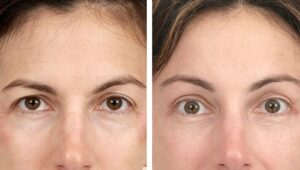
The Ultimate Guide to Eyelid Lift Costs in Turkey: Uncovering the True Price of Youthful Eyes

Turkey has become a prominent destination for cosmetic surgery, particularly for procedures like eyelid lifts, due to its combination of quality care and cost-effectiveness.

The country offers a range of options for patients looking to rejuvenate their appearance, with skilled surgeons and modern facilities at a fraction of the price compared to many Western countries.

Understanding the Eyelid Lift Procedure

An eyelid lift, or blepharoplasty, is a cosmetic procedure designed to remove excess skin, fat, and muscle from the upper and/or lower eyelids.

This procedure can correct sagging eyelids, reduce puffiness, and improve the overall appearance of the eyes, providing a more youthful and refreshed look.

Factors Influencing the Cost of Eyelid Lift in Turkey

Several factors influence the cost of an eyelid lift in Turkey. These include:

  • Type of Procedure: Whether you opt for an upper, lower, or both eyelid lift procedures will affect the cost.
  • Surgeon’s Experience: Highly experienced and reputed surgeons may charge more for their services.
  • Clinic or Hospital: The location and reputation of the clinic or hospital can significantly impact pricing.
  • Geographical Location: Costs can vary between cities such as Istanbul, Ankara, and Izmir.
  • Additional Services: Pre-operative consultations, post-operative care, and accommodation (if applicable) can add to the overall cost.
  • Currency Fluctuations: Prices may vary based on the current exchange rates between the Turkish Lira and other currencies.

Additional Costs to Consider

  • Pre-Operative Consultations: Initial consultations, including assessments and discussions with the surgeon, may cost between $100 and $300, depending on the clinic.
  • Post-Operative Care: Follow-up appointments and necessary medications can add an additional $100 to $300.
  • Accommodation and Travel: If you’re traveling from abroad, you should budget for accommodation, travel, and any additional expenses. Costs can vary widely depending on your preferences and the length of stay.
  • Anesthesia Fees: Depending on the clinic, anesthesia fees can range from $200 to $500.

Prices of all types of the Eyelid lift procedure in Turkey.

Upper Eyelid Lift (Upper Blepharoplasty)

Definition and Details:

An upper eyelid lift, or upper blepharoplasty, is a surgical procedure aimed at rejuvenating the appearance of the upper eyelids.

This procedure is particularly beneficial for individuals with sagging or drooping upper eyelids, which can be caused by aging, genetics, or sun exposure. The sagging skin may impair vision and create a tired, aged appearance.

The procedure involves making an incision along the natural crease of the upper eyelid, which helps conceal scarring.

Through this incision, excess skin, fat, and sometimes muscle are removed or repositioned. The surgeon may also perform muscle tightening to achieve a more youthful and refreshed look. The incision is closed with fine sutures that are typically removed within a week.

Post-operative recovery includes managing swelling, bruising, and discomfort, with most patients resuming normal activities within two weeks.

Procedure Steps:

Initial Consultation:
  • Detailed assessment including medical history, eyelid examination, and discussion of aesthetic goals.
  • Pre-operative instructions and discussion of anesthesia options.
Pre-Operative Testing:
  • Medical evaluations or tests as required to ensure patient suitability for surgery.
Surgical Procedure:
  • Anesthesia administration (local or general).
  • Incision placement along the natural eyelid crease.
  • Removal or repositioning of excess skin, fat, and muscle.
  • Suturing of the incision.
Post-Operative Care:
  • Follow-up appointments to monitor recovery and manage complications.
  • Instructions for wound care and activity restrictions.
Medication Management:
  • Prescriptions for pain relief, antibiotics, and eye drops.
Recovery and Aftercare:
  • Guidance on post-operative care, including swelling and bruising management.

Pricing of Each Step:

  • Initial Consultation: Price: $100 – $300
  • Pre-Operative Testing: Price: $50 – $150
  • Surgical Procedure: Price: $1,500 – $3,000
  • Anesthesia Fees: Price: $200 – $500
  • Post-Operative Care: Follow-Up Appointments: $100 – $300
  • Medication Management: Price: $50 – $150
  • Recovery and Aftercare: Price: Typically included in the surgical fee but may incur additional costs for special treatments or products.

Lower Eyelid Lift (Lower Blepharoplasty)

Definition and Details:

A lower eyelid lift, or lower blepharoplasty, is a procedure designed to correct issues such as under-eye bags, puffiness, and excess skin in the lower eyelid area. It is ideal for patients experiencing pronounced fat deposits or sagging skin that contributes to a tired or aged appearance.

The surgery typically involves making an incision just below the lower lash line or inside the lower eyelid (transconjunctival approach).

Through this incision, excess fat is either removed or redistributed, and excess skin is trimmed. This approach helps to reduce puffiness and tighten the skin.

The incision is closed with fine sutures, and recovery involves managing swelling and bruising. The results include a smoother, more youthful lower eyelid contour.

Procedure Steps:

Initial Consultation:
  • Comprehensive evaluation of the lower eyelids and discussion of patient goals.
Pre-Operative Testing:
  • Medical assessments to confirm suitability for surgery.
Surgical Procedure:
  • Anesthesia administration.
  • Incision placement (below lash line or inside eyelid).
  • Removal or repositioning of fat and trimming of excess skin.
  • Suturing of the incision.
Post-Operative Care:
  • Follow-up visits for recovery monitoring and complication management.
Medication Management:
  • Prescribed medications for pain and infection control.
Recovery and Aftercare:
  • Post-operative care instructions and advice on managing swelling and bruising.

Pricing of Each Step:

  • Initial Consultation: Price: $100 – $300
  • Pre-Operative Testing: Price: $50 – $150
  • Surgical Procedure: Price: $2,000 – $4,000
  • Anesthesia Fees: Price: $200 – $500
  • Post-Operative Care: Follow-Up Appointments: $100 – $300
  • Medication Management: Price: $50 – $150
  • Recovery and Aftercare: Price: Typically included in the surgical fee but may have additional costs for special care.

Transconjunctival Eyelid Lift

Definition and Details:

The transconjunctival eyelid lift is a minimally invasive procedure used primarily for the lower eyelids. This approach involves making an incision on the inside of the lower eyelid (conjunctiva), which eliminates visible scarring.

It is particularly suited for patients with excess fat but minimal loose skin.

During the procedure, excess fat is removed or redistributed through the internal incision, and sometimes a laser or other techniques are used to tighten the skin.

This method avoids the external incisions that are visible with traditional lower blepharoplasty, offering a more discreet result. The recovery period is generally shorter, with minimal bruising and swelling compared to traditional methods.

Procedure Steps:

Initial Consultation:
  • Detailed discussion of goals and assessment of suitability for the transconjunctival approach.
Pre-Operative Testing:
  • Medical evaluations to ensure patient safety.
Surgical Procedure:
  • Anesthesia administration.
  • Incision inside the lower eyelid.
  • Removal or redistribution of fat.
  • Skin tightening if necessary.
  • Closing of the internal incision.
Post-Operative Care:
  • Follow-up visits for monitoring and aftercare instructions.
Medication Management:
  • Prescription of medications for pain and post-operative care.
Recovery and Aftercare:
  • Instructions for managing swelling and potential complications.

Pricing of Each Step:

  • Initial Consultation: Price: $100 – $300
  • Pre-Operative Testing: Price: $50 – $150
  • Surgical Procedure: Price: $2,500 – $4,500
  • Anesthesia Fees: Price: $200 – $500
  • Post-Operative Care: Follow-Up Appointments: $100 – $300
  • Medication Management: Price: $50 – $150
  • Recovery and Aftercare: Price: Generally included but may include additional costs for special care.

Asian Eyelid Surgery (Double Eyelid Surgery)

Definition and Details:

Asian eyelid surgery, also known as double eyelid surgery or blepharoplasty, is designed for individuals of Asian descent who desire a more defined upper eyelid crease. This procedure can create a natural-looking crease, enhance the eyelid’s contour, and improve the appearance of the eyes.

The surgery involves making an incision along the upper eyelid crease to remove excess skin and fat. The surgeon then creates a new fold to establish a double eyelid appearance.

The procedure may be performed under local anesthesia with sedation or general anesthesia, depending on the patient’s preferences.

The recovery period typically involves managing swelling and bruising, with most patients resuming normal activities within two weeks.

Procedure Steps:

Initial Consultation:
  • Comprehensive assessment of eyelid anatomy and discussion of desired outcomes.
Pre-Operative Testing:
  • Required medical evaluations and tests.
Surgical Procedure:
  • Anesthesia administration.
  • Incision placement to create or enhance the eyelid crease.
  • Removal of excess skin and fat.
  • Formation of the new eyelid fold.
Post-Operative Care:
  • Follow-up visits to ensure proper healing.
Medication Management:
  • Prescribed medications for pain and care.
Recovery and Aftercare:
  • Instructions for post-operative care and managing any swelling.
Pricing of Each Step:
  • Initial Consultation: Price: $100 – $300
  • Pre-Operative Testing: Price: $50 – $150
  • Surgical Procedure: Price: $2,000 – $4,000
  • Anesthesia Fees: Price: $200 – $500
  • Post-Operative Care: Follow-Up Appointments: $100 – $300
  • Medication Management: Price: $50 – $150
  • Recovery and Aftercare: Price: Generally included, with potential additional costs.

Laser Eyelid Lift

Definition and Details:

A laser eyelid lift utilizes advanced laser technology to perform eyelid rejuvenation. This technique is known for its precision and minimally invasive nature.

The laser is used to remove excess skin and stimulate collagen production, which helps to tighten and smooth the eyelid area.

The procedure involves using a laser to precisely remove or vaporize excess skin and fat, minimizing bleeding and promoting faster healing.

It can be used for both upper and lower eyelids. Laser eyelid lifts are often preferred for their reduced recovery times and minimized risk of scarring. The results typically include a smoother, more youthful eyelid appearance with less post-operative discomfort compared to traditional methods.

Procedure Steps:

Initial Consultation:
  • Evaluation of eyelid condition and discussion of laser technology benefits.
Pre-Operative Testing:
  • Necessary medical evaluations to ensure suitability for laser surgery.
Surgical Procedure:
  • Anesthesia administration.
  • Application of laser to remove excess skin and fat.
  • Collagen stimulation for skin tightening.
Post-Operative Care:
  • Follow-up visits for monitoring and managing healing.
Medication Management:
  • Prescription for pain relief and post-operative care.
Recovery and Aftercare:
  • Instructions for managing laser-treated areas and reducing swelling.

Pricing of Each Step:

  • Initial Consultation: Price: $100 – $300
  • Pre-Operative Testing: Price: $50 – $150
  • Surgical Procedure: Price: $2,500 – $5,000
  • Anesthesia Fees: Price: $200 – $500
  • Post-Operative Care: Follow-Up Appointments: $100 – $300
  • Medication Management: Price: $50 – $150
  • Recovery and Aftercare: Price: Generally included but may involve additional costs for special treatments.

Endoscopic Eyelid Lift

Definition and Details:

An endoscopic eyelid lift is a minimally invasive procedure that uses endoscopic technology to enhance the appearance of the eyelids.

This technique involves making small incisions and using a tiny camera (endoscope) to guide the surgeon in performing the procedure. It is particularly effective for patients with sagging skin and fat deposits.

The endoscope allows for precise visualization of the eyelid structures, which helps in accurately removing excess fat and tightening the skin.

This method is known for its reduced scarring and quicker recovery time compared to traditional surgical methods.

The endoscopic approach can be used for both upper and lower eyelids, offering a more refined and less invasive solution.

Procedure Steps:

Initial Consultation:
  • Detailed evaluation and discussion of the endoscopic technique benefits.
Pre-Operative Testing:
  • Medical assessments to confirm suitability for endoscopic surgery.
Surgical Procedure:
  • Anesthesia administration.
  • Small incisions for endoscopic access.
  • Use of endoscope to guide fat removal and skin tightening.
Post-Operative Care:
  • Follow-up appointments to monitor recovery and manage any complications.
Medication Management:
  • Prescribed medications for pain and post-operative care.
Recovery and Aftercare:
  • Instructions for managing recovery and minimizing swelling.

Pricing of Each Step:

  • Initial Consultation: Price: $100 – $300
  • Pre-Operative Testing: Price: $50 – $150
  • Surgical Procedure: Price: $3,000 – $6,000
  • Anesthesia Fees: Price: $200 – $500
  • Post-Operative Care: Follow-Up Appointments: $100 – $300
  • Medication Management: Price: $50 – $150
  • Recovery and Aftercare: Price: Generally included but may incur additional costs.

Fat Grafting Eyelid Lift

Definition and Details:

A fat grafting eyelid lift involves using the patient’s own fat to enhance and rejuvenate the eyelid area.

This technique is particularly effective for addressing volume loss and improving the contour of the eyelids.

It can be used for both upper and lower eyelids, and the procedure offers a natural and long-lasting result.

The process involves harvesting fat from another part of the body (such as the abdomen or thighs) through liposuction.

The fat is then purified and injected into the eyelid area to restore volume and smooth out wrinkles. This method is beneficial for patients who prefer a more natural approach to rejuvenation without synthetic fillers.

The recovery period includes managing swelling and bruising, with results gradually improving over a few months.

Procedure Steps:

Initial Consultation:
  • Evaluation of eyelid condition and discussion of fat grafting benefits.
Pre-Operative Testing:
  • Required medical evaluations to confirm suitability.
Surgical Procedure:
  • Anesthesia administration.
  • Harvesting of fat through liposuction.
  • Purification and injection of fat into the eyelid area.
Post-Operative Care:
  • Follow-up visits to monitor results and manage recovery.
Medication Management:
  • Prescriptions for pain relief and post-operative care.
Recovery and Aftercare:
  • Instructions for managing swelling and bruising.

Pricing of Each Step:

  • Initial Consultation: Price: $100 – $300
  • Pre-Operative Testing: Price: $50 – $150
  • Surgical Procedure: Price: $3,000 – $5,000
  • Anesthesia Fees: Price: $200 – $500
  • Post-Operative Care: Follow-Up Appointments: $100 – $300
  • Medication Management: Price: $50 – $150
  • Recovery and Aftercare: Price: Generally included but may include additional costs for special treatments.

Chemical Peel Eyelid Lift

Definition and Details:

A chemical peel eyelid lift uses chemical solutions to exfoliate the outer layers of the skin, revealing a fresher, more youthful layer underneath.

This procedure is designed to improve skin texture and reduce the appearance of fine lines and wrinkles around the eyes. It is often used in conjunction with other eyelid rejuvenation techniques.

The chemical peel involves applying a chemical solution to the eyelid area, which causes the outer layers of skin to peel off.

This process stimulates collagen production and improves skin tone and texture. Chemical peels can vary in strength, from light peels that require minimal downtime to deeper peels that may involve a longer recovery period. Results include smoother, tighter skin with a reduction in fine lines and wrinkles.

Procedure Steps:

Initial Consultation:
  • Evaluation of skin condition and discussion of chemical peel options.
Pre-Operative Testing:
  • Assessments to determine skin suitability for chemical peeling.
Surgical Procedure:
  • Application of chemical solution to the eyelid area.
  • Monitoring during the peeling process.
Post-Operative Care:
  • Follow-up visits to assess skin healing and manage any complications.
Medication Management:
  • Prescriptions for skin care and managing discomfort.
Recovery and Aftercare:
  • Instructions for caring for the treated skin and managing recovery.

Pricing of Each Step:

  • Initial Consultation: Price: $100 – $300
  • Pre-Operative Testing: Price: $50 – $150
  • Surgical Procedure: Price: $1,000 – $3,000
  • Anesthesia Fees: Price: $200 – $500 (if required)
  • Post-Operative Care: Follow-Up Appointments: $100 – $300
  • Medication Management: Price: $50 – $150
  • Recovery and Aftercare: Price: Typically included but may involve additional costs for special care.

Thread Lift Eyelid Lift

Definition and Details:

A thread lift eyelid lift is a non-surgical procedure that uses specialized threads to lift and tighten the eyelid area.

This method offers a less invasive alternative to traditional surgery and provides immediate results with minimal downtime.

During the procedure, thin, dissolvable threads are inserted through small incisions in the eyelid area. These threads are strategically placed to lift and support the skin.

As the threads dissolve, they stimulate collagen production, which helps to maintain the lift and improve skin texture over time. The thread lift is ideal for patients seeking a quick rejuvenation with minimal recovery.

Procedure Steps:

Initial Consultation:
  • Assessment of eyelid condition and discussion of thread lift benefits.
Pre-Operative Testing:
  • Medical evaluations as needed to ensure suitability.
Surgical Procedure:
  • Anesthesia administration.
  • Insertion of threads through small incisions.
  • Lifting and positioning of the threads.
Post-Operative Care:
  • Follow-up visits to monitor results and manage recovery.
Medication Management:
  • Prescriptions for pain relief and care.
Recovery and Aftercare:
  • Instructions for managing the treated area and promoting healing.

Pricing of Each Step:

  • Initial Consultation: Price: $100 – $300
  • Pre-Operative Testing: Price: $50 – $150
  • Surgical Procedure: Price: $1,500 – $4,000
  • Anesthesia Fees: Price: $200 – $500
  • Post-Operative Care: Follow-Up Appointments: $100 – $300
  • Medication Management: Price: $50 – $150
  • Recovery and Aftercare: Price: Generally included but may involve additional costs for special treatments.

Ultrasound Eyelid Lift

Definition and Details:

An ultrasound eyelid lift uses focused ultrasound energy to target the deeper layers of the skin and underlying tissues.

This non-invasive procedure stimulates collagen production and tightens the skin, offering a subtle lift and improvement in skin texture.

The ultrasound energy is delivered through a handheld device that precisely targets the skin’s deeper layers.

This process promotes natural healing and collagen production, resulting in tighter, smoother skin over time.

Ultrasound eyelid lifts are popular for their non-invasive nature and minimal recovery time, making them suitable for patients seeking a gradual improvement.

Procedure Steps:

Initial Consultation:
  • Assessment of eyelid condition and discussion of ultrasound technology benefits.
Pre-Operative Testing:
  • Medical evaluations to ensure suitability for ultrasound treatment.
Surgical Procedure:
  • Application of ultrasound gel to the eyelid area.
  • Use of the ultrasound device to deliver energy to targeted areas.
Post-Operative Care:
  • Follow-up visits to monitor results and manage recovery.
Medication Management:
  • Prescriptions as needed for comfort and care.
Recovery and Aftercare:
  • Instructions for managing the treated area and promoting healing.

Pricing of Each Step:

  • Initial Consultation: Price: $100 – $300
  • Pre-Operative Testing: Price: $50 – $150
  • Surgical Procedure: Price: $800 – $2,500
  • Anesthesia Fees: Price: Generally not required for ultrasound treatments.
  • Post-Operative Care: Follow-Up Appointments: $100 – $300
  • Medication Management: Price: $50 – $150 (if required)
  • Recovery and Aftercare: Price: Typically included but may involve additional costs for special treatments.

Comparing Eyelid Lift Costs: Istanbul, Ankara, and Izmir

  • Istanbul: Known for its bustling atmosphere and numerous top-tier clinics, Istanbul offers a wide range of options for eyelid lifts. While prices are generally higher, the city’s reputation for high-quality care and experienced surgeons can justify the cost for many patients.
  • Ankara: As Turkey’s capital, Ankara presents a balance between quality and cost. Many reputable clinics offer competitive pricing without compromising on the standard of care.
  • Izmir: This coastal city offers some of the most affordable rates for eyelid lifts, making it an attractive option for those looking for value. Despite lower costs, Izmir maintains a high standard of care with several reputable clinics.

Price Comparison of Eyelid Lift Procedures in Istanbul, Ankara, and Izmir

Traditional Eyelid Lift

Istanbul:

  • Initial Consultation: $150 – $300
  • Pre-Operative Testing: $80 – $150
  • Surgical Procedure: $2,500 – $5,000
  • Anesthesia Fees: $300 – $600
  • Post-Operative Care: $150 – $350
  • Medication Management: $50 – $150
  • Recovery and Aftercare: $200 – $400
  • Operating Room Fees: $300 – $700
  • Hospital Stay (if required): $500 – $1,200
  • Compression Garment: $50 – $100

Ankara:

  • Initial Consultation: $120 – $250
  • Pre-Operative Testing: $70 – $140
  • Surgical Procedure: $2,200 – $4,500
  • Anesthesia Fees: $250 – $500
  • Post-Operative Care: $120 – $300
  • Medication Management: $40 – $130
  • Recovery and Aftercare: $150 – $350
  • Operating Room Fees: $250 – $600
  • Hospital Stay (if required): $400 – $1,000
  • Compression Garment: $40 – $90

Izmir:

  • Initial Consultation: $100 – $220
  • Pre-Operative Testing: $60 – $120
  • Surgical Procedure: $2,000 – $4,200
  • Anesthesia Fees: $200 – $450
  • Post-Operative Care: $100 – $250
  • Medication Management: $30 – $100
  • Recovery and Aftercare: $150 – $300
  • Operating Room Fees: $200 – $500
  • Hospital Stay (if required): $300 – $900
  • Compression Garment: $40 – $80

Laser Eyelid Lift

Istanbul:

  • Initial Consultation: $150 – $300
  • Pre-Operative Testing: $80 – $150
  • Surgical Procedure: $2,500 – $5,500
  • Anesthesia Fees: $300 – $600
  • Post-Operative Care: $150 – $350
  • Medication Management: $50 – $150
  • Recovery and Aftercare: $200 – $400
  • Laser Equipment Fee: $400 – $800
  • Operating Room Fees: $300 – $700
  • Hospital Stay (if required): $500 – $1,200

Ankara:

  • Initial Consultation: $120 – $250
  • Pre-Operative Testing: $70 – $140
  • Surgical Procedure: $2,200 – $5,000
  • Anesthesia Fees: $250 – $500
  • Post-Operative Care: $120 – $300
  • Medication Management: $40 – $130
  • Recovery and Aftercare: $150 – $350
  • Laser Equipment Fee: $350 – $750
  • Operating Room Fees: $250 – $600
  • Hospital Stay (if required): $400 – $1,000

Izmir:

  • Initial Consultation: $100 – $220
  • Pre-Operative Testing: $60 – $120
  • Surgical Procedure: $2,000 – $4,500
  • Anesthesia Fees: $200 – $450
  • Post-Operative Care: $100 – $250
  • Medication Management: $30 – $100
  • Recovery and Aftercare: $150 – $300
  • Laser Equipment Fee: $300 – $700
  • Operating Room Fees: $200 – $500
  • Hospital Stay (if required): $300 – $900

Endoscopic Eyelid Lift

Istanbul:

  • Initial Consultation: $150 – $300
  • Pre-Operative Testing: $80 – $150
  • Surgical Procedure: $3,000 – $6,500
  • Anesthesia Fees: $300 – $600
  • Post-Operative Care: $150 – $350
  • Medication Management: $50 – $150
  • Recovery and Aftercare: $200 – $400
  • Endoscope Equipment Fee: $500 – $1,000
  • Operating Room Fees: $300 – $700
  • Hospital Stay (if required): $500 – $1,200

Ankara:

  • Initial Consultation: $120 – $250
  • Pre-Operative Testing: $70 – $140
  • Surgical Procedure: $2,700 – $6,000
  • Anesthesia Fees: $250 – $500
  • Post-Operative Care: $120 – $300
  • Medication Management: $40 – $130
  • Recovery and Aftercare: $150 – $350
  • Endoscope Equipment Fee: $400 – $900
  • Operating Room Fees: $250 – $600
  • Hospital Stay (if required): $400 – $1,000

Izmir:

  • Initial Consultation: $100 – $220
  • Pre-Operative Testing: $60 – $120
  • Surgical Procedure: $2,500 – $5,500
  • Anesthesia Fees: $200 – $450
  • Post-Operative Care: $100 – $250
  • Medication Management: $30 – $100
  • Recovery and Aftercare: $150 – $300
  • Endoscope Equipment Fee: $350 – $800
  • Operating Room Fees: $200 – $500
  • Hospital Stay (if required): $300 – $900

Fat Grafting Eyelid Lift

Istanbul:

  • Initial Consultation: $150 – $300
  • Pre-Operative Testing: $80 – $150
  • Surgical Procedure: $3,000 – $5,500
  • Anesthesia Fees: $300 – $600
  • Post-Operative Care: $150 – $350
  • Medication Management: $50 – $150
  • Recovery and Aftercare: $200 – $400
  • Fat Harvesting Equipment Fee: $400 – $800
  • Operating Room Fees: $300 – $700
  • Hospital Stay (if required): $500 – $1,200

Ankara:

  • Initial Consultation: $120 – $250
  • Pre-Operative Testing: $70 – $140
  • Surgical Procedure: $2,700 – $5,000
  • Anesthesia Fees: $250 – $500
  • Post-Operative Care: $120 – $300
  • Medication Management: $40 – $130
  • Recovery and Aftercare: $150 – $350
  • Fat Harvesting Equipment Fee: $350 – $750
  • Operating Room Fees: $250 – $600
  • Hospital Stay (if required): $400 – $1,000

Izmir:

  • Initial Consultation: $100 – $220
  • Pre-Operative Testing: $60 – $120
  • Surgical Procedure: $2,500 – $5,000
  • Anesthesia Fees: $200 – $450
  • Post-Operative Care: $100 – $250
  • Medication Management: $30 – $100
  • Recovery and Aftercare: $150 – $300
  • Fat Harvesting Equipment Fee: $300 – $700
  • Operating Room Fees: $200 – $500
  • Hospital Stay (if required): $300 – $900

Non-Surgical Eyelid Lift

Istanbul:

  • Initial Consultation: $150 – $300
  • Pre-Operative Testing: $80 – $150
  • Surgical Procedure: $800 – $2,500
  • Anesthesia Fees: Not typically required
  • Post-Operative Care: $150 – $350
  • Medication Management: $50 – $150
  • Recovery and Aftercare: $100 – $250
  • Non-Surgical Equipment Fee: $200 – $500
  • Operating Room Fees: Not applicable
  • Hospital Stay: Not applicable

Ankara:

  • Initial Consultation: $120 – $250
  • Pre-Operative Testing: $70 – $140
  • Surgical Procedure: $700 – $2,200
  • Anesthesia Fees: Not typically required
  • Post-Operative Care: $120 – $300
  • Medication Management: $40 – $130
  • Recovery and Aftercare: $100 – $250
  • Non-Surgical Equipment Fee: $150 – $450
  • Operating Room Fees: Not applicable
  • Hospital Stay: Not applicable

Izmir:

  • Initial Consultation: $100 – $220
  • Pre-Operative Testing: $60 – $120
  • Surgical Procedure: $600 – $2,000
  • Anesthesia Fees: Not typically required
  • Post-Operative Care: $100 – $250
  • Medication Management: $30 – $100
  • Recovery and Aftercare: $100 – $200
  • Non-Surgical Equipment Fee: $150 – $400
  • Operating Room Fees: Not applicable
  • Hospital Stay: Not applicable

Upper Eyelid Lift

Istanbul:

  • Initial Consultation: $150 – $300
  • Pre-Operative Testing: $80 – $150
  • Surgical Procedure: $2,500 – $4,500
  • Anesthesia Fees: $300 – $600
  • Post-Operative Care: $150 – $350
  • Medication Management: $50 – $150
  • Recovery and Aftercare: $200 – $400
  • Operating Room Fees: $300 – $700
  • Hospital Stay (if required): $500 – $1,200
  • Compression Garment: $50 – $100

Ankara:

  • Initial Consultation: $120 – $250
  • Pre-Operative Testing: $70 – $140
  • Surgical Procedure: $2,200 – $4,000
  • Anesthesia Fees: $250 – $500
  • Post-Operative Care: $120 – $300
  • Medication Management: $40 – $130
  • Recovery and Aftercare: $150 – $350
  • Operating Room Fees: $250 – $600
  • Hospital Stay (if required): $400 – $1,000
  • Compression Garment: $40 – $90

Izmir:

  • Initial Consultation: $100 – $220
  • Pre-Operative Testing: $60 – $120
  • Surgical Procedure: $2,000 – $3,800
  • Anesthesia Fees: $200 – $450
  • Post-Operative Care: $100 – $250
  • Medication Management: $30 – $100
  • Recovery and Aftercare: $150 – $300
  • Operating Room Fees: $200 – $500
  • Hospital Stay (if required): $300 – $900
  • Compression Garment: $40 – $80

Lower Eyelid Lift

Istanbul:

  • Initial Consultation: $150 – $300
  • Pre-Operative Testing: $80 – $150
  • Surgical Procedure: $3,000 – $5,500
  • Anesthesia Fees: $300 – $600
  • Post-Operative Care: $150 – $350
  • Medication Management: $50 – $150
  • Recovery and Aftercare: $200 – $400
  • Operating Room Fees: $300 – $700
  • Hospital Stay (if required): $500 – $1,200
  • Compression Garment: $50 – $100

Ankara:

  • Initial Consultation: $120 – $250
  • Pre-Operative Testing: $70 – $140
  • Surgical Procedure: $2,700 – $5,000
  • Anesthesia Fees: $250 – $500
  • Post-Operative Care: $120 – $300
  • Medication Management: $40 – $130
  • Recovery and Aftercare: $150 – $350
  • Operating Room Fees: $250 – $600
  • Hospital Stay (if required): $400 – $1,000
  • Compression Garment: $40 – $90

Izmir:

  • Initial Consultation: $100 – $220
  • Pre-Operative Testing: $60 – $120
  • Surgical Procedure: $2,500 – $4,500
  • Anesthesia Fees: $200 – $450
  • Post-Operative Care: $100 – $250
  • Medication Management: $30 – $100
  • Recovery and Aftercare: $150 – $300
  • Operating Room Fees: $200 – $500
  • Hospital Stay (if required): $300 – $900
  • Compression Garment: $40 – $80

Asian Eyelid Lift

Istanbul:

  • Initial Consultation: $150 – $300
  • Pre-Operative Testing: $80 – $150
  • Surgical Procedure: $2,800 – $5,500
  • Anesthesia Fees: $300 – $600
  • Post-Operative Care: $150 – $350
  • Medication Management: $50 – $150
  • Recovery and Aftercare: $200 – $400
  • Operating Room Fees: $300 – $700
  • Hospital Stay (if required): $500 – $1,200
  • Compression Garment: $50 – $100

Ankara:

  • Initial Consultation: $120 – $250
  • Pre-Operative Testing: $70 – $140
  • Surgical Procedure: $2,500 – $5,000
  • Anesthesia Fees: $250 – $500
  • Post-Operative Care: $120 – $300
  • Medication Management: $40 – $130
  • Recovery and Aftercare: $150 – $350
  • Operating Room Fees: $250 – $600
  • Hospital Stay (if required): $400 – $1,000
  • Compression Garment: $40 – $90

Izmir:

  • Initial Consultation: $100 – $220
  • Pre-Operative Testing: $60 – $120
  • Surgical Procedure: $2,200 – $4,800
  • Anesthesia Fees: $200 – $450
  • Post-Operative Care: $100 – $250
  • Medication Management: $30 – $100
  • Recovery and Aftercare: $150 – $300
  • Operating Room Fees: $200 – $500
  • Hospital Stay (if required): $300 – $900
  • Compression Garment: $40 – $80

Double Eyelid Lift

Istanbul:

  • Initial Consultation: $150 – $300
  • Pre-Operative Testing: $80 – $150
  • Surgical Procedure: $3,000 – $6,000
  • Anesthesia Fees: $300 – $600
  • Post-Operative Care: $150 – $350
  • Medication Management: $50 – $150
  • Recovery and Aftercare: $200 – $400
  • Operating Room Fees: $300 – $700
  • Hospital Stay (if required): $500 – $1,200
  • Compression Garment: $50 – $100

Ankara:

  • Initial Consultation: $120 – $250
  • Pre-Operative Testing: $70 – $140
  • Surgical Procedure: $2,700 – $5,500
  • Anesthesia Fees: $250 – $500
  • Post-Operative Care: $120 – $300
  • Medication Management: $40 – $130
  • Recovery and Aftercare: $150 – $350
  • Operating Room Fees: $250 – $600
  • Hospital Stay (if required): $400 – $1,000
  • Compression Garment: $40 – $90

Izmir:

  • Initial Consultation: $100 – $220
  • Pre-Operative Testing: $60 – $120
  • Surgical Procedure: $2,500 – $5,000
  • Anesthesia Fees: $200 – $450
  • Post-Operative Care: $100 – $250
  • Medication Management: $30 – $100
  • Recovery and Aftercare: $150 – $300
  • Operating Room Fees: $200 – $500
  • Hospital Stay (if required): $300 – $900
  • Compression Garment: $40 – $80

Transconjunctival Eyelid Lift

Istanbul:

  • Initial Consultation: $150 – $300
  • Pre-Operative Testing: $80 – $150
  • Surgical Procedure: $3,200 – $6,500
  • Anesthesia Fees: $300 – $600
  • Post-Operative Care: $150 – $350
  • Medication Management: $50 – $150
  • Recovery and Aftercare: $200 – $400
  • Operating Room Fees: $300 – $700
  • Hospital Stay (if required): $500 – $1,200
  • Compression Garment: $50 – $100

Ankara:

  • Initial Consultation: $120 – $250
  • Pre-Operative Testing: $70 – $140
  • Surgical Procedure: $2,800 – $6,000
  • Anesthesia Fees: $250 – $500
  • Post-Operative Care: $120 – $300
  • Medication Management: $40 – $130
  • Recovery and Aftercare: $150 – $350
  • Operating Room Fees: $250 – $600
  • Hospital Stay (if required): $400 – $1,000
  • Compression Garment: $40 – $90

Izmir:

  • Initial Consultation: $100 – $220
  • Pre-Operative Testing: $60 – $120
  • Surgical Procedure: $2,700 – $5,500
  • Anesthesia Fees: $200 – $450
  • Post-Operative Care: $100 – $250
  • Medication Management: $30 – $100
  • Recovery and Aftercare: $150 – $300
  • Operating Room Fees: $200 – $500
  • Hospital Stay (if required): $300 – $900
  • Compression Garment: $40 – $80

Tips for Choosing the Right Clinic and Surgeon

  • Research: Investigate clinics and surgeons thoroughly. Look for reviews, before-and-after photos, and accreditation information.
  • Consult Multiple Clinics: Obtain quotes from several clinics to compare pricing and services.
  • Check Credentials: Ensure that the surgeon is board-certified and has extensive experience in performing eyelid lifts.
  • Understand the Package: Clarify what is included in the quoted price, such as pre-operative consultations, post-operative care, and any additional services.

How to prepare for an Eyelid lift procedure?

Personal Preparations

Review and Adjust Medications

  • Description: Consult with your doctor to review all current medications, including prescription drugs, over-the-counter medications, and supplements. Certain medications, such as blood thinners (e.g., aspirin, ibuprofen) and some herbal supplements (e.g., ginkgo biloba, fish oil), can increase the risk of bleeding and complications.
  • Steps: Discontinue or adjust medications as advised by your healthcare provider. Switch to alternatives if necessary. Provide a complete list of all medications to your surgeon.

Establish a Support System

  • Description: Plan for post-operative care by arranging for help from family members or friends. Recovery from eyelid lift surgery might require assistance with daily activities, especially in the first few days.
  • Steps: Coordinate with someone who can help with transportation, assist with household tasks, and provide emotional support. Ensure they understand the post-operative care requirements.

Prepare Your Home Environment

  • Description: Make your home comfortable and conducive to recovery. Create a designated rest area with easy access to essentials like medications, tissues, and eye drops.
  • Steps: Stock up on necessary supplies such as cold compresses, prescribed medications, and comfortable pillows. Arrange your living space to minimize the need for movement.

Quit Smoking and Avoid Alcohol

  • Description: Smoking and alcohol can interfere with healing and increase the risk of complications. Smoking constricts blood vessels, impairing circulation, while alcohol can lead to dehydration and delayed healing.
  • Steps: Stop smoking at least 2-4 weeks before the surgery and avoid alcohol for a similar period. Seek support or counseling if needed to manage nicotine cravings.

Adopt a Healthy Diet

  • Description: A nutritious diet supports overall health and aids in the healing process. Focus on foods rich in vitamins, minerals, and proteins.
  • Steps: Include fruits, vegetables, lean proteins, and whole grains in your diet. Stay hydrated and consider taking a multivitamin if recommended by your doctor.

Arrange for Transportation

  • Description: Most eyelid lift procedures are performed under sedation or anesthesia, making it unsafe for you to drive yourself home.
  • Steps: Arrange for a responsible friend or family member to drive you to and from the surgery. Verify transportation arrangements in advance to avoid last-minute issues.

Follow Pre-Operative Instructions

  • Description: Your surgeon will provide specific instructions to follow before the surgery, which may include fasting or altering your skincare routine.
  • Steps: Adhere to all pre-operative guidelines provided by your surgeon, including fasting requirements and avoiding certain skincare products.

Set Up a Post-Operative Care Plan

  • Description: Ensure you have a plan for managing post-surgery care, including managing swelling, applying ointments, and attending follow-up appointments.
  • Steps: Prepare a schedule for medication and eye care. Set reminders for follow-up appointments and ensure you understand how to apply any prescribed treatments.

Mental and Emotional Preparation

  • Description: Undergoing cosmetic surgery can be emotionally taxing. Preparing yourself mentally can help reduce anxiety and improve your overall experience.
  • Steps: Engage in relaxation techniques such as meditation or deep breathing exercises. Speak with a counselor or therapist if you feel overwhelmed.

Review Insurance and Financial Arrangements

  • Description: Confirm your insurance coverage and understand the costs associated with the procedure. Ensure all financial aspects are addressed before surgery.
  • Steps: Contact your insurance provider to verify coverage and clarify any out-of-pocket expenses. Prepare a budget and arrange for payment if necessary.

Preparations with the Doctor

Comprehensive Medical Evaluation

  • Description: A thorough medical evaluation ensures you are fit for surgery and helps identify any underlying conditions that could affect the procedure.
  • Steps: Schedule and complete a pre-operative medical evaluation, including a physical examination and any necessary lab tests. Discuss any medical conditions or concerns with your doctor.

Detailed Discussion of Procedure and Expectations

  • Description: Understand the specifics of the eyelid lift procedure, including the technique, expected outcomes, and potential risks.
  • Steps: Have an in-depth discussion with your surgeon about the procedure, including the types of eyelid lifts available, expected results, and any potential complications.

Review of Pre-Operative Instructions

  • Description: Your doctor will provide specific instructions to prepare for the surgery, such as fasting or modifying your skincare routine.
  • Steps: Carefully review and follow all pre-operative instructions provided by your surgeon. Ask for clarification on any aspects you do not understand.

Assessment of Aesthetic Goals

  • Description: Discuss your aesthetic goals and expectations with your surgeon to ensure they align with the outcomes achievable through surgery.
  • Steps: Share your desired results and any concerns with your surgeon. Review before-and-after photos of previous patients to set realistic expectations.

Planning for Anesthesia

  • Description: Understand the type of anesthesia that will be used and any preparations needed for its administration.
  • Steps: Discuss anesthesia options with your surgeon and anesthesiologist. Follow any specific instructions related to anesthesia, such as fasting or discontinuing certain medications.

Consent Form and Documentation

  • Description: Review and sign the consent form for the surgery, which outlines the risks, benefits, and procedural details.
  • Steps: Carefully read the consent form and ask questions about any terms or procedures you do not understand. Ensure all documentation is completed and submitted.

Pre-Operative Photographs

  • Description: Pre-operative photos are taken for comparison purposes and to help plan the surgery.
  • Steps: Allow your surgeon to take detailed photographs of your eyelids from various angles. These photos will be used to assess changes and monitor post-operative results.

Scheduling Follow-Up Appointments

  • Description: Plan for post-operative follow-up visits to monitor healing and address any concerns.
  • Steps: Schedule follow-up appointments with your surgeon and ensure you understand the timeline for these visits. Arrange transportation if needed.

Reviewing Post-Operative Care Instructions

  • Description: Obtain detailed instructions on how to care for yourself after the surgery, including managing swelling, pain, and applying medications.
  • Steps: Review post-operative care instructions thoroughly. Ask about any special products or techniques required for recovery, and ensure you understand how to use them.

Discussing Emergency Contacts and Protocols

  • Description: Be aware of what to do in case of an emergency or unexpected complications after the surgery.
  • Steps: Discuss emergency protocols with your surgeon and understand when and how to contact them if you experience any issues. Ensure you have emergency contact numbers readily available.

What happens during the Eyelid lift procedure?

Anesthesia Administration

What Happens:

The eyelid lift procedure starts with administering anesthesia to ensure you remain comfortable and pain-free throughout the surgery.

The choice of anesthesia, whether local with sedation or general, depends on the complexity of the procedure and patient preference.

Doctor’s Actions:

  • Pre-Anesthesia Assessment: Review your medical history, including any allergies, current medications, and overall health to determine the most suitable anesthesia approach. This assessment ensures that you receive the safest and most effective type of anesthesia.
  • Anesthesia Preparation: Prepare the anesthesia based on the planned approach. For general anesthesia, a trained anesthesiologist will administer it through an intravenous (IV) line. For local anesthesia with sedation, injections are administered around the eyes.
  • Monitoring: Throughout the anesthesia process, continuously monitor your vital signs such as heart rate, blood pressure, and oxygen levels. Adjust anesthesia levels as needed to maintain optimal comfort and safety.

Marking the Surgical Areas

What Happens:

With anesthesia taking effect, the surgeon marks the areas on your eyelids where incisions will be made.

This step ensures precise incision placement and helps plan the surgical approach to achieve the desired aesthetic outcome.

Doctor’s Actions:

  • Examination: Carefully examine your eyelids to determine the specific areas that need correction. Assess the amount of excess skin and fat to be removed and identify the most appropriate incision sites.
  • Marking: Use a sterile surgical marker to draw precise lines on your eyelids. These lines outline the planned incisions and areas for tissue removal, ensuring accuracy during surgery.
  • Verification: Discuss the markings with you, explaining the planned incisions and surgical approach. Make any necessary adjustments based on your feedback and confirm that you are comfortable with the planned procedure.

Cleansing and Sterilizing

What Happens:

To prevent infections and ensure a sterile environment, the surgical area around your eyes is thoroughly cleansed and sterilized. This step is crucial for minimizing the risk of post-operative complications.

Doctor’s Actions:

  • Initial Cleansing: Apply an antiseptic solution to the eyelid area. This solution removes oils, dirt, and bacteria from the skin’s surface, reducing the risk of infection.
  • Sterilization: Drape the area with sterile covers and use sterile instruments to maintain a clean field throughout the procedure. Place sterile drapes around your eyes to create a controlled and infection-free environment.
  • Preparation: Adjust the operating room environment, including lighting and positioning, to ensure optimal conditions for the procedure. Ensure that all instruments and materials are sterile and ready for use.

Making the Incisions

What Happens:

The surgeon makes precise incisions along the previously marked lines. The type and placement of these incisions depend on the technique used, whether addressing the upper eyelids, lower eyelids, or both.

Doctor’s Actions:

  • Incision Creation: Using a scalpel or surgical blade, make incisions along the marked lines. The goal is to create clean, controlled cuts that will allow access to the underlying tissues.
  • Tissue Separation: Gently lift and separate the skin from the underlying tissues to access the areas requiring treatment. This step involves careful dissection to avoid damaging surrounding structures.
  • Precision Cutting: Ensure that the incisions are precise and well-aligned to facilitate effective tissue removal and achieve the desired cosmetic results.

Removing Excess Skin and Fat

What Happens:

In this step, the surgeon removes excess skin and fat to correct sagging and puffiness. The removal process is tailored to address specific concerns and achieve a youthful, refreshed appearance.

Doctor’s Actions:

  • Tissue Removal: Carefully excise excess skin and fat from the eyelid area. This involves identifying and removing the portions of tissue that contribute to sagging or puffiness.
  • Contouring: Sculpt and contour the remaining tissues to create a smooth, natural look. The surgeon pays close attention to maintaining balance and symmetry between the two eyelids.
  • Assessment: Continuously assess the results during tissue removal to ensure that the desired aesthetic goals are met and make any necessary adjustments.

Tightening and Restructuring

What Happens:

The surgeon tightens and restructures the underlying muscles and connective tissues to provide enhanced support and contour to the eyelids.

This step is crucial for achieving lasting results and a rejuvenated appearance.

Doctor’s Actions:

  • Muscle Tightening: Use sutures or other techniques to tighten and reposition the underlying muscles. This step may involve suturing deeper layers of tissue to provide a firm and supported structure.
  • Restructuring: Adjust and contour the tissues to enhance the overall appearance. This involves creating a smooth transition between the newly tightened muscles and the remaining skin.
  • Suturing: Secure the tightened tissues with sutures, ensuring that they are placed strategically to maintain the new structure and avoid complications.

Closing the Incisions

What Happens:

The incisions are carefully closed using sutures or adhesive strips. This step is essential for ensuring proper healing and minimizing visible scarring.

Doctor’s Actions:

  • Suturing: Carefully stitch the incisions using fine sutures. The goal is to close the incisions with minimal tension on the skin, which helps reduce scarring.
  • Adhesive Application: If using surgical adhesive strips, apply them to the closed incisions to hold the skin together and promote healing.
  • Verification: Check the closure to ensure there are no gaps or irregularities. Adjust the sutures or adhesive as needed to ensure a smooth, even closure.

Applying Dressings and Bandages

What Happens:

After the incisions are closed, the surgeon applies dressings and bandages to protect the surgical site and manage swelling.

This step helps to keep the area clean and supports the healing process.

Doctor’s Actions:

  • Dressing Application: Apply sterile dressings or bandages over the eyelid area. The dressings help absorb any excess fluid and provide a protective barrier against potential infections.
  • Padding: Use additional padding if necessary to support and protect the eyes. The padding helps reduce swelling and provides comfort during the initial recovery phase.
  • Securement: Ensure that the dressings and bandages are securely in place without causing discomfort. Adjust as needed to ensure they are not too tight or restrictive.

Post-Operative Monitoring

What Happens:

After the procedure, you are monitored to ensure that you recover well from anesthesia and that there are no immediate complications. This step involves close observation of your condition.

Doctor’s Actions:

  • Observation: Continuously monitor your vital signs, including heart rate, blood pressure, and oxygen levels. Observe the surgical site for any signs of bleeding or unusual swelling.
  • Assessment: Evaluate your initial recovery status, including any reactions to anesthesia and the condition of the incisions.
  • Instructions: Provide initial post-operative care instructions, including guidelines for managing swelling, pain, and applying prescribed medications.

Transfer to Recovery Room

What Happens:

Once you are stable and the immediate post-operative phase is complete, you are transferred to a recovery room. This space is designed for extended monitoring and beginning the recovery process.

Doctor’s Actions:

  • Transfer: Move you to the recovery room with the assistance of medical staff. Ensure that you are comfortably positioned and properly monitored.
  • Documentation: Record details of the surgery, including the techniques used and any observations from the immediate post-operative period. Document your initial recovery status and any instructions given.
  • Follow-Up: Arrange follow-up appointments and provide detailed post-operative care instructions. Discuss any signs of complications to watch for and ensure you understand the next steps in your recovery journey.

Conclusion

Choosing to undergo an eyelid lift in Turkey can be a cost-effective way to achieve a youthful appearance with high-quality results.

By understanding the factors that influence pricing and comparing costs across different cities, you can make an informed decision that aligns with your budget and expectations.

Whether you opt for Istanbul’s renowned clinics, Ankara’s balanced offerings, or Izmir’s affordable options, Turkey provides a range of choices to suit your needs.

The Comprehensive Guide to Forehead Lift Costs in Turkey.

A forehead lift, also known as a brow lift, is a cosmetic procedure aimed at rejuvenating the forehead area by reducing wrinkles and sagging skin.

This surgery can provide a more youthful appearance and improve overall facial aesthetics. For those considering this procedure, Turkey offers a range of options with competitive pricing and high-quality care.

This guide provides a comprehensive overview of the costs associated with a forehead lift in Turkey, covering everything from surgery fees to additional expenses.

Breakdown of Costs

Surgical Fees

The primary cost of a forehead lift is the surgical fee, which can vary based on the complexity of the procedure and the surgeon’s experience.

Surgeons in Turkey are known for their expertise and often charge lower fees compared to other countries.

The average cost for a forehead lift is around $3,500, but this can range from $2,500 to $5,000 depending on the technique and surgeon.

Anesthesia Fees

Anesthesia is a crucial part of the forehead lift procedure, and its cost is usually included in the overall price.

However, it’s essential to confirm this with the clinic. Anesthesia fees in Turkey typically range from $500 to $1,000, depending on the type of anesthesia used and the duration of the procedure.

Facility Fees

The cost of using a surgical facility or hospital is another significant factor. High-quality clinics and hospitals in Turkey often charge facility fees ranging from $500 to $1,500.

This fee covers the use of the operating room, recovery room, and any necessary medical equipment.

Pre-Operative and Post-Operative Care

  • Pre-Operative Tests: Before the surgery, patients may need to undergo various tests, including blood work and imaging studies. These tests typically cost between $100 and $300.
  • Post-Operative Medications: Post-surgery medications for pain management and infection prevention usually cost between $50 and $200. This can vary depending on the specific medications prescribed.
  • Follow-Up Visits: Post-operative care includes follow-up visits to monitor healing and address any concerns. These visits are generally included in the surgery fee, but additional consultations may cost between $100 and $300 each.

Additional Costs

  • Travel and Accommodation: For international patients, travel and accommodation are additional expenses. Depending on the city and comfort level, accommodation in Turkey ranges from $30 to $150 per night. Travel costs will vary based on your location and travel preferences.
  • Consultation Fees: Initial consultations with the surgeon are usually priced between $100 and $300. Some clinics may offer free consultations or deduct the fee from the overall cost if you proceed with the surgery.
  • Insurance: While most cosmetic procedures are not covered by insurance, some patients may seek insurance coverage for potential complications. Check with your insurance provider to understand your coverage options.

Prices of all types of the forehead lift procedure in Turkey.

Endoscopic Forehead Lift

Definition and Details:

The endoscopic forehead lift is a modern and minimally invasive technique that leverages advanced technology to achieve effective results.

During the procedure, the surgeon makes several small incisions behind the hairline, through which an endoscope is inserted.

The endoscope is equipped with a camera that transmits real-time images to a monitor, allowing the surgeon to see and manipulate the underlying tissues with precision. This approach minimizes the size of incisions and reduces scarring, making it a popular choice for patients seeking a less invasive option.

The procedure focuses on lifting the brow and smoothing the forehead by tightening the underlying muscles and tissues.

It is ideal for those with moderate forehead wrinkles and sagging. Recovery time is generally shorter compared to more invasive techniques, and the results can last for several years.

Procedure Steps:

  • Consultation and Planning: Initial consultation with the surgeon to discuss goals and evaluate the appropriate technique.
  • Pre-Operative Tests: Blood tests, imaging studies, and health evaluations to ensure suitability for the procedure.
  • Anesthesia: Administration of local anesthesia with sedation or general anesthesia to ensure comfort during the surgery.
  • Incision Creation: Small incisions made behind the hairline for the insertion of the endoscope and surgical tools.
  • Forehead Lifting: Use of endoscopic instruments to lift and reposition the forehead tissues and muscles.
  • Closure: Suturing of incisions with fine stitches to minimize visible scarring.
  • Post-Operative Care: Application of bandages and follow-up visits to monitor recovery.

Pricing Breakdown:

  • Surgeon’s Fee: $2,000 – $3,500
  • Anesthesia Fee: $500 – $800
  • Facility Fee: $500 – $1,000
  • Pre-Operative Tests: $100 – $200
  • Post-Operative Medications: $50 – $150
  • Follow-Up Visits: $100 – $200 per visit
  • Travel and Accommodation: $30 – $150 per night (for international patients)

Traditional Forehead Lift (Coronal Lift)

Definition and Details:

The traditional or coronal forehead lift involves a larger incision that spans across the top of the head, hidden within the hairline.

This technique is suitable for individuals with significant sagging or deep forehead wrinkles. The procedure allows for extensive lifting and repositioning of the forehead and brow tissues. The surgeon makes a continuous incision from ear to ear, lifts the forehead tissues, and repositions them to achieve a smoother appearance.

This method provides more dramatic results and is particularly effective for patients with advanced signs of aging.

Recovery time is longer, and patients may experience more noticeable swelling and bruising compared to less invasive methods. Despite the larger incision, the results are often long-lasting and can significantly enhance facial aesthetics.

Procedure Steps:

  • Consultation and Planning: Detailed consultation to assess the extent of sagging and discuss desired outcomes.
  • Pre-Operative Evaluation: Comprehensive health assessment including blood tests and imaging.
  • Anesthesia: General anesthesia or local anesthesia with sedation to ensure patient comfort.
  • Incision Creation: A continuous incision made along the hairline to access and lift the forehead tissues.
  • Forehead and Brow Lifting: Repositioning of the forehead tissues and muscles to smooth out wrinkles and sagging.
  • Closure: Suturing of the incision with careful placement to minimize visible scarring.
  • Post-Operative Care: Application of dressings, pain management, and follow-up appointments to ensure proper healing.

Pricing Breakdown:

  • Surgeon’s Fee: $3,000 – $5,000
  • Anesthesia Fee: $600 – $1,000
  • Facility Fee: $800 – $1,500
  • Pre-Operative Evaluation: $150 – $250
  • Post-Operative Medications: $70 – $200
  • Follow-Up Visits: $150 – $300 per visit
  • Travel and Accommodation: $30 – $150 per night (for international patients)

Temporal Forehead Lift

Definition and Details:

The temporal forehead lift, also known as the limited incision or short-scar lift, targets the outer portion of the forehead and brow.

This technique involves smaller incisions placed near the temples, which makes it less invasive than the traditional coronal lift.

The procedure focuses on lifting the lateral (outer) sections of the forehead and brow to correct mild to moderate sagging and wrinkles.

The temporal lift is often chosen by patients seeking a more subtle enhancement with minimal downtime.

It provides a rejuvenating effect while preserving a natural appearance. The recovery period is generally shorter, and the risk of complications is lower compared to more extensive procedures.

Procedure Steps:

  • Consultation and Planning: Initial meeting to discuss cosmetic goals and determine if the temporal lift is suitable.
  • Pre-Operative Assessment: Health evaluations, including blood tests and imaging, to ensure patient safety.
  • Anesthesia: Local anesthesia with sedation or general anesthesia based on patient and procedural requirements.
  • Incision Creation: Small incisions made at the temples for accessing and lifting the outer forehead tissues.
  • Tissue Lifting and Repositioning: Elevation and adjustment of the forehead and brow tissues to achieve a youthful look.
  • Closure: Suturing of incisions with fine stitches to minimize scarring.
  • Post-Operative Care: Application of bandages, monitoring of recovery, and management of any discomfort.

Pricing Breakdown:

  • Surgeon’s Fee: $2,500 – $4,000
  • Anesthesia Fee: $400 – $700
  • Facility Fee: $400 – $900
  • Pre-Operative Assessment: $100 – $200
  • Post-Operative Medications: $50 – $120
  • Follow-Up Visits: $80 – $150 per visit
  • Travel and Accommodation: $30 – $150 per night (for international patients)

Direct Brow Lift

Definition and Details:

The direct brow lift is a technique designed to address moderate to severe brow sagging by making incisions directly above the eyebrows.

This method involves removing a small strip of skin above the brows, which allows the surgeon to lift and reposition the brow area.

The direct brow lift is particularly effective for patients with prominent brow drooping and can offer immediate and noticeable results.

However, this technique may leave a visible scar along the eyebrow area, which is usually hidden within the natural brow crease.

The recovery time is generally moderate, and patients may experience some bruising and swelling in the eyebrow region.

Procedure Steps:

  • Consultation and Planning: Assessment of brow position and discussion of aesthetic goals.
  • Pre-Operative Evaluation: Includes necessary tests and health evaluations.
  • Anesthesia: Local anesthesia with sedation or general anesthesia based on patient needs.
  • Incision Creation: Incisions made directly above the eyebrows to access and lift the brow tissues.
  • Brow Repositioning: Removal of excess skin and adjustment of brow position.
  • Closure: Suturing of incisions with fine stitches to blend with the natural brow line.
  • Post-Operative Care: Application of bandages, pain management, and follow-up visits.

Pricing Breakdown:

  • Surgeon’s Fee: $2,500 – $4,500
  • Anesthesia Fee: $500 – $900
  • Facility Fee: $500 – $1,200
  • Pre-Operative Evaluation: $100 – $200
  • Post-Operative Medications: $60 – $150
  • Follow-Up Visits: $100 – $200 per visit
  • Travel and Accommodation: $30 – $150 per night (for international patients)

Subcutaneous Brow Lift

Definition and Details:

The subcutaneous brow lift is a technique that involves lifting the brow area from beneath the skin. This method is performed through small incisions hidden within the hairline or brow creases. The surgeon lifts the skin and underlying tissues to reposition the brow and reduce wrinkles.

This technique is often chosen by patients looking for a less invasive option that still provides effective results.

The subcutaneous brow lift is suitable for those with mild to moderate sagging and can offer a natural-looking enhancement with minimal visible scarring.

The recovery period is relatively short, and patients can expect a gradual improvement in the appearance of their forehead and brow area.

Procedure Steps:

  • Consultation and Planning: Evaluation of the brow area and discussion of desired outcomes.
  • Pre-Operative Assessment: Includes necessary health tests and imaging.
  • Anesthesia: Local anesthesia with sedation or general anesthesia depending on patient needs.
  • Incision Creation: Small incisions made in discreet locations to access and lift the brow tissues.
  • Tissue Lifting and Adjustment: Elevation and repositioning of the brow area to achieve a youthful look.
  • Closure: Suturing of incisions with minimal scarring.
  • Post-Operative Care: Bandaging, pain management, and follow-up visits.

Pricing Breakdown:

  • Surgeon’s Fee: $2,000 – $3,500
  • Anesthesia Fee: $450 – $800
  • Facility Fee: $400 – $1,000
  • Pre-Operative Assessment: $100 – $200
  • Post-Operative Medications: $50 – $130
  • Follow-Up Visits: $80 – $150 per visit
  • Travel and Accommodation: $30 – $150 per night (for international patients)

Endotine Forehead Lift

Definition and Details:

The endotine forehead lift is a specialized technique that uses endotine devices (resorbable fixation devices) to support the lifted tissues.

This method involves making small incisions, similar to the endoscopic approach, but with the addition of endotine devices to secure the repositioned tissues.

The procedure aims to achieve long-lasting results by ensuring that the lifted tissues remain in their new position during the healing process.

The endotine lift is particularly effective for patients who require more support for the lifted brow area. The technique offers minimal scarring and a relatively quick recovery time.

Procedure Steps:

  • Consultation and Planning: Detailed consultation to assess the need for endotine support and desired results.
  • Pre-Operative Assessment: Health evaluations, including blood tests and imaging.
  • Anesthesia: Local anesthesia with sedation or general anesthesia as needed.
  • Incision Creation: Small incisions made for the insertion of endotine devices and surgical instruments.
  • Tissue Lifting and Fixation: Elevation and positioning of the forehead tissues, secured with endotine devices.
  • Closure: Suturing of incisions to minimize scarring.
  • Post-Operative Care: Bandaging, pain management, and follow-up visits.

Pricing Breakdown:

  • Surgeon’s Fee: $3,000 – $5,000
  • Anesthesia Fee: $600 – $1,000
  • Facility Fee: $600 – $1,200
  • Pre-Operative Assessment: $150 – $250
  • Post-Operative Medications: $60 – $150
  • Follow-Up Visits: $120 – $250 per visit
  • Travel and Accommodation: $30 – $150 per night (for international patients)

Temporal-Brow Lift (Lateral Brow Lift)

Definition and Details:

The temporal-brow lift, also known as the lateral brow lift, focuses on the outer portions of the brow and forehead.

This technique involves making small incisions at the temples to access and lift the lateral sections of the forehead and brow.

It is ideal for patients with sagging in the outer brow area and is less invasive than the traditional coronal lift.

The procedure provides a subtle yet effective lift, improving the appearance of crow’s feet and lateral forehead wrinkles. The temporal-brow lift offers a quicker recovery compared to more extensive techniques and leaves minimal scarring.

Procedure Steps:

  • Consultation and Planning: Assessment of the lateral brow area and discussion of goals.
  • Pre-Operative Assessment: Includes necessary tests and evaluations.
  • Anesthesia: Local anesthesia with sedation or general anesthesia depending on patient needs.
  • Incision Creation: Small incisions at the temples for accessing and lifting the brow tissues.
  • Lateral Brow and Forehead Lifting: Adjustment of the lateral brow and forehead areas for a more youthful appearance.
  • Closure: Suturing of incisions to blend with the natural hairline.
  • Post-Operative Care: Bandaging, pain management, and follow-up visits.

Pricing Breakdown:

  • Surgeon’s Fee: $2,500 – $4,000
  • Anesthesia Fee: $400 – $700
  • Facility Fee: $400 – $900
  • Pre-Operative Assessment: $100 – $200
  • Post-Operative Medications: $50 – $120
  • Follow-Up Visits: $80 – $150 per visit
  • Travel and Accommodation: $30 – $150 per night (for international patients)

Direct Brow Lift with Fat Grafting

Definition and Details:

The direct brow lift with fat grafting combines the brow lift technique with fat grafting to enhance results. The direct brow lift involves making incisions above the eyebrows to remove excess skin and reposition the brows.

During the same procedure, fat is harvested from another part of the body (such as the abdomen or thighs) and injected into the brow area to add volume and further smooth the appearance.

This combination is beneficial for patients seeking both lifting and volumizing effects. The technique offers significant improvements in brow position and skin texture, although it may leave visible scars along the brow line.

Procedure Steps:

  • Consultation and Planning: Discussion of goals and combination of brow lift with fat grafting.
  • Pre-Operative Assessment: Comprehensive health evaluation, including imaging and tests.
  • Anesthesia: Local anesthesia with sedation or general anesthesia as required.
  • Incision Creation: Incisions made above the eyebrows for brow lift and fat harvesting.
  • Fat Harvesting and Injection: Collection of fat from a donor site and injection into the brow area for added volume.
  • Brow Lifting: Removal of excess skin and adjustment of brow position.
  • Closure: Suturing of incisions with careful placement.
  • Post-Operative Care: Bandaging, pain management, and follow-up visits.

Pricing Breakdown:

  • Surgeon’s Fee: $3,000 – $5,500
  • Anesthesia Fee: $600 – $1,000
  • Facility Fee: $600 – $1,200
  • Pre-Operative Assessment: $150 – $250
  • Post-Operative Medications: $70 – $150
  • Follow-Up Visits: $120 – $250 per visit
  • Travel and Accommodation: $30 – $150 per night (for international patients)

Endoscopic Brow Lift with Botulinum Toxin

Definition and Details:

The endoscopic brow lift with botulinum toxin is a variation of the endoscopic technique that includes the use of botulinum toxin (commonly known as Botox) for enhanced results.

The endoscopic procedure involves small incisions and the use of an endoscope to lift and reposition the forehead tissues.

After the lifting, botulinum toxin is injected into specific areas of the forehead and brow to relax muscles and smooth out any residual wrinkles.

This combination offers a comprehensive approach to facial rejuvenation, providing both lifting and muscle relaxation. The procedure is effective for patients who want to address both sagging and dynamic wrinkles.

Procedure Steps:

  • Consultation and Planning: Assessment of brow and forehead, discussion of combining endoscopic lift with botulinum toxin.
  • Pre-Operative Assessment: Includes necessary tests and evaluations.
  • Anesthesia: Local anesthesia with sedation or general anesthesia based on patient needs.
  • Incision Creation: Small incisions made for the endoscopic lift.
  • Tissue Lifting and Fixation: Use of endoscopic tools to elevate and reposition the forehead tissues.
  • Botulinum Toxin Injection: Administration of Botox to relax muscles and smooth wrinkles.
  • Closure: Suturing of incisions to minimize scarring.
  • Post-Operative Care: Bandaging, pain management, and follow-up visits.

Pricing Breakdown:

  • Surgeon’s Fee: $3,000 – $5,000
  • Anesthesia Fee: $600 – $1,000
  • Facility Fee: $600 – $1,200
  • Pre-Operative Assessment: $150 – $250
  • Botulinum Toxin Injection: $300 – $500
  • Post-Operative Medications: $60 – $150
  • Follow-Up Visits: $120 – $250 per visit
  • Travel and Accommodation: $30 – $150 per night (for international patients)

Minimal Incision Brow Lift

Definition and Details:

The minimal incision brow lift is a technique designed to achieve brow elevation with the least amount of visible scarring.

This method uses very small incisions placed discreetly within the hairline or natural brow creases. The procedure focuses on lifting the brow and forehead with minimal disruption to surrounding tissues.

The minimal incision approach is suitable for patients with mild to moderate brow sagging and those who prefer a less invasive option. The technique offers a subtle enhancement with a relatively short recovery period and minimal scarring.

Procedure Steps:

  • Consultation and Planning: Evaluation of brow position and discussion of minimal incision approach.
  • Pre-Operative Assessment: Health evaluations, including blood tests and imaging.
  • Anesthesia: Local anesthesia with sedation or general anesthesia as needed.
  • Incision Creation: Small, discreet incisions made within the hairline or brow creases.
  • Brow Lifting: Adjustment of brow tissues to achieve a lifted appearance.
  • Closure: Suturing of incisions with a focus on minimal scarring.
  • Post-Operative Care: Bandaging, pain management, and follow-up visits.

Pricing Breakdown:

  • Surgeon’s Fee: $2,500 – $4,000
  • Anesthesia Fee: $450 – $800
  • Facility Fee: $400 – $900
  • Pre-Operative Assessment: $100 – $200
  • Post-Operative Medications: $50 – $120
  • Follow-Up Visits: $80 – $150 per visit
  • Travel and Accommodation: $30 – $150 per night (for international patients)

Pricing of Forehead Lift Procedures in Istanbul, Ankara, and Izmir.

Traditional Forehead Lift

Pricing in Istanbul:

  • Surgeon’s Fee: $2,500 – $4,000
  • Anesthesia Fee: $500 – $1,000
  • Facility Fee: $500 – $1,200
  • Pre-Operative Assessment: $150 – $250
  • Post-Operative Medications: $60 – $140
  • Follow-Up Visits: $100 – $200 per visit
  • Travel and Accommodation: $50 – $200 per night

Pricing in Ankara:

  • Surgeon’s Fee: $2,000 – $3,500
  • Anesthesia Fee: $450 – $800
  • Facility Fee: $400 – $1,000
  • Pre-Operative Assessment: $100 – $200
  • Post-Operative Medications: $50 – $130
  • Follow-Up Visits: $80 – $150 per visit
  • Travel and Accommodation: $40 – $150 per night

Pricing in Izmir:

  • Surgeon’s Fee: $2,200 – $3,800
  • Anesthesia Fee: $500 – $900
  • Facility Fee: $450 – $1,100
  • Pre-Operative Assessment: $120 – $220
  • Post-Operative Medications: $55 – $125
  • Follow-Up Visits: $90 – $170 per visit
  • Travel and Accommodation: $30 – $140 per night

Endoscopic Forehead Lift

Pricing in Istanbul:

  • Surgeon’s Fee: $3,000 – $5,000
  • Anesthesia Fee: $600 – $1,000
  • Facility Fee: $700 – $1,300
  • Pre-Operative Assessment: $150 – $250
  • Post-Operative Medications: $70 – $150
  • Follow-Up Visits: $120 – $250 per visit
  • Travel and Accommodation: $50 – $200 per night

Pricing in Ankara:

  • Surgeon’s Fee: $2,500 – $4,500
  • Anesthesia Fee: $500 – $900
  • Facility Fee: $600 – $1,200
  • Pre-Operative Assessment: $120 – $230
  • Post-Operative Medications: $60 – $140
  • Follow-Up Visits: $100 – $200 per visit
  • Travel and Accommodation: $40 – $160 per night

Pricing in Izmir:

  • Surgeon’s Fee: $2,800 – $4,800
  • Anesthesia Fee: $600 – $950
  • Facility Fee: $650 – $1,250
  • Pre-Operative Assessment: $130 – $240
  • Post-Operative Medications: $65 – $145
  • Follow-Up Visits: $110 – $220 per visit
  • Travel and Accommodation: $30 – $150 per night

Coronal Forehead Lift

Pricing in Istanbul:

  • Surgeon’s Fee: $3,500 – $6,000
  • Anesthesia Fee: $700 – $1,200
  • Facility Fee: $800 – $1,500
  • Pre-Operative Assessment: $200 – $300
  • Post-Operative Medications: $80 – $160
  • Follow-Up Visits: $150 – $300 per visit
  • Travel and Accommodation: $50 – $200 per night

Pricing in Ankara:

  • Surgeon’s Fee: $3,000 – $5,500
  • Anesthesia Fee: $600 – $1,000
  • Facility Fee: $700 – $1,400
  • Pre-Operative Assessment: $180 – $280
  • Post-Operative Medications: $70 – $150
  • Follow-Up Visits: $120 – $250 per visit
  • Travel and Accommodation: $40 – $170 per night

Pricing in Izmir:

  • Surgeon’s Fee: $3,200 – $5,800
  • Anesthesia Fee: $700 – $1,100
  • Facility Fee: $750 – $1,450
  • Pre-Operative Assessment: $190 – $290
  • Post-Operative Medications: $75 – $155
  • Follow-Up Visits: $130 – $270 per visit
  • Travel and Accommodation: $30 – $160 per night

Endoscopic Forehead Lift with Fat Grafting

Pricing in Istanbul:

  • Surgeon’s Fee: $4,000 – $6,500
  • Anesthesia Fee: $700 – $1,200
  • Facility Fee: $900 – $1,600
  • Pre-Operative Assessment: $200 – $300
  • Post-Operative Medications: $90 – $170
  • Follow-Up Visits: $150 – $300 per visit
  • Travel and Accommodation: $50 – $200 per night

Pricing in Ankara:

  • Surgeon’s Fee: $3,500 – $6,000
  • Anesthesia Fee: $650 – $1,100
  • Facility Fee: $800 – $1,500
  • Pre-Operative Assessment: $180 – $280
  • Post-Operative Medications: $80 – $160
  • Follow-Up Visits: $130 – $270 per visit
  • Travel and Accommodation: $40 – $170 per night

Pricing in Izmir:

  • Surgeon’s Fee: $3,800 – $6,200
  • Anesthesia Fee: $700 – $1,150
  • Facility Fee: $850 – $1,550
  • Pre-Operative Assessment: $190 – $290
  • Post-Operative Medications: $85 – $165
  • Follow-Up Visits: $140 – $280 per visit
  • Travel and Accommodation: $30 – $150 per night

Temporal-Brow Lift

Pricing in Istanbul:

  • Surgeon’s Fee: $2,500 – $4,200
  • Anesthesia Fee: $500 – $900
  • Facility Fee: $600 – $1,200
  • Pre-Operative Assessment: $150 – $250
  • Post-Operative Medications: $60 – $140
  • Follow-Up Visits: $100 – $200 per visit
  • Travel and Accommodation: $50 – $200 per night

Pricing in Ankara:

  • Surgeon’s Fee: $2,000 – $3,800
  • Anesthesia Fee: $450 – $800
  • Facility Fee: $500 – $1,000
  • Pre-Operative Assessment: $120 – $200
  • Post-Operative Medications: $50 – $130
  • Follow-Up Visits: $80 – $150 per visit
  • Travel and Accommodation: $40 – $150 per night

Pricing in Izmir:

  • Surgeon’s Fee: $2,200 – $4,000
  • Anesthesia Fee: $500 – $850
  • Facility Fee: $550 – $1,100
  • Pre-Operative Assessment: $130 – $220
  • Post-Operative Medications: $55 – $135
  • Follow-Up Visits: $90 – $170 per visit
  • Travel and Accommodation: $30 – $140 per night

Endotine Forehead Lift

Pricing in Istanbul:

  • Surgeon’s Fee: $3,000 – $5,500
  • Anesthesia Fee: $600 – $1,000
  • Facility Fee: $700 – $1,300
  • Pre-Operative Assessment: $150 – $250
  • Post-Operative Medications: $70 – $150
  • Follow-Up Visits: $120 – $250 per visit
  • Travel and Accommodation: $50 – $200 per night

Pricing in Ankara:

  • Surgeon’s Fee: $2,500 – $4,500
  • Anesthesia Fee: $500 – $900
  • Facility Fee: $600 – $1,200
  • Pre-Operative Assessment: $120 – $230
  • Post-Operative Medications: $60 – $140
  • Follow-Up Visits: $100 – $200 per visit
  • Travel and Accommodation: $40 – $160 per night

Pricing in Izmir:

  • Surgeon’s Fee: $2,800 – $4,800
  • Anesthesia Fee: $600 – $950
  • Facility Fee: $650 – $1,250
  • Pre-Operative Assessment: $130 – $240
  • Post-Operative Medications: $65 – $145
  • Follow-Up Visits: $110 – $220 per visit
  • Travel and Accommodation: $30 – $150 per night

Hairline Forehead Lift

Pricing in Istanbul:

  • Surgeon’s Fee: $3,500 – $6,000
  • Anesthesia Fee: $700 – $1,200
  • Facility Fee: $800 – $1,500
  • Pre-Operative Assessment: $200 – $300
  • Post-Operative Medications: $80 – $160
  • Follow-Up Visits: $150 – $300 per visit
  • Travel and Accommodation: $50 – $200 per night

Pricing in Ankara:

  • Surgeon’s Fee: $3,000 – $5,500
  • Anesthesia Fee: $600 – $1,000
  • Facility Fee: $700 – $1,400
  • Pre-Operative Assessment: $180 – $280
  • Post-Operative Medications: $70 – $150
  • Follow-Up Visits: $120 – $250 per visit
  • Travel and Accommodation: $40 – $170 per night

Pricing in Izmir:

  • Surgeon’s Fee: $3,200 – $5,800
  • Anesthesia Fee: $700 – $1,100
  • Facility Fee: $750 – $1,450
  • Pre-Operative Assessment: $190 – $290
  • Post-Operative Medications: $75 – $155
  • Follow-Up Visits: $130 – $270 per visit
  • Travel and Accommodation: $30 – $160 per night

Direct Brow Lift

Pricing in Istanbul:

  • Surgeon’s Fee: $2,800 – $4,500
  • Anesthesia Fee: $550 – $950
  • Facility Fee: $600 – $1,200
  • Pre-Operative Assessment: $150 – $250
  • Post-Operative Medications: $65 – $140
  • Follow-Up Visits: $120 – $250 per visit
  • Travel and Accommodation: $50 – $200 per night

Pricing in Ankara:

  • Surgeon’s Fee: $2,300 – $4,000
  • Anesthesia Fee: $500 – $850
  • Facility Fee: $500 – $1,000
  • Pre-Operative Assessment: $120 – $200
  • Post-Operative Medications: $55 – $130
  • Follow-Up Visits: $100 – $200 per visit
  • Travel and Accommodation: $40 – $150 per night

Pricing in Izmir:

  • Surgeon’s Fee: $2,500 – $4,200
  • Anesthesia Fee: $550 – $900
  • Facility Fee: $550 – $1,100
  • Pre-Operative Assessment: $130 – $220
  • Post-Operative Medications: $60 – $135
  • Follow-Up Visits: $110 – $220 per visit
  • Travel and Accommodation: $30 – $140 per night

Hybrid Forehead Lift

Pricing in Istanbul:

  • Surgeon’s Fee: $4,000 – $6,500
  • Anesthesia Fee: $700 – $1,200
  • Facility Fee: $900 – $1,600
  • Pre-Operative Assessment: $200 – $300
  • Post-Operative Medications: $90 – $170
  • Follow-Up Visits: $150 – $300 per visit
  • Travel and Accommodation: $50 – $200 per night

Pricing in Ankara:

  • Surgeon’s Fee: $3,500 – $6,000
  • Anesthesia Fee: $650 – $1,100
  • Facility Fee: $800 – $1,500
  • Pre-Operative Assessment: $180 – $280
  • Post-Operative Medications: $80 – $160
  • Follow-Up Visits: $130 – $270 per visit
  • Travel and Accommodation: $40 – $170 per night

Pricing in Izmir:

  • Surgeon’s Fee: $3,800 – $6,200
  • Anesthesia Fee: $700 – $1,150
  • Facility Fee: $850 – $1,550
  • Pre-Operative Assessment: $190 – $290
  • Post-Operative Medications: $85 – $165
  • Follow-Up Visits: $140 – $280 per visit
  • Travel and Accommodation: $30 – $150 per night

Lateral Brow Lift

Pricing in Istanbul:

  • Surgeon’s Fee: $3,000 – $5,500
  • Anesthesia Fee: $600 – $1,100
  • Facility Fee: $700 – $1,400
  • Pre-Operative Assessment: $150 – $250
  • Post-Operative Medications: $70 – $150
  • Follow-Up Visits: $130 – $270 per visit
  • Travel and Accommodation: $50 – $200 per night

Pricing in Ankara:

  • Surgeon’s Fee: $2,800 – $5,000
  • Anesthesia Fee: $550 – $950
  • Facility Fee: $600 – $1,300
  • Pre-Operative Assessment: $120 – $220
  • Post-Operative Medications: $60 – $140
  • Follow-Up Visits: $110 – $250 per visit
  • Travel and Accommodation: $40 – $160 per night

Pricing in Izmir:

  • Surgeon’s Fee: $3,000 – $5,200
  • Anesthesia Fee: $600 – $1,000
  • Facility Fee: $650 – $1,350
  • Pre-Operative Assessment: $130 – $230
  • Post-Operative Medications: $65 – $145
  • Follow-Up Visits: $120 – $260 per visit
  • Travel and Accommodation: $30 – $160 per night

Choosing the Right Clinic and Surgeon

Selecting a qualified surgeon and a reputable clinic is crucial for a successful forehead lift. When evaluating clinics and surgeons in Turkey, consider the following factors:

  • Surgeon’s Experience: Look for a board-certified plastic surgeon with extensive experience in performing forehead lifts. Check patient reviews, before-and-after photos, and qualifications.
  • Clinic Accreditation: Ensure the clinic is accredited by relevant health authorities and maintains high standards of hygiene and safety.
  • Patient Support: A good clinic should offer comprehensive patient support, including pre-operative counseling, post-operative care, and accessible communication channels.

How to prepare for a forehead lift procedure?

Personal Preparations

Thorough Medical History Review

  • Description: Conduct an exhaustive review of your medical history.
  • Details: Compile a complete list of past medical conditions, including chronic illnesses, previous surgeries, and any complications with anesthesia. Document any allergies to medications or materials used in surgeries. This information is crucial for your surgeon to tailor the procedure to your specific health needs. If you have any hereditary conditions or family history of complications, make sure to include those as well. This thorough history will help in assessing your risk factors and planning the most appropriate surgical approach.

Smoking Cessation

  • Description: Cease smoking well in advance of your procedure.
  • Details: Smoking impairs blood flow and healing, increasing the risk of complications such as infection and poor wound healing. Ideally, you should quit smoking at least six weeks before your surgery to maximize healing and reduce risks. Nicotine replacement therapies or smoking cessation programs may be helpful if you find it challenging to quit. Discuss with your healthcare provider about strategies and support systems to aid in quitting. Continuing to abstain from smoking for several weeks after the procedure is also essential to support optimal recovery.

Medication Management

  • Description: Adjust or cease certain medications as directed.
  • Details: Review all medications, including prescription, over-the-counter drugs, and supplements. Some medications, particularly blood thinners like aspirin and ibuprofen, can increase the risk of bleeding and complications. Your surgeon will provide specific instructions on which medications to stop and when to do so. Additionally, inquire about any alternative medications that may be safe to use. Ensure you have a clear understanding of which medications are essential and which should be avoided before your surgery.

Adopting a Healthy Lifestyle

  • Description: Improve overall health through diet and exercise.
  • Details: A healthy diet rich in vitamins and minerals supports wound healing and overall recovery. Incorporate foods high in vitamin C, vitamin A, and zinc, which are known to promote skin repair and immune function. Engage in regular, moderate exercise to maintain cardiovascular health but avoid strenuous activities that could impact your surgery. Establish a routine of healthy sleep habits to improve your body’s ability to heal. Consult with a nutritionist or fitness expert if necessary to develop a plan tailored to your needs.

Preparing Your Home Environment

  • Description: Create a comfortable and accessible recovery space.
  • Details: Arrange a recovery area with a comfortable bed or recliner, ample pillows to keep your head elevated, and easy access to essential items like medications, water, and soft foods. Prepare for any possible post-operative needs such as ice packs, gentle cleansers, and bandages. Stock up on easy-to-prepare or pre-made meals to avoid cooking during recovery. Ensure that your home is clean and organized to facilitate a smooth recovery period.

Arranging Transportation and Support

  • Description: Organize transportation and post-surgery support.
  • Details: Arrange for someone to drive you to and from the surgery facility, as you will not be able to drive yourself due to the effects of anesthesia. This person can also assist you in the immediate aftermath of the procedure. Plan for a support system of friends or family members who can help with household tasks and provide emotional support during recovery. This support network is crucial for a smooth and stress-free recovery period.

Following Pre-Surgery Instructions

  • Description: Adhere to all pre-operative instructions provided by your surgeon.
  • Details: Follow instructions on fasting, medication adjustments, and any specific guidelines for preparing for surgery. This may include abstaining from food and drink for a specified period before the procedure. Understanding and following these instructions are essential to ensure that your surgery proceeds without complications. Clarify any doubts with your surgeon to avoid any misunderstandings that could affect the outcome.

Understanding Post-Surgery Needs

  • Description: Prepare for post-operative care and recovery.
  • Details: Familiarize yourself with the post-surgery care routine, including wound care, pain management, and activity restrictions. Understand the typical recovery timeline and what to expect during the healing process. Prepare to follow any instructions for follow-up appointments, and be aware of signs of potential complications such as infection or excessive swelling. Having a clear understanding of these needs will help you manage your recovery effectively.

Informing Family and Friends

  • Description: Communicate your surgery plans and recovery needs.
  • Details: Let family and friends know about your procedure date and your anticipated needs during recovery. Inform them about any specific assistance you may require, such as help with daily activities or transportation. This ensures that you have a support system in place and that those around you are prepared to assist as needed.

Planning for Time Off Work

  • Description: Arrange for time off work to accommodate recovery.
  • Details: Depending on the extent of your forehead lift, you may need to take time off work. Discuss your surgery schedule with your employer and plan for adequate time off to ensure you can recover without added stress. Consider how long you might need to be away from work and plan accordingly. Ensure you have a plan in place for managing your responsibilities while you are on leave.

Preparations with the Doctor

In-Depth Initial Consultation

  • Description: Attend a detailed consultation with your surgeon.
  • Details: Use this meeting to discuss your goals, expectations, and any concerns. The surgeon will assess your facial anatomy, discuss the most suitable forehead lift technique for you, and explain the potential outcomes and risks. This is also the time to ask about the surgeon’s experience, qualifications, and previous results. Understanding the process and having your questions answered will help build confidence and ensure alignment with your expectations.

Comprehensive Pre-Operative Assessment

  • Description: Undergo a thorough pre-operative assessment.
  • Details: This assessment typically includes a physical examination, blood tests to check for any underlying health issues, and possibly imaging studies to evaluate your forehead and facial structure. The results of these tests will help your surgeon plan the procedure and identify any risks that need to be managed. Follow all instructions for pre-assessment preparations, such as fasting or avoiding certain activities.

Anesthesia Consultation

  • Description: Discuss anesthesia options with your surgeon.
  • Details: Review the types of anesthesia that will be used during your surgery, such as general anesthesia or local anesthesia with sedation. Understand how the anesthesia will be administered, its effects, and any potential side effects. Discuss any previous experiences you have had with anesthesia, including any adverse reactions. This consultation ensures that you are informed and prepared for the anesthesia process.

Consent Form Review and Signing

  • Description: Review and sign consent forms for the procedure.
  • Details: These forms outline the risks, benefits, and alternatives to the surgery. It is important to read these documents thoroughly and ask for clarification on any points you do not understand. Signing the consent form indicates that you fully comprehend the procedure and agree to proceed. Ensure you receive a copy of the signed consent forms for your records.

Detailed Review of Pre-Surgery Instructions

  • Description: Go over pre-surgery instructions with your surgeon.
  • Details: Review instructions related to diet, medication adjustments, and any specific preparations required before the surgery. This might include guidelines on fasting, avoiding certain activities, and managing existing health conditions. Make sure you fully understand these instructions and have a plan in place to follow them diligently.

Discussion of Post-Operative Care

  • Description: Understand the post-operative care requirements.
  • Details: Discuss how to care for your surgical site, manage any pain, and recognize signs of complications. Your surgeon will provide instructions on wound care, medication routines, and follow-up visits. It is essential to understand these instructions clearly to ensure proper recovery and address any issues promptly.

Scheduling Follow-Up Visits

  • Description: Arrange follow-up appointments with your surgeon.
  • Details: Follow-up visits are crucial for monitoring your recovery and addressing any concerns. Schedule these appointments as directed by your surgeon and attend them as planned. These visits allow your surgeon to assess your healing progress, remove sutures if necessary, and make any adjustments to your post-operative care plan.

Understanding and Managing Potential Risks

  • Description: Discuss potential risks and complications associated with the procedure.
  • Details: Your surgeon will explain the possible risks, such as infection, scarring, or complications related to anesthesia. Understanding these risks helps you prepare mentally and take necessary precautions. Discuss strategies for managing or mitigating these risks to ensure a smooth recovery.

Pain Management Planning

  • Description: Plan for effective pain management post-surgery.
  • Details: Discuss pain management options with your doctor, including prescribed medications and alternative methods for managing discomfort. Understand how to use pain medications correctly and what to do if you experience severe pain. This preparation will help you manage post-operative discomfort and facilitate a more comfortable recovery.

Review Financial Aspects

  • Description: Clarify the financial aspects of the procedure.
  • Details: Confirm the total cost of the surgery, including any additional expenses such as anesthesia, facility fees, and post-operative care. Discuss payment options, insurance coverage, and any financial assistance available. Understanding the financial commitment will help you plan accordingly and avoid unexpected expenses.

What happens during the forehead lift procedure?

Anesthesia Administration

Description: The procedure begins with the administration of anesthesia to ensure you are comfortable and pain-free throughout the surgery.

Surgeon’s Actions:

  • Pre-Surgery Evaluation: Assess your suitability for anesthesia and discuss options with you.
  • Anesthesia Type: Administer general anesthesia or local anesthesia with sedation, depending on your specific needs.
  • Monitoring: Continuously monitor your vital signs and anesthesia levels throughout the procedure to ensure safety and adjust as necessary.

Incision Placement

Description: The surgeon makes precise incisions to access the underlying tissues. The location and type of incision depend on the technique used.

Surgeon’s Actions:

  • Incision Type: Choose the appropriate incision technique (e.g., coronal, endoscopic, or hairline incision) based on the desired outcome and patient anatomy.
  • Marking: Mark the planned incision lines on your forehead and scalp to ensure accuracy.
  • Incision Creation: Make the incisions with a scalpel or surgical blade, carefully cutting through the skin and underlying tissues to create the necessary access.

Elevation of Forehead Skin

Description: After making the incisions, the surgeon lifts the forehead skin and underlying tissues away from the muscle and bone.

Surgeon’s Actions:

  • Skin Separation: Gently separate the skin from the underlying tissues, including the muscles and connective tissue, using precise surgical instruments.
  • Tissue Elevation: Lift and secure the elevated skin to provide access to the deeper structures.
  • Assessment: Evaluate the position of the elevated skin and tissues to determine the extent of lifting required.

Muscle and Tissue Adjustment

Description: The surgeon adjusts the position of the muscles and tissues to correct any sagging or wrinkles.

Surgeon’s Actions:

  • Muscle Tightening: Tighten or reposition the forehead muscles to smooth out wrinkles and lift the brow area.
  • Tissue Reshaping: Reposition and secure the underlying tissues to achieve the desired contour and appearance.
  • Assessment: Continuously assess the symmetry and overall results as adjustments are made.

Excess Skin Removal

Description: Any excess skin that is no longer needed after lifting is removed to refine the results and ensure a natural look.

Surgeon’s Actions:

  • Skin Evaluation: Assess the amount of excess skin that needs to be removed.
  • Skin Removal: Carefully excise the excess skin using precise cutting techniques to avoid damaging underlying structures.
  • Suturing: Close the incisions with sutures or staples, ensuring that the edges align properly for optimal healing.

Incision Closure

Description: After adjusting the muscles and removing excess skin, the surgeon closes the incisions to complete the procedure.

Surgeon’s Actions:

  • Suturing: Use sutures, staples, or adhesive strips to close the incisions securely.
  • Layer Closure: Close the incisions in layers, starting with the deeper tissues and finishing with the skin.
  • Alignment Check: Ensure that the skin edges are properly aligned and that there are no gaps or uneven areas.

Dressing and Bandaging

Description: The surgeon applies dressings and bandages to protect the surgical site and manage swelling.

Surgeon’s Actions:

  • Dressings Application: Apply sterile dressings to cover the incisions and absorb any fluids.
  • Bandaging: Use bandages or compression garments to support the area and reduce swelling.
  • Instructions: Provide instructions on how to care for the dressings and bandages, including when to change them and how to monitor for signs of infection.

Monitoring and Immediate Post-Operative Care

Description: After the procedure, you will be monitored closely in a recovery area to ensure that you are waking up from anesthesia and that there are no immediate complications.

Surgeon’s Actions:

  • Vital Signs Monitoring: Monitor your vital signs, including heart rate, blood pressure, and oxygen levels.
  • Recovery Assessment: Assess your response to anesthesia and overall condition as you wake up.
  • Post-Op Instructions: Provide instructions for immediate post-operative care, including pain management and activity restrictions.

Post-Operative Check and Adjustment

Description: The surgeon performs an initial post-operative check to ensure that everything is healing as expected and makes any necessary adjustments.

Surgeon’s Actions:

  • Initial Check: Inspect the surgical site for proper healing, alignment, and any signs of complications.
  • Adjustments: Make any necessary adjustments to sutures or dressings based on your healing progress.
  • Follow-Up Plan: Schedule follow-up appointments for continued monitoring and care.

Documentation and Reporting

Description: The surgeon documents the details of the procedure and prepares a report for your medical records.

Surgeon’s Actions:

  • Procedure Documentation: Record details of the surgery, including the techniques used, any complications encountered, and the outcome.
  • Medical Records Update: Update your medical records with the procedure details and any relevant post-operative instructions.
  • Patient Report: Provide you with a summary of the procedure, recovery plan, and any special instructions for ongoing care.

Final Thoughts

A forehead lift can be a transformative procedure, offering significant aesthetic benefits. Turkey provides a range of options with competitive pricing, skilled surgeons, and modern facilities.

By understanding the costs involved and carefully selecting your clinic and surgeon, you can ensure a successful and satisfying experience.

A Detailed Breakdown for the Cost of Cosmetic Surgery for a Broken Nose in Turkey.

Cosmetic surgery for a broken nose, often referred to as rhinoplasty, is a popular procedure in Turkey, renowned for its high-quality healthcare services and affordable prices.

This guide provides an in-depth look into the various aspects of the pricing of this procedure in Turkey, including costs associated with the surgery, pre-operative and post-operative care, and other related expenses.

With real numbers and comprehensive information, this article aims to equip prospective patients with all they need to know before undergoing this transformative surgery in Turkey.

Understanding Cosmetic Surgery for a Broken Nose

Cosmetic surgery for a broken nose is not only about restoring the aesthetic appearance but also about improving functionality.

The procedure often involves correcting deformities caused by trauma, such as fractures, misalignment, or damage to the nasal septum.

It can be purely cosmetic or reconstructive, or a combination of both, depending on the patient’s needs.

Pricing Overview of Cosmetic Nose Surgery in Turkey

The cost of cosmetic surgery for a broken nose in Turkey varies based on several factors, including the type of surgery, the complexity of the case, the surgeon’s experience, and the location of the clinic.

Generally, prices in Turkey are more affordable compared to Western countries, making it a popular destination for medical tourism.

Factors Affecting the Cost

  • Type of Procedure: The specific type of rhinoplasty required (closed, open, revision, or septorhinoplasty) significantly impacts the cost. Open rhinoplasty and revision rhinoplasty tend to be more expensive due to their complexity.
  • Surgeon’s Experience and Reputation: Highly experienced surgeons with a strong reputation may charge higher fees. However, their expertise can lead to better outcomes, which is a crucial consideration.
  • Clinic or Hospital Facilities: The cost can vary depending on whether the surgery is performed in a private clinic or a hospital. High-end facilities with state-of-the-art equipment may charge more.
  • Location: Prices can differ based on the city. Istanbul, being a major medical hub, might have slightly higher costs compared to other cities like Ankara or Izmir.
  • Pre-Operative and Post-Operative Care: These costs include consultations, diagnostic tests, follow-up visits, and medication, all of which contribute to the overall cost.

Average Cost Breakdown

  • Closed Rhinoplasty: The cost typically ranges from $2,500 to $4,000. This includes the surgeon’s fee, anesthesia, and clinic charges. Additional costs for pre-operative tests and post-operative care may add another $500 to $1,000.
  • Open Rhinoplasty: Due to its complexity, the cost can range from $3,500 to $6,000. The higher end of the spectrum usually involves more experienced surgeons and top-tier facilities.
  • Revision Rhinoplasty: The prices for revision surgery can start from $4,000 and go up to $7,000 or more, depending on the extent of the correction needed. This includes all associated costs like anesthesia and facility fees.
  • Septorhinoplasty: This combined procedure typically ranges from $3,500 to $6,500. The dual nature of the procedure means a higher cost, especially if the surgery is extensive.

Prices of the types of the Cosmetic surgery for a broken nose in Turkey.

Closed Rhinoplasty

Definition and Details:

Closed rhinoplasty, also known as endonasal rhinoplasty, is a minimally invasive surgical technique where all incisions are made within the nostrils.

This method avoids external scarring, making it a popular choice for patients concerned about visible marks post-surgery.

It is typically used for simpler nasal corrections, such as refining the nasal tip, narrowing the nostrils, or addressing a dorsal hump.

The limited access provided by this technique can be challenging for more complex reconstructions, but it offers benefits such as reduced postoperative swelling and a shorter recovery period.

This procedure is often chosen for patients with minor deformities or those seeking subtle enhancements.

It requires a high level of precision and skill, as the surgeon must work through the narrow nasal passages without direct visualization of the internal structures. The surgery can address various aesthetic concerns, including:

  • Reduction of nasal hump: Shaving down excess bone and cartilage to smooth the profile.
  • Tip refinement: Adjusting the cartilage to create a more defined or lifted tip.
  • Nostril adjustments: Narrowing the base of the nostrils to improve overall symmetry.

Procedure Steps:

  • Consultation and Preoperative Planning: Comprehensive evaluation and imaging studies to plan the surgical approach.
  • Anesthesia: Administration of general or local anesthesia with sedation.
  • Incision Placement: Incisions are made inside the nostrils.
  • Structural Alterations: Adjustments to the nasal bone, cartilage, and soft tissues through the internal incisions.
  • Suturing: Internal sutures are used to close the incisions.
  • Postoperative Care: Application of splints and dressings, along with detailed aftercare instructions.

Cost Breakdown:

  • Initial Consultation: $100 – $300
  • Preoperative Tests (blood tests, imaging): $200 – $500
  • Anesthesia Fees: $500 – $1,000
  • Surgeon’s Fee: $2,000 – $4,000
  • Facility Fee: $800 – $1,500
  • Postoperative Care (follow-ups, medication): $200 – $600
  • Total Estimated Cost: $3,800 – $7,900

Open Rhinoplasty

Definition and Details:

Open rhinoplasty, also known as external rhinoplasty, involves a small external incision on the columella, the tissue strip separating the nostrils.

This technique provides the surgeon with direct visibility and access to the nasal structures, making it ideal for more complex cases.

The open approach is often used for significant reshaping, structural corrections, or when precise alterations are needed.

It is particularly beneficial for cases involving severe deformities, traumatic injuries, or substantial nasal asymmetry.

The procedure allows for a more comprehensive restructuring of the nose, including:

  • Major hump reduction or augmentation: Precise removal or addition of cartilage or bone to achieve the desired profile.
  • Significant tip reshaping: Allows for a detailed sculpting of the nasal tip, adjusting its size, shape, and rotation.
  • Correction of nasal asymmetry: Addresses complex issues of nasal deviation or asymmetry.

Patients may experience a slightly longer recovery time and more noticeable swelling compared to closed rhinoplasty.

However, the enhanced visibility and access allow for more accurate and predictable outcomes, especially in complicated cases.

Procedure Steps:

  • Consultation and Preoperative Assessment: Detailed discussion and planning, including 3D imaging if available.
  • Anesthesia: General anesthesia is commonly used to ensure patient comfort.
  • External Incision: A small incision is made across the columella.
  • Nasal Skin Elevation: The skin is lifted off the underlying bone and cartilage.
  • Reshaping and Structural Changes: Extensive modifications, including cartilage grafting or removal, bone realignment, and soft tissue adjustments.
  • Suturing and Closure: The skin is redraped and sutured, with careful attention to minimizing scarring.
  • Postoperative Management: Application of splints and external tapes, along with a comprehensive aftercare plan.

Cost Breakdown:

  • Initial Consultation: $150 – $350
  • Preoperative Tests (comprehensive diagnostics): $300 – $600
  • Anesthesia Fees: $800 – $1,200
  • Surgeon’s Fee: $3,500 – $7,000
  • Facility Fee: $1,000 – $2,000
  • Postoperative Care (including possible additional treatments): $300 – $800
  • Total Estimated Cost: $5,750 – $11,950

Revision Rhinoplasty

Definition and Details:

Revision rhinoplasty, also known as secondary rhinoplasty, is performed on patients who have undergone a previous nasal surgery and require further correction.

This procedure is often more complex than primary rhinoplasty due to scar tissue, altered anatomy, and the need to correct or improve the outcomes of the initial surgery.

Revision rhinoplasty can address a range of issues, including aesthetic concerns, functional problems such as breathing difficulties, or both.

This type of rhinoplasty requires a highly skilled and experienced surgeon, as the complexities of dealing with scar tissue and previous surgical alterations demand meticulous planning and execution. The procedure may involve:

  • Correction of deformities: Addressing over-corrections or under-corrections from the initial surgery.
  • Improvement of nasal symmetry: Refining the nasal shape and alignment for better balance.
  • Functional restoration: Correcting breathing problems, often involving septal repairs or valve collapse.

Patients seeking revision rhinoplasty often have specific and nuanced goals, requiring a thorough consultation to understand their concerns and expectations.

Procedure Steps:

  • In-depth Consultation: Comprehensive review of previous surgical history and desired outcomes.
  • Preoperative Imaging and Planning: Advanced imaging techniques, including CT scans if necessary, to assess internal nasal structures.
  • Anesthesia: General anesthesia is typically administered.
  • Incision and Exposure: Open or closed approach, depending on the complexity and specific needs.
  • Scar Tissue Management: Careful dissection and removal or modification of scar tissue.
  • Structural Correction: Use of cartilage grafts (from septum, ear, or rib) if necessary, and reshaping of the nasal framework.
  • Refinement and Closure: Precision in suturing and closure, with emphasis on minimizing additional scarring.
  • Postoperative Follow-up: Extended care and monitoring, possibly including additional minor procedures to refine results.

Cost Breakdown:

  • Initial Consultation: $200 – $500
  • Preoperative Tests (advanced imaging, evaluations): $400 – $1,000
  • Anesthesia Fees: $1,000 – $1,500
  • Surgeon’s Fee: $4,000 – $8,000
  • Facility Fee: $1,200 – $2,500
  • Postoperative Care (additional treatments, follow-ups): $500 – $1,000
  • Total Estimated Cost: $7,300 – $14,500

Septorhinoplasty

Definition and Details:

Septorhinoplasty combines the aesthetic goals of rhinoplasty with the functional corrections of septoplasty, addressing both the external appearance and internal structure of the nose.

This dual-purpose procedure is ideal for patients with a deviated septum, which can cause breathing difficulties, alongside cosmetic concerns such as nasal asymmetry, hump, or tip issues.

The procedure not only enhances the nasal shape but also improves airflow through the nasal passages.

It is particularly beneficial for patients experiencing chronic nasal congestion, frequent sinus infections, or snoring due to structural abnormalities. The surgical approach can be either open or closed, depending on the extent of correction required.

Key aspects of septorhinoplasty include:

  • Correction of nasal deviation: Straightening the nasal septum to enhance both aesthetic appearance and nasal function.
  • Functional restoration: Improving airflow and reducing symptoms of nasal obstruction.
  • Aesthetic refinement: Addressing cosmetic concerns such as bumps, asymmetry, or a drooping nasal tip.
  • This procedure requires a thorough understanding of both the cosmetic and functional aspects of the nasal anatomy, making it crucial to select a surgeon with expertise in both areas.

Procedure Steps:

  • Comprehensive Evaluation: Assessment of both functional and aesthetic concerns through physical examination and imaging.
  • Anesthesia: General anesthesia or local anesthesia with sedation.
  • Incision Approach: Choice of open or closed technique based on the complexity of the case.
  • Nasal Septum Correction: Reshaping or repositioning the septum to straighten the nasal passages.
  • Cosmetic Alterations: Simultaneous cosmetic adjustments, such as refining the nasal tip, removing a dorsal hump, or narrowing the nose.
  • Stabilization: Placement of internal splints or grafts to support the new structure.
  • Closure and Dressing: Suturing and application of external splints and dressings.
  • Recovery and Follow-up: Detailed postoperative care, including monitoring for complications and ensuring optimal healing.

Cost Breakdown:

  • Initial Consultation: $150 – $400
  • Preoperative Tests (functional assessments, imaging): $300 – $700
  • Anesthesia Fees: $800 – $1,200
  • Surgeon’s Fee: $3,500 – $7,500
  • Facility Fee: $1,000 – $2,200
  • Postoperative Care (including potential follow-up surgeries): $300 – $1,000
  • Total Estimated Cost: $6,050 – $13,000

Ethnic Rhinoplasty

Definition and Details:

Ethnic rhinoplasty refers to rhinoplasty procedures specifically tailored to enhance the nose while preserving the unique ethnic characteristics of the patient.

This approach is essential for individuals from diverse ethnic backgrounds who wish to improve their nasal appearance without compromising their cultural identity.

Ethnic rhinoplasty considers the structural differences, skin thickness, and aesthetic preferences inherent to various ethnic groups, such as Asian, African, Middle Eastern, and Hispanic.

The goal is to achieve a natural-looking result that harmonizes with the patient’s facial features while addressing specific concerns, which may include:

  • Nasal bridge augmentation: Often required for patients with a low or flat nasal bridge, commonly seen in Asian and African patients.
  • Tip refinement: Adjusting a broad or bulbous nasal tip to create a more defined and proportionate look.
  • Alar base reduction: Narrowing wide nostrils to enhance facial balance and symmetry.

Ethnic rhinoplasty requires a deep understanding of the unique nasal anatomy and aesthetic ideals of different ethnic groups.

Surgeons must possess both cultural sensitivity and technical expertise to deliver results that respect the patient’s heritage and personal preferences.

Procedure Steps:

  • Initial Consultation: Detailed discussion about cultural considerations and desired outcomes.
  • Preoperative Planning: Customized surgical plan based on the patient’s ethnic background and specific nasal anatomy.
  • Anesthesia: General or local anesthesia with sedation.
  • Incision Technique: Open or closed approach, depending on the complexity and extent of changes.
  • Structural Modifications: Techniques such as cartilage grafting, bone reshaping, or tissue reduction to achieve the desired outcome.
  • Tip and Alar Adjustments: Specific focus on tip refinement and nostril shaping to maintain ethnic characteristics.
  • Suturing and Recovery: Careful closure to minimize visible scarring and promote optimal healing.
  • Postoperative Care: Tailored aftercare instructions to support recovery and maintain the results.

Cost Breakdown:

  • Initial Consultation: $200 – $500
  • Preoperative Tests (specialized assessments): $300 – $800
  • Anesthesia Fees: $900 – $1,300
  • Surgeon’s Fee: $4,000 – $8,500
  • Facility Fee: $1,200 – $2,500
  • Postoperative Care (including potential follow-up procedures): $400 – $1,200
  • Total Estimated Cost: $7,000 – $14,800

Nasal Reconstruction

Definition and Details:

Nasal reconstruction involves complex procedures aimed at rebuilding the nasal structure after trauma, disease, or previous surgeries.

This type of rhinoplasty is essential for patients who have experienced significant nasal damage due to accidents, skin cancer removal, congenital defects, or previous unsuccessful surgeries.

The primary goal of nasal reconstruction is to restore both the appearance and functionality of the nose, often requiring the use of advanced surgical techniques and grafts.

This procedure can range from minor corrections to extensive reconstruction involving multiple stages. Key elements of nasal reconstruction include:

  • Tissue grafting: Use of cartilage grafts from the septum, ear, or rib to rebuild the nasal framework.
  • Soft tissue reconstruction: Techniques to restore the skin and soft tissues, often involving local or regional flaps.
  • Functional restoration: Addressing any breathing difficulties or structural issues affecting nasal airflow.

Nasal reconstruction requires a multidisciplinary approach, often involving collaboration with other specialists, such as dermatologists or oncologists, especially in cases involving cancer excision.

The complexity and duration of the procedure depend on the extent of the reconstruction needed.

Procedure Steps:

  • Comprehensive Assessment: Thorough evaluation of the nasal defect, including functional and aesthetic considerations.
  • Anesthesia: Typically performed under general anesthesia due to the complexity.
  • Incision and Exposure: Open approach is usually necessary for full access.
  • Tissue Grafting: Harvesting and placement of cartilage or bone grafts to rebuild the nasal structure.
  • Soft Tissue Reconstruction: Use of flaps or grafts to cover and restore the soft tissue envelope.
  • Refinement and Sculpting: Precise shaping and adjustment to achieve a natural appearance.
  • Suturing and Stabilization: Secure suturing and placement of splints or other supports.
  • Postoperative Care: Extended recovery and close monitoring, with potential for additional revisions.

Cost Breakdown:

  • Initial Consultation: $250 – $600
  • Preoperative Tests (comprehensive diagnostics, imaging): $400 – $1,200
  • Anesthesia Fees: $1,200 – $1,800
  • Surgeon’s Fee: $5,000 – $10,000
  • Facility Fee: $1,500 – $3,000
  • Postoperative Care (including potential revisions): $500 – $1,500
  • Total Estimated Cost: $8,850 – $18,100

Reduction Rhinoplasty

Definition and Details:

Reduction rhinoplasty focuses on decreasing the size of the nose or specific nasal features. This procedure is sought by patients who feel their nose is too large or disproportionate compared to their other facial features.

The surgery can involve reducing the size of the nasal hump, narrowing the nasal bridge, decreasing the width of the nostrils, or refining an overly bulbous nasal tip.

The goal of reduction rhinoplasty is to achieve a more balanced and harmonious facial appearance. It requires careful consideration of the patient’s overall facial proportions to ensure a natural-looking result.

Surgeons must be adept at reshaping the nasal structures while maintaining or enhancing nasal function. This procedure is highly customizable, tailored to address the specific concerns of each patient.

Procedure Steps:

  • Consultation and Planning: Detailed discussion of aesthetic goals and examination of nasal anatomy.
  • Anesthesia: General anesthesia or local anesthesia with sedation.
  • Incision Technique: Open or closed approach based on the extent of reduction needed.
  • Reduction of Nasal Structures: Precise removal of excess bone and cartilage to reduce the size of the nasal components.
  • Nostril Narrowing: Techniques to reduce the width of the nostrils if necessary.
  • Reshaping and Refinement: Additional adjustments to ensure a symmetrical and balanced result.
  • Closure and Dressing: Suturing and application of splints, with emphasis on minimizing scarring.
  • Postoperative Care: Monitoring and management of swelling, with follow-up visits to ensure proper healing.

Cost Breakdown:

  • Initial Consultation: $150 – $350
  • Preoperative Tests (routine evaluations): $200 – $500
  • Anesthesia Fees: $700 – $1,200
  • Surgeon’s Fee: $3,000 – $6,500
  • Facility Fee: $900 – $2,000
  • Postoperative Care (including follow-up appointments): $200 – $600
  • Total Estimated Cost: $5,150 – $11,150

Augmentation Rhinoplasty

Definition and Details:

Augmentation rhinoplasty is designed to enhance or increase the size of certain nasal features, often to improve facial harmony and balance.

This procedure is commonly performed on patients with a flat or low nasal bridge, insufficient nasal projection, or underdeveloped nasal features.

Augmentation rhinoplasty can involve the use of cartilage grafts, synthetic implants, or other materials to build up the nasal structure.

The key objectives of augmentation rhinoplasty include:

  • Enhancing nasal projection: Increasing the prominence of the nasal tip or bridge.
  • Building up a flat bridge: Creating a more defined nasal contour.
  • Improving facial harmony: Achieving a balanced proportion between the nose and other facial features.

This procedure requires careful planning and precise execution to ensure that the added volume blends seamlessly with the existing nasal structures.

Surgeons often use grafts from the patient’s own cartilage, such as from the ear or rib, to achieve a natural look and feel.

Procedure Steps:

  • Comprehensive Consultation: Discussion of desired outcomes and assessment of nasal anatomy.
  • Preoperative Planning: Selection of appropriate grafting material and surgical technique.
  • Anesthesia: General anesthesia is typically used.
  • Incision Placement: Open or closed technique depending on the complexity of augmentation.
  • Grafting and Augmentation: Placement of cartilage grafts or synthetic implants to augment the nasal structure.
  • Reshaping and Refinement: Sculpting of the grafts or implants to achieve the desired shape and projection.
  • Suturing and Support: Careful closure and application of external support, such as splints.
  • Postoperative Monitoring: Ongoing assessment of graft integration and overall healing.

Cost Breakdown:

  • Initial Consultation: $200 – $500
  • Preoperative Tests (detailed imaging and assessments): $300 – $800
  • Anesthesia Fees: $800 – $1,400
  • Surgeon’s Fee: $3,500 – $7,500
  • Facility Fee: $1,000 – $2,500
  • Postoperative Care (including possible follow-up adjustments): $300 – $1,000
  • Total Estimated Cost: $6,100 – $13,700

Tip Rhinoplasty

Definition and Details:

Tip rhinoplasty focuses exclusively on reshaping the nasal tip to improve its appearance.

This procedure is ideal for patients who are satisfied with the overall size and shape of their nose but have concerns about the tip, such as a bulbous, drooping, or upturned appearance.

Tip rhinoplasty can also address asymmetry or irregularities in the tip.

The primary goals of tip rhinoplasty include:

  • Refining the nasal tip: Creating a more defined and aesthetically pleasing shape.
  • Correcting drooping: Elevating a drooping tip to a more youthful position.
  • Reducing bulkiness: Slimming down a bulbous tip for a more refined appearance.
  • Balancing tip projection: Ensuring the tip projection is harmonious with the rest of the nose and face.

Because tip rhinoplasty involves only the tip of the nose, it is often less invasive than a full rhinoplasty.

However, it still requires a high level of precision and expertise to achieve natural and symmetrical results.

Procedure Steps:

  • Consultation and Goal Setting: Detailed discussion of aesthetic concerns and desired outcomes.
  • Preoperative Planning: Customization of the surgical plan to address specific tip issues.
  • Anesthesia: Local anesthesia with sedation or general anesthesia.
  • Incision Technique: Typically a closed approach for minimal invasiveness, or an open approach if more access is needed.
  • Reshaping of Tip Cartilage: Refining the cartilage structure to achieve the desired shape and projection.
  • Reduction of Soft Tissue: Removing excess soft tissue if necessary to reduce bulkiness.
  • Suturing and Support: Precise closure and application of external splints if required.
  • Postoperative Care: Careful monitoring and instructions for maintaining results.

Cost Breakdown:

  • Initial Consultation: $150 – $350
  • Preoperative Tests (basic assessments): $200 – $400
  • Anesthesia Fees: $600 – $1,000
  • Surgeon’s Fee: $2,500 – $5,000
  • Facility Fee: $800 – $1,500
  • Postoperative Care (including follow-up visits): $200 – $500
  • Total Estimated Cost: $4,450 – $8,750

Revision Rhinoplasty

Definition and Details:

Revision rhinoplasty is performed to correct issues or complications resulting from a previous rhinoplasty.

This procedure can address a wide range of concerns, including aesthetic dissatisfaction, functional problems, or structural deformities that emerged after the initial surgery.

Patients seeking revision rhinoplasty often have complex needs, making this one of the most challenging types of rhinoplasty.

Common issues addressed in revision rhinoplasty include:

  • Residual nasal deformities: Corrections of asymmetry, irregularities, or unwanted contour changes.
  • Breathing difficulties: Repairing internal structures to improve airflow.
  • Scar tissue management: Addressing scar tissue that may affect the nasal appearance or function.
  • Structural support: Reinforcement of the nasal framework using grafts or implants.

Revision rhinoplasty requires a highly experienced surgeon due to the complexity of the procedure. It often involves using cartilage grafts from the ear, rib, or septum to rebuild the nasal structure.

The planning and execution must be meticulous to achieve the desired improvements while minimizing further complications.

Procedure Steps:

  • Comprehensive Evaluation: In-depth consultation and assessment of previous surgical outcomes and current concerns.
  • Preoperative Planning: Detailed surgical plan, often including the use of cartilage grafts or other materials.
  • Anesthesia: General anesthesia is typically required.
  • Incision Technique: Open approach for better visibility and access to the nasal structures.
  • Correction of Deformities: Precise modifications to address aesthetic and functional issues.
  • Structural Reinforcement: Use of grafts or implants to strengthen the nasal framework.
  • Suturing and Healing: Careful closure and application of splints or other supports.
  • Postoperative Care: Extended recovery and monitoring, with potential for additional touch-ups.

Cost Breakdown:

  • Initial Consultation: $300 – $600
  • Preoperative Tests (comprehensive diagnostics): $500 – $1,000
  • Anesthesia Fees: $1,000 – $1,500
  • Surgeon’s Fee: $5,000 – $10,000
  • Facility Fee: $1,500 – $3,000
  • Postoperative Care (including potential touch-up procedures): $500 – $1,500
  • Total Estimated Cost: $8,800 – $17,600

Price Comparison of Rhinoplasty for a broken nose in Istanbul, Ankara, and Izmir.

Standard Rhinoplasty

Istanbul:

  • Initial Consultation: $200 – $400
  • Preoperative Tests: $250 – $600
  • Anesthesia Fees: $800 – $1,200
  • Surgeon’s Fee: $3,500 – $7,000
  • Facility Fee: $1,200 – $2,500
  • Postoperative Care: $300 – $800
  • Total Estimated Cost: $6,250 – $12,500

Ankara:

  • Initial Consultation: $180 – $350
  • Preoperative Tests: $200 – $500
  • Anesthesia Fees: $700 – $1,100
  • Surgeon’s Fee: $3,000 – $6,500
  • Facility Fee: $1,000 – $2,200
  • Postoperative Care: $250 – $700
  • Total Estimated Cost: $5,330 – $11,350

Izmir:

  • Initial Consultation: $150 – $350
  • Preoperative Tests: $200 – $450
  • Anesthesia Fees: $700 – $1,000
  • Surgeon’s Fee: $3,000 – $6,000
  • Facility Fee: $900 – $2,000
  • Postoperative Care: $250 – $600
  • Total Estimated Cost: $5,200 – $10,400

Functional Rhinoplasty

Istanbul:

  • Initial Consultation: $250 – $450
  • Preoperative Tests: $300 – $700
  • Anesthesia Fees: $900 – $1,300
  • Surgeon’s Fee: $4,000 – $8,000
  • Facility Fee: $1,500 – $3,000
  • Postoperative Care: $400 – $1,000
  • Total Estimated Cost: $7,350 – $14,450

Ankara:

  • Initial Consultation: $200 – $400
  • Preoperative Tests: $250 – $600
  • Anesthesia Fees: $800 – $1,200
  • Surgeon’s Fee: $3,500 – $7,500
  • Facility Fee: $1,200 – $2,500
  • Postoperative Care: $300 – $800
  • Total Estimated Cost: $6,250 – $12,900

Izmir:

  • Initial Consultation: $180 – $350
  • Preoperative Tests: $200 – $500
  • Anesthesia Fees: $800 – $1,100
  • Surgeon’s Fee: $3,200 – $6,500
  • Facility Fee: $1,000 – $2,200
  • Postoperative Care: $300 – $700
  • Total Estimated Cost: $5,680 – $11,350

Open Rhinoplasty

Istanbul:

  • Initial Consultation: $300 – $500
  • Preoperative Tests: $300 – $800
  • Anesthesia Fees: $1,000 – $1,500
  • Surgeon’s Fee: $4,500 – $9,000
  • Facility Fee: $1,500 – $3,200
  • Postoperative Care: $400 – $1,200
  • Total Estimated Cost: $8,000 – $16,200

Ankara:

  • Initial Consultation: $250 – $450
  • Preoperative Tests: $250 – $700
  • Anesthesia Fees: $900 – $1,400
  • Surgeon’s Fee: $4,000 – $8,000
  • Facility Fee: $1,200 – $2,800
  • Postoperative Care: $350 – $1,000
  • Total Estimated Cost: $6,950 – $13,950

Izmir:

  • Initial Consultation: $200 – $400
  • Preoperative Tests: $200 – $600
  • Anesthesia Fees: $900 – $1,300
  • Surgeon’s Fee: $3,500 – $7,500
  • Facility Fee: $1,100 – $2,500
  • Postoperative Care: $300 – $900
  • Total Estimated Cost: $6,200 – $12,800

Closed Rhinoplasty

Istanbul:

  • Initial Consultation: $250 – $450
  • Preoperative Tests: $250 – $700
  • Anesthesia Fees: $900 – $1,400
  • Surgeon’s Fee: $3,500 – $7,500
  • Facility Fee: $1,200 – $2,500
  • Postoperative Care: $350 – $900
  • Total Estimated Cost: $6,450 – $13,450

Ankara:

  • Initial Consultation: $200 – $400
  • Preoperative Tests: $200 – $600
  • Anesthesia Fees: $800 – $1,300
  • Surgeon’s Fee: $3,000 – $6,500
  • Facility Fee: $1,000 – $2,300
  • Postoperative Care: $300 – $800
  • Total Estimated Cost: $5,500 – $11,900

Izmir:

  • Initial Consultation: $180 – $350
  • Preoperative Tests: $200 – $500
  • Anesthesia Fees: $800 – $1,200
  • Surgeon’s Fee: $2,800 – $6,000
  • Facility Fee: $900 – $2,200
  • Postoperative Care: $250 – $700
  • Total Estimated Cost: $5,130 – $10,950

Ethnic Rhinoplasty

Istanbul:

  • Initial Consultation: $300 – $500
  • Preoperative Tests: $300 – $800
  • Anesthesia Fees: $1,000 – $1,500
  • Surgeon’s Fee: $4,500 – $9,000
  • Facility Fee: $1,500 – $3,200
  • Postoperative Care: $400 – $1,200
  • Total Estimated Cost: $8,000 – $16,200

Ankara:

  • Initial Consultation: $250 – $450
  • Preoperative Tests: $250 – $700
  • Anesthesia Fees: $900 – $1,400
  • Surgeon’s Fee: $4,000 – $8,000
  • Facility Fee: $1,200 – $2,800
  • Postoperative Care: $350 – $1,000
  • Total Estimated Cost: $6,950 – $13,950

Izmir:

  • Initial Consultation: $200 – $400
  • Preoperative Tests: $200 – $600
  • Anesthesia Fees: $900 – $1,300
  • Surgeon’s Fee: $3,500 – $7,500
  • Facility Fee: $1,100 – $2,500
  • Postoperative Care: $300 – $900
  • Total Estimated Cost: $6,200 – $12,800

Nasal Reconstruction

Istanbul:

  • Initial Consultation: $350 – $600
  • Preoperative Tests: $400 – $1,000
  • Anesthesia Fees: $1,200 – $1,800
  • Surgeon’s Fee: $5,000 – $10,000
  • Facility Fee: $1,500 – $3,500
  • Postoperative Care: $500 – $1,500
  • Total Estimated Cost: $8,950 – $18,400

Ankara:

  • Initial Consultation: $300 – $550
  • Preoperative Tests: $350 – $900
  • Anesthesia Fees: $1,100 – $1,600
  • Surgeon’s Fee: $4,500 – $9,000
  • Facility Fee: $1,300 – $3,000
  • Postoperative Care: $400 – $1,300
  • Total Estimated Cost: $7,950 – $15,350

Izmir:

  • Initial Consultation: $250 – $500
  • Preoperative Tests: $300 – $800
  • Anesthesia Fees: $1,000 – $1,400
  • Surgeon’s Fee: $4,000 – $8,500
  • Facility Fee: $1,200 – $2,800
  • Postoperative Care: $400 – $1,200
  • Total Estimated Cost: $7,150 – $14,700

Tip Rhinoplasty

Istanbul:

  • Initial Consultation: $200 – $400
  • Preoperative Tests: $250 – $600
  • Anesthesia Fees: $700 – $1,000
  • Surgeon’s Fee: $2,500 – $5,000
  • Facility Fee: $800 – $1,500
  • Postoperative Care: $200 – $500
  • Total Estimated Cost: $4,450 – $8,750

Ankara:

Initial Consultation: $180 – $350

  • Preoperative Tests: $200 – $500
  • Anesthesia Fees: $600 – $1,000
  • Surgeon’s Fee: $2,800 – $6,000
  • Facility Fee: $700 – $1,200
  • Postoperative Care: $250 – $700
  • Total Estimated Cost: $4,730 – $9,350

Izmir:

  • Initial Consultation: $150 – $350
  • Preoperative Tests: $200 – $450
  • Anesthesia Fees: $700 – $1,000
  • Surgeon’s Fee: $2,500 – $5,500
  • Facility Fee: $650 – $1,500
  • Postoperative Care: $250 – $600
  • Total Estimated Cost: $4,450 – $9,000

Revision Rhinoplasty

Istanbul:

  • Initial Consultation: $300 – $600
  • Preoperative Tests: $500 – $1,000
  • Anesthesia Fees: $1,000 – $1,500
  • Surgeon’s Fee: $5,000 – $10,000
  • Facility Fee: $1,500 – $3,000
  • Postoperative Care: $500 – $1,500
  • Total Estimated Cost: $8,800 – $17,600

Ankara:

  • Initial Consultation: $250 – $500
  • Preoperative Tests: $400 – $900
  • Anesthesia Fees: $1,100 – $1,500
  • Surgeon’s Fee: $4,500 – $9,000
  • Facility Fee: $1,200 – $2,500
  • Postoperative Care: $400 – $1,000
  • Total Estimated Cost: $7,850 – $15,400

Izmir:

  • Initial Consultation: $200 – $450
  • Preoperative Tests: $300 – $800
  • Anesthesia Fees: $1,000 – $1,300
  • Surgeon’s Fee: $4,000 – $8,500
  • Facility Fee: $1,100 – $2,500
  • Postoperative Care: $400 – $1,200
  • Total Estimated Cost: $7,000 – $14,800

Secondary Rhinoplasty

Istanbul:

  • Initial Consultation: $300 – $600
  • Preoperative Testing: $400 – $1,000
  • Anesthesia Fees: $1,000 – $1,500
  • Surgeon’s Fee: $5,000 – $10,000
  • Facility Fee: $1,500 – $3,500
  • Postoperative Care: $500 – $1,500
  • Total Estimated Cost: $8,800 – $17,600

Ankara:

  • Initial Consultation: $250 – $500
  • Preoperative Testing: $350 – $900
  • Anesthesia Fees: $1,100 – $1,500
  • Surgeon’s Fee: $4,500 – $9,000
  • Facility Fee: $1,200 – $2,500
  • Postoperative Care: $400 – $1,000
  • Total Estimated Cost: $7,850 – $15,400

Izmir:

  • Initial Consultation: $200 – $450
  • Preoperative Testing: $300 – $800
  • Anesthesia Fees: $1,000 – $1,300
  • Surgeon’s Fee: $4,000 – $8,500
  • Facility Fee: $1,100 – $2,500
  • Postoperative Care: $400 – $1,200
  • Total Estimated Cost: $7,000 – $14,800

Alar Base Reduction Rhinoplasty

Istanbul:

  • Initial Consultation: $250 – $500
  • Preoperative Testing: $250 – $700
  • Anesthesia Fees: $800 – $1,200
  • Surgeon’s Fee: $3,000 – $6,500
  • Facility Fee: $1,000 – $2,200
  • Postoperative Care: $300 – $800
  • Total Estimated Cost: $5,600 – $11,200

Ankara:

  • Initial Consultation: $200 – $400
  • Preoperative Testing: $200 – $600
  • Anesthesia Fees: $700 – $1,000
  • Surgeon’s Fee: $2,500 – $5,500
  • Facility Fee: $800 – $1,700
  • Postoperative Care: $250 – $700
  • Total Estimated Cost: $4,450 – $9,000

Izmir:

  • Initial Consultation: $150 – $350
  • Preoperative Testing: $200 – $500
  • Anesthesia Fees: $700 – $1,000
  • Surgeon’s Fee: $2,200 – $5,000
  • Facility Fee: $700 – $1,500
  • Postoperative Care: $250 – $600
  • Total Estimated Cost: $4,000 – $8,450

Additional Costs to Consider

Apart from the primary surgery costs, patients should consider several additional expenses:

  • Consultation Fees: Initial consultations can range from $50 to $150. Some clinics may include this in the surgery package, while others charge separately.
  • Pre-Operative Tests: Blood tests, imaging, and other diagnostic procedures are essential for planning the surgery. These can cost between $100 and $300.
  • Anesthesia Fees: Anesthesia is typically included in the total surgery cost but can sometimes be a separate charge, especially if an anesthesiologist is specifically requested. This can add $300 to $800 to the bill.
  • Post-Operative Care: Follow-up visits, medications, and any required physical therapy or additional treatments can range from $200 to $600.
  • Travel and Accommodation: For international patients, travel expenses, including flights and accommodation, are significant considerations. Depending on the length of stay and choice of accommodation, these costs can vary widely.

Choosing the Right Surgeon and Clinic

Selecting the right surgeon and clinic is crucial for a successful outcome. Here are some factors to consider:

  • Qualifications and Experience: Look for board-certified surgeons with extensive experience in rhinoplasty. Check their credentials, training, and past patient reviews.
  • Before-and-After Photos: Reviewing before-and-after photos of previous patients can give insight into the surgeon’s skill and aesthetic sense.
  • Clinic Accreditation: Ensure the clinic or hospital is accredited by recognized international healthcare organizations, ensuring adherence to high standards of safety and care.
  • Patient Reviews and Testimonials: Reading reviews and testimonials can provide a sense of patient satisfaction and the quality of care provided.
  • Communication and Comfort: It’s important to feel comfortable with the surgeon and staff. They should be able to communicate clearly, answer all questions, and make you feel at ease.

How to prepare for the procedure?

Personal Preparations

Research and Selection of Surgeon:

  • Importance: Choosing a qualified and experienced surgeon is crucial for the success of rhinoplasty. Look for board-certified surgeons with specific expertise in rhinoplasty and review patient testimonials and before-and-after photos.
  • Action: Spend time researching different surgeons, comparing their credentials, and ensuring they are members of recognized professional organizations like the American Society of Plastic Surgeons (ASPS) or the International Society of Aesthetic Plastic Surgery (ISAPS).

Understanding the Procedure:

  • Importance: Having a clear understanding of the rhinoplasty procedure, including potential risks, benefits, and expected outcomes, helps in setting realistic expectations.
  • Action: Educate yourself about the types of rhinoplasty, the steps involved, and recovery times. Attend informational sessions or webinars if available, and discuss any concerns with your chosen surgeon.

Consultation Preparation:

  • Importance: Your initial consultation with the surgeon is a critical step in planning your procedure. Being well-prepared can help in addressing all your questions and concerns.
  • Action: Prepare a list of questions about the procedure, recovery, and potential complications. Bring any relevant medical records and a list of medications you are currently taking.

Lifestyle Adjustments:

  • Importance: Certain lifestyle changes can enhance the healing process and minimize complications.
  • Action: Quit smoking and avoid alcohol consumption at least 2-4 weeks before the surgery. Smoking can impair healing and increase the risk of complications, while alcohol can affect anesthesia and recovery.

Support System:

  • Importance: Having a support system in place can aid in a smoother recovery process.
  • Action: Arrange for a family member or friend to assist you with daily activities, transportation to and from the surgery, and emotional support during your recovery period.

Home Preparation:

  • Importance: A well-prepared home environment can facilitate a more comfortable recovery.
  • Action: Set up a recovery area with essentials such as pillows to keep your head elevated, a supply of medications, easy-to-eat foods, and entertainment options to keep you occupied during downtime.

Financial Planning:

  • Importance: Understanding and planning for the financial aspects of the surgery ensures you are prepared for all costs.
  • Action: Review the total cost of the procedure, including additional expenses like follow-up visits and potential complications. Arrange for payment through insurance if applicable or explore financing options if necessary.

Health and Fitness:

  • Importance: Being in good health can contribute to a smoother surgery and recovery.
  • Action: Maintain a healthy diet and exercise routine leading up to the surgery. Ensure you are at a stable weight and consult with your surgeon if you have any pre-existing health conditions that may impact the procedure.

Medication Management:

  • Importance: Proper management of medications is crucial to avoid complications during and after the surgery.
  • Action: Review all current medications with your surgeon, including over-the-counter drugs and supplements. Follow their instructions regarding which medications to stop or continue before surgery.

Mental Preparation:

  • Importance: Mental readiness can impact your perception of the procedure and recovery.
  • Action: Prepare yourself mentally by understanding the recovery process and setting realistic expectations. Consider speaking with a counselor or joining a support group for individuals undergoing cosmetic surgery if needed.

Medical Preparations

Detailed Medical History Review:

  • Importance: A thorough review of your medical history helps the surgeon understand any potential risks or complications.
  • Action: Provide your surgeon with a detailed medical history, including past surgeries, chronic illnesses, allergies, and any previous issues with anesthesia.

Preoperative Testing:

  • Importance: Preoperative tests ensure you are fit for surgery and help in planning the procedure.
  • Action: Complete all required tests, such as blood work, imaging studies (e.g., CT scans), and any other assessments as directed by your surgeon.

Physical Examination:

  • Importance: A comprehensive physical examination is necessary to assess your overall health and suitability for surgery.
  • Action: Attend a physical examination appointment with your surgeon or a medical professional to evaluate your nasal structure, skin condition, and overall health.

Anesthesia Evaluation:

  • Importance: Proper evaluation ensures that anesthesia is administered safely and effectively.
  • Action: Meet with the anesthesiologist or anesthesia provider to discuss your medical history, any previous reactions to anesthesia, and the type of anesthesia to be used during the surgery.

Surgical Planning and Simulation:

  • Importance: Detailed planning and simulation help visualize the expected outcomes and customize the procedure.
  • Action: Participate in preoperative planning sessions with your surgeon, including the use of digital imaging or 3D simulations to discuss potential changes and outcomes.

Informed Consent:

  • Importance: Informed consent is a legal and ethical requirement that ensures you understand the risks and benefits of the procedure.
  • Action: Review and sign all necessary consent forms after thoroughly understanding the information provided about the procedure, including risks, benefits, and alternative options.

Medication Instructions:

  • Importance: Proper medication instructions help avoid complications and ensure a smoother recovery.
  • Action: Follow your surgeon’s instructions regarding which medications to take or avoid before surgery. This may include specific guidelines on medications that could affect bleeding or healing.

Preoperative Dietary Instructions:

  • Importance: Following dietary instructions ensures that you are properly prepared for anesthesia and the surgical process.
  • Action: Adhere to any fasting or dietary restrictions recommended by your surgeon or anesthesia provider before the surgery.

Arrangements for Postoperative Care:

  • Importance: Ensuring proper care after the surgery is essential for a successful recovery.
  • Action: Arrange for follow-up appointments with your surgeon and ensure you have access to any necessary medical supplies or medications for postoperative care.

Emergency Contact Information:

  • Importance: Having emergency contact information readily available ensures that you can quickly reach medical support if needed.
  • Action: Provide your surgeon and medical team with emergency contact information and make sure you have a way to contact them in case of any concerns or complications post-surgery.

What happens during the nose job procedure?

Patient Preparation and Anesthesia

Description: The first step in rhinoplasty is preparing the patient for surgery and administering anesthesia. This phase ensures that the patient is comfortable and pain-free throughout the procedure.

What the Doctor Does:

  • Preparation: Verifies patient identity and confirms surgical details.
  • Anesthesia Administration: Administers either general anesthesia or local anesthesia with sedation, depending on the complexity of the procedure and patient preferences.
  • Monitoring: Continuously monitors the patient’s vital signs and anesthesia levels to ensure safety.

Incision Placement

Description: The next step involves making incisions to access the nasal structures. The approach to making incisions varies based on the type of rhinoplasty being performed.

What the Doctor Does:

  • Open Rhinoplasty: Makes an incision across the columella (the skin between the nostrils) and inside the nostrils. This method provides a direct view of the nasal structures.
  • Closed Rhinoplasty: Makes incisions only inside the nostrils, avoiding visible scars. This method is used for less extensive changes.
  • Careful Planning: Ensures that incisions are placed in a manner that minimizes scarring and maximizes access to the nasal tissues.

Exposure of Nasal Structures

Description: After the incisions are made, the doctor exposes the underlying nasal structures, including cartilage and bone, to perform the necessary alterations.

What the Doctor Does:

  • Tissue Elevation: Gently lifts the skin and soft tissues away from the underlying cartilage and bone.
  • Visualization: Uses specialized tools to carefully visualize and assess the nasal anatomy.
  • Preparation for Modification: Prepares the nasal structures for the planned modifications.

Cartilage and Bone Reshaping

Description: This step involves reshaping the cartilage and bone to achieve the desired nasal structure. The extent of reshaping depends on the patient’s goals and the type of rhinoplasty.

What the Doctor Does:

  • Cartilage Modification: Reshapes or removes portions of cartilage from the nasal septum or ear (if grafting is needed) to adjust the nasal tip or bridge.
  • Bone Reshaping: Reshapes or fractures the nasal bones if needed to correct nasal deformities or adjust the width of the nasal bridge.
  • Grafting: Adds cartilage or other graft material if necessary to support or reshape the nasal structure.

Correction of Deviations and Functional Issues

Description: If the patient has functional issues such as a deviated septum or nasal obstruction, the doctor addresses these issues during the procedure.

What the Doctor Does:

  • Septoplasty: Straightens the nasal septum if it is deviated, which can improve airflow and alleviate breathing difficulties.
  • Turbinoplasty: Reduces the size of the nasal turbinates to improve nasal airflow if they are enlarged.
  • Evaluation: Continuously evaluates the nasal passages to ensure proper alignment and function.

Sculpting and Refining the Nasal Tip

Description: The nasal tip is sculpted to achieve the desired contour and symmetry. This step is crucial for aesthetic adjustments and ensuring that the nasal tip complements the rest of the nose.

What the Doctor Does:

  • Tip Shaping: Uses precise techniques to shape the nasal tip, which may involve removing or repositioning cartilage.
  • Symmetry Adjustment: Ensures that the nasal tip is symmetrical and aligned with the nasal bridge.
  • Assessment: Regularly assesses the changes to ensure they meet the patient’s aesthetic goals.

Closure of Incisions

Description: After the desired changes have been made, the doctor closes the incisions to complete the surgery. The closure method depends on the type of rhinoplasty and the extent of the incisions.

What the Doctor Does:

  • Suturing: Uses fine sutures to close the incisions. In open rhinoplasty, the incision across the columella is carefully sutured to minimize scarring.
  • Skin Adjustment: Gently adjusts the skin and soft tissues over the newly reshaped nasal structures.
  • Check for Hemostasis: Ensures that there is no active bleeding and that all tissues are properly positioned.

Application of Splints and Dressings

Description: To support the newly shaped nose and aid in the healing process, splints and dressings are applied. These help to stabilize the nasal structures and minimize swelling.

What the Doctor Does:

  • Nasal Splint: Applies a nasal splint on the outside of the nose to provide support and protect the new shape.
  • Internal Splints: Inserts internal splints or packing to stabilize the nasal septum and prevent excessive bleeding.
  • Dressings: Places dressings or gauze under the nose to catch any blood or discharge.

Postoperative Monitoring

Description: After the procedure, the doctor monitors the patient to ensure they are recovering well and to manage any immediate postoperative concerns.

What the Doctor Does:

  • Observation: Monitors the patient’s vital signs and overall condition as they awaken from anesthesia.
  • Assessment: Assesses the initial results and checks for any signs of complications, such as bleeding or infection.
  • Instructions: Provides initial postoperative care instructions and schedules follow-up appointments.

Patient Instructions and Discharge

Description: Before discharging the patient, the doctor provides detailed postoperative care instructions to ensure a smooth recovery and minimize complications.

What the Doctor Does:

  • Care Instructions: Gives detailed instructions on how to care for the nose, including cleaning, medication use, and activity restrictions.
  • Follow-Up Schedule: Provides a schedule for follow-up visits to monitor healing and address any concerns.
  • Emergency Guidelines: Informs the patient about signs of complications that would require immediate medical attention.

Risks and Considerations

As with any surgical procedure, there are risks associated with cosmetic surgery for a broken nose. These include:

  • Infection: Although rare, infection is a risk. Following post-operative care instructions can minimize this risk.
  • Breathing Difficulties: Post-surgery, some patients may experience difficulty breathing through the nose. This is usually temporary but can sometimes require further treatment.
  • Scarring: While scarring is minimal, especially with closed rhinoplasty, there is always a risk of noticeable scars.
  • Revision Surgery: Sometimes, additional surgery may be needed to achieve the desired results or correct complications.

It’s essential to discuss all potential risks and complications with the surgeon during the consultation process.

Conclusion

Cosmetic surgery for a broken nose in Turkey offers an excellent combination of quality care and affordability.

With a range of options and skilled surgeons available, patients can find the right solution for their needs.

By understanding the costs, risks, and other considerations, patients can make informed decisions and achieve the desired outcomes.

Whether choosing Istanbul, Ankara, or Izmir, Turkey provides a welcoming and professional environment for those seeking cosmetic nose surgery.

Right Menu Icon