The Ultimate Guide to Gastric Sleeve Surgery Costs in Turkey.

Gastric sleeve surgery, also known as sleeve gastrectomy, has gained popularity as a significant weight-loss procedure.

It involves removing a portion of the stomach to limit food intake and promote substantial weight loss.

Turkey has become a prominent destination for this surgery due to its advanced medical facilities, skilled surgeons, and competitive pricing.

Understanding Gastric Sleeve Surgery

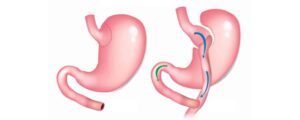
Gastric sleeve surgery involves the removal of approximately 75-80% of the stomach, leaving a narrow, sleeve-shaped stomach about the size of a banana.

This procedure limits the amount of food one can eat and reduces hunger by affecting the hormones that regulate appetite.

It’s a popular choice for individuals struggling with obesity who have not achieved satisfactory results from other weight-loss methods.

Costs of Gastric Sleeve Surgery in Turkey

Base Price of the Procedure

The cost of gastric sleeve surgery in Turkey varies depending on several factors, including the hospital, surgeon’s expertise, and package inclusions.

On average, patients can expect to pay between $3,000 and $6,000 for the procedure. This price is significantly lower than in many Western countries, where the cost can range from $10,000 to $25,000.

Hospital and Clinic Fees

Hospitals and clinics in Turkey offer a range of packages that can affect the overall cost.

Basic packages may include only the surgery itself, while premium packages might encompass additional services such as pre-operative tests, post-operative care, and extended hospital stays.

The choice of hospital can also influence the cost:

  • Public Hospitals: Typically, these are more affordable but may have longer waiting times and less personalized care.
  • Private Hospitals: These facilities offer more comfort, shorter waiting times, and advanced technology. Private hospital costs generally range from $4,000 to $6,000.
  • Specialized Bariatric Clinics: Some clinics focus exclusively on bariatric procedures and may offer comprehensive packages ranging from $5,000 to $7,000.

Surgeon’s Fees

The surgeon’s expertise and reputation play a crucial role in the cost of gastric sleeve surgery. Highly experienced surgeons with extensive track records may charge higher fees, generally between $1,500 and $3,000.

It’s essential to research and consult multiple surgeons to ensure you’re getting quality care at a fair price.

Pre-Operative Costs

Before undergoing gastric sleeve surgery, patients usually need several pre-operative tests and consultations, which may include:

  • Blood Tests: Typically cost between $100 and $200.
  • Imaging Studies (e.g., endoscopy, X-rays): These tests can cost between $200 and $500.
  • Consultation Fees: Initial consultations with the surgeon or a dietitian might cost between $100 and $300.

Post-Operative Costs

Post-operative care is crucial for recovery and can affect the overall cost. Expenses may include:

  • Follow-Up Visits: Initial follow-ups are often included in the package, but additional visits might cost between $100 and $200 each.
  • Medications: Pain management and other medications can add up to $50 to $150.
  • Dietary Supplements: Patients may need to purchase vitamins and supplements, costing around $50 to $100.

Accommodation and Travel Expenses

Many international patients opt for gastric sleeve surgery in Turkey due to its affordability. When planning your trip, consider the following:

  • Accommodation: Prices for accommodation vary depending on the city and type of lodging. A mid-range hotel can cost between $30 and $100 per night. Some clinics offer package deals that include accommodation.
  • Travel Costs: Flights to Turkey depend on your departure location. From the US or Europe, round-trip flights typically range from $600 to $1,200.
  • Transportation: Local transportation, including airport transfers and travel to the clinic, may cost an additional $100 to $200.

Insurance and Financing Options

Medical tourism in Turkey often requires patients to pay out-of-pocket. However, some clinics offer financing options or partnerships with financial institutions to help spread the cost.

Additionally, check with your insurance provider to see if they offer any coverage for international procedures.

Hidden Costs and Additional Fees

Be aware of potential hidden costs that might arise:

  • Unexpected Complications: If complications occur, additional treatments or extended hospital stays could increase costs.
  • Extended Stay: If recovery takes longer than expected, additional accommodation and living expenses may be necessary.

Factors Influencing Costs

Several factors can affect the overall cost of gastric sleeve surgery in Turkey:

  • City and Location: Major cities like Istanbul and Ankara might have higher costs compared to smaller cities or towns.
  • Surgeon’s Experience: Highly qualified and renowned surgeons may charge more.
  • Hospital Type: Private hospitals and specialized bariatric clinics typically cost more but offer enhanced services and comfort.
  • Package Inclusions: Comprehensive packages that cover all aspects of the procedure may offer better value.

Prices of all types of the Gastric Sleeve Procedures in Turkey.

Traditional Gastric Sleeve (Sleeve Gastrectomy)

Definition and Details:

The traditional gastric sleeve, also known as sleeve gastrectomy, is a well-established bariatric procedure designed to aid in significant weight loss.

This surgery involves the removal of approximately 75-80% of the stomach, leaving behind a narrow, sleeve-shaped stomach about the size of a banana.

This reduction in stomach size limits the amount of food a patient can consume and helps induce early satiety, which contributes to weight loss. Additionally, the removal of a large portion of the stomach also decreases the production of ghrelin, a hormone responsible for stimulating hunger.

The surgery is typically performed using laparoscopic techniques, which involve making several small incisions in the abdomen.

A laparoscope, a thin tube with a camera at its end, is inserted through one of the incisions to guide the surgeon. T

he procedure usually lasts between 1 to 2 hours, and most patients experience a shorter hospital stay, generally around 1 to 3 days. Recovery time can vary but often involves returning to light activities within 2 to 4 weeks.

The procedure is considered a permanent solution for obesity and requires lifelong commitment to a modified diet and lifestyle.

Procedure Steps:

  • Pre-Operative Consultation: Assessment by a bariatric surgeon, including physical examination, medical history review, and discussing weight-loss goals.
  • Pre-Operative Testing: Blood tests, imaging studies (e.g., upper GI endoscopy), and other diagnostic evaluations to ensure suitability for surgery.
  • Anesthesia Administration: General anesthesia is administered to ensure the patient is unconscious and pain-free during the procedure.
  • Laparoscopic Surgery: Several small incisions are made in the abdomen; a laparoscope and other surgical instruments are inserted.
  • Stomach Resection: Approximately 75-80% of the stomach is removed using stapling techniques, leaving a sleeve-shaped stomach.
  • Closure: The incisions are closed with sutures or staples, and the patient is moved to the recovery area.
  • Post-Operative Care: Monitoring for any immediate complications, pain management, and early mobilization.

Pricing Breakdown:

  • Hospital Fees: $3,000 – $5,000
  • Surgeon’s Fees: $1,500 – $3,000
  • Pre-Operative Tests: $200 – $500
  • Post-Operative Care: $200 – $400
  • Accommodation: $30 – $100 per night
  • Travel Costs: $600 – $1,200 for round-trip flights
  • Local Transportation: $100 – $200

Single Incision Gastric Sleeve (SILS)

Definition and Details:

Single Incision Laparoscopic Surgery (SILS) is an innovative approach to sleeve gastrectomy that uses a single incision, usually through the belly button, to perform the surgery.

This technique aims to minimize visible scarring and reduce post-operative discomfort compared to traditional laparoscopic methods, which use multiple incisions.

SILS offers aesthetic benefits due to the hidden nature of the incision and is associated with a quicker recovery time and less postoperative pain.

The procedure involves the same fundamental steps as traditional sleeve gastrectomy, but the use of a single incision requires advanced surgical skills and specialized equipment.

Surgeons must be adept at maneuvering the laparoscopic instruments through a single entry point, which can be more technically challenging.

The overall effectiveness of SILS in terms of weight loss and improvement in obesity-related conditions is comparable to traditional methods.

Procedure Steps:

  • Pre-Operative Evaluation: Comprehensive assessment, including medical history review and physical examination.
  • Diagnostic Testing: Required pre-operative tests, including blood work and imaging studies.
  • Anesthesia: General anesthesia is used to ensure patient comfort throughout the surgery.
  • SIL Operation: A single incision is made at the belly button; a laparoscope and specialized instruments are inserted.
  • Stomach Resection: Similar to traditional sleeve gastrectomy, a significant portion of the stomach is removed.
  • Closure: The single incision is closed, typically with absorbable sutures.
  • Post-Surgery Monitoring: Patients are closely monitored for complications and pain management is provided.

Pricing Breakdown:

  • Hospital Fees: $3,500 – $6,000
  • Surgeon’s Fees: $2,000 – $4,000
  • Pre-Operative Tests: $250 – $600
  • Post-Operative Care: $250 – $500
  • Accommodation: $40 – $120 per night
  • Travel Costs: $600 – $1,200
  • Local Transportation: $100 – $200

Endoscopic Sleeve Gastroplasty (ESG)

Definition and Details:

Endoscopic Sleeve Gastroplasty (ESG) is a less invasive, non-surgical approach to weight loss that involves using an endoscope to perform a sleeve gastrectomy-like procedure. Unlike traditional sleeve gastrectomy, ESG does not require any incisions.

Instead, the procedure is performed through the mouth using an endoscope, a flexible tube with a camera and surgical instruments.

ESG involves the placement of stitches in the stomach wall to reduce its size and capacity, effectively creating a sleeve-like shape.

The procedure is generally performed under sedation rather than general anesthesia and usually lasts about 1 to 2 hours. ESG is considered a minimally invasive alternative for those who may not be suitable candidates for traditional bariatric surgery. Patients typically experience a shorter recovery period and fewer complications.

However, the long-term weight loss outcomes may be less pronounced compared to surgical methods.

Procedure Steps:

  • Initial Consultation: Evaluation by a bariatric specialist to determine suitability for ESG.
  • Pre-Operative Evaluation: Includes diagnostic tests such as endoscopy and blood work.
  • Sedation: Conscious sedation is administered for patient comfort during the procedure.
  • Endoscopic Procedure: An endoscope is inserted through the mouth; sutures are placed in the stomach to reduce its size.
  • Recovery: Post-procedure monitoring and early mobilization are emphasized.
  • Follow-Up Care: Regular follow-up visits to assess progress and manage any post-procedure issues.

Pricing Breakdown:

  • Hospital Fees: $2,500 – $4,000
  • Surgeon’s Fees: $1,000 – $2,500
  • Pre-Operative Tests: $150 – $300
  • Post-Procedure Care: $150 – $300
  • Accommodation: $20 – $80 per night
  • Travel Costs: $500 – $1,000
  • Local Transportation: $50 – $150

Mini Gastric Sleeve (MGS)

Definition and Details:

Mini Gastric Sleeve (MGS) is a variation of the traditional sleeve gastrectomy that involves removing a smaller portion of the stomach, leaving a slightly larger sleeve-shaped stomach compared to the traditional method.

The goal is similar, it is to reduce stomach capacity and induce weight loss. The Mini Gastric Sleeve is performed laparoscopically, often through fewer or smaller incisions than the traditional method.

The technique aims to offer effective weight loss with potentially fewer complications and a faster recovery time.

This approach may be suitable for patients who are seeking a less invasive alternative to traditional sleeve gastrectomy but still wish to achieve significant weight loss.

The Mini Gastric Sleeve can be particularly advantageous for patients with less severe obesity or those who are at a higher risk of surgical complications.

Procedure Steps:

  • Consultation and Assessment: Detailed evaluation to determine candidacy for Mini Gastric Sleeve.
  • Pre-Operative Testing: Includes blood tests, imaging, and medical evaluations.
  • Anesthesia Administration: General anesthesia is used to ensure the patient is comfortable and pain-free.
  • Laparoscopic Surgery: Fewer incisions are made; a portion of the stomach is removed to create a smaller sleeve.
  • Post-Operative Care: Includes monitoring, pain management, and initial dietary adjustments.
  • Follow-Up: Regular visits to monitor recovery and weight loss progress.

Pricing Breakdown:

  • Hospital Fees: $3,000 – $5,500
  • Surgeon’s Fees: $1,500 – $3,000
  • Pre-Operative Tests: $200 – $450
  • Post-Operative Care: $200 – $400
  • Accommodation: $30 – $100 per night
  • Travel Costs: $600 – $1,200
  • Local Transportation: $100 – $200

Adjustable Gastric Sleeve (AGS)

Definition and Details:

The Adjustable Gastric Sleeve (AGS) is a variation that incorporates an adjustable component to allow for modifications in the size of the sleeve after the procedure.

Unlike the traditional gastric sleeve, AGS includes a mechanism, such as an inflatable band, that can be adjusted to alter the stomach’s capacity as needed.

This feature provides flexibility for addressing individual patient needs and responses to the surgery. The procedure is still performed laparoscopically, but with the added complexity of the adjustable component.

AGS is designed to offer a personalized approach to weight loss, allowing for adjustments to optimize results and manage weight loss more effectively over time. This type of sleeve can be beneficial for patients who require additional adjustments to achieve their weight loss goals or who have varying needs post-surgery.

Procedure Steps:

  • Evaluation and Planning: Comprehensive assessment to determine suitability for AGS.
  • Pre-Operative Testing: Necessary diagnostics including imaging studies and blood work.
  • Anesthesia: General anesthesia to ensure the patient is fully unconscious during the procedure.
  • Surgical Procedure: Laparoscopic approach with the addition of an adjustable component to the stomach.
  • Post-Operative Monitoring: Includes observation for any issues related to the adjustable component and initial recovery.
  • Follow-Up Adjustments: Regular follow-ups to adjust the mechanism as needed and monitor progress.

Pricing Breakdown:

  • Hospital Fees: $3,500 – $6,500
  • Surgeon’s Fees: $2,000 – $4,000
  • Pre-Operative Tests: $250 – $500
  • Post-Operative Care: $250 – $500
  • Accommodation: $40 – $120 per night
  • Travel Costs: $600 – $1,200
  • Local Transportation: $100 – $200

Hybrid Gastric Sleeve

Definition and Details:

The Hybrid Gastric Sleeve is a combined approach that integrates features from both traditional sleeve gastrectomy and other weight-loss methods, such as gastric banding or balloon insertion. The goal is to provide a multifaceted solution to obesity by combining the benefits of different procedures.

This approach may involve creating a sleeve and then using additional devices or techniques to enhance weight loss outcomes or manage specific patient needs.

Hybrid Gastric Sleeve procedures are customized based on individual patient requirements and may be suitable for those who have not achieved desired results with traditional methods alone.

The complexity of the procedure and the combination of techniques can influence the overall cost and recovery process.

Procedure Steps:

  • Patient Evaluation: Detailed assessment to determine the suitability of a hybrid approach.
  • Pre-Operative Assessment: Includes necessary tests and evaluations based on the combined techniques used.
  • Anesthesia Administration: General anesthesia for the procedure.
  • Surgical Procedure: Combination of sleeve gastrectomy with additional weight-loss techniques.
  • Post-Operative Care: Comprehensive monitoring and management of the combined procedure effects.
  • Long-Term Follow-Up: Regular visits to assess progress and make any necessary adjustments.

Pricing Breakdown:

  • Hospital Fees: $4,000 – $7,000
  • Surgeon’s Fees: $2,500 – $4,500
  • Pre-Operative Tests: $300 – $600
  • Post-Operative Care: $300 – $600
  • Accommodation: $50 – $130 per night
  • Travel Costs: $700 – $1,500
  • Local Transportation: $150 – $250

Revisional Gastric Sleeve

Definition and Details:

Revisional Gastric Sleeve is a type of sleeve gastrectomy performed as a corrective measure following a previous bariatric procedure that may not have met expectations.

This might include cases where a prior gastric sleeve was performed but did not achieve desired results, or where complications arose.

Revisional surgery often involves modifying or adjusting the previous surgical site to enhance weight loss outcomes or address specific issues.

The complexity of revisional gastric sleeve procedures can be higher due to scar tissue and previous anatomical changes.

The goal is to achieve improved results by addressing the limitations of the original surgery. Pre-operative evaluations and a detailed surgical plan are crucial for a successful revisional procedure.

Procedure Steps:

  • Initial Consultation: Detailed review of previous surgeries and current health status.
  • Pre-Operative Evaluation: Comprehensive testing including imaging to assess the prior surgical site.
  • Anesthesia Administration: General anesthesia is used.
  • Revisional Surgery: Modification of the previous gastric sleeve procedure to improve outcomes.
  • Post-Operative Care: Intensive monitoring and care to manage recovery and address complications.
  • Follow-Up: Regular visits to evaluate the success of the revisional surgery and overall progress.

Pricing Breakdown:

  • Hospital Fees: $4,000 – $6,500
  • Surgeon’s Fees: $2,000 – $4,500
  • Pre-Operative Tests: $300 – $700
  • Post-Operative Care: $300 – $600
  • Accommodation: $50 – $120 per night
  • Travel Costs: $700 – $1,500
  • Local Transportation: $150 – $250

Robotic-Assisted Gastric Sleeve

Definition and Details:

Robotic-Assisted Gastric Sleeve utilizes robotic technology to enhance the precision and control of the sleeve gastrectomy procedure.

This advanced technique involves using robotic arms and a console operated by the surgeon to perform the surgery with high precision.

The robotic system provides a magnified view of the surgical area and allows for greater dexterity and control, potentially leading to reduced complications and faster recovery.

The robotic-assisted approach offers several benefits, including smaller incisions, reduced postoperative pain, and shorter hospital stays. It is considered a cutting-edge option for patients seeking the latest technology in bariatric surgery.

Procedure Steps:

  • Pre-Operative Evaluation: Includes assessments and testing to determine suitability for robotic-assisted surgery.
  • Anesthesia Administration: General anesthesia is used.
  • Robotic Surgery: The procedure is performed using robotic instruments through small incisions.
  • Stomach Resection: Removal of a significant portion of the stomach to create a sleeve.
  • Post-Operative Care: Intensive monitoring and support in the recovery phase.
  • Follow-Up: Regular check-ups to assess recovery and surgical outcomes.

Pricing Breakdown:

  • Hospital Fees: $4,500 – $7,000
  • Surgeon’s Fees: $2,500 – $5,000
  • Pre-Operative Tests: $300 – $600
  • Post-Operative Care: $300 – $600
  • Accommodation: $50 – $130 per night
  • Travel Costs: $700 – $1,500
  • Local Transportation: $150 – $250

Gastric Sleeve with Simultaneous Hernia Repair

Definition and Details:

Gastric Sleeve with Simultaneous Hernia Repair combines sleeve gastrectomy with the correction of a hernia, if present.

This approach is suitable for patients who require both weight-loss surgery and hernia repair, providing a comprehensive solution in a single surgical procedure.

Hernia repair is often necessary for patients who have developed hernias due to obesity or other factors, and addressing both issues concurrently can reduce overall recovery time and hospital stay.

The combined procedure involves repairing the hernia through additional surgical techniques alongside performing the gastric sleeve.

This integrated approach is beneficial for patients with complex needs and can lead to improved overall outcomes.

Procedure Steps:

  • Comprehensive Evaluation: Assessment of both obesity and hernia issues.
  • Pre-Operative Testing: Includes diagnostic tests for both sleeve gastrectomy and hernia repair.
  • Anesthesia Administration: General anesthesia is used.
  • Combined Surgery: Sleeve gastrectomy and hernia repair are performed, often with a laparoscopic approach.
  • Post-Operative Care: Focus on recovery from both procedures and management of any complications.
  • Follow-Up: Regular visits to monitor recovery from both the sleeve gastrectomy and hernia repair.

Pricing Breakdown:

  • Hospital Fees: $4,000 – $7,000
  • Surgeon’s Fees: $2,500 – $5,000
  • Pre-Operative Tests: $300 – $700
  • Post-Operative Care: $300 – $600
  • Accommodation: $50 – $130 per night
  • Travel Costs: $700 – $1,500
  • Local Transportation: $150 – $250

Gastric Sleeve with Nutritional Counseling Package

Definition and Details:

Gastric Sleeve with Nutritional Counseling Package includes not only the sleeve gastrectomy procedure but also a comprehensive program of pre- and post-operative nutritional counseling.

This approach emphasizes the importance of dietary management for achieving optimal weight loss outcomes and maintaining long-term success.

The package typically includes sessions with a registered dietitian or nutritionist who specializes in bariatric care.

Nutritional counseling is essential for guiding patients on dietary changes, meal planning, and nutritional supplements.

This package ensures that patients receive personalized support and education to adapt to their new lifestyle and maximize the benefits of the surgery.

Procedure Steps:

  • Initial Consultation: Assessment by both a bariatric surgeon and a nutritionist.
  • Pre-Operative Nutritional Counseling: Includes education on dietary modifications before surgery.
  • Surgical Procedure: Traditional or advanced sleeve gastrectomy performed.
  • Post-Operative Nutritional Counseling: Ongoing support and guidance to adjust to post-surgery dietary needs.
  • Follow-Up: Regular nutritional check-ups to monitor progress and address dietary concerns.

Pricing Breakdown:

  • Hospital Fees: $3,000 – $6,000
  • Surgeon’s Fees: $1,500 – $3,000
  • Pre-Operative Nutritional Counseling: $200 – $400
  • Post-Operative Nutritional Counseling: $300 – $600
  • Accommodation: $30 – $100 per night
  • Travel Costs: $600 – $1,200
  • Local Transportation: $100 – $200

Gastric Sleeve Procedures in the major cities of Turkey.

Traditional Gastric Sleeve (Sleeve Gastrectomy)

Istanbul

  • Hospital Fees: $3,500 – $6,000
  • Surgeon’s Fees: $2,000 – $3,500
  • Pre-Operative Tests: $250 – $600
  • Post-Operative Care: $250 – $500
  • Accommodation: $40 – $120 per night
  • Travel Costs: $700 – $1,500 for round-trip flights
  • Local Transportation: $150 – $250

Ankara

  • Hospital Fees: $3,000 – $5,500
  • Surgeon’s Fees: $1,800 – $3,200
  • Pre-Operative Tests: $200 – $550
  • Post-Operative Care: $200 – $450
  • Accommodation: $30 – $100 per night
  • Travel Costs: $600 – $1,200 for round-trip flights
  • Local Transportation: $100 – $200

Izmir

  • Hospital Fees: $3,200 – $5,800
  • Surgeon’s Fees: $1,900 – $3,400
  • Pre-Operative Tests: $220 – $580
  • Post-Operative Care: $220 – $470
  • Accommodation: $35 – $110 per night
  • Travel Costs: $650 – $1,300 for round-trip flights
  • Local Transportation: $120 – $230

Single Incision Gastric Sleeve (SILS)

Istanbul

  • Hospital Fees: $4,000 – $6,500
  • Surgeon’s Fees: $2,500 – $4,000
  • Pre-Operative Tests: $300 – $650
  • Post-Operative Care: $300 – $600
  • Accommodation: $50 – $130 per night
  • Travel Costs: $700 – $1,500 for round-trip flights
  • Local Transportation: $150 – $250

Ankara

  • Hospital Fees: $3,500 – $6,000
  • Surgeon’s Fees: $2,200 – $3,800
  • Pre-Operative Tests: $250 – $600
  • Post-Operative Care: $250 – $550
  • Accommodation: $40 – $120 per night
  • Travel Costs: $600 – $1,200 for round-trip flights
  • Local Transportation: $100 – $200

Izmir

  • Hospital Fees: $3,800 – $6,200
  • Surgeon’s Fees: $2,300 – $4,200
  • Pre-Operative Tests: $270 – $620
  • Post-Operative Care: $270 – $580
  • Accommodation: $45 – $115 per night
  • Travel Costs: $650 – $1,300 for round-trip flights
  • Local Transportation: $130 – $240

Endoscopic Sleeve Gastroplasty (ESG)

Istanbul

  • Hospital Fees: $2,800 – $4,500
  • Surgeon’s Fees: $1,500 – $3,000
  • Pre-Operative Tests: $200 – $400
  • Post-Procedure Care: $200 – $400
  • Accommodation: $30 – $90 per night
  • Travel Costs: $700 – $1,500 for round-trip flights
  • Local Transportation: $150 – $250

Ankara

  • Hospital Fees: $2,500 – $4,200
  • Surgeon’s Fees: $1,300 – $2,800
  • Pre-Operative Tests: $180 – $350
  • Post-Procedure Care: $180 – $350
  • Accommodation: $20 – $80 per night
  • Travel Costs: $600 – $1,200 for round-trip flights
  • Local Transportation: $100 – $200

Izmir

  • Hospital Fees: $2,600 – $4,400
  • Surgeon’s Fees: $1,400 – $2,900
  • Pre-Operative Tests: $190 – $360
  • Post-Procedure Care: $190 – $360
  • Accommodation: $25 – $85 per night
  • Travel Costs: $650 – $1,300 for round-trip flights
  • Local Transportation: $120 – $230

Mini Gastric Sleeve (MGS)

Istanbul

  • Hospital Fees: $3,800 – $6,200
  • Surgeon’s Fees: $2,000 – $3,500
  • Pre-Operative Tests: $250 – $550
  • Post-Operative Care: $250 – $500
  • Accommodation: $40 – $110 per night
  • Travel Costs: $700 – $1,500 for round-trip flights
  • Local Transportation: $150 – $250

Ankara

  • Hospital Fees: $3,200 – $5,800
  • Surgeon’s Fees: $1,800 – $3,000
  • Pre-Operative Tests: $220 – $500
  • Post-Operative Care: $220 – $450
  • Accommodation: $30 – $100 per night
  • Travel Costs: $600 – $1,200 for round-trip flights
  • Local Transportation: $100 – $200

Izmir

  • Hospital Fees: $3,400 – $6,000
  • Surgeon’s Fees: $1,900 – $3,300
  • Pre-Operative Tests: $230 – $510
  • Post-Operative Care: $230 – $470
  • Accommodation: $35 – $105 per night
  • Travel Costs: $650 – $1,300 for round-trip flights
  • Local Transportation: $120 – $240

Adjustable Gastric Sleeve (AGS)

Istanbul

  • Hospital Fees: $4,000 – $6,500
  • Surgeon’s Fees: $2,500 – $4,500
  • Pre-Operative Tests: $300 – $600
  • Post-Operative Care: $300 – $600
  • Accommodation: $50 – $130 per night
  • Travel Costs: $700 – $1,500 for round-trip flights
  • Local Transportation: $150 – $250

Ankara

  • Hospital Fees: $3,500 – $6,000
  • Surgeon’s Fees: $2,200 – $4,000
  • Pre-Operative Tests: $250 – $550
  • Post-Operative Care: $250 – $550
  • Accommodation: $40 – $120 per night
  • Travel Costs: $600 – $1,200 for round-trip flights
  • Local Transportation: $100 – $200

Izmir

  • Hospital Fees: $3,800 – $6,200
  • Surgeon’s Fees: $2,300 – $4,200
  • Pre-Operative Tests: $270 – $620
  • Post-Operative Care: $270 – $580
  • Accommodation: $45 – $115 per night
  • Travel Costs: $650 – $1,300 for round-trip flights
  • Local Transportation: $130 – $240

Hybrid Gastric Sleeve

Istanbul

  • Hospital Fees: $4,500 – $7,000
  • Surgeon’s Fees: $2,800 – $5,000
  • Pre-Operative Tests: $350 – $700
  • Post-Operative Care: $350 – $700
  • Accommodation: $60 – $140 per night
  • Travel Costs: $700 – $1,500 for round-trip flights
  • Local Transportation: $150 – $250

Ankara

  • Hospital Fees: $4,000 – $6,500
  • Surgeon’s Fees: $2,500 – $4,500
  • Pre-Operative Tests: $300 – $650
  • Post-Operative Care: $300 – $650
  • Accommodation: $50 – $130 per night
  • Travel Costs: $600 – $1,200 for round-trip flights
  • Local Transportation: $100 – $200

Izmir

  • Hospital Fees: $4,200 – $6,800
  • Surgeon’s Fees: $2,600 – $4,800
  • Pre-Operative Tests: $320 – $670
  • Post-Operative Care: $320 – $620
  • Accommodation: $55 – $125 per night
  • Travel Costs: $650 – $1,300 for round-trip flights
  • Local Transportation: $130 – $240

Revisional Gastric Sleeve

Istanbul

  • Hospital Fees: $4,500 – $7,000
  • Surgeon’s Fees: $2,500 – $4,500
  • Pre-Operative Tests: $350 – $750
  • Post-Operative Care: $350 – $700
  • Accommodation: $60 – $140 per night
  • Travel Costs: $700 – $1,500 for round-trip flights
  • Local Transportation: $150 – $250

Ankara

  • Hospital Fees: $4,000 – $6,500
  • Surgeon’s Fees: $2,300 – $4,200
  • Pre-Operative Tests: $300 – $700
  • Post-Operative Care: $300 – $650
  • Accommodation: $50 – $130 per night
  • Travel Costs: $600 – $1,200 for round-trip flights
  • Local Transportation: $100 – $200

Izmir

  • Hospital Fees: $4,200 – $6,800
  • Surgeon’s Fees: $2,400 – $4,400
  • Pre-Operative Tests: $320 – $720
  • Post-Operative Care: $320 – $670
  • Accommodation: $55 – $125 per night
  • Travel Costs: $650 – $1,300 for round-trip flights
  • Local Transportation: $130 – $240

Robotic-Assisted Gastric Sleeve

Istanbul
  • Hospital Fees: $4,500 – $7,000
  • Surgeon’s Fees: $2,800 – $5,000
  • Pre-Operative Tests: $350 – $700
  • Post-Operative Care: $350 – $700
  • Accommodation: $60 – $140 per night
  • Travel Costs: $700 – $1,500 for round-trip flights
  • Local Transportation: $150 – $250

Ankara

  • Hospital Fees: $4,000 – $6,500
  • Surgeon’s Fees: $2,500 – $4,800
  • Pre-Operative Tests: $300 – $650
  • Post-Operative Care: $300 – $650
  • Accommodation: $50 – $130 per night
  • Travel Costs: $600 – $1,200 for round-trip flights
  • Local Transportation: $100 – $200

Izmir

  • Hospital Fees: $4,200 – $6,800
  • Surgeon’s Fees: $2,600 – $5,000
  • Pre-Operative Tests: $320 – $680
  • Post-Operative Care: $320 – $620
  • Accommodation: $55 – $125 per night
  • Travel Costs: $650 – $1,300 for round-trip flights
  • Local Transportation: $130 – $240

Gastric Sleeve with Simultaneous Hernia Repair

Istanbul

  • Hospital Fees: $4,500 – $7,000
  • Surgeon’s Fees: $2,800 – $5,000
  • Pre-Operative Tests: $350 – $750
  • Post-Operative Care: $350 – $700
  • Accommodation: $60 – $140 per night
  • Travel Costs: $700 – $1,500 for round-trip flights
  • Local Transportation: $150 – $250

Ankara

  • Hospital Fees: $4,000 – $6,500
  • Surgeon’s Fees: $2,500 – $4,800
  • Pre-Operative Tests: $300 – $700
  • Post-Operative Care: $300 – $650
  • Accommodation: $50 – $130 per night
  • Travel Costs: $600 – $1,200 for round-trip flights
  • Local Transportation: $100 – $200

Izmir

  • Hospital Fees: $4,200 – $6,800
  • Surgeon’s Fees: $2,600 – $5,000
  • Pre-Operative Tests: $320 – $720
  • Post-Operative Care: $320 – $670
  • Accommodation: $55 – $125 per night
  • Travel Costs: $650 – $1,300 for round-trip flights
  • Local Transportation: $130 – $240

Gastric Sleeve with Nutritional Counseling Package

Istanbul

  • Hospital Fees: $3,500 – $6,000
  • Surgeon’s Fees: $2,000 – $3,500
  • Pre-Operative Nutritional Counseling: $250 – $500
  • Post-Operative Nutritional Counseling: $300 – $600
  • Accommodation: $40 – $120 per night
  • Travel Costs: $700 – $1,500 for round-trip flights
  • Local Transportation: $150 – $250

Ankara

  • Hospital Fees: $3,000 – $5,500
  • Surgeon’s Fees: $1,800 – $3,200
  • Pre-Operative Nutritional Counseling: $200 – $400
  • Post-Operative Nutritional Counseling: $250 – $550
  • Accommodation: $30 – $100 per night
  • Travel Costs: $600 – $1,200 for round-trip flights
  • Local Transportation: $100 – $200

Izmir

  • Hospital Fees: $3,200 – $5,800
  • Surgeon’s Fees: $1,900 – $3,400
  • Pre-Operative Nutritional Counseling: $220 – $420
  • Post-Operative Nutritional Counseling: $270 – $580
  • Accommodation: $35 – $110 per night
  • Travel Costs: $650 – $1,300 for round-trip flights
  • Local Transportation: $120 – $230

How to prepare for a Gastric sleeve procedure?

Personal Preparations

Consult with a Dietitian

  • Details: Before surgery, it is crucial to consult with a dietitian who specializes in weight loss surgery. The dietitian will help you understand the dietary changes needed before and after the surgery, develop a pre-operative meal plan, and provide guidance on nutrition to support optimal weight loss and health.
  • Timing: Schedule this consultation several weeks to months before your surgery date.

Adopt a Pre-Operative Diet

  • Details: Your surgeon or dietitian may recommend a pre-operative diet, often referred to as a liver-shrinking diet. This diet typically involves reducing caloric intake, avoiding high-fat and high-sugar foods, and consuming a high-protein, low-carb diet to help reduce the size of the liver and improve surgical outcomes.
  • Timing: Start this diet at least 2-4 weeks before your surgery date.

Begin an Exercise Routine

  • Details: Incorporating regular physical activity into your routine can help improve cardiovascular health, strengthen your body, and enhance recovery. Focus on low-impact exercises such as walking, swimming, or cycling.
  • Timing: Start exercising as soon as possible and aim for at least 30 minutes of moderate activity most days of the week.

Stop Smoking and Avoid Alcohol

  • Details: Smoking and alcohol consumption can interfere with the healing process and increase the risk of complications. Quitting smoking and abstaining from alcohol at least 4-6 weeks before surgery can improve surgical outcomes and recovery.
  • Timing: Aim to quit smoking and avoid alcohol as early as possible before the surgery.

Arrange for Post-Operative Support

  • Details: Ensure you have a support system in place for after your surgery. This includes having someone who can help with daily activities, transportation to and from the hospital, and emotional support during your recovery.
  • Timing: Arrange this support before your surgery date.

Prepare Your Home for Recovery

  • Details: Make your home a comfortable and safe place for your recovery. This may include setting up a recovery area with easy access to necessities, preparing easy-to-make meals, and ensuring that your home is free of potential hazards.
  • Timing: Prepare your home in the days leading up to your surgery.

Review and Obtain Necessary Health Insurance Authorizations

  • Details: Verify with your health insurance provider what aspects of the procedure are covered and obtain any necessary authorizations or pre-approvals. Ensure you understand any out-of-pocket costs you may incur.
  • Timing: Complete this process well in advance of your surgery.

Arrange for Transportation and Accommodations

  • Details: If you are traveling to a different city or country for your surgery, make arrangements for transportation to and from the hospital and accommodations if needed. Confirm bookings and ensure you have all necessary travel documents.
  • Timing: Finalize these arrangements as soon as your surgery date is confirmed.

Complete Medical Clearance and Required Tests

  • Details: Undergo all required pre-operative tests and evaluations, such as blood tests, ECGs, and imaging studies. Ensure that you obtain medical clearance from your primary care physician or any specialists involved.
  • Timing: Complete these tests in the weeks leading up to your surgery.

Mental Health and Emotional Preparation

  • Details: Preparing mentally and emotionally for the changes that come with gastric sleeve surgery is crucial. Consider counseling or support groups to help you cope with the psychological aspects of the procedure and the lifestyle changes ahead.
  • Timing: Begin mental health preparation as early as possible, and continue it throughout the pre-operative period.

Preparations with the Doctor

Initial Consultation and Medical Evaluation

  • Details: Schedule a comprehensive consultation with your surgeon to discuss your medical history, the specifics of the procedure, potential risks, and expected outcomes. This is also the time to ask questions and address any concerns.
  • Timing: Arrange this consultation several months before your surgery.

Pre-Operative Testing

  • Details: Complete all necessary pre-operative tests as ordered by your surgeon. This may include blood work, imaging studies (e.g., ultrasound, endoscopy), and other diagnostic tests to ensure you are a suitable candidate for surgery.
  • Timing: Complete these tests at least 1-2 weeks before your surgery date.

Review and Sign Consent Forms

  • Details: Carefully review and sign all required consent forms, which outline the details of the procedure, potential risks, and expected outcomes. Ensure that you fully understand the information and ask for clarification if needed.
  • Timing: Sign these forms as directed by your surgeon, typically during the final pre-operative consultation.

Discuss Anesthesia and Pain Management

  • Details: Meet with your anesthesiologist or discuss anesthesia options with your surgeon. Understand the type of anesthesia that will be used, the pain management plan, and any pre-operative instructions related to anesthesia.
  • Timing: Discuss this during your pre-operative consultation or a separate meeting with the anesthesiologist.

Create a Pre-Operative Checklist

  • Details: Work with your surgical team to create a detailed pre-operative checklist that includes all necessary tasks and preparations. This checklist will help ensure you are fully prepared for the day of surgery.
  • Timing: Develop this checklist during your final pre-operative consultation.

Review Medication Instructions

  • Details: Review and follow instructions regarding medications. This includes stopping or adjusting any current medications and understanding which medications you can or cannot take before the surgery.
  • Timing: Review this information at least 1-2 weeks before your surgery date.

Schedule Post-Operative Follow-Up Appointments

  • Details: Schedule follow-up appointments with your surgeon and any other healthcare providers involved in your post-operative care. These appointments will be crucial for monitoring your recovery and addressing any issues.
  • Timing: Schedule these appointments during your final pre-operative consultation.

Understand Post-Operative Care and Recovery Plan

  • Details: Discuss your post-operative care plan with your surgeon, including expected recovery times, dietary restrictions, and any special instructions. Ensure you understand what to expect during recovery and how to manage post-operative care.
  • Timing: Review this plan during your pre-operative consultations.

Confirm Surgical Details

  • Details: Confirm the date, time, and location of your surgery. Ensure that you know where to go and what to bring on the day of the procedure. Double-check any last-minute details with your surgical team.
  • Timing: Confirm these details in the days leading up to your surgery.

Discuss and Obtain Any Required Pre-Operative Medications or Preparations

  • Details: Discuss and obtain any pre-operative medications or special preparations needed for the surgery. This may include medications for liver shrinkage, bowel preparation, or other specific instructions.
  • Timing: Obtain these medications and follow instructions as directed by your surgeon.

What happens during the Gastric sleeve procedure?

Pre-Operative Preparation and Anesthesia Administration

Step Overview: Before the surgery begins, the patient is prepared in the operating room, and anesthesia is administered to ensure the patient is comfortable and pain-free throughout the procedure.

What the Doctor Does:

  • Anesthesia Administration: The anesthesiologist administers general anesthesia through an IV line or inhalation to induce a state of unconsciousness.
  • Monitoring: Continuous monitoring of vital signs such as heart rate, blood pressure, and oxygen levels is established.
  • Insertion of Breathing Tube: If necessary, a breathing tube (endotracheal tube) is inserted to assist with ventilation during the surgery.

Initial Incision and Laparoscopic Setup

Step Overview: The surgeon makes initial incisions and sets up for laparoscopic surgery. This minimally invasive approach involves making several small incisions rather than one large one.

What the Doctor Does:

  • Incision Creation: Small incisions (typically 5-6) are made in the abdominal wall to allow access for laparoscopic instruments.
  • Insertion of Ports: Laparoscopic ports (tubular devices) are inserted through the incisions to provide access for the surgical instruments and camera.
  • Carbon Dioxide Insufflation: Carbon dioxide gas is introduced into the abdominal cavity to create a working space and improve visibility.

Visualization of the Abdominal Cavity

Step Overview: The surgeon uses a laparoscope (a thin tube with a camera) to visualize the internal structures and assess the area for surgery.

What the Doctor Does:

  • Laparoscope Insertion: The laparoscope is inserted through one of the ports, providing a clear view of the stomach and surrounding organs on a monitor.
  • Inspection: The surgeon inspects the abdominal cavity to confirm the anatomy and assess any abnormalities or complications.
  • Adjustments: The position of the laparoscope and other instruments is adjusted as needed for optimal visualization and access.

Mobilization of the Stomach

Step Overview: The surgeon mobilizes the stomach to prepare it for the sleeve resection. This involves detaching the stomach from its attachments and preparing it for reduction.

What the Doctor Does:

  • Identification of Anatomical Landmarks: The surgeon identifies and carefully dissects the greater omentum and other surrounding tissues to mobilize the stomach.
  • Separation of Stomach Attachments: Ligaments and connections to the stomach, such as the gastrosplenic ligament and gastrocolic ligament, are carefully separated.
  • Assessment of Blood Supply: The blood vessels supplying the stomach are identified and preserved to ensure adequate circulation.

Resection of the Stomach

Step Overview: The majority of the stomach is removed to create a smaller, sleeve-shaped stomach. This is the core part of the procedure where significant changes are made.

What the Doctor Does:

  • Creation of Sleeve: Using a combination of stapling devices and sutures, the surgeon removes approximately 80-85% of the stomach, leaving a narrow, sleeve-shaped stomach.
  • Stapling: A stapling device is used to secure the new stomach shape and prevent leaks.
  • Leak Testing: The surgeon may perform tests, such as an intra-operative leak test, to ensure there are no leaks from the staple line.

Assessment and Adjustment of Stomach Size

Step Overview: The surgeon assesses the newly created stomach sleeve to ensure it is the correct size and shape and makes any necessary adjustments.

What the Doctor Does:

  • Measurement: The surgeon measures the sleeve using a bougie (a tube-like device) to ensure the sleeve is appropriately sized.
  • Shape Adjustment: If needed, adjustments are made to the sleeve to ensure it is uniform and aligned with the planned specifications.
  • Inspection: The sleeve is inspected to confirm that the staple line is secure and there are no visible complications.

Closure of Incisions and Removal of Instruments

Step Overview: Once the sleeve is created and inspected, the surgeon removes the laparoscopic instruments and prepares for closing the incisions.

What the Doctor Does:

  • Removal of Instruments: The laparoscopic instruments and ports are carefully removed from the abdominal cavity.
  • Carbon Dioxide Evacuation: The carbon dioxide gas is released from the abdominal cavity.
  • Closure of Incisions: The small incisions are closed using sutures or surgical adhesive, and sterile dressings are applied.

Final Inspection and Confirmation

Step Overview: The surgeon conducts a final inspection of the surgical site to ensure everything is in order before concluding the procedure.

What the Doctor Does:

  • Inspection of Incisions: The surgeon inspects the incision sites to ensure there are no signs of bleeding or complications.
  • Confirmation of Sleeve Integrity: The integrity of the sleeve is re-confirmed to ensure no issues or leaks are present.
  • Documentation: Detailed notes and records of the procedure are documented for reference and future follow-up.

Patient Transfer to Recovery

Step Overview: The patient is carefully transferred from the operating room to the recovery area where they begin to wake up from anesthesia and are monitored closely.

What the Doctor Does:

  • Handoff to Recovery Team: The patient is handed over to the recovery team with detailed information about the surgery and immediate post-operative care.
  • Monitoring: Initial monitoring of vital signs and anesthesia effects is conducted.
  • Post-Operative Instructions: The recovery team receives instructions regarding the patient’s specific needs and care plan.

Post-Operative Assessment and Care

Step Overview: In the recovery area, the patient is closely monitored for any immediate complications, and post-operative care begins.

What the Doctor Does:

  • Assessment: The surgeon or recovery team assesses the patient’s condition, including vital signs, pain levels, and overall recovery progress.
  • Pain Management: Pain relief and medication are administered as needed to ensure patient comfort.
  • Patient Education: Information is provided about post-operative care, including instructions on diet, activity levels, and follow-up appointments.

Conclusion

Gastric sleeve surgery in Turkey presents an affordable option for those seeking effective weight loss solutions.

With costs ranging from $3,000 to $7,000, Turkey offers a cost-effective alternative compared to other countries.

However, it’s crucial to consider all factors, including hospital fees, surgeon’s charges, pre- and post-operative costs, and travel expenses.

By thoroughly researching and planning, you can make an informed decision and benefit from high-quality medical care at a fraction of the cost.

The Comprehensive Guide to Gastric Balloon Pricing in Turkey.

Turkey has become a popular destination for medical tourism, particularly for weight loss procedures like the gastric balloon.

This guide will provide an in-depth look at the costs associated with gastric balloon treatments in Turkey, covering everything from base procedure prices to additional expenses and considerations.

Understanding the Gastric Balloon Procedure

The gastric balloon procedure involves placing a silicone balloon into the stomach through the esophagus, which is then inflated to help patients feel fuller and eat less.

This non-surgical weight loss option is popular due to its minimally invasive nature and the relatively short recovery time compared to other weight loss surgeries.

Factors Affecting the Cost of Gastric Balloon in Turkey

Several factors can influence the cost of the gastric balloon procedure:

Clinic Reputation and Accreditation

Well-established clinics with international accreditation or high reputation may charge more for their services. It’s crucial to research the clinic’s credentials and patient reviews to ensure high-quality care.

Surgeon’s Expertise

The experience and expertise of the surgeon performing the procedure can impact the cost. Highly experienced surgeons with a proven track record may command higher fees.

Type of Balloon Used

As previously mentioned, different types of gastric balloons have varying costs. The choice between a standard balloon and an advanced model can affect the total price.

Duration of Stay

Depending on the clinic’s protocols, patients might need to stay in Turkey for a few days to a week for the procedure and follow-up. The cost of accommodation and other living expenses should be considered in the overall budget.

Prices of all types of the Gastric Balloon procedure in Turkey.

Orbera Gastric Balloon

Definition and Details

The Orbera Gastric Balloon is a widely used weight loss aid, specifically designed for individuals seeking a non-surgical intervention.

This system involves a balloon filled with saline, which occupies space in the stomach, reducing the amount of food intake and inducing a feeling of fullness.

The procedure begins with the insertion of a deflated balloon through the mouth, down the esophagus, and into the stomach using an endoscope.

Once properly positioned, the balloon is filled with a saline solution to the desired volume, typically between 400-700 ml.

The placement of the Orbera balloon is minimally invasive and usually requires only mild sedation. Patients can expect to undergo the procedure in an outpatient setting, and it takes roughly 20-30 minutes.

The balloon is designed to remain in place for six months, during which it aids weight loss by limiting food consumption.

After this period, the balloon is deflated and removed endoscopically. This treatment is most effective when combined with a supervised diet, exercise, and behavior modification program, aimed at instilling long-term healthy habits. Patients can expect to lose between 10-15% of their total body weight during the six-month period.

Procedure Steps:

  • Initial Consultation and Evaluation: Comprehensive assessment including medical history, physical examination, and potential endoscopy.
  • Pre-Procedure Diet and Preparation: Specific dietary guidelines may be given to prepare the stomach lining and reduce complications.
  • Sedation and Balloon Insertion: The patient is lightly sedated. The deflated balloon is inserted via the esophagus.
  • Balloon Inflation: The balloon is filled with saline to approximately 400-700 ml.
  • Immediate Post-Procedure Care: Monitoring for a few hours to manage nausea or discomfort.
  • Dietary and Behavioral Support: Regular consultations with a nutritionist and psychologist for guidance and support.
  • Balloon Removal: After six months, the balloon is deflated and removed endoscopically under mild sedation.
  • Post-Removal Follow-Up: Ongoing support to maintain weight loss and reinforce lifestyle changes.

Pricing Breakdown:

  • Initial Consultation and Evaluation: €250-€400
  • Pre-Procedure Diet and Preparatory Care: €150-€300
  • Balloon Insertion and Sedation: €1,000-€1,200
  • Saline Solution and Balloon Inflation: €200-€300
  • Immediate Post-Procedure Care: €100-€200
  • Nutritional and Behavioral Support (6 months): €500-€700
  • Balloon Removal Procedure: €800-€1,000
  • Post-Removal Follow-Up: €300-€500
  • Total Estimated Cost: €3,300-€4,600

Obalon Gastric Balloon

Definition and Details

The Obalon Gastric Balloon stands out for its unique, minimally invasive administration and the use of gas rather than liquid for inflation. The Obalon system comprises three lightweight, gas-filled balloons that are swallowed as capsules.

Each capsule contains a balloon that is inflated in the stomach using a catheter. The use of gas makes these balloons lighter and potentially more comfortable for patients compared to saline-filled balloons.

The treatment begins with the swallowing of a small capsule attached to a microcatheter. Once the capsule reaches the stomach, the balloon inside is inflated with gas, and the catheter is removed. This process is repeated over several weeks until all three balloons are in place.

The gradual addition of balloons helps patients adjust more comfortably to the reduced stomach capacity.

The Obalon system is paired with a professional dietary and behavioral program that spans over 12 months, helping patients develop long-term healthy habits. The balloons are typically removed after six months through an endoscopic procedure.

Procedure Steps:

  • Initial Medical Assessment: Evaluation of suitability through medical history, BMI calculation, and other diagnostics.
  • Capsule Swallowing and Balloon Inflation: Patients swallow the capsule, which inflates into a balloon in the stomach. This process is repeated two more times over the course of weeks.
  • Dietary and Behavioral Program: A comprehensive program including diet modifications and psychological support.
  • Monitoring and Adjustments: Regular check-ups to monitor progress and adjust dietary plans.
  • Endoscopic Removal: All balloons are removed endoscopically after six months.
  • Post-Removal Support: Continued nutritional and behavioral guidance to maintain weight loss.

Pricing Breakdown:

  • Initial Medical Assessment: €200-€350
  • First Balloon Insertion and Inflation: €1,200-€1,400
  • Second and Third Balloon Insertions: €800-€1,000 per balloon
  • Nutritional and Behavioral Program: €600-€800
  • Endoscopic Removal Procedure: €900-€1,200
  • Post-Removal Support: €200-€400
  • Total Estimated Cost: €3,900-€5,150

Spatz3 Adjustable Gastric Balloon

Definition and Details

The Spatz3 Adjustable Gastric Balloon is a highly customizable option, providing the unique ability to adjust the balloon’s volume during treatment.

This feature allows healthcare providers to increase or decrease the balloon’s size depending on the patient’s needs and tolerance levels, enhancing comfort and optimizing weight loss.

The adjustability can also help manage side effects such as nausea or discomfort by adjusting the volume of the balloon as needed.

The procedure begins with the endoscopic insertion of the balloon into the stomach. The balloon is initially filled with a moderate amount of saline, which can later be adjusted.

This balloon can remain in the stomach for up to 12 months, offering a longer duration than most other balloons. The extended presence of the balloon supports sustained weight loss efforts, giving patients more time to establish lasting dietary and lifestyle changes. The Spatz3 system includes comprehensive follow-up care, focusing on diet, exercise, and psychological support.

Procedure Steps:

  • Initial Consultation and Comprehensive Evaluation: Detailed medical and psychological evaluation to ensure suitability.
  • Endoscopic Balloon Placement: The balloon is inserted into the stomach and initially inflated with saline.
  • First Adjustment (Around 3 months): Depending on progress and comfort, the balloon’s volume can be adjusted.
  • Second Adjustment (Around 6 months): Additional adjustments may be made to continue optimizing weight loss.
  • Nutritional and Behavioral Support: Ongoing support from dietitians and psychologists to reinforce healthy habits.
  • Final Adjustment or Removal: The balloon can be adjusted or removed endoscopically after 9-12 months.
  • Post-Removal Support: Continued guidance to help maintain weight loss and adapt to life post-procedure.

Pricing Breakdown:

  • Initial Consultation and Comprehensive Evaluation: €300-€500
  • Endoscopic Balloon Placement and Initial Inflation: €2,500-€3,000
  • First Adjustment Procedure: €500-€700
  • Second Adjustment Procedure: €500-€700
  • Ongoing Nutritional and Behavioral Support: €1,000-€1,500
  • Final Adjustment or Removal Procedure: €1,000-€1,300
  • Post-Removal Support: €400-€600
  • Total Estimated Cost: €5,700-€7,300

Ellipse Swallowable Balloon

Definition and Details

The Ellipse Swallowable Balloon is an innovative, non-invasive weight loss solution that eliminates the need for endoscopy or anesthesia for both placement and removal. The balloon is contained within a capsule, which is swallowed by the patient.

Upon reaching the stomach, the capsule dissolves, and the balloon expands as it is filled with a fluid mixture.

The balloon stays in the stomach for approximately four months, where it occupies space and reduces the stomach’s capacity, promoting a feeling of fullness.

This balloon is unique in that it naturally passes through the digestive system after deflation, without requiring a medical procedure for removal.

This feature significantly reduces the risks and discomfort associated with traditional endoscopic balloon removal.

The Ellipse balloon is accompanied by a comprehensive program that includes dietary counseling, behavioral coaching, and the use of a smart scale and mobile app for continuous monitoring and support.

Procedure Steps:

  • Initial Medical Screening and Consultation: Comprehensive health screening to ensure the patient is a suitable candidate.
  • Swallowing the Capsule: The patient swallows the capsule containing the deflated balloon under supervision.
  • Balloon Expansion: The balloon expands in the stomach after the capsule dissolves, filled with a fluid mixture.
  • Dietary and Behavioral Guidance: Continuous support and monitoring through a connected mobile app and smart scale.
  • Natural Passage and Monitoring: The balloon deflates and passes naturally through the digestive system after approximately four months.
  • Post-Procedure Follow-Up: Ongoing support to help the patient maintain weight loss and adjust to lifestyle changes.

Pricing Breakdown:

  • Initial Medical Screening and Consultation: €200-€350
  • Balloon Capsule and Procedure Costs: €1,200-€1,500
  • Ongoing Monitoring and Support: €500-€700
  • Post-Procedure Follow-Up: €200-€400
  • Total Estimated Cost: €2,100-€2,950

Reshape Duo Gastric Balloon

Definition and Details

The ReShape Duo Gastric Balloon is a distinctive weight loss system that uses two connected balloons instead of one.

This dual-balloon design offers several benefits, including improved distribution of the balloons’ volume within the stomach, which can enhance comfort and reduce the likelihood of migration. The ReShape Duo balloons are filled with saline and occupy a substantial volume in the stomach, promoting early satiety and reducing food intake.

The placement of the ReShape Duo balloons is performed endoscopically, usually under mild sedation, and involves the insertion of the deflated balloons through the mouth and esophagus into the stomach.

Once in position, they are filled with saline to the desired volume, typically around 900 ml in total (450 ml per balloon). The balloons remain in the stomach for six months, during which they assist with weight loss by limiting the amount of food that can be consumed at one time and promoting a feeling of fullness.

The ReShape Duo system is integrated with a comprehensive weight management program, including regular consultations with dietitians and psychologists, to support dietary changes and behavioral adjustments. This holistic approach is designed to help patients achieve sustainable weight loss and establish healthier lifestyle habits.

Procedure Steps:

  • Initial Consultation and Health Evaluation: A thorough medical assessment, including a review of medical history, physical examination, and possibly an endoscopy.
  • Pre-Procedure Preparation: Patients may need to follow a special diet before the procedure to reduce stomach contents and minimize risks.
  • Endoscopic Placement of Balloons: The deflated balloons are inserted into the stomach via an endoscope. The procedure typically takes about 30 minutes.
  • Balloon Inflation: Each balloon is inflated with saline, totaling around 900 ml. The dual-balloon setup ensures even distribution within the stomach.
  • Post-Procedure Monitoring: Patients are monitored for a few hours post-procedure to manage any discomfort or side effects such as nausea.
  • Dietary and Behavioral Support: Ongoing support includes regular consultations with nutritionists and psychologists to adapt to dietary changes and develop healthier habits.
  • Endoscopic Balloon Removal: After six months, the balloons are deflated and removed endoscopically under sedation.
  • Post-Removal Follow-Up: Continued support and monitoring to maintain weight loss and reinforce lifestyle changes.

Pricing Breakdown:

  • Initial Consultation and Health Evaluation: €250-€400
  • Pre-Procedure Diet and Preparation: €150-€300
  • Endoscopic Placement and Balloon Cost: €2,000-€2,500
  • Saline Inflation: €300-€400
  • Post-Procedure Monitoring: €100-€200
  • Nutritional and Behavioral Support (6 months): €700-€900
  • Endoscopic Balloon Removal: €1,000-€1,300
  • Post-Removal Follow-Up: €300-€500
  • Total Estimated Cost: €4,800-€6,500

Spatz4 Adjustable Gastric Balloon

Definition and Details

The Spatz4 Adjustable Gastric Balloon represents an evolution in gastric balloon technology, offering adjustability during the treatment period.

This feature allows healthcare providers to alter the volume of the balloon according to the patient’s tolerance and progress.

The adjustability can be crucial in managing side effects like nausea or discomfort and in optimizing weight loss outcomes. The Spatz4 can stay in place for up to 12 months, which is longer than most other gastric balloons, providing an extended period for patients to adjust to new dietary habits and lifestyle changes.

The procedure begins with the insertion of the deflated balloon into the stomach via an endoscope, followed by inflation with saline.

Over the course of the treatment, the balloon’s volume can be increased or decreased to better suit the patient’s needs.

The extended duration of the balloon’s presence offers a prolonged period for weight loss, potentially leading to more substantial results. The Spatz4 system includes a comprehensive follow-up care program, focusing on nutrition, exercise, and behavioral support.

Procedure Steps:

  • Comprehensive Initial Evaluation: Medical assessments, including physical exams and imaging, to ensure the patient’s suitability for the procedure.
  • Endoscopic Balloon Placement: The deflated balloon is inserted and inflated with saline to an initial volume.
  • Adjustments During Treatment: Adjustments are made to the balloon’s volume, typically at 3 and 6 months, based on the patient’s progress and comfort.
  • Continuous Nutritional and Behavioral Counseling: Regular consultations with dietitians and psychologists to support lifestyle changes.
  • Extended Monitoring and Support: The patient is monitored for up to 12 months, with adjustments as needed.
  • Endoscopic Removal: The balloon is deflated and removed after the treatment period.
  • Post-Removal Support: Continued guidance to maintain weight loss and adapt to long-term changes.

Pricing Breakdown:

  • Comprehensive Initial Evaluation: €300-€500
  • Endoscopic Placement and Initial Inflation: €2,500-€3,500
  • First Adjustment Procedure: €500-€700
  • Second Adjustment Procedure: €500-€700
  • Nutritional and Behavioral Support (12 months): €1,200-€1,800
  • Endoscopic Balloon Removal: €1,000-€1,500
  • Post-Removal Follow-Up: €400-€600
  • Total Estimated Cost: €6,400-€8,300

Gastric Ballon Intragastric Balloon

Definition and Details

The term “Intragastric Balloon” is often used generically to describe various types of gastric balloons used for weight loss.

These balloons are typically filled with saline and placed in the stomach to reduce its capacity, helping patients eat less and feel full sooner. The placement of an intragastric balloon is a non-surgical procedure, typically involving endoscopy under mild sedation.

Once the balloon is in place, it is inflated with saline to occupy space in the stomach. This leads to a reduced caloric intake, as the stomach can hold less food. The procedure is temporary, with the balloon usually being removed after six months.

During this period, patients are encouraged to engage in a comprehensive weight loss program that includes dietary changes, exercise, and psychological support to help achieve sustainable weight loss.

Procedure Steps:

  • Initial Medical Consultation and Screening: Medical assessment to determine the patient’s eligibility for the procedure.
  • Pre-Procedure Preparation: Dietary and lifestyle modifications may be recommended before the procedure.
  • Endoscopic Balloon Placement: The deflated balloon is inserted and then inflated with saline under sedation.
  • Nutritional and Lifestyle Counseling: Regular consultations to help patients adjust to new eating habits and lifestyle changes.
  • Monitoring and Support: Continuous follow-up to monitor progress and address any issues.
  • Endoscopic Removal: The balloon is deflated and removed after six months.
  • Post-Procedure Support: Continued support to maintain weight loss and integrate long-term changes.

Pricing Breakdown:

  • Initial Consultation and Screening: €200-€350
  • Endoscopic Placement and Balloon Inflation: €1,800-€2,200
  • Nutritional and Lifestyle Counseling (6 months): €500-€700
  • Post-Procedure Monitoring: €300-€500
  • Endoscopic Balloon Removal: €800-€1,000
  • Post-Procedure Support: €200-€400
  • Total Estimated Cost: €3,800-€5,150

ReShape Balloon System

Definition and Details

The ReShape Balloon System is a dual-balloon weight loss solution designed to provide a more balanced and comfortable experience for patients.

The dual-balloon configuration helps distribute the weight more evenly within the stomach, which can potentially reduce the incidence of adverse effects such as nausea or discomfort.

This system is particularly suited for patients who have a Body Mass Index (BMI) of 30-40 and have struggled with weight loss through diet and exercise alone.

The ReShape balloons are placed in the stomach endoscopically, with the procedure typically lasting about 20-30 minutes. Each balloon is inflated with saline, with a total volume of around 900 ml, helping to reduce the stomach’s capacity.

The balloons stay in place for six months, during which time patients participate in a comprehensive program that includes dietary counseling, exercise plans, and behavioral therapy. The aim is to help patients achieve and maintain weight loss by developing healthier eating habits and lifestyles.

Procedure Steps:

  • Comprehensive Initial Consultation: Detailed assessment to evaluate patient’s health and suitability for the procedure.
  • Endoscopic Balloon Placement: Dual balloons are placed in the stomach and inflated with saline.
  • Post-Procedure Monitoring: Patients are monitored for a few hours post-procedure for any immediate side effects.
  • Comprehensive Support Program: Includes diet, exercise, and psychological support over six months.
  • Endoscopic Balloon Removal: The balloons are removed endoscopically after six months.
  • Post-Removal Follow-Up: Continuous support to maintain weight loss and adapt to lifestyle changes.

Pricing Breakdown:

  • Comprehensive Initial Consultation: €250-€400
  • Endoscopic Placement and Balloon Inflation: €2,500-€3,000
  • Post-Procedure Monitoring: €200-€300
  • Comprehensive Support Program (6 months): €700-€1,000
  • Endoscopic Balloon Removal: €1,000-€1,200
  • Post-Removal Follow-Up: €300-€500
  • Total Estimated Cost: €4,950-€650

Obalon Balloon System

Definition and Details

The Obalon Balloon System is a unique and innovative weight loss solution that stands out for its minimally invasive nature and convenience.

Unlike other gastric balloons that require endoscopic placement, the Obalon system consists of three lightweight, gas-filled balloons that are ingested as capsules.

Each capsule contains a balloon that is attached to a thin catheter. After swallowing the capsule, the balloon is inflated with gas using a small device connected to the catheter. The process is repeated, typically at two-week intervals, until three balloons are in place.

This method allows for a gradual adjustment to the presence of the balloons, potentially reducing initial discomfort.

The gas-filled nature of the balloons makes them lighter than saline-filled ones, which can be more comfortable for patients. The balloons occupy space in the stomach, promoting satiety and reducing food intake.

The Obalon system is typically accompanied by a supervised weight loss program, including dietary counseling and behavior modification, which continues for six months after the balloons are removed.

Procedure Steps:

  • Initial Medical Consultation: Assessment of the patient’s medical history, weight loss goals, and eligibility for the procedure.
  • Swallowing the Balloon Capsules: Over the course of six weeks, three capsules are swallowed, each containing a balloon that is inflated with gas.
  • Balloon Inflation and Adjustment: After swallowing, the balloon is inflated, with each inflation spaced about two weeks apart.
  • Comprehensive Weight Loss Program: Includes diet, exercise, and psychological support.
  • Monitoring and Support: Regular check-ins to track progress and adjust the weight loss program as needed.
  • Endoscopic Removal: The balloons are removed endoscopically after six months under light sedation.
  • Post-Removal Follow-Up: Continued support to help maintain weight loss and implement long-term lifestyle changes.

Pricing Breakdown:

  • Initial Medical Consultation: €200-€350
  • Balloon Capsule and Inflation (Three Sessions): €1,200-€1,500 per session
  • Comprehensive Weight Loss Program: €600-€800
  • Monitoring and Support: €300-€500
  • Endoscopic Removal: €900-€1,200
  • Post-Removal Follow-Up: €200-€400
  • Total Estimated Cost: €4,800-€6,750

Spatz Adjustable Balloon System

Definition and Details

The Spatz Adjustable Balloon System is a versatile weight loss device that offers the unique advantage of adjustability, both in increasing and decreasing the volume of the balloon.

This feature provides the ability to tailor the treatment to the patient’s needs and tolerance, allowing for optimization of weight loss outcomes and management of side effects.

The Spatz balloon can be adjusted multiple times during the treatment period, which can last up to 12 months, longer than most other gastric balloons.

The procedure involves the endoscopic insertion of the balloon, which is then filled with saline to an initial volume. Adjustments can be made endoscopically at different points during the treatment, depending on the patient’s progress and comfort.

This adjustability helps in managing side effects like nausea or discomfort and can be used to enhance weight loss if the patient hits a plateau.

The Spatz system is typically paired with a structured weight management program, including nutritional counseling and psychological support, to encourage sustainable lifestyle changes.

Procedure Steps:

  • Comprehensive Initial Assessment: Detailed medical evaluation to determine suitability, including possible imaging and psychological assessments.
  • Endoscopic Balloon Placement: The deflated balloon is inserted into the stomach and filled with saline.
  • Volume Adjustments: Adjustments to the balloon’s volume are made endoscopically at various intervals during the treatment period.
  • Nutritional and Behavioral Counseling: Continuous support to help with dietary changes and psychological adjustments.
  • Extended Monitoring and Support: Regular follow-up to monitor progress and make necessary adjustments.
  • Endoscopic Removal: The balloon is deflated and removed after up to 12 months.
  • Post-Procedure Follow-Up: Continued guidance to help maintain weight loss and reinforce healthy habits.

Pricing Breakdown:

  • Comprehensive Initial Assessment: €300-€500
  • Endoscopic Placement and Initial Inflation: €2,500-€3,000
  • Adjustment Procedures (Two to Three Adjustments): €500-€700 per adjustment
  • Nutritional and Behavioral Counseling (12 months): €1,200-€1,800
  • Endoscopic Balloon Removal: €1,000-€1,500
  • Post-Procedure Follow-Up: €400-€600
  • Total Estimated Cost: €6,400-€8,800

The prices of Gastric Balloon Procedures in Istanbul, Ankara, and Izmir.

Single Balloon (Orbera) Gastric Balloon

Istanbul:

  • Consultation and Initial Evaluation: €100
  • Balloon Insertion Procedure: €1,800
  • Hospital Fees: €500
  • Post-Operative Care and Removal: €600
  • Total Cost: €3,000

Ankara:

  • Consultation and Initial Evaluation: €90
  • Balloon Insertion Procedure: €1,700
  • Hospital Fees: €450
  • Post-Operative Care and Removal: €550
  • Total Cost: €2,790

Izmir:

  • Consultation and Initial Evaluation: €80
  • Balloon Insertion Procedure: €1,600
  • Hospital Fees: €400
  • Post-Operative Care and Removal: €500
  • Total Cost: €2,580

Dual Balloon Gastric Balloon

Istanbul:

  • Consultation and Initial Evaluation: €150
  • Balloon Insertion Procedure: €2,200
  • Hospital Fees: €550
  • Post-Operative Care and Removal: €700
  • Total Cost: €3,600

Ankara:

  • Consultation and Initial Evaluation: €140
  • Balloon Insertion Procedure: €2,000
  • Hospital Fees: €500
  • Post-Operative Care and Removal: €650
  • Total Cost: €3,290

Izmir:

  • Consultation and Initial Evaluation: €130
  • Balloon Insertion Procedure: €1,900
  • Hospital Fees: €450
  • Post-Operative Care and Removal: €600
  • Total Cost: €3,080

Adjustable Gastric Balloon

Istanbul:

  • Consultation and Initial Evaluation: €200
  • Balloon Insertion Procedure: €2,500
  • Hospital Fees: €600
  • Post-Operative Care and Adjustment: €800
  • Total Cost: €4,100

Ankara:

  • Consultation and Initial Evaluation: €180
  • Balloon Insertion Procedure: €2,300
  • Hospital Fees: €550
  • Post-Operative Care and Adjustment: €750
  • Total Cost: €3,780

Izmir:

  • Consultation and Initial Evaluation: €160
  • Balloon Insertion Procedure: €2,200
  • Hospital Fees: €500
  • Post-Operative Care and Adjustment: €700
  • Total Cost: €3,560

Swallowable Gastric Balloon

Istanbul:

  • Consultation and Initial Evaluation: €100
  • Balloon Insertion Procedure: €1,900
  • Hospital Fees: €400
  • Post-Operative Monitoring: €600
  • Total Cost: €3,000

Ankara:

  • Consultation and Initial Evaluation: €90
  • Balloon Insertion Procedure: €1,800
  • Hospital Fees: €350
  • Post-Operative Monitoring: €550
  • Total Cost: €2,790

Izmir:

  • Consultation and Initial Evaluation: €80
  • Balloon Insertion Procedure: €1,700
  • Hospital Fees: €300
  • Post-Operative Monitoring: €500
  • Total Cost: €2,580

Endoscopic Weight-Loss Balloon

Istanbul:

  • Consultation and Initial Evaluation: €120
  • Balloon Insertion Procedure: €2,100
  • Hospital Fees: €450
  • Post-Operative Care and Removal: €650
  • Total Cost: €3,320

Ankara:

  • Consultation and Initial Evaluation: €110
  • Balloon Insertion Procedure: €2,000
  • Hospital Fees: €400
  • Post-Operative Care and Removal: €600
  • Total Cost: €3,110

Izmir:

  • Consultation and Initial Evaluation: €100
  • Balloon Insertion Procedure: €1,900
  • Hospital Fees: €350
  • Post-Operative Care and Removal: €550
  • Total Cost: €2,900

12-Month Gastric Balloon

Istanbul:

  • Consultation and Initial Evaluation: €150
  • Balloon Insertion Procedure: €2,400
  • Hospital Fees: €500
  • Post-Operative Monitoring and Removal: €750
  • Total Cost: €3,800

Ankara:

  • Consultation and Initial Evaluation: €140
  • Balloon Insertion Procedure: €2,200
  • Hospital Fees: €450
  • Post-Operative Monitoring and Removal: €700
  • Total Cost: €3,490

Izmir:

  • Consultation and Initial Evaluation: €130
  • Balloon Insertion Procedure: €2,100
  • Hospital Fees: €400
  • Post-Operative Monitoring and Removal: €650
  • Total Cost: €3,280

Hydrogen Balloon

Istanbul:

  • Consultation and Initial Evaluation: €180
  • Balloon Insertion Procedure: €2,600
  • Hospital Fees: €600
  • Post-Operative Care and Removal: €800
  • Total Cost: €4,180

Ankara:

  • Consultation and Initial Evaluation: €170
  • Balloon Insertion Procedure: €2,400
  • Hospital Fees: €550
  • Post-Operative Care and Removal: €750
  • Total Cost: €3,870

Izmir:

  • Consultation and Initial Evaluation: €160
  • Balloon Insertion Procedure: €2,300
  • Hospital Fees: €500
  • Post-Operative Care and Removal: €700
  • Total Cost: €3,660

Saline-Filled Balloon

Istanbul:

  • Consultation and Initial Evaluation: €130
  • Balloon Insertion Procedure: €2,200
  • Hospital Fees: €450
  • Post-Operative Monitoring: €650
  • Total Cost: €3,430

Ankara:

  • Consultation and Initial Evaluation: €120
  • Balloon Insertion Procedure: €2,100
  • Hospital Fees: €400
  • Post-Operative Monitoring: €600
  • Total Cost: €3,220

Izmir:

  • Consultation and Initial Evaluation: €110
  • Balloon Insertion Procedure: €2,000
  • Hospital Fees: €350
  • Post-Operative Monitoring: €550
  • Total Cost: €3,010

Air-Filled Gastric Balloon

Istanbul:

  • Consultation and Initial Evaluation: €140
  • Balloon Insertion Procedure: €2,300
  • Hospital Fees: €500
  • Post-Operative Monitoring: €700
  • Total Cost: €3,640

Ankara:

  • Consultation and Initial Evaluation: €130
  • Balloon Insertion Procedure: €2,100
  • Hospital Fees: €450
  • Post-Operative Monitoring: €650
  • Total Cost: €3,330

Izmir:

  • Consultation and Initial Evaluation: €120
  • Balloon Insertion Procedure: €2,000
  • Hospital Fees: €400
  • Post-Operative Monitoring: €600
  • Total Cost: €3,120

Liquid-Filled Gastric Balloon

Istanbul:

  • Consultation and Initial Evaluation: €150
  • Balloon Insertion Procedure: €2,400
  • Hospital Fees: €550
  • Post-Operative Care and Removal: €750
  • Total Cost: €3,850

Ankara:

  • Consultation and Initial Evaluation: €140
  • Balloon Insertion Procedure: €2,200
  • Hospital Fees: €500

How to prepare for a gastric balloon procedure?

Personal Preparations

In-Depth Consultation and Research

  • Education: Start by thoroughly educating yourself about the gastric balloon procedure. This includes understanding how the balloon works, the procedure’s benefits, potential risks, and long-term outcomes. Read credible sources, talk to patients who have undergone the procedure, and review success stories and challenges.
  • Second Opinions: Consider seeking a second opinion from another specialist to ensure you’re making an informed decision based on comprehensive input.

Setting and Assessing Weight Loss Goals

  • Personal Targets: Discuss your weight loss goals with your healthcare provider. Understand that the gastric balloon is a tool to help you lose weight, but it requires a commitment to lifestyle changes.
  • Realistic Expectations: Set realistic and achievable goals based on your health status and the typical outcomes of the gastric balloon procedure. Your healthcare provider can help you set these goals.

Dietary Adjustments

  • Pre-Procedure Diet: Start making dietary changes before the procedure. Aim for a balanced diet rich in fruits, vegetables, lean proteins, and whole grains. Reduce consumption of high-calorie, high-fat, and sugary foods.
  • Nutritional Counseling: Consider consulting a dietitian who can help you develop a pre-procedure meal plan and provide advice on how to maintain healthy eating habits post-procedure.

Establishing a Regular Exercise Routine

  • Fitness Goals: Incorporate regular physical activity into your lifestyle. Aim for a mix of aerobic exercises (like walking, cycling, or swimming) and strength training.
  • Professional Guidance: Work with a fitness trainer to create a tailored exercise program that considers your current fitness level and any medical conditions.

Quitting Smoking

  • Smoking Cessation: If you smoke, quitting is essential before the procedure. Smoking can impair healing, increase the risk of complications, and negatively impact the procedure’s effectiveness.
  • Support Resources: Utilize smoking cessation resources, such as support groups, counseling, or nicotine replacement therapies, to help you quit.

Medication Review and Adjustment

  • Medication List: Provide a complete list of all medications you are currently taking, including prescription drugs, over-the-counter medications, and supplements.
  • Doctor’s Instructions: Follow your doctor’s guidance on which medications may need to be adjusted or temporarily stopped before the procedure to avoid interactions and complications.

Mental and Emotional Preparation

  • Psychological Readiness: Prepare mentally and emotionally for the changes that come with the gastric balloon procedure. The procedure requires significant lifestyle and behavioral changes.
  • Counseling: Consider speaking with a mental health professional or joining a support group to address any anxieties or concerns and to build a strong support network.

Building a Support System

  • Family and Friends: Identify individuals who can offer emotional and practical support during your recovery. Their encouragement and assistance can be invaluable.
  • Support Groups: Explore support groups specifically for individuals undergoing weight loss procedures. These groups can offer shared experiences, advice, and motivation.

Financial and Insurance Planning

  • Cost Breakdown: Obtain a detailed breakdown of the costs associated with the procedure, including the balloon itself, any surgical fees, and follow-up care.
  • Insurance Verification: Check with your insurance provider to understand your coverage for the gastric balloon procedure. Clarify any out-of-pocket expenses and financial responsibilities.

Emergency Preparedness

  • Emergency Plan: Develop a plan for addressing potential emergencies or complications. Know the signs of complications, such as severe abdominal pain or signs of infection.
  • Contacts and Resources: Have a list of emergency contacts, including your healthcare provider’s phone number and local emergency services.

Preparations with the Doctor

Comprehensive Initial Evaluation

  • Medical History Review: Participate in a thorough review of your medical history, including any past surgeries, existing health conditions, and current medications.
  • Physical Examination: Undergo a detailed physical examination to assess your overall health and suitability for the gastric balloon procedure.

Pre-Procedure Testing and Assessments

  • Diagnostic Tests: Complete any required diagnostic tests, such as blood tests, imaging studies (e.g., abdominal ultrasound), and possibly an endoscopy to evaluate your gastrointestinal tract.
  • Pre-Procedure Instructions: Follow specific instructions for pre-procedure testing, including fasting or dietary restrictions, if applicable.

Understanding the Procedure and Expectations

  • Detailed Explanation: Request a detailed explanation of the gastric balloon procedure, including how it will be inserted, the duration of the procedure, and what to expect during and after the procedure.
  • Discussion of Risks and Benefits: Have a thorough discussion with your doctor about the potential risks, benefits, and expected outcomes to ensure you have a clear understanding.

Pre-Procedure Lifestyle Changes

  • Pre-Surgery Diet: Follow any specific dietary guidelines provided by your doctor leading up to the procedure. This may include a modified diet to prepare your stomach.
  • Behavioral Adjustments: Implement any behavioral or lifestyle modifications recommended by your doctor to enhance the success of the procedure.

Anesthesia and Sedation Information

  • Anesthesia Consultation: Consult with an anesthesiologist or your doctor to discuss anesthesia options, potential side effects, and any pre-anesthesia guidelines.
  • Preparation Instructions: Follow instructions regarding fasting or medication adjustments required before receiving anesthesia.

Discussing Follow-Up Care

  • Post-Procedure Plan: Understand the follow-up care plan, including any required visits, monitoring, and adjustments to your diet and lifestyle.
  • Symptom Monitoring: Discuss what symptoms or side effects to watch for after the procedure and when to seek medical attention.

Clarifying Post-Procedure Restrictions

  • Activity Restrictions: Get clear guidance on any activity restrictions or limitations following the procedure, such as avoiding strenuous exercise or specific foods.
  • Lifestyle Modifications: Discuss necessary lifestyle modifications, including dietary changes and exercise routines, to maximize the benefits of the gastric balloon.

Pre-Procedure Consent

  • Informed Consent: Review and sign the informed consent forms, ensuring you understand the procedure, potential risks, and your role in the recovery process.
  • Questions and Concerns: Address any remaining questions or concerns with your doctor before the procedure to ensure you are fully informed.

Scheduling the Procedure

  • Procedure Date: Confirm the date and time of your procedure with the surgical team. Ensure you understand any pre-procedure instructions, such as fasting or medication adjustments.
  • Logistics: Plan for transportation to and from the procedure, as you may need assistance due to anesthesia.

Post-Procedure Support and Care

  • Follow-Up Appointments: Schedule and plan for follow-up appointments to monitor your progress and address any issues that may arise.
  • Recovery Plan: Discuss and prepare for the recovery process, including any support or assistance you may need during the initial days or weeks after the procedure.

What happens during the Gastric Balloon procedure?

Preparation and Anesthesia

  • Preparation: You will be taken to the procedure room where you will be prepared for the gastric balloon insertion. This includes changing into a surgical gown and having your vital signs monitored.
  • Anesthesia: The anesthesiologist will administer sedative medications or general anesthesia. Sedation helps you remain relaxed and comfortable, while general anesthesia ensures you are unconscious and pain-free during the procedure.

What the Doctor Does:

  • Sedation Administration: The doctor or anesthesiologist administers intravenous sedatives or general anesthesia.
  • Monitoring: The doctor monitors your vital signs, including heart rate, blood pressure, and oxygen levels, to ensure you remain stable during the procedure.

Insertion of Endoscope

  • Procedure: An endoscope, a flexible tube with a camera and light, is inserted through your mouth and advanced down the esophagus into the stomach.

What the Doctor Does:

  • Endoscope Insertion: The doctor carefully inserts the endoscope, guiding it down the esophagus to visualize the stomach.
  • Visual Monitoring: The doctor uses the camera on the endoscope to monitor the internal view of your gastrointestinal tract and assess the condition of your stomach.

Examination and Preparation of the Stomach

  • Procedure: The doctor examines the lining of your stomach and esophagus to check for any abnormalities, inflammation, or signs of disease. The stomach is assessed for its size and condition.

What the Doctor Does:

  • Stomach Assessment: The doctor inspects the stomach’s interior for any issues that could affect the procedure or the balloon’s effectiveness.
  • Preparation: If necessary, the doctor may perform a minor procedure to clear the stomach of any debris or fluids that could interfere with the balloon insertion.

Balloon Inflation Preparation

  • Procedure: The balloon, which is deflated and folded, is prepared for insertion. It is attached to a catheter, which will guide it into the stomach.

What the Doctor Does:

  • Balloon Assembly: The doctor prepares the balloon for insertion by ensuring it is properly attached to the catheter and in a deflated state.
  • Catheter Handling: The doctor ensures the catheter is correctly positioned and ready for balloon insertion.

Insertion of the Balloon

  • Procedure: The deflated balloon is carefully inserted through the endoscope and guided into the stomach. Once in place, it is inflated with a sterile fluid.

What the Doctor Does:

  • Balloon Insertion: The doctor advances the balloon through the catheter and endoscope into the stomach.
  • Inflation: The doctor inflates the balloon with a sterile solution, carefully monitoring the volume to ensure the correct size.

Positioning and Adjustment

  • Procedure: The doctor adjusts the position of the balloon to ensure it is properly placed and centered in the stomach. This is important for maximizing the balloon’s effectiveness and minimizing discomfort.

What the Doctor Does:

  • Position Check: The doctor uses the endoscope to verify that the balloon is correctly positioned.
  • Adjustments: The doctor makes any necessary adjustments to the balloon’s placement to ensure optimal positioning.

Final Inspection

  • Procedure: Once the balloon is correctly positioned and inflated, the doctor performs a final inspection to confirm that the balloon is functioning as intended and that there are no immediate issues.

What the Doctor Does:

  • Inspection: The doctor examines the balloon and its position using the endoscope to ensure there are no signs of leakage or displacement.
  • Function Check: The doctor checks that the balloon is properly inflated and secured.

Removal of Endoscope and Catheter

  • Procedure: After confirming that the balloon is correctly placed and functioning, the endoscope and catheter are carefully removed from your stomach and esophagus.

What the Doctor Does:

  • Endoscope Withdrawal: The doctor slowly withdraws the endoscope from your mouth and esophagus.
  • Catheter Removal: The doctor removes the catheter from your stomach after the balloon is securely in place.

Post-Procedure Monitoring

  • Procedure: Once the procedure is complete, you will be monitored for a short period to ensure you are recovering well from the sedation and to check for any immediate complications.

What the Doctor Does:

  • Observation: The doctor monitors your vital signs and overall condition as you wake from sedation.
  • Assessment: The doctor assesses your response to the procedure and ensures there are no immediate adverse effects or complications.

Discharge and Instructions

  • Procedure: After the monitoring period, you will be provided with discharge instructions, including guidelines for recovery, dietary changes, and follow-up appointments.

What the Doctor Does:

  • Discharge Instructions: The doctor provides detailed instructions on post-procedure care, including dietary recommendations and signs of potential complications.
  • Follow-Up Scheduling: The doctor schedules follow-up appointments to monitor your progress and address any concerns.

Additional Costs and Considerations

Several additional factors can impact the overall cost of the gastric balloon procedure in Turkey:

Pre-Procedure Costs

  • Medical Evaluation: Before the procedure, patients typically undergo a comprehensive medical evaluation. This may cost between $200 and $500.
  • Laboratory Tests and Imaging: Required tests such as blood work, EKGs, and imaging studies might add $100 to $300 to the total cost.

Post-Procedure Costs

  • Follow-Up Visits: After the balloon is inserted, patients usually need follow-up visits to monitor their progress. These visits might cost $100 to $200 each.
  • Diet and Lifestyle Counseling: Many clinics offer post-procedure counseling and nutritional guidance, which can range from $200 to $400.

Medication and Supplies

  • Medications: Post-procedure medications to manage discomfort or prevent complications may cost between $50 and $150.
  • Balloon Removal: The removal of the balloon after the recommended period (usually 6 months) typically costs between $1,000 and $1,500.

Financial Considerations and Payment Options

Financing and Payment Plans

Many clinics offer financing options or payment plans to make the procedure more accessible. It’s advisable to inquire about these options and understand the terms before committing.

Insurance Coverage

In most cases, gastric balloon procedures are considered elective and may not be covered by insurance.

However, some insurance providers might offer partial coverage or reimbursement for international treatments. It’s essential to check with your insurance provider for details.

Why Turkey?

Turkey’s growing reputation as a hub for medical tourism is due to several factors:

High-Quality Care

Turkish medical facilities are known for their high standards of care and advanced technology. Many clinics cater specifically to international patients, offering a range of services to ensure a comfortable experience.

Cost-Effectiveness

The cost of medical procedures in Turkey is generally lower than in Western countries, providing significant savings without compromising quality.

Beautiful Destinations

Turkey’s rich history, culture, and scenic landscapes offer an added benefit to patients traveling for medical procedures. Many patients choose to combine their treatment with a vacation.

Final Thoughts

The gastric balloon procedure in Turkey offers an affordable alternative for weight loss with a range of pricing options depending on various factors.

By considering the base cost, additional expenses, and regional variations, patients can make an informed decision that aligns with their budget and treatment goals.

Thorough research, consultations, and understanding the total financial commitment will help ensure a successful and satisfactory experience.

Gastric Bypass Procedure Costs in Turkey: What You Need to Know

Gastric bypass surgery, also known as Roux-en-Y gastric bypass, is a popular and effective weight loss surgery option for individuals struggling with severe obesity.

Turkey has become a sought-after destination for this procedure due to its combination of high-quality medical care and cost-effective solutions.

In this comprehensive guide, we will delve into the various aspects of the pricing for gastric bypass surgery in Turkey, providing a detailed breakdown and insights to help you make an informed decision.

Understanding Gastric Bypass Surgery

Gastric bypass surgery involves creating a small pouch from the stomach and rerouting the small intestine to this pouch.

This procedure helps patients lose weight by limiting food intake and reducing calorie absorption. It’s a major surgery that requires careful consideration of costs and benefits.

Factors Influencing the Cost

Several factors can influence the overall cost of gastric bypass surgery in Turkey:

Hospital and Clinic Reputation

High-profile hospitals and clinics with international accreditation may charge more due to their advanced facilities and experienced staff. Researching hospital reviews and success rates can help you make an informed choice.

Surgeon’s Experience

Experienced surgeons with a high success rate may charge higher fees. It’s crucial to assess the surgeon’s qualifications and track record before making a decision.

Package Deals

Many hospitals offer comprehensive packages that include surgery, hospital stay, and post-operative care. These packages often provide better value and can simplify the budgeting process.

Location within Turkey

Costs can vary depending on the city or region within Turkey. Major cities like Istanbul and Ankara may have higher prices compared to smaller towns or regions.

Additional Services

Some clinics offer extra services such as airport transfers, personalized care plans, and accommodation packages, which can impact the total cost.

Prices of all types of the Gastric bypass procedure in Turkey.

Roux-en-Y Gastric Bypass (RYGB)

Definition and Details:

The Roux-en-Y Gastric Bypass (RYGB) is the most traditional and extensively practiced type of gastric bypass surgery.

In this procedure, a small pouch is created at the top of the stomach using surgical staples. This pouch is significantly smaller than the original stomach, which limits food intake and promotes early satiety.

The small intestine is then divided into two segments: the Roux limb and the biliopancreatic limb. The Roux limb is connected to the newly formed stomach pouch, bypassing the majority of the stomach and the first part of the small intestine (the duodenum).

This rerouting allows food to bypass these sections, reducing calorie absorption and aiding weight loss. The RYGB can lead to dramatic weight loss and significant improvements in obesity-related conditions such as type 2 diabetes, high blood pressure, and sleep apnea.

Procedure Steps:

Pre-operative Evaluation:
  • Comprehensive medical history review
  • Psychological assessment
  • Nutritional counseling
  • Blood tests and imaging studies
Surgical Procedure:
  • Administration of general anesthesia
  • Creation of a small stomach pouch
  • Division and re-routing of the small intestine
  • Connecting the pouch to the Roux limb of the small intestine
  • Closure of incisions
Post-operative Care:
  • Monitoring in the recovery room
  • Hospital stay (usually 3 to 5 days)
  • Pain management
  • Initial dietary adjustments and liquid diet
  • Follow-up visits to monitor recovery and weight loss progress

Pricing Details:

  • Surgeon’s Fee: $3,000 to $6,000
  • Anesthesiologist’s Fee: $500 to $1,000
  • Hospital Stay: $1,500 to $3,500 (3 to 5 days)
  • Pre-operative Tests: $300 to $700
  • Post-operative Tests: $200 to $500
  • Medication: $100 to $300
  • Diet and Lifestyle Coaching: $200 to $500
  • Travel and Accommodation (if applicable): $500 to $1,500 for flights, $50 to $150 per night for accommodation

Mini Gastric Bypass (MGB)

Definition and Details:

The Mini Gastric Bypass (MGB), also known as the One-Anastomosis Gastric Bypass (OAGB), is a less invasive alternative to the traditional Roux-en-Y procedure.

The MGB involves creating a smaller stomach pouch and connecting it directly to a segment of the small intestine. Unlike RYGB, which has two anastomoses (connections between the stomach and intestines), MGB has only one.

The smaller pouch limits food intake, while the direct connection to the small intestine bypasses a significant portion of the digestive tract, reducing calorie absorption.

This procedure typically results in rapid weight loss and improved metabolic outcomes with a slightly lower risk of complications compared to RYGB.

Procedure Steps:

Pre-operative Evaluation:
  • Detailed health assessment
  • Psychological evaluation
  • Nutritional planning
  • Pre-operative imaging and blood tests
Surgical Procedure:
  • General anesthesia is administered
  • Formation of a small stomach pouch
  • Connection of the pouch directly to the small intestine
  • Closing the surgical incisions
Post-operative Care:
  • Recovery room observation
  • Hospital stay (generally 2 to 4 days)
  • Pain management and hydration
  • Transition to a liquid diet and gradual reintroduction of solid foods
  • Follow-up appointments to monitor progress

Pricing Details:

  • Surgeon’s Fee: $2,500 to $5,000
  • Anesthesiologist’s Fee: $400 to $800
  • Hospital Stay: $1,200 to $3,000 (2 to 4 days)
  • Pre-operative Tests: $250 to $600
  • Post-operative Tests: $150 to $400
  • Medication: $80 to $250
  • Diet and Lifestyle Coaching: $150 to $400
  • Travel and Accommodation (if applicable): $500 to $1,500 for flights, $40 to $120 per night for accommodation

Adjustable Gastric Banding (Lap-Band)

Definition and Details:

Adjustable Gastric Banding, commonly known as the Lap-Band, is a less invasive weight loss procedure compared to traditional gastric bypass surgeries.

In this method, a silicone band is placed around the upper portion of the stomach to create a small pouch above the band.

This band can be adjusted by inflating or deflating it through a port placed under the skin. The Lap-Band limits food intake by restricting the stomach’s capacity and slows the rate of food passage. Unlike gastric bypass, it does not involve cutting or rerouting the intestines, making it a reversible procedure with fewer complications.

However, it typically results in slower weight loss compared to other types of gastric bypass.

Procedure Steps:

Pre-operative Evaluation:
  • Comprehensive health screening
  • Psychological evaluation
  • Nutritional assessment
  • Blood tests and imaging as needed
Surgical Procedure:
  • General anesthesia administration
  • Placement of the adjustable band around the stomach
  • Insertion of the port for band adjustment
  • Closing of incisions
Post-operative Care:
  • Immediate recovery and observation
  • Hospital stay (usually 1 to 2 days)
  • Initial liquid diet followed by gradual introduction of solid foods
  • Regular follow-up for band adjustments and monitoring

Pricing Details:

  • Surgeon’s Fee: $2,000 to $4,000
  • Anesthesiologist’s Fee: $300 to $700
  • Hospital Stay: $800 to $2,000 (1 to 2 days)
  • Pre-operative Tests: $200 to $500
  • Post-operative Tests: $100 to $300
  • Medication: $50 to $150
  • Diet and Lifestyle Coaching: $100 to $300
  • Travel and Accommodation (if applicable): $400 to $1,000 for flights, $30 to $100 per night for accommodation

Sleeve Gastrectomy

Definition and Details:

Sleeve Gastrectomy is a popular weight loss surgery that involves removing approximately 80% of the stomach, leaving a narrow, tube-like structure (the “sleeve”).

This procedure significantly reduces the stomach’s capacity and limits food intake.

By removing a large portion of the stomach, Sleeve Gastrectomy also decreases the production of hunger hormones, which helps patients feel fuller for longer periods and reduces cravings.

The procedure is less complex than the traditional Roux-en-Y Gastric Bypass and does not involve rerouting the intestines.

It is an effective standalone weight loss solution and can also be used as a first step before undergoing more extensive surgeries.

Procedure Steps:

Pre-operative Evaluation:
  • Thorough medical assessment
  • Psychological evaluation
  • Nutritional counseling
  • Imaging studies and laboratory tests
Surgical Procedure:
  • General anesthesia is administered
  • Removal of a significant portion of the stomach
  • Creation of a sleeve-shaped stomach
  • Closure of surgical incisions
Post-operative Care:
  • Monitoring in the recovery area
  • Hospital stay (typically 1 to 3 days)
  • Pain management and dietary adjustments
  • Follow-up visits for monitoring and dietary guidance

Pricing Details:

  • Surgeon’s Fee: $2,500 to $5,500
  • Anesthesiologist’s Fee: $400 to $900
  • Hospital Stay: $1,000 to $2,500 (1 to 3 days)
  • Pre-operative Tests: $250 to $600
  • Post-operative Tests: $150 to $350
  • Medication: $75 to $250
  • Diet and Lifestyle Coaching: $150 to $400
  • Travel and Accommodation (if applicable): $400 to $1,200 for flights, $40 to $120 per night for accommodation

Biliopancreatic Diversion with Duodenal Switch (BPD/DS)

Definition and Details:

Biliopancreatic Diversion with Duodenal Switch (BPD/DS) is a more complex weight loss surgery that combines two major components: a sleeve gastrectomy and an intestinal bypass. Initially, a sleeve gastrectomy is performed to reduce stomach size.

Following this, a significant portion of the small intestine is bypassed, which reduces the absorption of nutrients and calories.

This procedure is designed for patients with severe obesity who have not had success with other weight loss methods.

BPD/DS offers substantial weight loss and improvements in obesity-related conditions but requires strict adherence to dietary supplements and follow-up care due to the high risk of nutritional deficiencies.

Procedure Steps:

Pre-operative Evaluation:
  • Extensive health evaluation
  • Psychological assessment
  • Nutritional counseling
  • Comprehensive pre-operative tests and imaging
Surgical Procedure:
  • General anesthesia administration
  • Sleeve gastrectomy to reduce stomach size
  • Rerouting of the small intestine to limit nutrient absorption
  • Closing of surgical incisions
Post-operative Care:
  • Recovery and monitoring
  • Hospital stay (usually 3 to 7 days)
  • Dietary modifications and vitamin supplementation
  • Regular follow-up visits for monitoring and adjustments

Pricing Details:

  • Surgeon’s Fee: $4,000 to $7,000
  • Anesthesiologist’s Fee: $600 to $1,200
  • Hospital Stay: $2,000 to $4,500 (3 to 7 days)
  • Pre-operative Tests: $400 to $800
  • Post-operative Tests: $250 to $600
  • Medication: $150 to $400
  • Diet and Lifestyle Coaching: $250 to $600
  • Travel and Accommodation (if applicable): $600 to $1,800 for flights, $50 to $150 per night for accommodation

Gastric Plication

Definition and Details:

Gastric Plication is a newer and less invasive procedure that involves folding and stitching the stomach to reduce its size.

Unlike other forms of gastric bypass surgery, this technique does not involve removing part of the stomach or rerouting the intestines.

The procedure creates a smaller stomach pouch by folding the stomach’s greater curvature and securing it with sutures.

This reduction in stomach size helps to limit food intake and control appetite. Gastric Plication can be performed laparoscopically and is reversible, making it a less permanent option compared to other weight loss surgeries.

However, it generally results in slower weight loss and may not be suitable for patients with severe obesity.

Procedure Steps:

Pre-operative Evaluation:
  • Health assessment and medical history review
  • Psychological evaluation
  • Nutritional assessment
  • Pre-operative imaging and laboratory tests
Surgical Procedure:
  • General anesthesia is administered
  • Stomach plication using laparoscopic techniques
  • Securing of the stomach folds with sutures
  • Closing of surgical incisions
Post-operative Care:
  • Recovery in the hospital (typically 1 to 2 days)
  • Pain management and dietary adjustments
  • Follow-up visits to monitor recovery and progress

Pricing Details:

  • Surgeon’s Fee: $2,500 to $4,500
  • Anesthesiologist’s Fee: $300 to $700
  • Hospital Stay: $800 to $1,800 (1 to 2 days)
  • Pre-operative Tests: $200 to $500
  • Post-operative Tests: $100 to $300
  • Medication: $50 to $150
  • Diet and Lifestyle Coaching: $100 to $300
  • Travel and Accommodation (if applicable): $400 to $1,000 for flights, $30 to $100 per night for accommodation

Single Anastomosis Duodeno-Ileal Bypass with Sleeve Gastrectomy (SADI-S)

Definition and Details:

Single Anastomosis Duodeno-Ileal Bypass with Sleeve Gastrectomy (SADI-S) is a variant of the Biliopancreatic Diversion with Duodenal Switch (BPD/DS) that simplifies the procedure by reducing the number of anastomoses (connections between the stomach and intestines).

This technique involves performing a sleeve gastrectomy followed by a single connection between the duodenum (first part of the small intestine) and the ileum (lower part of the small intestine).

By bypassing a large portion of the small intestine, SADI-S reduces calorie absorption and enhances weight loss.

It combines the benefits of sleeve gastrectomy and intestinal bypass while aiming to reduce the risk of complications associated with multiple anastomoses.

Procedure Steps:

Pre-operative Evaluation:
  • Comprehensive health assessment
  • Psychological and nutritional evaluations
  • Pre-operative imaging and laboratory tests
Surgical Procedure:
  • Administration of general anesthesia
  • Sleeve gastrectomy to reduce stomach size
  • Creation of a single anastomosis between the duodenum and ileum
  • Closing of surgical incisions
Post-operative Care:
  • Recovery in the hospital (generally 3 to 5 days)
  • Pain management and dietary adjustments
  • Regular follow-up visits for monitoring and nutritional support

Pricing Details:

  • Surgeon’s Fee: $4,000 to $7,000
  • Anesthesiologist’s Fee: $600 to $1,200
  • Hospital Stay: $2,000 to $4,000 (3 to 5 days)
  • Pre-operative Tests: $400 to $800
  • Post-operative Tests: $250 to $600
  • Medication: $150 to $400
  • Diet and Lifestyle Coaching: $250 to $600
  • Travel and Accommodation (if applicable): $600 to $1,800 for flights, $50 to $150 per night for accommodation

Gastric Bypass with Intra-gastric Balloon (IGB)

Definition and Details:

Gastric Bypass with Intra-gastric Balloon (IGB) is a combined approach that involves placing an inflatable balloon inside the stomach along with performing a gastric bypass.

The balloon is inserted endoscopically and inflated to occupy space within the stomach.

This reduces the stomach’s effective capacity and helps patients feel fuller faster, enhancing the effects of the gastric bypass.

The balloon typically remains in place for six months to a year before being removed. This combination procedure aims to accelerate weight loss and improve metabolic outcomes while providing an additional tool for appetite control.

Procedure Steps:

Pre-operative Evaluation:
  • Health assessment and medical history review
  • Psychological evaluation
  • Nutritional counseling
  • Pre-operative imaging and laboratory tests
Surgical Procedure:
  • General anesthesia is administered
  • Placement of the intra-gastric balloon via endoscopy
  • Execution of gastric bypass procedure (RYGB or similar)
  • Balloon inflation and adjustment
Post-operative Care:
  • Immediate recovery and monitoring
  • Hospital stay (usually 1 to 2 days)
  • Dietary adjustments and balloon management
  • Follow-up visits for balloon removal and monitoring

Pricing Details:

  • Surgeon’s Fee: $3,000 to $6,000
  • Anesthesiologist’s Fee: $500 to $1,000
  • Hospital Stay: $1,000 to $2,000 (1 to 2 days)
  • Pre-operative Tests: $300 to $700
  • Post-operative Tests: $200 to $500
  • Medication: $100 to $300
  • Diet and Lifestyle Coaching: $200 to $500
  • Intra-gastric Balloon (including insertion and removal): $1,500 to $3,000
  • Travel and Accommodation (if applicable): $500 to $1,500 for flights, $50 to $150 per night for accommodation

Duodenal Switch (DS)

Definition and Details:

Duodenal Switch (DS) is a complex weight loss surgery involving two major steps: a sleeve gastrectomy followed by a duodenal switch. Initially, the stomach is reduced to a sleeve shape.

The second part involves bypassing a significant portion of the small intestine, from the duodenum to the ileum.

This method dramatically reduces calorie and nutrient absorption while maintaining a significant portion of the digestive tract’s length to aid digestion and absorption of essential nutrients.

The DS is effective for achieving substantial weight loss and improving obesity-related conditions but requires meticulous dietary management and long-term nutritional supplementation due to the risk of deficiencies.

Procedure Steps:

Pre-operative Evaluation:
  • Extensive medical and psychological assessment
  • Nutritional counseling
  • Comprehensive pre-operative tests and imaging
Surgical Procedure:
  • Administration of general anesthesia
  • Sleeve gastrectomy to create a reduced stomach size
  • Bypass of a large portion of the small intestine
  • Closing of surgical incisions
Post-operative Care:
  • Recovery in the hospital (typically 4 to 7 days)
  • Pain management and dietary adjustments
  • Ongoing nutritional supplementation and monitoring
  • Regular follow-up visits for health and weight management

Pricing Details:

  • Surgeon’s Fee: $4,500 to $8,000
  • Anesthesiologist’s Fee: $700 to $1,500
  • Hospital Stay: $2,500 to $5,000 (4 to 7 days)
  • Pre-operative Tests: $400 to $900
  • Post-operative Tests: $300 to $700
  • Medication: $200 to $500
  • Diet and Lifestyle Coaching: $300 to $700
  • Travel and Accommodation (if applicable): $600 to $2,000 for flights, $60 to $200 per night for accommodation

Gastric Bypass with Endoscopic Sleeve Gastroplasty (ESG)

Definition and Details:

Gastric Bypass with Endoscopic Sleeve Gastroplasty (ESG) combines traditional gastric bypass surgery with Endoscopic Sleeve Gastroplasty.

ESG is a minimally invasive procedure where an endoscope is used to insert sutures into the stomach to create a sleeve-like structure, thereby reducing its size and capacity.

This procedure is performed through the mouth, avoiding external incisions. Combining ESG with gastric bypass enhances weight loss by limiting food intake through the sleeve and reducing calorie absorption through the bypass.

This approach is particularly suitable for patients seeking less invasive options with the added benefits of traditional bypass techniques.

Procedure Steps:

Pre-operative Evaluation:
  • Comprehensive health and psychological assessment
  • Nutritional evaluation and counseling
  • Pre-operative imaging and laboratory tests
Surgical Procedure:
  • General anesthesia administration
  • Endoscopic placement of sutures to create a gastric sleeve
  • Execution of gastric bypass procedure (RYGB or similar)
  • Monitoring and adjustment of the sleeve
Post-operative Care:
  • Recovery in the hospital (typically 1 to 2 days)
  • Pain management and dietary adjustments
  • Follow-up visits for monitoring sleeve and bypass results

Pricing Details:

  • Surgeon’s Fee: $3,000 to $6,500
  • Anesthesiologist’s Fee: $500 to $1,000
  • Hospital Stay: $1,000 to $2,500 (1 to 2 days)
  • Pre-operative Tests: $300 to $700
  • Post-operative Tests: $200 to $500
  • Medication: $100 to $300
  • Diet and Lifestyle Coaching: $200 to $500
  • Endoscopic Sleeve Gastroplasty (including procedure and follow-up): $1,500 to $3,500
  • Travel and Accommodation (if applicable): $500 to $1,500 for flights, $50 to $150 per night for accommodation

Price of Gastric Bypass Procedures in Istanbul, Ankara, and Izmir.

Roux-en-Y Gastric Bypass (RYGB)

Istanbul:

  • Surgeon’s Fee: $3,500 to $6,500
  • Anesthesiologist’s Fee: $600 to $1,200
  • Hospital Stay: $1,800 to $3,800 (3 to 5 days)
  • Pre-operative Tests: $350 to $750
  • Post-operative Tests: $250 to $550
  • Medication: $120 to $320
  • Diet and Lifestyle Coaching: $250 to $550
  • Travel and Accommodation (if applicable): $600 to $1,800 for flights, $60 to $180 per night for accommodation

Ankara:

  • Surgeon’s Fee: $3,200 to $6,000
  • Anesthesiologist’s Fee: $500 to $1,000
  • Hospital Stay: $1,500 to $3,500 (3 to 5 days)
  • Pre-operative Tests: $300 to $700
  • Post-operative Tests: $200 to $500
  • Medication: $100 to $300
  • Diet and Lifestyle Coaching: $200 to $500
  • Travel and Accommodation (if applicable): $500 to $1,500 for flights, $50 to $150 per night for accommodation

Izmir:

  • Surgeon’s Fee: $3,000 to $5,500
  • Anesthesiologist’s Fee: $400 to $900
  • Hospital Stay: $1,200 to $3,000 (3 to 5 days)
  • Pre-operative Tests: $250 to $600
  • Post-operative Tests: $150 to $400
  • Medication: $80 to $250
  • Diet and Lifestyle Coaching: $150 to $400
  • Travel and Accommodation (if applicable): $400 to $1,200 for flights, $40 to $120 per night for accommodation

Mini Gastric Bypass (MGB)

Istanbul:

  • Surgeon’s Fee: $3,000 to $5,500
  • Anesthesiologist’s Fee: $500 to $900
  • Hospital Stay: $1,500 to $3,200 (2 to 4 days)
  • Pre-operative Tests: $300 to $650
  • Post-operative Tests: $200 to $450
  • Medication: $100 to $250
  • Diet and Lifestyle Coaching: $200 to $450
  • Travel and Accommodation (if applicable): $600 to $1,500 for flights, $50 to $150 per night for accommodation

Ankara:

  • Surgeon’s Fee: $2,800 to $5,200
  • Anesthesiologist’s Fee: $400 to $800
  • Hospital Stay: $1,300 to $2,800 (2 to 4 days)
  • Pre-operative Tests: $250 to $600
  • Post-operative Tests: $150 to $400
  • Medication: $80 to $220
  • Diet and Lifestyle Coaching: $150 to $400
  • Travel and Accommodation (if applicable): $500 to $1,300 for flights, $40 to $120 per night for accommodation

Izmir:

  • Surgeon’s Fee: $2,500 to $4,800
  • Anesthesiologist’s Fee: $350 to $700
  • Hospital Stay: $1,100 to $2,500 (2 to 4 days)
  • Pre-operative Tests: $200 to $550
  • Post-operative Tests: $150 to $350
  • Medication: $70 to $200
  • Diet and Lifestyle Coaching: $130 to $350
  • Travel and Accommodation (if applicable): $400 to $1,100 for flights, $35 to $100 per night for accommodation

Adjustable Gastric Banding (Lap-Band)

Istanbul:

  • Surgeon’s Fee: $2,500 to $4,500
  • Anesthesiologist’s Fee: $400 to $700
  • Hospital Stay: $800 to $1,800 (1 to 2 days)
  • Pre-operative Tests: $200 to $500
  • Post-operative Tests: $100 to $300
  • Medication: $50 to $150
  • Diet and Lifestyle Coaching: $100 to $300
  • Travel and Accommodation (if applicable): $500 to $1,200 for flights, $40 to $120 per night for accommodation

Ankara:

  • Surgeon’s Fee: $2,200 to $4,000
  • Anesthesiologist’s Fee: $350 to $600
  • Hospital Stay: $700 to $1,500 (1 to 2 days)
  • Pre-operative Tests: $150 to $450
  • Post-operative Tests: $80 to $250
  • Medication: $40 to $120
  • Diet and Lifestyle Coaching: $90 to $250
  • Travel and Accommodation (if applicable): $450 to $1,000 for flights, $30 to $100 per night for accommodation

Izmir:

  • Surgeon’s Fee: $2,000 to $3,800
  • Anesthesiologist’s Fee: $300 to $500
  • Hospital Stay: $600 to $1,400 (1 to 2 days)
  • Pre-operative Tests: $150 to $400
  • Post-operative Tests: $70 to $200
  • Medication: $30 to $100
  • Diet and Lifestyle Coaching: $80 to $250
  • Travel and Accommodation (if applicable): $400 to $900 for flights, $30 to $90 per night for accommodation

Sleeve Gastrectomy

Istanbul:

  • Surgeon’s Fee: $2,800 to $5,500
  • Anesthesiologist’s Fee: $500 to $900
  • Hospital Stay: $1,500 to $3,000 (1 to 3 days)
  • Pre-operative Tests: $300 to $650
  • Post-operative Tests: $200 to $400
  • Medication: $100 to $250
  • Diet and Lifestyle Coaching: $150 to $400
  • Travel and Accommodation (if applicable): $600 to $1,500 for flights, $50 to $150 per night for accommodation

Ankara:

  • Surgeon’s Fee: $2,500 to $5,000
  • Anesthesiologist’s Fee: $400 to $800
  • Hospital Stay: $1,200 to $2,500 (1 to 3 days)
  • Pre-operative Tests: $250 to $600
  • Post-operative Tests: $150 to $350
  • Medication: $75 to $200
  • Diet and Lifestyle Coaching: $130 to $350
  • Travel and Accommodation (if applicable): $500 to $1,200 for flights, $40 to $120 per night for accommodation

Izmir:

  • Surgeon’s Fee: $2,200 to $4,800
  • Anesthesiologist’s Fee: $350 to $700
  • Hospital Stay: $1,000 to $2,200 (1 to 3 days)
  • Pre-operative Tests: $200 to $550
  • Post-operative Tests: $100 to $300
  • Medication: $70 to $200
  • Diet and Lifestyle Coaching: $100 to $300
  • Travel and Accommodation (if applicable): $400 to $1,100 for flights, $35 to $100 per night for accommodation

Biliopancreatic Diversion with Duodenal Switch (BPD/DS)

Istanbul:

  • Surgeon’s Fee: $4,500 to $8,000
  • Anesthesiologist’s Fee: $700 to $1,500
  • Hospital Stay: $2,500 to $5,000 (3 to 7 days)
  • Pre-operative Tests: $400 to $900
  • Post-operative Tests: $300 to $700
  • Medication: $200 to $500
  • Diet and Lifestyle Coaching: $300 to $700
  • Travel and Accommodation (if applicable): $700 to $2,000 for flights, $60 to $200 per night for accommodation

Ankara:

  • Surgeon’s Fee: $4,000 to $7,500
  • Anesthesiologist’s Fee: $600 to $1,200
  • Hospital Stay: $2,200 to $4,500 (3 to 7 days)
  • Pre-operative Tests: $350 to $800
  • Post-operative Tests: $250 to $600
  • Medication: $150 to $400
  • Diet and Lifestyle Coaching: $250 to $600
  • Travel and Accommodation (if applicable): $600 to $1,800 for flights, $50 to $150 per night for accommodation

Izmir:

  • Surgeon’s Fee: $3,800 to $7,000
  • Anesthesiologist’s Fee: $500 to $1,000
  • Hospital Stay: $2,000 to $4,000 (3 to 7 days)
  • Pre-operative Tests: $300 to $700
  • Post-operative Tests: $200 to $500
  • Medication: $150 to $350
  • Diet and Lifestyle Coaching: $200 to $500
  • Travel and Accommodation (if applicable): $500 to $1,500 for flights, $50 to $150 per night for accommodation

Gastric Plication

Istanbul:

  • Surgeon’s Fee: $2,500 to $4,500
  • Anesthesiologist’s Fee: $300 to $700
  • Hospital Stay: $800 to $1,800 (1 to 2 days)
  • Pre-operative Tests: $200 to $500
  • Post-operative Tests: $100 to $300
  • Medication: $50 to $150
  • Diet and Lifestyle Coaching: $100 to $300
  • Travel and Accommodation (if applicable): $400 to $1,000 for flights, $30 to $100 per night for accommodation

Ankara:

  • Surgeon’s Fee: $2,200 to $4,200
  • Anesthesiologist’s Fee: $250 to $600
  • Hospital Stay: $700 to $1,500 (1 to 2 days)
  • Pre-operative Tests: $150 to $450
  • Post-operative Tests: $80 to $250
  • Medication: $40 to $120
  • Diet and Lifestyle Coaching: $90 to $250
  • Travel and Accommodation (if applicable): $350 to $900 for flights, $30 to $90 per night for accommodation

Izmir:

  • Surgeon’s Fee: $2,000 to $4,000
  • Anesthesiologist’s Fee: $200 to $500
  • Hospital Stay: $600 to $1,400 (1 to 2 days)
  • Pre-operative Tests: $150 to $400
  • Post-operative Tests: $70 to $200
  • Medication: $30 to $100
  • Diet and Lifestyle Coaching: $80 to $250
  • Travel and Accommodation (if applicable): $350 to $800 for flights, $30 to $80 per night for accommodation

Single Anastomosis Duodeno-Ileal Bypass with Sleeve Gastrectomy (SADI-S)

Istanbul:

  • Surgeon’s Fee: $4,000 to $7,000
  • Anesthesiologist’s Fee: $600 to $1,200
  • Hospital Stay: $2,000 to $4,000 (3 to 5 days)
  • Pre-operative Tests: $400 to $800
  • Post-operative Tests: $250 to $600
  • Medication: $150 to $400
  • Diet and Lifestyle Coaching: $250 to $600
  • Travel and Accommodation (if applicable): $600 to $1,800 for flights, $50 to $150 per night for accommodation

Ankara:

  • Surgeon’s Fee: $3,800 to $6,500
  • Anesthesiologist’s Fee: $500 to $1,000
  • Hospital Stay: $1,800 to $3,800 (3 to 5 days)
  • Pre-operative Tests: $350 to $700
  • Post-operative Tests: $200 to $500
  • Medication: $100 to $350
  • Diet and Lifestyle Coaching: $200 to $500
  • Travel and Accommodation (if applicable): $500 to $1,500 for flights, $40 to $120 per night for accommodation

Izmir:

  • Surgeon’s Fee: $3,500 to $6,000
  • Anesthesiologist’s Fee: $400 to $900
  • Hospital Stay: $1,600 to $3,200 (3 to 5 days)
  • Pre-operative Tests: $300 to $600
  • Post-operative Tests: $150 to $400
  • Medication: $100 to $300
  • Diet and Lifestyle Coaching: $150 to $400
  • Travel and Accommodation (if applicable): $500 to $1,200 for flights, $40 to $100 per night for accommodation

Gastric Bypass with Intra-gastric Balloon (IGB)

Istanbul:

  • Surgeon’s Fee: $3,000 to $6,000
  • Anesthesiologist’s Fee: $500 to $1,000
  • Hospital Stay: $1,000 to $2,000 (1 to 2 days)
  • Pre-operative Tests: $300 to $700
  • Post-operative Tests: $200 to $500
  • Medication: $100 to $300
  • Diet and Lifestyle Coaching: $200 to $500
  • Intra-gastric Balloon (including insertion and removal): $1,500 to $3,000
  • Travel and Accommodation (if applicable): $500 to $1,500 for flights, $50 to $150 per night for accommodation

Ankara:

  • Surgeon’s Fee: $2,800 to $5,500
  • Anesthesiologist’s Fee: $400 to $800
  • Hospital Stay: $800 to $1,800 (1 to 2 days)
  • Pre-operative Tests: $250 to $600
  • Post-operative Tests: $150 to $400
  • Medication: $80 to $200
  • Diet and Lifestyle Coaching: $150 to $400
  • Intra-gastric Balloon (including insertion and removal): $1,200 to $2,800
  • Travel and Accommodation (if applicable): $450 to $1,200 for flights, $30 to $100 per night for accommodation

Izmir:

  • Surgeon’s Fee: $2,500 to $5,000
  • Anesthesiologist’s Fee: $300 to $700
  • Hospital Stay: $600 to $1,500 (1 to 2 days)
  • Pre-operative Tests: $200 to $500
  • Post-operative Tests: $100 to $300
  • Medication: $70 to $150
  • Diet and Lifestyle Coaching: $100 to $300
  • Intra-gastric Balloon (including insertion and removal): $1,200 to $2,500
  • Travel and Accommodation (if applicable): $400 to $1,000 for flights, $35 to $100 per night for accommodation

Duodenal Switch (DS)

Istanbul:

  • Surgeon’s Fee: $4,500 to $8,000
  • Anesthesiologist’s Fee: $700 to $1,500
  • Hospital Stay: $2,500 to $5,000 (4 to 7 days)
  • Pre-operative Tests: $400 to $900
  • Post-operative Tests: $300 to $700
  • Medication: $200 to $500
  • Diet and Lifestyle Coaching: $300 to $700
  • Travel and Accommodation (if applicable): $700 to $2,000 for flights, $60 to $200 per night for accommodation

Ankara:

  • Surgeon’s Fee: $4,000 to $7,500
  • Anesthesiologist’s Fee: $600 to $1,200
  • Hospital Stay: $2,200 to $4,500 (4 to 7 days)
  • Pre-operative Tests: $350 to $800
  • Post-operative Tests: $250 to $600
  • Medication: $150 to $400
  • Diet and Lifestyle Coaching: $250 to $600
  • Travel and Accommodation (if applicable): $600 to $1,800 for flights, $50 to $150 per night for accommodation

Izmir:

  • Surgeon’s Fee: $3,800 to $7,000
  • Anesthesiologist’s Fee: $500 to $1,000
  • Hospital Stay: $2,000 to $4,000 (4 to 7 days)
  • Pre-operative Tests: $300 to $700
  • Post-operative Tests: $200 to $500
  • Medication: $150 to $350
  • Diet and Lifestyle Coaching: $200 to $500
  • Travel and Accommodation (if applicable): $500 to $1,500 for flights, $50 to $150 per night for accommodation

Gastric Bypass with Endoscopic Sleeve Gastroplasty (ESG)

Istanbul:

  • Surgeon’s Fee: $3,000 to $6,500
  • Anesthesiologist’s Fee: $500 to $1,000
  • Hospital Stay: $1,200 to $2,500 (1 to 2 days)
  • Pre-operative Tests: $300 to $700
  • Post-operative Tests: $200 to $500
  • Medication: $100 to $300
  • Diet and Lifestyle Coaching: $200 to $500
  • Endoscopic Sleeve Gastroplasty (including procedure and follow-up): $1,500 to $3,500
  • Travel and Accommodation (if applicable): $500 to $1,500 for flights, $50 to $150 per night for accommodation

Ankara:

  • Surgeon’s Fee: $2,800 to $6,000
  • Anesthesiologist’s Fee: $400 to $900
  • Hospital Stay: $1,000 to $2,000 (1 to 2 days)
  • Pre-operative Tests: $250 to $600
  • Post-operative Tests: $150 to $400
  • Medication: $80 to $220
  • Diet and Lifestyle Coaching: $150 to $400
  • Endoscopic Sleeve Gastroplasty (including procedure and follow-up): $1,200 to $3,000
  • Travel and Accommodation (if applicable): $450 to $1,200 for flights, $40 to $120 per night for accommodation

Izmir:

  • Surgeon’s Fee: $2,500 to $5,500
  • Anesthesiologist’s Fee: $300 to $700
  • Hospital Stay: $800 to $1,800 (1 to 2 days)
  • Pre-operative Tests: $200 to $550
  • Post-operative Tests: $150 to $350
  • Medication: $70 to $200
  • Diet and Lifestyle Coaching: $100 to $300
  • Endoscopic Sleeve Gastroplasty (including procedure and follow-up): $1,200 to $2,800
  • Travel and Accommodation (if applicable): $400 to $1,100 for flights, $30 to $100 per night for accommodation

Financial Considerations

Insurance

While many insurance plans do not cover international surgeries, it’s worth checking with your provider. Some plans may offer partial reimbursement or cover specific aspects of the treatment.

Payment Plans

Many clinics in Turkey offer flexible payment plans or financing options to help manage the cost. It’s advisable to discuss these options with your chosen clinic to find a solution that fits your budget.

Cost Comparison

Comparing costs between different clinics and hospitals can help you find the best deal. Be sure to compare what is included in each package and consider the overall value rather than just the price.

Choosing the Right Clinic

Accreditation and Certifications

Look for hospitals and clinics that are accredited by international organizations such as the Joint Commission International (JCI) or the International Organization for Standardization (ISO). Accreditation ensures that the facility meets high standards of care and safety.

Patient Reviews and Testimonials

Reading reviews from other patients can provide valuable insights into the quality of care and overall experience at a particular clinic.

Consultation and Communication

Schedule consultations with potential surgeons and clinics to discuss your needs, expectations, and any concerns. Clear communication and a comfortable rapport with your healthcare provider are essential for a successful outcome.

Potential Savings and Additional Considerations

Off-Peak Travel

Traveling during off-peak seasons can reduce both travel and accommodation costs. Additionally, some clinics may offer discounts during less busy times.

Package Inclusions

Ensure that the package you choose includes all necessary aspects of the procedure, such as pre-operative tests, post-operative care, and follow-up visits, to avoid unexpected expenses.

Post-Surgery Care

Consider the cost of ongoing care, including follow-up visits, nutritional counseling, and potential revisions or additional treatments. Some clinics offer long-term support as part of their service.

How to prepare for a Gastric Bypass Surgery?

Personal Preparations

Consultation with a Dietitian

  • Objective: To understand and implement dietary changes that will help in weight loss and prepare your body for surgery.
  • Activities: Develop a pre-surgery diet plan, which typically involves reducing caloric intake, eliminating certain foods, and adopting a healthier eating pattern.
  • Duration: Consultations should begin several months before surgery to allow adequate time for adjustment.

Physical Activity

  • Objective: To improve overall fitness and increase your body’s ability to handle the surgery and recovery.
  • Activities: Engage in a regular exercise routine, including cardio and strength training. Aim for at least 150 minutes of moderate-intensity exercise per week.
  • Duration: Start as soon as possible and continue up to the day of surgery.

Weight Loss

  • Objective: To reduce excess weight, which can decrease the risk of complications during and after surgery.
  • Activities: Follow the dietitian’s recommendations for a weight loss plan, which may include calorie restriction and increased physical activity.
  • Duration: Achieve significant weight loss before the surgery, as recommended by your healthcare provider.

Quit Smoking

  • Objective: To improve healing and reduce the risk of complications related to anesthesia and surgery.
  • Activities: Seek support through smoking cessation programs, nicotine replacement therapy, or medications as needed.
  • Duration: Quit smoking at least 6-8 weeks before the surgery for optimal results.

Avoid Alcohol

  • Objective: To avoid liver complications and other health issues that can affect surgery and recovery.
  • Activities: Eliminate alcohol consumption completely from your diet.
  • Duration: Start abstaining from alcohol several weeks before the surgery.

Mental Health Preparation

  • Objective: To prepare emotionally and mentally for the changes that will come after surgery.
  • Activities: Attend counseling sessions or support groups to address any anxiety or emotional challenges.
  • Duration: Engage in ongoing mental health support, starting several months before surgery.

Establish a Support System

  • Objective: To ensure you have help during your recovery period.
  • Activities: Inform family and friends about your surgery and enlist their support for transportation, assistance with daily tasks, and emotional support.
  • Duration: Establish your support system as soon as your surgery date is set.

Prepare Your Home

  • Objective: To create a comfortable and safe environment for post-surgery recovery.
  • Activities: Arrange your living space to be conducive to rest, including setting up a recovery area with easy access to necessary items.
  • Duration: Prepare your home in the weeks leading up to your surgery.

Financial Planning

  • Objective: To manage the financial aspects of the surgery and recovery.
  • Activities: Review and understand the costs involved, check insurance coverage, and make arrangements for any out-of-pocket expenses.
  • Duration: Complete financial planning several months before the surgery.

Educational Preparation

  • Objective: To understand the surgical process, recovery, and long-term lifestyle changes.
  • Activities: Attend educational seminars or workshops about gastric bypass surgery, and read reliable sources to gain comprehensive knowledge.
  • Duration: Begin education as early as possible and continue to review information up until the surgery date.

Medical Preparations

Preoperative Assessment

  • Objective: To evaluate your overall health and determine if you are fit for surgery.
  • Activities: Undergo a thorough physical examination, including lab tests and imaging studies as required.
  • Duration: Typically conducted within 1-2 months before surgery.

Medical History Review

  • Objective: To identify any underlying health conditions or risk factors that need to be managed.
  • Activities: Provide a detailed medical history, including previous surgeries, chronic conditions, and current medications.
  • Duration: Complete this review well in advance of the surgery date.

Medication Management

  • Objective: To ensure medications are managed appropriately before and after surgery.
  • Activities: Review all current medications with your healthcare provider, and adjust or discontinue any as necessary.
  • Duration: Start this process at least a few weeks before surgery.

Anesthesia Consultation

  • Objective: To assess how you will respond to anesthesia and address any related concerns.
  • Activities: Meet with an anesthesiologist to discuss anesthesia options, potential risks, and preoperative requirements.
  • Duration: Typically done 1-2 weeks before surgery.

Preoperative Dietary Guidelines

  • Objective: To prepare your digestive system for surgery and reduce the risk of complications.
  • Activities: Follow a specific preoperative diet plan, which may include a liquid diet or other restrictions as advised by your surgeon.
  • Duration: Adhere to dietary guidelines starting 1-2 weeks before surgery.

Obtain Required Clearances

  • Objective: To ensure you have the necessary approvals from specialists if you have existing health conditions.
  • Activities: Obtain clearances from specialists, such as a cardiologist or pulmonologist, if needed.
  • Duration: Obtain these clearances as early as possible, ideally 1-2 months before surgery.

Discuss Postoperative Care

  • Objective: To understand the care and lifestyle adjustments required after surgery.
  • Activities: Discuss postoperative care instructions, including pain management, wound care, and activity restrictions with your surgeon.
  • Duration: Review and understand these instructions before the surgery date.

Plan for Postoperative Follow-ups

  • Objective: To ensure you have scheduled all necessary follow-up appointments for monitoring recovery and progress.
  • Activities: Set up appointments for postoperative check-ups and any required tests or evaluations.
  • Duration: Schedule follow-ups before the surgery and confirm them as the date approaches.

Review Insurance Coverage

  • Objective: To confirm that your insurance will cover the surgery and associated costs.
  • Activities: Verify insurance coverage, including preauthorization requirements and financial responsibilities.
  • Duration: Complete this review several months before the surgery to address any issues.

Prepare for Potential Complications

  • Objective: To be aware of and prepared for any potential complications that may arise.
  • Activities: Discuss potential complications and their management with your healthcare provider, and understand the signs and symptoms to watch for.
  • Duration: Review potential complications and management strategies well before the surgery

What happens during a Gastric Bypass Procedure?

Preoperative Preparation and Anesthesia

Description:

Before the actual surgical procedure begins, the patient is prepared and anesthetized. This stage ensures that the patient is comfortable and fully unconscious for the duration of the surgery.

What the Doctor Does:

  • Administers Anesthesia: An anesthesiologist administers general anesthesia through an intravenous (IV) line or inhaled gases to ensure the patient is unconscious and pain-free.
  • Monitors Vital Signs: Continuous monitoring of the patient’s heart rate, blood pressure, oxygen levels, and other vital signs begins.
  • Prepares Surgical Site: The surgical team cleans and disinfects the area where the incision will be made, usually the abdomen.

Incision and Access

Description:

The surgeon makes an incision or several small incisions to access the abdominal cavity. The approach depends on whether the procedure is done laparoscopically or through an open technique.

What the Doctor Does:

  • Makes Incisions: For laparoscopic surgery, the surgeon makes several small incisions (usually 0.5 to 1 cm each) around the abdomen. For open surgery, a larger incision is made.
  • Inserts Trocar Devices: In laparoscopic procedures, trocar devices are inserted through the incisions to create entry points for surgical instruments.
  • Uses Gas to Inflate Abdomen: A gas (usually carbon dioxide) is introduced into the abdominal cavity to create space and improve visibility for the surgery.

Inspection and Initial Assessment

Description:

Once access is achieved, the surgeon inspects the abdominal cavity and assesses the condition of the stomach, intestines, and other organs.

What the Doctor Does:

  • Visual Examination: The surgeon uses laparoscopic cameras or direct visualization to inspect the internal organs and assess their condition.
  • Identifies Key Structures: Identification and marking of key anatomical structures to ensure proper surgical technique and prevent injury.
  • Evaluates Health of Organs: Checks for any abnormalities or complications that may affect the surgery.

Creation of the Stomach Pouch

Description:

The surgeon creates a small pouch from the upper part of the stomach, which will serve as the new, smaller stomach. This pouch limits the amount of food the patient can consume.

What the Doctor Does:

  • Resects the Stomach: Removes a portion of the stomach to create a small, pouch-like structure.
  • Secures the Pouch: Uses staples or sutures to secure the edges of the pouch and ensure it is tightly sealed.
  • Test for Leaks: Checks for any leaks around the newly created pouch to ensure there is no postoperative leakage.

Bypass of the Small Intestine

Description:

The surgeon reroutes a portion of the small intestine to connect to the newly created stomach pouch, bypassing the majority of the stomach and the upper part of the small intestine.

What the Doctor Does:

  • Resects and Divides the Intestine: Cuts the small intestine at a specific location, creating two segments.
  • Reattaches the Intestine: Connects the lower segment of the small intestine to the new stomach pouch.
  • Bypasses the Upper Segment: The upper segment of the small intestine is bypassed, with the reattached portion positioned to allow food to pass directly into the lower intestine.

Formation of the Gastrojejunostomy

Description:

The surgeon creates a new connection between the stomach pouch and the small intestine, known as a gastrojejunostomy, which allows food to bypass the original stomach.

What the Doctor Does:

  • Connects Stomach Pouch and Intestine: Uses surgical staples or sutures to create a connection between the new stomach pouch and the small intestine.
  • Secures the Connection: Ensures the connection is secure and free from leaks or other complications.
  • Checks Patency: Tests the new connection for proper flow and function.

Handling of the Remaining Stomach and Intestine

Description:

The remaining part of the stomach and the upper segment of the small intestine are managed to prevent complications and ensure that they do not interfere with the new digestive route.

What the Doctor Does:

  • Secures the Remainder of the Stomach: The remaining portion of the stomach is typically closed off or removed, depending on the surgical technique.
  • Handles the Bypassed Intestine: The upper segment of the small intestine that was bypassed is either reattached to the lower intestine or left in place, depending on the surgical approach.
  • Checks for Internal Bleeding: Ensures there is no bleeding or other complications in the remaining digestive tract.

Placement of Drains and Monitoring Devices

Description:

In some cases, drains or monitoring devices are placed to manage fluids and monitor the patient’s condition postoperatively.

What the Doctor Does:

  • Inserts Drains: Places drains through small incisions to collect excess fluid or blood from the surgical site.
  • Monitors Internal Conditions: Uses internal monitoring devices to observe vital signs and other important metrics during the surgery.
  • Secures Monitoring Equipment: Ensures all monitoring equipment is properly positioned and functioning.

Final Inspection and Closure

Description:

Once the primary steps of the surgery are complete, the surgeon performs a final inspection to ensure everything is in order before closing the incisions.

What the Doctor Does:

  • Conducts a Final Inspection: Reviews the surgical site to ensure that all connections are secure and that there are no signs of complications.
  • Removes Excess Fluid: Drains any excess fluid or blood from the surgical area if needed.
  • Closes Incisions: Closes the incisions with sutures or staples and applies sterile dressings.

Transfer to Recovery Room

Description:

After the procedure is completed, the patient is transferred to a recovery room where they will wake up from anesthesia and begin the initial recovery phase.

What the Doctor Does:

  • Monitors Postoperative Vital Signs: Continues to monitor vital signs closely as the patient wakes from anesthesia.
  • Provides Postoperative Instructions: Gives instructions to the recovery staff regarding pain management and any specific postoperative care needs.
  • Communicates with Family: Provides an update to the patient’s family or support persons regarding the success of the surgery and next steps in recovery.

Conclusion

The cost of gastric bypass surgery in Turkey presents an attractive alternative for many individuals seeking effective weight loss solutions.

By thoroughly researching and understanding the various aspects of pricing, including surgical fees, hospital stay, additional expenses, and factors influencing cost, you can make an informed decision that aligns with your financial situation and health goals.

Turkey’s combination of high-quality medical care and competitive pricing makes it a compelling option for those considering gastric bypass surgery.

The Best Guide to Gastric Band Procedure Costs in Turkey

Gastric band surgery, often referred to as laparoscopic adjustable gastric banding, is a popular weight-loss surgery option that helps patients achieve significant weight loss by placing a band around the upper part of the stomach.

This procedure is particularly appealing for those struggling with obesity and seeking a less invasive solution compared to other bariatric surgeries.

If you’re considering undergoing this procedure in Turkey, understanding the full spectrum of costs involved is crucial.

Overview of Gastric Band Surgery

Gastric band surgery involves the insertion of an adjustable band around the upper portion of the stomach, creating a small pouch that restricts food intake.

The band can be adjusted to control the amount of food the patient can eat and to aid in gradual weight loss.

This procedure is minimally invasive and performed laparoscopically, which typically results in shorter recovery times and fewer complications compared to traditional open surgery.

Cost Breakdown of Gastric Band Surgery in Turkey

The cost of gastric band surgery in Turkey varies significantly based on several factors, including the city where the procedure is performed, the experience and reputation of the surgeon, the clinic’s facilities, and the inclusion of additional services. Here’s a detailed breakdown of the costs:

Pre-Operative Costs

Before undergoing gastric band surgery, patients need to budget for several pre-operative expenses:

  • Consultation Fees: Initial consultations with a bariatric surgeon in Turkey typically range from $100 to $300. During this visit, the surgeon will assess your suitability for the procedure and discuss the various aspects of the surgery.
  • Pre-Operative Tests: Comprehensive medical evaluations, including blood tests, ECGs, and possibly imaging studies, are essential to ensure you are a suitable candidate for surgery. These tests can cost between $200 and $500.
  • Dietitian and Psychological Evaluations: Some clinics require patients to undergo evaluations by a dietitian and a psychologist. These assessments are important for ensuring the patient’s readiness for the lifestyle changes post-surgery. Costs for these evaluations typically range from $150 to $300 each.

Surgical Costs

The primary cost of gastric band surgery itself includes:

  • Surgical Fees: The cost of the surgery itself varies depending on the surgeon’s experience and the clinic’s reputation. On average, gastric band surgery in Turkey costs between $6,000 and $9,000. This fee usually covers the surgery itself and immediate post-operative care.
  • Hospital Stay: A typical hospital stay following gastric band surgery ranges from 1 to 3 days. The cost of hospitalization can vary but generally falls between $500 and $1,500 per night. Some clinics may include this cost in the overall package price.
  • Anesthesia: Anesthesia costs are often included in the surgical fee, but in some cases, they can be billed separately. The cost of anesthesia typically ranges from $500 to $1,000.

Post-Operative Costs

Post-operative care and follow-up are crucial for a successful outcome:

  • Follow-Up Visits: Patients are required to attend several follow-up visits to monitor progress and adjust the gastric band if necessary. Follow-up appointments typically cost between $100 and $200 each.
  • Band Adjustments: Adjustments to the gastric band are performed to ensure optimal results. These adjustments usually cost between $200 and $400 per session.
  • Medication: Post-operative medications, including pain relief and antibiotics, are necessary to aid recovery. Medication costs can vary but generally amount to $100 to $200.

Additional Costs

  • Travel and Accommodation: If you are traveling to Turkey specifically for the surgery, you will need to budget for travel and accommodation. Costs can vary widely based on your choice of accommodation and travel arrangements, but a reasonable estimate would be $500 to $1,500.
  • Insurance: While many Turkish clinics offer competitive prices, it is essential to check if your health insurance covers bariatric surgery abroad. If not, additional costs might be incurred if you need to purchase insurance coverage for the procedure.

Factors Influencing Costs

Several factors can influence the cost of gastric band surgery in Turkey:

  • Surgeon’s Expertise: Highly experienced surgeons with a strong track record may charge higher fees. It is essential to balance cost with the surgeon’s qualifications and experience to ensure a successful outcome.
  • Clinic Reputation: Well-established clinics with advanced facilities and a reputation for excellence may charge higher prices. However, they often offer comprehensive packages that include pre-operative assessments, surgery, and post-operative care.
  • Package Deals: Some clinics offer all-inclusive packages that cover various aspects of the procedure, including surgery, hospital stay, and follow-up care. These packages can provide better value and reduce the complexity of managing separate costs.

Prices of all types of the Gastric Band procedure in Turkey.

Adjustable Gastric Banding (Lap-Band)

Definition and Details:

Adjustable Gastric Banding (Lap-Band) is a widely utilized weight-loss surgery where a silicone band is placed around the upper part of the stomach. This band creates a small pouch that limits food intake and helps patients feel full with less food.

The band’s tightness can be adjusted through a port placed under the skin, which allows for personalized control of food restriction.

The procedure is performed laparoscopically, meaning only small incisions are made, leading to quicker recovery and less postoperative discomfort compared to traditional open surgery. This approach is ideal for those seeking a less invasive method to manage obesity and achieve gradual weight loss.

Procedure Steps:

  • Initial Consultation: The initial consultation is a crucial step where the patient meets with a bariatric surgeon to discuss their medical history, weight-loss goals, and suitability for the gastric band procedure. The surgeon will provide detailed information about the procedure, potential risks, and expected outcomes.
  • Pre-Operative Tests: Before the surgery, a series of tests are conducted to ensure that the patient is healthy enough for the procedure. These tests typically include blood work to assess overall health and identify any underlying conditions, an ECG to check heart function, and imaging studies like abdominal ultrasound or X-rays to evaluate the stomach and surrounding organs.
  • Surgical Procedure: The surgery itself involves placing the adjustable band around the upper part of the stomach using laparoscopic techniques. Small incisions are made, and a laparoscope (a thin tube with a camera) is used to guide the placement of the band.
  • Hospital Stay: After the surgery, patients usually stay in the hospital for 1 to 3 days. During this time, medical staff monitor the patient’s recovery, manage pain, and ensure there are no complications. The hospital stay allows for close observation and early intervention if any issues arise.
  • Anesthesia: General anesthesia is administered to ensure the patient is fully unconscious and pain-free during the surgery. The anesthesiologist will monitor the patient’s vital signs throughout the procedure and adjust anesthesia levels as needed.
  • Post-Operative Medications: After the surgery, patients are prescribed medications to manage pain, prevent infection, and aid in recovery. These may include pain relievers, antibiotics, and possibly medications to reduce nausea. Following the prescribed medication regimen is crucial for a smooth recovery.
  • Follow-Up Visits: Regular follow-up visits are scheduled to monitor the patient’s progress, adjust the band if necessary, and address any concerns. These visits are essential for ensuring the band is functioning properly and for making any necessary adjustments to achieve optimal weight-loss results.
  • Band Adjustments: The adjustable band can be tightened or loosened over time based on the patient’s weight-loss progress and comfort. These adjustments are made through the port placed under the skin and are typically performed in an outpatient setting.
  • Travel and Accommodation (if applicable): For patients traveling to Turkey for the procedure, additional costs include travel expenses (flights, transfers) and accommodation (hotels or rentals). It is important to plan and budget for these expenses to ensure a smooth experience.
  • Insurance (if needed): Depending on the patient’s insurance coverage, additional costs may be incurred if the procedure is not fully covered. Patients should verify their insurance policy details and consider purchasing additional coverage if necessary.

Prices for Each Step:

  • Initial Consultation: $150 – $300
  • Pre-Operative Tests: $200 – $500
  • Surgical Procedure: $6,000 – $9,000
  • Hospital Stay (1-3 days): $500 – $1,500 per night
  • Anesthesia: $500 – $1,000
  • Post-Operative Medications: $100 – $200
  • Follow-Up Visits (each): $100 – $200
  • Band Adjustments (each): $200 – $400
  • Travel and Accommodation (if applicable): $500 – $1,500
  • Insurance (if needed): Variable

BioEnterics Intragastric Balloon

Definition and Details:

The BioEnterics Intragastric Balloon is a non-surgical weight-loss option designed to help patients achieve weight loss by placing a balloon in the stomach. The balloon is deflated when inserted and then inflated with saline once it’s in place.

This inflated balloon occupies space in the stomach, which helps patients feel full sooner and reduces overall food intake.

The balloon is usually in place for about six months before it is removed through another endoscopic procedure. This method is ideal for patients who prefer a less invasive alternative to surgical weight-loss options and offers a reversible solution for weight management.

Procedure Steps:

  • Initial Consultation: The patient meets with a bariatric specialist to discuss their weight-loss goals, evaluate their suitability for the balloon procedure, and understand the details of the process. This consultation helps in setting expectations and planning the next steps.
  • Pre-Operative Evaluation: This includes a thorough medical evaluation to ensure the patient is fit for the procedure. Evaluations may include blood tests, an ECG, and possibly an endoscopic examination to assess the stomach’s condition.
  • Balloon Insertion: The procedure involves inserting a deflated balloon into the stomach through an endoscope, which is a thin tube with a camera. Once the balloon is positioned, it is inflated with saline. This procedure is typically done under sedation.
  • Post-Procedure Monitoring: After the balloon is inserted, the patient is monitored for any immediate reactions or complications. This monitoring ensures that the balloon is correctly positioned and functioning as intended.
  • Follow-Up Visits: Regular follow-up visits are necessary to monitor the patient’s progress, ensure the balloon is functioning properly, and address any issues. These visits may include adjustments to the balloon or guidance on dietary changes.
  • Balloon Removal: The balloon is removed through a similar endoscopic procedure after approximately six months. This involves deflating the balloon and withdrawing it from the stomach.
  • Post-Removal Care: After the balloon is removed, the patient may need follow-up care to adjust to dietary changes and maintain weight loss. This may involve further consultations and evaluations.
  • Travel and Accommodation (if applicable): For patients coming to Turkey specifically for the procedure, additional costs for travel and accommodation should be considered.
  • Insurance (if needed): Similar to other procedures, insurance coverage should be checked to determine if the cost of the balloon procedure is covered or if additional expenses are required.

Prices for Each Step:

  • Initial Consultation: $100 – $250
  • Pre-Operative Evaluation: $150 – $400
  • Balloon Insertion: $4,000 – $6,000
  • Post-Procedure Monitoring: $100 – $150 per visit
  • Follow-Up Visits (each): $100 – $150
  • Balloon Removal: $2,000 – $3,500
  • Post-Removal Care: $100 – $200 per visit
  • Travel and Accommodation (if applicable): $500 – $1,500
  • Insurance (if needed): Variable

Gastric Sleeve Surgery (Sleeve Gastrectomy)

Definition and Details:

Gastric Sleeve Surgery, or Sleeve Gastrectomy, involves the removal of a large portion of the stomach, leaving a small, sleeve-shaped stomach about the size of a banana. This significantly reduces the stomach’s capacity and helps patients feel full with less food.

The procedure is performed laparoscopically, which means fewer and smaller incisions are made compared to open surgery.

Sleeve gastrectomy leads to substantial weight loss by limiting food intake and altering hunger hormones that regulate appetite. This procedure is irreversible and is considered a more permanent solution to obesity.

Procedure Steps:

  • Initial Consultation: Includes discussions with a surgeon to review the patient’s medical history, weight-loss goals, and suitability for sleeve gastrectomy. The consultation provides an overview of the procedure and what to expect.
  • Pre-Operative Tests: Comprehensive tests such as blood work, imaging studies, and an ECG are conducted to assess overall health and ensure the patient is fit for surgery.
  • Surgical Procedure: The procedure involves the laparoscopic removal of a significant portion of the stomach, leaving a small sleeve-shaped stomach. The surgery typically lasts 1 to 2 hours under general anesthesia.
  • Hospital Stay: Post-surgery, patients usually stay in the hospital for 2 to 3 days to monitor recovery and manage any complications.
  • Anesthesia: General anesthesia is used to keep the patient unconscious and pain-free during the procedure. The anesthesiologist will monitor the patient’s vital signs throughout the surgery.
  • Post-Operative Medications: Includes medications for pain management, antibiotics, and possibly medications for nausea. These help in managing postoperative discomfort and preventing infections.
  • Follow-Up Visits: Regular visits with the surgeon to monitor recovery, assess weight loss progress, and make any necessary dietary or lifestyle adjustments.
  • Nutritional Counseling: Patients receive guidance from a nutritionist to help adapt to the new dietary restrictions and ensure proper nutrition post-surgery.
  • Travel and Accommodation (if applicable): Costs associated with traveling to Turkey and staying there for the duration of the procedure and recovery.
  • Insurance (if needed): Verification of insurance coverage to determine if the cost of the procedure is covered or if additional expenses are required.

Prices for Each Step:

  • Initial Consultation: $150 – $300
  • Pre-Operative Tests: $200 – $500
  • Surgical Procedure: $8,000 – $12,000
  • Hospital Stay (2-3 days): $500 – $1,500 per night
  • Anesthesia: $500 – $1,000
  • Post-Operative Medications: $100 – $200
  • Follow-Up Visits (each): $100 – $200
  • Nutritional Counseling: $100 – $200 per session
  • Travel and Accommodation (if applicable): $500 – $1,500
  • Insurance (if needed): Variable

Gastric Bypass Surgery (Roux-en-Y Gastric Bypass)

Definition and Details:

Gastric Bypass Surgery, specifically Roux-en-Y Gastric Bypass, is a well-established weight-loss procedure that involves creating a small stomach pouch and bypassing a portion of the small intestine.

This procedure reduces the stomach’s capacity and alters the digestive tract to limit calorie and nutrient absorption.

The stomach pouch is formed by dividing the stomach into a small upper pouch and a larger lower section, and then connecting the small intestine directly to the small upper pouch. This method leads to significant weight loss by restricting food intake and reducing the absorption of calories and nutrients.

Procedure Steps:

  • Initial Consultation: Includes discussions about the patient’s health history, weight-loss goals, and the specifics of the gastric bypass procedure. The consultation helps in evaluating the patient’s suitability and preparing them for the surgery.
  • Pre-Operative Tests: Tests such as blood work, an ECG, and imaging studies are performed to ensure the patient is healthy enough for the surgery. These tests are crucial for identifying any potential risks.
  • Surgical Procedure: The surgery involves creating a small stomach pouch and rerouting the small intestine to this pouch. This procedure is performed laparoscopically and takes approximately 2 to 4 hours under general anesthesia.
  • Hospital Stay: Patients generally stay in the hospital for 2 to 4 days after the surgery to monitor recovery and manage any complications.
  • Anesthesia: General anesthesia is administered to ensure the patient is unconscious and comfortable during the procedure. The anesthesiologist monitors the patient’s vital signs throughout the surgery.
  • Post-Operative Medications: Includes medications for pain management, antibiotics, and medications to prevent nausea and support recovery.
  • Follow-Up Visits: Includes regular visits to monitor recovery, assess weight loss, and make any necessary adjustments to the patient’s diet and lifestyle.
  • Nutritional Counseling: Ongoing support from a nutritionist to help the patient adjust to their new eating habits and ensure proper nutrition.
  • Travel and Accommodation (if applicable): Additional costs for patients traveling to Turkey for the procedure, including flights and accommodations.
  • Insurance (if needed): Checking insurance coverage to determine if the procedure is fully covered or if there will be additional costs.

Prices for Each Step:

  • Initial Consultation: $150 – $300
  • Pre-Operative Tests: $200 – $500
  • Surgical Procedure: $10,000 – $15,000
  • Hospital Stay (2-4 days): $500 – $1,500 per night
  • Anesthesia: $500 – $1,000
  • Post-Operative Medications: $100 – $200
  • Follow-Up Visits (each): $100 – $200
  • Nutritional Counseling: $100 – $200 per session
  • Travel and Accommodation (if applicable): $500 – $1,500
  • Insurance (if needed): Variable

Gastric Banding Revision Surgery

Definition and Details:

Gastric Banding Revision Surgery is a procedure performed to correct or modify an existing adjustable gastric band that may not be functioning as intended or has led to complications.

This revision may involve replacing the original band, adjusting its placement, or converting the procedure to a different weight-loss surgery, such as gastric sleeve or bypass.

The need for revision often arises from complications such as band slippage, erosion, or inadequate weight loss.

This procedure aims to resolve issues and improve weight-loss outcomes for patients who have previously undergone gastric banding.

Procedure Steps:

  • Initial Consultation: The patient meets with a surgeon to discuss issues with the existing band, evaluate the need for revision, and explore alternative weight-loss options. This consultation helps in determining the best course of action for the patient.
  • Pre-Operative Evaluation: Tests including blood work, imaging studies, and possibly endoscopic examinations are performed to assess the condition of the existing band and plan for the revision surgery.
  • Revision Surgery: The procedure involves removing or replacing the existing band, adjusting its placement, or converting to another weight-loss method. This surgery is performed laparoscopically and may take 1 to 3 hours under general anesthesia.
  • Hospital Stay: Post-surgery, patients generally stay in the hospital for 1 to 3 days for monitoring and recovery.
  • Anesthesia: General anesthesia is used to ensure the patient is fully unconscious and comfortable during the revision procedure. Anesthesia costs are included in the overall surgery price.
  • Post-Operative Medications: Medications prescribed for pain management, infection prevention, and recovery support after the revision surgery.
  • Follow-Up Visits: Regular follow-up appointments to monitor recovery, assess the function of the new or adjusted band, and make any necessary adjustments.
  • Nutritional Counseling: Guidance from a nutritionist to help the patient adapt to dietary changes post-revision surgery and support weight loss.
  • Travel and Accommodation (if applicable): Costs associated with traveling to Turkey and staying there for the procedure and recovery.
  • Insurance (if needed): Checking insurance coverage to determine if the costs of revision surgery are covered or if there will be additional expenses.

Prices for Each Step:

  • Initial Consultation: $150 – $300
  • Pre-Operative Evaluation: $200 – $500
  • Revision Surgery: $7,000 – $10,000
  • Hospital Stay (1-3 days): $500 – $1,500 per night
  • Anesthesia: $500 – $1,000
  • Post-Operative Medications: $100 – $200
  • Follow-Up Visits (each): $100 – $200
  • Nutritional Counseling: $100 – $200 per session
  • Travel and Accommodation (if applicable): $500 – $1,500
  • Insurance (if needed): Variable

Endoscopic Sleeve Gastroplasty (ESG)

Definition and Details:

Endoscopic Sleeve Gastroplasty (ESG) is a modern, minimally invasive procedure aimed at reducing stomach volume to assist with weight loss.

The technique utilizes an endoscope, a flexible tube equipped with a camera and instruments, which is inserted through the mouth and down the esophagus to the stomach.

The surgeon then places sutures to fold the stomach’s wall and create a smaller, sleeve-like pouch. This reduction in stomach size helps patients feel full more quickly and limits food intake, similar to the effects of a gastric sleeve but without the need for external incisions.

ESG is considered less invasive than traditional weight-loss surgeries, with a generally shorter recovery time and fewer complications.

Procedure Steps:

  • Initial Consultation: The patient meets with a bariatric specialist to discuss their health history, weight-loss goals, and the ESG procedure specifics. This consultation helps determine if ESG is the right option and prepares the patient for the process.
  • Pre-Operative Evaluation: A comprehensive evaluation includes blood tests, imaging studies, and an endoscopic examination to assess the patient’s suitability for the procedure and to plan the surgery.
  • ESG Procedure: The endoscopic procedure involves placing sutures inside the stomach to create a smaller, sleeve-shaped stomach. Performed under sedation, this procedure typically lasts 1 to 2 hours and requires no external incisions.
  • Post-Procedure Monitoring: The patient is monitored immediately after the procedure to ensure proper placement of sutures and to check for any immediate complications.
  • Follow-Up Visits: Regular follow-up appointments are scheduled to monitor the patient’s recovery, adjust dietary plans, and ensure the effectiveness of the sutures in reducing stomach size.
  • Nutritional Counseling: Essential for helping patients adjust to their new eating habits and ensure they receive adequate nutrition with a reduced stomach size.
  • Travel and Accommodation (if applicable): Costs for patients traveling to Turkey for the ESG procedure, including flights and lodging, are considered.
  • Insurance (if needed): Verification of insurance coverage to determine if the ESG procedure is covered and to understand any potential out-of-pocket expenses.

Prices for Each Step:

  • Initial Consultation: $100 – $250
  • Pre-Operative Evaluation: $150 – $400
  • ESG Procedure: $5,000 – $8,000
  • Post-Procedure Monitoring: $100 – $200 per visit
  • Follow-Up Visits (each): $100 – $200
  • Nutritional Counseling: $100 – $200 per session
  • Travel and Accommodation (if applicable): $500 – $1,500
  • Insurance (if needed): Variable

Intragastric Balloon

Definition and Details:

The Intragastric Balloon is a non-surgical weight-loss procedure designed to help patients achieve significant weight loss through a temporary reduction in stomach volume.

A soft, expandable balloon is inserted into the stomach through a minimally invasive endoscopic procedure.

Once in place, the balloon is inflated with a sterile solution, which takes up space in the stomach and helps patients feel full more quickly and eat less.

The balloon remains in the stomach for six months, after which it is deflated and removed. This procedure is typically used for patients who need to lose weight before undergoing more invasive surgeries or as a standalone treatment.

Procedure Steps:

  • Initial Consultation: The patient discusses their weight-loss goals, medical history, and the details of the Intragastric Balloon procedure with a specialist. This consultation helps to assess suitability and prepare the patient for the procedure.
  • Pre-Operative Evaluation: Includes blood tests, imaging studies, and an endoscopic examination to ensure the patient is fit for the procedure and to plan the insertion of the balloon.
  • Balloon Insertion: Performed endoscopically, the balloon is inserted through the mouth and into the stomach. Once in place, it is inflated with a saline solution. The procedure is minimally invasive and typically lasts less than an hour.
  • Post-Procedure Monitoring: Immediate monitoring to check for any complications and ensure that the balloon is correctly inflated and positioned.
  • Follow-Up Visits: Scheduled visits to monitor the patient’s weight loss progress, address any issues with the balloon, and provide support for dietary adjustments.
  • Balloon Removal: After six months, the balloon is deflated and removed endoscopically. This procedure is similar to the insertion but generally quicker.
  • Nutritional Counseling: Ongoing support to help the patient adjust to their new eating habits and achieve optimal weight-loss results with the balloon in place.
  • Travel and Accommodation (if applicable): Costs for traveling to Turkey for the procedure, including accommodation and other related expenses.
  • Insurance (if needed): Determining if the cost of the procedure is covered by insurance and what additional out-of-pocket expenses might be incurred.

Prices for Each Step:

  • Initial Consultation: $150 – $300
  • Pre-Operative Evaluation: $200 – $400
  • Balloon Insertion: $4,000 – $6,000
  • Post-Procedure Monitoring: $100 – $200 per visit
  • Balloon Removal: $1,000 – $2,000
  • Nutritional Counseling: $100 – $200 per session
  • Travel and Accommodation (if applicable): $500 – $1,500
  • Insurance (if needed): Variable

Vertical Sleeve Gastrectomy (VSG)

Definition and Details:

Vertical Sleeve Gastrectomy (VSG) is a popular weight-loss surgery that involves the removal of approximately 80% of the stomach, leaving a narrow, tube-like “sleeve” that resembles a banana.

This procedure significantly reduces stomach capacity, leading to a substantial decrease in food intake and contributing to significant weight loss.

The VSG not only limits how much food the stomach can hold but also affects hunger hormones, further aiding in weight loss.

It is considered a relatively straightforward procedure with a low complication rate and is often performed laparoscopically.

Procedure Steps:

  • Initial Consultation: Detailed discussion with the surgeon about the patient’s weight-loss goals, health history, and the VSG procedure. This consultation helps in evaluating the patient’s suitability and preparing them for the surgery.
  • Pre-Operative Evaluation: Comprehensive tests including blood work, imaging studies, and a preoperative assessment to ensure the patient is fit for surgery and to plan the procedure.
  • Surgical Procedure: The surgery involves laparoscopic removal of a large portion of the stomach. It typically takes 1 to 2 hours under general anesthesia.
  • Hospital Stay: Post-surgery, patients usually stay in the hospital for 2 to 3 days for recovery and to monitor for any potential complications.
  • Anesthesia: General anesthesia is used during the surgery to ensure the patient is unconscious and comfortable throughout the procedure.
  • Post-Operative Medications: Includes medications for pain relief, infection prevention, and other medications to aid in the recovery process.
  • Follow-Up Visits: Regular visits to monitor recovery, assess weight loss progress, and make any necessary dietary adjustments.
  • Nutritional Counseling: Essential for guiding the patient through dietary changes and ensuring proper nutrition with a reduced stomach size.
  • Travel and Accommodation (if applicable): Additional costs related to traveling to Turkey and staying there for the procedure and recovery.
  • Insurance (if needed): Verification of insurance coverage to determine if the cost of the VSG procedure is covered and understanding any potential additional expenses.

Prices for Each Step:

  • Initial Consultation: $150 – $300
  • Pre-Operative Evaluation: $200 – $500
  • Surgical Procedure: $7,000 – $12,000
  • Hospital Stay (2-3 days): $500 – $1,500 per night
  • Anesthesia: $500 – $1,000
  • Post-Operative Medications: $100 – $200
  • Follow-Up Visits (each): $100 – $200
  • Nutritional Counseling: $100 – $200 per session
  • Travel and Accommodation (if applicable): $500 – $1,500
  • Insurance (if needed): Variable

Adjustable Gastric Banding

Definition and Details:

Adjustable Gastric Banding, commonly known as the Lap-Band procedure, involves placing a silicone band around the upper part of the stomach to create a small pouch.

The band is adjustable and can be tightened or loosened by inflating or deflating it via a port placed under the skin.

This creates a small stomach pouch and restricts food intake, helping patients to eat less and lose weight.

The adjustable nature of the band allows for modifications over time based on the patient’s weight loss and satiety levels. It is a minimally invasive procedure that can be reversed if necessary.

Procedure Steps:

  • Initial Consultation: The patient meets with a bariatric surgeon to discuss their weight-loss goals, review the benefits and risks of adjustable gastric banding, and determine if they are a suitable candidate for the procedure.
  • Pre-Operative Evaluation: Includes various tests such as blood work, imaging studies, and an endoscopic evaluation to assess the patient’s health and suitability for the band placement.
  • Surgical Procedure: The band is placed around the upper part of the stomach laparoscopically, typically taking 1 to 2 hours. The procedure involves making small incisions and using a laparoscope to guide the band placement.
  • Hospital Stay: After surgery, patients generally stay in the hospital for 1 to 2 days for monitoring and initial recovery.
  • Post-Operative Adjustments: Follow-up visits are required to adjust the band to ensure optimal results and to monitor for any complications.
  • Nutritional Counseling: Essential for helping patients adjust to their new eating patterns and to support long-term weight loss.
  • Travel and Accommodation (if applicable): Additional costs related to traveling to Turkey and accommodation during the procedure and recovery period.
  • Insurance (if needed): Verification of insurance coverage for the procedure and any additional out-of-pocket expenses.

Prices for Each Step:

  • Initial Consultation: $150 – $300
  • Pre-Operative Evaluation: $200 – $400
  • Surgical Procedure: $5,000 – $8,000
  • Hospital Stay (1-2 days): $500 – $1,500 per night
  • Post-Operative Adjustments (each): $100 – $200
  • Nutritional Counseling: $100 – $200 per session
  • Travel and Accommodation (if applicable): $500 – $1,500
  • Insurance (if needed): Variable

Roux-en-Y Gastric Bypass

Definition and Details:

Roux-en-Y Gastric Bypass (RYGB) is a well-established weight-loss surgery that involves creating a small stomach pouch and bypassing a significant portion of the small intestine.

The procedure involves two main components: the creation of a small stomach pouch (about the size of an egg) and the rerouting of the small intestine to connect to this pouch.

The bypassed portion of the stomach and intestine no longer participates in digestion, which reduces the number of calories and nutrients absorbed by the body.

RYGB is known for its effectiveness in achieving significant weight loss and is also associated with improvements in obesity-related conditions like type 2 diabetes.

Procedure Steps:

  • Initial Consultation: The patient meets with a surgeon to discuss the RYGB procedure, review the potential benefits and risks, and evaluate if they are a suitable candidate.
  • Pre-Operative Evaluation: Includes a thorough assessment involving blood tests, imaging studies, and possibly a psychological evaluation to prepare for the surgery.
  • Surgical Procedure: The procedure is performed laparoscopically and involves creating a small stomach pouch and bypassing a portion of the small intestine. The operation usually takes 2 to 4 hours.
  • Hospital Stay: After the surgery, patients typically stay in the hospital for 2 to 3 days for recovery and monitoring.
  • Post-Operative Care: Includes medications for pain management, prevention of complications, and support for recovery.
  • Follow-Up Visits: Regular visits to monitor weight loss progress, assess nutritional intake, and make necessary adjustments to dietary plans.
  • Nutritional Counseling: Ongoing support to help the patient adapt to their new dietary needs and to ensure balanced nutrition with the altered digestive system.
  • Travel and Accommodation (if applicable): Costs associated with traveling to Turkey and staying there for the surgery and recovery period.
  • Insurance (if needed): Determining if insurance covers the cost of the procedure and any additional expenses the patient might incur.

Prices for Each Step:

  • Initial Consultation: $150 – $300
  • Pre-Operative Evaluation: $200 – $500
  • Surgical Procedure: $8,000 – $12,000
  • Hospital Stay (2-3 days): $500 – $1,500 per night
  • Post-Operative Care: $100 – $300
  • Follow-Up Visits (each): $100 – $200
  • Nutritional Counseling: $100 – $200 per session
  • Travel and Accommodation (if applicable): $500 – $1,500
  • Insurance (if needed): Variable

Pricing Analysis of Gastric Band Procedures in Istanbul, Ankara, and Izmir

Gastric Banding (Adjustable Gastric Banding)

Prices in Istanbul:

  • Initial Consultation: $200 – $300
  • Pre-Operative Evaluation: $300 – $500
  • Surgical Procedure: $5,500 – $8,500
  • Hospital Stay (1-2 days): $600 – $1,200 per night
  • Post-Operative Adjustments (each): $150 – $250
  • Nutritional Counseling: $120 – $250 per session
  • Travel and Accommodation (if applicable): $600 – $1,800
  • Insurance (if needed): Variable

Prices in Ankara:

  • Initial Consultation: $180 – $270
  • Pre-Operative Evaluation: $250 – $450
  • Surgical Procedure: $5,000 – $8,000
  • Hospital Stay (1-2 days): $550 – $1,100 per night
  • Post-Operative Adjustments (each): $120 – $230
  • Nutritional Counseling: $100 – $220 per session
  • Travel and Accommodation (if applicable): $500 – $1,600
  • Insurance (if needed): Variable

Prices in Izmir:

  • Initial Consultation: $170 – $250
  • Pre-Operative Evaluation: $250 – $400
  • Surgical Procedure: $5,200 – $8,200
  • Hospital Stay (1-2 days): $550 – $1,150 per night
  • Post-Operative Adjustments (each): $130 – $240
  • Nutritional Counseling: $110 – $230 per session
  • Travel and Accommodation (if applicable): $500 – $1,700
  • Insurance (if needed): Variable

Sleeve Gastrectomy (Vertical Sleeve Gastrectomy)

Prices in Istanbul:

  • Initial Consultation: $200 – $300
  • Pre-Operative Evaluation: $300 – $600
  • Surgical Procedure: $7,500 – $12,500
  • Hospital Stay (2-3 days): $700 – $1,500 per night
  • Anesthesia: $600 – $1,200
  • Post-Operative Medications: $150 – $250
  • Follow-Up Visits (each): $150 – $250
  • Nutritional Counseling: $120 – $250 per session
  • Travel and Accommodation (if applicable): $600 – $2,000
  • Insurance (if needed): Variable

Prices in Ankara:

  • Initial Consultation: $180 – $270
  • Pre-Operative Evaluation: $250 – $550
  • Surgical Procedure: $7,000 – $11,500
  • Hospital Stay (2-3 days): $650 – $1,400 per night
  • Anesthesia: $550 – $1,100
  • Post-Operative Medications: $130 – $230
  • Follow-Up Visits (each): $130 – $240
  • Nutritional Counseling: $100 – $230 per session
  • Travel and Accommodation (if applicable): $500 – $1,800
  • Insurance (if needed): Variable

Prices in Izmir:

  • Initial Consultation: $170 – $250
  • Pre-Operative Evaluation: $250 – $500
  • Surgical Procedure: $7,200 – $11,800
  • Hospital Stay (2-3 days): $650 – $1,450 per night
  • Anesthesia: $580 – $1,150
  • Post-Operative Medications: $140 – $240
  • Follow-Up Visits (each): $140 – $250
  • Nutritional Counseling: $110 – $240 per session
  • Travel and Accommodation (if applicable): $500 – $1,800
  • Insurance (if needed): Variable

Endoscopic Sleeve Gastroplasty (ESG)

Prices in Istanbul:

  • Initial Consultation: $200 – $300
  • Pre-Operative Evaluation: $250 – $500
  • ESG Procedure: $5,500 – $8,500
  • Post-Procedure Monitoring: $100 – $200 per visit
  • Follow-Up Visits (each): $100 – $200
  • Nutritional Counseling: $120 – $250 per session
  • Travel and Accommodation (if applicable): $600 – $1,800
  • Insurance (if needed): Variable

Prices in Ankara:

  • Initial Consultation: $180 – $270
  • Pre-Operative Evaluation: $230 – $470
  • ESG Procedure: $5,000 – $8,000
  • Post-Procedure Monitoring: $90 – $180 per visit
  • Follow-Up Visits (each): $90 – $180
  • Nutritional Counseling: $100 – $230 per session
  • Travel and Accommodation (if applicable): $500 – $1,600
  • Insurance (if needed): Variable

Prices in Izmir:

  • Initial Consultation: $170 – $250
  • Pre-Operative Evaluation: $220 – $450
  • ESG Procedure: $5,200 – $8,200
  • Post-Procedure Monitoring: $95 – $190 per visit
  • Follow-Up Visits (each): $95 – $190
  • Nutritional Counseling: $110 – $240 per session
  • Travel and Accommodation (if applicable): $500 – $1,700
  • Insurance (if needed): Variable

Intragastric Balloon

Prices in Istanbul:

  • Initial Consultation: $200 – $300
  • Pre-Operative Evaluation: $250 – $500
  • Balloon Insertion: $4,500 – $6,500
  • Post-Procedure Monitoring: $100 – $200 per visit
  • Balloon Removal: $1,000 – $2,000
  • Nutritional Counseling: $120 – $250 per session
  • Travel and Accommodation (if applicable): $600 – $1,800
  • Insurance (if needed): Variable

Prices in Ankara:

  • Initial Consultation: $180 – $270
  • Pre-Operative Evaluation: $230 – $470
  • Balloon Insertion: $4,000 – $6,000
  • Post-Procedure Monitoring: $90 – $180 per visit
  • Balloon Removal: $950 – $1,800
  • Nutritional Counseling: $100 – $230 per session
  • Travel and Accommodation (if applicable): $500 – $1,600
  • Insurance (if needed): Variable

Prices in Izmir:

  • Initial Consultation: $170 – $250
  • Pre-Operative Evaluation: $220 – $450
  • Balloon Insertion: $4,200 – $6,200
  • Post-Procedure Monitoring: $95 – $190 per visit
  • Balloon Removal: $1,000 – $1,900
  • Nutritional Counseling: $110 – $240 per session
  • Travel and Accommodation (if applicable): $500 – $1,700
  • Insurance (if needed): Variable

Roux-en-Y Gastric Bypass

Prices in Istanbul:

  • Initial Consultation: $200 – $300
  • Pre-Operative Evaluation: $300 – $600
  • Surgical Procedure: $8,000 – $12,000
  • Hospital Stay (2-3 days): $700 – $1,500 per night
  • Anesthesia: $600 – $1,200
  • Post-Operative Care: $150 – $250
  • Follow-Up Visits (each): $150 – $250
  • Nutritional Counseling: $120 – $250 per session
  • Travel and Accommodation (if applicable): $600 – $2,000
  • Insurance (if needed): Variable

Prices in Ankara:

  • Initial Consultation: $180 – $270
  • Pre-Operative Evaluation: $250 – $550
  • Surgical Procedure: $7,500 – $11,500
  • Hospital Stay (2-3 days): $650 – $1,400 per night
  • Anesthesia: $550 – $1,100
  • Post-Operative Care: $130 – $230
  • Follow-Up Visits (each): $130 – $240
  • Nutritional Counseling: $100 – $230 per session
  • Travel and Accommodation (if applicable): $500 – $1,800
  • Insurance (if needed): Variable

Prices in Izmir:

  • Initial Consultation: $170 – $250
  • Pre-Operative Evaluation: $250 – $500
  • Surgical Procedure: $7,700 – $11,800
  • Hospital Stay (2-3 days): $650 – $1,450 per night
  • Anesthesia: $580 – $1,150
  • Post-Operative Care: $140 – $240
  • Follow-Up Visits (each): $140 – $250
  • Nutritional Counseling: $110 – $240 per session
  • Travel and Accommodation (if applicable): $500 – $1,800
  • Insurance (if needed): Variable

Gastric Plication

Prices in Istanbul:

  • Initial Consultation: $200 – $300
  • Pre-Operative Evaluation: $300 – $600
  • Surgical Procedure: $7,000 – $11,000
  • Hospital Stay (2-3 days): $700 – $1,500 per night
  • Anesthesia: $600 – $1,200
  • Post-Operative Care: $150 – $250
  • Follow-Up Visits (each): $150 – $250
  • Nutritional Counseling: $120 – $250 per session
  • Travel and Accommodation (if applicable): $600 – $2,000
  • Insurance (if needed): Variable

Prices in Ankara:

  • Initial Consultation: $180 – $270
  • Pre-Operative Evaluation: $250 – $550
  • Surgical Procedure: $6,500 – $10,000
  • Hospital Stay (2-3 days): $650 – $1,400 per night
  • Anesthesia: $550 – $1,100
  • Post-Operative Care: $130 – $230
  • Follow-Up Visits (each): $130 – $240
  • Nutritional Counseling: $100 – $230 per session
  • Travel and Accommodation (if applicable): $500 – $1,800
  • Insurance (if needed): Variable

Prices in Izmir:

  • Initial Consultation: $170 – $250
  • Pre-Operative Evaluation: $220 – $500
  • Surgical Procedure: $6,800 – $10,500
  • Hospital Stay (2-3 days): $650 – $1,450 per night
  • Anesthesia: $580 – $1,150
  • Post-Operative Care: $140 – $240
  • Follow-Up Visits (each): $140 – $250
  • Nutritional Counseling: $110 – $240 per session
  • Travel and Accommodation (if applicable): $500 – $1,800
  • Insurance (if needed): Variable

Gastric Bypass with Duodenal Switch (BPD/DS)

Prices in Istanbul:

  • Initial Consultation: $200 – $300
  • Pre-Operative Evaluation: $300 – $600
  • Surgical Procedure: $12,000 – $18,000
  • Hospital Stay (4-5 days): $800 – $1,800 per night
  • Anesthesia: $600 – $1,200
  • Post-Operative Care: $200 – $300
  • Follow-Up Visits (each): $200 – $300
  • Nutritional Counseling: $120 – $250 per session
  • Travel and Accommodation (if applicable): $800 – $2,500
  • Insurance (if needed): Variable

Prices in Ankara:

  • Initial Consultation: $180 – $270
  • Pre-Operative Evaluation: $250 – $550
  • Surgical Procedure: $11,000 – $17,000
  • Hospital Stay (4-5 days): $750 – $1,600 per night
  • Anesthesia: $550 – $1,100
  • Post-Operative Care: $180 – $270
  • Follow-Up Visits (each): $180 – $270
  • Nutritional Counseling: $100 – $230 per session
  • Travel and Accommodation (if applicable): $700 – $2,200
  • Insurance (if needed): Variable

Prices in Izmir:

  • Initial Consultation: $170 – $250
  • Pre-Operative Evaluation: $220 – $500
  • Surgical Procedure: $11,500 – $16,500
  • Hospital Stay (4-5 days): $750 – $1,650 per night
  • Anesthesia: $580 – $1,150
  • Post-Operative Care: $190 – $280
  • Follow-Up Visits (each): $190 – $280
  • Nutritional Counseling: $110 – $240 per session
  • Travel and Accommodation (if applicable): $700 – $2,200
  • Insurance (if needed): Variable

Gastric Band Adjustment

Prices in Istanbul:

  • Initial Consultation: $200 – $300
  • Band Adjustment: $200 – $350
  • Follow-Up Visits (each): $150 – $250
  • Nutritional Counseling: $120 – $250 per session
  • Travel and Accommodation (if applicable): $600 – $1,800
  • Insurance (if needed): Variable

Prices in Ankara:

  • Initial Consultation: $180 – $270
  • Band Adjustment: $180 – $320
  • Follow-Up Visits (each): $130 – $240
  • Nutritional Counseling: $100 – $230 per session
  • Travel and Accommodation (if applicable): $500 – $1,600
  • Insurance (if needed): Variable

Prices in Izmir:

  • Initial Consultation: $170 – $250
  • Band Adjustment: $190 – $330
  • Follow-Up Visits (each): $140 – $250
  • Nutritional Counseling: $110 – $240 per session
  • Travel and Accommodation (if applicable): $500 – $1,700
  • Insurance (if needed): Variable

Laparoscopic Adjustable Gastric Banding (LAGB)

Prices in Istanbul:

  • Initial Consultation: $200 – $300
  • Pre-Operative Evaluation: $300 – $600
  • Surgical Procedure: $6,000 – $9,000
  • Hospital Stay (1-2 days): $600 – $1,200 per night
  • Anesthesia: $600 – $1,200
  • Post-Operative Care: $150 – $250
  • Follow-Up Visits (each): $150 – $250
  • Nutritional Counseling: $120 – $250 per session
  • Travel and Accommodation (if applicable): $600 – $1,800
  • Insurance (if needed): Variable

Prices in Ankara:

  • Initial Consultation: $180 – $270
  • Pre-Operative Evaluation: $250 – $550
  • Surgical Procedure: $5,500 – $8,500
  • Hospital Stay (1-2 days): $550 – $1,100 per night
  • Anesthesia: $550 – $1,100
  • Post-Operative Care: $130 – $230
  • Follow-Up Visits (each): $130 – $240
  • Nutritional Counseling: $100 – $230 per session
  • Travel and Accommodation (if applicable): $500 – $1,600
  • Insurance (if needed): Variable

Prices in Izmir:

  • Initial Consultation: $170 – $250
  • Pre-Operative Evaluation: $220 – $500
  • Surgical Procedure: $5,700 – $8,700
  • Hospital Stay (1-2 days): $550 – $1,150 per night
  • Anesthesia: $580 – $1,150
  • Post-Operative Care: $140 – $240
  • Follow-Up Visits (each): $140 – $250
  • Nutritional Counseling: $110 – $240 per session
  • Travel and Accommodation (if applicable): $500 – $1,700
  • Insurance (if needed): Variable

Adjustable Gastric Band Placement and Removal

Prices in Istanbul:

  • Initial Consultation: $200 – $300
  • Placement Procedure: $5,500 – $8,500
  • Removal Procedure: $3,000 – $5,000
  • Hospital Stay (1-2 days): $600 – $1,200 per night
  • Anesthesia: $600 – $1,200
  • Post-Operative Care: $150 – $250
  • Follow-Up Visits (each): $150 – $250
  • Nutritional Counseling: $120 – $250 per session
  • Travel and Accommodation (if applicable): $600 – $1,800
  • Insurance (if needed): Variable

Prices in Ankara:

  • Initial Consultation: $180 – $270
  • Placement Procedure: $5,000 – $8,000
  • Removal Procedure: $2,800 – $4,800
  • Hospital Stay (1-2 days): $550 – $1,100 per night
  • Anesthesia: $550 – $1,100
  • Post-Operative Care: $130 – $230
  • Follow-Up Visits (each): $130 – $240
  • Nutritional Counseling: $100 – $230 per session
  • Travel and Accommodation (if applicable): $500 – $1,600
  • Insurance (if needed): Variable

Prices in Izmir:

  • Initial Consultation: $170 – $250
  • Placement Procedure: $5,200 – $8,200
  • Removal Procedure: $2,900 – $4,700
  • Hospital Stay (1-2 days): $550 – $1,150 per night
  • Anesthesia: $580 – $1,150
  • Post-Operative Care: $140 – $240
  • Follow-Up Visits (each): $140 – $250
  • Nutritional Counseling: $110 – $240 per session
  • Travel and Accommodation (if applicable): $500 – $1,700
  • Insurance (if needed): Variable

Conclusion

Gastric band surgery in Turkey offers a cost-effective solution for those seeking to manage obesity and achieve significant weight loss.

By understanding the full spectrum of costs involved, including pre-operative, surgical, and post-operative expenses, patients can make informed decisions and plan their budgets effectively.

Right Menu Icon