Keratopigmentation, a specialized procedure designed to treat various eye conditions through the implantation of pigments into the corneal tissue, has seen increasing popularity due to its potential benefits and advancements in technology.
Turkey, known for its robust healthcare sector and cost-effective medical services, stands out as a prime destination for patients seeking this procedure.
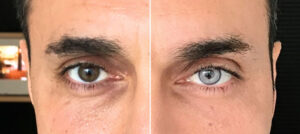
Understanding Keratopigmentation Surgery
Keratopigmentation involves the implantation of a pigment into the corneal stroma to address issues such as corneal opacity or to correct visual impairment caused by various eye conditions. Unlike traditional treatments, Keratopigmentation is less invasive and aims to improve visual function and aesthetic appearance simultaneously.
Why Choose Turkey for Keratopigmentation Surgery?
Medical Reasons to Choose Turkey for Keratopigmentation
Advanced Medical Technology
Turkey boasts some of the most advanced medical technologies in the world, enabling precise and effective procedures.
The country has invested heavily in state-of-the-art medical equipment and infrastructure, ensuring that patients benefit from cutting-edge technologies during their treatment.
Detailed Example:
In Istanbul, the American Hospital is equipped with the latest medical technologies, including high-definition imaging systems and advanced surgical tools.
The hospital integrates technologies such as 3D imaging and robotic surgery, which enhance the precision and outcomes of procedures like Keratopigmentation.
Similarly, Ankara’s Hacettepe University Hospital is renowned for its innovative medical practices, incorporating advanced laser systems and digital diagnostic tools that ensure accuracy and high-quality care.
These technological advancements not only improve procedural outcomes but also contribute to safer and more efficient treatments, ensuring that patients receive the best possible care.
Cost-Effectiveness
One of the significant advantages of undergoing medical procedures in Turkey is the cost-effectiveness without compromising on quality.
The lower cost of living and operational expenses in Turkey translate into more affordable medical treatments for international patients.
Detailed Example:
The cost of Keratopigmentation surgery in Turkey can be up to 50-70% less than in Western countries like the United States or the United Kingdom.
For example, while the average cost of the procedure in the U.S. might range from $5,000 to $8,000, the same procedure in Turkey typically costs between $2,000 and $4,000.
This affordability extends to other related expenses, such as accommodation and transportation, making Turkey a financially attractive option for medical tourism.
Patients can benefit from high-quality care and advanced medical technologies at a fraction of the cost they would pay elsewhere, allowing them to receive the necessary treatment while staying within their budget.
High Standards of Patient Care
Medical facilities in Turkey prioritize patient care and ensure that each patient receives personalized attention and support throughout their treatment journey.
This focus on high standards of care enhances the overall patient experience and treatment outcomes.
Detailed Example:
At hospitals such as Istanbul’s Memorial Şişli Hospital, patient care is a top priority, with dedicated teams of medical professionals who provide comprehensive support before, during, and after procedures.
The hospital’s patient-centric approach includes pre-operative consultations, detailed explanations of procedures, and personalized care plans tailored to individual needs.
The same level of care is evident at the Antalya’s Medical Park Hospital, where patients receive individualized attention from a multidisciplinary team that includes surgeons, anesthesiologists, and nurses.
This commitment to high standards of care ensures that patients feel well-supported and informed throughout their treatment, contributing to better outcomes and overall satisfaction.
Comprehensive Pre- and Post-Operative Support
Turkish medical facilities offer extensive pre-operative and post-operative care, ensuring that patients receive thorough evaluations and follow-up support.
This comprehensive care helps in achieving optimal results and addressing any concerns that may arise.
Detailed Example:
Before undergoing Keratopigmentation surgery, patients at Istanbul’s Florence Nightingale Hospital undergo detailed pre-operative assessments, including eye examinations and consultations with specialists to determine the best approach for their specific needs.
The post-operative care includes regular follow-up visits to monitor recovery and address any issues that may arise.
Similarly, Ankara’s Güven Hospital provides structured post-operative care, including detailed recovery plans and access to rehabilitation services if needed.
This thorough approach to pre- and post-operative care ensures that patients receive continuous support and can achieve the best possible outcomes from their procedures.
Innovative Techniques and Methods
Turkish surgeons are known for their adoption of innovative techniques and methods, enhancing the effectiveness and safety of medical procedures. The continuous integration of new technologies and methods ensures that patients benefit from the latest advancements in medical science.
Detailed Example:
Surgeons in Turkey often utilize advanced techniques in Keratopigmentation, such as laser-assisted procedures and cutting-edge pigmentation technologies, to improve precision and patient outcomes. For example, some facilities employ specialized lasers that offer greater control over the pigmentation process, resulting in more natural and long-lasting results.
The use of digital imaging and simulation tools also allows for better planning and customization of the procedure.
This focus on innovation ensures that patients receive treatments that incorporate the latest advancements in medical technology and techniques.
Excellent Hospital Accreditation
Many Turkish hospitals and clinics are accredited by international health organizations, ensuring that they meet high standards of care and adhere to global best practices.
These accreditations are a testament to the quality and reliability of medical services provided.
Detailed Example:
The Joint Commission International (JCI) accreditation is a prestigious certification that many Turkish hospitals, such as Istanbul’s Memorial Hospitals and Ankara’s Acibadem Hospital, have achieved. This accreditation indicates that the facilities meet rigorous international standards for quality and safety in patient care.
The JCI accreditation process involves thorough evaluations of hospital practices, including patient safety, clinical outcomes, and administrative procedures.
Hospitals with this accreditation demonstrate their commitment to maintaining high standards of care and ensuring the safety and well-being of their patients.
Multilingual Staff
Turkey’s medical facilities often employ multilingual staff to cater to international patients, making communication easier and more effective.
This linguistic capability enhances the overall patient experience and ensures clear and accurate information exchange.
Detailed Example:
At many leading hospitals in Turkey, such as Istanbul’s American Hospital and Ankara’s Hacettepe University Hospital, the staff includes professionals fluent in multiple languages, including English, German, French, and Arabic.
This multilingual support ensures that international patients can communicate their needs, ask questions, and receive detailed information about their procedures without language barriers.
The presence of interpreters and multilingual medical professionals helps to create a more comfortable and supportive environment for patients from diverse linguistic backgrounds.
Focus on Minimally Invasive Procedures
Turkish medical centers are at the forefront of minimally invasive surgical techniques, which offer benefits such as reduced recovery times, less pain, and minimal scarring.
This focus on advanced surgical methods enhances the overall patient experience and outcomes.
Detailed Example:
Minimally invasive techniques are commonly used in Turkey for various procedures, including Keratopigmentation.
Techniques such as laser-assisted surgery and micro-incision methods reduce the need for extensive cuts and promote quicker healing.
For instance, Istanbul’s Acibadem Hospitals utilize advanced laser technology to perform precise and less invasive procedures, resulting in faster recovery times and improved patient comfort.
Similarly, Ankara’s Medico Türk Hospital incorporates cutting-edge minimally invasive techniques to ensure optimal results with minimal disruption to patients’ daily lives.
High Success Rates
Turkish medical facilities are known for their high success rates in various procedures, including Keratopigmentation.
These successful outcomes reflect the expertise of the surgeons and the quality of care provided.
Detailed Example:
Hospitals such as Istanbul’s Liv Hospital and Antalya’s Medical Park Hospital have reported high success rates for Keratopigmentation procedures, thanks to their skilled surgeons and advanced technologies.
The success rate is often measured by factors such as patient satisfaction, procedural efficacy, and long-term results.
Surgeons at these institutions use precise techniques and comprehensive care approaches to ensure successful outcomes.
For example, Istanbul’s Liv Hospital has a track record of achieving excellent results in eye-related procedures, with a focus on maintaining high standards of care and patient satisfaction.
Availability of Cutting-Edge Research
Turkey’s medical institutions are involved in cutting-edge research and clinical trials, contributing to advancements in medical treatments and technologies.
Patients undergoing procedures in Turkey benefit from access to the latest research and innovations.
Detailed Example:
Several hospitals and research centers in Turkey, such as Istanbul’s Koç University Hospital and Ankara’s Başkent University Hospital, are actively engaged in clinical research and trials related to ocular procedures and medical technologies.
These institutions often participate in studies exploring new techniques and treatments for eye conditions, including Keratopigmentation.
Patients receiving treatment at these facilities may benefit from access to innovative therapies and procedures that are at the forefront of medical research.
Participation in clinical trials also offers opportunities for patients to receive cutting-edge treatments that may not yet be widely available.
Comprehensive Health Insurance Options
Many Turkish hospitals offer health insurance options that cater to international patients, providing coverage for various aspects of medical care.
This insurance coverage helps to manage costs and provides financial protection for patients undergoing procedures.
Detailed Example:
Hospitals such as Istanbul’s Florence Nightingale Hospital and Antalya’s Acibadem Hospital offer comprehensive health insurance packages that can be tailored to the needs of international patients. These insurance options often cover a range of services, including pre-operative consultations, surgical procedures, and post-operative care.
International patients can benefit from financial protection and peace of mind, knowing that their medical expenses are covered.
Additionally, some hospitals work with global insurance providers to facilitate seamless processing of claims and ensure that patients receive the necessary coverage during their treatment.
Patient-Centric Approach
Turkish medical facilities are known for their patient-centric approach, focusing on the needs and preferences of individual patients.
This personalized care enhances the overall experience and satisfaction of patients undergoing procedures.
Detailed Example:
At facilities such as Istanbul’s Memorial Şişli Hospital and Ankara’s Güven Hospital, the patient-centric approach is evident in every aspect of care. From personalized treatment plans to individualized pre-operative and post-operative care, these hospitals prioritize the specific needs and preferences of each patient.
The medical teams take the time to listen to patients’ concerns, provide detailed explanations, and tailor treatment plans to ensure the best possible outcomes.
This patient-centered approach contributes to a positive overall experience and high levels of patient satisfaction.
Access to Multidisciplinary Teams
Many Turkish hospitals have multidisciplinary teams of specialists who collaborate to provide comprehensive care for patients.
This team-based approach ensures that all aspects of a patient’s health and treatment are addressed.
Detailed Example:
Hospitals such as Istanbul’s American Hospital and Ankara’s Hacettepe University Hospital have multidisciplinary teams that include ophthalmologists, anesthesiologists, nurses, and other specialists.
These teams work together to provide comprehensive care for patients undergoing procedures like Keratopigmentation.
The collaborative approach ensures that all aspects of the patient’s health are considered, from pre-operative evaluations to post-operative recovery. This integrated care model enhances the overall treatment experience and helps to achieve optimal outcomes.
Positive Patient Reviews and Testimonials
Turkey has a strong reputation for providing excellent medical care, as evidenced by positive patient reviews and testimonials.
Many international patients have shared their positive experiences with Turkish medical facilities.
Detailed Example:
Patients who have undergone Keratopigmentation and other procedures in Turkey often leave positive reviews and testimonials praising the quality of care, the expertise of the surgeons, and the overall experience.
For example, reviews on platforms like WhatClinic and RealSelf highlight the high level of satisfaction among patients treated at Istanbul’s Memorial Hospitals and Antalya’s Medical Park Hospital.
Testimonials frequently mention the professionalism of the medical staff, the effectiveness of the treatments, and the positive outcomes achieved.
These reviews provide valuable insights for prospective patients considering Turkey for their medical procedures.
Tourist Reasons to Choose Turkey for Your Procedure
Rich Cultural Heritage
Turkey’s rich cultural heritage offers a unique experience for visitors. From historical sites to vibrant local traditions, patients can explore the country’s diverse culture while undergoing treatment.
Detailed Example:
Istanbul, with its historical landmarks like the Hagia Sophia and the Topkapi Palace, provides a fascinating cultural backdrop for patients.
The city’s blend of Byzantine, Ottoman, and modern influences creates a unique atmosphere for exploration.
Patients can also visit the ancient city of Ephesus near Izmir or explore the stunning landscapes of Cappadocia, known for its fairy chimneys and hot air balloon rides.
Turkey’s cultural richness offers a memorable experience beyond the medical treatment, allowing patients to immerse themselves in the country’s history and traditions while receiving care.
Beautiful Natural Landscapes
Turkey is renowned for its breathtaking natural landscapes, offering a range of outdoor activities and scenic destinations for patients to enjoy during their stay.
Detailed Example:
The country’s diverse landscapes include the stunning beaches of Antalya, the picturesque turquoise coast of Bodrum, and the unique geological formations of Pamukkale.
Patients can relax on the pristine beaches of Antalya, take a boat tour along the Mediterranean coast, or visit the mineral-rich thermal pools of Pamukkale for a rejuvenating experience.
Additionally, the serene lakes and mountain ranges in regions like the Black Sea offer opportunities for hiking and nature exploration.
Turkey’s natural beauty provides a perfect setting for relaxation and recovery, allowing patients to enjoy their time in the country while taking in its scenic wonders.
Warm Hospitality
Turkish people are known for their warm hospitality and friendliness, making visitors feel welcome and at ease during their stay.
This welcoming atmosphere enhances the overall experience for patients traveling for medical treatment.
Detailed Example:
From the moment patients arrive in Turkey, they are greeted with genuine hospitality and care. Local residents and medical staff often go out of their way to make visitors feel comfortable and valued.
For instance, patients staying at hotels such as the Four Seasons Istanbul or the Swissotel in Izmir can expect personalized service and a warm reception from the hotel staff.
The friendly and accommodating nature of the Turkish people contributes to a positive and supportive environment, helping patients feel at home during their medical journey.
Affordable Luxury Accommodation
Turkey offers a range of affordable luxury accommodations that provide comfort and convenience for patients and their families.
These accommodations often feature high-quality amenities and services at a fraction of the cost compared to other destinations.
Detailed Example:
Patients can choose from luxurious hotels such as the Ritz-Carlton in Istanbul or the Regnum Carya Golf & Resort Hotel in Antalya, which offer upscale amenities and services at competitive rates.
These hotels provide comfortable rooms, gourmet dining options, and wellness facilities, allowing patients to relax and recover in style.
The affordability of luxury accommodations in Turkey makes it possible for patients to enjoy a high level of comfort and service without breaking the bank, enhancing their overall experience during their medical stay.
Vibrant Local Cuisine
Turkish cuisine is known for its rich flavors and diverse offerings, providing patients with a delightful culinary experience during their stay.
From traditional dishes to contemporary cuisine, Turkey’s food scene caters to various tastes and preferences.
Detailed Example:
Patients can savor a range of delicious Turkish dishes, including kebabs, mezes, and baklava. Istanbul’s bustling food markets, such as the Spice Bazaar and the Kadiköy Market, offer a wide array of culinary delights. Additionally, regions like Gaziantep are famous for their exceptional culinary traditions, including mouthwatering baklava and savory kebabs.
The vibrant local cuisine not only adds to the cultural experience but also allows patients to enjoy a variety of flavors and dishes during their stay.
Unique Shopping Opportunities
Turkey offers unique shopping experiences, from traditional bazaars to modern shopping malls, providing patients with a chance to explore and enjoy local products and souvenirs.
Detailed Example:
In Istanbul, patients can visit the Grand Bazaar, one of the world’s largest and oldest covered markets, to shop for traditional Turkish goods such as carpets, ceramics, and spices.
The bustling bazaar offers a vibrant atmosphere and a wide range of products to explore.
Additionally, modern shopping malls like Istinye Park and Kanyon provide a more contemporary shopping experience with a variety of international and local brands.
Whether exploring historic markets or enjoying modern retail environments, patients have ample opportunities to shop and experience Turkey’s unique shopping culture.
World-Class Wellness and Spa Facilities
Turkey is famous for its wellness and spa culture, offering world-class facilities for relaxation and rejuvenation.
Patients can take advantage of these services to enhance their recovery and overall well-being.
Detailed Example:
Many hotels and resorts in Turkey feature luxurious spa facilities, including thermal baths, hammams, and wellness treatments.
For instance, the Swissotel The Bosphorus in Istanbul offers a top-notch spa with a range of treatments, including massages and facials.
Similarly, the Regnum Carya Golf & Resort Hotel in Antalya boasts a comprehensive wellness center with thermal pools, saunas, and specialized spa treatments.
Patients can enjoy these facilities to relax and recover, contributing to a more comfortable and enjoyable stay in Turkey.
Easy Travel Logistics
Turkey’s well-connected transportation infrastructure makes it easy for patients to travel within the country and explore various destinations.
Major cities have modern airports, efficient public transportation, and convenient travel options.
Detailed Example:
Istanbul Airport, one of the largest airports in the world, offers numerous international and domestic flights, making it easy for patients to arrive and travel within Turkey. Additionally, cities like Ankara and Izmir are well-connected by domestic flights, high-speed trains, and bus services, allowing for convenient travel between locations.
The availability of reliable transportation options simplifies travel logistics for patients and their families, enhancing the overall experience and making it easier to access medical facilities and explore the country.
Cultural and Historical Tours
Turkey’s rich history and cultural heritage offer a wealth of opportunities for patients to explore historical sites and cultural landmarks during their stay.
These tours provide a deeper understanding of Turkey’s past and cultural traditions.
Detailed Example:
Patients can visit historical sites such as the ancient city of Troy, the ruins of Aphrodisias, and the rock-cut churches of Cappadocia.
Guided tours are available to provide insights into Turkey’s rich history and archaeological significance.
For instance, a visit to Ephesus allows patients to explore well-preserved Roman ruins and learn about the city’s historical importance.
These cultural and historical tours offer a unique and educational experience, allowing patients to immerse themselves in Turkey’s diverse heritage while enjoying their stay.
Scenic Coastal Destinations
Turkey’s extensive coastline features stunning coastal destinations that offer opportunities for relaxation and leisure.
Patients can enjoy beautiful beaches, crystal-clear waters, and picturesque seaside towns.
Detailed Example:
The coastal city of Bodrum is known for its charming beaches, vibrant nightlife, and historic sites such as the Bodrum Castle.
Similarly, the resort town of Fethiye offers scenic views of the Mediterranean Sea, beautiful beaches like Ölüdeniz, and opportunities for outdoor activities such as paragliding. Patients can take advantage of these coastal destinations to unwind and enjoy Turkey’s natural beauty.
The availability of scenic coastal locations provides a relaxing and enjoyable environment for patients to recuperate and explore during their stay.
Rich Arts and Entertainment Scene
Turkey’s arts and entertainment scene offers a diverse range of cultural experiences, including performances, exhibitions, and festivals.
Patients can enjoy these activities while recovering or exploring the country.
Detailed Example:
In Istanbul, patients can attend performances at the Istanbul Opera House or visit art galleries such as the Istanbul Modern.
The city also hosts various cultural festivals, including the Istanbul Film Festival and the Istanbul Music Festival.
Additionally, cities like Ankara and Izmir offer a vibrant arts scene with theaters, music venues, and cultural events.
The rich arts and entertainment options provide patients with opportunities to engage in cultural activities and enjoy Turkey’s vibrant creative scene.
Comfortable Climate
Turkey’s climate varies by region, but many areas offer a comfortable and pleasant climate, making it an attractive destination for patients seeking a conducive environment for recovery.
Detailed Example:
The Mediterranean coast, including cities like Antalya and Marmaris, boasts a mild climate with plenty of sunshine and warm temperatures.
This pleasant weather is ideal for outdoor activities and relaxation. Additionally, the Aegean region offers a moderate climate with gentle breezes and comfortable temperatures.
Patients can enjoy the favorable weather conditions while recovering and exploring Turkey’s beautiful landscapes.
The comfortable climate enhances the overall experience and makes Turkey an appealing destination for medical tourism.
Safe and Stable Environment
Turkey is considered a safe and stable country, with a low crime rate and a stable political environment.
This safety contributes to a worry-free experience for patients traveling for medical treatment.
Detailed Example:
Major Turkish cities such as Istanbul, Ankara, and Izmir are known for their safety and security. The presence of a well-trained police force and a stable political climate contribute to a secure environment for visitors.
Additionally, many medical facilities have security measures in place to ensure the safety of patients and their families.
The safe and stable environment in Turkey provides peace of mind for patients and their families, allowing them to focus on their treatment and recovery without concerns about safety.
Affordable Travel and Living Costs
Turkey offers affordable travel and living costs compared to many other countries, making it an economical choice for patients seeking high-quality medical care without the high price tag.
Detailed Example:
The cost of living in Turkey is relatively low compared to Western countries, with affordable options for dining, transportation, and accommodation.
Patients can find budget-friendly restaurants, public transportation, and reasonably priced hotels. For example, dining out at local eateries can be very economical, and public transportation in cities like Istanbul and Ankara is efficient and affordable.
The lower cost of living contributes to a more cost-effective overall experience, allowing patients to manage their expenses while receiving top-notch medical care.
Welcoming Multicultural Environment
Turkey’s diverse population and multicultural environment create a welcoming atmosphere for international patients.
This diversity enhances the overall experience and makes visitors feel at home.
Detailed Example:
Turkey’s cultural diversity is reflected in its vibrant communities and inclusive atmosphere. Major cities like Istanbul and Ankara are home to people from various cultural backgrounds, creating a cosmopolitan environment.
This multicultural aspect is evident in the diverse range of international cuisine, cultural festivals, and language services available.
Patients from different backgrounds can feel comfortable and accepted in Turkey, contributing to a positive and inclusive experience during their medical stay.
Factors Influencing Keratopigmentation Costs
Clinic and Surgeon Expertise
- The choice of clinic and the surgeon’s expertise are primary factors influencing the cost of Keratopigmentation surgery. High-profile clinics in major cities like Istanbul or Ankara may charge more due to their reputation, advanced technology, and experienced staff.
- Surgeons with extensive experience in Keratopigmentation generally charge higher fees, reflecting their skill and success rates.
Geographic Location
- Costs can vary significantly between cities. Major metropolitan areas such as Istanbul and Ankara often have higher costs due to the higher cost of living and demand for specialized services.
- Smaller cities or towns may offer lower prices due to reduced operational costs.
Pre-Operative and Post-Operative Care
- Pre-operative assessments, including eye exams and consultations, contribute to the overall cost. Comprehensive pre-operative evaluations ensure the procedure’s suitability and the patient’s readiness.
- Post-operative care, including follow-up visits and any necessary additional treatments, also impacts the total cost.
Technology and Equipment
- Advanced technology and state-of-the-art equipment used during the procedure can affect the cost. Clinics employing the latest technologies for Keratopigmentation often charge higher fees to cover the costs of these technologies and their maintenance.
Customization and Complexity
- Customization of the pigment to match the patient’s eye color and condition can add to the expense. The complexity of the case, such as severe corneal damage, may also lead to higher costs due to the additional time and expertise required.
Prices of all types of the Keratopigmentation procedure in Turkey.
Basic Keratopigmentation
Definition and Details:
Basic Keratopigmentation (KP) is a foundational procedure in corneal cosmetic enhancement. It focuses on introducing specially formulated pigments into the corneal stroma to address visual imperfections such as scars, opacities, or discoloration.
This method is primarily aimed at achieving a smoother and more uniform corneal surface, thereby improving the cosmetic appearance of the eye.
The procedure is typically performed using local anesthesia, which ensures patient comfort throughout the process.
During the treatment, fine needles or specialized instruments are used to carefully place pigments within the corneal stroma.
The pigments are selected to match the natural eye color or to achieve a specific aesthetic effect desired by the patient. Basic KP is an effective choice for those with moderate corneal issues who want a non-invasive solution without the need for advanced technology.
Procedure Steps:
Initial Consultation:
- Description: This step involves a comprehensive assessment of the patient’s eye health, including a discussion of their cosmetic concerns and expectations. The ophthalmologist evaluates the condition of the cornea, identifies any irregularities, and determines whether keratopigmentation is an appropriate solution. This consultation also covers the risks, benefits, and expected outcomes of the procedure.
- Duration: 45-60 minutes
Pre-Operative Testing:
- Description: Essential pre-operative tests include corneal topography to map the surface of the cornea, pachymetry to measure its thickness, and other relevant diagnostics to ensure the cornea is suitable for the procedure. These tests provide critical data to plan the precise placement of pigments and to avoid potential complications.
- Duration: 1-2 hours
Pigment Selection:
- Description: Choosing the right pigments is crucial for achieving the desired cosmetic outcome. The selection process involves reviewing various pigment options to match the patient’s natural eye color or to achieve a specific shade. The pigment must be biocompatible and designed to integrate well with the corneal tissue.
- Duration: 30-45 minutes (often included in the consultation)
Local Anesthesia Administration:
- Description: To ensure the patient remains comfortable during the procedure, local anesthesia is administered. This may include topical anesthetic drops or injections around the eye. The anesthesia is carefully applied to minimize discomfort and ensure that the procedure can be performed with precision.
- Duration: 15-20 minutes
Pigmentation Procedure:
- Description: The core of the procedure involves the application of pigments into the corneal stroma. Fine needles or micro-needles are used to introduce the pigment in a controlled manner, ensuring an even distribution and desired appearance. The procedure typically lasts between 45-75 minutes, depending on the extent of the treatment and the patient’s specific needs.
- Duration: 45-75 minutes
Post-Operative Medications:
- Description: After the procedure, patients are provided with a regimen of medications to manage discomfort, prevent infection, and promote healing. This typically includes antibiotic eye drops, anti-inflammatory medications, and lubricants to ensure a smooth recovery process.
- Duration: Ongoing for several weeks
Follow-Up Visits:
- Description: Follow-up visits are scheduled to monitor the healing process, evaluate the integration of the pigment, and address any concerns. These visits are essential for assessing the effectiveness of the procedure and making any necessary adjustments to achieve the best possible results. Typically, 3-4 follow-up appointments are required.
- Duration: 20-30 minutes per visit
Pricing Breakdown for Basic Keratopigmentation:
- Initial Consultation: $200 – $350
- Pre-Operative Testing: $250 – $500
- Pigment Selection: Included in the procedure fee
- Local Anesthesia Administration: $150 – $200
- Pigmentation Procedure: $2,500 – $5,000
- Post-Operative Medications: $150 – $250
- Follow-Up Visits: $120 – $250 per visit (3-4 visits)
Advanced Keratopigmentation
Definition and Details:
Advanced Keratopigmentation employs cutting-edge technology to provide highly accurate and customized corneal pigmentation.
This approach is suited for patients requiring significant cosmetic corrections or those with complex corneal conditions.
By utilizing advanced lasers and imaging systems, this technique ensures precise pigment placement and enhanced cosmetic results.
The procedure involves a detailed pre-operative assessment, including high-resolution imaging and mapping of the corneal surface.
Advanced lasers are used to deposit pigments with exceptional accuracy, allowing for greater control over the final appearance. This method is designed to address intricate cosmetic issues and provide tailored solutions based on the patient’s specific needs.
Procedure Steps:
Initial Consultation:
- Description: The initial consultation for advanced KP includes an in-depth review of the patient’s medical history, a discussion about cosmetic goals, and a thorough evaluation of corneal health. Advanced KP requires detailed planning, and the consultation covers the use of high-precision technology and the expected outcomes of the procedure.
- Duration: 60-90 minutes
Detailed Corneal Mapping and Tests:
- Description: Comprehensive imaging and diagnostic tests are conducted, including corneal topography, pachymetry, and aberrometry. These tests provide detailed maps of the corneal surface and assess optical aberrations, which are crucial for planning the precise placement of pigments and ensuring optimal results.
- Duration: 1.5-2.5 hours
Advanced Pigment Customization:
- Description: This step involves selecting and customizing specialized pigments tailored to the patient’s desired outcome. The customization process ensures that the pigments will provide the exact color and appearance required, taking into account the patient’s natural eye color and the intended aesthetic effect.
- Duration: 30-60 minutes (often part of the consultation)
Local Anesthesia Administration:
- Description: Advanced KP procedures use refined anesthesia techniques to ensure maximum patient comfort. This may involve more advanced methods of anesthesia delivery, including injections and topical agents, to manage pain effectively during the procedure.
- Duration: 15-20 minutes
Advanced Pigmentation Procedure:
- Description: The procedure utilizes high-precision lasers or advanced micro-needles to apply pigments to the cornea. This advanced technology allows for greater control and accuracy, minimizing tissue damage and ensuring an even application of pigment. The procedure generally lasts between 1-2 hours.
- Duration: 60-120 minutes
Specialized Post-Operative Medications:
- Description: Post-operative care includes a customized regimen of medications to manage discomfort, reduce inflammation, and prevent complications. This typically includes advanced formulations of eye drops and oral medications tailored to the needs of the patient.
- Duration: Ongoing for several weeks
Extended Follow-Up Visits:
- Description: Follow-up visits for advanced KP are more frequent and detailed, involving thorough assessments of healing and pigment integration. These visits ensure the success of the procedure and address any issues that may arise. Typically, 5-6 visits are required.
- Duration: 30-45 minutes per visit
Pricing Breakdown for Advanced Keratopigmentation:
- Initial Consultation: $250 – $450
- Detailed Corneal Mapping and Tests: $300 – $600
- Advanced Pigment Customization: Included in the procedure fee
- Local Anesthesia Administration: $150 – $250
- Advanced Pigmentation Procedure: $4,000 – $7,000
- Specialized Post-Operative Medications: $200 – $300
- Extended Follow-Up Visits: $150 – $300 per visit (5-6 visits)
Iris Color Change Keratopigmentation
Definition and Details:
Iris Color Change Keratopigmentation is a specialized procedure aimed at altering the color of the iris to achieve a desired aesthetic effect.
This procedure is chosen by individuals who wish to make a dramatic change in eye color or those with corneal damage affecting iris coloration.
The technique involves the application of specialized pigments to the iris, designed to blend with the natural iris color and produce a vibrant new hue.
The procedure requires precise application to ensure that the new color appears natural and uniform. Specialized pigments are used to achieve the desired shade, and the application must be carefully controlled to avoid affecting the iris’s function or health.
Iris color change KP is ideal for patients seeking a significant cosmetic transformation or those with specific color preferences.
Procedure Steps:
Initial Consultation:
- Description: During the initial consultation, the patient’s goals for iris color change are discussed, and a comprehensive evaluation of the iris and corneal health is conducted. The consultation also covers the potential risks and benefits of the procedure and provides an overview of the expected results.
- Duration: 45-75 minutes
Iris Color Assessment and Customization:
- Description: This step involves assessing the patient’s natural iris color and customizing pigments to achieve the desired hue. The process includes selecting pigments that will blend seamlessly with the natural iris and ensuring the final color will be vibrant and uniform.
- Duration: 30-60 minutes
Pre-Operative Testing:
- Description: Essential tests include iris imaging and other diagnostic assessments to ensure the iris and surrounding structures are suitable for the procedure. This includes evaluating the thickness and health of the iris to avoid complications.
- Duration: 1-2 hours
Local Anesthesia Administration:
- Description: Local anesthesia is applied to numb the area around the iris and ensure that the patient remains comfortable during the procedure. This typically involves topical drops or injections.
- Duration: 15-20 minutes
Iris Color Change Procedure:
- Description: The core of the procedure involves applying pigments to the iris using fine tools or lasers. The application requires precision to ensure even color distribution and avoid affecting iris function. The procedure generally lasts 1-2 hours.
- Duration: 60-120 minutes
Post-Operative Care:
- Description: Post-operative care includes a regimen of medications and follow-up appointments to monitor healing and pigment integration. This typically includes antibiotic drops, anti-inflammatory medications, and lubricants.
- Duration: Ongoing for several weeks
Follow-Up Visits:
- Description: Follow-up visits are necessary to monitor the results of the procedure, check for complications, and ensure the desired color change has been achieved. Typically, 3-4 follow-up visits are required.
- Duration: 30-45 minutes per visit
Pricing Breakdown for Iris Color Change Keratopigmentation:
- Initial Consultation: $200 – $400
- Iris Color Assessment and Customization: $150 – $300
- Pre-Operative Testing: $200 – $400
- Local Anesthesia Administration: $100 – $200
- Iris Color Change Procedure: $3,000 – $6,000
- Post-Operative Care: $150 – $250
- Follow-Up Visits: $100 – $200 per visit (3-4 visits)
Customized Pigment Placement Keratopigmentation
Definition and Details:
Customized Pigment Placement Keratopigmentation is a highly specialized procedure designed for patients requiring precise and individualized pigment application.
This technique is often employed for complex cases where standard pigment application methods are insufficient.
It involves detailed planning and the use of advanced technology to ensure that pigments are applied exactly where needed to achieve the desired outcome.
The procedure begins with a thorough assessment and mapping of the cornea to determine the optimal placement of pigments.
Advanced tools are used to apply the pigments with high precision, ensuring that the final result meets the patient’s specific cosmetic or medical needs. This approach is ideal for patients with unique corneal conditions or those seeking a bespoke cosmetic solution.
Procedure Steps:
Initial Consultation:
- Description: The consultation includes a detailed discussion of the patient’s goals and a comprehensive evaluation of the corneal condition. This step involves reviewing previous treatments, current issues, and planning the customized approach to pigment placement.
- Duration: 60-90 minutes
Corneal Mapping and Imaging:
- Description: Detailed corneal mapping and imaging are performed to create a precise map of the corneal surface. This includes high-resolution imaging techniques to assess irregularities and determine the exact locations for pigment application.
- Duration: 1.5-2 hours
Pigment Customization:
- Description: Custom pigments are selected and prepared based on the patient’s needs and the mapped corneal surface. This process ensures that the pigments will match the desired outcome and integrate seamlessly with the corneal tissue.
- Duration: 45-60 minutes
Local Anesthesia Administration:
- Description: Advanced anesthesia techniques are used to numb the eye and surrounding area, ensuring patient comfort during the procedure. This may involve a combination of topical and injectable anesthetics.
- Duration: 15-20 minutes
Customized Pigment Application:
- Description: The application of pigments is carried out using advanced tools or lasers, following the customized map created during pre-operative planning. This step requires high precision to ensure that the pigments are applied exactly where needed. The procedure typically lasts between 1-2 hours.
- Duration: 60-120 minutes
Post-Operative Care:
- Description: Post-operative care includes a specific regimen of medications and follow-up visits to monitor healing and pigment integration. This typically includes antibiotics, anti-inflammatory drops, and lubricants to promote healing and prevent complications.
- Duration: Ongoing for several weeks
Follow-Up Visits:
- Description: Follow-up visits are scheduled to evaluate the results of the procedure, address any issues, and make adjustments if necessary. These visits are essential for ensuring that the desired outcome is achieved and maintained. Typically, 4-5 visits are required.
- Duration: 30-45 minutes per visit
Pricing Breakdown for Customized Pigment Placement Keratopigmentation:
- Initial Consultation: $300 – $500
- Corneal Mapping and Imaging: $350 – $700
- Pigment Customization: $200 – $400
- Local Anesthesia Administration: $150 – $250
- Customized Pigment Application: $4,000 – $8,000
- Post-Operative Care: $200 – $300
- Follow-Up Visits: $150 – $300 per visit (4-5 visits)
Corneal Scar Camouflage Keratopigmentation
Definition and Details:
Corneal Scar Camouflage Keratopigmentation is specifically designed for patients with corneal scars or opacities.
This procedure aims to mask visible scars and improve the aesthetic appearance of the cornea by applying pigments that blend with the natural corneal color.
The technique enhances visual clarity and provides a more uniform corneal appearance.
The procedure begins with a detailed assessment of the scar and surrounding corneal tissue to plan the optimal application of pigments.
Specialized pigments are chosen to match the surrounding corneal tissue, ensuring that the scar becomes less noticeable and blends seamlessly with the natural eye. This method is ideal for patients seeking to improve the cosmetic appearance of corneas affected by scarring or other imperfections.
Procedure Steps:
Initial Consultation:
- Description: The consultation involves evaluating the patient’s corneal scar, discussing the desired outcome, and determining the best approach for camouflage. The ophthalmologist assesses the scar’s size, location, and impact on vision and plans the pigment application accordingly.
- Duration: 45-60 minutes
Scar Assessment and Mapping:
- Description: Detailed assessment and mapping of the corneal scar are conducted to plan the pigment application. This includes high-resolution imaging and measurements to ensure precise placement of pigments for optimal camouflage.
- Duration: 1-2 hours
Pigment Selection and Preparation:
- Description: Specialized pigments are selected based on the color and texture of the surrounding corneal tissue. This step ensures that the pigments will effectively mask the scar and integrate with the natural corneal color.
- Duration: 30-45 minutes
Local Anesthesia Administration:
- Description: Local anesthesia is applied to ensure the patient is comfortable during the procedure. This may include topical drops or injections to numb the eye and surrounding area.
- Duration: 15-20 minutes
Pigment Application for Scar Camouflage:
- Description: The pigments are applied to the corneal scar using fine needles or advanced tools. The goal is to blend the scar with the surrounding corneal tissue, making it less noticeable. The procedure typically takes 1-2 hours.
- Duration: 60-120 minutes
Post-Operative Care:
- Description: Post-operative care includes medications and follow-up visits to monitor healing and pigment integration. This typically involves antibiotic and anti-inflammatory drops, as well as lubricants to aid recovery.
- Duration: Ongoing for several weeks
Follow-Up Visits:
- Description: Follow-up visits are scheduled to monitor the results, check for any complications, and ensure the pigments have integrated well with the corneal tissue. Typically, 3-4 visits are required.
- Duration: 30-45 minutes per visit
Pricing Breakdown for Corneal Scar Camouflage Keratopigmentation:
- Initial Consultation: $250 – $400
- Scar Assessment and Mapping: $300 – $600
- Pigment Selection and Preparation: $150 – $300
- Local Anesthesia Administration: $100 – $200
- Pigment Application for Scar Camouflage: $3,000 – $6,000
- Post-Operative Care: $150 – $250
- Follow-Up Visits: $100 – $200 per visit (3-4 visits)
Functional Keratopigmentation
Definition and Details:
Functional Keratopigmentation is performed to improve the visual function of the eye, often for patients with visual impairments or conditions that affect the cornea’s clarity.
This procedure focuses on enhancing vision by strategically placing pigments to modify light transmission and reduce glare or halos.
It can be particularly beneficial for patients with conditions such as corneal dystrophies, keratoconus, or post-surgical irregularities.
The process begins with a comprehensive visual assessment to determine the specific needs of the patient.
Advanced imaging techniques are used to map the corneal surface and identify areas that require pigment application. The goal is to optimize the cornea’s optical properties, improving the patient’s visual experience.
Procedure Steps:
Initial Consultation:
- Description: The initial consultation involves a thorough visual examination and discussion of the patient’s visual goals. The ophthalmologist assesses the overall eye health, visual acuity, and specific visual impairments to plan the procedure.
- Duration: 60-90 minutes
Visual Assessment and Corneal Mapping:
- Description: Detailed visual assessment and corneal mapping are conducted to identify areas that affect vision. High-resolution imaging is used to map the corneal surface and determine the optimal locations for pigment application.
- Duration: 1.5-2 hours
Pigment Selection and Customization:
- Description: Custom pigments are selected and prepared based on the visual assessment and corneal mapping. This step ensures that the pigments will enhance visual function and improve clarity.
- Duration: 45-60 minutes
Local Anesthesia Administration:
- Description: Advanced anesthesia techniques are used to numb the eye and surrounding area, ensuring patient comfort during the procedure. This may involve a combination of topical and injectable anesthetics.
- Duration: 15-20 minutes
Functional Pigment Application:
- Description: The application of pigments is carried out using advanced tools or lasers, following the customized plan created during pre-operative planning. The procedure requires high precision to ensure that the pigments are applied exactly where needed to optimize vision. The procedure typically lasts between 1-2 hours.
- Duration: 60-120 minutes
Post-Operative Care:
- Description: Post-operative care includes a specific regimen of medications and follow-up visits to monitor healing and pigment integration. This typically includes antibiotics, anti-inflammatory drops, and lubricants to promote healing and prevent complications.
- Duration: Ongoing for several weeks
Follow-Up Visits:
- Description: Follow-up visits are scheduled to evaluate the results of the procedure, address any issues, and make adjustments if necessary. These visits are essential for ensuring that the desired outcome is achieved and maintained. Typically, 4-5 visits are required.
- Duration: 30-45 minutes per visit
Pricing Breakdown for Functional Keratopigmentation:
- Initial Consultation: $300 – $500
- Visual Assessment and Corneal Mapping: $350 – $700
- Pigment Selection and Customization: $200 – $400
- Local Anesthesia Administration: $150 – $250
- Functional Pigment Application: $4,000 – $8,000
- Post-Operative Care: $200 – $300
- Follow-Up Visits: $150 – $300 per visit (4-5 visits)
Therapeutic Keratopigmentation
Definition and Details:
Therapeutic Keratopigmentation is used to treat specific medical conditions of the cornea. This procedure is often performed on patients with corneal opacities, dystrophies, or other disorders that impair vision or cause discomfort.
By applying pigments to the cornea, the procedure aims to improve visual acuity, reduce symptoms, and enhance the overall health of the eye.
The process begins with a comprehensive evaluation of the patient’s eye health and the specific condition affecting the cornea.
Advanced imaging and diagnostic techniques are used to map the corneal surface and identify the best approach for pigment application. The goal is to provide both therapeutic benefits and aesthetic improvements.
Procedure Steps:
Initial Consultation:
- Description: The consultation involves a thorough examination of the patient’s eye health, including a detailed discussion of the medical condition affecting the cornea. The ophthalmologist reviews the patient’s medical history, symptoms, and treatment goals to plan the procedure.
- Duration: 60-90 minutes
Diagnostic Testing and Corneal Mapping:
- Description: Comprehensive diagnostic testing and corneal mapping are conducted to assess the extent of the condition and plan the pigment application. This includes high-resolution imaging to identify areas of opacity or dystrophy.
- Duration: 1.5-2 hours
Pigment Customization and Preparation:
- Description: Custom pigments are selected and prepared based on the diagnostic findings and corneal mapping. This step ensures that the pigments will provide therapeutic benefits and integrate well with the corneal tissue.
- Duration: 45-60 minutes
Local Anesthesia Administration:
- Description: Local anesthesia is applied to numb the eye and surrounding area, ensuring the patient’s comfort during the procedure. This may involve a combination of topical drops and injectable anesthetics.
- Duration: 15-20 minutes
Therapeutic Pigment Application:
- Description: The pigments are applied to the affected areas of the cornea using advanced tools or lasers. The goal is to improve visual function and alleviate symptoms associated with the medical condition. The procedure typically takes 1-2 hours.
- Duration: 60-120 minutes
Post-Operative Care:
- Description: Post-operative care includes a regimen of medications and follow-up visits to monitor healing and pigment integration. This typically involves antibiotics, anti-inflammatory drops, and lubricants to promote healing and prevent complications.
- Duration: Ongoing for several weeks
Follow-Up Visits:
- Description: Follow-up visits are scheduled to evaluate the results of the procedure, address any issues, and make adjustments if necessary. These visits are essential for ensuring that the therapeutic goals are achieved and maintained. Typically, 4-5 visits are required.
- Duration: 30-45 minutes per visit
Pricing Breakdown for Therapeutic Keratopigmentation:
- Initial Consultation: $300 – $500
- Diagnostic Testing and Corneal Mapping: $350 – $700
- Pigment Customization and Preparation: $200 – $400
- Local Anesthesia Administration: $150 – $250
- Therapeutic Pigment Application: $4,000 – $8,000
- Post-Operative Care: $200 – $300
- Follow-Up Visits: $150 – $300 per visit (4-5 visits)
Ocular Cosmetic Keratopigmentation
Definition and Details:
Ocular Cosmetic Keratopigmentation is a cosmetic procedure designed to enhance the appearance of the eyes.
This technique involves applying pigments to the cornea to change its color or appearance, creating a more aesthetically pleasing look.
It is often chosen by individuals seeking to alter their eye color for cosmetic reasons or to mask imperfections such as corneal scars or irregularities.
The procedure starts with a thorough consultation to understand the patient’s cosmetic goals and preferences.
The ophthalmologist uses advanced imaging to map the corneal surface and select pigments that will achieve the desired cosmetic effect. This personalized approach ensures a natural and appealing outcome.
Procedure Steps:
Initial Consultation:
- Description: The initial consultation involves discussing the patient’s cosmetic goals and preferences. The ophthalmologist assesses the overall eye health and plans the pigment application to achieve the desired look.
- Duration: 60-90 minutes
Corneal Imaging and Color Selection:
- Description: Detailed corneal imaging is conducted to map the corneal surface and select the appropriate pigments. The chosen pigments are matched to the desired eye color, ensuring a natural and appealing appearance.
- Duration: 1.5-2 hours
Pigment Customization and Preparation:
- Description: Custom pigments are prepared based on the color selection and corneal mapping. This step ensures that the pigments will achieve the desired cosmetic effect and integrate well with the corneal tissue.
- Duration: 45-60 minutes
Local Anesthesia Administration:
- Description: Local anesthesia is applied to numb the eye and surrounding area, ensuring the patient’s comfort during the procedure. This may involve a combination of topical drops and injectable anesthetics.
- Duration: 15-20 minutes
Cosmetic Pigment Application:
Description: The pigments are applied to the cornea using advanced tools or lasers. The goal is to change the eye color or enhance its appearance. The procedure typically takes 1-2 hours.
Duration: 60-120 minutes
Post-Operative Care:
- Description: Post-operative care includes a regimen of medications and follow-up visits to monitor healing and pigment integration. This typically involves antibiotics, anti-inflammatory drops, and lubricants to promote healing and prevent complications.
- Duration: Ongoing for several weeks
Follow-Up Visits:
- Description: Follow-up visits are scheduled to evaluate the results of the procedure, address any issues, and make adjustments if necessary. These visits are essential for ensuring that the cosmetic goals are achieved and maintained. Typically, 4-5 visits are required.
- Duration: 30-45 minutes per visit
Pricing Breakdown for Ocular Cosmetic Keratopigmentation:
- Initial Consultation: $300 – $500
- Corneal Imaging and Color Selection: $350 – $700
- Pigment Customization and Preparation: $200 – $400
- Local Anesthesia Administration: $150 – $250
- Cosmetic Pigment Application: $4,000 – $8,000
- Post-Operative Care: $200 – $300
- Follow-Up Visits: $150 – $300 per visit (4-5 visits)
Refractive Keratopigmentation
Definition and Details:
Refractive Keratopigmentation is designed to correct refractive errors of the eye, such as myopia (nearsightedness), hyperopia (farsightedness), and astigmatism.
By applying pigments to specific areas of the cornea, this procedure can alter the way light enters the eye, improving focus and visual clarity.
It is an innovative approach to vision correction that offers an alternative to traditional methods like glasses, contact lenses, and LASIK surgery.
The procedure starts with a comprehensive visual assessment and corneal mapping to identify the specific refractive errors.
Advanced imaging techniques are used to create a detailed plan for pigment application, ensuring precise correction of the refractive issues.
Procedure Steps:
Initial Consultation:
- Description: The initial consultation involves a thorough visual examination and discussion of the patient’s refractive errors and vision goals. The ophthalmologist assesses the overall eye health and plans the procedure to achieve optimal visual correction.
- Duration: 60-90 minutes
Visual Assessment and Corneal Mapping:
- Description: Detailed visual assessment and corneal mapping are conducted to identify the refractive errors and plan the pigment application. This includes high-resolution imaging to ensure precise correction.
- Duration: 1.5-2 hours
Pigment Customization and Preparation:
- Description: Custom pigments are selected and prepared based on the visual assessment and corneal mapping. This step ensures that the pigments will effectively correct the refractive errors and integrate well with the corneal tissue.
- Duration: 45-60 minutes
Local Anesthesia Administration:
- Description: Local anesthesia is applied to numb the eye and surrounding area, ensuring the patient’s comfort during the procedure. This may involve a combination of topical drops and injectable anesthetics.
- Duration: 15-20 minutes
Refractive Pigment Application:
- Description: The pigments are applied to specific areas of the cornea using advanced tools or lasers. The goal is to correct the refractive errors and improve visual clarity. The procedure typically takes 1-2 hours.
- Duration: 60-120 minutes
Post-Operative Care:
- Description: Post-operative care includes a regimen of medications and follow-up visits to monitor healing and pigment integration. This typically involves antibiotics, anti-inflammatory drops, and lubricants to promote healing and prevent complications.
- Duration: Ongoing for several weeks
Follow-Up Visits:
- Description: Follow-up visits are scheduled to evaluate the results of the procedure, address any issues, and make adjustments if necessary. These visits are essential for ensuring that the refractive goals are achieved and maintained. Typically, 4-5 visits are required.
- Duration: 30-45 minutes per visit
Pricing Breakdown for Refractive Keratopigmentation:
- Initial Consultation: $300 – $500
- Visual Assessment and Corneal Mapping: $350 – $700
- Pigment Customization and Preparation: $200 – $400
- Local Anesthesia Administration: $150 – $250
- Refractive Pigment Application: $4,000 – $8,000
- Post-Operative Care: $200 – $300
- Follow-Up Visits: $150 – $300 per visit (4-5 visits)
Traumatic Scar Camouflage Keratopigmentation
Definition and Details:
Traumatic Scar Camouflage Keratopigmentation is a procedure designed to mask scars resulting from traumatic eye injuries.
By applying specialized pigments to the scarred areas of the cornea, this technique can significantly improve the appearance of the eye and restore a more natural look.
It is particularly beneficial for patients who have experienced visible corneal scarring due to accidents, surgeries, or other traumatic events.
The procedure begins with an in-depth consultation to assess the extent of the scarring and discuss the patient’s aesthetic goals. Advanced imaging is used to map the corneal surface and plan the pigment application.
The custom pigments are carefully selected to match the natural coloration of the cornea, ensuring seamless integration and a more natural appearance.
Procedure Steps:
Initial Consultation:
- Description: The initial consultation involves discussing the patient’s history of traumatic eye injury, assessing the extent of the scarring, and planning the pigment application to achieve the desired aesthetic outcome.
- Duration: 60-90 minutes
Corneal Imaging and Scar Assessment:
- Description: Detailed corneal imaging and scar assessment are conducted to map the corneal surface and evaluate the extent of the scarring. This step is crucial for planning the precise application of pigments.
- Duration: 1.5-2 hours
Pigment Customization and Preparation:
- Description: Custom pigments are prepared based on the corneal mapping and scar assessment. The pigments are selected to match the natural coloration of the cornea, ensuring seamless integration with the surrounding tissue.
- Duration: 45-60 minutes
Local Anesthesia Administration:
- Description: Local anesthesia is applied to numb the eye and surrounding area, ensuring the patient’s comfort during the procedure. This may involve a combination of topical drops and injectable anesthetics.
- Duration: 15-20 minutes
Pigment Application to Scarred Areas:
- Description: The pigments are applied to the scarred areas of the cornea using advanced tools or lasers. The goal is to mask the scars and improve the overall appearance of the eye. The procedure typically takes 1-2 hours.
- Duration: 60-120 minutes
Post-Operative Care:
- Description: Post-operative care includes a regimen of medications and follow-up visits to monitor healing and pigment integration. This typically involves antibiotics, anti-inflammatory drops, and lubricants to promote healing and prevent complications.
- Duration: Ongoing for several weeks
Follow-Up Visits:
- Description: Follow-up visits are scheduled to evaluate the results of the procedure, address any issues, and make adjustments if necessary. These visits are essential for ensuring that the aesthetic goals are achieved and maintained. Typically, 4-5 visits are required.
- Duration: 30-45 minutes per visit
Pricing Breakdown for Traumatic Scar Camouflage Keratopigmentation:
- Initial Consultation: $300 – $500
- Corneal Imaging and Scar Assessment: $350 – $700
- Pigment Customization and Preparation: $200 – $400
- Local Anesthesia Administration: $150 – $250
- Pigment Application to Scarred Areas: $4,000 – $8,000
- Post-Operative Care: $200 – $300
- Follow-Up Visits: $150 – $300 per visit (4-5 visits)
Price Analysis of Keratopigmentation Procedures in Istanbul, Ankara, and Izmir.
Cosmetic Keratopigmentation
Istanbul:
- Initial Consultation: $300 – $500
- Corneal Imaging and Mapping: $400 – $700
- Pigment Customization: $250 – $450
- Local Anesthesia: $200 – $300
- Pigment Application: $5,000 – $8,000
- Post-Operative Medications: $100 – $300
- First Follow-Up Visit: $150 – $300
- Additional Follow-Up Visits (4): $600 – $1,200
- Facility Fee: $500 – $1,000
- Pre-Surgical Tests: $200 – $400
- Surgical Supplies: $150 – $300
- Anesthesiologist Fee: $300 – $500
- Medical Team Fees: $1,000 – $2,000
- Hospital Stay (if required): $200 – $500
- Miscellaneous Costs: $100 – $200
Ankara:
- Initial Consultation: $250 – $450
- Corneal Imaging and Mapping: $350 – $650
- Pigment Customization: $200 – $400
- Local Anesthesia: $150 – $250
- Pigment Application: $4,500 – $7,500
- Post-Operative Medications: $80 – $250
- First Follow-Up Visit: $120 – $250
- Additional Follow-Up Visits (4): $480 – $1,000
- Facility Fee: $400 – $900
- Pre-Surgical Tests: $180 – $350
- Surgical Supplies: $130 – $250
- Anesthesiologist Fee: $250 – $450
- Medical Team Fees: $900 – $1,800
- Hospital Stay (if required): $180 – $450
- Miscellaneous Costs: $80 – $180
Izmir:
- Initial Consultation: $280 – $480
- Corneal Imaging and Mapping: $370 – $670
- Pigment Customization: $220 – $420
- Local Anesthesia: $170 – $270
- Pigment Application: $4,800 – $7,800
- Post-Operative Medications: $90 – $270
- First Follow-Up Visit: $130 – $270
- Additional Follow-Up Visits (4): $520 – $1,080
- Facility Fee: $450 – $950
- Pre-Surgical Tests: $190 – $370
- Surgical Supplies: $140 – $270
- Anesthesiologist Fee: $270 – $470
- Medical Team Fees: $950 – $1,900
- Hospital Stay (if required): $190 – $470
- Miscellaneous Costs: $90 – $190
Therapeutic Keratopigmentation
Istanbul:
- Initial Consultation: $320 – $520
- Diagnostic Testing: $370 – $670
- Pigment Customization: $230 – $430
- Local Anesthesia: $210 – $310
- Pigment Application: $5,100 – $8,100
- Post-Operative Medications: $120 – $320
- First Follow-Up Visit: $160 – $310
- Additional Follow-Up Visits (4): $640 – $1,240
- Facility Fee: $550 – $1,050
- Pre-Surgical Tests: $220 – $420
- Surgical Supplies: $170 – $320
- Anesthesiologist Fee: $320 – $520
- Medical Team Fees: $1,100 – $2,100
- Hospital Stay (if required): $210 – $520
- Miscellaneous Costs: $120 – $220
Ankara:
- Initial Consultation: $270 – $470
- Diagnostic Testing: $330 – $630
- Pigment Customization: $210 – $410
- Local Anesthesia: $170 – $270
- Pigment Application: $4,700 – $7,700
- Post-Operative Medications: $100 – $280
- First Follow-Up Visit: $140 – $280
- Additional Follow-Up Visits (4): $560 – $1,120
- Facility Fee: $460 – $960
- Pre-Surgical Tests: $200 – $400
- Surgical Supplies: $150 – $280
- Anesthesiologist Fee: $280 – $480
- Medical Team Fees: $970 – $1,970
- Hospital Stay (if required): $190 – $480
- Miscellaneous Costs: $100 – $200
Izmir:
- Initial Consultation: $300 – $500
- Diagnostic Testing: $350 – $650
- Pigment Customization: $220 – $420
- Local Anesthesia: $190 – $290
- Pigment Application: $4,900 – $7,900
- Post-Operative Medications: $110 – $290
- First Follow-Up Visit: $150 – $290
- Additional Follow-Up Visits (4): $600 – $1,160
- Facility Fee: $500 – $1,000
- Pre-Surgical Tests: $210 – $410
- Surgical Supplies: $160 – $290
- Anesthesiologist Fee: $290 – $490
- Medical Team Fees: $1,020 – $2,020
- Hospital Stay (if required): $200 – $490
- Miscellaneous Costs: $110 – $210
Corneal Tattooing Keratopigmentation
Istanbul:
- Initial Consultation: $310 – $510
- Corneal Imaging: $380 – $680
- Pigment Customization: $240 – $440
- Local Anesthesia: $220 – $320
- Pigment Application: $5,200 – $8,200
- Post-Operative Medications: $130 – $330
- First Follow-Up Visit: $170 – $320
- Additional Follow-Up Visits (4): $680 – $1,280
- Facility Fee: $560 – $1,060
- Pre-Surgical Tests: $230 – $430
- Surgical Supplies: $180 – $330
- Anesthesiologist Fee: $330 – $530
- Medical Team Fees: $1,120 – $2,120
- Hospital Stay (if required): $220 – $530
- Miscellaneous Costs: $130 – $230
Ankara:
- Initial Consultation: $260 – $460
- Corneal Imaging: $340 – $640
- Pigment Customization: $200 – $400
- Local Anesthesia: $160 – $260
- Pigment Application: $4,600 – $7,600
- Post-Operative Medications: $90 – $270
- First Follow-Up Visit: $130 – $270
- Additional Follow-Up Visits (4): $520 – $1,080
- Facility Fee: $450 – $950
- Pre-Surgical Tests: $190 – $390
- Surgical Supplies: $140 – $270
- Anesthesiologist Fee: $270 – $470
- Medical Team Fees: $950 – $1,950
- Hospital Stay (if required): $180 – $470
- Miscellaneous Costs: $90 – $190
Izmir:
- Initial Consultation: $290 – $490
- Corneal Imaging: $360 – $660
- Pigment Customization: $210 – $410
- Local Anesthesia: $180 – $280
- Pigment Application: $4,900 – $7,900
- Post-Operative Medications: $100 – $280
- First Follow-Up Visit: $140 – $280
- Additional Follow-Up Visits (4): $560 – $1,120
- Facility Fee: $490 – $990
- Pre-Surgical Tests: $200 – $400
- Surgical Supplies: $150 – $280
- Anesthesiologist Fee: $280 – $480
- Medical Team Fees: $980 – $1,980
- Hospital Stay (if required): $190 – $480
- Miscellaneous Costs: $100 – $200
Vision Correction Keratopigmentation
Istanbul:
- Initial Consultation: $320 – $520
- Vision Assessment: $390 – $690
- Pigment Customization: $250 – $450
- Local Anesthesia: $230 – $330
- Pigment Application: $5,300 – $8,300
- Post-Operative Medications: $140 – $340
- First Follow-Up Visit: $180 – $330
- Additional Follow-Up Visits (4): $720 – $1,320
- Facility Fee: $570 – $1,070
- Pre-Surgical Tests: $240 – $440
- Surgical Supplies: $190 – $340
- Anesthesiologist Fee: $340 – $540
- Medical Team Fees: $1,140 – $2,140
- Hospital Stay (if required): $230 – $540
- Miscellaneous Costs: $140 – $240
Ankara:
- Initial Consultation: $270 – $470
- Vision Assessment: $350 – $650
- Pigment Customization: $210 – $410
- Local Anesthesia: $170 – $270
- Pigment Application: $4,700 – $7,700
- Post-Operative Medications: $110 – $290
- First Follow-Up Visit: $150 – $290
- Additional Follow-Up Visits (4): $600 – $1,160
- Facility Fee: $460 – $960
- Pre-Surgical Tests: $210 – $410
- Surgical Supplies: $160 – $290
- Anesthesiologist Fee: $290 – $490
- Medical Team Fees: $970 – $1,970
- Hospital Stay (if required): $200 – $490
- Miscellaneous Costs: $110 – $210
Izmir:
- Initial Consultation: $300 – $500
- Vision Assessment: $370 – $670
- Pigment Customization: $220 – $420
- Local Anesthesia: $190 – $290
- Pigment Application: $4,900 – $7,900
- Post-Operative Medications: $120 – $300
- First Follow-Up Visit: $160 – $300
- Additional Follow-Up Visits (4): $640 – $1,200
- Facility Fee: $510 – $1,010
- Pre-Surgical Tests: $220 – $420
- Surgical Supplies: $170 – $300
- Anesthesiologist Fee: $310 – $510
- Medical Team Fees: $1,020 – $2,020
- Hospital Stay (if required): $210 – $510
- Miscellaneous Costs: $120 – $220
Corneal Scar Camouflage Keratopigmentation
Istanbul:
- Initial Consultation: $340 – $540
- Corneal Imaging: $400 – $700
- Pigment Customization: $260 – $460
- Local Anesthesia: $240 – $340
- Pigment Application: $5,400 – $8,400
- Post-Operative Medications: $150 – $350
- First Follow-Up Visit: $190 – $340
- Additional Follow-Up Visits (4): $760 – $1,340
- Facility Fee: $580 – $1,080
- Pre-Surgical Tests: $250 – $450
- Surgical Supplies: $200 – $350
- Anesthesiologist Fee: $350 – $550
- Medical Team Fees: $1,160 – $2,160
- Hospital Stay (if required): $240 – $550
- Miscellaneous Costs: $150 – $250
Ankara:
- Initial Consultation: $290 – $490
- Corneal Imaging: $360 – $660
- Pigment Customization: $220 – $420
- Local Anesthesia: $180 – $280
- Pigment Application: $4,900 – $7,900
- Post-Operative Medications: $130 – $310
- First Follow-Up Visit: $170 – $310
- Additional Follow-Up Visits (4): $680 – $1,240
- Facility Fee: $490 – $990
- Pre-Surgical Tests: $220 – $420
- Surgical Supplies: $160 – $310
- Anesthesiologist Fee: $310 – $510
- Medical Team Fees: $1,020 – $2,020
- Hospital Stay (if required): $210 – $510
- Miscellaneous Costs: $130 – $230
Izmir:
- Initial Consultation: $320 – $520
- Corneal Imaging: $380 – $680
- Pigment Customization: $240 – $440
- Local Anesthesia: $200 – $300
- Pigment Application: $5,100 – $8,100
- Post-Operative Medications: $140 – $320
- First Follow-Up Visit: $180 – $320
- Additional Follow-Up Visits (4): $720 – $1,280
- Facility Fee: $520 – $1,020
- Pre-Surgical Tests: $240 – $440
- Surgical Supplies: $180 – $320
- Anesthesiologist Fee: $320 – $520
- Medical Team Fees: $1,060 – $2,060
- Hospital Stay (if required): $220 – $520
- Miscellaneous Costs: $140 – $240
Ocular Surface Disorder Keratopigmentation
Istanbul:
- Initial Consultation: $330 – $530
- Ocular Surface Examination: $390 – $690
- Pigment Customization: $250 – $450
- Local Anesthesia: $230 – $330
- Pigment Application: $5,300 – $8,300
- Post-Operative Medications: $140 – $340
- First Follow-Up Visit: $180 – $330
- Additional Follow-Up Visits (4): $720 – $1,320
- Facility Fee: $570 – $1,070
- Pre-Surgical Tests: $240 – $440
- Surgical Supplies: $190 – $340
- Anesthesiologist Fee: $340 – $540
- Medical Team Fees: $1,140 – $2,140
- Hospital Stay (if required): $230 – $540
- Miscellaneous Costs: $140 – $240
Ankara:
- Initial Consultation: $280 – $480
- Ocular Surface Examination: $350 – $650
- Pigment Customization: $210 – $410
- Local Anesthesia: $170 – $270
- Pigment Application: $4,700 – $7,700
- Post-Operative Medications: $110 – $290
- First Follow-Up Visit: $150 – $290
- Additional Follow-Up Visits (4): $600 – $1,160
- Facility Fee: $460 – $960
- Pre-Surgical Tests: $210 – $410
- Surgical Supplies: $160 – $290
- Anesthesiologist Fee: $290 – $490
- Medical Team Fees: $970 – $1,970
- Hospital Stay (if required): $200 – $490
- Miscellaneous Costs: $110 – $210
Izmir:
- Initial Consultation: $310 – $510
- Ocular Surface Examination: $370 – $670
- Pigment Customization: $220 – $420
- Local Anesthesia: $190 – $290
- Pigment Application: $4,900 – $7,900
- Post-Operative Medications: $120 – $300
- First Follow-Up Visit: $160 – $300
- Additional Follow-Up Visits (4): $640 – $1,200
- Facility Fee: $510 – $1,010
- Pre-Surgical Tests: $220 – $420
- Surgical Supplies: $170 – $300
- Anesthesiologist Fee: $310 – $510
- Medical Team Fees: $1,020 – $2,020
- Hospital Stay (if required): $210 – $510
- Miscellaneous Costs: $120 – $220
Limbal Stem Cell Deficiency Keratopigmentation
Istanbul:
- Initial Consultation: $340 – $540
- Limbal Stem Cell Examination: $400 – $700
- Pigment Customization: $260 – $460
- Local Anesthesia: $240 – $340
- Pigment Application: $5,400 – $8,400
- Post-Operative Medications: $150 – $350
- First Follow-Up Visit: $190 – $340
- Additional Follow-Up Visits (4): $760 – $1,340
- Facility Fee: $580 – $1,080
- Pre-Surgical Tests: $250 – $450
- Surgical Supplies: $200 – $350
- Anesthesiologist Fee: $350 – $550
- Medical Team Fees: $1,160 – $2,160
- Hospital Stay (if required): $240 – $550
- Miscellaneous Costs: $150 – $250
Ankara:
- Initial Consultation: $290 – $490
- Limbal Stem Cell Examination: $360 – $660
- Pigment Customization: $220 – $420
- Local Anesthesia: $180 – $280
- Pigment Application: $4,900 – $7,900
- Post-Operative Medications: $130 – $310
- First Follow-Up Visit: $170 – $310
- Additional Follow-Up Visits (4): $680 – $1,240
- Facility Fee: $490 – $990
- Pre-Surgical Tests: $220 – $420
- Surgical Supplies: $160 – $310
- Anesthesiologist Fee: $310 – $510
- Medical Team Fees: $1,020 – $2,020
- Hospital Stay (if required): $210 – $510
- Miscellaneous Costs: $130 – $230
Izmir:
- Initial Consultation: $320 – $520
- Limbal Stem Cell Examination: $380 – $680
- Pigment Customization: $240 – $440
- Local Anesthesia: $200 – $300
- Pigment Application: $5,100 – $8,100
- Post-Operative Medications: $140 – $320
- First Follow-Up Visit: $180 – $320
- Additional Follow-Up Visits (4): $720 – $1,280
- Facility Fee: $520 – $1,020
- Pre-Surgical Tests: $240 – $440
- Surgical Supplies: $180 – $320
- Anesthesiologist Fee: $320 – $520
- Medical Team Fees: $1,060 – $2,060
- Hospital Stay (if required): $220 – $520
- Miscellaneous Costs: $140 – $240
Keratoconus Keratopigmentation
Istanbul:
- Initial Consultation: $350 – $550
- Keratoconus Assessment: $410 – $710
- Pigment Customization: $270 – $470
- Local Anesthesia: $250 – $350
- Pigment Application: $5,500 – $8,500
- Post-Operative Medications: $160 – $360
- First Follow-Up Visit: $200 – $350
- Additional Follow-Up Visits (4): $800 – $1,400
- Facility Fee: $590 – $1,090
- Pre-Surgical Tests: $260 – $460
- Surgical Supplies: $210 – $360
- Anesthesiologist Fee: $360 – $560
- Medical Team Fees: $1,180 – $2,180
- Hospital Stay (if required): $250 – $560
- Miscellaneous Costs: $160 – $260
Ankara:
- Initial Consultation: $300 – $500
- Keratoconus Assessment: $370 – $670
- Pigment Customization: $230 – $430
- Local Anesthesia: $190 – $290
- Pigment Application: $5,000 – $8,000
- Post-Operative Medications: $140 – $320
- First Follow-Up Visit: $180 – $320
- Additional Follow-Up Visits (4): $720 – $1,280
- Facility Fee: $500 – $1,000
- Pre-Surgical Tests: $240 – $440
- Surgical Supplies: $180 – $320
- Anesthesiologist Fee: $320 – $520
- Medical Team Fees: $1,060 – $2,060
- Hospital Stay (if required): $220 – $520
- Miscellaneous Costs: $140 – $240
Izmir:
- Initial Consultation: $330 – $530
- Keratoconus Assessment: $390 – $690
- Pigment Customization: $240 – $440
- Local Anesthesia: $210 – $310
- Pigment Application: $5,200 – $8,200
- Post-Operative Medications: $150 – $330
- First Follow-Up Visit: $190 – $330
- Additional Follow-Up Visits (4): $760 – $1,320
- Facility Fee: $520 – $1,020
- Pre-Surgical Tests: $260 – $460
- Surgical Supplies: $190 – $330
- Anesthesiologist Fee: $330 – $530
- Medical Team Fees: $1,080 – $2,080
- Hospital Stay (if required): $230 – $530
- Miscellaneous Costs: $150 – $250
Iris Defect Keratopigmentation
Istanbul:
- Initial Consultation: $360 – $560
- Iris Examination: $420 – $720
- Pigment Customization: $280 – $480
- Local Anesthesia: $260 – $360
- Pigment Application: $5,600 – $8,600
- Post-Operative Medications: $170 – $370
- First Follow-Up Visit: $210 – $360
- Additional Follow-Up Visits (4): $840 – $1,440
- Facility Fee: $600 – $1,100
- Pre-Surgical Tests: $270 – $470
- Surgical Supplies: $220 – $370
- Anesthesiologist Fee: $370 – $570
- Medical Team Fees: $1,200 – $2,200
- Hospital Stay (if required): $260 – $570
- Miscellaneous Costs: $170 – $270
Ankara:
- Initial Consultation: $310 – $510
- Iris Examination: $380 – $680
- Pigment Customization: $240 – $440
- Local Anesthesia: $200 – $300
- Pigment Application: $5,100 – $8,100
- Post-Operative Medications: $150 – $330
- First Follow-Up Visit: $190 – $330
- Additional Follow-Up Visits (4): $760 – $1,320
- Facility Fee: $510 – $1,010
- Pre-Surgical Tests: $250 – $450
- Surgical Supplies: $190 – $330
- Anesthesiologist Fee: $330 – $530
- Medical Team Fees: $1,080 – $2,080
- Hospital Stay (if required): $230 – $530
- Miscellaneous Costs: $150 – $250
Izmir:
- Initial Consultation: $340 – $540
- Iris Examination: $400 – $700
- Pigment Customization: $260 – $460
- Local Anesthesia: $220 – $320
- Pigment Application: $5,300 – $8,300
- Post-Operative Medications: $160 – $340
- First Follow-Up Visit: $200 – $340
- Additional Follow-Up Visits (4): $800 – $1,320
- Facility Fee: $540 – $1,040
- Pre-Surgical Tests: $270 – $470
- Surgical Supplies: $200 – $340
- Anesthesiologist Fee: $340 – $540
- Medical Team Fees: $1,100 – $2,100
- Hospital Stay (if required): $240 – $540
- Miscellaneous Costs: $160 – $260
Refractive Keratopigmentation
Istanbul:
- Initial Consultation: $370 – $570
- Refractive Assessment: $430 – $730
- Pigment Customization: $290 – $490
- Local Anesthesia: $270 – $370
- Pigment Application: $5,700 – $8,700
- Post-Operative Medications: $180 – $380
- First Follow-Up Visit: $220 – $370
- Additional Follow-Up Visits (4): $880 – $1,480
- Facility Fee: $610 – $1,110
- Pre-Surgical Tests: $280 – $480
- Surgical Supplies: $230 – $380
- Anesthesiologist Fee: $380 – $580
- Medical Team Fees: $1,220 – $2,220
- Hospital Stay (if required): $270 – $580
- Miscellaneous Costs: $180 – $280
Ankara:
- Initial Consultation: $320 – $520
- Refractive Assessment: $390 – $690
- Pigment Customization: $250 – $450
- Local Anesthesia: $210 – $310
- Pigment Application: $5,200 – $8,200
- Post-Operative Medications: $160 – $340
- First Follow-Up Visit: $200 – $340
- Additional Follow-Up Visits (4): $800 – $1,320
- Facility Fee: $520 – $1,020
- Pre-Surgical Tests: $260 – $460
- Surgical Supplies: $200 – $340
- Anesthesiologist Fee: $340 – $540
- Medical Team Fees: $1,100 – $2,100
- Hospital Stay (if required): $240 – $540
- Miscellaneous Costs: $160 – $260
Izmir:
- Initial Consultation: $350 – $550
- Refractive Assessment: $410 – $710
- Pigment Customization: $270 – $470
- Local Anesthesia: $230 – $330
- Pigment Application: $5,400 – $8,400
- Post-Operative Medications: $170 – $350
- First Follow-Up Visit: $210 – $350
- Additional Follow-Up Visits (4): $840 – $1,400
- Facility Fee: $540 – $1,040
- Pre-Surgical Tests: $270 – $470
- Surgical Supplies: $210 – $350
- Anesthesiologist Fee: $350 – $550
- Medical Team Fees: $1,140 – $2,140
- Hospital Stay (if required): $250 – $550
- Miscellaneous Costs: $170 – $270
Factors Influencing the Price Differences of Keratopigmentation Procedures in Istanbul, Ankara, and Izmir.
Economic Factors and Cost of Living
Istanbul:
Istanbul, Turkey’s largest and most economically vibrant city, significantly influences the cost of healthcare procedures.
The high cost of living in Istanbul is a major driver of medical expenses, affecting various aspects of life and business, including healthcare services.
Key economic factors include:
- Real Estate and Infrastructure Costs: Istanbul’s real estate market is one of the most expensive in Turkey, with both residential and commercial properties commanding high prices. Medical facilities, such as hospitals and clinics, are often located in prime areas of the city, where property values are elevated. This drives up the cost of renting or purchasing space for medical facilities. Additionally, the costs associated with constructing and maintaining state-of-the-art medical infrastructure are substantial, contributing to higher procedure prices. High property values and the associated costs of maintaining high-quality facilities directly impact the overall expense of medical services.
- Labor Costs: The labor market in Istanbul is highly competitive, attracting skilled professionals across various sectors, including healthcare. The city’s high cost of living means that salaries for medical staff, including doctors, nurses, and administrative personnel, are generally higher. Medical professionals in Istanbul command premium wages due to the high cost of living and the demand for their services. This increased labor cost is reflected in the pricing of medical procedures, as healthcare providers pass on these costs to patients.
- Cost of Goods and Services: The cost of goods and services in Istanbul, including medical supplies, equipment, and general operational expenses, is elevated. This is due to the city’s economic vibrancy, which drives up the prices of everyday items and services. Hospitals and clinics incur higher costs for purchasing medical supplies and equipment, as well as for administrative services, due to the overall higher cost of doing business in Istanbul. These elevated costs contribute to the higher prices for medical procedures in the city.
Ankara:
Ankara, as Turkey’s capital, has a lower cost of living compared to Istanbul, which influences healthcare pricing in several ways:
- Government Influence: The Turkish government plays a significant role in regulating and subsidizing healthcare services in Ankara. Many of the city’s hospitals and clinics are publicly funded or affiliated with universities, which receive substantial government support. This support helps stabilize the cost of healthcare services and makes them more affordable compared to Istanbul. Government subsidies and funding contribute to a more balanced pricing structure, allowing healthcare providers to offer competitive rates while maintaining high standards of care.
- Lower Real Estate Costs: Although Ankara is an active real estate market, property prices are generally lower than those in Istanbul. This includes commercial properties used by medical facilities. The relatively lower real estate costs translate into reduced operational expenses for hospitals and clinics, which helps in keeping the prices for medical procedures more affordable. Lower property costs enable healthcare providers to offer competitive pricing while maintaining high-quality facilities.
- Moderate Labor Costs: The cost of living in Ankara, while higher than in Izmir, is lower than in Istanbul. Consequently, wages for medical professionals in Ankara are somewhat lower than those in Istanbul. This reduction in labor costs helps healthcare providers manage their expenses more effectively, resulting in more moderate pricing for medical services. The balance between competitive wages and lower living costs contributes to the city’s ability to offer high-quality care at reasonable prices.
Izmir:
Izmir, known for its laid-back coastal lifestyle, has the lowest cost of living among the three cities, influencing healthcare pricing in the following ways:
- Affordable Real Estate: The real estate market in Izmir is considerably more affordable than in Istanbul and Ankara. The lower cost of commercial properties, including those used by medical facilities, reduces the overall operational costs for hospitals and clinics. Affordable real estate allows healthcare providers to operate with lower expenses, which helps in keeping the prices for medical procedures more competitive. Lower property costs also enable the development of new medical facilities and the expansion of existing ones.
- Lower Labor Costs: The cost of living in Izmir is the lowest among the three cities, leading to lower wages for healthcare professionals. The reduced cost of living means that salaries for doctors, nurses, and administrative staff are generally lower, which translates into lower labor costs for healthcare providers. This cost advantage contributes to more affordable pricing for medical procedures, as healthcare facilities can manage their expenses more efficiently.
- Cost of Goods and Services: Izmir’s lower cost of living extends to the prices of goods and services, including medical supplies and equipment. The lower operational costs for purchasing and maintaining medical resources contribute to reduced overall expenses for healthcare facilities. This cost-effectiveness allows healthcare providers to offer competitive pricing for medical procedures while maintaining high standards of care.
Medical Tourism and International Demand
Istanbul:
Istanbul’s status as a leading medical tourism destination significantly impacts the pricing of healthcare services.
The city’s global appeal as a healthcare hub is driven by several factors:
- Global Reputation: Istanbul is renowned for its advanced healthcare facilities and high-quality care, attracting patients from around the world. The city’s reputation for excellence in medical services contributes to higher prices, as international patients are often willing to pay a premium for top-tier care. The city’s reputation is built on its modern facilities, skilled professionals, and successful outcomes, which justify the higher costs associated with medical procedures.
- High Demand: The influx of international patients to Istanbul creates a high demand for medical services. This elevated demand allows healthcare providers to charge premium prices, as patients seek out the city’s renowned medical facilities. The high volume of international patients also necessitates a focus on maintaining high standards of care and investing in advanced technology, further driving up costs.
- Marketing and Promotions: Healthcare providers in Istanbul invest heavily in marketing and promotions to attract international patients. This includes advertising campaigns, partnerships with international medical travel agencies, and participation in global healthcare conferences. The cost of these marketing efforts is reflected in the pricing of medical procedures, as healthcare providers seek to recoup their investments and maintain a competitive edge in the global market.
Ankara:
Ankara, while also a destination for medical tourism, does not experience the same level of international demand as Istanbul. Factors influencing this include:
- Specialized Care Focus: Ankara’s medical tourism is often centered around specialized care related to its role as the political and administrative center of Turkey. The city’s healthcare providers focus on specific areas of expertise, such as governmental and diplomatic health services, which results in a more targeted but moderate demand. This specialized focus helps in managing costs and keeping prices more stable compared to Istanbul’s broader medical tourism market.
- Government and Diplomatic Influence: The presence of international embassies, diplomatic missions, and government officials contributes to a steady demand for healthcare services in Ankara. While this demand is significant, it does not reach the same levels as Istanbul’s, leading to relatively moderate pricing. The city’s focus on serving governmental and diplomatic needs helps maintain a balanced pricing structure.
Izmir:
Izmir’s medical tourism sector is still developing, and the city is working to establish itself as a competitive destination for international patients.
Key factors include:
- Growing Sector: Izmir is actively investing in its healthcare infrastructure and marketing efforts to attract international patients. While the city is making strides in medical tourism, it currently attracts fewer international patients compared to Istanbul and Ankara. This growing sector is gradually increasing demand but has not yet reached the levels seen in Istanbul. The development of Izmir’s medical tourism infrastructure is aimed at enhancing its appeal and competitiveness in the global market.
- Appeal of Coastal Lifestyle: The coastal lifestyle and relaxed environment of Izmir are attractive to patients seeking a more tranquil recovery experience. While this appeal is growing, the current level of international demand is still relatively low. The city’s focus on combining high-quality care with a pleasant recovery environment contributes to its competitive pricing, as it aims to balance affordability with quality.
Healthcare Infrastructure and Facility Standards
Istanbul:
Istanbul’s healthcare infrastructure is among the most advanced in Turkey, influencing the pricing of medical procedures significantly:
- State-of-the-Art Technology: Istanbul’s hospitals and clinics are equipped with the latest medical technology and equipment. The city’s focus on maintaining cutting-edge facilities ensures high standards of care but also results in higher operational costs. The investment in advanced diagnostic tools, surgical instruments, and treatment methods drives up the overall cost of medical procedures. The continuous upgrading of technology to stay competitive in the global healthcare market contributes to the higher prices.
- High Facility Standards: The healthcare facilities in Istanbul often adhere to rigorous international standards of accreditation. This adherence involves extensive quality assurance processes and high maintenance requirements, which contribute to higher costs. The focus on maintaining high facility standards and ensuring compliance with global best practices drives up the overall expense of medical services.
- Diverse Healthcare Options: Istanbul offers a wide range of healthcare facilities, from luxurious private hospitals to specialized clinics. The competition among these facilities drives up the quality of care and also the prices. Healthcare providers invest in high-end services and advanced technologies to attract patients, which results in premium pricing for medical procedures. The diversity of options available to patients in Istanbul contributes to the higher costs associated with healthcare services.
Ankara:
Ankara’s healthcare infrastructure is robust but not as extensive as Istanbul’s. Key aspects include:
- Government Support: Many of Ankara’s hospitals and clinics are government-operated or affiliated with universities. This government support includes funding and subsidies that help maintain high standards of care while keeping prices more affordable. The presence of public and academic institutions ensures that healthcare services are accessible and reasonably priced, contributing to a more stable pricing structure.
- Advanced but Not Cutting-Edge: While Ankara’s facilities are well-equipped with modern technology, they may not always feature the latest advancements seen in Istanbul. The focus is often on providing reliable and effective care rather than continuously integrating the most recent technologies. This balance helps manage costs while still offering high-quality services, resulting in more moderate pricing for medical procedures.
- Educational Institutions: The presence of medical schools and research centers in Ankara contributes to the city’s high standard of care. The integration of educational institutions helps manage costs through research and training programs, which can improve efficiency and reduce overall expenses. The collaboration between healthcare providers and academic institutions supports a stable pricing structure while maintaining high-quality care.
Izmir:
Izmir’s healthcare infrastructure is modern and expanding, but it does not yet match the scale of Istanbul’s or Ankara’s facilities.
Factors influencing infrastructure and standards include:
- Growing Investment: Izmir is investing in expanding and upgrading its healthcare facilities to meet increasing demand. The city is working on improving its medical infrastructure, but the pace of investment is slower compared to Istanbul. The ongoing development of facilities helps in maintaining competitive pricing while gradually enhancing the quality of care. The investment in infrastructure supports the city’s goal of becoming a more prominent player in the healthcare sector.
- Personalized Care: Healthcare facilities in Izmir often focus on providing a more personalized approach to care. This emphasis on individual patient experience contributes to competitive pricing, as providers seek to balance quality with affordability. The focus on personalized services helps differentiate Izmir’s healthcare offerings and attract patients seeking tailored care.
- Emerging Technology: The adoption of new technologies in Izmir is ongoing, with a focus on cost-effective solutions. While the city’s facilities are modern, the level of technological investment is lower compared to Istanbul’s leading-edge facilities. This more gradual integration of new technology helps manage costs and keeps pricing competitive while improving care quality.
Medical Expertise and Specialization
Istanbul:
Istanbul’s reputation for medical expertise and specialization plays a significant role in influencing the cost of healthcare procedures.
The city’s attributes include:
- Top Talent: Istanbul attracts some of the most skilled medical professionals in Turkey due to its status as a leading healthcare hub. Renowned surgeons, specialists, and healthcare providers are drawn to the city, contributing to higher procedure costs. The concentration of top medical talent in Istanbul enhances the quality of care but also results in premium pricing for advanced procedures.
- Specialized Clinics: The city hosts numerous specialized clinics and hospitals that offer a wide range of advanced treatments. The presence of these specialized facilities contributes to higher pricing due to the expertise and advanced care provided. The concentration of specialized services allows patients to access top-tier care but at a premium cost.
- Continuous Training: Medical professionals in Istanbul benefit from ongoing training and exposure to international standards. The investment in continuous education and skill development adds to the overall cost of healthcare services. The commitment to maintaining high standards of care through ongoing training and professional development contributes to the higher pricing of medical procedures.
Ankara:
Ankara’s medical expertise is significant but differs from Istanbul’s in several ways:
- Government and Academic Influence: Many healthcare providers in Ankara are affiliated with government institutions and universities. This affiliation ensures high standards of care and expertise but may result in more moderate pricing compared to Istanbul. The focus on academic and research excellence contributes to the city’s high level of medical expertise while maintaining affordable pricing.
- Specialized Care Focus: Ankara’s specialization often aligns with its role as the political and administrative center of Turkey. The city’s healthcare providers focus on specific areas of expertise related to governmental and diplomatic needs. This targeted specialization helps manage costs and keep pricing more stable compared to Istanbul’s broader medical tourism market.
- Stable Expertise: The pool of skilled professionals in Ankara is stable, with less turnover compared to Istanbul. The stability of the medical workforce helps in managing costs and maintaining a predictable pricing structure. The consistent level of expertise and reduced turnover contribute to a more stable and affordable pricing environment.
Izmir:
Izmir’s medical expertise is growing, with increasing numbers of skilled professionals and specialists. Key aspects include:
- Emerging Talent: Izmir is attracting a growing number of medical professionals due to its quality of life and expanding healthcare sector. While the city’s expertise is developing, it may not yet match the depth of specialization found in Istanbul. The emerging talent pool contributes to competitive pricing while the city works to enhance its medical expertise.
- Focus on Quality: Healthcare providers in Izmir emphasize quality and patient-centered care, often offering more affordable pricing. The focus on delivering high-quality services while managing costs helps differentiate Izmir’s healthcare offerings. The city’s commitment to maintaining quality care at reasonable prices attracts patients seeking value.
- Investments in Expertise: Ongoing investments in medical training and education in Izmir support the growth of expertise in the city. The integration of training programs and educational initiatives helps improve the quality of care while managing costs. The development of medical expertise through these investments contributes to competitive pricing and enhanced care standards.
Regulatory Environment and Healthcare Policies
Istanbul:
Istanbul’s regulatory environment and healthcare policies impact the pricing of medical procedures in various ways:
- Regulatory Oversight: The city is subject to rigorous regulatory oversight by national and local health authorities. Compliance with strict regulations and standards involves additional costs for healthcare providers. The need to adhere to extensive regulatory requirements and maintain accreditation contributes to higher prices for medical services.
- Healthcare Policies: National healthcare policies and insurance regulations in Istanbul affect pricing structures. The city’s healthcare providers must navigate complex policies and adapt to changes in regulations, which can impact overall costs. The regulatory framework influences pricing by setting standards and requirements that healthcare facilities must meet.
- Compliance Costs: The costs associated with complying with healthcare regulations, including quality assurance, safety standards, and accreditation requirements, are significant. These compliance costs are reflected in the pricing of medical procedures, contributing to the higher costs associated with healthcare services in Istanbul.
Ankara:
Ankara’s regulatory environment and healthcare policies play a role in shaping the city’s healthcare pricing:
- Government Influence: The Turkish government’s involvement in healthcare regulation and policy-making influences pricing in Ankara. Government-operated hospitals and clinics benefit from subsidies and funding that help stabilize prices. The government’s role in shaping healthcare policies and providing financial support contributes to more affordable pricing.
- Public Healthcare Policies: Many of Ankara’s healthcare facilities are publicly funded or affiliated with universities. The public healthcare policies in place help manage costs and maintain affordable pricing for medical procedures. The emphasis on public healthcare support and regulation contributes to a more stable pricing structure.
- Accreditation and Standards: Compliance with national accreditation standards and quality assurance processes is a key factor in pricing. Ankara’s healthcare providers must adhere to these standards, which involves costs that impact overall pricing. The focus on maintaining high standards of care and compliance with regulations contributes to the city’s pricing structure.
Izmir:
Izmir’s regulatory environment and healthcare policies influence the city’s healthcare pricing in several ways:
- Growing Regulation: As Izmir’s healthcare sector expands, regulatory oversight and compliance requirements are becoming more pronounced. The city is adapting to evolving regulations and standards, which can impact pricing. The need to meet regulatory requirements while expanding infrastructure contributes to pricing dynamics.
- Local Policies: Local healthcare policies and regulations in Izmir affect pricing structures. The city’s healthcare providers must navigate regional regulations and adapt to local policies, which can influence overall costs. The balance between regulatory compliance and maintaining affordability contributes to Izmir’s pricing environment.
- Investment in Compliance: The ongoing investment in meeting regulatory standards and quality assurance contributes to the pricing of medical procedures in Izmir. As the city continues to develop its healthcare infrastructure, the costs associated with compliance and accreditation are factored into the pricing structure.
Local Competition and Market Dynamics
Istanbul:
Istanbul’s competitive healthcare market plays a significant role in influencing pricing:
- High Competition: The city’s healthcare market is highly competitive, with numerous hospitals, clinics, and specialized facilities vying for patients. The intense competition drives up the quality of care and introduces a range of pricing options. Healthcare providers invest in advanced technology, high-end services, and marketing efforts to attract patients, contributing to higher procedure costs.
- Premium Services: In response to the competitive market, many healthcare facilities in Istanbul offer premium services, including luxurious amenities, personalized care, and specialized treatments. The focus on high-end services and exclusivity contributes to higher pricing. The availability of premium options allows patients to choose from a range of service levels, impacting overall costs.
- Diverse Facilities: The wide range of healthcare facilities in Istanbul, from high-end private hospitals to specialized clinics, influences pricing. The diversity of options allows patients to select facilities based on their preferences and budget. The competition among these facilities impacts pricing structures, with some providers offering lower costs to attract patients.
Ankara:
Ankara’s healthcare market dynamics are characterized by a more stable competitive environment:
- Moderate Competition: While Ankara has a competitive healthcare market, the level of competition is generally less intense compared to Istanbul. The presence of government-operated and university-affiliated facilities contributes to a more stable pricing environment. The moderate competition helps maintain affordable pricing while ensuring high-quality care.
- Specialized Focus: The city’s focus on specific areas of expertise, such as governmental and diplomatic health services, results in a more targeted competitive landscape. The specialization helps manage costs and keep pricing more predictable compared to the broader market dynamics in Istanbul.
- Public Sector Influence: The significant role of government-operated healthcare facilities in Ankara influences market dynamics. The public sector’s involvement helps stabilize pricing and ensures accessibility for patients. The balance between public and private healthcare providers contributes to a stable pricing structure.
Izmir:
Izmir’s healthcare market is evolving, with increasing competition and market dynamics influencing pricing:
- Emerging Competition: As Izmir’s healthcare sector grows, competition among medical facilities is intensifying. The city is developing a range of healthcare options, including private hospitals and specialized clinics, which impacts pricing. The emerging competition helps drive innovation and improve care quality while maintaining competitive pricing.
- Focus on Value: Healthcare providers in Izmir emphasize providing value to patients by offering high-quality care at reasonable prices. The focus on delivering value contributes to competitive pricing and attracts patients seeking affordable yet high-quality services. The balance between cost and quality helps differentiate Izmir’s healthcare offerings.
- Growing Market: The expansion of healthcare facilities and services in Izmir is contributing to a more dynamic market. The city’s efforts to enhance its healthcare infrastructure and attract patients are shaping market dynamics and influencing pricing. The growth of the healthcare sector supports competitive pricing while improving care standards.
Patient Demographics and Insurance Coverage
Istanbul:
Istanbul’s patient demographics and insurance coverage play a crucial role in shaping healthcare pricing:
- Diverse Patient Base: Istanbul’s diverse population includes a mix of local residents and international patients. The city’s ability to cater to a wide range of patient needs influences pricing, as healthcare providers offer a variety of services and pricing options. The diversity of the patient base contributes to a broad range of pricing structures, from basic to premium services.
- Insurance Coverage: The availability and coverage of health insurance in Istanbul impact pricing. Many patients in the city have access to comprehensive health insurance plans that cover a significant portion of their medical expenses. The presence of insurance coverage helps manage costs and influences pricing strategies for healthcare providers.
- International Patients: The influx of international patients seeking advanced care in Istanbul affects pricing. The city’s appeal as a global healthcare hub attracts patients who are willing to pay higher prices for top-tier services. The presence of international patients contributes to a pricing structure that reflects the city’s status as a leading medical tourism destination.
Ankara:
Ankara’s patient demographics and insurance coverage influence healthcare pricing in the following ways:
- Government Employees: A significant portion of Ankara’s patient base consists of government employees and diplomats. The availability of comprehensive insurance coverage for these individuals helps manage healthcare costs and impacts pricing. The focus on serving government-related needs contributes to a stable pricing structure.
- Public Health Insurance: The city’s public health insurance system plays a role in shaping pricing. Many residents have access to public health insurance that provides coverage for a range of medical services. The presence of public insurance helps manage costs and supports affordable pricing for medical procedures.
- Local Population: The local population in Ankara has access to a range of healthcare services, with pricing influenced by the city’s economic factors and regulatory environment. The balance between public and private healthcare options helps manage costs and ensures accessibility for residents.
Izmir:
Izmir’s patient demographics and insurance coverage impact healthcare pricing in several ways:
- Local and Tourist Patients: Izmir serves both local residents and tourists seeking medical care. The city’s ability to attract patients from diverse backgrounds influences pricing, as healthcare providers offer a range of services to meet different needs. The presence of both local and tourist patients contributes to competitive pricing and service options.
- Insurance Availability: The availability of health insurance in Izmir affects pricing for medical procedures. Many residents have access to insurance plans that help manage healthcare costs. The presence of insurance coverage influences pricing strategies and contributes to the city’s affordable pricing structure.
- Growing Medical Tourism: The increasing interest in medical tourism in Izmir is shaping pricing dynamics. As the city works to attract more international patients, healthcare providers are adapting their pricing strategies to remain competitive. The growth of medical tourism contributes to a dynamic pricing environment.
Quality of Care and Treatment Options
Istanbul:
Istanbul’s emphasis on high-quality care and diverse treatment options influences pricing in several ways:
- Advanced Treatment Options: Istanbul offers a wide range of advanced treatment options, including cutting-edge procedures and technologies. The availability of these advanced treatments contributes to higher pricing, as healthcare providers invest in state-of-the-art facilities and equipment. The focus on providing high-quality care with advanced treatment options results in premium pricing.
- Specialized Expertise: The city’s concentration of specialized experts and renowned healthcare providers ensures high standards of care. The expertise of medical professionals and the availability of specialized treatments contribute to higher costs. Patients seeking advanced care from top experts are willing to pay a premium for access to high-quality services.
- Comprehensive Services: Istanbul’s healthcare facilities often provide comprehensive services, including diagnostic tests, surgical procedures, and post-operative care. The inclusion of a wide range of services impacts overall pricing, as providers offer integrated care packages to meet patient needs. The focus on comprehensive care contributes to the higher cost of medical procedures.
Ankara:
Ankara’s quality of care and treatment options are characterized by the following factors:
- Focused Expertise: Ankara’s healthcare facilities offer a range of specialized services, with a focus on specific areas of expertise. The concentration of expertise in certain fields contributes to a more targeted approach to care. While the city offers high-quality services, the pricing may be more moderate compared to Istanbul’s broader range of advanced treatments.
- Academic Affiliation: Many of Ankara’s healthcare providers are affiliated with academic institutions, which enhances the quality of care and provides access to advanced treatments. The affiliation with universities supports high standards of care while maintaining affordability. The integration of academic and research expertise helps manage costs and contributes to the city’s pricing structure.
- Balanced Care: Ankara’s healthcare facilities focus on providing balanced care with a range of treatment options. The emphasis on maintaining a balance between quality and cost ensures that patients receive high-quality care at reasonable prices. The city’s approach to comprehensive care and treatment options supports a stable pricing environment.
Izmir:
Izmir’s approach to quality of care and treatment options influences pricing in the following ways:
- Personalized Care: Healthcare providers in Izmir often emphasize personalized care and patient-centered services. The focus on individual patient needs contributes to competitive pricing while maintaining high standards of care. The personalized approach helps differentiate Izmir’s healthcare offerings and attract patients seeking tailored care.
- Emerging Technologies: The city’s healthcare facilities are increasingly adopting new technologies and treatment methods. While the pace of adoption may be slower compared to Istanbul, Izmir is making strides in integrating advanced technologies. The gradual integration of new technologies helps manage costs and supports competitive pricing.
- Value-Based Care: Izmir’s healthcare providers focus on delivering value-based care, combining quality with affordability. The emphasis on providing high-quality services at reasonable prices helps attract patients and supports a competitive pricing structure. The city’s commitment to value-based care contributes to its growing appeal in the healthcare market.
Training and Certification of Medical Professionals
Istanbul:
The training and certification of medical professionals in Istanbul significantly impact healthcare pricing:
- World-Class Training: Istanbul’s medical professionals often receive world-class training and certification from leading institutions. The city’s focus on maintaining high standards of education and certification contributes to the expertise of its healthcare providers. The costs associated with advanced training and certification are reflected in the pricing of medical procedures.
- Continuing Education: Ongoing continuing education and professional development are integral to maintaining high-quality care in Istanbul. Healthcare professionals invest in continuous learning and certification to stay updated with the latest advancements. The costs associated with continuing education contribute to higher overall pricing for medical services.
- Global Recognition: Many healthcare professionals in Istanbul are recognized internationally for their expertise and contributions. The global recognition of Istanbul’s medical professionals enhances the city’s appeal but also results in higher costs. Patients seeking care from internationally recognized experts may be willing to pay a premium for access to top talent.
Ankara:
Ankara’s training and certification of medical professionals are characterized by the following aspects:
- Academic Partnerships: Ankara’s healthcare professionals benefit from partnerships with academic institutions, which provide access to advanced training and certification programs. The integration of academic and research expertise supports high standards of care while maintaining affordable pricing. The emphasis on academic partnerships helps manage costs and ensures quality.
- Government Support: The Turkish government supports the training and certification of medical professionals in Ankara. Government-funded programs and subsidies help manage the costs associated with professional development. The support provided by the government contributes to a stable pricing environment for medical procedures.
- Specialized Training: Many healthcare professionals in Ankara receive specialized training related to governmental and diplomatic health services. The targeted training helps maintain high standards of care while managing costs. The focus on specialized training contributes to a balanced pricing structure.
Izmir:
Izmir’s approach to the training and certification of medical professionals influences pricing in several ways:
- Investments in Education: The city is investing in the training and certification of medical professionals to enhance the quality of care. While the investments are ongoing, Izmir’s focus on developing expertise contributes to competitive pricing. The city’s efforts to improve education and certification support a growing healthcare sector.
- Local Certification: Healthcare professionals in Izmir often receive certification from local institutions and organizations. The focus on local certification helps manage costs while maintaining quality standards. The integration of local certification programs contributes to a more affordable pricing structure.
- Emerging Expertise: The city is attracting a growing number of skilled professionals and investing in their training. As Izmir’s medical expertise continues to develop, the city is working to balance quality with affordability. The ongoing development of expertise supports competitive pricing and enhances the city’s healthcare offerings.
Supply Chain and Procurement Costs
Istanbul:
The supply chain and procurement costs in Istanbul influence healthcare pricing in several ways:
- High Procurement Costs: The cost of procuring medical supplies and equipment in Istanbul is elevated due to the city’s high cost of living and economic factors. The expenses associated with sourcing and maintaining medical resources contribute to higher overall pricing. The procurement costs for advanced medical equipment and supplies impact the cost of medical procedures.
- Diverse Suppliers: Istanbul’s diverse market for medical supplies includes both local and international suppliers. The city’s competitive supply chain environment helps manage costs, but the overall expenses associated with procurement can be higher compared to other cities. The presence of various suppliers influences pricing dynamics in the healthcare sector.
- Logistical Expenses: The logistics of transporting and managing medical supplies in Istanbul involve significant costs. The expenses related to transportation, storage, and inventory management contribute to higher overall pricing. The logistical challenges associated with a large and diverse city impact the cost of medical procedures.
Ankara:
Ankara’s supply chain and procurement costs are influenced by the following factors:
- Government Procurement: Many healthcare facilities in Ankara benefit from government procurement programs that help manage costs. Government contracts and subsidies contribute to lower procurement expenses and support more affordable pricing. The involvement of government agencies in procurement helps stabilize prices.
- Local Suppliers: The city relies on a network of local suppliers for medical supplies and equipment. The use of local suppliers helps manage procurement costs and reduce logistical expenses. The focus on local sourcing contributes to a more predictable pricing structure.
- Efficient Logistics: Ankara’s more centralized location and streamlined logistics contribute to lower overall procurement costs. The efficiency of the supply chain and logistics helps manage expenses and supports affordable pricing for medical procedures. The city’s infrastructure plays a role in controlling procurement costs.
Izmir:
Izmir’s supply chain and procurement costs influence healthcare pricing in several ways:
- Growing Supply Network: As Izmir’s healthcare sector expands, the city is developing a more robust supply network. The growing network of suppliers and logistics providers helps manage costs while supporting competitive pricing. The expansion of the supply chain contributes to the city’s evolving healthcare market.
- Cost Management: Healthcare facilities in Izmir focus on managing procurement costs through strategic partnerships and efficient supply chain practices. The emphasis on cost management helps keep pricing competitive while maintaining high-quality care. The city’s approach to procurement supports affordability in the healthcare sector.
- Regional Sourcing: The use of regional suppliers and sourcing strategies helps manage procurement costs in Izmir. The focus on regional sourcing contributes to cost savings and supports competitive pricing for medical procedures. The city’s supply chain practices play a role in shaping overall pricing dynamics.
Economic Factors and Cost of Living
Istanbul:
Economic factors and the cost of living in Istanbul impact healthcare pricing:
- High Cost of Living: Istanbul’s high cost of living contributes to elevated pricing for medical services. The city’s expensive real estate, labor costs, and overall economic environment influence the cost of healthcare procedures. The high cost of living is reflected in the pricing structure for medical services.
- Economic Disparities: The city’s economic disparities result in varied pricing for healthcare services. The presence of both high-income and lower-income populations affects pricing dynamics, with some facilities offering premium services at higher costs. The economic disparities in Istanbul contribute to a diverse pricing environment.
- Investment in Healthcare: The city’s significant investments in healthcare infrastructure and technology impact pricing. The high level of investment in advanced facilities and services contributes to higher overall costs. The focus on maintaining cutting-edge technology and high-quality care influences pricing in the healthcare sector.
Ankara:
Economic factors and the cost of living in Ankara influence healthcare pricing in the following ways:
- Moderate Cost of Living: Ankara’s more moderate cost of living contributes to relatively stable pricing for medical services. The city’s lower cost of real estate and labor compared to Istanbul helps manage healthcare expenses. The cost of living in Ankara supports a more affordable pricing structure for medical procedures.
- Economic Stability: The city’s economic stability and government support contribute to stable healthcare pricing. The presence of government-operated healthcare facilities and subsidies helps manage costs and maintain affordability. The economic stability in Ankara supports a more predictable pricing environment.
- Public Sector Influence: The significant role of the public sector in Ankara’s healthcare system influences pricing. Government funding and subsidies help stabilize prices and ensure accessibility. The focus on public healthcare support contributes to a more affordable pricing structure.
Izmir:
Economic factors and the cost of living in Izmir impact healthcare pricing:
- Growing Economy: Izmir’s growing economy and expanding healthcare sector influence pricing. The city’s economic development contributes to a dynamic healthcare market, with investments in infrastructure and services. The growing economy supports competitive pricing while improving care standards.
- Moderate Cost of Living: The moderate cost of living in Izmir helps manage healthcare expenses. The city’s lower cost of real estate and labor compared to Istanbul contributes to more affordable pricing for medical services. The cost of living in Izmir supports a competitive pricing environment.
- Investment in Healthcare: The city’s investments in healthcare infrastructure and technology impact pricing. As Izmir continues to develop its healthcare sector, the focus on maintaining quality while managing costs contributes to competitive pricing. The investment in healthcare supports affordability and value in the sector.
Summary of Cost Influences
- Istanbul: The high cost of living, diverse and competitive market, advanced technology, and top-tier medical talent contribute to the higher cost of healthcare services. The city’s focus on premium services and international patient base results in elevated pricing for medical procedures.
- Ankara: The moderate cost of living, government support, academic affiliations, and stable healthcare market contribute to more affordable pricing. The city’s focus on balanced care and specialized expertise helps manage costs while maintaining quality.
- Izmir: The moderate cost of living, growing investments in healthcare, focus on personalized care, and emerging competition contribute to competitive pricing. The city’s emphasis on value-based care and regional sourcing supports affordability in the healthcare sector.
Additional Considerations
Insurance Coverage
Some insurance plans may cover part of the cost if the procedure is deemed medically necessary.
It’s essential for patients to check with their insurance providers for coverage details and potential reimbursements.
Financing Options
Many clinics in Turkey offer financing options or payment plans to help manage the cost of surgery. Patients should inquire about available financing options and any associated terms and conditions.
Consultation Fees
Initial consultation fees are often separate from the surgery cost. Patients should confirm if the consultation fee is included in the overall package or if it needs to be paid separately.
Language Barriers and Communication
For international patients, language barriers may affect the overall experience. It’s advisable to choose clinics that offer multilingual staff or translation services to ensure clear communication.
How to prepare for a Keratopigmentation procedure?
Personal Preparations
Research and Understand the Procedure
In-Depth Knowledge:
- Procedure Overview: Keratopigmentation involves the insertion of pigments into the corneal tissue to address corneal scars or alter eye color. Understanding the intricacies of the procedure, including the specific methods of pigment insertion and the types of pigments used, is crucial. Research the different technologies involved, such as laser-assisted or manual techniques, and how they impact the results and safety of the procedure.
- Benefits and Risks: Delve deeply into the potential benefits of keratopigmentation, such as enhanced cosmetic appearance, improved self-esteem, or medical benefits like the treatment of corneal opacities. Conversely, understand the risks involved, such as the possibility of complications, pigment migration, or long-term effects on corneal health. Review scientific studies, patient testimonials, and expert opinions to gain a balanced view of the procedure’s efficacy and safety.
Setting Realistic Expectations:
- Outcome Visualization: Familiarize yourself with the range of possible outcomes by examining case studies, before-and-after photos, and detailed patient reviews. Understand the typical results that can be achieved based on different factors such as the type of keratopigmentation performed, the condition of your cornea, and your personal goals.
- Recovery Process: Explore the typical recovery timeline, including what you might experience during the healing phase, such as discomfort, visual fluctuations, or temporary light sensitivity. Research the common side effects and how long it generally takes to return to normal activities.
Consultation with a Healthcare Provider
Initial Consultation:
- Choosing a Specialist: Selecting the right specialist is crucial for a successful procedure. Look for an ophthalmologist or keratopigmentation expert with a proven track record, relevant certifications, and extensive experience in performing the procedure. Check patient reviews, ask for recommendations, and evaluate the specialist’s success rates.
- Discussing Objectives: Clearly articulate your goals for the procedure during the consultation. Whether your aim is cosmetic enhancement or medical improvement, detailed communication with your specialist ensures that the treatment plan aligns with your expectations and addresses your specific needs.
Obtaining a Second Opinion:
- Multiple Perspectives: Seek a second opinion from another qualified specialist to confirm the recommended treatment plan and explore alternative options if available. Different experts may offer varied insights into the suitability of the procedure and potential alternatives that might better meet your needs.
Pre-Operative Medical Evaluation
Comprehensive Eye Examination:
- Diagnostic Tests: Undergo a series of diagnostic tests to assess the health and condition of your cornea. Tests such as corneal pachymetry (to measure thickness), topography (to map the surface), and biometry (to measure eye dimensions) are essential for planning the procedure. These assessments provide detailed information that helps tailor the procedure to your specific anatomical and medical needs.
- Visual Acuity Tests: Complete a thorough evaluation of your visual acuity to establish a baseline for your vision before the surgery. This helps in assessing the effectiveness of the procedure and monitoring any changes in vision post-surgery.
Review of Medical History:
- Health Condition Assessment: Provide a comprehensive account of your medical history, including any existing eye conditions, past surgeries, and general health issues that could influence the procedure. This information allows your specialist to evaluate any potential risks or contraindications.
- Medication Review: List all medications, including prescription drugs, over-the-counter medications, and dietary supplements. Some medications might need to be adjusted or discontinued to avoid interactions or complications during the surgery.
Financial and Insurance Planning
Cost Assessment:
- Detailed Breakdown: Obtain a thorough breakdown of all associated costs, including the surgeon’s fee, facility charges, anesthesia, and post-operative care. Inquire about additional costs for follow-up visits, medications, or potential complications.
- Hidden Costs: Ask about any potential hidden costs that may arise, such as fees for additional treatments, extended post-operative care, or unforeseen complications. Understanding all potential expenses helps in accurate financial planning.
Insurance Verification:
- Coverage Inquiry: Contact your insurance provider to verify whether the procedure is covered under your plan. If the procedure is deemed medically necessary, some insurance plans may cover part of the costs. Obtain a written confirmation of coverage and any required pre-authorization.
- Financial Assistance: Explore options for financial assistance or payment plans if your insurance does not fully cover the costs. Some medical facilities offer financing options or sliding scale fees based on financial need.
Prepare for Recovery
Post-Operative Care Plan:
- Recovery Space: Create a comfortable and clean recovery space at home, equipped with necessary supplies such as prescribed medications, eye drops, and a supportive pillow. Ensure the space is quiet and conducive to rest, with minimal disturbances.
- Assistive Help: Arrange for assistance from family or friends to help with daily tasks during the initial recovery period. This may include transportation to follow-up appointments, help with household chores, and support with personal care.
Follow-Up Appointments:
- Scheduling Visits: Schedule follow-up appointments with your specialist to monitor your recovery progress. These visits are crucial for evaluating the results of the procedure, addressing any issues, and ensuring proper healing.
- Monitoring Recovery: Be vigilant about monitoring your recovery and report any unusual symptoms or changes in vision to your healthcare provider. Regular check-ups help in detecting and managing any complications early.
Lifestyle Adjustments
Avoid Certain Medications:
- Medication Restrictions: Follow your specialist’s advice on avoiding medications that could interfere with the surgery or healing process. This includes certain pain relievers, blood thinners, and anti-inflammatory drugs.
- Alternative Solutions: Discuss alternative medications or adjustments with your healthcare provider to minimize any impact on the procedure and recovery.
Lifestyle Changes:
- Smoking and Alcohol: Refrain from smoking and limit alcohol consumption, as these can impair healing and negatively affect the results of the procedure. Smoking cessation and reduced alcohol intake support better overall health and recovery.
- Healthy Habits: Adopt a healthy lifestyle that includes regular exercise, a balanced diet, and adequate sleep. These habits support optimal healing and contribute to overall well-being.
Pre-Surgery Preparations
Pre-Surgery Instructions:
- Specific Guidelines: Follow any specific pre-surgery instructions provided by your specialist, such as fasting, avoiding certain activities, or using prescribed eye drops. Adhering to these guidelines ensures a smooth preparation process.
- Pre-Surgery Checklist: Create a comprehensive checklist of pre-surgery tasks to ensure that all requirements are met. This may include organizing personal items, arranging transportation, and preparing your recovery space.
Clothing and Accessories:
- Appropriate Attire: Wear comfortable, loose-fitting clothing on the day of the surgery. Avoid wearing makeup, contact lenses, or jewelry, as these can interfere with the procedure and postoperative care.
- Personal Items: Bring any necessary personal items, such as identification, insurance information, and prescribed medications. Ensure you have everything needed for the procedure and recovery.
Emotional Preparation
Mental Readiness:
- Stress Management: Address any anxieties or fears related to the procedure by discussing them with your healthcare provider. Practice relaxation techniques such as deep breathing, meditation, or visualization to manage stress effectively.
- Counseling: Consider speaking with a counselor or therapist if you have significant emotional or psychological concerns about the surgery. Professional support can help in managing anxiety and preparing mentally for the procedure.
Support System:
- Family and Friends: Inform your family and friends about the procedure and enlist their support. Having a reliable support system can provide comfort and assistance during the recovery phase.
- Emotional Support: Reach out to support groups or online communities of individuals who have undergone similar procedures for additional advice and encouragement. Connecting with others who have experienced the procedure can provide valuable insights and emotional support.
Diet and Nutrition
Healthy Diet:
- Nutritional Balance: Maintain a balanced diet rich in essential vitamins and minerals that support eye health, such as vitamins A, C, and E, omega-3 fatty acids, and antioxidants. Foods like leafy greens, fish, and nuts are beneficial for eye health and overall well-being.
- Avoid Processed Foods: Minimize consumption of processed and sugary foods that can negatively impact overall health and recovery. Focus on whole, nutrient-dense foods to support healing and maintain good health.
Hydration:
- Adequate Water Intake: Ensure you are well-hydrated leading up to the surgery. Proper hydration supports overall health and can aid in the healing process. Drink plenty of water and avoid dehydrating beverages.
- Limit Caffeine: Reduce intake of caffeinated beverages, as excessive caffeine can contribute to dehydration. Opt for water, herbal teas, and other hydrating fluids to maintain optimal hydration levels.
Pre-Surgery Testing
Additional Tests:
- Required Diagnostics: Complete any additional testing or imaging studies recommended by your healthcare provider. This may include detailed corneal scans, ultrasound, or other assessments to plan the procedure accurately.
- Preparation for Tests: Follow any specific instructions provided for pre-surgery testing, such as fasting, avoiding certain activities, or preparing in advance.
Health Monitoring:
- Regular Check-Ups: Schedule regular health check-ups to monitor your overall health and address any issues before the surgery. Managing any pre-existing conditions and ensuring overall health stability is crucial for a successful procedure.
Medical Preparations with the Doctor
Pre-Surgery Consultation
Initial Meeting:
- Detailed Discussion: During your pre-surgery consultation, engage in a detailed discussion with your specialist about the procedure, including the surgical plan, expected outcomes, and recovery process. This is an opportunity to address any concerns and clarify any doubts you may have.
- Medical Records Review: Ensure that your medical records, including previous eye examinations, surgeries, and general health information, are thoroughly reviewed. This helps in assessing your suitability for the procedure and identifying any potential risks.
Pre-Operative Assessment:
- Health Evaluation: Undergo a comprehensive pre-operative assessment to evaluate your overall health and suitability for the surgery. This includes reviewing your eye health, medical history, and any existing conditions that may affect the procedure.
Finalizing the Treatment Plan
Customized Plan:
- Personalized Approach: Based on your eye condition and goals, your specialist will create a customized treatment plan. This plan includes the specific type of keratopigmentation to be used, the technique employed, and any additional procedures required.
- Discussion of Options: Review all available options with your specialist, including different types of pigments, techniques, and potential modifications to the standard procedure. This ensures that the chosen plan aligns with your preferences and expectations.
Reviewing Risks and Benefits:
- Detailed Explanation: Your specialist will provide a thorough explanation of the potential risks and benefits associated with the procedure. This includes discussing possible complications, the likelihood of achieving your desired outcome, and any long-term considerations.
Medical Testing and Imaging
Pre-Surgery Tests:
- Necessary Evaluations: Complete any required medical tests or imaging studies before the surgery. These may include corneal topography, pachymetry, and other assessments to provide a comprehensive evaluation of your eye health.
- Preparation for Tests: Follow any specific instructions provided for pre-surgery tests, such as avoiding certain activities or preparing in advance.
Review of Results:
- Test Analysis: Your specialist will review the results of all pre-surgery tests and imaging studies to finalize the treatment plan. This analysis helps in determining the best approach for your specific needs and ensuring that the procedure is tailored to your eye condition.
Consent and Documentation
Informed Consent:
- Consent Forms: Review and sign all necessary consent forms before the surgery. These forms outline the details of the procedure, potential risks, and your agreement to proceed with the treatment.
- Understanding Risks: Ensure that you fully understand the information provided in the consent forms and have an opportunity to ask questions about any aspects of the procedure.
Medical Documentation:
- Completion of Forms: Complete all required medical documentation, including personal information, medical history, and insurance details. Ensure that all forms are accurately filled out and submitted before the surgery.
Pre-Operative Instructions
Detailed Guidelines:
- Preparation Instructions: Follow any pre-operative instructions provided by your specialist, including dietary restrictions, medication use, and activity limitations. Adhering to these guidelines ensures that you are fully prepared for the procedure.
- Pre-Surgery Checklist: Create and follow a comprehensive checklist of pre-surgery tasks and requirements to ensure that nothing is overlooked. This checklist should include personal preparations, medical instructions, and logistical arrangements.
Medication Management:
- Medication Adjustments: Discuss any necessary adjustments to your medications with your healthcare provider. Some medications may need to be paused or altered to minimize their impact on the surgery and recovery.
- Alternative Treatments: If certain medications need to be discontinued, your provider may suggest alternative treatments or adjustments to manage any underlying conditions.
Pre-Surgery Facility Preparation
Facility Tour:
- Familiarization: If possible, visit the surgical facility before the procedure to familiarize yourself with the environment and meet the staff. This helps reduce anxiety and ensures that you are comfortable with the setting.
- Facility Accreditation: Review the accreditation and standards of the surgical facility to ensure that it meets high standards of safety and quality. Check for certifications and accreditations from relevant medical boards or organizations.
Surgical Team Introduction:
- Meeting the Team: Meet with the members of the surgical team, including the surgeon, anesthesiologist, and support staff. Understanding their roles and responsibilities helps build trust and confidence in their expertise.
- Team Experience: Inquire about the experience and qualifications of the surgical team to ensure that you are receiving care from highly skilled professionals.
Emergency Preparedness
Emergency Contact Information:
- Contact Details: Obtain contact information for your healthcare provider or surgical team in case of emergencies or urgent questions after the surgery. Ensure that you know whom to contact if you experience any issues.
- Emergency Protocols: Discuss emergency protocols with your provider, including how to handle unexpected symptoms or complications that may arise post-surgery.
Handling Complications:
- Emergency Procedures: Understand the procedures for handling potential complications, such as infections or vision changes. Knowing how to respond can help in managing any issues effectively and seeking timely assistance.
Post-Operative Care Planning
Care Instructions:
- Comprehensive Plan: Receive detailed post-operative care instructions, including how to care for your eyes, manage any discomfort, and recognize signs of potential complications. Adhering to these instructions is crucial for a smooth recovery.
- Medication Use: Follow instructions for using any prescribed medications, including antibiotics or anti-inflammatory drugs, to support healing and prevent infection.
Follow-Up Schedule:
- Appointment Planning: Schedule follow-up appointments with your healthcare provider to monitor your recovery and assess the results of the procedure. Regular visits are essential for ensuring proper healing and addressing any concerns.
- Ongoing Monitoring: Discuss the frequency and nature of follow-up visits, including any tests or evaluations required to track your progress and ensure optimal outcomes.
Coordination with Other Specialists
Consultations:
- Other Healthcare Providers: If you are seeing other specialists for related health conditions, ensure that your healthcare provider coordinates with them to address any concerns or considerations related to your surgery.
- Collaborative Care: Discuss any collaborative care plans with your provider to ensure that all aspects of your health are managed effectively in preparation for the procedure.
Integrated Health Management:
- Holistic Approach: Ensure that any pre-existing conditions or ongoing treatments are integrated into your overall care plan. Coordination between specialists helps in optimizing your health and supporting the success of the surgery.
Personal and Emotional Support
Mental Preparation:
- Stress Management: Address any anxieties or fears related to the procedure by discussing them with your healthcare provider. Engage in stress management techniques such as deep breathing, meditation, or relaxation exercises to calm your mind.
- Counseling Support: Consider seeking counseling or psychological support if you have significant emotional concerns about the surgery. Professional support can help in managing anxiety and preparing mentally for the procedure.
Support Network:
- Family and Friends: Inform your family and friends about the procedure and enlist their support. Having a reliable support system can provide comfort and assistance during the recovery phase.
- Support Groups: Connect with support groups or online communities of individuals who have undergone similar procedures. Sharing experiences and receiving encouragement from others can provide valuable insights and emotional support.
Lifestyle and Dietary Adjustments
Healthy Diet:
- Nutritional Support: Maintain a balanced diet that supports eye health and overall well-being. Include foods rich in essential vitamins, minerals, and antioxidants that promote healing and reduce inflammation.
- Limiting Unhealthy Foods: Avoid processed and sugary foods that can negatively impact overall health. Focus on consuming nutrient-dense foods to support optimal recovery and well-being.
Hydration:
- Maintaining Hydration: Ensure adequate hydration leading up to the surgery. Proper hydration supports overall health and aids in the healing process. Drink plenty of water and limit consumption of dehydrating beverages.
- Caffeine Reduction: Reduce intake of caffeinated beverages to prevent dehydration. Opt for hydrating fluids and herbal teas that support optimal hydration levels.
Pre-Surgery Testing and Documentation
Additional Testing:
- Required Diagnostics: Complete any additional tests or imaging studies required by your specialist. This may include detailed corneal scans, ultrasound, or other diagnostic assessments to plan the procedure accurately.
- Preparation for Tests: Follow any specific instructions provided for pre-surgery tests, such as fasting or avoiding certain activities. Proper preparation ensures accurate test results and smooth planning for the procedure.
Documentation Completion:
- Filling Forms: Complete all necessary documentation, including consent forms, medical records, and insurance details. Ensure that all forms are accurately filled out and submitted before the surgery.
- Medical Record Organization: Organize and review your medical records to ensure that all relevant information is available for the procedure. Accurate and complete documentation supports effective planning and care.
Facility and Team Preparation
Facility Familiarization:
- Tour and Overview: If possible, tour the surgical facility before the procedure to become familiar with the environment. Meeting the staff and understanding the facility’s layout can help reduce anxiety and ensure comfort.
- Accreditation and Standards: Review the accreditation and safety standards of the surgical facility to ensure that it meets high-quality benchmarks. Check for certifications and endorsements from relevant medical organizations.
Surgical Team Introduction:
- Meeting the Team: Introduce yourself to the members of the surgical team, including the surgeon, anesthesiologist, and support staff. Understanding their roles and experience helps build trust and confidence in their expertise.
- Team Credentials: Inquire about the qualifications and experience of the surgical team to ensure that you are receiving care from highly skilled professionals. Review their credentials and success rates to make informed decisions.
Emergency and Post-Operative Planning
Emergency Contact Information:
- Important Contacts: Obtain contact information for your healthcare provider or surgical team in case of emergencies or urgent questions after the surgery. Knowing who to contact can help in managing any issues that arise.
- Emergency Protocols: Discuss protocols for handling potential complications or urgent concerns. Understanding how to respond to emergencies ensures timely and effective management of any issues.
Post-Operative Care Planning:
- Recovery Instructions: Receive detailed instructions for post-operative care, including eye care, medication use, and activity restrictions. Following these instructions is essential for a smooth recovery and optimal results.
- Follow-Up Schedule: Plan and schedule follow-up appointments to monitor your recovery and assess the outcomes of the procedure. Regular check-ups help in identifying and addressing any complications early.
Personal Readiness and Adjustment
Emotional and Mental Readiness:
- Preparing Mentally: Address any concerns or anxieties related to the procedure by discussing them with your healthcare provider. Engage in relaxation techniques or seek counseling to prepare mentally for the surgery.
- Support System: Inform your family and friends about the procedure and seek their support. Having a strong support network can provide comfort and assistance during the recovery period.
Lifestyle Adjustments:
- Healthy Habits: Adopt healthy lifestyle habits, including a balanced diet, regular exercise, and adequate sleep. These habits support overall health and contribute to a successful recovery.
- Avoiding Harmful Behaviors: Refrain from smoking and excessive alcohol consumption, as these can negatively impact the healing process and overall health. Focus on maintaining a healthy and supportive lifestyle.
What happens during the Keratopigmentation procedure?
Patient Preparation and Anesthesia
Step Description:
The preparation and anesthesia phase is crucial to ensure patient comfort and safety.
This step involves positioning the patient correctly, applying anesthesia, and taking measures to reduce anxiety and ensure a sterile environment.
What the Doctor Does:
Patient Positioning:
- Adjustment of the Surgical Table: The surgical table is meticulously adjusted to ensure that the patient is in the optimal position for the procedure. This includes setting the table’s height, angle, and tilt based on the surgeon’s preference and the patient’s anatomy. Proper alignment helps in minimizing strain on both the patient and the surgical team.
- Head Stabilization: To prevent any movement during the procedure, the patient’s head is secured using a headrest or surgical drapes. This stabilization is essential to maintain the corneal surface in a fixed position, ensuring precision during the procedure.
Anesthesia Application:
Eye Drops:
- Type of Anesthetic Drops: The local anesthetic drops, such as proparacaine or tetracaine, are applied to numb the corneal surface. These drops are typically administered multiple times to ensure deep and lasting numbness. The doctor checks the effectiveness of the drops by assessing the patient’s response to gentle touches or pressure on the eye.
- Application Technique: The drops are carefully administered using a dropper or pipette, with precise control to avoid over-application. The patient is instructed to keep their eyes closed momentarily after application to allow the anesthetic to spread evenly across the corneal surface.
Topical Anesthetic Gel:
- Use and Application: In addition to eye drops, a thicker topical anesthetic gel may be used for extended numbness. The gel is applied to the cornea using a sterile applicator. It provides a more prolonged anesthetic effect and enhances patient comfort throughout the procedure.
- Assessment of Numbness: The effectiveness of the gel is evaluated by testing the corneal sensitivity. The doctor ensures that the gel has adequately numbed the area before proceeding with the next steps.
Sedation (if needed):
- Intravenous Sedation: For patients with significant anxiety or difficulty remaining still, mild intravenous sedation may be administered. An anesthesiologist or healthcare provider administers the sedative, which helps the patient relax and remain calm.
- Monitoring and Adjustment: The patient’s response to the sedation is closely monitored, and adjustments are made to the dosage if necessary. The goal is to achieve a state of calm without compromising the patient’s ability to follow instructions or respond to queries.
Pre-Surgery Comfort Measures:
- Warm Blankets: To enhance comfort and reduce any anxiety related to the procedure, warm blankets are provided. These blankets help in making the patient feel more secure and relaxed.
- Communication and Reassurance: The surgical team communicates with the patient throughout the preparation phase, explaining each step and addressing any concerns. This communication helps in alleviating stress and ensuring that the patient is well-informed about the procedure.
Cleaning and Sterilization
Step Description:
The cleaning and sterilization phase is critical for preventing infections and ensuring a sterile environment for the keratopigmentation procedure.
This step involves thorough disinfection of the eye and the surrounding areas.
What the Doctor Does:
Eye Cleaning:
Use of Sterile Wipes:
- Procedure: The doctor uses sterile wipes soaked in saline or antiseptic solutions to clean the surface of the eye and the surrounding skin. This involves gentle wiping to remove any debris, oils, or residual makeup that could interfere with the procedure.
- Technique: The wipes are used in a controlled manner, starting from the center of the eye and moving outward. This technique helps in avoiding contamination of the eye and maintains a sterile field.
Application of Antiseptic Solution:
- Type of Solution: An antiseptic solution, such as povidone-iodine, is applied to the eyelids and surrounding skin. This solution effectively kills bacteria and minimizes the risk of infection. The antiseptic is carefully applied using sterile swabs or applicators.
- Coverage and Effectiveness: The doctor ensures that the antiseptic covers all areas that will come into contact with the surgical instruments. The solution is allowed to dry before proceeding to the next step to ensure its effectiveness.
Sterilization:
Use of Sterile Drapes:
- Placement: Sterile surgical drapes are placed over the patient’s face, leaving only the eye area exposed. These drapes are designed to create a sterile field and prevent contamination from surrounding surfaces.
- Securing the Drapes: The drapes are secured with adhesive strips or clips to ensure they remain in place throughout the procedure. The doctor periodically checks the drapes to maintain sterility.
- Preparation of Surgical Instruments:
- Sterilization Methods: All surgical instruments used during the procedure are sterilized using autoclaves or other approved methods. This includes the lid speculum, pigment applicators, and any other tools that will come into contact with the eye.
- Inspection: The doctor inspects the instruments to ensure they are properly sterilized and free from any contaminants. Each instrument is checked for cleanliness and functionality before use.
Environmental Controls:
Air Filtration:
- HEPA Filters: The surgical room is equipped with high-efficiency particulate air (HEPA) filters to maintain a clean environment. These filters capture airborne particles and contaminants, reducing the risk of infection.
- Maintenance: The filters are regularly maintained and replaced as needed to ensure their effectiveness. The air quality in the operating room is monitored to ensure optimal conditions for the procedure.
Room Temperature Control:
- Regulation: The temperature in the operating room is carefully regulated to ensure patient comfort and prevent any adverse effects on the procedure. The room temperature is kept within a specific range to maintain a stable environment.
- Monitoring: The temperature is continuously monitored using electronic sensors, and adjustments are made as necessary to maintain the desired conditions.
Application of the Lid Speculum
Step Description:
The lid speculum is a crucial tool used to keep the eyelids open and prevent blinking during the keratopigmentation procedure. Proper application of the speculum is essential for providing clear access to the corneal surface.
What the Doctor Does:
Lid Speculum Insertion:
- Insertion Technique: The doctor carefully inserts the lid speculum between the upper and lower eyelids. The speculum is designed to gently separate the eyelids without causing discomfort or damage.
- Adjustments: The doctor adjusts the position of the speculum to ensure optimal exposure of the corneal surface. This involves fine-tuning the speculum’s placement to avoid excessive pressure on the eyelids while providing a clear view of the cornea.
Monitoring Eye Comfort:
- Patient Feedback: Throughout the procedure, the doctor periodically checks with the patient to ensure that the lid speculum is not causing excessive discomfort. This involves asking the patient to provide feedback and making adjustments as needed.
- Lubrication: If necessary, the doctor applies a lubricating eye gel to the surface of the eye to prevent dryness and discomfort. The gel also helps in reducing friction between the speculum and the corneal surface.
Corneal Marking and Mapping
Step Description:
Corneal marking and mapping are essential steps to ensure precise application of the pigment. This process involves marking the corneal surface and mapping its topography to guide the pigmentation process.
What the Doctor Does:
Fine-Tipped Marker:
- Application: The doctor uses a fine-tipped marker or dye to make small, precise marks on the corneal surface. These marks outline the areas where pigment will be applied, helping to guide the application process and ensure accuracy.
- Visibility: The marks are made in a way that they remain visible throughout the procedure. The doctor may use a special light or magnification to ensure that the marks are clear and precise.
Fluorescein Dye:
- Application Technique: Fluorescein dye may be applied to highlight the corneal surface and enhance visibility of the markings. The dye is applied using a sterile applicator and is visible under blue light.
- Assessment: The doctor assesses the distribution of the dye to ensure that it provides a clear view of the corneal surface and markings. Adjustments are made if needed to improve visibility.
Corneal Topography:
- Imaging Technology: Advanced imaging technology, such as corneal topography, is used to map the surface of the cornea. This technique captures detailed images and measurements of the corneal shape and curvature.
- Data Analysis: The doctor reviews the topographical data to assess any irregularities or abnormalities in the corneal surface. This information helps in planning the pigmentation and adjusting the technique as needed.
Customization of Pigmentation Plan:
- Tailoring: Based on the corneal mapping data, the doctor customizes the pigmentation plan to address specific needs or concerns. This may involve adjusting the pigment concentration or application technique.
- Documentation: The mapping data and pigmentation plan are documented for reference during the procedure and for follow-up assessments.
Pigment Preparation
Step Description:
The preparation of the pigment is a critical step to ensure that the correct shade and consistency are achieved for the keratopigmentation procedure. This involves mixing and preparing the pigment to match the patient’s desired outcome.
What the Doctor Does:
Color Matching:
- Consultation: The doctor consults with the patient to select the appropriate pigment color. This may involve comparing different pigment samples or discussing the desired aesthetic outcome.
- Customization: The pigment color is customized based on the patient’s skin tone, eye color, and overall aesthetic goals. The doctor ensures that the chosen pigment will blend seamlessly with the patient’s natural eye color.
Pigment Type:
- Selection: The doctor selects a pigment type that is compatible with the corneal tissue and meets the patient’s needs. This may include specialized dyes or colorants that are safe for use in the eye.
- Quality Control: The pigment is checked for quality and consistency to ensure that it will provide the desired results and that there are no impurities or contaminants.
Preparation of Mixture:
- Technique: The pigment is mixed to achieve the desired shade and consistency. This involves combining the pigment with a carrier solution or other additives as needed.
- Verification: The doctor verifies that the pigment mixture is uniform and free from any clumps or inconsistencies. This ensures that the pigment will be applied smoothly and evenly.
Testing:
- Consistency Check: The doctor tests the pigment consistency by applying a small amount to a test surface or using a sample applicator. This helps in assessing the ease of application and the pigment’s behavior on the corneal surface.
- Adjustments: If necessary, adjustments are made to the pigment mixture to achieve the desired consistency and color. The doctor ensures that the final mixture meets the requirements for the procedure.
Application of Pigment
Step Description:
The application of pigment is the central step of the keratopigmentation procedure. It involves the precise placement of pigment onto the corneal surface to achieve the desired cosmetic or therapeutic result.
What the Doctor Does:
Technique:
- Applicator Use: The doctor uses a specialized applicator or needle to apply the pigment to the corneal surface. This may involve a series of precise, controlled movements to ensure even distribution.
- Layering: The pigment may be applied in multiple layers to achieve the desired opacity and depth. The doctor carefully monitors each layer to ensure uniform coverage and avoid over-application.
Monitoring:
- Visual Inspection: The doctor continuously monitors the application process to ensure that the pigment is applied correctly and that there are no areas of uneven coverage.
- Adjustment: If any inconsistencies or issues are detected, the doctor makes adjustments to the application technique or re-applies the pigment as needed.
Technique:
- Curing Process: Depending on the type of pigment used, a curing process may be applied to set the pigment and ensure its adhesion to the corneal surface. This may involve the use of UV light or other methods.
- Assessment: The doctor assesses the setting process to ensure that the pigment has adhered properly and that the corneal surface is stable.
- Final Adjustments:
- Touch-Ups: If needed, the doctor performs touch-ups to refine the pigment application and achieve the desired result. This may involve re-applying pigment to specific areas or making minor adjustments.
Observation and Adjustment
Step Description:
Post-application observation and adjustment ensure that the pigment has been applied correctly and that the corneal surface is healing properly. This step involves monitoring the initial results and making any necessary refinements.
What the Doctor Does:
Visual Inspection:
- Detailed Examination: The doctor conducts a detailed examination of the corneal surface to assess the pigment application. This includes checking for even coverage, proper alignment, and any signs of complications.
- Use of Imaging Technology: Advanced imaging technology, such as a slit lamp, may be used to closely examine the corneal surface and evaluate the results of the pigment application.
Patient Feedback:
- Comfort Assessment: The doctor inquires about the patient’s comfort level and any sensations they may be experiencing. This feedback helps in assessing the success of the procedure and identifying any issues.
Reapplication of Pigment:
- Correction of Areas: If any areas are found to be uneven or lacking in coverage, the doctor re-applies the pigment to correct these issues. This ensures a uniform and aesthetically pleasing result.
- Technique Refinement: The doctor may refine the application technique based on observations and feedback. This involves adjusting the pressure, angle, or application method as needed.
Final Checks:
- Verification: The doctor verifies that the adjustments have been made correctly and that the final result meets the desired outcome. Any remaining inconsistencies are addressed before proceeding to the next step.
Corneal Protection and Stabilization
Step Description:
Post-application corneal protection and stabilization are crucial for promoting healing and ensuring that the pigment remains in place. This step involves applying protective measures to safeguard the corneal surface.
What the Doctor Does:
Placement of Lens:
- Insertion Technique: A soft bandage contact lens is carefully placed over the corneal surface to provide a protective barrier. This lens helps to shield the cornea from external irritants and supports the healing process.
- Comfort Adjustment: The doctor ensures that the contact lens is properly aligned and comfortable for the patient. Adjustments are made if necessary to achieve a good fit and minimize any discomfort.
Additional Stabilization Measures:
- Protective Shield: In some cases, a protective shield may be placed over the eye to further protect the corneal surface. This shield helps to prevent accidental rubbing or irritation.
- Post-Procedure Drops: The doctor may apply additional eye drops or medications to support healing and reduce inflammation. These drops may include anti-inflammatory agents or antibiotics.
Post-Procedure Care Instructions
Step Description:
Providing detailed post-procedure care instructions is essential for ensuring optimal recovery and achieving the best possible results from the keratopigmentation procedure.
What the Doctor Does:
Detailed Guidelines:
- Eye Drop Usage: The doctor provides instructions on how to use prescribed eye drops, including the frequency and dosage. Clear explanations are given on how to administer the drops to ensure proper usage.
- Activity Restrictions: The doctor outlines any activity restrictions, such as avoiding strenuous exercise, swimming, or rubbing the eyes. These restrictions help to protect the corneal surface during the healing process.
Signs of Complications:
- Symptom Awareness: The doctor educates the patient about potential signs of complications, such as unusual pain, redness, or changes in vision. The patient is advised on when to seek medical attention if these symptoms occur.
- Emergency Contact: Contact information for the doctor or clinic is provided in case the patient experiences any urgent issues or concerns.
Appointment Scheduling:
- Follow-Up Visits: Follow-up appointments are scheduled to monitor the patient’s recovery and assess the outcomes of the procedure. The doctor explains the importance of these visits for tracking progress and addressing any issues.
- Flexible Scheduling: The doctor may offer flexible scheduling options to accommodate the patient’s needs and ensure that follow-up care is accessible.
Post-Procedure Adjustments:
- Care Plan Review: During follow-up visits, the doctor reviews the patient’s post-procedure care plan and makes adjustments as needed. This may involve modifying medication dosages or updating activity restrictions based on the patient’s recovery.
Final Checks and Discharge
Step Description:
The final checks involve a thorough examination to confirm the success of the procedure and ensure that the patient is ready for discharge.
This step includes reviewing the procedure results and providing discharge instructions.
What the Doctor Does:
Evaluation of Results:
- Detailed Review: The doctor conducts a comprehensive examination of the corneal surface to confirm that the pigment has been applied correctly and that the cornea is healing as expected. This includes checking for any signs of complications or issues.
- Visual Acuity Assessment: The doctor assesses the patient’s visual acuity to ensure that there are no immediate concerns or changes in vision. This evaluation helps in determining the success of the procedure.
Comfort and Satisfaction:
- Patient Feedback: The doctor checks with the patient to assess their comfort level and satisfaction with the results. Any concerns or questions are addressed before discharge.
- Review of Expectations: The doctor reviews the patient’s expectations and explains any variations from the anticipated results. This helps in setting realistic expectations for the post-procedure recovery.
Discharge Instructions:
- Written Instructions: The patient is provided with detailed written instructions for post-operative care, including information on medication use, activity restrictions, and signs of complications.
- Contact Information: Contact information for the clinic or doctor is provided for any follow-up questions or concerns.
Scheduling Follow-Up Visits:
- Appointment Confirmation: Follow-up appointments are confirmed, and the patient is given information on when and where to attend these visits.
- Future Care Plan: The doctor discusses the future care plan, including any additional treatments or procedures that may be required.
The post-operative Care for Keratopigmentation: Comprehensive Short-Term and Long-Term Healing
Short-Term Healing Period
The short-term healing period refers to the initial phase after the keratopigmentation procedure, focusing on the first few days to weeks.
This crucial time involves immediate recovery, care instructions, and the management of any early complications.
Understanding this phase helps patients navigate their recovery effectively and maximize the success of the procedure.
Initial Recovery
Definition and Description:
The initial recovery phase encompasses the immediate aftermath of the keratopigmentation procedure.
During this period, the patient’s body begins to heal and adapt to the new pigment on the corneal surface.
This phase is characterized by the body’s response to the procedure, including discomfort, initial visual changes, and the adaptation of the corneal surface to the new pigment.
What the Patient Experiences:
Discomfort and Sensitivity:
- Initial Sensations: Patients often experience mild to moderate discomfort in the hours and days following the procedure. This discomfort may include a feeling of dryness, itching, or a foreign-body sensation. These sensations are part of the natural healing response and typically diminish as the cornea begins to heal and adjust.
- Management: Over-the-counter pain relievers, such as acetaminophen or ibuprofen, are often recommended to manage any discomfort. In cases where pain is more intense, prescribed analgesics may be used. It is important for patients to follow the doctor’s advice on medication use and to avoid using any non-prescribed substances that could irritate the eyes.
Visual Changes:
- Blurriness and Hazy Vision: Blurriness or haziness in vision can occur as the corneal surface adjusts to the new pigment. This is often temporary and improves as the cornea heals and stabilizes. Patients should be aware that visual acuity may fluctuate during this period and is not necessarily indicative of the final outcome.
- Monitoring: It is essential for patients to monitor their vision closely and report any significant or persistent changes to their healthcare provider. If vision problems persist beyond the expected healing time or worsen, further evaluation may be necessary.
What the Doctor Does:
Post-Procedure Examination:
- Initial Check-Up: The doctor schedules a follow-up appointment within the first few days after the procedure. This visit is crucial for assessing the initial results, checking the alignment of the pigment, and ensuring that there are no early complications.
- Comfort Assessment: During this appointment, the doctor evaluates the patient’s comfort level and addresses any concerns. The doctor may adjust medications or provide additional instructions based on the patient’s feedback and examination results.
Care Instructions
Definition and Description:
Clear and comprehensive care instructions are essential for managing the recovery process and ensuring a smooth healing period.
These instructions cover eye care routines, activity restrictions, and other factors that contribute to the successful recovery of the corneal surface.
What the Patient Should Do:
Eye Drop Usage:
- Application Instructions: Patients are provided with detailed instructions on how to use prescribed eye drops. This includes the correct frequency, dosage, and method of application. Eye drops help to reduce inflammation, keep the cornea lubricated, and promote healing.
- Adherence to Schedule: It is crucial for patients to adhere strictly to the prescribed schedule for eye drop use. Missing doses or incorrect application can impact the healing process and the effectiveness of the treatment.
Activity Restrictions:
- Avoiding Irritants: Patients are advised to avoid environments with dust, smoke, or other irritants that could interfere with the healing process. This includes avoiding activities such as gardening or exposure to polluted air that could lead to eye irritation.
- Avoiding Rubbing: Patients should avoid rubbing or touching their eyes to prevent disruption of the healing process and potential damage to the corneal surface. Protective measures, such as wearing sunglasses or using an eye shield at night, may be recommended to help prevent accidental rubbing.
What the Doctor Does:
Follow-Up Appointments:
- Scheduling: The doctor schedules follow-up appointments at regular intervals to monitor the patient’s recovery and assess the results of the procedure. These appointments are essential for tracking progress, making adjustments to the care plan, and addressing any issues that arise.
- Patient Education: During follow-up visits, the doctor provides education on how to manage post-operative care effectively. This includes instructions on eye care, activity restrictions, and what to expect during the healing process.
Bandage Contact Lens Care
Definition and Description:
A bandage contact lens may be used to protect the corneal surface and support the healing process. Proper care of this lens is essential for preventing complications and ensuring a smooth recovery.
What the Patient Should Do:
Lens Wear Instructions:
- Wearing Schedule: Patients are given specific instructions on how long to wear the bandage contact lens and when it should be removed. The lens provides a protective barrier and helps to stabilize the pigment while the corneal surface heals.
- Lens Hygiene: Patients must follow proper hygiene practices for handling the contact lens. This includes washing hands thoroughly before touching the lens, avoiding any contact with water, and ensuring the lens is clean and free from contaminants.
What the Doctor Does:
Lens Removal and Replacement:
- Monitoring: The doctor monitors the condition of the bandage contact lens during follow-up visits. This includes checking for any signs of damage, contamination, or displacement. If necessary, the doctor may replace the lens or provide additional guidance on its care.
- Lens Adjustment: If the patient experiences discomfort or issues with the bandage contact lens, the doctor makes adjustments or provides solutions to address these problems. This may involve adjusting the fit of the lens or recommending alternative products.
Avoidance of Strenuous Activities
Definition and Description:
Avoiding strenuous activities is crucial during the short-term healing period to prevent strain on the healing cornea and ensure the pigment remains stable.
This phase involves refraining from activities that could interfere with recovery.
What the Patient Should Do:
Limiting Physical Activity:
- Avoiding Exercise: Patients are advised to avoid engaging in vigorous exercise or physical activities that could lead to sweating or jarring movements. High-impact sports, weightlifting, and strenuous workouts should be postponed until the doctor confirms that it is safe to resume such activities.
- Gradual Resumption: Gradual resumption of physical activities is recommended, starting with low-impact exercises such as walking or gentle stretching. Patients should follow the doctor’s guidance on how and when to reintroduce more intense activities.
What the Doctor Does:
Activity Recommendations:
- Guidance: The doctor provides specific recommendations regarding the resumption of physical activities based on the patient’s progress and overall health. This includes advice on the types of activities that are safe and those that should be avoided.
- Monitoring: The doctor monitors the patient’s adherence to activity restrictions and provides feedback on any adjustments needed. This helps to ensure that the recovery process is not compromised by premature resumption of strenuous activities.
Monitoring for Complications
Definition and Description:
Monitoring for potential complications is a critical component of the short-term healing period. Early detection of issues allows for prompt intervention and helps prevent long-term problems.
What the Patient Should Do:
Observing Symptoms:
- Reporting Issues: Patients should be vigilant for any unusual symptoms, such as severe pain, persistent redness, or changes in vision. Prompt reporting of these symptoms to the healthcare provider is essential for addressing potential complications early.
- Emergency Contact: Patients are provided with contact information for their healthcare provider in case of emergencies or urgent concerns. This ensures that they can seek help promptly if they experience any significant issues.
What the Doctor Does:
Complication Assessment:
- Examination: The doctor conducts thorough examinations during follow-up visits to check for any signs of complications, such as infection, inflammation, or pigment migration. Early detection allows for timely treatment and intervention.
- Intervention: If complications are detected, the doctor provides appropriate treatments or adjustments to the post-operative care plan. This may involve prescribing additional medications, modifying care instructions, or recommending further procedures if necessary.
Long-Term Healing Period
The long-term healing period extends beyond the initial recovery phase and involves ongoing care to ensure the continued success of the keratopigmentation procedure.
This phase typically spans several months to a year and focuses on maintaining results and addressing any emerging issues.
Continued Care and Monitoring
Definition and Description:
Continued care and monitoring are essential for tracking the long-term success of the keratopigmentation procedure.
This phase involves regular check-ups, ongoing care, and adjustments to ensure that the cornea remains healthy and the pigment remains stable.
What the Patient Should Do:
Regular Follow-Up Visits:
- Scheduled Appointments: Patients are required to attend regular follow-up visits to monitor their progress and assess the results of the procedure. These visits are critical for tracking healing, evaluating the stability of the pigment, and addressing any concerns.
- Reporting Changes: Patients should report any changes in vision, discomfort, or other symptoms during these visits. This allows the doctor to make necessary adjustments to the care plan and ensure continued success.
What the Doctor Does:
Long-Term Assessment:
- Examinations: The doctor performs comprehensive examinations during follow-up visits to assess the long-term success of the procedure. This includes evaluating the health of the corneal surface, the stability of the pigment, and the overall visual outcome.
- Adjustments: Based on the results of these examinations, the doctor may make adjustments to the care plan or recommend additional treatments if needed. This ensures that the patient continues to achieve optimal results from the procedure.
Ongoing Lifestyle Adjustments
Definition and Description:
Ongoing lifestyle adjustments play a significant role in maintaining the results of the keratopigmentation procedure and supporting long-term eye health.
This phase involves making lifestyle changes that contribute to the overall success of the procedure.
What the Patient Should Do:
Protective Measures:
- Eye Protection: Patients should continue to wear protective eyewear, such as sunglasses or safety glasses, in bright sunlight or harsh conditions. This helps to shield the eyes from potential irritants and reduces the risk of complications.
- Avoiding Irritants: Patients should avoid exposure to environmental irritants, such as smoke, dust, and allergens, that could affect the corneal surface. Maintaining a clean and controlled environment can contribute to ongoing comfort and health.
What the Doctor Does:
Lifestyle Recommendations:
- Guidance: The doctor provides ongoing recommendations on lifestyle adjustments that support long-term healing and the maintenance of results. This includes advice on eye protection, environmental factors, and healthy habits.
- Monitoring Impact: The doctor monitors how lifestyle factors impact the patient’s recovery and provides guidance on any necessary changes to ensure continued success.
Addressing Long-Term Complications
Definition and Description:
Addressing long-term complications involves managing any issues that may arise well after the initial healing period.
This phase is crucial for ensuring that any emerging problems are addressed promptly to maintain the success of the procedure.
What the Patient Should Do:
Regular Monitoring:
- Symptoms Awareness: Patients should remain vigilant for any signs of complications, such as changes in vision, discomfort, or unusual symptoms. Early reporting of these issues allows for prompt intervention and management.
- Scheduled Check-Ups: Attending scheduled check-ups helps in early detection and management of any long-term complications. Regular visits ensure that the doctor can monitor the health of the cornea and the stability of the pigment.
What the Doctor Does:
Complication Surveillance:
- Ongoing Assessment: The doctor performs ongoing assessments to monitor for any potential complications or issues that may arise long after the procedure. This includes evaluating the health of the cornea and the stability of the pigment.
- Intervention: If any long-term complications are detected, the doctor provides appropriate treatments or interventions to address them and ensure continued success. This may involve additional procedures or adjustments to the care plan.
Adapting to Changes
Definition and Description:
Adapting to changes involves adjusting to any long-term effects of the keratopigmentation procedure and making necessary modifications to maintain optimal results.
This phase focuses on ensuring that patients continue to achieve their desired outcomes.
What the Patient Should Do:
Adjusting to Vision Changes:
- Visual Acuity: Patients should be prepared for any changes in visual acuity that may occur as they adapt to the results of the procedure. This may involve using corrective lenses or making adjustments to their daily routines to accommodate any changes in vision.
- Lifestyle Adjustments: Patients may need to make lifestyle adjustments based on their visual needs and the overall results of the procedure. This includes adapting to any changes in daily activities or work requirements.
What the Doctor Does:
Guidance and Support:
- Advice: The doctor provides guidance on how to adapt to any changes resulting from the procedure. This may include recommendations for visual aids, lifestyle adjustments, or modifications to daily routines.
- Support: The doctor offers ongoing support to help patients adjust to any changes and maintain their results. This includes providing resources, answering questions, and addressing any concerns that arise during the adaptation period.
Continued Monitoring and Evaluation
Definition and Description:
Continued monitoring and evaluation involve ongoing assessment of the results of the keratopigmentation procedure to ensure that the desired outcomes are maintained over time.
This phase includes regular check-ups and evaluations to track long-term success.
What the Patient Should Do:
Regular Follow-Up Visits:
- Attending Appointments: Patients should attend regular follow-up visits as scheduled by their doctor. These appointments are essential for monitoring progress, assessing the stability of the pigment, and addressing any issues that may arise.
- Reporting Issues: Patients should report any changes in vision, discomfort, or other symptoms during follow-up visits. This allows the doctor to make necessary adjustments to the care plan and ensure continued success.
What the Doctor Does:
Long-Term Assessments:
- Examinations: The doctor performs comprehensive assessments during follow-up visits to evaluate the long-term success of the procedure. This includes checking the health of the corneal surface, the stability of the pigment, and overall visual outcomes.
- Adjustments and Recommendations: Based on the results of these assessments, the doctor may make adjustments to the care plan or recommend additional treatments if needed. This ensures that the patient continues to achieve optimal results and maintains eye health.
Conclusion
Keratopigmentation surgery in Turkey offers an accessible and cost-effective solution for those seeking to address corneal issues or enhance visual appearance.
By understanding the factors influencing costs and the typical price range, patients can make informed decisions and prepare financially for the procedure.
When considering Keratopigmentation in Turkey, it is crucial to evaluate the clinic’s reputation, the surgeon’s expertise, and the comprehensiveness of the care provided.
By doing so, patients can ensure a successful outcome and a positive experience in one of the world’s leading destinations for medical tourism.


