Hollywood Smile Costs in Turkey: What You Need to Know.

The Hollywood Smile, renowned for its dazzling brilliance and flawless appearance, has become a highly sought-after cosmetic procedure, particularly among those seeking a complete smile makeover.

Turkey, known for its advanced dental care and competitive pricing, has emerged as a popular destination for this procedure.

This guide provides an in-depth look at the costs associated with obtaining a Hollywood Smile in Turkey, breaking down all factors that influence pricing and offering a comparative analysis across major cities like Istanbul, Ankara, and Izmir.
Understanding the Hollywood Smile Procedure

A Hollywood Smile involves a combination of cosmetic dental treatments designed to create a perfect, radiant smile.

The procedure typically includes:

  • Dental Veneers: Thin, custom-made shells designed to cover the front surface of the teeth.
  • Teeth Whitening: Advanced treatments to achieve a bright, white smile.
  • Dental Implants or Bridges: Used to replace missing teeth or fill gaps.
  • Orthodontics: Braces or clear aligners to straighten teeth if necessary.

The cost of these components can vary widely depending on several factors, including the type of materials used, the complexity of the procedure, and the expertise of the dental professionals involved.

Factors that affect the cost of the Hollywood smile procedure in Turkey.

Clinic Reputation and Expertise

  • Reputation: Clinics with a strong reputation for quality and excellence often charge more due to their established track record and high patient satisfaction.
  • Expertise: The experience and qualifications of the dental professionals performing the procedure can significantly impact the cost. Highly skilled and renowned specialists usually command higher fees.

Material Quality

  • Veneers: The type of material used for veneers (porcelain vs. composite) affects the price. Porcelain veneers are generally more expensive due to their durability and natural appearance.
  • Teeth Whitening Products: The cost of whitening treatments can vary based on the technology and products used, with advanced in-office treatments being more costly than at-home kits.

Procedure Complexity

  • Number of Veneers: The cost increases with the number of veneers required. A full Hollywood Smile makeover might involve 8-12 veneers or more.
  • Additional Treatments: The inclusion of other treatments like dental implants, orthodontics, or bridges adds to the overall cost.

Location

  • City: Prices can vary between cities and regions. Major cities like Istanbul may have higher costs due to higher living expenses, whereas smaller cities might offer lower prices.
  • Clinic Location: Within a city, clinics in central or upscale areas may charge more compared to those in less affluent neighborhoods.

Clinic Facilities and Technology

  • Modern Equipment: Clinics equipped with the latest technology and advanced diagnostic tools may charge higher fees due to the cost of maintaining and upgrading their equipment.
  • Comfort and Amenities: High-end clinics offering luxurious amenities and enhanced patient comfort may have higher fees.

Treatment Duration

  • Time Required: Longer procedures or those requiring multiple visits can increase the total cost. For instance, complex cases that require extensive preparation and adjustments will be more expensive.

Patient’s Dental Health

  • Pre-Existing Conditions: Patients with significant dental issues or those needing extensive preparatory work may face higher costs. For example, treating gum disease or correcting bite issues before veneers can increase the overall expense.

Follow-Up Care

  • Aftercare Visits: Costs for follow-up appointments, adjustments, and maintenance can add to the total expense. Some clinics include these in their initial pricing, while others may charge separately.

Consultation and Diagnostic Fees

  • Initial Consultation: Fees for initial consultations and diagnostic procedures, such as X-rays or digital scans, can vary and contribute to the overall cost.

Financing Options

  • Payment Plans: Clinics offering financing options or payment plans might adjust their pricing to account for the administrative costs of managing these plans.

Prices of all the types of the Hollywood smile procedure in Turkey.

Porcelain Veneers

Definition and Details:

Porcelain veneers are highly popular in cosmetic dentistry due to their ability to provide a natural, radiant appearance while addressing a range of aesthetic issues.

These veneers are thin, custom-made shells that are bonded to the front surface of the teeth.

Crafted from high-quality porcelain, they are renowned for their durability, stain resistance, and natural translucency, which mimics the look of real teeth.

The process of getting porcelain veneers involves several detailed steps, including a thorough initial consultation to assess your dental health and goals, followed by precise tooth preparation and molding.

Porcelain veneers are ideal for addressing various dental imperfections such as discoloration, gaps, chips, and misalignment.

The procedure is highly customized, with each veneer crafted specifically for the individual’s teeth to ensure a perfect fit and natural appearance. The process begins with a detailed assessment of the patient’s oral health, including X-rays and potentially diagnostic imaging to determine the best course of action.

Tooth preparation involves the removal of a small amount of enamel to accommodate the veneer, followed by taking impressions of the teeth. Temporary veneers may be applied while the permanent ones are being crafted.

Once the custom veneers are ready, they are bonded to the teeth using a strong adhesive, with final adjustments made to ensure optimal fit and function.

Procedure Steps:

  • Initial Consultation: Comprehensive examination and discussion of cosmetic goals.
  • Diagnostic Imaging: X-rays and digital scans to assess tooth structure and alignment.
  • Tooth Preparation: Removal of a thin layer of enamel to create space for the veneers.
  • Impression Taking: Creation of molds of the teeth to ensure a perfect fit for the veneers.
  • Temporary Veneers: Application of temporary veneers while the permanent ones are being made.
  • Fabrication of Porcelain Veneers: Custom crafting of veneers in a dental laboratory.
  • Bonding: Application of the permanent veneers to the teeth using a strong adhesive.
  • Final Adjustments: Ensuring proper fit and bite alignment, and making any necessary tweaks.

Pricing Breakdown:

  • Initial Consultation: $50 to $150.
  • Diagnostic Imaging (X-rays and Digital Scans): $100 to $300.
  • Tooth Preparation: $100 to $300 per tooth.
  • Impressions and Temporary Veneers: $100 to $200.
  • Porcelain Veneers (per unit): $300 to $800.
  • Bonding and Final Adjustments: $100 to $250 per tooth.
  • Total Estimated Cost (for a full set of 8-10 veneers): $2,800 to $8,500.

Composite Veneers

Definition and Details:

Composite veneers are a more affordable alternative to porcelain veneers, made from a tooth-colored resin material that is applied directly to the teeth.

These veneers are ideal for patients looking for a less invasive option to correct minor imperfections such as chips, cracks, and gaps.

The procedure involves the direct application of composite resin to the tooth surface, where it is sculpted and shaped to achieve the desired appearance. Composite veneers are generally quicker to apply compared to porcelain veneers and can often be completed in a single visit.

The process begins with a consultation to assess the patient’s needs and determine if composite veneers are suitable. The dentist will then prepare the tooth surface by lightly etching it to improve adhesion.

The composite resin is then applied in layers, each layer being hardened with a special light before the next is applied. Once the desired shape and color are achieved, the veneer is polished to a smooth finish.

Composite veneers can be a great option for those looking for a cost-effective way to enhance their smile, but they may not be as durable or long-lasting as porcelain veneers.

Procedure Steps:

  • Initial Consultation: Evaluation of dental health and discussion of aesthetic goals.
  • Tooth Preparation: Light etching of the tooth surface to aid in resin adhesion.
  • Composite Application: Layer-by-layer application of composite resin material.
  • Shaping and Sculpting: Molding the resin to achieve the desired shape and appearance.
  • Hardening: Using a special light to harden each layer of resin.
  • Polishing: Smoothing and polishing the composite veneer for a natural finish.
  • Final Evaluation: Checking fit, appearance, and making any necessary adjustments.

Pricing Breakdown:

  • Initial Consultation: $50 to $150.
  • Tooth Preparation: $50 to $100 per tooth.
  • Composite Application (per tooth): $150 to $400.
  • Shaping, Sculpting, and Polishing: $50 to $100 per tooth.
  • Total Estimated Cost (for a full set of 8-10 veneers): $1,600 to $4,500.

Teeth Whitening

Definition and Details:

Teeth whitening is a cosmetic procedure aimed at removing stains and discoloration from the teeth to achieve a brighter, whiter smile.

This procedure can be performed using various methods, including in-office treatments and at-home whitening kits.

In-office whitening uses professional-grade whitening agents applied by a dentist, which can deliver immediate and significant results.

At-home whitening involves the use of custom-fitted trays and whitening gel, providing a more gradual improvement over time.

In-office whitening procedures typically use high-strength whitening agents combined with light or laser technology to enhance the whitening effect.

The procedure generally involves a series of treatments over a few hours, with noticeable results achieved after a single session.

At-home whitening kits offer a more convenient option, with patients applying the whitening gel to custom trays over a period of weeks. These kits are often less expensive but may require more time to achieve the desired results.

Procedure Steps:

Initial Consultation: Assessment of current tooth color and discussion of whitening goals.

In-Office Whitening:
  • Preparation: Cleaning of teeth and application of protective barriers.
  • Application of Whitening Gel: Application of a high-strength whitening gel to the teeth.
  • Activation: Use of light or laser to activate the whitening gel.
  • Rinsing and Polishing: Removal of gel and polishing of teeth.
At-Home Whitening:
  • Impression Taking: Creation of custom trays.
  • Whitening Gel Application: Use of prescribed gel in trays for a specified duration.

Pricing Breakdown:

  • Initial Consultation: $50 to $150.
In-Office Whitening:
  • Preparation and Application: $150 to $300.
  • Activation and Polishing: $50 to $150.
  • At-Home Whitening Kit: $100 to $300.
  • Total Estimated Cost (In-Office): $200 to $500.
  • Total Estimated Cost (At-Home): $100 to $300.

Dental Implants

Definition and Details:

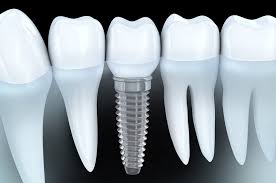
Dental implants are a popular solution for replacing missing teeth. They consist of a titanium post that is surgically inserted into the jawbone, serving as a replacement root for a dental crown. Implants provide a stable and durable foundation for attaching artificial teeth, offering a natural look and feel.

The procedure involves several stages, including the placement of the implant, a healing period during which the implant integrates with the jawbone, and the attachment of the crown.

The process begins with a thorough examination to assess bone density and overall oral health. If necessary, bone grafting may be performed to ensure adequate bone support for the implant. The implant is then placed in the jawbone through a minor surgical procedure.

After a healing period of several months, during which the implant fuses with the bone, a custom-made crown is attached to complete the restoration.

Dental implants are highly effective for restoring both function and aesthetics, and they can last for many years with proper care.

Procedure Steps:

  • Initial Consultation and Assessment: Evaluation of oral health and planning of the implant procedure.
  • Bone Grafting (if needed): Procedure to enhance bone density for implant support.
  • Implant Placement: Surgical insertion of the titanium post into the jawbone.
  • Healing Period: Time for the implant to integrate with the bone (usually 3-6 months).
  • Crown Fabrication: Creation of a custom dental crown to match the natural teeth.
  • Crown Placement: Attachment of the crown to the implant post.

Pricing Breakdown:

  • Initial Consultation and Assessment: $100 to $200.
  • Bone Grafting (if needed): $500 to $2,000.
  • Implant Placement: $1,000 to $2,500 per implant.
  • Crown Fabrication: $800 to $1,500 per crown.
  • Crown Placement: $100 to $200.
  • Total Estimated Cost (per implant): $2,000 to $4,200.

Clear Aligners

Definition and Details:

Clear aligners are a modern orthodontic treatment used to straighten teeth without the need for traditional metal braces.

These aligners are made from clear, BPA-free plastic and are custom-designed to gradually shift teeth into their ideal positions.

The treatment involves wearing a series of aligners, each designed to move the teeth progressively. Clear aligners are particularly popular among adults and teens who prefer a more discreet orthodontic option.

The process begins with a comprehensive evaluation and digital imaging to create a precise treatment plan.

Custom aligners are then fabricated based on the treatment plan, with each set of aligners being worn for about two weeks before being replaced with the next set in the series. Regular check-ups with the orthodontist are necessary to monitor progress and make any adjustments as needed.

Clear aligners offer the advantage of being removable, which allows for easier maintenance of oral hygiene and greater flexibility in eating and drinking.

Procedure Steps:

  • Initial Consultation and Assessment: Evaluation of dental alignment and discussion of treatment goals.
  • Digital Imaging: Creation of a 3D model of the teeth to design the aligners.
  • Fabrication of Aligners: Custom production of a series of aligners based on the treatment plan.
  • Aligner Fitting: Provision of the first set of aligners and instructions for use.
  • Regular Check-Ups: Monitoring of progress and provision of subsequent aligners.
  • Final Evaluation: Assessment of the final results and any necessary adjustments.

Pricing Breakdown:

  • Initial Consultation and Assessment: $100 to $200.
  • Digital Imaging and Treatment Planning: $300 to $500.
  • Fabrication of Aligners: $2,000 to $6,000 (for a complete set).
  • Regular Check-Ups: $100 to $200 per visit.
  • Total Estimated Cost: $2,500 to $6,500.

Traditional Braces

Definition and Details:

Traditional braces are a well-established method for correcting dental misalignments and bite issues. Consisting of metal brackets and wires, traditional braces work by applying continuous pressure to the teeth, gradually moving them into the desired position.

The process involves several components: metal brackets attached to the teeth, archwires that connect the brackets, and elastic bands that help secure the wires in place.

Traditional braces are effective for a wide range of orthodontic issues, including crowded teeth, gaps, and crooked teeth.

The treatment begins with a comprehensive orthodontic evaluation, including X-rays and dental impressions to create a detailed treatment plan. Braces are then applied, with regular adjustments made every 4-6 weeks to ensure progress.

The total duration of treatment can vary from 18 months to 3 years, depending on the complexity of the case. Traditional braces are a highly effective solution for achieving a well-aligned smile and can address a variety of dental alignment issues.

Procedure Steps:

  • Initial Consultation and Assessment: Evaluation of dental alignment and discussion of treatment options.
  • X-rays and Impressions: Creation of detailed records to plan the treatment.
  • Braces Application: Placement of metal brackets and wires on the teeth.
  • Adjustments: Regular visits for tightening and adjustments of the braces.
  • Final Stages: Removal of braces and application of a retainer to maintain results.

Pricing Breakdown:

  • Initial Consultation and Assessment: $100 to $200.
  • X-rays and Impressions: $200 to $300.
  • Braces Application: $1,500 to $3,000.
  • Adjustments (per visit): $100 to $200.
  • Total Estimated Cost: $2,000 to $6,000.

Dental Bridges

Definition and Details:

Dental bridges are used to replace one or more missing teeth by anchoring a false tooth or teeth between two existing teeth or dental implants. The bridge consists of a false tooth (or pontic) and crowns that cover the adjacent teeth or implants.

This restoration is designed to fill the gap left by missing teeth, restoring function and aesthetics. Dental bridges are a common solution for replacing missing teeth when implants are not an option or when multiple adjacent teeth are missing.

The procedure begins with an initial consultation and examination to determine if a bridge is appropriate.

Preparation involves reshaping the adjacent teeth or implants to accommodate the crowns. Impressions are taken to create a custom bridge that fits precisely. A temporary bridge is often placed while the permanent one is being fabricated. Once the permanent bridge is ready, it is fitted and cemented into place.

Dental bridges are effective for improving the appearance of the smile and restoring bite function.

Procedure Steps:

  • Initial Consultation and Assessment: Evaluation of missing teeth and discussion of treatment options.
  • Preparation of Adjacent Teeth: Shaping of the teeth or implants that will support the bridge.
  • Impression Taking: Creation of molds to design a custom bridge.
  • Temporary Bridge: Placement of a temporary bridge while the permanent one is made.
  • Fabrication of Permanent Bridge: Creation of the final bridge in a dental laboratory.
  • Bridge Fitting and Cementing: Placement and securing of the permanent bridge.

Pricing Breakdown:

  • Initial Consultation and Assessment: $100 to $200.
  • Preparation of Adjacent Teeth: $200 to $500 per tooth.
  • Impression Taking: $100 to $200.
  • Temporary Bridge: $150 to $300.
  • Permanent Bridge (per unit): $500 to $1,500.
  • Total Estimated Cost: $1,500 to $4,000 (for a three-unit bridge).

Gum Contouring

Definition and Details:

Gum contouring, also known as gum reshaping, is a cosmetic procedure aimed at improving the appearance of the gum line.

This procedure involves the removal of excess gum tissue or the recontouring of the gum line to create a more balanced and aesthetically pleasing smile. Gum contouring is often performed in conjunction with other cosmetic procedures, such as veneers or crowns, to enhance overall dental aesthetics.

The process begins with a detailed evaluation of the gum line and a discussion of the desired outcome.

Local anesthesia is administered to ensure comfort during the procedure. The dentist or periodontist then uses specialized tools to remove or reshape gum tissue. Laser technology is often used for precision and minimal discomfort.

The procedure typically requires a short recovery period, with some swelling and tenderness expected. Gum contouring can significantly improve the symmetry of the smile and enhance the overall appearance of the teeth.

Procedure Steps:

  • Initial Consultation and Assessment: Evaluation of gum tissue and discussion of desired outcomes.
  • Anesthesia: Administration of local anesthesia to ensure comfort.
  • Gum Tissue Removal: Use of surgical tools or laser to remove or reshape excess gum tissue.
  • Suturing (if needed): Placement of sutures to promote healing and ensure tissue reattachment.
  • Post-Procedure Care: Instructions for care and follow-up visits to monitor healing.

Pricing Breakdown:

  • Initial Consultation and Assessment: $100 to $200.
  • Anesthesia: $50 to $100.
  • Gum Tissue Removal/Reshaping: $500 to $1,500.
  • Suturing (if needed): $100 to $200.
  • Total Estimated Cost: $650 to $2,000.

Bonding

Definition and Details:

Dental bonding is a cosmetic procedure used to repair and enhance the appearance of teeth by applying a tooth-colored resin to the surface. Bonding is often used to address minor imperfections such as chips, cracks, gaps, or discoloration.

The resin is applied directly to the tooth and then hardened with a special light, creating a durable and aesthetically pleasing result.

The process begins with a consultation to determine if bonding is the appropriate solution for the patient’s needs.

The dentist will prepare the tooth surface by roughening it slightly to improve adhesion. The resin is then applied, shaped, and molded to match the surrounding teeth.

Once the desired shape and color are achieved, the resin is hardened with a light and polished to a smooth finish.

Bonding is a relatively quick and cost-effective solution for minor cosmetic issues, though it may not be as durable as other options like veneers.

Procedure Steps:

  • Initial Consultation: Evaluation of the tooth and discussion of cosmetic goals.
  • Tooth Preparation: Roughening of the tooth surface to enhance resin adhesion.
  • Resin Application: Application of tooth-colored resin to the tooth surface.
  • Shaping and Molding: Sculpting the resin to match the surrounding teeth.
  • Hardening and Polishing: Use of a light to harden the resin and polishing to achieve a smooth finish.

Pricing Breakdown:

  • Initial Consultation: $50 to $150.
  • Tooth Preparation: $50 to $100 per tooth.
  • Resin Application (per tooth): $150 to $400.
  • Shaping, Molding, and Polishing: $50 to $100 per tooth.
  • Total Estimated Cost (for multiple teeth): $300 to $1,200.

Full Mouth Reconstruction

Definition and Details:

Full mouth reconstruction is a comprehensive procedure designed to restore the function and aesthetics of the entire mouth.

This complex treatment often involves a combination of various dental procedures, including veneers, crowns, implants, and orthodontics, tailored to the individual’s specific needs.

Full mouth reconstruction is typically recommended for patients with extensive dental damage, multiple missing teeth, or significant aesthetic concerns.

The process begins with a thorough evaluation to assess the condition of the teeth, gums, and jawbone.

A detailed treatment plan is developed, outlining the necessary procedures and their sequence. The reconstruction may involve multiple stages, including the placement of implants, application of crowns or veneers, and any necessary orthodontic treatments. The goal of full mouth reconstruction is to achieve a functional and aesthetically pleasing smile that enhances both appearance and oral health.

Procedure Steps:

  • Initial Consultation and Assessment: Comprehensive evaluation of oral health and discussion of treatment goals.
  • Treatment Planning: Development of a detailed treatment plan outlining necessary procedures.
  • Stage 1 – Tooth Restoration: Application of crowns, veneers, or other restorative treatments as needed.
  • Stage 2 – Implant Placement: Surgical placement of dental implants to replace missing teeth.
  • Stage 3 – Orthodontics (if needed): Application of braces or aligners to correct alignment issues.
  • Stage 4 – Final Adjustments: Ensuring proper fit and function of all restorations and adjustments as needed.

Pricing Breakdown:

  • Initial Consultation and Assessment: $100 to $300.
  • Treatment Planning: $200 to $500.
  • Tooth Restoration (per tooth): $800 to $1,500.
  • Implant Placement (per implant): $1,000 to $2,500.
  • Orthodontics (if needed): $2,000 to $6,000.
  • Total Estimated Cost: $10,000 to $30,000.

Pricing Guide for Hollywood Smile Procedures in Istanbul, Ankara and Izmir.

Porcelain Veneers

Pricing in Istanbul:

  • Initial Consultation: $75 to $150
  • Diagnostic Imaging: $150 to $300
  • Tooth Preparation: $150 to $350 per tooth
  • Impressions and Temporary Veneers: $150 to $250
  • Porcelain Veneers (per unit): $400 to $900
  • Bonding and Final Adjustments: $150 to $300 per tooth
  • Total Estimated Cost (for 8-10 veneers): $3,000 to $9,000

Pricing in Ankara:

  • Initial Consultation: $50 to $130
  • Diagnostic Imaging: $100 to $250
  • Tooth Preparation: $100 to $300 per tooth
  • Impressions and Temporary Veneers: $120 to $220
  • Porcelain Veneers (per unit): $350 to $850
  • Bonding and Final Adjustments: $100 to $250 per tooth
  • Total Estimated Cost (for 8-10 veneers): $2,800 to $8,500

Pricing in Izmir:

  • Initial Consultation: $60 to $140
  • Diagnostic Imaging: $130 to $280
  • Tooth Preparation: $120 to $320 per tooth
  • Impressions and Temporary Veneers: $130 to $240
  • Porcelain Veneers (per unit): $380 to $870
  • Bonding and Final Adjustments: $120 to $270 per tooth
  • Total Estimated Cost (for 8-10 veneers): $3,000 to $8,700

Composite Veneers

Pricing in Istanbul:

  • Initial Consultation: $60 to $140
  • Tooth Preparation: $60 to $120 per tooth
  • Composite Application (per tooth): $200 to $450
  • Shaping, Sculpting, and Polishing: $60 to $110 per tooth
  • Total Estimated Cost (for 8-10 veneers): $1,800 to $4,800

Pricing in Ankara:

  • Initial Consultation: $50 to $130
  • Tooth Preparation: $50 to $100 per tooth
  • Composite Application (per tooth): $180 to $400
  • Shaping, Sculpting, and Polishing: $50 to $90 per tooth
  • Total Estimated Cost (for 8-10 veneers): $1,600 to $4,500

Pricing in Izmir:

  • Initial Consultation: $55 to $135
  • Tooth Preparation: $55 to $110 per tooth
  • Composite Application (per tooth): $190 to $420
  • Shaping, Sculpting, and Polishing: $55 to $100 per tooth
  • Total Estimated Cost (for 8-10 veneers): $1,800 to $4,800

Teeth Whitening

Pricing in Istanbul:

  • Initial Consultation: $60 to $140
  • In-Office Whitening: $200 to $350
  • At-Home Whitening Kit: $150 to $320
  • Total Estimated Cost (In-Office): $260 to $500
  • Total Estimated Cost (At-Home): $150 to $320

Pricing in Ankara:

  • Initial Consultation: $50 to $120
  • In-Office Whitening: $180 to $300
  • At-Home Whitening Kit: $130 to $300
  • Total Estimated Cost (In-Office): $230 to $450
  • Total Estimated Cost (At-Home): $130 to $300

Pricing in Izmir:

  • Initial Consultation: $55 to $130
  • In-Office Whitening: $190 to $340
  • At-Home Whitening Kit: $140 to $310
  • Total Estimated Cost (In-Office): $245 to $470
  • Total Estimated Cost (At-Home): $140 to $310

Dental Implants

Pricing in Istanbul:

  • Initial Consultation and Assessment: $100 to $200
  • Bone Grafting (if needed): $600 to $2,000
  • Implant Placement: $1,200 to $2,500 per implant
  • Crown Fabrication: $900 to $1,600 per crown
  • Crown Placement: $150 to $300
  • Total Estimated Cost (per implant): $2,950 to $5,600

Pricing in Ankara:

  • Initial Consultation and Assessment: $80 to $180
  • Bone Grafting (if needed): $500 to $1,800
  • Implant Placement: $1,000 to $2,400 per implant
  • Crown Fabrication: $800 to $1,500 per crown
  • Crown Placement: $100 to $250
  • Total Estimated Cost (per implant): $2,480 to $5,100

Pricing in Izmir:

  • Initial Consultation and Assessment: $90 to $190
  • Bone Grafting (if needed): $550 to $1,900
  • Implant Placement: $1,100 to $2,450 per implant
  • Crown Fabrication: $850 to $1,550 per crown
  • Crown Placement: $120 to $270
  • Total Estimated Cost (per implant): $2,520 to $5,540

Clear Aligners

Pricing in Istanbul:

  • Initial Consultation and Assessment: $75 to $150
  • Digital Imaging and Treatment Planning: $350 to $550
  • Fabrication of Aligners: $2,500 to $6,500
  • Regular Check-Ups: $100 to $200 per visit
  • Total Estimated Cost: $3,025 to $7,000

Pricing in Ankara:

  • Initial Consultation and Assessment: $60 to $130
  • Digital Imaging and Treatment Planning: $300 to $500
  • Fabrication of Aligners: $2,200 to $6,000
  • Regular Check-Ups: $90 to $180 per visit
  • Total Estimated Cost: $2,650 to $6,500

Pricing in Izmir:

  • Initial Consultation and Assessment: $65 to $140
  • Digital Imaging and Treatment Planning: $320 to $520
  • Fabrication of Aligners: $2,400 to $6,200
  • Regular Check-Ups: $95 to $190 per visit
  • Total Estimated Cost: $2,880 to $6,600

Traditional Braces

Pricing in Istanbul:

  • Initial Consultation and Assessment: $75 to $150
  • X-rays and Impressions: $150 to $300
  • Braces Application: $2,000 to $3,500
  • Adjustments (per visit): $100 to $200
  • Total Estimated Cost: $2,750 to $6,000

Pricing in Ankara:

  • Initial Consultation and Assessment: $60 to $130
  • X-rays and Impressions: $120 to $250
  • Braces Application: $1,800 to $3,200
  • Adjustments (per visit): $90 to $180
  • Total Estimated Cost: $2,340 to $5,500

Pricing in Izmir:

  • Initial Consultation and Assessment: $65 to $140
  • X-rays and Impressions: $130 to $270
  • Braces Application: $1,900 to $3,300
  • Adjustments (per visit): $95 to $190
  • Total Estimated Cost: $2,500 to $5,800

Dental Bridges

Pricing in Istanbul:

  • Initial Consultation and Assessment: $80 to $180
  • Preparation of Adjacent Teeth: $250 to $500 per tooth
  • Impression Taking: $120 to $200
  • Temporary Bridge: $200 to $350
  • Permanent Bridge (per unit): $600 to $1,600
  • Total Estimated Cost: $1,650 to $4,700 (for a three-unit bridge)

Pricing in Ankara:

  • Initial Consultation and Assessment: $60 to $150
  • Preparation of Adjacent Teeth: $200 to $450 per tooth
  • Impression Taking: $100 to $180
  • Temporary Bridge: $180 to $300
  • Permanent Bridge (per unit): $550 to $1,500
  • Total Estimated Cost: $1,400 to $4,000 (for a three-unit bridge)

Pricing in Izmir:

  • Initial Consultation and Assessment: $65 to $160
  • Preparation of Adjacent Teeth: $220 to $470 per tooth
  • Impression Taking: $110 to $190
  • Temporary Bridge: $190 to $320
  • Permanent Bridge (per unit): $600 to $1,550
  • Total Estimated Cost: $1,500 to $4,200 (for a three-unit bridge)

Gum Contouring

Pricing in Istanbul:

  • Initial Consultation and Assessment: $75 to $150
  • Anesthesia: $50 to $100
  • Gum Tissue Removal/Reshaping: $600 to $1,500
  • Suturing (if needed): $100 to $200
  • Total Estimated Cost: $825 to $1,950

Pricing in Ankara:

  • Initial Consultation and Assessment: $60 to $140
  • Anesthesia: $40 to $90
  • Gum Tissue Removal/Reshaping: $500 to $1,300
  • Suturing (if needed): $80 to $180
  • Total Estimated Cost: $680 to $1,710

Pricing in Izmir:

  • Initial Consultation and Assessment: $65 to $145
  • Anesthesia: $45 to $95
  • Gum Tissue Removal/Reshaping: $550 to $1,400
  • Suturing (if needed): $90 to $190
  • Total Estimated Cost: $750 to $1,830

Bonding

Pricing in Istanbul:

  • Initial Consultation: $50 to $120
  • Tooth Preparation: $50 to $100 per tooth
  • Resin Application (per tooth): $200 to $450
  • Shaping, Sculpting, and Polishing: $50 to $100 per tooth
  • Total Estimated Cost (for multiple teeth): $300 to $1,200

Pricing in Ankara:

  • Initial Consultation: $40 to $110
  • Tooth Preparation: $40 to $90 per tooth
  • Resin Application (per tooth): $180 to $400
  • Shaping, Sculpting, and Polishing: $40 to $90 per tooth
  • Total Estimated Cost (for multiple teeth): $260 to $1,100

Pricing in Izmir:

  • Initial Consultation: $45 to $115
  • Tooth Preparation: $45 to $95 per tooth
  • Resin Application (per tooth): $190 to $420
  • Shaping, Sculpting, and Polishing: $45 to $95 per tooth
  • Total Estimated Cost (for multiple teeth): $270 to $1,150

Full Mouth Reconstruction

Pricing in Istanbul:

  • Initial Consultation and Assessment: $100 to $300
  • Treatment Planning: $200 to $500
  • Tooth Restoration (per tooth): $800 to $1,500
  • Implant Placement (per implant): $1,200 to $2,500
  • Orthodontics (if needed): $2,000 to $6,000
  • Total Estimated Cost: $10,000 to $30,000

Pricing in Ankara:

  • Initial Consultation and Assessment: $80 to $250
  • Treatment Planning: $150 to $450
  • Tooth Restoration (per tooth): $700 to $1,400
  • Implant Placement (per implant): $1,000 to $2,400
  • Orthodontics (if needed): $1,800 to $5,500
  • Total Estimated Cost: $9,000 to $28,000

Pricing in Izmir:

  • Initial Consultation and Assessment: $90 to $270
  • Treatment Planning: $170 to $470
  • Tooth Restoration (per tooth): $750 to $1,450
  • Implant Placement (per implant): $1,100 to $2,450
  • Orthodontics (if needed): $1,900 to $5,800
  • Total Estimated Cost: $9,000 to $29,000

Additional Costs to Consider

Beyond the core components of the Hollywood Smile, patients should be aware of additional costs:

  • Consultation Fees: Initial consultations may cost between $50 and $150.
  • X-rays and Diagnostics: These can add an additional $100 to $300 to the overall cost.
  • Follow-Up Visits: Necessary for monitoring progress and may cost $50 to $100 per visit.
  • Travel and Accommodation: For those traveling from abroad, these costs can vary significantly based on location and preferences.

Financing and Payment Options

Many clinics in Turkey offer financing options to help manage the cost of a Hollywood Smile. These options may include:

  • Installment Payments: Allowing patients to pay in smaller, manageable amounts over time.
  • Interest-Free Financing: Some clinics offer interest-free periods to ease the financial burden.
  • Package Deals: Combining multiple procedures at a discounted rate.
  • It’s advisable to inquire about these options during your initial consultation.

Preparations Before Undergoing Hollywood Smile Procedures.

Personal Preparations

Research and Selection of a Clinic

  • Research Options: Investigate different clinics and dentists specializing in Hollywood Smile procedures. Look for reviews, success rates, and before-and-after photos of previous patients.
  • Verify Credentials: Ensure the clinic and its practitioners are certified and have a good reputation. Check for affiliations with recognized dental associations.
  • Consultation Options: Some clinics offer virtual consultations, which can be a preliminary step before committing to an in-person visit.

Financial Planning

  • Budgeting: Understand the total cost of the procedure, including additional expenses like travel and accommodation if applicable.
  • Insurance Coverage: Check if your dental insurance covers any part of the procedure. Some insurance plans may offer partial coverage for certain aspects of cosmetic dentistry.
  • Payment Plans: Inquire about payment plans or financing options that may be available through the clinic.

Health and Medical History Review

  • Document Health Issues: Provide a detailed account of your medical history, including any allergies, chronic conditions, or previous dental treatments.
  • Medication List: Compile a list of current medications and supplements, as some may need to be adjusted or discontinued before the procedure.
  • Pre-existing Conditions: Inform your dentist about any pre-existing dental or medical conditions that might affect the procedure.

Lifestyle Adjustments

  • Smoking Cessation: If you smoke, consider quitting or reducing smoking before the procedure, as smoking can impact healing and overall results.
  • Dietary Considerations: Adopt a diet that supports oral health. Avoid excessive consumption of sugary or acidic foods and beverages that can impact tooth enamel.
  • Oral Hygiene Routine: Maintain a rigorous oral hygiene routine, including brushing, flossing, and using mouthwash, to ensure your teeth and gums are in optimal condition.

Mental and Emotional Preparation

  • Expectation Management: Set realistic expectations about the outcome of the procedure. Discuss your goals and desired results with your dentist to align your expectations with achievable results.
  • Stress Management: Manage any anxiety or stress related to the procedure. Techniques such as meditation, deep breathing, or talking to a counselor can help.

Scheduling and Logistics

  • Appointment Timing: Schedule your procedure at a time that allows for adequate recovery. Avoid scheduling it during busy periods or right before significant events.
  • Transportation and Accommodation: Arrange for transportation to and from the clinic. If you are traveling from another city or country, book accommodation in advance.

Understanding Aftercare Requirements

  • Recovery Time: Learn about the expected recovery time and any follow-up appointments required.
  • Post-Procedure Care: Understand the aftercare instructions, including any dietary restrictions or care for temporary restorations.

Pre-Procedure Tests

  • Dental X-rays and Impressions: You may need to have updated dental X-rays or impressions taken before the procedure to aid in treatment planning.
  • Health Screening: Some procedures may require a general health screening to ensure you are fit for surgery.

Family and Social Support

  • Support System: Inform family and friends about your procedure to receive emotional and practical support during your recovery.
  • Emergency Contacts: Provide contact details of someone who can assist you in case of any post-procedure complications.

Educational Preparation

  • Procedure Understanding: Educate yourself about the specifics of the Hollywood Smile procedure, including what to expect during and after the process.
  • Pre-Procedure Instructions: Follow any pre-procedure instructions provided by your clinic, such as fasting or avoiding certain medications.

Clinical Preparations with the Doctor

Initial Consultation and Assessment

  • Detailed Examination: The dentist will conduct a thorough examination of your teeth, gums, and overall oral health to determine the suitability of the procedure.
  • Treatment Plan Discussion: Discuss the proposed treatment plan, including the types of veneers or other procedures that will be used and the expected outcomes.

Diagnostic Imaging

  • X-rays and Photographs: The dentist will take X-rays and high-resolution photographs of your teeth to assess their condition and plan the procedure accurately.
  • Digital Impressions: In some cases, digital impressions may be taken to create a precise model of your teeth for custom veneers or aligners.

Customized Treatment Planning

  • Design and Simulation: The dentist will design a customized treatment plan and may use simulation software to show you a preview of the expected results.
  • Material Selection: Choose the type of materials for veneers or crowns based on durability, aesthetics, and cost.

Pre-Procedure Preparation

  • Preoperative Instructions: Follow any specific instructions provided by your dentist, such as avoiding certain foods or medications before the procedure.
  • Consent Forms: Review and sign consent forms that outline the risks, benefits, and alternatives to the procedure.

Dental Health Optimization

  • Addressing Issues: Any existing dental issues, such as cavities or gum disease, should be addressed before starting the Hollywood Smile procedure to ensure a successful outcome.
  • Cleaning and Polishing: Professional cleaning and polishing of your teeth may be performed to ensure they are in the best condition for the procedure.

Anesthesia and Pain Management

  • Anesthesia Options: Discuss the type of anesthesia or sedation that will be used during the procedure and address any concerns you may have.
  • Pain Management Plan: The dentist will provide a plan for managing any potential pain or discomfort during the procedure and recovery.

Procedure Scheduling

  • Appointment Timing: Schedule the procedure at a time that fits both your and the dentist’s availability. Ensure you have adequate time for recovery and follow-up appointments.
  • Preparation for Procedure Day: Confirm all logistical details, such as arrival time and any specific pre-procedure preparations required.

Post-Procedure Care Instructions

  • Care Guidelines: Receive detailed instructions on how to care for your teeth and veneers or other restorations after the procedure.
  • Emergency Contacts: Obtain contact information for the clinic in case you experience any issues or have questions after the procedure.

Follow-Up Appointments

  • Scheduled Visits: Plan and attend follow-up appointments to monitor the progress of your recovery and make any necessary adjustments.
  • Adjustments and Touch-Ups: Schedule any required adjustments or touch-ups to ensure the final results meet your expectations.

Documentation and Records

  • Treatment Records: Keep a copy of all treatment records, including X-rays, photographs, and notes from consultations, for future reference and continuity of care.
  • Insurance Documentation: If applicable, ensure all necessary documentation is submitted to your insurance provider for reimbursement.

What happens during a Hollywood smile procedure?

Preparation and Anesthesia

Step Description:

The procedure begins with the preparation of the patient and the administration of anesthesia or sedation to ensure comfort and pain relief during the process.

Doctor’s Actions:

  • Patient Preparation: Ensure the patient is comfortably seated and provide any necessary pre-procedure instructions.
  • Anesthesia Administration: Administer local anesthesia to numb the treatment area. In cases of sedation, ensure the patient is properly sedated and monitored.
  • Monitoring Vital Signs: Continuously monitor the patient’s vital signs to ensure safety throughout the procedure.

Initial Tooth Preparation

Step Description:

The initial tooth preparation involves the shaping and resizing of the natural teeth to create a suitable base for the veneers or other restorative materials.

Doctor’s Actions:

  • Tooth Reshaping: Use dental drills or lasers to remove a thin layer of enamel from the surface of the teeth. This creates space for the veneers or other restorations.
  • Smoothing Edges: Smooth and contour the edges of the prepared teeth to ensure a precise fit for the veneers or crowns.
  • Assessment: Continuously assess the preparation to ensure it meets the required specifications.

Impression Taking

Step Description:

Accurate impressions of the prepared teeth are taken to create custom veneers or other restorative elements.

Doctor’s Actions:

  • Impression Materials: Apply impression material to capture the detailed shape of the prepared teeth. This may involve traditional mold materials or digital scanning technology.
  • Detailed Scanning: Use digital scanners to create a precise 3D model of the teeth if digital impressions are being used.
  • Verification: Check the impressions for accuracy and completeness to ensure the custom restorations will fit perfectly.

Temporary Restorations Placement

Step Description:

Temporary restorations are placed on the prepared teeth to protect them and maintain aesthetics until the final restorations are ready.

Doctor’s Actions:

  • Temporary Restoration Creation: Fabricate temporary veneers or crowns using materials that mimic the appearance of the final restorations.
  • Application: Place the temporary restorations on the prepared teeth and secure them with temporary cement.
  • Adjustments: Make any necessary adjustments to ensure the fit and comfort of the temporary restorations.

Final Restoration Fabrication

Step Description:

The final restorations, such as veneers or crowns, are fabricated based on the impressions and specifications obtained earlier.

Doctor’s Actions:

  • Lab Communication: Send the impressions and treatment specifications to a dental laboratory for the creation of the final restorations.
  • Material Selection: Oversee the selection of materials and colors to match the patient’s natural teeth and desired aesthetics.
  • Quality Control: Ensure that the restorations meet the required quality standards and specifications.

Trial Fitting of Final Restorations

Step Description:

Before finalizing the placement, the dentist will trial fit the restorations to check for proper fit, function, and aesthetics.

Doctor’s Actions:

  • Placement: Temporarily place the final restorations on the prepared teeth to check for fit and alignment.
  • Adjustments: Make any necessary adjustments to the restorations or the prepared teeth to ensure a perfect fit.
  • Patient Feedback: Obtain feedback from the patient regarding comfort and appearance, and make further adjustments as needed.

Final Cementation

Step Description:

The final restorations are permanently cemented onto the prepared teeth.

Doctor’s Actions:

  • Surface Preparation: Clean and prepare the surface of the prepared teeth to ensure proper bonding of the restorations.
  • Cement Application: Apply a bonding agent or cement to the back of the restorations and carefully position them on the prepared teeth.
  • Curing: Use a special light to cure and set the cement, ensuring the restorations are securely bonded.

Occlusion Check and Adjustments

Step Description:

The dentist checks and adjusts the occlusion (bite) to ensure that the restorations align properly with the opposing teeth.

Doctor’s Actions:

  • Bite Test: Have the patient bite down on special paper to check the contact points between the upper and lower teeth.
  • Adjustments: Make necessary adjustments to the restorations to achieve a comfortable and functional bite.
  • Verification: Re-check the occlusion to ensure that the final adjustments have resolved any issues.

Polishing and Finishing Touches

Step Description:

The final restorations are polished and finished to achieve a smooth, natural-looking surface.

Doctor’s Actions:

  • Polishing: Use polishing tools and pastes to smooth and polish the surface of the restorations, ensuring they have a natural shine.
  • Final Inspection: Inspect the restorations and surrounding teeth for any imperfections or areas that need further adjustment.
  • Patient Instructions: Provide the patient with instructions on how to care for their new restorations and what to expect in terms of maintenance.

Post-Procedure Documentation

Step Description:

Documentation of the procedure and post-procedure instructions are completed to ensure ongoing care and follow-up.

Doctor’s Actions:

  • Record Keeping: Document the details of the procedure, including any adjustments made and the final outcomes.
  • Follow-Up Scheduling: Schedule any necessary follow-up appointments to monitor the results and address any issues that may arise.
  • Patient Education: Provide the patient with written instructions on post-procedure care and maintenance, including dietary recommendations and oral hygiene practices.

Conclusion

Achieving a Hollywood Smile in Turkey offers an exceptional balance of quality and affordability.

With a range of pricing across Istanbul, Ankara, and Izmir, patients can find competitive options tailored to their needs.

By understanding the various costs involved and considering factors such as material quality and clinic reputation, you can make an informed decision about your smile makeover.

The Cost of Dental Crowns in Turkey: A Detailed Pricing Analysis.

Dental crowns, also known as caps, are custom-made restorations used to cover and protect damaged teeth.

They are a popular solution for restoring the appearance, function, and strength of teeth that have been weakened by decay, fractures, or large fillings.

Turkey has emerged as a leading destination for dental tourism, offering high-quality dental care at affordable prices.

Factors Influencing the Cost of Dental Crowns in Turkey

Type of Crown Material:

The material chosen for the crown significantly impacts the price. Common materials include:

  • Porcelain-Fused-to-Metal (PFM): These crowns offer a balance between aesthetics and durability. They typically cost between $150 to $350 per crown.
  • All-Porcelain/Ceramic: Known for their superior aesthetics, all-porcelain crowns are ideal for front teeth. They are priced between $200 to $500 per crown.
  • All-Metal (Gold/Alloys): These crowns are highly durable and are often used for molars. Gold crowns can cost between $500 to $1,000 per crown, depending on the gold content.
  • Zirconia: Renowned for their strength and natural appearance, zirconia crowns are a premium option. The cost ranges from $250 to $600 per crown.
  • E-max (Lithium Disilicate): These crowns are known for their excellent aesthetics and strength, costing between $300 to $700 per crown.

Complexity of the Case:

Complex cases, such as those involving extensive decay, misalignment, or gum disease, may require additional procedures like root canals or gum treatment before placing the crown.

These additional treatments can increase the overall cost.

Number of Crowns Needed:

Patients requiring multiple crowns may receive a discount per crown. However, the total cost will naturally be higher due to the increased number of crowns.

Dentist’s Expertise and Clinic Location:

The reputation and experience of the dentist, as well as the clinic’s location, can affect the price. Clinics in major cities like Istanbul, Ankara, and Izmir may charge more due to higher operational costs.

Technology and Materials Used:

The use of advanced technology, such as CAD/CAM systems for precise crown fabrication, can also influence the cost. Higher quality materials and cutting-edge technology generally result in a higher price.

Prices of all types of the dental crowns in Turkey.

Porcelain-Fused-to-Metal (PFM) Crowns

Definition and Details:

Porcelain-Fused-to-Metal (PFM) crowns combine a metal substructure with a porcelain overlay, making them both strong and aesthetically pleasing.

The metal base offers structural support and durability, while the porcelain layer mimics the natural appearance of teeth. PFM crowns are highly versatile, suitable for both anterior and posterior teeth.

The porcelain can be color-matched to the surrounding teeth, providing a natural look. However, the underlying metal can sometimes become visible at the gum line, particularly if the gums recede.

This type of crown is commonly used due to its balance of aesthetics, strength, and cost-effectiveness. PFM crowns are especially useful for patients who need durable crowns but also desire a natural-looking smile.

Procedure Steps:

  • Initial Consultation and Examination: The dentist conducts a thorough examination, including a review of the patient’s dental history and a discussion of treatment options.
  • Diagnostic Imaging: X-rays and potentially 3D scans are taken to assess the tooth’s structure and surrounding bone.
  • Tooth Preparation: The tooth receiving the crown is reshaped to make room for the crown. Decayed or damaged areas are removed.
  • Impression Taking: A dental impression is taken of the prepared tooth and the surrounding teeth to ensure a precise fit for the crown.
  • Shade Selection: The dentist selects the appropriate shade of porcelain to match the patient’s natural teeth.
  • Temporary Crown Placement: A temporary crown is placed to protect the prepared tooth while the permanent crown is being fabricated.
  • Crown Fabrication: The permanent PFM crown is custom-made in a dental laboratory.
  • Fitting and Adjustment: Once the permanent crown is ready, the dentist checks its fit, making necessary adjustments to ensure comfort and function.
  • Cementation: The permanent crown is cemented onto the prepared tooth using a strong dental adhesive.
  • Final Polishing and Adjustment: The crown is polished, and the dentist makes any final adjustments for a perfect bite.

Cost Breakdown:

  • Initial Consultation and Examination: $50 – $100
  • Diagnostic Imaging (X-rays, 3D scans): $30 – $100
  • Tooth Preparation and Decay Removal: $150 – $300
  • Impression Taking: $50 – $150
  • Temporary Crown Placement: $30 – $80
  • Permanent PFM Crown Fabrication: $200 – $400 per crown
  • Cementation: $60 – $120
  • Follow-up Visits and Adjustments: $30 – $70 per visit
  • Total Estimated Cost: $600 – $1,320 per crown

All-Porcelain/Ceramic Crowns

Definition and Details:

All-porcelain or all-ceramic crowns are composed entirely of porcelain or ceramic materials, offering superior aesthetic qualities and a natural appearance. These crowns are particularly popular for front teeth, where cosmetic appearance is crucial.

They are known for their translucency, which allows them to mimic the light-reflecting properties of natural teeth.

All-porcelain crowns are ideal for patients with metal allergies, as they contain no metal components.

They are also biocompatible, reducing the risk of irritation to the gums. However, they may not be as strong as metal-based crowns, making them less suitable for areas that experience high bite forces. Despite this, advances in ceramic materials have significantly improved their durability.

Procedure Steps:

  • Consultation and Assessment: The dentist evaluates the patient’s dental health and discusses the desired outcome.
  • Imaging and Analysis: Digital X-rays and 3D scans provide detailed views of the tooth structure and underlying bone.
  • Tooth Preparation: The tooth is carefully reshaped, removing a portion of the enamel to make room for the crown.
  • Impression and Shade Matching: An impression of the prepared tooth is taken, and a shade guide is used to select the color that matches the patient’s natural teeth.
  • Temporary Crown Fabrication and Placement: A temporary crown is fabricated and placed to protect the tooth while the permanent crown is made.
  • Crown Fabrication: The final crown is crafted from high-quality porcelain or ceramic, customized to the patient’s specifications.
  • Fitting and Customization: The dentist checks the fit and appearance of the crown, making adjustments as necessary to ensure a natural look and comfortable bite.
  • Cementation: The crown is permanently affixed using dental cement.
  • Polishing and Final Adjustments: The crown is polished to a natural luster, and any final adjustments are made to ensure proper alignment and bite.

Cost Breakdown:

  • Consultation and Assessment: $50 – $150
  • Imaging and Diagnostic Scans: $40 – $120
  • Tooth Preparation: $150 – $300
  • Impression and Shade Matching: $60 – $150
  • Temporary Crown Fabrication: $30 – $100
  • Permanent All-Porcelain Crown Fabrication: $250 – $500 per crown
  • Cementation: $70 – $150
  • Post-Placement Checkups: $40 – $80 per visit
  • Total Estimated Cost: $690 – $1,550 per crown

Zirconia Crowns

Definition and Details:

Zirconia crowns are crafted from zirconium dioxide, a highly durable and biocompatible ceramic material.

These crowns are renowned for their exceptional strength, making them an excellent choice for both anterior and posterior teeth.

Zirconia crowns can withstand significant chewing forces without fracturing, which makes them ideal for molars and areas with high bite pressure.

They also offer aesthetic benefits, with a translucency that can be customized to resemble natural teeth. The material’s biocompatibility means it is unlikely to cause allergic reactions or irritation.

Additionally, zirconia crowns are highly resistant to staining, making them a long-lasting choice for dental restorations. They can be either monolithic, made from a single block of zirconia, or layered with porcelain for enhanced aesthetics.

Procedure Steps:

  • Initial Consultation: The dentist assesses the patient’s oral health and discusses the need for a crown.
  • Diagnostic Imaging: Digital X-rays and possibly 3D imaging are used to evaluate the tooth and surrounding structures.
  • Tooth Reshaping: The tooth is reshaped to accommodate the thickness of the zirconia crown.
  • Detailed Impression: An impression of the prepared tooth is taken, along with a bite registration to ensure proper alignment.
  • Temporary Crown Installation: A temporary crown is placed to protect the prepared tooth.
  • Zirconia Crown Creation: The permanent crown is milled from a block of zirconia in a dental lab or using an in-office milling machine.
  • Crown Fitting and Adjustment: The dentist checks the fit, shape, and color of the zirconia crown, making necessary adjustments for comfort and aesthetics.
  • Permanent Bonding: The zirconia crown is cemented onto the prepared tooth.
  • Final Polishing and Bite Adjustment: The crown is polished, and the bite is adjusted to ensure comfort and function.

Cost Breakdown:

  • Initial Consultation: $60 – $150
  • Diagnostic Imaging: $40 – $150
  • Tooth Reshaping: $150 – $350
  • Detailed Impression and Bite Registration: $70 – $160
  • Temporary Crown Installation: $40 – $100
  • Zirconia Crown Creation: $300 – $600 per crown
  • Cementation: $80 – $160
  • Post-Placement Care: $50 – $100 per visit
  • Total Estimated Cost: $790 – $1,770 per crown

E-max (Lithium Disilicate) Crowns

Definition and Details:

E-max crowns are made from lithium disilicate, a glass-ceramic material known for its superior strength and aesthetics.

This type of crown is highly translucent, making it ideal for replicating the natural appearance of teeth. E-max crowns are especially suitable for front teeth restorations where aesthetics are paramount.

The material’s strength allows for thinner restorations, which means less tooth structure needs to be removed during preparation.

E-max crowns are also resistant to chipping and are available in a variety of shades to match the patient’s natural teeth. While they are strong, they are not recommended for patients with heavy biting forces on their back teeth.

Procedure Steps:

  • Consultation and Treatment Planning: The dentist evaluates the tooth and discusses the benefits of E-max crowns with the patient.
  • Imaging and Assessment: X-rays and digital imaging provide detailed views of the tooth and surrounding bone.
  • Tooth Preparation: The tooth is minimally reshaped to accommodate the E-max crown, preserving as much natural tooth structure as possible.
  • Impression Taking: A precise impression of the prepared tooth is taken, along with the opposing teeth to ensure a proper bite.
  • Temporary Crown Application: A temporary crown is placed to protect the tooth and maintain aesthetics during the fabrication process.
  • E-max Crown Fabrication: The E-max crown is created using advanced CAD/CAM technology to ensure a perfect fit and natural appearance.
  • Fitting and Adjustment: The dentist evaluates the crown’s fit and aesthetics, making any necessary adjustments for optimal comfort.
  • Cementation: The crown is bonded to the prepared tooth using a strong dental adhesive.
  • Final Adjustments and Polishing: The crown is polished, and the dentist ensures the bite and alignment are correct.

Cost Breakdown:

  • Consultation and Treatment Planning: $60 – $150
  • Imaging and Assessment: $50 – $120
  • Tooth Preparation: $150 – $300
  • Impression Taking: $60 – $150
  • Temporary Crown Application: $40 – $100
  • E-max Crown Fabrication: $350 – $750 per crown
  • Cementation: $80 – $150
  • Follow-up Adjustments: $50 – $100 per visit
  • Total Estimated Cost: $870 – $1,820 per crown

Gold Crowns

Definition and Details:

Gold crowns are made from a combination of gold and other metals, such as copper and platinum, providing a robust and durable solution for dental restoration.

Gold crowns are renowned for their longevity and resistance to wear and corrosion, making them an ideal choice for posterior teeth where durability is essential.

They offer a high level of biocompatibility, which minimizes the risk of allergic reactions and ensures that the crowns are well-tolerated by the body.

Although gold crowns lack the aesthetic appeal of tooth-colored crowns, they are often chosen for their superior strength and performance, especially for patients with heavy bite forces or those seeking a long-lasting restoration. Gold crowns can last up to 20 years or more with proper care, making them a cost-effective option in the long term.

Procedure Steps:

  • Initial Consultation: The dentist evaluates the patient’s dental health and discusses the benefits of gold crowns.
  • Diagnostic Imaging: X-rays and/or 3D scans are performed to assess the condition of the tooth and surrounding structures.
  • Tooth Preparation: The tooth is reshaped to accommodate the gold crown, removing any decayed or damaged areas.
  • Impression Taking: Detailed impressions of the prepared tooth are taken to ensure a precise fit for the gold crown.
  • Temporary Crown Placement: A temporary crown is placed to protect the tooth while the permanent gold crown is being fabricated.
  • Gold Crown Fabrication: The gold crown is custom-made in a dental laboratory using casting techniques to ensure a precise fit and optimal function.
  • Crown Fitting and Adjustment: The dentist places the gold crown on the prepared tooth to check the fit and make any necessary adjustments.
  • Cementation: The gold crown is permanently bonded to the tooth using dental cement.
  • Final Polishing and Checkups: The crown is polished, and any final adjustments are made to ensure proper alignment and bite. Follow-up visits are scheduled to monitor the crown’s performance.

Cost Breakdown:

  • Initial Consultation: $60 – $150
  • Diagnostic Imaging: $50 – $130
  • Tooth Preparation: $200 – $350
  • Impression Taking: $70 – $150
  • Temporary Crown Placement: $40 – $90
  • Gold Crown Fabrication: $500 – $1,100 per crown
  • Cementation: $80 – $150
  • Post-Placement Adjustments: $50 – $100 per visit
  • Total Estimated Cost: $1,050 – $2,300 per crown

Metal-Fused-to-Ceramic Crowns

Definition and Details:

Metal-Fused-to-Ceramic crowns feature a metal core covered with a layer of ceramic material. This combination provides the strength of a metal base with the aesthetic benefits of a ceramic outer layer.

The metal core is typically made from alloys like nickel-chromium or titanium, which offer excellent durability and resistance to wear. The ceramic layer is applied to create a tooth-like appearance that can be matched to the surrounding teeth.

These crowns are often used for both anterior and posterior teeth, offering a balance of functionality and appearance.

However, like PFM crowns, they can sometimes show a grayish line at the gum line if the gums recede, due to the metal substructure.

Procedure Steps:

  • Initial Consultation: The dentist assesses the patient’s needs and explains the benefits of metal-fused-to-ceramic crowns.
  • Diagnostic Imaging: X-rays and/or 3D scans are used to evaluate the tooth and surrounding bone.
  • Tooth Preparation: The tooth is reshaped to prepare for the crown, removing damaged or decayed tissue.
  • Impression Taking: Detailed impressions are made of the prepared tooth and the opposing teeth to ensure a precise fit.
  • Temporary Crown Placement: A temporary crown is placed to protect the tooth while the permanent crown is being made.
  • Crown Fabrication: The permanent crown is crafted in a dental laboratory, combining metal and ceramic materials.
  • Fitting and Adjustment: The dentist fits the crown on the prepared tooth, making any necessary adjustments for proper fit and bite.
  • Cementation: The crown is permanently cemented onto the tooth.
  • Polishing and Final Adjustments: The crown is polished, and any final adjustments are made to ensure optimal function and appearance.

Cost Breakdown:

  • Initial Consultation: $60 – $150
  • Diagnostic Imaging: $50 – $130
  • Tooth Preparation: $150 – $300
  • Impression Taking: $60 – $150
  • Temporary Crown Placement: $40 – $90
  • Metal-Fused-to-Ceramic Crown Fabrication: $250 – $500 per crown
  • Cementation: $70 – $150
  • Post-Placement Adjustments: $40 – $80 per visit
  • Total Estimated Cost: $670 – $1,500 per crown

Stainless Steel Crowns

Definition and Details:

Stainless steel crowns are made from a durable metal alloy that includes chromium and other metals. These crowns are typically used as a temporary solution or for pediatric patients due to their strength and ease of placement. Stainless steel crowns are pre-fabricated and come in various sizes, which are then adapted to fit the patient’s tooth.

They are often used on primary teeth in children to protect teeth that are at risk of further decay or damage.

While they are functional and durable, stainless steel crowns are not used for permanent restorations in adults due to their metallic appearance.

Procedure Steps:

  • Initial Consultation: The dentist evaluates the tooth and determines if a stainless steel crown is appropriate.
  • Diagnostic Imaging: X-rays may be taken to assess the condition of the tooth and surrounding area.
  • Tooth Preparation: The tooth is shaped and cleaned to fit the pre-fabricated stainless steel crown.
  • Crown Fitting: The stainless steel crown is fitted onto the prepared tooth and adjusted as necessary.
  • Cementation: The crown is permanently cemented onto the tooth using dental adhesive.
  • Final Adjustments: The dentist ensures the crown is properly aligned and makes any final adjustments to the fit and bite.

Cost Breakdown:

  • Initial Consultation: $40 – $100
  • Diagnostic Imaging: $30 – $80
  • Tooth Preparation: $100 – $200
  • Crown Fitting: $50 – $100
  • Cementation: $40 – $80
  • Final Adjustments: $30 – $60
  • Total Estimated Cost: $290 – $620 per crown

Resin Crowns

Definition and Details:

Resin crowns, also known as composite crowns, are made from a tooth-colored resin material that can be easily shaped and adjusted.

These crowns are typically used for temporary restorations or for teeth that do not require high strength.

Resin crowns are less durable than other types of crowns but offer a good aesthetic solution due to their color-matching capabilities.

They are often used for front teeth where appearance is important but where high durability is not required. Resin crowns can also be used as a temporary measure while waiting for a permanent crown to be fabricated.

Procedure Steps:

  • Consultation and Evaluation: The dentist assesses the tooth and determines if a resin crown is suitable for the patient’s needs.
  • Imaging and Preparation: X-rays and/or 3D scans may be used to evaluate the tooth’s structure, followed by the preparation of the tooth.
  • Crown Fabrication: The resin crown is made either in the dental office or a lab, depending on the type of resin used.
  • Fitting and Adjustment: The crown is placed on the prepared tooth and adjusted for proper fit and bite.
  • Cementation: The resin crown is bonded to the tooth using a dental adhesive.
  • Final Adjustments: The dentist makes any final adjustments to ensure the crown fits well and the bite is correct.

Cost Breakdown:

  • Consultation and Evaluation: $50 – $120
  • Imaging and Preparation: $40 – $100
  • Crown Fabrication: $150 – $300 per crown
  • Fitting and Adjustment: $30 – $70
  • Cementation: $40 – $80
  • Final Adjustments: $20 – $50
  • Total Estimated Cost: $330 – $620 per crown

Temporary Crowns

Definition and Details:

Temporary crowns are short-term restorations used while waiting for a permanent crown to be made. They are typically made from acrylic or resin materials and are designed to protect the prepared tooth and maintain aesthetics and function.

Temporary crowns are not intended for long-term use and are usually less durable than permanent crowns.

Their primary purpose is to cover the tooth and provide a functional and aesthetic solution until the final crown is ready.

Procedure Steps:

  • Initial Preparation: The dentist prepares the tooth and takes an impression to create a temporary crown.
  • Temporary Crown Fabrication: The temporary crown is made from acrylic or resin materials and adjusted for fit.
  • Crown Placement: The temporary crown is placed on the prepared tooth and adjusted to ensure comfort and proper alignment.
  • Monitoring: The patient may need to return for checkups to ensure the temporary crown remains in place and functions properly.

Cost Breakdown:

  • Initial Preparation and Impressions: $30 – $70
  • Temporary Crown Fabrication: $50 – $100 per crown
  • Placement and Adjustment: $30 – $60
  • Monitoring Visits: $20 – $40 per visit
  • Total Estimated Cost: $130 – $270 per crown

Onlay Crowns

Definition and Details:

Onlay crowns, also known as overlay crowns, are a type of dental restoration that covers one or more cusps of a tooth.

Unlike traditional crowns that cover the entire tooth, onlays are used when a tooth has substantial decay or damage but still has a significant amount of healthy tooth structure remaining.

Onlays are often made from materials such as porcelain, composite resin, or gold. They provide a more conservative approach compared to full crowns, preserving more of the natural tooth structure while offering protection and support.

Onlays are typically used for posterior teeth where strength and function are essential.

Procedure Steps:

  • Consultation and Evaluation: The dentist assesses the tooth to determine if an onlay is suitable and discusses the treatment plan.
  • Diagnostic Imaging: X-rays and/or 3D scans are used to evaluate the extent of the damage and the tooth structure.
  • Tooth Preparation: The damaged or decayed portions of the tooth are removed, and the tooth is shaped to fit the onlay.
  • Impression Taking: An impression of the prepared tooth is made to create a precise model for the onlay.
  • Temporary Onlay Placement: A temporary onlay may be placed while the permanent onlay is being fabricated.
  • Onlay Fabrication: The permanent onlay is created in a dental laboratory using materials such as porcelain, composite, or gold.
  • Fitting and Adjustment: The onlay is fitted onto the prepared tooth and adjusted for proper fit and bite.
  • Cementation: The onlay is bonded to the tooth using dental adhesive.
  • Final Polishing and Checkups: The onlay is polished, and any final adjustments are made to ensure optimal function and appearance.

Cost Breakdown:

  • Consultation and Evaluation: $50 – $150
  • Diagnostic Imaging: $40 – $120
  • Tooth Preparation: $150 – $300
  • Impression Taking: $60 – $150
  • Temporary Onlay Placement: $40 – $90
  • Onlay Fabrication: $250 – $500 per onlay
  • Fitting and Adjustment: $50 – $100
  • Cementation: $60 – $120
  • Final Adjustments: $30 – $70
  • Total Estimated Cost: $690 – $1,580 per onlay

Pricing for Dental Crowns in Istanbul, Ankara, and Izmir.

Porcelain-Fused-to-Metal (PFM) Crowns

Istanbul:

  • Initial Consultation: $60 – $120
  • Diagnostic Imaging: $50 – $100
  • Tooth Preparation: $150 – $300
  • Impression Taking: $60 – $120
  • Temporary Crown Placement: $30 – $80
  • PFM Crown Fabrication: $300 – $600 per crown
  • Cementation: $70 – $140
  • Post-Placement Adjustments: $40 – $90

Ankara:

  • Initial Consultation: $50 – $110
  • Diagnostic Imaging: $40 – $90
  • Tooth Preparation: $140 – $280
  • Impression Taking: $50 – $110
  • Temporary Crown Placement: $30 – $70
  • PFM Crown Fabrication: $280 – $550 per crown
  • Cementation: $60 – $130
  • Post-Placement Adjustments: $35 – $80

Izmir:

  • Initial Consultation: $55 – $115
  • Diagnostic Imaging: $45 – $95
  • Tooth Preparation: $145 – $290
  • Impression Taking: $55 – $115
  • Temporary Crown Placement: $35 – $75
  • PFM Crown Fabrication: $290 – $570 per crown
  • Cementation: $65 – $135
  • Post-Placement Adjustments: $38 – $85

All-Ceramic Crowns

Istanbul:

  • Initial Consultation: $60 – $130
  • Diagnostic Imaging: $50 – $110
  • Tooth Preparation: $160 – $320
  • Impression Taking: $60 – $130
  • Temporary Crown Placement: $40 – $90
  • All-Ceramic Crown Fabrication: $400 – $800 per crown
  • Cementation: $80 – $160
  • Post-Placement Adjustments: $50 – $100

Ankara:

  • Initial Consultation: $55 – $120
  • Diagnostic Imaging: $45 – $100
  • Tooth Preparation: $150 – $300
  • Impression Taking: $55 – $120
  • Temporary Crown Placement: $35 – $85
  • All-Ceramic Crown Fabrication: $380 – $750 per crown
  • Cementation: $70 – $150
  • Post-Placement Adjustments: $45 – $90

Izmir:

  • Initial Consultation: $58 – $125
  • Diagnostic Imaging: $48 – $105
  • Tooth Preparation: $155 – $310
  • Impression Taking: $58 – $125
  • Temporary Crown Placement: $38 – $80
  • All-Ceramic Crown Fabrication: $390 – $770 per crown
  • Cementation: $75 – $155
  • Post-Placement Adjustments: $48 – $95

Zirconia Crowns

Istanbul:

  • Initial Consultation: $65 – $140
  • Diagnostic Imaging: $55 – $120
  • Tooth Preparation: $170 – $330
  • Impression Taking: $65 – $140
  • Temporary Crown Placement: $45 – $100
  • Zirconia Crown Fabrication: $450 – $900 per crown
  • Cementation: $85 – $170
  • Post-Placement Adjustments: $55 – $110

Ankara:

  • Initial Consultation: $60 – $130
  • Diagnostic Imaging: $50 – $110
  • Tooth Preparation: $160 – $320
  • Impression Taking: $60 – $130
  • Temporary Crown Placement: $40 – $90
  • Zirconia Crown Fabrication: $430 – $880 per crown
  • Cementation: $80 – $160
  • Post-Placement Adjustments: $50 – $100

Izmir:

  • Initial Consultation: $62 – $135
  • Diagnostic Imaging: $52 – $115
  • Tooth Preparation: $165 – $325
  • Impression Taking: $62 – $135
  • Temporary Crown Placement: $42 – $85
  • Zirconia Crown Fabrication: $440 – $890 per crown
  • Cementation: $82 – $165
  • Post-Placement Adjustments: $52 – $105

E-max Crowns

Istanbul:

  • Initial Consultation: $65 – $140
  • Diagnostic Imaging: $55 – $120
  • Tooth Preparation: $170 – $330
  • Impression Taking: $65 – $140
  • Temporary Crown Placement: $45 – $100
  • E-max Crown Fabrication: $400 – $800 per crown
  • Cementation: $85 – $170
  • Post-Placement Adjustments: $55 – $110

Ankara:

  • Initial Consultation: $60 – $130
  • Diagnostic Imaging: $50 – $110
  • Tooth Preparation: $160 – $320
  • Impression Taking: $60 – $130
  • Temporary Crown Placement: $40 – $90
  • E-max Crown Fabrication: $380 – $750 per crown
  • Cementation: $80 – $160
  • Post-Placement Adjustments: $50 – $100

Izmir:

  • Initial Consultation: $62 – $135
  • Diagnostic Imaging: $52 – $115
  • Tooth Preparation: $165 – $325
  • Impression Taking: $62 – $135
  • Temporary Crown Placement: $42 – $85
  • E-max Crown Fabrication: $390 – $770 per crown
  • Cementation: $82 – $155
  • Post-Placement Adjustments: $52 – $95

Gold Crowns

Istanbul:

  • Initial Consultation: $60 – $120
  • Diagnostic Imaging: $50 – $100
  • Tooth Preparation: $200 – $350
  • Impression Taking: $70 – $150
  • Temporary Crown Placement: $40 – $90
  • Gold Crown Fabrication: $500 – $1,100 per crown
  • Cementation: $80 – $150
  • Post-Placement Adjustments: $50 – $100

Ankara:

  • Initial Consultation: $50 – $110
  • Diagnostic Imaging: $40 – $90
  • Tooth Preparation: $180 – $340
  • Impression Taking: $60 – $130
  • Temporary Crown Placement: $30 – $70
  • Gold Crown Fabrication: $450 – $1,000 per crown
  • Cementation: $70 – $140
  • Post-Placement Adjustments: $40 – $90

Izmir:

  • Initial Consultation: $55 – $115
  • Diagnostic Imaging: $45 – $95
  • Tooth Preparation: $185 – $345
  • Impression Taking: $55 – $115
  • Temporary Crown Placement: $35 – $75
  • Gold Crown Fabrication: $460 – $1,050 per crown
  • Cementation: $75 – $145
  • Post-Placement Adjustments: $45 – $85

Metal-Fused-to-Ceramic (MFC) Crowns

Istanbul:

  • Initial Consultation: $60 – $120
  • Diagnostic Imaging: $50 – $100
  • Tooth Preparation: $150 – $300
  • Impression Taking: $60 – $120
  • Temporary Crown Placement: $30 – $80
  • MFC Crown Fabrication: $250 – $500 per crown
  • Cementation: $70 – $140
  • Post-Placement Adjustments: $40 – $90

Ankara:

  • Initial Consultation: $50 – $110
  • Diagnostic Imaging: $40 – $90
  • Tooth Preparation: $140 – $280
  • Impression Taking: $50 – $110
  • Temporary Crown Placement: $30 – $70
  • MFC Crown Fabrication: $230 – $480 per crown
  • Cementation: $60 – $130
  • Post-Placement Adjustments: $35 – $80

Izmir:

  • Initial Consultation: $55 – $115
  • Diagnostic Imaging: $45 – $95
  • Tooth Preparation: $145 – $290
  • Impression Taking: $55 – $115
  • Temporary Crown Placement: $35 – $75
  • MFC Crown Fabrication: $240 – $500 per crown
  • Cementation: $65 – $135
  • Post-Placement Adjustments: $38 – $85

Stainless Steel Crowns

Istanbul:

  • Initial Consultation: $40 – $100
  • Diagnostic Imaging: $30 – $80
  • Tooth Preparation: $100 – $200
  • Crown Fitting: $50 – $100
  • Cementation: $40 – $80
  • Final Adjustments: $30 – $60

Ankara:

  • Initial Consultation: $35 – $90
  • Diagnostic Imaging: $25 – $70
  • Tooth Preparation: $90 – $180
  • Crown Fitting: $45 – $90
  • Cementation: $35 – $70
  • Final Adjustments: $25 – $55

Izmir:

  • Initial Consultation: $38 – $95
  • Diagnostic Imaging: $28 – $75
  • Tooth Preparation: $95 – $190
  • Crown Fitting: $48 – $85
  • Cementation: $38 – $75
  • Final Adjustments: $28 – $60

Resin Crowns

Istanbul:

  • Consultation and Evaluation: $50 – $120
  • Imaging and Preparation: $40 – $100
  • Crown Fabrication: $150 – $300 per crown
  • Fitting and Adjustment: $30 – $70
  • Cementation: $40 – $80
  • Final Adjustments: $20 – $50

Ankara:

  • Consultation and Evaluation: $45 – $110
  • Imaging and Preparation: $35 – $90
  • Crown Fabrication: $140 – $280 per crown
  • Fitting and Adjustment: $30 – $60
  • Cementation: $35 – $70
  • Final Adjustments: $20 – $45

Izmir:

  • Consultation and Evaluation: $48 – $115
  • Imaging and Preparation: $38 – $85
  • Crown Fabrication: $145 – $290 per crown
  • Fitting and Adjustment: $32 – $65
  • Cementation: $42 – $75
  • Final Adjustments: $22 – $55

Temporary Crowns

Istanbul:

  • Initial Preparation and Impressions: $30 – $70
  • Temporary Crown Fabrication: $50 – $100 per crown
  • Placement and Adjustment: $30 – $60
  • Monitoring Visits: $20 – $40 per visit

Ankara:

  • Initial Preparation and Impressions: $25 – $65
  • Temporary Crown Fabrication: $45 – $90 per crown
  • Placement and Adjustment: $30 – $50
  • Monitoring Visits: $15 – $35 per visit

Izmir:

  • Initial Preparation and Impressions: $28 – $68
  • Temporary Crown Fabrication: $48 – $85 per crown
  • Placement and Adjustment: $32 – $55
  • Monitoring Visits: $18 – $38 per visit

Onlay Crowns

Istanbul:

  • Consultation and Evaluation: $50 – $130
  • Diagnostic Imaging: $40 – $100
  • Tooth Preparation: $150 – $300
  • Impression Taking: $60 – $130
  • Temporary Onlay Placement: $40 – $90
  • Onlay Fabrication: $250 – $500 per onlay
  • Fitting and Adjustment: $50 – $100
  • Cementation: $60 – $120
  • Final Adjustments: $30 – $70

Ankara:

  • Consultation and Evaluation: $45 – $120
  • Diagnostic Imaging: $35 – $90
  • Tooth Preparation: $140 – $280
  • Impression Taking: $55 – $120
  • Temporary Onlay Placement: $35 – $85
  • Onlay Fabrication: $230 – $480 per onlay
  • Fitting and Adjustment: $45 – $90
  • Cementation: $55 – $110
  • Final Adjustments: $25 – $60

Izmir:

  • Consultation and Evaluation: $48 – $125
  • Diagnostic Imaging: $38 – $95
  • Tooth Preparation: $145 – $290
  • Impression Taking: $58 – $125
  • Temporary Onlay Placement: $38 – $80
  • Onlay Fabrication: $240 – $500 per onlay
  • Fitting and Adjustment: $48 – $100
  • Cementation: $60 – $115
  • Final Adjustments: $28 – $65

Additional Costs and Considerations

When planning for dental crowns, it’s essential to consider additional costs that may arise:

Diagnostic and Consultation Fees:

Initial consultations and diagnostic tests, such as X-rays or 3D imaging, may incur additional charges. These fees typically range from $20 to $100.

Pre-Treatment Procedures:

Patients may require pre-treatment procedures like teeth cleaning, fillings, or root canals. These procedures add to the overall cost. For example, a root canal can cost between $100 to $300, depending on the complexity.

Temporary Crowns:

While waiting for the permanent crown to be fabricated, a temporary crown may be placed. Temporary crowns can cost an additional $20 to $50.

Post-Treatment Care:

Aftercare, including follow-up visits and maintenance, is crucial for the longevity of dental crowns. Some clinics include these services in the overall package, while others may charge separately.

Travel and Accommodation:

For international patients, travel and accommodation costs must be factored in. Turkey offers a wide range of accommodation options, from budget hotels to luxury resorts. The cost of accommodation can vary significantly based on location and duration of stay.

Preparations Before Dental Crown Procedures.

Personal Preparations

Research and Understanding

  • Educate Yourself: Research different types of dental crowns (e.g., porcelain-fused-to-metal, all-ceramic, zirconia) and understand the benefits and limitations of each type. This knowledge will help you make an informed decision about which type of crown is best for your needs.
  • Read Reviews: Look for reviews and testimonials from patients who have undergone similar procedures. This can provide insights into the experience and satisfaction level with specific types of crowns and dentists.

Consultation with Your General Dentist

  • Initial Examination: Schedule a consultation with your general dentist to discuss your dental health and the need for a crown. This initial visit will help in assessing whether a crown is the right option for your situation.
  • Medical History: Provide your dentist with a comprehensive medical history, including any existing health conditions, allergies, and medications you are currently taking.

Financial Planning

  • Insurance Coverage: Check with your dental insurance provider to determine if dental crowns are covered under your plan and what portion of the costs will be covered.
  • Budgeting: Prepare a budget for any out-of-pocket expenses not covered by insurance. Understanding the total cost, including any potential additional costs, will help avoid surprises.

Lifestyle Adjustments

  • Dietary Changes: Avoid foods and beverages that could affect your dental health or cause discomfort during the crown placement. It’s advisable to steer clear of sticky, hard, or sugary foods before and after the procedure.
  • Smoking and Alcohol: If you smoke or consume alcohol, consider reducing or quitting these habits, as they can impact oral health and the healing process.

Pre-Procedure Oral Hygiene

  • Brushing and Flossing: Maintain a rigorous oral hygiene routine, including brushing twice a day and flossing daily. This helps ensure your teeth and gums are in optimal condition before the procedure.
  • Dental Cleanings: Schedule a professional dental cleaning to remove plaque and tartar buildup, which can improve the overall health of your teeth and gums.

Medications and Supplements

  • Review Medications: Review any medications or supplements you are taking with your dentist. Certain medications may affect the procedure or the healing process.
  • Pre-Procedural Medications: Follow any instructions regarding pre-procedural medications, such as antibiotics or pain relievers, that your dentist may recommend.

Pain Management

  • Over-the-Counter Pain Relievers: Stock up on over-the-counter pain relievers, such as ibuprofen or acetaminophen, to manage any discomfort that may arise after the procedure.
  • Ice Packs: Prepare ice packs to apply to your face if you experience swelling or discomfort post-procedure.

Transportation and Support

  • Arrange Transportation: Ensure you have a ride to and from the dental office, especially if sedation or anesthesia will be used during the procedure.
  • Post-Procedure Support: Arrange for someone to assist you with daily activities and provide support if needed during the recovery period.

Appointment Scheduling

  • Confirm Appointments: Double-check all appointment times and dates with your dental office. Ensure that you understand the schedule for the procedure and any follow-up visits.
  • Time Off Work: Plan for any necessary time off work or other activities to accommodate the procedure and recovery time.

Psychological Preparation

  • Manage Anxiety: If you feel anxious about the procedure, consider relaxation techniques such as deep breathing exercises, meditation, or discussing your concerns with your dentist.
  • Set Realistic Expectations: Have realistic expectations about the procedure, including the time required for completion and the recovery process.

Doctor Involvement and Preparation

Comprehensive Examination

  • Detailed Oral Exam: The dentist will conduct a thorough examination of your teeth, gums, and overall oral health to determine the need for a crown and the appropriate type.
  • Assessment of Tooth Structure: Evaluate the condition of the tooth that will receive the crown, including any existing damage or decay that needs addressing.

Diagnostic Imaging

  • X-Rays: Obtain detailed X-rays of the affected tooth and surrounding structures to assess the root and bone structure, which is crucial for accurate crown placement.
  • Digital Scans: In some cases, digital impressions or 3D scans may be used to create precise models of your teeth for custom crown fabrication.

Treatment Planning

  • Discuss Options: Review different crown options with your dentist, including the benefits, drawbacks, and costs associated with each type. Make a decision based on this discussion.
  • Procedure Outline: Receive a clear outline of the entire procedure, including the steps involved, the estimated duration, and any preparatory work required.

Pre-Procedure Preparation

  • Tooth Preparation: The dentist will prepare your tooth by removing any damaged or decayed areas and shaping it to ensure a proper fit for the crown.
  • Temporary Crown Placement: If needed, a temporary crown will be placed to protect the prepared tooth while the permanent crown is being fabricated.

Material Selection

  • Crown Material: Based on the type of crown chosen, the dentist will select the appropriate material and ensure it meets the necessary specifications for durability and aesthetics.
  • Shade Matching: For aesthetic crowns, the dentist will match the shade of the crown to your natural teeth to ensure a seamless appearance.

Crown Fabrication

  • Impressions: The dentist will take detailed impressions of your prepared tooth to create a custom crown that fits perfectly.
  • Lab Coordination: The dentist will coordinate with a dental laboratory to ensure the crown is fabricated to precise specifications and quality standards.

Procedure Day Preparation

  • Anesthesia Options: Discuss anesthesia options with your dentist, including local anesthesia or sedation, to ensure you are comfortable during the procedure.
  • Pre-Procedure Instructions: Follow any specific instructions provided by your dentist regarding food and drink restrictions or medications to take before the procedure.

Post-Procedure Care

  • Post-Procedure Instructions: Receive detailed instructions for post-procedure care, including how to care for your temporary crown (if applicable) and when to schedule follow-up visits.
  • Pain Management: Discuss pain management strategies and any prescribed medications to manage discomfort after the procedure.

Follow-Up Appointments

  • Schedule Follow-Ups: Schedule and attend follow-up appointments to monitor the fit and function of the permanent crown and address any adjustments or concerns.
  • Ongoing Monitoring: The dentist will monitor the health of the crowned tooth and surrounding tissues during regular check-ups.

Emergency Contact

  • Emergency Procedures: Know the procedures to follow in case of any issues or complications with your crown, including whom to contact and how to manage any unexpected problems.

What happens during the Dental Crown Procedure?

Initial Assessment and Preparation

Description: The procedure begins with a final assessment and preparation of the affected tooth. This step ensures that the tooth is ready for the crown and that the procedure can proceed smoothly.

Dentist’s Actions:

  • Reconfirm Procedure Details: The dentist reviews the procedure plan with the patient, addressing any last-minute questions or concerns.
  • Final Tooth Inspection: Conduct a thorough inspection of the tooth to be crowned, checking for any issues that may need immediate attention.
  • Anesthesia Administration: Administer local anesthesia to numb the tooth and surrounding area, ensuring the patient is comfortable and pain-free during the procedure.

Tooth Preparation

Description: The dentist prepares the tooth by removing any damaged or decayed areas and shaping it to ensure a proper fit for the crown.

Dentist’s Actions:

  • Decay Removal: Use dental instruments to remove any decay or damage from the tooth, leaving a clean and healthy surface.
  • Tooth Shaping: Shape the tooth to create space for the crown, ensuring it fits well and aligns with the adjacent teeth.
  • Reduction of Tooth Structure: Reduce the size of the tooth, if necessary, to accommodate the thickness of the crown.

Impression Taking

Description: Accurate impressions are taken to create a custom crown that fits perfectly on the prepared tooth.

Dentist’s Actions:

  • Traditional Impressions: Use impression material (such as alginate or silicone) to create a mold of the prepared tooth and surrounding teeth.
  • Digital Impressions: In some cases, take digital scans using intraoral cameras to capture precise images of the tooth and surrounding area.
  • Check for Accuracy: Ensure the impressions or scans are accurate and detailed, which is crucial for the proper fabrication of the crown.

Temporary Crown Placement

Description: A temporary crown is placed on the prepared tooth to protect it while the permanent crown is being fabricated.

Dentist’s Actions:

  • Fabrication of Temporary Crown: Create or select a temporary crown that fits the prepared tooth and provides adequate protection.
  • Crown Placement: Secure the temporary crown in place using temporary adhesive or cement.
  • Adjustments: Make any necessary adjustments to ensure a proper fit and comfort for the patient.

Crown Fabrication

Description: The impressions or digital scans are sent to a dental laboratory, where the permanent crown is custom-fabricated.

Dentist’s Actions:

  • Send Impressions to Lab: Send the impressions or digital data to a dental laboratory for crown fabrication.
  • Material Selection: Provide the laboratory with information regarding the chosen crown material and any specific requirements for color or shape.
  • Follow-Up: Communicate with the laboratory to monitor the progress of the crown fabrication and ensure timely completion.

Permanent Crown Preparation

Description: Once the permanent crown is ready, the dentist prepares it for placement on the prepared tooth.

Dentist’s Actions:

  • Crown Check: Inspect the permanent crown for fit, color, and shape, ensuring it meets the required specifications.
  • Adjustments: Make any necessary adjustments to the crown to ensure it fits well and aligns correctly with the adjacent teeth.
  • Try-In: Place the crown temporarily on the prepared tooth to check the fit and make any final adjustments.

Crown Fitting

Description: The dentist fits the permanent crown onto the prepared tooth and checks for proper alignment and occlusion.

Dentist’s Actions:

  • Final Fit Assessment: Place the crown on the prepared tooth, checking for proper fit and alignment.
  • Adjust Occlusion: Ensure the crown aligns correctly with the opposing teeth and adjust as needed to achieve a comfortable bite.
  • Cementation Preparation: Prepare the necessary cement or adhesive for permanent crown placement.

Cementation

Description: The permanent crown is securely cemented onto the prepared tooth, finalizing the restoration.

Dentist’s Actions:

  • Apply Cement: Apply dental cement or adhesive to the inside of the crown.
  • Place Crown: Position the crown on the prepared tooth and apply pressure to ensure it bonds securely.
  • Remove Excess Cement: Clean away any excess cement from around the crown and surrounding areas.

Final Adjustments

Description: After cementation, the dentist makes final adjustments to ensure the crown fits comfortably and functions properly.

Dentist’s Actions:

  • Check Bite: Verify that the crown fits properly and does not affect the patient’s bite or occlusion.
  • Make Adjustments: Adjust the crown if necessary to correct any issues with fit or alignment.
  • Verify Comfort: Ensure the patient is comfortable and the crown is not causing any discomfort.

Post-Procedure Care Instructions

Description: The dentist provides instructions for care and maintenance of the new crown, ensuring optimal longevity and health.

Dentist’s Actions:

  • Post-Care Instructions: Provide detailed instructions on how to care for the new crown, including brushing, flossing, and dietary recommendations.
  • Follow-Up Appointments: Schedule follow-up visits to monitor the crown and make any necessary adjustments.
  • Emergency Contact Information: Provide contact information for addressing any issues or concerns that may arise after the procedure.

Choosing the Right Clinic and Dentist

Selecting the right clinic and dentist is a critical aspect of undergoing a dental crown procedure in Turkey. Here are some tips to help patients make an informed decision:

Research and Reviews:

Thoroughly research potential clinics and dentists. Look for reviews from previous patients, testimonials, and before-and-after photos. Reputable clinics often provide comprehensive information about their services and team.

Credentials and Experience:

Verify the credentials and experience of the dentist. Ensure they are certified by recognized dental associations and have experience in cosmetic dentistry.

Technology and Facilities:

Opt for clinics that use state-of-the-art technology and equipment. Advanced technology ensures precise and high-quality dental work.

Communication and Language:

Choose a clinic where the staff can communicate effectively in your preferred language.

Clear communication is essential for discussing treatment plans, expectations, and post-treatment care.

Transparent Pricing:

Select clinics that provide transparent pricing and detailed quotes. Avoid clinics with hidden charges or unclear cost breakdowns.

Conclusion

Turkey offers a compelling option for dental crown procedures, combining high-quality care with affordable prices.

The cost of dental crowns varies based on the type of material used, the complexity of the case, and the location of the clinic.

Patients can expect to pay between $150 to $1,200 per crown, depending on these factors. Major cities like Istanbul, Ankara, and Izmir offer a range of options, each with its unique advantages.

Navigating the Cost of Dental Implants in Turkey: A Comprehensive Guide

Turkey has become a popular destination for dental treatments, including dental implants, due to its high-quality care and cost-effectiveness.

This article provides an in-depth analysis of dental implant costs in Turkey, breaking down the factors influencing pricing, and offering valuable insights for prospective patients.

Understanding Dental Implants

Dental implants are artificial tooth roots placed into the jawbone to support replacement teeth or bridges. The procedure involves several stages:

  • Initial Consultation: Evaluation of oral health and planning the treatment.
  • Implant Placement: Surgery to insert the titanium implant into the jawbone.
  • Osseointegration: Healing period where the implant integrates with the bone.
  • Abutment Placement: Attachment of the connector to the implant.
  • Crown Placement: Fitting the artificial tooth or crown onto the abutment.

Factors Influencing the Cost of Dental Implants in Turkey

Location and Clinic Reputation

The cost of dental implants can vary significantly across different cities and clinics in Turkey.

Major cities like Istanbul, Ankara, and Izmir tend to have higher prices due to their popularity and the higher cost of living.

For instance, in Istanbul, the cost might range between $1,200 to $1,800 per implant, while in Ankara and Izmir, prices might be slightly lower, ranging from $1,000 to $1,500.

Additional Procedures

Some patients may require additional procedures such as:

  • Bone Grafting: Necessary if the patient’s jawbone is insufficient, costing an additional $300 to $700.
  • Sinus Lift: Performed if the implant is placed in the upper jaw, costing $500 to $800.
  • Soft Tissue Grafting: For gum tissue enhancement, costing $200 to $400.

Quality of Materials

The materials used for implants and crowns can influence the cost. High-grade titanium and zirconia materials are more expensive but offer better durability and aesthetics.

Clinic and Surgeon Expertise

Clinics with highly experienced surgeons and state-of-the-art facilities may charge higher fees. However, the expertise and advanced technology can lead to better outcomes, reducing the risk of complications and additional costs.

Post-Operative Care

Post-operative care and follow-up visits are essential for successful implant integration. Some clinics include these services in their packages, while others may charge separately.

Expect additional costs for check-ups, adjustments, and potential repairs.

Prices of all types of the dental implants procedure.

Endosteal Implants

Definition and Details:

Endosteal implants are the most frequently used type of dental implants and are favored for their reliability and effectiveness.

These implants are typically crafted from titanium, a material known for its exceptional biocompatibility, meaning it integrates well with the jawbone.

The procedure involves placing a screw-like implant into the jawbone, which serves as an artificial root for the replacement tooth. This process involves two primary stages: implant placement and crown fitting.

During the first stage, the implant is surgically inserted into the jawbone. The surrounding bone will then grow around the implant in a process known as osseointegration, which typically takes several months.

After the implant has integrated with the bone, a second minor surgery is performed to attach an abutment, which serves as a connector between the implant and the crown. Finally, a custom-made crown is placed on the abutment to complete the restoration.

Procedure Steps:

  • Initial Consultation and X-rays
  • Comprehensive examination to evaluate bone density and overall dental health.
  • Implant Placement Surgery
  • Surgical insertion of the titanium implant into the jawbone.
  • Osseointegration Period
  • Healing period where the implant integrates with the bone (several months).
  • Abutment Placement
  • Minor surgical procedure to attach the abutment to the implant.
  • Crown Fabrication and Placement
  • Custom-made crown is fitted onto the abutment.

Pricing Breakdown:

  • Initial Consultation and X-rays: $150 – $300
  • Implant Placement Surgery: $1,200 – $1,800
  • Abutment Placement: $300 – $500
  • Crown Fabrication and Placement: $500 – $1,000
  • Bone Grafting (if necessary): $300 – $700
  • Sinus Lift (if necessary): $500 – $800
  • Post-Operative Care and Follow-Up Visits: $100 – $200 per visit
  • Total Estimated Cost: $2,500 – $4,500 (excluding travel and accommodation)

Subperiosteal Implants

Definition and Details:

Subperiosteal implants are placed under the gum tissue but sit on or above the jawbone. They are typically used for patients who have insufficient bone height or density to support endosteal implants.

The procedure involves creating a metal framework that fits onto the jawbone and becomes integrated with the surrounding gum tissue.

This type of implant is less common today due to advances in bone grafting techniques that often make patients eligible for endosteal implants.

The process begins with a comprehensive evaluation and imaging to plan the placement of the subperiosteal framework.

During surgery, the dentist creates an incision in the gum tissue to place the framework onto the jawbone.

The gum tissue is then sutured back into place. After healing, a second procedure is performed to attach the abutments and then the crowns are fitted.

Procedure Steps:

  • Initial Consultation and X-rays
  • Examination and imaging to assess jawbone and gum health.
  • Framework Placement Surgery
  • Surgical placement of the metal framework on the jawbone.
  • Osseointegration Period
  • Healing period where the framework integrates with the gum tissue.
  • Abutment Placement
  • Attaching abutments to the framework.
  • Crown Fabrication and Placement
  • Fitting of the custom-made crowns onto the abutments.

Pricing Breakdown:

  • Initial Consultation and X-rays: $150 – $300
  • Framework Placement Surgery: $1,500 – $2,000
  • Abutment Placement: $300 – $500
  • Crown Fabrication and Placement: $500 – $1,000
  • Bone Grafting (if necessary): $300 – $700
  • Post-Operative Care and Follow-Up Visits: $100 – $200 per visit
  • Total Estimated Cost: $2,800 – $4,500 (excluding travel and accommodation)

Zygomatic Implants

Definition and Details:

Zygomatic implants are designed for patients with severe bone loss in the upper jaw who cannot undergo traditional implant procedures due to insufficient bone density.

These implants are anchored in the zygomatic bone (cheekbone), which provides a stable foundation for dental prosthetics.

The procedure is complex and involves placing long implants into the zygomatic bone, bypassing the need for bone grafts or extensive bone augmentation.

The process starts with a thorough examination and advanced imaging to plan the exact placement of the implants.

During surgery, the dentist places the implants into the zygomatic bone through small incisions in the gum.

After placement, the implants will integrate with the zygomatic bone, and a prosthesis can be attached to restore function and aesthetics.

Procedure Steps:

  • Initial Consultation and Advanced Imaging
  • Detailed assessment and imaging to plan the procedure.
  • Implant Placement Surgery
  • Surgical insertion of long implants into the zygomatic bone.
  • Osseointegration Period
  • Healing period for integration with the zygomatic bone.
  • Prosthesis Attachment
  • Fitting of the final prosthesis onto the zygomatic implants.

Pricing Breakdown:

  • Initial Consultation and Advanced Imaging: $200 – $400
  • Implant Placement Surgery: $2,000 – $3,000
  • Prosthesis Attachment: $1,000 – $2,000
  • Post-Operative Care and Follow-Up Visits: $150 – $250 per visit
  • Total Estimated Cost: $3,500 – $5,650 (excluding travel and accommodation)

All-on-4 Implants

Definition and Details:

The All-on-4 implant technique is designed for patients who require a full arch of teeth. This method uses four strategically placed implants to support a full set of fixed prosthetic teeth.

The procedure is particularly useful for patients with significant bone loss who might not have enough bone for traditional implants.

The implants are placed at angles to maximize the use of available bone and support a complete dental arch.

The procedure involves placing four implants in the jawbone and attaching a temporary prosthesis immediately after surgery.

The patient will have a functional set of teeth while the implants integrate with the bone. After a healing period, a permanent prosthesis is placed.

Procedure Steps:

  • Initial Consultation and Imaging
  • Comprehensive evaluation and imaging to plan the placement of the implants.
  • Implant Placement Surgery
  • Insertion of four implants into the jawbone.
  • Temporary Prosthesis Fitting
  • Placement of a temporary prosthesis immediately after surgery.
  • Osseointegration Period
  • Healing period for the implants to integrate with the bone.
  • Permanent Prosthesis Placement
  • Fitting of the permanent prosthetic teeth.

Pricing Breakdown:

  • Initial Consultation and Imaging: $200 – $400
  • Implant Placement Surgery: $6,000 – $8,000 (for a full arch)
  • Temporary Prosthesis Fitting: $1,000 – $2,000
  • Permanent Prosthesis Placement: $2,000 – $3,000
  • Post-Operative Care and Follow-Up Visits: $200 – $300 per visit
  • Total Estimated Cost: $9,400 – $13,700 (excluding travel and accommodation)

Immediate Load Implants

Definition and Details:

Immediate load implants, also known as same-day implants, allow for the placement of a temporary crown or bridge on the same day as the implant surgery.

This technique is suitable for patients who need a tooth replacement quickly and have adequate bone density and health.

The procedure involves placing the implant and immediately attaching a temporary restoration, which is later replaced with a permanent one after the osseointegration period.

This approach minimizes the time the patient spends without teeth and can offer a more immediate aesthetic and functional solution.

The success of this procedure relies heavily on precise planning and the patient’s ability to maintain excellent oral hygiene.

Procedure Steps:

  • Initial Consultation and X-rays
  • Evaluation and imaging to determine suitability for immediate load.
  • Implant Placement Surgery
  • Surgical insertion of the implant with immediate attachment of a temporary restoration.
  • Osseointegration Period
  • Time required for the implant to integrate with the bone.
  • Permanent Restoration Placement
  • Replacement of the temporary crown or bridge with a permanent one.

Pricing Breakdown:

  • Initial Consultation and X-rays: $150 – $300
  • Implant Placement Surgery: $1,500 – $2,000
  • Temporary Restoration Placement: $500 – $1,000
  • Permanent Restoration Placement: $500 – $1,000
  • Post-Operative Care and Follow-Up Visits: $100 – $200 per visit
  • Total Estimated Cost: $2,800 – $4,500 (excluding travel and accommodation)

Mini Implants

Definition and Details:

Mini implants are smaller in diameter compared to traditional implants and are used in situations where there is limited bone available.

They are often used to stabilize lower dentures or for single tooth replacements. Mini implants provide a less invasive alternative to standard implants and can often be placed with less discomfort and a shorter recovery time.

The procedure involves placing the mini implants into the jawbone, which are then used to secure a dental prosthesis or denture.

This technique is ideal for patients with narrower jawbones or those who are not candidates for larger implants.

Procedure Steps:

  • Initial Consultation and X-rays
  • Assessment to determine suitability for mini implants.
  • Implant Placement Surgery
  • Insertion of mini implants into the jawbone.
  • Prosthesis or Denture Placement
  • Securing the dental prosthesis or denture onto the mini implants.

Pricing Breakdown:

  • Initial Consultation and X-rays: $100 – $250
  • Implant Placement Surgery: $800 – $1,200 per implant
  • Prosthesis or Denture Placement: $500 – $1,000
  • Post-Operative Care and Follow-Up Visits: $100 – $200 per visit
  • Total Estimated Cost: $1,600 – $3,000 (excluding travel and accommodation)

All-on-6 Implants

Definition and Details:

The All-on-6 implant technique involves placing six implants to support a full arch of teeth.

This method provides increased stability and support compared to the All-on-4 technique, making it suitable for patients with more significant bone loss or those requiring additional support.

The six implants are strategically placed in the jawbone to ensure optimal distribution of pressure and enhance the longevity of the restoration.

The procedure includes placing the six implants and attaching a temporary prosthesis immediately. After the healing period, a permanent prosthetic arch is fitted.

This technique allows for a more stable and secure fit compared to fewer implants.

Procedure Steps:

  • Initial Consultation and Imaging
  • Comprehensive evaluation and imaging to plan implant placement.
  • Implant Placement Surgery
  • Insertion of six implants into the jawbone.
  • Temporary Prosthesis Fitting
  • Placement of a temporary full-arch prosthesis.
  • Osseointegration Period
  • Healing time for the implants to integrate with the bone.
  • Permanent Prosthesis Placement
  • Fitting of the final prosthetic teeth.

Pricing Breakdown:

  • Initial Consultation and Imaging: $200 – $400
  • Implant Placement Surgery: $8,000 – $10,000 (for a full arch)
  • Temporary Prosthesis Fitting: $1,500 – $2,500
  • Permanent Prosthesis Placement: $2,500 – $4,000
  • Post-Operative Care and Follow-Up Visits: $200 – $300 per visit
  • Total Estimated Cost: $12,400 – $17,200 (excluding travel and accommodation)

Straumann Implants

Definition and Details:

Straumann implants are a brand of dental implants renowned for their high quality and durability. Manufactured using advanced technology and materials, Straumann implants are designed to provide excellent osseointegration and long-term success.

They are available in various sizes and types, including standard, tapered, and wide implants, to accommodate different clinical situations.

The procedure for Straumann implants follows the same basic steps as other dental implants, with the added benefit of using top-tier implant technology.

Straumann implants are often chosen for their proven track record and high success rates.

Procedure Steps:

  • Initial Consultation and X-rays
  • Assessment and imaging to plan implant placement using Straumann implants.
  • Implant Placement Surgery
  • Insertion of Straumann implants into the jawbone.
  • Osseointegration Period
  • Healing time for the implants to integrate with the bone.
  • Abutment Placement
  • Attaching the abutment to the implant.
  • Crown Fabrication and Placement
  • Fitting of the custom-made crown onto the abutment.

Pricing Breakdown:

  • Initial Consultation and X-rays: $150 – $300
  • Implant Placement Surgery: $1,500 – $2,500 per implant
  • Abutment Placement: $300 – $600
  • Crown Fabrication and Placement: $600 – $1,200
  • Bone Grafting (if necessary): $300 – $700
  • Post-Operative Care and Follow-Up Visits: $100 – $200 per visit
  • Total Estimated Cost: $2,800 – $5,300 (excluding travel and accommodation)

Nobel Biocare Implants

Definition and Details:

Nobel Biocare implants are another premium brand known for their innovation and high-quality materials.

These implants are designed to offer superior stability, aesthetics, and functionality. Nobel Biocare provides a range of implant solutions, including traditional, narrow, and short implants, to meet various clinical needs.

Their implants are often chosen for complex cases where precise planning and execution are crucial.

The procedure for Nobel Biocare implants follows standard implant protocols but benefits from advanced implant design and technology.

The implants are carefully placed, and a customized treatment plan is developed to ensure optimal results.

Procedure Steps:

  • Initial Consultation and X-rays
  • Detailed evaluation and imaging using Nobel Biocare implants.
  • Implant Placement Surgery
  • Placement of Nobel Biocare implants into the jawbone.
  • Osseointegration Period
  • Time required for the implants to integrate with the bone.
  • Abutment Placement
  • Attaching the abutment to the Nobel Biocare implant.
  • Crown Fabrication and Placement
  • Fitting the final crown onto the abutment.

Pricing Breakdown:

  • Initial Consultation and X-rays: $150 – $300
  • Implant Placement Surgery: $1,500 – $2,500 per implant
  • Abutment Placement: $300 – $600
  • Crown Fabrication and Placement: $600 – $1,200
  • Bone Grafting (if necessary): $300 – $700
  • Post-Operative Care and Follow-Up Visits: $100 – $200 per visit
  • Total Estimated Cost: $2,800 – $5,300 (excluding travel and accommodation)

Hybrid Implants

Definition and Details:

Hybrid implants combine elements from different implant systems to provide a customized solution for complex cases.

This approach allows for the integration of various implant technologies to address specific clinical needs, such as enhanced stability or improved aesthetics.

Hybrid implants may involve combining different types of implants, abutments, and prosthetic components to achieve the best possible outcome.

The procedure involves a detailed planning phase to determine the optimal combination of implant components.

Once the plan is established, the implants are placed according to the customized approach, and the final prosthetic restoration is designed to meet the patient’s specific requirements.

Procedure Steps:

  • Initial Consultation and Detailed Imaging
  • Comprehensive assessment and planning to determine the hybrid approach.
  • Implant Placement Surgery
  • Insertion of hybrid implants based on the customized treatment plan.
  • Osseointegration Period
  • Healing time for the implants to integrate with the bone.
  • Customized Abutment and Prosthesis Placement
  • Fitting of the specially designed abutments and prosthetic components.

Pricing Breakdown:

  • Initial Consultation and Detailed Imaging: $200 – $400
  • Implant Placement Surgery: $1,500 – $2,500 per implant
  • Customized Abutment Placement: $400 – $800
  • Prosthesis Fabrication and Placement: $1,000 – $2,000
  • Bone Grafting (if necessary): $300 – $700
  • Post-Operative Care and Follow-Up Visits: $150 – $250 per visit

Pricing Guide for Dental Implant Procedures in Turkey: Istanbul, Ankara, and Izmir.

Endosteal Implants

Pricing in Istanbul:

  • Initial Consultation and X-rays: $150 – $250
  • Implant Placement Surgery: $1,200 – $1,600
  • Osseointegration Period (including follow-up visits): $200 – $350
  • Abutment Placement: $300 – $450
  • Crown Fabrication and Placement: $600 – $900
  • Bone Grafting (if necessary): $350 – $650
  • Sinus Lift (if necessary): $500 – $750
  • Post-Operative Care and Follow-Up Visits: $100 – $180 per visit
  • Pre-Surgical Consultation: $100 – $200
  • Digital Imaging and 3D Scanning (if required): $200 – $400
  • Total Estimated Cost: $2,700 – $4,350

Pricing in Ankara:

  • Initial Consultation and X-rays: $120 – $220
  • Implant Placement Surgery: $1,100 – $1,500
  • Osseointegration Period (including follow-up visits): $180 – $320
  • Abutment Placement: $280 – $400
  • Crown Fabrication and Placement: $550 – $850
  • Bone Grafting (if necessary): $300 – $600
  • Sinus Lift (if necessary): $450 – $700
  • Post-Operative Care and Follow-Up Visits: $90 – $160 per visit
  • Pre-Surgical Consultation: $80 – $150
  • Digital Imaging and 3D Scanning (if required): $180 – $350
  • Total Estimated Cost: $2,600 – $4,200

Pricing in Izmir:

  • Initial Consultation and X-rays: $130 – $230
  • Implant Placement Surgery: $1,300 – $1,700
  • Osseointegration Period (including follow-up visits): $190 – $340
  • Abutment Placement: $320 – $470
  • Crown Fabrication and Placement: $620 – $950
  • Bone Grafting (if necessary): $350 – $670
  • Sinus Lift (if necessary): $480 – $730
  • Post-Operative Care and Follow-Up Visits: $110 – $190 per visit
  • Pre-Surgical Consultation: $90 – $180
  • Digital Imaging and 3D Scanning (if required): $190 – $370
  • Total Estimated Cost: $2,800 – $4,450

Subperiosteal Implants

Pricing in Istanbul:

  • Initial Consultation and X-rays: $150 – $250
  • Framework Placement Surgery: $1,500 – $2,000
  • Osseointegration Period (including follow-up visits): $200 – $350
  • Abutment Placement: $300 – $450
  • Crown Fabrication and Placement: $600 – $900
  • Bone Grafting (if necessary): $350 – $650
  • Sinus Lift (if necessary): $500 – $750
  • Post-Operative Care and Follow-Up Visits: $100 – $180 per visit
  • Pre-Surgical Consultation: $100 – $200
  • Digital Imaging and 3D Scanning (if required): $200 – $400
  • Total Estimated Cost: $2,800 – $4,500

Pricing in Ankara:

  • Initial Consultation and X-rays: $120 – $220
  • Framework Placement Surgery: $1,400 – $1,800
  • Osseointegration Period (including follow-up visits): $180 – $320
  • Abutment Placement: $280 – $400
  • Crown Fabrication and Placement: $550 – $850
  • Bone Grafting (if necessary): $300 – $600
  • Sinus Lift (if necessary): $450 – $700
  • Post-Operative Care and Follow-Up Visits: $90 – $160 per visit
  • Pre-Surgical Consultation: $80 – $150
  • Digital Imaging and 3D Scanning (if required): $180 – $350
  • Total Estimated Cost: $2,600 – $4,200

Pricing in Izmir:

  • Initial Consultation and X-rays: $130 – $230
  • Framework Placement Surgery: $1,600 – $2,100
  • Osseointegration Period (including follow-up visits): $190 – $340
  • Abutment Placement: $320 – $470
  • Crown Fabrication and Placement: $620 – $950
  • Bone Grafting (if necessary): $350 – $670
  • Sinus Lift (if necessary): $480 – $730
  • Post-Operative Care and Follow-Up Visits: $110 – $190 per visit
  • Pre-Surgical Consultation: $90 – $180
  • Digital Imaging and 3D Scanning (if required): $190 – $370
  • Total Estimated Cost: $2,800 – $4,450

Zygomatic Implants

Pricing in Istanbul:

  • Initial Consultation and Advanced Imaging: $200 – $350
  • Implant Placement Surgery: $2,000 – $2,800
  • Osseointegration Period (including follow-up visits): $300 – $500
  • Prosthesis Attachment: $1,000 – $2,000
  • Bone Grafting (if necessary): $350 – $650
  • Sinus Lift (if necessary): $500 – $750
  • Post-Operative Care and Follow-Up Visits: $150 – $250 per visit
  • Pre-Surgical Consultation: $150 – $250
  • Digital Imaging and 3D Scanning (if required): $250 – $500
  • Total Estimated Cost: $4,500 – $7,000

Pricing in Ankara:

  • Initial Consultation and Advanced Imaging: $180 – $320
  • Implant Placement Surgery: $1,800 – $2,500
  • Osseointegration Period (including follow-up visits): $270 – $450
  • Prosthesis Attachment: $900 – $1,800
  • Bone Grafting (if necessary): $300 – $600
  • Sinus Lift (if necessary): $450 – $700
  • Post-Operative Care and Follow-Up Visits: $120 – $220 per visit
  • Pre-Surgical Consultation: $130 – $200
  • Digital Imaging and 3D Scanning (if required): $200 – $400
  • Total Estimated Cost: $4,100 – $6,500

Pricing in Izmir:

  • Initial Consultation and Advanced Imaging: $190 – $340
  • Implant Placement Surgery: $2,100 – $2,900
  • Osseointegration Period (including follow-up visits): $280 – $490
  • Prosthesis Attachment: $1,100 – $2,100
  • Bone Grafting (if necessary): $350 – $670
  • Sinus Lift (if necessary): $480 – $730
  • Post-Operative Care and Follow-Up Visits: $130 – $230 per visit
  • Pre-Surgical Consultation: $140 – $250
  • Digital Imaging and 3D Scanning (if required): $220 – $450
  • Total Estimated Cost: $4,500 – $7,000

All-on-4 Implants

Pricing in Istanbul:

  • Initial Consultation and Imaging: $200 – $350
  • Implant Placement Surgery: $6,000 – $8,000
  • Temporary Prosthesis Fitting: $1,200 – $2,000
  • Osseointegration Period (including follow-up visits): $300 – $500
  • Permanent Prosthesis Placement: $2,000 – $3,000
  • Bone Grafting (if necessary): $350 – $650
  • Sinus Lift (if necessary): $500 – $750
  • Post-Operative Care and Follow-Up Visits: $200 – $300 per visit
  • Pre-Surgical Consultation: $150 – $250
  • Digital Imaging and 3D Scanning (if required): $250 – $500
  • Total Estimated Cost: $10,700 – $15,850

Pricing in Ankara:

  • Initial Consultation and Imaging: $180 – $320
  • Implant Placement Surgery: $5,800 – $7,800
  • Temporary Prosthesis Fitting: $1,000 – $1,800
  • Osseointegration Period (including follow-up visits): $270 – $450
  • Permanent Prosthesis Placement: $1,800 – $2,800
  • Bone Grafting (if necessary): $300 – $600
  • Sinus Lift (if necessary): $450 – $700
  • Post-Operative Care and Follow-Up Visits: $120 – $220 per visit
  • Pre-Surgical Consultation: $130 – $200
  • Digital Imaging and 3D Scanning (if required): $200 – $400
  • Total Estimated Cost: $10,070 – $14,050

Pricing in Izmir:

  • Initial Consultation and Imaging: $190 – $340
  • Implant Placement Surgery: $6,200 – $8,200
  • Temporary Prosthesis Fitting: $1,200 – $2,100
  • Osseointegration Period (including follow-up visits): $280 – $490
  • Permanent Prosthesis Placement: $2,100 – $3,100
  • Bone Grafting (if necessary): $350 – $670
  • Sinus Lift (if necessary): $480 – $730
  • Post-Operative Care and Follow-Up Visits: $130 – $230 per visit
  • Pre-Surgical Consultation: $140 – $250
  • Digital Imaging and 3D Scanning (if required): $220 – $450
  • Total Estimated Cost: $11,060 – $15,500

All-on-6 Implants

Pricing in Istanbul:

  • Initial Consultation and Imaging: $200 – $350
  • Implant Placement Surgery: $8,000 – $10,000
  • Temporary Prosthesis Fitting: $1,500 – $2,500
  • Osseointegration Period (including follow-up visits): $300 – $500
  • Permanent Prosthesis Placement: $2,500 – $4,000
  • Bone Grafting (if necessary): $350 – $650
  • Sinus Lift (if necessary): $500 – $750
  • Post-Operative Care and Follow-Up Visits: $200 – $300 per visit
  • Pre-Surgical Consultation: $150 – $250
  • Digital Imaging and 3D Scanning (if required): $250 – $500
  • Total Estimated Cost: $13,550 – $21,400

Pricing in Ankara:

  • Initial Consultation and Imaging: $180 – $320
  • Implant Placement Surgery: $7,800 – $9,800
  • Temporary Prosthesis Fitting: $1,200 – $2,200
  • Osseointegration Period (including follow-up visits): $270 – $450
  • Permanent Prosthesis Placement: $2,200 – $3,500
  • Bone Grafting (if necessary): $300 – $600
  • Sinus Lift (if necessary): $450 – $700
  • Post-Operative Care and Follow-Up Visits: $120 – $220 per visit
  • Pre-Surgical Consultation: $130 – $200
  • Digital Imaging and 3D Scanning (if required): $200 – $400
  • Total Estimated Cost: $12,530 – $20,400

Pricing in Izmir:

  • Initial Consultation and Imaging: $190 – $340
  • Implant Placement Surgery: $8,200 – $10,200
  • Temporary Prosthesis Fitting: $1,500 – $2,500
  • Osseointegration Period (including follow-up visits): $280 – $490
  • Permanent Prosthesis Placement: $2,500 – $4,000
  • Bone Grafting (if necessary): $350 – $670
  • Sinus Lift (if necessary): $480 – $730
  • Post-Operative Care and Follow-Up Visits: $130 – $230 per visit
  • Pre-Surgical Consultation: $140 – $250
  • Digital Imaging and 3D Scanning (if required): $220 – $450
  • Total Estimated Cost: $13,470 – $21,370

Mini Implants

Pricing in Istanbul:

  • Initial Consultation and X-rays: $100 – $250
  • Implant Placement Surgery: $800 – $1,200 per implant
  • Prosthesis or Denture Placement: $500 – $1,000
  • Osseointegration Period (including follow-up visits): $100 – $200
  • Bone Grafting (if necessary): $350 – $650
  • Sinus Lift (if necessary): $500 – $750
  • Post-Operative Care and Follow-Up Visits: $100 – $200 per visit
  • Pre-Surgical Consultation: $80 – $150
  • Digital Imaging and 3D Scanning (if required): $150 – $300
  • Total Estimated Cost: $1,600 – $3,000

Pricing in Ankara:

  • Initial Consultation and X-rays: $100 – $220
  • Implant Placement Surgery: $700 – $1,100 per implant
  • Prosthesis or Denture Placement: $500 – $900
  • Osseointegration Period (including follow-up visits): $90 – $160
  • Bone Grafting (if necessary): $300 – $600
  • Sinus Lift (if necessary): $450 – $700
  • Post-Operative Care and Follow-Up Visits: $90 – $160 per visit
  • Pre-Surgical Consultation: $70 – $140
  • Digital Imaging and 3D Scanning (if required): $140 – $280
  • Total Estimated Cost: $1,600 – $2,900

Pricing in Izmir:

  • Initial Consultation and X-rays: $120 – $230
  • Implant Placement Surgery: $850 – $1,300 per implant
  • Prosthesis or Denture Placement: $550 – $1,000
  • Osseointegration Period (including follow-up visits): $110 – $190
  • Bone Grafting (if necessary): $350 – $670
  • Sinus Lift (if necessary): $480 – $730
  • Post-Operative Care and Follow-Up Visits: $110 – $200 per visit
  • Pre-Surgical Consultation: $90 – $180
  • Digital Imaging and 3D Scanning (if required): $160 – $320
  • Total Estimated Cost: $1,800 – $3,100

All-on-6 Implants

Pricing in Istanbul:

  • Initial Consultation and Imaging: $200 – $350
  • Implant Placement Surgery: $8,000 – $10,000
  • Temporary Prosthesis Fitting: $1,500 – $2,500
  • Osseointegration Period (including follow-up visits): $300 – $500
  • Permanent Prosthesis Placement: $2,500 – $4,000
  • Bone Grafting (if necessary): $350 – $650
  • Sinus Lift (if necessary): $500 – $750
  • Post-Operative Care and Follow-Up Visits: $200 – $300 per visit
  • Pre-Surgical Consultation: $150 – $250
  • Digital Imaging and 3D Scanning (if required): $250 – $500
  • Total Estimated Cost: $13,550 – $21,400

Pricing in Ankara:

  • Initial Consultation and Imaging: $180 – $320
  • Implant Placement Surgery: $7,800 – $9,800
  • Temporary Prosthesis Fitting: $1,200 – $2,200
  • Osseointegration Period (including follow-up visits): $270 – $450
  • Permanent Prosthesis Placement: $2,200 – $3,500
  • Bone Grafting (if necessary): $300 – $600
  • Sinus Lift (if necessary): $450 – $700
  • Post-Operative Care and Follow-Up Visits: $120 – $220 per visit
  • Pre-Surgical Consultation: $130 – $200
  • Digital Imaging and 3D Scanning (if required): $200 – $400
  • Total Estimated Cost: $12,530 – $20,400

Pricing in Izmir:

  • Initial Consultation and Imaging: $190 – $340
  • Implant Placement Surgery: $8,200 – $10,200
  • Temporary Prosthesis Fitting: $1,500 – $2,500
  • Osseointegration Period (including follow-up visits): $280 – $490
  • Permanent Prosthesis Placement: $2,500 – $4,000
  • Bone Grafting (if necessary): $350 – $670
  • Sinus Lift (if necessary): $480 – $730
  • Post-Operative Care and Follow-Up Visits: $130 – $230 per visit
  • Pre-Surgical Consultation: $140 – $250
  • Digital Imaging and 3D Scanning (if required): $220 – $450
  • Total Estimated Cost: $13,470 – $21,370

Straumann Implants

Pricing in Istanbul:

  • Initial Consultation and X-rays: $150 – $300
  • Implant Placement Surgery: $1,500 – $2,500 per implant
  • Abutment Placement: $350 – $500
  • Crown Fabrication and Placement: $700 – $1,000
  • Osseointegration Period (including follow-up visits): $250 – $400
  • Bone Grafting (if necessary): $400 – $700
  • Sinus Lift (if necessary): $500 – $800
  • Post-Operative Care and Follow-Up Visits: $120 – $200 per visit
  • Pre-Surgical Consultation: $100 – $200
  • Digital Imaging and 3D Scanning (if required): $200 – $400
  • Total Estimated Cost: $3,920 – $6,500

Pricing in Ankara:

  • Initial Consultation and X-rays: $130 – $250
  • Implant Placement Surgery: $1,400 – $2,300 per implant
  • Abutment Placement: $300 – $450
  • Crown Fabrication and Placement: $650 – $900
  • Osseointegration Period (including follow-up visits): $230 – $370
  • Bone Grafting (if necessary): $350 – $650
  • Sinus Lift (if necessary): $450 – $700
  • Post-Operative Care and Follow-Up Visits: $100 – $170 per visit
  • Pre-Surgical Consultation: $80 – $150
  • Digital Imaging and 3D Scanning (if required): $180 – $350
  • Total Estimated Cost: $3,720 – $6,200

Pricing in Izmir:

  • Initial Consultation and X-rays: $140 – $270
  • Implant Placement Surgery: $1,600 – $2,700 per implant
  • Abutment Placement: $320 – $470
  • Crown Fabrication and Placement: $700 – $1,000
  • Osseointegration Period (including follow-up visits): $270 – $400
  • Bone Grafting (if necessary): $400 – $670
  • Sinus Lift (if necessary): $480 – $730
  • Post-Operative Care and Follow-Up Visits: $130 – $210 per visit
  • Pre-Surgical Consultation: $90 – $180
  • Digital Imaging and 3D Scanning (if required): $190 – $370
  • Total Estimated Cost: $3,740 – $6,500

Nobel Biocare Implants

Pricing in Istanbul:

  • Initial Consultation and X-rays: $150 – $300
  • Implant Placement Surgery: $1,700 – $2,500 per implant
  • Abutment Placement: $350 – $500
  • Crown Fabrication and Placement: $700 – $1,000
  • Osseointegration Period (including follow-up visits): $250 – $400
  • Bone Grafting (if necessary): $400 – $700
  • Sinus Lift (if necessary): $500 – $800
  • Post-Operative Care and Follow-Up Visits: $120 – $200 per visit
  • Pre-Surgical Consultation: $100 – $200
  • Digital Imaging and 3D Scanning (if required): $200 – $400
  • Total Estimated Cost: $4,000 – $6,500

Pricing in Ankara:

  • Initial Consultation and X-rays: $130 – $250
  • Implant Placement Surgery: $1,600 – $2,300 per implant
  • Abutment Placement: $300 – $450
  • Crown Fabrication and Placement: $650 – $900
  • Osseointegration Period (including follow-up visits): $230 – $370
  • Bone Grafting (if necessary): $350 – $650
  • Sinus Lift (if necessary): $450 – $700
  • Post-Operative Care and Follow-Up Visits: $100 – $170 per visit
  • Pre-Surgical Consultation: $80 – $150
  • Digital Imaging and 3D Scanning (if required): $180 – $350
  • Total Estimated Cost: $4,000 – $6,100

Pricing in Izmir:

  • Initial Consultation and X-rays: $140 – $270
  • Implant Placement Surgery: $1,800 – $2,700 per implant
  • Abutment Placement: $320 – $470
  • Crown Fabrication and Placement: $700 – $1,000
  • Osseointegration Period (including follow-up visits): $270 – $400
  • Bone Grafting (if necessary): $400 – $670
  • Sinus Lift (if necessary): $480 – $730
  • Post-Operative Care and Follow-Up Visits: $130 – $210 per visit
  • Pre-Surgical Consultation: $90 – $180
  • Digital Imaging and 3D Scanning (if required): $190 – $370
  • Total Estimated Cost: $4,000 – $6,500

BioHorizons Implants

Pricing in Istanbul:

  • Initial Consultation and X-rays: $150 – $300
  • Implant Placement Surgery: $1,600 – $2,400 per implant
  • Abutment Placement: $350 – $500
  • Crown Fabrication and Placement: $700 – $1,000
  • Osseointegration Period (including follow-up visits): $250 – $400
  • Bone Grafting (if necessary): $400 – $700
  • Sinus Lift (if necessary): $500 – $800
  • Post-Operative Care and Follow-Up Visits: $120 – $200 per visit
  • Pre-Surgical Consultation: $100 – $200
  • Digital Imaging and 3D Scanning (if required): $200 – $400
  • Total Estimated Cost: $4,000 – $6,500

Pricing in Ankara:

  • Initial Consultation and X-rays: $130 – $250
  • Implant Placement Surgery: $1,500 – $2,200 per implant
  • Abutment Placement: $300 – $450
  • Crown Fabrication and Placement: $650 – $900
  • Osseointegration Period (including follow-up visits): $230 – $370
  • Bone Grafting (if necessary): $350 – $650
  • Sinus Lift (if necessary): $450 – $700
  • Post-Operative Care and Follow-Up Visits: $100 – $170 per visit
  • Pre-Surgical Consultation: $80 – $150
  • Digital Imaging and 3D Scanning (if required): $180 – $350
  • Total Estimated Cost: $4,000 – $6,000

Pricing in Izmir:

  • Initial Consultation and X-rays: $140 – $270
  • Implant Placement Surgery: $1,700 – $2,600 per implant
  • Abutment Placement: $320 – $470
  • Crown Fabrication and Placement: $700 – $1,000
  • Osseointegration Period (including follow-up visits): $270 – $400
  • Bone Grafting (if necessary): $400 – $670
  • Sinus Lift (if necessary): $480 – $730
  • Post-Operative Care and Follow-Up Visits: $130 – $210 per visit
  • Pre-Surgical Consultation: $90 – $180
  • Digital Imaging and 3D Scanning (if required): $190 – $370
  • Total Estimated Cost: $4,000 – $6,500

Additional Considerations

Travel and Accommodation

When considering dental implants in Turkey, patients should factor in travel and accommodation costs.

While dental procedures may be affordable, flights and hotel stays can add to the overall expense. Many clinics offer assistance with travel arrangements and may even partner with local hotels for discounted rates.

Insurance and Payment Plans

Dental insurance coverage for implants varies, so it’s crucial to check with your provider before traveling. Many Turkish clinics offer flexible payment plans and financing options to help manage costs.

Quality Assurance

Ensure that the clinic you choose adheres to international standards and uses high-quality materials. Look for clinics with certifications from reputable organizations and positive patient reviews.

Legal and Ethical Considerations

Verify the credentials and qualifications of the dental professionals. Turkey has strict regulations governing dental practices, but it’s essential to choose a reputable clinic to ensure the best care and avoid complications.

How to prepare for a dental implants procedure?

Personal Preparations

Detailed Medical History Review

  • Action: Provide a comprehensive overview of your medical history, including any pre-existing conditions, allergies, or current medications.
  • Purpose: This helps the dental team assess any potential risks and tailor the treatment plan accordingly.

Dental Health Assessment

  • Action: Schedule a thorough dental examination, including X-rays or CT scans, to assess the health of your gums and bone structure.
  • Purpose: Determines if you have adequate bone density and identifies any underlying dental issues that may need addressing before implantation.

Quit Smoking

  • Action: Cease smoking well in advance of the surgery.
  • Purpose: Smoking can impair healing and increase the risk of complications. Aim to quit at least 4-6 weeks before the procedure.

Medication Review

  • Action: Discuss all current medications, including over-the-counter drugs and supplements, with your dentist.
  • Purpose: Some medications can interfere with the healing process or interact with anesthetics. Adjustments may be needed.

Financial Planning

  • Action: Ensure you understand the total cost of the procedure, including any additional expenses for follow-up visits or potential complications.
  • Purpose: Financial readiness helps avoid unexpected stress and allows for a smooth treatment process.

Dietary Adjustments

  • Action: Adopt a healthy diet to ensure you’re in optimal health before the procedure.
  • Purpose: A balanced diet supports better healing and overall health. Avoid hard or chewy foods that could stress your teeth or gums before the procedure.

Arrange Transportation

  • Action: Plan for transportation to and from the clinic, especially if you will be under sedation.
  • Purpose: Ensures safety and comfort, as you may not be able to drive immediately after the procedure.

Prepare for Post-Procedure Care

  • Action: Stock up on soft foods, pain relievers, and any prescribed medications.
  • Purpose: Having these items ready can make your recovery period more comfortable and manageable.

Emotional Preparation

  • Action: Educate yourself about the procedure and recovery to alleviate anxiety.
  • Purpose: Understanding what to expect can help reduce nervousness and prepare you mentally for the procedure.

Practice Good Oral Hygiene

  • Action: Maintain excellent oral hygiene practices leading up to the surgery.
  • Purpose: Good oral hygiene reduces the risk of infections and complications during and after the procedure.

Preparations with the Doctor

Initial Consultation

  • Action: Schedule a detailed consultation with your implant dentist to discuss your goals, concerns, and treatment options.
  • Purpose: This helps in developing a personalized treatment plan and setting realistic expectations.

Comprehensive Examination

  • Action: Undergo a thorough dental and medical examination, including diagnostic imaging.
  • Purpose: Essential for assessing the condition of your jawbone, gums, and overall oral health.

Discuss Anesthesia Options

  • Action: Review and select the appropriate anesthesia or sedation options with your dentist.
  • Purpose: Ensures that you are comfortable and well-informed about pain management during the procedure.

Create a Treatment Plan

  • Action: Work with your dentist to develop a detailed treatment plan, including the type of implants to be used and the procedure steps.
  • Purpose: A clear plan helps to ensure all aspects of the procedure are well-organized and understood.

Pre-Surgical Instructions

  • Action: Follow any specific pre-surgical instructions provided by your dentist, such as fasting before sedation or avoiding certain medications.
  • Purpose: Adhering to these instructions is crucial for the success of the procedure and your safety.

Consent Form

  • Action: Review and sign consent forms that outline the risks, benefits, and alternatives of the procedure.
  • Purpose: Ensures that you are fully informed and agree to proceed with the treatment.

Arrange Follow-Up Appointments

  • Action: Schedule follow-up appointments for post-procedure check-ups and adjustments.
  • Purpose: Regular follow-ups are important for monitoring the healing process and addressing any issues promptly.

Understand Aftercare

  • Action: Receive detailed instructions on aftercare, including how to manage pain, maintain oral hygiene, and recognize signs of complications.
  • Purpose: Proper aftercare is critical for successful healing and implant integration.

Pre-Surgical Testing

  • Action: Complete any required pre-surgical tests, such as blood work or health screenings.
  • Purpose: Tests help ensure that you are fit for surgery and identify any potential risks.

Financial and Insurance Verification

  • Action: Verify with your dentist’s office about payment options and insurance coverage.
  • Purpose: Ensures that all financial aspects are clear and manageable before the procedure.

Conclusion

Dental implants in Turkey offer an affordable and high-quality solution for tooth replacement. By understanding the factors influencing costs and considering all aspects of the procedure, patients can make informed decisions and enjoy the benefits of advanced dental care.

Whether you choose Istanbul, Ankara, or Izmir, Turkey provides excellent options for dental implants that cater to a range of budgets and needs.

The Ultimate Guide to Dental Veneers in Turkey: Pricing, Tips, and More

Dental veneers have become a popular cosmetic dentistry solution for those looking to enhance their smile. Turkey, known for its advanced healthcare services and affordability, has emerged as a top destination for dental tourism.

This comprehensive guide explores everything you need to know about the cost of dental veneers in Turkey, with detailed information on prices in various cities, factors affecting the costs, and tips for choosing the right clinic.

Introduction to Dental Veneers

Dental veneers are thin shells of porcelain or composite resin that are custom-made to fit over the front surface of your teeth.

They are designed to improve the appearance of teeth that are discolored, worn, chipped, or misaligned.

Veneers can provide a natural look and are a durable option for those looking to improve their smile.

Why Choose Turkey for Dental Veneers?

Turkey has become a leading destination for dental procedures, including veneers, due to several reasons:

High-Quality Dental Care

Turkey is home to many highly qualified dentists and state-of-the-art dental clinics. Many Turkish dentists have received training and certification from reputable institutions worldwide, ensuring they are well-versed in the latest dental techniques and technologies.

Affordability

The cost of dental procedures in Turkey is significantly lower than in many Western countries. This is primarily due to the lower cost of living and operational costs in Turkey.

Patients can save up to 70% on dental treatments compared to prices in the US, UK, or Europe.

Tourism Opportunities

Turkey is a beautiful country with a rich cultural heritage, stunning landscapes, and vibrant cities. Patients can combine their dental treatment with a vacation, making the experience more enjoyable and memorable.

Factors Affecting the Cost of Dental Veneers

  • Type of Veneer: Porcelain veneers are more expensive than composite veneers due to their durability and natural appearance.
  • Number of Veneers: The total cost will depend on how many veneers you need. Some patients may only need a few veneers, while others may opt for a full set.
  • Dentist’s Experience: Highly experienced dentists with a good reputation may charge more for their services.
  • Clinic’s Location: Clinics in major cities or popular tourist destinations may have higher prices due to increased demand and operational costs.
  • Additional Procedures: If you need additional dental work, such as teeth whitening or gum treatment, this will add to the overall cost.

Prices of all types of dental veneers in Turkey.

Porcelain Veneers

Definition and Details

Porcelain veneers are thin, custom-made shells crafted from high-quality dental porcelain. They are designed to cover the front surface of teeth, providing a natural and aesthetically pleasing appearance.

Porcelain veneers are renowned for their durability, stain resistance, and ability to mimic the light-reflecting properties of natural teeth.

The process begins with a comprehensive dental examination to ensure veneers are suitable for the patient. The dentist then takes impressions of the teeth to create custom veneers that fit perfectly.

Porcelain veneers are particularly effective for correcting various cosmetic issues such as severe discoloration that cannot be treated with whitening, minor misalignments, chips, and gaps between teeth.

They offer a long-lasting solution, often lasting 10-15 years with proper care. Additionally, porcelain is a biocompatible material, meaning it is unlikely to cause any adverse reactions with gum tissues.

Procedure Steps

  • Initial Consultation
  • Digital Smile Design
  • Tooth Preparation and Temporary Veneers
  • Porcelain Veneer Fabrication
  • Veneer Placement
  • Post-Procedure Follow-Up

Pricing Breakdown

  • Initial Consultation: $50 – $150
  • Digital Smile Design: $100 – $300
  • Tooth Preparation and Temporary Veneers: $200 – $400 per tooth
  • Porcelain Veneer Fabrication: $250 – $500 per tooth
  • Veneer Placement: $100 – $200 per tooth
  • Post-Procedure Follow-Up: $50 – $100

Composite Veneers

Definition and Details

Composite veneers, also known as direct veneers, are made from a tooth-colored composite resin. Unlike porcelain veneers, composite veneers can be applied directly to the teeth in a single visit. They are less expensive and can be easily repaired if damaged.

However, they are not as durable or stain-resistant as porcelain veneers, typically lasting 5-7 years with proper care.

Composite veneers are ideal for patients looking for a quick and affordable solution to improve their smile.

They can effectively address issues such as minor chips, cracks, and gaps between teeth. The application process is minimally invasive, often requiring little to no removal of tooth enamel.

Procedure Steps

  • Initial Consultation
  • Teeth Cleaning and Preparation
  • Composite Veneer Application
  • Polishing and Finishing
  • Post-Procedure Follow-Up

Pricing Breakdown

  • Initial Consultation: $50 – $100
  • Teeth Cleaning and Preparation: $50 – $150 per tooth
  • Composite Veneer Application: $100 – $250 per tooth
  • Polishing and Finishing: $50 – $100 per tooth
  • Post-Procedure Follow-Up: $50 – $100

Lumineers

Definition and Details

Lumineers are a brand of ultra-thin, minimally invasive veneers made from a patented cerinate porcelain.

They are about as thin as a contact lens and can be applied with little to no tooth preparation, preserving the natural tooth structure.

Lumineers are known for their natural appearance and durability, often lasting up to 20 years with proper care.

Lumineers are suitable for patients looking to correct cosmetic dental issues such as discoloration, minor misalignments, and gaps between teeth without undergoing extensive dental work.

The application process is painless, and because minimal tooth enamel is removed, they are a reversible option if desired.

Procedure Steps

  • Initial Consultation
  • Digital Smile Design and Impressions
  • Lumineer Fabrication
  • Lumineer Placement
  • Post-Procedure Follow-Up

Pricing Breakdown

  • Initial Consultation: $100 – $200
  • Digital Smile Design and Impressions: $200 – $400
  • Lumineer Fabrication: $700 – $1,200 per tooth
  • Lumineer Placement: $150 – $300 per tooth
  • Post-Procedure Follow-Up: $100 – $150

Palatal Veneers

Definition and Details

Palatal veneers, also known as palatal onlays, are designed to restore the palatal (back) surface of the upper front teeth.

They are typically used to repair damage caused by wear, erosion, or trauma. Made from durable materials like gold, composite resin, or porcelain, palatal veneers provide a strong and aesthetically pleasing solution.

These veneers are ideal for patients with significant enamel loss on the palatal surfaces of their upper front teeth. They help restore function and protect the remaining tooth structure from further damage.

The process involves minimal tooth preparation and can be completed relatively quickly compared to other restorative procedures.

Procedure Steps

  • Initial Consultation
  • Impressions and Tooth Preparation
  • Palatal Veneer Fabrication
  • Veneer Placement
  • Post-Procedure Follow-Up

Pricing Breakdown

  • Initial Consultation: $100 – $200
  • Impressions and Tooth Preparation: $150 – $300 per tooth
  • Palatal Veneer Fabrication: $500 – $1,000 per tooth
  • Veneer Placement: $150 – $300 per tooth
  • Post-Procedure Follow-Up: $100 – $150

E-Max Veneers

Definition and Details

E-Max veneers are made from a high-strength lithium disilicate ceramic known for its superior aesthetics and durability.

These veneers offer excellent translucency, mimicking the natural appearance of teeth while providing exceptional strength.

E-Max veneers are less likely to chip or crack compared to traditional porcelain veneers, making them a popular choice for both cosmetic and restorative purposes.

E-Max veneers are suitable for patients looking to improve the appearance of their teeth with a durable, long-lasting solution.

They are ideal for correcting discoloration, minor misalignments, chips, and gaps between teeth. The process involves custom designing the veneers to fit perfectly, ensuring a natural look and feel.

Procedure Steps

  • Initial Consultation
  • Digital Smile Design and Impressions
  • Tooth Preparation and Temporary Veneers
  • E-Max Veneer Fabrication
  • Veneer Placement
  • Post-Procedure Follow-Up

Pricing Breakdown

  • Initial Consultation: $100 – $200
  • Digital Smile Design and Impressions: $200 – $400
  • Tooth Preparation and Temporary Veneers: $200 – $400 per tooth
  • E-Max Veneer Fabrication: $300 – $600 per tooth
  • Veneer Placement: $150 – $300 per tooth
  • Post-Procedure Follow-Up: $100 – $150

Zirconia Veneers

Definition and Details

Zirconia veneers are made from zirconium dioxide, a highly durable and biocompatible material. These veneers are known for their strength and resistance to wear and fracture, making them an excellent choice for patients with significant tooth damage or those who grind their teeth.

Zirconia veneers also provide a natural appearance, though they are slightly less translucent than porcelain veneers.

Zirconia veneers are ideal for patients looking for a strong and long-lasting solution to enhance their smile.

They can correct various cosmetic issues, including discoloration, gaps, and misaligned teeth. The process involves creating custom veneers that fit perfectly, ensuring both durability and aesthetic appeal.

Procedure Steps

  • Initial Consultation
  • Digital Smile Design and Impressions
  • Tooth Preparation and Temporary Veneers
  • Zirconia Veneer Fabrication
  • Veneer Placement
  • Post-Procedure Follow-Up

Pricing Breakdown

  • Initial Consultation: $100 – $200
  • Digital Smile Design and Impressions: $200 – $400
  • Tooth Preparation and Temporary Veneers: $200 – $400 per tooth
  • Zirconia Veneer Fabrication: $300 – $600 per tooth
  • Veneer Placement: $150 – $300 per tooth
  • Post-Procedure Follow-Up: $100 – $150

Removable Veneers

Definition and Details

Removable veneers, also known as snap-on veneers or clip-on veneers, are a non-permanent option for improving the appearance of your teeth.

Made from a high-quality dental resin, these veneers can be easily taken on and off, offering a convenient solution for those who want to enhance their smile without committing to permanent veneers. They are custom-made to fit over your existing teeth and can cover various cosmetic issues like gaps, discoloration, and minor misalignments.

Removable veneers are suitable for patients looking for a temporary, affordable, and non-invasive way to improve their smile.

They are also ideal for special occasions or as a trial run before committing to permanent veneers. While not as durable or natural-looking as permanent veneers, they offer a significant improvement in appearance with minimal effort.

Procedure Steps

  • Initial Consultation
  • Dental Impressions
  • Custom Veneer Fabrication
  • Fitting and Adjustment
  • Follow-Up Visit

Pricing Breakdown

  • Initial Consultation: $50 – $100
  • Dental Impressions: $100 – $200
  • Custom Veneer Fabrication: $300 – $500
  • Fitting and Adjustment: $50 – $150
  • Follow-Up Visit: $50 – $100

No-Prep Veneers

Definition and Details

No-prep veneers are ultra-thin veneers that can be applied directly to the teeth without any significant removal of tooth enamel.

Brands like Lumineers are a popular example of no-prep veneers. These veneers are less invasive than traditional veneers, preserving the natural tooth structure.

They are designed to improve the appearance of teeth by covering stains, chips, and minor misalignments.

No-prep veneers are ideal for patients looking for a quick, minimally invasive solution to enhance their smile.

They offer a natural look and feel, with the added benefit of being reversible if desired. The process is painless and often requires fewer visits to the dentist compared to traditional veneers.

Procedure Steps

  • Initial Consultation
  • Digital Smile Design and Impressions
  • No-Prep Veneer Fabrication
  • Veneer Placement
  • Post-Procedure Follow-Up

Pricing Breakdown

  • Initial Consultation: $100 – $200
  • Digital Smile Design and Impressions: $200 – $400
  • No-Prep Veneer Fabrication: $700 – $1,200 per tooth
  • Veneer Placement: $150 – $300 per tooth
  • Post-Procedure Follow-Up: $100 – $150

Instant Veneers

Definition and Details

Instant veneers, also known as prefabricated veneers, are ready-made veneers that can be applied in a single visit.

These veneers are made from composite resin and come in various sizes and shapes to match different teeth.

While they do not offer the same level of customization as traditional veneers, they provide a quick and cost-effective solution for improving the appearance of teeth.

Instant veneers are suitable for patients looking for an immediate improvement in their smile. They can address issues like minor chips, cracks, discoloration, and gaps between teeth.

The application process is straightforward and minimally invasive, making it an attractive option for those seeking a quick smile makeover.

Procedure Steps

  • Initial Consultation
  • Teeth Cleaning and Preparation
  • Veneer Selection and Fitting
  • Veneer Placement
  • Post-Procedure Follow-Up

Pricing Breakdown

  • Initial Consultation: $50 – $100
  • Teeth Cleaning and Preparation: $50 – $150 per tooth
  • Veneer Selection and Fitting: $100 – $200 per tooth
  • Veneer Placement: $100 – $200 per tooth
  • Post-Procedure Follow-Up: $50 – $100

Customizable Porcelain Veneers

Definition and Details

Customizable porcelain veneers are a highly specialized type of veneer designed to match the exact color, shape, and size of your natural teeth.

These veneers are made from high-quality dental porcelain and are custom-crafted in a dental laboratory based on detailed impressions and digital imaging.

They offer the most natural and aesthetically pleasing results, with the added benefit of being highly durable and stain-resistant.

Customizable porcelain veneers are ideal for patients seeking the highest quality and most personalized results.

They can correct a wide range of cosmetic dental issues, including severe discoloration, significant misalignments, large gaps, and extensive chipping or cracking. The process involves several detailed steps to ensure the veneers blend seamlessly with your natural teeth.

Procedure Steps

  • Initial Consultation
  • Digital Smile Design and Impressions
  • Tooth Preparation and Temporary Veneers
  • Custom Veneer Fabrication
  • Veneer Placement
  • Post-Procedure Follow-Up

Pricing Breakdown

  • Initial Consultation: $100 – $200
  • Digital Smile Design and Impressions: $200 – $400
  • Tooth Preparation and Temporary Veneers: $200 – $400 per tooth
  • Custom Veneer Fabrication: $300 – $600 per tooth
  • Veneer Placement: $150 – $300 per tooth
  • Post-Procedure Follow-Up: $100 – $150

Pricing of Dental Veneers in Istanbul, Ankara, and Izmir.

Porcelain Veneers

Istanbul

  • Initial Consultation: $50 – $150
  • Digital Smile Design: $100 – $300
  • Tooth Preparation and Temporary Veneers: $200 – $400 per tooth
  • Porcelain Veneer Fabrication: $250 – $500 per tooth
  • Veneer Placement: $100 – $200 per tooth
  • Post-Procedure Follow-Up: $50 – $100

Ankara

  • Initial Consultation: $40 – $120
  • Digital Smile Design: $90 – $270
  • Tooth Preparation and Temporary Veneers: $180 – $360 per tooth
  • Porcelain Veneer Fabrication: $220 – $450 per tooth
  • Veneer Placement: $90 – $180 per tooth
  • Post-Procedure Follow-Up: $45 – $90

Izmir

  • Initial Consultation: $45 – $130
  • Digital Smile Design: $95 – $290
  • Tooth Preparation and Temporary Veneers: $190 – $380 per tooth
  • Porcelain Veneer Fabrication: $230 – $480 per tooth
  • Veneer Placement: $95 – $190 per tooth
  • Post-Procedure Follow-Up: $48 – $95

Composite Veneers

Istanbul

  • Initial Consultation: $50 – $100
  • Teeth Cleaning and Preparation: $50 – $150 per tooth
  • Composite Veneer Application: $100 – $250 per tooth
  • Polishing and Finishing: $50 – $100 per tooth
  • Post-Procedure Follow-Up: $50 – $100

Ankara

  • Initial Consultation: $40 – $90
  • Teeth Cleaning and Preparation: $45 – $130 per tooth
  • Composite Veneer Application: $90 – $220 per tooth
  • Polishing and Finishing: $45 – $90 per tooth
  • Post-Procedure Follow-Up: $45 – $90

Izmir

  • Initial Consultation: $45 – $95
  • Teeth Cleaning and Preparation: $48 – $140 per tooth
  • Composite Veneer Application: $95 – $230 per tooth
  • Polishing and Finishing: $48 – $95 per tooth
  • Post-Procedure Follow-Up: $48 – $95

Lumineers

Istanbul

  • Initial Consultation: $100 – $200
  • Digital Smile Design and Impressions: $200 – $400
  • Lumineer Fabrication: $700 – $1,200 per tooth
  • Lumineer Placement: $150 – $300 per tooth
  • Post-Procedure Follow-Up: $100 – $150

Ankara

  • Initial Consultation: $90 – $180
  • Digital Smile Design and Impressions: $180 – $360
  • Lumineer Fabrication: $650 – $1,100 per tooth
  • Lumineer Placement: $135 – $270 per tooth
  • Post-Procedure Follow-Up: $90 – $135

Izmir

  • Initial Consultation: $95 – $190
  • Digital Smile Design and Impressions: $190 – $380
  • Lumineer Fabrication: $675 – $1,150 per tooth
  • Lumineer Placement: $140 – $280 per tooth
  • Post-Procedure Follow-Up: $95 – $140

Palatal Veneers

Istanbul

  • Initial Consultation: $100 – $200
  • Impressions and Tooth Preparation: $150 – $300 per tooth
  • Palatal Veneer Fabrication: $500 – $1,000 per tooth
  • Veneer Placement: $150 – $300 per tooth
  • Post-Procedure Follow-Up: $100 – $150

Ankara

  • Initial Consultation: $90 – $180
  • Impressions and Tooth Preparation: $135 – $270 per tooth
  • Palatal Veneer Fabrication: $450 – $900 per tooth
  • Veneer Placement: $135 – $270 per tooth
  • Post-Procedure Follow-Up: $90 – $135

Izmir

  • Initial Consultation: $95 – $190
  • Impressions and Tooth Preparation: $140 – $280 per tooth
  • Palatal Veneer Fabrication: $475 – $950 per tooth
  • Veneer Placement: $140 – $280 per tooth
  • Post-Procedure Follow-Up: $95 – $140

E-Max Veneers

Istanbul

  • Initial Consultation: $100 – $200
  • Digital Smile Design and Impressions: $200 – $400
  • Tooth Preparation and Temporary Veneers: $200 – $400 per tooth
  • E-Max Veneer Fabrication: $300 – $600 per tooth
  • Veneer Placement: $150 – $300 per tooth
  • Post-Procedure Follow-Up: $100 – $150

Ankara

  • Initial Consultation: $90 – $180
  • Digital Smile Design and Impressions: $180 – $360
  • Tooth Preparation and Temporary Veneers: $180 – $360 per tooth
  • E-Max Veneer Fabrication: $270 – $540 per tooth
  • Veneer Placement: $135 – $270 per tooth
  • Post-Procedure Follow-Up: $90 – $135

Izmir

  • Initial Consultation: $95 – $190
  • Digital Smile Design and Impressions: $190 – $380
  • Tooth Preparation and Temporary Veneers: $190 – $380 per tooth
  • E-Max Veneer Fabrication: $285 – $570 per tooth
  • Veneer Placement: $140 – $280 per tooth
  • Post-Procedure Follow-Up: $95 – $140

Zirconia Veneers

Istanbul

  • Initial Consultation: $100 – $200
  • Digital Smile Design and Impressions: $200 – $400
  • Tooth Preparation and Temporary Veneers: $200 – $400 per tooth
  • Zirconia Veneer Fabrication: $300 – $600 per tooth
  • Veneer Placement: $150 – $300 per tooth
  • Post-Procedure Follow-Up: $100 – $150

Ankara

  • Initial Consultation: $90 – $180
  • Digital Smile Design and Impressions: $180 – $360
  • Tooth Preparation and Temporary Veneers: $180 – $360 per tooth
  • Zirconia Veneer Fabrication: $270 – $540 per tooth
  • Veneer Placement: $135 – $270 per tooth
  • Post-Procedure Follow-Up: $90 – $135

Izmir

  • Initial Consultation: $95 – $190
  • Digital Smile Design and Impressions: $190 – $380
  • Tooth Preparation and Temporary Veneers: $190 – $380 per tooth
  • Zirconia Veneer Fabrication: $285 – $570 per tooth
  • Veneer Placement: $140 – $280 per tooth
  • Post-Procedure Follow-Up: $95 – $140

Removable Veneers

Istanbul

  • Initial Consultation: $50 – $100
  • Dental Impressions: $100 – $200
  • Custom Veneer Fabrication: $300 – $500
  • Fitting and Adjustment: $50 – $150
  • Follow-Up Visit: $50 – $100

Ankara

  • Initial Consultation: $45 – $90
  • Dental Impressions: $90 – $180
  • Custom Veneer Fabrication: $270 – $450
  • Fitting and Adjustment: $45 – $135
  • Follow-Up Visit: $45 – $90

Izmir

  • Initial Consultation: $48 – $95
  • Dental Impressions: $95 – $190
  • Custom Veneer Fabrication: $285 – $475
  • Fitting and Adjustment: $48 – $140
  • Follow-Up Visit: $48 – $95

No-Prep Veneers

Istanbul

  • Initial Consultation: $100 – $200
  • Digital Smile Design and Impressions: $200 – $400
  • No-Prep Veneer Fabrication: $700 – $1,200 per tooth
  • Veneer Placement: $150 – $300 per tooth
  • Post-Procedure Follow-Up: $100 – $150

Ankara

  • Initial Consultation: $90 – $180
  • Digital Smile Design and Impressions: $180 – $360
  • No-Prep Veneer Fabrication: $650 – $1,100 per tooth
  • Veneer Placement: $135 – $270 per tooth
  • Post-Procedure Follow-Up: $90 – $135

Izmir

  • Initial Consultation: $95 – $190
  • Digital Smile Design and Impressions: $190 – $380
  • No-Prep Veneer Fabrication: $675 – $1,150 per tooth
  • Veneer Placement: $140 – $280 per tooth
  • Post-Procedure Follow-Up: $95 – $140

Instant Veneers

Istanbul

  • Initial Consultation: $50 – $100
  • Teeth Cleaning and Preparation: $50 – $150 per tooth
  • Veneer Selection and Fitting: $100 – $200 per tooth
  • Veneer Placement: $100 – $200 per tooth
  • Post-Procedure Follow-Up: $50 – $100

Ankara

  • Initial Consultation: $45 – $90
  • Teeth Cleaning and Preparation: $45 – $135 per tooth
  • Veneer Selection and Fitting: $90 – $180 per tooth
  • Veneer Placement: $90 – $180 per tooth
  • Post-Procedure Follow-Up: $45 – $90

Izmir

  • Initial Consultation: $48 – $95
  • Teeth Cleaning and Preparation: $48 – $140 per tooth
  • Veneer Selection and Fitting: $95 – $190 per tooth
  • Veneer Placement: $95 – $190 per tooth
  • Post-Procedure Follow-Up: $48 – $95

Customizable Porcelain Veneers

Istanbul

  • Initial Consultation: $100 – $200
  • Digital Smile Design and Impressions: $200 – $400
  • Tooth Preparation and Temporary Veneers: $200 – $400 per tooth
  • Custom Veneer Fabrication: $300 – $600 per tooth
  • Veneer Placement: $150 – $300 per tooth
  • Post-Procedure Follow-Up: $100 – $150

Ankara

  • Initial Consultation: $90 – $180
  • Digital Smile Design and Impressions: $180 – $360
  • Tooth Preparation and Temporary Veneers: $180 – $360 per tooth
  • Custom Veneer Fabrication: $270 – $540 per tooth
  • Veneer Placement: $135 – $270 per tooth
  • Post-Procedure Follow-Up: $90 – $135

Izmir

  • Initial Consultation: $95 – $190
  • Digital Smile Design and Impressions: $190 – $380
  • Tooth Preparation and Temporary Veneers: $190 – $380 per tooth
  • Custom Veneer Fabrication: $285 – $570 per tooth
  • Veneer Placement: $140 – $280 per tooth
  • Post-Procedure Follow-Up: $95 – $140

Factors Influencing Price Differences for Dental Veneers in Istanbul, Ankara, and Izmir

Clinic Reputation and Accreditation

Istanbul

Istanbul is renowned for its high-end dental clinics, many of which are accredited by international dental associations.

The city’s reputation as a medical tourism hub attracts patients from all over the world, contributing to higher prices due to demand and perceived quality.

Ankara

Ankara, the capital city, has reputable clinics, though not as internationally recognized as those in Istanbul. Prices are generally lower as the city focuses more on local patients and domestic medical tourism.

Izmir

Izmir is emerging as a popular destination for dental procedures, balancing affordability with quality. The clinics here are gaining recognition but still offer competitive pricing compared to Istanbul.

Dentist Expertise and Qualifications

Istanbul

Istanbul boasts a high concentration of experienced and internationally trained dentists. Their expertise and qualifications often command higher fees, reflecting their skill level and success rates.

Ankara

Ankara has a mix of highly qualified dentists and those still building their reputation. This diversity in experience levels contributes to a range of pricing options for patients.

Izmir

Dentists in Izmir are known for providing quality care, with many trained in reputable institutions. The city offers a good balance of expertise and affordability, making it an attractive option for patients.

Cost of Living and Operational Expenses

Istanbul

The cost of living and operational expenses in Istanbul are among the highest in Turkey. This affects the overall pricing of dental procedures, as clinics pass on these costs to patients.

Ankara

Ankara’s cost of living is slightly lower than Istanbul’s, resulting in moderately lower operational expenses for clinics.

This factor contributes to more affordable dental care in the city.

Izmir

Izmir has a relatively lower cost of living compared to Istanbul and Ankara, which translates to reduced operational costs for dental clinics.

This allows for more competitive pricing.

Medical Tourism Infrastructure

Istanbul

Istanbul has a well-developed medical tourism infrastructure, including specialized agencies, accommodation packages, and concierge services for international patients.

This comprehensive infrastructure adds to the overall cost.

Ankara

Ankara is gradually building its medical tourism sector but is less developed than Istanbul. This factor keeps prices more reasonable as the city seeks to attract more international patients.

Izmir

Izmir is focusing on growing its medical tourism industry with competitive pricing and attractive packages, making it a cost-effective choice for patients seeking dental veneers.

Technological Advancements and Equipment

Istanbul

Clinics in Istanbul often invest in the latest dental technology and equipment, enhancing the quality of care but also increasing the cost of procedures.

Ankara

Ankara’s clinics are well-equipped but may not always have the latest technology compared to Istanbul.

This contributes to slightly lower prices while still offering high-quality care.

Izmir

Izmir strikes a balance by providing modern dental technology and equipment at competitive prices, ensuring good value for patients without compromising on quality.

Clinic Location and Accessibility

Istanbul

The prime locations of many dental clinics in Istanbul, often in upscale areas, add to the cost. These areas are easily accessible but come with higher rental and operational expenses.

Ankara

Ankara’s clinics are spread across the city, including both central and suburban areas. This diversity in location helps keep prices varied and generally more affordable than in Istanbul.

Izmir

Izmir offers convenient clinic locations with lower rental costs, contributing to overall affordability. The city’s layout and accessibility make it an appealing choice for dental care.

Range of Services and Specializations

Istanbul

Istanbul clinics often offer a wide range of dental services and specializations, catering to complex cases and high-demand procedures.

This comprehensive service range can increase the overall cost.

Ankara

Ankara provides a good variety of dental services but may not offer as many specialized treatments as Istanbul.

This focus on essential services helps keep prices lower.

Izmir

Izmir clinics are expanding their range of services, providing specialized treatments at competitive prices. This growth in offerings makes Izmir an attractive option for diverse dental needs.

Patient Volume and Demand

Istanbul

The high volume of international patients in Istanbul drives up demand, allowing clinics to charge premium prices for their services.

Ankara

Ankara caters primarily to domestic patients, with a growing number of international patients. The balanced demand helps maintain moderate pricing.

Izmir

Izmir is seeing increasing demand from both local and international patients. This balanced growth allows clinics to offer competitive prices while expanding their patient base.

Insurance and Payment Options

Istanbul

Istanbul clinics often accept a wide range of international insurance plans and offer various payment options, including financing.

These conveniences add to the overall cost structure.

Ankara

Ankara clinics primarily focus on local insurance and payment methods but are increasingly accommodating international patients with flexible payment options.

Izmir

Izmir is becoming more accommodating to international insurance and diverse payment options, enhancing affordability and attracting more patients.

Post-Procedure Care and Follow-Up Services

Istanbul

Istanbul clinics emphasize comprehensive post-procedure care and follow-up services, contributing to higher costs. These services ensure optimal patient outcomes and satisfaction.

Ankara

Ankara provides essential post-procedure care, focusing on effective follow-up without extensive additional services. This approach keeps prices reasonable.

Izmir

Izmir offers thorough post-procedure care with a focus on affordability. Clinics provide essential follow-up services at competitive prices, ensuring patient satisfaction.

Competition Among Clinics

Istanbul

The high level of competition among top-tier clinics in Istanbul drives innovation and quality but also contributes to higher prices as clinics strive to offer premium services.

Ankara

Ankara has moderate competition among clinics, helping maintain balanced pricing. This competition ensures patients receive quality care without excessive costs.

Izmir

Izmir’s growing dental market fosters healthy competition, leading to competitive pricing and high-quality services. This dynamic market benefits patients seeking value for their investment.

Marketing and Promotional Activities

Istanbul

Istanbul clinics invest heavily in marketing and promotional activities to attract international patients. These costs are often reflected in the procedure prices.

Ankara

Ankara focuses more on word-of-mouth and local advertising, resulting in lower marketing expenses and more affordable procedure costs.

Izmir

Izmir utilizes a mix of local and international marketing strategies, balancing costs and attracting a diverse patient base with competitive pricing.

Quality of Materials and Lab Work

Istanbul

Istanbul clinics often use the highest quality materials and lab work, including premium dental porcelain and advanced fabrication techniques. These high standards contribute to increased costs.

Ankara

Ankara offers quality materials and lab work, though not always at the same premium level as Istanbul. This balance helps keep prices lower while maintaining good standards.

Izmir

Izmir provides quality materials and reliable lab work at competitive prices, ensuring patients receive excellent value without compromising on quality.

Local Economic Conditions

Istanbul

Istanbul’s vibrant economy and higher cost of living impact dental procedure pricing. The city’s economic conditions lead to higher overall costs for dental care.

Ankara

Ankara’s stable economy and moderate cost of living contribute to more affordable dental procedures. The capital’s economic conditions favor balanced pricing.

Izmir

Izmir’s growing economy and relatively lower cost of living create an environment for affordable dental care. The city’s economic conditions support competitive pricing for dental procedures.

Choosing the Right Dental Clinic

When choosing a dental clinic in Turkey, it’s essential to do thorough research to ensure you receive high-quality care. Here are some tips:

Research and Reviews

Look for clinics with positive reviews and testimonials from previous patients. Websites like Google Reviews, Yelp, and medical tourism forums can provide valuable insights into the quality of care at various clinics.

Dentist’s Qualifications

Ensure the dentist is qualified and has the necessary certifications. Many reputable clinics provide information about their dentists’ education, training, and experience on their websites.

Technology and Facilities

Choose a clinic that uses modern technology and follows international standards for hygiene and patient care.

Advanced equipment can lead to better results and a more comfortable experience.

Consultation Services

Many clinics offer free online consultations where you can discuss your needs, get a treatment plan, and receive an estimate of the costs.

This can help you make an informed decision before traveling.

Additional Costs to Consider

While the price of veneers is a significant factor, there are other costs to consider when planning your dental trip to Turkey.

Travel Expenses

  • Flights: The cost of flights to Turkey can vary depending on your location and the time of year. On average, round-trip flights from the US or Europe can range from $400 to $1,200.
  • Accommodation: Turkey offers a wide range of accommodation options to suit different budgets. Prices can range from $30 per night for budget hotels to $200 per night for luxury hotels.

Local Transportation

Public transportation in Turkey is affordable, with options like buses, trams, and taxis. Renting a car is also an option if you prefer more flexibility.

Meals and Entertainment

Turkey is known for its delicious cuisine, and dining out can be quite affordable. You can expect to spend between $5 and $20 per meal, depending on the type of restaurant.

Insurance

Check with your insurance provider to see if they cover any part of the dental treatment abroad. Some travel insurance plans also offer coverage for medical procedures.

How to prepare to a dental veneers procedure?

Personal Preparations

Educate Yourself About Dental Veneers

  • Understanding Types and Benefits: Learn about the different types of veneers available (porcelain, composite, Lumineers, etc.), their benefits, and their limitations. Understanding each type helps you make an informed decision about what will work best for your needs.
  • Procedure Overview: Familiarize yourself with the general steps of the veneer process, including preparation, placement, and follow-up care.

Assess and Address Oral Health

  • Pre-Procedure Dental Issues: Ensure that any pre-existing dental issues, such as cavities, gum disease, or tooth decay, are addressed before getting veneers. Your dentist will need a healthy foundation to work with for the veneers to adhere properly.
  • Regular Maintenance: Maintain a rigorous oral hygiene routine, including brushing twice daily, flossing, and using an antiseptic mouthwash.

Set Realistic Expectations

  • Desired Outcomes: Discuss your cosmetic goals and expectations with your dentist. Understanding what veneers can and cannot achieve helps align your expectations with the likely results.
  • Limitations: Be aware of potential limitations, such as how veneers may not correct severe alignment issues or significant structural problems with your teeth.

Budget and Financial Planning

  • Cost Estimation: Determine the total cost of the procedure, including consultations, the veneers themselves, and any follow-up visits or additional treatments.
  • Insurance and Financing: Check if your dental insurance covers any part of the procedure or if financing options are available. Plan your budget accordingly.

Prepare for Dietary Changes

  • Post-Procedure Diet: Be ready to adjust your diet after the procedure. Avoid hard, sticky, or chewy foods that could damage your new veneers.
  • Soft Food Options: Stock up on soft foods and liquids that will be easy on your teeth immediately following the procedure.

Arrange Transportation and Time Off

  • Post-Procedure Transport: If you are undergoing sedation or the procedure is lengthy, arrange for someone to drive you home afterward.
  • Recovery Time: Consider taking time off work or school to rest and recover properly. This allows you to focus on healing and adjusting to your new veneers.

Avoid Certain Substances

  • Tobacco and Alcohol: Refrain from smoking or using tobacco products, as they can stain and damage veneers. Limit alcohol and caffeine intake, which can affect healing and the longevity of veneers.
  • Stain Prevention: Avoid foods and drinks that can stain your teeth before the procedure, as this can affect the overall appearance of the veneers.

Maintain Oral Hygiene

  • Pre-Procedure Cleaning: Schedule a professional cleaning before your veneer appointment to ensure your teeth and gums are in optimal condition.
  • Daily Care: Continue to follow a strict oral hygiene routine to support the longevity and health of your veneers.

Document Your Smile

  • Before Photos: Take clear, well-lit photos of your smile from various angles. These photos can be useful for tracking your progress and assessing the transformation after the procedure.
  • Share with Dentist: Provide these photos to your dentist to aid in the planning and design of your veneers.

Mental and Emotional Preparation

  • Addressing Anxiety: Prepare yourself mentally for the procedure. Address any anxieties or concerns with your dentist to ensure you feel comfortable and informed throughout the process.
  • Setting Expectations: Understand the procedure’s duration and the recovery time required to manage your expectations realistically.

Preparations with the Doctor

Initial Consultation

  • Discussion of Goals: Schedule an initial consultation to discuss your goals, expectations, and concerns. This meeting will help your dentist understand what you want to achieve with your veneers.
  • Medical and Dental History: Provide a comprehensive medical and dental history to ensure there are no underlying issues that could affect the procedure.

Comprehensive Dental Examination

  • Diagnostic Imaging: Undergo a thorough dental examination, including X-rays and possibly digital scans. These diagnostics help assess the health of your teeth and determine the suitability of veneers.
  • Evaluation of Dental Health: Your dentist will evaluate your oral health, including the condition of your teeth and gums, to ensure they are healthy enough to support veneers.

Treatment Planning

  • Detailed Plan: Work with your dentist to develop a detailed treatment plan that outlines the steps, timelines, and costs involved in the veneer procedure.
  • Material and Design Choice: Discuss and decide on the type of veneers, material, and design to meet your aesthetic goals.

Smile Design

  • Digital Imaging: Participate in a smile design session where your dentist uses digital imaging to show you potential outcomes. This helps you visualize how the veneers will look and make any necessary adjustments.
  • Feedback and Adjustments: Provide feedback on the proposed design to ensure it meets your expectations and aligns with your cosmetic goals.

Pre-Procedure Cleaning

  • Professional Cleaning: Schedule a professional teeth cleaning to remove plaque and tartar. This ensures a clean surface for the veneers to adhere to and reduces the risk of complications.
  • Addressing Issues: Ensure any existing dental issues are addressed, such as cavities or gum disease, before proceeding with the veneers.

Impression Taking

  • Creating Molds: Your dentist will take precise impressions of your teeth to create molds for the veneers. This step is crucial for ensuring a perfect fit and natural appearance.
  • Temporary Veneers: If necessary, your dentist may place temporary veneers to protect your teeth while the permanent veneers are being fabricated.

Discussion of Anesthesia and Sedation

  • Anesthesia Options: Talk to your dentist about the type of anesthesia or sedation that will be used during the procedure. Understanding the options helps you prepare for the procedure and any associated risks.
  • Preparation Instructions: Follow any pre-procedure instructions related to anesthesia, such as fasting or medication adjustments.

Pre-Procedure Instructions

  • Specific Guidelines: Adhere to any specific pre-procedure instructions provided by your dentist. These may include dietary restrictions, medication adjustments, or other preparatory steps.
  • Clarification of Doubts: Ask any questions you have about the procedure to clarify the process and ensure you are fully prepared.

Review of Post-Procedure Care

  • Care Instructions: Discuss the post-procedure care plan with your dentist, including medications, dietary restrictions, and follow-up visits. Understanding these instructions helps you manage your recovery effectively.
  • Recovery Expectations: Learn about what to expect during the recovery period, including potential discomfort, adjustments, and how to care for your new veneers.

Scheduling Follow-Up Appointments

  • Post-Procedure Checkups: Schedule follow-up appointments to monitor the success of the veneers and address any issues that may arise.
  • Adjustment Visits: Plan for any necessary adjustment visits to ensure the veneers are fitting properly and to make any modifications if needed.

What happens during the dental veneers procedure?

Administering Anesthesia

  • Step Overview: The procedure begins with the administration of anesthesia to ensure you remain comfortable and pain-free throughout the process. Depending on the complexity and your comfort level, your dentist may use local anesthesia or sedation.

What the Doctor Does:

  • Local Anesthesia: Administers a local anesthetic injection to numb the teeth and surrounding gums where the veneers will be placed.
  • Sedation Options: If sedation is chosen, the dentist or an anesthesiologist will administer sedation drugs to help you relax or enter a light sleep state.
  • Monitoring: Continuously monitors your vital signs and comfort levels during the procedure.

Tooth Preparation

  • Step Overview: The next step involves preparing your teeth for veneer placement. This preparation ensures a proper fit and adhesion of the veneers.

What the Doctor Does:

  • Tooth Reduction: Removes a thin layer of enamel from the surface of each tooth receiving a veneer. This step is crucial for creating space for the veneer to fit seamlessly.
  • Shaping: Shapes the tooth to ensure that the veneer will adhere properly and look natural.
  • Smoothing: Smooths the surface of the prepared teeth to create a clean, even base for the veneers.

Taking Impressions

  • Step Overview: Accurate impressions of your teeth are essential for creating veneers that fit perfectly and look natural. This step involves creating a mold of your teeth.

What the Doctor Does:

  • Impression Materials: Uses either traditional impression materials or digital scanning technology to capture detailed images of your prepared teeth.
  • Mold Creation: If using traditional materials, places a soft, pliable material in your mouth to create an impression of your teeth.
  • Scan or Mold Review: Ensures that the impressions or digital scans are accurate and complete, making any necessary adjustments.

Temporary Veneers Placement

  • Step Overview: If the final veneers are not yet ready, temporary veneers are placed to protect your teeth and provide an aesthetic appearance while you wait.

What the Doctor Does:

  • Temporary Application: Applies temporary veneers made from a resin or acrylic material to the prepared teeth.
  • Fit and Adjust: Ensures that the temporary veneers fit comfortably and adjust them as needed for proper alignment and function.
  • Instructions: Provides you with care instructions for the temporary veneers, including dietary restrictions and oral hygiene practices.

Final Veneer Fitting and Trial

  • Step Overview: Once the final veneers are ready, they are tried on to ensure a perfect fit and make any necessary adjustments before permanent bonding.

What the Doctor Does:

  • Trial Fitting: Places the final veneers on your teeth to check for fit, color, and overall appearance.
  • Adjustments: Makes any necessary adjustments to the veneers for optimal fit and aesthetic results.
  • Color Matching: Ensures that the color of the veneers matches the surrounding teeth and meets your expectations.

Surface Conditioning

  • Step Overview: Before bonding the veneers, the surface of your teeth is conditioned to enhance adhesion and ensure a strong bond.

What the Doctor Does:

  • Etching: Applies a mild acidic solution to the surface of each tooth to roughen the enamel slightly, promoting better adhesion.
  • Cleaning: Thoroughly cleans the tooth surface to remove any debris or contaminants.
  • Drying: Ensures the tooth surface is completely dry before proceeding to the next step.

Bonding the Veneers

  • Step Overview: The actual bonding process involves applying a special adhesive to attach the veneers securely to your teeth.

What the Doctor Does:

  • Adhesive Application: Applies a bonding adhesive to the surface of each prepared tooth.
  • Veneer Placement: Carefully places each veneer onto the adhesive-coated tooth.
  • Curing: Uses a special light to cure or harden the adhesive, ensuring the veneers are securely bonded.

Final Adjustments and Polishing

  • Step Overview: After the veneers are bonded, final adjustments are made to ensure proper fit and alignment. The veneers are then polished to achieve a natural shine.

What the Doctor Does:

  • Adjustment: Checks the fit and bite, making any necessary adjustments to ensure the veneers align correctly with your natural teeth.
  • Polishing: Polishes the surface of the veneers to give them a natural, glossy finish.
  • Bite Check: Ensures that your bite is comfortable and that the veneers do not affect your chewing or speaking.

Post-Procedure Instructions

  • Step Overview: After the veneers are placed, the dentist provides instructions on how to care for them and what to expect during the initial adjustment period.

What the Doctor Does:

  • Care Instructions: Gives detailed instructions on oral hygiene practices, including brushing, flossing, and using fluoride products.
  • Dietary Guidance: Advises on dietary restrictions or changes to avoid damaging the veneers, such as avoiding hard or sticky foods.
  • Sensitivity Management: Provides tips for managing any initial sensitivity or discomfort that may arise after the procedure.

Scheduling Follow-Up Appointments

  • Step Overview: Follow-up appointments are scheduled to monitor the success of the veneers and address any issues that may arise.

What the Doctor Does:

  • Follow-Up Scheduling: Books follow-up appointments to check the fit, function, and appearance of the veneers.
  • Monitoring: Monitors the health of your teeth and gums, ensuring that the veneers are performing well and that no complications are present.
  • Adjustments: Makes any necessary adjustments during follow-up visits to ensure continued comfort and optimal results.

Tips for a Successful Dental Trip to Turkey

To ensure a smooth and successful dental trip, consider the following tips:

Plan Ahead

Start planning your trip well in advance. Research clinics, read reviews, and schedule consultations early to secure your preferred dates.

Understand the Procedure

Make sure you fully understand the veneer procedure, including the preparation, placement, and aftercare. Ask your dentist any questions you may have during the consultation.

Communicate Clearly

Clear communication with your dentist is crucial. Make sure you discuss your expectations, desired results, and any concerns you may have.

Conclusion

Dental veneers in Turkey offer an excellent combination of high-quality care and affordability. By choosing Turkey for your dental treatment, you can achieve a beautiful smile while enjoying the rich culture and scenic beauty of the country.

This guide has provided detailed information on the costs, factors to consider, and tips for a successful dental trip.

With proper research and planning, you can make an informed decision and enjoy a positive experience

Right Menu Icon