Flap Reconstruction in Turkey: Comprehensive Cost Breakdown and Key Considerations.

Flap reconstruction, a vital surgical procedure for restoring lost or damaged tissues, has gained significant popularity in Turkey.

Known for its advanced medical technology and affordable healthcare options, Turkey has become a prime destination for patients seeking flap reconstruction.

This article delves into the comprehensive cost breakdown of flap reconstruction procedures in Turkey, offering insights into the various factors that affect pricing, and providing a detailed comparison across different cities.

Whether you’re considering flap reconstruction due to trauma, cancer surgery, or congenital issues, understanding the financial aspects is crucial.
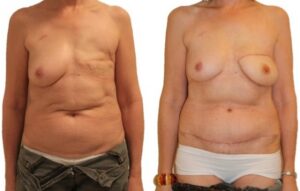
Understanding Flap Reconstruction

Flap reconstruction involves the use of tissue flaps composed of skin, muscle, or fat taken from one part of the body and transplanted to another.

The goal is to restore form and function to areas affected by injury, surgery, or congenital defects. This procedure is often used in reconstructive surgeries for breast cancer, trauma cases, or facial reconstructions.

Factors Influencing the Cost of Flap Reconstruction

Hospital and Surgeon Fees:

  • Hospital Fees: These include operating room charges, anesthesia, and overnight stays. Costs can vary widely, from $1,000 to $5,000, depending on the hospital’s reputation and facilities.
  • Surgeon Fees: Experienced surgeons with a high success rate may charge more. Fees for flap reconstruction can range from $2,500 to $8,000.

Pre-operative and Post-operative Care:

  • Pre-operative Assessments: Includes consultations, imaging, and lab tests, costing between $500 and $1,500.
  • Post-operative Care: Includes follow-up visits, medications, and any additional treatments. This can add another $500 to $2,000 to the total cost.

Additional Costs:

  • Medications and Dressings: Costs for medications and wound care supplies can range from $200 to $500.
  • Travel and Accommodation: For international patients, travel and accommodation can add significantly to the overall cost. Budget an additional $1,000 to $3,000 depending on your location and preferences.

Prices of all types of the Flap Reconstruction procedure in Turkey.

Pedicled Flap Reconstruction

Definition and Details:

Pedicled flap reconstruction uses a flap of tissue that remains attached to its original blood supply through a pedicle, a stalk that maintains the vascular connection.

This type of flap is ideal when the recipient site is relatively close to the donor site, such as in cases of facial or breast reconstruction.

The flap can be composed of skin, muscle, or fat and is transferred with its original blood vessels still connected, which simplifies the procedure compared to free flaps.

Pedicled flaps are commonly used for reconstructive surgeries following trauma, cancer, or congenital defects. The major advantage of pedicled flaps is their relative simplicity and lower risk of flap failure, as the blood supply remains intact throughout the procedure.

This method allows for a more straightforward surgical approach, minimizing the complexity and potential complications associated with revascularizing detached tissue.

Procedure Steps:

  • Consultation and Pre-operative Assessment: Initial evaluation, imaging studies, and laboratory tests.
  • Surgical Planning: Designing the flap based on the defect and donor site.
  • Harvesting the Flap: Carefully removing the flap from the donor site while preserving its blood supply.
  • Flap Transfer: Positioning the flap at the recipient site while keeping the pedicle intact.
  • Attachment: Securing the flap in place and ensuring proper alignment.
  • Post-operative Monitoring: Regular check-ups to monitor the flap’s viability and healing progress.

Pricing Details:

  • Consultation and Pre-operative Assessment: $500 to $1,000
  • Surgical Fees: $2,500 to $6,000
  • Hospital Fees: $1,000 to $3,000
  • Anesthesia: $500 to $1,000
  • Post-operative Care: $500 to $1,500
  • Medications and Dressings: $200 to $400
  • Total Estimated Cost: $4,700 to $12,900

Free Flap Reconstruction

Definition and Details:

Free flap reconstruction involves the complete detachment of a tissue flap from its original site, including its blood vessels, which are then reattached to the recipient site using microsurgery.

This type of reconstruction is beneficial for larger or more complex defects where the donor and recipient sites are far apart.

Free flaps offer greater flexibility in tissue selection and positioning, allowing for more extensive and aesthetically pleasing reconstructions.

The procedure involves intricate microsurgical techniques to reconnect the blood vessels of the flap to those at the recipient site, ensuring a successful transfer and integration.

Free flap reconstruction is often used for significant breast reconstructions, complex facial surgeries, or large defects resulting from trauma or cancer.

The complexity of the surgery and the need for specialized equipment and skills make it more expensive compared to pedicled flaps.

Procedure Steps:

  • Consultation and Pre-operative Assessment: Detailed evaluation, imaging, and lab tests.
  • Surgical Planning: Detailed mapping of the flap and recipient site.
  • Harvesting the Flap: Removing the flap along with its blood vessels.
  • Microsurgical Reattachment: Using microscopes to reattach the blood vessels to the recipient site.
  • Flap Transfer and Positioning: Carefully positioning the flap and securing it in place.
  • Post-operative Monitoring: Intensive follow-up to ensure the flap is successfully integrating.

Pricing Details:

  • Consultation and Pre-operative Assessment: $600 to $1,200
  • Surgical Fees: $5,000 to $10,000
  • Hospital Fees: $2,000 to $5,000
  • Anesthesia: $800 to $1,500
  • Post-operative Care: $1,000 to $2,000
  • Medications and Dressings: $300 to $600
  • Total Estimated Cost: $9,700 to $20,500

TRAM Flap Reconstruction (Transverse Rectus Abdominis Muscle Flap)

Definition and Details:

The TRAM flap reconstruction involves using tissue from the lower abdomen, including skin, fat, and the transverse rectus abdominis muscle.

This technique is particularly popular for breast reconstruction following mastectomy.

The TRAM flap can be performed as either a pedicled or free flap, depending on the distance between the donor and recipient sites.

In the pedicled TRAM flap, the tissue remains connected to its original blood supply, while in the free TRAM flap, the blood vessels are reattached microsurgically.

The TRAM flap offers a natural-looking breast reconstruction due to the use of abdominal tissue, which can closely match the texture and appearance of the breast tissue. This procedure also provides the added benefit of a tummy tuck, enhancing abdominal contour.

Procedure Steps:

  • Consultation and Pre-operative Assessment: Evaluation, imaging, and lab tests.
  • Surgical Planning: Designing the flap and planning the reconstruction.
  • Harvesting the Flap: Removing the abdominal tissue with or without blood vessels.
  • Flap Transfer and Reattachment: For free TRAM, reattaching the blood vessels; for pedicled TRAM, transferring the flap with its blood supply intact.
  • Flap Placement: Positioning and securing the flap in the breast area.
  • Post-operative Monitoring: Regular follow-ups to ensure proper healing and flap viability.

Pricing Details:

  • Consultation and Pre-operative Assessment: $600 to $1,200
  • Surgical Fees: $4,000 to $8,000
  • Hospital Fees: $1,500 to $4,000
  • Anesthesia: $700 to $1,200
  • Post-operative Care: $700 to $1,500
  • Medications and Dressings: $250 to $500
  • Total Estimated Cost: $7,750 to $16,400

Latissimus Dorsi Flap Reconstruction

Definition and Details:

The latissimus dorsi flap reconstruction utilizes tissue from the latissimus dorsi muscle, located in the back.

This procedure is often used for breast reconstruction or for covering large defects in the chest or abdomen. The flap includes skin, fat, and muscle, which can be transferred as a pedicled or free flap.

In the pedicled version, the flap remains connected to its original blood supply, while the free version involves microsurgical reattachment of blood vessels.

The latissimus dorsi flap provides robust coverage and can be particularly useful when other reconstructive options are limited. It is often combined with other flaps or implants to achieve optimal cosmetic results.

Procedure Steps:

  • Consultation and Pre-operative Assessment: Initial consultation, imaging, and lab tests.
  • Surgical Planning: Planning the flap design and recipient site.
  • Harvesting the Flap: Removing the latissimus dorsi muscle and associated tissue.
  • Flap Transfer and Reattachment: Transferring and, if necessary, microsurgically reattaching the flap.
  • Flap Placement: Securing the flap in the recipient site.
  • Post-operative Monitoring: Regular follow-ups to monitor healing and flap integration.

Pricing Details:

  • Consultation and Pre-operative Assessment: $500 to $1,000
  • Surgical Fees: $3,500 to $7,000
  • Hospital Fees: $1,200 to $3,500
  • Anesthesia: $600 to $1,200
  • Post-operative Care: $600 to $1,500
  • Medications and Dressings: $200 to $400
  • Total Estimated Cost: $6,100 to $14,600

Deep Inferior Epigastric Perforator (DIEP) Flap Reconstruction

Definition and Details:

The DIEP flap reconstruction uses skin and fat from the lower abdomen but spares the underlying muscle, making it less invasive compared to the TRAM flap.

This technique is preferred for breast reconstruction because it provides natural-looking results without sacrificing abdominal muscle. The DIEP flap is a type of free flap, requiring microsurgical skills to reconnect the blood vessels.

This flap offers a high level of precision and minimizes donor site morbidity, as it preserves abdominal muscle function.

The DIEP flap can be used for unilateral or bilateral breast reconstructions and is known for its excellent aesthetic outcomes.

Procedure Steps:

  • Consultation and Pre-operative Assessment: Comprehensive evaluation, imaging, and blood tests.
  • Surgical Planning: Mapping out the flap and designing the recipient site.
  • Harvesting the Flap: Removing skin and fat from the abdomen, with blood vessels intact.
  • Microsurgical Reattachment: Reconnecting blood vessels to the recipient site.
  • Flap Transfer and Positioning: Transferring the flap to the breast area and securing it.
  • Post-operative Monitoring: Follow-up care to ensure successful integration and healing.

Pricing Details:

  • Consultation and Pre-operative Assessment: $600 to $1,200
  • Surgical Fees: $5,000 to $10,000
  • Hospital Fees: $2,000 to $5,000
  • Anesthesia: $800 to $1,500
  • Post-operative Care: $800 to $2,000
  • Medications and Dressings: $300 to $600
  • Total Estimated Cost: $9,500 to $20,300

SIEA Flap Reconstruction (Superficial Inferior Epigastric Artery Flap)

Definition and Details:

The SIEA flap is a type of free flap that uses skin and fat from the lower abdomen, similar to the DIEP flap, but relies on the superficial inferior epigastric artery.

This artery is less deep compared to the deep inferior epigastric artery used in DIEP flaps, and the SIEA flap does not involve the abdominal muscle.

The SIEA flap is ideal for patients who have sufficient blood supply from the superficial artery and is often used when the DIEP flap is not viable. It is less invasive and can offer a shorter recovery time compared to other abdominal flaps.

Procedure Steps:

  • Consultation and Pre-operative Assessment: Initial evaluation, imaging, and lab work.
  • Surgical Planning: Designing the flap based on the recipient site.
  • Harvesting the Flap: Removing skin and fat from the abdomen with the superficial artery.
  • Microsurgical Reattachment: Reattaching the blood vessels to the recipient site.
  • Flap Transfer and Positioning: Placing and securing the flap.
  • Post-operative Monitoring: Regular follow-ups to ensure successful integration and healing.

Pricing Details:

  • Consultation and Pre-operative Assessment: $500 to $1,000
  • Surgical Fees: $4,000 to $8,000
  • Hospital Fees: $1,500 to $3,500
  • Anesthesia: $700 to $1,200
  • Post-operative Care: $700 to $1,500
  • Medications and Dressings: $250 to $500
  • Total Estimated Cost: $7,650 to $15,900

Gluteal Artery Perforator (GAP) Flap Reconstruction

Definition and Details:

The GAP flap utilizes tissue from the buttocks, including skin and fat, to reconstruct defects in other areas of the body, such as the breast or abdominal area.

This type of flap can be performed as a free flap, requiring microsurgical techniques to connect the blood vessels. The GAP flap is particularly useful for patients who may not be suitable candidates for abdominal flaps.

The major advantage of the GAP flap is the availability of a substantial amount of tissue without the need for muscle removal.

This procedure is beneficial for larger reconstructions and can provide excellent cosmetic results. However, it may involve a longer recovery period due to the donor site’s nature.

Procedure Steps:

  • Consultation and Pre-operative Assessment: Evaluation, imaging, and blood tests.
  • Surgical Planning: Designing the flap and planning the recipient site.
  • Harvesting the Flap: Removing skin and fat from the buttocks with blood vessels.
  • Microsurgical Reattachment: Reconnecting the blood vessels to the recipient site.
  • Flap Transfer and Positioning: Placing and securing the flap.
  • Post-operative Monitoring: Follow-up to monitor healing and flap viability.

Pricing Details:

  • Consultation and Pre-operative Assessment: $600 to $1,200
  • Surgical Fees: $4,500 to $9,000
  • Hospital Fees: $1,500 to $3,500
  • Anesthesia: $800 to $1,500
  • Post-operative Care: $800 to $1,500
  • Medications and Dressings: $300 to $600
  • Total Estimated Cost: $8,500 to $17,300

Forehead Flap Reconstruction

Definition and Details:

Forehead flap reconstruction is used primarily for nasal and facial reconstructions. This technique involves using a flap of skin and underlying tissues from the forehead, which is then transferred to the recipient site.

The flap retains its original blood supply, allowing for direct transfer and integration. This method is particularly useful for covering large defects in the nasal area or facial regions.

The forehead flap provides a robust and aesthetically pleasing result due to the similar skin texture and color.

It is often used for complex nasal reconstructions or to cover extensive facial defects. The procedure may involve creating a temporary connection between the flap and the forehead before final placement at the recipient site.

Procedure Steps:

  • Consultation and Pre-operative Assessment: Evaluation, imaging, and lab tests.
  • Surgical Planning: Designing the flap and planning the recipient site.
  • Harvesting the Flap: Removing skin and tissue from the forehead with its blood supply.
  • Flap Transfer and Temporary Attachment: Positioning the flap at the recipient site temporarily.
  • Final Flap Placement: Securing the flap and finalizing the attachment.
  • Post-operative Monitoring: Regular follow-ups to ensure proper healing and integration.

Pricing Details:

  • Consultation and Pre-operative Assessment: $500 to $1,000
  • Surgical Fees: $3,500 to $7,000
  • Hospital Fees: $1,200 to $3,000
  • Anesthesia: $600 to $1,200
  • Post-operative Care: $600 to $1,500
  • Medications and Dressings: $200 to $400
  • Total Estimated Cost: $6,100 to $13,100

Radial Forearm Flap Reconstruction

Definition and Details:

The radial forearm flap uses skin and fat from the forearm to reconstruct defects in other parts of the body.

This type of flap is often used for head and neck reconstructions due to its thin and pliable nature. The flap is typically harvested as a free flap, requiring microsurgical reattachment of blood vessels.

This procedure provides high-quality, flexible tissue that can be shaped to match the recipient site. It is beneficial for areas that require thin and mobile tissue, such as the oral cavity or facial regions.

The radial forearm flap also involves harvesting tissue from the forearm, which may impact hand and wrist function temporarily.

Procedure Steps:

  • Consultation and Pre-operative Assessment: Initial evaluation, imaging, and lab tests.
  • Surgical Planning: Designing the flap and planning the recipient site.
  • Harvesting the Flap: Removing skin and fat from the forearm with its blood vessels.
  • Microsurgical Reattachment: Reconnecting the blood vessels at the recipient site.
  • Flap Transfer and Positioning: Placing and securing the flap in the recipient area.
  • Post-operative Monitoring: Regular check-ups to ensure successful healing and flap viability.

Pricing Details:

  • Consultation and Pre-operative Assessment: $500 to $1,000
  • Surgical Fees: $4,000 to $8,000
  • Hospital Fees: $1,500 to $3,500
  • Anesthesia: $700 to $1,200
  • Post-operative Care: $700 to $1,500
  • Medications and Dressings: $250 to $500
  • Total Estimated Cost: $7,650 to $15,900

Abdominal Free Flap Reconstruction

Definition and Details:

Abdominal free flap reconstruction uses skin and fat from the abdomen, similar to the DIEP or TRAM flaps, but focuses on the free flap technique, involving complete detachment and microsurgical reattachment of blood vessels.

This method is ideal for larger reconstructions or when additional tissue is required. The abdominal free flap provides ample tissue for substantial reconstructions while minimizing damage to the abdominal muscles.

The procedure is used for breast reconstruction, abdominal wall defects, or other large defects. The abdominal free flap offers versatility in reconstructive surgery and can be tailored to meet specific needs, providing both functional and aesthetic benefits.

Procedure Steps:

  • Consultation and Pre-operative Assessment: Comprehensive evaluation, imaging, and blood tests.
  • Surgical Planning: Designing the flap and planning the recipient site.
  • Harvesting the Flap: Removing skin and fat from the abdomen with its blood vessels.
  • Microsurgical Reattachment: Reconnecting the blood vessels at the recipient site.
  • Flap Transfer and Positioning: Securing the flap in the recipient area.
  • Post-operative Monitoring: Intensive follow-up to monitor flap integration and recovery.

Pricing Details:

  • Consultation and Pre-operative Assessment: $600 to $1,200
  • Surgical Fees: $5,000 to $10,000
  • Hospital Fees: $2,000 to $5,000
  • Anesthesia: $800 to $1,500
  • Post-operative Care: $800 to $2,000
  • Medications and Dressings: $300 to $600
  • Total Estimated Cost: $9,500 to $20,300

Regional Cost Comparison in Turkey

Turkey’s major cities offer varied pricing for flap reconstruction due to differences in local living costs, hospital standards, and the availability of specialized surgeons. Here’s a detailed comparison:

Istanbul:

  • Average Cost: $7,000 to $12,000
  • Overview: As Turkey’s largest city, Istanbul boasts numerous world-class hospitals and renowned surgeons. The higher cost reflects the premium services and advanced medical technology available.

Ankara:

  • Average Cost: $6,000 to $10,000
  • Overview: The capital city offers competitive prices with a range of reputable medical centers. Costs are slightly lower than Istanbul but still reflect high-quality care and expertise.

Izmir:

  • Average Cost: $5,500 to $9,500
  • Overview: Izmir provides a more affordable option while maintaining excellent standards of medical care. It’s a good choice for patients looking for cost-effective solutions without compromising on quality.

Price Comparison for Flap Reconstruction Procedures in Istanbul, Ankara, and Izmir

DIEP Flap Reconstruction

Prices in Istanbul:

  • Consultation and Pre-operative Assessment: $700 – $1,200
  • Surgical Fees: $5,000 – $9,000
  • Hospital Fees: $2,500 – $4,500
  • Anesthesia: $900 – $1,500
  • Post-operative Care: $800 – $1,800
  • Medications and Dressings: $300 – $600
  • Total Estimated Cost: $9,300 – $18,600

Prices in Ankara:

  • Consultation and Pre-operative Assessment: $600 – $1,000
  • Surgical Fees: $4,500 – $8,500
  • Hospital Fees: $2,000 – $4,000
  • Anesthesia: $800 – $1,400
  • Post-operative Care: $700 – $1,500
  • Medications and Dressings: $250 – $550
  • Total Estimated Cost: $8,850 – $16,450

Prices in Izmir:

  • Consultation and Pre-operative Assessment: $650 – $1,100
  • Surgical Fees: $4,800 – $8,800
  • Hospital Fees: $2,200 – $4,200
  • Anesthesia: $850 – $1,450
  • Post-operative Care: $750 – $1,600
  • Medications and Dressings: $275 – $575
  • Total Estimated Cost: $9,325 – $17,725

TRAM Flap Reconstruction

Prices in Istanbul:

  • Consultation and Pre-operative Assessment: $700 – $1,200
  • Surgical Fees: $5,500 – $10,000
  • Hospital Fees: $2,500 – $4,500
  • Anesthesia: $900 – $1,500
  • Post-operative Care: $900 – $1,800
  • Medications and Dressings: $350 – $650
  • Total Estimated Cost: $10,350 – $20,650

Prices in Ankara:

  • Consultation and Pre-operative Assessment: $600 – $1,100
  • Surgical Fees: $4,800 – $9,500
  • Hospital Fees: $2,000 – $4,000
  • Anesthesia: $800 – $1,400
  • Post-operative Care: $800 – $1,600
  • Medications and Dressings: $300 – $600
  • Total Estimated Cost: $8,800 – $18,200

Prices in Izmir:

  • Consultation and Pre-operative Assessment: $650 – $1,150
  • Surgical Fees: $5,000 – $9,800
  • Hospital Fees: $2,200 – $4,200
  • Anesthesia: $850 – $1,450
  • Post-operative Care: $850 – $1,700
  • Medications and Dressings: $325 – $625
  • Total Estimated Cost: $9,925 – $18,975

Latissimus Dorsi Flap Reconstruction

Prices in Istanbul:

  • Consultation and Pre-operative Assessment: $600 – $1,100
  • Surgical Fees: $4,500 – $8,500
  • Hospital Fees: $2,000 – $4,000
  • Anesthesia: $800 – $1,400
  • Post-operative Care: $700 – $1,500
  • Medications and Dressings: $275 – $600
  • Total Estimated Cost: $8,875 – $17,600

Prices in Ankara:

  • Consultation and Pre-operative Assessment: $500 – $1,000
  • Surgical Fees: $4,000 – $8,000
  • Hospital Fees: $1,800 – $3,800
  • Anesthesia: $700 – $1,200
  • Post-operative Care: $600 – $1,400
  • Medications and Dressings: $250 – $550
  • Total Estimated Cost: $7,850 – $15,950

Prices in Izmir:

  • Consultation and Pre-operative Assessment: $550 – $1,050
  • Surgical Fees: $4,200 – $8,200
  • Hospital Fees: $1,900 – $3,900
  • Anesthesia: $750 – $1,300
  • Post-operative Care: $650 – $1,500
  • Medications and Dressings: $300 – $600
  • Total Estimated Cost: $8,400 – $16,600

Free TRAM Flap Reconstruction

Prices in Istanbul:

  • Consultation and Pre-operative Assessment: $650 – $1,200
  • Surgical Fees: $5,500 – $10,500
  • Hospital Fees: $2,500 – $4,500
  • Anesthesia: $900 – $1,500
  • Post-operative Care: $800 – $1,800
  • Medications and Dressings: $300 – $650
  • Total Estimated Cost: $10,650 – $20,750

Prices in Ankara:

  • Consultation and Pre-operative Assessment: $550 – $1,100
  • Surgical Fees: $4,800 – $9,800
  • Hospital Fees: $2,000 – $4,000
  • Anesthesia: $800 – $1,400
  • Post-operative Care: $700 – $1,600
  • Medications and Dressings: $275 – $600
  • Total Estimated Cost: $8,925 – $18,500

Prices in Izmir:

  • Consultation and Pre-operative Assessment: $600 – $1,150
  • Surgical Fees: $5,000 – $10,000
  • Hospital Fees: $2,200 – $4,200
  • Anesthesia: $850 – $1,450
  • Post-operative Care: $750 – $1,700
  • Medications and Dressings: $300 – $625
  • Total Estimated Cost: $9,750 – $18,975

SIEA Flap Reconstruction

Prices in Istanbul:

  • Consultation and Pre-operative Assessment: $600 – $1,200
  • Surgical Fees: $4,800 – $8,800
  • Hospital Fees: $2,000 – $4,200
  • Anesthesia: $800 – $1,500
  • Post-operative Care: $800 – $1,500
  • Medications and Dressings: $300 – $600
  • Total Estimated Cost: $8,500 – $17,800

Prices in Ankara:

  • Consultation and Pre-operative Assessment: $500 – $1,000
  • Surgical Fees: $4,200 – $8,200
  • Hospital Fees: $1,800 – $3,600
  • Anesthesia: $700 – $1,200
  • Post-operative Care: $700 – $1,500
  • Medications and Dressings: $250 – $500
  • Total Estimated Cost: $7,950 – $15,700

Prices in Izmir:

  • Consultation and Pre-operative Assessment: $550 – $1,100
  • Surgical Fees: $4,500 – $8,500
  • Hospital Fees: $1,900 – $4,000
  • Anesthesia: $750 – $1,400
  • Post-operative Care: $750 – $1,600
  • Medications and Dressings: $275 – $575
  • Total Estimated Cost: $8,725 – $17,075

GAP Flap Reconstruction

Prices in Istanbul:

  • Consultation and Pre-operative Assessment: $700 – $1,200
  • Surgical Fees: $4,500 – $9,000
  • Hospital Fees: $2,200 – $4,500
  • Anesthesia: $900 – $1,500
  • Post-operative Care: $800 – $1,500
  • Medications and Dressings: $300 – $600
  • Total Estimated Cost: $9,400 – $18,300

Prices in Ankara:

  • Consultation and Pre-operative Assessment: $600 – $1,100
  • Surgical Fees: $4,000 – $8,500
  • Hospital Fees: $1,900 – $4,000
  • Anesthesia: $800 – $1,300
  • Post-operative Care: $700 – $1,400
  • Medications and Dressings: $275 – $550
  • Total Estimated Cost: $8,275 – $16,850

Prices in Izmir:

  • Consultation and Pre-operative Assessment: $650 – $1,150
  • Surgical Fees: $4,200 – $8,800
  • Hospital Fees: $2,000 – $4,200
  • Anesthesia: $850 – $1,400
  • Post-operative Care: $750 – $1,600
  • Medications and Dressings: $300 – $625
  • Total Estimated Cost: $8,850 – $17,625

Muscle Flap Reconstruction

Prices in Istanbul:

  • Consultation and Pre-operative Assessment: $650 – $1,200
  • Surgical Fees: $4,500 – $8,800
  • Hospital Fees: $2,000 – $4,200
  • Anesthesia: $800 – $1,500
  • Post-operative Care: $700 – $1,500
  • Medications and Dressings: $300 – $600
  • Total Estimated Cost: $8,950 – $17,800

Prices in Ankara:

  • Consultation and Pre-operative Assessment: $600 – $1,100
  • Surgical Fees: $4,200 – $8,500
  • Hospital Fees: $1,800 – $3,800
  • Anesthesia: $700 – $1,200
  • Post-operative Care: $650 – $1,400
  • Medications and Dressings: $275 – $550
  • Total Estimated Cost: $8,225 – $16,750

Prices in Izmir:

  • Consultation and Pre-operative Assessment: $600 – $1,150
  • Surgical Fees: $4,300 – $8,600
  • Hospital Fees: $1,900 – $4,000
  • Anesthesia: $750 – $1,400
  • Post-operative Care: $700 – $1,600
  • Medications and Dressings: $300 – $625
  • Total Estimated Cost: $8,550 – $17,725

Free Abdominal Flap Reconstruction

Prices in Istanbul:

  • Consultation and Pre-operative Assessment: $700 – $1,200
  • Surgical Fees: $5,000 – $9,500
  • Hospital Fees: $2,500 – $4,500
  • Anesthesia: $900 – $1,500
  • Post-operative Care: $800 – $1,800
  • Medications and Dressings: $350 – $650
  • Total Estimated Cost: $10,350 – $19,650

Prices in Ankara:

  • Consultation and Pre-operative Assessment: $600 – $1,100
  • Surgical Fees: $4,800 – $9,200
  • Hospital Fees: $2,000 – $4,000
  • Anesthesia: $800 – $1,400
  • Post-operative Care: $700 – $1,600
  • Medications and Dressings: $300 – $600
  • Total Estimated Cost: $8,900 – $17,900

Prices in Izmir:

  • Consultation and Pre-operative Assessment: $650 – $1,150
  • Surgical Fees: $4,900 – $9,500
  • Hospital Fees: $2,200 – $4,200
  • Anesthesia: $850 – $1,450
  • Post-operative Care: $750 – $1,700
  • Medications and Dressings: $325 – $625
  • Total Estimated Cost: $9,725 – $18,675

Pectoralis Major Flap Reconstruction

Prices in Istanbul:

  • Consultation and Pre-operative Assessment: $600 – $1,100
  • Surgical Fees: $4,500 – $8,500
  • Hospital Fees: $2,000 – $4,200
  • Anesthesia: $800 – $1,500
  • Post-operative Care: $700 – $1,500
  • Medications and Dressings: $275 – $600
  • Total Estimated Cost: $8,875 – $17,400

Prices in Ankara:

  • Consultation and Pre-operative Assessment: $500 – $1,000
  • Surgical Fees: $4,200 – $8,200
  • Hospital Fees: $1,800 – $3,800
  • Anesthesia: $700 – $1,200
  • Post-operative Care: $650 – $1,400
  • Medications and Dressings: $250 – $550
  • Total Estimated Cost: $7,850 – $15,950

Prices in Izmir:

  • Consultation and Pre-operative Assessment: $550 – $1,050
  • Surgical Fees: $4,300 – $8,300
  • Hospital Fees: $1,900 – $4,000
  • Anesthesia: $750 – $1,400
  • Post-operative Care: $700 – $1,500
  • Medications and Dressings: $300 – $600
  • Total Estimated Cost: $8,500 – $16,800

Latissimus Dorsi Flap with Implant

Prices in Istanbul:

  • Consultation and Pre-operative Assessment: $650 – $1,200
  • Surgical Fees: $5,000 – $9,500
  • Hospital Fees: $2,500 – $4,500
  • Anesthesia: $900 – $1,500
  • Post-operative Care: $800 – $1,800
  • Medications and Dressings: $350 – $650
  • Total Estimated Cost: $10,300 – $19,750

Prices in Ankara:

  • Consultation and Pre-operative Assessment: $600 – $1,100
  • Surgical Fees: $4,800 – $9,200
  • Hospital Fees: $2,000 – $4,000
  • Anesthesia: $800 – $1,400
  • Post-operative Care: $700 – $1,600
  • Medications and Dressings: $300 – $600
  • Total Estimated Cost: $8,900 – $18,400

Prices in Izmir:

  • Consultation and Pre-operative Assessment: $650 – $1,150
  • Surgical Fees: $4,900 – $9,300
  • Hospital Fees: $2,200 – $4,200
  • Anesthesia: $850 – $1,450
  • Post-operative Care: $750 – $1,700
  • Medications and Dressings: $325 – $625
  • Total Estimated Cost: $9,675 – $18,425

Additional Considerations

Insurance and Financing:

  • Insurance: Check with your insurance provider to see if flap reconstruction is covered. Some policies might cover a portion of the costs if the procedure is deemed medically necessary.
  • Financing Options: Many Turkish hospitals offer payment plans or financing options to help manage the cost of the procedure.

Quality of Care:

  • Hospital Accreditation: Ensure the hospital is accredited by recognized health organizations. This affects both the quality of care and the overall cost.
  • Surgeon’s Expertise: Choose a board-certified surgeon with extensive experience in flap reconstruction. While this might increase the cost, it ensures better outcomes and reduces the risk of complications.

How to prepare for a Flap Reconstruction procedure?

Personal Preparations

Understand the Procedure

  • Research the Surgery: Familiarize yourself with the specifics of flap reconstruction surgery. Read reliable sources and understand the types of flaps, the surgical process, potential risks, and expected outcomes.
  • Discuss with Your Surgeon: Have an in-depth discussion with your surgeon about what to expect, including pre-operative instructions, the surgery itself, and post-operative care.

Review Medical History

  • Compile Your Medical Records: Gather and review your complete medical history, including any past surgeries, current medications, allergies, and chronic conditions.
  • Update Immunizations: Ensure your vaccinations are up-to-date, particularly for diseases that could affect healing or increase infection risk.

Lifestyle Adjustments

  • Quit Smoking: If you smoke, quit at least six weeks before the surgery. Smoking can impair healing and increase the risk of complications.
  • Avoid Alcohol: Refrain from consuming alcohol for at least two weeks before the procedure, as it can interfere with anesthesia and healing.

Physical Fitness

  • Maintain a Healthy Weight: Achieve and maintain a healthy weight, as excessive weight can complicate surgery and recovery.
  • Exercise Regularly: Engage in light exercise to improve your overall fitness. Avoid strenuous activities that might impact the surgery site.

Arrange Support

  • Plan for Post-Operative Care: Organize for a family member or friend to assist you with daily activities, transportation, and any immediate post-surgical needs.
  • Prepare Your Home: Set up a comfortable recovery area at home, ensuring that you have easy access to necessary items like medications, hygiene products, and entertainment.

Dietary Considerations

  • Follow Dietary Restrictions: Adhere to any dietary recommendations provided by your surgeon, such as fasting instructions before the surgery.
  • Stock Up on Healthy Foods: Keep nutritious foods available to aid in your recovery. Avoid foods that are high in sugar or unhealthy fats.

Mental Preparation

  • Manage Stress and Anxiety: Engage in relaxation techniques such as meditation, deep breathing, or yoga to manage pre-surgery anxiety.
  • Set Realistic Expectations: Understand and accept the potential outcomes and recovery process associated with flap reconstruction surgery.

Financial and Insurance Planning

  • Verify Insurance Coverage: Confirm with your insurance provider that your flap reconstruction surgery is covered and understand any out-of-pocket expenses.
  • Prepare for Costs: Budget for potential additional costs, including post-operative care and follow-up visits.

Medication Management

  • Review Medications: Discuss all current medications with your surgeon, including over-the-counter drugs and supplements, as some may need to be adjusted or stopped.
  • Obtain Prescriptions: Ensure you have all necessary prescriptions filled before the surgery, including pain relievers, antibiotics, and other post-operative medications.

Pre-Surgical Testing

  • Complete Required Tests: Undergo any pre-surgical tests or screenings as requested by your surgeon, such as blood tests, imaging studies, or ECGs.
  • Follow Pre-Test Instructions: Adhere to any specific instructions related to the tests, including fasting or medication restrictions.

Preparations with Your Doctor

Initial Consultation

  • Discuss Procedure Details: During your initial consultation, ensure you thoroughly understand the procedure, including the type of flap reconstruction planned, the surgical approach, and expected recovery times.
  • Ask Questions: Prepare a list of questions regarding the surgery, including potential risks, benefits, and alternatives.

Pre-Operative Assessment

  • Undergo a Physical Examination: Participate in a comprehensive physical examination to evaluate your suitability for the procedure and identify any potential issues.
  • Review Health Records: Ensure your surgeon reviews your full medical history and any relevant test results to tailor the procedure to your needs.

Pre-Surgical Instructions

  • Follow Specific Guidelines: Adhere to any pre-surgical guidelines provided by your surgeon, such as dietary restrictions, medication adjustments, or fasting instructions.
  • Pre-Surgical Preparations: Follow any specific preparations required for the day of surgery, including arrival time and what to bring.

Anesthesia Consultation

  • Meet with the Anesthesiologist: Consult with the anesthesiologist to discuss the type of anesthesia to be used, potential side effects, and any concerns you may have.
  • Provide Anesthesia History: Share any history of reactions to anesthesia or other relevant information with the anesthesiologist.

Pre-Surgical Testing and Clearance

  • Complete Required Testing: Schedule and complete all necessary pre-surgical tests, such as blood work, imaging, or ECGs, as instructed by your surgeon.
  • Obtain Medical Clearances: If required, obtain clearances from other specialists or physicians, especially if you have pre-existing health conditions.

Discuss Recovery Plan

  • Review Post-Operative Care: Understand the post-operative care plan, including pain management, wound care, activity restrictions, and follow-up appointments.
  • Establish a Follow-Up Schedule: Schedule follow-up visits with your surgeon to monitor recovery progress and address any concerns.

Confirm Surgical Details

  • Verify Surgical Date and Time: Confirm the date, time, and location of your surgery with your surgeon and the surgical facility.
  • Discuss Pre-Surgery Arrival: Confirm the time you need to arrive at the surgical facility and any preparation required upon arrival.

Review Consent Forms

  • Understand the Consent Forms: Carefully review and sign all necessary consent forms, acknowledging your understanding of the procedure, risks, and benefits.
  • Ask for Clarifications: Seek clarification on any terms or sections of the consent forms that you do not understand.

Prepare for Possible Outcomes

  • Discuss Possible Complications: Have a frank discussion about potential complications or unexpected outcomes and understand how they will be managed.
  • Plan for Emergencies: Understand the protocol for handling emergencies or unforeseen issues during or after the surgery.

Finalize Financial Arrangements

  • Confirm Payment Details: Verify payment arrangements with your surgeon’s office and ensure any required deposits or payments are completed.
  • Review Insurance Coverage: Double-check that all necessary insurance approvals and paperwork are in order to avoid any last-minute issues.

What happens during the Flap Reconstruction procedure?

Preparation and Anesthesia Administration

What Happens:

The initial phase of flap reconstruction surgery involves preparing the patient and administering anesthesia.

This crucial step ensures that you are comfortable and pain-free throughout the operation. The preparation of the operating room and patient sets the stage for a successful surgery.

What the Doctor Does:

Operating Room Preparation:
  • Sterilization: Ensures that all surgical instruments and surfaces are sterile to minimize the risk of infection. This includes sterilizing drapes, tools, and the operating table.
  • Instrument Setup: Organizes and arranges surgical instruments and supplies needed for the procedure, including scalpels, sutures, and suction devices.
Anesthesia Administration:
  • Pre-Anesthesia Assessment: Reviews your medical history and any allergies or reactions to anesthesia to choose the most appropriate type of anesthesia.
  • Anesthesia Induction: Administers anesthesia via intravenous (IV) line or other methods. For general anesthesia, this involves a combination of medications that induce unconsciousness and muscle relaxation.
  • Monitoring: Continuously monitors your vital signs, including heart rate, blood pressure, and oxygen levels, to ensure stability throughout the procedure.

Marking and Planning

What Happens:

Before making any incisions, the surgeon will carefully mark the areas of your body where the flap will be harvested and where it will be placed.

This planning phase is critical for achieving the desired cosmetic and functional results.

What the Doctor Does:

Surgical Marking:
  • Drawing: Uses a surgical marker to outline the exact location of the flap on both the donor and recipient sites. The markings help guide the incisions and ensure precise placement.
  • Photographing: Sometimes takes photographs of the marked areas for reference during the surgery and for post-operative documentation.
Planning:
  • Assessing Flap Design: Determines the size, shape, and orientation of the flap based on the patient’s anatomy and the surgical goals.
  • Considering Aesthetic and Functional Factors: Evaluates how the flap will integrate with the surrounding tissue to ensure optimal functional and aesthetic outcomes.

Incision at the Donor Site

What Happens:

An incision is made at the donor site from where the tissue will be taken. This site is carefully prepared to harvest the necessary tissue while preserving important structures.

What the Doctor Does:

Making the Incision:
  • Surgical Precision: Uses a scalpel or other surgical tools to create a precise incision at the donor site. The incision is made with attention to minimizing scarring and preserving the integrity of the surrounding tissue.
  • Identifying Structures: Identifies and carefully dissects around blood vessels, nerves, and other critical structures to prepare the flap.
Flap Preparation:
  • Dissection: Separates the flap from the surrounding tissue while preserving its blood supply. This step involves careful handling to avoid damage to vital components.
  • Hemostasis: Controls bleeding by cauterizing blood vessels or applying hemostatic agents to minimize blood loss.

Flap Elevation

What Happens:

The flap, which consists of skin, fat, muscle, or other tissues, is elevated from the donor site. This step involves separating the flap from its surrounding tissues while ensuring its blood supply is intact.

What the Doctor Does:

Flap Elevation:
  • Tissue Dissection: Lifts and separates the flap from the surrounding tissue, taking care to preserve its vascular connections and minimize damage.
  • Blood Vessel Management: Carefully handles the blood vessels attached to the flap to ensure they remain intact and functional.
Preparing the Flap for Transfer:
  • Shaping and Trimming: Shapes and trims the flap to fit the recipient site accurately. Ensures that the flap’s dimensions match the planned recipient area.

Transfer of the Flap

What Happens:

The elevated flap is transferred to the recipient site. This step involves carefully moving the flap to its new location and preparing it for attachment.

What the Doctor Does:

Positioning the Flap:
  • Placement: Moves the flap to the recipient site, ensuring proper alignment with the intended area. The flap is positioned according to the pre-planned markings.
  • Securing the Flap: Fixes the flap in place using sutures, staples, or other fixation techniques to ensure stability and correct placement.
Flap Integration:
  • Adjustments: Makes any necessary adjustments to ensure the flap integrates smoothly with the surrounding tissue at the recipient site.
  • Assessing Fit: Evaluates the flap’s fit and alignment to ensure optimal coverage and functional restoration.

Vascular Connection (If Applicable)

What Happens:

For flaps that require a direct connection to the recipient site’s blood supply, the surgeon performs a microvascular anastomosis. This step is essential for ensuring the flap receives adequate blood flow.

What the Doctor Does:

Microvascular Surgery:
  • Connecting Blood Vessels: Uses microsurgical techniques to connect the flap’s blood vessels to those at the recipient site. This often requires the use of a microscope for precision.
  • Ensuring Perfusion: Checks the newly connected vessels to ensure that blood flow is properly restored and that the flap is receiving adequate circulation.
Monitoring Flap Viability:
  • Assessing Color and Temperature: Continuously monitors the flap’s color, temperature, and overall appearance to ensure it is receiving sufficient blood supply.

Wound Closure

What Happens:

The incisions at both the donor and recipient sites are closed to complete the surgical process. Proper wound closure is crucial for healing and minimizing complications.

What the Doctor Does:

Closing the Incisions:
  • Suturing: Uses sutures, staples, or adhesive strips to close the incisions at both sites. The method of closure depends on the location and size of the incisions.
  • Layered Closure: Often performs a layered closure, where deeper tissues are sutured first, followed by the skin, to ensure proper alignment and healing.
Applying Dressings:
  • Sterile Dressings: Places sterile dressings over the surgical sites to protect them from infection and facilitate healing.
  • Bandages and Compression: Applies bandages or compression garments as needed to support the flap and donor sites during the initial healing period.

Post-Operative Monitoring

What Happens:

After the surgery, you will be monitored in the recovery room to ensure that you are safely waking up from anesthesia and to check for any immediate complications.

What the Doctor Does:

Recovery Room Monitoring:
  • Vital Signs: Continuously monitors your vital signs, including heart rate, blood pressure, and oxygen levels, to ensure stability as you wake from anesthesia.
  • Assessing Flap Status: Evaluates the condition of the flap, checking for signs of proper blood flow and any early signs of complications.
Immediate Post-Op Care:
  • Pain Management: Administers pain relief as needed to manage discomfort during the recovery from anesthesia.
  • Monitoring for Complications: Watches for any signs of bleeding, infection, or other complications that may require immediate attention.

Documentation and Final Checks

What Happens:

The surgical team documents the details of the surgery and conducts final checks to ensure everything is in order before transitioning to post-operative care.

What the Doctor Does:

Surgical Documentation:
  • Recording Details: Completes detailed records of the procedure, including the type of flap used, any complications encountered, and the overall outcome.
  • Updating Medical Records: Updates your medical records with information about the surgery and any specific instructions for post-operative care.
Final Checks:
  • Reviewing Surgical Sites: Examines the surgical sites to confirm that they are properly closed and that there are no immediate issues.
  • Communicating with Recovery Team: Shares important information with the recovery room staff to ensure a smooth transition and continuity of care.

Preparation for Transfer to Recovery

What Happens:

As the procedure concludes, preparations are made for transferring you from the operating room to the recovery area. This final step ensures that you are ready for post-operative care.

What the Doctor Does:

Preparing for Transfer:
  • Handover: Provides the recovery room team with detailed information about the surgery, including any special considerations or instructions.
  • Ensuring Comfort: Makes sure that you are comfortably positioned and stable for transfer to the recovery area.
Post-Op Instructions:
  • Providing Care Instructions: Gives detailed instructions on how to care for the surgical sites, manage pain, and recognize signs of potential complications.
  • Scheduling Follow-Up Appointments: Arranges follow-up visits to monitor healing and address any post-operative concerns.

What happens after the Flap Reconstruction procedure?

Immediate Post-Operative Care

What Happens:

Immediately following the surgery, you will be transferred to the recovery room where the medical team will monitor you as you wake up from anesthesia.

This initial period focuses on ensuring your safety and managing any immediate post-surgical issues.

What You Can Expect:

Recovery Room Monitoring:
  • Vital Signs: Your vital signs (heart rate, blood pressure, temperature, and oxygen levels) will be closely monitored to ensure stability.
  • Flap and Donor Site Assessment: The surgical team will check the condition of the flap and donor site for proper blood flow, any signs of infection, or complications.
Pain Management:
  • Medications: Pain relief will be administered as needed. You may receive oral pain medications or, in some cases, intravenous pain control.
Nausea and Vomiting Management:
  • Anti-Nausea Medications: If you experience nausea or vomiting from anesthesia, medications will be given to alleviate these symptoms.

Transfer to a Hospital Room

What Happens:

Once you are stable and the immediate post-operative period is complete, you will be transferred from the recovery room to a hospital room.

This transition marks the start of the active recovery phase.

What You Can Expect:

Hospital Room Setup:
  • Comfort: You will be placed in a hospital room designed for comfort and ease of monitoring. The room will be equipped with necessary medical equipment and supplies.
Initial Post-Op Care:
  • Wound Care: The surgical team will provide instructions for wound care, including how to change dressings and monitor for signs of infection.

Post-Operative Monitoring and Care

What Happens:

During your hospital stay, you will continue to be monitored to ensure that the flap is healing correctly and that no complications arise.

What You Can Expect:

Regular Assessments:
  • Flap Viability: The surgical team will frequently check the flap’s color, temperature, and overall appearance to ensure it is receiving adequate blood flow.
  • Donor Site Care: Regular inspections of the donor site will be performed to monitor healing and manage any discomfort.
Pain and Symptom Management:
  • Adjusting Medications: Pain management will be adjusted based on your feedback. Any additional symptoms or concerns will be addressed with appropriate treatments.
Activity Restrictions:
  • Limiting Movement: You will be advised to limit movement to avoid stressing the surgical sites. Instructions on repositioning and mobility will be provided.

Discharge Instructions

What Happens:

Before you are discharged from the hospital, you will receive detailed instructions for post-operative care at home.

This includes guidance on managing your recovery and recognizing signs of potential complications.

What You Can Expect:

Home Care Instructions:
  • Wound Care: Detailed instructions on how to care for the surgical sites, change dressings, and keep the area clean.
  • Pain Management: Information on how to take prescribed pain medications and manage discomfort at home.
Follow-Up Appointments:
  • Scheduling Visits: Appointments with your surgeon or healthcare provider will be scheduled to monitor your recovery and address any concerns.

Long-Term Recovery

What Happens:

As you continue to recover at home, there will be several aspects to manage to ensure a successful outcome and a smooth transition back to daily activities.

What You Can Expect:

Wound Healing:
  • Monitoring: Ongoing monitoring of the surgical sites for signs of proper healing, infection, or any unusual changes.
  • Scar Management: Strategies for minimizing scarring and promoting healthy skin healing, such as silicone gel sheets or other treatments.
Physical Therapy and Rehabilitation:
  • Rehabilitation Plan: If necessary, physical therapy may be recommended to help regain strength, mobility, and function in the affected areas.
  • Exercises: Specific exercises and techniques will be provided to support your recovery and improve outcomes.

Potential Complications and Their Management

What Happens:

While complications are not common, being aware of potential issues and their management is important for ensuring a successful recovery.

What You Can Expect:

Infection:
  • Symptoms: Redness, swelling, increased pain, or discharge from the surgical sites.
  • Management: Prompt treatment with antibiotics and follow-up with your healthcare provider.
Flap Failure:
  • Symptoms: Changes in color, temperature, or texture of the flap.
  • Management: Immediate medical evaluation and potential surgical interventions if necessary.
Seroma or Hematoma:
  • Symptoms: Accumulation of fluid or blood at the surgical sites.
  • Management: Drainage or other interventions to address fluid accumulation.

Lifestyle Adjustments and Follow-Up

What Happens:

Adjusting to life after flap reconstruction involves making lifestyle changes and attending follow-up appointments to support ongoing recovery and assess long-term results.

What You Can Expect:

Lifestyle Adjustments:
  • Activity Modifications: Avoiding activities that may stress the surgical sites or impact healing.
  • Diet and Nutrition: Following a balanced diet to support wound healing and overall recovery.
Long-Term Follow-Up:
  • Regular Check-Ups: Ongoing appointments with your surgeon to evaluate the long-term success of the flap reconstruction and address any emerging issues.
  • Rehabilitation Progress: Monitoring your progress with any recommended physical therapy or rehabilitation.

Emotional and Psychological Support

What Happens:

Recovering from flap reconstruction surgery can be emotionally challenging. Support may be needed to address any psychological impact of the surgery and the changes in appearance or functionality.

What You Can Expect:

Emotional Support:
  • Counseling: Access to psychological counseling or support groups to help manage the emotional aspects of recovery.
  • Support Networks: Engaging with family, friends, or support groups to share experiences and receive encouragement.

Monitoring for Long-Term Results

What Happens:

The final phase of recovery involves assessing the long-term results of the flap reconstruction and ensuring that the desired outcomes are achieved.

What You Can Expect:

Outcome Evaluation:
  • Functional Assessment: Evaluating the functionality of the reconstructed area and making any necessary adjustments.
  • Aesthetic Results: Reviewing the cosmetic outcomes and considering any additional treatments or procedures if needed.
Ongoing Care:
  • Routine Check-Ups: Continuing with routine check-ups to monitor the health and appearance of the reconstructed area.

Preparing for Future Care

What Happens:

Depending on the outcomes and any additional needs, future care may be required to address ongoing or new issues related to the reconstruction.

What You Can Expect:

Additional Treatments:
  • Touch-Ups: Potential cosmetic touch-ups or additional procedures to enhance the results.
  • Rehabilitation: Continued physical therapy or other treatments to support long-term recovery and functionality.
Preventive Measures:
  • Lifestyle Adjustments: Adopting preventive measures to maintain the health of the reconstructed area and avoid complications.

Final Thoughts

Flap reconstruction in Turkey presents a cost-effective solution with access to high-quality medical care.

By understanding the various factors influencing pricing, comparing costs across different cities, and considering additional expenses, patients can make informed decisions about their procedure. Whether opting for a pedicled or free flap reconstruction, choosing the right hospital and surgeon is crucial for achieving the best outcomes.
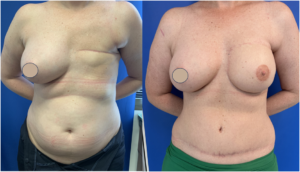
The Costs of DIEP and TRAM Flap Procedures in Turkey, Your Comprehensive Guide to Affordable Excellence.

Reconstructive surgery is a deeply personal and life-changing decision, particularly for those who have undergone mastectomy due to breast cancer.

Among the most popular options for breast reconstruction are the DIEP (Deep Inferior Epigastric Perforator) flap and the TRAM (Transverse Rectus Abdominis Muscle) flap procedures.

Turkey has emerged as a leading destination for these surgeries, offering world-class medical services at a fraction of the cost compared to Western countries.

Understanding DIEP and TRAM Flap Procedures

DIEP Flap Procedure

The DIEP flap procedure is a sophisticated form of breast reconstruction that uses the patient’s own abdominal skin and fat to create a natural-looking breast.

Unlike older techniques, the DIEP flap spares the abdominal muscles, which results in a faster recovery and a lower risk of complications such as abdominal weakness or hernia.

This procedure is highly specialized and requires a skilled microsurgeon to connect tiny blood vessels, ensuring proper blood flow to the newly constructed breast.

TRAM Flap Procedure

The TRAM flap procedure, on the other hand, involves the use of the transverse rectus abdominis muscle, along with skin and fat from the lower abdomen, to reconstruct the breast.

While this procedure is effective, it does involve the removal of muscle, which can lead to longer recovery times and a higher risk of abdominal complications compared to the DIEP flap.

Both procedures are complex and require a high level of surgical expertise, which Turkey is well-equipped to provide.

The country boasts a growing number of highly skilled plastic surgeons who are trained in the latest microsurgical techniques, making it a popular destination for those seeking reconstructive surgery.

Why Choose Turkey for DIEP and TRAM Flap Procedures?

Turkey has become a top choice for medical tourists seeking high-quality yet affordable plastic surgery.

The country’s medical tourism industry is bolstered by its JCI-accredited hospitals, experienced surgeons, and state-of-the-art facilities.

But what truly sets Turkey apart is its competitive pricing. The cost of DIEP and TRAM flap procedures in Turkey is significantly lower than in the United States or Western Europe, without compromising on the quality of care.

Factors Affecting the Cost of DIEP and TRAM Flap Procedures

Several factors can influence the cost of DIEP and TRAM flap procedures in Turkey. It’s important to understand these factors to better plan your budget.

Surgeon’s Experience

The experience and reputation of your surgeon will have a direct impact on the cost. Surgeons with a high level of expertise and a successful track record may charge higher fees.

However, investing in a skilled surgeon is crucial for achieving the best possible results.

Hospital Type

The type of hospital you choose will also affect the cost. Private hospitals in Turkey often provide a higher level of comfort and personalized care but come at a higher price.

Public hospitals, while more affordable, may have longer waiting times and less luxurious facilities.

Complexity of the Procedure

The complexity of the surgery itself can vary depending on factors like the extent of tissue required, the need for additional procedures, and the patient’s overall health.

More complex cases may require longer surgery times and more resources, which can increase the overall cost.

Geographic Location

The location of the hospital can also influence the cost. Major cities like Istanbul, Ankara, and Izmir tend to have higher prices due to the higher cost of living and greater demand for medical services. However, these cities also offer some of the best medical facilities in the country.

Prices of all types of the DIEP/TRAM Flap procedures in Turkey.

DIEP Flap Reconstruction

Definition and Details

The DIEP (Deep Inferior Epigastric Perforator) flap is a highly specialized form of breast reconstruction that has become the preferred choice for many women after mastectomy.

This procedure involves transferring skin and fat from the lower abdomen to the chest to reconstruct the breast.

Unlike the traditional TRAM flap, the DIEP flap does not involve removing the abdominal muscles, which significantly reduces the risk of complications such as abdominal weakness or hernias.

The DIEP flap procedure is particularly beneficial because it uses microsurgery to carefully dissect and reconnect blood vessels.

This ensures that the transplanted tissue receives an adequate blood supply, which is crucial for the success of the reconstruction. The procedure also offers the added benefit of contouring the abdomen, similar to the effects of a tummy tuck, which can be an appealing aspect for many patients.

Procedure Steps

Initial Consultation:

The process begins with an in-depth consultation with a specialized plastic surgeon. During this meeting, the surgeon will evaluate your overall health, discuss your medical history, and assess the donor site (typically the abdomen) to determine if you are a suitable candidate for the DIEP flap procedure. This consultation is crucial as it helps in planning the surgery and setting realistic expectations.

Pre-Operative Imaging:

Advanced imaging techniques, such as a CT angiogram or Doppler ultrasound, are often employed to map the blood vessels in the abdomen.

This step is critical as it helps the surgeon identify the best perforators to use during the procedure, ensuring a successful transfer of tissue.

Anesthesia Administration:

On the day of surgery, general anesthesia is administered to ensure that you are completely asleep and pain-free throughout the procedure.

This involves a team of anesthesiologists who monitor your vital signs and manage your comfort.

Tissue Harvesting:

The surgeon begins by making an incision along the lower abdomen, similar to a tummy tuck incision. The skin, fat, and blood vessels (but not the muscle) are carefully dissected and prepared for transfer. This step is intricate and requires precision to ensure the integrity of the blood vessels.

Microsurgical Transfer:

Once the tissue is harvested, it is meticulously transplanted to the chest area. The most critical part of the procedure involves using a microscope to connect the tiny blood vessels from the flap to the blood vessels in the chest.

This ensures that the transplanted tissue has a sufficient blood supply, which is vital for the success of the reconstruction.

Breast Shaping:

After the blood vessels are connected, the surgeon shapes the transferred tissue to create a natural-looking breast. This step may involve adjusting the skin and fat to achieve symmetry with the other breast.

Abdominal Closure:

The abdomen is then closed, with the remaining tissue being pulled together to create a smoother, tighter abdominal contour. Drains are typically placed in both the chest and abdominal areas to prevent fluid accumulation.

Post-Operative Care:

After the surgery, you will be closely monitored in the hospital for several days. The focus during this period is on ensuring that the transplanted tissue is healthy and that there are no signs of complications, such as flap failure or infection.

Follow-Up Appointments:

Follow-up care is essential for monitoring the progress of your recovery and addressing any concerns. These appointments also provide an opportunity to discuss any further cosmetic adjustments, such as nipple reconstruction or symmetry procedures.

Pricing Breakdown

  • Initial Consultation: $200 – $400
  • Pre-Operative Imaging: $600 – $1,200
  • Anesthesia: $1,000 – $2,000
  • Tissue Harvesting: $4,000 – $6,000
  • Microsurgical Transfer: $6,000 – $10,000
  • Breast Shaping: $2,000 – $4,000
  • Abdominal Closure: $3,000 – $5,000
  • Post-Operative Care (Hospital Stay 3-5 days): $2,500 – $5,000
  • Follow-Up Appointments (Multiple Visits): $500 – $1,500

Muscle-Sparing TRAM Flap Reconstruction

Definition and Details

The Muscle-Sparing TRAM (Transverse Rectus Abdominis Myocutaneous) flap is a variant of the traditional TRAM flap that aims to reduce the amount of muscle taken from the abdomen.

In this procedure, the surgeon harvests a small portion of the rectus abdominis muscle along with the overlying skin and fat. The goal is to minimize the weakening of the abdominal wall while still providing ample tissue for breast reconstruction.

This technique is ideal for patients who require a more robust blood supply to the flap, which is provided by the muscle.

Procedure Steps

Initial Evaluation:

During your first visit, the surgeon will conduct a thorough assessment of your health and discuss your surgical options.

This includes evaluating your abdominal tissue and determining whether the Muscle-Sparing TRAM flap is the best choice for your reconstruction needs.

Pre-Operative Testing:

Similar to the DIEP flap, pre-operative tests may include imaging studies to evaluate the blood vessels and muscle structure.

Blood tests, EKG, and chest X-rays are also common to ensure you are fit for surgery.

Surgical Planning:

Detailed planning is crucial for the Muscle-Sparing TRAM flap. The surgeon will outline the specific portion of muscle to be used and create a surgical plan that minimizes the impact on your abdominal wall while ensuring sufficient tissue is available for breast reconstruction.

General Anesthesia:

The procedure is performed under general anesthesia. The anesthesiology team plays a critical role in maintaining your safety and comfort during the lengthy surgery.

Flap Harvesting:

The surgeon begins by making an incision along the lower abdomen. A portion of the rectus abdominis muscle, along with the overlying skin and fat, is harvested.

The muscle provides a robust blood supply, which is essential for the survival of the transplanted tissue.

Tissue Transfer and Microsurgery:

The harvested tissue is transferred to the chest, where the surgeon connects the blood vessels from the flap to those in the chest.

This step is less complex than the DIEP flap but still requires precision to ensure the tissue’s viability.

Breast Reconstruction:

Once the flap is in place, the surgeon carefully shapes the tissue to form a natural-looking breast. Adjustments may be made to ensure symmetry with the opposite breast.

Abdominal Closure and Recovery:

The abdomen is closed, with particular care taken to minimize the impact on muscle function. The recovery period involves careful monitoring for any signs of complications, such as infection or flap failure.

Post-Surgical Follow-Up:

Regular follow-up visits are necessary to monitor your recovery and assess the success of the reconstruction. Additional cosmetic procedures, such as nipple reconstruction, may be discussed during these visits.

Pricing Breakdown

  • Initial Evaluation: $200 – $400
  • Pre-Operative Testing: $500 – $1,000
  • Surgical Planning: $1,000 – $2,000
  • General Anesthesia: $1,000 – $2,500
  • Flap Harvesting: $5,000 – $8,000
  • Tissue Transfer and Microsurgery: $5,000 – $9,000
  • Breast Reconstruction: $3,000 – $5,000
  • Abdominal Closure and Recovery: $3,500 – $6,000
  • Post-Surgical Follow-Up: $400 – $1,200

Pedicled TRAM Flap Reconstruction

Definition and Details

The Pedicled TRAM flap is one of the earliest forms of autologous tissue breast reconstruction. It involves using the lower abdominal tissue (skin, fat, and muscle) to create a new breast. Unlike the free flap techniques (such as DIEP and muscle-sparing TRAM), the Pedicled TRAM flap keeps the tissue attached to its original blood supply in the abdomen.

This pedicle, or stalk of tissue, is tunneled under the skin to the chest, where it is shaped into a breast.

Procedure Steps

Comprehensive Health Assessment:

Before the surgery, a detailed evaluation of your overall health and medical history is performed. The surgeon will discuss the risks and benefits of the Pedicled TRAM flap and assess your suitability for the procedure based on your abdominal anatomy and previous surgeries.

Pre-Surgical Imaging:

Imaging studies, such as CT scans or ultrasounds, are used to map the blood vessels in the abdomen and plan the surgery.

These studies help the surgeon identify the best pathway for the pedicled flap.

Anesthesia and Preparation:

General anesthesia is administered to ensure that you are completely unconscious during the surgery. The anesthesiology team monitors your vital signs throughout the procedure, which can last up to 8 hours.

Flap Creation:

The surgeon makes an incision in the lower abdomen and carefully dissects the rectus abdominis muscle, along with the overlying skin and fat, while keeping the tissue attached to its original blood supply. This tissue is then tunneled under the skin to the chest.

Breast Reconstruction:

Once the tissue is positioned in the chest, the surgeon shapes it to form a new breast. This step involves meticulous attention to detail to achieve a natural look and feel.

Abdominal Wall Closure:

The abdomen is closed using specialized techniques to minimize the impact on muscle function.

Due to the extensive muscle harvesting, patients may require additional support, such as mesh, to strengthen the abdominal wall.

Recovery and Monitoring:

After the surgery, you will stay in the hospital for several days. During this time, your medical team will monitor the flap to ensure it is receiving adequate blood flow and check for any signs of complications.

Rehabilitation:

Given the impact on the abdominal muscles, rehabilitation may involve physical therapy to strengthen the core and improve mobility.

The recovery period is longer compared to other flap procedures, and patients need to follow specific guidelines to avoid complications.

Ongoing Follow-Up:

Regular follow-up visits are essential to monitor the success of the reconstruction and address any concerns.

Additional surgeries may be needed to refine the shape of the breast or to perform a symmetry procedure.

Pricing Breakdown

  • Comprehensive Health Assessment: $250 – $450
  • Pre-Surgical Imaging: $600 – $1,000
  • Anesthesia and Preparation: $1,200 – $2,500
  • Flap Creation: $5,500 – $8,500
  • Breast Reconstruction: $4,000 – $7,000
  • Abdominal Wall Closure: $4,500 – $7,500
  • Recovery and Monitoring (Hospital Stay 4-7 days): $3,000 – $6,000
  • Rehabilitation (Physical Therapy): $500 – $1,500
  • Ongoing Follow-Up: $500 – $1,200

SIEA Flap Reconstruction

Definition and Details

The SIEA (Superficial Inferior Epigastric Artery) flap is a sophisticated and lesser-known option for breast reconstruction. This technique is similar to the DIEP flap in that it uses skin and fat from the lower abdomen to reconstruct the breast.

However, the key difference lies in the blood supply. Instead of relying on the deep inferior epigastric perforators, the SIEA flap uses the superficial inferior epigastric artery and vein, which are located closer to the surface and do not involve any muscle dissection.

Procedure Steps

Initial Assessment and Vessel Mapping:

The process begins with an in-depth consultation where the surgeon evaluates your abdominal tissue and maps out the superficial inferior epigastric vessels using Doppler ultrasound.

This step is crucial to determine whether you have adequate SIEA vessels for the procedure.

Pre-Operative Preparations:

Preparations include standard pre-operative tests such as blood work, chest X-rays, and possibly an EKG.

The surgeon will also discuss any medications you need to stop before surgery and give you specific instructions for the day of the procedure.

Anesthesia Administration:

General anesthesia is administered to ensure that you are completely comfortable and pain-free during the surgery, which typically lasts between 6 and 8 hours.

Flap Harvesting:

The surgeon makes an incision along the lower abdomen, similar to that used in a tummy tuck. The skin, fat, and the superficial inferior epigastric vessels are carefully dissected without disturbing the underlying muscles. The flap is then prepared for transfer.

Microsurgical Transfer:

The harvested tissue is transferred to the chest, where the surgeon reconnects the superficial inferior epigastric artery and vein to blood vessels in the chest using microsurgery.

This step requires high precision to ensure a successful blood flow to the new breast tissue.

Breast Reconstruction:

Once the blood vessels are successfully connected, the surgeon shapes the transferred tissue to create a natural-looking breast. Adjustments are made to ensure symmetry with the opposite breast.

Abdominal Closure:

The abdominal incision is closed, resulting in a flatter and more contoured abdomen. Since no muscle was taken, the recovery is generally quicker, and the risk of abdominal complications is lower.

Post-Operative Care:

After surgery, you will be monitored closely in the hospital for several days. The medical team will ensure that the flap is healthy and check for any signs of complications such as flap failure or infection.

Follow-Up and Recovery:

Follow-up appointments are scheduled to monitor your recovery and address any issues. These appointments also provide an opportunity to discuss further cosmetic procedures, such as nipple reconstruction or adjustments to enhance symmetry.

Pricing Breakdown

  • Initial Assessment and Vessel Mapping: $300 – $600
  • Pre-Operative Preparations: $500 – $1,000
  • Anesthesia Administration: $1,000 – $2,000
  • Flap Harvesting: $6,000 – $10,000
  • Microsurgical Transfer: $7,000 – $12,000
  • Breast Reconstruction: $3,000 – $5,000
  • Abdominal Closure: $3,500 – $5,500
  • Post-Operative Care (Hospital Stay 3-5 days): $2,500 – $5,000
  • Follow-Up and Recovery: $600 – $1,200

Latissimus Dorsi Flap with Implant Reconstruction

Definition and Details

The Latissimus Dorsi flap is a versatile breast reconstruction technique that involves using muscle, fat, and skin from the back to reconstruct the breast.

Often, this tissue transfer is combined with a breast implant to achieve the desired breast size and shape.

The Latissimus Dorsi flap is particularly useful in cases where the patient does not have enough abdominal tissue for procedures like the DIEP or TRAM flap, or when additional support is needed to hold an implant in place.

During the procedure, the latissimus dorsi muscle, which is located in the upper back, is tunneled under the skin to the chest while maintaining its original blood supply.

This muscle provides a reliable and well-vascularized flap, reducing the risk of complications such as flap failure. The use of an implant allows for a more customizable breast size, making it a popular choice for women who desire a fuller reconstruction.

Procedure Steps

Comprehensive Evaluation and Planning:

The process begins with a detailed consultation with the surgeon, where your medical history, body anatomy, and surgical goals are discussed.

The surgeon will assess whether you have sufficient back tissue and whether combining the flap with an implant is the best approach for your reconstruction.

Pre-Surgical Imaging and Marking:

Pre-operative imaging may include a chest X-ray or MRI to evaluate the chest area and back muscles. The surgeon will mark the areas on your back and chest where the incisions will be made.

This step is crucial for ensuring that the tissue is harvested accurately and positioned correctly.

Anesthesia and Patient Positioning:

General anesthesia is administered, and you are positioned on your side or stomach to allow the surgeon access to the back.

The surgery typically takes 4 to 6 hours, depending on the complexity of the reconstruction.

Flap Harvesting:

The surgeon makes an incision along the back to access the latissimus dorsi muscle. The muscle, along with the overlying skin and fat, is carefully dissected and prepared for transfer. The tissue remains attached to its blood supply during the transfer to the chest.

Tunnel Creation and Flap Transfer:

A tunnel is created under the skin from the back to the chest, through which the flap is passed. The surgeon then positions the flap in the chest, where it will form the new breast.

Implant Placement (If Required):

If an implant is part of the reconstruction plan, it is placed beneath the latissimus dorsi flap to achieve the desired breast size and shape. The implant adds volume and helps to contour the breast, especially if the natural tissue is insufficient.

Incision Closure:

Both the back and chest incisions are closed using sutures, and drains may be placed to prevent fluid accumulation. The back incision usually results in a horizontal scar that can be concealed by most clothing.

Post-Surgery Monitoring:

You will be monitored in the hospital for a few days to ensure the flap is healing properly and that the implant is positioned correctly. Pain management, flap viability, and wound care are closely observed during this period.

Follow-Up and Physical Therapy:

Follow-up appointments are scheduled to monitor your recovery and check the condition of the reconstructed breast. Physical therapy may be recommended to help you regain strength and mobility in your back and shoulder.

Pricing Breakdown

  • Comprehensive Evaluation and Planning: $400 – $700
  • Pre-Surgical Imaging and Marking: $600 – $1,200
  • Anesthesia and Patient Positioning: $1,200 – $2,500
  • Flap Harvesting: $5,500 – $8,500
  • Tunnel Creation and Flap Transfer: $3,500 – $6,500
  • Implant Placement: $2,000 – $4,000
  • Incision Closure: $2,000 – $3,500
  • Post-Surgery Monitoring (Hospital Stay 3-5 days): $2,500 – $5,000
  • Follow-Up and Physical Therapy: $700 – $1,500

SGAP Flap Reconstruction

Definition and Details

The Superior Gluteal Artery Perforator (SGAP) flap is a specialized technique used in breast reconstruction that utilizes skin and fat from the upper buttocks to create a new breast mound.

The SGAP flap is an excellent option for women who prefer not to use abdominal tissue or who have insufficient abdominal fat for reconstruction.

This procedure is particularly well-suited for patients who have undergone multiple abdominal surgeries or who wish to avoid any impact on their abdominal muscles.

The SGAP flap does not involve the transfer of muscle tissue, which preserves muscle function in the donor area. Instead, the flap relies on the superior gluteal artery and veins, which are carefully dissected and reconnected to blood vessels in the chest.

Procedure Steps

Detailed Consultation and Planning:

The process starts with an in-depth consultation where the surgeon evaluates your overall health, buttock anatomy, and surgical goals.

The surgeon will explain the procedure, including the potential risks and benefits, and assess whether the SGAP flap is the right option for you.

Pre-Operative Imaging:

Imaging studies, such as MRI or Doppler ultrasound, are conducted to map the superior gluteal artery and its perforators.

This step is essential for planning the surgery and ensuring that the best blood vessels are selected for the flap.

Anesthesia and Surgical Positioning:

The surgery is performed under general anesthesia. You will be positioned on your stomach or side to allow the surgeon access to the upper buttocks.

The procedure can take between 6 and 8 hours, depending on its complexity.

Flap Harvesting:

An incision is made along the upper buttocks, and the skin and fat, along with the superior gluteal artery and veins, are carefully dissected.

The tissue is prepared for transfer, with meticulous care taken to preserve the blood vessels.

Microsurgical Transfer:

The harvested tissue is transferred to the chest, where the surgeon reconnects the superior gluteal artery and veins to the blood vessels in the chest using microsurgery. This step is critical for ensuring that the tissue receives adequate blood flow.

Breast Mound Formation:

The transferred tissue is shaped to form a new breast mound. The surgeon pays close attention to achieving symmetry with the opposite breast and creating a natural appearance.

Donor Site Closure:

The incision on the buttocks is closed, resulting in a buttock lift effect. Drains may be placed to prevent fluid accumulation, and the area is dressed to support healing.

Post-Surgical Monitoring:

You will be monitored closely in the hospital for several days to ensure that the flap is healthy and that there are no complications such as flap failure or infection. Pain management and wound care are provided during this time.

Follow-Up Care and Recovery:

Follow-up appointments are scheduled to monitor your recovery and address any concerns. These visits also provide an opportunity to discuss additional procedures, such as nipple reconstruction or adjustments to enhance symmetry.

Physical therapy may be recommended to help you regain strength and mobility in the donor area.

Pricing Breakdown

  • Detailed Consultation and Planning: $400 – $700
  • Pre-Operative Imaging: $800 – $1,200
  • Anesthesia and Surgical Positioning: $1,200 – $2,500
  • Flap Harvesting: $7,000 – $11,000
  • Microsurgical Transfer: $8,000 – $12,000
  • Breast Mound Formation: $3,500 – $6,500
  • Donor Site Closure: $2,500 – $4,500
  • Post-Surgical Monitoring (Hospital Stay 4-7 days): $3,500 – $6,500
  • Follow-Up Care and Recovery: $700 – $1,500

IGAP Flap Reconstruction

Definition and Details

The Inferior Gluteal Artery Perforator (IGAP) flap is a specialized breast reconstruction technique that uses skin and fat from the lower buttocks to create a new breast.

The IGAP flap is an excellent choice for women who do not have sufficient abdominal tissue or who prefer to avoid abdominal surgery.

This method is particularly suitable for patients who have undergone multiple abdominal surgeries or who wish to preserve their abdominal muscles.

Unlike the SGAP flap, which uses tissue from the upper buttocks, the IGAP flap harvests tissue from the lower part of the buttocks. This approach provides ample tissue for breast reconstruction while also offering a natural buttock lift.

The IGAP flap does not involve any muscle transfer, which helps preserve the function of the gluteal muscles and minimizes the impact on the donor site.

Procedure Steps

Comprehensive Health Evaluation:

The process begins with a thorough health evaluation and consultation with your surgeon. During this meeting, the surgeon will assess your suitability for the IGAP flap, discuss your surgical goals, and explain the risks and benefits of the procedure.

Imaging and Surgical Planning:

Pre-operative imaging, such as an MRI or Doppler ultrasound, is used to map the blood vessels in the lower buttocks.

This imaging is crucial for planning the surgery and ensuring that the best vessels are selected for the flap.

Anesthesia and Patient Positioning:

General anesthesia is administered, and you will be positioned on your stomach or side to allow access to the lower buttocks.

The surgery typically takes 6 to 8 hours, depending on the complexity of the procedure.

Flap Harvesting:

An incision is made along the lower buttocks, and the skin and fat, along with the inferior gluteal artery and veins, are carefully dissected.

The tissue is prepared for transfer, with meticulous care taken to preserve the blood vessels.

Microsurgical Transfer and Reconnection:

The harvested tissue is transferred to the chest, where the surgeon uses microsurgical techniques to reconnect the inferior gluteal artery and veins to the blood vessels in the chest.

This step is critical for ensuring that the tissue receives adequate blood supply and survives in its new location.

Breast Mound Shaping:

The transferred tissue is shaped into a breast mound, with attention paid to achieving symmetry with the opposite breast. The surgeon works to create a natural and aesthetically pleasing result.

Donor Site Closure and Buttock Contouring:

The incision on the lower buttocks is closed, resulting in a natural buttock lift. Drains may be placed to prevent fluid accumulation, and the area is dressed to support healing.

Post-Surgical Care and Monitoring:

You will be monitored closely in the hospital for several days to ensure that the flap is healthy and that there are no complications such as flap failure or infection. Pain management and wound care are provided during this period.

Follow-Up Appointments and Recovery:

Follow-up appointments are scheduled to monitor your recovery and discuss any additional procedures you may need. Physical therapy may be recommended to help you regain strength and mobility in the donor area, and to ensure a smooth recovery.

Pricing Breakdown

  • Comprehensive Health Evaluation: $400 – $700
  • Imaging and Surgical Planning: $800 – $1,200
  • Anesthesia and Patient Positioning: $1,200 – $2,500
  • Flap Harvesting: $7,000 – $11,000
  • Microsurgical Transfer and Reconnection: $8,000 – $12,000
  • Breast Mound Shaping: $3,500 – $6,500
  • Donor Site Closure and Buttock Contouring: $2,500 – $4,500
  • Post-Surgical Care and Monitoring (Hospital Stay 4-7 days): $3,500 – $6,500
  • Follow-Up Appointments and Recovery: $700 – $1,500

PAP Flap Reconstruction

Definition and Details

The Profunda Artery Perforator (PAP) flap is an advanced breast reconstruction technique that utilizes skin and fat from the upper inner thigh to create a new breast.

The PAP flap is an ideal option for women who do not have enough abdominal tissue for reconstruction or who prefer to avoid abdominal surgery.

The procedure is muscle-sparing, meaning it does not involve the transfer of any muscle tissue, which helps preserve function in the donor area.

The PAP flap relies on the profunda femoris artery and its perforators to supply blood to the transferred tissue. This method provides ample tissue for breast reconstruction, and the resulting scar

Procedure Steps

Initial Consultation and Assessment:

The process begins with a comprehensive consultation where your surgeon evaluates your overall health, thigh anatomy, and surgical goals.

The surgeon will discuss the procedure in detail, including the risks, benefits, and expected outcomes.

Imaging Studies and Planning:

Pre-operative imaging, such as MRI or Doppler ultrasound, is used to map the profunda femoris artery and its perforators.

This imaging is crucial for planning the surgery and ensuring that the best blood vessels are selected for the flap.

Anesthesia and Surgical Positioning:

General anesthesia is administered, and you will be positioned to allow access to the upper inner thigh. The surgery typically takes 6 to 8 hours, depending on the complexity of the procedure.

Flap Harvesting:

An incision is made along the upper inner thigh, and the skin and fat, along with the profunda femoris artery and veins, are carefully dissected. The tissue is prepared for transfer, with meticulous care taken to preserve the blood vessels.

Microsurgical Transfer:

The harvested tissue is transferred to the chest, where the surgeon uses microsurgical techniques to reconnect the profunda femoris artery and veins to the blood vessels in the chest.

This step is critical for ensuring that the tissue receives adequate blood supply and survives in its new location.

Breast Mound Formation:

The transferred tissue is shaped into a breast mound, with attention paid to achieving symmetry with the opposite breast. The surgeon works to create a natural and aesthetically pleasing result.

Donor Site Closure:

The incision on the inner thigh is closed, resulting in a natural thigh lift effect. Drains may be placed to prevent fluid accumulation, and the area is dressed to support healing.

Post-Surgical Monitoring:

You will be monitored closely in the hospital for several days to ensure that the flap is healthy and that there are no complications such as flap failure or infection. Pain management and wound care are provided during this period.

Follow-Up Care and Physical Therapy:

Follow-up appointments are scheduled to monitor your recovery and address any concerns. Physical therapy may be recommended to help you regain strength and mobility in the donor area, and to ensure a smooth recovery.

Pricing Breakdown

  • Initial Consultation and Assessment: $400 – $700
  • Imaging Studies and Planning: $800 – $1,200
  • Anesthesia and Surgical Positioning: $1,200 – $2,500
  • Flap Harvesting: $7,000 – $10,000
  • Microsurgical Transfer: $8,000 – $12,000
  • Breast Mound Formation: $3,500 – $6,500
  • Donor Site Closure: $2,500 – $4,500
  • Post-Surgical Monitoring (Hospital Stay 4-7 days): $3,500 – $6,500
  • Follow-Up Care and Physical Therapy: $700 – $1,500

Price Analysis of Breast Reconstruction Flap Procedures in Istanbul, Ankara, and Izmir.

DIEP Flap Reconstruction

Istanbul:

  • Consultation and Evaluation: $500 – $800
  • Imaging and Planning: $900 – $1,500
  • Anesthesia and Preparation: $1,500 – $2,800
  • Surgical Procedure: $10,000 – $15,000
  • Post-Surgical Care: $4,000 – $7,000
  • Total Estimated Cost: $16,900 – $27,100

Ankara:

  • Consultation and Evaluation: $400 – $700
  • Imaging and Planning: $800 – $1,200
  • Anesthesia and Preparation: $1,200 – $2,500
  • Surgical Procedure: $9,000 – $13,500
  • Post-Surgical Care: $3,500 – $6,500
  • Total Estimated Cost: $14,900 – $24,400

Izmir:

  • Consultation and Evaluation: $450 – $750
  • Imaging and Planning: $850 – $1,300
  • Anesthesia and Preparation: $1,300 – $2,600
  • Surgical Procedure: $8,500 – $12,500
  • Post-Surgical Care: $3,000 – $5,500
  • Total Estimated Cost: $13,000 – $22,650

TRAM Flap Reconstruction

Istanbul:

  • Consultation and Evaluation: $500 – $800
  • Imaging and Planning: $950 – $1,600
  • Anesthesia and Preparation: $1,600 – $2,900
  • Surgical Procedure: $11,000 – $16,000
  • Post-Surgical Care: $4,500 – $8,000
  • Total Estimated Cost: $19,550 – $28,300

Ankara:

  • Consultation and Evaluation: $400 – $700
  • Imaging and Planning: $850 – $1,300
  • Anesthesia and Preparation: $1,300 – $2,600
  • Surgical Procedure: $9,500 – $14,500
  • Post-Surgical Care: $3,800 – $6,800
  • Total Estimated Cost: $15,850 – $25,900

Izmir:

  • Consultation and Evaluation: $450 – $750
  • Imaging and Planning: $900 – $1,400
  • Anesthesia and Preparation: $1,300 – $2,600
  • Surgical Procedure: $8,800 – $13,500
  • Post-Surgical Care: $3,200 – $5,800
  • Total Estimated Cost: $14,650 – $23,050

SIEA Flap Reconstruction

Istanbul:

  • Consultation and Evaluation: $400 – $700
  • Imaging and Planning: $800 – $1,200
  • Anesthesia and Preparation: $1,200 – $2,400
  • Surgical Procedure: $8,500 – $12,000
  • Post-Surgical Care: $3,500 – $6,500
  • Total Estimated Cost: $13,400 – $22,800

Ankara:

  • Consultation and Evaluation: $350 – $650
  • Imaging and Planning: $700 – $1,000
  • Anesthesia and Preparation: $1,000 – $2,200
  • Surgical Procedure: $7,500 – $11,000
  • Post-Surgical Care: $3,000 – $5,500
  • Total Estimated Cost: $12,550 – $20,350

Izmir:

  • Consultation and Evaluation: $400 – $650
  • Imaging and Planning: $750 – $1,100
  • Anesthesia and Preparation: $1,100 – $2,300
  • Surgical Procedure: $7,800 – $11,500
  • Post-Surgical Care: $2,800 – $5,200
  • Total Estimated Cost: $12,850 – $20,850

TUG Flap Reconstruction

Istanbul:

  • Consultation and Evaluation: $500 – $750
  • Imaging and Planning: $900 – $1,400
  • Anesthesia and Preparation: $1,500 – $2,700
  • Surgical Procedure: $10,500 – $15,500
  • Post-Surgical Care: $4,000 – $7,000
  • Total Estimated Cost: $16,400 – $27,350

Ankara:

  • Consultation and Evaluation: $400 – $650
  • Imaging and Planning: $800 – $1,200
  • Anesthesia and Preparation: $1,300 – $2,500
  • Surgical Procedure: $9,500 – $13,500
  • Post-Surgical Care: $3,500 – $6,500
  • Total Estimated Cost: $15,500 – $24,350

Izmir:

  • Consultation and Evaluation: $450 – $700
  • Imaging and Planning: $850 – $1,300
  • Anesthesia and Preparation: $1,400 – $2,600
  • Surgical Procedure: $8,800 – $12,500
  • Post-Surgical Care: $3,000 – $5,500
  • Total Estimated Cost: $14,500 – $22,600

LD Flap Reconstruction

Istanbul:

  • Consultation and Evaluation: $400 – $700
  • Imaging and Planning: $800 – $1,200
  • Anesthesia and Preparation: $1,200 – $2,500
  • Surgical Procedure: $9,500 – $14,000
  • Post-Surgical Care: $3,500 – $6,000
  • Total Estimated Cost: $14,400 – $24,400

Ankara:

  • Consultation and Evaluation: $350 – $650
  • Imaging and Planning: $700 – $1,000
  • Anesthesia and Preparation: $1,000 – $2,200
  • Surgical Procedure: $8,500 – $12,000
  • Post-Surgical Care: $3,000 – $5,500
  • Total Estimated Cost: $13,550 – $21,350

Izmir:

  • Consultation and Evaluation: $400 – $650
  • Imaging and Planning: $750 – $1,100
  • Anesthesia and Preparation: $1,100 – $2,300
  • Surgical Procedure: $8,000 – $11,500
  • Post-Surgical Care: $2,800 – $5,200
  • Total Estimated Cost: $12,050 – $20,750

Pap Flap Reconstruction

Istanbul:

  • Consultation and Evaluation: $450 – $700
  • Imaging and Planning: $850 – $1,300
  • Anesthesia and Preparation: $1,300 – $2,600
  • Surgical Procedure: $9,000 – $13,500
  • Post-Surgical Care: $3,500 – $6,500
  • Total Estimated Cost: $14,200 – $24,600

Ankara:

  • Consultation and Evaluation: $400 – $650
  • Imaging and Planning: $800 – $1,200
  • Anesthesia and Preparation: $1,200 – $2,400
  • Surgical Procedure: $8,500 – $12,500
  • Post-Surgical Care: $3,200 – $5,800
  • Total Estimated Cost: $13,100 – $22,550

Izmir:

  • Consultation and Evaluation: $400 – $650
  • Imaging and Planning: $750 – $1,100
  • Anesthesia and Preparation: $1,200 – $2,500
  • Surgical Procedure: $7,800 – $11,500
  • Post-Surgical Care: $2,800 – $5,200
  • Total Estimated Cost: $12,950 – $20,550

MS Flap Reconstruction

Istanbul:

  • Consultation and Evaluation: $500 – $750
  • Imaging and Planning: $900 – $1,400
  • Anesthesia and Preparation: $1,500 – $2,800
  • Surgical Procedure: $10,000 – $15,500
  • Post-Surgical Care: $4,000 – $7,000
  • Total Estimated Cost: $16,900 – $27,450

Ankara:

  • Consultation and Evaluation: $400 – $700
  • Imaging and Planning: $800 – $1,200
  • Anesthesia and Preparation: $1,300 – $2,600
  • Surgical Procedure: $9,000 – $13,500
  • Post-Surgical Care: $3,500 – $6,500
  • Total Estimated Cost: $14,000 – $24,500

Izmir:

  • Consultation and Evaluation: $450 – $700
  • Imaging and Planning: $850 – $1,300
  • Anesthesia and Preparation: $1,400 – $2,600
  • Surgical Procedure: $8,800 – $12,500
  • Post-Surgical Care: $3,000 – $5,500
  • Total Estimated Cost: $13,500 – $22,600

Grafting Flap Reconstruction

Istanbul:

  • Consultation and Evaluation: $500 – $800
  • Imaging and Planning: $950 – $1,500
  • Anesthesia and Preparation: $1,500 – $2,800
  • Surgical Procedure: $9,500 – $14,000
  • Post-Surgical Care: $4,000 – $7,000
  • Total Estimated Cost: $16,450 – $27,100

Ankara:

  • Consultation and Evaluation: $400 – $700
  • Imaging and Planning: $800 – $1,200
  • Anesthesia and Preparation: $1,200 – $2,500
  • Surgical Procedure: $8,500 – $12,000
  • Post-Surgical Care: $3,500 – $6,500
  • Total Estimated Cost: $13,400 – $22,900

Izmir:

  • Consultation and Evaluation: $450 – $750
  • Imaging and Planning: $850 – $1,300
  • Anesthesia and Preparation: $1,300 – $2,600
  • Surgical Procedure: $8,200 – $12,000
  • Post-Surgical Care: $3,000 – $5,500
  • Total Estimated Cost: $13,100 – $21,150

Comparing Costs Across Major Turkish Cities

When considering a DIEP or TRAM flap procedure in Turkey, it’s helpful to compare costs across the country’s major medical hubs, namely, Istanbul, Ankara, and Izmir. Each city offers a different experience and price point.

Istanbul

As Turkey’s largest city and a global medical tourism hub, Istanbul offers the widest range of options for reconstructive surgery.

The cost of DIEP and TRAM flap procedures in Istanbul typically ranges from $10,000 to $17,000. Istanbul is home to many of Turkey’s top surgeons and hospitals, making it an attractive choice despite the higher cost.

Ankara

Ankara, Turkey’s capital, is known for its high-quality medical services at slightly more affordable prices compared to Istanbul.

The cost of these procedures in Ankara ranges from $8,500 to $15,000. Ankara’s hospitals are well-equipped, and the city is less crowded than Istanbul, offering a more relaxed environment for recovery.

Izmir

Izmir is another popular destination for medical tourists, offering a blend of quality and affordability. The cost of DIEP and TRAM flap procedures in Izmir ranges from $9,000 to $16,000. Izmir is known for its beautiful coastal scenery, which can provide a serene backdrop for your recovery.

Quality of Care in Turkey

One of the key concerns for patients considering surgery abroad is the quality of care. Turkey has a well-regulated healthcare system, with many hospitals and clinics holding international accreditations such as JCI (Joint Commission International).

This ensures that they meet high standards of safety, hygiene, and patient care.

Moreover, Turkish surgeons often receive training in Europe or the United States, bringing a global perspective to their practice.

Many of them are members of international professional organizations such as the American Society of Plastic Surgeons (ASPS) and the International Society of Aesthetic Plastic Surgery (ISAPS).

How to prepare for a DIEP/TRAM Flap procedure?

Personal Preparations

Understanding the Procedure

  • Description: Educate yourself about the specific type of breast reconstruction you will undergo, whether it’s TRAM Flap, DIEP Flap, SIEA Flap, LD Flap, SGAP Flap, PAP Flap, MS Flap, Grafting Flap, RFFF Flap, or Profunda Artery Perforator (PAP) Flap. Understanding the details will help you know what to expect and how to manage your recovery.
  • Action: Read reputable sources, ask questions during consultations, and discuss with patients who have undergone similar procedures.

Health Assessment and Optimization

  • Description: Ensure that you are in the best possible health before surgery. Address any existing health issues that could affect your surgery or recovery.
  • Action: Schedule a comprehensive health check-up including blood tests, imaging studies, and other relevant tests. Follow your doctor’s recommendations for managing chronic conditions, such as diabetes or hypertension.

Lifestyle Adjustments

  • Description: Modify your lifestyle to support a smooth recovery process. This includes dietary changes, exercise, and avoiding harmful substances.
  • Action: Adopt a balanced diet rich in vitamins and minerals, quit smoking, and limit alcohol intake. Engage in regular, gentle exercise to enhance your overall fitness.

Mental Preparation

  • Description: Prepare emotionally and mentally for the procedure and recovery period. It is important to have a positive mindset and realistic expectations.
  • Action: Consider counseling or support groups to discuss your feelings and expectations. Practice relaxation techniques such as meditation or deep breathing exercises.

Arranging Support Systems

  • Description: Ensure that you have adequate support from family and friends during your recovery period.
  • Action: Arrange for someone to help with daily tasks, transportation, and emotional support. Create a recovery plan that includes assistance with household chores and personal care.

Home Preparation

  • Description: Prepare your home environment for a smooth recovery.
  • Action: Set up a comfortable recovery area with easy access to necessities. Stock up on medications, toiletries, and healthy food. Ensure that your home is free from obstacles that could hinder mobility.

Financial Planning

  • Description: Understand the cost implications of the procedure and plan your finances accordingly.
  • Action: Review the total estimated cost, including pre-surgical, surgical, and post-surgical expenses. Discuss payment plans with your healthcare provider and check if your insurance covers the costs.

Medication Management

  • Description: Prepare for the management of medications before and after the surgery.
  • Action: Create a list of current medications and supplements. Discuss any necessary adjustments with your doctor. Arrange for prescriptions to be filled before your surgery date.

Pre-Surgical Testing

  • Description: Complete all required pre-surgical tests and screenings.
  • Action: Follow your doctor’s instructions for fasting, imaging, and laboratory tests. Ensure that all results are available and reviewed by your surgical team.

Educational Materials

  • Description: Gather information on post-surgical care and recovery.
  • Action: Obtain educational materials about the recovery process, including wound care, pain management, and physical therapy exercises.

Medical Preparations

Detailed Consultation

  • Description: Have a thorough consultation with your surgical team to discuss the procedure, expectations, and any concerns.
  • Action: Schedule a pre-surgical appointment to review the surgical plan, discuss anesthesia options, and understand the post-operative care requirements.

Pre-Operative Physical Exam

  • Description: Undergo a comprehensive physical examination to assess your readiness for surgery.
  • Action: Visit your primary care physician or a specialist to ensure you are fit for surgery. Complete any required pre-operative assessments.

Pre-Surgical Imaging

  • Description: Obtain necessary imaging studies to plan the surgical procedure.
  • Action: Schedule and complete imaging studies such as mammograms, MRIs, or CT scans as required by your surgical team. Ensure all images are reviewed and interpreted by your doctor.

Anesthesia Evaluation

  • Description: Meet with an anesthesiologist to discuss anesthesia options and any concerns.
  • Action: Attend a pre-anesthesia evaluation to review your medical history, discuss anesthesia risks, and plan the appropriate type of anesthesia for your procedure.

Blood Tests and Lab Work

  • Description: Complete necessary blood tests and laboratory work to ensure you are in optimal condition for surgery.
  • Action: Schedule blood tests to check for markers such as blood count, electrolytes, and liver function. Ensure that all lab results are reviewed by your surgical team.

Pre-Surgical Instructions

  • Description: Follow specific pre-surgical instructions provided by your healthcare team.
  • Action: Adhere to instructions related to fasting, medication adjustments, and pre-surgical hygiene. Confirm any restrictions or guidelines with your surgical team.

Surgical Planning and Marking

  • Description: Participate in detailed surgical planning and marking to ensure accurate execution of the procedure.
  • Action: Attend pre-surgical appointments where the surgical team will mark the site and finalize the surgical plan. Discuss any last-minute questions or concerns.

Medication and Pain Management Plan

  • Description: Establish a plan for managing pain and medications during recovery.
  • Action: Discuss pain management options with your doctor, including prescription medications and over-the-counter options. Ensure you understand how to manage pain and follow post-operative instructions.

Post-Operative Care Plan

  • Description: Develop a comprehensive post-operative care plan with your healthcare provider.
  • Action: Review instructions for wound care, activity restrictions, follow-up appointments, and signs of complications. Make sure you have a clear understanding of the recovery process.

Emergency Contact Information

  • Description: Have contact information for your healthcare team readily available in case of emergencies.
  • Action: Save important phone numbers and instructions for contacting your surgical team or healthcare provider if you experience any issues or concerns during recovery.

Risks and Considerations

As with any surgical procedure, there are risks associated with DIEP and TRAM flap surgeries. These include infection, bleeding, blood clots, and complications related to anesthesia.

Additionally, there is a risk of flap failure, where the transplanted tissue does not establish proper blood flow and must be removed.

Choosing a highly experienced surgeon and following all pre- and post-operative instructions can help minimize these risks.

Conclusion

Undergoing a DIEP or TRAM flap procedure is a significant decision, both emotionally and financially. Turkey offers an appealing combination of high-quality medical care and affordable pricing, making it an ideal destination for patients seeking breast reconstruction.

By thoroughly understanding the costs and planning your journey carefully, you can achieve excellent results while enjoying significant savings.

Whether you choose Istanbul, Ankara, or Izmir, Turkey’s medical community is ready to provide the care and expertise you need to restore your body and confidence.

Transform Your Chest: The Ultimate Guide to Chest Masculinization Surgery Costs in Turkey

Chest masculinization surgery, also known as chest top surgery, is a pivotal procedure for individuals seeking to align their physical appearance with their gender identity.

In Turkey, this procedure has gained popularity due to its advanced healthcare system, skilled surgeons, and competitive pricing.

This article will provide a detailed breakdown of the costs associated with chest masculinization surgery in Turkey, considering all essential aspects that patients should evaluate before undergoing the procedure.

Factors Influencing the Cost of Chest Masculinization Surgery in Turkey

Several factors affect the cost of chest masculinization surgery in Turkey. Understanding these factors can help you make an informed decision and manage your budget effectively.

Surgeon’s Expertise and Reputation

The cost of chest masculinization surgery can vary based on the surgeon’s experience and reputation. Renowned surgeons with a track record of successful procedures may charge more due to their expertise.

In Turkey, experienced surgeons specializing in gender-affirming surgeries may charge between $3,000 and $6,000 for chest masculinization surgery.

Hospital and Facility Fees

The hospital or surgical facility where the procedure is performed plays a crucial role in determining the cost.

High-end hospitals or clinics with state-of-the-art facilities may charge more. Facility fees in Turkey can range from $500 to $1,500, depending on the location and the amenities provided.

Pre-Operative and Post-Operative Care

Pre-operative consultations and post-operative care are essential components of the overall cost. This includes medical tests, consultations with the surgeon, and follow-up appointments.

The cost for these services can range from $300 to $700, depending on the complexity of the case and the clinic’s pricing structure.

Anesthesia and Medication

Anesthesia and medication are additional costs that should be factored into the total price. The cost of anesthesia typically ranges from $200 to $500, while medications and pain management can add another $100 to $300 to the total cost.

Travel and Accommodation

For international patients, travel and accommodation expenses are significant considerations. The cost of flights to Turkey and accommodation near the surgical facility can vary widely based on the location and personal preferences. On average, patients should budget between $500 and $1,500 for travel and accommodation.

Prices of all types of the Chest Masculinization Surgery in Turkey.

Double Incision Chest Masculinization Surgery

Definition and Details:

Double incision chest masculinization surgery is a popular and highly effective technique for individuals with larger breasts or significant skin excess.

This approach involves making two horizontal incisions across the chest, typically placed along the inframammary fold (just below the breast).

The surgeon removes excess breast tissue and skin, reshaping the chest to achieve a more masculine contour.

The nipples are often repositioned to a more natural location, and in some cases, are resized to fit the new chest shape.

This method is well-suited for those who need extensive tissue removal and offers a more dramatic change compared to other techniques.

Procedure Steps:

  • Pre-Operative Consultation: Initial consultation to discuss goals, medical history, and surgical plan.
  • Pre-Operative Testing: Blood tests, imaging studies, and other evaluations.
  • Anesthesia Administration: General anesthesia is administered for the duration of the surgery.
  • Incision Creation: Horizontal incisions are made across the chest, typically along the inframammary folds.
  • Tissue Removal: Excess breast tissue and skin are removed.
  • Nipple Repositioning: Nipples are repositioned and resized as necessary.
  • Wound Closure: Incisions are closed with sutures.
  • Post-Operative Care: Recovery in the hospital or surgical facility, including monitoring and initial care.
  • Follow-Up Visits: Post-operative visits to monitor healing and address any concerns.

Pricing Breakdown:

  • Surgeon’s Fee: $3,500 – $6,000
  • Hospital or Facility Fee: $800 – $1,500
  • Anesthesia Fee: $300 – $500
  • Pre-Operative Testing: $200 – $400
  • Post-Operative Care: $300 – $700
  • Compression Garments: $50 – $100
  • Travel and Accommodation: $500 – $1,500
  • Total Estimated Cost: $5,700 – $10,400

Periareolar Chest Masculinization Surgery (Keyhole Technique)

Definition and Details:

Periareolar chest masculinization surgery, often referred to as the keyhole technique, is a minimally invasive approach suitable for individuals with smaller breasts and less excess skin.

This method involves making small incisions around the areola, the dark area surrounding the nipple. Through these incisions, the surgeon removes breast tissue and may use liposuction to refine the contour.

The technique results in less visible scarring and a more natural appearance, making it an attractive option for those with less pronounced breast tissue.

Procedure Steps:

  • Pre-Operative Consultation: Discuss surgical goals, medical history, and determine suitability for the keyhole technique.
  • Pre-Operative Testing: Includes blood tests, imaging, and other necessary evaluations.
  • Anesthesia Administration: General anesthesia is provided to ensure patient comfort during the surgery.
  • Incision Creation: Small incisions are made around the areola.
  • Tissue Removal: Breast tissue is removed through the incisions.
  • Liposuction (if needed): Liposuction may be used to contour the chest.
  • Wound Closure: Incisions are closed with sutures.
  • Post-Operative Care: Monitoring and initial care provided post-surgery.
  • Follow-Up Visits: Regular check-ups to monitor healing and address any issues.

Pricing Breakdown:

  • Surgeon’s Fee: $3,000 – $5,000
  • Hospital or Facility Fee: $700 – $1,200
  • Anesthesia Fee: $250 – $450
  • Pre-Operative Testing: $150 – $300
  • Post-Operative Care: $250 – $600
  • Compression Garments: $50 – $100
  • Travel and Accommodation: $400 – $1,200
  • Total Estimated Cost: $4,000 – $8,850

Minimal Incision Chest Masculinization Surgery

Definition and Details:

Minimal incision chest masculinization surgery is a technique designed for individuals with smaller breasts who require less tissue removal.

This method involves smaller incisions, usually placed around the areola or under the breast, to remove excess tissue.

Unlike the periareolar technique, minimal incisions are not limited to the areolar area but are still relatively discreet.

This technique is ideal for those who want to avoid larger scars while achieving a more masculine chest contour.

Procedure Steps:

  • Pre-Operative Consultation: Evaluate surgical goals and suitability for minimal incision technique.
  • Pre-Operative Testing: Blood tests and imaging studies.
  • Anesthesia Administration: General anesthesia is administered.
  • Incision Creation: Small incisions are made around the areola or under the breast.
  • Tissue Removal: Excess breast tissue is removed through the incisions.
  • Wound Closure: Incisions are closed with sutures.
  • Post-Operative Care: Initial recovery and monitoring in the facility.
  • Follow-Up Visits: Post-operative check-ups.

Pricing Breakdown:

  • Surgeon’s Fee: $3,200 – $5,500
  • Hospital or Facility Fee: $700 – $1,300
  • Anesthesia Fee: $250 – $450
  • Pre-Operative Testing: $150 – $300
  • Post-Operative Care: $200 – $500
  • Compression Garments: $50 – $100
  • Travel and Accommodation: $400 – $1,200
  • Total Estimated Cost: $4,000 – $8,850

Nipple Graft Technique

Definition and Details:

The nipple graft technique is used for individuals who require significant changes to the appearance of the nipples or who have larger amounts of excess tissue.

This method involves removing the nipple areola complex (NAC) and placing it in a new location after removing the surrounding breast tissue.

The technique is effective for creating a masculine appearance, particularly when combined with other surgical methods.

This approach is often used in conjunction with double incision surgery for optimal results.

Procedure Steps:

  • Pre-Operative Consultation: Discuss goals, evaluate the need for nipple grafting.
  • Pre-Operative Testing: Includes necessary blood tests and imaging.
  • Anesthesia Administration: General anesthesia is provided.
  • Incision Creation: Larger incisions are made to remove breast tissue.
  • Nipple Removal: The nipple and areola are removed.
  • Tissue Removal: Excess breast tissue is excised.
  • Nipple Repositioning: Nipple is grafted to a new location.
  • Wound Closure: Incisions are closed with sutures.
  • Post-Operative Care: Monitoring and initial recovery.
  • Follow-Up Visits: Regular visits to check healing and function.

Pricing Breakdown:

  • Surgeon’s Fee: $4,000 – $7,000
  • Hospital or Facility Fee: $800 – $1,500
  • Anesthesia Fee: $300 – $500
  • Pre-Operative Testing: $200 – $400
  • Post-Operative Care: $300 – $700
  • Compression Garments: $50 – $100
  • Travel and Accommodation: $500 – $1,500
  • Total Estimated Cost: $6,150 – $11,400


Liposuction-Only Chest Masculinization Surgery

Definition and Details:

Liposuction-only chest masculinization surgery is a technique focused solely on removing excess fat from the chest area without excising breast tissue.

This method is best suited for individuals with a minimal amount of breast tissue but significant fat deposits.

The procedure involves using a thin tube (cannula) inserted through small incisions to suction out fat, resulting in a flatter, more masculine chest contour.

This technique is less invasive and often has a shorter recovery time compared to tissue removal methods.

Procedure Steps:

  • Pre-Operative Consultation: Evaluate fat distribution and discuss goals.
  • Pre-Operative Testing: Includes blood work and imaging.
  • Anesthesia Administration: Local or general anesthesia is used.
  • Incision Creation: Small incisions are made for the cannula.
  • Fat Removal: Fat is suctioned out using a cannula.
  • Wound Closure: Incisions are closed with minimal sutures or adhesive strips.
  • Post-Operative Care: Includes monitoring and initial recovery.
  • Follow-Up Visits: Check-ups to ensure proper healing.

Pricing Breakdown:

  • Surgeon’s Fee: $2,500 – $4,500
  • Hospital or Facility Fee: $500 – $1,000
  • Anesthesia Fee: $200 – $400
  • Pre-Operative Testing: $150 – $300
  • Post-Operative Care: $200 – $400
  • Compression Garments: $50 – $100
  • Travel and Accommodation: $400 – $1,200
  • Total Estimated Cost: $3,800 – $7,600

Endoscopic Chest Masculinization Surgery

Definition and Details:

Endoscopic chest masculinization surgery is a minimally invasive technique that uses endoscopic tools to perform the surgery through small incisions.

This method is suitable for individuals with moderate breast tissue and minimal excess skin.

The endoscope provides a visual guide for the surgeon to remove breast tissue and liposuction excess fat through tiny incisions.

The advantage of this technique is reduced scarring and a potentially quicker recovery time compared to traditional methods.

Procedure Steps:

  • Pre-Operative Consultation: Discuss suitability for endoscopic technique.
  • Pre-Operative Testing: Blood tests and imaging studies.
  • Anesthesia Administration: General anesthesia or sedation is used.
  • Incision Creation: Small incisions are made to insert the endoscope and instruments.
  • Tissue Removal: Breast tissue is removed through the endoscope-guided procedure.
  • Liposuction: Excess fat is suctioned out if needed.
  • Wound Closure: Incisions are closed with minimal sutures.
  • Post-Operative Care: Initial recovery and monitoring.
  • Follow-Up Visits: Regular check-ups to ensure healing.

Pricing Breakdown:

  • Surgeon’s Fee: $4,000 – $6,500
  • Hospital or Facility Fee: $700 – $1,200
  • Anesthesia Fee: $300 – $500
  • Pre-Operative Testing: $200 – $350
  • Post-Operative Care: $250 – $600
  • Compression Garments: $50 – $100
  • Travel and Accommodation: $500 – $1,200
  • Total Estimated Cost: $5,000 – $10,150

Keyhole Plus Technique

Definition and Details:

The Keyhole Plus technique is an advanced form of the periareolar approach, incorporating additional methods to achieve a more refined contour.

This technique involves small incisions around the areola combined with limited liposuction or additional tissue manipulation to enhance the chest’s appearance.

The Keyhole Plus technique is suitable for patients with a slightly larger breast size than what the standard periareolar technique can handle.

Procedure Steps:

  • Pre-Operative Consultation: Evaluate need for the Keyhole Plus approach.
  • Pre-Operative Testing: Includes blood tests and imaging.
  • Anesthesia Administration: General anesthesia is used.
  • Incision Creation: Small incisions are made around the areola.
  • Tissue Removal: Breast tissue is removed through the incisions.
  • Additional Procedures: May include liposuction or other contouring methods.
  • Wound Closure: Incisions are closed with sutures.
  • Post-Operative Care: Monitoring and initial recovery.
  • Follow-Up Visits: Regular check-ups to monitor healing.

Pricing Breakdown:

  • Surgeon’s Fee: $3,500 – $6,000
  • Hospital or Facility Fee: $700 – $1,200
  • Anesthesia Fee: $250 – $450
  • Pre-Operative Testing: $150 – $300
  • Post-Operative Care: $250 – $600
  • Compression Garments: $50 – $100
  • Travel and Accommodation: $400 – $1,200
  • Total Estimated Cost: $4,800 – $9,850

Extended Incision Chest Masculinization Surgery

Definition and Details:

Extended incision chest masculinization surgery is a variation of the double incision technique, designed for individuals requiring more extensive tissue removal or those with more significant excess skin.

This technique involves longer horizontal incisions extending beyond the typical inframammary fold, allowing for a larger area of tissue removal and improved contouring.

The technique is suitable for patients with larger breasts or significant skin sagging.

Procedure Steps:

  • Pre-Operative Consultation: Assess the need for extended incision approach.
  • Pre-Operative Testing: Includes blood tests and imaging.
  • Anesthesia Administration: General anesthesia is used.
  • Incision Creation: Extended horizontal incisions are made across the chest.
  • Tissue Removal: Significant amounts of breast tissue and skin are removed.
  • Nipple Repositioning: Nipples may be repositioned if necessary.
  • Wound Closure: Incisions are closed with sutures.
  • Post-Operative Care: Monitoring and initial recovery.
  • Follow-Up Visits: Regular check-ups to ensure proper healing.

Pricing Breakdown:

  • Surgeon’s Fee: $4,000 – $7,000
  • Hospital or Facility Fee: $800 – $1,500
  • Anesthesia Fee: $300 – $500
  • Pre-Operative Testing: $200 – $400
  • Post-Operative Care: $300 – $700
  • Compression Garments: $50 – $100
  • Travel and Accommodation: $500 – $1,500
  • Total Estimated Cost: $6,150 – $11,400

Areola Reduction Chest Masculinization Surgery

Definition and Details:

Areola reduction chest masculinization surgery is focused on resizing and reshaping the areola to achieve a more masculine appearance.

This technique is often combined with other chest masculinization methods or used on its own for patients who have already undergone chest masculinization surgery but desire further refinement. The procedure involves removing excess areolar tissue and reshaping the remaining tissue to create a smaller, more masculine areola.

Procedure Steps:

  • Pre-Operative Consultation: Discuss goals and evaluate need for areola reduction.
  • Pre-Operative Testing: Includes blood tests and imaging.
  • Anesthesia Administration: Local anesthesia or sedation is used.
  • Incision Creation: Incisions are made around the areola.
  • Tissue Removal: Excess areolar tissue is removed.
  • Wound Closure: Incisions are closed with sutures.
  • Post-Operative Care: Initial recovery and monitoring.
  • Follow-Up Visits: Regular visits to monitor healing and appearance.

Pricing Breakdown:

  • Surgeon’s Fee: $2,500 – $4,500
  • Hospital or Facility Fee: $500 – $1,000
  • Anesthesia Fee: $200 – $400
  • Pre-Operative Testing: $150 – $300
  • Post-Operative Care: $200 – $400
  • Compression Garments: $50 – $100
  • Travel and Accommodation: $400 – $1,200
  • Total Estimated Cost: $3,800 – $7,600

Hybrid Chest Masculinization Surgery

Definition and Details:

Hybrid chest masculinization surgery combines multiple techniques to achieve the desired result. This method might integrate aspects of the double incision, keyhole, or liposuction techniques to address specific needs.

The hybrid approach allows for customization based on the individual’s body type and aesthetic goals, offering a tailored solution for those who require a combination of methods to achieve the best results.

Procedure Steps:

  • Pre-Operative Consultation: Detailed discussion to determine the appropriate combination of techniques.
  • Pre-Operative Testing: Includes blood tests, imaging, and other evaluations.
  • Anesthesia Administration: General anesthesia or sedation is used.
  • Incision Creation: Multiple types of incisions may be used depending on the techniques combined.
  • Tissue Removal: Breast tissue is removed using the combined methods.
  • Additional Procedures: Liposuction or other contouring techniques may be used.
  • Wound Closure: Incisions are closed with sutures.
  • Post-Operative Care: Monitoring and initial recovery.
  • Follow-Up Visits: Regular check-ups to ensure healing and address any concerns.

Pricing Breakdown:

  • Surgeon’s Fee: $4,000 – $7,500
  • Hospital or Facility Fee: $800 – $1,500
  • Anesthesia Fee: $300 – $500
  • Pre-Operative Testing: $200 – $400
  • Post-Operative Care: $300 – $700
  • Compression Garments: $50 – $100
  • Travel and Accommodation: $500 – $1,500
  • Total Estimated Cost: $6,150 – $11,200

Detailed Pricing Breakdown by City

The cost of chest masculinization surgery can vary between different cities in Turkey. Here’s a detailed comparison of pricing in major cities:

Istanbul

Istanbul is known for its advanced medical facilities and renowned surgeons. The cost of chest masculinization surgery in Istanbul typically ranges from $3,500 to $7,000. The city’s wide range of hospitals and clinics offers various options, allowing patients to choose based on their budget and preference.

Ankara

In Ankara, the capital city of Turkey, the cost of chest masculinization surgery is slightly lower compared to Istanbul. Prices generally range from $3,000 to $6,000. Ankara’s medical facilities are well-regarded, and the city offers a more cost-effective option for patients seeking high-quality care.

Izmir

Izmir, located on the Aegean coast, provides another option for those seeking chest masculinization surgery. The cost in Izmir ranges from $3,200 to $5,800. The city offers a balance between affordability and quality, making it an attractive option for many patients.

Cost Analysis of Chest Masculinization Surgery in Istanbul, Ankara, and Izmir

Double Incision Chest Masculinization Surgery

Istanbul:

  • Surgeon’s Fee: $4,500 – $7,500
  • Hospital or Facility Fee: $800 – $1,400
  • Anesthesia Fee: $350 – $600
  • Pre-Operative Testing: $200 – $400
  • Post-Operative Care: $300 – $700
  • Compression Garments: $50 – $100
  • Medications: $50 – $150
  • Blood Tests: $100 – $250
  • Follow-Up Appointments: $100 – $300
  • Travel and Accommodation: $600 – $1,500
  • Total Estimated Cost in Istanbul: $7,200 – $13,600

Ankara:

  • Surgeon’s Fee: $4,000 – $7,000
  • Hospital or Facility Fee: $700 – $1,200
  • Anesthesia Fee: $300 – $550
  • Pre-Operative Testing: $150 – $350
  • Post-Operative Care: $250 – $600
  • Compression Garments: $50 – $100
  • Medications: $40 – $120
  • Blood Tests: $80 – $200
  • Follow-Up Appointments: $80 – $250
  • Travel and Accommodation: $500 – $1,200
  • Total Estimated Cost in Ankara: $6,550 – $12,670

Izmir:

  • Surgeon’s Fee: $4,200 – $7,200
  • Hospital or Facility Fee: $750 – $1,300
  • Anesthesia Fee: $320 – $580
  • Pre-Operative Testing: $180 – $380
  • Post-Operative Care: $280 – $650
  • Compression Garments: $60 – $120
  • Medications: $45 – $130
  • Blood Tests: $90 – $220
  • Follow-Up Appointments: $90 – $270
  • Travel and Accommodation: $550 – $1,300
  • Total Estimated Cost in Izmir: $6,965 – $13,150

Periareolar Chest Masculinization Surgery

Istanbul:

  • Surgeon’s Fee: $4,000 – $6,500
  • Hospital or Facility Fee: $750 – $1,300
  • Anesthesia Fee: $300 – $500
  • Pre-Operative Testing: $180 – $350
  • Post-Operative Care: $250 – $600
  • Compression Garments: $50 – $100
  • Medications: $40 – $120
  • Blood Tests: $80 – $200
  • Follow-Up Appointments: $90 – $250
  • Travel and Accommodation: $600 – $1,500
  • Total Estimated Cost in Istanbul: $6,410 – $12,020

Ankara:

  • Surgeon’s Fee: $3,800 – $6,200
  • Hospital or Facility Fee: $700 – $1,200
  • Anesthesia Fee: $270 – $450
  • Pre-Operative Testing: $150 – $300
  • Post-Operative Care: $220 – $550
  • Compression Garments: $50 – $100
  • Medications: $30 – $110
  • Blood Tests: $70 – $190
  • Follow-Up Appointments: $80 – $230
  • Travel and Accommodation: $500 – $1,200
  • Total Estimated Cost in Ankara: $5,870 – $11,580

Izmir:

  • Surgeon’s Fee: $4,100 – $6,300
  • Hospital or Facility Fee: $700 – $1,250
  • Anesthesia Fee: $310 – $520
  • Pre-Operative Testing: $170 – $360
  • Post-Operative Care: $260 – $630
  • Compression Garments: $60 – $110
  • Medications: $45 – $125
  • Blood Tests: $85 – $210
  • Follow-Up Appointments: $85 – $270
  • Travel and Accommodation: $550 – $1,300
  • Total Estimated Cost in Izmir: $6,535 – $11,875

Minimal Scar Chest Masculinization Surgery

Istanbul:

  • Surgeon’s Fee: $4,500 – $7,000
  • Hospital or Facility Fee: $800 – $1,200
  • Anesthesia Fee: $320 – $600
  • Pre-Operative Testing: $200 – $400
  • Post-Operative Care: $300 – $650
  • Compression Garments: $50 – $120
  • Medications: $45 – $130
  • Blood Tests: $90 – $220
  • Follow-Up Appointments: $100 – $280
  • Travel and Accommodation: $650 – $1,500
  • Total Estimated Cost in Istanbul: $7,360 – $13,900

Ankara:

  • Surgeon’s Fee: $4,000 – $6,500
  • Hospital or Facility Fee: $700 – $1,100
  • Anesthesia Fee: $300 – $550
  • Pre-Operative Testing: $150 – $350
  • Post-Operative Care: $250 – $600
  • Compression Garments: $50 – $100
  • Medications: $35 – $120
  • Blood Tests: $80 – $200
  • Follow-Up Appointments: $80 – $250
  • Travel and Accommodation: $500 – $1,200
  • Total Estimated Cost in Ankara: $6,445 – $11,620

Izmir:

  • Surgeon’s Fee: $4,200 – $6,800
  • Hospital or Facility Fee: $750 – $1,300
  • Anesthesia Fee: $330 – $590
  • Pre-Operative Testing: $180 – $370
  • Post-Operative Care: $270 – $650
  • Compression Garments: $55 – $110
  • Medications: $40 – $135
  • Blood Tests: $85 – $210
  • Follow-Up Appointments: $90 – $275
  • Travel and Accommodation: $550 – $1,300
  • Total Estimated Cost in Izmir: $6,840 – $13,245

Keyhole Chest Masculinization Surgery

Istanbul:

  • Surgeon’s Fee: $5,000 – $8,000
  • Hospital or Facility Fee: $850 – $1,500
  • Anesthesia Fee: $350 – $650
  • Pre-Operative Testing: $220 – $400
  • Post-Operative Care: $320 – $700
  • Compression Garments: $50 – $120
  • Medications: $50 – $140
  • Blood Tests: $100 – $230
  • Follow-Up Appointments: $120 – $300
  • Travel and Accommodation: $700 – $1,600
  • Total Estimated Cost in Istanbul: $7,960 – $14,340

Ankara:

  • Surgeon’s Fee: $4,800 – $7,800
  • Hospital or Facility Fee: $750 – $1,300
  • Anesthesia Fee: $320 – $580
  • Pre-Operative Testing: $180 – $350
  • Post-Operative Care: $270 – $600
  • Compression Garments: $50 – $100
  • Medications: $40 – $130
  • Blood Tests: $90 – $210
  • Follow-Up Appointments: $90 – $270
  • Travel and Accommodation: $550 – $1,300
  • Total Estimated Cost in Ankara: $6,780 – $12,770

Izmir:

  • Surgeon’s Fee: $4,900 – $7,900
  • Hospital or Facility Fee: $750 – $1,400
  • Anesthesia Fee: $340 – $600
  • Pre-Operative Testing: $200 – $380
  • Post-Operative Care: $280 – $650
  • Compression Garments: $60 – $110
  • Medications: $45 – $130
  • Blood Tests: $95 – $220
  • Follow-Up Appointments: $100 – $280
  • Travel and Accommodation: $600 – $1,400
  • Total Estimated Cost in Izmir: $7,470 – $14,650

Liposuction-Only Chest Masculinization Surgery

Istanbul:

  • Surgeon’s Fee: $4,000 – $6,500
  • Hospital or Facility Fee: $700 – $1,200
  • Anesthesia Fee: $300 – $550
  • Pre-Operative Testing: $150 – $350
  • Post-Operative Care: $250 – $600
  • Compression Garments: $50 – $100
  • Medications: $40 – $120
  • Blood Tests: $80 – $200
  • Follow-Up Appointments: $80 – $250
  • Travel and Accommodation: $600 – $1,500
  • Total Estimated Cost in Istanbul: $6,250 – $12,470

Ankara:

  • Surgeon’s Fee: $3,800 – $6,200
  • Hospital or Facility Fee: $650 – $1,100
  • Anesthesia Fee: $270 – $500
  • Pre-Operative Testing: $120 – $300
  • Post-Operative Care: $220 – $550
  • Compression Garments: $50 – $100
  • Medications: $30 – $110
  • Blood Tests: $70 – $190
  • Follow-Up Appointments: $70 – $230
  • Travel and Accommodation: $500 – $1,200
  • Total Estimated Cost in Ankara: $5,960 – $11,680

Izmir:

  • Surgeon’s Fee: $4,100 – $6,300
  • Hospital or Facility Fee: $700 – $1,250
  • Anesthesia Fee: $320 – $580
  • Pre-Operative Testing: $170 – $360
  • Post-Operative Care: $260 – $630
  • Compression Garments: $55 – $110
  • Medications: $45 – $125
  • Blood Tests: $85 – $210
  • Follow-Up Appointments: $85 – $270
  • Travel and Accommodation: $550 – $1,300
  • Total Estimated Cost in Izmir: $6,780 – $12,835

Nipple Graft Chest Masculinization Surgery

Istanbul:

  • Surgeon’s Fee: $4,500 – $7,500
  • Hospital or Facility Fee: $800 – $1,400
  • Anesthesia Fee: $350 – $600
  • Pre-Operative Testing: $200 – $400
  • Post-Operative Care: $300 – $700
  • Compression Garments: $50 – $120
  • Medications: $50 – $150
  • Blood Tests: $90 – $220
  • Follow-Up Appointments: $100 – $300
  • Travel and Accommodation: $650 – $1,600
  • Total Estimated Cost in Istanbul: $7,600 – $14,190

Ankara:

  • Surgeon’s Fee: $4,000 – $7,000
  • Hospital or Facility Fee: $700 – $1,200
  • Anesthesia Fee: $300 – $550
  • Pre-Operative Testing: $180 – $350
  • Post-Operative Care: $250 – $600
  • Compression Garments: $50 – $100
  • Medications: $40 – $130
  • Blood Tests: $80 – $200
  • Follow-Up Appointments: $80 – $270
  • Travel and Accommodation: $550 – $1,300
  • Total Estimated Cost in Ankara: $6,230 – $12,420

Izmir:

  • Surgeon’s Fee: $4,300 – $7,200
  • Hospital or Facility Fee: $750 – $1,300
  • Anesthesia Fee: $330 – $590
  • Pre-Operative Testing: $180 – $370
  • Post-Operative Care: $270 – $650
  • Compression Garments: $55 – $110
  • Medications: $45 – $135
  • Blood Tests: $85 – $210
  • Follow-Up Appointments: $90 – $280
  • Travel and Accommodation: $600 – $1,400
  • Total Estimated Cost in Izmir: $6,985 – $13,055

Modified Double Incision Chest Masculinization Surgery

Istanbul:

  • Surgeon’s Fee: $4,800 – $7,800
  • Hospital or Facility Fee: $800 – $1,500
  • Anesthesia Fee: $350 – $650
  • Pre-Operative Testing: $200 – $400
  • Post-Operative Care: $320 – $700
  • Compression Garments: $50 – $120
  • Medications: $50 – $140
  • Blood Tests: $100 – $230
  • Follow-Up Appointments: $120 – $300
  • Travel and Accommodation: $700 – $1,600
  • Total Estimated Cost in Istanbul: $7,690 – $14,440

Ankara:

  • Surgeon’s Fee: $4,500 – $7,500
  • Hospital or Facility Fee: $750 – $1,300
  • Anesthesia Fee: $320 – $580
  • Pre-Operative Testing: $180 – $350
  • Post-Operative Care: $270 – $600
  • Compression Garments: $50 – $100
  • Medications: $40 – $130
  • Blood Tests: $90 – $210
  • Follow-Up Appointments: $90 – $270
  • Travel and Accommodation: $550 – $1,300
  • Total Estimated Cost in Ankara: $6,850 – $12,340

Izmir:


  • Surgeon’s Fee: $4,600 – $7,600
  • Hospital or Facility Fee: $750 – $1,300
  • Anesthesia Fee: $340 – $600
  • Pre-Operative Testing: $190 – $380
  • Post-Operative Care: $280 – $650
  • Compression Garments: $60 – $110
  • Medications: $45 – $130
  • Blood Tests: $90 – $220
  • Follow-Up Appointments: $100 – $275
  • Travel and Accommodation: $600 – $1,400
  • Total Estimated Cost in Izmir: $6,685 – $13,165

Endoscopic Chest Masculinization Surgery

Istanbul:

  • Surgeon’s Fee: $5,000 – $8,500
  • Hospital or Facility Fee: $850 – $1,600
  • Anesthesia Fee: $350 – $700
  • Pre-Operative Testing: $220 – $400
  • Post-Operative Care: $320 – $750
  • Compression Garments: $50 – $130
  • Medications: $50 – $150
  • Blood Tests: $100 – $240
  • Follow-Up Appointments: $120 – $320
  • Travel and Accommodation: $700 – $1,700
  • Total Estimated Cost in Istanbul: $7,960 – $15,590

Ankara:

  • Surgeon’s Fee: $4,800 – $8,000
  • Hospital or Facility Fee: $800 – $1,400
  • Anesthesia Fee: $320 – $600
  • Pre-Operative Testing: $200 – $350
  • Post-Operative Care: $270 – $650
  • Compression Garments: $50 – $110
  • Medications: $40 – $140
  • Blood Tests: $90 – $210
  • Follow-Up Appointments: $90 – $270
  • Travel and Accommodation: $600 – $1,400
  • Total Estimated Cost in Ankara: $6,740 – $13,430

Izmir:

  • Surgeon’s Fee: $4,900 – $8,200
  • Hospital or Facility Fee: $750 – $1,350
  • Anesthesia Fee: $340 – $620
  • Pre-Operative Testing: $200 – $380
  • Post-Operative Care: $280 – $680
  • Compression Garments: $60 – $120
  • Medications: $45 – $135
  • Blood Tests: $95 – $230
  • Follow-Up Appointments: $100 – $280
  • Travel and Accommodation: $600 – $1,500
  • Total Estimated Cost in Izmir: $6,850 – $14,045

Subcutaneous Chest Masculinization Surgery

Istanbul:

  • Surgeon’s Fee: $4,500 – $7,200
  • Hospital or Facility Fee: $800 – $1,400
  • Anesthesia Fee: $350 – $600
  • Pre-Operative Testing: $180 – $400
  • Post-Operative Care: $300 – $650
  • Compression Garments: $50 – $120
  • Medications: $40 – $130
  • Blood Tests: $90 – $220
  • Follow-Up Appointments: $100 – $270
  • Travel and Accommodation: $600 – $1,500
  • Total Estimated Cost in Istanbul: $6,810 – $13,490

Ankara:

  • Surgeon’s Fee: $4,300 – $7,000
  • Hospital or Facility Fee: $750 – $1,300
  • Anesthesia Fee: $320 – $580
  • Pre-Operative Testing: $170 – $350
  • Post-Operative Care: $270 – $600
  • Compression Garments: $50 – $110
  • Medications: $30 – $120
  • Blood Tests: $80 – $210
  • Follow-Up Appointments: $80 – $260
  • Travel and Accommodation: $550 – $1,300
  • Total Estimated Cost in Ankara: $6,520 – $12,830

Izmir:

  • Surgeon’s Fee: $4,600 – $7,300
  • Hospital or Facility Fee: $700 – $1,350
  • Anesthesia Fee: $330 – $600
  • Pre-Operative Testing: $190 – $370
  • Post-Operative Care: $280 – $680
  • Compression Garments: $55 – $110
  • Medications: $45 – $130
  • Blood Tests: $85 – $220
  • Follow-Up Appointments: $90 – $270
  • Travel and Accommodation: $550 – $1,400
  • Total Estimated Cost in Izmir: $6,725 – $13,440

3D-Printed Chest Masculinization Surgery

Istanbul:

  • Surgeon’s Fee: $6,000 – $9,500
  • Hospital or Facility Fee: $1,000 – $1,800
  • Anesthesia Fee: $400 – $750
  • Pre-Operative Testing: $250 – $500
  • Post-Operative Care: $350 – $800
  • Compression Garments: $60 – $150
  • Medications: $50 – $160
  • Blood Tests: $120 – $250
  • Follow-Up Appointments: $130 – $350
  • Travel and Accommodation: $750 – $1,800
  • Total Estimated Cost in Istanbul: $8,260 – $16,110

Ankara:

  • Surgeon’s Fee: $5,800 – $9,200
  • Hospital or Facility Fee: $900 – $1,600
  • Anesthesia Fee: $370 – $650
  • Pre-Operative Testing: $230 – $450
  • Post-Operative Care: $300 – $700
  • Compression Garments: $55 – $130
  • Medications: $40 – $140
  • Blood Tests: $100 – $230
  • Follow-Up Appointments: $100 – $320
  • Travel and Accommodation: $600 – $1,500
  • Total Estimated Cost in Ankara: $7,595 – $14,420

Izmir:

  • Surgeon’s Fee: $6,200 – $9,800
  • Hospital or Facility Fee: $950 – $1,700
  • Anesthesia Fee: $380 – $700
  • Pre-Operative Testing: $240 – $470
  • Post-Operative Care: $320 – $750
  • Compression Garments: $60 – $140
  • Medications: $45 – $150
  • Blood Tests: $110 – $240
  • Follow-Up Appointments: $120 – $340
  • Travel and Accommodation: $650 – $1,600
  • Total Estimated Cost in Izmir: $8,195 – $16,390

Additional Costs and Considerations

When planning for chest masculinization surgery in Turkey, it’s essential to consider additional costs that may arise:

  • Pre-Surgery Tests and Consultations: These tests, including blood work and imaging studies, may cost between $100 and $300.
  • Post-Surgery Garments: Compression garments are often required post-surgery to aid in healing. These garments typically cost between $50 and $100.
  • Possible Revision Surgery: In some cases, patients may require revision surgery to achieve the desired results. The cost of revision surgery can range from $1,000 to $3,000, depending on the extent of the work needed.

Insurance and Financing Options

Many patients seeking chest masculinization surgery in Turkey may not have insurance coverage for gender-affirming surgeries.

However, some clinics offer financing options to help manage the cost. It’s advisable to inquire about payment plans or financing options when consulting with potential surgeons.

How to prepare for a Chest Masculinization Surgery?

Personal Preparations

Research and Education

  • Understand the Procedure: Read extensively about the different types of chest masculinization surgeries, including their benefits, risks, and recovery processes. Familiarize yourself with the procedure that best suits your needs and expectations.
  • Review Patient Experiences: Connect with others who have undergone the surgery through online forums or support groups. Learning from their experiences can provide valuable insights and practical tips.

Financial Planning

  • Budgeting: Estimate the total cost of the surgery, including surgeon fees, hospital charges, anesthesia, medications, and post-operative care. Prepare a detailed budget and ensure you have the necessary funds or financing options.
  • Insurance Verification: Check with your health insurance provider to determine what aspects of the surgery are covered and what out-of-pocket expenses you might incur.

Pre-Operative Health Optimization

  • Healthy Lifestyle: Adopt a balanced diet, engage in regular exercise, and maintain a healthy weight to optimize your body’s readiness for surgery. This can aid in quicker recovery and minimize complications.
  • Quit Smoking: If you smoke, quit well in advance of the surgery. Smoking can impair healing and increase the risk of complications.

Mental and Emotional Preparation

  • Counseling: Consider speaking with a mental health professional specializing in gender dysphoria or body image issues. Emotional support can help you manage anxiety and set realistic expectations.
  • Support Network: Inform friends and family about your decision and ensure you have a support system in place for post-operative care and emotional support.

Lifestyle Adjustments

  • Work and Daily Activities: Plan for time off work or other daily responsibilities. Depending on the type of surgery and recovery time, you might need several weeks to return to your normal routine.
  • Home Environment: Prepare your home for post-operative care by setting up a comfortable recovery space with easy access to necessities like medications, snacks, and entertainment.

Nutritional Preparations

  • Pre-Surgery Diet: Follow any dietary guidelines provided by your surgeon, such as avoiding certain foods or supplements that could interfere with the procedure.
  • Hydration: Stay well-hydrated leading up to the surgery, as dehydration can affect your recovery and overall health.

Personal Health Records

  • Medical History: Compile a comprehensive medical history, including previous surgeries, allergies, and current medications. This information will be crucial for your surgeon and anesthesiologist.
  • Medical Records: Gather and organize any relevant medical records or documents required for pre-operative assessments or consultations.

Packing for the Hospital Stay

  • Essentials: Pack a bag with items you’ll need for your hospital stay, including comfortable clothing, personal hygiene products, and any items to keep you entertained during recovery.
  • Insurance and ID: Bring necessary identification, insurance cards, and any paperwork required by the hospital.

Understanding Post-Operative Care

  • Follow-Up Instructions: Educate yourself about the post-operative care required, including wound care, activity restrictions, and signs of complications.
  • Pain Management: Understand how pain will be managed post-surgery and prepare for the types of medications or therapies that may be prescribed.

Transportation and Accommodations

  • Transportation: Arrange for someone to drive you to and from the hospital, as you will not be able to drive yourself immediately after the surgery.
  • Accommodation: If the surgery requires an overnight stay or if you live far from the medical facility, plan for accommodations nearby if necessary.

Preparations with the Doctor

Initial Consultation

  • Discuss Goals and Expectations: During your initial consultation, clearly communicate your goals and expectations for the surgery. This helps the surgeon understand your desired outcome and tailor the procedure accordingly.
  • Review Medical History: Provide a detailed medical history and discuss any health concerns that may impact the surgery. This includes allergies, chronic conditions, and previous surgeries.

Physical Examination

  • Comprehensive Evaluation: The surgeon will perform a thorough physical examination to assess your suitability for the surgery. This includes evaluating your chest anatomy, skin condition, and overall health.
  • Measurements and Photographs: Accurate measurements and pre-operative photographs may be taken to plan the surgical approach and for comparison post-surgery.

Pre-Operative Testing

  • Lab Work: Complete any required laboratory tests, including blood work, to assess your overall health and detect any potential issues before the surgery.
  • Imaging Studies: If needed, undergo imaging studies such as chest X-rays or MRI scans to provide additional information about your chest anatomy.

Anesthesia Consultation

  • Anesthesia Assessment: Meet with the anesthesiologist to discuss the type of anesthesia that will be used during the surgery and address any concerns or questions you may have.
  • Medical Clearance: Ensure that any necessary pre-anesthesia evaluations are completed, and that you receive medical clearance for anesthesia.

Surgical Plan and Consent

  • Review Surgical Plan: Go over the detailed surgical plan with your surgeon, including the technique to be used, expected outcomes, and potential risks.
  • Informed Consent: Carefully read and sign the informed consent form, which outlines the details of the procedure, risks, and your rights as a patient.

Post-Operative Care Plan

  • Care Instructions: Receive detailed instructions for post-operative care, including wound care, activity restrictions, and follow-up appointments.
  • Pain Management: Discuss pain management strategies and the types of medications that will be prescribed for your recovery.

Emergency Contacts and Protocols

  • Emergency Procedures: Understand the protocol for handling any potential emergencies or complications that may arise during the recovery period.
  • Contact Information: Ensure you have the contact information for your surgeon and medical team for any questions or concerns post-surgery.

Medication and Supplements

  • Pre-Surgery Medications: Follow any instructions regarding medications to be taken or avoided before the surgery, including over-the-counter drugs and supplements.
  • Discontinuation of Certain Medications: Some medications may need to be discontinued prior to surgery. Follow your surgeon’s guidance on which medications to stop and when.

Pre-Operative Markings

  • Surgical Markings: On the day of surgery, the surgeon will mark the areas to be operated on. These markings help guide the procedure and ensure accuracy.
  • Verification: Confirm that the surgical markings match your understanding of the planned procedure and address any last-minute questions with your surgeon.

Logistics and Scheduling

  • Surgery Scheduling: Confirm the date and time of your surgery, as well as any pre-operative appointments or tests that need to be completed beforehand.
  • Post-Operative Follow-Up: Schedule follow-up appointments with your surgeon to monitor your recovery and address any concerns or complications.

What happens during the Chest Masculinization Surgery?

Pre-Surgical Preparation

Description:

The pre-surgical preparation phase is pivotal in ensuring that the patient is ready for surgery. This stage involves finalizing preparations, confirming anesthesia, and ensuring a sterile environment.

Surgeon’s Actions:

  • Positioning: The surgeon and operating team carefully position you on the operating table to ensure optimal access to the chest area. You are usually placed in a supine position (lying on your back) with the chest exposed. Proper positioning is essential for the surgeon to perform the procedure accurately and comfortably.
  • Anesthesia Administration: The anesthesiologist administers general anesthesia through an intravenous (IV) line or inhalation. General anesthesia renders you unconscious and pain-free throughout the surgery. The anesthesiologist monitors your vital signs closely, including heart rate, blood pressure, and oxygen levels, to ensure safety.
  • Sterilization: The surgical team uses antiseptic solutions to clean and sterilize the surgical site on your chest. This step helps prevent infection by eliminating bacteria from the skin. Sterile drapes are also placed around the area to maintain a sterile field during the procedure.

Incision Marking

Description:

Before making any incisions, the surgeon marks the specific areas where incisions will be made. This step ensures precision and alignment with the planned surgical technique.

Surgeon’s Actions:

  • Marking: The surgeon uses a surgical marker to outline the incision lines on your chest based on the type of chest masculinization surgery planned (e.g., double incision, periareolar, or keyhole technique). Accurate marking is crucial for achieving the desired aesthetic results and for guiding the incision placement.
  • Verification: The surgeon reviews the markings with you to confirm that they meet your expectations and align with the agreed surgical plan. This step provides an opportunity to address any last-minute concerns or adjustments before proceeding.

Making Incisions

Description:

The incision-making step involves the actual creation of incisions according to the previously marked lines. This allows access to the underlying tissues and structures.

Surgeon’s Actions:

  • Incision Creation: The surgeon carefully makes the incisions using a scalpel or surgical knife. The incisions are designed to follow the marked lines precisely, ensuring minimal disruption to surrounding tissues. The length and placement of the incisions vary based on the chosen technique and your individual anatomy.
  • Bleeding Control: As the incisions are made, the surgeon cauterizes (burns) or clips small blood vessels to control bleeding and minimize blood loss. This step helps maintain a clear surgical field and reduces the risk of excessive bleeding during the procedure.

Tissue Dissection

Description:

Tissue dissection involves separating the skin from the underlying tissues to access the chest muscles and glandular tissue. This step requires careful and precise work to avoid damage.

Surgeon’s Actions:

  • Dissection: Using specialized surgical instruments such as scissors and forceps, the surgeon meticulously separates the skin from the underlying fatty tissue and muscle. This dissection exposes the breast tissue and other structures that need to be addressed.
  • Identification: The surgeon identifies and isolates the breast tissue, ducts, and other relevant structures. Care is taken to avoid damaging surrounding tissues and blood vessels, which is critical for both aesthetic outcomes and post-operative recovery.

Removal of Breast Tissue

Description:

During this step, the surgeon removes the excess breast tissue to achieve the desired masculine chest contour. This step is central to the procedure and requires careful attention to detail.

Surgeon’s Actions:

  • Tissue Removal: The surgeon excises the breast tissue, including any excess fat and glandular tissue, using a combination of scalpel, scissors, and suction devices. The goal is to create a smooth, contoured chest while preserving surrounding tissues.
  • Suturing: After removing the tissue, the surgeon carefully sutures any areas where bleeding occurred and ensures the incisions are closed properly. This step helps to control bleeding and supports the healing process.

Chest Contouring

Description:

Chest contouring involves shaping and sculpting the remaining chest tissue to create a masculine appearance. This step is crucial for achieving a natural and aesthetically pleasing result.

Surgeon’s Actions:

  • Shaping: The surgeon uses various techniques and instruments to sculpt the remaining chest tissue, adjusting contours to create a smooth and masculine profile. This may involve additional tissue removal or reshaping to ensure symmetry and a natural look.
  • Assessment: Throughout the contouring process, the surgeon frequently assesses the chest to ensure evenness and alignment. This ongoing evaluation helps to achieve the desired outcome and address any imperfections.

Nipple and Areola Repositioning (If Applicable)

Description:

If the nipple and areola need to be repositioned, this step involves detaching and relocating them to achieve a more masculine appearance.

Surgeon’s Actions:

  • Repositioning: The surgeon carefully detaches the nipple and areola complex from the underlying tissue. The areola may be resized or repositioned based on the surgical plan. The detached complex is then repositioned to a more masculine location on the chest.
  • Attachment: Once repositioned, the surgeon reattaches the nipple and areola with sutures, ensuring that the blood supply is maintained. Proper placement and attachment are crucial for achieving a natural appearance and optimal healing.

Closure of Incisions

Description:

The closure of incisions involves stitching or sealing the incision sites to promote healing and reduce the risk of infection.

Surgeon’s Actions:

  • Suturing: The surgeon uses sutures, either dissolvable or non-dissolvable, to close the incisions. The choice of suturing technique depends on the location and extent of the incision. Suturing helps to approximate the skin edges and supports the healing process.
  • Staples or Adhesive: In some cases, surgical staples or adhesive strips may be used to secure the wound. These methods can provide additional support and help to minimize the appearance of scars.

Dressing Application

Description:

The application of dressings protects the surgical site, supports healing, and helps reduce swelling.

Surgeon’s Actions:

  • Dressing Placement: The surgeon applies sterile dressings or bandages over the incisions. These dressings help to protect the area from infection and absorb any fluid or blood.
  • Compression Garments: A compression garment may be fitted over the chest to help reduce swelling and support the healing tissues. The surgeon ensures the garment is properly adjusted for comfort and effectiveness.

Final Checks and Transfer

Description:

After the surgery is complete, the surgeon performs final checks to ensure everything is in order before transferring you to the recovery area.

Surgeon’s Actions:

  • Final Inspection: The surgeon inspects the surgical site and ensures that all incisions are properly closed and that there are no immediate complications. This final inspection helps confirm that the procedure was completed successfully.
  • Transfer: You are carefully transferred to the recovery area, where the surgical team monitors your vital signs and begins post-operative care. This transition is managed with attention to your comfort and safety.

Conclusion

Chest masculinization surgery in Turkey offers a combination of advanced medical care and competitive pricing.

By understanding the factors influencing the cost and considering all associated expenses, patients can make informed decisions and effectively plan for their surgery.

Whether choosing Istanbul, Ankara, or Izmir, Turkey provides a range of options for individuals seeking to align their physical appearance with their gender identity.

Transforming Your Journey: A Complete Guide to Chest Feminization Surgery in Turkey – Costs, Considerations, and Care.

Chest feminization surgery, also known as male-to-female (MTF) chest surgery or trans-feminine top surgery, is a critical procedure for many transgender women and non-binary individuals.

This surgery reshapes the chest to create a more traditionally feminine appearance, significantly contributing to the overall gender affirmation process.

Turkey has emerged as a top destination for this procedure due to its combination of high-quality medical care, experienced surgeons, and competitive pricing.

In this comprehensive guide, we will explore the various aspects of chest feminization surgery in Turkey, from detailed pricing to the factors that influence costs, the surgical process, recovery expectations, and how to prepare for your journey.

Detailed Breakdown of the Cost of Chest Feminization Surgery in Turkey

One of the most compelling reasons many individuals choose Turkey for chest feminization surgery is the cost-effectiveness of the procedure.

The price of chest feminization surgery in Turkey can vary based on several factors, including the surgeon’s experience, the clinic’s reputation, the complexity of the surgery, and the inclusion of additional services such as accommodation and post-operative care.

Base Cost of Chest Feminization Surgery

The base cost of chest feminization surgery in Turkey generally ranges from $3,500 to $7,000. This price typically includes the surgeon’s fees, anesthesia, and the use of the surgical facility.

However, it is important to note that these figures can vary.

For instance, in highly reputed clinics in Istanbul, the cost might be closer to the upper end of this range due to the expertise of the surgeons and the advanced medical facilities available.

Factors Influencing the Cost of Chest Feminization Surgery in Turkey

The cost of chest feminization surgery in Turkey is influenced by several factors, which potential patients should carefully consider:

Surgeon’s Expertise and Reputation

The experience and reputation of the surgeon play a significant role in the cost. Surgeons who are highly experienced and have a strong reputation in the field of gender-affirming surgeries tend to charge more for their services.

In Turkey, there are several surgeons renowned for their work in chest feminization surgery, and opting for such a surgeon might increase the overall cost but ensures a higher likelihood of a successful outcome.

Clinic Location and Facilities

The location of the clinic can also impact the price. Clinics in major cities like Istanbul, Ankara, and Izmir tend to be more expensive due to higher operating costs and the demand for services in these areas.

However, these clinics often offer state-of-the-art facilities, advanced medical technology, and luxurious patient care, justifying the higher cost.

Complexity of the Procedure

The complexity of the surgery itself is another important factor. Patients with larger chests or those who require more extensive reshaping and contouring may face higher costs due to the additional time and expertise required for the procedure.

Additionally, if the patient requires revisions or additional surgeries, this will increase the overall cost.

Inclusions and Exclusions in the Surgery Package

As mentioned earlier, the inclusions in the surgery package can greatly influence the overall cost. Some clinics offer all-inclusive packages, while others might charge separately for services like accommodation, post-operative care, and consultations.

It is essential to understand what is included in the quoted price and to budget accordingly for any additional expenses.

Timing and Seasonal Factors

Interestingly, the timing of your surgery can also affect the cost. Medical tourism in Turkey has peak seasons, typically during the spring and fall, when the weather is mild, and travel is more convenient. During these periods, prices might be slightly higher due to increased demand.

Conversely, opting for surgery during the off-season, such as winter, might result in lower prices or discounts.

Research and Select the Right Surgeon

Your choice of surgeon is perhaps the most critical decision you will make in this process. Begin by researching surgeons who specialize in chest feminization surgery and have a proven track record of successful outcomes.

Look for before-and-after photos, patient testimonials, and reviews to gauge the surgeon’s expertise.

Schedule Consultations

Most clinics offer online consultations for international patients. This is an excellent opportunity to discuss your goals, ask questions, and get a clear understanding of the procedure.

During the consultation, the surgeon will evaluate your chest, discuss the surgical approach, and provide you with a detailed cost estimate.

Financial Planning

Ensure that you have a clear understanding of the total costs involved, including any additional expenses that may arise.

It is advisable to have a financial buffer in case of unforeseen costs. Some clinics offer payment plans or financing options, so inquire about these if needed.

Prepare for Travel

If you are traveling from abroad, ensure that your passport and visa are in order. Turkey offers visa-free entry or visa-on-arrival for citizens of many countries, but it is essential to check the specific requirements for your nationality.

Additionally, book your flights and accommodation well in advance, particularly if you are traveling during peak medical tourism seasons.

Pre-Operative Instructions

Your surgeon will provide you with specific pre-operative instructions, which may include guidelines on medications, fasting before surgery, and lifestyle changes.

Follow these instructions meticulously to ensure a successful surgery and recovery.

Prices of all types of the Chest Feminization Surgery in Turkey.

Subcutaneous Mastectomy

Definition and Details:

Subcutaneous mastectomy, often referred to as a “keyhole” or “periareolar” mastectomy, is a surgical technique specifically designed for individuals with smaller breasts (A or small B cup size) and good skin elasticity.

This approach focuses on minimizing scarring while achieving a flatter chest contour. The procedure involves a small incision made around the edge of the areola, through which the surgeon carefully removes the underlying breast tissue.

The overlying skin is then draped over the new chest contour without the need for extensive skin removal or nipple repositioning.

This method is ideal for those who desire a more subtle transformation with minimal visible scars. However, it is important to note that this technique is generally unsuitable for individuals with larger chests or significant skin laxity, as it does not address excess skin effectively.

Procedure Steps:

  • Pre-operative Consultation: A thorough consultation with the surgeon to discuss goals, assess breast size, skin elasticity, and determine candidacy for the procedure.
  • Anesthesia Administration: General anesthesia is administered to ensure the patient is comfortable and pain-free throughout the surgery.
  • Incision Around Areola: A small, circular incision is made around the outer edge of the areola.
  • Breast Tissue Removal: Through the incision, the surgeon carefully excises the glandular breast tissue while preserving the skin, nipple, and areola.
  • Chest Contouring: The remaining skin is reshaped and draped over the chest to create a flatter contour, ensuring symmetry and smoothness.
  • Incision Closure: The incision is closed with fine sutures, which are placed to minimize scarring and ensure a seamless appearance.
  • Post-operative Care: The patient is provided with post-operative care instructions, including the use of compression garments and medications to manage pain and prevent infection.
  • Follow-up Appointments: Scheduled follow-up visits to monitor healing, remove sutures, and assess the final results.

Pricing Breakdown:

  • Surgeon’s Fee: $2,500 – $4,000
  • Anesthesia Fees: $500 – $1,000
  • Surgical Facility Fee: $1,000 – $2,000
  • Pre-operative Consultations: $150 – $300
  • Post-operative Care and Follow-ups: $300 – $500
  • Compression Garments: $100 – $150
  • Medication (Painkillers, Antibiotics): $50 – $100
  • Accommodation (7-10 days): $700 – $1,500
  • Transportation (Local Travel, Airport Transfers): $100 – $300
  • Total Estimated Cost: $5,400 – $9,850

Double Incision Mastectomy with Nipple Grafting

Definition and Details:

The double incision mastectomy with nipple grafting is a widely recognized and frequently employed technique for chest feminization, particularly suited for individuals with moderate to large breast sizes (C cup and above) or those with less elastic skin.

This procedure is more extensive than the subcutaneous mastectomy and involves making two horizontal incisions across the chest, one above and one below the pectoral muscles.

These incisions allow the surgeon to remove a significant amount of breast tissue, along with any excess skin that might be present.

After the breast tissue is removed, the nipples and areolas are often resized, repositioned, and grafted back onto the chest in a location that is more congruent with a traditionally masculine chest. This aspect of the surgery is crucial, as improper nipple placement can affect the aesthetic balance and symmetry of the chest.

Procedure Steps:

  • Pre-operative Consultation: A comprehensive discussion with the surgeon to evaluate breast size, skin condition, and overall health, leading to the development of a personalized surgical plan.
  • Anesthesia Administration: General anesthesia is administered to ensure the patient remains unconscious and pain-free during the surgery.
  • Creation of Incisions: Two horizontal incisions are made across the chest, one positioned above and one below the pectoral muscles.
  • Removal of Breast Tissue and Skin: The surgeon removes the underlying breast tissue and any excess skin to create a flatter chest contour.
  • Nipple and Areola Resizing: The nipples and areolas are resized as necessary to match the new chest proportions.
  • Nipple Grafting: The resized nipples and areolas are grafted onto the chest in a new position that aligns with a traditionally masculine chest contour.
  • Incision Closure: The incisions are carefully closed with sutures, ensuring that the chest contour remains smooth and symmetrical.
  • Application of Dressings: Sterile dressings are applied to protect the incisions and minimize the risk of infection.
  • Post-operative Care: The patient is provided with detailed instructions on wound care, pain management, and the use of compression garments.
  • Follow-up Appointments: Regular follow-up visits are scheduled to monitor the healing process, remove sutures, and address any concerns.

Pricing Breakdown:

  • Surgeon’s Fee: $3,500 – $6,000
  • Anesthesia Fees: $800 – $1,200
  • Surgical Facility Fee: $1,200 – $2,500
  • Pre-operative Consultations: $200 – $400
  • Post-operative Care and Follow-ups: $400 – $600
  • Nipple Grafting Costs: $500 – $1,000
  • Compression Garments: $150 – $200
  • Medication (Painkillers, Antibiotics): $100 – $200
  • Accommodation (7-10 days): $800 – $1,800
  • Transportation (Local Travel, Airport Transfers): $150 – $350

Total Estimated Cost: $7,800 – $13,350

Inverted-T Mastectomy

Definition and Details:

Inverted-T mastectomy, also known as “anchor mastectomy,” is a surgical technique used for chest feminization in individuals with significant breast size (often larger than a D cup), considerable sagging, or excess skin. The procedure is named after the shape of the incisions made during surgery, which resemble an inverted “T” or an anchor.

This technique is particularly effective for patients who require extensive skin removal and reshaping to achieve a flatter, more traditionally masculine chest contour.

The procedure begins with the surgeon making an incision around the perimeter of the areola, which then extends vertically down to the breast crease and horizontally along the inframammary fold. Through these incisions, the surgeon removes the breast tissue and excess skin, carefully reshaping the chest to create a flatter appearance.

The nipples and areolas are typically resized and repositioned higher on the chest to match the new contour.

Procedure Steps:

  • Pre-operative Consultation: A detailed consultation to evaluate the patient’s breast size, skin condition, and overall health, leading to a tailored surgical plan.
  • Anesthesia Administration: General anesthesia is administered to ensure the patient is unconscious and free of pain throughout the surgery.
  • Creation of Incisions: The surgeon makes an incision around the areola, extending vertically down to the breast crease and horizontally along the inframammary fold.
  • Removal of Breast Tissue and Skin: Through these incisions, the surgeon removes the glandular breast tissue and any excess skin to achieve a flatter chest contour.
  • Nipple and Areola Resizing: The nipples and areolas are resized to better fit the new chest proportions.
  • Nipple Repositioning: The resized nipples and areolas are repositioned higher on the chest, ensuring a natural and aesthetically pleasing result.
  • Chest Contouring: The remaining skin is draped and contoured over the chest to create a smooth, symmetrical appearance.
  • Incision Closure: The incisions are meticulously closed with sutures, and the chest is bandaged to protect the wounds.
  • Post-operative Care: The patient is provided with detailed post-operative care instructions, including the use of compression garments, medication, and guidelines for activity levels.
  • Follow-up Appointments: Follow-up visits are scheduled to monitor the healing process, remove sutures, and ensure that the chest contour is developing as expected.

Pricing Breakdown:

  • Surgeon’s Fee: $4,000 – $7,000
  • Anesthesia Fees: $1,000 – $1,500
  • Surgical Facility Fee: $1,500 – $3,000
  • Pre-operative Consultations: $200 – $500
  • Post-operative Care and Follow-ups: $500 – $700
  • Nipple Repositioning Costs: $600 – $1,200
  • Compression Garments: $150 – $250
  • Medication (Painkillers, Antibiotics): $100 – $200
  • Accommodation (7-10 days): $900 – $2,000
  • Transportation (Local Travel, Airport Transfers): $150 – $400
  • Total Estimated Cost: $9,100 – $16,750

Liposuction-Only Chest Feminization

Definition and Details:

Liposuction-only chest feminization is a less invasive approach to chest contouring that is ideal for individuals with small breasts or minimal breast tissue who do not require extensive skin removal or nipple repositioning.

This technique focuses solely on the removal of fat deposits from the chest area to achieve a flatter, more masculine appearance. It is most effective for patients with good skin elasticity, as the skin needs to retract naturally after the fat is removed.

During the procedure, the surgeon makes small incisions through which a cannula (a thin tube) is inserted.

The cannula is used to break up and suction out the fat cells from the chest area. This method allows for precise contouring and minimal scarring, as the incisions are typically small and strategically placed in inconspicuous areas.

Procedure Steps:

  • Pre-operative Consultation: An in-depth consultation with the surgeon to assess the patient’s chest size, skin elasticity, and overall health, and to discuss the goals of the procedure.
  • Anesthesia Administration: Local anesthesia with sedation or general anesthesia is administered to ensure the patient’s comfort during the procedure.
  • Creation of Incisions: Small, discreet incisions are made in the chest area, typically in natural skin folds to minimize visible scarring.
  • Fat Removal via Liposuction: A cannula is inserted through the incisions to break up and suction out the fat deposits from the chest area.
  • Chest Contouring: The surgeon carefully sculpts the chest to ensure a smooth, even contour, paying special attention to symmetry.
  • Incision Closure: The small incisions are closed with fine sutures or surgical adhesive, and the chest is dressed with bandages.
  • Post-operative Care: The patient is provided with post-operative care instructions, including the use of compression garments to support the chest during healing.
  • Follow-up Appointments: Follow-up visits are scheduled to monitor the healing process, remove sutures, and assess the final results.

Pricing Breakdown:

  • Surgeon’s Fee: $2,000 – $4,500
  • Anesthesia Fees: $500 – $1,000
  • Surgical Facility Fee: $1,000 – $2,000
  • Pre-operative Consultations: $150 – $300
  • Post-operative Care and Follow-ups: $300 – $500
  • Compression Garments: $100 – $150
  • Medication (Painkillers, Antibiotics): $50 – $100
  • Accommodation (5-7 days): $500 – $1,200
  • Transportation (Local Travel, Airport Transfers): $100 – $200
  • Total Estimated Cost: $4,700 – $9,750

Circumareolar Mastectomy

Definition and Details:

Circumareolar mastectomy, also known as “peri-areolar” or “donut” mastectomy, is a chest feminization technique primarily utilized for individuals with smaller breasts (A or B cup) and those who have a minimal amount of excess skin.

This technique involves making an incision around the outer edge of the areola, allowing the surgeon to remove breast tissue and, if necessary, some excess skin.

The incision is then closed in a circular manner, resulting in a scar that is well-camouflaged around the natural border of the areola.

This method is particularly appealing to patients who prioritize minimal scarring and are good candidates based on breast size and skin elasticity. It offers a more subtle transformation with a smoother, more natural chest contour.

Procedure Steps:

  • Pre-operative Consultation: A thorough consultation to assess breast size, skin elasticity, and the patient’s overall health and aesthetic goals.
  • Anesthesia Administration: General anesthesia or local anesthesia with sedation is administered to ensure the patient’s comfort during surgery.
  • Creation of Incision: A circular incision is made around the outer edge of the areola, carefully following the natural contour.
  • Breast Tissue Removal: The surgeon removes the underlying breast tissue through the incision, carefully preserving the skin and areola.
  • Skin Removal and Tightening (if necessary): If there is minimal excess skin, it may be removed, and the skin around the areola is tightened to create a flatter chest contour.
  • Incision Closure: The incision is closed in a circular manner, resulting in a scar that blends with the natural border of the areola.
  • Post-operative Care: The patient is provided with post-operative care instructions, including the use of compression garments and guidelines for wound care.
  • Follow-up Appointments: Regular follow-up visits are scheduled to monitor healing, remove sutures, and assess the final results.

Pricing Breakdown:

  • Surgeon’s Fee: $3,000 – $5,500
  • Anesthesia Fees: $600 – $1,000
  • Surgical Facility Fee: $1,200 – $2,500
  • Pre-operative Consultations: $150 – $400
  • Post-operative Care and Follow-ups: $300 – $600
  • Compression Garments: $100 – $150
  • Medication (Painkillers, Antibiotics): $50 – $100
  • Accommodation (5-7 days): $600 – $1,300
  • Transportation (Local Travel, Airport Transfers): $100 – $250
  • Total Estimated Cost: $5,500 – $11,800

Extended Inverted-T Mastectomy

Definition and Details:

Extended inverted-T mastectomy, also known as “extended anchor” or “J-shaped” mastectomy, is a variation of the traditional inverted-T mastectomy designed for individuals with very large breasts or significant skin laxity.

This procedure is particularly beneficial for those who have experienced considerable weight fluctuations or have a significant amount of breast tissue and excess skin that needs to be removed.

The procedure follows the basic principles of the inverted-T technique, with additional incisions extending horizontally along the chest and sometimes into the underarm area. This extended approach allows the surgeon to remove a larger volume of breast tissue and skin, providing a more comprehensive chest contouring.

The nipples and areolas are resized and repositioned, ensuring that the final chest appearance is both natural and proportionate.

Procedure Steps:

  • Pre-operative Consultation: An in-depth evaluation of the patient’s breast size, skin elasticity, and overall health, followed by the creation of a personalized surgical plan.
  • Anesthesia Administration: General anesthesia is administered to ensure the patient is unconscious and free of pain during the surgery.
  • Creation of Incisions: The surgeon makes an incision around the areola, extending vertically down to the breast crease and horizontally along the chest, sometimes extending into the underarm area.
  • Removal of Breast Tissue and Skin: The surgeon removes the breast tissue and excess skin through the incisions, carefully sculpting the chest to achieve a flat, masculine contour.
  • Nipple and Areola Repositioning: The nipples and areolas are resized and repositioned to create a natural appearance on the new chest contour.
  • Chest Contouring: The surgeon may use liposuction or other techniques to fine-tune the chest contour, ensuring symmetry and smoothness.
  • Incision Closure: The incisions are meticulously closed with sutures, and the chest is dressed with bandages and compression garments.
  • Post-operative Care: Detailed post-operative care instructions are provided, including wound care, activity restrictions, and the use of compression garments.
  • Follow-up Appointments: Follow-up visits are scheduled to monitor healing, remove sutures, and assess the final results.

Pricing Breakdown:

  • Surgeon’s Fee: $5,000 – $8,000
  • Anesthesia Fees: $1,200 – $1,800
  • Surgical Facility Fee: $2,000 – $3,500
  • Pre-operative Consultations: $300 – $600
  • Post-operative Care and Follow-ups: $500 – $800
  • Compression Garments: $150 – $250
  • Medication (Painkillers, Antibiotics): $100 – $200
  • Accommodation (7-10 days): $900 – $2,000
  • Transportation (Local Travel, Airport Transfers): $150 – $400
  • Total Estimated Cost: $10,300 – $17,550

Vertical Scar Mastectomy

Definition and Details:

Vertical scar mastectomy, also known as the “lollipop” or “short scar” mastectomy, is a chest feminization technique suitable for individuals with moderate breast size (B or C cup) and minimal to moderate skin laxity.

This technique involves a vertical incision that extends from the bottom of the areola to the breast crease, resembling the shape of a lollipop.

It is designed to remove breast tissue and tighten the skin while minimizing the length and visibility of scars.

The vertical scar mastectomy is particularly beneficial for patients who require more contouring than what can be achieved with a circumareolar or keyhole technique but who do not need the extensive incisions of an inverted-T or extended inverted-T mastectomy.

The vertical incision allows the surgeon to remove both breast tissue and a small amount of excess skin, resulting in a flatter, more masculine chest contour.

Procedure Steps:

  • Pre-operative Consultation: A comprehensive consultation to assess the patient’s breast size, skin laxity, and overall health, and to create a tailored surgical plan.
  • Anesthesia Administration: General anesthesia or local anesthesia with sedation is administered to ensure the patient’s comfort during the procedure.
  • Creation of Vertical Incision: A vertical incision is made from the bottom of the areola to the breast crease, allowing access to the underlying breast tissue.
  • Breast Tissue Removal: The surgeon removes the breast tissue through the vertical incision, carefully sculpting the chest to achieve a flat contour.
  • Skin Removal and Tightening (if necessary): If there is a small amount of excess skin, it may be removed, and the remaining skin is tightened to create a smoother chest appearance.
  • Incision Closure: The vertical incision is closed with sutures, and the chest is dressed with bandages and compression garments.
  • Post-operative Care: The patient is provided with post-operative care instructions, including guidelines for wound care, activity levels, and the use of compression garments.
  • Follow-up Appointments: Regular follow-up visits are scheduled to monitor healing, remove sutures, and assess the final results.

Pricing Breakdown:

  • Surgeon’s Fee: $3,500 – $6,000
  • Anesthesia Fees: $800 – $1,200
  • Surgical Facility Fee: $1,500 – $3,000
  • Pre-operative Consultations: $200 – $400
  • Post-operative Care and Follow-ups: $300 – $600
  • Compression Garments: $100 – $150
  • Medication (Painkillers, Antibiotics): $50 – $100
  • Accommodation (5-7 days): $600 – $1,200
  • Transportation (Local Travel, Airport Transfers): $100 – $250
  • Total Estimated Cost: $7,150 – $12,500

Lateral Chest Wall Liposuction

Definition and Details:

Lateral chest wall liposuction is a specialized technique used to contour the sides of the chest, particularly the area extending from the armpits down to the sides of the ribcage.

This procedure is often combined with other chest feminization surgeries to create a more harmonious and proportionate chest contour.

It is particularly beneficial for individuals who have stubborn fat deposits on the sides of their chest that do not respond to diet and exercise.

The procedure involves making small incisions along the lateral chest wall, through which a cannula is inserted to break up and suction out the fat deposits.

This method allows the surgeon to precisely sculpt the chest, creating a smoother transition between the chest and the surrounding areas. Lateral chest wall liposuction can significantly enhance the overall appearance of the chest, especially in cases where the patient has undergone a mastectomy or other chest contouring procedures.

Procedure Steps:

  • Pre-operative Consultation: A detailed consultation to assess the patient’s chest anatomy, fat distribution, and skin elasticity, and to discuss the goals of the procedure.
  • Anesthesia Administration: Local anesthesia with sedation or general anesthesia is administered to ensure the patient’s comfort during the procedure.
  • Creation of Incisions: Small incisions are made along the lateral chest wall, typically in natural skin folds to minimize visible scarring.
  • Fat Removal via Liposuction: A cannula is inserted through the incisions to break up and suction out the fat deposits along the lateral chest wall.
  • Chest Contouring: The surgeon carefully sculpts the lateral chest area to ensure a smooth, even transition between the chest and the surrounding areas.
  • Incision Closure: The small incisions are closed with fine sutures or surgical adhesive, and the chest is dressed with bandages.
  • Post-operative Care: The patient is provided with post-operative care instructions, including the use of compression garments to support the chest during healing.
  • Follow-up Appointments: Follow-up visits are scheduled to monitor the healing process, remove sutures, and assess the final results.

Pricing Breakdown:

  • Surgeon’s Fee: $2,500 – $5,000
  • Anesthesia Fees: $600 – $1,000
  • Surgical Facility Fee: $1,200 – $2,500
  • Pre-operative Consultations: $150 – $400
  • Post-operative Care and Follow-ups: $300 – $500
  • Compression Garments: $100 – $150
  • Medication (Painkillers, Antibiotics): $50 – $100
  • Accommodation (5-7 days): $500 – $1,200
  • Transportation (Local Travel, Airport Transfers): $100 – $250
  • Total Estimated Cost: $5,500 – $10,700

Subcutaneous Mastectomy

Definition and Details:

Subcutaneous mastectomy is a chest feminization technique that focuses on the removal of breast tissue while preserving the overlying skin, nipples, and areolas. This procedure is ideal for individuals who have a moderate amount of breast tissue but do not require significant skin removal or repositioning of the nipples.

The goal of a subcutaneous mastectomy is to create a flatter, more masculine chest contour while maintaining the natural appearance of the nipples and areolas.

During the procedure, the surgeon makes small incisions along the lower border of the areola or in the inframammary fold (the crease under the breast).

Through these incisions, the breast tissue is carefully removed, leaving the skin, nipples, and areolas intact. The preserved skin and nipple-areolar complex provide a natural appearance and can result in minimal scarring.

Procedure Steps:

  • Pre-operative Consultation: A comprehensive consultation to assess the patient’s breast size, skin elasticity, and overall health, and to create a personalized surgical plan.
  • Anesthesia Administration: General anesthesia or local anesthesia with sedation is administered to ensure the patient’s comfort during the procedure.
  • Creation of Incisions: Small incisions are made along the lower border of the areola or in the inframammary fold to access the underlying breast tissue.
  • Breast Tissue Removal: The surgeon removes the breast tissue through the incisions, carefully sculpting the chest to achieve a flatter contour.
  • Skin Preservation: The overlying skin, nipples, and areolas are preserved, maintaining a natural appearance of the chest.
  • Incision Closure: The incisions are closed with sutures, and the chest is dressed with bandages and compression garments.
  • Post-operative Care: The patient is provided with post-operative care instructions, including wound care, activity restrictions, and the use of compression garments.
  • Follow-up Appointments: Follow-up visits are scheduled to monitor healing, remove sutures, and assess the final results.

Pricing Breakdown:

  • Surgeon’s Fee: $4,000 – $7,000
  • Anesthesia Fees: $1,000 – $1,500
  • Surgical Facility Fee: $1,800 – $3,200
  • Pre-operative Consultations: $250 – $500
  • Post-operative Care and Follow-ups: $400 – $600
  • Compression Garments: $100 – $200
  • Medication (Painkillers, Antibiotics): $50 – $100
  • Accommodation (5-7 days): $700 – $1,500
  • Transportation (Local Travel, Airport Transfers): $100 – $250
  • Total Estimated Cost: $8,400 – $14,850

Scar Revision Surgery

Definition and Details:

Scar revision surgery is a procedure designed to improve the appearance of scars left from previous surgeries or injuries, including those resulting from chest feminization or mastectomy procedures. The goal of scar revision surgery is to make the scar less noticeable by minimizing its size, blending it with the surrounding skin, and improving its texture.

There are various techniques used in scar revision surgery, depending on the type, size, and location of the scar, as well as the patient’s skin type and healing ability.

These techniques may include surgical excision of the scar, laser therapy, dermabrasion, or the application of steroid injections to reduce scar thickness and redness. In some cases, a combination of techniques may be used to achieve the best results.

Procedure Steps:

  • Pre-operative Consultation: A thorough consultation to assess the scar’s characteristics, patient’s skin type, and desired outcomes, and to develop a customized treatment plan.
  • Anesthesia Administration: Local anesthesia with sedation or general anesthesia is administered, depending on the extent of the scar revision procedure.
  • Scar Revision Technique: Depending on the scar’s characteristics, the surgeon may use surgical excision, laser therapy, dermabrasion, or steroid injections to minimize the scar’s appearance.
  • Wound Closure: The revised scar is carefully closed with fine sutures, and the area is dressed with bandages to protect the wound during healing.
  • Post-operative Care: The patient is provided with post-operative care instructions, including guidelines for wound care, activity levels, and the use of scar treatment products.
  • Follow-up Appointments: Follow-up visits are scheduled to monitor the healing process and assess the final results of the scar revision.

Pricing Breakdown:

  • Surgeon’s Fee: $1,500 – $3,000
  • Anesthesia Fees: $500 – $1,000
  • Surgical Facility Fee: $1,000 – $2,000
  • Pre-operative Consultations: $150 – $300
  • Post-operative Care and Follow-ups: $200 – $400
  • Scar Treatment Products (Silicone Sheets, Ointments): $50 – $150
  • Medication (Painkillers, Antibiotics): $50 – $100
  • Accommodation (3-5 days): $400 – $1,000
  • Transportation (Local Travel, Airport Transfers): $100 – $200
  • Total Estimated Cost: $3,950 – $7,150

Cost Comparison of Chest Feminization Surgery Across Istanbul, Ankara, and Izmir.

Top Surgery (Double Incision Mastectomy)

Istanbul:

  • Surgeon’s Fee: $5,500 – $8,000
  • Anesthesia Fees: $1,200 – $1,800
  • Surgical Facility Fee: $2,000 – $3,500
  • Pre-operative Consultations: $300 – $500
  • Post-operative Care and Follow-ups: $500 – $800
  • Compression Garments: $150 – $250
  • Medication: $75 – $150
  • Accommodation (7-10 days): $1,200 – $2,000
  • Transportation: $150 – $300
  • Total Estimated Cost in Istanbul: $12,000 – $18,000

Ankara:

  • Surgeon’s Fee: $5,000 – $7,500
  • Anesthesia Fees: $1,100 – $1,600
  • Surgical Facility Fee: $1,800 – $3,200
  • Pre-operative Consultations: $250 – $450
  • Post-operative Care and Follow-ups: $450 – $700
  • Compression Garments: $130 – $220
  • Medication: $70 – $140
  • Accommodation (7-10 days): $1,000 – $1,800
  • Transportation: $130 – $250
  • Total Estimated Cost in Ankara: $11,000 – $16,500

Izmir:

  • Surgeon’s Fee: $4,500 – $7,000
  • Anesthesia Fees: $1,000 – $1,500
  • Surgical Facility Fee: $1,700 – $3,000
  • Pre-operative Consultations: $200 – $400
  • Post-operative Care and Follow-ups: $400 – $650
  • Compression Garments: $120 – $200
  • Medication: $60 – $130
  • Accommodation (7-10 days): $900 – $1,700
  • Transportation: $120 – $230
  • Total Estimated Cost in Izmir: $10,000 – $15,000

Periareolar Mastectomy

Istanbul:

  • Surgeon’s Fee: $4,500 – $7,000
  • Anesthesia Fees: $1,000 – $1,500
  • Surgical Facility Fee: $1,800 – $3,200
  • Pre-operative Consultations: $250 – $450
  • Post-operative Care and Follow-ups: $400 – $650
  • Compression Garments: $120 – $200
  • Medication: $60 – $130
  • Accommodation (5-7 days): $1,000 – $1,800
  • Transportation: $120 – $250
  • Total Estimated Cost in Istanbul: $9,000 – $15,000

Ankara:

  • Surgeon’s Fee: $4,000 – $6,500
  • Anesthesia Fees: $900 – $1,400
  • Surgical Facility Fee: $1,700 – $3,000
  • Pre-operative Consultations: $200 – $400
  • Post-operative Care and Follow-ups: $350 – $600
  • Compression Garments: $110 – $190
  • Medication: $50 – $110
  • Accommodation (5-7 days): $900 – $1,700
  • Transportation: $110 – $220
  • Total Estimated Cost in Ankara: $8,000 – $13,500

Izmir:

  • Surgeon’s Fee: $3,800 – $6,200
  • Anesthesia Fees: $850 – $1,300
  • Surgical Facility Fee: $1,600 – $2,800
  • Pre-operative Consultations: $180 – $350
  • Post-operative Care and Follow-ups: $330 – $580
  • Compression Garments: $100 – $180
  • Medication: $50 – $100
  • Accommodation (5-7 days): $800 – $1,600
  • Transportation: $100 – $200
  • Total Estimated Cost in Izmir: $7,500 – $12,800

Inverted-T Mastectomy

Istanbul:

  • Surgeon’s Fee: $5,000 – $7,500
  • Anesthesia Fees: $1,200 – $1,600
  • Surgical Facility Fee: $2,000 – $3,500
  • Pre-operative Consultations: $300 – $500
  • Post-operative Care and Follow-ups: $450 – $700
  • Compression Garments: $150 – $220
  • Medication: $75 – $150
  • Accommodation (7-10 days): $1,200 – $2,000
  • Transportation: $150 – $300
  • Total Estimated Cost in Istanbul: $11,500 – $17,500

Ankara:

  • Surgeon’s Fee: $4,500 – $7,000
  • Anesthesia Fees: $1,100 – $1,500
  • Surgical Facility Fee: $1,800 – $3,200
  • Pre-operative Consultations: $250 – $450
  • Post-operative Care and Follow-ups: $400 – $650
  • Compression Garments: $130 – $210
  • Medication: $70 – $140
  • Accommodation (7-10 days): $1,000 – $1,800
  • Transportation: $130 – $250
  • Total Estimated Cost in Ankara: $10,000 – $15,500

Izmir:

  • Surgeon’s Fee: $4,000 – $6,500
  • Anesthesia Fees: $1,000 – $1,400
  • Surgical Facility Fee: $1,700 – $3,000
  • Pre-operative Consultations: $200 – $400
  • Post-operative Care and Follow-ups: $350 – $600
  • Compression Garments: $120 – $200
  • Medication: $65 – $130
  • Accommodation (7-10 days): $900 – $1,700
  • Transportation: $120 – $230
  • Total Estimated Cost in Izmir: $9,500 – $14,700

Keyhole Mastectomy

Istanbul:

  • Surgeon’s Fee: $4,000 – $6,000
  • Anesthesia Fees: $900 – $1,400
  • Surgical Facility Fee: $1,700 – $3,000
  • Pre-operative Consultations: $250 – $450
  • Post-operative Care and Follow-ups: $350 – $600
  • Compression Garments: $120 – $200
  • Medication: $60 – $130
  • Accommodation (5-7 days): $900 – $1,700
  • Transportation: $120 – $230
  • Total Estimated Cost in Istanbul: $8,000 – $14,000

Ankara:

  • Surgeon’s Fee: $3,500 – $5,500
  • Anesthesia Fees: $850 – $1,300
  • Surgical Facility Fee: $1,600 – $2,800
  • Pre-operative Consultations: $200 – $400
  • Post-operative Care and Follow-ups: $300 – $550
  • Compression Garments: $110 – $180
  • Medication: $55 – $120
  • Accommodation (5-7 days): $800 – $1,600
  • Transportation: $110 – $220
  • Total Estimated Cost in Ankara: $7,000 – $12,500

Izmir:

  • Surgeon’s Fee: $3,200 – $5,000
  • Anesthesia Fees: $800 – $1,200
  • Surgical Facility Fee: $1,500 – $2,600
  • Pre-operative Consultations: $180 – $350
  • Post-operative Care and Follow-ups: $280 – $500
  • Compression Garments: $100 – $170
  • Medication: $50 – $100
  • Accommodation (5-7 days): $750 – $1,500
  • Transportation: $100 – $200
  • Total Estimated Cost in Izmir: $6,700 – $11,400

Extended Inverted-T Mastectomy

Istanbul:

  • Surgeon’s Fee: $5,500 – $8,000
  • Anesthesia Fees: $1,300 – $1,800
  • Surgical Facility Fee: $2,100 – $3,600
  • Pre-operative Consultations: $300 – $500
  • Post-operative Care and Follow-ups: $450 – $700
  • Compression Garments: $150 – $230
  • Medication: $75 – $150
  • Accommodation (7-10 days): $1,200 – $2,000
  • Transportation: $150 – $300
  • Total Estimated Cost in Istanbul: $12,200 – $18,500

Ankara:

  • Surgeon’s Fee: $5,000 – $7,500
  • Anesthesia Fees: $1,200 – $1,600
  • Surgical Facility Fee: $1,900 – $3,400
  • Pre-operative Consultations: $250 – $450
  • Post-operative Care and Follow-ups: $400 – $650
  • Compression Garments: $130 – $210
  • Medication: $70 – $140
  • Accommodation (7-10 days): $1,000 – $1,800
  • Transportation: $130 – $250
  • Total Estimated Cost in Ankara: $11,200 – $16,600

Izmir:

  • Surgeon’s Fee: $4,800 – $7,200
  • Anesthesia Fees: $1,100 – $1,500
  • Surgical Facility Fee: $1,800 – $3,200
  • Pre-operative Consultations: $220 – $400
  • Post-operative Care and Follow-ups: $350 – $600
  • Compression Garments: $120 – $200
  • Medication: $65 – $130
  • Accommodation (7-10 days): $950 – $1,700
  • Transportation: $120 – $230
  • Total Estimated Cost in Izmir: $10,700 – $15,900

Circumareolar Mastectomy

Istanbul:

  • Surgeon’s Fee: $4,200 – $6,500
  • Anesthesia Fees: $1,000 – $1,400
  • Surgical Facility Fee: $1,800 – $3,200
  • Pre-operative Consultations: $250 – $450
  • Post-operative Care and Follow-ups: $400 – $650
  • Compression Garments: $130 – $200
  • Medication: $60 – $120
  • Accommodation (5-7 days): $900 – $1,700
  • Transportation: $120 – $230
  • Total Estimated Cost in Istanbul: $8,500 – $13,800

Ankara:

  • Surgeon’s Fee: $3,800 – $6,000
  • Anesthesia Fees: $900 – $1,300
  • Surgical Facility Fee: $1,700 – $3,000
  • Pre-operative Consultations: $200 – $400
  • Post-operative Care and Follow-ups: $350 – $580
  • Compression Garments: $120 – $190
  • Medication: $55 – $110
  • Accommodation (5-7 days): $850 – $1,600
  • Transportation: $110 – $210
  • Total Estimated Cost in Ankara: $7,800 – $12,400

Izmir:

  • Surgeon’s Fee: $3,600 – $5,800
  • Anesthesia Fees: $850 – $1,200
  • Surgical Facility Fee: $1,600 – $2,800
  • Pre-operative Consultations: $180 – $350
  • Post-operative Care and Follow-ups: $320 – $550
  • Compression Garments: $110 – $180
  • Medication: $50 – $100
  • Accommodation (5-7 days): $800 – $1,500
  • Transportation: $100 – $200
  • Total Estimated Cost in Izmir: $7,200 – $11,600

Vertical Incision Mastectomy

Istanbul:

  • Surgeon’s Fee: $4,700 – $7,200
  • Anesthesia Fees: $1,200 – $1,600
  • Surgical Facility Fee: $2,000 – $3,500
  • Pre-operative Consultations: $300 – $500
  • Post-operative Care and Follow-ups: $450 – $700
  • Compression Garments: $140 – $210
  • Medication: $65 – $130
  • Accommodation (7-10 days): $1,100 – $1,900
  • Transportation: $130 – $250
  • Total Estimated Cost in Istanbul: $10,100 – $15,800

Ankara:

  • Surgeon’s Fee: $4,200 – $6,500
  • Anesthesia Fees: $1,100 – $1,500
  • Surgical Facility Fee: $1,800 – $3,200
  • Pre-operative Consultations: $250 – $450
  • Post-operative Care and Follow-ups: $400 – $650
  • Compression Garments: $130 – $200
  • Medication: $60 – $120
  • Accommodation (7-10 days): $1,000 – $1,800
  • Transportation: $120 – $230
  • Total Estimated Cost in Ankara: $9,000 – $14,500

Izmir:

  • Surgeon’s Fee: $4,000 – $6,200
  • Anesthesia Fees: $1,000 – $1,400
  • Surgical Facility Fee: $1,700 – $3,000
  • Pre-operative Consultations: $200 – $400
  • Post-operative Care and Follow-ups: $350 – $600
  • Compression Garments: $120 – $190
  • Medication: $60 – $110
  • Accommodation (7-10 days): $900 – $1,700
  • Transportation: $120 – $220
  • Total Estimated Cost in Izmir: $8,600 – $13,700

Buttonhole Mastectomy

Istanbul:

  • Surgeon’s Fee: $5,000 – $7,500
  • Anesthesia Fees: $1,200 – $1,600
  • Surgical Facility Fee: $2,000 – $3,500
  • Pre-operative Consultations: $300 – $500
  • Post-operative Care and Follow-ups: $450 – $700
  • Compression Garments: $150 – $220
  • Medication: $70 – $140
  • Accommodation (7-10 days): $1,200 – $2,000
  • Transportation: $140 – $280
  • Total Estimated Cost in Istanbul: $11,500 – $17,300

Ankara:

  • Surgeon’s Fee: $4,500 – $7,000
  • Anesthesia Fees: $1,100 – $1,500
  • Surgical Facility Fee: $1,800 – $3,200
  • Pre-operative Consultations: $250 – $450
  • Post-operative Care and Follow-ups: $400 – $650
  • Compression Garments: $130 – $210
  • Medication: $65 – $130
  • Accommodation (7-10 days): $1,000 – $1,800
  • Transportation: $130 – $250
  • Total Estimated Cost in Ankara: $10,200 – $15,600

Izmir:

  • Surgeon’s Fee: $4,200 – $6,500
  • Anesthesia Fees: $1,000 – $1,400
  • Surgical Facility Fee: $1,700 – $3,000
  • Pre-operative Consultations: $200 – $400
  • Post-operative Care and Follow-ups: $350 – $600
  • Compression Garments: $120 – $200
  • Medication: $60 – $120
  • Accommodation (7-10 days): $900 – $1,700
  • Transportation: $120 – $230
  • Total Estimated Cost in Izmir: $9,200 – $14,500

T-anchor Mastectomy

Istanbul:

  • Surgeon’s Fee: $5,500 – $8,000
  • Anesthesia Fees: $1,300 – $1,800
  • Surgical Facility Fee: $2,100 – $3,600
  • Pre-operative Consultations: $300 – $500
  • Post-operative Care and Follow-ups: $450 – $700
  • Compression Garments: $150 – $230
  • Medication: $75 – $150
  • Accommodation (7-10 days): $1,200 – $2,000
  • Transportation: $150 – $300
  • Total Estimated Cost in Istanbul: $12,200 – $18,500

Ankara:

  • Surgeon’s Fee: $5,000 – $7,500
  • Anesthesia Fees: $1,200 – $1,600
  • Surgical Facility Fee: $1,900 – $3,400
  • Pre-operative Consultations: $250 – $450
  • Post-operative Care and Follow-ups: $400 – $650
  • Compression Garments: $130 – $210
  • Medication: $70 – $140
  • Accommodation (7-10 days): $1,000 – $1,800
  • Transportation: $130 – $250
  • Total Estimated Cost in Ankara: $11,200 – $16,600

Izmir:

  • Surgeon’s Fee: $4,800 – $7,200
  • Anesthesia Fees: $1,100 – $1,500
  • Surgical Facility Fee: $1,800 – $3,200
  • Pre-operative Consultations: $220 – $400
  • Post-operative Care and Follow-ups: $350 – $600
  • Compression Garments: $120 – $200
  • Medication: $65 – $130
  • Accommodation (7-10 days): $950 – $1,700
  • Transportation: $120 – $230
  • Total Estimated Cost in Izmir: $10,700 – $15,900

Extended Anchor Mastectomy

Istanbul:

  • Surgeon’s Fee: $5,700 – $8,500
  • Anesthesia Fees: $1,300 – $1,800
  • Surgical Facility Fee: $2,200 – $3,800
  • Pre-operative Consultations: $350 – $550
  • Post-operative Care and Follow-ups: $500 – $750
  • Compression Garments: $150 – $230
  • Medication: $80 – $160
  • Accommodation (10-14 days): $1,500 – $2,500
  • Transportation: $150 – $300
  • Total Estimated Cost in Istanbul: $13,000 – $19,600

Ankara:

  • Surgeon’s Fee: $5,200 – $7,800
  • Anesthesia Fees: $1,200 – $1,600
  • Surgical Facility Fee: $2,000 – $3,500
  • Pre-operative Consultations: $300 – $500
  • Post-operative Care and Follow-ups: $450 – $700
  • Compression Garments: $140 – $220
  • Medication: $75 – $150
  • Accommodation (10-14 days): $1,200 – $2,000
  • Transportation: $140 – $280
  • Total Estimated Cost in Ankara: $11,700 – $17,750

Izmir:

  • Surgeon’s Fee: $5,000 – $7,500
  • Anesthesia Fees: $1,100 – $1,500
  • Surgical Facility Fee: $1,900 – $3,200
  • Pre-operative Consultations: $250 – $450
  • Post-operative Care and Follow-ups: $400 – $650
  • Compression Garments: $130 – $210
  • Medication: $70 – $140
  • Accommodation (10-14 days): $1,200 – $2,000
  • Transportation: $130 – $250
  • Total Estimated Cost in Izmir: $10,380 – $15,800

Additional Costs to Consider

While the base price covers the main surgery-related expenses, there are additional costs that you should consider when planning your budget for chest feminization surgery in Turkey. These can include:

  • Pre-Operative Consultations: Typically, a pre-operative consultation with the surgeon costs around $100 to $200. Some clinics offer this as part of the surgery package, while others may charge separately.
  • Post-Operative Care: Follow-up appointments and post-surgical care are crucial for a smooth recovery. These costs can range from $200 to $500, depending on the clinic and the extent of the care required.
  • Accommodation: If you are traveling from abroad, you will need to factor in the cost of accommodation. Many clinics offer packages that include hotel stays, but if not, you can expect to pay anywhere from $50 to $150 per night for a comfortable stay near the clinic.
  • Transportation: Transportation costs, including airport transfers and local travel, should also be considered. Some clinics provide this service, but if not, budget around $100 to $300 for transportation.
  • Medications and Garments: Post-surgery medications, such as painkillers and antibiotics, along with compression garments, can add an additional $100 to $300 to your overall expenses.

Why Choose Turkey for Chest Feminization Surgery?

Turkey has become a top destination for chest feminization surgery for several reasons:

High-Quality Medical Care

Turkey boasts world-class medical facilities that adhere to international standards. Many clinics are accredited by global health organizations, ensuring that you receive high-quality care throughout your journey.

Experienced Surgeons

Turkey is home to some of the most experienced surgeons in the field of gender-affirming surgeries. These surgeons are trained in the latest techniques and have extensive experience in performing chest feminization surgery, which is reflected in the high satisfaction rates among patients.

Cultural Sensitivity and Support

Many clinics in Turkey are known for their cultural sensitivity and support for transgender and non-binary individuals.

From the moment you arrive, you will find that the staff is welcoming and understanding of your needs, making your experience as comfortable and stress-free as possible.

Affordability

As discussed, the cost of chest feminization surgery in Turkey is significantly lower than in many Western countries, without compromising on the quality of care.

This makes Turkey an attractive option for those seeking high-quality, affordable gender-affirming surgery.

What are the necessary preparations before undergoing a Chest Feminization Surgery?

Personal Preparations

Understand the Procedure

  • Research Thoroughly: Educate yourself about the different types of chest feminization surgeries, including their benefits, risks, and recovery processes. This knowledge helps set realistic expectations and prepares you mentally and physically.
  • Consult Online Resources: Read articles, watch videos, and join forums to gather insights from others who have undergone the procedure.

Psychological Preparation

  • Mental Health Assessment: Consider speaking with a mental health professional to discuss any anxieties or concerns you may have about the surgery and its aftermath.
  • Support Systems: Build a support network of friends, family, or support groups to help you through the pre- and post-operative phases.

Lifestyle Adjustments

  • Healthy Diet: Adopt a balanced diet rich in nutrients to improve your overall health and aid in recovery. Focus on foods high in protein, vitamins, and minerals.
  • Exercise Routine: Engage in regular exercise to maintain a healthy weight and improve your stamina, which can aid in your recovery process.

Medical History Review

  • Document Health History: Prepare a comprehensive record of your medical history, including any previous surgeries, allergies, and current medications. This information will be crucial for your surgeon and anesthesiologist.

Stop Smoking and Alcohol Consumption

  • Quit Smoking: Smoking can impair healing and increase surgical risks. Aim to quit smoking at least 4-6 weeks before your surgery.
  • Limit Alcohol: Reduce alcohol consumption, as it can interfere with anesthesia and recovery.

Financial Planning

  • Budgeting: Review and finalize your budget for the surgery, including additional costs such as accommodation, transportation, and post-operative care.
  • Insurance and Payment: Check with your insurance provider to understand your coverage and arrange for any necessary payments or financing.

Prepare Your Home

  • Recovery Space: Set up a comfortable and accessible space at home for your recovery, including necessary supplies like pillows, medications, and easy-to-eat foods.
  • Assistive Devices: Arrange for items that will help you during recovery, such as a shower chair, grab bars, or a raised toilet seat.

Arrange for Help

  • Post-Operative Assistance: Plan for a caregiver or someone to assist you with daily tasks and transportation to and from the surgery.
  • Work Arrangements: Inform your employer about your surgery and arrange for time off as needed. Ensure that you have adequate support at work during your recovery period.

Clothing and Personal Items

  • Compression Garments: Purchase or arrange for post-operative compression garments as advised by your surgeon to support healing and reduce swelling.
  • Comfortable Clothing: Pack loose, comfortable clothing that is easy to put on and remove, especially if you have limited mobility after the surgery.

Pre-Operative Checklist

  • Create a Checklist: Develop a pre-operative checklist to ensure that you have completed all necessary tasks and preparations before your surgery date.
  • Final Review: Go through your checklist and ensure that everything is in place, including personal, medical, and logistical arrangements.

Doctor-Related Preparations

Initial Consultation

  • Schedule an Appointment: Arrange a consultation with your chosen surgeon to discuss your goals, expectations, and the specifics of the procedure.
  • Questions to Ask: Prepare a list of questions about the surgery, including the surgeon’s experience, the procedure details, potential risks, and expected outcomes.

Medical Evaluation

  • Pre-Operative Assessment: Undergo a thorough medical evaluation to ensure you are a suitable candidate for surgery. This may include blood tests, imaging studies, and physical examinations.
  • Health Clearance: Obtain a medical clearance from your primary care physician or any relevant specialists, especially if you have pre-existing conditions.

Pre-Surgical Instructions

  • Follow Guidelines: Adhere to the pre-surgical instructions provided by your surgeon, which may include dietary restrictions, medication adjustments, or specific behaviors to avoid.
  • Medication Management: Discuss all current medications with your surgeon and follow instructions regarding discontinuation or adjustments prior to surgery.

Consent Forms

  • Review and Sign: Carefully review and sign all consent forms and documentation related to the surgery. Ensure you fully understand the risks and benefits outlined.
  • Ask for Clarifications: Seek clarification on any aspects of the consent forms that you do not understand before signing.

Pre-Operative Testing

  • Complete Tests: Undergo any required pre-operative tests or screenings, such as blood work, EKGs, or chest X-rays, as directed by your surgeon.
  • Submit Results: Ensure that all test results are submitted to your surgeon or surgical facility in a timely manner.

Anesthesia Consultation

  • Meet with Anesthesiologist: Schedule a consultation with the anesthesiologist to discuss your medical history and any concerns related to anesthesia.
  • Understand Anesthesia Options: Review the types of anesthesia used during the surgery and any associated risks or side effects.

Surgical Facility Arrangements

  • Confirm Details: Confirm the details of your surgical facility, including the location, time of surgery, and any specific instructions related to the facility.
  • Facility Tour: If possible, visit the surgical facility ahead of time to familiarize yourself with the environment and meet the staff.

Post-Operative Care Plan

  • Discuss Recovery Plan: Review your post-operative care plan with your surgeon, including follow-up appointments, wound care, and any restrictions or recommendations for recovery.
  • Understand Warning Signs: Learn about potential complications and warning signs that require immediate medical attention.

Prepare for Follow-Up

  • Schedule Appointments: Schedule all necessary follow-up appointments with your surgeon to monitor your recovery and address any concerns.
  • Contact Information: Ensure you have the surgeon’s contact information for any questions or issues that may arise after the surgery.

Documentation and Insurance

  • Verify Coverage: Confirm that your insurance covers the procedure and understand any out-of-pocket costs you may incur.
  • Keep Records: Maintain copies of all documentation related to your surgery, including consent forms, medical records, and insurance paperwork.

Conclusion.

Chest feminization surgery is a life-changing procedure that can greatly enhance your sense of identity and self-confidence.

Turkey offers a unique combination of affordability, expertise, and high-quality care, making it an ideal destination for this transformative surgery.

By choosing Turkey for your chest feminization surgery, you are not only investing in your physical transformation but also in a journey of personal growth and empowerment.

With careful planning, thorough research, and the support of experienced professionals, your journey to a more authentic self can begin in Turkey.

Right Menu Icon