The Ultimate Guide to Ganglion Excision Costs in Turkey: What You Need to Know Before Your Procedure.

Ganglion excision, a common surgical procedure to remove benign cysts from the joints or tendons, is increasingly sought after by patients around the world.

Turkey has become a popular destination for this procedure due to its advanced medical facilities and competitive pricing.

Understanding Ganglion Excision

Ganglion excision involves the surgical removal of a ganglion cyst, a fluid-filled sac that typically appears near joints or tendons.

While these cysts are non-cancerous and may resolve on their own, surgical intervention is often recommended if they cause pain, discomfort, or functional limitations.

  • The Procedure: Ganglion excision is generally performed under local anesthesia with sedation or general anesthesia. The surgery is minimally invasive, typically involving a small incision to remove the cyst and its surrounding capsule. The recovery period is usually short, with most patients returning to normal activities within a few weeks.
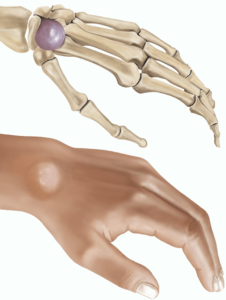
Factors Influencing Costs

Several factors can impact the overall cost of ganglion excision in Turkey:

  • Hospital/Clinic Type: Private hospitals and high-end clinics may charge more due to their advanced technology and amenities. Public hospitals may offer lower rates but with potentially less personalized care.
  • Surgeon’s Experience: Surgeons with extensive experience and specialization in ganglion excision may command higher fees. However, their expertise often translates into better outcomes and fewer complications.
  • Location: Costs can vary significantly between cities and even neighborhoods. Major metropolitan areas like Istanbul generally have higher prices compared to smaller cities.
  • Anesthesia and Additional Services: The type of anesthesia used (local or general) and any additional services (such as post-operative care or follow-up visits) can affect the total cost.
  • Insurance Coverage: Some insurance plans may cover part of the cost, but this varies by policy and provider. Patients should verify coverage details with their insurance company before scheduling the procedure.

Prices of all types of the Ganglion Excision procedure in Turkey.

Open Excision of Dorsal Wrist Ganglion

Definition and Details:

The open excision of a dorsal wrist ganglion is one of the most common procedures performed to remove a ganglion cyst located on the back side of the wrist. Ganglion cysts are fluid-filled sacs that arise from the synovial lining of a joint or tendon sheath.

In the case of dorsal wrist ganglions, they typically emerge from the scapholunate joint, which is a critical joint in the wrist that stabilizes wrist movement.

These cysts can vary in size, sometimes growing large enough to cause noticeable lumps on the skin. While many dorsal wrist ganglions are asymptomatic, they can become painful if they press on adjacent nerves or interfere with joint movement.

Procedure Steps:

Pre-operative Consultation and Imaging:
  • Initial consultation with the surgeon to discuss the symptoms, medical history, and goals for the surgery.
  • Imaging studies such as X-rays or MRI scans may be ordered to assess the size and location of the cyst and to plan the surgery.
Preparation and Anesthesia:
  • On the day of surgery, the patient will be prepped for the procedure. The surgical site is cleaned and sterilized.
  • Local or general anesthesia is administered to ensure that the patient does not feel pain during the procedure.
Incision and Exposure:
  • A small incision is made directly over the ganglion cyst on the dorsal side of the wrist. The incision size can vary depending on the size of the cyst.
  • The surgeon carefully dissects through the layers of skin, fat, and muscle to expose the cyst and its stalk.
Ganglion Excision:
  • The ganglion cyst is carefully separated from the surrounding tissues, including nerves, blood vessels, and tendons. The stalk of the cyst, which connects it to the joint or tendon sheath, is also removed to reduce the risk of recurrence.
  • Any damaged tissue surrounding the ganglion may also be excised.
Closure and Dressing:
  • The incision is closed with sutures, and the surgical site is dressed with sterile bandages.
  • A splint or wrist immobilizer may be applied to keep the wrist stable during the initial healing phase.
Post-operative Care:
  • The patient is monitored for a short period to ensure they are recovering well from the anesthesia.
  • Detailed instructions for at-home care, including wound care, activity restrictions, and pain management, are provided.
Follow-up Appointments:
  • The patient will need to return for follow-up visits to monitor the healing process and to remove sutures if necessary.
  • Additional physical therapy may be recommended to restore full function to the wrist.

Prices of Procedure Steps:

  • Consultation: $50 – $150
  • X-ray: $100 – $150
  • MRI: $300 – $500
  • Surgical Preparation: $100 – $200
  • Local Anesthesia: $150 – $300
  • General Anesthesia: $500 – $1,000
  • Surgical Incision and Tissue Dissection: $800 – $1,200
  • Cyst Removal and Excision of Stalk: $1,000 – $1,500
  • Suturing: $150 – $300
  • Sterile Dressing: $50 – $100
  • Splint/Wrist Immobilizer: $100 – $200
  • Immediate Post-operative Monitoring: $100 – $200
  • At-home Care Instructions and Pain Management: $50 – $100
  • Follow-up Consultation: $50 – $150
  • Physical Therapy (if required): $50 – $100 per session

Arthroscopic Excision of Volar Wrist Ganglion

Definition and Details:

The arthroscopic excision of a volar wrist ganglion is a minimally invasive surgical technique used to remove a ganglion cyst located on the volar (palm) side of the wrist.

Volar wrist ganglions are typically connected to the radiocarpal joint and are less common than dorsal wrist ganglions.

These cysts can be more challenging to treat due to their proximity to vital structures like the radial artery and median nerve, which control blood flow and sensory functions in the hand.

Arthroscopic surgery involves the use of a small camera (arthroscope) and specialized instruments that are inserted through tiny incisions around the wrist.

The arthroscope provides a magnified view of the joint and surrounding structures, allowing the surgeon to precisely locate and remove the ganglion cyst without disturbing the nearby critical anatomy.

Procedure Steps:

Pre-operative Evaluation and Imaging:
  • Comprehensive evaluation by a hand specialist, including a physical examination and review of medical history.
  • Imaging studies, such as ultrasound or MRI, to precisely locate the cyst and plan the surgery.
Surgical Preparation and Anesthesia:
  • The patient is prepared for surgery, with the wrist cleaned and sterilized.
  • General anesthesia or a regional nerve block is administered to ensure comfort throughout the procedure.
Incision and Arthroscope Insertion:
  • Small incisions (usually 2-3) are made around the wrist for the insertion of the arthroscope and surgical instruments.
  • The arthroscope provides a detailed view of the joint, allowing the surgeon to navigate safely around critical structures.
Ganglion Cyst Removal:
  • The ganglion cyst is identified using the arthroscope, and specialized instruments are used to carefully excise the cyst and its stalk.
  • The surgeon ensures that the entire cyst, including its connection to the joint, is removed to minimize the risk of recurrence.
Closure and Dressing:
  • The small incisions are closed with sutures or surgical tape.
  • The wrist is bandaged, and a splint may be applied to protect the wrist during the initial healing phase.
Post-operative Care and Recovery:
  • The patient is monitored as they recover from anesthesia.
  • Instructions for at-home care, including pain management, wound care, and activity restrictions, are provided.
Follow-up and Rehabilitation:
  • Follow-up visits to assess healing and remove sutures.
  • Physical therapy may be recommended to restore strength and flexibility to the wrist.

Prices of Procedure Steps:

  • Specialist Consultation: $100 – $200
  • Ultrasound: $150 – $300
  • MRI: $300 – $600
  • Surgical Prep: $100 – $200
  • General Anesthesia: $500 – $1,000
  • Regional Nerve Block: $400 – $800
  • Incision and Arthroscope Insertion: $800 – $1,200
  • Use of Arthroscopic Equipment: $1,000 – $1,500
  • Arthroscopic Cyst Removal: $1,500 – $2,500
  • Suturing/Surgical Tape: $100 – $200
  • Sterile Dressing and Splint: $100 – $200
  • Immediate Post-operative Monitoring: $150 – $300
  • At-home Care Instructions: $50 – $100
  • Follow-up Consultation: $100 – $200
  • Physical Therapy Sessions: $50 – $150 per session

Open Excision of Volar Wrist Ganglion

Definition and Details:

The open excision of a volar wrist ganglion is a surgical procedure to remove a ganglion cyst that develops on the volar (palm) side of the wrist.

Volar ganglions, although less common than dorsal ganglions, pose unique challenges due to their location near critical structures, including the radial artery, median nerve, and flexor tendons.

These structures are responsible for the movement and sensation of the hand and fingers, making the surgical removal of volar ganglions more complex.

In an open excision, a larger incision is made on the volar side of the wrist to provide the surgeon with a direct view of the ganglion cyst and its surrounding structures.

The primary goal is to excise the cyst along with its stalk, which is connected to the joint or tendon sheath. By removing the entire

Procedure Steps:

Comprehensive Pre-operative Assessment:
  • In-depth consultation with a hand surgeon, including physical examination and detailed medical history.
  • Advanced imaging, such as an MRI or ultrasound, to map out the exact location of the cyst and its relationship to nearby structures.
Surgical Site Preparation and Anesthesia:
  • The wrist is meticulously cleaned and sterilized.
  • General anesthesia or a regional block is administered for patient comfort.
Incision and Exposure of Ganglion:
  • A strategically placed incision is made on the volar side of the wrist to minimize the risk to nearby nerves and arteries.
  • The surgeon carefully dissects through the layers of skin, subcutaneous tissue, and fascia to expose the ganglion.
Excision of Ganglion Cyst and Stalk:
  • The ganglion cyst is meticulously separated from surrounding tissues, paying special attention to preserving the integrity of nearby nerves and blood vessels.
  • The stalk connecting the cyst to the joint capsule or tendon sheath is excised to prevent recurrence.
Wound Closure and Dressing:
  • The surgical site is closed with sutures, and sterile dressings are applied.
  • A splint or brace may be used to immobilize the wrist and protect the area during healing.
Post-operative Monitoring and Care:
  • The patient is closely monitored in the recovery area for any immediate complications.
  • Detailed instructions for wound care, activity limitations, and follow-up appointments are provided.
Rehabilitation and Follow-up:
  • The patient returns for follow-up visits to ensure proper healing and to remove sutures if necessary.
  • A course of physical therapy may be recommended to regain strength and flexibility in the wrist.

Prices of Procedure Steps:

  • Hand Surgeon Consultation: $150 – $300
  • Advanced Imaging (MRI/Ultrasound): $300 – $600
  • Surgical Prep: $150 – $250
  • General Anesthesia/Regional Block: $500 – $1,200
  • Surgical Incision and Exposure: $800 – $1,500
  • Excision of Cyst and Stalk: $1,200 – $2,000
  • Suturing: $150 – $300
  • Sterile Dressings: $50 – $150
  • Splint/Brace: $100 – $250
  • Post-operative Recovery: $150 – $300
  • At-home Care Instructions: $50 – $100
  • Follow-up Visits: $100 – $200 per visit
  • Physical Therapy: $50 – $150 per session

Arthroscopic Excision of Dorsal Wrist Ganglion

Definition and Details:

The arthroscopic excision of a dorsal wrist ganglion is a minimally invasive surgical procedure designed to remove a ganglion cyst located on the dorsal (back) side of the wrist.

Arthroscopy is a cutting-edge technique that allows surgeons to perform complex procedures using a small camera and specialized instruments inserted through tiny incisions.

This method is particularly advantageous for dorsal wrist ganglions, as it provides a clear view of the cyst and surrounding structures while minimizing tissue damage.

Procedure Steps:

Initial Consultation and Diagnostic Imaging:
  • Thorough consultation with the surgeon to discuss the procedure, risks, and expected outcomes.
  • Diagnostic imaging, such as X-rays or MRI, to precisely locate the cyst and assess the joint’s condition.
Preparation and Administration of Anesthesia:
  • The surgical site is cleaned, and sterile drapes are applied.
  • The patient receives general anesthesia or a regional block to numb the arm and wrist.
Arthroscope Insertion and Joint Examination:
  • Small incisions (usually 2-3) are made to insert the arthroscope and surgical instruments.
  • The arthroscope is used to examine the inside of the wrist joint and locate the ganglion.
Excision of Ganglion Cyst:
  • The ganglion cyst is excised using specialized arthroscopic instruments.
  • The stalk of the cyst, which connects it to the joint, is removed to prevent recurrence.
Closure of Incisions and Application of Dressing:
  • The small incisions are closed with sutures or surgical tape.
  • A light dressing is applied to protect the surgical site.
Post-operative Care and Discharge:
  • The patient is monitored as they recover from anesthesia.
  • Detailed instructions for wound care, activity restrictions, and follow-up appointments are provided.
Rehabilitation and Follow-up:
  • The patient returns for follow-up visits to assess healing and remove sutures.
  • Physical therapy may be recommended to restore full wrist function.

Prices of Procedure Steps:

  • Surgeon Consultation: $150 – $300
  • X-ray/MRI: $300 – $600
  • Surgical Prep: $150 – $300
  • General Anesthesia/Regional Block: $500 – $1,200
  • Arthroscope Insertion: $1,000 – $1,500
  • Joint Examination: $800 – $1,200
  • Arthroscopic Cyst Excision: $1,500 – $2,500
  • Suturing/Surgical Tape: $100 – $200
  • Light Dressing: $50 – $100
  • Post-operative Monitoring: $150 – $300
  • At-home Care Instructions: $50 – $100
  • Follow-up Visits: $100 – $200 per visit
  • Physical Therapy: $50 – $150 per session

Endoscopic Excision of Dorsal Wrist Ganglion

Definition and Details:

The endoscopic excision of a dorsal wrist ganglion is an advanced surgical technique used to remove ganglion cysts located on the back side of the wrist.

Endoscopic surgery is similar to arthroscopy in that it uses a small camera and specialized instruments to perform the procedure through tiny incisions.

However, endoscopy is typically more focused on soft tissue and tendon surgeries, making it particularly useful for ganglion cysts that arise from the tendon sheaths rather than the joint capsule.

Procedure Steps:

Consultation and Imaging Studies:
  • Detailed consultation with the hand surgeon to review the procedure, expected outcomes, and potential risks.
  • Imaging studies such as ultrasound or MRI to accurately locate the cyst and plan the surgery.
Surgical Preparation and Anesthesia:
  • The wrist is thoroughly cleaned and draped in a sterile fashion.
  • Regional anesthesia is administered to numb the arm, allowing the patient to stay awake during the procedure.
Endoscope Insertion and Navigation:
  • Small incisions are made on the dorsal side of the wrist to insert the endoscope and instruments.
  • The endoscope is used to carefully navigate through the soft tissues and locate the ganglion cyst.
Excision of Ganglion Cyst:
  • The cyst is identified and excised along with its stalk using endoscopic tools.
  • Care is taken to avoid damaging surrounding structures such as tendons and nerves.
Closure of Incisions and Dressing:
  • The incisions are closed with sutures or surgical tape.
  • A sterile dressing is applied to protect the surgical site.
Immediate Post-operative Care:
  • The patient is monitored during the immediate recovery period.
  • Instructions for home care, including pain management and activity limitations, are provided.
Rehabilitation and Physical Therapy:
  • Follow-up visits are scheduled to monitor healing and remove sutures.
  • Physical therapy may be prescribed to restore full range of motion and strength in the wrist.

Prices of Procedure Steps:

  • Surgeon Consultation: $150 – $300
  • Ultrasound/MRI: $300 – $600
  • Surgical Prep: $150 – $300
  • Regional Anesthesia: $500 – $1,200
  • Endoscope Insertion: $1,000 – $1,500
  • Tissue Navigation: $800 – $1,200
  • Endoscopic Cyst Excision: $1,500 – $2,500
  • Suturing/Surgical Tape: $100 – $200
  • Sterile Dressing: $50 – $100
  • Post-operative Monitoring: $150 – $300
  • At-home Care Instructions: $50 – $100
  • Follow-up Visits: $100 – $200 per visit
  • Physical Therapy: $50 – $150 per session

Aspiration with Cortisone Injection

Definition and Details:

Aspiration with cortisone injection is a non-surgical procedure commonly used to treat ganglion cysts on the wrist, especially when they are small or asymptomatic.

This procedure involves using a needle to aspirate, or draw out, the gelatinous fluid within the cyst, followed by the injection of a corticosteroid (cortisone) to reduce inflammation and potentially prevent the cyst from returning.

While aspiration is less invasive than surgery, it is associated with a higher recurrence rate, as the cyst’s outer capsule remains intact and may refill over time.

Procedure Steps:

Initial Consultation and Examination:
  • The patient undergoes a thorough consultation with the physician to assess the cyst and discuss treatment options.
  • The cyst is evaluated through physical examination and, if necessary, imaging studies.
Sterilization of the Treatment Area:
  • The wrist is cleaned and sterilized to prevent infection.
Needle Aspiration of Cyst:
  • A fine needle is carefully inserted into the ganglion cyst.
  • The cyst’s gelatinous fluid is drawn out through the needle.
Cortisone Injection:
  • After aspiration, a corticosteroid injection is administered into the cyst cavity to reduce inflammation.
Post-procedure Care:
  • A light dressing is applied to the area.
  • The patient is provided with instructions for aftercare and advised on activity restrictions.
Follow-up Evaluation:
  • A follow-up appointment is scheduled to monitor the cyst and assess the effectiveness of the treatment.
Repeat Treatment (if necessary):
  • If the cyst recurs, a repeat aspiration or alternative treatment may be considered.

Prices of Procedure Steps:

  • Physician Consultation: $100 – $200
  • Imaging Studies (if needed): $150 – $400
  • Sterilization: $50 – $100
  • Aspiration Procedure: $200 – $400
  • Cortisone Injection: $150 – $300
  • Light Dressing: $20 – $50
  • Aftercare Instructions: $50 – $100
  • Follow-up Visit: $100 – $200
  • Repeat Aspiration: $200 – $400

Aspiration without Cortisone Injection

Definition and Details:

Aspiration without cortisone injection is a minimally invasive procedure used to drain the fluid from a ganglion cyst on the wrist.

This method is similar to aspiration with cortisone but does not include the subsequent injection of a corticosteroid.

Aspiration alone is often chosen when there are concerns about cortisone side effects or if the cyst is particularly small and may resolve on its own after fluid removal.

Procedure Steps:

Consultation and Physical Examination:
  • The patient meets with the physician to discuss symptoms and treatment options.
  • The cyst is evaluated through physical examination, and imaging may be used if needed.
Cleaning and Sterilization of the Wrist:
  • The treatment area is thoroughly cleaned and sterilized.
Needle Aspiration of Cyst:
  • A fine needle is inserted into the cyst to aspirate the fluid inside.
Application of Dressing:
  • A light, sterile dressing is applied to the site after aspiration.
Post-procedure Monitoring:
  • The patient is monitored briefly to ensure there are no immediate complications.
Follow-up Visit:
  • A follow-up appointment is scheduled to check for recurrence and assess the outcome.
Additional Treatment (if needed):
  • If the cyst returns, the patient may require a repeat aspiration or surgical intervention.

Prices of Procedure Steps:

  • Physician Consultation: $100 – $200
  • Imaging Studies (if needed): $150 – $400
  • Sterilization: $50 – $100
  • Aspiration Procedure: $200 – $400
  • Sterile Dressing: $20 – $50
  • Monitoring: $50 – $100
  • Follow-up Visit: $100 – $200
  • Repeat Aspiration: $200 – $400

Cryotherapy for Wrist Ganglion Cysts

Definition and Details:

Cryotherapy for wrist ganglion cysts is a minimally invasive procedure that involves using extreme cold to destroy the cyst tissue.

This technique is less commonly used compared to surgical removal or aspiration but is an option for certain patients, particularly those looking for an alternative to surgery. Cryotherapy is performed using a cryoprobe that is inserted into the cyst.

The probe delivers a controlled amount of extreme cold to freeze and destroy the cystic tissue. Over time, the body absorbs the destroyed tissue, and the cyst may shrink or disappear completely.

The procedure is typically performed in an outpatient setting under local anesthesia. The wrist is sterilized, and the cryoprobe is guided into the cyst under imaging guidance.

Once the cyst is frozen, the probe is removed, and a sterile dressing is applied. Patients may experience some swelling or discomfort in the days following the procedure, but this usually subsides quickly.

Procedure Steps:

Consultation and Imaging Evaluation:
  • A detailed consultation with the physician to discuss the procedure, risks, and expected outcomes.
  • Imaging studies, such as ultrasound, to locate the cyst and plan the cryotherapy treatment.
Sterilization and Anesthesia:
  • The wrist is thoroughly sterilized, and local anesthesia is administered to numb the area.
Cryoprobe Insertion:
  • The cryoprobe is carefully inserted into the ganglion cyst under imaging guidance.
Cryotherapy Application:
  • Controlled extreme cold is delivered to the cyst to freeze and destroy the tissue.
Probe Removal and Dressing:
  • The cryoprobe is removed, and the site is dressed with a sterile bandage.
Post-procedure Care:
  • The patient is monitored briefly and given instructions for at-home care.
  • Pain management and activity restrictions are discussed.
Follow-up Appointment:
  • A follow-up visit is scheduled to assess the effectiveness of the cryotherapy and monitor for recurrence.

Prices of Procedure Steps:

  • Physician Consultation: $150 – $300
  • Ultrasound Imaging: $300 – $600
  • Sterilization: $50 – $100
  • Local Anesthesia: $200 – $400
  • Cryoprobe Insertion: $1,000 – $1,500
  • Cryotherapy Treatment: $1,500 – $2,500
  • Dressing: $50 – $100
  • Pain Management: $50 – $100
  • At-home Care Instructions: $50 – $100
  • Follow-up Visit: $100 – $200

Laser Therapy for Wrist Ganglion Cysts

Definition and Details:

Laser therapy for wrist ganglion cysts is a minimally invasive treatment that uses laser energy to ablate or shrink the cyst.

This technique is an alternative to surgical excision and is considered when patients prefer a non-surgical option or when the cyst is located in a difficult area for surgery.

During the procedure, a laser fiber is inserted into the cyst through a small incision or needle. The laser energy is then applied to the cyst, causing the fluid to vaporize and the cyst to shrink.

Laser therapy is typically performed under local anesthesia and is an outpatient procedure. The treatment area is sterilized, and a small incision is made to introduce the laser fiber.

Procedure Steps:

Consultation and Imaging Studies:
  • The patient meets with the physician to discuss laser therapy and undergoes imaging studies to locate the cyst.
Sterilization and Anesthesia:
  • The wrist is cleaned and sterilized, and local anesthesia is administered.
Laser Fiber Insertion:
  • A small incision is made, and the laser fiber is inserted into the cyst.
Laser Ablation of Cyst:
  • Laser energy is applied to the cyst to vaporize the fluid and shrink the cyst.
Incision Closure and Dressing:
  • The incision is closed with sutures or surgical tape.
  • A sterile dressing is applied to the site.
Post-procedure Care:
  • The patient is monitored briefly and given instructions for at-home care.
  • Pain management and activity restrictions are discussed.
Follow-up Visit:
  • A follow-up appointment is scheduled to assess the outcome and monitor for recurrence.

Prices of Procedure Steps:

  • Physician Consultation: $150 – $300
  • Ultrasound/MRI: $300 – $600
  • Sterilization: $50 – $100
  • Local Anesthesia: $200 – $400
  • Laser Fiber Insertion: $1,000 – $1,500
  • Laser Therapy: $1,500 – $2,500
  • Suturing/Surgical Tape: $100 – $200
  • Sterile Dressing: $50 – $100
  • Pain Management: $50 – $100
  • At-home Care Instructions: $50 – $100
  • Follow-up Visit: $100 – $200

Cyst Rupture Technique

Definition and Details:

The cyst rupture technique, also known as manual rupture or cyst bursting, is a non-surgical method for treating wrist ganglion cysts.

This technique involves applying pressure directly to the cyst to rupture its capsule, causing the fluid inside to disperse into the surrounding tissues.

While this method is simple and can be performed in a clinical setting, it is generally considered a less effective option due to the high likelihood of recurrence.

Additionally, there is a risk of pain, inflammation, or even injury to surrounding structures if not performed correctly.

The cyst rupture technique is often used as a last resort or for patients who wish to avoid more invasive procedures. It is performed without anesthesia, and the patient may feel discomfort during the process.

Procedure Steps:

Consultation and Physical Examination:
  • The patient undergoes a consultation with the physician to discuss the procedure.
  • A physical examination is performed to assess the cyst’s size and location.
Sterilization of the Treatment Area:
  • The wrist is sterilized to minimize the risk of infection.
Manual Rupture of Cyst:
  • The physician applies pressure to the cyst to rupture its capsule and disperse the fluid.
Immobilization of Wrist:
  • A bandage or splint is applied to immobilize the wrist and promote healing.
Post-procedure Monitoring:
  • The patient is monitored briefly to ensure no immediate complications.
Aftercare Instructions:
  • The patient is given instructions for at-home care, including activity restrictions.
Follow-up Visit:
  • A follow-up appointment is scheduled to assess the outcome and monitor for recurrence.

Prices of Procedure Steps:

  • Physician Consultation: $100 – $200
  • Sterilization: $50 – $100
  • Cyst Rupture Procedure: $150 – $300
  • Bandage/Splint: $50 – $100
  • Monitoring: $50 – $100
  • At-home Care Instructions: $50 – $100
  • Follow-up Visit: $100 – $200

Price Analysis of Ganglion Excision Procedures in Istanbul, Ankara, and Izmir

Traditional Surgical Excision

Istanbul:

  • Consultation: $150 – $250
  • Imaging Studies: $300 – $500
  • Anesthesia: $400 – $700
  • Surgical Excision: $1,500 – $2,500
  • Hospital Stay: $600 – $1,000
  • Post-operative Care: $200 – $400
  • Total Cost: $3,150 – $5,350

Ankara:

  • Consultation: $120 – $220
  • Imaging Studies: $250 – $450
  • Anesthesia: $350 – $650
  • Surgical Excision: $1,400 – $2,300
  • Hospital Stay: $500 – $900
  • Post-operative Care: $180 – $350
  • Total Cost: $2,800 – $4,870

Izmir:

  • Consultation: $130 – $240
  • Imaging Studies: $270 – $470
  • Anesthesia: $380 – $680
  • Surgical Excision: $1,450 – $2,400
  • Hospital Stay: $550 – $950
  • Post-operative Care: $190 – $370
  • Total Cost: $2,970 – $5,110

Arthroscopic Ganglion Excision

Istanbul:

  • Consultation: $160 – $260
  • Imaging Studies: $320 – $520
  • Anesthesia: $420 – $720
  • Arthroscopic Procedure: $1,700 – $2,800
  • Hospital Stay: $650 – $1,050
  • Post-operative Care: $220 – $420
  • Total Cost: $3,470 – $5,770

Ankara:

  • Consultation: $130 – $230
  • Imaging Studies: $280 – $480
  • Anesthesia: $380 – $680
  • Arthroscopic Procedure: $1,600 – $2,700
  • Hospital Stay: $550 – $950
  • Post-operative Care: $200 – $380
  • Total Cost: $3,140 – $5,420

Izmir:

  • Consultation: $140 – $250
  • Imaging Studies: $300 – $500
  • Anesthesia: $400 – $700
  • Arthroscopic Procedure: $1,650 – $2,750
  • Hospital Stay: $600 – $1,000
  • Post-operative Care: $210 – $400
  • Total Cost: $3,300 – $5,600

Aspiration with Steroid Injection

Istanbul:

  • Consultation: $140 – $220
  • Imaging Studies: $280 – $450
  • Anesthesia: $250 – $400
  • Aspiration: $500 – $800
  • Steroid Injection: $150 – $250
  • Post-procedure Care: $100 – $200
  • Total Cost: $1,420 – $2,320

Ankara:

  • Consultation: $120 – $200
  • Imaging Studies: $250 – $420
  • Anesthesia: $220 – $370
  • Aspiration: $450 – $750
  • Steroid Injection: $130 – $230
  • Post-procedure Care: $90 – $180
  • Total Cost: $1,260 – $2,150

Izmir:

  • Consultation: $130 – $210
  • Imaging Studies: $260 – $430
  • Anesthesia: $240 – $390
  • Aspiration: $470 – $770
  • Steroid Injection: $140 – $240
  • Post-procedure Care: $95 – $190
  • Total Cost: $1,335 – $2,230

Needling Technique

Istanbul:

  • Consultation: $130 – $210
  • Imaging Studies: $260 – $430
  • Anesthesia: $240 – $390
  • Needling Procedure: $800 – $1,300
  • Post-procedure Care: $120 – $220
  • Total Cost: $1,550 – $2,550

Ankara:

  • Consultation: $110 – $190
  • Imaging Studies: $230 – $400
  • Anesthesia: $210 – $360
  • Needling Procedure: $750 – $1,200
  • Post-procedure Care: $100 – $200
  • Total Cost: $1,400 – $2,350

Izmir:

  • Consultation: $120 – $200
  • Imaging Studies: $240 – $410
  • Anesthesia: $220 – $370
  • Needling Procedure: $770 – $1,250
  • Post-procedure Care: $110 – $210
  • Total Cost: $1,460 – $2,440

Sclerotherapy

Istanbul:

  • Consultation: $140 – $230
  • Imaging Studies: $280 – $450
  • Anesthesia: $250 – $420
  • Sclerotherapy Injection: $900 – $1,500
  • Post-procedure Care: $130 – $230
  • Total Cost: $1,700 – $2,830

Ankara:

  • Consultation: $120 – $210
  • Imaging Studies: $250 – $420
  • Anesthesia: $230 – $400
  • Sclerotherapy Injection: $850 – $1,400
  • Post-procedure Care: $110 – $200
  • Total Cost: $1,560 – $2,630

Izmir:

  • Consultation: $130 – $220
  • Imaging Studies: $260 – $430
  • Anesthesia: $240 – $410
  • Sclerotherapy Injection: $870 – $1,450
  • Post-procedure Care: $120 – $210
  • Total Cost: $1,620 – $2,720

Ultrasound-Guided Aspiration

Istanbul:

  • Consultation: $150 – $240
  • Imaging Studies: $300 – $480
  • Anesthesia: $270 – $450
  • Ultrasound-Guided Aspiration: $1,200 – $1,900
  • Post-procedure Care: $150 – $250
  • Total Cost: $2,070 – $3,320

Ankara:

  • Consultation: $130 – $220
  • Imaging Studies: $270 – $440
  • Anesthesia: $240 – $420
  • Ultrasound-Guided Aspiration: $1,100 – $1,800
  • Post-procedure Care: $130 – $220
  • Total Cost: $1,870 – $3,100

Izmir:

  • Consultation: $140 – $230
  • Imaging Studies: $280 – $460
  • Anesthesia: $250 – $430
  • Ultrasound-Guided Aspiration: $1,150 – $1,850
  • Post-procedure Care: $140 – $240
  • Total Cost: $1,960 – $3,210

Osteotomy with Ganglion Removal

Istanbul:

  • Consultation: $160 – $270
  • Imaging Studies: $320 – $500
  • Anesthesia: $450 – $750
  • Osteotomy with Ganglion Removal: $2,000 – $3,200
  • Hospital Stay: $700 – $1,200
  • Post-operative Care: $200 – $400
  • Total Cost: $3,830 – $6,320

Ankara:

  • Consultation: $140 – $250
  • Imaging Studies: $280 – $460
  • Anesthesia: $400 – $700
  • Osteotomy with Ganglion Removal: $1,900 – $3,100
  • Hospital Stay: $600 – $1,100
  • Post-operative Care: $180 – $360
  • Total Cost: $3,500 – $5,970

Izmir:

  • Consultation: $150 – $260
  • Imaging Studies: $300 – $480
  • Anesthesia: $420 – $720
  • Osteotomy with Ganglion Removal: $1,950 – $3,150
  • Hospital Stay: $650 – $1,150
  • Post-operative Care: $190 – $380
  • Total Cost: $3,660 – $6,140

Cryotherapy for Wrist Ganglion Cysts

Istanbul:

  • Consultation: $150 – $240
  • Imaging Studies: $300 – $480
  • Anesthesia: $270 – $450
  • Cryotherapy Procedure: $1,500 – $2,500
  • Post-procedure Care: $150 – $250
  • Total Cost: $2,370 – $3,920

Ankara:

  • Consultation: $130 – $220
  • Imaging Studies: $270 – $450
  • Anesthesia: $240 – $420
  • Cryotherapy Procedure: $1,400 – $2,400
  • Post-procedure Care: $130 – $220
  • Total Cost: $2,170 – $3,710

Izmir:

  • Consultation: $140 – $230
  • Imaging Studies: $280 – $460
  • Anesthesia: $250 – $430
  • Cryotherapy Procedure: $1,450 – $2,450
  • Post-procedure Care: $140 – $240
  • Total Cost: $2,260 – $3,810

Endoscopic Ganglion Excision

Istanbul:

  • Consultation: $170 – $280
  • Imaging Studies: $340 – $540
  • Anesthesia: $480 – $780
  • Endoscopic Excision: $2,200 – $3,500
  • Hospital Stay: $750 – $1,300
  • Post-operative Care: $220 – $420
  • Total Cost: $4,160 – $6,820

Ankara:

  • Consultation: $150 – $260
  • Imaging Studies: $300 – $500
  • Anesthesia: $430 – $730
  • Endoscopic Excision: $2,000 – $3,300
  • Hospital Stay: $650 – $1,200
  • Post-operative Care: $200 – $400
  • Total Cost: $3,730 – $6,390

Izmir:

  • Consultation: $160 – $270
  • Imaging Studies: $320 – $520
  • Anesthesia: $450 – $750
  • Endoscopic Excision: $2,100 – $3,400
  • Hospital Stay: $700 – $1,250
  • Post-operative Care: $210 – $410
  • Total Cost: $3,940 – $6,600

Radiosurgery for Ganglion Cysts

Istanbul:

  • Consultation: $160 – $260
  • Imaging Studies: $320 – $520
  • Radiation Planning: $500 – $1,000
  • Radiosurgery Treatment: $3,000 – $5,000
  • Post-procedure Care: $100 – $200
  • Follow-up Care: $150 – $300
  • Total Cost: $4,230 – $7,280

Ankara:

  • Consultation: $140 – $240
  • Imaging Studies: $290 – $490
  • Radiation Planning: $450 – $900
  • Radiosurgery Treatment: $2,800 – $4,700
  • Post-procedure Care: $90 – $180
  • Follow-up Care: $130 – $280
  • Total Cost: $3,900 – $6,790

Izmir:

  • Consultation: $150 – $250
  • Imaging Studies: $300 – $500
  • Radiation Planning: $480 – $950
  • Radiosurgery Treatment: $2,900 – $4,800
  • Post-procedure Care: $95 – $190
  • Follow-up Care: $140 – $290
  • Total Cost: $4,065 – $7,180

Additional Costs to Consider

While the base price of ganglion excision covers the primary surgical costs, patients should be aware of potential additional expenses:

  • Pre-Operative Tests: Costs for diagnostic tests and imaging (e.g., MRI or ultrasound) prior to surgery. These tests are typically necessary to assess the cyst and plan the surgery. Expect to pay between $100 and $300 for these tests.
  • Post-Operative Medications: Prescription medications for pain management or infection prevention. These may cost an additional $50 to $100.
  • Follow-Up Appointments: Post-surgery consultations to monitor recovery and ensure proper healing. Follow-up visits may cost between $50 and $150 each.
  • Travel and Accommodation: If traveling from abroad, patients should consider expenses for travel, accommodation, and other logistical arrangements. Costs will vary depending on individual preferences and travel arrangements.

Choosing the Right Facility and Surgeon

Research and Compare: When selecting a facility and surgeon, thorough research is crucial. Compare prices, read reviews, and check credentials. Ensure that the surgeon is board-certified and has extensive experience with ganglion excision.

Facility Accreditation: Choose facilities accredited by recognized health organizations. Accreditation ensures that the facility adheres to high standards of medical care and patient safety.

Consultations: Schedule consultations with multiple surgeons to discuss your case, get estimates, and understand the procedures involved. This will help you make an informed decision based on cost, experience, and personal comfort.

What are the necessary preparations before the Ganglion Excision procedure?

Personal Preparations

Understand the Procedure:

  • Detail: Research the ganglion excision procedure thoroughly. Understanding what to expect before, during, and after the surgery can alleviate anxiety and help you prepare mentally. Read about the different types of procedures, recovery times, and potential complications.
  • How: Consult reliable medical websites, read patient testimonials, and discuss the procedure with your healthcare provider.

Arrange Time Off Work:

  • Detail: Depending on the type of procedure and your job’s physical demands, plan to take time off work to allow for a full recovery. Discuss your leave with your employer and make arrangements to cover your responsibilities during your absence.
  • How: Notify your employer in advance, ensuring you have the necessary documentation from your doctor to justify your medical leave.

Prepare Your Home for Recovery:

  • Detail: Set up a comfortable space at home where you can rest and recover post-procedure. Ensure you have easy access to necessities like medications, a comfortable chair or bed, and any assistive devices if needed.
  • How: Arrange your living space to minimize movement, stock up on essential supplies, and consider assistance from family or friends if necessary.

Arrange Transportation:

  • Detail: Since you will likely be under anesthesia or sedation, you’ll need someone to drive you to and from the medical facility. Arrange for a reliable friend or family member to provide this transportation.
  • How: Confirm transportation arrangements in advance and ensure your ride is reliable and available at the required times.

Fasting and Dietary Restrictions:

  • Detail: Follow any fasting or dietary restrictions provided by your doctor. This typically involves not eating or drinking anything for a specified period before the procedure to ensure safety during anesthesia.
  • How: Adhere strictly to the pre-procedure dietary guidelines provided by your healthcare provider, and avoid eating or drinking outside the allowed times.

Medication Management:

  • Detail: Review all medications and supplements you are currently taking with your doctor. Some medications may need to be adjusted or temporarily discontinued before the procedure.
  • How: Prepare a list of all medications, including over-the-counter drugs and supplements, and discuss it with your healthcare provider to follow their recommendations.

Pre-Procedure Health Evaluation:

  • Detail: Ensure that you undergo any required pre-procedure health evaluations, such as blood tests, imaging studies, or other diagnostic tests, as recommended by your doctor.
  • How: Schedule and complete these evaluations well in advance of your procedure date and provide the results to your healthcare provider.

Pre-Surgical Hygiene:

  • Detail: Follow specific hygiene instructions provided by your doctor, such as showering with an antimicrobial soap to reduce the risk of infection.
  • How: Adhere to the pre-surgical hygiene protocol as instructed, which may include specific washing techniques or the use of certain products.

Financial Preparation:

  • Detail: Ensure that you are financially prepared for the procedure by reviewing and understanding the costs involved, including any potential out-of-pocket expenses not covered by insurance.
  • How: Contact your insurance provider to verify coverage, review costs with your medical facility, and arrange for any necessary payments or financial assistance.

Emergency Contacts:

  • Detail: Have a list of emergency contacts and medical information readily available. This includes your primary care physician’s contact details, any allergies, and other pertinent health information.
  • How: Compile this information in an easily accessible format and share it with your caregiver or anyone assisting you during your recovery.

Preparations with the Doctor

Initial Consultation:

  • Detail: Schedule an initial consultation with your surgeon to discuss the details of the ganglion excision procedure. This includes understanding the procedure, discussing potential risks, and reviewing your medical history.
  • How: Prepare questions and concerns to address during the consultation, and ensure you fully understand the answers and instructions provided.

Review Medical History:

  • Detail: Provide a comprehensive overview of your medical history, including any past surgeries, chronic conditions, or relevant health issues. This helps the doctor tailor the procedure to your needs.
  • How: Complete any required medical history forms and provide your doctor with detailed information about your health.

Pre-Procedure Instructions:

  • Detail: Follow all pre-procedure instructions provided by your doctor, which may include specific fasting instructions, medication adjustments, or restrictions on activities.
  • How: Adhere strictly to these instructions to ensure your safety and the success of the procedure.

Consent Forms:

  • Detail: Review and sign all necessary consent forms that outline the risks, benefits, and alternatives to the procedure. This is a legal requirement and ensures you are informed about what will happen.
  • How: Carefully read each form, ask questions if needed, and sign to acknowledge your understanding and consent.

Anesthesia Consultation:

  • Detail: If applicable, meet with an anesthesiologist to discuss the type of anesthesia that will be used, any potential side effects, and how it will be administered.
  • How: Attend the anesthesia consultation as scheduled, provide your medical history, and follow any specific pre-anesthesia instructions.

Pre-Procedure Imaging and Tests:

  • Detail: Undergo any required imaging studies or diagnostic tests as instructed by your doctor. These tests help in planning the procedure and ensuring the best outcomes.
  • How: Schedule and complete these tests in advance, and ensure results are communicated to your healthcare provider before the procedure.

Procedure Day Instructions:

  • Detail: Follow detailed instructions provided by your doctor for the day of the procedure, including arrival time, preparation guidelines, and any last-minute instructions.
  • How: Review these instructions carefully and prepare accordingly to ensure a smooth procedure day.

Discuss Post-Procedure Care:

  • Detail: Review post-procedure care instructions with your doctor, including pain management, wound care, and signs of potential complications. Understanding these details helps in a smoother recovery.
  • How: Ensure you have a clear understanding of all post-care instructions, and ask for clarification on any aspects that are unclear.

Set Up Follow-Up Appointments:

  • Detail: Schedule follow-up appointments to monitor your recovery and address any concerns that may arise after the procedure.
  • How: Work with your healthcare provider’s office to arrange these appointments in advance and ensure you attend them as scheduled.

Emergency Protocols:

  • Detail: Discuss and understand the emergency protocols in case you experience any complications or issues post-procedure. This includes knowing who to contact and what steps to take.
  • How: Review these protocols with your doctor and ensure you have contact information and instructions readily available.

What happens during the Ganglion Excision procedure?

Preoperative Preparation and Positioning

Description: The procedure begins with the patient being prepared and positioned appropriately on the operating table.

This ensures that the surgeon has optimal access to the area where the ganglion is located.

What the Doctor Does:

  • Confirm Patient Identification: Verifies the patient’s identity and the specific procedure to be performed.
  • Position the Patient: Assists the patient into the correct position, typically with the affected limb positioned comfortably for easy access.
  • Sterilize the Area: Cleans the area around the ganglion with an antiseptic solution to minimize the risk of infection.

Anesthesia Administration

Description: Anesthesia is administered to ensure that the patient is comfortable and pain-free during the procedure.

This may be local anesthesia, regional anesthesia, or general anesthesia, depending on the procedure’s complexity and the patient’s needs.

What the Doctor Does:

  • Select the Anesthetic: Chooses the appropriate type of anesthesia based on the procedure’s requirements and the patient’s health status.
  • Administer the Anesthetic: Injects or administers anesthesia to numb the area or induce sedation.
  • Monitor the Patient: Continuously monitors the patient’s vital signs and anesthesia effects to ensure safety and comfort.

Surgical Incision

Description: The surgeon makes an incision to access the ganglion. The size and location of the incision depend on the type of ganglion excision being performed.

What the Doctor Does:

  • Mark the Incision Site: Identifies and marks the precise location of the incision.
  • Make the Incision: Uses a scalpel to create an incision through the skin and underlying tissues.
  • Control Bleeding: Applies pressure or uses cauterization techniques to manage any bleeding at the incision site.

Dissection and Exposure

Description: The surgeon carefully dissects the surrounding tissues to expose the ganglion cyst. This step involves separating the ganglion from the surrounding structures.

What the Doctor Does:

  • Separate Tissue Layers: Gently separates and retracts tissues to expose the ganglion.
  • Use Surgical Tools: Employs tools like retractors and forceps to maintain visibility and access to the ganglion.
  • Protect Surrounding Structures: Takes care to avoid damaging nearby nerves, blood vessels, or tendons.

Ganglion Removal

Description: The ganglion cyst is removed from its location. This is the core part of the procedure where the ganglion is excised or aspirated.

What the Doctor Does:

  • Locate the Ganglion: Identifies the ganglion cyst and determines its attachment to surrounding tissues.
  • Remove the Ganglion: Either excises the ganglion completely or performs aspiration if that method is used.
  • Check for Completeness: Ensures that the entire cyst has been removed to reduce the risk of recurrence.

Hemostasis

Description: After removing the ganglion, the surgeon ensures that any bleeding is controlled and that the surgical site is stabilized.

What the Doctor Does:

  • Apply Hemostatic Agents: Uses agents or techniques to control bleeding, such as cauterization or suture ligation.
  • Inspect the Site: Checks for any remaining bleeding or complications.
  • Clean the Area: Clears the surgical area of any blood or debris.

Closure of the Incision

Description: The incision is then closed using sutures or staples. The method of closure depends on the incision’s size and location.

What the Doctor Does:

  • Suturing or Stapling: Places sutures or staples to close the incision, ensuring that the edges are properly aligned.
  • Apply Sterile Dressing: Covers the wound with a sterile dressing to protect it and absorb any discharge.
  • Inspect the Closure: Ensures that the closure is secure and that there are no complications.

Postoperative Dressing and Bandaging

Description: After closing the incision, the area is dressed and bandaged to protect the wound and promote healing.

What the Doctor Does:

  • Apply Dressing: Places a sterile dressing over the wound to keep it clean and dry.
  • Bandage the Area: Uses a bandage to secure the dressing and provide support to the affected area.
  • Provide Care Instructions: Instructs the patient on how to care for the dressing and what to expect in the immediate postoperative period.

Postoperative Monitoring

Description: The patient is monitored for any immediate postoperative issues, including the effects of anesthesia and the initial response to the procedure.

What the Doctor Does:

  • Monitor Vital Signs: Checks the patient’s vital signs, such as blood pressure, heart rate, and oxygen levels.
  • Assess Recovery: Evaluates the patient’s response to the procedure and anesthesia.
  • Manage Pain: Provides pain relief or adjusts medication as needed.

Discharge Instructions

Description: Once the patient is stable and the procedure is complete, the surgeon provides detailed discharge instructions to ensure a smooth recovery.

What the Doctor Does:

  • Provide Written Instructions: Gives the patient written instructions on postoperative care, including wound care, activity restrictions, and follow-up appointments.
  • Discuss Symptoms to Watch For: Informs the patient of signs of complications, such as infection or excessive swelling.
  • Schedule Follow-Up Visits: Arranges follow-up appointments to monitor recovery and address any concerns.

Post-Operative Care and Recovery

  • Recovery Time: Most patients experience a relatively quick recovery, with a return to normal activities within 1-2 weeks. However, individual recovery times may vary depending on the complexity of the procedure and the patient’s overall health.
  • Follow-Up Care: Adhere to the surgeon’s instructions for post-operative care, including wound care and activity restrictions. Attend all follow-up appointments to monitor healing and address any concerns.
  • Potential Complications: Although ganglion excision is generally safe, potential complications include infection, scarring, or recurrence of the cyst. Discuss any concerns with your surgeon and follow their recommendations to minimize risks.

Conclusion

Ganglion excision in Turkey offers an opportunity for high-quality care at competitive prices.

By understanding the costs involved and considering factors such as location, surgeon experience, and additional expenses, patients can make informed decisions about their procedure.

Whether you choose Istanbul, Ankara, or Izmir, Turkey’s medical facilities provide excellent options for addressing ganglion cysts with advanced care and personalized attention.

The Ultimate Guide to Barbie Botox Pricing in Turkey: What You Need to Know

The Barbie Botox procedure, inspired by the glamorous appearance of the iconic doll, has become a popular choice for those seeking a youthful, flawless look.

If you’re considering Barbie Botox in Turkey, understanding the cost involved is crucial.

Turkey is renowned for its advanced cosmetic procedures, including Botox, at competitive prices.

What is Barbie Botox?

Barbie Botox is a specialized treatment designed to achieve a youthful and smooth appearance similar to that of the famous doll.

Unlike traditional Botox, which targets specific areas to reduce wrinkles, Barbie Botox aims for a more comprehensive facial rejuvenation.

This procedure usually involves a combination of Botox injections and dermal fillers to enhance facial contours and provide a youthful look.

Cost Breakdown of Barbie Botox in Turkey

The cost of Barbie Botox in Turkey varies depending on several factors including the clinic’s location, the experience of the practitioner, and the extent of the procedure.

Here’s a detailed look at the pricing:

Base Cost of Barbie Botox Treatment

  • Istanbul: The price for Barbie Botox in Istanbul ranges from $1,200 to $1,800. Istanbul, being a major city with numerous high-end clinics, often has slightly higher prices due to the advanced facilities and experienced practitioners.
  • Ankara: In Ankara, the cost generally falls between $1,000 and $1,500. As the capital city, Ankara offers a balance between quality and affordability.
  • Izmir: The cost in Izmir ranges from $900 to $1,400. Izmir is known for its competitive pricing while maintaining high standards of care.

Factors Influencing the Price

  • Clinic Reputation: Well-known clinics with a strong reputation may charge more for their services. Top-tier clinics often offer advanced techniques and superior aftercare, which can justify the higher price.
  • Practitioner’s Expertise: Highly experienced practitioners or those with specialized training in Barbie Botox can command higher fees. It’s essential to choose a qualified professional to ensure the best results.
  • Treatment Complexity: The complexity of the procedure, including the number of injections and areas treated, affects the cost. More extensive treatments requiring additional products or longer procedures will be more expensive.
  • Location: Prices vary by city and neighborhood. Major cities like Istanbul typically have higher costs compared to other regions.
  • Additional Costs: Some clinics may include extra charges for consultations, follow-up appointments, or additional treatments.

Prices of all types of the barbie botox procedure in Turkey.

Classic Barbie Botox

Definition and Details:

The Classic Barbie Botox procedure is designed to enhance facial aesthetics by reducing the appearance of wrinkles and fine lines.

This procedure involves the use of Botox injections to relax the muscles responsible for creating lines and wrinkles, typically targeting the forehead, crow’s feet around the eyes, and frown lines between the eyebrows.

This approach may also include the use of minimal dermal fillers to subtly enhance the contours of the face, providing a natural-looking lift and smoothing effect.

The Classic Barbie Botox aims to provide a rejuvenated look by addressing common signs of aging, while maintaining a balance that ensures a natural appearance.

The procedure is minimally invasive, with results becoming apparent within a few days and lasting for several months. Patients generally require follow-up treatments to maintain the desired look.

Procedure Steps:

  • Initial Consultation: A comprehensive consultation with a licensed practitioner to assess your facial structure, discuss aesthetic goals, and determine a personalized treatment plan. This includes a detailed discussion of your medical history and any potential contraindications.
  • Facial Assessment: The practitioner evaluates the areas to be treated, measuring the depth of wrinkles and lines to decide the precise amount of Botox needed. This step ensures that the treatment is tailored to your specific facial anatomy.
  • Botox Injections: Botox is administered into the targeted areas using fine needles. The injections are strategically placed to relax the muscles responsible for wrinkles, aiming for a smooth and refreshed appearance. The process typically takes about 15 to 30 minutes.
  • Dermal Filler Application (optional): If included in the treatment, dermal fillers are injected into specific areas to enhance facial contours, such as the cheeks or nasolabial folds. This step helps to provide additional volume and a more youthful contour.
  • Post-Treatment Instructions: You will receive detailed guidance on aftercare, including recommendations to avoid strenuous exercise, exposure to heat, and any activities that might affect the treatment area. This also includes advice on managing potential side effects such as swelling or bruising.
  • Follow-Up Appointment: A follow-up visit is often scheduled about two weeks after the procedure to assess the results and make any necessary adjustments. This ensures that the Botox is performing as expected and allows for any additional touch-ups if needed.

Pricing Breakdown:

  • Consultation Fee: $50 – $100 (usually deducted from the total cost if you proceed with the treatment)
Botox Injections:
  • Forehead: $250 – $400
  • Crow’s Feet: $200 – $350
  • Frown Lines: $200 – $350
  • Dermal Fillers (if included): $300 – $500
  • Aftercare and Follow-Up: $100 – $200 (if not included in the initial cost)
  • Total Estimated Cost: $1,050 – $1,800

Barbie Botox with Lip Enhancement

Definition and Details:

The Barbie Botox with Lip Enhancement procedure combines traditional Botox treatment with advanced lip fillers to achieve a more voluptuous and youthful appearance.

This approach involves using Botox to target facial wrinkles and lip fillers to enhance lip volume and definition.

The goal is to create a balanced, harmonious look with both wrinkle reduction and enhanced lip plumpness.

The procedure starts with a detailed consultation to assess facial aesthetics and lip shape. Botox is injected into areas such as the forehead, crow’s feet, and frown lines.

Following this, lip fillers, typically made of hyaluronic acid, are used to add volume and definition to the lips. This dual approach results in a comprehensive facial rejuvenation.

Procedure Steps:

  • Initial Consultation: A detailed assessment of facial structure and lip shape, including a discussion of aesthetic goals and treatment options. This involves evaluating your current lip volume and determining the best approach to enhance lip shape.
  • Facial Assessment: Examination of facial wrinkles and lip structure to plan the Botox and filler treatment. Measurements and visual assessments are made to ensure precise application.
  • Botox Injections: Administered to the targeted wrinkle areas, including the forehead, around the eyes, and between the eyebrows. The injections are performed with fine needles for minimal discomfort.
  • Lip Filler Application: Hyaluronic acid-based lip fillers are injected to enhance the volume, shape, and contour of the lips. This step involves careful placement to achieve a natural-looking result and avoid overfilling.
  • Post-Treatment Instructions: Detailed guidance on managing swelling and bruising, as well as advice on avoiding certain activities such as smoking and drinking through straws, which can affect the healing process.
  • Follow-Up Appointment: Typically scheduled a few weeks after the procedure to evaluate the results and make any necessary adjustments to ensure optimal outcomes.

Pricing Breakdown:

  • Consultation Fee: $50 – $100
Botox Injections:
  • Forehead: $250 – $400
  • Crow’s Feet: $200 – $350
  • Frown Lines: $200 – $350
  • Lip Fillers: $400 – $800
  • Aftercare and Follow-Up: $100 – $200
  • Total Estimated Cost: $1,000 – $1,850

Barbie Botox with Cheek Enhancement

Definition and Details:

The Barbie Botox with Cheek Enhancement procedure is designed to achieve a youthful, contoured face by combining Botox with cheek fillers.

This treatment targets common facial wrinkles with Botox and uses dermal fillers to enhance volume and lift in the cheek area.

The result is a more defined and youthful appearance, with enhanced mid-face volume and smoother skin.

The process begins with a thorough consultation to assess facial aesthetics and determine the appropriate treatment plan.

Botox is injected into wrinkle-prone areas such as the forehead and around the eyes. Cheek fillers are then applied to restore volume and provide lift to the mid-face. This combination aims to create a balanced, youthful look with improved facial contours.

Procedure Steps:

  • Initial Consultation: An assessment to evaluate facial structure, discuss aesthetic goals, and determine the appropriate Botox and filler treatments. This includes analyzing the current volume of the cheeks and the presence of wrinkles.
  • Facial Assessment: Detailed evaluation of facial wrinkles and cheek volume. Measurements are taken to ensure the correct amount of Botox and fillers are used.
  • Botox Injections: Administered to targeted areas such as the forehead, crow’s feet, and frown lines to reduce the appearance of wrinkles.
  • Cheek Filler Application: Dermal fillers are injected into the cheeks to enhance volume and contour. This step involves careful placement to achieve a natural, lifted appearance.
  • Post-Treatment Instructions: Guidance on managing any swelling or bruising, and recommendations for avoiding certain activities or products that might affect the treatment.
  • Follow-Up Appointment: A follow-up visit is scheduled to assess the results and make any necessary adjustments. This ensures that the desired volume and contour have been achieved.

Pricing Breakdown:

  • Consultation Fee: $50 – $100
Botox Injections:
  • Forehead: $250 – $400
  • Crow’s Feet: $200 – $350
  • Frown Lines: $200 – $350
  • Cheek Fillers: $500 – $1,000
  • Aftercare and Follow-Up: $100 – $200
  • Total Estimated Cost: $1,150 – $2,000

Barbie Botox with Jawline Contouring

Definition and Details:

The Barbie Botox with Jawline Contouring procedure combines Botox with advanced dermal fillers to enhance and contour the jawline.

This treatment targets both facial wrinkles and the jawline area, creating a more defined and youthful appearance.

Botox is used to smooth out wrinkles, while fillers are strategically injected to contour and enhance the jawline.

The procedure involves a detailed consultation to determine the most effective treatment plan based on your facial structure and aesthetic goals.

Botox is injected into common wrinkle areas, and jawline fillers are applied to improve definition and contour. This combination aims to create a sharper, more defined jawline with a smoother overall appearance.

Procedure Steps:

  • Initial Consultation: Assessment of facial aesthetics and discussion of jawline contouring goals. This includes evaluating the current shape of the jawline and the presence of wrinkles.
  • Facial Assessment: Examination of the areas to be treated with Botox and fillers. Measurements and visual assessments are made to plan the treatment.
  • Botox Injections: Administered to wrinkle-prone areas to smooth out the skin and reduce the appearance of lines.
  • Jawline Filler Application: Dermal fillers are injected into the jawline to enhance definition and contour. The placement is done carefully to ensure a natural, sculpted look.
  • Post-Treatment Instructions: Recommendations for managing any swelling or bruising and avoiding activities that might affect the treatment results.
  • Follow-Up Appointment: Scheduled to evaluate the treatment results and make any necessary adjustments to achieve the desired jawline contour.

Pricing Breakdown:

  • Consultation Fee: $50 – $100
Botox Injections:
  • Forehead: $250 – $400
  • Crow’s Feet: $200 – $350
  • Frown Lines: $200 – $350
  • Jawline Fillers: $600 – $1,200
  • Aftercare and Follow-Up: $100 – $200
  • Total Estimated Cost: $1,200 – $2,200

Barbie Botox with Brow Lift

Definition and Details:

The Barbie Botox with Brow Lift procedure combines Botox with advanced techniques to lift and shape the brows, providing a more youthful and refreshed appearance.

This treatment focuses on reducing wrinkles around the forehead and eyes while also lifting the brows to enhance the overall facial expression.

The procedure starts with a consultation to evaluate brow position and facial wrinkles. Botox is injected into the forehead and brow area to smooth out wrinkles and lift the brows.

This approach helps to open up the eye area and create a more alert, youthful look.

Procedure Steps:

  • Initial Consultation: Detailed assessment of brow position, facial wrinkles, and aesthetic goals. This includes a discussion of the desired brow lift effect and treatment plan.
  • Facial Assessment: Evaluation of wrinkle depth and brow position to determine the appropriate Botox dosage and injection points.
  • Botox Injections: Administered to the forehead and brow area to reduce wrinkles and lift the brows. The injections are performed with fine needles to minimize discomfort.
  • Brow Lift Techniques: Botox is carefully placed to lift the brow area, creating a more youthful and open appearance.
  • Post-Treatment Instructions: Guidance on managing swelling or bruising and recommendations for avoiding activities that might affect the treatment results.
  • Follow-Up Appointment: Scheduled to assess the brow lift results and make any necessary adjustments for optimal outcomes.

Pricing Breakdown:

  • Consultation Fee: $50 – $100
Botox Injections:
  • Forehead: $250 – $400
  • Crow’s Feet: $200 – $350
  • Frown Lines: $200 – $350
  • Brow Lift Techniques: Typically included in the Botox pricing, but specific techniques may influence the total cost.
  • Aftercare and Follow-Up: $100 – $200
  • Total Estimated Cost: $1,000 – $1,850

Barbie Botox with Nose Contouring

Definition and Details:

The Barbie Botox with Nose Contouring procedure combines Botox with non-surgical nose contouring techniques to achieve a more defined and balanced nose shape.

This treatment addresses facial wrinkles and enhances the nose shape without invasive surgery.

The procedure begins with a consultation to evaluate facial aesthetics and the current nose shape. Botox is used to smooth out wrinkles, and dermal fillers are applied to contour and enhance the nose.

This approach provides a refined nose shape and a smoother overall appearance.

Procedure Steps:

  • Initial Consultation: Assessment of facial aesthetics and nose shape. Discussion of goals and treatment plan for non-surgical nose contouring.
  • Facial Assessment: Evaluation of wrinkles and nose structure to determine the appropriate amount of Botox and fillers needed.
  • Botox Injections: Administered to target wrinkle-prone areas for a smoother appearance.
  • Nose Contouring: Dermal fillers are injected into specific areas of the nose to enhance shape and definition. This step involves precise placement to achieve the desired contour.
  • Post-Treatment Instructions: Recommendations for managing swelling or bruising and avoiding activities that might affect the treatment results.
  • Follow-Up Appointment: Scheduled to evaluate the nose contouring results and make any necessary adjustments.

Pricing Breakdown:

  • Consultation Fee: $50 – $100
Botox Injections:
  • Forehead: $250 – $400
  • Crow’s Feet: $200 – $350
  • Frown Lines: $200 – $350
  • Nose Contouring Fillers: $400 – $800
  • Aftercare and Follow-Up: $100 – $200
  • Total Estimated Cost: $1,000 – $1,750

Barbie Botox with Under-Eye Filler

Definition and Details:

The Barbie Botox with Under-Eye Filler procedure targets both facial wrinkles and under-eye hollows. This treatment combines Botox to smooth out wrinkles and dermal fillers to address volume loss and dark circles under the eyes, creating a more youthful and refreshed appearance.

The process begins with a consultation to assess under-eye areas and overall facial aesthetics.

Botox is administered to wrinkle-prone areas, and under-eye fillers are injected to restore volume and reduce the appearance of dark circles and hollows.

This combined approach provides a comprehensive solution for under-eye rejuvenation.

Procedure Steps:

  • Initial Consultation: Comprehensive assessment of under-eye areas and discussion of aesthetic goals. This includes evaluating the extent of under-eye hollows and dark circles.
  • Facial Assessment: Detailed evaluation of wrinkles and volume loss in the under-eye area to determine the appropriate treatment plan.
  • Botox Injections: Administered to targeted areas to reduce wrinkles and smooth out the skin.
  • Under-Eye Filler Application: Dermal fillers are injected into the under-eye area to restore volume, reduce hollows, and improve skin appearance. This step requires careful placement to avoid complications.
  • Post-Treatment Instructions: Guidance on managing swelling and bruising and recommendations for avoiding activities that might affect the treatment results.
  • Follow-Up Appointment: Scheduled to assess the results and make any necessary adjustments for optimal outcomes.

Pricing Breakdown:

  • Consultation Fee: $50 – $100
Botox Injections:
  • Forehead: $250 – $400
  • Crow’s Feet: $200 – $350
  • Frown Lines: $200 – $350
  • Under-Eye Fillers: $400 – $800
  • Aftercare and Follow-Up: $100 – $200
  • Total Estimated Cost: $1,000 – $1,800

Barbie Botox with Chin Enhancement

Definition and Details:

The Barbie Botox with Chin Enhancement procedure combines Botox with dermal fillers to enhance and define the chin area.

This treatment targets wrinkles and provides contouring to achieve a more sculpted and balanced facial profile.

The procedure begins with a consultation to assess facial aesthetics and chin structure. Botox is used to smooth out wrinkles, while fillers are applied to enhance the chin’s shape and definition.

This approach creates a more harmonious and youthful appearance by improving the chin’s contour.

Procedure Steps:

  • Initial Consultation: Detailed assessment of facial structure and chin shape. Discussion of aesthetic goals and treatment plan for chin enhancement.
  • Facial Assessment: Examination of wrinkles and chin structure to determine the appropriate amount of Botox and fillers.
  • Botox Injections: Administered to targeted areas to reduce wrinkles and achieve a smoother appearance.
  • Chin Filler Application: Dermal fillers are injected into the chin area to enhance contour and definition. This step requires precise placement to ensure a natural-looking result.
  • Post-Treatment Instructions: Guidance on managing swelling or bruising and recommendations for activities to avoid post-treatment.
  • Follow-Up Appointment: Scheduled to evaluate the chin enhancement results and make any necessary adjustments.

Pricing Breakdown:

  • Consultation Fee: $50 – $100
Botox Injections:
  • Forehead: $250 – $400
  • Crow’s Feet: $200 – $350
  • Frown Lines: $200 – $350
  • Chin Fillers: $500 – $1,000
  • Aftercare and Follow-Up: $100 – $200
  • Total Estimated Cost: $1,150 – $2,000

Barbie Botox with Temple Enhancement

Definition and Details:

The Barbie Botox with Temple Enhancement procedure focuses on rejuvenating the temple area by combining Botox with dermal fillers.

This treatment targets facial wrinkles and adds volume to the temples to achieve a more youthful and balanced appearance.

The procedure starts with a consultation to assess facial aesthetics and the temple area. Botox is used to smooth out wrinkles, while fillers are applied to restore volume and contour the temples.

This combined approach enhances overall facial harmony and creates a refreshed look.

Procedure Steps:

  • Initial Consultation: Comprehensive assessment of the temple area and discussion of treatment goals. Evaluation of current temple volume and wrinkle depth.
  • Facial Assessment: Detailed examination of wrinkles and temple volume to determine the appropriate treatment plan.
  • Botox Injections: Administered to targeted areas to smooth out wrinkles and enhance overall appearance.
  • Temple Filler Application: Dermal fillers are injected into the temple area to restore volume and improve contour. This step requires precise placement to ensure natural results.
  • Post-Treatment Instructions: Guidance on managing any swelling or bruising and recommendations for avoiding activities that might affect the treatment.
  • Follow-Up Appointment: Scheduled to evaluate the temple enhancement results and make any necessary adjustments for optimal outcomes.

Pricing Breakdown:

  • Consultation Fee: $50 – $100
Botox Injections:
  • Forehead: $250 – $400
  • Crow’s Feet: $200 – $350
  • Frown Lines: $200 – $350
  • Temple Fillers: $500 – $1,000
  • Aftercare and Follow-Up: $100 – $200
  • Total Estimated Cost: $1,150 – $2,000

Barbie Botox with Full Facial Rejuvenation

Definition and Details:

The Barbie Botox with Full Facial Rejuvenation procedure provides a comprehensive approach to facial rejuvenation by combining Botox with dermal fillers across multiple facial areas.

This treatment addresses wrinkles, volume loss, and overall facial harmony for a more youthful and refreshed appearance.

The procedure begins with a thorough consultation to evaluate all areas of the face.

Botox is used to smooth out wrinkles, and fillers are applied to enhance volume and contour various facial regions. This holistic approach ensures that all aspects of facial aging are addressed.

Procedure Steps:

  • Initial Consultation: Comprehensive assessment of facial aesthetics and discussion of treatment goals. Detailed evaluation of wrinkles, volume loss, and areas needing enhancement.
  • Facial Assessment: Examination of all facial areas to determine the appropriate amount of Botox and fillers for a balanced result.
  • Botox Injections: Administered to targeted areas to reduce wrinkles and achieve a smoother appearance.
  • Filler Application: Dermal fillers are injected into multiple areas of the face, including cheeks, lips, jawline, and under-eyes, to restore volume and improve contours.
  • Post-Treatment Instructions: Guidance on managing swelling or bruising and recommendations for avoiding activities that might affect the treatment results.
  • Follow-Up Appointment: Scheduled to assess overall facial rejuvenation results and make any necessary adjustments for optimal outcomes.

Pricing Breakdown:

  • Consultation Fee: $50 – $100
Botox Injections:
  • Forehead: $250 – $400
  • Crow’s Feet: $200 – $350
  • Frown Lines: $200 – $350
  • Full Facial Fillers: $1,000 – $2,000
  • Aftercare and Follow-Up: $100 – $200
  • Total Estimated Cost: $1,600 – $3,000

Prices of the barbie botox procedure in Istanbul, Ankara and Izmir.

Istanbul

Barbie Botox with Basic Facial Enhancement

  • Initial Consultation: $60 – $100
  • Forehead: $300 – $450
  • Crow’s Feet: $250 – $400
  • Frown Lines: $250 – $400
  • Glabella Lines: $200 – $350
  • Bunny Lines: $150 – $300
  • Brow Lift: $250 – $400
  • Eyebrow Shape Correction: $200 – $350
  • Perioral Lines: $180 – $320
  • Neck Bands: $300 – $500
  • Masseter Reduction: $400 – $700
  • Aftercare and Follow-Up: $120 – $220
  • Total Estimated Cost: $1,980 – $3,920

Barbie Botox with Lip Enhancement

  • Initial Consultation: $60 – $100
  • Forehead: $300 – $450
  • Crow’s Feet: $250 – $400
  • Frown Lines: $250 – $400
  • Glabella Lines: $200 – $350
  • Bunny Lines: $150 – $300
  • Brow Lift: $250 – $400
  • Eyebrow Shape Correction: $200 – $350
  • Perioral Lines: $180 – $320
  • Neck Bands: $300 – $500
  • Masseter Reduction: $400 – $700
  • Lip Fillers: $600 – $1,000
  • Aftercare and Follow-Up: $120 – $220
  • Total Estimated Cost: $2,020 – $3,920

Barbie Botox with Cheek Enhancement

  • Initial Consultation: $60 – $100
  • Forehead: $300 – $450
  • Crow’s Feet: $250 – $400
  • Frown Lines: $250 – $400
  • Glabella Lines: $200 – $350
  • Bunny Lines: $150 – $300
  • Brow Lift: $250 – $400
  • Eyebrow Shape Correction: $200 – $350
  • Perioral Lines: $180 – $320
  • Neck Bands: $300 – $500
  • Masseter Reduction: $400 – $700
  • Cheek Fillers: $700 – $1,200
  • Aftercare and Follow-Up: $120 – $220
  • Total Estimated Cost: $2,230 – $3,920

Barbie Botox with Jawline Contouring

  • Initial Consultation: $60 – $100
  • Forehead: $300 – $450
  • Crow’s Feet: $250 – $400
  • Frown Lines: $250 – $400
  • Glabella Lines: $200 – $350
  • Bunny Lines: $150 – $300
  • Brow Lift: $250 – $400
  • Eyebrow Shape Correction: $200 – $350
  • Perioral Lines: $180 – $320
  • Neck Bands: $300 – $500
  • Masseter Reduction: $400 – $700
  • Jawline Fillers: $600 – $1,200
  • Aftercare and Follow-Up: $120 – $220
  • Total Estimated Cost: $2,430 – $4,920

Barbie Botox with Brow Lift

  • Initial Consultation: $60 – $100
  • Forehead: $300 – $450
  • Crow’s Feet: $250 – $400
  • Frown Lines: $250 – $400
  • Glabella Lines: $200 – $350
  • Bunny Lines: $150 – $300
  • Brow Lift: $250 – $400
  • Eyebrow Shape Correction: $200 – $350
  • Perioral Lines: $180 – $320
  • Neck Bands: $300 – $500
  • Masseter Reduction: $400 – $700
  • Aftercare and Follow-Up: $120 – $220
  • Total Estimated Cost: $1,960 – $3,920

Barbie Botox with Nose Contouring

  • Initial Consultation: $60 – $100
  • Forehead: $300 – $450
  • Crow’s Feet: $250 – $400
  • Frown Lines: $250 – $400
  • Glabella Lines: $200 – $350
  • Bunny Lines: $150 – $300
  • Brow Lift: $250 – $400
  • Eyebrow Shape Correction: $200 – $350
  • Perioral Lines: $180 – $320
  • Neck Bands: $300 – $500
  • Masseter Reduction: $400 – $700
  • Nose Contouring Fillers: $400 – $800
  • Aftercare and Follow-Up: $120 – $220
  • Total Estimated Cost: $1,910 – $3,820

Barbie Botox with Under-Eye Filler

  • Initial Consultation: $60 – $100
  • Forehead: $300 – $450
  • Crow’s Feet: $250 – $400
  • Frown Lines: $250 – $400
  • Glabella Lines: $200 – $350
  • Bunny Lines: $150 – $300
  • Brow Lift: $250 – $400
  • Eyebrow Shape Correction: $200 – $350
  • Perioral Lines: $180 – $320
  • Neck Bands: $300 – $500
  • Masseter Reduction: $400 – $700
  • Under-Eye Fillers: $400 – $800
  • Aftercare and Follow-Up: $120 – $220
  • Total Estimated Cost: $1,910 – $3,820

Barbie Botox with Chin Enhancement

  • Initial Consultation: $60 – $100
  • Forehead: $300 – $450
  • Crow’s Feet: $250 – $400
  • Frown Lines: $250 – $400
  • Glabella Lines: $200 – $350
  • Bunny Lines: $150 – $300
  • Brow Lift: $250 – $400
  • Eyebrow Shape Correction: $200 – $350
  • Perioral Lines: $180 – $320
  • Neck Bands: $300 – $500
  • Masseter Reduction: $400 – $700
  • Chin Fillers: $500 – $1,000
  • Aftercare and Follow-Up: $120 – $220
  • Total Estimated Cost: $1,930 – $3,920

Barbie Botox with Temple Enhancement

  • Initial Consultation: $60 – $100
  • Forehead: $300 – $450
  • Crow’s Feet: $250 – $400
  • Frown Lines: $250 – $400
  • Glabella Lines: $200 – $350
  • Bunny Lines: $150 – $300
  • Brow Lift: $250 – $400
  • Eyebrow Shape Correction: $200 – $350
  • Perioral Lines: $180 – $320
  • Neck Bands: $300 – $500
  • Masseter Reduction: $400 – $700
  • Temple Fillers: $500 – $1,000
  • Aftercare and Follow-Up: $120 – $220
  • Total Estimated Cost: $1,930 – $3,920

Barbie Botox with Full Facial Rejuvenation

  • Initial Consultation: $60 – $100
  • Forehead: $300 – $450
  • Crow’s Feet: $250 – $400
  • Frown Lines: $250 – $400
  • Glabella Lines: $200 – $350
  • Bunny Lines: $150 – $300
  • Brow Lift: $250 – $400
  • Eyebrow Shape Correction: $200 – $350
  • Perioral Lines: $180 – $320
  • Neck Bands: $300 – $500
  • Masseter Reduction: $400 – $700
  • Full Facial Fillers: $1,000 – $2,000
  • Aftercare and Follow-Up: $120 – $220
  • Total Estimated Cost: $3,310 – $6,420

Ankara

Barbie Botox with Basic Facial Enhancement

  • Initial Consultation: $50 – $90
  • Forehead: $270 – $420
  • Crow’s Feet: $220 – $380
  • Frown Lines: $220 – $380
  • Glabella Lines: $180 – $350
  • Bunny Lines: $130 – $280
  • Brow Lift: $220 – $380
  • Eyebrow Shape Correction: $180 – $350
  • Perioral Lines: $160 – $310
  • Neck Bands: $270 – $500
  • Masseter Reduction: $350 – $650
  • Aftercare and Follow-Up: $100 – $200
  • Total Estimated Cost: $1,880 – $3,520

Barbie Botox with Lip Enhancement

  • Initial Consultation: $50 – $90
  • Forehead: $270 – $420
  • Crow’s Feet: $220 – $380
  • Frown Lines: $220 – $380
  • Glabella Lines: $180 – $350
  • Bunny Lines: $130 – $280
  • Brow Lift: $220 – $380
  • Eyebrow Shape Correction: $180 – $350
  • Perioral Lines: $160 – $310
  • Neck Bands: $270 – $500
  • Masseter Reduction: $350 – $650
  • Lip Fillers: $500 – $900
  • Aftercare and Follow-Up: $100 – $200
  • Total Estimated Cost: $1,880 – $3,520

Barbie Botox with Cheek Enhancement

  • Initial Consultation: $50 – $90
  • Forehead: $270 – $420
  • Crow’s Feet: $220 – $380
  • Frown Lines: $220 – $380
  • Glabella Lines: $180 – $350
  • Bunny Lines: $130 – $280
  • Brow Lift: $220 – $380
  • Eyebrow Shape Correction: $180 – $350
  • Perioral Lines: $160 – $310
  • Neck Bands: $270 – $500
  • Masseter Reduction: $350 – $650
  • Cheek Fillers: $600 – $1,000
  • Aftercare and Follow-Up: $100 – $200
  • Total Estimated Cost: $2,070 – $3,870

Barbie Botox with Jawline Contouring

  • Initial Consultation: $50 – $90
  • Forehead: $270 – $420
  • Crow’s Feet: $220 – $380
  • Frown Lines: $220 – $380
  • Glabella Lines: $180 – $350
  • Bunny Lines: $130 – $280
  • Brow Lift: $220 – $380
  • Eyebrow Shape Correction: $180 – $350
  • Perioral Lines: $160 – $310
  • Neck Bands: $270 – $500
  • Masseter Reduction: $350 – $650
  • Jawline Fillers: $600 – $1,000
  • Aftercare and Follow-Up: $100 – $200
  • Total Estimated Cost: $2,070 – $3,870

Barbie Botox with Brow Lift

  • Initial Consultation: $50 – $90
  • Forehead: $270 – $420
  • Crow’s Feet: $220 – $380
  • Frown Lines: $220 – $380
  • Glabella Lines: $180 – $350
  • Bunny Lines: $130 – $280
  • Brow Lift: $220 – $380
  • Eyebrow Shape Correction: $180 – $350
  • Perioral Lines: $160 – $310
  • Neck Bands: $270 – $500
  • Masseter Reduction: $350 – $650
  • Aftercare and Follow-Up: $100 – $200
  • Total Estimated Cost: $1,880 – $3,520

Barbie Botox with Nose Contouring

  • Initial Consultation: $50 – $90
  • Forehead: $270 – $420
  • Crow’s Feet: $220 – $380
  • Frown Lines: $220 – $380
  • Glabella Lines: $180 – $350
  • Bunny Lines: $130 – $280
  • Brow Lift: $220 – $380
  • Eyebrow Shape Correction: $180 – $350
  • Perioral Lines: $160 – $310
  • Neck Bands: $270 – $500
  • Masseter Reduction: $350 – $650
  • Nose Contouring Fillers: $350 – $700
  • Aftercare and Follow-Up: $100 – $200
  • Total Estimated Cost: $1,860 – $3,520

Barbie Botox with Under-Eye Filler

  • Initial Consultation: $50 – $90
  • Forehead: $270 – $420
  • Crow’s Feet: $220 – $380
  • Frown Lines: $220 – $380
  • Glabella Lines: $180 – $350
  • Bunny Lines: $130 – $280
  • Brow Lift: $220 – $380
  • Eyebrow Shape Correction: $180 – $350
  • Perioral Lines: $160 – $310
  • Neck Bands: $270 – $500
  • Masseter Reduction: $350 – $650
  • Under-Eye Fillers: $350 – $700
  • Aftercare and Follow-Up: $100 – $200
  • Total Estimated Cost: $1,880 – $3,520

Barbie Botox with Chin Enhancement

  • Initial Consultation: $50 – $90
  • Forehead: $270 – $420
  • Crow’s Feet: $220 – $380
  • Frown Lines: $220 – $380
  • Glabella Lines: $180 – $350
  • Bunny Lines: $130 – $280
  • Brow Lift: $220 – $380
  • Eyebrow Shape Correction: $180 – $350
  • Perioral Lines: $160 – $310
  • Neck Bands: $270 – $500
  • Masseter Reduction: $350 – $650
  • Chin Fillers: $450 – $900
  • Aftercare and Follow-Up: $100 – $200
  • Total Estimated Cost: $1,880 – $3,420

Barbie Botox with Temple Enhancement

  • Initial Consultation: $50 – $90
  • Forehead: $270 – $420
  • Crow’s Feet: $220 – $380
  • Frown Lines: $220 – $380
  • Glabella Lines: $180 – $350
  • Bunny Lines: $130 – $280
  • Brow Lift: $220 – $380
  • Eyebrow Shape Correction: $180 – $350
  • Perioral Lines: $160 – $310
  • Neck Bands: $270 – $500
  • Masseter Reduction: $350 – $650
  • Temple Fillers: $450 – $900
  • Aftercare and Follow-Up: $100 – $200
  • Total Estimated Cost: $1,880 – $3,420

Barbie Botox with Full Facial Rejuvenation

  • Initial Consultation: $50 – $90
  • Forehead: $270 – $420
  • Crow’s Feet: $220 – $380
  • Frown Lines: $220 – $380
  • Glabella Lines: $180 – $350
  • Bunny Lines: $130 – $280
  • Brow Lift: $220 – $380
  • Eyebrow Shape Correction: $180 – $350
  • Perioral Lines: $160 – $310
  • Neck Bands: $270 – $500
  • Masseter Reduction: $350 – $650
  • Full Facial Fillers: $800 – $1,500
  • Aftercare and Follow-Up: $100 – $200
  • Total Estimated Cost: $3,070 – $5,350

Izmir

  • Barbie Botox with Basic Facial Enhancement
  • Initial Consultation: $50 – $80
  • Forehead: $260 – $400
  • Crow’s Feet: $210 – $370
  • Frown Lines: $210 – $370
  • Glabella Lines: $180 – $340
  • Bunny Lines: $130 – $270
  • Brow Lift: $210 – $370
  • Eyebrow Shape Correction: $180 – $340
  • Perioral Lines: $160 – $310
  • Neck Bands: $260 – $480
  • Masseter Reduction: $350 – $650
  • Aftercare and Follow-Up: $90 – $180
  • Total Estimated Cost: $1,930 – $3,650

Barbie Botox with Lip Enhancement

  • Initial Consultation: $50 – $80
  • Forehead: $260 – $400
  • Crow’s Feet: $210 – $370
  • Frown Lines: $210 – $370
  • Glabella Lines: $180 – $340
  • Bunny Lines: $130 – $270
  • Brow Lift: $210 – $370
  • Eyebrow Shape Correction: $180 – $340
  • Perioral Lines: $160 – $310
  • Neck Bands: $260 – $480
  • Masseter Reduction: $350 – $650
  • Lip Fillers: $500 – $900
  • Aftercare and Follow-Up: $90 – $180
  • Total Estimated Cost: $1,960 – $3,650

Barbie Botox with Cheek Enhancement

  • Initial Consultation: $50 – $80
  • Forehead: $260 – $400
  • Crow’s Feet: $210 – $370
  • Frown Lines: $210 – $370
  • Glabella Lines: $180 – $340
  • Bunny Lines: $130 – $270
  • Brow Lift: $210 – $370
  • Eyebrow Shape Correction: $180 – $340
  • Perioral Lines: $160 – $310
  • Neck Bands: $260 – $480
  • Masseter Reduction: $350 – $650
  • Cheek Fillers: $600 – $1,000
  • Aftercare and Follow-Up: $90 – $180
  • Total Estimated Cost: $2,070 – $3,650

Barbie Botox with Jawline Contouring

  • Initial Consultation: $50 – $80
  • Forehead: $260 – $400
  • Crow’s Feet: $210 – $370
  • Frown Lines: $210 – $370
  • Glabella Lines: $180 – $340
  • Bunny Lines: $130 – $270
  • Brow Lift: $210 – $370
  • Eyebrow Shape Correction: $180 – $340
  • Perioral Lines: $160 – $310
  • Neck Bands: $260 – $480
  • Masseter Reduction: $350 – $650
  • Jawline Fillers: $600 – $1,000
  • Aftercare and Follow-Up: $90 – $180
  • Total Estimated Cost: $2,070 – $3,650

Barbie Botox with Brow Lift

  • Initial Consultation: $50 – $80
  • Forehead: $260 – $400
  • Crow’s Feet: $210 – $370
  • Frown Lines: $210 – $370
  • Glabella Lines: $180 – $340
  • Bunny Lines: $130 – $270
  • Brow Lift: $210 – $370
  • Eyebrow Shape Correction: $180 – $340
  • Perioral Lines: $160 – $310
  • Neck Bands: $260 – $480
  • Masseter Reduction: $350 – $650
  • Aftercare and Follow-Up: $90 – $180
  • Total Estimated Cost: $1,880 – $3,450

Barbie Botox with Nose Contouring

  • Initial Consultation: $50 – $80
  • Forehead: $260 – $400
  • Crow’s Feet: $210 – $370
  • Frown Lines: $210 – $370
  • Glabella Lines: $180 – $340
  • Bunny Lines: $130 – $270
  • Brow Lift: $210 – $370
  • Eyebrow Shape Correction: $180 – $340
  • Perioral Lines: $160 – $310
  • Neck Bands: $260 – $480
  • Masseter Reduction: $350 – $650
  • Nose Contouring Fillers: $350 – $700
  • Aftercare and Follow-Up: $90 – $180
  • Total Estimated Cost: $1,860 – $3,450

Barbie Botox with Under-Eye Filler

  • Initial Consultation: $50 – $80
  • Forehead: $260 – $400
  • Crow’s Feet: $210 – $370
  • Frown Lines: $210 – $370
  • Glabella Lines: $180 – $340
  • Bunny Lines: $130 – $270
  • Brow Lift: $210 – $370
  • Eyebrow Shape Correction: $180 – $340
  • Perioral Lines: $160 – $310
  • Neck Bands: $260 – $480
  • Masseter Reduction: $350 – $650
  • Under-Eye Fillers: $350 – $700
  • Aftercare and Follow-Up: $90 – $180
  • Total Estimated Cost: $1,860 – $3,450

Barbie Botox with Chin Enhancement

  • Initial Consultation: $50 – $80
  • Forehead: $260 – $400
  • Crow’s Feet: $210 – $370
  • Frown Lines: $210 – $370
  • Glabella Lines: $180 – $340
  • Bunny Lines: $130 – $270
  • Brow Lift: $210 – $370
  • Eyebrow Shape Correction: $180 – $340
  • Perioral Lines: $160 – $310
  • Neck Bands: $260 – $480
  • Masseter Reduction: $350 – $650
  • Chin Fillers: $450 – $900
  • Aftercare and Follow-Up: $90 – $180
  • Total Estimated Cost: $1,880 – $3,450

Barbie Botox with Temple Enhancement

  • Initial Consultation: $50 – $80
  • Forehead: $260 – $400
  • Crow’s Feet: $210 – $370
  • Frown Lines: $210 – $370
  • Glabella Lines: $180 – $340
  • Bunny Lines: $130 – $270
  • Brow Lift: $210 – $370
  • Eyebrow Shape Correction: $180 – $340
  • Perioral Lines: $160 – $310
  • Neck Bands: $260 – $480
  • Masseter Reduction: $350 – $650
  • Temple Fillers: $450 – $900
  • Aftercare and Follow-Up: $90 – $180
  • Total Estimated Cost: $1,880 – $3,450

Barbie Botox with Full Facial Rejuvenation

  • Initial Consultation: $50 – $80
  • Forehead: $260 – $400
  • Crow’s Feet: $210 – $370
  • Frown Lines: $210 – $370
  • Glabella Lines: $180 – $340
  • Bunny Lines: $130 – $270
  • Brow Lift: $210 – $370
  • Eyebrow Shape Correction: $180 – $340
  • Perioral Lines: $160 – $310
  • Neck Bands: $260 – $480
  • Masseter Reduction: $350 – $650
  • Full Facial Fillers: $800 – $1,500
  • Aftercare and Follow-Up: $90 – $180
  • Total Estimated Cost: $2,260 – $3,650

Additional Considerations

  • Quality vs. Cost: While cost is an important factor, quality should never be compromised. Ensure that the clinic you choose adheres to international standards of hygiene and uses high-quality products.
  • Read Reviews and Ask for Recommendations: Researching clinics and reading patient reviews can provide insights into the quality of care and patient satisfaction.
  • Verify Credentials: Ensure that the practitioners are licensed and have experience with Barbie Botox procedures. Verify their credentials and ask for before-and-after photos of previous patients.
  • Consult Multiple Clinics: It’s beneficial to consult with several clinics before making a decision. Comparing their prices, procedures, and facilities can help you find the best option that fits your needs and budget.
  • Understand the Procedure: Have a thorough understanding of the Barbie Botox procedure, including the expected results and any potential side effects. A well-informed decision will help you set realistic expectations and achieve the desired outcome.

How to prepare for a barbie botox procedure?

Personal Preparations

Research and Understand the Procedure

Before undergoing Barbie Botox, it’s crucial to thoroughly research the procedure. Understand what Botox is, how it works, and the expected results.

This includes knowing the potential side effects and recovery process. Reliable sources include medical websites, patient testimonials, and informational videos.

Consult Your General Practitioner

Schedule a consultation with your primary care physician to discuss any underlying health conditions that might affect your suitability for Botox.

This includes allergies, autoimmune disorders, or medications that could interact with the treatment. Your doctor can help ensure you’re healthy enough for the procedure and advise on any necessary adjustments.

Avoid Certain Medications and Supplements

Two weeks prior to the procedure, avoid medications and supplements that can increase bleeding risk, such as aspirin, ibuprofen, vitamin E, and fish oil. These can lead to bruising and bleeding at the injection sites.

Consult with your doctor for a comprehensive list of what to avoid and for any alternatives.

Refrain from Alcohol Consumption

Avoid consuming alcohol for at least 48 hours before your Botox appointment. Alcohol can increase the risk of bruising and swelling at the injection sites.

It can also affect your overall health and hydration, which might impact the procedure’s outcome.

Discontinue Skincare Products

Stop using any harsh skincare products or treatments that might irritate your skin, such as retinoids, glycolic acids, or exfoliating scrubs, at least a week before your Botox procedure.

These products can make your skin more sensitive and increase the risk of irritation or complications.

Plan for Post-Treatment Care

Arrange for someone to accompany you to and from the procedure, especially if you’re having multiple areas treated.

Although Botox is minimally invasive, having a friend or family member can help ensure you get home safely and comfortably.

Hydrate Well

Ensure you’re well-hydrated before your appointment. Drinking plenty of water can help keep your skin healthy and may reduce the risk of complications.

Proper hydration supports overall health and can aid in a smoother recovery process.

Prepare for Downtime

While Botox typically requires minimal downtime, you should be prepared for potential mild swelling or bruising.

Plan your schedule to accommodate any minor recovery time, and avoid scheduling important events or activities immediately after the procedure.

Follow Pre-Procedure Instructions

Follow any specific pre-procedure instructions provided by your clinic or cosmetic surgeon. These might include guidelines for diet, medication adjustments, or specific skincare routines.

Adhering to these instructions can improve your results and reduce the risk of complications.

Create a Comfortable Recovery Environment

Prepare your home environment for a comfortable recovery.

This includes having access to a cool, clean area where you can rest, and ensuring you have necessary items like ice packs or over-the-counter pain relievers on hand if needed.

Preparations with the Doctor

Initial Consultation

Schedule and attend an initial consultation with your cosmetic surgeon or dermatologist. During this meeting, discuss your aesthetic goals, medical history, and any concerns you might have.

This is a critical step to ensure that Botox is the right treatment for you and to tailor the procedure to your specific needs.

Discuss Your Medical History

Provide a detailed medical history, including any past cosmetic procedures, chronic illnesses, and current medications.

This information helps the doctor assess your suitability for Botox and plan the treatment accordingly.

Review the Procedure and Expected Results

During your consultation, thoroughly review the Botox procedure, including the technique, areas to be treated, and expected outcomes.

Discuss the number of units required and any combination treatments you might be interested in, such as lip fillers or cheek enhancement.

Understand the Risks and Side Effects

Ask your doctor to explain the potential risks and side effects associated with Botox.

This includes common side effects like bruising or swelling, as well as rare but serious complications. Understanding these risks helps you make an informed decision and prepare for any necessary aftercare.

Confirm the Cost and Payment Options

Discuss the total cost of the procedure, including any additional fees for consultations, follow-up visits, or supplementary treatments.

Confirm the payment options available and whether there are any financing plans or packages that can help manage the cost.

Sign Consent Forms

Before the procedure, you will need to sign consent forms that outline the details of the treatment, including risks, benefits, and the treatment plan.

Ensure you read and understand these forms, and ask any questions you might have before signing.

Review Pre-Procedure Instructions

Go over any pre-procedure instructions with your doctor.

This includes specific guidelines for preparing for the procedure, such as avoiding certain medications or adjusting your skincare routine. Follow these instructions carefully to ensure the best possible outcome.

Plan for Aftercare

Discuss the aftercare process with your doctor, including any post-procedure guidelines you should follow.

This might involve specific skincare routines, recommendations for managing any swelling or bruising, and when to schedule a follow-up visit.

Confirm the Procedure Date and Time

Verify the date and time of your procedure with the clinic or surgeon’s office. Ensure you understand the schedule and any pre-appointment requirements, such as fasting or adjusting your medication.

Discuss Emergency Contacts and Support

Make sure you have the contact information for your doctor or clinic in case of any post-procedure concerns or emergencies.

Knowing how to reach your provider can provide peace of mind and ensure prompt assistance if needed.

What happens during the barbie botox procedure?

Patient Positioning and Area Preparation

The procedure begins with the patient being comfortably positioned on the treatment chair or bed. The areas to be treated are then carefully prepared to ensure a clean and sterile environment.

What the Doctor Does:

  • Positions the patient in a reclined or semi-reclined position to allow easy access to the treatment areas.
  • Cleanses the skin with an antiseptic solution to remove any makeup, oils, or impurities.
  • Marks the treatment areas with a skin-safe pen to guide the injection process.

Numbing the Treatment Areas

To minimize discomfort during the injections, the doctor may apply a topical anesthetic or use ice packs to numb the treatment areas.

What the Doctor Does:

  • Applies a topical numbing cream to the areas where Botox will be injected.
  • Waits for 10-15 minutes to allow the anesthetic to take effect.
  • Uses ice packs to further numb the skin, reducing any potential discomfort.

Preparation of Botox Injections

The Botox solution is prepared and drawn into a syringe with a fine-gauge needle, ensuring precise dosage and accurate delivery.

What the Doctor Does:

  • Dilutes the Botox powder with saline solution according to the manufacturer’s guidelines.
  • Draws the correct amount of Botox solution into a fine-gauge syringe.
  • Ensures that the syringe is free of air bubbles to prevent any complications during injection.

Initial Injections: Forehead and Brow Area

The doctor begins the injection process by targeting the forehead and brow area, which are key zones for achieving the desired “Barbie look.”

What the Doctor Does:

  • Identifies the specific muscles responsible for creating wrinkles in the forehead.
  • Injects small amounts of Botox into multiple points along the forehead, targeting the frontalis muscle.
  • Moves to the brow area, injecting Botox into the corrugator and procerus muscles to achieve a lifted and smooth brow appearance.

Cheekbone Enhancement

Next, the doctor focuses on the cheekbones, injecting Botox to enhance the contour and lift of the cheeks, contributing to the Barbie aesthetic.

What the Doctor Does:

  • Identifies the zygomaticus major and minor muscles that control cheek movement.
  • Injects Botox strategically along the cheekbone to create a lifted, more defined cheek contour.
  • Adjusts the injection points based on the patient’s facial anatomy to ensure symmetry and balance.

Jawline Slimming

To achieve the slender, defined jawline typical of the Barbie look, the doctor administers Botox injections along the jawline and masseter muscles.

What the Doctor Does:

  • Locates the masseter muscles, which are responsible for jaw clenching and contribute to a wider jawline.
  • Injects Botox into the masseter muscles on both sides of the face to slim and soften the jawline.
  • Monitors the amount of Botox used to avoid excessive weakening of the muscles, ensuring a natural appearance.

Lip Flip Enhancement

For a subtle enhancement of the lips, the doctor performs a “lip flip” by injecting Botox into the upper lip area.

What the Doctor Does:

  • Identifies the orbicularis oris muscle, which encircles the mouth and controls lip movement.
  • Injects small amounts of Botox into the upper lip to relax the muscle, allowing the lip to “flip” slightly outward, creating a fuller appearance.
  • Ensures that the injection is precisely placed to avoid affecting speech or lip movement.

Neck and Platysmal Bands Treatment

The neck is an important area for achieving a youthful, elongated appearance. The doctor treats the platysmal bands to smooth and tighten the neck.

What the Doctor Does:

  • Locates the platysma muscle bands running vertically along the neck.
  • Administers Botox injections into the platysmal bands to relax them, reducing the appearance of neck bands and wrinkles.
  • Adjusts the dosage and injection sites to achieve a smooth, elongated neck appearance without compromising natural movement.

Final Adjustments and Symmetry Checks

The doctor carefully reviews the treated areas, making any necessary adjustments to ensure symmetry and balance across the face and neck.

What the Doctor Does:

  • Inspects all treated areas to ensure even distribution of Botox and symmetry between the left and right sides of the face.
  • Administers additional Botox injections if necessary to fine-tune the results and address any areas that require further attention.
  • Takes into account the patient’s facial expressions and muscle movement to ensure a natural, harmonious appearance.

Cooling and Post-Injection Care

After completing the injections, the doctor applies cooling measures to reduce any immediate swelling or discomfort and provides post-procedure care instructions.

What the Doctor Does:

  • Applies ice packs or cool compresses to the treated areas to minimize swelling and discomfort.
  • Gently massages the injection sites if necessary to ensure even distribution of Botox.
  • Provides the patient with detailed aftercare instructions, including guidance on avoiding certain activities and when to schedule a follow-up appointment.

Conclusion

The Barbie Botox procedure in Turkey offers a range of options for those seeking a youthful and glamorous appearance.

With prices varying based on location, clinic reputation, and treatment complexity, it’s important to thoroughly research and compare your options.

By considering all factors and choosing a reputable clinic, you can achieve excellent results at a competitive price.

Your Complete Guide to Dupuytren’s Contracture Surgery in Turkey.

Dupuytren’s contracture is a condition where one or more fingers bend towards the palm due to thickening of the tissue under the skin. It can cause significant discomfort and limit hand functionality.

For those seeking relief, surgical intervention is often recommended. Turkey has become a popular destination for medical tourism, offering high-quality care at competitive prices.

This article delves into the cost of Dupuytren’s contracture surgery in Turkey, breaking down all aspects of pricing and what patients need to consider before undergoing the procedure.

Understanding Dupuytren’s Contracture Surgery

Dupuytren’s contracture surgery aims to release the affected fingers by removing or releasing the thickened tissue.

The procedure can be performed using various techniques, including:

  • Open Fasciectomy: Traditional surgery involving the removal of the thickened tissue.
  • Percutaneous Needle Fasciotomy (PNF): A minimally invasive technique using a needle to break up the thickened tissue.
  • Collagenase Injection: An enzyme is injected to break down the thickened tissue, followed by manipulation of the fingers.

Each method has its own cost implications, which are influenced by factors such as the surgeon’s expertise, hospital facilities, and the complexity of the case.

Factors Influencing Costs

Hospital or Clinic Reputation:

High-end hospitals or renowned clinics may charge more due to their reputation and advanced facilities.

While these institutions often provide superior care, they are generally more expensive. The costs can vary significantly between standard and premium facilities.

City-Based Pricing Differences:

In Turkey, the cost of medical procedures can vary by city. Major cities like Istanbul, Ankara, and Izmir generally have higher prices due to increased demand and living costs.

  • Istanbul: As the largest and most expensive city, costs here are at the higher end of the spectrum. Expect to pay about 10-20% more compared to other cities.
  • Ankara: The capital city offers slightly lower costs compared to Istanbul, with prices approximately 5-15% less.
  • Izmir: Generally, Izmir is the most affordable among these cities, with costs about 10-20% lower than in Istanbul.

Surgeon’s Expertise:

Highly experienced surgeons may charge more for their expertise. However, investing in a skilled surgeon can result in better outcomes and fewer complications, potentially saving costs in the long run.

Prices of all types of the Dupuytren’s Contracture procedure in Turkey.

Open Fasciectomy

Definition and Details:

Open fasciectomy is the gold standard for treating Dupuytren’s contracture and has been used for many years. This traditional surgical procedure involves the complete removal of the thickened tissue that causes the fingers to bend towards the palm.

The surgery is typically performed under general anesthesia, although regional anesthesia may also be used in some cases.

The surgeon makes a significant incision along the palm to access the affected tissue. The operation involves not only excising the thickened fascia but also carefully preserving the surrounding structures such as nerves and tendons to minimize damage and ensure functional recovery.

The recovery period can be extensive, involving immobilization of the hand with a splint, followed by a regimented course of physical therapy to regain full finger extension and hand function.

This method is effective for advanced cases of Dupuytren’s contracture and is often preferred when the contracture is severe.

Procedure Steps:

  • Pre-Operative Consultation: Initial assessment by a specialist to determine the need for surgery and discuss potential outcomes.
  • Anesthesia Administration: Administration of general or regional anesthesia to ensure patient comfort during the procedure.
  • Surgical Incision: A longitudinal incision is made along the palm to access the affected tissue.
  • Tissue Removal: The thickened fascia is carefully excised, with meticulous attention to preserving surrounding tissues.
  • Wound Closure: The incision is closed with sutures or staples.
  • Post-Operative Care: The hand is typically placed in a splint to immobilize it during the early recovery phase.
  • Rehabilitation: Includes physical therapy and follow-up visits to monitor recovery and restore hand function.

Pricing Breakdown:

  • Pre-Operative Consultation: $150 to $300
  • Diagnostic Tests (e.g., Ultrasound, MRI): $200 to $500
  • Anesthesia Fee: $500 to $1,000
  • Surgeon’s Fee: $1,500 to $3,000
  • Hospital Facility Fee: $800 to $2,000
  • Operating Room Charges: $500 to $1,000
Post-Operative Care:
  • Follow-Up Visits: $100 to $200 per visit (usually 2-3 visits)
  • Rehabilitation and Physical Therapy: $500 to $1,500
  • Medications and Wound Care Supplies: $100 to $300
  • Total Estimated Cost: $3,650 to $8,000

Percutaneous Needle Fasciotomy (PNF)

Definition and Details:

Percutaneous Needle Fasciotomy (PNF) is a minimally invasive procedure designed to treat Dupuytren’s contracture. It involves the use of a needle to puncture the skin and break up the thickened tissue beneath it.

Unlike open fasciectomy, PNF does not require a large incision, making it less invasive and often resulting in a quicker recovery time.

The procedure is usually performed under local anesthesia, which means patients are awake but the hand is numb. The needle is inserted through the skin into the thickened fascia, and the contracture is mechanically broken apart.

This technique is suitable for patients with less severe contractures or those who prefer a less invasive option. Post-procedure, patients often experience immediate relief in hand function, though a course of physical therapy is typically required to optimize outcomes and ensure full recovery.

Procedure Steps:

  • Pre-Operative Consultation: Evaluation of the contracture severity and discussion of the minimally invasive approach.
  • Anesthesia Administration: Local anesthesia is administered to numb the hand.
  • Needle Insertion: A fine needle is inserted through the skin to access and break up the thickened fascia.
  • Manipulation: The hand may be manipulated to help release the contracture.
  • Post-Procedure Care: The hand may be bandaged, and follow-up instructions are provided.
  • Rehabilitation: Includes physical therapy sessions to restore hand functionality.

Pricing Breakdown:

  • Pre-Operative Consultation: $100 to $250
  • Anesthesia Fee: $200 to $500
Procedure Fee:
  • Surgeon’s Fee: $1,000 to $2,500
  • Clinic or Facility Fee: $300 to $800
Post-Procedure Care:
  • Follow-Up Visits: $75 to $150 per visit (usually 1-2 visits)
  • Rehabilitation and Physical Therapy: $300 to $800
  • Medications and Supplies: $50 to $150
  • Total Estimated Cost: $1,925 to $4,500

Collagenase Injection

Definition and Details:

Collagenase injection is a non-surgical treatment for Dupuytren’s contracture involving the injection of a collagenase enzyme directly into the affected area.

This enzyme breaks down the collagen that causes the thickening and contracture of the tissue. The procedure is minimally invasive and is performed in a clinic setting, often under local anesthesia. After the injection, the affected fingers are usually manipulated the next day to help break up the contracted tissue.

This method is particularly useful for patients with moderate contractures and those who prefer to avoid traditional surgery.

The recovery time is relatively short, but patients may require additional sessions of therapy to achieve optimal results.

Procedure Steps:

  • Pre-Operative Consultation: Assessment of the contracture and discussion of the injection procedure.
  • Anesthesia Administration: Local anesthesia is administered to minimize discomfort.
  • Collagenase Injection: The enzyme is injected into the thickened tissue.
  • Follow-Up Manipulation: The hand is manipulated to break up the tissue, usually within a day or two after the injection.
  • Post-Procedure Care: Instructions are provided for managing the injection site and follow-up visits.
  • Rehabilitation: Involves physical therapy to improve hand function and strength.

Pricing Breakdown:

  • Pre-Operative Consultation: $100 to $250
  • Anesthesia Fee: $100 to $300
Injection Fee:
  • Collagenase Injection: $800 to $1,800
  • Clinic or Facility Fee: $200 to $500
Post-Procedure Care:
  • Follow-Up Visits: $75 to $150 per visit (usually 1-2 visits)
  • Rehabilitation and Physical Therapy: $300 to $800
  • Medications and Supplies: $50 to $150
  • Total Estimated Cost: $1,525 to $3,800

Needle Aponeurotomy

Definition and Details:

Needle aponeurotomy is a less invasive technique similar to percutaneous needle fasciotomy but with slight differences in the approach.

This procedure involves the use of a needle to break the thickened fascia that causes Dupuytren’s contracture.

It is performed under local anesthesia and involves inserting the needle into the affected area to disrupt the fibrous tissue.

This technique is particularly effective for patients with less severe contractures and can provide significant improvement in hand function with minimal recovery time.

Post-procedure, patients typically undergo a brief period of physical therapy to enhance recovery and restore full hand function.

Procedure Steps:

  • Pre-Operative Consultation: Evaluation of the contracture and discussion of the needle aponeurotomy technique.
  • Anesthesia Administration: Local anesthesia is administered to numb the hand.
  • Needle Insertion: A needle is inserted through the skin to access and break the thickened fascia.
  • Tissue Disruption: The needle is used to disrupt the fibrous tissue and release the contracture.
  • Post-Procedure Care: The hand is bandaged, and follow-up instructions are provided.
  • Rehabilitation: Includes physical therapy sessions to restore hand functionality.

Pricing Breakdown:

  • Pre-Operative Consultation: $100 to $250
  • Anesthesia Fee: $100 to $300
Procedure Fee:
  • Surgeon’s Fee: $1,000 to $2,000
  • Clinic or Facility Fee: $300 to $600
Post-Procedure Care:
  • Follow-Up Visits: $75 to $150 per visit (usually 1-2 visits)
  • Rehabilitation and Physical Therapy: $300 to $700
  • Medications and Supplies: $50 to $150
  • Total Estimated Cost: $1,925 to $4,450

Minimally Invasive Fasciectomy

Definition and Details:

Minimally invasive fasciectomy is an advanced surgical technique that aims to reduce the invasiveness of traditional open fasciectomy while still addressing the Dupuytren’s contracture effectively.

This procedure typically involves smaller incisions or even endoscopic tools to access and remove the thickened tissue.

The goal is to minimize scarring and reduce the recovery time compared to open fasciectomy. Patients can expect a shorter hospital stay and less postoperative discomfort.

The procedure is suitable for patients with moderate to severe contractures who are looking for a less invasive alternative to traditional surgery.

Procedure Steps:

  • Pre-Operative Consultation: Detailed evaluation of the contracture and discussion of the minimally invasive approach.
  • Anesthesia Administration: General or regional anesthesia is administered to ensure patient comfort.
  • Surgical Incisions: Small incisions or endoscopic tools are used to access the affected tissue.
  • Tissue Removal: The thickened fascia is carefully excised through the small incisions.
  • Wound Closure: The incisions are closed with minimal sutures or adhesive strips.
  • Post-Operative Care: Includes bandaging and instructions for wound care.
  • Rehabilitation: Physical therapy is required to restore hand function and flexibility.

Pricing Breakdown:

  • Pre-Operative Consultation: $150 to $300
  • Anesthesia Fee: $500 to $1,000
Procedure Fee:
  • Surgeon’s Fee: $2,000 to $4,000
  • Clinic or Facility Fee: $500 to $1,200
Post-Procedure Care:
  • Follow-Up Visits: $100 to $200 per visit (usually 2-3 visits)
  • Rehabilitation and Physical Therapy: $500 to $1,500
  • Medications and Supplies: $100 to $300
  • Total Estimated Cost: $3,850 to $8,500

Surgical Needle Aponeurotomy

Definition and Details:

Surgical needle aponeurotomy is a refined version of the needle aponeurotomy technique that combines traditional needle aponeurotomy with additional surgical interventions.

This approach involves using a needle to break the contractured tissue, followed by minor surgical procedures to ensure a more comprehensive release of the contracture.

It is performed under local anesthesia and is often used for patients who have had incomplete results from needle aponeurotomy alone.

This method provides a balance between minimally invasive techniques and more traditional surgical interventions.

Procedure Steps:

Pre-Operative Consultation: Assessment of the contracture and discussion of the combined approach.

Anesthesia Administration: Local anesthesia is administered to numb the hand.

Needle Insertion: A needle is used to access and disrupt the thickened fascia.

Surgical Intervention: Additional minor surgical techniques are used to ensure a complete release.

Post-Procedure Care: The hand is bandaged, and follow-up instructions are provided.

Rehabilitation: Includes physical therapy to enhance recovery and function.

Pricing Breakdown:

  • Pre-Operative Consultation: $100 to $250
  • Anesthesia Fee: $100 to $300
Procedure Fee:
  • Surgeon’s Fee: $1,500 to $3,000
  • Clinic or Facility Fee: $400 to $800
Post-Procedure Care:
  • Follow-Up Visits: $75 to $150 per visit (usually 1-2 visits)
  • Rehabilitation and Physical Therapy: $300 to $700
  • Medications and Supplies: $50 to $150
  • Total Estimated Cost: $2,425 to $5,200

Endoscopic Fasciectomy

Definition and Details:

Endoscopic fasciectomy is a modern surgical approach that uses endoscopic tools to treat Dupuytren’s contracture.

This technique involves making tiny incisions through which an endoscope (a thin tube with a camera) and specialized instruments are inserted to remove the thickened tissue.

The endoscopic approach allows for greater precision and less trauma to surrounding tissues compared to open fasciectomy.

This method is ideal for patients seeking a less invasive option with minimal scarring and faster recovery times. Postoperative care involves monitoring for complications and engaging in physical therapy to maximize hand function.

Procedure Steps:

  • Pre-Operative Consultation: Comprehensive evaluation to determine suitability for endoscopic approach.
  • Anesthesia Administration: General or regional anesthesia is provided.
  • Endoscopic Incisions: Small incisions are made to insert the endoscope and surgical instruments.
  • Tissue Removal: The thickened fascia is excised using endoscopic tools.
  • Wound Closure: The small incisions are closed with minimal suturing.
  • Post-Operative Care: Includes wound care and monitoring for complications.
  • Rehabilitation: Physical therapy is essential for restoring hand function.

Pricing Breakdown:

  • Pre-Operative Consultation: $150 to $300
  • Anesthesia Fee: $500 to $1,000
Procedure Fee:
  • Surgeon’s Fee: $2,500 to $4,500
  • Clinic or Facility Fee: $600 to $1,200
Post-Procedure Care:
  • Follow-Up Visits: $100 to $200 per visit (usually 2-3 visits)
  • Rehabilitation and Physical Therapy: $500 to $1,500
  • Medications and Supplies: $100 to $300
  • Total Estimated Cost: $3,950 to $8,500

Dermofasciectomy

Definition and Details:

Dermofasciectomy is a specialized surgical approach that not only removes the thickened fascia but also involves the excision of the overlying skin.

This method is used in more severe cases of Dupuytren’s contracture where the skin is also affected by the disease process.

The procedure involves making a larger incision to remove both the abnormal tissue and the affected skin. After the removal, a skin graft may be used to cover the surgical site.

This technique aims to reduce the risk of contracture recurrence and provides a more comprehensive treatment for advanced cases.

Procedure Steps:

  • Pre-Operative Consultation: Detailed evaluation to assess the need for dermofasciectomy and skin grafting.
  • Anesthesia Administration: General anesthesia is typically used due to the extent of the procedure.
  • Surgical Incision: A large incision is made to remove both the thickened fascia and affected skin.
  • Tissue and Skin Removal: Both the abnormal tissue and the overlying skin are excised.
  • Skin Grafting: A skin graft is applied to cover the surgical area.
  • Wound Closure: The area is sutured and bandaged.
  • Post-Operative Care: Includes wound care, monitoring for graft acceptance, and rehabilitation.

Pricing Breakdown:

  • Pre-Operative Consultation: $150 to $300
  • Anesthesia Fee: $1,000 to $2,000
Procedure Fee:
  • Surgeon’s Fee: $3,000 to $5,000
  • Clinic or Facility Fee: $800 to $1,500
Post-Procedure Care:
  • Follow-Up Visits: $100 to $200 per visit (usually 2-3 visits)
  • Rehabilitation and Physical Therapy: $500 to $1,500
  • Medications and Supplies: $100 to $300
  • Skin Graft Costs: $500 to $1,000
  • Total Estimated Cost: $5,650 to $11,800

Fasciotomy with Splinting

Definition and Details:

Fasciotomy with splinting combines the fasciotomy technique with an extended period of splinting to manage Dupuytren’s contracture.

This method involves surgically releasing the thickened fascia through small incisions and then applying a splint to keep the hand in a corrected position.

The splinting is intended to maintain the hand in an extended position to prevent the recurrence of contracture.

This approach is particularly beneficial for patients requiring additional support to ensure that the hand heals correctly and function is restored.

Procedure Steps:

  • Pre-Operative Consultation: Evaluation of contracture and discussion of fasciotomy with splinting.
  • Anesthesia Administration: Local or general anesthesia, depending on the extent of the procedure.
  • Fasciotomy: Small incisions are made to release the thickened fascia.
  • Splint Application: A splint is applied to keep the hand in an extended position post-surgery.
  • Post-Procedure Care: Includes splint management and follow-up visits.
  • Rehabilitation: Physical therapy to maintain hand function and flexibility.

Pricing Breakdown:

  • Pre-Operative Consultation: $150 to $300
  • Anesthesia Fee: $500 to $1,000
Procedure Fee:
  • Surgeon’s Fee: $1,500 to $3,000
  • Clinic or Facility Fee: $400 to $800
Post-Procedure Care:
  • Follow-Up Visits: $75 to $150 per visit (usually 2-3 visits)
  • Rehabilitation and Physical Therapy: $300 to $700
  • Medications and Supplies: $50 to $150
  • Splint Costs: $200 to $400
  • Total Estimated Cost: $2,675 to $5,550

Cryoneurolysis

Definition and Details:

Cryoneurolysis is a novel, minimally invasive procedure that uses extreme cold to treat Dupuytren’s contracture.

The technique involves the application of cryoablation (cold therapy) to the nerves that supply the affected area, aiming to disrupt the signals that contribute to the contracture.

This method is used for patients with less severe cases or as an adjunct to other therapies. Cryoneurolysis is generally performed under local anesthesia and is designed to reduce the fibrotic tissue without traditional surgical intervention.

The procedure is less invasive and typically results in quicker recovery times, though it may require multiple sessions for optimal results.

Procedure Steps:

Pre-Operative Consultation: Evaluation of the contracture and discussion of cryoneurolysis.

Anesthesia Administration: Local anesthesia is applied to numb the treatment area.

Cryoneurolysis Application: Cold therapy is applied to the affected nerves.

Post-Procedure Care: Monitoring for immediate effects and any potential side effects.

Rehabilitation: Includes follow-up visits to assess hand function and physical therapy if needed.

Pricing Breakdown:

  • Pre-Operative Consultation: $100 to $250
  • Anesthesia Fee: $100 to $300
Procedure Fee:
  • Surgeon’s Fee: $1,000 to $2,000
  • Clinic or Facility Fee: $300 to $600
Post-Procedure Care:
  • Follow-Up Visits: $75 to $150 per visit (usually 1-2 visits)
  • Rehabilitation and Physical Therapy: $200 to $500
  • Medications and Supplies: $50 to $100
  • Total Estimated Cost: $1,725 to $3,900

Price Analysis of Dupuytren’s Contracture Procedures in Istanbul, Ankara, and Izmir.

Needle Aponeurotomy

Istanbul:

  • Pre-Operative Consultation: $150 to $300
  • Anesthesia Fee: $200 to $400
  • Surgeon’s Fee: $1,000 to $2,000
  • Clinic or Facility Fee: $300 to $600
  • Follow-Up Visits: $75 to $150 per visit (usually 2-3 visits)
  • Rehabilitation and Physical Therapy: $300 to $700
  • Medications and Supplies: $50 to $100

Ankara:

  • Pre-Operative Consultation: $120 to $250
  • Anesthesia Fee: $180 to $350
  • Surgeon’s Fee: $900 to $1,800
  • Clinic or Facility Fee: $250 to $500
  • Follow-Up Visits: $60 to $130 per visit (usually 2-3 visits)
  • Rehabilitation and Physical Therapy: $250 to $600
  • Medications and Supplies: $40 to $80

Izmir:

  • Pre-Operative Consultation: $140 to $270
  • Anesthesia Fee: $190 to $370
  • Surgeon’s Fee: $950 to $1,900
  • Clinic or Facility Fee: $280 to $550
  • Follow-Up Visits: $65 to $140 per visit (usually 2-3 visits)
  • Rehabilitation and Physical Therapy: $280 to $650
  • Medications and Supplies: $45 to $90

Open Fasciectomy

Istanbul:

  • Pre-Operative Consultation: $200 to $350
  • Anesthesia Fee: $500 to $1,000
  • Surgeon’s Fee: $2,500 to $4,500
  • Clinic or Facility Fee: $800 to $1,500
  • Follow-Up Visits: $100 to $200 per visit (usually 2-3 visits)
  • Rehabilitation and Physical Therapy: $500 to $1,500
  • Medications and Supplies: $150 to $300

Ankara:

  • Pre-Operative Consultation: $180 to $320
  • Anesthesia Fee: $450 to $950
  • Surgeon’s Fee: $2,200 to $4,000
  • Clinic or Facility Fee: $700 to $1,300
  • Follow-Up Visits: $90 to $180 per visit (usually 2-3 visits)
  • Rehabilitation and Physical Therapy: $400 to $1,200
  • Medications and Supplies: $120 to $270

Izmir:

  • Pre-Operative Consultation: $190 to $340
  • Anesthesia Fee: $470 to $980
  • Surgeon’s Fee: $2,300 to $4,200
  • Clinic or Facility Fee: $750 to $1,400
  • Follow-Up Visits: $95 to $190 per visit (usually 2-3 visits)
  • Rehabilitation and Physical Therapy: $450 to $1,300
  • Medications and Supplies: $130 to $280

Needle Aponeurotomy with Surgical Assistance

Istanbul:

  • Pre-Operative Consultation: $150 to $300
  • Anesthesia Fee: $300 to $600
  • Surgeon’s Fee: $1,500 to $3,000
  • Clinic or Facility Fee: $400 to $800
  • Follow-Up Visits: $75 to $150 per visit (usually 1-2 visits)
  • Rehabilitation and Physical Therapy: $300 to $700
  • Medications and Supplies: $50 to $150

Ankara:

  • Pre-Operative Consultation: $120 to $250
  • Anesthesia Fee: $250 to $500
  • Surgeon’s Fee: $1,200 to $2,500
  • Clinic or Facility Fee: $350 to $700
  • Follow-Up Visits: $60 to $130 per visit (usually 1-2 visits)
  • Rehabilitation and Physical Therapy: $250 to $600
  • Medications and Supplies: $40 to $100

Izmir:

  • Pre-Operative Consultation: $140 to $270
  • Anesthesia Fee: $270 to $550
  • Surgeon’s Fee: $1,300 to $2,800
  • Clinic or Facility Fee: $380 to $750
  • Follow-Up Visits: $65 to $140 per visit (usually 1-2 visits)
  • Rehabilitation and Physical Therapy: $280 to $650
  • Medications and Supplies: $45 to $120

Minimally Invasive Fasciectomy

Istanbul:

  • Pre-Operative Consultation: $200 to $350
  • Anesthesia Fee: $500 to $1,000
  • Surgeon’s Fee: $2,000 to $4,000
  • Clinic or Facility Fee: $700 to $1,300
  • Follow-Up Visits: $100 to $200 per visit (usually 2-3 visits)
  • Rehabilitation and Physical Therapy: $500 to $1,500
  • Medications and Supplies: $150 to $300

Ankara:

  • Pre-Operative Consultation: $180 to $320
  • Anesthesia Fee: $450 to $950
  • Surgeon’s Fee: $1,800 to $3,800
  • Clinic or Facility Fee: $650 to $1,200
  • Follow-Up Visits: $90 to $180 per visit (usually 2-3 visits)
  • Rehabilitation and Physical Therapy: $400 to $1,200
  • Medications and Supplies: $120 to $270

Izmir:

  • Pre-Operative Consultation: $190 to $340
  • Anesthesia Fee: $470 to $980
  • Surgeon’s Fee: $1,900 to $4,000
  • Clinic or Facility Fee: $700 to $1,250
  • Follow-Up Visits: $95 to $190 per visit (usually 2-3 visits)
  • Rehabilitation and Physical Therapy: $450 to $1,300
  • Medications and Supplies: $130 to $280

Fasciectomy with Skin Grafting

Istanbul:

  • Pre-Operative Consultation: $250 to $400
  • Anesthesia Fee: $700 to $1,200
  • Surgeon’s Fee: $3,000 to $5,000
  • Clinic or Facility Fee: $1,000 to $1,800
  • Follow-Up Visits: $150 to $250 per visit (usually 2-3 visits)
  • Rehabilitation and Physical Therapy: $700 to $1,800
  • Medications and Supplies: $200 to $400
  • Skin Graft Costs: $800 to $1,500

Ankara:

  • Pre-Operative Consultation: $220 to $350
  • Anesthesia Fee: $600 to $1,100
  • Surgeon’s Fee: $2,800 to $4,500
  • Clinic or Facility Fee: $900 to $1,600
  • Follow-Up Visits: $120 to $220 per visit (usually 2-3 visits)
  • Rehabilitation and Physical Therapy: $500 to $1,500
  • Medications and Supplies: $150 to $350
  • Skin Graft Costs: $700 to $1,400

Izmir:

  • Pre-Operative Consultation: $240 to $370
  • Anesthesia Fee: $650 to $1,150
  • Surgeon’s Fee: $2,900 to $4,800
  • Clinic or Facility Fee: $950 to $1,700
  • Follow-Up Visits: $130 to $230 per visit (usually 2-3 visits)
  • Rehabilitation and Physical Therapy: $550 to $1,600
  • Medications and Supplies: $170 to $380
  • Skin Graft Costs: $750 to $1,450

Collagenase Injection Therapy

Istanbul:

  • Pre-Operative Consultation: $150 to $300
  • Anesthesia Fee: $200 to $400
  • Surgeon’s Fee: $1,500 to $3,000
  • Clinic or Facility Fee: $400 to $800
  • Follow-Up Visits: $75 to $150 per visit (usually 1-2 visits)
  • Rehabilitation and Physical Therapy: $300 to $700
  • Medications and Supplies: $50 to $100

Ankara:

  • Pre-Operative Consultation: $120 to $250
  • Anesthesia Fee: $180 to $350
  • Surgeon’s Fee: $1,200 to $2,500
  • Clinic or Facility Fee: $350 to $700
  • Follow-Up Visits: $60 to $130 per visit (usually 1-2 visits)
  • Rehabilitation and Physical Therapy: $250 to $600
  • Medications and Supplies: $40 to $80

Izmir:

  • Pre-Operative Consultation: $140 to $270
  • Anesthesia Fee: $190 to $370
  • Surgeon’s Fee: $1,300 to $2,800
  • Clinic or Facility Fee: $380 to $750
  • Follow-Up Visits: $65 to $140 per visit (usually 1-2 visits)
  • Rehabilitation and Physical Therapy: $280 to $650
  • Medications and Supplies: $45 to $100

Percutaneous Needle Fasciotomy

Istanbul:

  • Pre-Operative Consultation: $150 to $300
  • Anesthesia Fee: $200 to $400
  • Surgeon’s Fee: $1,200 to $2,500
  • Clinic or Facility Fee: $300 to $600
  • Follow-Up Visits: $75 to $150 per visit (usually 1-2 visits)
  • Rehabilitation and Physical Therapy: $300 to $700
  • Medications and Supplies: $50 to $100

Ankara:

  • Pre-Operative Consultation: $120 to $250
  • Anesthesia Fee: $180 to $350
  • Surgeon’s Fee: $1,000 to $2,200
  • Clinic or Facility Fee: $250 to $500
  • Follow-Up Visits: $60 to $130 per visit (usually 1-2 visits)
  • Rehabilitation and Physical Therapy: $250 to $600
  • Medications and Supplies: $40 to $80

Izmir:

  • Pre-Operative Consultation: $140 to $270
  • Anesthesia Fee: $190 to $370
  • Surgeon’s Fee: $1,100 to $2,400
  • Clinic or Facility Fee: $280 to $550
  • Follow-Up Visits: $65 to $140 per visit (usually 1-2 visits)
  • Rehabilitation and Physical Therapy: $280 to $650
  • Medications and Supplies: $45 to $90

Skin Grafting After Fasciectomy

Istanbul:

  • Pre-Operative Consultation: $250 to $400
  • Anesthesia Fee: $700 to $1,200
  • Surgeon’s Fee: $3,000 to $5,000
  • Clinic or Facility Fee: $1,000 to $1,800
  • Follow-Up Visits: $150 to $250 per visit (usually 2-3 visits)
  • Rehabilitation and Physical Therapy: $700 to $1,800
  • Medications and Supplies: $200 to $400
  • Skin Graft Costs: $800 to $1,500

Ankara:

  • Pre-Operative Consultation: $220 to $350
  • Anesthesia Fee: $600 to $1,100
  • Surgeon’s Fee: $2,800 to $4,500
  • Clinic or Facility Fee: $900 to $1,600
  • Follow-Up Visits: $120 to $220 per visit (usually 2-3 visits)
  • Rehabilitation and Physical Therapy: $500 to $1,500
  • Medications and Supplies: $150 to $350
  • Skin Graft Costs: $700 to $1,400

Izmir:

  • Pre-Operative Consultation: $240 to $370
  • Anesthesia Fee: $650 to $1,150
  • Surgeon’s Fee: $2,900 to $4,800
  • Clinic or Facility Fee: $950 to $1,700
  • Follow-Up Visits: $130 to $230 per visit (usually 2-3 visits)
  • Rehabilitation and Physical Therapy: $550 to $1,600
  • Medications and Supplies: $170 to $380
  • Skin Graft Costs: $750 to $1,450

Open Fasciectomy with Regional Anesthesia

Istanbul:

  • Pre-Operative Consultation: $200 to $350
  • Anesthesia Fee: $500 to $1,000
  • Surgeon’s Fee: $2,500 to $4,500
  • Clinic or Facility Fee: $800 to $1,500
  • Follow-Up Visits: $100 to $200 per visit (usually 2-3 visits)
  • Rehabilitation and Physical Therapy: $500 to $1,500
  • Medications and Supplies: $150 to $300

Ankara:

  • Pre-Operative Consultation: $180 to $320
  • Anesthesia Fee: $450 to $950
  • Surgeon’s Fee: $2,200 to $4,000
  • Clinic or Facility Fee: $700 to $1,300
  • Follow-Up Visits: $90 to $180 per visit (usually 2-3 visits)
  • Rehabilitation and Physical Therapy: $400 to $1,200
  • Medications and Supplies: $120 to $270

Izmir:

  • Pre-Operative Consultation: $190 to $340
  • Anesthesia Fee: $470 to $980
  • Surgeon’s Fee: $2,300 to $4,200
  • Clinic or Facility Fee: $750 to $1,400
  • Follow-Up Visits: $95 to $190 per visit (usually 2-3 visits)
  • Rehabilitation and Physical Therapy: $450 to $1,300
  • Medications and Supplies: $130 to $280

Endoscopic Fasciotomy

Istanbul:

  • Pre-Operative Consultation: $150 to $300
  • Anesthesia Fee: $400 to $800
  • Surgeon’s Fee: $2,000 to $4,000
  • Clinic or Facility Fee: $700 to $1,200
  • Follow-Up Visits: $100 to $200 per visit (usually 2-3 visits)
  • Rehabilitation and Physical Therapy: $500 to $1,500
  • Medications and Supplies: $150 to $300

Ankara:

  • Pre-Operative Consultation: $120 to $250
  • Anesthesia Fee: $300 to $600
  • Surgeon’s Fee: $1,800 to $3,500
  • Clinic or Facility Fee: $600 to $1,000
  • Follow-Up Visits: $80 to $160 per visit (usually 2-3 visits)
  • Rehabilitation and Physical Therapy: $400 to $1,200
  • Medications and Supplies: $120 to $250

Izmir:

  • Pre-Operative Consultation: $140 to $270
  • Anesthesia Fee: $320 to $700
  • Surgeon’s Fee: $1,900 to $3,800
  • Clinic or Facility Fee: $650 to $1,100
  • Follow-Up Visits: $85 to $170 per visit (usually 2-3 visits)
  • Rehabilitation and Physical Therapy: $450 to $1,300
  • Medications and Supplies: $130 to $280

Additional Considerations

Insurance and Financing:

  • Insurance Coverage: Check if your insurance covers international surgeries or if there are specific requirements for coverage.
  • Financing Options: Some clinics offer financing plans or payment in installments. Be sure to inquire about these options if needed.

Travel and Accommodation:

  • Travel Costs: Depending on your location, travel costs to Turkey can add to the overall expense. Flights may range from $500 to $1,500.
  • Accommodation Costs: Staying in Turkey for the duration of the treatment and recovery can cost between $50 and $150 per night, depending on your choice of accommodation.

Language Barriers and Support:

  • Language Services: Ensure the clinic provides language support if needed. Some clinics offer translation services at an additional cost.
  • Support Services: Consider whether the clinic provides assistance with travel and accommodation arrangements.

How to prepare for a Dupuytren’s Contracture procedure?

Personal Preparations

Thorough Understanding of the Procedure:

  • In-Depth Research: Invest time in researching Dupuytren’s contracture and the specific treatment options available. Understand the nature of the contracture, the types of surgical and non-surgical treatments, and the expected outcomes. Study various methods such as needle aponeurotomy, collagenase injection, and surgical fasciectomy. Consider reading patient experiences and reviews to gain insights into the recovery process and results.
  • Educational Resources: Utilize reputable sources such as medical journals, patient education websites, and information from professional medical associations. Engage in discussions on forums or support groups for additional perspectives.

Pre-Surgical Consultation and Assessment:

  • Scheduling and Preparation: Arrange a consultation with your chosen surgeon or specialist to discuss your condition and treatment options. Prepare a list of questions about the procedure, potential risks, benefits, and recovery expectations. Ensure the consultation is scheduled well in advance of the procedure date to accommodate any necessary pre-operative assessments.
  • Second Opinions: Consider seeking a second opinion from another specialist to confirm the recommended treatment plan and to gain additional perspectives.

Health Optimization and Pre-Operative Health Check:

  • Comprehensive Medical Evaluation: Schedule a thorough health check-up with your primary care physician or a specialist. This evaluation should include a physical examination, blood tests, cardiovascular assessments, and other relevant diagnostics. The aim is to ensure you are in optimal health for surgery and to identify any underlying conditions that may affect the procedure or recovery.
  • Address Existing Health Issues: If you have chronic conditions such as diabetes, hypertension, or cardiovascular disease, work with your healthcare provider to manage these conditions effectively before the procedure.

Medication and Supplement Review:

  • List of Medications: Compile a complete list of all medications, including prescription drugs, over-the-counter medications, and dietary supplements. Share this list with your surgeon and pharmacist to review potential interactions and make necessary adjustments.
  • Medication Adjustments: Some medications, particularly blood thinners or anti-inflammatory drugs, may need to be paused or adjusted before surgery. Follow your healthcare provider’s instructions regarding any changes.

Lifestyle and Dietary Adjustments:

  • Balanced Nutrition: Adopt a nutritious diet rich in vitamins, minerals, and protein to support healing and recovery. Incorporate foods known to aid in wound healing, such as fruits, vegetables, lean proteins, and whole grains.
  • Avoid Harmful Substances: Refrain from smoking and limit alcohol consumption, as these can negatively impact recovery and increase the risk of complications. Smoking cessation is particularly crucial for optimal healing.

Home Preparation and Post-Procedure Environment:

  • Create a Recovery-Friendly Space: Designate a comfortable area in your home where you can rest and recover. Ensure that this space is easily accessible, with essential items like medications, bandages, and mobility aids within reach.
  • Prepare for Mobility Challenges: If the procedure will limit your mobility, arrange for necessary modifications at home, such as grab bars in the bathroom and an easy-to-reach setup for frequently used items.

Arranging Support and Assistance:

  • Plan for Help: Organize support from family members, friends, or professional caregivers for the initial days following the procedure. Assistance may be needed for daily activities such as meal preparation, personal hygiene, and transportation to follow-up appointments.
  • Post-Operative Assistance: Ensure that you have someone available to help with transportation to and from the medical facility on the day of the procedure, especially if you will be under sedation or anesthesia.

Physical Conditioning and Exercise:

  • Engage in Pre-Surgery Exercise: Incorporate light exercises and stretching routines to improve overall physical condition and flexibility. Consult with a physiotherapist or fitness trainer to develop a pre-operative exercise plan that is safe and beneficial.
  • Strength and Endurance: Focus on exercises that enhance strength and endurance, which can contribute to a more effective recovery process.

Insurance and Financial Arrangements:

  • Verify Insurance Coverage: Contact your health insurance provider to confirm coverage details for the procedure, including pre-operative, operative, and post-operative expenses. Understand any deductibles, co-payments, or out-of-pocket costs you may be responsible for.
  • Budgeting and Financial Planning: Prepare a budget for additional costs that may arise, such as travel expenses or out-of-pocket expenses not covered by insurance. Ensure that you have the necessary financial resources in place.

Mental and Emotional Preparation:

  • Stress Management Techniques: Practice relaxation techniques such as meditation, deep breathing exercises, or mindfulness to manage pre-surgery anxiety and stress. A calm and positive mindset can positively influence your overall experience and recovery.
  • Mental Health Support: If you have concerns or fears about the procedure, consider speaking with a counselor or therapist. Mental health support can help you cope with the emotional aspects of undergoing surgery.

Preparations with the Doctor

Comprehensive Medical History Review:

  • Detailed Medical History: Provide your surgeon with a complete and accurate medical history, including previous surgeries, chronic conditions, allergies, and family medical history. This information is critical for tailoring the procedure to your specific needs and minimizing potential risks.
  • Health Conditions Disclosure: Disclose any recent changes in your health or new symptoms that may affect the procedure. Transparency with your healthcare provider ensures better planning and risk management.

Pre-Operative Testing and Diagnostics:

  • Undergoing Required Tests: Complete all recommended pre-operative tests, such as blood work, urinalysis, ECG, and imaging studies. These tests help assess your overall health and identify any conditions that could impact the surgery.
  • Interpreting Results: Discuss the results of these tests with your surgeon to understand how they may affect the procedure or your recovery. Address any concerns or abnormalities identified in the tests.

Anesthesia Consultation and Planning:

  • Consult with Anesthesiologist: Meet with the anesthesiologist to discuss the type of anesthesia that will be used during the procedure. Provide information about any previous reactions to anesthesia or any concerns you may have.
  • Pre-Anesthesia Instructions: Follow any pre-anesthesia instructions provided, including fasting requirements and medication adjustments. This ensures that the anesthesia process proceeds smoothly.

Detailed Procedure Explanation:

  • Clarify Surgical Details: Ensure that you fully understand the specifics of the procedure, including the surgical technique, expected outcomes, and potential risks. Request a step-by-step explanation of what will occur during the surgery.
  • Discuss Alternative Options: If applicable, discuss alternative treatment options or complementary therapies with your surgeon. Understanding all available options allows you to make an informed decision about your treatment.

Review and Sign Consent Forms:

  • Consent Form Examination: Carefully review all consent forms and surgical agreements provided by your surgeon. These forms outline the procedure, potential risks, and your rights as a patient.
  • Ask Questions: If you have any questions or concerns about the consent forms, seek clarification from your surgeon before signing. Ensure you understand the implications of the procedure and agree to all terms.

Post-Operative Care Planning:

  • Discuss Recovery Plan: Review the post-operative care plan with your surgeon, including wound care, medication schedules, physical therapy, and follow-up visits. Understand the steps you need to take to ensure proper healing.
  • Clarify Restrictions: Discuss any activity restrictions or limitations you will need to adhere to during recovery. This includes guidelines for movement, lifting, and resuming normal activities.

Emergency Contact Information:

  • Obtain Contact Details: Ensure you have the contact information for your surgeon or a designated medical contact for any post-operative concerns or emergencies. Know how to reach them if you experience any issues or complications after the procedure.
  • Emergency Procedures: Understand the protocol for handling emergencies or unexpected complications. This includes knowing when and how to seek immediate medical attention.

Follow Pre-Surgical Instructions:

  • Adherence to Guidelines: Follow all specific pre-surgical instructions provided by your surgeon. This may include dietary restrictions, medication adjustments, and preparation guidelines for the day of the procedure.
  • Pre-Surgery Checklist: Use a pre-surgery checklist to ensure that you complete all necessary tasks and follow all instructions leading up to the procedure. This helps prevent last-minute issues and ensures you are fully prepared.

Procedure Day Logistics:

  • Confirm Details: Verify the date, time, and location of the procedure, as well as any specific check-in procedures. Confirm transportation arrangements and ensure you have everything you need for the day of the surgery.
  • Arrival and Check-In: Arrive at the medical facility on time and follow check-in procedures as directed. Prepare to provide any necessary documentation or information required before the procedure begins.

Scheduling and Attending Follow-Up Appointments:

  • Plan Follow-Up Visits: Schedule follow-up appointments with your surgeon to monitor your recovery and address any concerns. Follow-up visits are essential for assessing the healing process and making any necessary adjustments to your care plan.
  • Adherence to Follow-Up Care: Attend all scheduled follow-up appointments and adhere to the recommendations provided during these visits. Effective follow-up care contributes to a successful recovery and long-term outcome.

What happens during a Dupuytren’s Contracture procedure?

Pre-Operative Preparation and Anesthesia Administration

Description:

Before the surgical procedure begins, the patient undergoes pre-operative preparations, and anesthesia is administered to ensure a comfortable and pain-free experience.

What the Doctor Does:

  • Verification: Confirm the patient’s identity, review the surgical plan, and discuss any last-minute questions or concerns.
  • Anesthesia Selection: Decide on the type of anesthesia (local, regional, or general) based on the complexity of the procedure and patient needs. Local anesthesia numbs only the surgical area, while general anesthesia induces a state of unconsciousness.
  • Anesthesia Administration: Administer the chosen anesthesia. For local anesthesia, an injection is made into the hand to numb the area. For general anesthesia, the patient is given medication through an IV or inhalation to induce sleep.
  • Monitoring: Continuously monitor the patient’s vital signs, including heart rate, blood pressure, and oxygen levels, throughout the procedure to ensure safety and comfort.

Surgical Site Preparation

Description:

Preparing the surgical site is essential to maintain a sterile environment and reduce the risk of infection.

What the Doctor Does:

  • Site Cleansing: Cleanse the surgical area thoroughly using antiseptic solutions, such as iodine or chlorhexidine, to minimize microbial contamination.
  • Draping: Cover the surrounding areas with sterile drapes, leaving only the surgical site exposed. This step is crucial to create a sterile field and prevent infection.
  • Marking: Mark the surgical site with a sterile marker to guide the incision placement and ensure accuracy during the surgery.

Incision and Exposure

Description:

An incision is made to access the affected tissue, allowing the surgeon to treat the Dupuytren’s cords.

What the Doctor Does:

  • Incision Making: Carefully make an incision along the palm of the hand and possibly extend into the fingers. The length and location of the incision depend on the extent of the Dupuytren’s contracture.
  • Dissection: Gently separate the tissue layers using surgical instruments to expose the Dupuytren’s cords and nodules. This step involves careful dissection to avoid damaging surrounding structures.
  • Exposure: Ensure that the affected area is fully visible and accessible for treatment. This may involve retracting the skin and soft tissues to provide a clear view of the contracted cords.

Treatment of Dupuytren’s Cords

Description:

The core part of the procedure involves treating the Dupuytren’s cords, which cause the fingers to contract.

What the Doctor Does:

  • Cord Removal (Surgical Fasciectomy): Excise the affected Dupuytren’s cords and nodules. This involves removing the fibrous tissue responsible for the contracture while preserving as much healthy tissue as possible.
  • Collagenase Injection (Collagenase Clostridium Histolyticum): If this method is used, inject collagenase into the Dupuytren’s cords to break down the collagen fibers. This allows the cords to be manually broken and straightened.
  • Needle Aponeurotomy: For this technique, insert a needle into the cords to divide them. The needle is manipulated to sever the fibrous tissue, releasing the contracture.

Debridement and Cleaning

Description:

Post-treatment, the surgical area is cleaned to remove any residual tissue and debris, and to prepare for closure.

What the Doctor Does:

  • Debridement: Carefully remove any remaining tissue fragments, blood clots, or debris from the surgical site. This helps to prevent complications such as infection or delayed healing.
  • Wound Cleaning: Clean the wound thoroughly to reduce the risk of infection. This may involve irrigating the area with sterile solutions.
  • Assessment: Examine the surgical area for any signs of bleeding or complications that need to be addressed before proceeding to the closure phase.

Closure of the Incision

Description:

The incision is closed to restore the skin’s integrity and promote healing.

What the Doctor Does:

  • Suturing: Close the incision using sutures or staples. This involves stitching or stapling the skin and underlying tissue to bring the edges of the incision together.
  • Layering: Ensure that all tissue layers (skin, subcutaneous tissue, fascia) are properly aligned and secured. This is critical for proper healing and minimizing scarring.
  • Wound Dressing: Apply a sterile dressing or bandage over the closed incision to protect it from infection and keep it clean.

Application of Splint or Bandage

Description:

A splint or bandage is applied to support the hand and maintain proper finger alignment during recovery.

What the Doctor Does:

  • Splint Application: Place a splint or support bandage to keep the fingers in the correct position. This helps to maintain the improved alignment and prevent contracture from recurring.
  • Securement: Ensure that the splint is securely fastened but not too tight, as excessive pressure can affect circulation and cause discomfort.
  • Patient Instructions: Provide guidance on how to care for the splint or bandage, including how to adjust or replace it if necessary.

Post-Operative Monitoring

Description:

After the procedure, the patient is monitored to ensure stability and assess the initial outcomes

What the Doctor Does:

  • Vital Signs Monitoring: Continuously monitor vital signs, such as heart rate, blood pressure, and oxygen levels, to ensure the patient remains stable.
  • Observation for Complications: Check for any immediate signs of complications, such as excessive bleeding, swelling, or adverse reactions to anesthesia.
  • Pain Management: Administer pain relief medications as needed to manage discomfort and monitor the patient’s response to pain management.

Patient Instructions and Education

Description:

Before discharge, patients receive detailed instructions on how to manage their recovery and care for the surgical site.

What the Doctor Does:

  • Post-Operative Care Instructions: Provide clear instructions on wound care, including how to change dressings, signs of infection, and when to seek medical help.
  • Medication Instructions: Explain how to take prescribed medications, including pain relievers, antibiotics, or other medications necessary for recovery.
  • Activity Restrictions: Outline restrictions on physical activity, including limitations on hand use, lifting, and movements to ensure proper healing and prevent complications.

Discharge and Follow-Up Arrangements

Description:

Once the immediate post-operative phase is complete, the patient is prepared for discharge, and follow-up care is arranged.

What the Doctor Does:

  • Discharge Planning: Prepare the patient for discharge by ensuring they understand all post-operative care instructions and have transportation arrangements if necessary.
  • Follow-Up Appointments: Schedule follow-up visits to monitor progress, assess healing, and address any concerns or complications that may arise.
  • Contact Information: Provide contact details for the surgical team, including phone numbers and email addresses, in case the patient has questions or needs support after leaving the facility.

Conclusion

Choosing to undergo Dupuytren’s contracture surgery in Turkey can offer significant savings compared to other countries, with high-quality care and various surgical options available.

By understanding the detailed cost breakdown and considering factors like location, surgeon expertise, and additional expenses, you can make an informed decision and plan your treatment effectively.

Circumferential Body Lift Costs in Turkey: Transform Your Body Without Breaking the Bank

The Circumferential Body Lift (CBL) is a transformative cosmetic procedure designed to address excess skin and fat around the abdomen, hips, and thighs.

Often sought after significant weight loss or as part of post-bariatric surgery, it can significantly enhance body contours and overall appearance.

However, the costs associated with this procedure can vary widely depending on several factors.

This detailed guide will walk you through everything you need to know about the pricing of a Circumferential Body Lift in Turkey, including real numbers, regional differences, and essential considerations.

What is a Circumferential Body Lift?

A Circumferential Body Lift, also known as a 360-degree body lift, is a comprehensive surgical procedure that targets excess skin and fat around the midsection. This includes the abdomen, sides, and back, extending around the entire body.

The procedure is particularly beneficial for individuals who have experienced significant weight loss and are left with sagging skin.

The surgery involves the removal of excess skin and fat through an incision that encircles the body, followed by tightening of the remaining skin to improve body contours.

It often includes lifting and tightening of the buttocks and thighs, creating a smoother and more youthful appearance.

Factors Influencing the Cost of Circumferential Body Lift in Turkey

Geographical Location:

Turkey is known for its competitive pricing in cosmetic procedures, but costs can vary based on the city and the specific clinic.

Istanbul, Ankara, and Izmir are popular cities for such procedures, each offering different pricing structures.

  • Istanbul: As the largest and most cosmopolitan city, Istanbul generally has higher prices due to its high demand and premium services. Prices for a Circumferential Body Lift in Istanbul typically range from $6,000 to $8,000.
  • Ankara: The capital city offers competitive pricing with a slightly lower cost of living compared to Istanbul. Expect to pay between $5,500 and $7,500 for the procedure.
  • Izmir: Known for its beautiful coastal scenery and lower cost of living, Izmir offers some of the most affordable options. The price for a Circumferential Body Lift here ranges from $5,000 to $6,500.

Experience of the Surgeon:

The expertise and reputation of the surgeon play a significant role in the cost.

Highly experienced and well-regarded surgeons may charge more due to their proven track record and advanced techniques.

Prices for top-tier surgeons can be on the higher end of the scale, ranging from $7,000 to $9,000.

Clinic Reputation and Facilities:

Clinics with state-of-the-art facilities and high standards of care typically charge more.

Ensure that the clinic you choose is accredited and meets international standards for safety and hygiene. Clinics with modern technology and luxury amenities may charge between $7,000 and $9,000.

Additional Costs:

  • Anesthesia Fees: Anesthesia is a crucial component of the surgery. Anesthesia fees typically range from $500 to $1,000, depending on the complexity of the procedure and the duration of the surgery.
  • Hospital Stay: Depending on the complexity of the surgery and post-operative care required, hospital stays can add between $1,000 and $2,000 to the overall cost.
  • Post-Surgery Medications and Supplies: Patients will need post-operative medications and supplies, such as compression garments, which can cost between $200 and $500.

Pre-Operative and Post-Operative Care:

  • Consultation Fees: Initial consultations with the surgeon and any pre-operative tests typically cost between $200 and $500.
  • Follow-Up Visits: Post-operative follow-ups and any necessary revisions can add to the overall cost. Follow-up visits usually cost between $100 and $300 per session.

Prices of all types of the Circumferential Body Lift procedure in Turkey.

Traditional Circumferential Body Lift

Definition and Details:

The Traditional Circumferential Body Lift, or 360-degree body lift, is designed to address extensive skin and fat excess around the entire torso.

This procedure is ideal for individuals who have experienced significant weight loss and have loose skin on the abdomen, flanks, back, and sometimes the thighs and buttocks.

It involves making a continuous incision around the torso, from the front to the back, to remove excess tissue and tighten the remaining skin, improving body contours and overall appearance.

Procedure Steps:

  • Initial Consultation: A detailed discussion with the surgeon to evaluate your suitability for the procedure, discuss goals, and plan the surgery.
  • Pre-Operative Testing: Medical evaluations such as blood tests, imaging studies, and health screenings to ensure the patient is fit for surgery.
  • Anesthesia: Administration of general anesthesia to ensure the patient is unconscious and pain-free during the surgery.
  • Surgical Procedure: Removal of excess skin and fat through a continuous incision around the torso, tightening of the skin, and repositioning of the buttocks and thighs as needed.
  • Hospital Stay: Overnight stay in the hospital for monitoring and initial recovery post-surgery.
  • Post-Surgery Medications and Supplies: Medications for pain management, antibiotics, and supplies like compression garments to aid in recovery.
  • Follow-Up Visits: Post-operative appointments to monitor healing, remove stitches, and ensure proper recovery.

Pricing:

  • Initial Consultation: $300 – $500
  • Pre-Operative Testing: $200 – $400
  • Anesthesia: $700
  • Surgical Procedure: $6,000 – $8,000
  • Hospital Stay: $1,500
  • Post-Surgery Medications and Supplies: $300
  • Follow-Up Visits: $100 – $300 per visit

Extended Circumferential Body Lift

Definition and Details:

The Extended Circumferential Body Lift is similar to the Traditional version but includes an extended incision to address additional areas of skin excess.

This type of lift targets not only the abdomen, flanks, and back but also extends to the thighs and buttocks.

It is ideal for patients with more extensive skin sagging and requires a more extensive surgical approach.

Procedure Steps:

  • Initial Consultation: Detailed evaluation to assess the extent of skin and fat removal needed and discuss surgical plans.
  • Pre-Operative Testing: Comprehensive health evaluations to ensure patient safety during the surgery.
  • Anesthesia: General anesthesia to ensure complete unconsciousness and comfort throughout the procedure.
  • Surgical Procedure: Extensive removal of excess skin and fat with a longer incision that covers the abdomen, back, thighs, and buttocks.
  • Hospital Stay: Extended hospital stay for better post-operative monitoring and care.
  • Post-Surgery Medications and Supplies: Necessary medications and compression garments for recovery.
  • Follow-Up Visits: Regular post-surgery appointments to track recovery progress and address any issues.

Pricing:

  • Initial Consultation: $350 – $600
  • Pre-Operative Testing: $250 – $450
  • Anesthesia: $800
  • Surgical Procedure: $7,000 – $9,000
  • Hospital Stay: $2,000
  • Post-Surgery Medications and Supplies: $400
  • Follow-Up Visits: $150 – $350 per visit

Partial Circumferential Body Lift

Definition and Details:

The Partial Circumferential Body Lift is a less extensive procedure focusing on specific areas rather than a full 360-degree lift.

It usually targets the abdomen and flanks or the back and thighs. This approach is suitable for patients with less extensive skin laxity or who prefer a more targeted surgical solution.

Procedure Steps:

  • Initial Consultation: Assessment to determine the specific areas needing treatment and discuss the surgical plan.
  • Pre-Operative Testing: Essential health screenings and tests to ensure safe surgery.
  • Anesthesia: General anesthesia to ensure comfort and immobility during the procedure.
  • Surgical Procedure: Removal of excess skin and fat from the targeted areas, such as the abdomen and flanks or back and thighs.
  • Hospital Stay: Shorter hospital stay due to the less extensive nature of the procedure.
  • Post-Surgery Medications and Supplies: Pain relief and recovery aids like compression garments.
  • Follow-Up Visits: Post-operative care to monitor healing and manage recovery.

Pricing:

  • Initial Consultation: $250 – $450
  • Pre-Operative Testing: $150 – $300
  • Anesthesia: $600
  • Surgical Procedure: $4,500 – $6,500
  • Hospital Stay: $1,000
  • Post-Surgery Medications and Supplies: $250
  • Follow-Up Visits: $100 – $250 per visit

Vertical Circumferential Body Lift

Definition and Details:

The Vertical Circumferential Body Lift focuses on removing excess skin and fat vertically rather than horizontally.

This procedure is particularly useful for patients who have loose skin running from the upper abdomen to the thighs.

It involves a vertical incision that extends from the lower abdomen to the upper thighs, allowing for significant skin removal and tightening.

Procedure Steps:

  • Initial Consultation: Detailed discussion to determine the extent of vertical skin and fat removal required.
  • Pre-Operative Testing: Comprehensive testing to evaluate overall health and readiness for surgery.
  • Anesthesia: General anesthesia to provide a comfortable and pain-free surgical experience.
  • Surgical Procedure: Vertical incision to remove excess skin and fat from the abdomen down to the thighs, with tightening of the remaining skin.
  • Hospital Stay: Hospital stay for monitoring and post-operative care.
  • Post-Surgery Medications and Supplies: Medications for pain management and compression garments.
  • Follow-Up Visits: Regular visits to ensure proper healing and recovery.

Pricing:

  • Initial Consultation: $300 – $500
  • Pre-Operative Testing: $200 – $400
  • Anesthesia: $700
  • Surgical Procedure: $7,500 – $9,500
  • Hospital Stay: $1,500
  • Post-Surgery Medications and Supplies: $300
  • Follow-Up Visits: $100 – $300 per visit

Lower Body Lift

Definition and Details:

The Lower Body Lift focuses on the lower torso, including the abdomen, flanks, buttocks, and thighs. It is ideal for patients who have experienced significant weight loss and have sagging skin in these specific areas.

The procedure involves an incision around the lower body to remove excess skin and fat, followed by skin tightening.

Procedure Steps:

  • Initial Consultation: Evaluation of the lower body’s excess skin and fat to plan the surgical approach.
  • Pre-Operative Testing: Health assessments to ensure the patient is ready for surgery.
  • Anesthesia: Administration of general anesthesia for the duration of the surgery.
  • Surgical Procedure: Removal of excess skin and fat from the lower abdomen, flanks, buttocks, and thighs with subsequent tightening.
  • Hospital Stay: Stay in the hospital for recovery and monitoring.
  • Post-Surgery Medications and Supplies: Pain relief medications and recovery supplies such as compression garments.
  • Follow-Up Visits: Post-operative care to monitor healing and recovery progress.

Pricing:

  • Initial Consultation: $250 – $450
  • Pre-Operative Testing: $150 – $300
  • Anesthesia: $600
  • Surgical Procedure: $5,000 – $7,000
  • Hospital Stay: $1,200
  • Post-Surgery Medications and Supplies: $250
  • Follow-Up Visits: $100 – $250 per visit

Upper Body Lift

Definition and Details:

The Upper Body Lift targets the upper torso, including the upper abdomen, back, and arms. This procedure is suitable for patients who have experienced skin sagging in these areas after significant weight loss.

The surgery involves making incisions around the upper torso to remove excess skin and fat, followed by tightening of the remaining skin.

Procedure Steps:

  • Initial Consultation: Comprehensive assessment to determine the specific areas needing treatment and discuss surgical goals.
  • Pre-Operative Testing: Medical evaluations to ensure the patient’s health is optimal for surgery.
  • Anesthesia: General anesthesia to ensure comfort and immobility during the procedure.
  • Surgical Procedure: Removal of excess skin and fat from the upper abdomen, back, and arms, with subsequent skin tightening.
  • Hospital Stay: Short hospital stay for post-operative care.
  • Post-Surgery Medications and Supplies: Pain management and recovery aids.
  • Follow-Up Visits: Post-surgery appointments to monitor recovery.

Pricing:

  • Initial Consultation: $300 – $500
  • Pre-Operative Testing: $200 – $400
  • Anesthesia: $700
  • Surgical Procedure: $4,500 – $6,500
  • Hospital Stay: $1,00
  • Post-Surgery Medications and Supplies: $250
  • Follow-Up Visits: $100 – $250 per visit

Mini Body Lift

Definition and Details:

The Mini Body Lift is a less extensive version of the body lift, focusing on a smaller area of the torso, such as the lower abdomen and flanks.

It is suitable for patients with minimal skin excess or those who prefer a less invasive procedure. The surgery involves smaller incisions and targeted removal of skin and fat.

Procedure Steps:

  • Initial Consultation: Assessment to determine the extent of skin and fat removal required.
  • Pre-Operative Testing: Basic health evaluations to ensure safety.
  • Anesthesia: General anesthesia for comfort during the procedure.
  • Surgical Procedure: Removal of excess skin and fat from targeted areas with smaller incisions.
  • Hospital Stay: Short stay for recovery and monitoring.
  • Post-Surgery Medications and Supplies: Pain relief and recovery aids.
  • Follow-Up Visits: Post-operative care to track recovery progress.

Pricing:

  • Initial Consultation: $200 – $400
  • Pre-Operative Testing: $100 – $250
  • Anesthesia: $500
  • Surgical Procedure: $3,500 – $5,000
  • Hospital Stay: $800
  • Post-Surgery Medications and Supplies: $200
  • Follow-Up Visits: $100 – $200 per visit

Lateral Body Lift

Definition and Details:

The Lateral Body Lift focuses on the removal of excess skin and fat from the lateral aspects of the torso, such as the flanks and lower back.

This procedure is suitable for individuals who have loose skin on the sides of their body but may not need a full circumferential lift.

The surgery involves incisions on the sides to remove and tighten skin.

Procedure Steps:

  • Initial Consultation: Evaluation to determine the extent of lateral skin and fat removal.
  • Pre-Operative Testing: Health assessments to ensure the patient’s readiness for surgery.
  • Anesthesia: General anesthesia to ensure a pain-free procedure.
  • Surgical Procedure: Removal of excess skin and fat from the lateral torso with subsequent tightening.
  • Hospital Stay: Short hospital stay for recovery.
  • Post-Surgery Medications and Supplies: Pain management and recovery aids.
  • Follow-Up Visits: Post-operative appointments to monitor recovery.

Pricing:

  • Initial Consultation: $250 – $450
  • Pre-Operative Testing: $150 – $300
  • Anesthesia: $600
  • Surgical Procedure: $4,000 – $6,000
  • Hospital Stay: $1,000
  • Post-Surgery Medications and Supplies: $250
  • Follow-Up Visits: $100 – $250 per visit

Upper and Lower Body Lift Combination

Definition and Details:

The Upper and Lower Body Lift Combination procedure addresses both the upper and lower torso in one comprehensive surgery.

It is ideal for patients with extensive skin laxity affecting the abdomen, flanks, back, buttocks, and thighs.

This approach involves a combination of upper and lower body lifts to achieve a balanced and toned appearance.

Procedure Steps:

  • Initial Consultation: Thorough assessment to plan the combined upper and lower body lift procedure.
  • Pre-Operative Testing: Complete medical evaluations to ensure the patient is fit for extensive surgery.
  • Anesthesia: General anesthesia to ensure comfort throughout the extended procedure.
  • Surgical Procedure: Removal of excess skin and fat from both the upper and lower torso with multiple incisions and tightening of the skin.
  • Hospital Stay: Extended stay for comprehensive recovery and monitoring.
  • Post-Surgery Medications and Supplies: Medications and recovery aids for a more extensive procedure.
  • Follow-Up Visits: Regular post-operative visits to monitor recovery and manage complications.

Pricing:

  • Initial Consultation: $300 – $500
  • Pre-Operative Testing: $200 – $400
  • Anesthesia: $800
  • Surgical Procedure: $8,000 – $10,000
  • Hospital Stay: $2,000
  • Post-Surgery Medications and Supplies: $400
  • Follow-Up Visits: $150 – $350 per visit

Body Lift with Liposuction

Definition and Details:

The Body Lift with Liposuction combines traditional body lifting techniques with liposuction to address both excess skin and stubborn fat deposits.

This procedure is beneficial for patients with significant skin sagging and localized fat pockets. It involves performing a body lift to remove excess skin and using liposuction to contour specific areas.

Procedure Steps:

  • Initial Consultation: Detailed evaluation to plan the combined body lift and liposuction procedure.
  • Pre-Operative Testing: Health evaluations to ensure readiness for combined surgical procedures.
  • Anesthesia: General anesthesia to ensure patient comfort during the combined procedure.
  • Surgical Procedure: Removal of excess skin through body lift techniques and liposuction to contour targeted fat deposits.
  • Hospital Stay: Hospital stay for recovery and monitoring post-combined surgery.
  • Post-Surgery Medications and Supplies: Medications for pain management and recovery supplies including compression garments.
  • Follow-Up Visits: Post-operative care to track recovery and manage complications.

Pricing:

  • Initial Consultation: $300 – $500
  • Pre-Operative Testing: $200 – $400
  • Anesthesia: $700
  • Surgical Procedure: $7,000 – $9,000
  • Hospital Stay: $1,500
  • Post-Surgery Medications and Supplies: $300
  • Follow-Up Visits: $100 – $300 per visit

Pricing and Comparison of Body Lift Procedures in Istanbul, Ankara, and Izmir

Traditional Circumferential Body Lift

Istanbul:

  • Initial Consultation: $350 – $500
  • Pre-Operative Testing: $250 – $350
  • Anesthesia: $750 – $900
  • Surgical Procedure: $6,800 – $8,500
  • Hospital Stay: $1,800 – $2,200
  • Post-Surgery Medications and Supplies: $350 – $500
  • Compression Garments: $150 – $250
  • Blood Work: $150 – $200
  • Imaging and Scans: $200 – $300
  • Follow-Up Visits: $150 – $300 per visit
  • Total Estimated Cost: $11,000 – $13,500

Ankara:

  • Initial Consultation: $300 – $400
  • Pre-Operative Testing: $200 – $300
  • Anesthesia: $700 – $850
  • Surgical Procedure: $6,200 – $7,800
  • Hospital Stay: $1,500 – $1,800
  • Post-Surgery Medications and Supplies: $300 – $450
  • Compression Garments: $120 – $200
  • Blood Work: $130 – $180
  • Imaging and Scans: $180 – $250
  • Follow-Up Visits: $130 – $250 per visit
  • Total Estimated Cost: $9,000 – $11,400

Izmir:

  • Initial Consultation: $280 – $400
  • Pre-Operative Testing: $180 – $280
  • Anesthesia: $650 – $800
  • Surgical Procedure: $5,800 – $7,200
  • Hospital Stay: $1,400 – $1,600
  • Post-Surgery Medications and Supplies: $300 – $400
  • Compression Garments: $100 – $180
  • Blood Work: $120 – $170
  • Imaging and Scans: $150 – $220
  • Follow-Up Visits: $120 – $230 per visit
  • Total Estimated Cost: $8,500 – $10,900

Extended Body Lift

Istanbul:

  • Initial Consultation: $400 – $550
  • Pre-Operative Testing: $300 – $400
  • Anesthesia: $800 – $950
  • Surgical Procedure: $7,500 – $9,200
  • Hospital Stay: $1,900 – $2,400
  • Post-Surgery Medications and Supplies: $400 – $550
  • Compression Garments: $180 – $280
  • Blood Work: $200 – $250
  • Imaging and Scans: $250 – $350
  • Follow-Up Visits: $200 – $350 per visit
  • Total Estimated Cost: $11,800 – $14,500

Ankara:

  • Initial Consultation: $350 – $450
  • Pre-Operative Testing: $250 – $350
  • Anesthesia: $750 – $900
  • Surgical Procedure: $7,000 – $8,800
  • Hospital Stay: $1,600 – $1,900
  • Post-Surgery Medications and Supplies: $350 – $500
  • Compression Garments: $140 – $220
  • Blood Work: $150 – $200
  • Imaging and Scans: $200 – $280
  • Follow-Up Visits: $150 – $300 per visit
  • Total Estimated Cost: $10,500 – $13,800

Izmir:

  • Initial Consultation: $320 – $450
  • Pre-Operative Testing: $220 – $300
  • Anesthesia: $700 – $850
  • Surgical Procedure: $6,800 – $8,400
  • Hospital Stay: $1,500 – $1,800
  • Post-Surgery Medications and Supplies: $350 – $450
  • Compression Garments: $130 – $200
  • Blood Work: $140 – $190
  • Imaging and Scans: $180 – $240
  • Follow-Up Visits: $140 – $250 per visit
  • Total Estimated Cost: $9,800 – $12,800

Upper Body Lift

Istanbul:

  • Initial Consultation: $350 – $500
  • Pre-Operative Testing: $250 – $350
  • Anesthesia: $750 – $900
  • Surgical Procedure: $5,800 – $7,500
  • Hospital Stay: $1,500 – $1,800
  • Post-Surgery Medications and Supplies: $300 – $450
  • Compression Garments: $130 – $200
  • Blood Work: $150 – $200
  • Imaging and Scans: $200 – $300
  • Follow-Up Visits: $130 – $250 per visit
  • Total Estimated Cost: $8,800 – $10,800

Ankara:

  • Initial Consultation: $300 – $400
  • Pre-Operative Testing: $200 – $300
  • Anesthesia: $700 – $850
  • Surgical Procedure: $5,500 – $7,200
  • Hospital Stay: $1,200 – $1,600
  • Post-Surgery Medications and Supplies: $250 – $400
  • Compression Garments: $120 – $180
  • Blood Work: $130 – $180
  • Imaging and Scans: $180 – $250
  • Follow-Up Visits: $120 – $230 per visit
  • Total Estimated Cost: $8,000 – $10,000

Izmir:

  • Initial Consultation: $280 – $400
  • Pre-Operative Testing: $180 – $250
  • Anesthesia: $650 – $800
  • Surgical Procedure: $5,200 – $6,800
  • Hospital Stay: $1,200 – $1,500
  • Post-Surgery Medications and Supplies: $300 – $400
  • Compression Garments: $100 – $160
  • Blood Work: $120 – $170
  • Imaging and Scans: $150 – $220
  • Follow-Up Visits: $120 – $200 per visit
  • Total Estimated Cost: $7,600 – $9,800

Lower Body Lift

Istanbul:

  • Initial Consultation: $400 – $550
  • Pre-Operative Testing: $300 – $400
  • Anesthesia: $800 – $950
  • Surgical Procedure: $6,500 – $8,200
  • Hospital Stay: $1,800 – $2,200
  • Post-Surgery Medications and Supplies: $350 – $500
  • Compression Garments: $150 – $250
  • Blood Work: $200 – $250
  • Imaging and Scans: $250 – $350
  • Follow-Up Visits: $150 – $300 per visit
  • Total Estimated Cost: $10,000 – $12,500

Ankara:

  • Initial Consultation: $350 – $450
  • Pre-Operative Testing: $250 – $350
  • Anesthesia: $750 – $900
  • Surgical Procedure: $6,200 – $7,800
  • Hospital Stay: $1,500 – $1,800
  • Post-Surgery Medications and Supplies: $300 – $450
  • Compression Garments: $120 – $200
  • Blood Work: $150 – $200
  • Imaging and Scans: $200 – $280
  • Follow-Up Visits: $130 – $250 per visit
  • Total Estimated Cost: $9,500 – $11,600

Izmir:

  • Initial Consultation: $320 – $450
  • Pre-Operative Testing: $220 – $300
  • Anesthesia: $700 – $850
  • Surgical Procedure: $5,800 – $7,400
  • Hospital Stay: $1,400 – $1,700
  • Post-Surgery Medications and Supplies: $350 – $450
  • Compression Garments: $130 – $200
  • Blood Work: $140 – $190
  • Imaging and Scans: $180 – $240
  • Follow-Up Visits: $140 – $250 per visit
  • Total Estimated Cost: $8,800 – $11,000

Brazilian Butt Lift (BBL) with Body Lift

Istanbul:

  • Initial Consultation: $350 – $500
  • Pre-Operative Testing: $250 – $350
  • Anesthesia: $750 – $900
  • Surgical Procedure: $7,000 – $8,800
  • Hospital Stay: $1,800 – $2,200
  • Post-Surgery Medications and Supplies: $400 – $550
  • Compression Garments: $150 – $250
  • Blood Work: $200 – $250
  • Imaging and Scans: $250 – $350
  • Follow-Up Visits: $150 – $300 per visit
  • Total Estimated Cost: $11,400 – $14,000

Ankara:

  • Initial Consultation: $300 – $400
  • Pre-Operative Testing: $200 – $300
  • Anesthesia: $700 – $850
  • Surgical Procedure: $6,800 – $8,500
  • Hospital Stay: $1,500 – $1,800
  • Post-Surgery Medications and Supplies: $350 – $500
  • Compression Garments: $120 – $200
  • Blood Work: $130 – $180
  • Imaging and Scans: $200 – $280
  • Follow-Up Visits: $130 – $250 per visit
  • Total Estimated Cost: $10,000 – $12,500

Izmir:

  • Initial Consultation: $280 – $400
  • Pre-Operative Testing: $180 – $250
  • Anesthesia: $650 – $800
  • Surgical Procedure: $6,200 – $7,800
  • Hospital Stay: $1,400 – $1,700
  • Post-Surgery Medications and Supplies: $350 – $450
  • Compression Garments: $100 – $180
  • Blood Work: $120 – $170
  • Imaging and Scans: $150 – $220
  • Follow-Up Visits: $120 – $230 per visit
  • Total Estimated Cost: $9,500 – $11,600

Arm Lift with Body Lift

Istanbul:

  • Initial Consultation: $350 – $500
  • Pre-Operative Testing: $250 – $350
  • Anesthesia: $750 – $900
  • Surgical Procedure: $5,800 – $7,500
  • Hospital Stay: $1,500 – $1,800
  • Post-Surgery Medications and Supplies: $300 – $450
  • Compression Garments: $130 – $200
  • Blood Work: $150 – $200
  • Imaging and Scans: $200 – $300
  • Follow-Up Visits: $130 – $250 per visit
  • Total Estimated Cost: $8,800 – $10,800

Ankara:

  • Initial Consultation: $300 – $400
  • Pre-Operative Testing: $200 – $300
  • Anesthesia: $700 – $850
  • Surgical Procedure: $5,500 – $7,200
  • Hospital Stay: $1,200 – $1,600
  • Post-Surgery Medications and Supplies: $250 – $400
  • Compression Garments: $120 – $180
  • Blood Work: $130 – $180
  • Imaging and Scans: $180 – $250
  • Follow-Up Visits: $120 – $230 per visit
  • Total Estimated Cost: $7,800 – $10,000

Izmir:

  • Initial Consultation: $280 – $400
  • Pre-Operative Testing: $180 – $250
  • Anesthesia: $650 – $800
  • Surgical Procedure: $5,200 – $6,800
  • Hospital Stay: $1,200 – $1,500
  • Post-Surgery Medications and Supplies: $300 – $400
  • Compression Garments: $100 – $160
  • Blood Work: $120 – $170
  • Imaging and Scans: $150 – $220
  • Follow-Up Visits: $120 – $200 per visit
  • Total Estimated Cost: $7,500 – $9,800

Thigh Lift with Body Lift

Istanbul:

  • Initial Consultation: $350 – $500
  • Pre-Operative Testing: $250 – $350
  • Anesthesia: $750 – $900
  • Surgical Procedure: $6,200 – $8,000
  • Hospital Stay: $1,700 – $2,000
  • Post-Surgery Medications and Supplies: $350 – $500
  • Compression Garments: $150 – $250
  • Blood Work: $200 – $250
  • Imaging and Scans: $250 – $350
  • Follow-Up Visits: $150 – $300 per visit
  • Total Estimated Cost: $10,000 – $12,700

Ankara:

  • Initial Consultation: $300 – $400
  • Pre-Operative Testing: $200 – $300
  • Anesthesia: $700 – $850
  • Surgical Procedure: $6,000 – $7,800
  • Hospital Stay: $1,400 – $1,700
  • Post-Surgery Medications and Supplies: $300 – $450
  • Compression Garments: $130 – $200
  • Blood Work: $150 – $200
  • Imaging and Scans: $200 – $280
  • Follow-Up Visits: $130 – $250 per visit
  • Total Estimated Cost: $9,400 – $12,100

Izmir:

  • Initial Consultation: $280 – $400
  • Pre-Operative Testing: $180 – $250
  • Anesthesia: $650 – $800
  • Surgical Procedure: $5,800 – $7,400
  • Hospital Stay: $1,300 – $1,600
  • Post-Surgery Medications and Supplies: $350 – $450
  • Compression Garments: $130 – $200
  • Blood Work: $140 – $190
  • Imaging and Scans: $180 – $240
  • Follow-Up Visits: $140 – $250 per visit
  • Total Estimated Cost: $8,900 – $11,500

Back Lift with Body Lift

Istanbul:

  • Initial Consultation: $350 – $500
  • Pre-Operative Testing: $250 – $350
  • Anesthesia: $750 – $900
  • Surgical Procedure: $6,000 – $7,800
  • Hospital Stay: $1,500 – $1,800
  • Post-Surgery Medications and Supplies: $300 – $450
  • Compression Garments: $130 – $200
  • Blood Work: $150 – $200
  • Imaging and Scans: $200 – $300
  • Follow-Up Visits: $130 – $250 per visit
  • Total Estimated Cost: $9,500 – $12,000

Ankara:

  • Initial Consultation: $300 – $400
  • Pre-Operative Testing: $200 – $300
  • Anesthesia: $700 – $850
  • Surgical Procedure: $5,800 – $7,500
  • Hospital Stay: $1,200 – $1,600
  • Post-Surgery Medications and Supplies: $250 – $400
  • Compression Garments: $120 – $180
  • Blood Work: $130 – $180
  • Imaging and Scans: $180 – $250
  • Follow-Up Visits: $120 – $230 per visit
  • Total Estimated Cost: $8,500 – $10,900

Izmir:

  • Initial Consultation: $280 – $400
  • Pre-Operative Testing: $180 – $250
  • Anesthesia: $650 – $800
  • Surgical Procedure: $5,400 – $7,000
  • Hospital Stay: $1,200 – $1,500
  • Post-Surgery Medications and Supplies: $300 – $400
  • Compression Garments: $100 – $160
  • Blood Work: $120 – $170
  • Imaging and Scans: $150 – $220
  • Follow-Up Visits: $120 – $200 per visit
  • Total Estimated Cost: $8,000 – $10,300

Full Body Lift with Liposuction

Istanbul:

  • Initial Consultation: $400 – $550
  • Pre-Operative Testing: $300 – $400
  • Anesthesia: $800 – $950
  • Surgical Procedure: $8,000 – $10,000
  • Hospital Stay: $2,000 – $2,500
  • Post-Surgery Medications and Supplies: $400 – $550
  • Compression Garments: $180 – $280
  • Blood Work: $200 – $250
  • Imaging and Scans: $250 – $350
  • Follow-Up Visits: $200 – $350 per visit
  • Total Estimated Cost: $13,000 – $16,000

Ankara:

  • Initial Consultation: $350 – $450
  • Pre-Operative Testing: $250 – $350
  • Anesthesia: $750 – $900
  • Surgical Procedure: $7,500 – $9,500
  • Hospital Stay: $1,800 – $2,200
  • Post-Surgery Medications and Supplies: $350 – $500
  • Compression Garments: $150 – $220
  • Blood Work: $130 – $180
  • Imaging and Scans: $200 – $280
  • Follow-Up Visits: $150 – $300 per visit
  • Total Estimated Cost: $11,500 – $14,000

Izmir:

  • Initial Consultation: $320 – $450
  • Pre-Operative Testing: $200 – $300
  • Anesthesia: $700 – $850
  • Surgical Procedure: $7,000 – $9,000
  • Hospital Stay: $1,500 – $1,800
  • Post-Surgery Medications and Supplies: $350 – $450
  • Compression Garments: $120 – $200
  • Blood Work: $140 – $190
  • Imaging and Scans: $180 – $240
  • Follow-Up Visits: $140 – $250 per visit
  • Total Estimated Cost: $10,500 – $13,300

Mini Tummy Tuck with Liposuction

Istanbul:

  • Initial Consultation: $300 – $450
  • Pre-Operative Testing: $200 – $300
  • Anesthesia: $600 – $800
  • Surgical Procedure: $4,800 – $6,200
  • Hospital Stay: $1,200 – $1,500
  • Post-Surgery Medications and Supplies: $250 – $350
  • Compression Garments: $100 – $180
  • Blood Work: $120 – $170
  • Imaging and Scans: $150 – $220
  • Follow-Up Visits: $120 – $230 per visit
  • Total Estimated Cost: $7,000 – $9,400

Ankara:

  • Initial Consultation: $250 – $350
  • Pre-Operative Testing: $150 – $250
  • Anesthesia: $550 – $700
  • Surgical Procedure: $4,500 – $5,800
  • Hospital Stay: $1,000 – $1,300
  • Post-Surgery Medications and Supplies: $200 – $300
  • Compression Garments: $90 – $150
  • Blood Work: $100 – $150
  • Imaging and Scans: $130 – $200
  • Follow-Up Visits: $100 – $200 per visit
  • Total Estimated Cost: $6,500 – $8,500

Izmir:

  • Initial Consultation: $270 – $400
  • Pre-Operative Testing: $180 – $250
  • Anesthesia: $600 – $750
  • Surgical Procedure: $4,200 – $5,600
  • Hospital Stay: $1,100 – $1,400
  • Post-Surgery Medications and Supplies: $250 – $350
  • Compression Garments: $80 – $140
  • Blood Work: $110 – $160
  • Imaging and Scans: $140 – $200
  • Follow-Up Visits: $110 – $220 per visit
  • Total Estimated Cost: $6,500 – $8,500

How to prepare for a Circumferential Body Lift procedure?

Personal Preparations

Thorough Research and Understanding of the Procedure:

  • Detail: Begin by immersing yourself in detailed research about the circumferential body lift. This includes reading up on the procedure’s benefits, risks, and expected results. Understand the various techniques used and how they align with your goals. Explore patient testimonials and before-and-after photos to get a realistic expectation of the outcomes. Knowing what to anticipate can help reduce anxiety and prepare you mentally for the changes.

Consult with Multiple Board-Certified Surgeons:

  • Detail: Schedule consultations with several board-certified plastic surgeons who specialize in body lifts. During these consultations, discuss your specific goals, medical history, and concerns. Evaluate their credentials, experience, and the level of comfort you feel with them. Each surgeon will provide a unique perspective on how they would approach your surgery, helping you make an informed choice about who will perform your procedure.

Compile and Review Medical History:

  • Detail: Prepare a comprehensive medical history document that includes information about previous surgeries, chronic illnesses, allergies, and any medications or supplements you are currently taking. This will help your surgeon assess your suitability for the procedure and plan for any specific needs or precautions. Be honest and thorough, as any overlooked detail could impact your surgical outcome.

Implement Lifestyle Adjustments:

  • Detail: Make necessary lifestyle changes to enhance your overall health before the surgery. This may include adopting a healthier diet rich in fruits, vegetables, and lean proteins to boost your immune system and promote healing. Incorporate regular exercise to improve cardiovascular health and strengthen muscles, which can aid in a quicker recovery. If you smoke, quitting is crucial, as smoking can impair healing and increase the risk of complications.

Organize Post-Surgery Support:

  • Detail: Arrange for a reliable friend or family member to assist you during the initial recovery period. This person can help with daily tasks such as meal preparation, medication management, and transportation to follow-up appointments. Having a support system in place will ease your transition back to daily life and ensure you have the help you need during your recovery.

Prepare Your Home for Recovery:

  • Detail: Set up a dedicated recovery area in your home that is comfortable and easily accessible. This should include items such as a recliner or comfortable chair, pillows, and a bedside table stocked with essentials like medications, water, and snacks. Ensure that your recovery area is free from hazards and has everything you need within reach to minimize the need for movement.

Financial Planning and Budgeting:

  • Detail: Understand the full financial implications of the circumferential body lift, including all associated costs such as surgeon’s fees, hospital charges, and post-operative care. Confirm the total cost with your surgeon and inquire about any additional expenses that may arise. Explore financing options if needed and ensure you are aware of payment schedules and insurance coverage details.

Follow a Pre-Operative Exercise Regimen:

  • Detail: Engage in a pre-operative exercise program designed to enhance your physical fitness and prepare your body for surgery. This might include cardiovascular exercises, strength training, and flexibility workouts. A fitter body can improve your surgical outcome and aid in a faster recovery. Consult with your healthcare provider to tailor an exercise program suitable for your needs and limitations.

Communicate with Your Employer:

  • Detail: Inform your employer about your upcoming surgery and the anticipated recovery period. Discuss any necessary time off and any adjustments that may be needed upon your return. Having a clear plan in place will help manage your workload and ensure a smooth transition back to work after your recovery.

Prepare for Emotional Well-Being:

  • Detail: Recognize that undergoing cosmetic surgery can be emotionally challenging. Consider speaking with a mental health professional or joining a support group for individuals undergoing similar procedures. This support can help you manage pre-surgery anxiety and adjust to post-surgery changes. Being mentally prepared will contribute to a more positive overall experience.

Medical Preparations

Thorough Pre-Surgical Consultation:

  • Detail: Attend a detailed pre-surgical consultation with your chosen surgeon. This appointment will cover the specifics of the circumferential body lift, including the surgical techniques to be used, the anticipated results, and the recovery process. Your surgeon will perform a physical examination and discuss any potential risks or complications. This is also the time to ask any questions you may have and clarify any doubts about the procedure.

Undergo Pre-Operative Testing:

  • Detail: Complete all required pre-operative tests to assess your health and readiness for surgery. These tests may include blood work to check for any underlying issues, imaging studies such as MRI or CT scans to visualize the surgical area, and cardiovascular evaluations to ensure your heart is in good condition. These tests help identify any potential risks and ensure you are fit for surgery.

Review and Adjust Medications:

  • Detail: Discuss all current medications, including prescription drugs, over-the-counter medications, and supplements, with your surgeon. Some medications may need to be paused or adjusted before surgery to minimize risks such as bleeding or interactions with anesthesia. Your surgeon will provide specific instructions on which medications to stop or continue.

Discuss Anesthesia Options:

  • Detail: Meet with an anesthesiologist to review the anesthesia plan for your surgery. Discuss any previous experiences with anesthesia and inform them of any medical conditions that might affect anesthesia administration. The anesthesiologist will explain the types of anesthesia available, including general and regional anesthesia, and help determine the best option for your procedure.

Finalize the Surgical Plan:

  • Detail: Review the finalized surgical plan with your surgeon. This includes understanding the specific techniques and extent of the body lift, any additional procedures that may be performed, and the anticipated recovery timeline. Ensure that you are clear on what will happen during the surgery and how it aligns with your goals.

Confirm Surgery Date and Logistics:

  • Detail: Confirm the date, time, and location of your surgery with the surgical facility. Review all logistical details, including check-in procedures, required fasting before surgery, and any specific instructions for the day of the procedure. This ensures a smooth process and helps reduce pre-surgery stress.

Follow Pre-Operative Instructions:

  • Detail: Adhere to all pre-operative instructions provided by your surgeon. This may include dietary restrictions, hygiene practices, and specific preparations for the day of surgery. Following these instructions is crucial for minimizing risks and ensuring that your body is in the best possible condition for the procedure.

Arrange for Post-Surgery Transportation:

  • Detail: Arrange for a reliable means of transportation to and from the surgical facility. Since you will be under anesthesia, you will not be able to drive yourself home. Ensure that your transportation is arranged in advance and that someone is available to assist you immediately after the surgery.

Prepare and Fill Prescriptions:

  • Detail: Obtain and fill any prescriptions provided by your surgeon before the surgery. These may include pain medications, antibiotics, or other drugs to support your recovery. Having these prescriptions ready will ensure that you have everything you need immediately following the surgery.

Review and Sign Consent Forms:

  • Detail: Carefully review and sign all necessary consent forms before the procedure. These forms will outline the details of the surgery, including potential risks, benefits, and alternative treatments. Ensure that you fully understand what you are consenting to and ask for clarification on any points you find unclear.

What happens during a Circumferential Body Lift procedure?

Pre-Operative Markings and Positioning:

  • Detail: The process begins well before the actual surgery as the surgeon meticulously plans the operation by marking the areas to be treated. This step is essential for guiding the surgical procedure and ensuring that the skin removal aligns with your aesthetic goals. Accurate markings are crucial for the precision of skin excision and the overall symmetry of the results.

What the Doctor Does:

  • Marks Surgical Areas: Uses a sterile surgical marker to draw precise lines on your body, indicating the areas where excess skin and fat will be removed. These markings are made while you are standing to ensure that the contours match your body’s natural position.
  • Takes Pre-Operative Photos: Captures detailed photographs of the marked areas from various angles. These photos serve as a reference for comparison after the surgery and for tracking progress during recovery.
  • Positions You on the Operating Table: Carefully positions you on the operating table in a supine (lying on your back) or prone (lying on your stomach) position, depending on the specific areas to be treated. Ensures that your body is adequately supported and aligned to provide optimal access to the surgical sites.

Anesthesia Administration:

  • Detail: To ensure comfort and pain management throughout the procedure, anesthesia is administered. The type of anesthesia used can significantly impact your experience and the safety of the procedure. The choice between general anesthesia and a combination of local anesthesia with sedation depends on the extent of the surgery and your individual health profile.

What the Doctor Does:

  • Administers Anesthesia: An anesthesiologist or certified nurse anesthetist delivers the chosen type of anesthesia. For general anesthesia, medications are administered through an intravenous (IV) line to induce unconsciousness. For local anesthesia, injections are given directly into the surgical area, often combined with sedation to help you relax.
  • Monitors Anesthesia Levels: Continuously monitors your vital signs, including heart rate, blood pressure, and oxygen levels, to ensure that you are stable and adequately anesthetized. Adjusts anesthesia levels as needed to maintain comfort and safety.
  • Ensures Proper Sedation: Verifies that you are in a state of deep sedation or general anesthesia before proceeding with the surgery. This involves checking for responsiveness and making sure you are completely relaxed and pain-free.

Making Incisions:

  • Detail: Once anesthesia has taken effect, the surgeon makes incisions according to the pre-operative markings. The placement and length of the incisions are carefully planned to facilitate the removal of excess skin while minimizing visible scarring.

What the Doctor Does:

  • Incision Creation: Employs a scalpel or surgical knife to create the initial incisions along the marked lines. The incisions are typically made in strategic locations where they can be easily concealed or will heal well.
  • Dissects Tissues: Carefully dissects through the skin, fat, and connective tissue layers to access the areas requiring modification. Ensures precise control to avoid damage to underlying structures.
  • Controls Bleeding: Utilizes hemostatic techniques or devices, such as cautery or hemostatic agents, to manage bleeding during the incision process. This is essential for maintaining a clear surgical field and preventing excessive blood loss.

Tissue and Skin Removal:

  • Detail: The next step involves the meticulous removal of excess skin and tissue. This process requires skillful contouring to ensure a smooth and aesthetically pleasing result while also addressing any areas of sagging or irregularity.

What the Doctor Does:

  • Excises Excess Skin: Carefully removes the excess skin and fat according to the surgical plan. This may involve cutting away large sections of skin or fat deposits, depending on the extent of the body lift.
  • Contours Remaining Tissue: Shapes and smooths the remaining skin and underlying tissues to achieve the desired body contours. This step is critical for ensuring that the skin adheres evenly and that the final result meets the patient’s aesthetic goals.
  • Assesses Symmetry: Continuously checks for symmetry and balance in the skin removal and contouring. This involves comparing both sides of the body and making adjustments as needed to ensure uniformity.

Lifting and Tightening:

  • Detail: Once the excess tissue is removed, the surgeon lifts and tightens the remaining skin to eliminate sagging and create a more toned appearance. This step is crucial for achieving the final contours and smoothness.

What the Doctor Does:

  • Lifts the Skin: Pulls and tightens the remaining skin to remove any remaining excess and address sagging areas. This may involve repositioning the skin to ensure a smooth and taut appearance.
  • Secures the Skin: Uses sutures, staples, or other fixation methods to secure the lifted skin in place. This ensures that the skin remains in its new position as it heals.
  • Adjusts for Smoothness: Continuously evaluates the skin for smoothness and proper alignment, making any necessary adjustments to achieve an optimal result.

Suturing and Closure:

  • Detail: With the skin properly lifted and adjusted, the surgeon proceeds to close the incisions. Proper closure is essential for minimizing scarring and promoting effective healing.

What the Doctor Does:

  • Applies Sutures: Places stitches or staples to close the incisions securely. The type of sutures used may vary, including dissolvable or non-dissolvable types, depending on the location and extent of the incisions.
  • Aligns Incision Edges: Ensures that the edges of the incisions are aligned correctly for proper healing and minimal scarring.
  • Applies Sterile Dressings: Covers the sutured areas with sterile dressings or bandages to protect the incisions and support the initial healing process.

Drainage Placement:

  • Detail: In some cases, the surgeon may place drainage tubes to remove excess fluid that can accumulate under the skin. Proper drainage helps reduce the risk of complications such as seromas (fluid collections) and promotes better healing.

What the Doctor Does:

  • Inserts Drainage Tubes: Places small, flexible tubes in the surgical area to facilitate the drainage of excess fluid. These tubes are positioned in strategic locations to effectively collect fluid.
  • Secures Drainage Tubes: Fixes the tubes in place with sutures or adhesive strips and ensures they are functioning properly.
  • Monitors Drainage Output: Regularly checks the amount and type of fluid being drained to assess the healing process and make adjustments if necessary.

Monitoring and Adjustments:

  • Detail: Throughout the procedure, continuous monitoring and adjustments are essential to ensure patient safety and the effectiveness of the surgery. The surgeon makes real-time decisions to address any issues that arise during the operation.

What the Doctor Does:

  • Monitors Vital Signs: Keeps track of your heart rate, blood pressure, oxygen levels, and other vital signs to ensure stability and detect any abnormalities.
  • Adjusts Surgical Techniques: Modifies surgical techniques or approaches as needed based on observations and intraoperative findings.
  • Checks for Complications: Remains vigilant for signs of complications, such as excessive bleeding or unusual tissue reactions, and takes immediate action if needed.

Finalizing the Procedure:

  • Detail: As the surgery nears completion, the surgeon performs final checks and ensures that all aspects of the procedure meet the desired goals. This step is critical for ensuring a satisfactory outcome and preparing for the transition to the recovery phase.

What the Doctor Does:

  • Performs Final Checks: Reviews the results of the surgery, including the appearance of the lifted skin and the alignment of sutures. Makes any necessary adjustments to finalize the procedure.
  • Applies Final Dressings: Adjusts or replaces dressings to ensure they are properly positioned and secure.
  • Prepares for Recovery: Prepares you for transfer to the recovery area by ensuring all surgical tasks are completed and you are stable.

Transfer to Recovery Area:

  • Detail: After completing the procedure, you are carefully transferred to the recovery area where you will begin the process of waking up from anesthesia and starting the initial phase of post-operative care.

What the Doctor Does:

  • Transfers Patient: Moves you from the operating table to the recovery bed, ensuring that you are positioned comfortably and monitored for any immediate post-operative concerns.
  • Provides Post-Operative Instructions: Offers detailed instructions for immediate post-operative care, including pain management, wound care, and activity restrictions.
  • Schedules Follow-Up Appointments: Arranges follow-up visits to monitor your recovery progress, assess the healing of the incisions, and address any questions or concerns.

Why Choose Turkey for Your Circumferential Body Lift?

Turkey has become a leading destination for cosmetic surgery due to its high-quality care, skilled surgeons, and affordable prices. Here’s why you should consider Turkey for your Circumferential Body Lift:

  • Cost-Effectiveness: Turkey offers significant savings compared to many Western countries. The cost of living is lower, which translates into more affordable medical procedures without compromising quality.
  • Experienced Surgeons: Turkish surgeons are renowned for their expertise and experience in cosmetic surgery. Many have trained internationally and are members of prestigious medical associations.
  • State-of-the-Art Facilities: Turkish clinics are equipped with advanced medical technology and adhere to strict international standards of care.
  • Comprehensive Packages: Many clinics offer all-inclusive packages that cover surgery, accommodation, transportation, and post-operative care, making the process more convenient and cost-effective.
  • Beautiful Destinations: Combining your surgery with a visit to Turkey’s stunning destinations can make your recovery period more enjoyable. Cities like Istanbul and Izmir offer a rich cultural experience and beautiful landscapes.

Key Considerations Before Undergoing the Procedure

  • Research and Choose Wisely: Thoroughly research clinics and surgeons to ensure you select a reputable provider. Check for certifications, read patient reviews, and consider recommendations from previous patients.
  • Understand the Risks: As with any surgery, there are risks involved, including infection, scarring, and complications. Discuss these with your surgeon and make an informed decision.
  • Prepare for Recovery: Recovery from a Circumferential Body Lift can take several weeks. Ensure you have adequate support and understand the post-operative care required to achieve the best results.
  • Budget for Additional Costs: Be prepared for additional costs such as travel, accommodation, and any unforeseen expenses. Having a clear budget will help manage your finances and avoid surprises.
  • Check for Insurance Coverage: Some insurance plans may cover part of the procedure if it is deemed medically necessary. Check with your insurance provider to explore any potential coverage options.

Conclusion

A Circumferential Body Lift in Turkey offers an opportunity to achieve a more contoured and youthful appearance at a fraction of the cost compared to many other countries.

By understanding the various factors influencing the cost and thoroughly researching your options, you can make an informed decision that aligns with your goals and budget.

Right Menu Icon